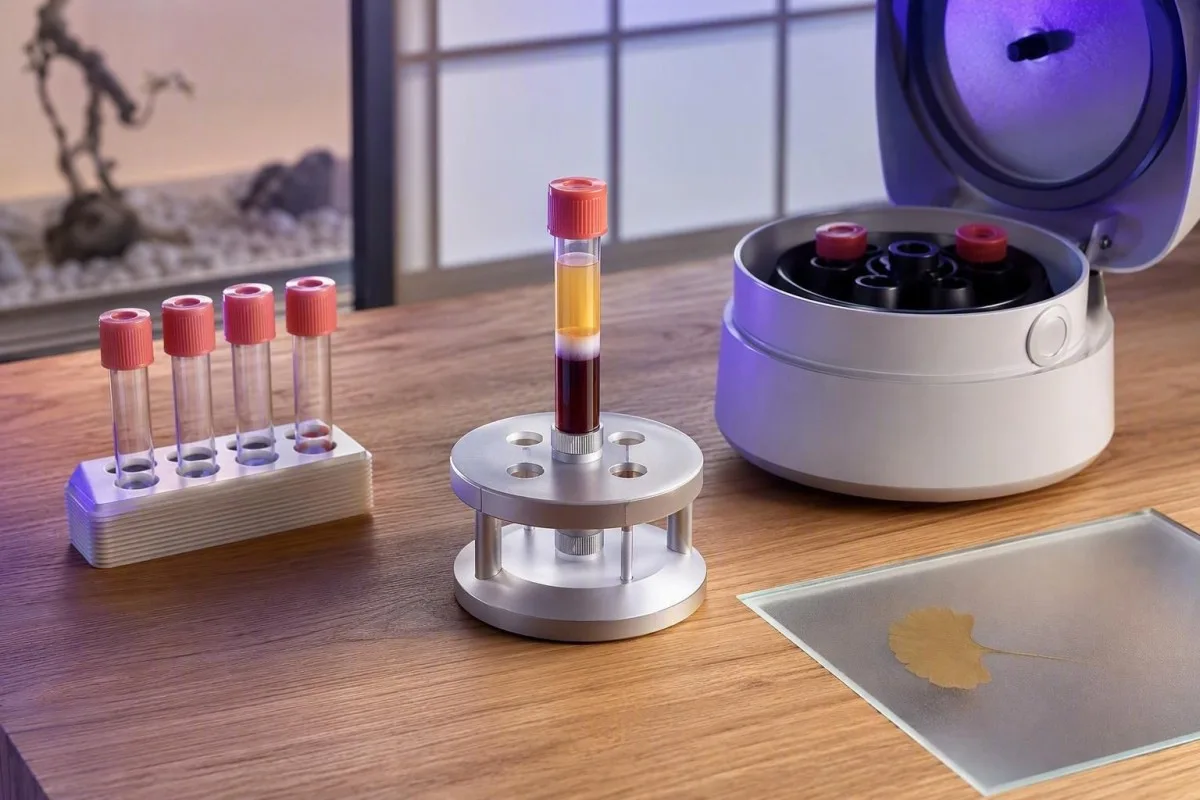
Файдалы беренче кан алу сезнең гадәти физиологияне яза, узган көнге күнегүләрнең, эчемлекләрнең, начар йокының яки вакытлыча вирусларның биохимик чагылышын түгел. Максат - еллар буена куллана алырлык кабатлаулы контекст.


- Базаль вакытлау: ач тору глюкозасы, триглицеридлар, тимер тикшерүләре яки инсулин кертелсә, 8-12 сәгать ач торганнан соң иртәнге кан алуны языгыз.
- Күнегүләр паузасы: гадәти базаль тест алдыннан 24-48 сәгать дәвамында гадәти булмаган көчле тренировканы, интервалларны яки чыдамлыклы чараларны киметегез.
- Алкоголь тәрәзәсе: триглицеридлар һәм бавыр ферментларын тикшергәнче кимендә 48 сәгать алкогольдән баш тартыгыз; күп эчү нәтиҗәләрне озаграк боза ала.
- Авыру кагыйдәсе: температура яки шактый респиратор яки гастроинтестиналь симптомнар беткәннән соң кимендә 2 атнадан соң сәламәтлек базалын кичектерегез.
- Слива максаты: алганчы 2 сәгать эчендә 250-500 мл су эчегез, сыеклык чикләнгән очрактан тыш, алдагы көнне нормаль эчегез.
- Биотин саклыгы: күп санлы иммуноанализлар алдыннан 48-72 сәгатькә бирелмәгән югары дозадагы биотинны туктатыгыз, ләкин табиб белән киңәшмичә рецепт буенча давалануны беркайчан да туктатмагыз.
- Цикл контексты: эстрадиол, прогестерон, LH, FSH һәм кайвакыт липидлар өчен цикл көнен языгыз; ул күп кеше уйлаганнан артык интерпретацияне үзгәртә.
- Кабатлаучанлык: вакыт узган саен лаборатория нәтиҗәләрен күзәтеп барганда, бер үк лабораторияне, якынча иртәнге вакытны һәм бер үк әзерлек моделен кулланыгыз.
Беренче кан алуны чын базаль итүче нәрсә?
A башлангыч кан анализы гадәти атнаны үз эченә алганда иң файдалы: тотрыклы ашау, гадәти гидратация, каты авыру юк, һәм искәрмәгән тренировка яки эчемлек. Күпчелек олылар өчен, глюкоза, триглицеридлар, тимер маркерлары яки инсулин үлчәнгәндә, 8-12 сәгать ач торганнан соң иртәнге үрнәкне тәкъдим итәм.
Практик максат - нәтиҗәләрне яхшырак күрсәтү түгел. Ул алгы анализ алды вариацияне киметергә тиеш пре-аналитик вариация— анализатор үрнәкне күрмәс алдыннан була торган үзгәрешләр. 96 мг/дл ач тору глюкозасы һәм 105 мг/дл триглицеридлар дәрәҗәсе гадәти булырга мөмкин, ләкин кеше соң ашаган, 10 км йөгергән яки 3 сәгать йоклаган булса, аларның мәгънәсе үзгәрә.
Минем клиник эшемдә мин пациентлардан беренче тапкыр фотога төшү кебек мөгамәлә итәргә сорыйм. Уйган вакыт, ач тору вакыты, дарулар, өстәмәләр, алдагы 72 сәгать эчендәге алкоголь, алдагы 48 сәгать эчендәге физик күнегүләр, менструаль цикл көне һәм якынча инфекция турында кыскача язма языгыз. Бу язма икенче тестта бер “нормаль” флагка караганда ешрак файдалы.
Кантести - ЯИ анализы : практик контекст белән беррәттән нәтиҗәләрне укырга, һәр билгеләнгән кыйммәтне авыру дип санамыйча, дип уйланган. Акыллы тест исемлеге өчен, безнең еллык кан эше җитәкчелегеннән башлагыз һәм тарихыгызны белүче клиник белән өстәмәләр килешегез.
Башлангыч нокта шәхси, “интервалда” гына түгел”
Лаборатория чикләү интервалы гадәттә сайланган популяциядән алынган кыйммәтләрнең үзәк 9TP42T өлешен үз эченә ала; ул сезнең иң сәламәт яки иң куркынычсыз шәхси санын билгеләми. Креатинин нәтиҗәсе лаборатория диапазонында калырга мөмкин, шул ук вакытта сезнең үз кабатланган кыйммәтегездән җитди күтәрелә, шуңа күрә башлангыч документлаштыру мөһим.
Ач тору һәм алдагы көн ашаулары нәтиҗәләрне ничек үзгәртә
өлешенең бер генә кисәге. 8–12 сәгать триглицеридлар, ач тору глюкозасы, инсулин һәм сыворотка тимере өчен иң чиста беренче чагыштыруны бирә, шуңа да карамастан, күп липид панельләрен ач тормаса да интерпретацияләп була. Су рөхсәт ителгән һәм гадәттә файдалы; кофе, сок, сагыз һәм калорияле эчемлекләр чын ачлык түгел.
100 мг/длдан азрак ач тору плазма глюкозасы гадәттә нормаль, 100-125 мг/дл начар ач тору глюкозасын күрсәтә, һәм 126 мг/дл яки аннан югарырак симптомнар һәм ачык гипергликемия булмаганда раслау таләп итә. HbA1c якынча алдагы 8-12 атнага карый, шуңа күрә бер иртәнге аш аны җитди киметеп булмый; ADA лаборатория җитәкчелеге ни өчен глюкоза һәм HbA1c төрле сорауларга җавап бирә (Sacks et al., 2023).
Триглицеридлар аеруча ашауга сизгер. 150 мг/длдан азрак кыйммәт гадәттә теләнгән, ә 500 мг/дл яки аннан югарырак панкреатит куркынычы турында борчылу тудыра һәм тиз клиник бәяләү таләп итә. Бай соңгы ризык яки алкоголь ялгыш югары беренче нәтиҗәне бирә ала, шуңа күрә кулланыгыз триглицеридларны кабат анализлау планы бер көнлек “каты ризык” ясарга тырышу урынына.
Кантести - AI кан анализы нәтиҗәләрен аңлату платформасы саклау, бу исә соңрак чагыштыруларны хаталырак итә. Безнең биомаркер кулланмасы кайсы сынаулар чынлап та ашаудан тора һәм кайсылары юк икәнен аңлата.
Күнегүләр бавыр һәм бөер тестларын ничек имитацияли ала
Каты күнегүләр вакытлыча күтәрә ала CK, AST, ALT, креатинин, ак күзәнәкләр, һәм кайвакыт калий, шуңа күрә чит яки югары интенсивлыктагы күнегүләрдән 24-48 сәгать алдан сакланыгыз. Гади йөрү һәм көндәлек хәрәкәт яхшы.
Мин тикшергән 52 яшьлек марафончы озын ярыштан соң AST 89 IU/L, ALT 36 IU/L һәм CK 2000 IU/L югарырак булган. Бу үрнәк бавыр зарарлануыннан күбрәк күнегүләр булган мускулга күрсәтә, әмма ул тернәкләнүдән соң кабатлауны таләп итә; изоляцияләнгән саннар сирәк җитә. Тулырак укыгыз күнегүләрдән соң AST бавыр проблемасын уйлаганчы.
Креатинкиназа чикләре лаборатория, җенес, нәсел, мускул массасы һәм күнегү статусы буенча төрле була, әмма күпчелек лабораторияләр 200-300 IU/L дан югарырак саннарны билгели. Күнегүдән соң чик нормасыннан 5 тапкыр югарырак CK гадәти күренеш; кара төстәге сидек, көчле мускул авыртуы яки сидек чыгуның кимүе белән 5000 IU/L дан югарырак CK көчле рабдомиолизны тиз арада тикшерүне таләп итә.
Креатинин көчле эшчәнлектән соң, өлешчә мускулларның таркалуы һәм сыеклык югалтудан бөер кан әйләнешенең кимүе аркасында арта. Ярыштан соңгы үрнәктән алынган түбән eGFRны тернәкләнү сынавыннан башка, хроник бөер авыруы дип интерпретацияләмәгез; безнең креатинин күндәлек күнегүләре буенча кулланма куркынычсызрак яңа сынау тәрәзәсен аңлата.
48 сәгатьлек чистарту һәркем өчен дә кагыйдә түгел
Көндәлек спорт залы сессиясенә 24 сәгать еш кына җитә. Ультрамарафон, CrossFit ярышы, көчле эксцентрик авырлык күтәрү яки температурага эләгүдән соң, мин еш кына 48-72 сәгать көтәм, әгәр максат - вакыйганың үзен бәяләү түгел, ә тотрыклы базаль нигез.
Ни өчен алкоголь 48 сәгатьлек базаль паузага лаек
Кимендә эчемлек эчмәү 48 сәгать базаль кан анализыннан алдан липидлар, глюкоза, GGT, AST, гидратация маркерлары һәм йокы белән бәйле физиологиянең вакытлыча бозылуын киметә. Бер кичәге эчемлек кайбер пациентлар уйлаганнан күбрәк тәэсир итә ала.
Эчемлек, бигрәк тә югары углеводлы ашамлыклардан соң, бавырның бик аз тыгызлыктагы липопротеин җитештерүен арттырып, липидларны күтәрергә мөмкин. Бу эффект төрле: бер кешенең нәтиҗәсе 24 сәгать эчендә нормага кайта, ә майлы бавыр, диабет яки күбрәк эчемлек кулланган кешедә берничә көн үзгәрешләр күрсәтелергә мөмкин. Ял көннәрендәге эчемлекләрдән соң 220 мг/дл липидларны һәркемгә аны тотрыклы метаболик проблема дип атаганчы, кабатлау кирәк.
GGT сизгер, ләкин специфик түгел. Күпчелек лабораторияләр ир-атлар өчен 55-60 IU/L, ә хатын-кызлар өчен 35-40 IU/L чикләрен куллана, әмма дарулар, холестаз, майлы бавыр һәм эчемлек барысы да аны күтәрергә мөмкин. Мәгънәле үрнәк - GGT белән бергә ALT, ALP, билирубин, тромбоцитлар саны һәм эчемлек тарихы; безнең бавыр панеле аңлатмасына бу кисәкләрнең ничек туры килүен күрсәтә.
1 сентябрь, 2026 елдан башлап, мин бавыр нәтиҗәләрен яхшырту өчен “детокс” яки артык ач торудан баш тартам. Нормаль аш, нормаль су, эчемлексез, һәм документлаштырылган аралык чиста фән. Ике атна чамасы аермалы ике үрнәктә нормадан югарырак булган ALT бавырны тикшерүне таләп итә, интернет чистартуны түгел.
Авыру яки вакцинация кайчан сәламәтлекне тикшерүне кичектерергә тиеш
Салкынлык, актив эчәк авырулары, зур сулыш инфекциясе яки савыгудан соң 1-2 атна эчендә сәламәтлек өчен базаны кичектерегез, чөнки CRP, ферритин, ак күзәнәкләр, тромбоцитлар, глюкоза һәм тиреоид анализы вакытлыча үзгәрергә мөмкин. Ашыгыч диагностик тестлар башка: сез авырганда, аларны кичектермәгез.
C-реактивлы аксым гадәттә ялкынсыну стимулыннан 6-8 сәгать эчендә арта һәм триггер беткәч тиз кими ала. Йөрәк-кан тамырлары куркынычлыгын классификацияләү өчен еш кына 3 мг/л астындагы CRP кулланыла, кеше клиник яктан сәламәт булганда гына; салкынлык вакытында 18 мг/л нәтиҗәсе озак вакытлы кан тамырлары куркынычлыгы турында аз әйтә. CRP һәм альбумин үрнәге һәрбер нәтиҗәдән күбрәк мәгълүмат бирә.
Ферритин - тимер саклаучы аксым һәм тиз реакция фазасы. Инфекция вакытында 110 нг/мл ферритин тимер запасларының кимүен яшерергә мөмкин, шул ук вакытта 15 нг/мл астындагы ферритин башка сәламәт олы кешедә тимер җитмәү өчен югары специфик. Шуңа күрә мин ферритинны трансферрин туендыру, CRP, гемоглобин һәм клиник хикәя белән парлыйм.
Вакцинация кыска иммун реакция тудырырга мөмкин, шул исәптән CRP һәм ак кан күзәнәкләренең вакытлыча үзгәрешләре. Рутин тестлар гадәттә вакцинациядән 3-7 көн узгач көтеп торырга мөмкин, әгәр максат тыныч база булса, ләкин дару мониторингы өчен билгеләнгән куркынычсызлык панеле билгеләнгән клиницист күрсәтмәләренә иярергә тиеш. Безнең вакцинадан соң лаборатория кулланмасы практик аермаларны үз эченә ала.
Ике атналык кагыйдәнең искәрмәләре бар
Пневмония, хастаханәгә салу, йогышлы мононуклеоз яки хроник авыруның көчле көчәюеннән соң, ике атна җитәрлек булмаска мөмкин. Бу очракларда, мин еш кына календарь урынына симптомнарның савыгуын, CRP тенденциясен һәм клиницист фикерен кулланам.
Йокының җитмәүе һәм вакыты кан анализын ничек үзгәртә
Бер начар йокы төнне ачлык глюкозасын, кортизолны, кан басымын һәм ялкынсыну сигналларын арттырырга мөмкин, шул ук вакытта вакыт тестостеронны, кортизолны, тимерне һәм TSHны үзгәртергә мөмкин. Беренче база өчен, максат куегыз 7-9 сәгать гадәти йокы һәм мөмкин булса, иртәнге 7-10 сәгать арасында үрнәк алыгыз.
Кортизол көчле көндәлек ритмны эзли. Иртәнге сыворотка кортизолын гадәттә иртәнге 8 сәгать тирәсендә үлчиләр, ләкин кыйммәт надпочечников авыруын җыю вакыты, симптомнар һәм еш кына ACTH тестыннан башка диагноз куя алмый. Иртәнге 8 сәгатьлек үрнәк белән чагыштырганда иртәнге үрнәк, хәтта бер үк лаборатория икесен дә башкарса да, вакытлыча тренд түгел.
4-5 сәгать йокының чикләнүе икенче иртәнге инсулин сизгерлеген начарлатырга һәм аппетит гормоннарын үзгәртергә мөмкин; лаборатория үзгәрешенең зурлыгы кеше буенча бик нык аерыла. Мин моны еш кына сменада эшләүчеләр, яңа ата-аналар һәм еш кына сәяхәт итүчеләр арасында күрәм, монда “база” идеальләштерелгән урынга караганда аларның чын графикларын чагылдырырга тиеш. Безнең йокы лабараториясе турында кулланма файдалы аннотация чек-листын тәкъдим итә.
Доктор Томас Клейнның практик киңәше гади: начар йоклаган өчен кирәкле тестны юкка чыгармагыз, ләкин аны языгыз. Әгәр дә 103 мг/дл ачлык глюкозасы бер төн йокламаганнан соң булса, предиабет турында нәтиҗәләр чыгарганчы, гадәти шартларда кабатлагыз.
Кофеин һәрвакыт зарарсыз әзерлек түгел
Кара кофе күп панелларга аз йогынты ясарга мөмкин, ләкин ул глюкоза, катехоламиннар, кан басымы һәм кайбер махсус эндокрин тестларга йогынты ясый ала. Ураза тотканда инсулин, глюкоза, кортизол яки метанефриннар боерыклы булса, гади су иң аз аңлашылмаган сайлау.
Кайсы өстәмәләр һәм даруларны язып куярга кирәк
База кан анализы өчен билгеләнгән даруларны туктатмагыз, әгәр дә аны билгеләнгән кеше сезгә әйтмәсә, ләкин һәрбер даруны һәм өстәмәне доза һәм вакыт белән язып куегыз. Биотин, тимер, B12, креатин, йод, кортикостероидлар һәм деконгестантлар биологияне яки тест анализын үзгәртә ала.
High-dose biotin, еш кына чәч һәм тырнак продуктларында көненә 5,000-10,000 микрограмм, кайбер стрептовидин-биотин иммуноанализларына комачаулый ала. Ул ялган түбән TSH яки ялган югары бушлай T4, тропонин, яки гормон нәтиҗәләрен анализ дизайнына бәйле рәвештә ясарга мөмкин. 48-72 сәгатьлек пауза гадәттә билгеләнмәгән биотин өчен кулланыла, ләкин аны медицина сәбәпле алучылар башта үз клиницистыннан сорарга тиеш.
Авыз тимере серум тимерен вакытлыча күтәрергә мөмкин, һәм креатин өстәмәләре чын фильтрацияне киметмичә креатининны арттырырга мөмкин. Кортикостероидлар глюкозаны һәм ак күзәнәкләрне күтәрә ала; протон-помпа ингибиторлары вакыт узу белән магнийга һәм B12гә йогынты ясый ала. Дөрес җавап - контекст, кинәт үзенчәлекле туктату түгел; безнең өстәмә ураза юллыгы гадәти искәрмәләрне аңлата.
Кантести - AI нигезендәге кан анализы тикшерү коралы ул йогынтыны ачыкларга мөмкин булган щитовидка яки бөернең ачык күренгән үзгәрешен карау өчен, нәтиҗәләрдән тыш, хәбәр ителгән өстәмәләрне яза. Пациентлар шулай ук хәбәр ителгән нәтиҗәләрне безнең белән чагыштыра ала клиник төгәллек чек-листы көтелмәгән флагка тәэсир иткәнче.
Дару вакыты рецептның бер өлеше булырга мөмкин
Тиреод алыштыру, тестостерон терапиясе, инсулин, диуретик һәм антикоагулянтларның һәрберсенең тестка бәйле вакыт кагыйдәләре бар. Мәсәлән, тиреод тестлары еш кына көннең левотироксин дозасыннан алдан алына, консистенцияне күзәтеп барганда, ләкин билгеләүче клиницистын протоколы өстенлекле булырга тиеш.
Менструаль циклның беренче гормон базалын ничек үзгәртә
репродуктив гормон тестлары өчен, цикл көне нәтиҗәнең бер өлеше булып тора. FSH, LH, эстрадиол, прогестерон, тестостерон, пролактин, һәм кайвакыт липидлар цикл буйлап шулкадәр үзгәрергә мөмкин, ки, яздырылмаган дата интерпретацияне көчсезләндерә.
Иртә-фолликуляр тест, еш кына цикл көннәре 2-5, гадәттә фертильлыкны бәяләү өчен база FSH, LH һәм эстрадиол өчен кулланыла. Прогестерон гадәттә овуляциядән якынча 7 көн узгач үлчәнә — автомат рәвештә “21 нче көн” түгел, чөнки 35-көнлек цикл башка биологияне үз эченә ала. Прогестерон кыйммәте якынча 3 нг/млдан югарырак күпчелек очракларда якындагы овуляцияне хуплый ала, ләкин төгәл интерпретация анализ һәм вакытка бәйле.
Пролактин стресс, соңгы күнегүләр, җенси активлык һәм авыр үрнәк җыюга сизгер. Уртача күтәрелүләр еш кына 20-30 минут тыныч ялдан соң кабатлана, идеаль рәвештә иртән; 100 нг/млдан югарырак торып калган дәрәҗә тиз эндокрин бәяләүгә лаек, гәрчә дару эффектлары киң таралган булса да. Акыллы киләсе адымнар өчен безнең пролактинны кабат тестлау юллыгын карагыз.
Цикл белән бәйле липид үзгәрешләре чынбарлык, ләкин гадәттә авырлык, диета, алкоголь, диабет яки генетикадан үзгәрешләрдән кечерәк. Әгәр дә сез еллар буе кан тестлары белән сәламәтлекне күзәтергә телисез икән, липид һәм гормон панельләрен мөмкин булганда, циклның охшаш фазасын сайлагыз, бигрәк тә симптомнарны яки дәвалануны бәяләгәндә.
Гормональ контрацепция сорауны үзгәртә
Берләштерелгән гормональ контрацепция эндоген FSH, LH, эстрадиол һәм андроген үлчәмнәрен баса ала, шуңа күрә бу нәтиҗәләр дәваламыйча физиологияне тасвирламаска мөмкин. Йөклелек куркынычын һәм тестның клиник сәбәбен исәпкә алмыйча, база алыр өчен контрацепцияне туктатмагыз.
Слива, торыш һәм җыю техникасы ни өчен мөһим
Нормаль туклану һәм җыю алдыннан 10-15 минут утырып ял итү нәтиҗәләрнең кабатлануын яхшырта, чөнки сусызлану, озак басып тору һәм катлаулы кан алу кайбер нәтиҗәләрне концентрлашырга яки бозырга мөмкин. Алдагы көнне нормаль тукланыгыз һәм, сыеклык чикләреннән тыш, 250-500 мл су очрашуга кадәр 2 сәгать эчендә эчегез.
Плазма күләменең кимүе гемоглобин, гематокрит, альбумин, кальций, гомуми аксым, һәм креатининны гадәти туклануга караганда югарырак күрсәтә ала. Киресенчә, тест алдыннан литрлаган суны агрессив эчү натрийны һәм башка үлчәмнәрне сыеклатырга мөмкин. Гадәти натрий диапазоны, гадәттә, 135-145 ммоль/л, ләкин көтелмәгән нәтиҗә һәрвакыт туклану һәм глюкоза статусы белән аңлатылырга тиеш.
Поза күпләр уйлаганнан да мөһимрәк. Басып тору сыеклык күчешләре аша альбуминны һәм аксымга бәйле аналитларны арттыра ала, ә tourniquet вакытын озайту һәм кулны кабат-кабат йомып ачу калийны һәм лактатны ялган юллар белән күтәрергә мөмкин. Бөер авыруы, симптомнар яки ЭКГ үзгәрешләре булмаганда 5,5 ммоль/л дан югары калий еш кына тиз арада кабат тикшерелә, чөнки җыю артефакты еш очрый; безнең калий җыю хатасы кулланмасы ни өчен шулай икәнен аңлата.
Менструация, диареядан соң сыеклык югалту, диуретик, һәм сауна куллану җыюга тиешле искә алуга керә. Әгәр сусызланудан соң eGFR көтелмәгәнчә түбән булса, гадәти кабул итүне торгызыгыз һәм кабат тесты турында сөйләшегез; карагыз вакытлыча eGFR үзгәрешләре даими бөер зарарлануын уйлаганга кадәр.
Кызыл төрбә диагноз түгел
Төрбә төсе лаборатория эшкәртү өчен кулланылган өстәмә матдәне аңлата, тестның мөһимлеген түгел. Клиник яктан мөһиме - дөрес төрбәне сайлау, транспорт температурасы, эшкәртүнең тоткарлануы, һәм лаборатория гемолиз яки җитәрлек булмаган үрнәк турында хәбәр итәме-юкмы.
Соңрак алынган нәтиҗәләрне беренче кан алу белән ничек чагыштырырга
Лаборатория нәтиҗәләрен вакыт узган саен күзәткәндә, бер үк лабораторияне, охшаш җыю вакытын һәм охшаш әзерлек рутинасын кулланыгыз. Чын биологик үзгәреш анализ методы, ачлык торышы, физик активлык, һәм гадәти көндәлек үзгәрешләрнең уртак эффектыннан кечерәк булырга мөмкин.
LDL холестеролы турыдан-туры үлчәнгән урынына исәпләнергә мөмкин, һәм триглицеридлар арткан саен исәпләү азрак ышанычлы була. 2018 AHA/ACC холестерол буенча киңәшнамә күп кешеләрдә ачлыксыз скринингны хуплый, ләкин кайбер очракларда, шул исәптән бик югары триглицеридлар һәм диагностик шиклелек (Grundy et al., 2019) булганда, ачлыкны тикшерүне тәкъдим итә. Мөһим нәрсә - эзлеклелек, камиллек түгел.
Референт үзгәреш кыйммәте, яки RCV, аналитик төгәлсезлекне аерым кешенең гадәти биологик үзгәреше белән берләштерә. Бер маркерда 10% хәрәкәте шау-шу булырга мөмкин, ә икенчесендә 30% үзгәреш мөһим; һәр тест өчен универсаль процент юк. Безнең бу үзгәреш чынмы кулланмасы ни өчен тенденцияләргә төсле уктан артыграк нәрсә кирәк булуын күрсәтә.
Kantesti AI анализ берәмлекләрен, референт интервалларын, җыю даталарын һәм бәйле биомаркерларны чагыштырып, гадәттә аномаль флагларны санау урынына, катлаулы панельләрне интерпретацияли. Безнең AI чагыштыру эш процессы бу озак вакытлы сорауга төзелгән: нәрсә игътибарга лаек булганчы үзгәрде?
Төп отчетны саклагыз
PDF яки ачык фотоны саклагыз, басылган нәтиҗә генә түгел. Берәмлек конверсияләре, лаборатория диапазоннары, гемолиз турындагы искәрмәләр, һәм LDL исәпләнгәнме-юкмы дигән сораулар киләчәк клиницистның тенденцияне ничек укыячагын материаль яктан үзгәртергә мөмкин.
Һәр кан анализы белән саклана торган контекст турындагы язу
Кыска контекст искәрмәсе аерым саннарны кулланыла торган озак вакытлы мәгълүматларга әйләндерә. Язып куегыз дата, вакыт, ачлык сәгатьләре, йокы, физик активлык, алкоголь, авыру, дарулар, өстәмәләр, цикл көне, авырлык үзгәрешләре, һәм яңа симптомнар һәр җыю вакытында.
Минималь нотамда сигез пункт бар: коллекция вакыты; ачлык дәвамлылыгы; 48 сәгать эчендә физик активлык; 72 сәгать эчендә алкоголь; хәзерге авыру; рецепт үзгәрешләре; өстәмә доза һәм соңгы доза; һәм мөһим булганда, менструаль яки йөклелек статусы. Сәяхәт, реактив авыру, һәм биеклекне өстәгез, алар су, кортизол, гемоглобин, һәм йокыга сизгер маркерларны үзгәртергә мөмкин.
10 көн эчендә 1,5 кг авырлык югалту, яңа югары протеинлы диета, яки берничә төн йокының бүленүе вакыт узу белән кан тестларының уртача үзгәрешләрен аңлатырга мөмкин. Бу нәтиҗәләрне әһәмиятсез итми - бу аларны аңлаешлы итә. Кабат кулланыла торган версия өчен, безнең лаборатория контекстын күзәтүче пациентлар еш оныткан детальләрне үз эченә ала.
Доктор Томас Клейн, нәтиҗәләрне көткәндә түгел, ә өйдән чыкканчы язуны киңәш итә. Көтелмәгән флагтан соң хәтер ышанычсыз була, һәм кешеләр, әлбәттә, санны туры китерер өчен узган атнаны реконструкциялиләр.
“Төзәтү” буларак нәрсә язмаска”
Беренче күрсәткечләрне яхшырту өчен генә диетаны, суны куллануны, физик активлыкны яки өстәмәләрне кулланмагыз. Башлангыч линия сезнең тормышыгызны күрсәтергә тиеш; югыйсә, киләсе тест гади генә күбрәк саф булганлыктан начаррак күренергә мөмкин.
Койма чикләрендәге кайсы нәтиҗәләрне борчылыр алдыннан кабатларга кирәк
Күпчелек чик чикләрендәге башлангыч нәтиҗәләр, аеруча бавыр ферментлары, креатинин, калий, пролактин, нейтрофиллар һәм триглицеридларның аерым уртача үзгәрешләре, авыру буларак каралыр алдыннан тотрыклы шартларда кабатланырга тиеш. Тиз симптомнар яки бик күп нормадан тайпылган кыйммәтләр искермә булып тора.
Лабораториянең югары чигеннән 2 тапкыр азрак булган ALT, нормаль билирубин, ALP һәм симптомнар булмаганда, еш кына алкоголь, каты физик активлык яки арадаш авырулар кебек вакытлыча катнашучыларны бетергәннән соң тикшерелә. билирубин дәрәҗәсе 3 мг / дл дан югары булса, сары чи, кара төстәге сидек, ачы төстәге тирес, кайнарлык яки корсак авыртуы булса, бу башка ситуация һәм гадәти башлангыч чине кабатлауны көтмәскә тиеш.
Вируслы авырудан соң уртача түбән нейтрофил саны барлыкка килергә мөмкин яки кешенең тотрыклы нормасын чагылдырырга мөмкин. 1,0-1,5 × 10⁹/л абсолют нейтрофил саны гадәттә уртача нейтропения, ә 0,5 × 10⁹/л дан түбән инфекция куркынычын күпкә арттыра һәм тиз медицина җитәкчелеген таләп итә, аеруча кайнарлык булганда. Безнең нейтрофилларны күзәтү буенча кулланма гадәти кабатлауларны кызыл флаглардан аера.
Иң файдалы саклау чараларының берсе - паттернны тикшерү. Мәсәлән, югары кальций белән басылган паратироид гормоны, югары кальций плюс дегидратация һәм альбумин күтәрелүгә караганда башкача ашыгычлыкка ия; без комбинацияләр турында борчылу сәбәбе - биология бер маркерны гына сирәк үзгәртә.
Базаль кан анализы кайчан медицина ярдәмен алыштыра алмый
Кызыл флаг симптомнары, тиз начарлана торган авыру, йөклелек катлаулануы яки критик лаборатория сигналы булганда, башлангыч протокол урынлы түгел. Күкрәк авыртуы, көчле суыткыч, буталчыклык, хәлсезлек, сары чи, кара тирес, яки көчле дегидратация хәзер клиник бәяләүне таләп итә - яхшырак әзерләнгән кабатлау тесты түгел.
Калий күләме 6,0 ммоль/л яки югарырак, натрий 120 ммоль/л дан түбән, глюкоза 300 мг/дл дан югарырак, әгәр косу яки аңсызлык булса, яки гемоглобин 7 г/дл якын булса, тиз чаралар таләп итә торган нәтиҗәләр булырга мөмкин, әмма тулы клиник контекст мөһим. Лабораторияләр гадәттә заказ бирүче командага критический кыйммәтләр турында хәбәр итәләр, ләкин пациентлар шалтыратуның булмавы нәтиҗәнең имин дигәнне аңлатмый дип уйларга тиеш түгел.
Әгәр сез йөкле булсагыз, хроник бөер авыруларыгыз булса, инсулин куллансагыз, антикоагулянтлар куллансагыз, химиотерапия алсагыз яки билгеле бавыр авырулары булса, әзерлек күрсәтмәләре сәламәтлек шаблоныннан аерылырга мөмкин. Диабет белән авыручы кайбер кешеләр өчен ач тору куркыныч булырга мөмкин, һәм даруларның вакыты мөһим булырга мөмкин. Безнең ничә тапкыр тикшерергә кирәклек турында җитәкчелек ни өчен риск төркеменең планны үзгәртүен күрсәтә.
Кантести - AI лаборатория тестларын аңлату хезмәтендә басылып чыга клиницистлар өчен сорауларны ачыкларга ярдәм итә, тиз бәяләү яки диагноз кую урынына түгел. Эшебез артында торучы клиник саклагычлар һәм медицина күзәтү принциплары безнең Медицина консультатив советы.
Беренче базаль өчен практик 72 сәгатьлек протокол
Файдалы беренче база өчен, 72 сәгать дәвамында гадәтегезне саклагыз, 48 сәгать эчендә алкогольдән баш тартыгыз, 24-48 сәгать эчендә көчле физик күнегүләрдән сакланыгыз, гадәти йоклагыз, кирәк булганда 8-12 сәгать ач торыгыз, су эчегез һәм контекстыгызны языгыз. Эзлеклелек - интервенция.
Илле-72 сәгать алдан: яңа өстәмә, диета, чистарту яки тренировка блогын башламагыз. Әгәр сез инде өстәмә куллансагыз, төгәл дозаны языгыз; әгәр анда югары дозалы биотин булса, заказ бирүче клиницист яки фармацевттан 48-72 сәгать тоту җитәме, юкмы икәнен сорагыз. 48 сәгать эчендә алкогольдән сакланыгыз һәм актив авыру булса, гадәти тикшерүне кичектерегез.
Алдагы көн: гадәти ризыкларыгызны ашагыз, гадәтичә су эчегез, саунадан яки чыдамлыклы чаралардан сакланыгыз, һәм 7-9 сәгать урындыкта ятуны планлаштырыгыз. Ачлык панеллары өчен, очрашу алдыннан 8-12 сәгать элек ашауны тәмамлагыз; су яхшы. Кандагы алыну таңыннан кофе һәм никотиннан сакланыгыз, әгәр глюкоза, инсулин, кортизол, катехоламиннар яки махсус эндокрин тикшерү планлаштырылган булса.
Нәтиҗә килгәннән соң, бернәрсә үзгәрткәнче, оригиналь отчетны һәм аның контекст язуын саклагыз. Kantesti AI нәтиҗәләрне озынлыклы карауда оештыра ала, ә безнең технология һәм клиник-метод җитәкчелеге симптомнар, төп аномалияләр һәм дәвалау карарлары өченPattern recognition кеше медицина күзәтүен ни өчен таләп итүен аңлата.
Еш бирелә торган сораулар
Ничек канның база тестына әзерләнергә?
Хәзерге гадәти тормыш рәвешегезне саклап, кан анализына әзерләнегез: 48 сәгать эчендә алкогольдән баш тартыгыз, 24-48 сәгать эчендә көчле физик йөкләнешләрдән сакланыгыз, гадәттәгечә йоклагыз, дарулар һәм өстәмәләр турында язып куегыз. Әгәр анализга ач карынга глюкоза, триглицеридлар, инсулин яки тимер тикшерүләре керсә, 8-12 сәгать ач торыгыз; гадәттә су эчәргә рөхсәт ителә. Нормаль күләмдә эчегез, артык күп эчмәгез, һәм гормоннар яки тимер кертелгән очракта, иртәнге 7-10 сәгатьләр тирәсендә анализ тапшыруны планлаштырыгыз. Әгәр тест шул авыруны бәяләү өчен кирәк булмаса, аны үткен авыру вакытында ташлап торыгыз.
Миңа беренче кан анализына ач торырга кирәкмиме?
8-12 сәгатьлек ач тору, майлар, ач торганда глюкоза, инсулин яки сыворотка тимере кергән беренче кан анализы өчен иң файдалы, гәрчә, күп кенә гадәти липид панельләре инде ач торуны таләп итми. Чи су ачлыкны бозмый һәм кан җыюны авырлата торган яки сусызлану белән бәйле концентрация эффектларын булдырмый. Пешкән кофе, сок, сөт, алкоголь, сагыз һәм өстәмәләр сайланган нәтиҗәләрне үзгәртергә яки ниятләнгән әзерлекне яраксызландырырга мөмкин. Сезнең табибыгыз башка ач тору вакытын күрсәтсә, заказга бәйле күрсәтмәләргә иярегез.
[Кан анализы нәтиҗәләре] икенче көнгә физик активлыктан үзгәрергә мөмкинме?
Әйе, көчле физик күнегүләр 24-72 сәгать дәвамында кан анализы нәтиҗәләре йогынты ясый ала, креатинкиназа, AST, ALT, креатинин, ак кан күзәнәкләре һәм кайвакыт калий күтәрелү сәбәпле. Каты каршылыклы күнегүләр, марафон йөгерү, югары интенсивлыклы интерваллар һәм эсселек тәэсире гадәти йөрүгә караганда зуррак үзгәрешләр китерә. Тотрыклы сәламәтлек өчен, 24-48 сәгать эчендә гадәти булмаган яки көчле күнегүләрдән сакланыгыз; зур чыдамлыклы вакыйгадан соң, 48-72 сәгать ешрак реаль булырга мөмкин. Авыр мускул авыртуы, караңгы сидек, көчсезлек яки сидек чыгу кимү кебек симптомнар өчен ашыгыч тестны кичектермәгез.
Кан тапшырганчы күпме вакыт алкоголь кулланмаска кирәк?
Кан тапшыру алдыннан кимендә 48 сәгать элек, аеруча триглицеридлар, глюкоза, GGT, AST, ALT яки сулануга бәйле маркерлар тикшерелгәндә, алкогольдән баш тартыгыз. Алкоголь бер авыр кичтән соң да триглицеридларны күтәрә ала, һәм бу эффект шикәр диабеты, майлы бавыр яки гадәттә күбрәк кулланучы кешеләрдә берничә көн дәвам итәргә мөмкин. 500 мг/дл яки аннан югарырак триглицерид нәтиҗәсе панкреатит куркынычы шактый артканга, тиз клиник бәяләүне таләп итә. Аннан соң чистарту яки каты ач тору белән шөгыльләнмәгез; гадәти ризыклар һәм сулану чынрак кабат нәтиҗә бирә.
Начар йокы кан анализы нәтиҗәләрен үзгәртә аламы?
Начар йокы икенче көнне иртәнге ач торудагы глюкозаны, кортизолны, кан басымын һәм кайбер ялкынсыну сигналларын үзгәртергә мөмкин, бигрәк тә 4-5 сәгать йоклаганнан яки төнлә эшләүдән соң. Бу HbA1c-ны мәгънәле рәвештә үзгәртми, ул якынча 8-12 атна дәвамында уртача гликемияне чагылдыра. Йокысыз төннән соң чик буенда булган очраклы булмаган анализ нәтиҗәсе булса, йокы югалтуны языгыз һәм гадәти шартларда тестны кабатларга уйлагыз. Кирәкле тикшерүләр, нигезле әзерлеккә караганда, симптомнар һәм ачык аномалияләр мөһимрәк булганлыктан, дәвам итәргә тиеш.
Гормональ сынауларны менструаль цикның билгеле бер көнендә тапшырырга кирәкме?
Әйе, гормоннарны тикшерү клиник сорауга туры китерелергә тиеш һәм һәрвакыт менструаль цикл көне язылырга тиеш. FSH, LH, һәм эстрадиол еш кына циклның 2-5 көннәрендә иртә-фолликуляр база өчен бәяләнә, шул ук вакытта прогестерон, гадәттә, 21-нче көнгә караганда, овуляциядән 7 көн узгач тикшерелә. Якынча 3 нг/мл дан югарырак прогестерон дәрәҗәсе соңгы овуляцияне хуплый ала, ләкин лабораторияләр һәм клиник хәлләр аерылып тора. Гормональ контрацепция эндоген гормон нәтиҗәләрен үзгәртә, шуңа күрә медицина киңәше булмаганда аны тикшерү өчен генә туктатмагыз.
Бүген үк AI белән эшләнгән кан анализы тикшерүе
Дөнья буенча 2 миллионнан артык кулланучы кушылыгыз: алар Kantestiны тиз һәм төгәл лаборатория анализы өчен ышана. Кан анализы нәтиҗәләрегезне йөкләгез һәм 15,000+ биомаркерларын секундлар эчендә тулы аңлатма белән алыгыз.
📚 Сылтама бирелгән тикшеренү басмалары
Klein, T., Mitchell, S., & Weber, H. (2026). Kantesti LTD. (2026). C3 C4 Комплемент кан анализы һәм ANA титрлау буенча кулланма. Zenodo.. Kantesti AI медицина тикшеренүе.
Klein, T., Mitchell, S., & Weber, H. (2026). Kantesti LTD. (2026). Нипах вирусы кан анализы: иртә ачыклау һәм диагностика буенча кулланма 2026. Zenodo.. Kantesti AI медицина тикшеренүе.
📖 Тышкы медицина белешмәләре
⚕️ Медицина кисәтүе
Бу мәкалә бары тик белем бирү максатларында гына һәм медицина киңәше булып тормый. Диагноз һәм дәвалау карарлары өчен һәрвакыт квалификацияле сәламәтлек саклау белгеченә мөрәҗәгать итегез.
E-E-A-T ышаныч сигналлары
Тәҗрибә
Табиб җитәкчелегендә лаборатория нәтиҗәләрен аңлату эш процессларын клиник тикшерү.
Белгечлек
Лаборатория медицинасы: биомаркерларның клиник контекстта үз-үзләрен тотышын аңлау.
Авторититет
Доктор Томас Кляйн тарафыннан язылган, доктор Сара Митчелл һәм профессор доктор Ханс Вебер тарафыннан тикшерелгән.
Ышанычлылык
Ачык күзәтү юллары белән куркуны киметү өчен дәлилләргә нигезләнгән аңлату.