ایک مفید پہلی بار کی جانچ آپ کی معمول کی فزیولوجی کو ریکارڈ کرتی ہے، نہ کہ کل کی ورزش، مشروبات، خراب نیند، یا گزرتے ہوئے وائرس کا بائیو کیمیکل عکس۔ مقصد دہرانے کے قابل تناظر ہے جسے آپ سالوں تک استعمال کر سکتے ہیں۔.


- بیس لائن ٹائمنگ: صبح کا نمونہ 8-12 گھنٹے کھانے کے بغیر لینے کا بک کروائیں جب فاسٹنگ گلوکوز، ٹرائگلیسرائڈز، آئرن اسٹڈیز، یا انسولین شامل ہوں۔.
- ورزش کا وقفہ: معمول کی بیس لائن ٹیسٹنگ سے 24-48 گھنٹے پہلے غیر معمولی طور پر سخت مزاحمتی تربیت، وقفوں، یا برداشت کے ایونٹس سے گریز کریں۔.
- الکحل ونڈو: ٹرائگلیسرائڈ اور لیور انزائم ٹیسٹنگ سے کم از کم 48 گھنٹے پہلے الکحل سے پرہیز کریں؛ زیادہ پینا نتائج کو طویل عرصے تک مسخ کر سکتا ہے۔.
- بیماری کا اصول: بخار یا نمایاں سانس کی نالی یا معدے کے علامات حل ہونے کے کم از کم 2 ہفتے بعد تک ویلنس بیس لائن کو ملتوی کریں۔.
- ہائیڈریشن کا ہدف: عام معمول کے مطابق پئیں اور سیال محدود نہ ہونے کی صورت میں، نمونہ لینے سے 2 گھنٹے قبل 250-500 ملی لیٹر پانی پی لیں۔.
- بایوٹین کا احتیاط: بہت سے امیونو assays سے 48-72 گھنٹے پہلے تجویز کردہ کے علاوہ زیادہ خوراک والے بایوٹین کو روک دیں، لیکن تجویز کنندہ سے پوچھے بغیر کبھی بھی تجویز کردہ علاج بند نہ کریں۔.
- سائیکل کا تناظر: ایسٹروجن، پروجیسٹرون، LH، FSH، اور کبھی کبھار لپڈز کے لیے سائیکل کے دن کا ریکارڈ رکھیں؛ یہ توقع سے کہیں زیادہ بہت سے لوگوں کے لیے تشریح کو بدل دیتا ہے۔.
- دہرانے کی صلاحیت: جب آپ لیبارٹری کے نتائج کو وقت کے ساتھ ٹریک کرتے ہیں تو اسی لیب، اسی طرح صبح کا وقت، اور اسی تیاری کے نمونے کا استعمال کریں۔.
پہلی بار خون کا نمونہ لینا صحیح بیس لائن کیا بناتا ہے؟
A بنیادی خون کا ٹیسٹ سب سے زیادہ مفید ہوتا ہے جب یہ ایک عام ہفتہ کو ظاہر کرتا ہے: مستحکم کھانے، معمول کی ہائیڈریشن، کوئی شدید بیماری، اور کوئی غیر معمولی تربیت یا پینا نہیں۔ زیادہ تر بالغوں کے لیے، میں شوگر، ٹرائگلیسرائڈز، آئرن مارکر، یا انسولین کی پیمائش کرتے وقت 8-12 گھنٹے کے فاسٹ کے بعد صبح کا نمونہ تجویز کرتا ہوں۔.
عملی مقصد نتائج کو بہتر بنانا نہیں ہے۔ یہ کم کرنا ہے تجزیہ سے پہلے کی تبدیلی— تبدیلیاں جو تجزیہ کار کے نمونے کو دیکھنے سے پہلے ہوتی ہیں۔ 96 ملی گرام/ڈی ایل کی فاسٹنگ گلوکوز اور 105 ملی گرام/ڈی ایل کی ٹرائگلیسرائڈ کی سطح دونوں بالکل عام ہو سکتی ہیں، پھر بھی ان کے معنی بدل جاتے ہیں اگر شخص نے دیر سے کھایا ہو، 10 کلومیٹر دوڑ لگائی ہو، یا 3 گھنٹے سویا ہو۔.
میں اپنے کلینیکل کام میں، میں مریضوں سے کہتا ہوں کہ وہ پہلے ڈرا کو ایک حوالہ تصویر کی طرح سمجھیں۔ جاگنے کے وقت، فاسٹنگ کی مدت، ادویات، سپلیمنٹس، پچھلے 72 گھنٹوں میں الکحل، پچھلے 48 گھنٹوں میں ورزش، ماہواری کے سائیکل کا دن، اور حالیہ انفیکشن کا مختصر ریکارڈ رکھیں۔ یہ ریکارڈ اکثر دوسرے ٹیسٹ میں ایک ہی “معمولی” پرچم سے زیادہ مفید ہوتا ہے۔.
کنٹیسٹی ایک ہے۔ اے آئی بلڈ ٹیسٹ تجزیہ کار اس عملی تناظر کے ساتھ نتائج پڑھنے کے لیے ڈیزائن کیا گیا ہے، بجائے اس کے کہ ہر نمایاں قدر کو بیماری سمجھیں۔ سمجھدار ٹیسٹ کی فہرست کے لیے، ہمارے سالانہ خون کے کام کی گائیڈ سے شروع کریں اور اپنی تاریخ جاننے والے معالج کے ساتھ اضافی چیزوں پر اتفاق کریں۔.
بنیادی نجی ہے، محض “رینج میں” نہیں”
لیبارٹری کا حوالہ وقفہ عام طور پر منتخب آبادی سے اقدار کے مرکزی 95% پر مشتمل ہوتا ہے۔ یہ آپ کا صحت بخش یا محفوظ ترین ذاتی نمبر متعین نہیں کرتا ہے۔ کریٹینائن کا نتیجہ لیب رینج کے اندر رہ سکتا ہے جبکہ آپ کی اپنی دہرائی گئی قدر سے بامعنی طور پر بڑھ رہا ہو، یہی وجہ ہے کہ بنیادی دستاویزات اہم ہیں۔.
روزہ اور پچھلے دن کے کھانے کے نتائج کو کیسے شکل دیتے ہیں
کے صرف ایک حصّہ ہے۔ 8-12 گھنٹے ٹرائگلیسرائڈز، فاسٹنگ گلوکوز، انسولین، اور سیرم آئرن کے لیے سب سے صاف پہلی موازنہ پیدا کرتا ہے، حالانکہ بہت سے لپڈ پینلز بغیر فاسٹنگ کے تشریح کیے جا سکتے ہیں۔ پانی کی اجازت ہے اور عام طور پر مددگار ہے؛ کافی، جوس، گم، اور کیلوری والے مشروبات حقیقی فاسٹ نہیں ہیں۔.
100 ملی گرام/ڈی ایل سے کم فاسٹنگ پلازما گلوکوز عام طور پر نارمل ہوتا ہے، 100-125 ملی گرام/ڈی ایل خراب فاسٹنگ گلوکوز کی نشاندہی کرتا ہے، اور 126 ملی گرام/ڈی ایل یا اس سے زیادہ کی تصدیق کی ضرورت ہوتی ہے جب تک کہ علامات اور نمایاں ہائپرگلیسیمیا موجود نہ ہوں۔ HbA1c تقریباً پچھلے 8-12 ہفتوں کی عکاسی کرتا ہے، لہذا ایک ناشتہ اسے بامعنی طور پر کم نہیں کر سکتا؛ ADA لیبارٹری گائیڈنس بتاتی ہے کہ گلوکوز اور HbA1c مختلف سوالات کے جواب کیسے دیتے ہیں (Sacks et al.، 2023)۔.
ٹرائگلیسرائڈز خاص طور پر کھانے کے لحاظ سے حساس ہوتے ہیں۔ 150 ملی گرام/ڈی ایل سے کم قدر روایتی طور پر مطلوب ہے، جبکہ 500 ملی گرام/ڈی ایل یا اس سے زیادہ پینکریاٹائٹس کے خطرے کے بارے میں تشویش بڑھاتا ہے اور فوری طبی تشخیص کا مستحق ہے۔ ایک بھرپور دیر رات کا کھانا یا الکحل ایک گمراہ کن طور پر زیادہ پہلا نتیجہ پیدا کر سکتا ہے، لہذا ایک ٹرائگلیسرائڈ دوبارہ ٹیسٹ کا منصوبہ استعمال کریں بجائے ایک دن کے لیے “کامل کھانا” کھانے کی کوشش کرنے کے۔.
کنٹیسٹی ایک ہے۔ AI خون کے ٹیسٹ کی رپورٹ کی تشریح جو ہر پینل کے ساتھ روزہ کی حالت کو برقرار رکھ سکتا ہے، جو بعد میں موازنہ کو غلطی سے پاک بناتا ہے۔ ہماری بایومارکر گائیڈ وضاحت کرتی ہے کہ کون سے ٹیسٹ واقعی کھانے کے لیے حساس ہیں اور کون سے نہیں۔.
ورزش کس طرح جگر اور گردے کے غیر معمولی ٹیسٹوں کی تقلید کر سکتی ہے
سخت ورزش عارضی طور پر بڑھا سکتا ہے CK، AST، ALT، کریٹینائن، سفید خلیات، اور بعض اوقات پوٹاشیم, ، اس لیے بنیادی پینل سے 24-48 گھنٹے پہلے غیر مانوس یا زیادہ شدت کی تربیت سے گریز کریں۔ ہلکی چہل قدمی اور روزمرہ کی معمول کی حرکت ٹھیک ہے۔.
میں نے ایک 52 سالہ میراتھن رنر کا جائزہ لیا، جو ایک لمبی دوڑ کے بعد AST 89 IU/L، ALT 36 IU/L اور CK 2,000 IU/L سے زیادہ کے ساتھ تھا۔ اس نمونے نے جگر کی چوٹ کے بجائے ورزش شدہ پٹھوں کی طرف زیادہ مضبوطی سے اشارہ کیا، لیکن صحت یابی کے بعد اسے دوبارہ جانچنے کی ضرورت تھی؛ تنہا اعداد شاذ و نادر ہی کافی ہوتے ہیں۔ کے بارے میں مزید پڑھیں ورزش کے بعد AST جگر کے مسئلے کا فرض کرنے سے پہلے۔.
کریٹین کناز کے حوالے کی حدود لیبارٹری، جنس، نسل، پٹھوں کی مقدار، اور تربیت کی حیثیت کے لحاظ سے مختلف ہوتی ہیں، لیکن بہت سی لیبیں تقریباً 200-300 IU/L سے زیادہ قدروں کو جھنڈا دکھاتی ہیں۔ شدید ورزش کے بعد حوالہ کی اوپری حد سے 5 گنا زیادہ CK عام ہے؛ سیاہ پیشاب، شدید پٹھوں میں درد، یا پیشاب کی پیداوار میں کمی کے ساتھ 5,000 IU/L سے زیادہ CK کے لیے فوری تشخیص کی ضرورت ہوتی ہے۔.
شدید سرگرمی کے بعد کریٹینائن جزوی طور پر پٹھوں کے ٹوٹنے اور سیال کی کمی سے گردوں کے خون کے بہاؤ میں کمی کی وجہ سے بڑھ جاتا ہے۔ دوڑ کے بعد کے نمونے سے کم eGFR کو دائمی گردے کی بیماری کے طور پر صحت یابی کی جانچ کے بغیر نہ سمجھیں؛ ہماری ورزش کریٹینین گائیڈ محفوظ ری ڈرا ونڈو کی وضاحت کرتی ہے۔.
48 گھنٹے کا ری سیٹ ہر کسی کے لیے ایک قاعدہ نہیں ہے
تفریحی جم سیشن کے لیے، 24 گھنٹے اکثر کافی ہوتے ہیں۔ الٹرا میراتھن، کراس فٹ مقابلہ، بھاری سنکی لفٹنگ، یا گرمی کے سامنے آنے کے بعد، اگر مقصد ایونٹ کی بجائے ایک مستحکم بنیادی لائن کا اندازہ لگانا ہے تو میں اکثر 48-72 گھنٹے انتظار کرتا ہوں۔.
الکحل 48 گھنٹے کی بیس لائن سے وقفے کا مستحق کیوں ہے
کم از کم الکحل سے پرہیز 48 گھنٹوں بنیادی خون کے ٹیسٹ سے پہلے ٹرائگلیسرائڈز، گلوکوز، GGT، AST، ہائیڈریشن مارکر، اور نیند سے متعلق فزیالوجی کی مختصر مدتی خرابی کو کم کرتا ہے۔ ایک ہی شام کی زیادہ شراب نوشی کے اثرات اکثر مریضوں کی توقع سے زیادہ ہو سکتے ہیں۔.
الکحل ٹرائگلیسرائڈز کو بڑھا سکتا ہے، خاص طور پر زیادہ کاربوہائیڈریٹ والے کھانوں کے بعد جگر کی بہت کم کثافت والے لپوپروٹین کی پیداوار میں اضافہ کرکے۔ اثر متغیر ہے: ایک شخص کا نتیجہ 24 گھنٹے میں معمول پر آ جاتا ہے، جبکہ فیٹی جگر، ذیابیطس، یا زیادہ شراب نوشی کرنے والے شخص میں کئی دنوں تک تبدیلیاں نظر آ سکتی ہیں۔ ہفتے کے آخر میں شراب نوشی کے بعد 220 ملی گرام/dL کا روزہ ٹرائگلیسرائڈ کسی کے بھی اسے مستقل میٹابولک مسئلہ قرار دینے سے پہلے دہرایا جانا چاہیے۔.
GGT حساس لیکن غیر مخصوص ہے۔ بہت سی لیبارٹریاں مردوں کے لیے تقریباً 55-60 IU/L اور خواتین کے لیے 35-40 IU/L کی اوپری حدود استعمال کرتی ہیں، پھر بھی دوائیں، کولیسٹاسس، فیٹی جگر، اور الکحل سبھی اسے بڑھا سکتے ہیں۔ معنی خیز نمونہ GGT ہے جو ALT، ALP، بلیروبن، پلیٹلیٹ گنتی، اور الکحل کی تاریخ کے ساتھ ہے؛ ہماری جگر کے فنکشن کی تفصیل دیکھیں کہ یہ ٹکڑے کیسے فٹ ہوتے ہیں۔.
1 ستمبر 2026 تک، میں اب بھی جگر کے نتائج کو بہتر بنانے کے لیے “ڈیٹوکسی” یا ضرورت سے زیادہ روزہ رکھنے کے خلاف مشورہ دیتا ہوں۔ معمول کا کھانا، معمول کا پانی، کوئی الکحل نہیں، اور ایک دستاویزی وقفہ زیادہ صاف سائنس ہے۔ دو ہفتوں کے وقفے سے دو نمونوں پر لیب کی اوپری حد سے اوپر مستقل ALT طبی جائزے کا مستحق ہے، نہ کہ انٹرنیٹ کا صفایا۔.
بیماری یا ویکسینیشن کو ویلنس ڈرا میں کب تاخیر کرنی چاہیے
بخار، فعال گیسٹروئنTestinal بیماری، ایک اہم سانس کی انفیکشن، یا صحت یابی کے بعد پہلے 1-2 ہفتوں کے دوران صحت کی جانچ میں تاخیر کریں کیونکہ CRP، فیریٹین، سفید خلیات، پلیٹلیٹس، گلوکوز، اور تھائرائیڈ ٹیسٹ عارضی طور پر تبدیل ہو سکتے ہیں۔ فوری تشخیصی جانچ مختلف ہے: جب آپ بیمار ہوں تو اس میں تاخیر نہ کریں۔.
سی-ری ایکٹیو پروٹین عام طور پر سوزش کے محرک کے 6-8 گھنٹے کے اندر بڑھ جاتا ہے اور جیسے ہی محرک ٹھیک ہو جاتا ہے تیزی سے گر سکتا ہے۔ 3 ملی گرام/L سے کم CRP کا استعمال اکثر صرف اس صورت میں کیا جاتا ہے جب کوئی شخص طبی طور پر ٹھیک ہو تو قلبی خطرے کی درجہ بندی کے لیے؛ 18 ملی گرام/L کا نتیجہ نزلہ زکام کے دوران طویل مدتی واسکولر خطرے کے بارے میں بہت کم بتاتا ہے۔ CRP اور البومین کا نمونہ کسی بھی ایک نتیجے سے زیادہ معلوماتی ہے۔.
فیریٹین آئرن ذخیرہ کرنے والا پروٹین اور ایک شدید مرحلے کا عامل دونوں ہے۔ انفیکشن کے دوران 110 ng/mL کا فیریٹین depleted iron stores کو چھپا سکتا ہے، جبکہ 15 ng/mL سے کم فیریٹین بصورت دیگر صحت مند بالغ میں آئرن کی کمی کے لیے انتہائی مخصوص ہے۔ یہی وجہ ہے کہ میں فیریٹین کو ٹرانسفررن سیچوریشن، CRP، ہیموگلوبن، اور کلینیکل کہانی کے ساتھ جوڑتا ہوں۔.
ویکسینیشن کی وجہ سے مختصر مدافعتی ردعمل ہوسکتا ہے، بشمول CRP اور سفید خلیوں کے ذیلی سیٹوں میں عارضی تبدیلیاں۔ معمول کی جانچ عام طور پر ویکسینیشن کے 3-7 دن بعد انتظار کر سکتی ہے اگر مقصد خاموش بنیادی خطوط ہو، لیکن ادویات کی نگرانی کے لیے ایک شیڈول شدہ حفاظتی پینل تجویز کرنے والے معالج کی ہدایات پر عمل کرنا چاہیے۔ ہماری ویکسینیشن کے بعد لیب گائیڈ عملی اختلافات کا احاطہ کرتا ہے۔.
دو ہفتے کے قاعدے کے استثناء ہیں
نمونیا، ہسپتال میں داخل، متعدی mononucleosis، یا دائمی بیماری کے شدید پھوٹ کے بعد، دو ہفتے کافی نہیں ہو سکتے ہیں۔ ان معاملات میں، میں اکثر صرف کیلنڈر کے بجائے علامات کی صحت یابی، CRP رجحان، اور معالج کے فیصلے کا استعمال کرتا ہوں۔.
نیند کی کمی اور وقت خون کے ٹیسٹ کو کیسے بدلتے ہیں
نیند کی ایک خراب رات فاسٹنگ گلوکوز، کورٹیسول، بلڈ پریشر، اور سوزش کے سگنلز کو بڑھا سکتی ہے، جبکہ وقت ٹیسٹوسٹیرون، کورٹیسول، آئرن، اور TSH کو تبدیل کر سکتا ہے۔ پہلے بنیادی خطوط کے لیے، 7-9 گھنٹے کی عام نیند اور جب ممکن ہو تو صبح 7 اور 10 بجے کے درمیان نمونہ لینے کا مقصد رکھیں۔.
کورٹیسول ایک مضبوط روزانہ کی تال کی پیروی کرتا ہے۔ صبح کے سیرم کورٹیسول کی پیمائش عام طور پر صبح 8 بجے کے قریب کی جاتی ہے، لیکن بغیر کلیکشن کے وقت، علامات، اور اکثر ACTH ٹیسٹنگ کے بغیر کوئی قدر ایڈرینل بیماری کی تشخیص نہیں کر سکتی۔ پچھلے صبح 8 بجے کے نمونے کے مقابلے میں دوپہر کا نمونہ درست رجحان نہیں ہے، یہاں تک کہ اگر وہی لیبارٹری دونوں کرتی ہے۔.
4-5 گھنٹے کی نیند کی کمی اگلے دن کی صبح انسولین کی حساسیت کو خراب کر سکتی ہے اور بھوک کے ہارمون کو بدل سکتی ہے۔ لیبارٹری تبدیلی کا سائز شخص کے لحاظ سے کافی مختلف ہوتا ہے۔ میں یہ اکثر شفٹ ورکرز، نئے والدین، اور بار بار سفر کرنے والوں میں دیکھتا ہوں، جہاں “بنیادی خطوط” کو مثالی کے بجائے ان کے اصل شیڈول کی نمائندگی کرنے کی ضرورت ہوتی ہے۔ ہماری خراب نیند لیب گائیڈ ایک مفید تشریحی چیک لسٹ پیش کرتا ہے۔.
ڈاکٹر تھامس کلین کا عملی مشورہ آسان ہے: بری طرح سونے کی وجہ سے ضروری ٹیسٹ منسوخ نہ کریں، بلکہ اسے ریکارڈ کریں۔ اگر خراب رات کے بعد بارڈر لائن فاسٹنگ گلوکوز 103 mg/dL ہے، تو پری ذیابیطس کے بارے میں کوئی نتیجہ اخذ کرنے سے پہلے عام حالات میں دہرائیں۔.
کیفین ہمیشہ نقصان دہ تیاری نہیں ہوتی
بلیک کافی کا بہت سے پینلز پر بہت کم اثر ہو سکتا ہے، لیکن یہ گلوکوز، کیٹیکولامائنز، بلڈ پریشر، اور کچھ خصوصی اینڈوکرائن ٹیسٹوں کو متاثر کر سکتا ہے۔ جب فاسٹنگ انسولن، گلوکوز، کورٹیسول، یا میٹانیفرین کا آرڈر دیا جاتا ہے، تو سادہ پانی سب سے کم مبہم انتخاب ہے۔.
کون سے سپلیمنٹس اور ادویات کو ریکارڈ کرنے کی ضرورت ہے
کسی بیس لائن بلڈ ٹیسٹ کے لیے تجویز کردہ ادویات کو روکیں نہیں جب تک کہ معالج آپ کو ایسا کرنے کا نہ کہے، لیکن خوراک اور وقت کے ساتھ ہر دوا اور سپلیمنٹ کا ریکارڈ رکھیں۔. بایوٹین، آئرن، B12، کریٹائن، آیوڈین، کورٹیکوسٹیرائڈز، اور ڈیکونجسٹنٹس یا تو حیاتیات یا ٹیسٹ کے ایسے کو تبدیل کر سکتے ہیں۔.
زیادہ خوراک والا بایوٹین، جو اکثر بالوں اور ناخن کی مصنوعات میں روزانہ 5,000-10,000 مائیکروگرام ہوتا ہے، کچھ اسٹریپٹاوڈائن-بایوٹین امیونوایسےز میں مداخلت کر سکتا ہے۔ یہ غلط طور پر کم TSH یا غلط طور پر زیادہ فری T4، ٹروپونن، یا ہارمون کے نتائج پیدا کر سکتا ہے جو ایسے کے ڈیزائن پر منحصر ہوتا ہے۔ غیر تجویز کردہ بایوٹین کے لیے عام طور پر 48-72 گھنٹے کا وقفہ استعمال کیا جاتا ہے، لیکن جو لوگ اسے طبی حالت کے لیے لے رہے ہیں انہیں پہلے اپنے معالج سے پوچھنا چاہیے۔.
اورل آئرن سیرم آئرن کو عارضی طور پر بڑھا سکتا ہے، اور کریٹائن سپلیمنٹس اصل فلٹریشن کو کم کیے بغیر کریٹینائن کو بڑھا سکتے ہیں۔ کورٹیکوسٹیرائڈز گلوکوز اور سفید خلیات کو بڑھا سکتے ہیں؛ پروٹان-پمپ انہیبیٹرز وقت کے ساتھ میگنیشیم اور B12 کو متاثر کر سکتے ہیں۔ صحیح ردعمل سیاق و سباق ہے، اچانک خود سے بند کرنا نہیں؛ ہمارا سپلیمنٹ فاسٹنگ گائیڈ عام استثناؤں کی وضاحت کرتا ہے۔.
کنٹیسٹی ایک ہے۔ اے آئی سے چلنے والا خون کے ٹیسٹ کا تجزیہ کا آلہ جو نتائج کے ساتھ رپورٹ شدہ سپلیمنٹس کو ریکارڈ کرتا ہے تاکہ ظاہر تھائرائیڈ یا گردے کی تبدیلی کا اس نمائش کے ساتھ جائزہ لیا جا سکے جو اسے سمجھا سکتی ہے۔ مریض ہمارے کے ساتھ رپورٹ شدہ نتائج کا موازنہ بھی کر سکتے ہیں کلینیکل ایکوریسی چیک لسٹ کسی غیر متوقع پرچم پر عمل کرنے سے پہلے۔.
دواؤں کا وقت نسخے کا حصہ ہو سکتا ہے
تھائرائیڈ ریپلیسمنٹ، ٹیسٹوسٹیرون تھراپی، انسولن، ڈائیریٹکس، اور اینٹی کوگولنٹ میں سے ہر ایک کے لیے مخصوص وقت کے اصول ہیں۔ مثال کے طور پر، مستقل مزاجی کی نگرانی کرتے وقت تھائرائیڈ ٹیسٹ اکثر دن کی لیووتھائروکسن خوراک سے پہلے لیے جاتے ہیں، لیکن تجویز کرنے والے معالج کا پروٹوکول ترجیح دینی چاہیے۔.
ہارمون بیس لائن کے لیے ماہواری کی ٹائمنگ کس طرح متاثر کرتی ہے
تولیدی ہارمون کی جانچ کے لیے، سائیکل کا دن نتائج کا حصہ ہے۔. FSH، LH، ایسٹراڈیول، پروجیسٹرون، ٹیسٹوسٹیرون، پرولیکٹن، اور کبھی کبھی لپڈز سائیکل میں کافی حد تک مختلف ہو سکتے ہیں کہ غیر ریکارڈ شدہ تاریخ تشریح کو کمزور کر دیتی ہے۔.
ابتدائی فولیکولر ٹیسٹنگ، اکثر سائیکل کے دن 2-5، زرخیزی کی تشخیص میں بیس لائن FSH، LH، اور ایسٹراڈیول کے لیے عام طور پر استعمال ہوتی ہے۔ پروجیسٹرون عام طور پر بیضہ کے تقریباً 7 دن بعد ماپا جاتا ہے—خود بخود “دن 21” نہیں، کیونکہ 35 دن کا سائیکل مختلف حیاتیات کی پیروی کرتا ہے۔ پروجیسٹرون کی قدر تقریباً 3 ng/mL سے زیادہ بہت سے حالات میں حالیہ بیضہ کی حمایت کر سکتی ہے، لیکن درست تشریح ایسے اور وقت پر منحصر ہوتی ہے۔.
پرولیکٹن تناؤ، حالیہ ورزش، جنسی سرگرمی، اور نمونہ جمع کرنے میں دشواری کے لیے حساس ہے۔ ہلکے اضافے کو اکثر 20-30 منٹ کے پرسکون آرام کے بعد دہرایا جاتا ہے، مثالی طور پر صبح کے وقت؛ 100 ng/mL سے زیادہ مسلسل سطح فوری اینڈوکرائن تشخیص کی مستحق ہے، حالانکہ ادویات کے اثرات عام رہتے ہیں۔ ہمارے دیکھیں پرولیکٹن ری ٹیسٹ گائیڈ سمجھدار اگلے اقدامات کے لیے۔.
سائیکل سے متعلقہ لپڈ شفٹ حقیقی ہیں لیکن عام طور پر وزن، خوراک، الکحل، ذیابیطس، یا جینیات سے ہونے والی تبدیلیوں سے چھوٹی ہوتی ہیں۔ اگر آپ برسوں تک خون کے ٹیسٹوں کے ساتھ صحت کی نگرانی کرنے کا ارادہ رکھتے ہیں، تو بار بار لپڈ اور ہارمون پینلز کے لیے اسی طرح کا سائیکل مرحلہ منتخب کریں جب بھی ممکن ہو، خاص طور پر علامات یا علاج کی تشخیص کرتے وقت۔.
ہارمونل مانع حمل سوال کو بدل دیتا ہے
مشترکہ ہارمونل مانع حمل اینڈوجینس FSH، LH، ایسٹراڈیول، اور اینڈروجن کی پیمائش کو دبا سکتا ہے، لہذا یہ نتائج غیر علاج شدہ فزیولوجی کی وضاحت نہیں کر سکتے ہیں۔ حمل کے خطرے اور جانچ کی کلینیکل وجہ پر غور کیے بغیر بیس لائن حاصل کرنے کے لیے مانع حمل کو نہ روکیں۔.
ہائیڈریشن، پوسچر، اور کلیکشن ٹیکنیک کیوں اہم ہیں
معمولہ ہائیڈریشن اور نتائج کے حصول سے قبل 10-15 منٹ بیٹھ کر آرام کرنے سے نتائج کی دوبارہ جانچ میں بہتری آتی ہے کیونکہ پانی کی کمی، زیادہ دیر کھڑے رہنا، اور خون نکالنے میں دشواری کچھ نتائج کو گاڑھا یا مسخ کر سکتی ہے۔ پچھلے دن عام طور پر معمول کے مطابق پئیں اور، جب تک کہ سیال کا محدود استعمال نہ ہو، 250-500 ملی لیٹر پانی ملاقات سے 2 گھنٹے پہلے پئیں۔.
پلازما کے حجم میں کمی ہیموگلوبن، ہیمٹوکریٹ، البومن، کیلشیم، کل پروٹین، اور کریٹینن کو عام ہائیڈریشن کے مقابلے میں زیادہ دکھا سکتی ہے۔ اس کے برعکس، ٹیسٹنگ سے فوراً پہلے لیٹروں کے حساب سے پانی پینے سے سوڈیم اور دیگر پیمائشیں کم ہو سکتی ہیں۔ سوڈیم کی عام حد عام طور پر 135-145 ایم ایم او ایل/ایل ہوتی ہے، لیکن کسی غیر متوقع نتیجے کی تشریح ہمیشہ ہائیڈریشن اور گلوکوز کی حیثیت کے ساتھ کی جانی چاہیے۔.
زیادہ تر لوگ جتنا سوچتے ہیں اس سے زیادہ پوز کا فرق پڑتا ہے۔ کھڑے ہونے سے سیال کی منتقلی کی وجہ سے البومن اور پروٹین سے جڑے اینالائٹس میں اضافہ ہو سکتا ہے، جبکہ ٹورنیکیٹ کے زیادہ دیر تک رہنے اور مٹھی کو بار بار بھینچنے سے پوٹاشیم اور لیکٹیٹ میں غیر حقیقی اضافہ ہو سکتا ہے۔ گردے کی بیماری، علامات، یا ای سی جی کی تبدیلیوں کے بغیر 5.5 ایم ایم او ایل/ایل سے زیادہ پوٹاشیم کی سطح کی اکثر فوری طور پر دوبارہ جانچ کی جاتی ہے کیونکہ کلیکشن میں خرابی عام ہے؛ ہمارا پوٹاشیم ڈرا-ایرر گائیڈ بتاتا ہے کہ کیوں۔.
حیض، اسہال سے سیال کا حالیہ نقصان، ڈائیوریٹکس، اور سونا کا استعمال سب کو ڈرا کے ساتھ منسلک نوٹ میں درج کیا جانا چاہیے۔ اگر پانی کی کمی کے بعد eGFR غیر متوقع طور پر کم ہو تو، معمول کے مطابق کھانا پینا بحال کریں اور دوبارہ ٹیسٹنگ پر تبادلہ خیال کریں؛ دیکھیں عارضی eGFR تبدیلیاں گردے کو مستقل نقصان کا فرض کرنے سے پہلے۔.
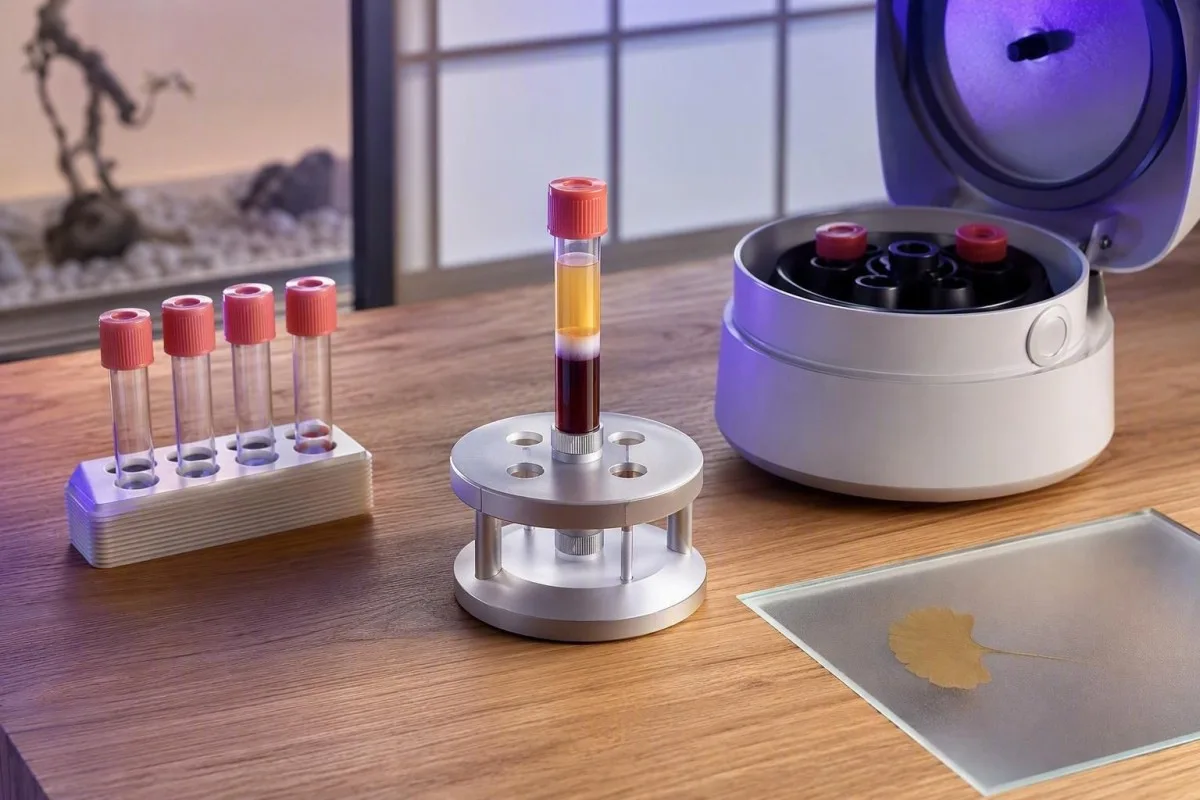
سرخ ٹیوب کوئی تشخیص نہیں ہے
ٹیوب کا رنگ لیبارٹری کے عمل کے لیے استعمال ہونے والے ایڈیٹیو کی شناخت کرتا ہے، ٹیسٹ کی سنگینی کی نہیں۔ طبی لحاظ سے اہم بات یہ ہے کہ ٹیوب کا صحیح انتخاب، ٹرانسپورٹ کا درجہ حرارت، پروسیسنگ میں تاخیر، اور آیا لیبارٹری ہیمولیسس یا ناکافی نمونے کی اطلاع دیتی ہے۔.
بعد کے نتائج کو پہلی بار کے نمونے سے موازنہ کرنے کے قابل کیسے بنایا جائے
لیب کے نتائج کو وقت کے ساتھ ٹریک کرتے وقت ہمیشہ ایک ہی لیبارٹری، ایک ہی کلیکشن کا وقت، اور ایک ہی تیاری کا معمول استعمال کریں۔ اصل حیاتیاتی تبدیلی تجزیہ کے طریقہ کار، روزہ رکھنے کی حیثیت، ورزش، اور عام روزانہ کی تبدیلی کے مجموعی اثر سے چھوٹی ہو سکتی ہے۔.
LDL کولیسٹرول کو براہ راست ناپنے کے بجائے کیلکولیٹ کیا جا سکتا ہے، اور ٹرائگلیسرائڈز کے بڑھنے کے ساتھ کیلکولیشن کم قابل اعتماد ہو جاتی ہے۔ 2018 AHA/ACC کولیسٹرول گائیڈ لائن بہت سے لوگوں میں نان فاسٹنگ اسکریننگ کی حمایت کرتی ہے لیکن منتخب حالات میں فاسٹنگ تشخیص کی سفارش کرتی ہے، بشمول بہت زیادہ ٹرائگلیسرائڈز اور تشخیصی غیر یقینی صورتحال (Grundy et al., 2019)۔ اہم بات مستقل مزاجی ہے، کمال نہیں۔.
ریفرنس چینج ویلیو، یا RCV، ایک فرد کی عام حیاتیاتی تبدیلی کے ساتھ تجزیاتی عدم درستگی کو یکجا کرتا ہے۔ ایک مارکر میں ایک فیصد تبدیلی شور ہو سکتا ہے جبکہ دوسرے میں 30 فیصد تبدیلی معنی خیز ہو سکتی ہے؛ ہر ٹیسٹ پر لاگو ہونے والی کوئی عالمی فیصد نہیں ہے۔ ہماری کیا یہ تبدیلی حقیقی ہے گائیڈ ظاہر کرتا ہے کہ رجحانات کو رنگین تیروں سے زیادہ کی ضرورت کیوں ہے۔.
AI تجزیہ یونٹس، ریفرنس وقفوں، کلیکشن کی تاریخوں، اور متعلقہ بائیو مارکرز کا موازنہ کرکے بار بار آنے والے پینل کا تجزیہ کرتا ہے بجائے اس کے کہ صرف غیر معمولی جھنڈوں کو گننا۔ ہمارا AI موازنہ ورک فلو اس طویل مدتی سوال کے لیے بنایا گیا ہے: کیا تبدیل ہوا ہے جس کی توجہ کی ضرورت ہے؟
اصل رپورٹ رکھیں
پی ڈی ایف یا واضح تصویر محفوظ کریں، صرف ٹائپ شدہ نتیجہ نہیں۔ یونٹ کی تبدیلی، لیبارٹری کی حدود، ہیمولیسس کے بارے میں تبصرے، اور آیا LDL کا حساب لگایا گیا تھا، مستقبل کے معالج کے رجحان کو پڑھنے کے طریقے کو مادی طور پر تبدیل کر سکتا ہے۔.
ہر خون کے ٹیسٹ کے ساتھ محفوظ کرنے کے لیے کنٹیکسٹ نوٹ
ایک مختصر سیاق و سباق کا نوٹ الگ الگ اعداد کو قابل استعمال طویل مدتی ڈیٹا میں بدل دیتا ہے۔ ریکارڈ کریں تاریخ، وقت، روزے کے اوقات، نیند، ورزش، الکحل، بیماری، دوائیں، سپلیمنٹس، سائیکل کا دن، وزن میں تبدیلیاں، اور نئی علامات ہر ڈرا پر۔.
میرا کم از کم نوٹ میں آٹھ اشیاء شامل ہیں: جمع کرنے کا وقت؛ روزہ رکھنے کی مدت؛ 48 گھنٹے کے اندر ورزش؛ 72 گھنٹے کے اندر الکحل؛ موجودہ بیماری؛ نسخے میں تبدیلی؛ سپلیمنٹ کی خوراک اور آخری خوراک؛ اور جہاں قابل اطلاق ہو حیض یا حمل کی صورتحال۔ سفر، جیٹ لیگ، اور اونچائی شامل کریں جب وہ لاگو ہوں، کیونکہ ہر ایک پانی کی کمی، کورٹیسول، ہیموگلوبن، اور نیند سے متعلقہ مارکر کو منتقل کر سکتا ہے۔.
10 دن میں 1.5 کلوگرام وزن میں کمی، ایک نئی ہائی پروٹین خوراک، یا کئی راتوں کی بکھری ہوئی نیند وقت کے ساتھ ساتھ خون کے ٹیسٹ میں معمولی تبدیلیوں کی وضاحت کر سکتی ہے۔ یہ نتیجے کو غیر اہم نہیں بناتا — یہ اسے قابل تشریح بناتا ہے۔ دوبارہ استعمال کے قابل ورژن کے لیے، ہمارا لیب کانٹیکسٹ ٹریکر ان تفصیلات کو شامل کرتا ہے جنہیں مریض سب سے زیادہ بھول جاتے ہیں۔.
ڈاکٹر تھامس کلین نتائج کا انتظار کرتے ہوئے گھر سے نکلنے سے پہلے نوٹ لکھنے کی تجویز دیتے ہیں۔ کسی غیر متوقع فلگ کے بعد یادداشت غیر قابل بھروسہ ہو جاتی ہے، اور لوگ سمجھ بوجھ کر پچھلے ہفتے کو اس نمبر میں فٹ کرنے کے لیے دوبارہ تعمیر کرتے ہیں۔.
“ٹھیک” کے طور پر کیا ریکارڈ نہ کریں”
صرف ایک پرکشش پہلی بیس لائن حاصل کرنے کے لیے خوراک، پانی کی مقدار، ورزش، یا سپلیمنٹس میں ہیرا پھیری نہ کریں۔ ایک بیس لائن کو آپ کی زندگی کی نمائندگی کرنی چاہیے؛ ورنہ اگلا ٹیسٹ صرف اس لیے برا لگ سکتا ہے کیونکہ یہ زیادہ ایماندار ہے۔.
کون سے بارڈر لائن نتائج پریشانی سے پہلے دہرائے جانے چاہئیں
بہت سے غیر متعین بیس لائن نتائج کو بیماری کے طور پر علاج کرنے سے پہلے مستحکم حالات میں دہرایا جانا چاہیے، خاص طور پر جگر کے انزائمز، کریٹینائن، پوٹاشیم، پرولیکٹین، نیوٹروفلز، اور ٹرائگلیسرائڈز میں الگ تھلگ معمولی تبدیلیاں۔ فوری علامات یا نمایاں طور پر غیر معمولی اقدار استثنیٰ ہیں۔.
2 گنا سے زیادہ لیبارٹری کی اوپری حد سے کم ALT، نارمل بلیروبن، ALP، اور علامات کی غیر موجودگی میں، اکثر الکحل، سخت ورزش، یا بین السطور بیماری جیسی عارضی شراکتوں کو ہٹانے کے بعد دوبارہ جانچا جاتا ہے۔ 3 ملی گرام/dL سے زیادہ بلیروبن کی سطح، پیٹ کے درد، سیاہ پیشاب، پیلے رنگ کا پاخانہ، بخار، یا پیٹ میں درد کے ساتھ مختلف ہے اور اسے معمول کے بیس لائن ری ڈرا کا انتظار نہیں کرنا چاہیے۔.
ایک معمولی کم نیوٹروفل گنتی وائرل بیماری کے بعد ہو سکتی ہے یا کسی فرد کے مستحکم معمول کی عکاسی کر سکتی ہے۔ 1.0-1.5 × 10⁹/L کی مطلق نیوٹروفل گنتی عام طور پر ہلکی نیوٹروپینیا ہوتی ہے، جبکہ 0.5 × 10⁹/L سے کم انفیکشن کا خطرہ نمایاں طور پر زیادہ ہوتا ہے اور اس کے لیے فوری طبی رہنمائی کی ضرورت ہوتی ہے، خاص طور پر بخار کے ساتھ۔ ہمارا نیوٹروفل فالو اپ گائیڈ عام ری ٹیسٹ کو ریڈ فلیگ سے الگ کرتا ہے۔.
سب سے مفید حفاظتی تدبیروں میں سے ایک پیٹرن کی جانچ ہے۔ مثال کے طور پر، دبا ہوا پیراٹائرائڈ ہارمون کے ساتھ اعلی کیلشیم کی فوری ضرورت، ہائی کیلشیم کے ساتھ پانی کی کمی اور البومن میں اضافہ سے مختلف ہے۔ جس وجہ سے ہم امتزاج کے بارے میں فکر مند ہیں وہ یہ ہے کہ حیاتیات شاذ و نادر ہی ایک مارکر کو اکیلے بدلتی ہے۔.
بیس لائن خون کا ٹیسٹ طبی دیکھ بھال کی جگہ کب نہیں لے سکتا
جب آپ میں ریڈ فلیگ علامات، تیزی سے بگڑتی ہوئی بیماری، حمل کی پیچیدگیاں، یا لیبارٹری کی ایک اہم الرٹ ہو تو بیس لائن پروٹوکول مناسب نہیں ہے۔ سینے میں درد، سانس کی شدید قلت، الجھن، بے ہوشی، پیلا یرقان، سیاہ پاخانہ، یا شدید پانی کی کمی کے لیے اب کلینیکل تشخیص کی ضرورت ہے - بہتر طور پر تیار کردہ دوبارہ ٹیسٹ کی نہیں۔.
6.0 ملی لٹر یا اس سے زیادہ پوٹاشیم، 120 ملی لٹر سے کم سوڈیم، الٹی یا الجھن کے ساتھ 300 ملی گرام/dl سے زیادہ گلوکوز، یا تقریباً 7 گرام/dl ہیموگلوبن ایسے نتائج کی مثالیں ہیں جن کے لیے فوری کارروائی کی ضرورت پڑسکتی ہے، حالانکہ مکمل طبی صورتحال اہم ہے۔ لیبارٹریز عام طور پر آرڈر دینے والی ٹیم سے اہم اقدار کے بارے میں رابطہ کرتی ہیں، لیکن مریضوں کو یہ نہیں سمجھنا چاہیے کہ کال نہ آنا نتیجہ محفوظ ہونے کا مطلب ہے۔.
اگر آپ حاملہ ہیں، دائمی گردے کی بیماری ہے، انسولین استعمال کرتی ہیں، اینٹی کوگولنٹ استعمال کرتی ہیں، کیموتھراپی کراتی ہیں، یا جگر کی بیماری کا علم ہے، تو تیاری کی ہدایات صحت کے سانچے سے مختلف ہو سکتی ہیں۔ ذیابیطس کے کچھ لوگوں کے لیے روزہ رکھنا غیر محفوظ ہو سکتا ہے، اور دوا کا وقت ضروری ہو سکتا ہے۔ ہماری کتنی بار جانچ کرنی ہے گائیڈ بتاتا ہے کہ خطرے والے گروپ کی وجہ سے منصوبہ کیسے بدل جاتا ہے۔.
کنٹیسٹی ایک ہے۔ اے آئی لیب ٹیسٹ کی تشریح کی خدمت جو کہ ڈاکٹروں کے لیے سوالات کی نشاندہی کرنے میں مدد کرتا ہے، فوری تشخیص یا تشخیص کا متبادل نہیں ہے۔ ہمارے کام کے پیچھے موجود طبی حفاظتی انتظامات اور طبی جائزے کے اصول ہمارے ذریعے بیان کیے گئے ہیں میڈیکل ایڈوائزری بورڈ.
آپ کی پہلی بیس لائن کے لیے ایک عملی 72 گھنٹے کا پروٹوکول
ایک مفید ابتدائی بیس لائن کے لیے، 72 گھنٹے تک اپنی معمول کی روٹین رکھیں، 48 گھنٹے تک شراب سے پرہیز کریں، 24-48 گھنٹے تک سخت ورزش سے گریز کریں، معمول کے مطابق سوئیں، جب اشارہ کیا جائے تو 8-12 گھنٹے کا روزہ رکھیں، پانی پئیں، اور اپنے تناظر کو ریکارڈ کریں۔ مستقل مزاجی مداخلت ہے۔.
بہتر سے 48 گھنٹے پہلے: کوئی نیا سپلیمنٹ، کریش ڈائٹ، کلینز، یا ٹریننگ بلاک شروع نہ کریں۔ اگر آپ پہلے سے ہی کوئی سپلیمنٹ لیتے ہیں، تو درست خوراک ریکارڈ کریں؛ اگر اس میں ہائی ڈوز بائیوٹین شامل ہے، تو آرڈر دینے والے ڈاکٹر یا فارماسسٹ سے پوچھیں کہ آیا 48-72 گھنٹے کا ہولڈ مناسب ہے؟ 48 گھنٹوں کے لیے شراب سے پرہیز کریں اور بیماری کی صورت میں معمول کی جانچ ملتوی کریں۔.
ایک دن پہلے: اپنے معمول کے کھانے کھائیں، معمول کے مطابق ہائیڈریٹ کریں، سونا یا برداشت والے واقعات سے گریز کریں، اور بستر میں 7-9 گھنٹے کی منصوبہ بندی کریں۔ روزہ والے پینلز کے لیے، ملاقات سے 8-12 گھنٹے پہلے کھانا ختم کریں؛ پانی ٹھیک ہے۔ نمونے لینے کی صبح، کافی اور نیکوٹین سے پرہیز کریں اگر گلوکوز، انسولین، کورٹیسول، کیٹیکولامینز، یا خصوصی اینڈو کرائن ٹیسٹنگ کا منصوبہ بنایا گیا ہے۔.
نتیجہ آنے کے بعد، کسی بھی چیز کو تبدیل کرنے سے پہلے اصل رپورٹ اور اس کے سیاق و سباق کے نوٹ کو محفوظ کریں۔ Kantesti AI نتائج کو طول البلد نظارے میں منظم کر سکتا ہے، جبکہ ہمارا ٹیکنالوجی اور کلینیکل-میتھڈ گائیڈ وضاحت کرتا ہے کہ پیٹرن کی شناخت کے لیے اب بھی علامات، بڑی غیر معمولیات، اور علاج کے فیصلوں کے لیے انسانی طبی فالو اپ کی ضرورت کیوں ہے۔.
اکثر پوچھے گئے سوالات
میں بیس لائن خون کے ٹیسٹ کے لیے کیسے تیاری کروں؟
ایک بنیادی بلڈ ٹیسٹ کی تیاری کے لیے اپنے معمول کے مطابق رہیں، 48 گھنٹے تک شراب سے پرہیز کریں، 24-48 گھنٹے تک سخت ورزش سے گریز کریں، معمول کے مطابق سوئیں، اور ادویات اور سپلیمنٹس کو دستاویز کریں۔ اگر آرڈر میں فاسٹنگ گلوکوز، ٹرائگلیسرائیڈز، انسولین، یا آئرن اسٹڈیز شامل ہیں تو 8-12 گھنٹے تک روزہ رکھیں؛ عام طور پر پانی پینے کی اجازت ہے۔ زیادہ پانی پینے کے بجائے معمول کے مطابق پئیں، اور صبح 7 سے 10 بجے کے درمیان خون کا نمونہ لینے کا وقت مقرر کریں جب ہارمونز یا آئرن شامل ہوں۔ شدید بیماری کے دوران ویلنس بیس لائن کو ملتوی کریں جب تک کہ اس بیماری کا اندازہ لگانے کے لیے ٹیسٹ کی ضرورت نہ ہو۔.
کیا مجھے اپنا پہلا خون کا ٹیسٹ کروانے کے لیے روزہ رکھنا چاہیے؟
ٹرائگلیسرائڈز، فاسٹنگ گلوکوز، انسولین، یا سیرم آئرن شامل کرنے والے پہلے خون کے ٹیسٹ کے لیے 8-12 گھنٹے کا روزہ سب سے زیادہ مفید ہے، حالانکہ بہت سے معمول کے لپڈ پینلز کے لیے اب روزہ رکھنے کی ضرورت نہیں ہوتی ہے۔ سادہ پانی روزے کو نہیں توڑتا اور مشکل نمونہ لینے یا پانی کی کمی سے متعلق ارتکاز کے اثرات کو روکنے میں مدد کرتا ہے۔ کافی، جوس، دودھ، شراب، چیونگم، اور سپلیمنٹس منتخب نتائج کو تبدیل کر سکتے ہیں یا مطلوبہ تیاری کو باطل کر سکتے ہیں۔ اگر آپ کے معالج مختلف روزہ رکھنے کی مدت فراہم کرتے ہیں تو حکم کے مخصوص ہدایات پر عمل کریں۔.
کیا ورزش اگلے دن خون کے ٹیسٹ کے نتائج پر اثر انداز ہو سکتی ہے؟
ہاں، سخت ورزش 24-72 گھنٹوں تک خون کے ٹیسٹ کے نتائج پر اثر انداز ہو سکتی ہے جس کی وجہ سے creatine kinase، AST، ALT، creatinine، سفید خلیات، اور کبھی کبھار پوٹاشیم میں اضافہ ہو سکتا ہے۔ سخت مزاحمتی تربیت، میراتھن دوڑ، تیز شدت والے وقفے، اور گرمی کا سامنا عام چہل قدمی سے زیادہ تبدیلیوں کا باعث بنتا ہے۔ مستحکم صحت کی بنیادی سطح کے لیے، 24-48 گھنٹے پہلے غیر معمولی یا شدید ورزش سے پرہیز کریں؛ کسی بڑی برداشت والے ایونٹ کے بعد، 48-72 گھنٹے زیادہ حقیقت پسندانہ ہوتے ہیں۔ شدید پٹھوں میں درد، سیاہ پیشاب، کمزوری، یا پیشاب کی مقدار میں کمی جیسی علامات کے لیے فوری جانچ میں تاخیر نہ کریں۔.
خون کے ٹیسٹ سے پہلے مجھے کتنی دیر تک شراب سے پرہیز کرنا چاہیے؟
بنیادی خون کے ٹیسٹ سے کم از کم 48 گھنٹے پہلے الکحل سے پرہیز کریں، خاص طور پر جب ٹرائگلیسرائڈز، گلوکوز، GGT، AST، ALT، یا پانی کی کمی سے متعلقہ مارکرز کا اندازہ لگایا جا رہا ہو۔ الکحل ایک ہی بھاری شام کے بعد ٹرائگلیسرائڈز کو بڑھا سکتی ہے، اور ذیابیطس، فیٹی جگر، یا زیادہ عام مقدار لینے والے افراد میں یہ اثر کئی دن تک جاری رہ سکتا ہے۔ 500 ملی گرام/ڈی ایل یا اس سے زیادہ کا ٹرائگلیسرائڈ نتیجہ فوری طبی تشخیص کا متقاضی ہے کیونکہ لبلبے کی سوزش کا خطرہ نمایاں طور پر بڑھ جاتا ہے۔ اس کے بعد صفائی یا سخت روزہ رکھنے کی کوشش نہ کریں؛ عام کھانا اور پانی پینا زیادہ درست دوبارہ نتیجہ دیتا ہے۔.
کیا ناقص نیند خون کے ٹیسٹ کے نتائج کو بدل سکتی ہے؟
خراب نیند اگلی صبح روزہ رکھنے والے گلوکوز، کورٹیسول، بلڈ پریشر، اور کچھ سوزش کے اشاروں کو تبدیل کر سکتی ہے، خاص طور پر 4-5 گھنٹے کی نیند یا رات بھر کے شفٹ کے بعد۔ یہ HbA1c کو بامعنی طور پر تبدیل نہیں کرتی ہے، جو کہ تقریباً 8-12 ہفتوں میں اوسط گلائیسیمیا کی عکاسی کرتی ہے۔ اگر نیند نہ آنے والی رات کے بعد غیر ضروری بنیادی نتیجہ حد میں ہو، تو نیند کے نقصان کو ریکارڈ کریں اور عام حالات میں ٹیسٹ کو دہرانے پر غور کریں۔ ضروری جانچ اسی طرح جاری رہنی چاہئے، کیونکہ علامات اور واضح غیر معمولی باتیں مثالی تیاری سے زیادہ اہمیت رکھتی ہیں۔.
کیا مجھے اپنے ماہواری کے مخصوص دن ہارمون کی جانچ کرنی چاہئے؟
ہاں، ہارمون ٹیسٹنگ کا وقت کا تعین کلینیکل سوال کے مطابق کیا جانا چاہئے اور ماہواری کے دن کو ہمیشہ ریکارڈ کیا جانا چاہئے۔ FSH، LH، اور ایسٹراڈیول کا اکثر سائیکل کے دنوں 2-5 میں ابتدائی فولیولر بیس لائن کے لیے جائزہ لیا جاتا ہے، جبکہ پروجیسٹرون عام طور پر انڈے کے اخراج کے تقریباً 7 دن بعد چیک کیا جاتا ہے بجائے خود بخود دن 21 پر۔ تقریباً 3 ng/mL سے زیادہ پروجیسٹرون کی سطح حال ہی میں انڈے کے اخراج کی حمایت کر سکتی ہے، لیکن لیبارٹریز اور کلینیکل حالات مختلف ہوتے ہیں۔ ہارمونل مانع حمل ادویات اینڈوجنس ہارمون کے نتائج کو تبدیل کرتی ہیں، لہذا طبی مشورے کے بغیر صرف ٹیسٹنگ کے لیے انہیں بند نہ کریں۔.
آج ہی اے آئی سے طاقتور خون کے ٹیسٹ کا تجزیہ حاصل کریں
دنیا بھر میں 2M+ صارفین میں شامل ہوں جو فوری اور درست لیب ٹیسٹ تجزیے کے لیے Kantesti پر بھروسہ کرتے ہیں۔ اپنے خون کے ٹیسٹ کے نتائج اپلوڈ کریں اور چند سیکنڈ میں 15,000+ بایومارکرز کی جامع تشریح حاصل کریں۔.
📚 حوالہ دی گئی تحقیقی اشاعتیں
کلائن، ٹی.، مچل، ایس.، اور ویبر، ایچ. (2026). Kantesti LTD. (2026)۔ C3 C4 کمپلیمنٹ بلڈ ٹیسٹ اور ANA ٹائٹر گائیڈ۔ Zenodo۔..۔ Kantesti اے آئی میڈیکل ریسرچ۔.
کلائن، ٹی.، مچل، ایس.، اور ویبر، ایچ. (2026). Kantesti LTD. (2026). نِپاہ وائرس خون کا ٹیسٹ: ابتدائی تشخیص اور تشریحی رہنمائی 2026. Zenodo۔..۔ Kantesti اے آئی میڈیکل ریسرچ۔.
📖 بیرونی طبی حوالہ جات
⚕️ میڈیکل ڈس کلیمر
یہ مضمون صرف تعلیمی مقاصد کے لیے ہے اور طبی مشورہ نہیں ہے۔ تشخیص اور علاج کے فیصلوں کے لیے ہمیشہ کسی مستند صحت کے ماہر سے رجوع کریں۔.
E-E-A-T اعتماد کے اشارے
تجربہ
معالج کی قیادت میں لیب تشریح کے ورک فلو کا کلینیکل جائزہ۔.
مہارت
لیبارٹری میڈیسن کا فوکس یہ کہ بایومارکرز کلینیکل سیاق میں کیسے برتاؤ کرتے ہیں۔.
مستندیت
ڈاکٹر تھامس کلائن نے لکھا، ڈاکٹر سارہ مچل اور پروف. ڈاکٹر ہانس ویبر نے نظرثانی کی۔.
امانت داری
شواہد پر مبنی تشریح واضح فالو اپ راستوں کے ساتھ تاکہ گھبراہٹ کم ہو۔.