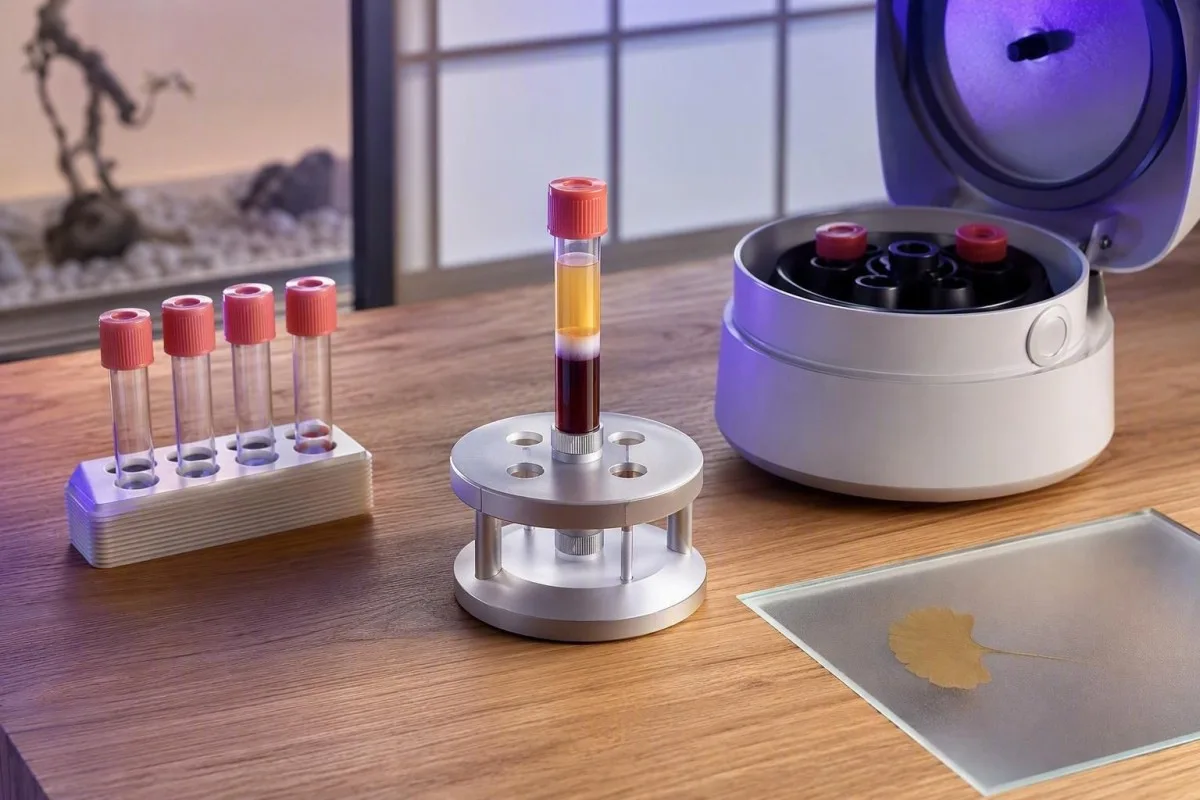
A useful first draw records your usual physiology, not the biochemical echo of yesterday’s workout, drinks, poor sleep, or a passing virus. The aim is repeatable context you can use for years.


- Baseline timing: book a morning draw after 8-12 hours without food when fasting glucose, triglycerides, iron studies, or insulin are included.
- Exercise pause: avoid unusually hard resistance training, intervals, or endurance events for 24-48 hours before routine baseline testing.
- Alcohol window: skip alcohol for at least 48 hours before triglyceride and liver-enzyme testing; heavy drinking can distort results for longer.
- Illness rule: postpone a wellness baseline until at least 2 weeks after fever or significant respiratory or gastrointestinal symptoms resolve.
- Hydration target: drink normally the day before and have 250-500 mL of water in the 2 hours before collection unless fluid restricted.
- Biotin caution: stop non-prescribed high-dose biotin for 48-72 hours before many immunoassays, but never stop prescribed treatment without asking the prescriber.
- Cycle context: record cycle day for estradiol, progesterone, LH, FSH, and sometimes lipids; it changes interpretation more than many people expect.
- Repeatability: use the same lab, similar morning time, and the same preparation pattern when you track lab results over time.
What makes a first blood draw a true baseline?
A baseline blood test is most useful when it captures an ordinary week: stable meals, usual hydration, no acute illness, and no exceptional training or drinking. For most adults, I recommend a morning sample after an 8-12 hour fast when glucose, triglycerides, iron markers, or insulin are being measured.
The practical goal is not to make results look better. It is to reduce pre-analytical variation—changes that occur before the analyser ever sees the sample. A fasting glucose of 96 mg/dL and a triglyceride level of 105 mg/dL can both be entirely ordinary, yet their meaning changes if the person ate late, ran 10 km, or slept 3 hours.
In my clinical work, I ask patients to treat the first draw like a reference photograph. Keep a brief record of wake time, fasting duration, medicines, supplements, alcohol in the prior 72 hours, exercise in the prior 48 hours, menstrual cycle day, and recent infection. That record is often more useful at the second test than a single “normal” flag.
Kantesti is an AI blood test analyzer designed to read results alongside that practical context, rather than treating every highlighted value as disease. For a sensible test list, start with our annual blood work guide and agree additions with a clinician who knows your history.
The baseline is personal, not merely “in range”
A laboratory reference interval usually contains the central 95% of values from a selected population; it does not define your healthiest or safest personal number. A creatinine result can remain within a lab range while rising meaningfully from your own repeated value, which is why baseline documentation matters.
How fasting and the previous day’s meals shape results
Fasting for 8-12 hours produces the cleanest first comparison for triglycerides, fasting glucose, insulin, and serum iron, although many lipid panels can be interpreted without fasting. Water is allowed and usually helpful; coffee, juice, gum, and caloric drinks are not a true fast.
A fasting plasma glucose below 100 mg/dL is generally normal, 100-125 mg/dL indicates impaired fasting glucose, and 126 mg/dL or above requires confirmation unless symptoms and marked hyperglycaemia are present. HbA1c reflects roughly the preceding 8-12 weeks, so one breakfast cannot meaningfully lower it; the ADA laboratory guidance explains why glucose and HbA1c answer different questions (Sacks et al., 2023).
Triglycerides are especially meal-sensitive. A value below 150 mg/dL is conventionally desirable, while 500 mg/dL or above raises concern for pancreatitis risk and deserves prompt clinical assessment. A rich late meal or alcohol can create a misleadingly high first result, so use a triglyceride retest plan rather than trying to “eat perfectly” for one day.
Kantesti is an AI blood test interpretation platform that can preserve fasting status beside each panel, which makes later comparisons less error-prone. Our biomarker guide explains which tests are genuinely meal-sensitive and which are not.
How exercise can mimic abnormal liver and kidney tests
Hard exercise can temporarily raise CK, AST, ALT, creatinine, white cells, and sometimes potassium, so avoid unfamiliar or high-intensity training for 24-48 hours before a baseline panel. Gentle walking and normal daily movement are fine.
A 52-year-old marathon runner I reviewed had AST 89 IU/L after a long race, with ALT 36 IU/L and CK above 2,000 IU/L. That pattern pointed more strongly toward exercised muscle than liver injury, but it still needed a repeat after recovery; isolated numbers are rarely enough. Read more about AST after exercise before assuming a liver problem.
Creatine kinase reference limits vary by laboratory, sex, ancestry, muscle mass, and training status, but many labs flag values above roughly 200-300 IU/L. CK exceeding 5 times the upper reference limit after exertion is common; CK above 5,000 IU/L with dark urine, severe muscle pain, or reduced urine output needs urgent assessment for exertional rhabdomyolysis.
Creatinine rises after intense activity partly through muscle breakdown and reduced renal blood flow from fluid loss. Do not interpret a lower eGFR from a post-race sample as chronic kidney disease without recovery testing; our exercise creatinine guide explains the safer redraw window.
The 48-hour reset is not a rule for everyone
For a recreational gym session, 24 hours is often adequate. After an ultramarathon, CrossFit competition, heavy eccentric lifting, or heat exposure, I commonly wait 48-72 hours if the purpose is a stable baseline rather than assessment of the event itself.
Why alcohol deserves a 48-hour baseline pause
Avoiding alcohol for at least 48 hours before a baseline blood test reduces short-term distortion of triglycerides, glucose, GGT, AST, hydration markers, and sleep-related physiology. A single heavy evening can matter more than many patients expect.
Alcohol can raise triglycerides by increasing hepatic very-low-density lipoprotein production, particularly after high-carbohydrate meals. The effect is variable: one person’s result returns to baseline in 24 hours, while another with fatty liver, diabetes, or heavier intake may show changes for several days. A fasting triglyceride of 220 mg/dL after a weekend of drinks should be repeated before anyone labels it a fixed metabolic problem.
GGT is sensitive but nonspecific. Many laboratories use upper limits around 55-60 IU/L for men and 35-40 IU/L for women, yet medications, cholestasis, fatty liver, and alcohol can all raise it. The meaningful pattern is GGT with ALT, ALP, bilirubin, platelet count, and alcohol history; see our liver panel explanation for how these pieces fit.
As of September 1, 2026, I still advise against “detoxing” or fasting excessively to improve liver results. Normal food, normal water, no alcohol, and a documented interval are cleaner science. Persistent ALT above the lab upper limit on two samples several weeks apart warrants medical review, not an internet cleanse.
When illness or vaccination should delay a wellness draw
Delay a wellness baseline during fever, active gastrointestinal illness, a significant respiratory infection, or the first 1-2 weeks after recovery because CRP, ferritin, white cells, platelets, glucose, and thyroid tests can shift temporarily. Urgent diagnostic testing is different: do not delay it when you are unwell.
C-reactive protein commonly rises within 6-8 hours of an inflammatory stimulus and can fall quickly once the trigger settles. A CRP below 3 mg/L is often used for cardiovascular risk stratification only when a person is clinically well; a result of 18 mg/L during a cold says little about long-term vascular risk. The CRP and albumin pattern is more informative than either result alone.
Ferritin is both an iron-storage protein and an acute-phase reactant. A ferritin of 110 ng/mL during infection can conceal depleted iron stores, whereas ferritin below 15 ng/mL is highly specific for iron deficiency in an otherwise healthy adult. This is why I pair ferritin with transferrin saturation, CRP, haemoglobin, and the clinical story.
Vaccination can cause a brief immune response, including transient changes in CRP and white-cell subsets. Routine testing can usually wait 3-7 days after vaccination if the goal is a quiet baseline, but a scheduled safety panel for medication monitoring should follow the prescribing clinician’s instructions. Our post-vaccination lab guide covers the practical distinctions.
A two-week rule has exceptions
After pneumonia, hospitalisation, infectious mononucleosis, or a severe flare of chronic disease, two weeks may not be long enough. In those cases, I often use symptom recovery, CRP trend, and clinician judgment rather than a calendar alone.
How sleep loss and timing change a blood test
One poor night of sleep can raise fasting glucose, cortisol, blood pressure, and inflammatory signals, while timing can alter testosterone, cortisol, iron, and TSH. For a first baseline, aim for 7-9 hours of usual sleep and sample between about 7 and 10 a.m. when possible.
Cortisol follows a strong daily rhythm. Morning serum cortisol is commonly measured around 8 a.m., but a value cannot diagnose adrenal disease without the collection time, symptoms, and often ACTH testing. An afternoon sample compared with a previous 8 a.m. sample is not a valid trend, even if the same laboratory performs both.
Sleep restriction of 4-5 hours can worsen next-morning insulin sensitivity and alter appetite hormones; the size of the laboratory change varies considerably by person. I see this most often in shift workers, new parents, and frequent travellers, where a “baseline” needs to represent their actual schedule rather than an idealised one. Our poor sleep lab guide offers a useful annotation checklist.
Dr. Thomas Klein’s practical advice is simple: do not cancel a necessary test because you slept badly, but record it. If a borderline fasting glucose is 103 mg/dL after an all-nighter, repeat under ordinary conditions before drawing conclusions about prediabetes.
Caffeine is not always harmless preparation
Black coffee may have little effect on many panels, but it can affect glucose, catecholamines, blood pressure, and some specialised endocrine tests. When fasting insulin, glucose, cortisol, or metanephrines are ordered, plain water is the least ambiguous choice.
Which supplements and medicines need to be recorded
Do not stop prescribed medicines for a baseline blood test unless the prescriber tells you to, but record every drug and supplement with dose and timing. Biotin, iron, B12, creatine, iodine, corticosteroids, and decongestants can change either the biology or the test assay.
High-dose biotin, often 5,000-10,000 micrograms daily in hair and nail products, can interfere with certain streptavidin-biotin immunoassays. It may create falsely low TSH or falsely high free T4, troponin, or hormone results depending on assay design. A 48-72 hour pause is commonly used for non-prescribed biotin, but people taking it for a medical condition should first ask their clinician.
Oral iron can raise serum iron transiently, and creatine supplements may increase creatinine without reducing actual filtration. Corticosteroids can elevate glucose and white cells; proton-pump inhibitors can affect magnesium and B12 over time. The right response is context, not abrupt self-discontinuation; our supplement fasting guide explains common exceptions.
Kantesti is an AI-powered blood test analysis tool that records reported supplements beside results so an apparent thyroid or renal change can be reviewed with the exposure that may explain it. Patients can also compare reported results with our clinical accuracy checklist before acting on an unexpected flag.
Medication timing can be part of the prescription
Thyroid replacement, testosterone therapy, insulin, diuretics, and anticoagulants each have test-specific timing rules. For example, thyroid tests are often drawn before the day’s levothyroxine dose when monitoring consistency, but the prescribing clinician’s protocol should take priority.
How menstrual timing affects a first hormone baseline
For reproductive hormone testing, cycle day is part of the result. FSH, LH, estradiol, progesterone, testosterone, prolactin, and sometimes lipids can vary enough across the cycle that an unrecorded date weakens interpretation.
Early-follicular testing, often cycle days 2-5, is commonly used for baseline FSH, LH, and estradiol in fertility assessment. Progesterone is usually measured about 7 days after ovulation—not automatically “day 21,” because a 35-day cycle follows a different biology. A progesterone value above roughly 3 ng/mL can support recent ovulation in many settings, but exact interpretation depends on assay and timing.
Prolactin is sensitive to stress, recent exercise, sexual activity, and difficult sample collection. Mild elevations are often repeated after 20-30 minutes of quiet rest, ideally in the morning; a level persistently above 100 ng/mL deserves prompt endocrine evaluation, though medication effects remain common. See our prolactin retest guide for the sensible next steps.
Cycle-related lipid shifts are real but usually smaller than the changes from weight, diet, alcohol, diabetes, or genetics. If you intend to monitor health with blood tests across years, choose a similar cycle phase for repeat lipid and hormone panels whenever feasible, especially while evaluating symptoms or treatment.
Hormonal contraception changes the question
Combined hormonal contraception can suppress endogenous FSH, LH, estradiol, and androgen measurements, so these results may not describe untreated physiology. Do not stop contraception simply to obtain a baseline without considering pregnancy risk and the clinical reason for testing.
Why hydration, posture, and collection technique matter
Normal hydration and 10-15 minutes of seated rest before collection improve repeatability because dehydration, prolonged standing, and a difficult draw can concentrate or distort several results. Drink normally the day before and, unless fluid restricted, have 250-500 mL of water in the 2 hours before the appointment.
Plasma volume contraction can make haemoglobin, haematocrit, albumin, calcium, total protein, and creatinine appear higher than they would under ordinary hydration. Conversely, aggressively drinking litres of water immediately before testing can dilute sodium and other measurements. A normal sodium range is generally 135-145 mmol/L, but an unexpected result should always be interpreted with hydration and glucose status.
Posture matters more than most people realise. Standing can increase albumin and protein-bound analytes through fluid shifts, while prolonged tourniquet time and repeated fist clenching can spuriously raise potassium and lactate. A potassium above 5.5 mmol/L without kidney disease, symptoms, or ECG changes is often rechecked promptly because collection artefact is common; our potassium draw-error guide explains why.
Menstruation, recent fluid loss from diarrhoea, diuretics, and sauna use all belong in the note attached to the draw. If eGFR is unexpectedly low after dehydration, recover normal intake and discuss repeat testing; see temporary eGFR changes before assuming permanent kidney damage.
A red tube is not a diagnosis
Tube colour identifies the additive used for laboratory processing, not the seriousness of the test. What matters clinically is correct tube selection, transport temperature, processing delay, and whether the laboratory reports haemolysis or an insufficient sample.
How to make later results comparable to the first draw
Use the same laboratory, a similar collection time, and a similar preparation routine whenever you track lab results over time. A real biological change can be smaller than the combined effect of assay method, fasting status, exercise, and ordinary day-to-day variation.
LDL cholesterol may be calculated rather than directly measured, and calculation becomes less reliable as triglycerides rise. The 2018 AHA/ACC cholesterol guideline supports non-fasting screening in many people but recommends fasting assessment in selected circumstances, including very high triglycerides and diagnostic uncertainty (Grundy et al., 2019). The crucial point is consistency, not perfection.
Reference change value, or RCV, combines analytic imprecision with an individual’s normal biological variation. A 10% movement in one marker may be noise while a 30% change in another is meaningful; there is no universal percentage that applies to every test. Our is this change real guide shows why trends require more than colour-coded arrows.
Kantesti AI interprets repeated panels by comparing assay units, reference intervals, collection dates, and related biomarkers rather than simply counting abnormal flags. Our AI comparison workflow is built for this longitudinal question: what changed enough to deserve attention?
Keep the original report
Save the PDF or clear photograph, not only a typed result. Unit conversions, laboratory ranges, comments about haemolysis, and whether LDL was calculated can materially change how a future clinician reads the trend.
The context note to save with every blood test
A short context note turns isolated numbers into usable longitudinal data. Record date, time, fasting hours, sleep, exercise, alcohol, illness, medicines, supplements, cycle day, weight changes, and new symptoms at every draw.
My minimum note has eight items: collection time; fasting duration; exercise within 48 hours; alcohol within 72 hours; current illness; prescription changes; supplement dose and last dose; and menstrual or pregnancy status where relevant. Add travel, jet lag, and altitude when those apply, because each can move hydration, cortisol, haemoglobin, and sleep-sensitive markers.
A 1.5 kg weight loss in 10 days, a new high-protein diet, or several nights of fragmented sleep may explain modest blood test changes over time. That does not make the result unimportant—it makes it interpretable. For a reusable version, our lab context tracker includes the details patients most often forget.
Dr. Thomas Klein recommends writing the note before you leave home, not while waiting for results. Memory becomes unreliable after an unexpected flag, and people understandably reconstruct the previous week to fit the number.
What not to record as a “fix”
Do not manipulate diet, water intake, exercise, or supplements solely to obtain a more attractive first baseline. A baseline should represent your life; otherwise the next test may look worse simply because it is more honest.
Which borderline findings should be repeated before worry
Many borderline baseline results should be repeated under stable conditions before they are treated as disease, especially isolated mild changes in liver enzymes, creatinine, potassium, prolactin, neutrophils, and triglycerides. Urgent symptoms or markedly abnormal values are the exception.
An ALT less than 2 times the laboratory upper limit with normal bilirubin, ALP, and symptoms absent is commonly rechecked after removing temporary contributors such as alcohol, hard exercise, or intercurrent illness. A bilirubin level above 3 mg/dL with jaundice, dark urine, pale stool, fever, or abdominal pain is different and should not wait for a routine baseline redraw.
A mildly low neutrophil count can follow a viral illness or reflect an individual’s stable normal. An absolute neutrophil count of 1.0-1.5 × 10⁹/L is usually mild neutropenia, whereas below 0.5 × 10⁹/L carries substantially higher infection risk and merits urgent medical guidance, particularly with fever. Our neutrophil follow-up guide separates common retests from red flags.
One of the most useful safeguards is pattern checking. For example, high calcium with suppressed parathyroid hormone has a different urgency than high calcium plus dehydration and albumin elevation; the reason we worry about combinations is that biology rarely changes one marker alone.
When a baseline blood test should not replace medical care
A baseline protocol is not appropriate when you have red-flag symptoms, rapidly worsening illness, pregnancy complications, or a critical laboratory alert. Chest pain, severe shortness of breath, confusion, fainting, jaundice, black stools, or severe dehydration require clinical assessment now—not a better-prepared repeat test.
Potassium of 6.0 mmol/L or above, sodium below 120 mmol/L, glucose above 300 mg/dL with vomiting or confusion, or haemoglobin near 7 g/dL are examples of results that may need urgent action, though the full clinical setting matters. Laboratories commonly contact the ordering team about critical values, but patients should not assume a missed call means a result is safe.
If you are pregnant, have chronic kidney disease, take insulin, use anticoagulants, receive chemotherapy, or have known liver disease, preparation instructions may differ from the wellness template. A fasting period can be unsafe for some people with diabetes, and medication timing may be essential. Our how often to test guide outlines why risk group changes the plan.
Kantesti is an AI lab test interpretation service that helps identify questions for clinicians, not a substitute for urgent assessment or a diagnosis. The clinical safeguards and medical review principles behind our work are described by our Medical Advisory Board.
A practical 72-hour protocol for your first baseline
For a useful first baseline, keep your routine for 72 hours, skip alcohol for 48 hours, avoid strenuous exercise for 24-48 hours, sleep normally, fast 8-12 hours when indicated, drink water, and record your context. Consistency is the intervention.
Seventy-two to 48 hours before: do not start a new supplement, crash diet, cleanse, or training block. If you already take a supplement, record the exact dose; if it contains high-dose biotin, ask the ordering clinician or pharmacist whether a 48-72 hour hold is appropriate. Avoid alcohol for 48 hours and postpone routine testing if illness is active.
The day before: eat your ordinary meals, hydrate normally, avoid sauna or endurance events, and plan 7-9 hours in bed. For fasting panels, finish food 8-12 hours before the appointment; water is fine. The morning of the draw, avoid coffee and nicotine if glucose, insulin, cortisol, catecholamines, or specialised endocrine testing is planned.
After the result arrives, save the original report and its context note before changing anything. Kantesti AI can organise results in a longitudinal view, while our technology and clinical-method guide explains why pattern recognition still needs human medical follow-up for symptoms, major abnormalities, and treatment decisions.
Frequently Asked Questions
How do I prepare for a baseline blood test?
Prepare for a baseline blood test by keeping your usual routine, avoiding alcohol for 48 hours, avoiding strenuous exercise for 24-48 hours, sleeping normally, and documenting medicines and supplements. Fast for 8-12 hours if the order includes fasting glucose, triglycerides, insulin, or iron studies; water is generally allowed. Drink normally rather than overhydrating, and schedule a morning collection between about 7 and 10 a.m. when hormones or iron are included. Postpone a wellness baseline during acute illness unless the test is needed to evaluate that illness.
Should I fast for my first blood test?
An 8-12 hour fast is most useful for a first blood test that includes triglycerides, fasting glucose, insulin, or serum iron, although many routine lipid panels no longer require fasting. Plain water does not break the fast and helps prevent difficult collection or dehydration-related concentration effects. Coffee, juice, milk, alcohol, chewing gum, and supplements can alter selected results or invalidate the intended preparation. Follow the order-specific instructions if your clinician provides a different fasting duration.
Can exercise affect blood test results the next day?
Yes, strenuous exercise can affect blood test results for 24-72 hours by raising creatine kinase, AST, ALT, creatinine, white cells, and occasionally potassium. Hard resistance training, marathon running, high-intensity intervals, and heat exposure produce larger shifts than a normal walk. For a stable wellness baseline, avoid unusual or intense exercise for 24-48 hours; after a major endurance event, 48-72 hours is often more realistic. Do not delay urgent testing for symptoms such as severe muscle pain, dark urine, weakness, or reduced urine output.
How long should I avoid alcohol before a blood test?
Avoid alcohol for at least 48 hours before a baseline blood test, especially when triglycerides, glucose, GGT, AST, ALT, or hydration-sensitive markers are being assessed. Alcohol can raise triglycerides after even one heavy evening, and the effect may last several days in people with diabetes, fatty liver, or heavier usual intake. A triglyceride result of 500 mg/dL or higher requires prompt clinical assessment because pancreatitis risk rises substantially. Do not attempt a cleanse or severe fast afterward; ordinary meals and hydration produce a more honest repeat result.
Can poor sleep change blood test results?
Poor sleep can alter next-morning fasting glucose, cortisol, blood pressure, and some inflammatory signals, particularly after 4-5 hours of sleep or an overnight shift. It does not meaningfully change HbA1c, which reflects average glycaemia over roughly 8-12 weeks. If a non-urgent baseline result is borderline after a sleepless night, record the sleep loss and consider repeating the test under ordinary conditions. Necessary testing should still proceed, because symptoms and marked abnormalities matter more than ideal preparation.
Should I test hormones on a specific day of my menstrual cycle?
Yes, hormone testing should be timed to the clinical question and the menstrual cycle day should always be recorded. FSH, LH, and estradiol are often assessed on cycle days 2-5 for an early-follicular baseline, while progesterone is commonly checked about 7 days after ovulation rather than automatically on day 21. A progesterone level above approximately 3 ng/mL can support recent ovulation, but laboratories and clinical situations differ. Hormonal contraception changes endogenous hormone results, so do not stop it solely for testing without medical advice.
Get AI-Powered Blood Test Analysis Today
Join over 2 million users worldwide who trust Kantesti for instant, accurate lab test analysis. Upload your blood test results and receive comprehensive interpretation of 15,000+ biomarkers in seconds.
📚 Referenced Research Publications
Klein, T., Mitchell, S., & Weber, H. (2026). Kantesti LTD. (2026). C3 C4 Complement Blood Test & ANA Titer Guide. Zenodo.. Kantesti AI Medical Research.
Klein, T., Mitchell, S., & Weber, H. (2026). Kantesti LTD. (2026). Nipah Virus Blood Test: Early Detection & Diagnosis Guide 2026. Zenodo.. Kantesti AI Medical Research.
📖 External Medical References
⚕️ Medical Disclaimer
This article is for educational purposes only and does not constitute medical advice. Always consult a qualified healthcare provider for diagnosis and treatment decisions.
E-E-A-T Trust Signals
Experience
Physician-led clinical review of lab interpretation workflows.
Expertise
Laboratory medicine focus on how biomarkers behave in clinical context.
Authoritativeness
Written by Dr. Thomas Klein with review by Dr. Sarah Mitchell and Prof. Dr. Hans Weber.
Trustworthiness
Evidence-based interpretation with clear follow-up pathways to reduce alarm.