Gott fyrsta blóðsýni sýnir venjulega líkamsstarfsemi þína, ekki lífefnafræðileg áhrif æfinga gærdagsins, drykkju, lélegs svefns eða nýlega smitsjúkdóms. Markmiðið er endurtakanlegt samhengi sem þú getur notað í mörg ár.


- Grunnlínu tímasetning: bókaðu morgunsýnatöku eftir 8-12 klukkustundir án fæðu ef fastandi glúkósa, þríglýseríð, járnrannsóknir eða insúlín eru innifalin.
- Hvíld frá æfingum: forðastu óvenju erfiða styrktarþjálfun, spretti eða langhlaup í 24-48 klukkustundir fyrir venjulegar grunnprófanir.
- Áfengisgluggi: slepptu áfengi í að minnsta kosti 48 klukkustundir fyrir prófanir á þríglýseríðum og lifrarensímum; mikil drykkja getur raskað niðurstöðum lengur.
- Veikindaregla: fresta heilsu grunnlínu þar til að minnsta kosti 2 vikum eftir að hiti eða veruleg öndunar- eða meltingareinkenni hafa lagast.
- Vökvamarkmið: drekka eðlilega daginn áður og neyta 250-500 ml af vatni á 2 klukkustundum fyrir sýnatöku nema vökvatakmörkun sé fyrir hendi.
- Varnaðarorð vegna bíótíns: hætta óskráðri háumskömmtun af bíótíni í 48-72 klukkustundir fyrir margar ónæmisfræðilegar rannsóknir, en hættu aldrei ávísuðu meðferð án samráðs við lækni.
- Samhengi tíðahrings: skrá dag tíðahrings fyrir estrógen, prógesterón, LH, FSH, og stundum lípíð; það breytir túlkun meira en margir gera sér grein fyrir.
- Endurtekin mæling: nota sama rannsóknarstofu, svipaðan morguntíma og sama undirbúningsmynstur þegar þú fylgist með rannsóknarniðurstöðum yfir tíma.
Hvað gerir fyrsta blóðsýni að sannri grunnlínu?
A grunnblóðpróf er gagnlegast þegar það fangar venjulega viku: stöðug máltíðir, venjulegur vökvainntaka, enginn bráður sjúkdómur og engin einstök þjálfun eða drykkja. Fyrir flesta fullorðna mæli ég með morgunsýni eftir 8-12 klukkustunda föstu þegar glúkósa, þríglýseríð, járnvísbendingar eða insúlín eru mæld.
Hagnýta markmiðið er ekki að fá niðurstöður til að líta betur út. Það er að draga úr forrannsóknarfræðilegri breytileika—breytingar sem verða áður en greiningartækið sér sýnið. Fastandi glúkósa 96 mg/dL og þríglýseríðmagn 105 mg/dL geta báðir verið algjörlega venjulegir, en þýðing þeirra breytist ef viðkomandi borðaði seint, hljóp 10 km, eða svaf 3 tíma.
Í klínísku starfi mínu bið ég sjúklinga um að meðhöndla fyrstu blóðtökuna eins og viðmiðunarmynd. Geymdu stutta skrá yfir vöknunartíma, föstutíma, lyf, fæðubótarefni, áfengi síðustu 72 klukkustunda, hreyfingu síðustu 48 klukkustunda, dag tíðahrings og nýleg sýking. Þessi skrá er oft gagnlegri við annað próf en eitt “eðlilegt” merki.
Kantesti er AI blóðprufugreiningartæki hannað til að lesa niðurstöður ásamt því hagnýta samhengi, frekar en að líta á hvern auðkenndan gildi sem sjúkdóm. Fyrir skynsamlegan lista yfir próf, byrjaðu á okkar árlega leiðbeiningar um blóðrannsóknir og samþykktu viðbætur við klínískan lækni sem þekkir sögu þína.
Grunnlínan er persónuleg, ekki aðeins “innan marka”
Rannsóknarstofuviðmiðunarbili inniheldur venjulega miðhlutann af gildum úr völdum hópi; það skilgreinir ekki hollasta eða öruggasta persónulega tölu þína. Kreatínín niðurstaða getur verið innan rannsóknarstofuviðmiðunar en aukist marktækt frá eigin endurteknum gildum þínum, þess vegna er grunnskráning mikilvæg.
Hvernig föstu og máltíðir fyrri dags móta niðurstöður
. Að fasta í 8–12 klukkustundir skilar hreinasta fyrstu samanburðinum fyrir þríglýseríð, fastandi glúkósa, insúlín og sermisjárni, þó hægt sé að túlka margar lípíðprófanir án fastandi. Vatn er leyfilegt og venjulega gagnlegt; kaffi, djús, tyggjó og kaloríudrykkir eru ekki sannur föstu.
Fastandi plasma glúkósa undir 100 mg/dL er almennt eðlilegt, 100-125 mg/dL gefur til kynna skerta fastandi glúkósa, og 126 mg/dL eða hærra krefst staðfestingar nema einkenni og marktæk blóðsykursfall séu til staðar. HbA1c endurspeglar gróflega undanfarnar 8-12 vikur, svo einn morgunmatur getur ekki lækkað hann marktækt; ADA leiðbeiningar á rannsóknarstofu útskýra hvers vegna glúkósi og HbA1c svara mismunandi spurningum (Sacks o.fl., 2023).
Þríglýseríð eru sérstaklega næm fyrir máltíðum. Gildi undir 150 mg/dL er venjulega æskilegt, en 500 mg/dL eða hærra vekur áhyggjur vegna brisbólguáhættu og krefst skjótrar klínískrar mats. Ríkuleg sein máltíð eða áfengi getur skapað villandi háa fyrstu niðurstöðu, svo notaðu áætlun um endurteknar þríglýseríðmælingar frekar en að reyna að “borða fullkomlega” í einn dag.
Kantesti er AI blóðrannsóknartúlkunarvettvangur sem getur viðhaldið föstuástandi við hlið hverrar mælingar, sem gerir síðari samanburð síður villuríkan. Okkar lífmerkjahandbókin okkar útskýrir hvaða próf eru sannarlega næm fyrir máltíðum og hver ekki.
Hvernig æfingar geta líkt eftir óeðlilegum lifrar- og nýrnaprófum
Harkvöðvavinna getur tímabundið hækkað CK, AST, ALT, kreatínín, hvít blóðkorn og stundum kalíum, svo forðastu ókunnugt eða ákafþjálfun í 24-48 klukkustundir fyrir grunnmælingu. Gönguferðir og eðlileg dagleg hreyfing eru í lagi.
52 ára maraþonhlaupari sem ég rannsakaði hafði AST 89 IU/L eftir langhlaup, með ALT 36 IU/L og CK yfir 2.000 IU/L. Það mynstur benti sterkara til vöðvaskaða vegna hreyfingar en lifrarskaða, en það þurfti samt að endurtaka eftir bata; einangraðar tölur eru sjaldan nóg. Lestu meira um AST eftir hreyfingu áður en þú gerir ráð fyrir lifrarvandamáli.
Viðmiðunarmörk kreatín kínasa eru mismunandi eftir rannsóknarstofu, kyni, uppruna, vöðvamassa og þjálfunarstöðu, en margar rannsóknarstofur flagga gildum yfir um það bil 200-300 IU/L. CK yfir 5 sinnum efra viðmiðunarmarki eftir áreynslu er algengt; CK yfir 5.000 IU/L með dökku þvagi, miklum vöðvaverkjum eða minni þvagmagni þarf bráða athugun vegna áreynslu rhabdomyolysis.
Kreatínín hækkar eftir mikla virkni að hluta til vegna vöðvabrots og minni blóðflæðis til nýrna vegna vökvataps. Ekki túlka lægri eGFR úr sýni eftir hlaup sem langvarandi nýrnasjúkdóm án bataprófunar; okkar æfingar leiðarvísir um kreatínín útskýrir öruggari endurteknarglugga.
48 klukkustunda endurstilling er ekki regla fyrir alla
Fyrir afþreyingar líkamsræktaræfingu er 24 klukkustundir oft nægjanlegt. Eftir ultramaraþon, CrossFit keppni, þunga sérstæða lyftingar eða útsetningu fyrir hita, bíð ég oft í 48-72 klukkustundir ef tilgangurinn er stöðug grunnlína frekar en mat á atburðinum sjálfum.
Af hverju áfengi á skilið 48 tíma grunnlínu-hlé
Að forðast áfengi í að minnsta kosti 48 klukkustunda fyrir grunn blóðprufu dregur úr skammtíma röskun á þríglýseríðum, glúkósa, GGT, AST, vökvamælingum og svefn tengdri lífeðlisfræði. Ein þung kvöldstund getur skipt meira máli en margir sjúklingar gera sér grein fyrir.
Áfengi getur hækkað þríglýseríð með því að auka lifrarframleiðslu á mjög lágþéttum lípópróteinum, sérstaklega eftir máltíðir með háum kolvetnum. Áhrifin eru breytileg: niðurstaða eins einstaklings fer aftur í grunnlínu á 24 klukkustundum, en annar með fitulifur, sykursýki eða meiri neyslu getur sýnt breytingar í nokkra daga. Fastandi þríglýseríð upp á 220 mg/dL eftir helgi með drykkjum ætti að endurtaka áður en einhver merkir það sem fastan efnaskiptavanda.
GGT er næmt en óeðlilegt. Margar rannsóknarstofur nota efri mörk um 55-60 IU/L fyrir karla og 35-40 IU/L fyrir konur, en lyf, gallvegahindrun, fitulifur og áfengi geta öll hækkað það. Merkingarmynstur er GGT með ALT, ALP, bilirúbín, blóðflögufjölda og áfengissögu; sjá okkar skýring á lifrarprófi hvernig þessir þættir passa saman.
Frá og með 1. september 2026 ráðlegg ég enn gegn “afoxun” eða of miklu föstu til að bæta lifrarpróf. Eðlilegur matur, eðlilegt vatn, ekkert áfengi og skjalfest bil eru hreinni vísindi. Stöðugur ALT yfir efra rannsóknarstofumörkum á tveimur sýnum nokkrum vikum á milli réttlætir læknisrannsókn, ekki hreinsun á netinu.
Hvenær veikindi eða bólusetning ætti að fresta heilsuprófi
Frestaðu stöðluðum mælingum þegar þú ert með hita, virkan meltingarsjúkdóm, alvarlega öndunarfærasýkingu eða fyrstu 1-2 vikurnar eftir bata vegna þess að CRP, ferritín, hvít blóðkorn, blóðflögur, glúkósa og skjaldkirtilspróf geta breyst tímabundið. Brýnar greiningarprófanir eru annað mál: ekki fresta þeim þegar þú ert veik/ur.
C-viðbragðsprótein hækkar oft innan 6-8 klukkustunda frá bólguhvati og getur lækkað hratt þegar áhrifavaldurinn jafnar sig. CRP undir 3 mg/L er oft notað til flokkunar á hjarta- og æðaáhættu aðeins þegar einstaklingur er klínískt frískur; niðurstaða sem er 18 mg/L meðan á kvefi stendur segir lítið um langtíma æðaáhættu. CRP og albúmin mynstur er upplýsandi en hvor niðurstaða um sig.
Ferritín er bæði geymsluprótein fyrir járn og bráðfasaverki. Ferritín sem er 110 ng/mL meðan á sýkingu stendur getur hulið tæmd járnbú, en ferritín undir 15 ng/mL er mjög sérstakt fyrir járnskort hjá annars heilbrigðum fullorðnum. Þess vegna para ég ferritín við transferrín mettun, CRP, blóðrauða og klíníska sögu.
Bólusetning getur valdið skammvinnri ónæmissvörun, þar með talið tímabundnum breytingum á CRP og hvítum blóðkornahópum. Venjulegar prófanir geta yfirleitt beðið 3-7 daga eftir bólusetningu ef markmiðið er ótrufluð grunnlína, en áætluð öryggispróf til lyfjaskoðunar ættu að fylgja leiðbeiningum læknis. Okkar leiðarvísir um rannsóknir eftir bólusetningu nær yfir hagnýt aðgreiningar.
Tveggja vikna regla hefur undantekningar
Eftir lungnabólgu, sjúkrahúsinnlögn, smitsjúkdóma (eins og mononucleosis), eða alvarlegt blossa af langvinnum sjúkdómi, nægja tvær vikur kannski ekki. Í þeim tilvikum nota ég oft bataeinkenni, CRP þróun og klínískt mat frekar en eingöngu dagatal.
Hvernig svefnleysi og tímasetning breyta blóðprófi
Einn léleg nótt svefn getur hækkað fastandi glúkósa, kortisól, blóðþrýsting og bólguupplýsingar, á meðan tímasetning getur breytt testósteróni, kortisóli, járni og TSH. Fyrir fyrstu grunnlínu, stefnt að 7-9 tíma venjulegum svefni og sýni milli um það bil 7 og 10 að morgni þegar mögulegt er.
Kortisól fylgir sterkum daglegum hrynjanda. Morgun kortisól í sermi er oft mælt um klukkan 8 að morgni, en gildi getur ekki greint nýrnahettusjúkdóm án sýnistöku, einkenna og oft ACTH prófa. Seinna sýni sem borið er saman við fyrra sýni frá klukkan 8 að morgni er ekki gilt þróun, jafnvel þó sama rannsóknarstofa framkvæmi bæði.
Svefnleysi í 4-5 tíma getur versnað insúlínnæmi næsta morgun og breytt hungurhormónum; stærð rannsóknarbreytinga er mjög mismunandi eftir einstaklingum. Ég sé þetta oftast hjá næturvaktarfólki, nýbökuðum foreldrum og tíðum ferðamönnum, þar sem “grunnlína” þarf að endurspegla raunverulegt áætlun þeirra frekar en hugsjónaða. Okkar leiðarvísir um léleg svefnrannsóknarstofur býður upp á gagnlega athugunarlista.
Hagnýt ráð Dr. Thomas Klein eru einföld: ekki hætta við nauðsynlegt próf vegna þess að þú hefur sofið illa, en skráðu það. Ef hófleg fastandi glúkósa er 103 mg/dL eftir alla nóttina, endurtaktu undir venjulegum kringumstæðum áður en dregnar eru ályktanir um for-sykursýki.
Koffín er ekki alltaf skaðlaus undirbúningur
Svart kaffi getur haft litlar áhrif á margar prófanir, en það getur haft áhrif á glúkósa, katekolamín, blóðþrýsting og sumar sérhæfðar innkirtlaprófanir. Þegar fastandi insúlín, glúkósa, kortisól eða metanefrín eru pöntuð, er hreint vatn ótvíræðasti kosturinn.
Hvaða fæðubótarefni og lyf þarf að skrá
Hættu ekki við lyfseðilsskyld lyf fyrir grunnblóðpróf nema læknirinn segir þér það, en skráðu hvert lyf og fæðubótarefni með skömmtum og tímasetningu. Bíótín, járn, B12, kreatín, joð, barksterar og nefrennslishælir geta breytt annað hvort líffræðinni eða prófunarprófinu.
Háskammtabíótín, oft 5.000-10.000 míkrógrottur daglega í hár- og naglarafurðum, getur truflað ákveðin streptavidín-bíótín ónæmisfræðileg próf. Það getur gefið fölsk lág TSH eða fölsk há frjáls T4, troponin eða hormónaniðurstöður, eftir hönnun prófisins. Algengt er að gera 48-72 klukkustunda hlé fyrir ekki ávísað bíótín, en fólk sem tekur það vegna sjúkdómsástands ætti fyrst að spyrja lækninn sinn.
Munnlegt járn getur tímabundið hækkað sermisjárn, og kreatínfæðubótarefni geta aukið kreatínín án þess að draga úr raunverulegri síun. Barksterar geta hækkað glúkósa og hvítu blóðkornin; prótónpumpuhemlar geta haft áhrif á magnesíum og B12 með tímanum. Rétt viðbrögð eru samhengi, ekki skyndileg sjálfs-hættur; okkar leiðbeiningar um föstu fæðubótarefna útskýra algengar undantekningar.
Kantesti er AI-knúið blóðprófunargreiningartól sem skráir tilkynnt fæðubótarefni við hlið niðurstöða svo að augljós skjaldkirtils- eða nýrnastarfsemi geti verið endurskoðuð með útsetningu sem gæti útskýrt það. Sjúklingar geta einnig borið saman tilkynntar niðurstöður við okkar gátlista yfir klínískan nákvæmni áður en þeir bregðast við óvæntri viðvörun.
Tímasetning lyfja getur verið hluti af lyfseðlinum
Skjaldkirtilsskipti, testósterónmeðferð, insúlín, þvagræsilyf og blóðþynnandi lyf hafa hver um sig prófunarsértækar tímasetningarreglur. Til dæmis eru skjaldkirtilspróf oft tekin áður en daglegur levóþýroxínskammtur er tekinn þegar fylgst er með samkvæmni, en áætlun læknisins sem ávísar skal hafa forgang.
Hvernig tímasetning tíðahrings hefur áhrif á grunnlínu hormóna
Fyrir æxlunarhormónapróf er tíðahringur hluti af niðurstöðunni. FSH, LH, estradíól, prógesterón, testósterón, prólaktín og stundum lípíð geta verið nógu breytileg yfir tíðahringinn að óskráð dagsetning veikir túlkun.
Próf í byrjun-lítillífsstigs, oft daga 2-5 tíðahrings, er almennt notað fyrir grunn FSH, LH og estradíól í ákvörðun frjósemi. Prógesterón er venjulega mælt um 7 dögum eftir egglos – ekki sjálfkrafa “dag 21”, þar sem 35 daga tíðahringur fylgir annarri líffræði. Prógesterón gildi yfir um það bil 3 ng/mL getur stutt nýlegt egglos í mörgum aðstæðum, en nákvæm túlkun fer eftir prófi og tímasetningu.
Prólaktín er viðkvæmt fyrir streitu, nýlegri hreyfingu, kynlífi og erfiðri sýnatöku. Mildar hækkun eru oft endurteknar eftir 20-30 mínútna rólega hvíld, helst á morgnana; stig sem er viðvarandi yfir 100 ng/mL verðskuldar skjóta innkirtlaúttekt, þótt lyfjaáhrif séu enn algeng. Sjá okkar leiðbeiningar um prólaktín endurprófun fyrir skynsamleg næstu skref.
Tíðahringstengd lípíðaskipti eru raunveruleg en venjulega minni en breytingar vegna þyngdar, mataræðis, áfengis, sykursýki eða erfðafræði. Ef þú ætlar að fylgjast með heilsu með blóðprófum yfir mörg ár, veldu svipaðan tíðahringsstigs fyrir endurteknar lípíð- og hormónaspjöld þegar þess er kostur, sérstaklega meðan á mat á einkennum eða meðferð stendur.
Hormóna ófrjósemisvörn breytir spurningunni
Samsett hormóna ófrjósemisvörn getur bælt innræktað FSH, LH, estradíól og andrógenmælingar, svo þessar niðurstöður lýsa kannski ekki ómeðhöndlaða lífeðlisfræði. Hættu ekki við getnaðarvörn eingöngu til að fá grunn án þess að hafa í huga meðgönguhættu og klínísku ástæðuna fyrir prófun.
Af hverju vökvajafnvægi, líkamsstaða og söfnunartækni skipta máli
Venjulegt vökvajafnvægi og 10-15 mínútna hvíld í sitjandi stöðu fyrir sýnatöku bæta endurtakanleika þar sem ofþornun, langvarandi standandi og erfið blóðtaka getur þétt eða brenglað ýmsar niðurstöður. Drekkið eðlilega daginn áður og, nema takmarkað sé við vökva, hafið 250-500 ml af vatni á 2 klukkustundum fyrir tíma.
Samdráttur í plasma rúmmáli getur valdið því að blóðrauði, hematokrit, albúmín, kalsíum, heildarprótein og kreatínín virðist hærra en það væri við venjulegt vökvajafnvægi. Aftur á móti getur ákafur drykkja lítrum af vatni rétt fyrir prófun þynnt natríum og aðrar mælingar. Venjulegt natríumgildi er almennt 135-145 mmol/L, en óvænt útkoma skal alltaf túlka með tilliti til vökvajafnvægis og glúkósastigs.
Líkamsstaða skiptir meira máli en flestir gera sér grein fyrir. Stöðug standa getur aukið albúmín og próteinbundin efni vegna vökvaflutninga, á meðan langvarandi notkun á blóðþvingu og endurtekin kreppa á hnefa getur ranglega hækkað kalíum og laktat. Kalíumgildi yfir 5,5 mmol/L án nýrnasjúkdóms, einkenna eða hjartalínuritsbreytinga er oft endurtekið fljótt þar sem algengir eru gallar við sýnatöku; okkar leiðbeiningar um kalíum sýnatökuvillu útskýrir hvers vegna.
Tíðir, nýleg vökvatap vegna niðurgangs, þvagræðilyf og gufubaðsnotkun eiga öll heima í athugasemd með sýnatökunni. Ef eGFR er óvænt lágt eftir ofþornun, endurheimtið eðlilega inntöku og ræðið endurtekna prófun; sjá tímabundnar eGFR breytingar áður en varanleg nýrnaskemmd er gengið að.
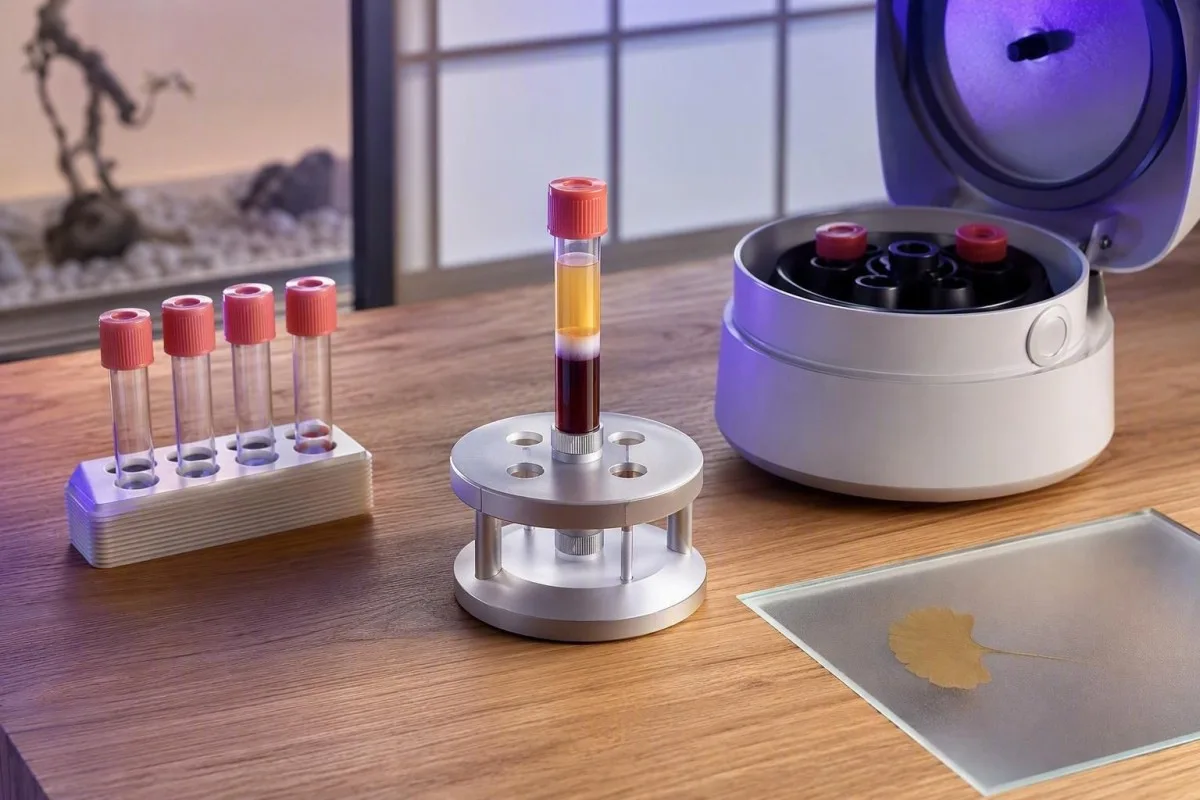
Rauð rör er ekki greining
Litur á rörum gefur til kynna aukefnið sem notað er við rannsóknarstofuvinnslu, ekki alvarleika prófsins. Það sem skiptir máli klínískt er rétt val á röri, hitastig við flutning, leynd við vinnslu og hvort rannsóknarstofan tilkynnir blóðleysismyndun eða ófullnægjandi sýni.
Hvernig á að gera síðari niðurstöður sambærilegar við fyrsta sýnið
Notið sömu rannsóknarstofu, svipaðan sýnatökutíma og svipaða undirbúningsrútínu þegar þið fylgist með rannsóknarniðurstöðum yfir tíma. Raunveruleg líffræðileg breyting getur verið minni en samanlögð áhrif greiningaraðferðar, fastandi stöðu, hreyfingar og venjulegrar daglegarar fráviks.
LDL kólesteról má reikna frekar en að mæla beint, og útreikningurinn verður óáreiðanlegri eftir því sem þríglýseríð hækka. 2018 AHA/ACC kólesterólleiðbeiningar styðja greiningu án föstu hjá mörgum en mæla með greiningu með föstu við sérstakar aðstæður, þar með talið mjög há þríglýseríð og óvissu vegna greiningar (Grundy et al., 2019). Mikilvægast er samkvæmni, ekki fullkomnun.
Viðmiðunarbreytingargildi, eða RCV, sameinar greiningarlega ónákvæmni og einstaklingi eðlilega líffræðilega frávik. 10% hreyfing í einum merkjum getur verið hávaði en 30% breyting í öðrum er þýðingarmikil; það er engin almenn prósenta sem gildir fyrir hvert próf. Okkar er þessi breyting raunveruleg leiðarvísir sýnir hvers vegna þróun krefst meira en litakóða örva.
Kantesti AI túlkar endurteknar spjaldanna með því að bera saman greiningareiningar, viðmiðunarbils, sýnatökudagsetningar og tengda lífmerkjum frekar en að telja einfaldlega óeðlilega flagg. Okkar AI samanburðarvinnuflæði er byggt fyrir þessa langtíma spurningu: hvað breyttist nóg til að vekja athygli?
Geymið upprunalegu skýrsluna
Vistaðu PDF-skjalið eða skýra ljósmynd, ekki aðeins sleginn niður úrslit. Einingaumbreytingar, rannsóknarstofuúrval, athugasemdir um blóðleysismyndun og hvort LDL var reiknað getur verulega breytt því hvernig framtíðarlæknir les þróunina.
Samhengisathugasemdin sem á að vista með hverju blóðprófi
Stutt samhengisathugasemd breytir einangruðum tölum í nothæfar langtíma gögn. Skráið dagsetningu, tíma, fastandi klukkustundir, svefn, hreyfingu, áfengi, veikindi, lyf, fæðubótarefni, hringrásardag, þyngdarbreytingar og ný einkenni við hverja sýnatöku.
Tímabili söfnunar; lengd megrunar; líkamsrækt innan við 48 klukkustundir; áfengi innan við 72 klukkustundir; núverandi veikindi; breytingar á lyfseðlum; skammtastærð fæðubótarefna og síðasti skammtur; og staða vegna tíða eða meðgöngu þar sem við á. Bætið við ferðalögum, tímaáhrifum vegna flugs og hæð þegar það á við, því hver og einn getur haft áhrif á vökva, kortisól, hemóglóbín og svefn-viðkvæma marka.
Þyngdartap um 1,5 kg á 10 dögum, nýtt próteinríkt fæði eða nokkrar nætur með brotakenndan svefn geta útskýrt hóflegar blóðprófabreytingar með tímanum. Það gerir niðurstöðuna ekki ómerkilega – það gerir hana túlkanlega. Fyrir endurnotanlega útgáfu, okkar lab samhengi rekja inniheldur upplýsingar sem sjúklingar gleyma oftast.
Dr. Thomas Klein mælir með að skrifa athugasemdina áður en þú ferð að heiman, ekki á meðan beðið er eftir niðurstöðum. Minni verður óáreiðanlegt eftir óvænta viðvörun, og fólk endurskapar skiljanlega síðustu viku til að passa við töluna.
Hvað á ekki að skrá sem “lög”
Ekki vinna með mataræði, vökvaneyslu, hreyfingu eða fæðubótarefnum eingöngu til að fá aðlaðandi fyrstu viðmiðunargildi. Viðmiðunargildi ætti að endurspegla líf þitt; annars gæti næsta próf litið verr út einfaldlega vegna þess að það er heiðarlegra.
Hvaða jaðartilfelli ætti að endurtaka áður en áhyggjur eru
Margar viðmiðunargildi á jaðrinum ætti að endurtaka við stöðugar aðstæður áður en þau eru meðhöndluð sem sjúkdómur, sérstaklega einangraðar vægar breytingar á lifrarensímum, kreatíníni, kalíum, prólaktíni, daufkyrningum og þríglýseríðum. Bráð einkenni eða mjög óeðlilegt gildi eru undantekning.
ALT sem er minna en 2 sinnum efri mörk rannsóknarstofu með eðlilegu bilirúbíni, ALP og engum einkennum er oft endurskoðað eftir að tímabundnir þættir eins og áfengi, erfið hreyfing eða milliveikindi hafa verið fjarlægðir. Bilirúbínmagn yfir 3 mg/dL með gulu, dökku þvagi, fölu hægðum, hita eða kviðverkjum er annað og ætti ekki að bíða eftir venjulegri endurtekningu viðmiðunargildis.
Vægt lágt daufkyrningatal getur fylgt veiruveiki eða endurspeglað stöðugt eðlilegt hjá einstaklingi. Algjör daufkyrningatal af 1,0-1,5 × 10⁹/L er yfirleitt væg daufkyrningafæð, á meðan gildi undir 0,5 × 10⁹/L bera verulega meiri áhættu á sýkingum og krefjast tafarlausrar læknisfræðilegrar leiðsagnar, sérstaklega með hita. Okkar leiðbeiningar um daufkyrningaeftirlit aðgreina algengar endurtekningar frá rauðum viðvörunum.
Eitt gagnlegasta öryggiskerfið er að athuga mynstrið. Til dæmis, hátt kalsíum með bælingu á kalkkirtlahormóni hefur aðra brýnni þörf en hátt kalsíum auk ofþornunar og albúminhækkunar; ástæðan fyrir því að við höfum áhyggjur af samsetningum er sú að líffræði breytir sjaldan einum markaði einum.
Hvenær grunnlínu blóðpróf ætti ekki að koma í stað læknishjálpar
Viðmiðunarrannsóknarpróf er ekki viðeigandi þegar þú hefur rauðviðvörunareinkenni, hratt versnandi sjúkdóm, meðgöngukomplikasjónir eða mikilvæga rannsóknarstofuviðvörun. Brjóstverkur, mikill mæði, rugl, yfirlið, gula, svartar hægðir eða alvarleg ofþornun krefjast klínísks mats núna – ekki betur undirbúins endurtekningarprófs.
Kalíum 6,0 mmól/L eða hærra, natríum undir 120 mmól/L, glúkósa yfir 300 mg/dL með uppköstum eða rugli, eða blóðrauða nálægt 7 g/dL eru dæmi um niðurstöður sem gætu þarfnast skjótra aðgerða, þótt allt klínískt samhengi skipti máli. Rannsóknarstofur hafa samband við þann sem pantaði prófið vegna mikilvægra gilda, en sjúklingar ættu ekki að ætla að þögul símtöl þýði að niðurstaða sé örugg.
Ef þú ert barnshafandi, ert með langvinna nýrnasjúkdóm, tekur insúlín, notar segavarnarlyf, færð krabbameinslyfjameðferð, eða hefur vitað lifrarsjúkdóm, geta leiðbeiningar um undirbúning verið aðrar en fyrir almennt heilsufarsskoðun. Fasta getur verið óörugg fyrir suma einstaklinga með sykursýki, og tímasetning lyfja getur verið mikilvæg. Leiðbeiningar um hversu oft á að prófa útskýrir hvers vegna áhættuhópur breytir áætluninni.
Kantesti er þjónustu fyrir túlkun á rannsóknarprófum með gervigreind sem hjálpar til við að bera kennsl á spurningar fyrir lækna, ekki staðgengill fyrir skjóta matsgerð eða greiningu. Klínísku öryggisráðstafanir og meginreglur um læknisfræðilega úttekt sem liggja til grundvallar starfi okkar eru lýstar af okkar Læknisfræðileg ráðgjafarnefnd.
Hagnýt 72 tíma áætlun fyrir fyrstu grunnlínu þína
Fyrir gagnlegt fyrsta viðmið, haltu þinni daglegu rútínu í 72 klukkustundir, slepptu áfengi í 48 klukkustundir, forðastu mikla hreyfingu í 24-48 klukkustundir, sofaðu eðlilega, fastaðu 8-12 klukkustundir þegar þess er óskað, drekktu vatn og skráðu þitt samhengi. Samkvæmni er inngrip.
Sjötíu og tveimur til 48 klukkustundum áður: byrjaðu ekki á nýju fæðubótarefni, hröðu megrunarkúr, hreinsun, eða þjálfunarlotu. Ef þú tekur nú þegar fæðubótarefni, skráðu nákvæman skammt; ef það inniheldur háan skammt af bíótíni, spurðu þann sem pantaði prófið eða lyfjafræðing hvort 48-72 klukkustunda hlé sé viðeigandi. Forðastu áfengi í 48 klukkustundir og frestaðu venjulegum prófum ef sjúkdómur er virkur.
Daginn áður: borðaðu venjulegar máltíðir, drekktu eðlilega, forðastu gufubað eða langtímaþolviðburði, og skipuleggðu 7-9 klukkustundir í rúminu. Fyrir föstupróf, hættu að borða 8-12 klukkustundum fyrir tíma; vatn er í lagi. Morguninn sem sýnið er tekið, forðastu kaffi og nikótín ef glúkósa, insúlín, kortisól, katekolamín eða sérhæfðar innkirtlaprófanir eru fyrirhugaðar.
Eftir að niðurstaðan kemur, vistaðu upprunalegu skýrsluna og athugasemdina um samhengi hennar áður en þú breytir einhverju. Kantesti AI getur skipulagt niðurstöður í langan tíma, á meðan okkar tækni og klínísk-aðferðafræðilegar leiðbeiningar útskýra hvers vegna mynstragreining þarfnast enn mannlegrar læknisfræðilegrar eftirfylgni vegna einkenna, alvarlegra frávika og ákvarðana um meðferð.
Algengar spurningar
Hvernig undirbýr maður sig fyrir grunnblóðprufu?
Undirbúningur fyrir grunnblóðprufu með því að halda venjulegri rútínu, forðast áfengi í 48 klukkustundir, forðast erfiðar æfingar í 24-48 klukkustundir, sofa eðlilega og skrá lyf og fæðubótarefni. Fastið í 8-12 klukkustundir ef pöntunin inniheldur fastandi glúkósa, þríglýseríð, insúlín eða járnrannsóknir; vatn er almennt leyfilegt. Drekkið eðlilega frekar en að ofvatna og leggið fyrir sýnatöku að morgni milli klukkan 7 og 10 ef hormón eða járn eru innifalin. Frestaðu grunnrannsókn á vellíðan meðan á bráðum veikindum stendur nema prófið þörfn á til að meta þau veikindi.
Á ég að fasta fyrir fyrstu blóðprufuna mína?
8-12 klukkustunda fasta er gagnlegust fyrir fyrsta blóðprufu sem inniheldur þríglýseríð, fastandi glúkósa, insúlín eða sermisjárn, þó margar venjulegar lípíðprófanir krefjist ekki lengur föstu. Hreinir vatn rofnar ekki föstu og hjálpar til við að koma í veg fyrir erfiða blóðsöfnun eða áhrif sem tengjast ofþornun. Kaffi, djús, mjólk, áfengi, tyggjó og fæðubótarefni geta breytt völdum niðurstöðum eða ógilt fyrirhugaða undirbúning. Fylgdu leiðbeiningum sem eru sérstakar fyrir pöntunina ef læknirinn þinn gefur aðra föstutíma.
Getur hreyfing haft áhrif á niðurstöður blóðrannsókna daginn eftir?
Já, ákafleg hreyfing getur haft áhrif á niðurstöður blóðrannsókna í 24-72 klukkustundir með því að hækka kreatín kínína, AST, ALT, kreatínín, hvít blóðkorn og stundum kalíum. Erfið styrktarþjálfun, maraþonhlaup, hámarksþolþjálfun og hitaáhrif valda meiri breytingum en venjulegur göngutúr. Til að fá stöðugar líkamsræktarmælingar, forðist óvenjulega eða erfiða hreyfingu í 24-48 klukkustundir; eftir stóran þolviðburð er 48-72 klukkustundir oft raunhæfara. Ekki fresta brýnni prófun vegna einkenna eins og mikils vöðvaverkjar, dökkra þvags, máttleysis eða minni þvagútfalls.
Hversu lengi á ég að forðast áfengi fyrir blóðprufu?
Forið áfengi í að minnsta kosti 48 klukkustundir fyrir grunnblóðpróf, sérstaklega þegar þríglýseríð, glúkósi, GGT, AST, ALT eða vökvanæmir merki eru metin. Áfengi getur hækkað þríglýseríð eftir eina þungbúna kvöldstund og áhrifin geta varað í nokkra daga hjá fólki með sykursýki, fitulifur eða meiri venjulega inntöku. Niðurstaða þríglýseríða 500 mg/dL eða hærri krefst tafarlausrar klínískrar mats vegna þess að brisbólguáhætta eykst verulega. Reynið ekki að hreinsa eða fasta alvarlega á eftir; venjulegur matur og vökvun gefa heiðarlegri endurtekna niðurstöðu.
Getur slæmur svefn haft áhrif á niðurstöður blóðrannsókna?
Slæmur svefn getur breytt glúkósa í fastandi líkama, kortisól, blóðþrýsting og nokkur bólgumerki næsta morgun, sérstaklega eftir 4-5 tíma svefn eða næturvakt. Það breytir ekki HbA1c marktækt, sem endurspeglar meðalglykemíu yfir um það bil 8-12 vikur. Ef bráðabirgðaniðurstaða sem ekki er brýn er landamærastig eftir svefnlausa nótt, skráðu svefnleysi og íhugaðu að endurtaka prófið við venjulegar aðstæður. Nauðsynleg próf eiga samt að fara fram, því einkenni og marktækar óeðlilegar niðurstöður skipta meira máli en tilvalin undirbúningur.
Á ég að taka hormónapróf á ákveðnum degi tíðahringsins?
Já, hormónapróf ætti að tímasetja eftir klínískri spurningu og skal alltaf skrá dag blæðinga. FSH, LH og estradíól eru oft metin á dögum 2-5 í tíðahringnum fyrir grunnlínu snemma í eggbúsástandi, en prógesterón er almennt athugað um 7 dögum eftir egglos frekar en sjálfkrafa á degi 21. Prógesterónmagn yfir um það bil 3 ng/mL getur stutt nýlegt egglos, en rannsóknarstofur og klínískar aðstæður eru mismunandi. Hormónagetnaðarvarnir breyta niðurstöðum eigin hormóna, svo ekki hætta þeim eingöngu vegna prófana án læknisráðs.
Fáðu AI-knúna greiningu á blóðprufum í dag
Vertu með yfir 2 milljónir notenda um allan heim sem treysta Kantesti fyrir tafarlausa og nákvæma greiningu á blóðprufum. Hladdu upp niðurstöðum blóðrannsókna þinna og fáðu yfirgripsmikla túlkun á 15,000+ lífmerkjum á sekúndum.
📚 Tilvísuð rannsóknarútgáfa
Klein, T., Mitchell, S., & Weber, H. (2026). Kantesti LTD. (2026). Leiðbeiningar um C3 C4 mótefnavaka og ANA mótefnavaka í blóði. Zenodo.. Kantesti AI Medical Research.
Klein, T., Mitchell, S., & Weber, H. (2026). Kantesti LTD. (2026). Nipah-veirublóðpróf: Leiðarvísir um snemmgreiningu og greiningu 2026. Zenodo.. Kantesti AI Medical Research.
📖 Ytri læknisfræðilegar heimildir
⚕️ Fyrirvari vegna læknisfræðilegra mála
Þessi grein er eingöngu til fræðslu og felur ekki í sér læknisráðgjöf. Leitaðu alltaf til hæfs heilbrigðisstarfsmanns vegna ákvarðana um greiningu og meðferð.
E-E-A-T traustmerki
Reynsla
Læknastýrð klínísk yfirferð á vinnuferlum við túlkun rannsóknarniðurstaðna.
Sérþekking
Áhersla á rannsóknarstofulækningar: hvernig lífmarkarar hegða sér í klínísku samhengi.
Yfirvald
Skrifað af Dr. Thomas Klein með yfirferð Dr. Sarah Mitchell og próf. Dr. Hans Weber.
Traustleiki
Rökstudd túlkun byggð á gögnum með skýrum eftirfylgnileiðum til að draga úr ávörun.