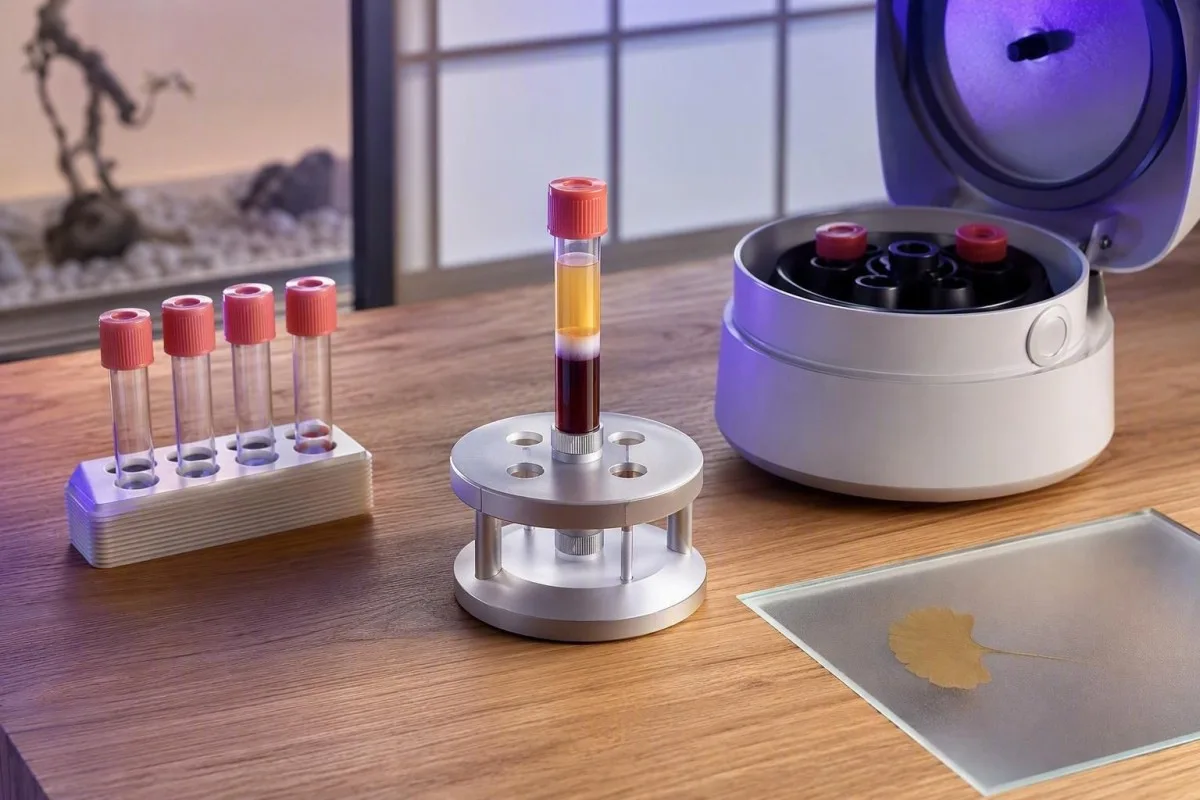
การตรวจเลือดครั้งแรกที่เป็นประโยชน์จะบันทึกสรีรวิทยาตามปกติของคุณ ไม่ใช่ผลสะท้อนทางชีวเคมีจากการออกกำลังกายเมื่อวาน การดื่ม เครื่องดื่ม การนอนหลับไม่เพียงพอ หรือไวรัสที่ผ่านไป จุดประสงค์คือการสร้างบริบทที่สามารถทำซ้ำได้ซึ่งคุณสามารถใช้ได้นานหลายปี.


- การกำหนดเวลาค่าพื้นฐาน: นัดตรวจเลือดตอนเช้าหลังงดอาหาร 8-12 ชั่วโมง หากรวมการตรวจระดับน้ำตาลในเลือดขณะอดอาหาร ไตรกลีเซอไรด์ การศึกษาธาตุเหล็ก หรืออินซูลิน.
- การหยุดพักจากการออกกำลังกาย: หลีกเลี่ยงการฝึกความแข็งแรงหนักผิดปกติ การฝึกแบบช่วง (intervals) หรือการแข่งขันความอดทนเป็นเวลา 24-48 ชั่วโมงก่อนการทดสอบค่าพื้นฐานตามปกติ.
- หน้าต่างแอลกอฮอล์: งดดื่มแอลกอฮอล์อย่างน้อย 48 ชั่วโมงก่อนการทดสอบไตรกลีเซอไรด์และการทดสอบเอนไซม์ตับ การดื่มหนักอาจทำให้ผลบิดเบือนได้นานขึ้น.
- กฎเมื่อมีอาการป่วย: เลื่อนการทดสอบค่าพื้นฐานเพื่อสุขภาพจนกว่าจะผ่านไปอย่างน้อย 2 สัปดาห์หลังจากไข้หรืออาการทางระบบทางเดินหายใจหรือระบบทางเดินอาหารที่สำคัญหายไป.
- เป้าหมายการให้ความชุ่มชื้น: ดื่มน้ำตามปกติในวันก่อนหน้า และดื่มน้ำ 250-500 มล. ในช่วง 2 ชั่วโมงก่อนการเก็บสิ่งส่งตรวจ เว้นแต่จะจำกัดปริมาณของเหลว.
- ข้อควรระวังเรื่องไบโอติน: หยุดรับประทานไบโอตินเสริมในปริมาณสูงที่ไม่ได้สั่งโดยแพทย์เป็นเวลา 48-72 ชั่วโมงก่อนการตรวจอิมมูโนแอสเสย์หลายประเภท แต่ห้ามหยุดการรักษาที่สั่งโดยแพทย์โดยเด็ดขาดหากไม่ปรึกษาแพทย์ผู้สั่งยา.
- บริบทของรอบเดือน: บันทึกวันของรอบเดือนสำหรับเอสโตรเจน โปรเจสเตอโรน LH FSH และบางครั้งลิพิด การเปลี่ยนแปลงนี้มีผลต่อการตีความมากกว่าที่หลายคนคาดคิด.
- ความสามารถในการทำซ้ำ: ใช้ห้องปฏิบัติการเดียวกัน เวลาเช้าที่ใกล้เคียงกัน และรูปแบบการเตรียมตัวแบบเดียวกันเมื่อติดตามผลการตรวจทางห้องปฏิบัติการเมื่อเวลาผ่านไป.
อะไรทำให้การตรวจเลือดครั้งแรกเป็นค่าพื้นฐานที่แท้จริง?
A การตรวจเลือดพื้นฐาน มีประโยชน์มากที่สุดเมื่อเป็นการตรวจในช่วงสัปดาห์ปกติ: รับประทานอาหารคงที่ ดื่มน้ำตามปกติ ไม่มีอาการป่วยเฉียบพลัน และไม่มีการฝึกซ้อมหรือดื่มหนักเป็นพิเศษ สำหรับผู้ใหญ่ส่วนใหญ่ ฉันแนะนำให้เก็บสิ่งส่งตรวจตอนเช้าหลังจากอดอาหาร 8-12 ชั่วโมง เมื่อมีการวัดระดับน้ำตาลในเลือด ไตรกลีเซอไรด์ ตัวบ่งชี้ธาตุเหล็ก หรืออินซูลิน.
เป้าหมายในทางปฏิบัติไม่ใช่ทำให้ผลลัพธ์ดูดีขึ้น แต่เป็นการลด ความแปรปรวนก่อนการวิเคราะห์—การเปลี่ยนแปลงที่เกิดขึ้นก่อนที่เครื่องวิเคราะห์จะเห็นสิ่งส่งตรวจ ระดับน้ำตาลในเลือดขณะอดอาหาร 96 mg/dL และระดับไตรกลีเซอไรด์ 105 mg/dL สามารถเป็นเรื่องปกติได้อย่างสมบูรณ์ แต่ความหมายของมันจะเปลี่ยนไปหากบุคคลนั้นรับประทานอาหารมื้อดึก วิ่ง 10 กิโลเมตร หรือนอนหลับ 3 ชั่วโมง.
ในการทำงานทางคลินิกของฉัน ฉันขอให้ผู้ป่วยปฏิบัติต่อการเจาะเลือดครั้งแรกเหมือนภาพถ่ายอ้างอิง บันทึกเวลาตื่น ระยะเวลาอดอาหาร ยา อาหารเสริม แอลกอฮอล์ในช่วง 72 ชั่วโมงก่อนหน้า การออกกำลังกายในช่วง 48 ชั่วโมงก่อนหน้า วันของรอบเดือน และการติดเชื้อล่าสุด บันทึกนั้นมักมีประโยชน์มากกว่าในการตรวจครั้งที่สองมากกว่าแค่การมีป้าย “ปกติ” เพียงอย่างเดียว.
คันเตสตีเป็น เครื่องวิเคราะห์ผลเลือด AI ออกแบบมาเพื่ออ่านผลลัพธ์ควบคู่ไปกับบริบทในทางปฏิบัติ แทนที่จะมองว่าค่าที่เน้นทุกค่าเป็นโรค สำหรับรายการทดสอบที่สมเหตุสมผล ให้เริ่มต้นด้วย คู่มือการตรวจเลือดประจำปีของเรา และตกลงในการเพิ่มเติมกับแพทย์ที่ทราบประวัติของคุณ.
ผลพื้นฐานเป็นเรื่องเฉพาะบุคคล ไม่ใช่แค่ “อยู่ในช่วง”
ช่วงอ้างอิงของห้องปฏิบัติการมักประกอบด้วยค่ากลาง 95% ของประชากรที่เลือก มันไม่ได้กำหนดตัวเลขส่วนบุคคลที่ดีที่สุดหรือปลอดภัยที่สุดของคุณ ผลครีเอตินินสามารถคงอยู่ในช่วงของห้องปฏิบัติการได้ในขณะที่เพิ่มขึ้นอย่างมีนัยสำคัญจากค่าที่ทำซ้ำของคุณเอง ซึ่งเป็นเหตุผลว่าทำไมการบันทึกผลพื้นฐานจึงมีความสำคัญ.
อาหารที่อดทนและอาหารมื้อก่อนหน้าส่งผลต่อผลลัพธ์อย่างไร
การตรวจตอนอดอาหารสำหรับ 8-12 ชั่วโมง ให้การเปรียบเทียบครั้งแรกที่ชัดเจนที่สุดสำหรับไตรกลีเซอไรด์ น้ำตาลในเลือดขณะอดอาหาร อินซูลิน และธาตุเหล็กในซีรั่ม แม้ว่าแผงลิพิดหลายชนิดสามารถตีความได้โดยไม่ต้องอดอาหาร อนุญาตให้ดื่มน้ำได้และมักจะเป็นประโยชน์ กาแฟ น้ำผลไม้ หมากฝรั่ง และเครื่องดื่มที่มีแคลอรี่ไม่ใช่การอดอาหารที่แท้จริง.
ระดับน้ำตาลในเลือดขณะอดอาหารต่ำกว่า 100 mg/dL โดยทั่วไปถือว่าปกติ 100-125 mg/dL บ่งชี้ถึงภาวะน้ำตาลในเลือดขณะอดอาหารบกพร่อง และ 126 mg/dL หรือสูงกว่า จำเป็นต้องมีการยืนยัน เว้นแต่จะมีอาการและภาวะน้ำตาลในเลือดสูงอย่างเห็นได้ชัด HbA1c สะท้อนถึงช่วงเวลาประมาณ 8-12 สัปดาห์ก่อนหน้า ดังนั้นอาหารเช้ามื้อเดียวจึงไม่สามารถลดค่านี้ได้อย่างมีความหมาย คู่มือการตรวจทางห้องปฏิบัติการของ ADA อธิบายว่าเหตุใดน้ำตาลในเลือดและ HbA1c จึงตอบคำถามที่แตกต่างกัน (Sacks et al., 2023).
ไตรกลีเซอไรด์มีความไวต่อมื้ออาหารเป็นพิเศษ ค่าต่ำกว่า 150 mg/dL โดยทั่วไปเป็นที่ต้องการ ในขณะที่ 500 mg/dL หรือสูงกว่า เพิ่มความกังวลเกี่ยวกับความเสี่ยงต่อตับอ่อนอักเสบ และจำเป็นต้องได้รับการประเมินทางคลินิกอย่างเร่งด่วน มื้ออาหารมื้อหนักในตอนเย็นหรือแอลกอฮอล์สามารถสร้างผลลัพธ์ครั้งแรกที่สูงเกินจริงได้ ดังนั้นควรใช้ แผนการตรวจไตรกลีเซอไรด์ซ้ำ แทนที่จะพยายาม “รับประทานอาหารอย่างสมบูรณ์แบบ” เพียงวันเดียว.
คันเตสตีเป็น แพลตฟอร์มการแปลผลตรวจเลือดของ AI ที่สามารถรักษาสถานะการอดอาหารไว้ได้ข้างๆ กลุ่มการทดสอบแต่ละกลุ่ม ซึ่งทำให้การเปรียบเทียบในภายหลังมีความผิดพลาดน้อยลง biomarker guide อธิบายว่าการทดสอบใดไวต่อมื้ออาหารอย่างแท้จริง และการทดสอบใดไม่ไว.
การออกกำลังกายสามารถเลียนแบบการทดสอบตับและไตที่ผิดปกติได้อย่างไร
การออกกำลังกายอย่างหนักอาจทำให้ค่าเพิ่มขึ้นชั่วคราว CK, AST, ALT, ครีเอตินีน, เม็ดเลือดขาว, และบางครั้งโพแทสเซียม, ดังนั้น ควรหลีกเลี่ยงการออกกำลังกายที่ไม่คุ้นเคยหรือมีความเข้มข้นสูง 24-48 ชั่วโมงก่อนการทดสอบพื้นฐาน การเดินเบาๆ และการเคลื่อนไหวในชีวิตประจำวันตามปกติถือว่าใช้ได้.
นักวิ่งมาราธอนอายุ 52 ปีที่ฉันได้ตรวจพบค่า AST 89 IU/L หลังการแข่งขันที่ยาวนาน โดยมีค่า ALT 36 IU/L และ CK สูงกว่า 2,000 IU/L รูปแบบนั้นชี้ไปที่กล้ามเนื้อที่ออกกำลังกายมากกว่าความเสียหายต่อตับ แต่ก็ยังต้องมีการทดสอบซ้ำหลังจากการฟื้นตัว ค่าเดี่ยวๆ ไม่เพียงพอในทางปฏิบัติ อ่านเพิ่มเติมเกี่ยวกับ AST หลังออกกำลังกาย ก่อนที่จะสรุปว่าเป็นปัญหาเกี่ยวกับตับ.
ขีดจำกัดอ้างอิงของ Creatine kinase แตกต่างกันไปในแต่ละห้องปฏิบัติการ เพศ เชื้อชาติ มวลกล้ามเนื้อ และสถานะการฝึก แต่หลายห้องปฏิบัติการจะแจ้งค่าที่สูงกว่าประมาณ 200-300 IU/L CK ที่เกิน 5 เท่าของขีดจำกัดอ้างอิงสูงสุดหลังจากการออกกำลังกายเป็นเรื่องปกติ CK ที่สูงกว่า 5,000 IU/L ร่วมกับปัสสาวะสีเข้ม อาการปวดกล้ามเนื้ออย่างรุนแรง หรือปริมาณปัสสาวะลดลง จำเป็นต้องได้รับการประเมินอย่างเร่งด่วนสำหรับภาวะ rhabdomyolysis จากการออกกำลังกาย.
ครีเอตินีนเพิ่มสูงขึ้นหลังจากการทำกิจกรรมอย่างหนัก ส่วนหนึ่งมาจากการสลายตัวของกล้ามเนื้อและการไหลเวียนโลหิตของไตลดลงจากการสูญเสียของเหลว อย่าตีความว่า eGFR ที่ต่ำลงจากตัวอย่างหลังการแข่งขันเป็นโรคไตเรื้อรังหากไม่ทำการทดสอบหลังการฟื้นตัว คู่มือการตรวจครีเอตินินจากการออกกำลังกาย อธิบายหน้าต่างการเจาะเลือดซ้ำที่ปลอดภัยกว่า.
การปรับ 48 ชั่วโมงไม่ใช่กฎสำหรับทุกคน
สำหรับการออกกำลังกายในยิมระดับสันทนาการ 24 ชั่วโมงมักจะเพียงพอ หลังจากการแข่งขันอัลตรามาราธอน การแข่งขัน CrossFit การยกน้ำหนักแบบเน้นกล้ามเนื้อมาก หรือการสัมผัสความร้อน ฉันมักจะรอ 48-72 ชั่วโมงหากวัตถุประสงค์คือการตั้งค่าพื้นฐานที่มั่นคง แทนที่จะเป็นการประเมินเหตุการณ์นั้นๆ.
เหตุใดแอลกอฮอล์จึงสมควรหยุดพัก 48 ชั่วโมงสำหรับการทดสอบค่าพื้นฐาน
การงดดื่มแอลกอฮอล์อย่างน้อย 48 ชั่วโมง ก่อนการตรวจเลือดพื้นฐานจะช่วยลดความผันผวนในระยะสั้นของไตรกลีเซอไรด์ กลูโคส GGT, AST, ตัวบ่งชี้การให้น้ำ, และสรีรวิทยาที่เกี่ยวข้องกับการนอนหลับ การดื่มหนักเพียงครั้งเดียวในตอนเย็นอาจส่งผลมากกว่าที่ผู้ป่วยหลายคนคาดคิด.
แอลกอฮอล์สามารถเพิ่มไตรกลีเซอไรด์ได้โดยการเพิ่มการผลิตไลโปโปรตีนความหนาแน่นต่ำมาก (very-low-density lipoprotein) ในตับ โดยเฉพาะอย่างยิ่งหลังมื้ออาหารที่มีคาร์โบไฮเดรตสูง ผลลัพธ์มีความหลากหลาย: ผลลัพธ์ของบางคนกลับสู่ค่าพื้นฐานภายใน 24 ชั่วโมง ในขณะที่คนอื่นที่มีไขมันพอกตับ เบาหวาน หรือการบริโภคหนักกว่า อาจแสดงการเปลี่ยนแปลงหลายวัน ไตรกลีเซอไรด์ขณะอดอาหาร 220 mg/dL หลังดื่มในช่วงสุดสัปดาห์ควรได้รับการตรวจซ้ำก่อนที่จะระบุว่าเป็นปัญหาเมตาบอลิซึมที่ถาวร.
GGT มีความไวแต่ไม่จำเพาะ เจาะจง หลายห้องปฏิบัติการใช้ขีดจำกัดบนประมาณ 55-60 IU/L สำหรับผู้ชาย และ 35-40 IU/L สำหรับผู้หญิง อย่างไรก็ตาม ยา ภาวะดีซ่าน ไขมันพอกตับ และแอลกอฮอล์สามารถเพิ่มค่า GGT ได้ รูปแบบที่มีความหมายคือ GGT ร่วมกับ ALT, ALP, บิลิรูบิน, จำนวนเกล็ดเลือด, และประวัติการดื่มแอลกอฮอล์ ดู คำอธิบายการตรวจตับ (liver panel) ของเราสำหรับวิธีการรวมข้อมูลเหล่านี้.
ณ วันที่ 1 กันยายน 2026 ฉันยังคงแนะนำให้หลีกเลี่ยงการ “ล้างพิษ” หรือการอดอาหารมากเกินไปเพื่อปรับปรุงผลการตรวจตับ การรับประทานอาหารปกติ ดื่มน้ำปกติ งดแอลกอฮอล์ และมีช่วงเวลาการทดสอบที่บันทึกไว้อย่างชัดเจน เป็นหลักการทางวิทยาศาสตร์ที่สะอาดกว่า ค่า ALT ที่สูงเกินขีดจำกัดบนของห้องปฏิบัติการอย่างต่อเนื่องในการตรวจสองครั้งห่างกันหลายสัปดาห์ ควรได้รับการตรวจทางการแพทย์ ไม่ใช่การ "ล้างพิษ" ทางอินเทอร์เน็ต.
เมื่อใดควรเลื่อนการตรวจสุขภาพเนื่องจากอาการป่วยหรือการฉีดวัคซีน
ชะลอการตรวจสุขภาพพื้นฐานในช่วงที่มีไข้ ป่วยทางเดินอาหารเฉียบพลัน การติดเชื้อทางเดินหายใจรุนแรง หรือในช่วง 1-2 สัปดาห์แรกหลังฟื้นตัวเนื่องจาก CRP, เฟอร์ริติน, เม็ดเลือดขาว, เกล็ดเลือด, กลูโคส, และ ตรวจไทรอยด์ อาจเปลี่ยนแปลงชั่วคราว การตรวจวินิจฉัยเร่งด่วนนั้นแตกต่างออกไป: อย่าชะลอการตรวจเมื่อคุณไม่สบาย.
โปรตีน C-reactive มักจะเพิ่มขึ้นภายใน 6-8 ชั่วโมงหลังการกระตุ้นด้วยการอักเสบ และสามารถลดลงได้อย่างรวดเร็วเมื่อสิ่งกระตุ้นสงบลง ค่า CRP ต่ำกว่า 3 มก./ลิตร มักใช้สำหรับการแบ่งชั้นความเสี่ยงต่อโรคหัวใจและหลอดเลือด เฉพาะเมื่อบุคคลนั้นมีอาการทางคลินิกที่ดีเท่านั้น ผล 18 มก./ลิตร ในช่วงที่เป็นหวัด แทบไม่บอกถึงความเสี่ยงต่อหลอดเลือดในระยะยาว รูปแบบ CRP และอัลบูมิน มีข้อมูลมากกว่าผลลัพธ์ใดผลลัพธ์หนึ่งเพียงอย่างเดียว.
Ferritin เป็นทั้งโปรตีนเก็บสะสมธาตุเหล็กและสารตั้งต้นระยะเฉียบพลัน ค่า ferritin 110 ng/mL ระหว่างการติดเชื้อ อาจบดบังภาวะขาดธาตุเหล็ก ในขณะที่ ferritin ต่ำกว่า 15 ng/mL บ่งชี้อย่างชัดเจนถึงภาวะขาดธาตุเหล็กในผู้ใหญ่ที่สุขภาพดี นี่คือเหตุผลที่ฉันจับคู่ ferritin กับการอิ่มตัวของ transferrin, CRP, ฮีโมโกลบิน และประวัติทางคลินิก.
การฉีดวัคซีนอาจทำให้เกิดการตอบสนองทางภูมิคุ้มกันชั่วคราว รวมถึงการเปลี่ยนแปลงชั่วคราวของ CRP และกลุ่มย่อยของเม็ดเลือดขาว การตรวจตามปกติมักจะรอได้ 3-7 วันหลังการฉีดวัคซีน หากเป้าหมายคือการตรวจวัดค่าพื้นฐานที่คงที่ แต่ชุดการตรวจเพื่อติดตามยาตามกำหนดควรเป็นไปตามคำแนะนำของแพทย์ผู้สั่งยา คู่มือห้องปฏิบัติการหลังการฉีดวัคซีนของเรา ครอบคลุมความแตกต่างที่ใช้ได้จริง.
กฎสองสัปดาห์มีข้อยกเว้น
หลังเป็นปอดอักเสบ เข้ารับการรักษาในโรงพยาบาล ติดเชื้อ mononucleosis หรือภาวะโรคเรื้อรังกำเริบรุนแรง สองสัปดาห์อาจไม่เพียงพอ ในกรณีเหล่านั้น ฉันมักใช้การฟื้นตัวของอาการ แนวโน้ม CRP และดุลยพินิจของแพทย์ แทนที่จะใช้เพียงปฏิทิน.
การอดนอนและเวลาส่งผลต่อการตรวจเลือดอย่างไร
การนอนหลับไม่ดีเพียงคืนเดียว สามารถเพิ่มระดับน้ำตาลในเลือดขณะอดอาหาร, คอร์ติซอล, ความดันโลหิต และสัญญาณการอักเสบ ในขณะที่ช่วงเวลาสามารถเปลี่ยนแปลงฮอร์โมนเทสโทสเตอโรน, คอร์ติซอล, ธาตุเหล็ก และ TSH สำหรับการตรวจวัดค่าพื้นฐานครั้งแรก ให้ตั้งเป้าที่ การนอนหลับปกติ 7-9 ชั่วโมง และเก็บตัวอย่างระหว่างประมาณ 7 ถึง 10 โมงเช้า หากเป็นไปได้.
คอร์ติซอลมีจังหวะรายวันอย่างชัดเจน ระดับคอร์ติซอลในซีรั่มตอนเช้ามักวัดประมาณ 8 โมงเช้า แต่ค่าไม่สามารถวินิจฉัยโรคต่อมหมวกไตได้หากไม่ทราบเวลาเก็บตัวอย่าง อาการ และบ่อยครั้งต้องมีการตรวจ ACTH การเปรียบเทียบตัวอย่างตอนบ่ายกับตัวอย่าง 8 โมงเช้าก่อนหน้านี้ ไม่ใช่แนวโน้มที่ถูกต้อง แม้ว่าห้องปฏิบัติการเดียวกันจะทำการตรวจทั้งสองครั้งก็ตาม.
การจำกัดการนอนหลับ 4-5 ชั่วโมง สามารถทำให้ความไวต่ออินซูลินในตอนเช้าแย่ลง และเปลี่ยนแปลงฮอร์โมนความอยากอาหาร ขนาดของการเปลี่ยนแปลงในห้องปฏิบัติการจะแตกต่างกันไปในแต่ละบุคคล ฉันพบสิ่งนี้บ่อยที่สุดในคนทำงานเป็นกะ ผู้ปกครองมือใหม่ และนักเดินทางบ่อย ที่ซึ่ง “ค่าพื้นฐาน” จำเป็นต้องสะท้อนตารางเวลาจริงของพวกเขา แทนที่จะเป็นตารางเวลาในอุดมคติ คู่มือห้องปฏิบัติการการนอนหลับที่ไม่มีคุณภาพ มีรายการตรวจสอบคำอธิบายประกอบที่เป็นประโยชน์.
คำแนะนำที่เป็นประโยชน์ของ Dr. Thomas Klein นั้นง่าย: อย่า ยกเลิกการตรวจที่จำเป็นเพียงเพราะคุณนอนหลับไม่ดี แต่ให้บันทึกไว้ หากระดับน้ำตาลในเลือดขณะอดอาหารที่ใกล้เคียงเกณฑ์ 103 mg/dL หลังจากอดนอนทั้งคืน ให้ตรวจซ้ำภายใต้สภาวะปกติก่อนที่จะสรุปเกี่ยวกับภาวะเบาหวานแฝง.
คาเฟอีนไม่เป็นอันตรายเสมอไปในการเตรียมตัว
กาแฟดำอาจส่งผลเพียงเล็กน้อยต่อการตรวจหลายรายการ แต่ก็อาจส่งผลต่อระดับน้ำตาล กลูโคส คาเทโคลามีน ความดันโลหิต และการตรวจต่อมไร้ท่อเฉพาะทางบางชนิด เมื่อมีการสั่งตรวจอินซูลินขณะอดอาหาร ระดับน้ำตาล กลูโคส คอร์ติซอล หรือเมทาเนฟริน น้ำเปล่าเป็นทางเลือกที่ชัดเจนที่สุด.
ควรบันทึกอาหารเสริมและยาอะไรบ้าง
อย่าหยุดยาที่แพทย์สั่งสำหรับการตรวจเลือดพื้นฐาน เว้นแต่แพทย์จะสั่งให้หยุด แต่ให้บันทึกยาทุกชนิดและผลิตภัณฑ์เสริมอาหารพร้อมปริมาณและเวลาที่รับประทาน. ไบโอติน ธาตุเหล็ก B12 ครีเอทีน ไอโอดีน คอร์ติโคสเตียรอยด์ และยาแก้คัดจมูก อาจเปลี่ยนแปลงได้ทั้งทางชีววิทยาหรือการทดสอบ.
ไบโอตินปริมาณสูง ซึ่งมักจะ 5,000-10,000 ไมโครกรัมต่อวันในผลิตภัณฑ์สำหรับเส้นผมและเล็บ อาจรบกวนการทดสอบอิมมูโนแอสเซย์แบบสเตรปโตอาวิดิน-ไบโอตินบางชนิด อาจทำให้ค่า TSH ต่ำกว่าความเป็นจริง หรือค่า T4 อิสระ ทรอโปนิน หรือฮอร์โมนสูงกว่าความเป็นจริง ขึ้นอยู่กับการออกแบบการทดสอบ การหยุดพัก 48-72 ชั่วโมงเป็นสิ่งที่ใช้กันทั่วไปสำหรับไบโอตินที่ไม่ได้สั่งโดยแพทย์ แต่ผู้ที่รับประทานเพื่อรักษาโรคควรปรึกษาแพทย์ก่อน.
ธาตุเหล็กชนิดรับประทานอาจทำให้ระดับธาตุเหล็กในซีรัมสูงขึ้นชั่วคราว และผลิตภัณฑ์เสริมอาหารครีเอทีนอาจเพิ่มระดับครีเอตินีนโดยไม่ลดการกรองที่แท้จริง คอร์ติโคสเตียรอยด์อาจทำให้ระดับน้ำตาลและเซลล์เม็ดเลือดขาวสูงขึ้น ยากลุ่มโปรตอนปั๊มอินฮิบิเตอร์อาจส่งผลต่อแมกนีเซียมและ B12 เมื่อเวลาผ่านไป การตอบสนองที่ถูกต้องคือการพิจารณาตามบริบท ไม่ใช่การหยุดยาด้วยตนเองอย่างกะทันหัน คู่มือการอดอาหารสำหรับผลิตภัณฑ์เสริมอาหาร อธิบายข้อยกเว้นทั่วไป.
คันเตสตีเป็น เครื่องมือวิเคราะห์ผลตรวจเลือดที่ขับเคลื่อนด้วย AI ที่บันทึกผลิตภัณฑ์เสริมอาหารที่รายงานควบคู่ไปกับผลการตรวจ เพื่อให้สามารถตรวจสอบการเปลี่ยนแปลงที่ผิดปกติของไทรอยด์หรือไตได้โดยพิจารณาจากการสัมผัสที่อาจเป็นสาเหตุ ผู้ป่วยยังสามารถเปรียบเทียบผลการตรวจที่รายงานกับ รายการตรวจสอบความแม่นยำทางคลินิกของเรา ก่อนดำเนินการตามสัญญาณเตือนที่ไม่คาดคิด.
การกำหนดเวลาการใช้ยาอาจเป็นส่วนหนึ่งของใบสั่งยา
การทดแทนฮอร์โมนไทรอยด์ การรักษาด้วยเทสโทสเตอโรน อินซูลิน ยาขับปัสสาวะ และยาต้านการแข็งตัวของเลือด แต่ละชนิดมีกฎการกำหนดเวลาที่เฉพาะเจาะจงสำหรับการทดสอบ ตัวอย่างเช่น การตรวจไทรอยด์มักจะเจาะเลือดก่อนการให้ยาเลโวไทรอกซีนของวันนั้นเมื่อติดตามความสม่ำเสมอ แต่ควรให้ความสำคัญกับโปรโตคอลของแพทย์ที่สั่ง.
ระยะเวลาของรอบเดือนส่งผลต่อค่าพื้นฐานของฮอร์โมนครั้งแรกอย่างไร
สำหรับการทดสอบฮอร์โมนสืบพันธุ์ วันของรอบเดือนเป็นส่วนหนึ่งของผลการตรวจ. FSH, LH, เอสตราไดออล, โปรเจสเตอโรน, เทสโทสเตอโรน, โปรแลคติน และบางครั้งก็เป็นไขมัน อาจแตกต่างกันไปตลอดรอบเดือน จนทำให้การตีความอ่อนแอลงหากไม่บันทึกวันที่.
การทดสอบช่วงต้นของระยะ follicular ซึ่งมักจะเป็นวันที่ 2-5 ของรอบเดือน มักใช้สำหรับการตรวจ FSH, LH และเอสตราไดออลพื้นฐานในการประเมินภาวะเจริญพันธุ์ โดยทั่วไปโปรเจสเตอโรนจะวัดประมาณ 7 วันหลังการตกไข่ ไม่ใช่วันที่ 21 โดยอัตโนมัติ เพราะรอบเดือน 35 วันจะมีชีววิทยาที่แตกต่างออกไป ค่าโปรเจสเตอโรนสูงกว่าประมาณ 3 ng/mL สามารถสนับสนุนการตกไข่เมื่อเร็วๆ นี้ได้ในหลายกรณี แต่การตีความที่แม่นยำขึ้นอยู่กับการทดสอบและเวลา.
โปรแลคตินมีความไวต่อความเครียด การออกกำลังกายเมื่อเร็วๆ นี้ กิจกรรมทางเพศ และการเก็บตัวอย่างที่ยาก การเพิ่มขึ้นเล็กน้อยมักจะถูกทดสอบซ้ำหลังจากพักผ่อนอย่างสงบ 20-30 นาที โดยเฉพาะอย่างยิ่งในตอนเช้า ค่าที่สูงอย่างต่อเนื่องเกิน 100 ng/mL สมควรได้รับการประเมินต่อมไร้ท่ออย่างเร่งด่วน แม้ว่าผลกระทบจากยาจะยังคงเป็นเรื่องปกติ ดู คู่มือการทดสอบโปรแลคตินซ้ำของเรา สำหรับขั้นตอนต่อไปที่สมเหตุสมผล.
การเปลี่ยนแปลงของระดับไขมันที่เกี่ยวข้องกับรอบเดือนนั้นมีอยู่จริง แต่โดยทั่วไปแล้วมีค่าน้อยกว่าการเปลี่ยนแปลงที่เกิดจากน้ำหนัก อาหาร แอลกอฮอล์ เบาหวาน หรือพันธุกรรม หากคุณตั้งใจที่จะติดตามสุขภาพด้วยการตรวจเลือดตลอดหลายปี ให้เลือกช่วงของรอบเดือนที่คล้ายคลึงกันสำหรับการตรวจซ้ำแผงไขมันและฮอร์โมนทุกครั้งที่เป็นไปได้ โดยเฉพาะอย่างยิ่งในขณะที่ประเมินอาการหรือการรักษา.
การคุมกำเนิดด้วยฮอร์โมนเปลี่ยนแปลงคำถาม
การคุมกำเนิดด้วยฮอร์โมนรวมอาจกดการหลั่ง FSH, LH, เอสตราไดออล และแอนโดรเจนจากภายในร่างกาย ดังนั้นผลลัพธ์เหล่านี้อาจไม่สามารถอธิบายสรีรวิทยาที่ไม่ได้รับการรักษาได้ อย่าหยุดการคุมกำเนิดเพียงเพื่อให้ได้ค่าพื้นฐานโดยไม่ได้พิจารณาความเสี่ยงในการตั้งครรภ์และเหตุผลทางคลินิกสำหรับการทดสอบ.
ความชุ่มชื้น ท่าทาง และเทคนิคการเก็บตัวอย่างมีความสำคัญอย่างไร
การดื่มน้ำตามปกติและการพักในท่านั่ง 10-15 นาทีก่อนการเก็บตัวอย่างจะช่วยเพิ่มความแม่นยำในการทำซ้ำได้ เนื่องจากภาวะขาดน้ำ การยืนเป็นเวลานาน และการเจาะเลือดที่ยากลำบาก สามารถทำให้ผลการตรวจบางอย่างเข้มข้นขึ้นหรือผิดเพี้ยนไปได้ ดื่มน้ำตามปกติในวันก่อนหน้า และยกเว้นกรณีที่มีข้อจำกัดเรื่องการดื่มน้ำ ให้ดื่ม น้ำ 250-500 มิลลิลิตร ภายใน 2 ชั่วโมงก่อนถึงเวลานัดหมาย.
การหดตัวของปริมาตรพลาสมาอาจทำให้ฮีโมโกลบิน, ฮีมาโตคริต, อัลบูมิน, แคลเซียม, โปรตีนทั้งหมด และครีเอตินิน ดูสูงกว่าที่เป็นอยู่ภายใต้ภาวะการดื่มน้ำตามปกติ ในทางตรงกันข้าม การดื่มน้ำปริมาณมากทันทีก่อนการทดสอบอาจทำให้โซเดียมและการวัดค่าอื่นๆ เจือจางลงได้ โดยทั่วไปช่วงระดับโซเดียมปกติจะอยู่ที่ 135-145 mmol/L แต่ผลการตรวจที่ผิดปกติควรได้รับการตีความโดยพิจารณาจากภาวะการดื่มน้ำและระดับน้ำตาลร่วมด้วยเสมอ.
ท่าทางมีความสำคัญมากกว่าที่คนส่วนใหญ่ตระหนัก การยืนอาจเพิ่มระดับอัลบูมินและสารที่จับกับโปรตีนได้จากการเคลื่อนย้ายของเหลว ในขณะที่การใช้สายรัดนานเกินไปและการกำมือซ้ำๆ อาจทำให้โพแทสเซียมและแลคเตตสูงขึ้นผิดปกติ ระดับโพแทสเซียมที่สูงกว่า 5.5 mmol/L โดยไม่มีโรคไต อาการ หรือการเปลี่ยนแปลงของคลื่นไฟฟ้าหัวใจ (ECG) มักจะถูกตรวจสอบซ้ำทันที เนื่องจากความผิดพลาดในการเก็บตัวอย่างเกิดขึ้นได้บ่อยครั้ง คู่มือ การเก็บตัวอย่างโพแทสเซียมที่ผิดพลาดของเรา อธิบายว่าทำไม.
การมีประจำเดือน การสูญเสียน้ำจากอาการท้องเสีย ยาขับปัสสาวะ และการอบซาวน่า ล้วนเป็นข้อมูลที่ควรบันทึกไว้ในหมายเหตุประกอบการเก็บตัวอย่าง หากค่า eGFR ต่ำกว่าที่คาดการณ์ไว้หลังจากการขาดน้ำ ให้กลับมาดื่มน้ำตามปกติและปรึกษาเรื่องการทดสอบซ้ำ ดู การเปลี่ยนแปลง eGFR ชั่วคราว ก่อนที่จะสรุปว่ามีความเสียหายต่อไตอย่างถาวร.
หลอดเลือดสีแดงไม่ใช่การวินิจฉัย
สีของหลอดเลือดบ่งบอกถึงสารเติมแต่งที่ใช้ในการประมวลผลในห้องปฏิบัติการ ไม่ใช่ความรุนแรงของการตรวจ สิ่งสำคัญทางคลินิกคือการเลือกหลอดเลือดที่ถูกต้อง อุณหภูมิในการขนส่ง ความล่าช้าในการประมวลผล และห้องปฏิบัติการรายงานภาวะเม็ดเลือดแดงแตก (haemolysis) หรือตัวอย่างไม่เพียงพอหรือไม่.
การตรวจเลือดทุกครั้ง
ใช้ห้องปฏิบัติการเดียวกัน เวลาเก็บตัวอย่างใกล้เคียงกัน และกิจวัตรการเตรียมตัวที่คล้ายคลึงกันทุกครั้งที่คุณติดตามผลการตรวจทางห้องปฏิบัติการเมื่อเวลาผ่านไป การเปลี่ยนแปลงทางชีววิทยาที่แท้จริงอาจเล็กน้อยกว่าผลกระทบรวมของวิธีการตรวจ ช่วงอ้างอิง สถานะการอดอาหาร การออกกำลังกาย และความแปรปรวนในแต่ละวันตามปกติ.
คอเลสเตอรอล LDL อาจถูกคำนวณแทนการวัดโดยตรง และความแม่นยำของการคำนวณจะลดลงเมื่อระดับไตรกลีเซอไรด์สูงขึ้น แนวทางปฏิบัติของ AHA/ACC ปี 2018 เกี่ยวกับคอเลสเตอรอลสนับสนุนการคัดกรองโดยไม่ต้องอดอาหารในหลายกรณี แต่แนะนำให้ประเมินโดยการอดอาหารในบางสถานการณ์ รวมถึงระดับไตรกลีเซอไรด์ที่สูงมากและความไม่แน่นอนในการวินิจฉัย (Grundy et al., 2019) ประเด็นสำคัญคือความสม่ำเสมอ ไม่ใช่ความสมบูรณ์แบบ.
ค่าการเปลี่ยนแปลงอ้างอิง (Reference change value) หรือ RCV คือการรวมกันของความไม่แม่นยำในการวิเคราะห์กับความแปรปรวนทางชีวภาพปกติของแต่ละบุคคล การเปลี่ยนแปลง 10% ในตัวบ่งชี้หนึ่งอาจเป็นสัญญาณรบกวน (noise) ในขณะที่การเปลี่ยนแปลง 30% ในอีกตัวบ่งชี้หนึ่งมีความหมาย ไม่ได้มีเปอร์เซ็นต์สากลที่ใช้ได้กับทุกการทดสอบ คู่มือ การเปลี่ยนแปลงนี้จริงหรือไม่ แสดงให้เห็นว่าเหตุใดแนวโน้มจึงต้องการมากกว่าแค่ลูกศรสี.
Kantesti AI ตีความผลการตรวจซ้ำโดยการเปรียบเทียบหน่วยการวัด ช่วงอ้างอิง วันที่เก็บตัวอย่าง และตัวบ่งชี้ทางชีวภาพที่เกี่ยวข้อง แทนที่จะนับแค่การแจ้งเตือนที่ผิดปกติเท่านั้น คู่มือของเรา AI comparison workflow ถูกสร้างขึ้นมาเพื่อตอบคำถามแนวโน้มระยะยาวนี้: อะไรที่เปลี่ยนแปลงมากพอที่จะได้รับความสนใจ?
เก็บรายงานต้นฉบับไว้
บันทึกไฟล์ PDF หรือรูปถ่ายที่ชัดเจน ไม่ใช่เพียงผลการตรวจที่พิมพ์ออกมา การแปลงหน่วย ช่วงของห้องปฏิบัติการ ข้อคิดเห็นเกี่ยวกับภาวะเม็ดเลือดแดงแตก และการคำนวณ LDL หรือไม่ สามารถเปลี่ยนแปลงวิธีการที่แพทย์ในอนาคตอ่านแนวโน้มได้อย่างมีนัยสำคัญ.
หมายเหตุบริบทที่จะบันทึกพร้อมกับการตรวจเลือดทุกครั้ง
บันทึกบริบทสั้นๆ จะเปลี่ยนตัวเลขที่แยกจากกันให้กลายเป็นข้อมูลแนวโน้มที่นำไปใช้ได้จริง บันทึก วันที่ เวลา ชั่วโมงการอดอาหาร การนอนหลับ การออกกำลังกาย การดื่มแอลกอฮอล์ การเจ็บป่วย ยา อาหารเสริม วันในรอบเดือน การเปลี่ยนแปลงน้ำหนัก และอาการใหม่ๆ ในการเก็บตัวอย่างทุกครั้ง.
บันทึกขั้นต่ำของฉันมีแปดรายการ: เวลาเก็บสิ่งส่งตรวจ; ระยะเวลาอดอาหาร; การออกกำลังกายภายใน 48 ชั่วโมง; แอลกอฮอล์ภายใน 72 ชั่วโมง; การเจ็บป่วยปัจจุบัน; การเปลี่ยนแปลงยาตามใบสั่งแพทย์; ปริมาณอาหารเสริมและปริมาณสุดท้าย; และสถานะประจำเดือนหรือการตั้งครรภ์ที่เกี่ยวข้อง เพิ่มการเดินทาง อาการเจ็ตแล็ก และระดับความสูงเมื่อสิ่งเหล่านี้ใช้ได้ เนื่องจากแต่ละอย่างสามารถเปลี่ยนแปลงการให้น้ำ คอร์ติซอล ฮีโมโกลบิน และตัวบ่งชี้ที่ไวต่อการนอนหลับได้.
น้ำหนักลด 1.5 กก. ใน 10 วัน การรับประทานอาหารโปรตีนสูงแบบใหม่ หรือการนอนหลับที่กระจัดกระจายหลายคืน อาจอธิบายการเปลี่ยนแปลงผลเลือดเล็กน้อยเมื่อเวลาผ่านไป นั่นไม่ได้ทำให้ผลลัพธ์ไม่สำคัญ—แต่มันทำให้สามารถตีความได้ สำหรับเวอร์ชันที่นำกลับมาใช้ใหม่ได้ของเรา ตัวติดตามบริบทของห้องแล็บ ประกอบด้วยรายละเอียดที่ผู้ป่วยมักลืมบ่อยที่สุด.
ดร. โทมัส ไคลน์ แนะนำให้เขียนบันทึกก่อนออกจากบ้าน ไม่ใช่ระหว่างรอผล ความจำจะเชื่อถือไม่ได้หลังจากมีการแจ้งเตือนที่ไม่คาดคิด และผู้คนก็สร้างสัปดาห์ก่อนหน้าให้เข้ากับตัวเลขได้อย่างสมเหตุสมผล.
สิ่งที่ไม่ควรถ่ายทอดเป็น “การแก้ไข”
อย่าจัดการอาหาร การบริโภคน้ำ การออกกำลังกาย หรืออาหารเสริมเพียงเพื่อให้ได้ค่าพื้นฐานแรกที่น่าพอใจมากขึ้น ค่าพื้นฐานควรถือเป็นตัวแทนของชีวิตคุณ มิฉะนั้นการทดสอบครั้งต่อไปอาจดูแย่ลงเพียงเพราะมีความซื่อสัตย์มากขึ้น.
ผลที่น่าสงสัยควรทำซ้ำก่อนที่จะกังวล
ผลค่าพื้นฐานที่ก้ำกึ่งหลายอย่างควรถ่ายซ้ำภายใต้สภาวะที่คงที่ก่อนที่จะได้รับการรักษาว่าเป็นโรค โดยเฉพาะการเปลี่ยนแปลงเล็กน้อยที่แยกได้ของเอนไซม์ตับ ครีเอตินีน โพแทสเซียม โปรแลคติน นิวโทรฟิล และไตรกลีเซอไรด์ อาการเร่งด่วนหรือค่าที่ผิดปกติอย่างมากถือเป็นข้อยกเว้น.
ALT น้อยกว่า 2 เท่าของขีดจำกัดบนของห้องปฏิบัติการ ร่วมกับบิลิรูบิน ALP ปกติ และไม่มีอาการ มักจะถูกตรวจสอบซ้ำหลังจากกำจัดปัจจัยชั่วคราว เช่น แอลกอฮอล์ การออกกำลังกายหนัก หรือการเจ็บป่วยแทรกซ้อน ระดับบิลิรูบินสูงกว่า 3 มก./เดซิลิตร ร่วมกับดีซ่าน ปัสสาวะสีเข้ม อุจจาระสีซีด มีไข้ หรือปวดท้อง แตกต่างกันและไม่ควรรอการถ่ายซ้ำค่าพื้นฐานตามปกติ.
จำนวนนิวโทรฟิลต่ำเล็กน้อยอาจตามหลังการติดเชื้อไวรัส หรือสะท้อนถึงภาวะปกติที่คงที่ของแต่ละบุคคล จำนวนนิวโทรฟิลสัมบูรณ์ 1.0-1.5 × 10⁹/ลิตร มักเป็นภาวะนิวโทรเพเนียเล็กน้อย ในขณะที่ต่ำกว่า 0.5 × 10⁹/ลิตร มีความเสี่ยงต่อการติดเชื้อสูงกว่าอย่างมาก และต้องได้รับการดูแลทางการแพทย์อย่างเร่งด่วน โดยเฉพาะอย่างยิ่งเมื่อมีไข้ คู่มือการติดตามนิวโทรฟิล แยกการถ่ายซ้ำทั่วไปออกจากสัญญาณอันตราย.
หนึ่งในมาตรการป้องกันที่มีประโยชน์ที่สุดคือการตรวจสอบรูปแบบ ตัวอย่างเช่น แคลเซียมสูงร่วมกับฮอร์โมนพาราไทรอยด์ที่ถูกกด มีความเร่งด่วนที่แตกต่างจากแคลเซียมสูงร่วมกับการขาดน้ำและการเพิ่มขึ้นของอัลบูมิน เหตุผลที่เรากังวลเกี่ยวกับกลุ่มอาการคือชีววิทยามักไม่ค่อยเปลี่ยนแปลงตัวบ่งชี้เพียงตัวเดียว.
เมื่อใดที่การตรวจเลือดค่าพื้นฐานไม่ควรทดแทนการดูแลทางการแพทย์
โปรโตคอลค่าพื้นฐานไม่เหมาะสมเมื่อคุณมีอาการอันตราย การเจ็บป่วยที่แย่ลงอย่างรวดเร็ว ภาวะแทรกซ้อนจากการตั้งครรภ์ หรือการแจ้งเตือนทางห้องปฏิบัติการที่สำคัญ อาการเจ็บหน้าอก หายใจถี่รุนแรง สับสน หน้ามืด ดีซ่าน อุจจาระสีดำ หรือภาวะขาดน้ำรุนแรง ต้องได้รับการประเมินทางคลินิกทันที—ไม่ใช่การทดสอบซ้ำที่เตรียมมาดีขึ้น.
โพแทสเซียม 6.0 mmol/L หรือสูงกว่า, โซเดียมต่ำกว่า 120 mmol/L, กลูโคสสูงกว่า 300 mg/dL ร่วมกับอาเจียนหรือสับสน, หรือฮีโมโกลบินใกล้ 7 g/dL เป็นตัวอย่างผลลัพธ์ที่อาจต้องดำเนินการอย่างเร่งด่วน แม้ว่าบริบททางคลินิกทั้งหมดมีความสำคัญ ห้องปฏิบัติการมักจะติดต่อทีมที่สั่งตรวจเกี่ยวกับค่าวิกฤต แต่ผู้ป่วยไม่ควรมั่นใจว่าการพลาดสายหมายความว่าผลลัพธ์ปลอดภัย.
หากคุณตั้งครรภ์ เป็นโรคไตเรื้อรัง ใช้ยาอินซูลิน ใช้ยาต้านการแข็งตัวของเลือด ได้รับเคมีบำบัด หรือมีโรคตับที่ทราบ คำแนะนำในการเตรียมการอาจแตกต่างจากแม่แบบเพื่อสุขภาพ การอดอาหารอาจไม่ปลอดภัยสำหรับผู้ป่วยเบาหวานบางราย และเวลาในการใช้ยาอาจมีความสำคัญ Our แนวทางการทดสอบบ่อยครั้ง อธิบายว่าเหตุใดกลุ่มเสี่ยงจึงเปลี่ยนแปลงแผน.
คันเตสตีเป็น บริการตีความผลการทดสอบของ AI ซึ่งช่วยระบุคำถามสำหรับแพทย์ ไม่ใช่สิ่งทดแทนการประเมินเร่งด่วนหรือการวินิจฉัย การรักษาความปลอดภัยทางคลินิกและหลักการทบทวนทางการแพทย์ที่อยู่เบื้องหลังงานของเราอธิบายโดย Our คณะกรรมการที่ปรึกษาทางการแพทย์.
โปรโตคอล 72 ชั่วโมงที่ใช้ได้จริงสำหรับการทดสอบค่าพื้นฐานครั้งแรกของคุณ
สำหรับค่าพื้นฐานเริ่มต้นที่มีประโยชน์ ให้รักษากิจวัตรประจำวันของคุณเป็นเวลา 72 ชั่วโมง งดเว้นเครื่องดื่มแอลกอฮอล์เป็นเวลา 48 ชั่วโมง หลีกเลี่ยงการออกกำลังกายหนักเป็นเวลา 24-48 ชั่วโมง นอนหลับตามปกติ อดอาหาร 8-12 ชั่วโมงตามที่ระบุ ดื่มน้ำ และบันทึกบริบทของคุณ ความสม่ำเสมอคือการแทรกแซง.
เจ็ดสิบสองถึง 48 ชั่วโมงก่อน: อย่าเริ่มอาหารเสริมใหม่ การอดอาหารอย่างเข้มงวด การล้างพิษ หรือการฝึกอบรม หากคุณรับประทานอาหารเสริมอยู่แล้ว ให้บันทึกปริมาณที่แน่นอน หากมีไบโอตินปริมาณสูง ให้สอบถามแพทย์หรือเภสัชกรที่สั่งตรวจว่าการหยุดยา 48-72 ชั่วโมงเหมาะสมหรือไม่ หลีกเลี่ยงเครื่องดื่มแอลกอฮอล์เป็นเวลา 48 ชั่วโมง และเลื่อนการตรวจตามปกติหากมีอาการป่วย.
วันก่อน: รับประทานอาหารปกติ ดื่มน้ำตามปกติ หลีกเลี่ยงซาวน่าหรือการแข่งขันที่ต้องใช้ความอดทน และวางแผนนอน 7-9 ชั่วโมง สำหรับการตรวจแบบอดอาหาร ให้รับประทานอาหารก่อนถึงเวลานัดหมาย 8-12 ชั่วโมง น้ำเปล่าได้ ในเช้าวันที่เก็บเลือด ให้หลีกเลี่ยงกาแฟและนิโคติน หากมีการวางแผนตรวจกลูโคส อินซูลิน คอร์ติซอล คาเทโคลามีน หรือการตรวจต่อมไร้ท่อแบบพิเศษ.
หลังจากได้รับผลลัพธ์แล้ว ให้บันทึกรายงานต้นฉบับและหมายเหตุบริบทก่อนที่จะเปลี่ยนแปลงใดๆ Kantesti AI สามารถจัดระเบียบผลลัพธ์ในมุมมองตามระยะเวลา ในขณะที่ เทคโนโลยีและคู่มือวิธีการทางคลินิก อธิบายว่าเหตุใดการจดจำรูปแบบจึงยังต้องการการติดตามผลทางการแพทย์โดยมนุษย์สำหรับอาการ ความผิดปกติที่สำคัญ และการตัดสินใจในการรักษา.
คำถามที่พบบ่อย
ฉันจะเตรียมตัวสำหรับการตรวจเลือดพื้นฐานได้อย่างไร?
เตรียมตัวสำหรับการตรวจเลือดพื้นฐานโดยรักษากิจวัตรประจำวันตามปกติ งดดื่มแอลกอฮอล์ 48 ชั่วโมง งดออกกำลังกายหนัก 24-48 ชั่วโมง นอนหลับพักผ่อนตามปกติ และจดรายการยาและผลิตภัณฑ์เสริมอาหาร งดน้ำและอาหาร 8-12 ชั่วโมง หากการสั่งตรวจรวมถึงระดับน้ำตาลในเลือดหลังอดอาหาร (fasting glucose) ระดับไตรกลีเซอไรด์ (triglycerides) ระดับอินซูลิน (insulin) หรือการตรวจระดับธาตุเหล็ก (iron studies) โดยทั่วไปสามารถดื่มน้ำเปล่าได้ ดื่มน้ำตามปกติ หลีกเลี่ยงการดื่มน้ำมากเกินไป และนัดหมายการเก็บสิ่งส่งตรวจในช่วงเช้า ระหว่างเวลาประมาณ 7.00-10.00 น. หากเป็นการตรวจฮอร์โมนหรือธาตุเหล็ก เลื่อนการตรวจสุขภาพพื้นฐานในช่วงที่มีอาการป่วยเฉียบพลัน เว้นแต่จำเป็นต้องตรวจเพื่อประเมินอาการป่วยนั้น.
ฉันควรจะอดอาหารสำหรับการตรวจเลือดครั้งแรกหรือไม่?
การอดอาหาร 8-12 ชั่วโมงมีประโยชน์ที่สุดสำหรับการตรวจเลือดครั้งแรกที่รวมถึงไตรกลีเซอไรด์, กลูโคสขณะอดอาหาร, อินซูลิน, หรือซีรั่มเหล็ก แม้ว่าการตรวจแผงไขมันตามปกติหลายอย่างไม่จำเป็นต้องอดอาหารแล้วก็ตาม น้ำเปล่าไม่ถือเป็นการทำลายการอดอาหารและช่วยป้องกันปัญหาในการเก็บสิ่งส่งตรวจที่ยากลำบาก หรือผลกระทบจากการเข้มข้นของเลือดที่เกิดจากภาวะขาดน้ำ กาแฟ น้ำผลไม้ นม แอลกอฮอล์ หมากฝรั่ง และผลิตภัณฑ์เสริมอาหาร อาจส่งผลต่อผลการตรวจบางรายการ หรือทำให้การเตรียมตัวที่ตั้งใจไว้ไม่ถูกต้อง ให้ปฏิบัติตามคำแนะนำเฉพาะที่ระบุไว้หากแพทย์ของคุณกำหนดระยะเวลาอดอาหารที่แตกต่างออกไป.
การออกกำลังกายส่งผลต่อผลตรวจเลือดในวันถัดไปได้หรือไม่
ใช่ การออกกำลังกายอย่างหนักสามารถส่งผลต่อผลตรวจเลือดได้เป็นเวลา 24-72 ชั่วโมง โดยทำให้ระดับ creatine kinase, AST, ALT, creatinine, white cells และบางครั้งก็ potassium สูงขึ้น การฝึกความแข็งแรงที่หนักหน่วง การวิ่งมาราธอน การออกกำลังกายแบบหนักสลับเบา และการสัมผัสความร้อน ทำให้เกิดการเปลี่ยนแปลงที่มากขึ้นกว่าการเดินปกติ เพื่อให้ได้ผลการตรวจสุขภาพที่เป็นมาตรฐาน ควรหลีกเลี่ยงการออกกำลังกายที่ผิดปกติหรือหนักหน่วงเป็นเวลา 24-48 ชั่วโมง หลังจากเหตุการณ์ endurance event ที่สำคัญ มักจะใช้เวลา 48-72 ชั่วโมงเป็นเวลาที่เหมาะสมกว่า อย่าเลื่อนการตรวจที่จำเป็นเร่งด่วนสำหรับอาการต่างๆ เช่น ปวดกล้ามเนื้ออย่างรุนแรง ปัสสาวะสีเข้ม อ่อนแรง หรือปัสสาวะออกน้อย.
ฉันควรหลีกเลี่ยงแอลกอฮอล์นานเท่าใดก่อนการตรวจเลือด?
หลีกเลี่ยงเครื่องดื่มแอลกอฮอล์อย่างน้อย 48 ชั่วโมงก่อนการตรวจเลือดพื้นฐาน โดยเฉพาะอย่างยิ่งเมื่อมีการตรวจระดับไตรกลีเซอไรด์, กลูโคส, GGT, AST, ALT, หรือค่าที่ไวต่อภาวะขาดน้ำ แอลกอฮอล์สามารถเพิ่มระดับไตรกลีเซอไรด์ได้หลังจากดื่มหนักเพียงหนึ่งครั้ง และผลกระทบอาจคงอยู่หลายวันในผู้ที่เป็นเบาหวาน, โรคไขมันพอกตับ, หรือผู้ที่ดื่มเป็นประจำมากกว่าปกติ ผลไตรกลีเซอไรด์ 500 มก./ดล. หรือสูงกว่า จำเป็นต้องได้รับการประเมินทางคลินิกอย่างเร่งด่วน เนื่องจากความเสี่ยงต่อโรคตับอ่อนอักเสบจะเพิ่มขึ้นอย่างมาก อย่าพยายามอดอาหารหรือจำกัดอาหารอย่างหนักหลังจากนั้น การรับประทานอาหารปกติและการดื่มน้ำจะทำให้ได้ผลการตรวจซ้ำที่น่าเชื่อถือมากกว่า.
การนอนหลับไม่เพียงพอส่งผลต่อผลตรวจเลือดได้หรือไม่
การนอนหลับไม่เพียงพออาจส่งผลต่อระดับน้ำตาลขณะอดอาหารในตอนเช้า, คอร์ติซอล, ความดันโลหิต, และสัญญาณการอักเสบบางอย่าง โดยเฉพาะอย่างยิ่งหลังจากการนอนหลับ 4-5 ชั่วโมง หรือการทำงานกะกลางคืน มันไม่ได้เปลี่ยนแปลง HbA1c อย่างมีนัยสำคัญ ซึ่งสะท้อนถึงระดับน้ำตาลเฉลี่ยในช่วงประมาณ 8-12 สัปดาห์ หากผลการตรวจพื้นฐานที่ไม่เร่งด่วนอยู่ในเกณฑ์ก้ำกึ่งหลังจากการนอนไม่หลับ ให้บันทึกการนอนหลับที่ขาดไป และพิจารณาทำการทดสอบซ้ำภายใต้สภาวะปกติ การทดสอบที่จำเป็นควรยังคงดำเนินการต่อไป เพราะอาการและความผิดปกติที่เด่นชัดมีความสำคัญมากกว่าการเตรียมตัวที่สมบูรณ์แบบ.
ฉันควรตรวจฮอร์โมนในวันใดของรอบเดือนหรือไม่?
ใช่ การตรวจฮอร์โมนควรทำตามคำถามทางคลินิกและควรถ่ายทอดวันในรอบประจำเดือนเสมอ FSH, LH และเอสตราไดออล มักจะประเมินในวันที่ 2-5 ของรอบเดือนสำหรับการประเมินพื้นฐานในระยะเริ่มต้นของรูขุมขน ในขณะที่โปรเจสเตอโรน มักจะตรวจประมาณ 7 วันหลังจากการตกไข่ แทนที่จะตรวจโดยอัตโนมัติในวันที่ 21 ระดับโปรเจสเตอโรนที่สูงกว่าประมาณ 3 ng/mL สามารถสนับสนุนการตกไข่ที่เพิ่งเกิดขึ้นได้ แต่ห้องปฏิบัติการและสถานการณ์ทางคลินิกอาจแตกต่างกัน การคุมกำเนิดด้วยฮอร์โมนจะเปลี่ยนแปลงผลฮอร์โมนภายใน ดังนั้น ไม่ควรหยุดยาเพียงเพื่อการตรวจโดยไม่ได้รับคำแนะนำจากแพทย์.
รับการวิเคราะห์ผลตรวจเลือดด้วย AI วันนี้
เข้าร่วมผู้ใช้งานมากกว่า 2 ล้านคนทั่วโลกที่ไว้วางใจ Kantesti สำหรับการวิเคราะห์ผลตรวจทางห้องแล็บแบบทันทีและแม่นยำ อัปโหลดผลตรวจเลือดของคุณ แล้วรับการอ่านผลตรวจเลือดอย่างครอบคลุมของไบโอมาร์กเกอร์ 15,000+ ภายในไม่กี่วินาที.
📚 งานวิจัยที่อ้างอิง
Klein, T., Mitchell, S., & Weber, H. (2026). Kantesti LTD. (2026). C3 C4 Complement Blood Test & ANA Titer Guide. Zenodo..
Klein, T., Mitchell, S., & Weber, H. (2026). Kantesti LTD. (2026). คู่มือการตรวจเลือดไวรัสนิปาห์: การตรวจพบและการวินิจฉัยระยะเริ่มต้น 2026. Zenodo..
📖 อ้างอิงทางการแพทย์ภายนอก
⚕️ ข้อสงวนสิทธิ์ทางการแพทย์
บทความนี้จัดทำเพื่อวัตถุประสงค์ด้านการศึกษาเท่านั้น และไม่ถือเป็นคำแนะนำทางการแพทย์ โปรดปรึกษาผู้ให้บริการด้านสุขภาพที่มีคุณสมบัติเหมาะสมเสมอสำหรับการตัดสินใจด้านการวินิจฉัยและการรักษา.
สัญญาณความน่าเชื่อถือ E-E-A-T
ประสบการณ์
การทบทวนเชิงคลินิกโดยแพทย์ที่นำโดยกระบวนการตีความผลตรวจในห้องแล็บ.
ความเชี่ยวชาญ
โฟกัสด้านเวชศาสตร์ห้องปฏิบัติการเกี่ยวกับพฤติกรรมของไบโอมาร์กเกอร์ในบริบททางคลินิก.
อำนาจ
เขียนโดย ดร. โธมัส ไคลน์ (Dr. Thomas Klein) พร้อมทบทวนโดย ดร. ซาราห์ มิตเชลล์ (Dr. Sarah Mitchell) และ ศ.ดร. ฮันส์ เวเบอร์ (Prof. Dr. Hans Weber).
ความน่าเชื่อถือ
การตีความที่อิงหลักฐาน พร้อมเส้นทางการติดตามที่ชัดเจนเพื่อลดความตื่นตระหนก.