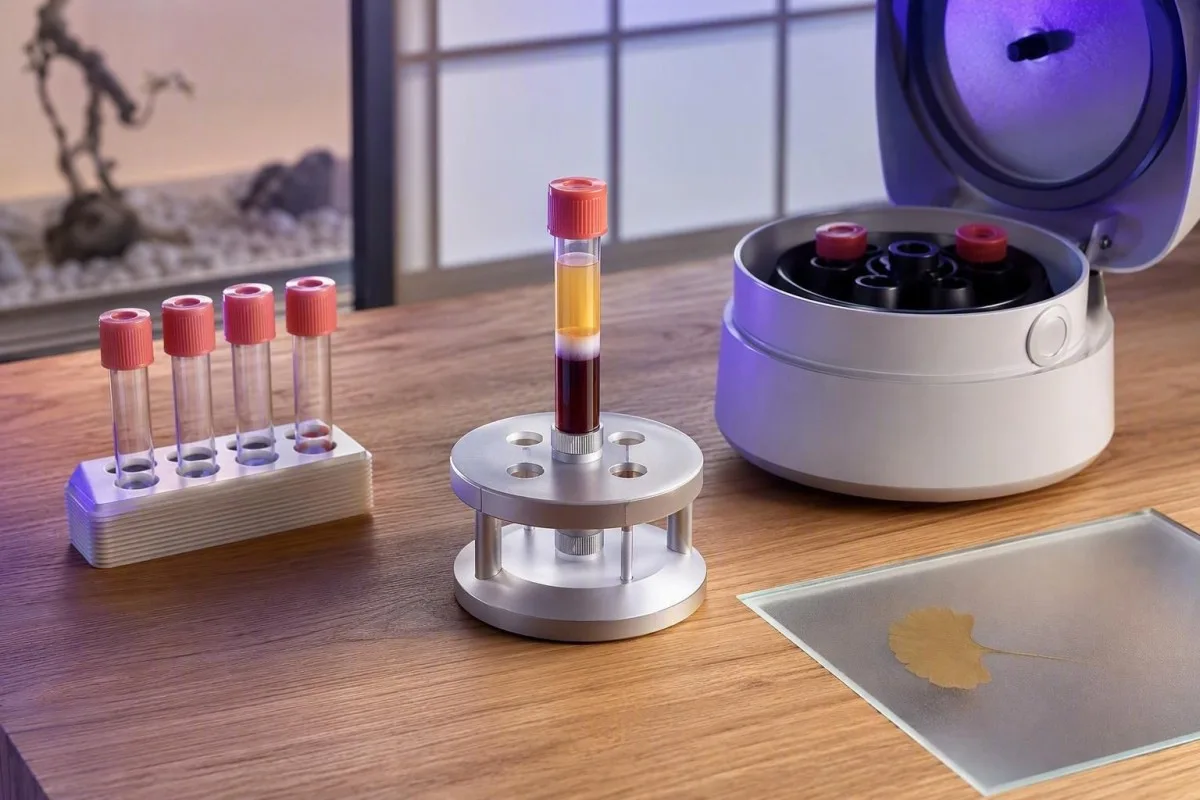
Tha a’ chiad tarraing feumail a’ clàradh do ghnàth-shlàinte, chan e fuigheall bith-cheimiceach obair-obrach an-dè, deochan, droch chadal, no bhìoras a tha seachad. Is e an amas co-theacs ath-aithris a chleachdas tu airson bhliadhnaichean.


- Ùine bunaiteach: cuir air dòigh tarraing sa mhadainn às dèidh 8-12 uairean gun bhiadh nuair a tha glùcois fasting, triglycerides, sgrùdaidhean iarainn, no insulin air an gabhail a-steach.
- Stad eacarsaich: seachain trèanadh neart gu sònraichte cruaidh, eadar-ama, no tachartasan seasmhachd airson 24-48 uair ro dheuchainnean bunaiteach gnàthach.
- Uinneag deoch-làidir: seachain deoch-làidir airson co-dhiù 48 uair ro dheuchainn triglyceride agus enzyme grùthan; faodaidh òl trom toraidhean a dhì-ghnàthachadh nas fhaide.
- Riaghailt tinn: cuir dheth bun-loidhne slàinte gus an tèid co-dhiù 2 sheachdain às deidh fiabhras no comharran analach no gastrointestinal cudromach a thighinn air ais.
- Targaid uisgeachaidh: òl gu h-àbhaisteach an latha roimhe agus òl 250-500 mL uisge anns an 2 uair ro chruinneachadh mura bheil thu air do chuingealachadh ri uisge.
- Rabhadh mu Biotin: stad air biotin àrd-dòis neo-òrdaichte airson 48-72 uairean mus dèanar mòran immunoassays, ach na stad gu bràth air leigheas òrdaichte gun a bhith a’ faighneachd don neach-òrdugh.
- Co-theacsa cearcall: clàraich latha a’ chearcaill airson estradiol, progesterone, LH, FSH, agus uaireannan lipids; bidh e ag atharrachadh mìneachaidh nas motha na tha mòran dhaoine an dùil.
- Ath-aithris: cleachd an aon obair-lann, àm madainn coltach, agus an aon phàtran ullachaidh nuair a bhios tu a’ cumail sùil air toraidhean obair-lann thar ùine.
Dè a nì tarraing fala mar bhun-loidhne fìor?
A deuchainn fala bunaiteach tha e as fheumail nuair a ghlacasaid seachdain àbhaisteach: biadh seasmhach, uisgeachadh àbhaisteach, gun thinneas acrach, agus gun trèanadh no òl sònraichte. Dha mhòr-chuid de dh'inbhich, tha mi a' moladh sampall madainn às dèidh 8-12 uairean fastaidh nuair a thèid glùcois, triglycerides, comharran iarainn, no insulin a thomhas.
Chan eil an amas practaigeach a bhith a’ dèanamh thoraidhean a bhith a’ coimhead nas fheàrr. Is e an rud a nì thu lughdachadh caochlaideachd ro-anailiseach—atharrachaidhean a thachras mus fhaic an anailisiche an sampall. Faodaidh glùcois fastaidh de 96 mg/dL agus ìre triglyceride de 105 mg/dL a bhith gu tur àbhaisteach, ach bidh am brìgh ag atharrachadh ma dh'ith an neach gu fadalach, rinn e ruith 10 km, no cadal 3 uairean.
Nam obair chlinigeach, tha mi ag iarraidh air euslaintich an ciad tarraing a làimhseachadh mar dhealbh iomraidh. Cùm clàr goirid de dh'àm dùsgadh, fad fastaidh, cungaidhean-leigheis, stuthan-taic, deoch-làidir anns na 72 uairean roimhe, eacarsaich anns na 48 uairean roimhe, latha a“ chearcaill menstrual, agus galar o chionn ghoirid. Gu tric bidh am clàr sin nas fheumail aig an dàrna deuchainn na aon bhratach ”àbhaisteach”.
Tha Kantesti na Anailisiche deuchainn fala AI air a dhealbhadh gus toraidhean a leughadh còmhla ris a’ cho-theacsa practaigeach sin, seach a bhith a’ làimhseachadh gach luach a tha air a chomharrachadh mar thinneas. Airson liosta deuchainn ciallach, tòisich leis ar stiùireadh obair fala bliadhnail agus aontaich cur-ris ri neach-clionaigeach a tha eòlach air do eachdraidh.
Tha am bun-loidhne pearsanta, chan ann dìreach “taobh a-staigh raon”
Mar as trice bidh raon iomraidh obair-lann a’ toirt a-steach a’ mheadhan TP42T de luachan bho shluagh taghte; chan eil e a’ mìneachadh an àireamh pearsanta as fhallaine no as sàbhailte agad. Faodaidh toradh creatinine fuireach taobh a-staigh raon obair-lann fhad ‘s a tha e ag èirigh gu mòr bho do luach ath-aithris fhèin, is e sin as coireach gu bheil clàradh bun-loidhne cudromach.
Mar a tha biadh agus biadhan an latha roimhe a’ cumadh toraidhean
. Mar as trice tha fastadh airson 8–12 uair a thìde a’ toirt a-mach a’ chiad choimeas as glaine airson triglycerides, glùcois fastaidh, insulin, agus iarann serum, ged a dh’fhaodar mòran phanail lipid a mhìneachadh gun fastadh. Tha uisge ceadaichte agus mar as trice cuideachail; chan eil cofaidh, sùgh, guma, agus deochan caloric nan fìor fastadh.
Mar as trice tha plasma glucose fastaidh fo 100 mg/dL àbhaisteach, tha 100-125 mg/dL a’ nochdadh glucose fastaidh neo-chomasach, agus tha 126 mg/dL no barrachd a’ feumachdainn dearbhadh mura h-eil comharran agus hyperglycaemia mòr an làthair. Tha HbA1c a’ nochdadh timcheall air na 8-12 seachdainean roimhe, mar sin chan urrainn aon bhracaist a lughdachadh gu mòr; tha stiùireadh obair-lann ADA a’ mìneachadh carson a tha glucose agus HbA1c a’ freagairt cheistean eadar-dhealaichte (Sacks et al., 2023).
Tha triglycerides gu sònraichte mothachail air biadh. Tha luach fo 150 mg/dL gu math ion-mhiannaichte, agus tha 500 mg/dL no barrachd a’ togail dragh airson cunnart pancreatitis agus feumach air measadh clionaigeach sgiobalta. Faodaidh biadh fadalach beairteach no deoch-làidir a bhith a’ cruthachadh ciad thoradh a tha a’ mealladh, mar sin cleachd plana ath-dheuchainn triglyceride an àite a bhith a“ feuchainn ri ”ith gu foirfe” airson aon latha.
Tha Kantesti na àrd-ùrlar mìneachaidh deuchainn fala AI a dh’fheumasadh glèidheadh staid fastaidh ri taobh gach pannal, a nì coimeas nas fhasa air mearachdan nas fhaide air falbh. Tha ar biomarker guide a’ mìneachadh dè na deuchainnean a tha dha-rìribh mothachail air biadh agus dè nach eil.
Mar as urrainn do eacarsaich deuchainnean grùthan is dubhaig neo-àbhaisteach a shamhlachadh
Faodaidh dian-eacarsaich àrdachadh sealach a dhèanamh air CK, AST, ALT, creatinine, ceallan geala, agus uaireannan potasium, mar sin seachain trèanadh neo-fhiosrach no àrd-dian airson 24-48 uairean ro phanail bunaiteach. Tha coiseachd socair agus gnàth-ghluasad làitheil ceart gu leòr.
Bha AST aig ruitheadair marathon 52-bliadhna a rinn mi ath-sgrùdadh aig 89 IU/L às deidh rèis fhada, le ALT 36 IU/L agus CK os cionn 2,000 IU/L. Bha am pàtran sin a’ comharrachadh fèith air a thrèanadh nas làidire na milleadh grùthan, ach bha feum aige fhathast air ath-aithris às deidh faighinn seachad air; is ann ainneamh a tha àireamhan iomallach gu leòr. Leugh tuilleadh mu AST às dèidh eacarsaich mus gabh thu ri trioblaid grùthan.
Tha crìochan iomraidh creatine kinase ag atharrachadh a rèir obair-lann, gnè, sinsearachd, tomad fèithe, agus staid trèanaidh, ach bidh mòran obair-lann a’ comharrachadh luachan os cionn timcheall air 200-300 IU/L. Tha e cumanta gum bi CK a’ dol thairis air 5 tursan na crìche iomraidh àrd; feumaidh CK os cionn 5,000 IU/L le fual dorcha, pian mòr fèithe, no lughdachadh toradh fual measadh èiginneach airson rhabdomyolysis exertion.
Bidh creatinine a’ dol am meud às dèidh gnìomhachd dian gu ìre tro bhriseadh sìos fèithean agus lughdachadh sruth fala dubhaig bho chall lionn. Na dèan eadar-mhìneachadh air eGFR nas ìsle bho shampall às dèidh rèis mar thinneas dubhaig leantainneach às aonais deuchainn faighinn seachad air; tha ar stiùireadh creatinine le eacarsaich a’ mìneachadh na h-uinneig nas sàbhailte airson ath-tharraing.
Chan eil an ath-shuidheachadh 48-uair na riaghailt do everyone
Airson seisean gym cur-seachad, tha 24 uairean gu tric gu leòr. Às deidh ultramarathon, farpais CrossFit, togail trom eccentric, no nochdadh teas, bidh mi gu tric a’ feitheamh 48-72 uairean ma b’ e amas a bha ann bunait seasmhach seach measadh air an tachartas fhèin.
Carson a tha deoch-làidir airidh air stad 48-uair bhon bhun-loidhne
Seachain deoch làidir airson co-dhiù 48 uairean ro dheuchainn fala bunaiteach a’ lughdachadh distortion geàrr-ùine de triglycerides, glucose, GGT, AST, comharran hydration, agus fiseòlas co-cheangailte ri cadal. Faodaidh aon fheasgar trom a bhith nas cudromaiche na tha mòran euslaintich a’ dùileachadh.
Faodaidh deoch làidir triglycerides a thogail le bhith a’ meudachadh toradh lipoprotein fìor-ìosal hepatic, gu sònraichte às dèidh biadh àrd-carbohydrate. Tha a’ bhuaidh eadar-dhealaichte: bidh toradh aon neach a’ tilleadh chun bhunait ann an 24 uairean, fhad ‘s a dh’fhaodadh neach eile le grùthan geir, tinneas an t-siùcair, no cus caitheamh atharrachaidhean a nochdadh airson grunn làithean. Bu chòir triglyceride fastaidh de 220 mg/dL às dèidh deireadh-seachdain de dheochannan a bhith air ath-aithris mus cuir duine sam bith ris mar dhuilgheadas metabolach stèidhichte.
Tha GGT mothachail ach neo-shònraichte. Bidh mòran obair-lann a’ cleachdadh crìochan àrd timcheall air 55-60 IU/L airson fir agus 35-40 IU/L airson boireannaich, ach faodaidh cungaidhean-leigheis, cholestasis, grùthan geir, agus deoch làidir a h-uile càil a thogail. Is e am pàtran ciallach GGT le ALT, ALP, bilirubin, àireamh platelet, agus eachdraidh deoch làidir; faic ar mìneachadh pannal grùthan ciamar a tha na pìosan sin a’ freagairt.
Mar air 1 Sultain, 2026, tha mi fhathast a“ moladh an aghaidh ”detoxing” no fastadh cus gus toraidhean grùthan a leasachadh. Tha biadh àbhaisteach, uisge àbhaisteach, gun deoch làidir, agus ùine air a chlàradh na saidheans nas glaine. Feumaidh ALT leantainneach os cionn na crìche àrd obair-lann air dà shampall grunn sheachdainean bho chèile ath-sgrùdadh meidigeach, chan e glanadh eadar-lìn.
Cuin a bu chòir tinneas no banachdach dàil a chuir air tarraing slàinte
Cuir dàil air ìre-loidhne slàinte rè fiabhras, tinneas gastrointestinal gnìomhach, galar analach mòr, no a’ chiad 1-2 seachdain às deidh faighinn seachad air oir CRP, ferritin, ceallan geala, truileagan, glucose, agus deuchainnean tìoroide faodaidh iad gluasad gu sealach. Tha deuchainnean breithneachaidh èiginneach eadar-dhealaichte: na cuir dàil orra nuair a tha thu tinn.
Bidh pròtain C-reactive gu tric ag èirigh taobh a-staigh 6-8 uairean bho bhrosnachadh sèididh agus faodaidh e tuiteam gu luath nuair a shocraicheas an neach-brosnachaidh. Bidh CRP fo 3 mg/L gu tric air a chleachdadh airson roinneadh cunnairt cardiovascular a-mhàin nuair a tha neach gu clionaigeach fallain; chan eil toradh de 18 mg/L rè fuachd ag innse mòran mu chunnart shoithichean fad-ùine. Tha an pàtran CRP agus albumin nas fhiosaiche na toradh sam bith leotha fhèin.
Tha Ferritin an dà chuid na phròtain stòraidh iarainn agus na fhreagairt ìre gu luath. Faodaidh ferritin de 110 ng/mL rè galar a bhith a’ falach stòran iarainn a tha air an ìsleachadh, fhad ‘s a tha ferritin fo 15 ng/mL gu math sònraichte airson dìth iarainn ann an inbheach fallain eile. Is e seo as coireach gu bheil mi a’ càradh ferritin le ìre tar-chuir saturachaidh, CRP, haemoglobin, agus an sgeulachd chlinigeach.
Faodaidh banachdach freagairt dìonachd ghoirid adhbhrachadh, a’ toirt a-steach atharrachaidhean sealach ann an CRP agus fo-bhuidhnean ceallan geala. Mar as trice faodaidh deuchainn àbhaisteach feitheamh 3-7 latha às deidh banachdach ma tha an amas na ìre-loidhne sàmhach, ach bu chòir do phanal sàbhailteachd clàraichte airson sgrùdadh cungaidh-leigheis leanntainn stiùiridhean an dotair òrdaichte. Tha ar stiùireadh obair-lann às dèidh banachdach a’ còmhdach na rudan practaigeach a tha a’ dèanamh eadar-dhealachadh.
Tha eisgeachdan aig riaghailt dà sheachdain
Às deidh a’ phlàigh, ospadal, mononucleosis gabhaltach, no droch bhriseadh suas de thinneas leantainneach, dhà no dhà seachdain dh’fhaodadh nach bi gu leòr. Anns na cùisean sin, bidh mi gu tric a’ cleachdadh faighinn seachad air comharraidhean, gluasad CRP, agus breithneachadh clionaigeach an àite mìosachan a-mhàin.
Mar a dh’atharraicheas call cadail agus ùine deuchainn fala
Faodaidh aon oidhche dhroch chadal àrdachadh glucose fastaidh, cortisol, bruthadh-fala, agus comharran sèididh, agus faodaidh ùine atharrachadh testosterone, cortisol, iarann, agus TSH. Airson a’ chiad ìre-loidhne, amas airson 7-9 uairean de chadal àbhaisteach agus gabhaibh sampall eadar timcheall air 7 agus 10m nuair a ghabhas sin dèanamh.
Tha cortisol a’ leantainn ruitheam làitheil làidir. Mar as trice thèid cortisol serum sa mhadainn a thomhas timcheall air 8m, ach chan urrainn do luach tinneas nan glands adrenal a dhearbhadh às aonais an ùine cruinneachaidh, comharraidhean, agus gu tric deuchainn ACTH. Chan e gluasad dligheach a th’ ann an sampall feasgair an coimeas ri sampall 8m roimhe, eadhon ged a tha an aon obair-lann a’ dèanamh an dà chuid.
Faodaidh cuingealachadh cadail de 4-5 uairean droch bhuaidh a thoirt air cugallachd insulin sa mhadainn a tha romhainn agus atharrachadh hormonaichean miann; tha meud atharrachadh obair-lann ag atharrachadh gu mòr a rèir neach. Tha mi a“ faicinn seo gu tric aig luchd-obrach gluasadach, pàrantan ùra, agus luchd-siubhail tric, far a bheil feum air ”ìre-loidhne” an clàr-ama aca a riochdachadh an àite fear air a dhèanamh nas fheàrr. Tha ar Stiùireadh droch lab cadail a’ tabhann liosta-sgrùdaidh notaichean feumail.
Tha comhairle practaigeach an Dotair Thomas Klein sìmplidh: na cuir dheth deuchainn riatanach air sgàth droch chadal, ach clàraich e. Ma tha glucose fastaidh aig 103 mg/dL às deidh oidhche gun stad, ath-aithris fo chumhaichean àbhaisteach mus dèan thu co-dhùnaidhean mu ro-tinneas an t-siùcair.
Chan eil caffeine an-còmhnaidh na ullachadh gun chron
Faodaidh cofaidh dubh glè bheag buaidh a bhith aige air mòran phanailean, ach faodaidh e buaidh a thoirt air glùcois, catecholamines, bruthadh-fala, agus cuid de dheuchainnean endocrine sònraichte. Nuair a thèid insulin fastaidh, glùcois, cortisol, no metanephrines òrdachadh, is e uisge sìmplidh an roghainn as soilleire.
Dè na stuthan cur-ris agus na cungaidhean a dh’fheumar a chlàradh
Na stad air cungaidhean-leigheis òrdaichte airson deuchainn fala bunaiteach mura h-òrdaich an neach-òrdachaidh sin dhut, ach clàraich a h-uile cungaidh-leigheis agus stuth-leasachaidh leis an dòs agus an ùine. Biotin, iarann, B12, creatine, iodine, corticosteroids, agus decongestants faodaidh iad an bith-eòlas no an deuchainn assay atharrachadh.
Faodaidh biotin dòis àrd, gu tric 5,000-10,000 microgram gach latha ann an toraidhean fuilt is ìnean, casg a chuir air cuid de streptavidin-biotin immunoassays. Faodaidh e TSH ceàrr ìosal no T4 an-asgaidh ceàrr àrd, troponin, no toraidhean hormone adhbhrachadh a rèir dealbhadh assay. Mar as trice bithear a’ cleachdadh stad 48-72 uair airson biotin nach eil air òrdachadh, ach bu chòir do dhaoine a tha ga ghabhail airson suidheachadh meidigeach faighneachd an toiseach don neach-clionaigeach aca.
Faodaidh iarann beòil serum iarainn àrdachadh gu sealach, agus faodaidh stuthan creatine creatinine àrdachadh gun a bhith a’ lughdachadh sìoltachaidh fìor. Faodaidh corticosteroids glùcois agus ceallan geala àrdachadh; faodaidh luchd-dìon pumpa proton buaidh a thoirt air magnesium agus B12 thar ùine. Is e freagairt cheart an co-theacsa, chan e stad obann leat fhèin; tha ar stiùireadh fastaidh stuthan-leasachaidh a’ mìneachadh eisgeachdan cumanta.
Tha Kantesti na Inneal mion-sgrùdaidh deuchainn fala le cumhachd AI a chlàras stuthan-leasachaidh a chaidh aithris ri taobh nan toraidhean gus am faicear atharrachadh follaiseach air an thyroid no an dubhaig leis an nochd a dh’ fhaodadh a mhìneachadh. Faodaidh euslaintich cuideachd toraidhean a chaidh aithris a choimeas leis an liosta-sgrùdaidh cruinneas clionaigeach againn mus dèan iad gnìomh air brataich neo-àbhaisteach.
Faodaidh ùine cungaidh-leigheis a bhith mar phàirt den òrdugh
Tha riaghailtean sònraichte a thaobh ùine aig ath-nuadhachadh thyroid, leigheas testosterone, insulin, diuretics, agus anticoagulants. Mar eisimpleir, bidh deuchainnean thyroid gu tric air an tarraing mus tèid dòs levothyroxine an latha nuair a thathar a’ cumail sùil air cunbhalachd, ach bu chòir pròtacal an neach-òrdachaidh a bhith nas cudromaiche.
Mar a dh’atharraicheas ùine menstrual bun-loidhne hormone an toiseach
Airson deuchainn hormone gintinn, tha latha na cearcall mar phàirt den toradh. Faodaidh FSH, LH, estradiol, progesterone, testosterone, prolactin, agus uaireannan lipids atharrachadh gu leòr air feadh na cearcall gus am bi ceann-latha gun chlàradh a’ lagachadh an eadar-mhìneachaidh.
Thathas gu tric a“ cleachdadh deuchainn tràth-fhollacain, gu tric làithean cearcall 2-5, airson bun-loidhne FSH, LH, agus estradiol ann an measadh torachais. Mar as trice bithear a” tomhas progesterone timcheall air 7 latha às deidh breith ugh – chan ann gu fèin-ghluasadach “latha 21,” oir tha cearcall 35-latha a’ leantainn bith-eòlas eadar-dhealaichte. Faodaidh luach progesterone os cionn timcheall air 3 ng/mL taic a thoirt do bhreith ugh o chionn ghoirid ann am mòran shuidheachaidhean, ach tha an eadar-mhìneachadh ceart an urra ris an assay agus an ùine.
Tha prolactin mothachail air cuideam, eacarsaich o chionn ghoirid, gnìomhachd gnèitheasach, agus cruinneachadh sampall duilich. Mar as trice bidh àrdachaidhean beaga air an ath-aithris às deidh 20-30 mionaidean de fois shàmhach, air leth bho fhear sa mhadainn; tha ìre a tha gu buan os cionn 100 ng/mL airidh air measadh endocrine sgiobalta, ged a tha buaidhean chungaidh-leigheis fhathast cumanta. Faic ar stiùireadh ath-dheuchainn prolactin airson na ceumannan a leanas.
Tha atharrachaidhean ann an lipids co-cheangailte ri cearcall fìor ach mar as trice nas lugha na na h-atharrachaidhean bho chuideam, daithead, deoch làidir, tinneas an t-siùcair, no gintinneachd. Ma tha thu an dùil slàinte a chumail sùil le deuchainnean fala thar bhliadhnaichean, tagh ìre coltach den chearcall airson ath-aithris panalan lipid agus hormone ge bith càite a bheil sin comasach, gu sònraichte fhad ‘s a tha thu a’ dèanamh measadh air comharraidhean no làimhseachadh.
Bidh casg-ginealachd hormonal ag atharrachadh na ceist
Faodaidh casg-ginealachd hormonal còmhla casg a chuir air tomhasan endogenous FSH, LH, estradiol, agus androgen, mar sin is dòcha nach bi na toraidhean sin a’ toirt cunntas air fiosaig gun làimhseachadh. Na stad air casg-ginealachd dìreach gus bun-loidhne fhaighinn gun a bhith a’ beachdachadh air cunnart torrachas agus an adhbhar clionaigeach airson deuchainn.
Carson a tha uisgeachadh, suidheachadh, agus dòigh cruinneachaidh cudromach
Le bhith a ’cumail suas uisgeachadh àbhaisteach agus a’ gabhail fois nan suidhe airson 10-15 mionaidean mus cruinnich thu, leasaichidh e an comas ath-riochdachadh oir faodaidh dìth uisge, seasamh ro fhada, agus tarraing duilich cuid de thoraidhean a dhèanamh nas dùmhail no a dhèanamh nas miosa. Deoch gu h-àbhaisteach an latha roimhe agus, mura h-eil thu air do chuingealachadh gu leòr, bi 250-500 mL de dh'uisge anns na 2 uair a thìde ron choinneamh.
Faodaidh giorrachadh tomhas fala cruth-atharrachadh a dhèanamh air haemoglobin, haematocrit, albumin, calcium, pròtain iomlan, agus creatinine nochdadh nas àirde na bhiodh iad fo uisgeachadh àbhaisteach. Air an làimh eile, faodaidh òl mòran uisge dìreach ron deuchainn a bhith a ’lagachadh sodium agus tomhais eile. Is e raon sodium àbhaisteach sa chumantas 135-145 mmol / L, ach bu chòir toradh ris nach robh dùil a bhith air a mhìneachadh an-còmhnaidh le suidheachadh uisgeachadh agus glùcois.
Tha suidheachadh nas cudromaiche na tha a ’mhòr-chuid de dhaoine a’ tuigsinn. Faodaidh seasamh àrdachadh albumin agus analytes air a bheil pròtain ceangailte tro ghluasadan fluid, agus faodaidh ùine tourniquet ro fhada agus a ’phàisdeadh fheartach a bhith a’ togail potassium agus lactate gu bràth. Bidh potassium os cionn 5.5 mmol / L gun thinneas dubhaig, comharraidhean, no atharrachaidhean ECG gu tric air ath-sgrùdadh sa bhad oir tha buairidhean cruinneachaidh cumanta; ar Stiùireadh mearachd tarraing potasium a’ mìneachadh carson.
Bu chòir menstruation, call fluid o chionn ghoirid bho bhuinneach, diuretics, agus cleachdadh sauna a bhith air an nota a tha ceangailte ris an tarraing. Ma tha eGFR gu bhith ìosal às deidh dìth uisge, faigh air ais an ìre àbhaisteach agus bruidhinn mu dheuchainn ath-aithris; faic atharrachaidhean sealach ann an eGFR mus gabh thu ri milleadh dubhaig maireannach.
Chan e breithneachadh a th ’ann an tiùb dearg
Tha dath an tiùba a ’comharrachadh an stuth a chaidh a chleachdadh airson giollachd obair-lann, chan e cho dona sa tha an deuchainn. Is e an rud a tha cudromach gu clionaigeach taghadh ceart an tiùba, teòthachd còmhdhail, dàil giollachd, agus a bheil an obair-lann a ’toirt a-steach haemolysis no sampall gu leòr.
Mar a nì thu toraidhean às dèidh sin co-ionann ris a’ chiad tarraing
Cleachd an aon obair-lann, àm cruinneachaidh coltach, agus cleachdadh ullachaidh coltach ge bith cuin a nì thu sùil air toraidhean obair-lann thar ùine. Faodaidh atharrachadh bith-eòlasach fìor a bhith nas lugha na buaidh còmhla de dhòigh-obrach anailis, staid fastaidh, eacarsaich, agus caochladh latha gu latha àbhaisteach.
Faodar cholesterol LDL a thomhas seach a bhith air a thomhas gu dìreach, agus bidh cunntasachd a ’fàs nas earbsaiche mar a bhios triglycerides ag èirigh. Tha stiùireadh cholesterol AHA / ACC 2018 a ’toirt taic do sgrìonadh neo-luath ann an iomadh neach ach tha e a’ moladh measadh luath ann an suidheachaidhean taghte, a ’toirt a-steach triglycerides fìor àrd agus teagamh breithneachaidh (Grundy et al., 2019). Is e an rud chudromach cunbhalachd, chan e foirfeachd.
Bidh luach atharrachaidh iomraidh, no RCV, a ’cothlamadh neo-chruinneas anailis le caochladh bith-eòlasach neach fa leth. Faodaidh gluasad 10% ann an aon chomharra a bhith na fhuaim fhad ‘s a tha atharrachadh 30% ann an tè eile a’ ciallachadh; chan eil sa cheud uile-choitcheann ann a tha a ’buntainn ris a h-uile deuchainn. Ar an stiùireadh seo a bheil an t-atharrachadh seo fìor a ’sealltainn carson a dh’ fheumas gluasadan barrachd air saighdean dathte.
Bidh Kantesti AI a ’mìneachadh pannalan ath-aithris le bhith a’ coimeas aonadan anailis, raointean iomraidh, cinn-latha cruinneachaidh, agus biomarkers co-cheangailte seach dìreach a bhith a ’cunntadh brataichean neo-àbhaisteach. Ar sruth-obrach coimeas AI againn tha e air a thogail airson a ’cheist leudaichte seo: dè a dh’ atharraich gu leòr gus aire a thoirt dha?
Cùm an aithisg tùsail
Sàbhail an PDF no dealbh soilleir, chan ann dìreach toradh a chaidh a sgrìobhadh. Faodaidh tionndaidhean aonad, raointean obair-lann, beachdan mu haemolysis, agus a bheil LDL air a thomhas atharrachadh gu mòr mar a leughas neach-clionaigeach san àm ri teachd an gluasad.
An nota co-theacs a shàbhaladh le gach deuchainn fala
Tha nota co-theacsa goirid a ’tionndadh àireamhan air leth gu dàta leudaichte a ghabhas cleachdadh. Clàraich ceann-latha, àm, uairean fastaidh, cadal, eacarsaich, deoch-làidir, tinneas, cungaidhean-leigheis, stuthan cur-ris, latha cuairt, atharrachaidhean cuideam, agus comharraidhean ùra aig gach tarraing.
Tha mo nota as ìsle ochd nithean: àm cruinneachaidh; fad fastaidh; eacarsaich taobh a-staigh 48 uairean; deoch làidir taobh a-staigh 72 uairean; tinneas làithreach; atharrachaidhean ann an òrdughan-lighidh; dòs stuthan cur-ris agus an dòs mu dheireadh; agus inbhe menstrual no torrach far a bheil sin iomchaidh. Cuir ris siubhal, jet lag, agus àirde nuair a tha sin a' buntainn, oir faodaidh gach fear gluasad a dhèanamh air uisgeachadh, cortisol, haemoglobin, agus comharran a tha mothachail do chadal.
Faodaidh call cuideim de 1.5 kg ann an 10 latha, daithead ùr àrd-phròtain, no grunn oidhcheannan de chadal briste mìneachadh a thoirt air atharrachaidhean beaga ann an deuchainnean fala thar ùine. Chan eil sin a' dèanamh an toradh neo-riatanach - tha e ga dhèanamh soilleir. Airson dreach a ghabhas ath-chleachdadh, tha ar lorgaire co-theacsa obair-lann a' gabhail a-steach na mion-fhiosrachadh a dhìochuimhnicheas euslaintich as trice.
Tha an Dr. Thomas Klein a' moladh an nota a sgrìobhadh mus fhàg thu an dachaigh, chan ann fhad 'sa tha thu a' feitheamh air toraidhean. Bidh cuimhne neo-earbsach às dèidh brataich neo-thuairmseach, agus bidh daoine a' togail na seachdain roimhe gus a bhith a' freagairt an àireamh.
Dè nach bu chòir a chlàradh mar “fuasgladh”
Na dèan atharrachadh air daithead, gabhail uisge, eacarsaich, no stuthan cur-ris a-mhàin gus a' chiad loidhne-talmhainn as tarraingiche fhaighinn. Bu chòir gum biodh loidhne-talmhainn a' riochdachadh do bheatha; air neo dh'fhaodadh an ath dheuchainn a bhith a' coimhead nas miosa dìreach air sgàth gu bheil i nas onarach.
Dè na toraidhean air a’ chrìch a bu chòir ath-aithris mus cuir iad dragh
Bu chòir mòran de na toraidhean loidhne-talmhainn a tha air an taobh-loidhne ath-aithris fo chumhachan seasmhach mus tèid an làimhseachadh mar thinneas, gu h-àraid atharrachaidhean beaga air leth ann an enzymes grùthan, creatinine, potasium, prolactin, neutrophils, agus triglycerides. Tha comharran èiginneach no luachan gu mòr neo-àbhaisteach mar an t-eas-òrdugh.
Tha ALT nas lugha na 2 uair an crìoch àrd an obair-lann le bilirubin, ALP àbhaisteach, agus comharraidhean neo-làthaireach mar as trice air ath-sgrùdadh an dèidh toirt air falbh luchd-tabhartais sealach mar dheoch làidir, eacarsaich cruaidh, no tinneas eadar-theangachaidh. Tha ìre bilirubin os cionn 3 mg/dL le buidheachas, fual dorcha, stòl bàn, fiabhras, no pian bhoilg eadar-dhealaichte agus cha bu chòir dha feitheamh air ath-tharraing loidhne-talmhainn àbhaisteach.
Faodaidh cunntas beag de neutrophil a bhith a' leantainn tinneas viral no nochdadh mar neach fa leth seasmhach. Is e 1.0-1.5 × 10⁹/L an àireamh neutrophil gu tur mar as trice beag neutropenia, fhad 's a tha nas lugha na 0.5 × 10⁹/L a' ciallachadh cunnart nas motha de ghalar agus a' feumachdainn stiùireadh meidigeach èiginneach, gu h-àraid le fiabhras. Ar stiùireadh leanmhainn neutrophil a' sgaradh ath-sgrùdaidhean cumanta bho bhrataichean dearg.
Is e aon de na dìon as feumail sgrùdadh pàtrain. Mar eisimpleir, tha calcium àrd le hormone parathyroid air a bhriseadh sìos a' ciallachadh cunnart eadar-dhealaichte na calcium àrd a bharrachd air dìth uisge agus àrdachadh albumin; an t-adhbhar a tha dragh oirnn mu choimeasgraidhean is gu bheil bith-eòlas tearc ag atharrachadh aon chomharra a-mhàin.
Cuin a bu chòir deuchainn fala mar bhun-loidhne a bhith a’ cur an àite cùram meidigeach
Chan eil protocol bunaiteach freagarrach nuair a tha comharran brataich dearg agad, tinneas a' fàs gu luath, duilgheadasan torrachais, no rabhadh obair-lann èiginneach. Pian broilleach, dìth anail mòr, troimh-chèile, fàiligeadh, buidheachas, stòl dubh, no dìth uisge mòr feumach air measadh clionaigeach an-dràsta - chan e deuchainn ath-aithris nas fheàrr ullachadh.
Faodaidh potasium de 6.0 mmol/L no barrachd, sodium fo 120 mmol/L, glùcos os cionn 300 mg/dL le cur a-mach no troimh-chèile, no hemoglobin faisg air 7 g/dL a bhith nan eisimpleirean de thoraidhean a dh’fheumas gnìomh èiginneach, ged a tha an làn cho-theacsa clionaigeach cudromach. Bidh obairlann gu tric a’ dèanamh ceangal ris an sgioba òrdachaidh mu luachan èiginneach, ach cha bu chòir do dh’euslaintich a bhith a’ gabhail ris gu bheil toradh sàbhailte mura faigh iad fios.
Ma tha thu trom, ma tha tinneas dubhaig leantainnach ort, ma ghabhas tu insulin, ma chleachdas tu cungaidhean anticoagulant, ma gheibh thu chemotherapy, no ma tha tinneas ae ort, faodaidh stiùireadh ullachaidh a bhith eadar-dhealaichte bhon teamplaid slàinte. Faodaidh ùine fastaidh a bhith cunnartach do chuid de dhaoine le tinneas an t-siùcair, agus faodaidh ùine cungaidhean a bhith riatanach. Ar ciamar a nì thu deuchainn gu tric a’ mìneachadh carson a dh’atharraicheas buidheann cunnairt a’ phlana.
Tha Kantesti na seirbheis eadar-mhìneachaidh deuchainn-lann AI a chuidicheas le bhith a’ comharrachadh cheistean airson luchd-clionaigeach, chan e àite airson measadh èiginneach no breithneachadh. Tha na dìonan clionaigeach agus na prionnsapalan ath-sgrùdaidh meidigeach air cùl ar n-obrach air am mìneachadh le ar Bòrd Comhairleachaidh Meidigeach.
Pròtacal practaigeach 72-uair airson do bhun-loidhne an toiseach
Airson loidhne-talmhainn tòiseachaidh feumail, cùm do chleachdadh airson 72 uair, seachain deoch làidir airson 48 uair, seachain eacarsaich dian airson 24-48 uair, cadal gu h-àbhaisteach, fast 8-12 uair nuair a bhios feum air, òl uisge, agus clàraich do cho-theacsa. Tha cunbhalachd na eadar-theachd.
Seachdad ’s a dhà gu 48 uair roimhe sin: na tòisich air stuth ùr, daithead càraidh, glanadh, no bloc trèanaidh. Ma tha thu mar-thà a’ gabhail stuth, clàraich an dòs cheart; ma tha biotin ann aig dòs àrd, faighnich don neach-clionaigeach òrdachaidh no cungadair an e iomchaidh stad 48-72 uair a bhith ann. Seachain deoch làidir airson 48 uair agus cuir dheth deuchainn àbhaisteach ma tha tinneas gnìomhach ort.
An latha roimhe: ith do bhiadh àbhaisteach, hydration àbhaisteach, seachain sauna no tachartasan seasmhachd, agus plan 7-9 uairean san leabaidh. Airson pannalan fastaidh, crìochnaich biadh 8-12 uair ro an coinneamh; tha uisge ceart gu leòr. Madainn an tarraing, seachain cofaidh agus nicotine ma tha glùcos, insulin, cortisol, catecholamines, no deuchainn endocrine sònraichte air a phlanadh.
Às deidh don toradh ruighinn, sàbhail an aithisg tùsail agus an nota co-theacsa aige mus atharraich thu dad. Faodaidh Kantesti AI toraidhean a chuir air dòigh ann an sealladh fad-ùine, agus tha ar stiùireadh teicneòlais agus modh clionaigeach a’ mìneachadh carson a dh’ fheumas aithneachadh phàtrain fhathast ath-sgrùdadh meidigeach daonna airson comharran, ana-mìneachdan mòra, agus co-dhùnaidhean làimhseachaidh.
Ceistean Bitheanta
Ciamar a nì mi ullachadh airson deuchainn fala bunaiteach?
Ullmhaich airson deuchainn fala bunaiteach le bhith a’ cumail ris an gnàthasan agad, a’ seachnadh deoch làidir airson 48 uairean, a’ seachnadh eacarsaich làidir airson 24-48 uairean, a’ cadal gu h-àbhaisteach, agus a’ clàradh cungaidhean agus stuthan cur-ris. Dèan fastadh airson 8-12 uairean ma tha glùcos, triglycerides, insulin, no sgrùdaidhean iarainn a dh’fheumas fastadh air an òrdugh; tha uisge ceadaichte san fharsaingeachd. Deoch gu h-àbhaisteach an àite a bhith a’ òl cus, agus clàraich cruinneachadh sa mhadainn eadar timcheall air 7 agus 10 uairean nuair a tha hormonaichean no iarann air an toirt a-steach. Cuir dheth bunait slàinte aig àm tinneas dian mura h-eil feum air an deuchainn gus an tinneas sin a mheasadh.
Am bu chòir dhomh stad a bhith ag ithe ron chiad dheuchainn fala agam?
Tha fastadh 8-12 uair a thìde as fheumail airson a’ chiad dheuchainn fala a tha a’ gabhail a-steach triglycerides, glùcois fastaidh, insulin, no iarann serum, ged nach eil mòran de phanaichean lipid cunbhalach ag iarraidh fastadh tuilleadh. Chan eil uisge sìmplidh a’ briseadh an luathais agus a’ cuideachadh le bhith a’ seachnadh cruinneachadh duilich no buaidhean dùmhlachd co-cheangailte ri dìth uisge. Faodaidh cofaidh, sùgh, bainne, deoch-làidir, guma cagnaidh, agus stuthan cur-ris atharrachadh air toraidhean taghte no toirt air falbh an ullachadh a bha san amharc. Lean an òrdugh-sònraichte stiùiridhean ma bheir an dotair agad ùine fastaidh eadar-dhealaichte seachad.
An urrainn do eacarsaich buaidh a thoirt air toraidhean deuchainn fala an ath latha?
[B]Tha, faodaidh eacarsaich dian buaidh a thoirt air toraidhean deuchainn fala airson 24-72 uair a thìde le bhith a’ togail suas creatine kinase, AST, ALT, creatinine, ceallan geala, agus, bho àm gu àm, potasium. Tha trèanadh dìon mòr, ruith marathon, eadar-amannan àrd-dian, agus nochdadh teas a’ toirt a-mach atharrachaidhean nas motha na coiseachd àbhaisteach. Airson loidhne-talmhainn fallain seasmhach, seachain eacarsaich neo-àbhaisteach no dian airson 24-48 uairean; an dèidh tachartas mòr seasmhachd, tha 48-72 uairean gu tric nas reusanta. Na cuir dàil air deuchainn èiginneach airson comharran leithid pian fèithe mòr, fual dorcha, laigse, no lùghdachadh air toradh fual.[/B].
Dè cho fada ’s a bu chòir dhomh a bhith a’ seachnadh deoch-làidir ron deuchainn fala?
Seachain deoch-làidir airson co-dhiù 48 uairean ro dheuchainn fala bun-loidhne, gu h-àraid nuair a thèid triglycerides, glùcois, GGT, AST, ALT, no comharran a tha mothachail do uisgeachadh a thomhas. Faodaidh deoch-làidir triglycerides a thogail às deidh aon oidhche throm, agus faodaidh a’ bhuaidh mairsinn grunn làithean ann an daoine le tinneas an t-siùcair, grùthan geir, no caitheamh nas truime. Tha toraidhean triglyceride de 500 mg/dL no nas àirde a’ feumachdainn measadh clionaigeach sgiobalta oir tha cunnart pancreatitis a’ dol am meud gu mòr. Na feuch ri glanadh no luath-ghalair cruaidh às a dhèidh; bidh biadh àbhaisteach agus uisgeachadh a’ toirt toradh ath-aithris nas onarach.
An urrainn do dhroch chadal toraidhean deuchainn fala atharrachadh?
Faodaidh droch chadal atharrachadh a dhèanamh air glùcois an luath air a’ mhadainn, cortisol, bruthadh-fala, agus cuid de chomharran sèid, gu sònraichte às deidh 4-5 uairean de chadal no caismeachd tron oidhche. Chan eil e ag atharrachadh HbA1c gu brìgh, a tha a’ nochdadh cuibheasachd glycaemia thairis air timcheall air 8-12 seachdainean. Mas e toradh bun-loidhne neo-èiginneach a th’ ann às deidh oidhche gun chadal, clàraich call cadail agus beachdaich air an deuchainn ath-aithris fo chumhachan àbhaisteach. Bu chòir deuchainnean riatanach a dhol air adhart fhathast, leis gu bheil comharran agus neo-riaghailteachdan follaiseach nas cudromaiche na ullachadh foirfe.
An fheum mi hormonaichean a dheuchainn air latha sònraichte den chearcall menstrual agam?
Seadh, bu chòir ùine a bhith aig deuchainnean hormona ris a’ cheist chlinigeach agus bu chòir là den chearcall menstrual a chlàradh an-còmhnaidh. Mar as trice bidh FSH, LH, agus estradiol air am measadh air làithean 2-5 den chearcall airson bun-loidhne tràth-follicular, fhad ‘s a tha progesterone gu cumanta air a sgrùdadh timcheall air 7 latha às deidh ovulation seach gu fèin-ghluasadach air latha 21. Faodaidh ìre progesterone os cionn timcheall air 3 ng/mL ovulation o chionn ghoirid a chuideachadh, ach tha obraichean-lann agus suidheachaidhean clionaigeach eadar-dhealaichte. Bidh casg-ginealaich hormona ag atharrachadh toraidhean hormona endogenach, mar sin na stad air gun chomhairle mheidigeach a-mhàin airson deuchainn.
Faigh Mion-sgrùdadh Deuchainn Fala le Cumhachd AI an-diugh
Thig còmhla ri còrr is 2 mhillean neach air feadh an t-saoghail a tha a’ earbsa Kantesti airson mion-sgrùdadh sa bhad, ceart air deuchainnean obair-lann. Luchdaich suas na toraidhean deuchainn fala agad agus faigh mìneachadh coileanta air biomarcair 15,000+ ann an diogan.
📚 Foillseachaidhean Rannsachaidh le Iomraidhean
Klein, T., Mitchell, S., & Weber, H. (2026). Kantesti LTD. (2026). Stiùireadh airson Deuchainn Fuil C3 C4 Complement & Cànan ANA. Zenodo.. Rannsachadh Leigheis AI Kantesti.
Klein, T., Mitchell, S., & Weber, H. (2026). Kantesti LTD. (2026). Stiùireadh deuchainn fala bhìoras Nipah: lorg tràth & breithneachadh 2026. Zenodo.. Rannsachadh Leigheis AI Kantesti.
📖 Iomraidhean Meidigeach Taobh a-muigh
⚕️ Àicheadh Meidigeach
Tha an artaigil seo dìreach airson adhbharan foghlaim agus chan eil e a’ dèanamh comhairle mheidigeach. Cuir fios an-còmhnaidh gu solaraiche cùram slàinte teisteanasach airson co-dhùnaidhean breithneachaidh is leigheis.
Comharran earbsa E-E-A-T
Eòlas
Lèirmheas clionaigeach air a stiùireadh le lighiche air sruthan-obrach mìneachaidh obair-lann.
Eòlas
Fòcas air leigheas obair-lann air mar a bhios bith-chomharraidhean (biomarkers) a’ giùlan ann an co-theacsa clionaigeach.
Ùghdarrasachd
Air a sgrìobhadh le Dr. Thomas Klein le ath-sgrùdadh le Dr. Sarah Mitchell agus Prof. Dr. Hans Weber.
Earbsachd
Mìneachadh stèidhichte air fianais le slighean leanmhainn soilleir gus dragh a lughdachadh.