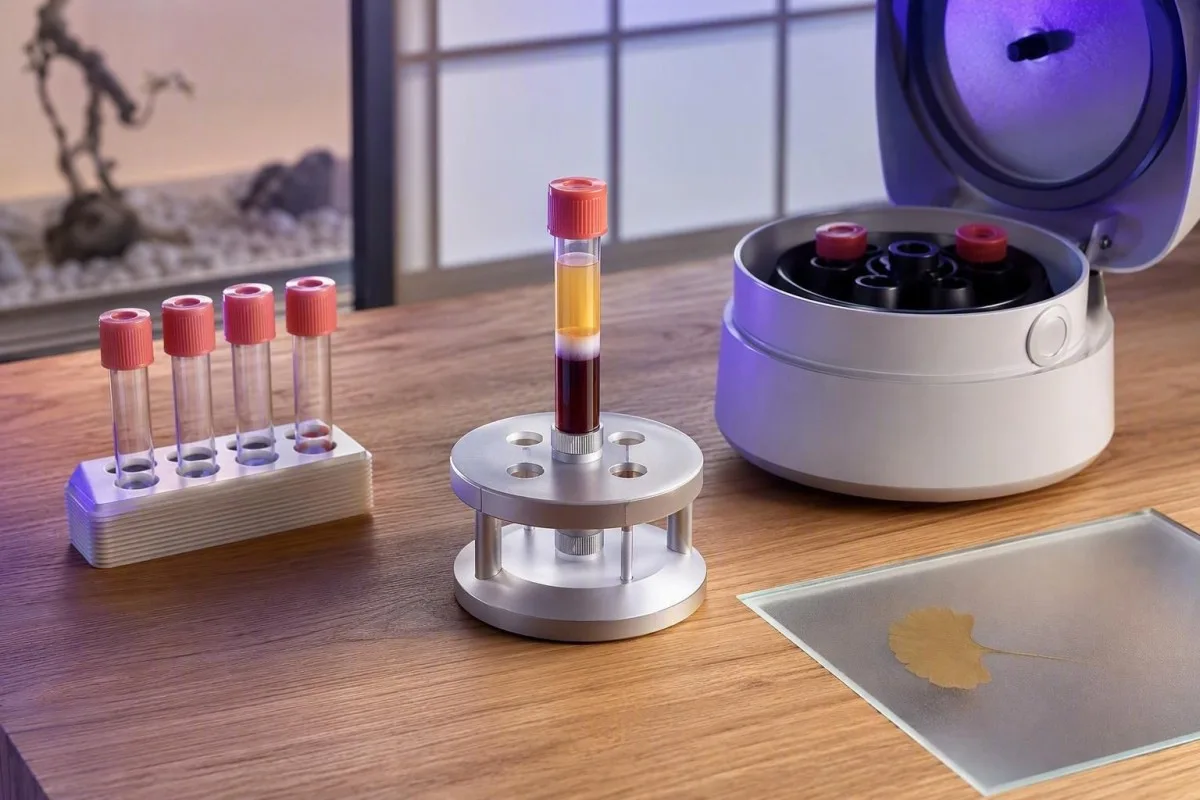
ການກວດຄັ້ງທຳອິດທີ່ເປັນປະໂຫຍດບັນທຶກສະລີລະວິທະຍາປົກກະຕິຂອງທ່ານ, ບໍ່ແມ່ນການສະທ້ອນທາງຊີວະເຄມີຂອງການອອກກຳລັງກາຍເມື່ອວານ, ເຄື່ອງດື່ມ, ການນອນທີ່ບໍ່ດີ, ຫລື ໄວຣັສທີ່ຜ່ານໄປ. ເປົ້າໝາຍແມ່ນຄວາມເປັນໄປໄດ້ທີ່ຈະເຮັດຊ້ຳໄດ້ ເຊິ່ງທ່ານສາມາດນຳໃຊ້ໄດ້ເປັນເວລາຫລາຍປີ.


- ເວລາການກວດວັນນະຄະดี: ນັດໝາຍການກວດໃນຕອນເຊົ້າຫລັງຈາກບໍ່ໄດ້ກິນອາຫານ 8-12 ຊົ່ວໂມງ ຖ້າລວມເອົາການກວດນ້ຳຕານໃນເລືອດ, ໄຂມັນ, ທາດເຫຼັກ, ຫລື ອິນຊູລິນ.
- ພັກການອອກກຳລັງກາຍ: ຫລີກລ້ຽງການຝຶກຄວາມແຂງແຮງທີ່ໜັກໜ່ວງ, ການອອກກຳລັງກາຍແບບຮອບ, ຫລື ການແຂ່ງຂັນຄວາມອົດທົນເປັນເວລາ 24-48 ຊົ່ວໂມງ ກ່ອນການກວດວັນນະຄະดีຕາມປົກກະຕິ.
- ໄລຍະເວລາເຫຼົ້າ: ງົດເຫຼົ້າຢ່າງໜ້ອຍ 48 ຊົ່ວໂມງ ກ່ອນການກວດໄຂມັນ ແລະ ເອນໄຊມ์ຕັບ; ການດື່ມໜັກສາມາດເຮັດໃຫ້ຜົນການກວດຜິດເພ້ຍໄດ້ດົນກວ່າ.
- ກົດລະບຽບການເຈັບປ່ວຍ: ໃຫ້ເລື່ອນການກວດສຸຂະພາບວັນນະຄະดีອອກໄປຈົນກ່ວາຢ່າງໜ້ອຍ 2 ອາທິດ ຫລັງຈາກອາການໄຂ້, ອາການທາງເດີນຫາຍໃຈ, ຫລື ທາງເດີນອາຫານຮຸນແຮງດີຂຶ້ນ.
- ເປົ້າໝາຍການດື່ມນ້ຳ: ດື່ມຕາມປົກກະຕິໃນມື້ກ່ອນ ແລະ ດື່ມນ້ຳ 250-500 mL ໃນ 2 ຊົ່ວໂມງກ່ອນການເກັບຕົວຢ່າງ, ເວັ້ນເສຍແຕ່ຈະມີການຈຳກັດນ້ຳ.
- ຄຳເຕືອນກ່ຽວກັບ Biotin: ຢຸດການໃຊ້ biotin ທີ່ບໍ່ໄດ້ສັ່ງໂດຍແພດໃນປະລິມານສູງ ເປັນເວລາ 48-72 ຊົ່ວໂມງ ກ່ອນການກວດຫາພູມຄຸ້ມກັນຫຼາຍຊະນິດ, ແຕ່ຢ່າຢຸດການປິ່ນປົວຕາມໃບສັ່ງແພດໂດຍບໍ່ໄດ້ຮັບຄຳແນະນຳຈາກແພດ.
- ບໍລິບົດຂອງຮອບວຽນ: ບັນທຶກມື້ຂອງຮອບວຽນສຳລັບ estradiol, progesterone, LH, FSH, ແລະບາງຄັ້ງ lipids; ມັນປ່ຽນແປງການຕີຄວາມໝາຍຫຼາຍກວ່າທີ່ຫຼາຍຄົນຄາດຄິດ.
- ຄວາມສາມາດໃນການເຮັດຊ້ຳ: ໃຊ້ຫ້ອງທົດລອງດຽວກັນ, ເວລາເຊົ້າທີ່ຄ້າຍຄືກັນ, ແລະຮູບແບບການກະກຽມດຽວກັນ ເມື່ອທ່ານຕິດຕາມຜົນການກວດເລືອດຕາມເວລາ.
ສິ່ງໃດເຮັດໃຫ້ການເຈາະເລືອດຄັ້ງທຳອິດເປັນວັນນະຄະดีທີ່ແທ້ຈິງ?
A ການກວດເລືອດຄັ້ງຕົ້ນ ມີປະໂຫຍດຫຼາຍທີ່ສຸດເມື່ອມັນຈັບເອົາອາທິດທຳມະດາ: ອາຫານຄົງທີ່, ການດື່ມນ້ຳຕາມປົກກະຕິ, ບໍ່ມີອາການເຈັບປ່ວຍສ້ວຍແຫຼມ, ແລະບໍ່ມີການຝຶກອົບຮົມ ຫຼືດື່ມທີ່ໂດດເດັ່ນ. ສຳລັບຜູ້ໃຫຍ່ສ່ວນຫຼາຍ, ຂ້າພະເຈົ້າແນະນຳໃຫ້ເກັບຕົວຢ່າງໃນຕອນເຊົ້າຫຼັງຈາກອົດອາຫານ 8-12 ຊົ່ວໂມງ ເມື່ອວັດແທກລະດັບນ້ຳຕານ, ໄຂມັນໄຕລ໌, ຕົວຊີ້ວັດທາດເຫຼັກ, ຫຼືອິນຊູລິນ.
ເປົ້າໝາຍທີ່ໃຊ້ໄດ້ຈິງບໍ່ແມ່ນເພື່ອເຮັດໃຫ້ຜົນໄດ້ຮັບດີຂຶ້ນ. ມັນແມ່ນການຫຼຸດຜ່ອນ ຄວາມແຕກຕ່າງກ່ອນການວິເຄາະ— ການປ່ຽນແປງທີ່ເກີດຂຶ້ນກ່ອນເຄື່ອງວິເຄາະຈະເຫັນຕົວຢ່າງ. ລະດັບນ້ຳຕານໃນເລືອດທີ່ອົດອາຫານ 96 mg/dL ແລະລະດັບໄຂມັນໄຕລ໌ 105 mg/dL ສາມາດເປັນເລື່ອງທຳມະດາທັງສອງຢ່າງ, ແຕ່ຄວາມໝາຍຂອງມັນປ່ຽນແປງ ຖ້າຄົນນັ້ນກິນອາຫານ late, ແລ່ນ 10 ກິໂລແມັດ, ຫຼືນອນ 3 ຊົ່ວໂມງ.
ໃນການເຮັດວຽກທາງຄລີນິກຂອງຂ້ອຍ, ຂ້ອຍຂໍໃຫ້ຄົນເຈັບປະຕິບັດການຈັບຄັ້ງທຳອິດຄືກັບຮູບຖ່າຍອ້າງອີງ. ຮັກສາບັນທຶກສັ້ນໆກ່ຽວກັບເວລາຕື່ນ, ໄລຍະເວລາອົດອາຫານ, ຢາ, ອາຫານເສີມ, ເຫຼົ້າໃນ 72 ຊົ່ວໂມງທີ່ຜ່ານມາ, ການອອກກຳລັງກາຍໃນ 48 ຊົ່ວໂມງທີ່ຜ່ານມາ, ມື້ຂອງຮອບວຽນປະຈຳເດືອນ, ແລະການຕິດເຊື້ອບໍ່ດົນມານີ້. ບັນທຶກນັ້ນມັກຈະມີປະໂຫຍດຫຼາຍໃນການກວດຄັ້ງທີສອງກ່ວາເຄື່ອງໝາຍ “ທຳມະດາ” ອັນດຽວ.
ແຄນເທສຕີ ເປັນ AI ເຄື່ອງວິເຄາະເລືອດ ອອກແບບມາເພື່ອອ່ານຜົນໄດ້ຮັບຮ່ວມກັບບໍລິບົດທີ່ໃຊ້ໄດ້ຈິງນັ້ນ, ແທນທີ່ຈະຖືວ່າຄ່ານິຍົມທຸກອັນທີ່ເນັ້ນເປັນພະຍາດ. ສຳລັບລາຍການກວດສອບທີ່ສົມເຫດສົມຜົນ, ໃຫ້ເລີ່ມຕົ້ນດ້ວຍ ຄູ່ມືການກວດເລືອດປະຈຳປີ ແລະຕົກລົງເພີ່ມເຕີມກັບທ່ານໝໍທີ່ຮູ້ປະຫວັດຂອງເຈົ້າ.
ພື້ນຖານແມ່ນສ່ວນຕົວ, ບໍ່ແມ່ນພຽງແຕ່ “ຢູ່ໃນຂອບເຂດ”
ລະດັບການອ້າງອີງຂອງຫ້ອງທົດລອງ ປົກກະຕິແລ້ວມີສ່ວນກາງ 95% ຂອງຄ່ານິຍົມຈາກກຸ່ມປະຊາກອນທີ່ເລືອກ; ມັນບໍ່ໄດ້ກຳນົດຕົວເລກສ່ວນຕົວທີ່ດີຕໍ່ສຸຂະພາບຫຼືປອດໄພທີ່ສຸດຂອງທ່ານ. ຜົນການກວດ creatinine ສາມາດຍັງຄົງຢູ່ໃນລະດັບຂອງຫ້ອງທົດລອງໃນຂະນະທີ່ເພີ່ມຂຶ້ນຢ່າງມີຄວາມໝາຍຈາກຄ່ານິຍົມຊ້ຳຂອງທ່ານເອງ, ນັ້ນຄືເຫດຜົນທີ່ການບັນທຶກພື້ນຖານມີຄວາມສຳຄັນ.
ອາຫານທີ່ຖືສິນອົດເຂົ້າ ແລະ ອາຫານມື້ກ່ອນໜ້ານີ້ສົ່ງຜົນຕໍ່ຜົນການກວດແນວໃດ
ການກວດທີ່ຖືກຕ້ອງ. ການຖືອາຫານກ່ອນ (Fasting) ສຳລັບ 8-12 ຊົ່ວໂມງ ສ້າງການປຽບທຽບຄັ້ງທຳອິດທີ່ສະອາດທີ່ສຸດສຳລັບ triglycerides, ນ້ຳຕານໃນເລືອດ fasting, insulin, and serum iron, ເຖິງແມ່ນວ່າແຜ່ນ lipid ຫຼາຍອັນສາມາດຕີຄວາມໝາຍໄດ້ໂດຍບໍ່ຕ້ອງ fasting. ນ້ຳສາມາດດື່ມໄດ້ ແລະ ປົກກະຕິແລ້ວມີປະໂຫຍດ; ກາເຟ, ນ້ຳໝາກໄມ້, ໝາກຫູມ, ແລະເຄື່ອງດື່ມທີ່ມີແຄລໍຣີ່ບໍ່ແມ່ນການ fasting ທີ່ແທ້ຈິງ.
ລະດັບນ້ຳຕານໃນເລືອດ fasting ຕ່ຳກວ່າ 100 mg/dL ໂດຍທົ່ວໄປແມ່ນປົກກະຕິ, 100-125 mg/dL ສະແດງເຖິງລະດັບນ້ຳຕານໃນເລືອດ fasting ທີ່ບົກຜ່ອງ, ແລະ 126 mg/dL ຫຼືສູງກວ່າ ຕ້ອງການການຢືນຢັນ ເວັ້ນເສຍແຕ່ມີອາການ ແລະ ລະດັບນ້ຳຕານໃນເລືອດສູງຢ່າງຊັດເຈນ. HbA1c ສະທ້ອນເຖິງປະມານ 8-12 ອາທິດກ່ອນໜ້າ, ດັ່ງນັ້ນອາຫານເຊົ້າໜຶ່ງຄັ້ງບໍ່ສາມາດຫຼຸດມັນໄດ້ຢ່າງມີຄວາມໝາຍ; ຄຳແນະນຳຂອງຫ້ອງທົດລອງ ADA ອະທິບາຍວ່າເປັນຫຍັງນ້ຳຕານໃນເລືອດ ແລະ HbA1c ຈຶ່ງຕອບຄຳຖາມທີ່ແຕກຕ່າງກັນ (Sacks et al., 2023).
Triglycerides ມີຄວາມອ່ອນໄຫວຕໍ່ອາຫານໂດຍສະເພາະ. ຄ່ານິຍົມຕ່ຳກວ່າ 150 mg/dL ໂດຍທົ່ວໄປແມ່ນເປັນທີ່ຕ້ອງການ, ໃນຂະນະທີ່ 500 mg/dL ຫຼືສູງກວ່າ ເຮັດໃຫ້ເກີດຄວາມກັງວົນກ່ຽວກັບຄວາມສ່ຽງຕໍ່ການເປັນໂລກກະເພາະ ແລະ ຕ້ອງການການປະເມີນທາງຄລີນິກຢ່າງຮີບດ່ວນ. ອາຫານ late ທີ່ອຸດົມສົມບູນ ຫຼືເຫຼົ້າ ສາມາດສ້າງຜົນໄດ້ຮັບຄັ້ງທຳອິດທີ່ເຮັດໃຫ້ເຂົ້າໃຈຜິດໄດ້, ດັ່ງນັ້ນໃຫ້ໃຊ້ ແຜນການກວດ triglycerides ຄືນໃໝ່ ແທນທີ່ຈະພະຍາຍາມ “ກິນອາຫານຢ່າງສົມບູນ” ພຽງແຕ່ມື້ດຽວ.
ແຄນເທສຕີ ເປັນ ແພລດຟອມການອ່ານຜົນກວດເລືອດຂອງ AI ທີ່ສາມາດຮັກສາສະຖານະການອົດອາຫານໄວ້ຂ້າງໆແຕ່ລະແຜງ, ເຊິ່ງເຮັດໃຫ້ການປຽບທຽບໃນພາຍຫຼັງມີຂໍ້ຜິດພາດໜ້ອຍລົງ. ຂອງພວກເຮົາ ຄູ່ມື biomarker ອະທິບາຍວ່າການທົດສອບໃດມີຄວາມອ່ອນໄຫວຕໍ່ອາຫານຢ່າງແທ້ຈິງ ແລະ ອັນໃດບໍ່ແມ່ນ.
ການອອກກຳລັງກາຍສາມາດເຮັດໃຫ້ການກວດຕັບ ແລະ ໝາກໄຂ່ຫລັງຜິດປົກກະຕິຄືແນວໃດ
ការហាត់ប្រាណខ្លាំងអាចធ្វើឲ្យកើនឡើងបណ្តោះអាសន្ន CK, AST, ALT, creatinine, ຈຸລັງສີຂາວ, ແລະບາງຄັ້ງ potassium, ດັ່ງນັ້ນຄວນຫຼີກລ້ຽງການອອກກຳລັງກາຍທີ່ບໍ່ຄຸ້ນເຄີຍ ຫຼື ມີຄວາມເຂັ້ມຂຸ້ນສູງເປັນເວລາ 24-48 ຊົ່ວໂມງກ່ອນການທົດສອບແຜງພື້ນຖານ. ການຍ່າງເບົາໆ ແລະ ການເຄື່ອນໄຫວປະຈຳວັນປົກກະຕິແມ່ນດີ.
ນັກແລ່ນມາຣາທອນອາຍຸ 52 ປີທີ່ຂ້ອຍໄດ້ກວດສອບມີ AST 89 IU/L ຫຼັງຈາກແຂ່ງຂັນທີ່ຍາວນານ, ໂດຍມີ ALT 36 IU/L ແລະ CK ສູງກວ່າ 2,000 IU/L. ຮູບແບບນັ້ນຊີ້ໃຫ້ເຫັນກ້າມຊີ້ນທີ່ອອກກຳລັງກາຍຫຼາຍກວ່າການບາດເຈັບຕັບ, ແຕ່ມັນຍັງຕ້ອງການການກວດຄືນຫຼັງຈາກຟື້ນຕົວ; ຕົວເລກທີ່ແຍກອອກມາແມ່ນຫາຍາກທີ່ຈະພຽງພໍ. ອ່ານເພີ່ມເຕີມກ່ຽວກັບ AST ຫຼັງຈາກອອກກຳລັງກາຍ ກ່ອນທີ່ຈະສົມມຸດວ່າເປັນບັນຫາຕັບ.
ຂີດຈຳກັດອ້າງອີງ Creatine kinase ແຕກຕ່າງກັນໄປຕາມຫ້ອງທົດລອງ, ເພດ, ຊົນເຜົ່າ, ມวลກ້າມຊີ້ນ, ແລະສະຖານະການອອກກຳລັງກາຍ, ແຕ່ຫ້ອງທົດລອງຫຼາຍແຫ່ງໄດ້ຕິດປ້າຍຄ່າທີ່ສູງກວ່າປະມານ 200-300 IU/L. CK ທີ່ສູງກວ່າ 5 ເທົ່າຂອງຂີດຈຳກັດເທິງແມ່ນເລື້ອຍໆ; CK ທີ່ສູງກວ່າ 5,000 IU/L ພ້ອມດ້ວຍຍ່ຽວສີເຂັ້ມ, ເຈັບກ້າມຊີ້ນຢ່າງຮຸນແຮງ, ຫຼື output ຂອງຍ່ຽວຫຼຸດລົງແມ່ນຕ້ອງການການປະເມີນຢ່າງຮີບດ່ວນສຳລັບ exertional rhabdomyolysis.
Creatinineເພີ່ມຂຶ້ນຫຼັງຈາກກິດຈະກຳທີ່ເຂັ້ມຂຸ້ນສ່ວນໜຶ່ງຜ່ານການແຕກຂອງກ້າມຊີ້ນ ແລະ ການໄຫຼວຽນຂອງເລືອດໃນໝາກໄຂ່ຫຼັງຫຼຸດລົງຈາກການສູນເສຍນ້ຳ. ຢ່າຕີຄວາມ eGFR ຕ່ຳຈາກຕົວຢ່າງຫຼັງການແຂ່ງຂັນວ່າເປັນພະຍາດໝາກໄຂ່ຫຼັງຊຳເຮື້ອໂດຍບໍ່ມີການທົດສອບການຟື້ນຕົວ; ຂອງພວກເຮົາ คู่มือการออกกำลังกายสำหรับ creatinine ອະທິບາຍໜ້າຕ່າງການແຕ້ມຄືນທີ່ປອດໄພກວ່າ.
ການຕັ້ງຄ່າຄືນ 48 ຊົ່ວໂມງບໍ່ແມ່ນກົດລະບຽບສຳລັບທຸກຄົນ
ສຳລັບການອອກກຳລັງກາຍໃນຫ້ອງອອກກຳລັງກາຍແບບສະันทະນາການ, 24 ຊົ່ວໂມງແມ່ນພຽງພໍ. ຫຼັງຈາກການແຂ່ງຂັນ ultramarathon, CrossFit, ການຍົກນ້ຳໜັກແບບ eccentric ໜັກ, ຫຼືການสัมผัสຄວາມຮ້ອນ, ຂ້ອຍມັກຈະລໍຖ້າ 48-72 ຊົ່ວໂມງ ຖ້າຈຸດປະສົງແມ່ນການຕັ້ງຄ່າພື້ນຖານທີ່ໝັ້ນຄົງແທນທີ່ຈະເປັນການປະເມີນເຫດການນັ້ນເອງ.
ເປັນຫຍັງເຫຼົ້າຈຶ່ງສົມຄວນພັກການກວດວັນນະຄະดี 48 ຊົ່ວໂມງ
ການຫຼີກລ້ຽງເຫຼົ້າເປັນເວລາຢ່າງໜ້ອຍ 48 ຊົ່ວໂມງ ກ່ອນການທົດສອບເລືອດພື້ນຖານຈະຊ່ວຍຫຼຸດຜ່ອນການບິດເບືອນໃນໄລຍະສັ້ນຂອງ triglycerides, glucose, GGT, AST, ເຄື່ອງໝາຍການໃຫ້ນ້ຳ, ແລະສະລີລະວິທະຍາທີ່ກ່ຽວຂ້ອງກັບການນອນ. ການດື່ມໜັກໜຶ່ງຄັ້ງໃນຕອນແລງອາດມີຜົນຫຼາຍກວ່າທີ່ຄົນເຈັບຫຼາຍຄົນຄາດຫວັງ.
ເຫຼົ້າສາມາດເພີ່ມ triglycerides ໂດຍການເພີ່ມການຜະລິດ very-low-density lipoprotein ຂອງຕັບ, ໂດຍສະເພາະຫຼັງຈາກອາຫານທີ່ມີຄາໂບໄຮເດຣດສູງ. ຜົນກະທົບແມ່ນແຕກຕ່າງກັນ: ຜົນໄດ້ຮັບຂອງບຸກຄົນໜຶ່ງກັບຄືນສູ່ຄ່າພື້ນຖານພາຍໃນ 24 ຊົ່ວໂມງ, ໃນຂະນະທີ່ອີກຄົນໜຶ່ງທີ່ມີໄຂມັນໃນຕັບ, ພະຍາດເບົາຫວານ, ຫຼືການດື່ມໜັກອາດສະແດງການປ່ຽນແປງເປັນເວລາຫຼາຍມື້. triglyceride ໄວ 220 mg/dL ຫຼັງຈາກດື່ມໃນທ້າຍອາທິດຄວນໄດ້ຮັບການກວດຄືນກ່ອນທີ່ໃຜຈະຕັ້ງຊື່ມັນວ່າເປັນບັນຫາການເຜົາຜະພານທີ່ຄົງທີ່.
GGT ມີຄວາມອ່ອນໄຫວແຕ່ບໍ່ສະເພາະເຈາະຈົງ. ຫ້ອງທົດລອງຫຼາຍແຫ່ງໃຊ້ຂີດຈຳກັດເທິງປະມານ 55-60 IU/L ສຳລັບຜູ້ຊາຍ ແລະ 35-40 IU/L ສຳລັບຜູ້ຍິງ, ແຕ່ຢາ, cholestasis, ໄຂມັນໃນຕັບ, ແລະເຫຼົ້າສາມາດເພີ່ມມັນໄດ້. ຮູບແບບທີ່ມີຄວາມໝາຍແມ່ນ GGT ພ້ອມດ້ວຍ ALT, ALP, bilirubin, ຈຳນວນ platelet, ແລະປະຫວັດການດື່ມເຫຼົ້າ; ເບິ່ງຂອງພວກເຮົາ ຄຳອະທິບາຍ liver panel ສຳລັບວິທີການແກ້ໄຂບັນຫາເຫຼົ່ານີ້.
ນັບຕັ້ງແຕ່ວັນທີ 1 ກັນยายน 2026, ຂ້ອຍຍັງແນະນຳຕໍ່ຕ້ານ “ການລ້າງສານພິດ” ຫຼືການອົດອາຫານຫຼາຍເກີນໄປເພື່ອປັບປຸງຜົນໄດ້ຮັບຂອງຕັບ. ອາຫານປົກກະຕິ, ນ້ຳປົກກະຕິ, ບໍ່ມີເຫຼົ້າ, ແລະໄລຍະເວລາທີ່ບັນທຶກໄວ້ແມ່ນວິທະຍາສາດທີ່ສະອາດກວ່າ. ALT ທີ່ສືບຕໍ່ສູງກວ່າຂີດຈຳກັດເທິງຂອງຫ້ອງທົດລອງໃນສອງຕົວຢ່າງທີ່ຫ່າງກັນຫຼາຍອາທິດແມ່ນຕ້ອງການການກວດສອບທາງການແພດ, ບໍ່ແມ່ນການລ້າງສານພິດທາງອິນເຕີເນັດ.
ພະຍາດຫລືການສັກຢາຄວນຊັກຊ້າການກວດສຸຂະພາບເມື່ອໃດ
เลื่อนการตรวจสุขภาพพื้นฐานออกไปในช่วงที่มีไข้, การเจ็บป่วยทางเดินอาหารเฉียบพลัน, การติดเชื้อทางเดินหายใจที่รุนแรง, หรือในช่วง 1-2 สัปดาห์แรกหลังการฟื้นตัว เพราะ CRP, เฟอร์ริติน, เม็ดเลือดขาว, เกล็ดเลือด, กลูโคส, และ กວດไทลออย อาจมีการเปลี่ยนแปลงชั่วคราว การตรวจวินิจฉัยแบบเร่งด่วนแตกต่างออกไป: อย่าเลื่อนการตรวจเมื่อคุณไม่สบาย.
โปรตีน C-reactive มักจะสูงขึ้นภายใน 6-8 ชั่วโมงหลังจากมีการกระตุ้นการอักเสบ และสามารถลดลงอย่างรวดเร็วเมื่อสิ่งกระตุ้นสงบลง CRP ที่ต่ำกว่า 3 mg/L มักใช้สำหรับการแบ่งชั้นความเสี่ยงโรคหัวใจและหลอดเลือด เฉพาะเมื่อบุคคลนั้นมีสุขภาพดีในทางคลินิกเท่านั้น ผลลัพธ์ 18 mg/L ระหว่างที่เป็นหวัดบอกอะไรได้น้อยเกี่ยวกับความเสี่ยงของหลอดเลือดในระยะยาว รูปแบบ CRP และ อัลบูมิน มีข้อมูลมากกว่าผลลัพธ์ใดผลลัพธ์หนึ่งเพียงอย่างเดียว.
เฟอร์ริตินเป็นทั้งโปรตีนเก็บสะสมธาตุเหล็กและสารบ่งชี้ระยะเฉียบพลัน เฟอร์ริติน 110 ng/mL ระหว่างการติดเชื้ออาจบดบังการขาดธาตุเหล็ก ในขณะที่เฟอร์ริตินต่ำกว่า 15 ng/mL บ่งชี้ว่าขาดธาตุเหล็กอย่างชัดเจนในผู้ใหญ่ที่สุขภาพดี นี่คือเหตุผลที่ฉันจับคู่เฟอร์ริตินกับการอิ่มตัวของทรานสเฟอร์ริน, CRP, ฮีโมโกลบิน และประวัติทางคลินิก.
การฉีดวัคซีนอาจทำให้เกิดการตอบสนองทางภูมิคุ้มกันชั่วคราว ซึ่งรวมถึงการเปลี่ยนแปลงชั่วคราวของ CRP และกลุ่มย่อยของเม็ดเลือดขาว การตรวจคัดกรองตามปกติมักรอได้ 3-7 วันหลังการฉีดวัคซีนหากเป้าหมายคือการตรวจหาค่าพื้นฐานที่คงที่ แต่การตรวจประเมินความปลอดภัยที่กำหนดไว้สำหรับการติดตามยาควรปฏิบัติตามคำแนะนำของแพทย์ผู้สั่งยา មគ្គុទេសក៍មន្ទីរពិសោធន៍ក្រោយចាក់វ៉ាក់សាំង ครอบคลุมความแตกต่างในทางปฏิบัติ.
กฎสองสัปดาห์มีข้อยกเว้น
หลังจากการเป็นปอดอักเสบ, การเข้าโรงพยาบาล, การติดเชื้อโมโนนิวคลีโอซิส, หรือการกำเริบอย่างรุนแรงของโรคเรื้อรัง, สองสัปดาห์อาจไม่เพียงพอ ในกรณีเหล่านั้น ฉันมักใช้การฟื้นตัวของอาการ, แนวโน้ม CRP, และการตัดสินใจของแพทย์ แทนที่จะใช้ปฏิทินเพียงอย่างเดียว.
ການຂາດການນອນຫລັບ ແລະ ເວລາປ່ຽນແປງການກວດເລືອດແນວໃດ
การนอนหลับไม่ดีเพียงคืนเดียวสามารถเพิ่มระดับกลูโคสในขณะอดอาหาร, คอร์ติซอล, ความดันโลหิต, และสัญญาณการอักเสบ, ในขณะที่เวลาสามารถเปลี่ยนแปลงเทสโทสเตอโรน, คอร์ติซอล, ธาตุเหล็ก, และ TSH สำหรับค่าพื้นฐานแรก, ให้ตั้งเป้าที่ การนอนหลับปกติ 7-9 ชั่วโมง และเก็บตัวอย่างระหว่างประมาณ 7 ถึง 10 โมงเช้า เมื่อเป็นไปได้.
คอร์ติซอลมีจังหวะรายวันตามธรรมชาติที่ชัดเจน ระดับคอร์ติซอลในเลือดตอนเช้ามักวัดประมาณ 8 โมงเช้า แต่ค่าดังกล่าวไม่สามารถวินิจฉัยโรคต่อมหมวกไตได้หากไม่ทราบเวลาเก็บตัวอย่าง, อาการ, และมักจะต้องมีการตรวจ ACTH การเก็บตัวอย่างตอนบ่ายเปรียบเทียบกับตัวอย่าง 8 โมงเช้าก่อนหน้านี้ ไม่ใช่แนวโน้มที่ถูกต้อง แม้ว่าห้องปฏิบัติการเดียวกันจะทำการตรวจทั้งสองก็ตาม.
การจำกัดการนอนหลับ 4-5 ชั่วโมงสามารถทำให้ความไวต่ออินซูลินในเช้าวันถัดไปแย่ลงและเปลี่ยนแปลงฮอร์โมนความหิว; ขนาดของการเปลี่ยนแปลงในห้องปฏิบัติการแตกต่างกันอย่างมากในแต่ละบุคคล ฉันพบสิ่งนี้บ่อยที่สุดในพนักงานที่ทำงานเป็นกะ, พ่อแม่มือใหม่, และนักเดินทางบ่อย, ซึ่ง “ค่าพื้นฐาน” จำเป็นต้องสะท้อนตารางเวลาจริงของพวกเขา แทนที่จะเป็นตารางเวลาในอุดมคติ คู่มือห้องปฏิบัติการการนอนหลับที่ไม่ดี มีรายการตรวจสอบคำอธิบายประกอบที่เป็นประโยชน์.
คำแนะนำที่ใช้ได้จริงของ Dr. Thomas Klein นั้นง่าย: อย่า ยกเลิกการตรวจที่จำเป็นเพราะคุณนอนหลับไม่ดี แต่ให้บันทึกไว้ หากระดับกลูโคสในขณะอดอาหารที่เกือบจะปกติคือ 103 mg/dL หลังจากการอดนอนทั้งคืน ให้ตรวจซ้ำภายใต้สภาวะปกติก่อนที่จะสรุปเกี่ยวกับการเป็นโรคเบาหวานก่อนวัย.
คาเฟอีนไม่ได้เป็นสิ่งที่เตรียมตัวโดยไม่มีอันตรายเสมอไป
ກາເຟດຳອາດມີຜົນໜ້ອຍຕໍ່ຫຼາຍ panel, ແຕ່ອາດສົ່ງຜົນກະທົບຕໍ່ນ້ຳຕານ, catecholamines, ຄວາມດັນເລືອດ, ແລະການກວດ endocrine ພິເສດບາງຢ່າງ. ເມື່ອສັ່ງ insulin, glucose, cortisol, ຫຼື metanephrines ຈາກການອົດອາຫານ, ນ້ຳເປົ່າແມ່ນທາງເລືອກທີ່ບໍ່ຄຸ້ນເຄີຍທີ່ສຸດ.
ອາຫານເສີມ ແລະ ຢາຊະນິດໃດແດ່ທີ່ຕ້ອງບັນທຶກ
ຢ່າຢຸດຢາທີ່ຖືກສັ່ງໃຫ້ກວດເລືອດ baseline ເວັ້ນເສຍແຕ່ຜູ້ສັ່ງຢາຈະບອກທ່ານ, ແຕ່ບັນທຶກທຸກຢາແລະອາຫານເສີມພ້ອມກັບປະລິມານ ແລະເວລາ. Biotin, ທາດເຫຼັກ, B12, creatine, iodine, corticosteroids, ແລະ decongestants ສາມາດປ່ຽນແປງຊີວະວິທະຍາ ຫຼືການກວດ assay.
Biotin ປະລິມານສູງ, ມັກຈະເປັນ 5,000-10,000 micrograms ຕໍ່ມື້ໃນຜະລິດຕະພັນສຳລັບຜົມ ແລະເລັບ, ສາມາດລົບກວນການກວດ streptavidin-biotin immunoassays ບາງຢ່າງ. ມັນອາດຈະສ້າງ TSH ຕ່ຳຜິດປົກກະຕິ ຫຼື free T4, troponin, ຫຼືຜົນຂອງຮໍໂມນສູງຜິດປົກກະຕິຂຶ້ນຢູ່ກັບການອອກແບບ assay. ການຢຸດ 48-72 ຊົ່ວໂມງມັກຖືກໃຊ້ສຳລັບ biotin ທີ່ບໍ່ໄດ້ຮັບການສັ່ງ, ແຕ່ຄົນທີ່ກິນມັນເພາະສະພາບທາງການແພດຄວນຖາມທ່ານໝໍກ່ອນ.
ທາດເຫຼັກໃນອາຫານເສີມອາດເພີ່ມ serum iron ໄດ້ຊົ່ວຄາວ, ແລະອາຫານເສີມ creatine ອາດເພີ່ມ creatinine ໂດຍບໍ່ໄດ້ຫຼຸດຜ່ອນການກັ່ນຕອງຕົວຈິງ. Corticosteroids ສາມາດເພີ່ມ glucose ແລະເມັດເລືອດຂາວ; proton-pump inhibitors ສາມາດສົ່ງຜົນກະທົບຕໍ່ magnesium ແລະ B12 ຕາມເວລາ. ການຕອບສະໜອງທີ່ຖືກຕ້ອງແມ່ນສະພາບການ, ບໍ່ແມ່ນການຢຸດດ້ວຍຕົນເອງ; ຂອງພວກເຮົາ ຄູ່ມືການອົດອາຫານເສີມ ອະທິບາຍຂໍ້ຍົກເວັ້ນທົ່ວໄປ.
ແຄນເທສຕີ ເປັນ ឧបករណ៍វិភាគតេស្តឈាមដែលដំណើរការដោយ AI ທີ່ບັນທຶກອາຫານເສີມທີ່ລາຍງານໄວ້ຂ້າງຜົນການກວດ, ດັ່ງນັ້ນການປ່ຽນແປງ thyroid ຫຼື renal ທີ່ເຫັນໄດ້ຊັດເຈນສາມາດໄດ້ຮັບການທົບທວນດ້ວຍການເປີດເຜີຍທີ່ອາດຈະອະທິບາຍມັນ. ຄົນເຈັບຍັງສາມາດປຽບທຽບຜົນການລາຍງານກັບຂອງພວກເຮົາ ບັນຊີລາຍຊື່ກວດສອບຄວາມຖືກຕ້ອງທາງການແພດ ກ່ອນທີ່ຈະປະຕິບັດຕາມທຸງສີທີ່ບໍ່ຄາດຄິດ.
ເວລາການໃຊ້ຢາສາມາດເປັນສ່ວນໜຶ່ງຂອງໃບສັ່ງຢາ
ການທົດແທນ thyroid, testosterone therapy, insulin, diuretics, ແລະ anticoagulants ແຕ່ລະອັນມີກົດການກຳນົດເວລາສະເພາະການກວດ. ຕົວຢ່າງ, ການກວດ thyroid ມັກຈະຖືກດຶງກ່ອນປະລິມານ levothyroxine ຂອງມື້ເມື່ອຕິດຕາມຄວາມສອດຄ່ອງ, ແຕ່ພິທີກຳຂອງແພດທີ່ສັ່ງຢາຄວນໄດ້ຮັບຄວາມສຳຄັນ.
ການປ່ຽນແປງຂອງຮໍໂມນໃນໄລຍະປະຈຳເດືອນສົ່ງຜົນຕໍ່ວັນນະຄະดีຮໍໂມນຄັ້ງທຳອິດແນວໃດ
ສຳລັບການກວດຮໍໂມນສືບພັນ, ວັນທີຂອງຮອບວຽນເປັນສ່ວນໜຶ່ງຂອງຜົນ. FSH, LH, estradiol, progesterone, testosterone, prolactin, ແລະບາງຄັ້ງ lipids ສາມາດແຕກຕ່າງກັນພຽງພໍໃນຮອບວຽນ, ດັ່ງນັ້ນວັນທີທີ່ບໍ່ໄດ້ບັນທຶກເຮັດໃຫ້ການຕີຄວາມໝາຍອ່ອນແອກວ່າ.
ການກວດໃນຊ່ວງຕົ້ນຂອງຮອບວຽນ, ມັກຈະເປັນວັນທີ 2-5 ຂອງຮອບວຽນ, ມັກຖືກໃຊ້ສຳລັບ baseline FSH, LH, ແລະ estradiol ໃນການປະເມີນການມີລູກ. Progesterone ມັກຈະຖືກວັດແທກປະມານ 7 ມື້ຫຼັງຈາກການຕົກໄຂ່ - ບໍ່ແມ່ນ “ວັນທີ 21” ອັດຕະໂນມັດ, ເພາະວ່າຮອບວຽນ 35 ມື້ຈະປະຕິບັດຕາມຊີວະວິທະຍາທີ່ແຕກຕ່າງກັນ. ຄ່າ progesterone ສູງກວ່າປະມານ 3 ng/mL ສາມາດສະໜັບສະໜູນການຕົກໄຂ່ເມື່ອໄວໆມານີ້ໃນຫຼາຍໆກໍລະນີ, ແຕ່ການຕີຄວາມໝາຍທີ່ແນ່ນອນຂຶ້ນຢູ່ກັບ assay ແລະເວລາ.
Prolactin ມີຄວາມອ່ອນໄຫວຕໍ່ຄວາມເຄັ່ງຕຶງ, ການອອກກຳລັງກາຍເມື່ອໄວໆມານີ້, ກິດຈະກຳທາງເພດ, ແລະການເກັບຕົວຢ່າງທີ່ຫຍຸ້ງຍາກ. ການເພີ່ມຂຶ້ນເລັກນ້ອຍມັກຈະຖືກເຮັດຊ້ຳຫຼັງຈາກ 20-30 ນາທີຂອງການພັກຜ່ອນຢ່າງງຽບໆ, ໂດຍສະເພາະໃນຕອນເຊົ້າ; ລະດັບທີ່ສູງກວ່າ 100 ng/mL ຢ່າງຕໍ່ເນື່ອງສົມຄວນໄດ້ຮັບການປະເມີນ endocrine ຢ່າງຮີບດ່ວນ, ເຖິງແມ່ນວ່າຜົນກະທົບຂອງຢາຍັງຄົງເປັນເລື່ອງທົ່ວໄປ. ເບິ່ງຂອງພວກເຮົາ ຄູ່ມືການກວດ prolactin ຄືນໃໝ່ ສໍາລັບຂັ້ນຕອນຕໍ່ໄປທີ່ສົມເຫດສົມຜົນ.
ການປ່ຽນແປງຂອງ lipid ທີ່ກ່ຽວຂ້ອງກັບຮອບວຽນແມ່ນແທ້ຈິງແຕ່ມັກຈະນ້ອຍກວ່າການປ່ຽນແປງຈາກນ້ຳໜັກ, ອາຫານ, ເຫຼົ້າ, ພະຍາດເບົາຫວານ, ຫຼືພັນທຸກຳ. ຖ້າທ່ານຕັ້ງໃຈຕິດຕາມສຸຂະພາບດ້ວຍການກວດເລືອດຕະຫຼອດຫຼາຍປີ, ໃຫ້ເລືອກໄລຍະຮອບວຽນທີ່ຄ້າຍຄືກັນສຳລັບການກວດ lipid ແລະ hormoneซ้ำເມື່ອເປັນໄປໄດ້, ໂດຍສະເພາະໃນຂະນະທີ່ປະເມີນອາການຫຼືການປິ່ນປົວ.
ການຄຸມກຳເນີດດ້ວຍຮໍໂມນປ່ຽນຄຳຖາມ
ການຄຸມກຳເນີດດ້ວຍຮໍໂມນປະສົມສາມາດສະກັດກັ້ນການວັດແທກ endogenous FSH, LH, estradiol, ແລະ androgen, ດັ່ງນັ້ນຜົນເຫຼົ່ານີ້ອາດຈະບໍ່ໄດ້ອະທິບາຍເຖິງສະລີລະວິທະຍາທີ່ບໍ່ໄດ້ຮັບການປິ່ນປົວ. ຢ່າຢຸດການຄຸມກຳເນີດພຽງແຕ່ເພື່ອໃຫ້ໄດ້ baseline ໂດຍບໍ່ໄດ້ຄຳນຶງເຖິງຄວາມສ່ຽງການຖືພາ ແລະເຫດຜົນທາງການແພດສຳລັບການກວດ.
ການດື່ມນ້ຳ, ທ່າທາງ, ແລະເຕັກນິກການເກັບຕົວຢ່າງມີຄວາມສຳຄັນແນວໃດ
ການດື່ມນໍ້າປົກກະຕິ ແລະການພັກຜ່ອນໃນທ່າ ນັ່ງ 10-15 ນາທີກ່ອນການເກັບຕົວຢ່າງ ຊ່ວຍເພີ່ມຄວາມທົນທານໄດ້ ເພາະການຂາດນໍ້າ, ການຢືນດົນ, ແລະການເຈາະເອົາເລືອດໄດ້ຍາກ ສາມາດເຮັດໃຫ້ຜົນການກວດບາງຢ່າງເຂັ້ມຂຸ້ນຂຶ້ນ ຫຼື ບິດເບືອນໄດ້. ດື່ມນໍ້າປົກກະຕິໃນມື້ກ່ອນໜ້າ ແລະ, ເວັ້ນເສຍແຕ່ຖືກຈຳກັດປະລິມານນໍ້າ, ໃຫ້ດື່ມ ນໍ້າ 250-500 mL ພາຍໃນ 2 ຊົ່ວໂມງ ກ່ອນການນັດໝາຍ.
ການຫົດຕົວຂອງປະລິມານ plasma ສາມາດເຮັດໃຫ້ haemoglobin, haematocrit, albumin, calcium, total protein, ແລະ creatinine ປະກົດສູງກວ່າທີ່ຄວນຈະເປັນພາຍໃຕ້ການດື່ມນໍ້າຕາມປົກກະຕິ. ໃນທາງກົງກັນຂ້າມ, ການດື່ມນໍ້າຫຼາຍລິດທັນທີກ່ອນການກວດ ສາມາດເຈືອຈາງ sodium ແລະການວັດແທກອື່ນໆ. ລະດັບ sodium ປົກກະຕິໂດຍທົ່ວໄປແມ່ນ 135-145 mmol/L, ແຕ່ຜົນໄດ້ຮັບທີ່ບໍ່ຄາດຄິດຄວນໄດ້ຮັບການຕີລາຄາສະເໝີ ໂດຍຄຳນຶງເຖິງສະຖານະການດື່ມນໍ້າ ແລະ glucose.
ທ່າທາງມີຄວາມສຳຄັນຫຼາຍກວ່າທີ່ຄົນສ່ວນໃຫຍ່ຄິດ. ການຢືນ ສາມາດເພີ່ມ albumin ແລະ analytes ທີ່ຜູກຕິດກັບ protein ຜ່ານການປ່ຽນແປງຂອງແຫຼວ, ໃນຂະນະທີ່ການໃຊ້ tourniquet ດົນ ແລະການກຳມືຊ້ຳໆ ສາມາດເຮັດໃຫ້ potassium ແລະ lactate ສູງຂຶ້ນຢ່າງບໍ່ຖືກຕ້ອງ. Potassium ທີ່ສູງກວ່າ 5.5 mmol/L ໂດຍບໍ່ມີພະຍາດไต, ອາການ, ຫຼືການປ່ຽນແປງ ECG ມັກຈະຖືກກວດຄືນໃໝ່ຢ່າງໄວວາ ເພາະຄວາມຜິດພາດໃນການເກັບຕົວຢ່າງແມ່ນເລື້ອຍໆ; ຄູ່ມືການກວດສອບຄວາມຜິດພາດ potassium ຂອງພວກເຮົາ ການກວດເລືອດທີ່ສາມາດຊີ້ໄປຫາມະເຮັງ.
ການມີປະຈຳເດືອນ, ການສູນເສຍແຫຼວຈາກອາການທ້ອງເສຍບໍ່ດົນ, ຢາຂັບປັດສາວະ, ແລະການໃຊ້ຊາວໜ້າ, ທັງໝົດນີ້ຄວນໄດ້ບັນທຶກໄວ້ໃນບັນທຶກທີ່ຕິດຄັດກັບການເກັບຕົວຢ່າງ. ຖ້າ eGFR ຕ່ຳກວ່າຄາດຫຼັງຈາກການຂາດນໍ້າ, ໃຫ້ຟື້ນຟູການບໍລິໂພກຕາມປົກກະຕິ ແລະປຶກສາຫາລືການກວດຄືນ; ເບິ່ງ ການປ່ຽນແປງ eGFR ຊົ່ວຄາວ ກ່ອນທີ່ຈະຖືວ່າຄວາມເສຍຫາຍຂອງไตຖາວອນ.
ເສັ້ນສີແດງໃນຫຼອດບໍ່ໄດ້ໝາຍເຖິງການວິນິດໄສ
ສີຂອງຫຼອດແມ່ນບົ່ງບອກເຖິງສານເຕີມແຕ່ງທີ່ໃຊ້ສຳລັບການປະມວນຜົນໃນຫ້ອງທົດລອງ, ບໍ່ແມ່ນຄວາມຮ້າຍແຮງຂອງການກວດ. ສິ່ງທີ່ສຳຄັນທາງດ້ານຄລີນິກແມ່ນການເລືອກຫຼອດທີ່ຖືກຕ້ອງ, ອຸນຫະພູມໃນການຂົນສົ່ງ, ຄວາມລ່າຊ້າໃນການປະມວນຜົນ, ແລະບໍ່ວ່າຫ້ອງທົດລອງຈະລາຍງານເຖິງ hemolysis ຫຼືຕົວຢ່າງບໍ່ພຽງພໍ.
ວິທີເຮັດໃຫ້ຜົນການກວດໃນພາຍຫລັງສາມາດປຽບທຽບໄດ້ກັບການກວດຄັ້ງທຳອິດ
ໃຊ້ຫ້ອງທົດລອງດຽວກັນ, ເວລາເກັບຕົວຢ່າງທີ່ຄ້າຍຄືກັນ, ແລະຮູບແບບການກະກຽມທີ່ຄ້າຍຄືກັນທຸກຄັ້ງທີ່ທ່ານຕິດຕາມຜົນການກວດຫ້ອງທົດລອງໃນໄລຍະໜຶ່ງ. ການປ່ຽນແປງທາງຊີວະວິທະຍາທີ່ແທ້ຈິງອາດຈະໜ້ອຍກວ່າຜົນກະທົບລວມຂອງວິທີການວິເຄາະ, ສະຖານະການອົດອາຫານ, ການອອກກຳລັງກາຍ, ແລະການປ່ຽນແປງປະຈຳວັນຕາມປົກກະຕິ.
LDL cholesterol ອາດຈະຖືກຄິດໄລ່ແທນທີ່ຈະຖືກວັດແທກໂດຍກົງ, ແລະການຄິດໄລ່ຈະໜ້ອຍລົງໜ້າເຊື່ອຖືເມື່ອ triglycerides ສູງຂຶ້ນ. แนวทาง cholesterol ຂອງ AHA/ACC ປີ 2018 ສະໜັບສະໜູນການກວດຄັດກອງແບບບໍ່ອົດອາຫານໃນຫຼາຍໆຄົນ ແຕ່ແນະນຳໃຫ້ປະເມີນຜົນແບບອົດອາຫານໃນສະຖານະການສະເພາະ, ລວມທັງ triglycerides ສູງຫຼາຍ ແລະຄວາມບໍ່ແນ່ນອນໃນການວິນິດໄສ (Grundy et al., 2019). ຈຸດສຳຄັນແມ່ນຄວາມສອດຄ່ອງ, ບໍ່ແມ່ນຄວາມສົມບູນແບບ.
ຄ່າການປ່ຽນແປງອ້າງອີງ, ຫຼື RCV, ລວມເອົາຄວາມບໍ່ແນ່ນອນຂອງການວິເຄາະກັບການປ່ຽນແປງທາງຊີວະວິທະຍາປົກກະຕິຂອງແຕ່ລະບຸກຄົນ. ການເຄື່ອນໄຫວ 10% ຂອງຕົວຊີ້ວັດໜຶ່ງອາດເປັນສຽງລົບກວນໃນຂະນະທີ່ການປ່ຽນແປງ 30% ຂອງອີກໜຶ່ງແມ່ນມີຄວາມໝາຍ; ບໍ່ມີອັດຕາສ່ວນທີ່ເປັນສາກົນທີ່ໃຊ້ໄດ້ກັບທຸກການກວດ. ຄູ່ມື "ການປ່ຽນແປງນີ້ເປັນຂອງຈິງ" ຂອງພວກເຮົາ ສະແດງໃຫ້ເຫັນວ່າເປັນຫຍັງແນວໂນ້ມຈຶ່ງຕ້ອງການຫຼາຍກ່ວາລູກສອນທີ່ມີສີລະບົບການຈັດອັນດັບ.
AI Kantesti ຕີຄວາມໝາຍຂອງແຜນການທີ່ເຮັດຊ້ຳໂດຍການປຽບທຽບໜ່ວຍວິເຄາະ, ຊ່ວງການອ້າງອີງ, ວັນທີການເກັບຕົວຢ່າງ, ແລະຕົວຊີ້ວັດຊີວະພາບທີ່ກ່ຽວຂ້ອງ ແທນທີ່ຈະນັບພຽງແຕ່ທຸງທີ່ຜິດປົກກະຕິ. ການປຽບທຽບ AI ຖືກສ້າງຂຶ້ນສຳລັບຄຳຖາມໄລຍະຍາວນີ້: ອັນໃດປ່ຽນໄປຫຼາຍພໍທີ່ຈະສົມຄວນໄດ້ຮັບຄວາມສົນໃຈ?
ຮັກສາລາຍງານຕົ້ນສະບັບ
ບັນທຶກ PDF ຫຼືຮູບຖ່າຍທີ່ຊັດເຈນ, ບໍ່ແມ່ນພຽງແຕ່ຜົນການພິມ. ການປ່ຽນໜ່ວຍ, ລະດັບຂອງຫ້ອງທົດລອງ, ຄຳເຫັນກ່ຽວກັບ hemolysis, ແລະບໍ່ວ່າ LDL ຖືກຄິດໄລ່ຫຼືບໍ່ ສາມາດປ່ຽນແປງຢ່າງມີນัยສຳຄັນວ່ານັກແພດໃນອະນາຄົດຈະອ່ານແນວໂນ້ມແນວໃດ.
ບັນທຶກສະພາບແວດລ້ອມເພື່ອບันทຶກກັບການກວດເລືອດທຸກຄັ້ງ
ບັນທຶກບໍລິບົດສັ້ນໆປ່ຽນຕົວເລກໂດດດ່ຽວໃຫ້ກາຍເປັນຂໍ້ມູນໄລຍະຍາວທີ່ໃຊ້ໄດ້. ບັນທຶກ ວັນທີ, ເວລາ, ຊົ່ວໂມງອົດອາຫານ, ການນອນ, ການອອກກຳລັງກາຍ, ເຫຼົ້າ, ພະຍາດ, ຢາ, ອາຫານເສີມ, ມື້ຂອງຮອບວຽນ, ການປ່ຽນແປງນ້ຳໜັກ, ແລະອາການໃໝ່ ໃນການເກັບຕົວຢ່າງແຕ່ລະຄັ້ງ.
ບັນທຶກຂັ້ນຕ່ຳຂອງຂ້ອຍມີແປດລາຍການ: ເວລາເກັບກຳ; ໄລຍະເວລາອົດອາຫານ; ອອກກຳລັງກາຍພາຍໃນ 48 ຊົ່ວໂມງ; ດື່ມເຫຼົ້າພາຍໃນ 72 ຊົ່ວໂມງ; ພະຍາດທີ່ເປັນຢູ່; ການປ່ຽນແປງຢາທີ່ສັ່ງ; ປະລິມານອາຫານເສີມ ແລະ ໂດສສຸດທ້າຍ; ແລະ ສະຖານະການມີປະຈຳເດືອນ ຫຼື ການຖືພາ, ຖ້າກ່ຽວຂ້ອງ. ຕື່ມການເດີນທາງ, Jet lag, ແລະ ລະດັບຄວາມສູງ, ເມື່ອສິ່ງເຫຼົ່ານີ້ ນຳໃຊ້, ເພາະແຕ່ລະອັນ ສາມາດ ເຮັດໃຫ້ນ້ຳ, cortisol, haemoglobin, ແລະ ຕົວຊີ້ວັດທີ່ອ່ອນໄຫວຕໍ່ການນອນຫລັບ ປ່ຽນແປງໄດ້.
ການສູນເສຍນ້ຳໜັກ 1.5 ກິໂລກຣາມໃນ 10 ວັນ, ອາຫານໃໝ່ທີ່ມີທາດໂປຼຕີນສູງ, ຫລື ການນອນຫລັບບໍ່ສະ ໝ່ຳ ສະເໝີຫລາຍຄືນ ສາມາດອະທິບາຍການປ່ຽນແປງຂອງການກວດເລືອດໃນລະດັບປານກາງໄດ້ເມື່ອເວລາຜ່ານໄປ. ນັ້ນບໍ່ໄດ້ເຮັດໃຫ້ຜົນໄດ້ຮັບບໍ່ສຳຄັນ — ມັນເຮັດໃຫ້ມັນສາມາດຕີຄວາມໝາຍໄດ້. ສຳລັບລຸ້ນທີ່ສາມາດໃຊ້ຄືນໄດ້, ຂອງພວກເຮົາ ตัวติดตามบริบทของห้องแล็บ ລວມມີລາຍລະອຽດທີ່ຄົນເຈັບມັກລືມທີ່ສຸດ.
ທ່ານດຣ Thomas Klein ແນະນຳໃຫ້ຂຽນບັນທຶກກ່ອນອອກຈາກເຮືອນ, ບໍ່ແມ່ນໃນຂະນະທີ່ລໍຖ້າຜົນ. ຄວາມຊົງຈຳຈະບໍ່ເຊື່ອຖືໄດ້ຫລັງຈາກໄດ້ຮັບການແຈ້ງເຕືອນທີ່ບໍ່ຄາດຄິດ, ແລະ ຜູ້ຄົນເຂົ້າໃຈຢ່າງເຂົ້າໃຈໄດ້ ທີ່ຈະສ້າງອາທິດທີ່ຜ່ານມາໃຫ້ເຂົ້າກັບຕົວເລກ.
ສິ່ງທີ່ບໍ່ຄວນບັນທຶກເປັນ “ການແກ້ໄຂ”
ຢ່າຈັດການອາຫານ, ການດື່ມນ້ຳ, ການອອກກຳລັງກາຍ, ຫລື ອາຫານເສີມພຽງແຕ່ເພື່ອໃຫ້ໄດ້ພື້ນຖານຄັ້ງທຳອິດທີ່ໜ້າສົນໃຈຫຼາຍຂຶ້ນ. ພື້ນຖານຄວນຈະເປັນຕົວແທນຂອງຊີວິດຂອງທ່ານ; ຖ້າບໍ່ດັ່ງນັ້ນ, ການກວດຄັ້ງຕໍ່ໄປອາດຈະເບິ່ງຄືວ່າຮ້າຍແຮງຂຶ້ນພຽງເພາະວ່າມັນຊື່ສັດກວ່າ.
ຜົນການກວດທີ່ບໍ່ຊັດເຈນຄວນເຮັດຊ້ຳກ່ອນທີ່ຈະກັງວົນ
ຜົນການກວດພື້ນຖານທີ່ເປັນຂອບເຂດຫຼາຍຢ່າງຄວນໄດ້ຮັບການກວດຄືນພາຍໃຕ້ສະภาวะທີ່ ໝັ້ນຄົງ ກ່ອນທີ່ຈະຖືກຖືວ່າເປັນພະຍາດ, ໂດຍສະເພາະການປ່ຽນແປງເລັກນ້ອຍທີ່ແຍກອອກມາໃນ ເອນໄຊຕັບ, creatinine, potassium, prolactin, neutrophils, ແລະ triglycerides. ອາການດ່ວນ ຫລື ຄ່ານ້ອຍທີ່ຜິດປົກກະຕິຢ່າງຫຼວງຫຼາຍແມ່ນຂໍ້ຍົກເວັ້ນ.
ALT ທີ່ໜ້ອຍກວ່າ 2 ເທົ່າຂອງຂີດຈຳກັດສູງສຸດຂອງຫ້ອງທົດລອງ ໂດຍມີ bilirubin, ALP ປົກກະຕິ, ແລະ ບໍ່ມີອາການ, ມັກຈະຖືກກວດຄືນຫລັງຈາກເອົາຜູ້ຮ່ວມສອງສາມຢ່າງຊົ່ວຄາວເຊັ່ນ: ເຫຼົ້າ, ການອອກກຳລັງກາຍໜັກ, ຫລື ພະຍາດທີ່ເກີດຂຶ້ນ. ລະດັບ bilirubin ທີ່ສູງກວ່າ 3 mg/dL ພ້ອມດ້ວຍອາການເຫຼືອງ, ປັດສະວະເຂັ້ມ, ອາຈົມສີຈາງ, ໄຂ້, ຫລື ອາການເຈັບທ້ອງແມ່ນແຕກຕ່າງກັນ ແລະ ບໍ່ຄວນລໍຖ້າການກວດຄືນພື້ນຖານຕາມປົກກະຕິ.
ຈຳນວນເມັດເລືອດຂາວຕໍ່າເລັກນ້ອຍອາດຕາມຫລັງການຕິດເຊື້ອໄວຣັດ ຫລື ສະທ້ອນເຖິງຄ່າປົກກະຕິທີ່ ໝັ້ນຄົງຂອງບຸກຄົນ. ຈຳນວນເມັດເລືອດຂາວທັງໝົດ 1.0-1.5 × 10⁹/L ໂດຍທົ່ວໄປແລ້ວແມ່ນ neutropenia ຂະໜາດນ້ອຍ, ໃນຂະນະທີ່ຕ່ຳກວ່າ 0.5 × 10⁹/L ມີຄວາມສ່ຽງຕໍ່ການຕິດເຊື້ອສູງຂຶ້ນຢ່າງຫຼວງຫຼາຍ ແລະ ຕ້ອງການຄຳແນະນຳທາງການແພດຢ່າງຮີບດ່ວນ, ໂດຍສະເພາະແມ່ນມີໄຂ້. ຂອງພວກເຮົາ ຄູ່ມືຕິດຕາມເມັດເລືອດຂາວ ແຍກການກວດຄືນທົ່ວໄປອອກຈາກສັນຍານອັນຕະລາຍ.
ໜຶ່ງໃນບັນດາສິ່ງປ້ອງກັນທີ່ເປັນປະໂຫຍດທີ່ສຸດແມ່ນການກວດສອບຮູບແບບ. ຕົວຢ່າງ, ລະດັບແຄວຊຽມສູງ ພ້ອມກັບຮໍໂມນ parathyroid ຖືກສະກັດກັ້ນ ມີຄວາມຮີບດ່ວນແຕກຕ່າງຈາກ ລະດັບແຄວຊຽມສູງ ບວກກັບການຂາດນ້ຳ ແລະ ລະດັບ albumin ສູງ; ເຫດຜົນທີ່ພວກເຮົາເປັນຫ່ວງກ່ຽວກັບການລວມກັນແມ່ນຊີວະສາດບໍ່ຄ່ອຍປ່ຽນແປງຕົວຊີ້ວັດໜຶ່ງຢ່າງດຽວ.
ການກວດເລືອດວັນນະຄະดีຄວນແທນທີ່ການດູແລທາງການແພດເມື່ອໃດ
ພິທີການພື້ນຖານບໍ່ເໝາະສົມເມື່ອທ່ານມີອາການສັນຍານອັນຕະລາຍ, ພະຍາດທີ່ຮ້າຍແຮງຂຶ້ນຢ່າງໄວວາ, ภาวะแทรกซ้อนของการตั้งครรภ์, ຫລື ການແຈ້ງເຕືອນຫ້ອງທົດລອງທີ່ສຳຄັນ. ອາການເຈັບໜ້າເອິກ, ຫາຍໃຈສັ້ນຢ່າງຮຸນແຮງ, ຄວາມສັບສົນ, ເປັນລົມ, ອາການເຫຼືອງ, ອາຈົມສີດຳ, ຫລື ການຂາດນ້ຳຢ່າງຮຸນແຮງ ຕ້ອງການການປະເມີນທາງຄລີນິກດຽວນີ້ — ບໍ່ແມ່ນການກວດຄືນທີ່ກະກຽມດີກວ່າ.
ໂປຕາຊຽມ 6.0 mmol/L ຫຼືສູງກວ່າ, ໂຊດຽມຕໍ່າກວ່າ 120 mmol/L, ກລູໂຄສສູງກວ່າ 300 mg/dL ພ້ອມຮາກຫຼືສັບສົນ, ຫລື hemoglobin ໃກ້ 7 g/dL ຖືເປັນຕົວຢ່າງຂອງຜົນທີ່ອາດຕ້ອງການການປະຕິບັດຢ່າງຮີບດ່ວນ, ເຖິງແມ່ນວ່າສະພາບການທາງການແພດເຕັມຮູບແບບກໍ່ມີຄວາມສໍາຄັນ. ຫ້ອງທົດລອງມັກຈະຕິດຕໍ່ຫາທີມທີ່ສັ່ງກວດກ່ຽວກັບຄ່ານໍາ້ມັນ, ແຕ່ຄົນເຈັບບໍ່ຄວນຖືວ່າການໂທທີ່ພາດໄປໝາຍຄວາມວ່າຜົນໄດ້ຮັບປອດໄພ.
ຖ້າທ່ານຖືພາ, ເປັນພະຍາດไตຊໍາເຮື້ອ, ໃຊ້ຢາອິນຊູລິນ, ໃຊ້ຢາຕ້ານການແຂງຕົວຂອງເລືອດ, ໄດ້ຮັບການປິ່ນປົວດ້ວຍເຄມີບໍາບັດ, ຫລື ມີຄວາມຜິດປົກກະຕິຂອງຕັບ, ຄໍາແນະນໍາໃນການກະກຽມອາດແຕກຕ່າງຈາກແມ່ແບບສຸຂະພາບ. ໄລຍະການອົດອາຫານອາດບໍ່ປອດໄພສໍາລັບບາງຄົນທີ່ເປັນໂລກເບົາຫວານ, ແລະການກໍານົດເວລາຢາອາດມີຄວາມຈໍາເປັນ. ຄູ່ມືການກວດເລື້ອຍໆ ໃຫ້ເຫັນເຫດຜົນທີ່ກຸ່ມສ່ຽງປ່ຽນແຜນ.
ແຄນເທສຕີ ເປັນ ບໍລິການຕີຄວາມຜົນການກວດຂອງ AI ທີ່ຊ່ວຍໃນການລະບຸຄໍາຖາມສໍາລັບແພດ, ບໍ່ແມ່ນການທົດແທນການປະເມີນຜົນຢ່າງຮີບດ່ວນຫລືການວິນິດໄສ. ການປ້ອງກັນທາງຄລີນິກແລະຫລັກການທົບທວນທາງການແພດທີ່ຢູ່ເບື້ອງຫລັງການເຮັດວຽກຂອງພວກເຮົາໄດ້ຖືກອະທິບາຍໂດຍ ຄະນະທີ່ປຶກສາທາງການແພດ.
ໂປໂຕຄອນ 72 ຊົ່ວໂມງທີ່ໃຊ້ໄດ້ຈິງສຳລັບວັນນະຄະดีຄັ້ງທຳອິດຂອງທ່ານ
ສໍາລັບຄຸນຄ່າພື້ນຖານຄັ້ງທໍາອິດທີ່ເປັນປະໂຫຍດ, ຮັກສາວຽກປະຈໍາຂອງທ່ານເປັນເວລາ 72 ຊົ່ວໂມງ, ງົດເຫຼົ້າ 48 ຊົ່ວໂມງ, ຫລີກລ້ຽງການອອກກໍາລັງກາຍຫນັກ 24-48 ຊົ່ວໂມງ, ນອນຫລັບຕາມປົກກະຕິ, ອົດອາຫານ 8-12 ຊົ່ວໂມງເມື່ອມີຄໍາແນະນໍາ, ດື່ມນ້ໍາ, ແລະບັນທຶກສະພາບຂອງທ່ານ. ຄວາມສອດຄ່ອງຄືການແຊກແຊງ.
ເຈັດສິບສອງຫາ 48 ຊົ່ວໂມງກ່ອນ: ຢ່າເລີ່ມອາຫານເສີມໃຫມ່, ອາຫານສູນເສຍນ້ໍາຫນັກຢ່າງຮຸນແຮງ, ການລ້າງພິດ, ຫລື ການຝຶກອົບຮົມ. ຖ້າທ່ານກິນອາຫານເສີມຢູ່ແລ້ວ, ໃຫ້ບັນທຶກປະລິມານທີ່ແນ່ນອນ; ຖ້າປະກອບມີ biotin ປະລິມານສູງ, ໃຫ້ຖາມແພດຫລືเภสัชกรທີ່ສັ່ງກວດວ່າການຢຸດ 48-72 ຊົ່ວໂມງເຫມາະສົມຫລືບໍ່. ຫລີກລ້ຽງເຫຼົ້າ 48 ຊົ່ວໂມງແລະເລື່ອນການກວດສອບປົກກະຕິຖ້າພະຍາດກໍາລັງມີການເຄື່ອນໄຫວ.
ມື້ກ່ອນ: ກິນອາຫານທໍາມະດາ, ດື່ມນ້ໍາຕາມປົກກະຕິ, ຫລີກລ້ຽງການອາບນ້ໍາຮ້ອນຫລືການແຂ່ງຂັນກິລາດົນ, ແລະວາງແຜນນອນ 7-9 ຊົ່ວໂມງ. ສໍາລັບແຜນການອົດອາຫານ, ໃຫ້ກິນອາຫານກ່ອນການນັດຫມາຍ 8-12 ຊົ່ວໂມງ; ນ້ໍາແມ່ນດີ. ໃນຕອນເຊົ້າຂອງການເກັບຕົວຢ່າງ, ຫລີກລ້ຽງກາເຟແລະນິໂຄຕິນຖ້າ plan ຈະມີການກວດ glucose, insulin, cortisol, catecholamines, ຫລື ຫລື endocrine ພິເສດ.
ຫລັງຈາກໄດ້ຮັບຜົນ, ໃຫ້ເກັບລາຍງານຕົ້ນສະບັບແລະບັນທຶກສະພາບຂອງມັນໄວ້ກ່ອນທີ່ຈະປ່ຽນແປງໃດໆ. Kantesti AI ສາມາດຈັດລະບຽບຜົນໄດ້ໃນຮູບແບບການເບິ່ງໄລຍະຍາວ, ໃນຂະນະທີ່ ເທັກໂນໂລຍີແລະຄູ່ມືວິທີການທາງຄລີນິກ ອະທິບາຍວ່າເປັນຫຍັງການຮັບຮູ້ຮູບແບບຈຶ່ງຍັງຕ້ອງການການຕິດຕາມທາງການແພດຂອງມະນຸດສໍາລັບອາການ, ຄວາມຜິດປົກກະຕິທີ່ສໍາຄັນ, ແລະການຕັດສິນໃຈໃນການປິ່ນປົວ.
ຄໍາຖາມທີ່ຖາມເລື້ອຍໆ
ຂ້ອຍຈະກຽມໂຕຮັບການກວດເລືອດພື້ນຖານໄດ້ແນວໃດ?
ຕຽມຕົວສຳລັບການກວດເລືອດຄັ້ງທຳອິດໂດຍການຮັກສາຮູບແບບປະຈຳວັນຂອງທ່ານ, ຫຼີກລ້ຽງເຫຼົ້າເປັນເວລາ 48 ຊົ່ວໂມງ, ຫຼີກລ້ຽງການອອກກຳລັງກາຍຢ່າງໜັກເປັນເວລາ 24-48 ຊົ່ວໂມງ, ນອນຫລັບປົກກະຕິ, ແລະບັນທຶກຢາແລະອາຫານເສີມ. ງົດອາຫານເປັນເວລາ 8-12 ຊົ່ວໂມງ ຖ້າຄຳສັ່ງລວມມີການກວດນ້ຳຕານໃນເລືອດໃນຂະນະຖືພາ, ໄຕກີລີເຊີລິດ, ອິນຊູລິນ, ຫລືການສຶກສາທາດເຫລັກ; ນ້ຳໂດຍທົ່ວໄປແມ່ນອະນຸຍາດໃຫ້ດື່ມໄດ້. ດື່ມນ້ຳຕາມປົກກະຕິແທນການດື່ມຫຼາຍເກີນໄປ, ແລະນັດໝາຍເກັບຕົວຢ່າງໃນຕອນເຊົ້າລະຫວ່າງປະມານ 7 ຫາ 10 ໂມງເຊົ້າ ຖ້າມີການກວດຮໍໂມນຫລືທາດເຫລັກ. ຍົກເລີກການກວດສຸຂະພາບຄັ້ງທຳອິດໃນລະຫວ່າງການເຈັບປ່ວຍແບບສ້ວຍຄົງຕົວເວັ້ນແຕ່ຈະມີການກວດເພື່ອປະເມີນການເຈັບປ່ວຍນັ້ນ.
ຂ້ອຍຄວນອົດອາຫານສຳລັບການກວດເລືອດຄັ້ງທຳອິດຂອງຂ້ອຍບໍ?
ການອົດອາຫານ 8-12 ຊົ່ວໂມງ ມີປະໂຫຍດສູງສຸດສຳລັບການກວດເລືອດຄັ້ງທຳອິດທີ່ລວມມີ triglycerides, fasting glucose, insulin, ຫລື serum iron, ເຖິງແມ່ນວ່າການກວດ lipid panel ທີ່ເປັນປົກກະຕິຫລາຍຢ່າງບໍ່ຕ້ອງການການອົດອາຫານອີກຕໍ່ໄປ. ນ້ຳເປົ່າບໍ່ໄດ້ທຳລາຍການອົດອາຫານ ແລະ ຊ່ວຍປ້ອງກັນການເກັບຕົວຢ່າງທີ່ຫຍຸ້ງຍາກ ຫລື ຜົນກະທົບທີ່ກ່ຽວຂ້ອງກັບການຂາດນ້ຳ. ກາເຟ, ນ້ຳໝາກໄມ້, ນົມ, ເຫຼົ້າ, ໝາກເຫັບ, ແລະ ອາຫານເສີມ ສາມາດປ່ຽນແປງຜົນການກວດບາງຢ່າງ ຫລື ເຮັດໃຫ້ການກະກຽມທີ່ຕັ້ງໃຈໄວ້ບໍ່ຖືກຕ້ອງ. ປະຕິບັດຕາມຄຳແນະນຳສະເພາະຖ້າທ່ານໝໍຂອງທ່ານໃຫ້ໄລຍະເວລາອົດອາຫານທີ່ແຕກຕ່າງກັນ.
ການອອກກຳລັງກາຍສາມາດສົ່ງຜົນຕໍ່ຜົນກວດເລືອດໃນມື້ຕໍ່ໄປໄດ້ບໍ?
ແມ່ນແລ້ວ, ການອອກກຳລັງກາຍໜັກສາມາດສົ່ງຜົນກະທົບຕໍ່ ຜົນກວດເລືອດ ໄດ້ໃນ 24-72 ຊົ່ວໂມງ ໂດຍການເພີ່ມ creatine kinase, AST, ALT, creatinine, ຈໍານວນເມັດເລືອດຂາວ, ແລະ ບາງຄັ້ງໂພແທສຊຽມ. ການຝຶກຄວາມຕ້ານທານຢ່າງໜັກ, ການແລ່ນມາຣາທອນ, ການອອກກຳລັງກາຍຄວາມເຂັ້ມຂຸ້ນສູງ, ແລະ ການສຳຜັດຄວາມຮ້ອນເຮັດໃຫ້ເກີດການປ່ຽນແປງຫຼາຍກວ່າການຍ່າງຕາມປົກກະຕິ. ເພື່ອໃຫ້ໄດ້ຄ່າພື້ນຖານດ້ານສຸຂະພາບທີ່ໝັ້ນຄົງ, ຄວນຫຼີກລ້ຽງການອອກກຳລັງກາຍທີ່ຜິດປົກກະຕິ ຫຼືໜັກໜ່ວງເປັນເວລາ 24-48 ຊົ່ວໂມງ; ຫຼັງຈາກການແຂ່ງຂັນກິລາກູ້ໄພທີ່ສຳຄັນ, 48-72 ຊົ່ວໂມງແມ່ນມີຄວາມເປັນຈິງຫຼາຍກວ່າ. ຢ່າຊັກຊ້າການກວດຫາອາການທີ່ຮີບດ່ວນເຊັ່ນ: ອາການເຈັບກ້າມເນື້ອຢ່າງຮຸນແຮງ, ປັດສະວະມີສີເຂັ້ມ, ອ່ອນເພຍ, ຫຼື ປະລິມານປັດສະວະຫຼຸດລົງ.
ຂ້ອຍຄວນຫຼີກລ້ຽງເຫຼົ້າດົນປານໃດກ່ອນການກວດເລືອດ?
ຫລີກລ້ຽງເຄື່ອງດື່ມແອນກໍຮໍຢ່າງໜ້ອຍ 48 ຊົ່ວໂມງ ກ່ອນການກວດເລືອດພື້ນຖານ, ໂດຍສະເພາະເມື່ອມີການປະເມີນລະດັບ triglycerides, glucose, GGT, AST, ALT, ຫລື ຕົວຊີ້ວັດທີ່ລະອຽດອ່ອນຕໍ່ຄວາມຊຸ່ມຊື່ນ. ແອນກໍຮໍສາມາດເພີ່ມລະດັບ triglycerides ຫລັງຈາກດື່ມໜັກພຽງຄັ້ງດຽວ, ແລະ ຜົນກະທົບດັ່ງກ່າວອາດໃຊ້ເວລາຫລາຍວັນສຳລັບຜູ້ເປັນໂລກເບົາຫວານ, ໄຂມັນຕັບ, ຫລື ຜູ້ທີ່ດື່ມປົກກະຕິໃນປະລິມານຫລາຍ. ຜົນການກວດ triglycerides 500 mg/dL ຫລື ສູງກວ່າ ຕ້ອງການການປະເມີນທາງຄລີນິກຢ່າງຮີບດ່ວນ ເພາະຄວາມສ່ຽງຕໍ່ການເປັນຕັບອ່ອນເພີ່ມຂຶ້ນຢ່າງຫຼວງຫຼາຍ. ຢ່າພະຍາຍາມລ້າງສານພິດ ຫລື ອົດອາຫານຢ່າງໜັກຫລັງຈາກນັ້ນ; ການກິນອາຫານປົກກະຕິ ແລະ ການດື່ມນ້ຳ ຈະໃຫ້ຜົນການກວດຊ້ຳທີ່ຊື່ສັດກວ່າ.
ການນອນຫຼັບບໍ່ດີສາມາດປ່ຽນແປງຜົນກວດເລືອດໄດ້ບໍ?
การนอนหลับที่ไม่เพียงพออาจส่งผลต่อระดับน้ำตาลในเลือดขณะอดอาหารในตอนเช้า, คอร์ติซอล, ความดันโลหิต และสัญญาณการอักเสบบางอย่าง โดยเฉพาะอย่างยิ่งหลังจากการนอนหลับ 4-5 ชั่วโมงหรือการทำงานกะกลางคืน อย่างไรก็ตาม การนอนหลับดังกล่าวไม่มีผลกระทบอย่างมีนัยสำคัญต่อ HbA1c ซึ่งสะท้อนถึงระดับน้ำตาลเฉลี่ยในช่วงประมาณ 8-12 สัปดาห์ หากผลการตรวจพื้นฐานที่ไม่เร่งด่วนอยู่ในเกณฑ์ก้ำกึ่งหลังจากการอดนอน ควรบันทึกการอดนอนและพิจารณาทำการตรวจซ้ำภายใต้สภาวะปกติ การตรวจที่จำเป็นยังคงต้องดำเนินการต่อไป เนื่องจากอาการและผลผิดปกติที่ชัดเจนมีความสำคัญมากกว่าการเตรียมตัวที่สมบูรณ์แบบ.
ຂ້ອຍຄວນກວດຮໍໂມນໃນມື້ສະເພາະຂອງຮອບວຽນປະຈໍາເດືອນບໍ?
ແມ່ນແລ້ວ, ການກວດຮໍໂມນຄວນກໍານົດເວລາໃຫ້ສອດຄ້ອງກັບຄໍາຖາມທາງດ້ານຄລີນິກ ແລະ ຄວນບັນທຶກມື້ຂອງຮອບປະຈໍາເດືອນສະເໝີ. FSH, LH, ແລະ estradiol ມັກຈະຖືກປະເມີນໃນມື້ທີ 2-5 ຂອງຮອບວຽນສໍາລັບການກໍານົດຄ່າພື້ນຖານໃນໄລຍະເລີ່ມຕົ້ນຂອງຮູຂຸມຂົນ, ໃນຂະນະທີ່ progesterone ມັກຈະຖືກກວດປະມານ 7 ມື້ຫຼັງຈາກການຕົກໄຂ່ ແທນທີ່ຈະເປັນມື້ທີ 21 ໂດຍອັດຕະໂນມັດ. ລະດັບ progesterone ທີ່ສູງກວ່າປະມານ 3 ng/mL ສາມາດສະຫນັບສະຫນູນການຕົກໄຂ່ທີ່ຜ່ານມາ, ແຕ່ຫ້ອງທົດລອງ ແລະ ສະຖານະການທາງຄລີນິກແມ່ນແຕກຕ່າງກັນ. ການຄຸມກໍາເນີດດ້ວຍຮໍໂມນປ່ຽນແປງຜົນຂອງຮໍໂມນ endogenous, ດັ່ງນັ້ນຢ່າຢຸດມັນພຽງແຕ່ເພື່ອການກວດສອບໂດຍບໍ່ມີຄໍາແນະນໍາທາງການແພດ.
ຮັບການວິເຄາະຜົນກວດເລືອດດ້ວຍ AI ທັນທີ
ເຂົ້າຮ່ວມຜູ້ໃຊ້ຫຼາຍກວ່າ 2 ລ້ານຄົນທົ່ວໂລກ ທີ່ໄວ້ໃຈ Kantesti ສຳລັບການວິເຄາະການກວດເລືອດທີ່ທັນທີ ແລະຖືກຕ້ອງ. ອັບໂຫຼດຜົນກວດເລືອດຂອງທ່ານ ແລະຮັບການຕີຄວາມໝາຍຢ່າງຄົບຖ້ວນຂອງ biomarker 15,000+ ໃນວິນາທີ.
📚 ບົດຄວາມວິຈັຍທີ່ອ້າງອີງ
Klein, T., Mitchell, S., & Weber, H. (2026). Kantesti LTD. (2026). ການກວດເລືອດ C3 C4 Complement & ຄູ່ມືຄ່າທິດສະດີ ANA Titer. Zenodo.. ການຄົ້ນຄວ້າທາງການແພດຂອງ AI Kantesti.
Klein, T., Mitchell, S., & Weber, H. (2026). Kantesti LTD. (2026). ຄູ່ມືການກວດເລືອດໄວຣັດ Nipah: ການກວດພົບແຕ່ເນິ່ນແລະການວິນິດໄສ 2026. Zenodo.. ການຄົ້ນຄວ້າທາງການແພດຂອງ AI Kantesti.
📖 ເອກະສານອ້າງອີງທາງການແພດພາຍນອກ
⚕️ ຂໍ້ສັງເກດທາງການແພດ
ບົດຄວາມນີ້ມີຈຸດປະສົງເພື່ອການສຶກສາເທົ່ານັ້ນ ແລະບໍ່ແມ່ນຄຳແນະນຳທາງການແພດ. ຄວນປຶກສາຜູ້ໃຫ້ບໍລິການດ້ານສຸຂະພາບທີ່ມີຄຸນວຸດທິສະເໝີ ສຳລັບການວິນິດໄຊ ແລະ ການຕັດສິນໃຈດ້ານການຮັກສາ.
ສັນຍານຄວາມໄວ້ໃຈ E-E-A-T
ປະສົບການ
ການທົບທວນຄລີນິກຂອງແພດຜູ້ນຳພາ ກ່ຽວກັບຂັ້ນຕອນການຕີຄວາມໝາຍຜົນການກວດໃນຫ້ອງທົດລອງ.
ຄວາມຊ່ຽວຊານ
ວິຊາການແພດທົດລອງ (ການແພດທາງຫ້ອງທົດລອງ) ເນັ້ນໃສ່ວ່າຕົວຊີ້ວັດ (biomarkers) ມີພຶດຕິກຳແນວໃດໃນບັນບົດທາງຄລີນິກ.
ຄວາມເປັນອຳນາດ
ຂຽນໂດຍທ່ານດຣ. Thomas Klein ໂດຍມີການກວດທານໂດຍທ່ານດຣ. Sarah Mitchell ແລະ ສາດສະດາຈານດຣ. Hans Weber.
ຄວາມໜ້າເຊື່ອຖື
ການຕີຄວາມໝາຍອີງຕາມຫຼັກຖານດ້ວຍເສັ້ນທາງຕິດຕາມທີ່ຊັດເຈນ ເພື່ອຫຼຸດການຕົກໃຈ.