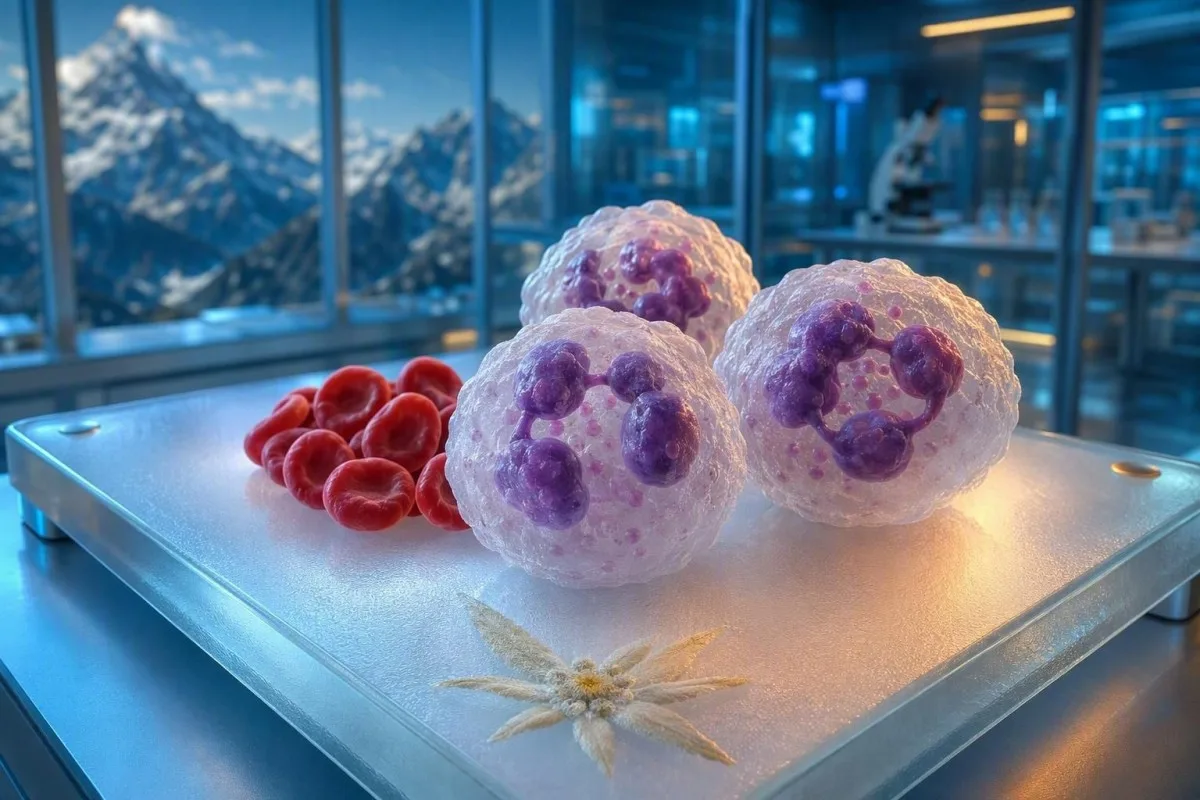
ผลนิวโทรฟิลที่สูงเล็กน้อยมักเป็นเพียงชั่วคราว แต่จำนวนนิวโทรฟิลสัมบูรณ์ ส่วนที่เหลือของ CBC อาการ และแนวโน้ม จะเป็นตัวกำหนดว่าต้องดำเนินการหรือไม่.


- นิวโทรฟิลที่อยู่ในเกณฑ์ มักหมายถึง ANC ที่สูงกว่าขีดจำกัดบนของห้องปฏิบัติการเล็กน้อย โดยทั่วไปประมาณ 7.0-7.5 × 10⁹/L ในผู้ใหญ่.
- ຈຳນວນນິວໂທຣຟິລສົມບູນ (absolute neutrophil count) ให้ข้อมูลมากกว่าร้อยละของนิวโทรฟิล คำนวณ ANC โดยใช้ WBC × ร้อยละของนิวโทรฟิล ÷ 100.
- ນິວໂທຣຟິລສູງເລັກນ້ອຍ ต่ำกว่า 15 × 10⁹/L โดยไม่มีอาการที่น่าตกใจ มักเกิดจากการตอบสนอง และอาจเกิดขึ้นหลังการติดเชื้อ การสูบบุหรี่ การออกกำลังกาย หรือการรักษาด้วยสเตียรอยด์.
- ການຊ້ຳຕາມເວລາ มักจะเกิดขึ้น 2-6 สัปดาห์หลังจากการฟื้นตัวจากการเจ็บป่วยระยะสั้น การออกกำลังกายอย่างหนัก การฉีดวัคซีน หรือการเปลี่ยนแปลงยา.
- ກວດທົບທວນດ່ວນ เหมาะสมสำหรับผู้ที่มีไข้พร้อมกับอาการป่วยรุนแรง หายใจลำบาก สับสน จำนวนที่เพิ่มขึ้นอย่างรวดเร็ว เซลล์ตัวอ่อน (blasts) ภาวะโลหิตจาง หรือเกล็ดเลือดต่ำ.
- สเตียรอยด์และอะดรีนาลีน สามารถเพิ่มจำนวนนิวโทรฟิลในกระแสเลือดได้ภายในไม่กี่ชั่วโมง โดยการย้ายเซลล์จากผนังหลอดเลือดไปยังส่วนที่วัดได้ของเลือด.
- ການສູງຂຶ້ນຢ່າງຕໍ່ເນື່ອງ นานกว่า 3 เดือน โดยเฉพาะอย่างยิ่งหากสูงกว่า 15-20 × 10⁹/L สมควรได้รับการทบทวนโดยแพทย์ และบ่อยครั้งต้องตรวจฟิล์มเลือด.
- ການຖືພາ ສາມາດເພີ່ມຈໍານວນເມັດເລືອດຂາວຊະນິດ Neutrophils ໄດ້ຕາມປົກກະຕິ, ໂດຍສະເພາະໃນໄຕມາດທີສາມ, ດັ່ງນັ້ນລະດັບອ້າງອີງຂອງຜູ້ໃຫຍ່ທີ່ບໍ່ໄດ້ຖືພາສາມາດເຮັດໃຫ້ເຂົ້າໃຈຜິດໄດ້.
ความหมายที่แท้จริงของผลนิวโทรฟิลที่อยู่ในเกณฑ์
Neutrophils ທີ່ຢູ່ໃນລະດັບຂອບເຂດປົກກະຕິ ໂດຍທົ່ວໄປແລ້ວໝາຍເຖິງການເພີ່ມຂຶ້ນເລັກໜ້ອຍໃນຈໍານວນ absolute neutrophil count (ANC), ບໍ່ແມ່ນການວິນິດໄສ. ໃນຜູ້ໃຫຍ່ສ່ວນໃຫຍ່ທີ່ແຂງແຮງ, ລະດັບ ANC ທີ່ສູງກວ່າລະດັບຫ້ອງທົດລອງພຽງເລັກນ້ອຍຈະກັບຄືນສູ່ສະພາບປົກກະຕິເມື່ອສາເຫດຊົ່ວຄາວຫາຍໄປ; ຫນ້າທີ່ທໍາອິດຄືການກວດສອບຈໍານວນ absolute, ຈໍານວນເມັດເລືອດຂາວທັງຫມົດ ແລະອາການຕ່າງໆ ແທນທີ່ຈະຕອບສະຫນອງຕໍ່ເປີເຊັນທີ່ຖືກເນັ້ນ.
ລະດັບອ້າງອີງຂອງ ANC ຜູ້ໃຫຍ່ມັກຈະເລີ່ມຕົ້ນຈາກປະມານ 1.5 ຫາ 7.5 × 10⁹/L, ເຖິງແມ່ນວ່າຂີດຈໍາກັດເທິງຈະແຕກຕ່າງກັນໄປຕາມເຄື່ອງວິເຄາະ, ເຊື້ອຊາດ, ສະຖານະການຖືພາ ແລະວິທີການຂອງຫ້ອງທົດລອງໃນທ້ອງຖິ່ນ. ຄ່າ 7.8 × 10⁹/L ມີຄວາມແຕກຕ່າງທາງດ້ານການແພດຢ່າງຫຼວງຫຼາຍຈາກ 28 × 10⁹/L, ເຖິງແມ່ນວ່າທັງສອງຄ່າອາດຈະຖືກຫມາຍວ່າສູງ; ເບິ່ງຄູ່ມືຂອງພວກເຮົາກ່ຽວກັບ ລະດັບ neutrophils ປົກກະຕິ.
ໄດ້ ເປີເຊັນຂອງ Neutrophils ສາມາດເບິ່ງຄືວ່າສູງພຽງເພາະວ່າ lymphocytes ຫຼຸດລົງຫຼັງຈາກຄວາມກົດດັນຫຼືການສໍາຜັດກັບ corticosteroid. ຕົວຢ່າງ, WBC 6.0 × 10⁹/L ທີ່ມີ 78% neutrophils ໃຫ້ ANC 4.68 × 10⁹/L, ເຊິ່ງເປັນເລື່ອງປົກກະຕິເຖິງວ່າເປີເຊັນຈະສູງກໍ່ຕາມ.
ແຄນເທສຕີ ເປັນ AI ເຄື່ອງວິເຄາະເລືອດ ທີ່ອ່ານ CBC differential ພ້ອມກັບ WBC ທັງຫມົດ, hemoglobin, platelets ແລະຜົນການກວດກ່ອນຫນ้านີ້ແທນທີ່ຈະຖືເອົາສັນຍານສີສົ້ມຫນຶ່ງເປັນປ້າຍຊື່ພະຍາດ. ນັບຕັ້ງແຕ່ວັນທີ 28 ສິງຫາ 2026, ວິທີການຄົ້ນຫາຮູບແບບກ່ອນຍັງຄົງເປັນວິທີທີ່ປອດໄພທີ່ສຸດໃນການຕີຄວາມຫມາຍຜົນທີ່ຢູ່ໃນລະດັບຂອບເຂດປົກກະຕິ.
ເປັນຫຍັງສັນຍານຂອງຫ້ອງທົດລອງຈຶ່ງບໍ່ແມ່ນການວິນິດໄສ
ລະດັບອ້າງອີງກວມເອົາສ່ວນກາງ 95% ຂອງປະຊາກອນທີ່ຖືກເລືອກ, ດັ່ງນັ້ນປະມານ 1 ໃນ 20 ການວັດແທກທີ່ສຸຂະພາບດີອາດຈະຢູ່ນອກລະດັບທີ່ກໍານົດໄວ້ໂດຍບັງເອิญ. ສັນຍານແມ່ນການແຈ້ງເຕືອນສໍາລັບສະພາບແວດລ້ອມ, ບໍ່ແມ່ນຫຼັກຖານວ່າមានສິ່ງຜິດປົກກະຕິ.
เหตุใดจำนวนนิวโทรฟิลสัมบูรณ์จึงมีความสำคัญมากกว่าร้อยละ
ANC ແມ່ນຈໍານວນທີ່ທ່ານຫມໍໃຊ້ເພື່ອປະເມີນການເພີ່ມຂຶ້ນຂອງ neutrophils ເພາະວ່າມັນລວມ WBC ທັງຫມົດກັບ differential. ເປີເຊັນ neutrophils ສູງກັບ ANC ປົກກະຕິມັກຈະເປັນການປ່ຽນແປງສະัดສ່ວນ, ໃນຂະນະທີ່ ANC ສູງຢືນຢັນภาวะ Neutrophilia ທີ່ແທ້ຈິງ.
ສູດແມ່ນງ່າຍ: ANC = WBC × (% neutrophils + % bands) ÷ 100. ດ້ວຍ WBC 12.0 × 10⁹/L ແລະ neutrophils 75%, ANC ຄື 9.0 × 10⁹/L; ນີ້ແມ່ນภาวะ neutrophilia ອ່ອນໆ, ບໍ່ແມ່ນກໍລະນີສຸກເສີນຄົນດຽວ.
ຂ້ອຍມັກເຫັນຄວາມວິຕົກກັງວົນທີ່ສາມາດຫຼີກລ້ຽງໄດ້ເມື່ອພອດລາຍງານ 82% neutrophils ແຕ່ບໍ່ສະແດງການຄິດໄລ່ຢ່າງຈະແຈ້ງ. ກົດລະບຽບການປະຕິບັດຂອງທ່ານດຣ. Thomas Klein ແມ່ນການຂຽນ WBC, ANC, hemoglobin, platelet count ແລະທຸງ immature granulocyte ໃດກ່ອນທີ່ຈະຕັດສິນໃຈວ່າຜົນໄດ້ຮັບໝາຍຄວາມວ່າແນວໃດ; our คู่มือองค์ประกอบ CBC helps with the terms.
WBC ສູງກວ່າ 11 × 10⁹/L ໂດຍທົ່ວໄປເອີ້ນວ່າ leukocytosis ໃນຜູ້ໃຫຍ່ທີ່ບໍ່ຖືພາ, ແຕ່ສາເຫດບໍ່ສາມາດສະຫຼຸບໄດ້ຈາກຕົວເລກນັ້ນຄົນດຽວ. Riley ແລະ Rupert (2015) ແນະນຳໃຫ້ແພດສັ່ງ CBCซ้ำ ແລະກວດເບິ່ງ peripheral smear ເມື່ອ leukocytosis ບໍ່ສາມາດອະທິບາຍໄດ້ຫຼື persistent.
สาเหตุทั่วไปที่ทำให้นิวโทรฟิเลียเล็กน้อยเป็นเพียงชั่วคราว
Mild neutrophilia ສ່ວນຫຼາຍແມ່ນສະທ້ອນເຖິງຂະບວນການ reactive ຊົ່ວຄາວ: ການຕິດເຊື້ອບໍ່ດົນມານີ້, ຄວາມກົດດັນທາງຮ່າງກາຍ, ການສູບຢາ, ການອັກເສບ, ຜົນກະທົບຂອງຢາ, ຫລື ການຖືພາ. ບັນດາສາເຫດເຫຼົ່ານີ້ເພີ່ມ neutrophils ທີ່ گردشໂດຍບໍ່ຈຳເປັນຕ້ອງໝາຍຄວາມວ່າໄຂກະດູກກຳລັງຜະລິດຈຸລັງທີ່ຜິດປົກກະຕິ.
ຄວາມໜາວ, ການອັກເສບຂອງແຂ້ວ, ອາການທາງເດີນປັດສະວະ, ຜື່ນຜິວໜັງ, ຫລື ແມ້ແຕ່ມື້ທຳອິດຫລັງຈາກເປັນພະຍາດໄວຣັດສາມາດເພີ່ມ ANC ເຂົ້າໄປໃນ 8-14 × 10⁹/L range. Neutrophils ອາດຍັງຄົງສູງເລັກນ້ອຍເປັນເວລາຫລາຍມື້ຫລັງຈາກໄຂ້ຫາຍໄປເພາະການປ່ອຍໄຂກະດູກແລະການຟື້ນຕົວຂອງເນື້ອເຍື່ອບໍ່ຢຸດໃນເວລາດຽວກັນ.
A hard interval session, marathon, panic episode or acute pain can cause demargination—ຈຸລັງທີ່ເຄີຍພັກຜ່ອນຢູ່ຕາມຝາເສັ້ນເລືອດເຂົ້າໄປໃນຕົວຢ່າງທີ່ گردش. ການເພີ່ມຂຶ້ນນີ້ສາມາດເກີດຂຶ້ນພາຍໃນນາທີຫາຊົ່ວໂມງ ແລະເປັນເຫດຜົນໜຶ່ງທີ່ຂ້ອຍຂໍໃຫ້ນັກກິລາຫຼີກລ້ຽງການຝຶກອົບຮົມທີ່ໜັກໜ່ວງຜິດປົກກະຕິເປັນເວລາ 24-48 ຊົ່ວໂມງກ່ອນ CBC ທີ່ວາງແຜນໄວ້; our ຄູ່ມືການກຳນົດເວລາໃນຫ້ອງທົດລອງທີ່ກ່ຽວຂ້ອງກັບການອອກກຳລັງກາຍ ອະທິບາຍຮູບແບບທີ່ກວ້າງຂວາງກວ່າ.
ການສູບຢາແມ່ນກ່ຽວຂ້ອງກັບ WBC ແລະ neutrophils count ທີ່ສູງກວ່າ, ໃນຂະນະທີ່ໂລກອ້ວນ, ພະຍາດເຫງືອກຊໍາເຮື້ອ ແລະພະຍາດຜິວໜັງອັກເສບສາມາດຮັກສາລະດັບທີ່ເພີ່ມຂຶ້ນປານກາງໄດ້. ດັ່ງນັ້ນ, ຄວາມໝາຍຂອງ neutrophils ທີ່ສູງເລັກນ້ອຍຈຶ່ງມັກກ່ຽວກັບການสัมผัสແລະ physiology, ບໍ່ແມ່ນການຕິດເຊື້ອແບັກທີເຣັຍທີ່ເຊື່ອງໄວ້.
ยา วัคซีน และเหตุการณ์สำคัญในชีวิตที่สามารถเพิ่มจำนวนนิวโทรฟิลได้
Corticosteroids, beta-agonist inhalers, lithium ແລະຢາກະຕຸ້ນການສ້າງເມ็ดເລືອດຂາວສາມາດເພີ່ມ neutrophils, ບາງຄັ້ງຢ່າງຫຼວງຫຼາຍ. ຢ່າຢຸດຢາຕາມໃບສັ່ງແພດເພາະທຸງ CBC; ແທນທີ່ຈະ, ບັນທຶກຢາ, ປະລິมาณ, ແລະເວລາສຳລັບແພດຜູ້ກວດສອບຜົນໄດ້ຮັບ.
Prednisone ແລະ glucocorticoids ທີ່ຄ້າຍຄືກັນອາດເພີ່ມ neutrophils ທີ່ گردشພາຍໃນ 4-6 ຊົ່ວໂມງ ຜ່ານການຫຼຸດຜ່ອນການອັກເສບ, ການເຄື່ອນທີ່ຊັກຊ້າເຂົ້າສູ່ເນື້ອເຍື່ອ ແລະ ການກໍາຈັດເຊນທີ່ຫຼຸດລົງ. ອາການໜູນ້ຳເທື່ອທີ່ກ່ຽວຂ້ອງກັບສະເຕີຣອຍມັກຈະຂາດເມັດສີທີ່ເປັນພິດ ຫຼື ການປ່ຽນແປງໄປທາງຊ້າຍທີ່ຊັດເຈນທີ່ອາດຈະມາພ້ອມກັບການຕິດເຊື້ອແບັກທີເລຍຢ່າງຮຸນແຮງ, ເຖິງແມ່ນວ່າການເບິ່ງຮູບເງົາເລືອດແມ່ນຈໍາເປັນເພື່ອປະເມີນເລື່ອງນີ້ຢ່າງຖືກຕ້ອງ.
ລິດທຽມສາມາດເພີ່ມການຜະລິດ granulocyte, ໃນຂະນະທີ່ filgrastim ແລະການປິ່ນປົວທີ່ກ່ຽວຂ້ອງໄດ້ເພີ່ມຈໍານວນ neutrophils ໂດຍເຈດຕະນາ; ການຜ່າຕັດ, ການບາດເຈັບ ແລະ ການເກີດລູກບໍ່ດົນມານີ້ຍັງກະຕຸ້ນການຕອບສະຫນອງຄວາມເຄັ່ງຕຶງ. ຢາວັກຊີນສາມາດປ່ຽນແປງການແບ່ງແຍກໄດ້, ດັ່ງນັ້ນການທົດສອບຕາມປົກກະຕິທີ່ໄດ້ຮັບໃນ 7-14 ວັນ ຂອງການສັກຢາອາດຈະສະທ້ອນເຖິງຈຸດເລີ່ມຕົ້ນໜ້ອຍລົງ; ອ່ານເພີ່ມເຕີມກ່ຽວກັບ ການປ່ຽນແປງໃນຫ້ອງທົດລອງຫຼັງການສັກຢາ.
ແຄນເທສຕີ ເປັນ ແພລດຟອມການອ່ານຜົນກວດເລືອດຂອງ AI ທີ່ຊ່ວຍໃຫ້ຄົນບັນທຶກຢາແລະສະພາບການເຈັບປ່ວຍກັບຜົນໄດ້ຮັບ, ເຊິ່ງມີປະໂຫຍດທາງດ້ານຄລີນິກຫຼາຍກວ່າການປຽບທຽບຕົວເລກທີ່ບໍ່ມີຫຍັງ. ລາຍການຢາຄວນປະກອບມີຢາສູດດົມ, ຄີມສະເຕີຣອຍ, ຢາສັກ ແລະ ຜະລິດຕະພັນ “ທໍາມະຊາດ” — ບໍ່ພຽງແຕ່ຢາເມັດ.
เมื่อใดควรตรวจ CBC ซ้ำสำหรับนิวโทรฟิลที่อยู่ในเกณฑ์
ສໍາລັບຄົນທີ່ແຂງແຮງດີໂດຍມີ neutrophils ທີ່ໂດດດ່ຽວເລັກນ້ອຍ, ການທົດສອບ CBCซ้ำດ້ວຍການແບ່ງແຍກໃນ 2-6 ອາທິດ ໂດຍທົ່ວໄປແລ້ວແມ່ນສົມເຫດສົມຜົນຫຼັງຈາກຜູ້ກະຕຸ້ນທີ່ເປັນໄປໄດ້ໄດ້ຫາຍໄປ. ທົດສອບຄືນໃໝ່ໄວຂຶ້ນ — ພາຍໃນມື້ — ຖ້າອາການກໍາລັງຮ້າຍແຮງຂຶ້ນ, ຈໍານວນກໍາລັງເພີ່ມຂຶ້ນ, ຫຼືຜົນໄດ້ຮັບເດີມສູງຫຼາຍ.
ເລືອກມື້ທີ່ຫມັ້ນຄົງສໍາລັບການດຶງຄືນ: ບໍ່ມີໄຂ້, ບໍ່ມີການອອກກໍາລັງກາຍຢ່າງແຮງເປັນເວລາ 24-48 ຊົ່ວໂມງ, ການດື່ມນ້ໍາປົກກະຕິ, ແລະບໍ່ມີສະເຕີຣອຍທີ່ເລີ່ມຕົ້ນໃຫມ່ເວັ້ນເສຍແຕ່ຜູ້ສັ່ງຢາຈະກ່າວເປັນຢ່າງອື່ນ. ໂດຍທົ່ວໄປແລ້ວ, ການອົດອາຫານແມ່ນບໍ່ຈໍາເປັນສໍາລັບ CBC, ແຕ່ການຈັບຄູ່ເວລາຂອງມື້ແລະສະພາບການເຮັດໃຫ້ການປ່ຽນແປງງ່າຍຕໍ່ການຕີຄວາມ; ຂອງພວກເຮົາ ຄູ່ມືການຕີລາຄາການທົດສອບເລືອດ details why.
ຖ້າ ANC 7.6-12 × 10⁹/L ແລະສາຍເຊນອື່ນໆທັງຫມົດເປັນປົກກະຕິ, ຂ້ອຍມັກຈະມັກການກວດສອບຄືນຫນຶ່ງຄັ້ງຕາມແຜນການແທນທີ່ຈະທົດສອບເປັນໄລຍະທຸກໆສອງສາມມື້. ການທົດສອບຄືນໃຫມ່ໃນ 4 ອາທິດ ອາດເຮັດໃຫ້ເຂົ້າໃຈຜິດໄດ້ ຖ້າຄົນເຈັບຍັງຟື້ນຕົວຈາກພະຍາດປອດອັກເສບ, ໄດ້ເລີ່ມໃຊ້ prednisolone, ຫຼືໄດ້ຝຶກຊ້ອມສໍາລັບການແຂ່ງຂັນກິລາຄວາມອົດທົນ.
ຄວາມທົນທານມີຄວາມສໍາຄັນກວ່າຕົວເລກຫນຶ່ງທີ່ໂດດດ່ຽວ. Neutrophilia ທີ່ຍືດເຍື້ອເກີນ 3 ເດືອນ, ໂດຍບໍ່ມີຄໍາອະທິບາຍທີ່ຕອບສະຫນອງຢ່າງຊັດເຈນ, ໂດຍທົ່ວໄປແລ້ວແມ່ນມີຄວາມຈໍາເປັນຕ້ອງໄດ້ຮັບການທົບທວນຈາກແພດປະຖົມ, ການເບິ່ງຮູບເງົາເລືອດດ້ວຍຄູ່ມື ແລະ ການທົດສອບທີ່ຖືກເປົ້າຫມາຍໂດຍອີງໃສ່ອາການ.
รูปแบบ CBC ที่ทำให้การเพิ่มขึ้นของนิวโทรฟิลน่ากังวลมากขึ้นหรือน้อยลง
ການເພີ່ມຂຶ້ນຂອງ ANC ທີ່ໂດດດ່ຽວເລັກນ້ອຍດ້ວຍ hemoglobin ແລະ platelets ທີ່ເປັນປົກກະຕິ ໂດຍທົ່ວໄປແລ້ວແມ່ນຫນ້ອຍຫນ້າເປັນຫ່ວງກວ່າ neutrophilia ທີ່ມາພ້ອມກັບໂລກເລືອດຈາງ, thrombocytopenia, thrombocytosis ຫຼືເຊນທີ່ບໍ່ເຕັມທີ່. ຮູບແບບ CBC ທີ່ຢູ່ອ້ອມຮອບເຮັດໃຫ້ຕົວເລກມີຄວາມຫມາຍທາງຄລີນິກ.
ການເພີ່ມຂຶ້ນຂອງ ANC ບວກກັບ platelets ສູງກວ່າ 450 × 10⁹/L, ໂລກເລືອດຈາງທີ່ບໍ່ສາມາດອະທິບາຍໄດ້, basophilia ຫຼືຮູບເງົາເລືອດ leukoerythroblastic ເພີ່ມຄວາມກັງວົນກ່ຽວກັບຂະບວນການໄຂກະດູກ. ບໍ່ມີການປະສົມປະສານເຫຼົ່ານີ້ສາມາດວິນິດໄສມະເລັງໄດ້, ແຕ່ພວກມັນຮັບປະກັນການທົບທວນຄືນໂດຍແພດຢ່າງຮີບດ່ວນແທນທີ່ຈະເປັນການທົດສອບຄືນໃຫມ່ແບບສະບາຍໆໃນອີກ چند ເດືອນຕໍ່ມາ; ເບິ່ງພາບລວມຂອງພວກເຮົາກ່ຽວກັບ เส้นทางการประเมินมะเร็งในเลือดของเรา.
“ການປ່ຽນແປງໄປທາງຊ້າຍ” ໝາຍຄວາມວ່າ band, metamyelocytes, ຫືຼ myelocytes ຢູ່ໃນເລືອດ peripheral. ຈໍານວນໜ້ອຍອາດເກີດຂຶ້ນໃນສະພາບຄວາມເຄັ່ງຕຶງທີ່ສຳຄັນ, ແຕ່ການປ່ຽນແປງໄປທາງຊ້າຍທີ່ຍືນຍົງແມ່ນຕ້ອງການການທົບທວນເອກະສານເລືອດ ເພາະວ່າເຄື່ອງນັບອັດຕະໂນມັດບໍ່ໄດ້ແຍກຄວາມແຕກຕ່າງລະຫວ່າງການຟື້ນຟູທີ່ບໍ່ເປັນອັນຕະລາຍຈາກຂະບວນການ clonal ສະເໝີໄປ.
Kantesti AI ໄດ້ທົບທວນ subsets ຂອງເມັດເລືອດຂາວຄຽງຄູ່ກັບ red-cell indices ແລະ trends ຂອງ platelets, ຈາກນັ້ນໄດ້ກວດສອບການປະສົມປະສານເພື່ອຕິດຕາມທາງການແພດ ແທນທີ່ຈະພະຍາຍາມວິນິດໄສ leukemia ຈາກ CBC. ວິທີການນີ້ແມ່ນສອດຄ່ອງກັບເອກະສານທີ່ພວກເຮົາໄດ້ເຜີຍແຜ່ ຫຼັກການກວດສອບທາງຄລີນິກ.
การติดเชื้อ การอักเสบ หรือความเครียด: การอ่านสัญญาณทางคลินิก
ໄຂ້, ອາການຈຸດສຸມ ແລະ CRP ທີ່ເພີ່ມຂຶ້ນສາມາດສະຫນັບສະຫນູນການຕິດເຊື້ອ, ແຕ່ການເພີ່ມຂຶ້ນຂອງຈໍານວນ neutrophils ຢ່າງດຽວບໍ່ສາມາດບອກການຕິດເຊື້ອແບັກທີເລຍອອກຈາກຄວາມເຄັ່ງຕຶງຫຼືການອັກເສບໄດ້. ແພດວິນິດໄສຄົນທີ່ຢູ່ຕໍ່ໜ້າເຂົາເຈົ້າ, ບໍ່ແມ່ນການແຍກຈໍານວນສີຂາວໃນຂະນະທີ່ແຍກອອກ.
ດ້ວຍພະຍາດປອດອັກເສບແບັກທີເຣັຍ, ພະຍາດ Pyelonephritis, ຫລື ໄສ້ຕິ່ງອັກເສບ, ANC ອາດເພີ່ມຂຶ້ນສູງກວ່າ 15 × 10⁹/L, ແຕ່ການຕິດເຊື້ອທີ່ຮ້າຍແຮງບາງຢ່າງມີ WBC count ປົກກະຕິຫຼືຕ່ຳ—ໂດຍສະເພາະໃນຜູ້ສູງອາຍຸຫຼືຜູ້ທີ່ຖືກກົດຂີ່ທາງພູມຄຸ້ມກັນ. ອາການ, ສັນຍານສຳຄັນ, ການກວດກາ, ແລະການເພາະພັນມັກຈະສຳຄັນກວ່າບໍ່ວ່າ ANC ຈະເປັນ 11 ຫລື 13.
CRP ເພີ່ມຂຶ້ນແລະຫຼຸດລົງໄວກວ່າ ESR, ແຕ່ບໍ່ມີໃຜສະເພາະເຈາະຈົງຕໍ່ການຕິດເຊື້ອ. ຖ້າ neutrophilia ຄຽງຄູ່ກັບ CRP ສູງ, ຂໍ້ບວມ, ອາການລຳໄສ້, ຫລື ຜື່ນ, ຄວາມແຕກຕ່າງຈະກວ້າງຂຶ້ນໄປສູ່ສະພາບ autoimmune ແລະ inflammatory; explanation of ຮູບແບບ ESR ສູງ ອາດຈະຊ່ວຍກຳນົດການສົນທະນານັ້ນ.
ຈາກປະສົບການຂອງຂ້ອຍ, ຄົນເຈັບທີ່ມີ ANC 10.5 × 10⁹/L, ບໍ່ມີໄຂ້ ແລະ CRP ປົກກະຕິຫລັງຈາກໄປຫ້ອງສຸກເສີນທີ່ນອນບໍ່ຫລັບ, ໂດຍທົ່ວໄປແລ້ວຕ້ອງການການຕິດຕາມຢ່າງສະຫງົບ, ບໍ່ແມ່ນຢາຕ້ານເຊື້ອ. ໃນທາງກົງກັນຂ້າມ, ຄົນເຈັບທີ່ເຈັບປ່ວຍດ້ວຍອາການ rigors ແລະ ANC 6.5 × 10⁹/L ອາດຕ້ອງການການດູແລຢ່າງຮີບດ່ວນເຖິງແມ່ນວ່າຈະມີ count ທີ່ເປັນປົກກະຕິທາງດ້ານເທັກນິກກໍ່ຕາມ.
การตั้งครรภ์ อายุ และค่าพื้นฐานส่วนบุคคลเปลี่ยนแปลงการตีความ
ການຖືພາໂດຍທົ່ວໄປເຮັດໃຫ້ເກີດ physiologic neutrophilia, ໂດຍສະເພາະໃນໄລຍະສຸດທ້າຍຂອງການຖືພາ, ແລະເດັກນ້ອຍຕ້ອງການຊ່ວງອາຍຸທີ່ສະເພາະ. ໄລຍະອ້າງອີງຂອງຜູ້ໃຫຍ່ທີ່ບໍ່ຖືພາບໍ່ຄວນນຳໃຊ້ເພື່ອຕິດປ້າຍ CBC ຂອງແມ່ຍິງຖືພາວ່າຜິດປົກກະຕິໂດຍບໍ່ມີສະພາບແວດລ້ອມ.
ໃນລະຫວ່າງການຖືພາ, total WBC values ອາດເພີ່ມຂຶ້ນຮອດ 12-15 × 10⁹/L ແລະ ອາດເພີ່ມຂຶ້ນຕື່ມໃນລະຫວ່າງການເກີດລູກ, ສ່ວນຫຼາຍແມ່ນຜ່ານ neutrophils. ການເພີ່ມຂຶ້ນຂອງຈໍານວນໂດຍບໍ່ມີໄຂ້, ອາການເຈັບມົດລູກ, ອາການທາງເດີນປັດສະວະ ຫຼືອາການເຈັບປ່ວຍອື່ນໆ ອາດເປັນສະພາບທາງສະລີລະວິທະຍາ, ແຕ່ທີມແພດຜະດຸງຄັນໃຊ້ຮູບພາບທາງຄລີນິກເຕັມຮູບແບບ.
ເດັກເກີດໃໝ່ ແລະ ເດັກນ້ອຍສາມາດມີຈໍານວນ neutrophils ທີ່ເບິ່ງຄືວ່າຜິດປົກກະຕິໃນລາຍງານຂອງຜູ້ໃຫຍ່, ໃນຂະນະທີ່ຜູ້ໃຫຍ່ອາຍຸຫຼາຍອາດມີການຕອບສະຫນອງຂອງຈຸລັງເມ็ดເລືອດຂາວທີ່ຫຼຸດລົງໃນລະຫວ່າງການຕິດເຊື້ອ. ຕີຄວາມໝາຍຜົນຂອງເດັກທຽບກັບຊ່ວງອາຍຸຂອງຫ້ອງທົດລອງ; ຂອງພວກເຮົາ ຄູ່ມືຊ່ວງອາຍຸເດັກ ອະທິບາຍວ່າເປັນຫຍັງການປຽບທຽບຜູ້ໃຫຍ່ຈຶ່ງລົ້ມເຫລວ.
CBC ກ່ອນໜ້າຂອງເຈົ້າເອງມັກຈະເປັນຄູ່ທຽບທີ່ດີທີ່ສຸດ. ANC ທີ່ໝັ້ນຄົງປະມານ 7.8 × 10⁹/L ໃນໄລຍະຫ້າປີໃນຄົນທີ່ແຂງແຮງມີໂປຣໄຟລ໌ຄວາມເປັນໄປໄດ້ທີ່ແຕກຕ່າງຈາກການເພີ່ມຂຶ້ນໃໝ່ຈາກ 3.2 ຫາ 12.8 × 10⁹/L.
การสูบบุหรี่ ปัจจัยทางเมแทบอลิซึม และนิวโทรฟิเลียเรื้อรังระดับต่ำ
ການສູບຢາ, ໂລກອ້ວນ ແລະ ການสัมผัสກັບການອັກເສບຊໍາເຮື້ອ ອາດເຮັດໃຫ້ເກີດການເພີ່ມຂຶ້ນຂອງ neutrophils ລະດັບຕ່ຳທີ່ຍັງຄົງຢູ່ຫຼັງຈາກຫວັດຫາຍໄປ. ປັດໄຈເຫຼົ່ານີ້ຍັງຄົງສົມຄວນໄດ້ຮັບຄວາມສົນໃຈເພາະວ່າພວກເຂົາສາມາດສົ່ງຜົນກະທົບຕໍ່ສຸຂະພາບ ນອກເຫນືອຈາກຜົນ CBC ຕົວມັນເອງ.
ການເພີ່ມຂຶ້ນຂອງເມ็ดເລືອດຂາວທີ່ກ່ຽວຂ້ອງກັບການສູບຢາ ອາດປະກອບມີ neutrophils, lymphocytes ແລະ monocytes, ດັ່ງນັ້ນມັນອາດຈະບໍ່ສະແດງອອກເປັນການເພີ່ມຂຶ້ນຂອງ neutrophils ທີ່ບໍລິສຸດ. CBC ຊ້ຳ 8-12 ອາທິດ ຫຼັງຈາກຢຸດສູບຢາສາມາດໃຫ້ຂໍ້ມູນ, ເຖິງແມ່ນວ່າຜົນໄດ້ຮັບປົກກະຕິບໍ່ຈໍາເປັນກ່ອນທີ່ຈະສະເຫຼີມສະຫຼອງຜົນປະໂຫຍດດ້ານສຸຂະພາບຂອງການຢຸດ.
ໄຂມັນສ່ວນກາງ, ອາການງ่วงນອນ ແລະ ພະຍາດເຫງືອກຊໍາເຮື້ອ ອາດປະກອບສ່ວນເຮັດໃຫ້ເກີດສັນຍານການອັກເສບ ແລະ ຈໍານວນ WBC ສູງຂຶ້ນເລັກນ້ອຍ. ຄວາມກ່ຽວຂ້ອງເຫຼົ່ານີ້ແມ່ນຈິງແຕ່ບໍ່ສະເພາະ; ພວກມັນບໍ່ຄວນຖືກນໍາໃຊ້ເພື່ອປະຕິເສດອາການໃຫມ່ ຫຼືຈໍານວນທີ່ເພີ່ມຂຶ້ນຢ່າງໄວວາ.
Kantesti, ເຊິ່ງເປັນ ឧបករណ៍វិភាគតេស្តឈាមដែលដំណើរការដោយ AI, ສາມາດປຽບທຽບຄວາມແຕກຕ່າງໃນປະຈຸບັນກັບລາຍງານກ່ອນໜ້າຫຼາຍສະບັບ ແລະເປີດເຜີຍການປ່ຽນແປງຊ້າໆທີ່ຜົນປະຈໍາປີດຽວປິດບັງ. ສໍາລັບການຕິດຕາມຜົນປະໂຫຍດ, ບັນທຶກສະຖານະການສູບຢາ, ການປ່ຽນແປງນ້ໍາຫນັກ, ການຕິດເຊື້ອຫຼ້າສຸດແລະການสัมผัสສະເຕียລອຍດ beside ແຕ່ລະການທົດສອບໃນ ບັນທຶກຫ້ອງທົດລອງຕາມລໍາດັບ.
เมื่อใดควรกังวลเกี่ยวกับนิวโทรฟิลและขอความช่วยเหลือเร่งด่วน
ຊອກຫາການປະເມີນທາງການແພດໃນມື້ດຽວກັນສໍາລັບຜົນ neutrophils ສູງດ້ວຍພະຍາດຮ້າຍແຮງ, ໄຂ້ແລະສັບສົນ, ຫາຍໃຈຝືດ, ເຈັບຫນ້າอก, ຄໍແຂງ, ຫຼືອາການທີ່ຊຸດໂຊມລົງຢ່າງໄວວາ. ຄວາມຮີບດ່ວນມາຈາກການຕິດເຊື້ອທີ່ເປັນໄປໄດ້ຫຼືພະຍາດລະບົບ, ບໍ່ແມ່ນຈາກ ANC ທີ່ຂອບເຂດເທົ່ານັ້ນ.
WBC ຫຼື ANC ສູງກວ່າ 25-30 × 10⁹/L An absolute neutrophil count (ANC) above **7.5 × 10⁹/L** deserves prompt clinical contact, especially if it is new, rising, or paired with immature granulocytes. Counts above 50 × 10⁹/L **20 × 10⁹/L** can represent a leukemoid reaction or hematologic disease and should not wait for a routine annual appointment.
ເຫື່ອອອກກາງຄືນທີ່ບໍ່ສາມາດອະທິບາຍໄດ້, ນ້ໍາຫນັກຫຼຸດ, ການຕິດເຊື້ອຊ້ໍາ, ຟົກຊ້ຳງ່າຍ,ຕ່ອມນ້ຳເຫລືອງໃຫຍ່ຂຶ້ນ, ຫລື ທ້ອງອືດແມ່ນເຫດຜົນທີ່ຈະຈັດການກວດກາໂດຍແພດຢ່າງທັນເວລາ. ຄວາມເປັນຫ່ວງເພີ່ມຂຶ້ນເມື່ອອາການເກີດຂຶ້ນພ້ອມກັບເລືອດຈາງ, platelets ຕ່ໍາ, basophilia, ຫລື ຈຸລັງຜິດປົກກະຕິໃນການແຈ້ງເຕືອນຂອງ analyzer.
ຖ້າທ່ານບໍ່ສະບາຍຫຼັງຈາກການເດີນທາງ, ການປິ່ນປົວດ້ວຍเคมีบำบัด, ການປູກຖ່າຍ, ຫລື ຢາທີ່ລະບົບພູມຕ້ານທານ, ໃຫ້ໃຊ້ເກນຕ່ຳກວ່າສໍາລັບການປະເມີນຢ່າງຮີບດ່ວນ. ຂອງພວກເຮົາ sepsis-marker guide ອະທິບາຍວ່າເປັນຫຍັງຄ່າຫ້ອງທົດລອງທີ່ເບິ່ງຄືວ່າປົກກະຕິຈຶ່ງບໍ່ເຄີຍປິດບັງພະຍາດຮ້າຍແຮງ.
แพทย์ตรวจสอบอะไรเมื่อนิวโทรฟิเลียคงอยู่
Neutrophilia ທີ່ບໍ່ສາມາດອະທິບາຍໄດ້ຢ່າງຕໍ່ເນື່ອງ ໂດຍທົ່ວໄປແລ້ວຈະຖືກປະເມີນດ້ວຍປະຫວັດ, ການກວດ, CBC ຊ້ຳ, ຮູບເງົາເລືອດໃນເສັ້ນເລືອດຝອຍ ແລະ ການທົດສອບການອັກເສບ ຫຼື ການຕິດເຊື້ອທີ່ຖືກເປົ້າໝາຍ. ການທົດສອບໂມເລກຸນແມ່ນສະຫງວນໄວ້ສໍາລັບຮູບແບບທີ່ຊີ້ບອກເຖິງໂຣກ myeloproliferative neoplasm, ບໍ່ແມ່ນສໍາລັບທຸກຜົນໄດ້ຮັບທີ່ສູງເລັກນ້ອຍ.
ແພດອາດຈະຖາມກ່ຽວກັບການສູບຢາ, ອາການງ่วงນອນ, ອາການເຈັບຊໍາເຮື້ອ, ອາການເຈັບ ລໍາໄສ້ອັກເສບ, ການໃຊ້ສະເຕียລອຍດ, ການຜ່າຕັດມ້າມຫຼ້າສຸດ ແລະ ພະຍາດເລືອດໃນຄອບຄົວ. ພວກເຂົາອາດຈະສັ່ງ CRP, ESR, ຕົວຊີ້ວັດຕັບແລະຫມາກໄຂ່ຫຼັງ, ການປູກເຊື້ອ, ຫລື ການຖ່າຍຮູບ ເມື່ອປະຫວັດຊີ້ບອກໄປໃນທາງນັ້ນເທົ່ານັ້ນ—ການທົດສອບຢ່າງກວ້າງຂວາງໂດຍບໍ່ມີຄໍາຖາມທາງຄລີນິກມັກຈະສ້າງສັນຍານເຕືອນຜິດ.
Laฟิล์มแบบแมนนวลสามารถระบุเม็ดสีมีพิษ, การเปลี่ยนแปลงของ Döhle-body, left shift, basophilia หรือ blasts ที่การนับแยกอัตโนมัติอาจแสดงเครื่องหมายไม่สมบูรณ์ การจำแนกประเภท WHO ปี 2022 อธิบายถึงภาวะเม็ดเลือดขาวชนิดนิวโทรฟิลเรื้อรังว่าเป็นเนื้องอกในไขกระดูกที่หายากซึ่งต้องการเม็ดเลือดขาวชนิดนิวโทรฟิลที่คงที่และเกณฑ์โมเลกุลและสัณฐานวิทยาที่เฉพาะเจาะจง; มันไม่ได้ถูกวินิจฉัยจากการได้รับผลที่ขอบ (Khoury et al., 2022).
การทดสอบ BCR::ABL1, การทดสอบ JAK2 หรือการทดสอบ CSF3R อาจได้รับการพิจารณาโดยสาขาโลหิตวิทยาในบางกรณี การทดสอบเหล่านั้นมีความหมายเมื่อรูปแบบ CBC และผลการตรวจทางคลินิกสนับสนุนพวกเขา ไม่ใช่การตรวจคัดกรองเพื่อความมั่นใจสำหรับ ANC 8.1 × 10⁹/L.
ความเห็นเกี่ยวกับฟิล์มเลือดและเซลล์ที่ยังไม่เจริญเต็มที่สามารถบอกอะไรคุณได้บ้าง
ความเห็นเกี่ยวกับฟิล์มเลือดจะเพิ่มสัณฐานวิทยา—ลักษณะและการเจริญเต็มที่ของเซลล์—ไปกับการนับ CBC. “การเปลี่ยนแปลงที่มีพิษ” สามารถสนับสนุนกระบวนการตอบสนองที่รุนแรง ในขณะที่ blasts หรือรูปแบบที่ไม่สมบูรณ์ที่อธิบายไม่ได้อย่างต่อเนื่องต้องการการประเมินโดยผู้เชี่ยวชาญอย่างรวดเร็ว.
Bands เป็นเซลล์นิวโทรฟิลที่ยังไม่โตเต็มที่ และจำนวนเล็กน้อยสามารถปรากฏระหว่างการติดเชื้อ การผ่าตัด หรือการฟื้นตัวของไขกระดูก ห้องปฏิบัติการจะแตกต่างกันไปในวิธีการรายงาน bands ดังนั้นเปอร์เซ็นต์ไม่ควรเปรียบเทียบโดยตรงระหว่างระบบต่างๆ โดยไม่ได้ตรวจสอบวิธีการรายงาน.
Toxic granulation และ cytoplasmic vacuolation เป็นการค้นพบที่อธิบายลักษณะฟิล์ม ไม่ใช่การวินิจฉัย พวกเขาสามารถมาพร้อมกับการตอบสนองของเนื้อเยื่อที่รุนแรง แต่การตีความขึ้นอยู่กับบริบททางคลินิก, CRP และไม่ว่าจะมี left shift หรือไม่; คำอธิบายของเราเกี่ยวกับ granulation neutrophils ທີ່ເປັນພິດ covers these terms.
Blasts ในรายงาน, การโทรจากห้องปฏิบัติการที่ขอการตรวจสอบตัวอย่างเร่งด่วน, หรือความเห็นใหม่เกี่ยวกับ “เซลล์ผิดปกติ” ควรได้รับการปรึกษากับแพทย์ที่สั่งตรวจในวันนั้น นี่เป็นสถานการณ์หนึ่งที่การรอการตรวจซ้ำตามปกติเป็นสิ่งที่ผิดพลาด.
วิธีเตรียมตัวสำหรับการตรวจนิวโทรฟิลซ้ำที่มีประโยชน์
CBC ที่ทำซ้ำได้อย่างมีประโยชน์จะถูกนำเมื่อคุณมีอาการคงที่ทางคลินิกและรวมถึงบริบทที่เพียงพอเพื่ออธิบายการเพิ่มขึ้นที่เหลืออยู่. คุณไม่สามารถ “ลด” นิวโทรฟิลเพื่อการทดสอบได้อย่างปลอดภัย แต่คุณสามารถหลีกเลี่ยงสัญญาณรบกวนที่ป้องกันได้.
For a planned non-urgent retest, avoid intense training for 24-48 ຊົ່ວໂມງ, **24–48 hours**, arrive normally hydrated, and tell the phlebotomy team about steroid doses, inhalers, vaccines and recent infections. Do not skip prescribed medicines or deliberately overdrink water to alter a laboratory value.
ໃຊ້ຫ້ອງທົດລອງດຽວກັນເມື່ອເປັນໄປໄດ້ ເພາະວ່າລະດັບອ້າງອີງສະເພາະເຄື່ອງວິເຄາະ ແລະ ວິທີການແຍກປະເພດແມ່ນແຕກຕ່າງກັນ. ຄວາມແຕກຕ່າງຂອງ 0.5-1.0 × 10⁹/L ອາດສະທ້ອນເຖິງການປ່ຽນແປງທາງຊີວະວິທະຍາ ແລະ ການວິເຄາະທົ່ວໄປ, ໂດຍສະເພາະເມື່ອຜົນໄດ້ຮັບຢູ່ໃກ້ກັບຂອບເຂດສູງສຸດ; ບົດຄວາມຂອງພວກເຮົາກ່ຽວກັບ ການປ່ຽນແປງຂອງຫ້ອງທົດລອງທີ່ແທ້ຈິງ vs. ແບບສຸ່ມ ໄດ້ສຶກສາເລື່ອງນີ້.
ນຳລາຍງານກ່ອນໜ້ານີ້ມາດ້ວຍ ຫຼື ຮັກສາຮູບຖ່າຍຂອງມັນໄວ້. ວັນທີຂອງໄຂ້, ການກິນຢາຕ້ານເຊື້ອ, ການໃຊ້ສະເຕີຣອຍໃນປະລິมาณສູງ ຫຼື ການອອກກຳລັງກາຍໜັກ, ມັກຈະອະທິບາຍໄດ້ຫຼາຍກ່ວາການເຈາະເລືອດເພີ່ມອີກໜຶ່ງຄັ້ງ.
การใช้การตีความ AI อย่างปลอดภัยควบคู่กับการดูแลทางคลินิก
AI ສາມາດຈັດລະບຽບບັນທຶກ CBC ແລະລະບຸຄຳຖາມຕິດຕາມໄດ້, ແຕ່ມັນບໍ່ສາມາດປະເມີນອາການສຳຄັນ, ກວດເບິ່ງຕ່ອມນ້ຳເຫຼືອງ ຫຼື ປະຕິເສດການຕິດເຊື້ອແບບສຸກເສີນໄດ້. ການຕີຄວາມໝາຍທີ່ມີຄຸນນະພາບສູງຄວນລະບຸຄວາມບໍ່ແນ່ນອນ, ສະແດງການຄິດໄລ່ ANC ແລະສົ່ງອາການທີ່ຮີບດ່ວນໄປຫາການດູແລຂອງມະນຸດ.
Kantesti AI ຕີຄວາມໝາຍຜົນໄດ້ຮັບຂອງ neutrophils ໂດຍການວິເຄາະຈຳນວນທີ່ແທ້ຈິງ, leukocytes ທັງໝົດ, ສາຍຈຸລັງອື່ນໆ, ໄລຍະຫ່າງຂອງຫ້ອງທົດລອງ ແລະ ການປ່ຽນແປງໃນໄລຍະຍາວ. ມັນຖືກອອກແບບມາເພື່ອຊ່ວຍຜູ້ໃຊ້ກະກຽມຄຳຖາມທີ່ດີກວ່າສຳລັບທ່ານໝໍຂອງເຂົາເຈົ້າ, ບໍ່ແມ່ນເພື່ອທົດແທນການປະເມີນແບບສຸກເສີນ ຫຼື ສັ່ງການປິ່ນປົວ.
ຄວາມເປັນສ່ວນຕົວມີຄວາມສຳຄັນກັບບັນທຶກຫ້ອງທົດລອງ ເພາະ CBC ສາມາດເປີດເຜີຍການໃຊ້ຢາ, ການປ່ຽນແປງທີ່ກ່ຽວຂ້ອງກັບການຖືພາ ແລະ ພະຍາດຊໍາເຮື້ອທີ່ອາດເກີດຂຶ້ນ. Kantesti ສະໜັບສະໜູນການຕີຄວາມໝາຍຜົນໄດ້ຮັບທີ່ປອດໄພໃນຫຼາຍພາສາ, ໃນຂະນະທີ່ທ່ານໝໍຂອງພວກເຮົາໃຫ້ການເບິ່ງແຍງຜ່ານ ຄະນະທີ່ປຶກສາທາງການແພດ.
ຂໍ້ສະຫຼຸບຂອງ Dr. Thomas Klein ແມ່ນຊື່ຕົງ: ການເພີ່ມຂຶ້ນເລັກນ້ອຍແບບໂດດດ່ຽວມັກຈະເປັນບັນຫາການກວດຄືນ ແລະ ບໍລິບົດ, ໃນຂະນະທີ່ ANC ທີ່ສູງ ຫຼື ເພີ່ມຂຶ້ນເມື່ອລວມກັບອາການ ຫຼື ຄວາມຜິດປົກກະຕິ CBC ອື່ນໆແມ່ນບັນຫາການກວດກາທາງການແພດ. ຖ້າລາຍງານເບິ່ງຄືວ່າບໍ່ສອດຄ່ອງກັບຄວາມຮູ້ສຶກຂອງທ່ານ, ໃຫ້ຂໍໃຫ້ທ່ານໝໍກວດກາເອກະສານຫ້ອງທົດລອງຕົ້ນສະບັບ—ບໍ່ແມ່ນຮູບໜ້າຈໍຢ່າງດຽວ.
แผนขั้นตอนต่อไปที่ใช้ได้จริงสำหรับผลลัพธ์ที่อยู่ในเกณฑ์
ຄົນສ່ວນໃຫຍ່ທີ່ມີ neutrophils ຢູ່ໃນລະດັບຊາຍແດນສາມາດປະຕິບັດຕາມແຜນການສາມຂັ້ນຕອນ: ຢືນຢັນ ANC, ລະບຸສາເຫດຊົ່ວຄາວ, ແລະຈັດຕารางການກວດຄືນຕາມເວລາທີ່ເໝາະສົມ. ດຳເນີນການທັນທີຖ້າມີອາການທີ່ເປັນສັນຍານເຕືອນ ຫຼື ຄວາມຜິດປົກກະຕິ CBC ທີ່ສຳຄັນ.
ກ່ອນອື່ນໝົດ, ກວດເບິ່ງວ່າຄ່ານັ້ນຖືກໝາຍເປັນເປີເຊັນ ຫຼື ANC, ແລະສັງເກດໜ່ວຍທີ່ແນ່ນອນ. ອັນທີສອງ, ຂຽນບັນທຶກການເຈັບປ່ວຍໃນໄລຍະຜ່ານມາ 2 ອາທິດ, ການອອກກໍາລັງກາຍໜັກໃນ 48 ຊົ່ວໂມງທີ່ຜ່ານມາ, ການສູບຢາ, ສະຖານະການຖືພາ, ຢາ ແລະ ໄລຍະເວລາການສັກຢາ.
ອັນທີສາມ, ຖ້າທ່ານຮູ້ສຶກດີແລະ ANC ສູງເລັກນ້ອຍດ້ວຍ hemoglobin ແລະ platelets ປົກກະຕິ, ໃຫ້ຈັດຕารางການກວດ CBC ຄືນໃນ 2-6 ອາທິດ ຜ່ານທ່ານໝໍຂອງທ່ານ. ຖ້າຍັງສູງຢູ່ທີ່ 3 ເດືອນ ຫຼື ເພີ່ມຂຶ້ນເຖິງ 15 × 10⁹/L, ໃຫ້ຖາມວ່າການກວດຟິล์ມ ແລະ ການກວດຫາສະເພາະແມ່ນເໝາະສົມບໍ; ຂອງພວກເຮົາ ການກວດສອບຄຳເຫັນຈາກຜູ້ຊ່ຽວຊານອີກຄົນ ສາມາດຊ່ວຍກະກຽມການໄປຢ້ຽມຊົມໄດ້.
ສໍາລັບຂໍ້ມູນເພີ່ມເຕີມກ່ຽວກັບວິທີການຂອງພວກເຮົາຈັດການແນວໂນ້ມ ແລະ ຄວາມບໍ່ແນ່ນອນ, ກວດຄືນ ຄູ່ມືເທັກໂນໂລຍີ AI. ການໝາຍຊາຍແດນຄວນກະຕຸ້ນໃຫ້ຕິດຕາມຢ່າງມີເຫດຜົນ, ບໍ່ແມ່ນການຊອກຫາການວິນິດໄສໃນຕອນກາງຄືນ.
ຄໍາຖາມທີ່ຖາມເລື້ອຍໆ
ໝາຍເຖິງການມີນิวໂທຣຟິວສູງຂຶ້ນເລັກน้อย?
ການເພີ່ມຂຶ້ນເລັກน้อยຂອງ neutrophils ໂດຍທົ່ວໄປໝາຍຄວາມວ່າຈໍານວນ neutrophils absolute ຢູ່ເໜືອຂີດຈຳກັດເທິງຂອງຫ້ອງທົດລອງທ້ອງຖິ່ນ, ໂດຍສະເລี่ยປະມານ 7.5 × 10⁹/L ໃນຜູ້ໃຫຍ່. ການຕິດເຊື້ອທີ່ຜ່ານມາ, ການອອກກຳລັງກາຍ, ການສູບຢາ, ຄວາມກົດດັນທາງອາລົມ, ການຖືພາ ແລະ corticosteroids ຖືເປັນສາເຫດທົ່ວໄປ. ຖ້າ ANC ຕ່ຳກວ່າ 15 × 10⁹/L, hemoglobin ແລະ platelets ປົກກະຕິ, ແລະທ່ານຮູ້ສຶກດີ, ການເຮັດ CBCซ้ำໃນ 2-6 ອາທິດແມ່ນເປັນການປະເມີນທີ່ເໝາະສົມ. ຜົນການກວດຄວນໄດ້ຮັບການປະເມີນກັບລະດັບຂອງຫ້ອງທົດລອງ ແລະ CBC ກ່ອນໜ້າຂອງທ່ານ.
ຂ້ອຍຄວນເປັນຫ່ວງເລື່ອງຈໍານວນເມັດເລືອດຂາວຊະນິດ Neutrophils ສູງເມື່ອໃດ?
ภาวะเม็ดเลือดขาวนิวโทรฟิลสูง (high neutrophils) จำเป็นต้องได้รับการประเมินอย่างเร่งด่วนเมื่อเกิดขึ้นร่วมกับอาการไข้สูง สับสน หายใจลำบาก เจ็บหน้าอก คอแข็ง อาการป่วยที่แย่ลงอย่างรวดเร็ว หรือจำนวนเม็ดเลือดขาวสูงมากอย่างเห็นได้ชัด ค่า ANC ที่สูงกว่า 25-30 × 10⁹/L โดยเฉพาะอย่างยิ่งหากมีแนวโน้มสูงขึ้นหรือเกี่ยวข้องกับเซลล์ที่ยังไม่สมบูรณ์ ภาวะโลหิตจาง หรือเกล็ดเลือดต่ำ ควรแจ้งให้แพทย์ทราบทันที ค่า ANC เล็กน้อยที่แยกได้ 8-12 × 10⁹/L ในบุคคลที่สบายดีนั้นน่ากังวลน้อยกว่ามาก อาการต่างๆ และผล CBC ส่วนที่เหลือเป็นตัวกำหนดความเร่งด่วนที่น่าเชื่อถือกว่าร้อยละเพียงอย่างเดียว.
нейтроฟิลล์จะสูงอยู่เป็นเวลานานแค่ไหนหลังจากการติดเชื้อ?
ຂອງເມັດເລືອດຂາວຊະນິດ Neutrophils ອາດຍັງຄົງສູງເລັກນ້ອຍເປັນເວລາຫຼາຍມື້ຫາສອງສາມອາທິດ ຫລັງຈາກການຕິດເຊື້ອດີຂຶ້ນ, ຂຶ້ນກັບຄວາມຮຸນແຮງ ແລະ ການປິ່ນປົວໃດໆ ທີ່ໃຊ້. ການກວດ CBC ຊ້ຳໃນ 2-6 ອາທິດ ຫລັງຈາກຟື້ນຕົວຢ່າງສົມບູນ ມັກຈະໃຫ້ຂໍ້ມູນຫລາຍກວ່າການກວດອີກຄັ້ງໃນມື້ຕໍ່ມາ. ລະດັບທີ່ສູງຢ່າງຕໍ່ເນື່ອງເກີນ 3 ເດືອນ ໂດຍບໍ່ມີສາເຫດທີ່ຊັດເຈນ ຕ້ອງໄດ້ຮັບການກວດສອບຈາກແພດ. ການປິ່ນປົວດ້ວຍສະເຕີຣອຍດ໌ ສາມາດຍືດເຍື້ອ ຫຼື ເຮັດໃຫ້ຜົນການກວດສູງຄືກັນ ໂດຍການເພີ່ມຈຳນວນເມັດເລືອດຂາວຊະນິດ Neutrophils ທີ່ گردشຢູ່ໃນເລືອດພາຍໃນສອງສາມຊົ່ວໂມງ.
ຄວາມເຄັ່ງຕຶງ ຫຼື ການອອກກຳລັງກາຍ ສາມາດເຮັດໃຫ້ຈຳນວນນິວໂທຣຟິວສູງຂຶ້ນໄດ້ບໍ?
ແມ່ນແລ້ວ, ຄວາມຕຶງຄຽດທາງອາລົມຢ່າງຮຸນແຮງ, ຄວາມເຈັບປວດ ແລະ ການອອກກຳລັງກາຍຢ່າງໜັກສາສາມາດເພີ່ມຈຳນວນເມັດເລືອດຂາວຊະນິດ Neutrophil ໄດ້ຊົ່ວຄາວ ຜ່ານການ Demargination, ເຊິ່ງເຊວຈະເຄື່ອນຈາກຝາຂອງເສັ້ນເລືອດເຂົ້າໄປໃນຕົວຢ່າງເລືອດທີ່ گردش. ການປ່ຽນແປງນີ້ສາມາດເກີດຂຶ້ນພາຍໃນນາທີ ຫາ ຊົ່ວໂມງ ແລະ ມັກຈະກັບຄືນສູ່ສະພາບປົກກະຕິພາຍໃນ 24-48 ຊົ່ວໂມງ ຫລັງຈາກສິ່ງກະຕຸ້ນໄດ້ຮັບການແກ້ໄຂ. ການຫລີກລ້ຽງການອອກກຳລັງກາຍທີ່ໜັກໜ່ວງຜິດປົກກະຕິເປັນເວລາ 24-48 ຊົ່ວໂມງກ່ອນການກວດ CBCซ้ำ ທີ່ວາງແຜນໄວ້ ຈະຊ່ວຍຫລຸດຜ່ອນແຫລ່ງທີ່ມາຂອງການປ່ຽນແປງນີ້. ຜົນກະທົບນີ້ບໍ່ໄດ້ໝາຍຄວາມວ່າການອອກກຳລັງກາຍເປັນອັນຕະລາຍ ຫລື ມີການຕິດເຊື້ອ.
เปอร์เซ็นต์ นิวโทรฟิล สูง เท่ากับ ANC สูง หรือไม่?
ບໍ່, ເປີເຊັນຂອງ neutrophils ສູງບໍ່ຈໍາເປັນຕ້ອງໝາຍຄວາມວ່າຈໍານວນ neutrophils ສູງ. ANC ເທົ່າກັບຈໍານວນ WBC ທັງໝົດຄູນດ້ວຍເປີເຊັນຂອງ neutrophils ຫານດ້ວຍ 100, ດັ່ງນັ້ນ WBC 6.0 × 10⁹/L ດ້ວຍ neutrophils 78% ໃຫ້ ANC ປົກກະຕິ 4.68 × 10⁹/L. ເປີເຊັນຂອງ lymphocytes ຕ່ໍາສາມາດເຮັດໃຫ້ເປີເຊັນຂອງ neutrophils ປະກົດສູງແມ້ວ່າຈໍານວນ neutrophils ຕົວຈິງຈະເປັນປົກກະຕິ. ທ່ານໝໍໂດຍທົ່ວໄປຈະໃຊ້ ANC ເພື່ອຕັດສິນວ່າເປັນ true neutrophilia.
ມະເລັງສາມາດເຮັດໃຫ້ຈຳນວນນິວທຣົງຟີລສູງຂຶ້ນໄດ້ບໍ?
ມະເລັງເລືອດບາງຊະນິດ ແລະ ມະເລັງເນື້ອງອກແຂງບາງຊະນິດ ສາມາດເຮັດໃຫ້ມີເມັດເລືອດຂາວຊະນິດ Neutrophil ສູງຂຶ້ນ, ແຕ່ ສິ່ງເຫຼົ່ານີ້ ບໍ່ແມ່ນ ສາເຫດທົ່ວໄປ ຂອງຜົນການກວດ ທີ່ ເປັນຂອບເຂດ ດຽວ. ຄວາມເປັນຫ່ວງ ຈະເພີ່ມຂຶ້ນ ເມື່ອ ภาวะ Neutrophilia ຕິດຕໍ່ກັນ ແລະ ປະກອບມີ ໂລກເລືອດຈາງ, ຄວາມຜິດປົກກະຕິ ຂອງเกล็ดเลือด, ภาวะ Basophilia, ບໍ່ມີຄວາມຜິດປົກກະຕິ, ມ้ามໂຕ, ເຫື່ອອອກກາງຄືນ, ຫຼື ນ້ຳໜັກຫຼຸດ ໂດຍບໍ່ໄດ້ຕັ້ງໃຈ. ການຈັດປະເພດ WHO ປີ 2022 ຕ້ອງການ ຜົນການຄົ້ນພົບ ທາງຄລີນິກ, ການເປື້ອນເປື້ອນເລືອດ, ແລະ ໂມເລກຸນ ທີ່ສະເພາະ ເພື່ອ ວິນິດໄສ ໂຣກ Myeloid Neoplasms. ການເພີ່ມຂຶ້ນ ຂອງ ANC ທີ່ ບໍ່ຮຸນແຮງ ດ່ຽວໆ ບໍ່ໄດ້ ວິນິດໄສ ມະເລັງ.
ຮັບການວິເຄາະຜົນກວດເລືອດດ້ວຍ AI ທັນທີ
ເຂົ້າຮ່ວມຜູ້ໃຊ້ຫຼາຍກວ່າ 2 ລ້ານຄົນທົ່ວໂລກ ທີ່ໄວ້ໃຈ Kantesti ສຳລັບການວິເຄາະການກວດເລືອດທີ່ທັນທີ ແລະຖືກຕ້ອງ. ອັບໂຫຼດຜົນກວດເລືອດຂອງທ່ານ ແລະຮັບການຕີຄວາມໝາຍຢ່າງຄົບຖ້ວນຂອງ biomarker 15,000+ ໃນວິນາທີ.
📚 ບົດຄວາມວິຈັຍທີ່ອ້າງອີງ
Klein, T., Mitchell, S., & Weber, H. (2026). Kantesti LTD. (2026). ຄູ່ມືໂປຣຕີນໃນເລືອດ: Globulins, Albumin & A/G Ratio Blood Test. Zenodo. ມີຢູ່ໃນ DOI; ຂໍ້ມູນໂປຣໄຟລ໌ຜູ້ຂຽນທີ່ກ່ຽວຂ້ອງສາມາດຊອກຫາໄດ້ຜ່ານ ResearchGate ແລະ Academia.edu.. ການຄົ້ນຄວ້າທາງການແພດຂອງ AI Kantesti.
Klein, T., Mitchell, S., & Weber, H. (2026). Kantesti LTD. (2026). C3 C4 Complement Blood Test & ANA Titer Guide. Zenodo. ມີຢູ່ໃນ DOI; ຂໍ້ມູນໂປຣໄຟລ໌ຜູ້ຂຽນທີ່ກ່ຽວຂ້ອງສາມາດຊອກຫາໄດ້ຜ່ານ ResearchGate ແລະ Academia.edu.. ການຄົ້ນຄວ້າທາງການແພດຂອງ AI Kantesti.
📖 ເອກະສານອ້າງອີງທາງການແພດພາຍນອກ
Riley LK, Rupert J (2015). ການປະເມີນຜູ້ປ່ວຍທີ່ມີ leukocytosis. ວາລະສານ American Family Physician.
⚕️ ຂໍ້ສັງເກດທາງການແພດ
ບົດຄວາມນີ້ມີຈຸດປະສົງເພື່ອການສຶກສາເທົ່ານັ້ນ ແລະບໍ່ແມ່ນຄຳແນະນຳທາງການແພດ. ຄວນປຶກສາຜູ້ໃຫ້ບໍລິການດ້ານສຸຂະພາບທີ່ມີຄຸນວຸດທິສະເໝີ ສຳລັບການວິນິດໄຊ ແລະ ການຕັດສິນໃຈດ້ານການຮັກສາ.
ສັນຍານຄວາມໄວ້ໃຈ E-E-A-T
ປະສົບການ
ການທົບທວນຄລີນິກຂອງແພດຜູ້ນຳພາ ກ່ຽວກັບຂັ້ນຕອນການຕີຄວາມໝາຍຜົນການກວດໃນຫ້ອງທົດລອງ.
ຄວາມຊ່ຽວຊານ
ວິຊາການແພດທົດລອງ (ການແພດທາງຫ້ອງທົດລອງ) ເນັ້ນໃສ່ວ່າຕົວຊີ້ວັດ (biomarkers) ມີພຶດຕິກຳແນວໃດໃນບັນບົດທາງຄລີນິກ.
ຄວາມເປັນອຳນາດ
ຂຽນໂດຍທ່ານດຣ. Thomas Klein ໂດຍມີການກວດທານໂດຍທ່ານດຣ. Sarah Mitchell ແລະ ສາດສະດາຈານດຣ. Hans Weber.
ຄວາມໜ້າເຊື່ອຖື
ການຕີຄວາມໝາຍອີງຕາມຫຼັກຖານດ້ວຍເສັ້ນທາງຕິດຕາມທີ່ຊັດເຈນ ເພື່ອຫຼຸດການຕົກໃຈ.