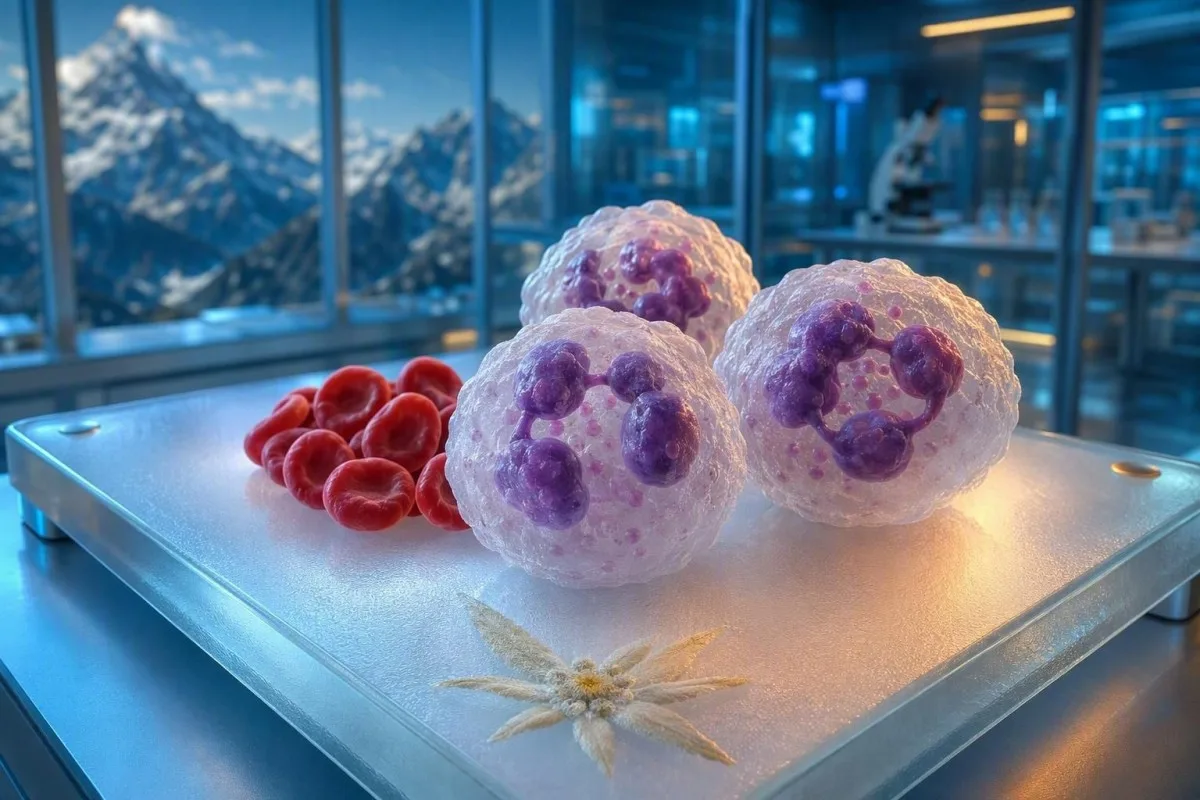
លទ្ធផលចំនួននឺត្រុងដែលកើនឡើងបន្តិចម្តងៗ គឺជាបណ្តោះអាសន្ន ប៉ុន្តែចំនួននឺត្រុងសរុប (absolute neutrophil count) លទ្ធផល CBC ផ្សេងៗទៀត រោគសញ្ញា និងនិន្នាការនឹងកំណត់ថាតើវាតម្រូវឲ្យមានការអន្តរាគមន៍ដែរឬទេ។.


- Borderline neutrophils ជាទូទៅមានន័យថា ANC ខ្ពស់ជាងដែនកំណត់ខាងលើរបស់មន្ទីរពិសោធន៍បន្តិចប៉ុណ្ណោះ ដែលជាញឹកញាប់ប្រហែល 7.0-7.5 × 10⁹/L ចំពោះមនុស្សពេញវ័យ។.
- ចំនួនកោសិកា neutrophil សរុប (absolute neutrophil count) មានព័ត៌មានច្រើនជាងភាគរយនឺត្រុង; គណនា ANC ដោយយក WBC គុណនឹងភាគរយនឺត្រុង ហើយចែកដោយ 100។.
- នឺត្រូហ្វ៊ីលីយ៉ាខ្សោយ (Mild neutrophilia) ក្រោម 15 × 10⁹/L ដោយគ្មានរោគសញ្ញាគួរឲ្យព្រួយបារម្ភ ជាទូទៅជាប្រតិកម្ម និងអាចកើតមានបន្ទាប់ពីការឆ្លងមេរោគ ការហាត់ប្រាណ ការប្រើថ្នាំស្តេរ៉ូអ៊ីត ឬការជក់បារី។.
- ពេលវេលាធ្វើឡើងវិញ ជាទូទៅគឺពី 2-6 សប្តាហ៍បន្ទាប់ពីជាសះស្បើយពីជំងឺខ្លី ការហាត់ប្រាណខ្លាំង ការចាក់វ៉ាក់សាំង ឬការផ្លាស់ប្តូរថ្នាំ។.
- ពិនិត្យបន្ទាន់ គឺសមស្របសម្រាប់គ្រុនក្តៅដោយមានជំងឺធ្ងន់ធ្ងរ ពិបាកដកដង្ហើម វិលមុខ ចំនួនកើនឡើងយ៉ាងឆាប់រហ័ស កោសិកាមិនទាន់ពេញវ័យ ស្លេកស្លាំង ឬប្លាកែតទាប។.
- ស្តេរ៉ូអ៊ីត និងអាដ្រេណាលីន អាចបង្កើនចំនួននឺត្រុងដែលកំពុងចរាចរក្នុងរយៈពេលប៉ុន្មានម៉ោង ដោយប្តូរកោសិកាពីជញ្ជាំងសរសៃឈាមទៅក្នុងលំហូរឈាមដែលបានវាស់។.
- ការកើនឡើងបន្ត ក្នុងរយៈពេលជាង 3 ខែ ជាពិសេសលើសពី 15-20 × 10⁹/L គួរតែត្រូវបានពិនិត្យដោយគ្រូពេទ្យ និងជាញឹកញាប់គឺត្រូវពិនិត្យអេពីឈាម។.
- ការមានផ្ទៃពោះ អាចបង្កើនចំនួននឺត្រុងបានជាធម្មតា ជាពិសេសក្នុងត្រីមាសទីបី ដូច្នេះដែនយោងសម្រាប់មនុស្សពេញវ័យដែលមិនមានផ្ទៃពោះអាចធ្វើឲ្យមានការយល់ច្រឡំ។.
លទ្ធផលនឺត្រុងដែលមានកម្រិតមធ្យមមានន័យថាយ៉ាងណា
ចំនួននឺត្រូហ្វីលព្រំដែនជាធម្មតាតំណាងឱ្យការកើនឡើងបន្តិចបន្តួចនៃចំនួននឺត្រូហ្វីលដាច់ខាត (ANC) មិនមែនជាការធ្វើរោគវិនិច្ឆ័យទេ។. ចំពោះមនុស្សពេញវ័យដែលមានសុខភាពល្អភាគច្រើន ANC ដែលខ្ពស់ជាងជួរពិសោធន៍បន្តិចបន្តួចនឹងវិលមកធម្មតាវិញ នៅពេលដែលកត្តាបង្កបណ្តោះអាសន្នកន្លងផុតទៅ។ កិច្ចការទីមួយគឺត្រូវពិនិត្យចំនួនដាច់ខាត ចំនួនកោសិកាឈាមសសរុប និងរោគសញ្ញា ជាជាងប្រតិកម្មទៅនឹងភាគរយដែលបានបន្លិច។.
ចន្លោះយោង ANC របស់មនុស្សពេញវ័យជាទូទៅមានចាប់ពីប្រហែល 1.5 ទៅ 7.5 × 10⁹/L, ទោះបីជាដែនខាងលើប្រែប្រួលតាមម៉ាស៊ីនវិភាគ ប្រភពដើម ស្ថានភាពមានផ្ទៃពោះ និងវិធីសាស្ត្រពិសោធន៍ក្នុងតំបន់។ តម្លៃ 7.8 × 10⁹/L គឺខុសគ្នាពីគ្លីនិកយ៉ាងខ្លាំងពី 28 × 10⁹/L ទោះបីជាទាំងពីរអាចត្រូវបានសម្គាល់ថាខ្ពស់ក៏ដោយ។ សូមមើលការណែនាំរបស់យើងអំពី ជួរនឺត្រូហ្វីលធម្មតា.
នេះ។ neutrophil percentage អាចមើលទៅខ្ពស់ ដោយសារតែចំនួន lymphocytes ធ្លាក់ចុះបន្ទាប់ពីភាពតានតឹង ឬការប៉ះពាល់នឹង corticosteroid។ ឧទាហរណ៍ WBC 6.0 × 10⁹/L ជាមួយនឺត្រូហ្វីល 78% ផ្តល់ ANC 4.68 × 10⁹/L ដែលជាធម្មតា ទោះបីជាភាគរយខ្ពស់ក៏ដោយ។.
កាន់តេស្ទី គឺជា ឧបករណ៍វិភាគឈាម AI ដែលអាន CBC ភាពខុសគ្នានៅក្បែរ WBC សរុប hemoglobin platelets និងលទ្ធផលមុនៗ ជាជាងការចាត់ទុកទង់ក្រហមមួយថាជាស្លាកជំងឺ។ គិតត្រឹមថ្ងៃទី 28 ខែសីហា ឆ្នាំ 2026 វិធីសាស្រ្តផ្អែកលើលំនាំនោះ នៅតែជាវិធីដែលមានសុវត្ថិភាពបំផុតក្នុងការបកស្រាយលទ្ធផលព្រំដែន។.
ហេតុអ្វីទង់ពិសោធន៍មិនមែនជាការធ្វើរោគវិនិច្ឆ័យ
ចន្លោះយោងគ្របដណ្តប់កណ្តាល 95% នៃប្រជាជនដែលបានជ្រើសរើស ដូច្នេះប្រហែល 1 ក្នុង 20 ការវាស់វែងមានសុខភាពល្អអាចស្ថិតនៅក្រៅជួរដែលបានបញ្ជាក់ដោយចៃដន្យ។ ទង់មួយជាការជំរុញសម្រាប់បរិបទ មិនមែនជាភស្តុតាងថាមានអ្វីខុសទេ។.
ហេតុអ្វីបានជាចំនួននឺត្រុងសរុបមានសារសំខាន់ជាងភាគរយ
ANC គឺជាចំនួនដែលវេជ្ជបណ្ឌិតប្រើដើម្បីវិនិច្ឆ័យការកើនឡើងនៃនឺត្រូហ្វីល ព្រោះវាបញ្ចូល WBC សរុបជាមួយនឹងភាពខុសគ្នា។. ភាគរយនឺត្រូហ្វីលខ្ពស់ជាមួយនឹង ANC ធម្មតា ជាញឹកញាប់គឺជាការផ្លាស់ប្តូរតាមសមាមាត្រ ខណៈពេលដែល ANC ខ្ពស់បញ្ជាក់ពីនឺត្រូហ្វីលីយ៉ាពិតប្រាកដ។.
រូបមន្តនេះសាមញ្ញ៖ ANC = WBC × (% នឺត្រូហ្វ៊ីល + % បន្ទះ) ÷ 100. ជាមួយ WBC 12.0 × 10⁹/L និងនឺត្រូហ្វីល 75%, ANC គឺ 9.0 × 10⁹/L; នេះជានឺត្រូហ្វីលីយ៉ាស្រាល មិនមែនជាការសង្គ្រោះបន្ទាន់តែឯងទេ។.
ខ្ញុំតែងតែឃើញការថប់បារម្ភដែលអាចជៀសវាងបាន នៅពេលដែលច្រកមួយរាយការណ៍នឺត្រូហ្វីល 82% ប៉ុន្តែមិនបានបង្ហាញការគណនាយ៉ាងច្បាស់ទេ។ ច្បាប់អនុវត្តរបស់លោកវេជ្ជបណ្ឌិត Thomas Klein គឺត្រូវសរសេរ WBC, ANC, hemoglobin, ចំនួនប្លាកែត និងទង់កោសិកាក្រានុឡូស៊ីតដែលមិនទាន់ពេញវ័យណាមួយមុននឹងសម្រេចថាលទ្ធផលមានន័យអ្វី។ មគ្គុទ្ទេសក៍សមាសធាតុ CBC ជួយជាមួយពាក្យ។.
WBC លើស 11 × 10⁹/L ជាធម្មតាត្រូវបានគេហៅថា leukocytosis ចំពោះមនុស្សពេញវ័យដែលមិនមានផ្ទៃពោះ ប៉ុន្តែមូលហេតុមិនអាចសន្និដ្ឋានបានពីលេខនោះតែម្នាក់ឯង។ Riley និង Rupert (2015) ណែនាំគ្រូពេទ្យឱ្យធ្វើ CBC ឡើងវិញហើយពិនិត្យមើលថ្នាំលាបឈាមផ្នែកខាងក្រៅនៅពេលដែល leukocytosis មិនអាចពន្យល់បានឬបន្ត។.
មូលហេតុបណ្តោះអាសន្នទូទៅនៃការកើនឡើងនឺត្រុងតិចតួច
នឺត្រូហ្វីលីយ៉ាស្រាលភាគច្រើនឆ្លុះបញ្ចាំងពីដំណើរការប្រតិកម្មបណ្ដោះអាសន្ន៖ ការឆ្លងមេរោគថ្មីៗ ការឈឺចាប់ខាងរាងកាយ ការជក់បារី ការរលាកផលនៃថ្នាំឬការមានផ្ទៃពោះ។. មូលហេតុទាំងនេះបង្កើននឺត្រូហ្វីលដែលកំពុងចរាចរដោយមិនចាំបាច់មានន័យថាខួរឆ្អឹងកំពុងផលិតកោសិកាដែលមានភាពមិនប្រក្រតី។.
ការរលាកធ្មេញដែលមានភាពត្រជាក់ រោគសញ្ញាផ្លូវនោម ការរលាកស្បែក ឬសូម្បីតែថ្ងៃដំបូងបន្ទាប់ពីជំងឺវីរុសអាចបង្កើន ANC ទៅក្នុង 8-14 × 10⁹/L រង្វង់។ នឺត្រូហ្វីលអាចនៅតែកើនឡើងស្រាលអស់រយៈពេលជាច្រើនថ្ងៃបន្ទាប់ពីគ្រុនក្តៅបានបាត់ទៅវិញហើយព្រោះការបញ្ចេញខួរឆ្អឹងនិងការជាសះស្បើយជាលិកាមិនឈប់ក្នុងពេលតែមួយទេ។.
ការវគ្គហ្វឹកហាត់លំបាក ការរត់ម៉ារ៉ាតុន ការភ័យស្លន់ស្លោឬការឈឺចាប់ស្រួចស្រាវអាចបង្កឲ្យមាន demargination—កោសិកាដែលធ្លាប់សម្រាកតាមជញ្ជាំងសរសៃឈាមចូលក្នុងគំរូដែលកំពុងចរាចរ។ ការកើនឡើងនេះអាចកើតឡើងក្នុងរយៈពេលប៉ុន្មាននាទីទៅប៉ុន្មានម៉ោងហើយជាហេតុផលមួយដែលខ្ញុំស្នើឱ្យអត្តពលិកជៀវលក្ខណៈហ្វឹកហាត់ខ្លាំងមិនធម្មតាក្នុងរយៈពេល 24-48 ម៉ោងមុន CBC ដែលបានគ្រោងទុក។ ការណែនាំអំពីពេលវេលានៃមន្ទីរពិសោធន៍ដែលទាក់ទងនឹងការហាត់ប្រាណ ពន្យល់ពីលំនាំទូលំទូលាយ។.
ការជក់បារីត្រូវបានផ្សារភ្ជាប់ជាមួយនឹងចំនួន WBC និងនឺត្រូហ្វីលខ្ពស់ជាង ខណៈដែលជំងឺធាត់ជំងឺអញ្ចាញធ្មេញរ៉ាំរ៉ៃនិងជំងឺស្បែករលាកអាចរក្សាការកើនឡើងមធ្យម។ ដូច្នេះអត្ថន័យនៃនឺត្រូហ្វីលដែលកើនឡើងបន្តិចបន្តួចជារឿយៗគឺអំពីការប៉ះពាល់និងសរីរវិទ្យាមិនមែនជាការឆ្លងបាក់តេរីដែលលាក់កំបាំងនោះទេ។.
ថ្នាំវ៉ាក់សាំង និងព្រឹត្តិការណ៍ក្នុងជីវិតដែលអាចបង្កើនចំនួននឺត្រុង
Corticosteroids, beta-agonist inhalers, lithium និងថ្នាំជំរុញកោសិកាអាចបង្កើននឺត្រូហ្វីលដែលខ្លះមានចំនួនច្រើន។. កុំបញ្ឈប់ថ្នាំដែលបានវេជ្ជបញ្ជាដោយសារទង់ CBC។ ផ្ទុយទៅវិញត្រូវកត់ត្រាថ្នាំ កម្រិតនិងពេលវេលាសម្រាប់គ្រូពេទ្យដែលពិនិត្យលទ្ធផល។.
Prednisone និង glucocorticoids ដែលស្រដៀងគ្នាអាចបង្កើននឺត្រូហ្វីលដែលកំពុងចរាចរក្នុងរយៈពេល 4-6 ម៉ោង តាមរយៈការកាត់បន្ថយការផ្លាស់ទីយឺតទៅជាលិកានិងការកាត់បន្ថយការកំចាត់កោសិកា។ នឺត្រូហ្វីលីយ៉ាដែលទាក់ទងនឹងស្តេរ៉ូអ៊ីតច្រើនតែខ្វះគ្រាប់ជាតិពុលឬការផ្លាស់ប្តូរឆ្វេងដែលអាចអមជាមួយនឹងការឆ្លងបាក់តេរីធ្ងន់ធ្ងរទោះបីជាខ្សែភាពយន្តឈាមត្រូវការដើម្បីវាយតម្លៃរឿងនេះបានត្រឹមត្រូវក៏ដោយ។.
Lithium អាចបង្កើនការផលិត granulocyte ខណៈពេលដែល filgrastim និងការព្យាបាលដែលទាក់ទងគ្នាបង្កើនចំនួននឺត្រូហ្វីលដោយចេតនា។ ការវះកាត់ថ្មីៗ ការប៉ះទង្គិចនិងការសម្រាលកូនក៏ជំរុញប្រតិកម្មស្ត្រេសផងដែរ។ វ៉ាក់សាំងអាចផ្លាស់ប្តូរលក្ខណៈប្លែកមួយរយៈពេលដូច្នេះការធ្វើតេស្តធម្មតាដែលធ្វើឡើងក្នុងរយៈពេល 7-14 ថ្ងៃ នៃការចាក់វ៉ាក់សាំងអាចមានលក្ខណៈតំណាងតិចជាងលំនាំដើម។ អានបន្ថែមអំពី ការផ្លាស់ប្តូរមន្ទីរពិសោធន៍ក្រោយការចាក់វ៉ាក់សាំង.
កាន់តេស្ទី គឺជា វេទិកាបកស្រាយការធ្វើតេស្តឈាម AI ដែលអនុញ្ញាតឱ្យមនុស្សរក្សាការប្រើថ្នាំនិងបរិបទជំងឺជាមួយនឹងលទ្ធផលដែលមានប្រយោជន៍ខាងវេជ្ជសាស្ត្រជាងការប្រៀបធៀបលេខទទេ។ បញ្ជីថ្នាំគួរតែរួមបញ្ចូលថ្នាំបាញ់ ថ្នាំលាបស្តេរ៉ូអ៊ីត ការចាក់ថ្នាំនិងផលិតផល “ធម្មជាតិ” —មិនត្រឹមតែថ្នាំគ្រាប់ប៉ុណ្ណោះទេ។.
ពេលណាត្រូវធ្វើ CBC ឡើងវិញសម្រាប់លទ្ធផលនឺត្រុងកម្រិតមធ្យម
ចំពោះមនុស្សដែលមានសុខភាពល្អដទៃទៀតដែលមាននឺត្រូហ្វីលីយ៉ាតែមួយគត់ស្រាល ការធ្វើតេស្ត CBC ឡើងវិញដោយមានភាពប្លែកក្នុងរយៈពេល 2-6 សប្តាហ៍ជាធម្មតាសមហេតុផលបន្ទាប់ពីកត្តាដែលអាចបង្កឱ្យមានភាពប្រសើរឡើង។. ធ្វើតេស្តឡើងវិញឆាប់ៗ—ក្នុងរយៈពេលប៉ុន្មានថ្ងៃ— ប្រសិនបើរោគសញ្ញាកាន់តែអាក្រក់ចំនួនកំពុងកើនឡើងឬលទ្ធផលដើមមានចំនួនខ្ពស់ខ្លាំង។.
ជ្រជ្រើសថ្ងៃដែលមានស្ថិរភាពសម្រាប់ការវាស់ឡើងវិញ៖ មិនមានគ្រុនក្តៅ មិនមានការហាត់ប្រាណខ្លាំងរយៈពេល 24-48 ម៉ោង ការផ្តល់ជាតិទឹកធម្មតា និងមិនទើបបានចាប់ផ្តើមប្រើស្តេរ៉ូអ៊ីតទេ លុះត្រាតែអ្នកចេញវេជ្ជបញ្ជាបញ្ជាក់ជាផ្សេង។ ជាទូទៅ ការតមអាហារមិនត្រូវបានទាមទារសម្រាប់ CBC ទេ ប៉ុន្តែការផ្គូផ្គងពេលវេលានៃថ្ងៃនិងលក្ខខណ្ឌធ្វើឱ្យការផ្លាស់ប្តូរងាយស្រួលក្នុងការបកស្រាយ។ የደም ምርመራ የጊዜ ሰሌዳ መመሪያ details why.
ប្រសិនបើ ANC គឺ 7.6-12 × 10⁹/L ហើយបន្ទាត់កោសិកាផ្សេងៗទៀតមានលក្ខណៈធម្មតា ខ្ញុំតែងតែពេញចិត្តការពិនិត្យឡើងវិញដែលបានគ្រោងទុកម្តងជំនួសឱ្យការធ្វើតេស្តជាបន្តបន្ទាប់រៀងរាល់ប៉ុន្មានថ្ងៃម្តង។ ការធ្វើឡើងវិញនៅរយៈពេល 4 សប្តាហ៍អាចធ្វើឱ្យមានការយល់ច្រឡំប្រសិនបើអ្នកជំងឺនៅតែជាសះស្បើយពីជំងឺរលាកសួតបានចាប់ផ្តើមប្រើថ្នាំភ្រីនីសូឡូន ឬបានហ្វឹកហាត់សម្រាប់ការប្រកួតប្រឹងប្រែង។.
ភាពជាប់លាប់មានសារៈសំខាន់ជាងលេខតែមួយដាច់ដោយឡែក។ ភាពនឺត្រូហ្វីលីយ៉ាដែលមានរយៈពេលលើសពី 3 ខែ, ជាមួយនឹងការពន្យល់ពីប្រតិកម្មដែលមិនច្បាស់លាស់ ជាទូទៅតម្រូវឱ្យមានការពិនិត្យពីអ្នកថែទាំបឋមខ្សែភាពយន្តឈាមដោយដៃនិងការធ្វើតេស្តគោលដៅដោយផ្អែកលើរោគសញ្ញា។.
រោគសញ្ញា CBC ដែលធ្វើឲ្យការកើនឡើងនឺត្រុងគួរឲ្យបារម្ភកាន់តែច្រើន ឬតិច
ការកើនឡើង ANC បន្តិចដោយឡែកជាមួយនឹងអេម៉ូក្លូប៊ីននិងប្លាកែតធម្មតាជាទូទៅមានការព្រួយបារម្ភតិចជាងភាពនឺត្រូហ្វីលីយ៉ាដែលអមដោយអេម៉ូក្លូប៊ីនទាបប្លាកែតទាបប្លាកែតកើនឡើងឬកោសិកាមិនទាន់ពេញវ័យ។. លំនាំ CBC ជុំវិញផ្តល់អត្ថន័យគ្លីនិកដល់លេខនោះ។.
ការកើនឡើង ANC បូកនឹង ប្លាកែតខ្ពស់ជាង 450 × 10⁹/L, ភាពអេម៉ូក្លូប៊ីនទាបដែលមិនអាចពន្យល់បានភាពបាសូហ្វីលីយ៉ាឬខ្សែភាពយន្តឈាមលីកូអេរីត្រូប្លាស្ទិចបង្កើនការព្រួយបារម្ភអំពីដំណើរការខួរឆ្អឹង។ គ្មានការរួមបញ្ចូលគ្នាទាំងនេះណាមួយធ្វើរោគវិនិច្ឆ័យជំងឺមហារីកបានទេ ប៉ុន្តែវាបញ្ជាក់ពីការពិនិត្យឡើងវិញពីវេជ្ជបណ្ឌិតភ្លាមៗជំនួសឱ្យការធ្វើឡើងវិញដោយចៃដន្យប៉ុន្មានខែក្រោយមកមើលសេចក្ដីណែនាំរបស់យើងអំពី የደም ካንሰር ምርመራ መመሪያ.
“left shift” មានន័យថាមាន band, metamyelocytes ឬ myelocytes នៅក្នុងឈាមរត់។ ចំនួនតូចអាចកើតឡើងក្នុងស្ថានភាពស្ត្រេសប្រតិកម្មធ្ងន់ធ្ងរ ប៉ុន្តែ left shift ដែលមានរយៈពេលយូរតម្រូវឱ្យមានការពិនិត្យខ្សែភាពយន្តឈាមឡើងវិញ ពីព្រោះម៉ាស៊ីនរាប់ដោយស្វ័យប្រវត្តិមិនតែងតែបែងចែកការជាសះស្បើយដោយមិនបង្កគ្រោះថ្នាក់ពីដំណើរការ clonal ទេ។.
Kantesti AI ពិនិត្យសំណង់កោសិកាសរួមជាមួយនឹងសន្ទស្សន៍កោសិកាក្រហមនិងនិន្នាការប្លាកែតរួចសម្គាល់ការរួមបញ្ចូលគ្នាសម្រាប់ការតាមដានវេជ្ជសាស្ត្រជំនួសឱ្យការព្យាយាមធ្វើរោគវិនិច្ឆ័យជំងឺឈាមសពី CBC។ វិធីសាស្រ្តនេះត្រូវបានតម្រៀបជាមួយនឹងការបោះពុម្ពផ្សាយរបស់យើង គោ临床验证原则.
ការឆ្លងមេរោគ ការរលាក ឬភាពតានតឹង: ការអានសញ្ញាគ្លីនិក
គ្រុនក្តៅ រោគសញ្ញាតាមទីតាំងនិងCRP កើនឡើងអាចគាំទ្រការឆ្លងមេរោគបានប៉ុន្តែចំនួននឺត្រូហ្វីលកើនឡើងតែមួយមុខមិនអាចប្រាប់ពីការឆ្លងបាក់តេរីពីភាពតានតឹងឬការរលាកបានទេ។. គ្រូពេទ្យធ្វើរោគវិនិច្ឆ័យមនុស្សនៅចំពោះមុខពួកគេដោយមិនមែនការរាប់ដោយឡែកទេ។.
ជាមួយនឹងជំងឺរលាកសួតដោយបាក់តេរីជំងឺរលាកផ្លូវនោមឬជំងឺរលាកខ្ន Appendicitis ANC អាចកើនឡើងលើសពី 15 × 10⁹/L, ប៉ុន្តែការឆ្លងមេរោគធ្ងន់ធ្ងរមួយចំនួនមានចំនួន WBC ធម្មតាឬទាបជាពិសេសក្នុងចំណោមមនុស្សចាស់ឬអ្នកដែលមានប្រព័ន្ធភាពស៊ាំចុះខ្សោយ។ រោគសញ្ញាសញ្ញាសំខាន់ការពិនិត្យនិងវប្បធម៌ជាញឹកញាប់មានសារៈសំខាន់ជាងថាតើ ANC គឺ 11 ឬ 13 ។.
CRP កើនឡើងនិងធ្លាក់ចុះលឿនជាងESR ប៉ុន្តែគ្មានមួយណាជាក់លាក់ចំពោះការឆ្លងមេរោគទេ។ ប្រសិនបើភាពនឺត្រូហ្វីលីយ៉ាត្រូវបានផ្គូផ្គងជាមួយនឹងCRP ខ្ពស់ការហើមសន្លាក់រោគសញ្ញាពោះវៀនឬកន្ទួលនោះការវិភាគត្រូវបានពង្រីកទៅលក្ខខណ្ឌស្វ័យប្រាណនិងការរលាកការពន្យល់របស់យើងអំពី លំនាំ ESR ខ្ពស់ អាចជួយរៀបចំការពិភាក្សានោះបាន។.
តាមបទពិសោធន៍របស់ខ្ញុំ អ្នកជំងឺដែលមាន ANC 10.5 × 10⁹/L មិនមានគ្រុនក្តៅ និងមាន CRP ធម្មតាបន្ទាប់ពីការទៅមន្ទីរពេទ្យដោយមិនបានគេងជាធម្មតាទាមទារឲ្យមានការតាមដានដោយស្ងប់ស្ងាត់ មិនមែនថ្នាំអង់ទីប៊ីយោទិចទេ។ ផ្ទុយមកវិញ អ្នកជំងឺដែលមានអាការៈញាក់និងមាន ANC 6.5 × 10⁹/L អាចត្រូវការការព្យាបាលបន្ទាន់ទោះបីជាចំនួនគិតជាលក្ខណៈបច្ចេកទេសធម្មតាក៏ដោយ។.
ការមានផ្ទៃពោះ អាយុ និងកម្រិតមូលដ្ឋានផ្ទាល់ខ្លួនផ្លាស់ប្តូរការបកស្រាយ
ការមានផ្ទៃពោះជាទូទៅបង្កឲ្យមានការកើនឡើងនៃចំនួននឺត្រូហ្វីលតាមសរីរវិទ្យា ជាពិសេសនៅដំណាក់កាលចុងក្រោយនៃការមានផ្ទៃពោះ ហើយកុមារត្រូវការជួរអាយុជាក់លាក់។. ចន្លោះយោងសម្រាប់មនុស្សពេញវ័យដែលមិនមានផ្ទៃពោះមិនគួរត្រូវបានប្រើដើម្បីសម្គាល់ CBC របស់ស្ត្រីមានផ្ទៃពោះថាមិនប្រក្រតីដោយគ្មានបរិបទឡើយ។.
ក្នុងអំឡុងពេលមានផ្ទៃពោះ ចំនួន WBC សរុបអាចឡើងដល់ 12-15 × 10⁹/L និងអាចកើនឡើងបន្ថែមទៀតក្នុងអំឡុងពេលសម្រាលកូន ដោយភាគច្រើនតាមរយៈនឺត្រូហ្វីល។ ចំនួនកើនឡើងដោយគ្មានគ្រុនក្តៅ ឈឺស្បូន រោគសញ្ញាទឹកនោម ឬរោគសញ្ញាឈឺផ្សេងៗទៀតអាចជាសរីរវិទ្យា ប៉ុន្តែក្រុមសម្ភពប្រើរូបភាពគ្លីនិកទាំងមូល។.
ទារកទើបកើត និងកុមារតូចអាចមានចំនួននឺត្រូហ្វីលដែលនឹងមើលទៅមិនប្រក្រតីនៅលើរបាយការណ៍មនុស្សពេញវ័យ ខណៈពេលដែលមនុស្សពេញវ័យចាស់អាចបញ្ចេញប្រតិកម្មកោសិកាឈាមសតិចតួចក្នុងអំឡុងពេលឆ្លងមេរោគ។ បកស្រាយលទ្ធផលរបស់កុមារដោយប្រៀបធៀបទៅនឹងជួរអាយុរបស់មន្ទីរពិសោធន៍។ ការណែនាំជួរទារករបស់យើង ជួរទារក បញ្ជាក់ពីមូលហេតុដែលការប្រៀបធៀបមនុស្សពេញវ័យបរាជ័យ។.
CBCs ពីមុនរបស់អ្នកផ្ទាល់ច្រើនតែជាអ្នកប្រៀបធៀបល្អបំផុត។ ANC ដែលមានស្ថិរភាពប្រហែល 7.8 × 10⁹/L ក្នុងរយៈពេលប្រាំឆ្នាំចំពោះមនុស្សដែលមានសុខភាពល្អ មានលក្ខណៈប្រូបាប៊ីលីតេខុសពីការកើនឡើងថ្មីពី 3.2 ទៅ 12.8 × 10⁹/L។.
ការជក់បារី កត្តាមេតាបូលីស និងការកើនឡើងនឺត្រុងរ៉ាំរ៉ៃកម្រិតទាប
ការជក់បារី ភាពធាត់ និងការប៉ះពាល់នឹងការរលាករ៉ាំរ៉ៃអាចបង្កឲ្យមានការកើនឡើងនៃនឺត្រូហ្វីលកម្រិតទាបដែលនៅតែមានបន្ទាប់ពីផ្តាសាយបានជាសះស្បើយ។. កត្តាទាំងនេះនៅតែសមនឹងទទួលការយកចិត្តទុកដាក់ ព្រោះវាអាចប៉ះពាល់ដល់សុខភាពលើសពីលទ្ធផល CBC ផ្ទាល់។.
ការកើនឡើងឈាមដែលទាក់ទងនឹងការជក់បារីអាចពាក់ព័ន្ធនឹងនឺត្រូហ្វីល លីមហ្វូស៊ីត និងម៉ូណូស៊ីត ដូច្នេះវាអាចមិនបង្ហាញថាជាការកើនឡើងនឺត្រូហ្វីលសុទ្ធសាធទេ។ ការធ្វើ CBC ម្តងទៀត 8-12 សប្តាហ៍ បន្ទាប់ពីបញ្ឈប់ការជក់បារីអាចមានប្រយោជន៍ ទោះបីជាលទ្ធផលធម្មតាមិនចាំបាច់ត្រូវបានប្រារព្ធអបអរសាទរអត្ថប្រយោជន៍សុខភាពនៃការបញ្ឈប់ក៏ដោយ។.
ការកើនឡើងជាតិខ្លាញ់នៅកណ្ដាល ការគេងមិនលក់ និងជំងឺអញ្ចាញធ្មេញរ៉ាំរ៉ៃអាចរួមចំណែកដល់សញ្ញារលាក និងចំនួន WBC កើនឡើងបន្តិច។ សមាគមទាំងនេះមានការពិត ប៉ុន្តែមិនជាក់លាក់ទេ។ ពួកគេមិនគួរត្រូវបានប្រើដើម្បីបដិសេធរោគសញ្ញាថ្មីៗ ឬចំនួនកើនឡើងយ៉ាងឆាប់រហ័សទេ។.
Kantesti ដែលជាអ្នក ឧបករណ៍វិភាគតេស្តឈាមដោយ AI, អាចប្រៀបធៀបភាពខុសគ្នាបច្ចុប្បន្នជាមួយនឹងរបាយការណ៍ពីមុនជាច្រើន និងបង្ហាញការផ្លាស់ប្តូរយឺតៗដែលលទ្ធផលប្រចាំឆ្នាំតែមួយបិទបាំង។ សម្រាប់ការតាមដានជាក់ស្តែង សូមកត់ត្រាស្ថានភាពជក់បារី ការផ្លាស់ប្តូរទម្ងន់ ការឆ្លងមេរោគថ្មីៗ និងការប៉ះពាល់នឹងស្តេរ៉ូអ៊ីតនៅក្បែរការធ្វើតេស្តនីមួយៗក្នុងឯកសារមន្ទីរពិសោធន៍តាមដានតាមពេលវេលា។ ឯកសារមន្ទីរពិសោធន៍តាមដានតាមពេលវេលា.
ពេលណាត្រូវបារម្ភពីនឺត្រុង និងស្វែងរកជំនួយបន្ទាន់
ស្វែងរកការវាយតម្លៃផ្នែកវេជ្ជសាស្ត្រនៅថ្ងៃដដែលសម្រាប់លទ្ធផលនឺត្រូហ្វីលខ្ពស់ជាមួយនឹងជំងឺធ្ងន់ធ្ងរ គ្រុនក្តៅ និងការភាន់ច្រឡំ ដកដង្ហើមខ្លី ឈឺទ្រូង ករឹង ឬរោគសញ្ញាកាន់តែអាក្រក់យ៉ាងឆាប់រហ័ស។. ភាពបន្ទាន់កើតចេញពីការឆ្លងមេរោគដែលអាចកើតមាន ឬជំងឺប្រព័ន្ធ មិនមែនចេញពី ANC ព្រំដែនតែមួយទេ។.
WBC ឬ ANC ខ្ពស់ជាង 25-30 × 10⁹/L xứngនឹងការទាក់ទងនឹងគ្រូពេទ្យជាបន្ទាន់ ជាពិសេសប្រសិនបើវាថ្មី កើនឡើង ឬរួមបញ្ចូលគ្នាជាមួយនឹងកោសិកាក្រានូឡូស៊ីតដែលមិនទាន់ពេញវ័យ។ ចំនួនលើសពី 50 × 10⁹/L អាចបង្ហាញពីប្រតិកម្មដែលស្រដៀងនឹងជំងឺឈាមស ឬជំងឺឈាម ហើយមិនគួររង់ចាំការណាត់ជួបប្រចាំឆ្នាំទេ។.
ការបែកញើសពេលយប់ដែលមិនអាចពន្យល់បាន ការសម្រកទម្ងន់ ការឆ្លងមេរោគដែលកើតឡើងវិញ ការហូរឈាមងាយ ការហើមកូនកណ្តុរ ឬការពេញពោះ គឺជាហេតុផលដើម្បីរៀបចំការពិនិត្យដោយគ្រូពេទ្យទាន់ពេលវេលា។ ការព្រួយបារម្ភកើនឡើងនៅពេលរោគសញ្ញាកើតឡើងជាមួយនឹងភាពស្លេកស្លាំង ប្លាកែតទាប ការបង្កើនកោសិកាបាសូហ្វីលី ឬកោសិកាមិនប្រក្រតីលើការជូនដំណឹងរបស់ម៉ាស៊ីនវិភាគ។.
ប្រសិនបើអ្នកមានអារម្មណ៍មិនស្រួលបន្ទាប់ពីការធ្វើដំណើរ ការព្យាបាលដោយគីមី ការព្យាបាលដោយការប្តូរសរីរាង្គ ឬថ្នាំដែលបង្ក្រាបប្រព័ន្ធភាពស៊ាំ សូមប្រើកម្រិតទាបជាងសម្រាប់ការវាយតម្លៃបន្ទាន់។ របស់យើង មគ្គុទ្ទេសសញ្ញារលាក ពន្យល់ថាហេតុអ្វីបានជាតម្លៃមន្ទីរពិសោធន៍ដែលមើលទៅធម្មតាមិនដែលបដិសេធជំងឺធ្ងន់ធ្ងរទេ។.
គ្រូពេទ្យពិនិត្យអ្វីខ្លះនៅពេលការកើនឡើងនឺត្រុងនៅតែបន្ត
ការកើនឡើងនៃនឺត្រូហ្វីលដែលមិនអាចពន្យល់បានជាធម្មតាត្រូវបានវាយតម្លៃដោយប្រវត្តិវេជ្ជសាស្ត្រ ការពិនិត្យ ការធ្វើ CBC ឡើងវិញ ការពិនិត្យឈាមក្នុងសរសៃឈាមគ្រឿង និងការធ្វើតេស្តការរលាក ឬការឆ្លងមេរោគដែលមានគោលដៅ។. ការធ្វើតេស្តម៉ូលេគុលត្រូវបានរក្សាទុកសម្រាប់លំនាំដែលបង្ហាញពីជំងឺមេឡូប្រូលីហ្វេរ៉ាទីវ នីអូផ្លាស្យា មិនមែនសម្រាប់លទ្ធផលខ្ពស់បន្តិចគ្រប់ទេ។.
គ្រូពេទ្យអាចសួរអំពីការជក់បារី ជំងឺគេងមិនលក់ ការឈឺរ៉ាំរ៉ៃ រោគសញ្ញាជំងឺរលាកពោះវៀន ការប្រើស្តេរ៉អ៊ីត ការវះកាត់លំពែងថ្មីៗ និងជំងឺឈាមក្នុងគ្រួសារ។ ពួកគេអាចបញ្ជា CRP, ESR, ប្រ markers ថ្លើម និងតម្រងនោម ការបាច ឬការថតរូបភាពបានតែនៅពេលដែលប្រវត្តិវេជ្ជសាស្ត្របង្ហាញពីទិសដៅនោះ — ការធ្វើតេស្តទូលំទូលាយដោយគ្មានសំណួរផ្នែកវេជ្ជសាស្ត្រច្រើនតែបង្កើតការជូនដំណឹងមិនពិត។.
ការពិនិត្យឈាមដោយដៃអាចកំណត់អត្តសញ្ញាណការឡើងពណ៌ដែលមានជាតិពុល ការផ្លាស់ប្តូរដន់ហលី រោគសញ្ញាឆ្វេង ការបង្កើនកោសិកាបាសូហ្វីលី ឬកោសិកាប្លាស់ដែលការរាប់កោសិកាគ្រឿងដោយស្វ័យប្រវត្តិអាចសម្គាល់បានមិនពេញលេញ។ ការចាត់ថ្នាក់ WHO ឆ្នាំ 2022 ប বর্ণনা ជំងឺមហារីកឈាមសដែលមានជាតិពុលថាជាជំងឺមហារីកឈាមគ្រឿងដ៏កម្រដែលទាមទារឲ្យមាននឺត្រូហ្វីលដែលមានជាតិពុលជាបន្តបន្ទាប់ និងលក្ខណៈវិនិច្ឆ័យម៉ូលេគុលនិងរូបរាងដែលមានលក្ខណៈពិសេស វាមិនត្រូវបានធ្វើរោគវិនិច្ឆ័យពីលទ្ធផលព្រំដែន (Khoury et al., 2022) ។.
ការធ្វើតេស្ត BCR::ABL1 ការធ្វើតេស្ត JAK2 ឬការធ្វើតេស្ត CSF3R អាចត្រូវបានពិចារណាដោយផ្នែកជំងឺឈាមក្នុងករណីដែលបានជ្រើសរើស។ ការធ្វើតេស្តទាំងនោះមានអត្ថន័យនៅពេលដែលលំនាំ CBC និងការរកឃើញផ្នែកវេជ្ជសាស្ត្រគាំទ្រពួកវា មិនមែនជាការធ្វើតេស្ត reassurance សម្រាប់ ANC 8.1 × 10⁹/L។.
មតិយោបល់លើអេពីឈាម (Blood-film comments) និងកោសិកាមិនទាន់ពេញវ័យអាចប្រាប់អ្នកពីអ្វីខ្លះ
ការអត្ថាធិប្បាយលើខ្សែឈាមគ្រឿងបន្ថែមរូបរាង — រូបរាងនិងភាពពេញវ័យនៃកោសិកា — ទៅនឹងការរាប់ CBC ។. “ការផ្លាស់ប្តូរជាតិពុល”អាចគាំទ្រដល់ដំណើរការប្រតិកម្មខ្លាំង ខណៈដែលកោសិកាប្លាស់ ឬទម្រង់ដែលមិនទាន់ពេញវ័យដែលមិនអាចពន្យល់បានជាបន្តបន្ទាប់ទាមទារឲ្យមានការវាយតម្លៃពីអ្នកឯកទេសជាបន្ទាន់។.
បង់គឺជានឺត្រូហ្វីលដែលមិនទាន់ពេញវ័យជាងនេះ ហើយមួយចំនួនតូចអាចលេចឡើងក្នុងអំឡុងពេលឆ្លងមេរោគ ការវះកាត់ ឬការជាសះស្បើយនៃខួរឆ្អឹង។ មន្ទីរពិសោធន៍មានភាពខុសគ្នាក្នុងការរាយការណ៍បង់ ដូច្នេះភាគរយមិនគួរត្រូវបានប្រៀបធៀបដោយផ្ទាល់ឆ្លងប្រព័ន្ធដោយមិនបានពិនិត្យវិធីរាយការណ៍ទេ។.
ការឡើងពណ៌ដែលមានជាតិពុលនិងការបង្កើត vacuolation ក្នុងកោសិកាស៊ីតូផ្លាស្មាគឺជាការរកឃើញខ្សែដែលមានលក្ខណៈពិពណ៌នា មិនមែនជារោគវិនិច្ឆ័យទេ។ ពួកវាអាចអមជាមួយនឹងការឆ្លើយតបជាលិកាធ្ងន់ធ្ងរ ប៉ុន្តែការបកស្រាយអាស្រ័យលើបរិបទផ្នែកវេជ្ជសាស្ត្រ CRP និងថាតើមានការផ្លាស់ប្តូរឆ្វេងឬទេ ឯកសារពន្យល់របស់យើងអំពី ការឡើងពណ៌ដែលមានជាតិពុលក្នុងនឺត្រូហ្វីល គ្របដ គ គ គ គ គ គ គ គ គ គ គ គ គ គ គ គ គ គ គ គ គ គ គ គ គ គ គ គ គ គ គ គ គ គ គ គ គ គ គ គ គ គ គ គ គ គ គ គ គ គ គ គ គ គ គ គ គ គ គ គ គ គ គ គ គ គ គ គ គ គ គ គ គ គ គ គ គ គ គ គ គ គ គ គ គ គ គ គ គ គ គ គ គ គ គ គ គ គ គ គ គ គ គ គ គ គ គ គ គ គ គ គ គ គ គ គ គ គ គ គ គ គ គ គ គ គ គ គ គ គ គ គ គ គ គ គ គ គ គ គ គ គ គ គ គ គ គ គ គ គ គ គ គ គ គ គ គ គ គ គ គ គ គ គ គ គ គ គ គ គ គ គ គ គ គ គ គ គ គ គ គ គ គ គ គ គ គ គ គ គ គ គ គ គ គ គ គ គ គ គ គ គ គ គ គ គ គ គ គ គ គ គ គ គ គ គ គ គ គ គ គ គ គ គ គ គ គ គ គ គ គ គ គ គ គ គ គ គ គ គ គ គ គ គ គ គ គ គ គ គ គ គ គ គ គ គ គ គ គ គ គ គ គ គ គ គ គ គ គ គ គ គ គ គ គ គ គ គ គ គ គ គ គ គ គ គ គ គ គ គ គ គ គ គ គ គ គ គ គ គ គ គ គ គ គ គ គ គ គ គ គ គ គ គ គ គ គ គ គ គ គ គ គ គ គ គ គ គ គ គ គ គ គ គ គ គ គ គ គ គ គ គ គ គ គ គ គ គ គ គ គ គ គ គ គ គ គ គ គ គ គ គ គ គ គ គ គ គ គ គ គ គ គ គ គ គ គ គ គ គ គ គ គ គ គ គ គ គ គ គ គ គ គ គ គ គ គ គ គ គ គ គ គ គ គ គ គ គ គ គ គ គ គ គ គ គ គ គ គ គ គ គ គ គ គ គ គ គ គ គ គ គ គ គ គ គ គ គ គ គ គ គ គ គ គ គ គ គ គ គ គ គ គ គ គ គ គ គ គ គ គ គ គ គ គ គ គ គ គ គ គ គ គ គ គ គ គ គ គ គ គ គ គ គ គ គ គ គ គ គ គ គ គ គ គ គ គ គ គ គ គ គ គ គ គ គ គ គ គ គ គ គ គ គ គ គ គ គ គ គ គ គ គ គ គ គ គ គ គ គ គ គ គ គ គ គ គ គ គ គ គ គ គ គ គ គ គ គ គ គ គ គ គ គ គ គ គ គ គ គ គ គ គ គ គ គ គ គ គ គ គ គ គ គ គ គ គ គ គ គ គ គ គ គ គ គ គ គ គ គ គ គ គ គ គ គ គ គ គ គ គ គ គ គ គ គ គ គ គ គ គ គ គ គ គ គ គ គ គ គ គ គ គ គ គ គ គ គ គ គ គ គ គ គ គ គ គ គ គ គ គ គ គ គ គ គ គ គ គ គ គ គ គ គ គ គ គ គ គ គ គ គ គ គ គ គ គ គ គ គ គ គ គ គ គ គ គ គ គ គ គ គ គ គ គ គ គ គ គ គ គ គ គ គ គ គ គ គ គ គ គ គ គ គ គ គ គ គ គ គ គ គ គ គ គ គ គ គ គ គ គ គ គ គ គ គ គ គ គ គ គ គ គ គ គ គ គ គ គ គ គ គ គ គ គ គ គ គ គ គ គ គ គ គ គ គ គ គ គ គ គ គ គ គ គ គ គ គ គ គ គ គ គ គ គ គ គ គ គ គ គ គ គ គ គ គ គ គ គ គ គ គ គ គ គ គ គ គ គ គ គ គ គ គ គ គ គ គ គ គ គ គ គ គ គ គ គ គ គ គ គ គ គ គ គ គ គ គ គ គ គ គ គ គ គ គ គ គ គ គ គ គ គ គ គ គ គ គ គ គ គ គ គ គ គ គ គ គ គ គ គ គ គ គ គ គ គ គ គ គ គ គ គ គ គ គ គ គ គ គ គ គ គ គ គ គ គ គ គ គ គ គ គ គ គ គ គ គ គ គ គ គ គ គ គ គ គ គ គ គ គ គ គ គ គ គ គ គ គ គ គ គ គ គ គ គ គ គ គ គ គ គ គ គ គ គ គ គ គ គ គ គ គ គ គ គ គ គ គ គ គ គ គ គ គ គ គ គ គ គ គ គ គ គ គ គ គ គ គ គ គ គ គ គ គ គ គ គ គ គ គ គ គ គ គ គ គ គ គ គ គ គ គ គ គ គ គ គ គ គ គ គ គ គ គ គ គ គ គ គ គ គ គ គ គ គ គ គ គ គ គ គ គ គ គ គ គ គ គ គ គ គ គ គ គ គ គ គ គ គ គ គ គ គ គ គ គ គ គ គ គ គ គ គ គ គ គ គ គ គ គ គ គ គ គ គ គ គ គ គ គ គ គ គ គ គ គ គ គ គ គ គ គ គ គ គ គ គ គ គ គ គ គ គ គ គ គ គ គ គ គ គ គ គ គ គ គ គ គ គ គ គ គ គ គ គ គ គ គ គ គ គ គ គ គ គ គ គ គ គ គ គ គ គ គ គ គ គ គ គ គ គ គ គ គ គ គ គ គ គ គ គ គ គ គ គ គ គ គ គ គ គ គ គ គ គ គ គ គ គ គ គ គ គ គ គ គ គ គ គ គ គ គ គ គ គ គ គ គ គ គ គ គ គ គ គ គ គ គ គ គ គ គ គ គ គ គ គ គ គ គ គ គ គ គ គ គ គ គ គ គ គ គ គ គ គ គ គ គ គ គ គ គ គ គ គ គ គ គ គ គ គ គ គ គ គ គ គ គ គ គ គ គ គ គ គ គ គ គ គ គ គ គ គ គ គ គ គ គ គ គ គ គ គ គ គ គ គ គ គ គ គ គ គ គ គ គ គ គ គ គ គ គ គ គ គ គ គ គ គ គ គ គ គ គ គ គ គ គ គ គ គ គ គ គ គ គ គ គ គ គ គ គ គ គ គ គ គ គ គ គ គ គ គ គ គ គ គ គ គ គ គ គ គ គ គ គ គ គ គ គ គ គ គ គ គ គ គ គ គ គ គ គ គ គ គ គ គ គ គ គ គ គ គ គ គ គ គ គ គ គ គ គ គ គ គ គ គ គ គ គ គ គ គ គ គ គ គ គ គ គ គ គ គ គ គ គ គ គ គ គ គ គ គ គ គ គ គ គ គ គ គ គ គ គ គ គ គ គ គ គ គ គ គ គ គ គ គ គ គ គ គ គ គ គ គ គ គ គ គ គ គ គ គ គ គ គ គ គ គ គ គ គ គ គ គ គ គ គ គ គ គ គ គ គ គ គ គ គ គ គ គ គ គ គ គ គ គ គ គ គ គ គ គ គ គ គ គ គ គ គ គ គ គ គ គ គ គ គ គ គ គ គ គ គ គ គ គ គ គ គ គ គ គ គ គ គ គ គ គ គ គ គ គ គ គ គ គ គ គ គ គ គ គ គ គ គ គ គ គ គ គ គ គ គ គ គ គ គ គ គ គ គ គ គ គ គ គ គ គ គ គ គ គ គ គ គ គ គ គ គ គ គ គ គ គ គ គ គ គ គ គ គ គ គ គ គ គ គ គ គ គ គ គ គ គ គ គ គ គ គ គ គ គ គ គ គ គ គ គ គ គ គ គ គ គ គ គ គ គ គ គ គ គ គ គ គ គ គ គ គ គ គ គ គ គ គ គ គ គ គ គ គ គ គ គ គ គ គ គ គ គ គ គ គ គ គ គ គ គ គ គ គ គ គ គ គ គ គ គ គ គ គ គ គ គ គ គ គ គ គ គ គ គ គ គ គ គ គ គ គ គ គ គ គ គ គ គ គ គ គ គ គ គ គ គ គ គ គ គ គ គ គ គ គ គ គ គ គ គ គ គ គ គ គ គ គ គ គ គ គ គ គ គ គ គ គ គ គ គ គ គ គ គ គ គ គ គ គ គ គ គ គ គ គ គ គ គ គ គ គ គ គ គ គ គ គ គ គ គ គ គ គ គ គ គ គ គ គ គ គ គ គ គ គ គ គ គ គ គ គ គ គ គ គ គ គ គ គ គ គ គ គ គ គ គ គ គ គ គ គ គ គ គ គ គ គ គ គ គ គ គ គ គ គ គ គ គ គ គ គ គ គ គ គ គ គ គ គ គ គ គ គ គ គ គ គ គ គ គ គ គ គ គ គ គ គ គ គ គ គ គ គ គ គ គ គ គ គ គ គ គ គ គ គ គ គ គ គ គ គ គ គ គ គ គ គ គ គ គ គ គ គ គ គ គ គ គ គ គ គ គ គ គ គ គ គ គ គ គ គ គ គ គ គ គ គ គ គ គ គ គ គ គ គ គ គ គ គ គ គ គ គ គ គ គ គ គ គ គ គ គ គ គ គ គ គ គ គ គ គ គ គ គ គ គ គ គ គ គ គ គ គ គ គ គ គ គ គ គ គ គ គ គ គ គ គ គ គ គ គ គ គ គ គ គ គ គ គ គ គ គ គ គ គ គ គ គ គ គ គ គ គ គ គ គ គ គ គ គ គ គ គ គ គ គ គ គ គ គ គ គ គ គ គ គ គ គ គ គ គ គ គ គ គ គ គ គ គ គ គ គ គ គ គ គ គ គ គ គ គ គ គ គ គ គ គ គ គ គ គ គ គ គ គ គ គ គ គ គ គ គ គ គ គ គ គ គ គ គ គ គ គ គ គ គ គ គ គ គ គ គ គ គ គ គ គ គ គ គ គ គ គ គ គ គ គ គ គ គ គ គ គ គ គ គ គ គ គ គ គ គ គ គ គ គ គ គ គ គ គ គ គ គ គ គ គ គ គ គ គ គ គ គ គ គ គ គ គ គ គ គ គ គ គ គ គ គ គ គ គ គ គ គ គ គ គ គ គ គ គ គ គ គ គ គ គ គ គ គ គ គ គ គ គ គ គ គ គ គ គ គ គ គ គ គ គ គ គ គ គ គ គ គ គ គ គ គ គ គ គ គ គ គ គ គ គ គ គ គ គ គ គ គ គ គ គ គ គ គ គ គ គ គ គ គ គ គ គ គ គ គ គ គ គ គ គ គ គ គ គ គ គ គ គ គ គ គ គ គ គ គ គ គ គ គ គ គ គ គ គ គ គ គ គ គ គ គ គ គ គ គ គ គ គ គ គ គ គ គ គ គ គ គ គ គ គ គ គ គ គ គ គ គ គ គ គ គ គ គ គ គ គ គ គ គ គ គ គ គ គ គ គ គ គ គ គ គ គ គ គ គ គ គ គ គ គ គ គ គ គ គ គ គ គ គ គ គ គ គ គ គ គ គ គ គ គ គ គ គ គ គ គ គ គ គ គ គ គ គ គ គ គ គ គ គ គ គ គ គ គ គ គ គ គ គ គ គ គ គ គ គ គ គ គ គ គ គ គ គ គ គ គ គ គ គ គ គ គ គ គ គ គ គ គ គ គ គ គ គ គ គ គ គ គ គ គ គ គ គ គ គ គ គ គ គ គ គ គ គ គ គ គ គ គ គ គ គ គ គ គ គ គ គ គ គ គ គ គ គ គ គ គ គ គ គ គ គ គ គ គ គ គ គ គ គ គ គ គ គ គ គ គ គ គ គ គ គ គ គ គ គ គ គ គ គ គ គ គ គ គ គ គ គ គ គ គ គ គ គ គ គ គ គ គ គ គ គ គ គ គ គ គ គ គ គ គ គ គ គ គ គ គ គ គ គ គ គ គ គ គ គ គ គ គ គ គ គ គ គ គ គ គ គ គ គ គ គ គ គ គ គ គ គ គ គ គ គ គ គ គ គ គ គ គ គ គ គ គ គ គ គ គ គ គ គ គ គ គ គ គ គ គ គ គ គ គ គ គ គ គ គ គ គ គ គ គ គ គ គ គ គ គ គ គ គ គ គ គ គ គ គ គ គ គ គ គ គ គ គ គ គ គ គ គ គ គ គ គ គ គ គ គ គ គ គ គ គ គ គ គ គ គ គ គ គ គ គ គ គ គ គ គ គ គ គ គ គ គ គ គ គ គ គ គ គ គ គ គ គ គ គ គ គ គ គ គ គ គ គ គ គ គ គ គ គ គ គ គ គ គ គ គ គ គ គ គ គ គ គ គ គ គ គ គ គ គ គ គ គ គ គ គ គ គ គ គ គ គ គ គ គ គ គ គ គ គ គ គ គ គ គ គ គ គ គ គ គ គ គ គ គ គ គ គ គ គ គ គ គ គ គ គ គ គ គ គ គ គ គ គ គ គ គ គ គ គ គ គ គ គ គ គ គ គ គ គ គ គ គ គ គ គ គ គ គ គ គ គ គ គ គ គ គ គ គ គ គ គ គ គ គ គ គ គ គ គ គ គ គ គ គ គ គ គ គ គ គ គ គ គ គ គ គ គ គ គ គ គ គ គ គ គ គ គ គ គ គ គ គ គ គ គ គ គ គ គ គ គ គ គ គ គ គ គ គ គ គ គ គ គ គ គ គ គ គ គ គ គ គ គ គ គ គ គ គ គ គ គ គ គ គ គ គ គ គ គ គ គ គ គ គ គ គ គ គ គ គ គ គ គ គ គ គ គ គ គ គ គ គ គ គ គ គ គ គ គ គ គ គ គ គ គ គ គ គ គ គ គ គ គ គ គ គ គ គ គ គ គ គ គ គ គ គ គ គ គ គ គ គ គ គ គ គ គ គ គ គ គ គ គ គ គ គ គ គ គ គ គ គ គ គ គ គ គ គ គ គ គ គ គ គ គ គ គ គ គ គ គ គ គ គ គ គ គ គ គ គ គ គ គ គ គ គ គ គ គ គ គ គ គ គ គ គ គ គ គ គ គ គ គ គ គ គ គ គ គ គ គ គ គ គ គ គ គ គ គ គ គ គ គ គ គ គ គ គ គ គ គ គ គ គ គ គ គ គ គ គ គ គ គ គ គ គ គ គ គ គ គ គ គ គ គ គ គ គ គ គ គ គ គ គ គ គ គ គ គ គ គ គ គ គ គ គ គ គ គ គ គ គ គ គ គ គ គ គ គ គ គ គ គ គ គ គ គ គ គ គ គ គ គ គ គ គ គ គ គ គ គ គ គ គ គ គ គ គ គ គ គ គ គ គ គ គ គ គ គ គ គ គ គ គ គ គ គ គ គ គ គ គ គ គ គ គ គ គ គ គ គ គ គ គ គ គ គ គ គ គ គ គ គ គ គ គ គ គ គ គ គ គ គ គ គ គ គ គ គ គ គ គ គ គ គ គ គ គ គ គ គ គ គ គ គ គ គ គ គ គ គ គ គ គ គ គ គ គ គ គ គ គ គ គ គ គ គ គ គ គ គ គ គ គ គ គ គ គ គ គ គ គ គ គ គ គ គ គ គ គ គ គ គ គ គ គ គ គ គ គ គ គ គ គ គ គ គ គ គ គ គ គ គ គ គ គ គ គ គ គ គ គ គ គ គ គ គ គ គ គ គ គ គ គ គ គ គ គ គ គ គ គ គ គ គ គ គ គ គ គ គ គ គ គ គ គ គ គ គ គ គ គ គ គ គ គ គ គ គ គ គ គ គ គ គ គ គ គ គ គ គ គ គ គ គ គ គ គ គ គ គ គ គ គ គ គ គ គ គ គ គ គ គ គ គ គ គ គ គ គ គ គ គ គ គ គ គ គ គ គ គ គ គ គ គ គ គ គ គ គ គ គ គ គ គ គ គ គ គ គ គ គ គ គ គ គ គ គ គ គ គ គ គ គ គ គ គ គ គ គ គ គ គ គ គ គ គ គ គ គ គ គ គ គ គ គ គ គ គ គ គ គ គ គ គ គ គ គ គ គ គ គ គ គ គ គ គ គ គ គ គ គ គ គ គ គ គ គ គ គ គ គ គ គ គ គ គ គ គ គ គ គ គ គ គ គ គ គ គ គ គ គ គ គ គ គ គ គ គ គ គ គ គ គ គ គ គ គ គ គ គ គ គ គ គ គ គ គ គ គ គ គ គ គ គ គ គ គ គ គ គ គ គ គ គ គ គ គ គ គ គ គ គ គ គ គ គ គ គ គ គ គ គ គ គ គ គ គ គ គ គ គ គ គ គ គ គ គ គ គ គ គ គ គ គ គ គ គ គ គ គ គ គ គ គ គ គ គ គ គ គ គ គ គ គ គ គ គ គ គ គ គ គ គ គ គ គ គ គ គ គ គ គ គ គ គ គ គ គ គ គ គ គ គ គ គ គ គ គ គ គ គ គ គ គ គ គ គ គ គ គ គ គ គ គ គ គ គ គ គ គ គ គ គ គ គ គ គ គ គ គ គ គ គ គ គ គ គ គ គ គ គ គ គ គ គ គ គ គ គ គ គ គ គ គ គ គ គ គ គ គ គ គ គ គ គ គ គ គ គ គ គ គ គ គ គ គ គ គ គ គ គ គ គ គ គ គ គ គ គ គ គ គ គ គ គ គ គ គ គ គ គ គ គ គ គ គ គ គ គ គ គ គ គ គ គ គ គ គ គ គ គ គ គ គ គ គ គ គ គ គ គ គ គ គ គ គ គ គ គ គ គ គ គ គ គ គ គ គ គ គ គ គ គ គ គ គ គ គ គ គ គ គ គ គ គ គ គ គ គ គ គ គ គ គ គ គ គ គ គ គ គ គ គ គ គ គ គ គ គ គ គ គ គ គ គ គ គ គ គ គ គ គ គ គ គ គ គ គ គ គ គ គ គ គ គ គ គ គ គ គ គ គ គ គ គ គ គ គ គ គ គ គ គ គ គ គ គ គ គ គ គ គ គ គ គ គ គ គ គ គ គ គ គ គ គ គ គ គ គ គ គ គ គ គ គ គ គ គ គ គ គ គ គ គ គ គ គ គ គ គ គ គ គ គ គ គ គ គ គ គ គ គ គ គ គ គ គ គ គ គ គ គ គ គ គ គ គ គ គ គ គ គ គ គ គ គ គ គ គ គ គ គ គ គ គ គ គ គ គ គ គ គ គ គ គ គ គ គ គ គ គ គ គ គ គ គ គ គ គ គ គ គ គ គ គ គ គ គ គ គ គ គ គ គ គ គ គ គ គ គ គ គ គ គ គ គ គ គ គ គ គ គ គ គ គ គ គ គ គ គ គ គ គ គ គ គ គ គ គ គ គ គ គ គ គ គ គ គ គ គ គ គ គ គ គ គ គ គ គ គ គ គ គ គ គ គ គ គ គ គ គ គ គ គ គ គ គ គ គ គ គ គ គ គ គ គ គ គ គ គ គ គ គ គ គ គ គ គ គ គ គ គ គ គ គ គ គ គ គ គ គ គ គ គ គ គ គ គ គ គ គ គ គ គ គ គ គ គ គ គ គ គ គ គ គ គ គ គ គ គ គ គ គ គ គ គ គ គ គ គ គ គ គ គ គ គ គ គ គ គ គ គ គ គ គ គ គ គ គ គ គ គ គ គ គ គ គ គ គ គ គ គ គ គ គ គ គ គ គ គ គ គ គ គ គ គ គ គ គ គ គ គ គ គ គ គ គ គ គ គ គ គ គ គ គ គ គ គ គ គ គ គ គ គ គ គ គ គ គ គ គ គ គ គ គ គ គ គ គ គ គ គ គ គ គ គ គ គ គ គ គ គ គ គ គ គ គ គ គ គ គ គ គ គ គ គ គ គ គ គ គ គ គ គ គ គ គ គ គ គ គ គ គ គ គ គ គ គ គ គ គ គ គ គ គ គ គ គ គ គ គ គ គ គ គ គ គ គ គ គ គ គ គ គ គ គ គ គ គ គ គ គ គ គ គ គ គ គ គ គ គ គ គ គ គ គ គ គ គ គ គ គ គ គ គ គ គ គ គ គ គ គ គ គ គ គ គ គ គ គ គ គ គ គ គ គ គ គ គ គ គ គ គ គ គ គ គ គ គ គ គ គ គ គ គ គ គ គ គ គ គ គ គ គ គ គ គ គ គ គ គ គ គ គ គ គ គ គ គ គ គ គ គ គ គ គ គ គ គ គ គ គ គ គ គ គ គ គ គ គ គ គ គ គ គ គ គ គ គ គ គ គ គ គ គ គ គ គ គ គ គ គ គ គ គ គ គ គ គ គ គ គ គ គ គ គ គ គ គ គ គ គ គ គ គ គ គ គ គ គ គ គ គ គ គ គ គ គ គ គ គ គ គ គ គ គ គ គ គ គ គ គ គ គ គ គ គ គ គ គ គ គ គ គ គ គ គ គ គ គ គ គ គ គ គ គ គ គ គ គ គ គ គ គ គ គ គ គ គ គ គ គ គ គ គ គ គ គ គ គ គ គ គ គ គ គ គ គ គ គ គ គ គ គ គ គ គ គ គ គ គ គ គ គ គ គ គ គ គ គ គ គ គ គ គ គ គ គ គ គ គ គ គ គ គ គ គ គ គ គ គ គ គ គ គ គ គ គ គ គ គ គ គ គ គ គ គ គ គ គ គ គ គ គ គ គ គ គ គ គ គ គ គ គ គ គ គ គ គ គ គ គ គ គ គ គ គ គ គ គ គ គ គ គ គ គ គ គ គ គ គ គ គ គ គ គ គ គ គ គ គ គ គ គ គ គ គ គ គ គ គ គ គ គ គ គ គ គ គ គ គ គ គ គ គ គ គ គ គ គ គ គ គ គ គ គ គ គ គ គ គ គ គ គ គ គ គ គ គ គ គ គ គ គ គ គ គ គ គ គ គ គ គ គ គ គ គ គ គ គ គ គ គ គ គ គ គ គ គ គ គ គ គ គ គ គ គ គ គ គ គ គ គ គ គ គ គ គ គ គ គ គ គ គ គ គ គ គ គ គ គ គ គ គ គ គ គ គ គ គ គ គ គ គ គ គ គ គ គ គ គ គ គ គ គ គ គ គ គ គ គ គ គ គ គ គ គ គ គ គ គ គ គ គ គ គ គ គ គ គ គ គ គ គ គ គ គ គ គ គ គ គ គ គ គ គ គ គ គ គ គ គ គ គ គ គ គ គ គ គ គ គ គ គ គ គ គ គ គ គ គ គ គ គ គ គ គ គ គ គ គ គ គ គ គ គ គ គ គ គ គ គ គ គ គ គ គ គ គ គ គ គ គ គ គ គ គ គ គ គ គ គ គ គ គ គ គ គ គ គ គ គ គ គ គ គ គ គ គ គ គ គ គ គ គ គ គ គ គ គ គ គ គ គ គ គ គ គ គ គ គ គ គ គ គ គ គ គ គ គ គ គ.
ការរកឃើញ blast ក្នុងរបាយការណ៍ ការហៅទូរស័ព្ទពីមន្ទីរពិសោធន៍ស្នើសុំពិនិត្យសំណាកជាបន្ទាន់ ឬមតិយោបល់ថ្មី “atypical cells” គួរតែត្រូវបានពិភាក្សាជាមួយគ្រូពេទ្យដែលបានបញ្ជាទិញនៅថ្ងៃនោះ។ នេះគឺជាស្ថានភាពមួយដែលការរង់ចាំការពិនិត្យឡើងវិញជាប្រចាំគឺជាការសម្រេចចិត្តខុស។.
របៀបរៀបចំខ្លួនសម្រាប់ការពិនិត្យនឺត្រុងឡើងវិញប្រកបដោយប្រសិទ្ធភាព
ការធ្វើតេស្ត CBC ឡើងវិញដែលមានប្រយោជន៍ត្រូវបានធ្វើឡើងនៅពេលដែលអ្នកមានស្ថានភាពសុខភាពល្អ និងមានបរិបទគ្រប់គ្រាន់ដើម្បីពន្យល់ពីការកើនឡើងដែលនៅសល់។. អ្នកមិនអាច “បន្ថយ” neutrophils ដោយសុវត្ថិភាពសម្រាប់ការធ្វើតេស្តបានទេ ប៉ុន្តែអ្នកអាចជៀសវាងកត្តារំខានដែលអាចការពារបាន។.
សម្រាប់ការធ្វើតេស្តឡើងវិញដែលមិនបន្ទាន់ដែលបានគ្រោងទុក សូមជៀសវាងការហ្វឹកហ្វឺនខ្លាំងក្លា 24-48 ម៉ោង, មកទឹកគ្រប់គ្រាន់ ហើយប្រាប់ក្រុម phlebotomy អំពីកម្រិតថ្នាំ steriods, inhalers, វ៉ាក់សាំង និងការឆ្លងមេរោគថ្មីៗ។ កុំរំលងថ្នាំដែលបានចេញវេជ្ជបញ្ជា ឬផឹកទឹកច្រើនដោយចេតនាដើម្បីផ្លាស់ប្តូរកម្រិតមន្ទីរពិសោធន៍។.
ត្រូវប្រើប្រាស់មន្ទីរពិសោធន៍ដដែល ក្នុងករណីដែលអាចធ្វើទៅបាន ព្រោះចន្លោះយោង និងវិធីសាស្ត្រវិភាគតាមម៉ាស៊ីនវិភាគនីមួយៗប្រែប្រួល។ ការខុសគ្នាចំនួន 0.5-1.0 × 10⁹/L អាចឆ្លុះបញ្ចាំងពីការប្រែប្រួលជីវសាស្ត្រ និងការវិភាគធម្មតា ជាពិសេសនៅពេលលទ្ធផលនៅជិតដែនកំណត់ខាងលើ។ អត្ថបទរបស់យើងស្តីពី ការផ្លាស់ប្តូរដែលកើតឡើងជាញឹកញាប់ និងការផ្លាស់ប្តូរតាមអាកាស ពិភាក្សាអំពីបញ្ហានេះ។.
យករបាយការណ៍ពីមុនមកជាមួយ ឬរក្សាទុករូបថតរបស់វា។ កាលបរិច្ឆេទនៃគ្រុនក្តៅ ការប្រើថ្នាំអង់ទីប៊ីយោទិច ការប្រើថ្នាំស្តេរ៉ូអ៊ីត ឬការហាត់ប្រាណខ្លាំងៗ ជារឿយៗអាចពន្យល់បានច្រើនជាងការយកឈាមបន្ថែមតែមួយដង។.
ការប្រើប្រាស់ការបកស្រាយដោយ AI ដោយសុវត្ថិភាពរួមជាមួយការថែទាំគ្លីនិក
AI អាចរៀបចំនិន្នាការ CBC និងកំណត់អត្តសញ្ញាណសំណួរដែលត្រូវតាមដាន ប៉ុន្តែវាមិនអាចវាយតម្លៃសញ្ញាសំខាន់ៗ ពិនិត្យកូនកណ្តុរ ឬបដិសេធការឆ្លងមេរោគបន្ទាន់បានទេ។. ការបកស្រាយដែលមានគុណភាពខ្ពស់គួរតែបញ្ជាក់ពីភាពមិនប្រាកដប្រជា បង្ហាញការគណនា ANC និងដឹកនាំរោគសញ្ញាបន្ទាន់ទៅកាន់ការថែទាំដោយមនុស្ស។.
Kantesti AI បកស្រាយលទ្ធផលនឺត្រូហ្វីលដោយការវិភាគចំនួនដាច់ខាត កោសិកាឈាមសសរុប ខ្សែក្រណាត់កោសិកាផ្សេងទៀត ចន្លោះមន្ទីរពិសោធន៍ និងការផ្លាស់ប្តូរតាមពេលវេលា។ វាត្រូវបានរចនាឡើងដើម្បីជួយអ្នកប្រើប្រាស់រៀបចំសំណួរកាន់តែប្រសើរឡើងសម្រាប់គ្រូពេទ្យរបស់ពួកគេ មិនមែនដើម្បីជំនួសការវាយតម្លៃបន្ទាន់ ឬចេញវេជ្ជបញ្ជាការព្យាបាលទេ។.
ឯកជនភាពមានសារៈសំខាន់ជាមួយនឹងកំណត់ត្រាមន្ទីរពិសោធន៍ ពីព្រោះ CBC អាចបង្ហាញពីការប្រើប្រាស់ថ្នាំ ការផ្លាស់ប្តូរទាក់ទងនឹងការមានផ្ទៃពោះ និងជំងឺរ៉ាំរ៉ៃដែលអាចកើតមាន។ Kantesti គាំទ្រការបកស្រាយលទ្ធផលប្រកបដោយសុវត្ថិភាពក្នុងភាសាជាច្រើន ខណៈពេលដែលវេជ្ជបណ្ឌិតរបស់យើងផ្តល់ការត្រួតពិនិត្យតាមរយៈ ក្រុមប្រឹក្សាប្រឹក្សាវេជ្ជសាស្ត្រ.
បន្ទាត់ទាញហេតុផលរបស់លោកវេជ្ជបណ្ឌិត Thomas Klein គឺសាមញ្ញ៖ ការកើនឡើងដែលនៅដាច់ពីគេតូចមួយជាធម្មតាជាបញ្ហានៃការធ្វើតេស្តឡើងវិញ និងបរិបទ ខណៈពេលដែល ANC ដែលខ្ពស់ ឬកំពុងកើនឡើងរួមជាមួយនឹងរោគសញ្ញា ឬភាពមិនប្រក្រតី CBC ផ្សេងទៀតគឺជាបញ្ហាវាយតម្លៃផ្នែកវេជ្ជសាស្ត្រ។ ប្រសិនបើរបាយការណ៍ហាក់ដូចជាមិនស៊ីគ្នាជាមួយនឹងអារម្មណ៍របស់អ្នក សូមស្នើសុំឱ្យគ្រូពេទ្យពិនិត្យឯកសារមន្ទីរពិសោធន៍ដើម - មិនមែនរូបថតអេក្រង់តែមួយមុខទេ។.
ផែនការជំហានបន្ទាប់ជាក់ស្តែងសម្រាប់លទ្ធផលកម្រិតមធ្យម
មនុស្សភាគច្រើនដែលមាននឺត្រូហ្វីល borderline អាចធ្វើតាមផែនការបីជំហាន៖ បញ្ជាក់ ANC កំណត់កត្តាបង្កហេតុបណ្តោះអាសន្ន និងរៀបចំការធ្វើតេស្តឡើងវិញតាមពេលវេលាសមស្រប។. ដាក់ទណ្ឌកម្មជាបន្ទាន់ ប្រសិនបើមានរោគសញ្ញា red-flag ឬភាពមិនប្រក្រតី CBC ធ្ងន់ធ្ងរ។.
ទីមួយ ពិនិត្យថាតើតម្លៃដែលត្រូវបានសម្គាល់ជាភាគរយ ឬ ANC ហើយកត់សម្គាល់ឯកតាលេខដែលត្រឹមត្រូវ។ ទីពីរ កត់ត្រាជំងឺនៅពេល 2 សប្តាហ៍, ការហាត់ប្រាណខ្លាំងៗក្នុងរយៈពេល 48 ម៉ោងមុន ការជក់បារី ស្ថានភាពមានផ្ទៃពោះ ការប្រើប្រាស់ថ្នាំ និងពេលវេលាចាក់វ៉ាក់សាំង។.
ទីបី ប្រសិនបើអ្នកមានអារម្មណ៍ល្អ ហើយ ANC ខ្ពស់បន្តិចបន្តួចជាមួយនឹងអេម៉ូក្លូប៊ីន និងប្លាកែតធម្មតា សូមរៀបចំការធ្វើតេស្ត CBC ឡើងវិញក្នុងរយៈពេល 2-6 សប្តាហ៍ តាមរយៈគ្រូពេទ្យធម្មតារបស់អ្នក។ ប្រសិនបើវានៅតែខ្ពស់ក្នុងរយៈពេល 3 ខែ ឬកើនឡើងដល់ 15 × 10⁹/L សូមសួរថាតើការពិនិត្យដោយខ្សែភាពយន្ត និងការសិក្សាលម្អិតមានភាពសមស្របដែរឬទេ។ អត្ថបទរបស់យើង បញ្ជីត្រួតពិនិត្យសម្រាប់ការពិនិត្យមតិទីពីរ អាចជួយរៀបចំការទៅជួប។.
សម្រាប់ព័ត៌មានបន្ថែមអំពីវិធីសាស្រ្តរបស់យើងក្នុងការដោះស្រាយនិន្នាការ និងភាពមិនប្រាកដប្រជា សូមពិនិត្យមើល មគ្គុទេសក៍បច្ចេកវិទ្យា AI. ។ ទង់សញ្ញា borderline គួរតែជំរុញឱ្យមានការតាមដានប្រកបដោយហេតុផល មិនមែនការស្វែងរកការធ្វើរោគវិនិច្ឆ័យនៅពេលយប់ជ្រៅទេ។.
សំណួរដែលសួរញឹកញាប់
តើចំនួននឺត្រូហ្វីលកើនឡើងបន្តិចបន្តួចមានន័យដូចម្តេច?
នឺត្រុស៊ីតដែលកើនឡើងបន្តិចបន្តួចជាធម្មតាបង្ហាញពីចំនួននឺត្រុស៊ីតដាច់ខាតដែលខ្ពស់ជាងដែនកំណត់ខាងលើនៃមន្ទីរពិសោធន៍ក្នុងតំបន់បន្តិច ដែលជារឿយៗមានប្រហែល 7.5 × 10⁹/L ចំពោះមនុស្សពេញវ័យ។ ការឆ្លងមេរោគថ្មីៗ ការហាត់ប្រាណ ការជក់បារី ការតានតឹងអារម្មណ៍ ការមានផ្ទៃពោះ និង corticosteroids គឺជាការពន្យល់ទូទៅ។ ប្រសិនបើ ANC ក្រោម 15 × 10⁹/L ប្លាកែត និងអេម៉ូក្លូប៊ីនមានលក្ខណៈធម្មតា ហើយអ្នកមានអារម្មណ៍ល្អ ការធ្វើ CBC ឡើងវិញក្នុងរយៈពេល 2-6 សប្តាហ៍ គឺសមស្របជាទូទៅ។ លទ្ធផលគួរតែត្រូវបានវាយតម្លៃប្រឆាំងនឹងដែននៃមន្ទីរពិសោធន៍ និង CBC របស់អ្នកពីមុន។.
ពេលណាដែលខ្ញុំគួរតែព្រួយបារម្ភអំពីចំនួននឺត្រូភីលខ្ពស់?
いたします.
ណឺត្រ,[o] a គ្រាប់ ឈាម ស,[o] a ត្រ,[o] a ង,[o] ជ,[o] ង,[o] យ,[o] ង,[o] ខ្?[o] a វ,[o] ង,[o] ្រ?[o] a វ?[o] យ?[o] ង,[o] ្រ?[o] យ?[o] ង,[o] ង,[o] ្រ?[o] ង,[o] ង,[o] ង,[o] ង,[o] ង,[o] ង,[o] ង,[o] ង,[o] ង,[o] ង,[o] ង,[o] ង,[o] ង,[o] ង,[o] ង,[o] ង,[o] ង,[o] ង,[o] ង,[o] ង,[o] ង,[o] ង,[o] ង,[o] ង,[o] ង,[o] ង,[o] ង,[o] ង,[o] ង,[o] ង,[o] ង,[o] ង,[o] ង,[o] ង,[o] ង,[o] ង,[o] ង,[o] ង,[o] ង,[o] ង,[o] ង,[o] ង,[o] ង,[o] ង,[o] ង,[o] ង,[o] ង,[o] ង,[o] ង,[o] ង,[o] ង,[o] ង,[o] ង,[o] ង,[o] ង,[o] ង,[o] ង,[o] ង,[o] ង,[o] ង,[o] ង,[o] ង,[o] ង,[o] ង,[o] ង,[o] ង,[o] ង,[o] ង,[o] ង,[o] ង,[o] ង,[o] ង,[o] ង,[o] ង,[o] ង,[o] ង,[o] ង,[o] ង,[o] ង,[o] ង,[o] ង,[o] ង,[o] ង,[o] ង,[o] ង,[o] ង,[o] ង,[o] ង,[o] ង,[o] ង,[o] ង,[o] ង,[o] ង,[o] ង,[o] ង,[o] ង,[o] ង,[o] ង,[o] ង,[o] ង,[o] ង,[o] ង,[o] ង,[o] ង,[o] ង,[o] ង,[o] ង,[o] ង,[o] ង,[o] ង,[o] ង,[o] ង,[o] ង,[o] ង,[o] ង,[o] ង,[o] ង,[o] ង,[o] ង,[o] ង,[o] ង,[o] ង,[o] ង,[o] ង,[o] ង,[o] ង,[o] ង,[o] ង,[o] ង,[o] ង,[o] ង,[o] ង,[o] ង,[o] ង,[o] ង,[o] ង,[o] ង,[o] ង,[o] ង,[o] ង,[o] ង,[o] ង,[o] ង,[o] ង,[o] ង,[o] ង,[o] ង,[o] ង,[o] ង,[o] ង,[o] ង,[o] ង,[o] ង,[o] ង,[o] ង,[o] ង,[o] ង,[o] ង,[o] ង,[o] ង,[o] ង,[o] ង,[o] ង,[o] ង,[o] ង,[o] ង,[o] ង,[o] ង,[o] ង,[o] ង,[o] ង,[o] ង,[o] ង,[o] ង,[o] ង,[o] ង,[o] ង,[o] ង,[o] ង,[o] ង,[o] ង,[o] ង,[o] ង,[o] ង,[o] ង,[o] ង,[o] ង,[o] ង,[o] ង,[o] ង,[o] ង,[o] ង,[o] ង,[o] ង,[o] ង,[o] ង,[o] ង,[o] ង,[o] ង,[o] ង,[o] ង,[o] ង,[o] ង,[o] ង,[o] ង,[o] ង,[o] ង,[o] ង,[o] ង,[o] ង,[o] ង,[o] ង,[o] ង,[o] ង,[o] ង,[o] ង,[o] ង,[o] ង,[o] ង,[o] ង,[o] ង,[o] ង,[o] ង,[o] ង,[o] ង,[o] ង,[o] ង,[o] ង,[o] ង,[o] ង,[o] ង,[o] ង,[o] ង,[o] ង,[o] ង,[o] ង,[o] ង,[o] ង,[o] ង,[o] ង,[o] ង,[o] ង,[o] ង,[o] ង,[o] ង,[o] ង,[o] ង,[o] ង,[o] ង,[o] ង,[o] ង,[o] ង,[o] ង,[o] ង,[o] ង,[o] ង,[o] ង,[o] ង,[o] ង,[o] ង,[o] ង,[o] ង,[o] ង,[o] ង,[o] ង,[o] ង,[o] ង,[o] ង,[o] ង,[o] ង,[o] ង,[o] ង,[o] ង,[o] ង,[o] ង,[o] ង,[o] ង,[o] ង,[o] ង,[o] ង,[o] ង,[o] ង,[o] ង,[o] ង,[o] ង,[o] ង,[o] ង,[o] ង,[o] ង,[o] ង,[o] ង,[o] ង,[o] ង,[o] ង,[o] ង,[o] ង,[o] ង,[o] ង,[o] ង,[o] ង,[o] ង,[o] ង,[o] ង,[o] ង,[o] ង,[o] ង,[o] ង,[o] ង,[o] ង,[o] ង,[o] ង,[o] ង,[o] ង,[o] ង,[o] ង,[o] ង,[o] ង,[o] ង,[o] ង,[o] ង,[o] ង,[o] ង,[o] ង,[o] ង,[o] ង,[o] ង,[o] ង,[o] ង,[o] ង,[o] ង,[o] ង,[o] ង,[o] ង,[o] ង,[o] ង,[o] ង,[o] ង,[o] ង,[o] ង,[o] ង,[o] ង,[o] ង,[o] ង,[o] ង,[o] ង,[o] ង,[o] ង,[o] ង,[o] ង,[o] ង,[o] ង,[o] ង,[o] ង,[o] ង,[o] ង,[o] ង,[o] ង,[o] ង,[o] ង,[o] ង,[o] ង,[o] ង,[o] ង,[o] ង,[o] ង,[o] ង,[o] ង,[o] ង,[o] ង,[o] ង,[o] ង,[o] ង,[o] ង,[o] ង,[o] ង,[o] ង,[o] ង,[o] ង,[o] ង,[o] ង,[o] ង,[o] ង,[o] ង,[o] ង,[o] ង,[o] ង,[o] ង,[o] ង,[o] ង,[o] ង,[o] ង,[o] ង,[o] ង,[o] ង,[o] ង,[o] ង,[o] ង,[o] ង,[o] ង,[o] ង,[o] ង,[o] ង,[o] ង,[o] ង,[o] ង,[o] ង,[o] ង,[o] ង,[o] ង,[o] ង,[o] ង,[o] ង,[o] ង,[o]2. Noutrophils stay elevated for several days to weeks after an infection, depending on the severity and type of infection, and the individual'P4696442.
ណឺត្រ.
តើភាពតានតឹង ឬការហាត់ប្រាណអាចបណ្ដាលឱ្យមានចំនួននឺត្រូហ្វីលខ្ពស់បានទេ?
បាទ/ចាស ភាពតានតឹងផ្លូវអារម្មណ៍ស្រួចស្រាវ ការឈឺចាប់ និងការហាត់ប្រាណខ្លាំងក្លា អាចបង្កើនចំនួននឺត្រូហ្វាល (neutrophil) ជាបណ្តោះអាសន្នតាមរយៈការបំបែកគែម (demargination) ដែលកោសិកាផ្លាស់ទីពីជញ្ជាំងសរសៃឈាមចូលទៅក្នុងគំរូដែលកំពុងចរាចរ។ ការផ្លាស់ប្តូរនេះអាចកើតឡើងក្នុងរយៈពេលពីរបីនាទីទៅពីរបីម៉ោង ហើយជារឿយៗនឹងវិលមកធម្មតាវិញក្នុងរយៈពេល 24-48 ម៉ោងបន្ទាប់ពីការបាត់បង់ភាពតានតឹង។ ការជៀសវាងការហាត់ប្រាណខ្លាំងខុសធម្មតារយៈពេល 24-48 ម៉ោង មុនពេលធ្វើ CBC ឡើងវិញតាមផែនការ អាចកាត់បន្ថយប្រភពនៃការប្រែប្រួលនេះបាន។ ប្រសិទ្ធភាពនេះមិនមានន័យថាការហាត់ប្រាណមានគ្រោះថ្នាក់ ឬមានការឆ្លងមេរោគទេ។.
តើភាគរយនឺត្រុងហ្វីលខ្ពស់ មានន័យដូចគ្នានឹង ANC ខ្ពស់ដែរឬទេ?
ទេ neutrophil ភាគរយខ្ពស់មិនមែនមានន័យថាចំនួន neutrophil ខ្ពស់ទេ។ ANC ស្មើនឹងចំនួន WBC សរុប គុណនឹងភាគរយ neutrophil ចែកនឹង ១០០ ដូច្នេះ WBC 6.0 × 10⁹/L ជាមួយនឹង neutrophil 78% នឹងផ្តល់ ANC ធម្មតា 4.68 × 10⁹/L។ ភាគរយ lymphocyte ទាបអាចធ្វើឱ្យភាគរយ neutrophil ហាក់ដូចជាខ្ពស់ ទោះបីជាចំនួន neutrophil ដាច់ខាតធម្មតាក៏ដោយ។ អ្នកជំនាញផ្នែកវេជ្ជសាស្ត្រជាទូទៅប្រើ ANC ដើម្បីកំណត់ neutrophilia ពិតប្រាកដ។.
តើជំងឺមហារីកអាចធ្វើឲ្យចំនួននឺត្រុងហ្វីលឡើងខ្ពស់បានទេ?
មហារីកឈាមមួយចំនួន និងដុំសាច់រឹងអាចបង្កជាជំងឺគ្រាប់ឈាមសច្រើនលើសឈាម (neutrophilia) ប៉ុន្តែវាមិនមែនជាមូលហេតុទូទៅសម្រាប់លទ្ធផលព្រំដែនតែមួយទេ។ ការព្រួយបារម្ភកើតឡើងនៅពេលដែលជំងឺគ្រាប់ឈាមសច្រើនលើសឈាមមានភាពជាប់លាប់ និងអមដោយជំងឺស្លេកស្លាំង ការប្រែប្រួលផ្លាកែត ជំងឺគ្រាប់ឈាមមូលក្រហមច្រើនលើសឈាម (basophilia) កោសិកាមិនទាន់ពេញវ័យខុសប្រក្រតី ការរីកធំនៃលំពែង ការបែកញើសពេលយប់ ឬការស្រកទម្ងន់ដោយមិនបានตั้งใจ។ ការចាត់ថ្នាក់ WHO ឆ្នាំ២០២២ តម្រូវឱ្យមានការរកឃើញគ្លីនិក រូបភាពឈាម និងម៉ូលេគុលular ជាក់លាក់ដើម្បីធ្វើរោគវិនិច្ឆ័យជំងឺ myeloid neoplasms ។ ការកើនឡើង ANC ដាច់ដោយឡែកស្រាលមិនអាចធ្វើរោគវិនិច្ឆ័យជំងឺមហារីកបានទេ។.
ទទួលការវិភាគឈាមដោយ AI ដែលមានថាមពលថ្ងៃនេះ
ចូលរួមជាមួយអ្នកប្រើប្រាស់ជាង 2 លាននាក់នៅទូទាំងពិភពលោក ដែលទុកចិត្ត Kantesti សម្រាប់ការវិភាគលទ្ធផលតេស្តមន្ទីរពិសោធន៍ភ្លាមៗ និងត្រឹមត្រូវ។ ផ្ទុកឡើងលទ្ធផលពិនិត្យឈាមរបស់អ្នក ហើយទទួលការបកស្រាយយ៉ាងទូលំទូលាយនៃសញ្ញាសម្គាល់ (biomarkers) 15,000+ ក្នុងរយៈពេលប៉ុន្មានវិនាទី។.
📚 ឯកសារស្រាវជ្រាវដែលបានយោង
Klein, T., Mitchell, S., & Weber, H. (2026). Kantesti LTD. (2026). មគ្គុទ្ទេសប្រូតេអ៊ីនក្នុងសេរ៉ូម៖ គ្រាប់ធញ្ញជាតិ អាល់ប៊ុយមីន និងអត្រា A/G ការធ្វើតេស្តឈាម។ Zenodo. អាចរកបានតាមរយៈ DOI; ទម្រង់អ្នកនិពន្ធដែលទាក់ទងគ្នាអាចត្រូវបានស្វែងរកតាមរយៈ ResearchGate និង Academia.edu។..។ ការស្រាវជ្រាវវេជ្ជសាស្ត្រដោយ AI របស់ Kantesti។.
Klein, T., Mitchell, S., & Weber, H. (2026). Kantesti LTD. (2026). មគ្គុទ្ទេស C3 C4 Complement Blood Test & ANA Titer ។ Zenodo. អាចរកបានតាមរយៈ DOI; ទម្រង់អ្នកនិពន្ធដែលទាក់ទងគ្នាអាចត្រូវបានស្វែងរកតាមរយៈ ResearchGate និង Academia.edu។..។ ការស្រាវជ្រាវវេជ្ជសាស្ត្រដោយ AI របស់ Kantesti។.
📖 ឯកសារយោងវេជ្ជសាស្ត្រខាងក្រៅ
Riley LK, Rupert J (2015)។. ការវាយតម្លៃអ្នកជំងឺដែលមានការកើនឡើងកោសិកាឈាមស (Leukocytosis).។ American Family Physician។.
Khoury JD et al. (2022). 5th edition of the World Health Organization Classification of Haematolymphoid Tumours: Myeloid and Histiocytic/Dendritic Neoplasms. Leukemia.
⚕️ ការបដិសេធផ្នែកវេជ្ជសាស្ត្រ
អត្ថបទនេះមានគោលបំណងសម្រាប់ការអប់រំប៉ុណ្ណោះ ហើយមិនមែនជាការផ្តល់ដំបូន្មានផ្នែកវេជ្ជសាស្ត្រទេ។ សូមពិគ្រោះជាមួយអ្នកផ្តល់សេវាសុខភាពដែលមានសមត្ថភាពជានិច្ច សម្រាប់ការសម្រេចចិត្តអំពីការធ្វើរោគវិនិច្ឆ័យ និងការព្យាបាល។.
សញ្ញាទុកចិត្ត E-E-A-T
បទពិសោធន៍
ការពិនិត្យព្យាបាលដោយវេជ្ជបណ្ឌិតលើដំណើរការការបកស្រាយលទ្ធផលមន្ទីរពិសោធន៍។.
ជំនាញ
ផ្តោតលើវិទ្យាសាស្ត្រមន្ទីរពិសោធន៍ថា សញ្ញាសម្គាល់ (biomarkers) មានឥរិយាបថយ៉ាងដូចម្តេចក្នុងបរិបទព្យាបាល។.
ភាពមានសិទ្ធិអំណាច
សរសេរដោយវេជ្ជបណ្ឌិត Thomas Klein ជាមួយការពិនិត្យឡើងវិញដោយវេជ្ជបណ្ឌិត Sarah Mitchell និងសាស្ត្រាចារ្យវេជ្ជបណ្ឌិត Hans Weber។.
ភាពគួរឱ្យទុកចិត្ត
ការបកស្រាយដោយផ្អែកលើភស្តុតាង ជាមួយផ្លូវបន្តតាមដានច្បាស់លាស់ ដើម្បីកាត់បន្ថយការភ័យខ្លាច។.