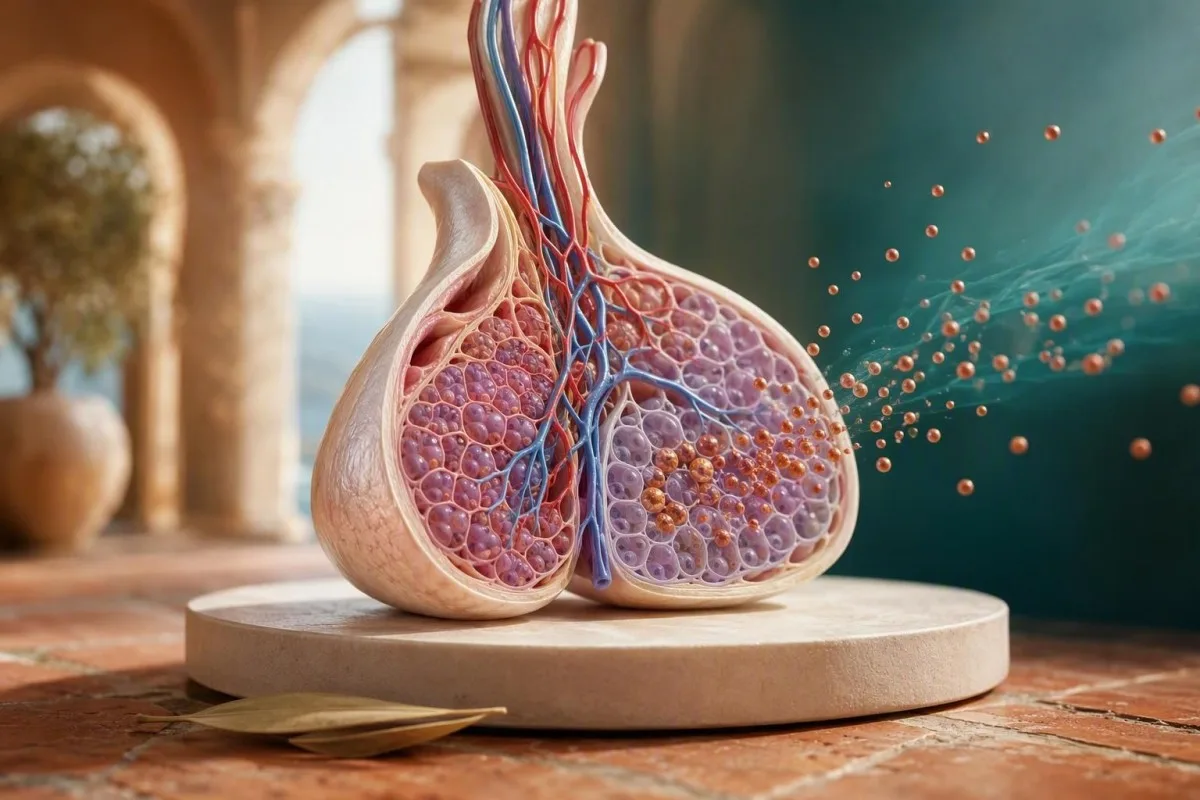
Жартылай жоғары пролактин нәтижесі жиі уақытша болады, бірақ қайталама тест шарттары мен симптомдардың сипаты оның қауіпсіз бақылауды қажет ететінін немесе эндокриндік қарауды талап ететінін анықтайды.


- Жеңіл жоғарылау әдетте есеп беруші зертхананың жоғарғы шегінен жоғары, жиі 50 нг/мл (шамамен 1060 мкА/мл) төмен болатын пролактин нәтижесін білдіреді.
- Алдымен қайталаңыз пролактин 20-50 нг/мл және көру симптомдары, қатты бас ауруы немесе етеккір немесе жыныстық функцияның елеулі өзгерістері болмаған кезде.
- Демалыс маңызды өйткені венапункция мазасыздығы, ұйқының нашарлауы, жаттығулар, емшекті стимуляциялау және өткір ауру пролактинді уақытша жоғарылатуы мүмкін.
- Дәрі-дәрмектерді шолу маңызды, өйткені антипсихотиктер, метоклопрамид, домперидон, опиоидтер, кейбір антидепрессанттар және верапамил пролактинді жоғарылатуы мүмкін.
- Макропролактинді тексеру әсіресе симптомдары аз немесе мүлдем жоқ, бірақ тұрақты жоғарылауы бар жағдайларда пайдалы; биологиялық белсенділігі төмен пролактин кешендерін анықтайды.
- 100 нг/мл-дан жоғары деңгейлер дәрі-дәрмектер кейде бұл диапазонға мәндерді тудыруы мүмкін болса да, неғұрлым жедел эндокриндік бағалауды талап етеді.
- шұғыл түрде қайта қарау жаңа қатты бас ауруы, көрудің төмендеуі, көру симптомдарымен жүктілік немесе кенеттен неврологиялық өзгеріс үшін қажет.
- Мәтін бір санды білдіреді: жүктілік мәртебесі, қалқанша безінің қызметі, бүйрек қызметі, дәрі-дәрмектерді қабылдау уақыты және бұрынғы көрсеткіштер интерпретацияны өзгертеді.
Жартылай жоғары пролактин нәтижесінің әдеттегі мағынасы
Пролактиннің сәл жоғарылауы нені білдіреді әдетте гипофиз ауруының дәлелі емес, уақытша белгі болып табылады: 50 нг/мл-ден (шамамен 1 060 мкЕд/мл) төмен нәтиже әдетте мұқият дайындалған қайталама тестілеуге жатады. Мен доктор Томас Кляйнмін, және клиникалық шолуда нақты мәннің, симптомдардың, дәрі-дәрмектердің, жүктілік мүмкіндігінің және сынақ жағдайларының комбинациясы бір қызыл зертханалық белгіден әлдеқайда маңызды.
Көптеген зертханалар шамамен жүкті емес ересектерге сілтеме аралығын көрсетеді әйелдерде 4-23 нг/мл және ерлерде 3-15 нг/мл, бірақ әдістер әр түрлі. Әйелдерде 27 нг/мл нәтиже, зертхананың жоғарғы шегі 23 нг/мл болса, бұл шектік пролактин нәтижесі, диагноз емес; бірліктерді шамамен 1 нг/мл = 21,2 мкЕд/мл ретінде түрлендіруге болады.
Дәрігерлер бұл жағдайдың тұрақты, жоғарылап бара жатқандығына немесе етеккірдің тоқтауына, галактореяға, бедеулікке, либидоның төмендеуіне, эрекцияның қиындауына, бас ауруына немесе шеткі көрудің өзгеруіне байланысты болған кезде көбірек алаңдайды. 28 нг/мл нәтижеге қарағанда жоғары 200 нг/мл пролактин бөлетін гипофиз аденомасын көбірек көрсетеді, бірақ ешқандай шектік мән клиникалық бағалауды алмастыра алмайды.
Кантести - бұл AI қан анализінің анализаторы бұл пролактин нәтижесін қалқанша безі, бүйрек, бауыр, жүктілікке байланысты және жыныстық гормондық белгілермен қатар қарастырады, оқшауланған белгіні диагноз ретінде қарастырмайды. Зертханалық белгілер туралы сұрақтары бар оқырмандар біздің нұсқаулықты да көре алады референстен тыс нәтижелер туралы.
Зертханалар неге келіспейді
Пролактин иммундық сынақтары алмастырылмайды: екі зертхана бір күні бір адамнан әр түрлі сандарды көрсетуі мүмкін. Өзіңіздің нәтижеңіздің жанында басылған сілтеме аралығын қолданыңыз және үрдісті бақылаған кезде бір зертхананы қолдануға тырысыңыз; бұл да себебі сапарлар арасындағы нәтижелерді салыстыру адамдар ойлағаннан әлдеқайда күрделірек.
Пролактинді жоғарылата алатын уақытша себептер
Шыдамсыздық, ұйқының бұзылуы, жаттығулар, емшекті тітіркендіру, жыныстық белсенділік және жедел ауру қысқа мерзімді пролактиннің жоғарылауына әкелуі мүмкін. Қиын қатынас немесе ұйқысыз түннен кейін сәл жоғарылаған көрсеткіш емсіз қалыпты жағдайға келуі мүмкін.
Пролактин импульспен бөлінеді және ұйқы кезінде артады, шыңы көбінесе таңның ертеңгі сағаттарында болады. Сондықтан оянғаннан кейін, түнгі ауысымнан кейін немесе ауыр процедура кезінде алынған үлгі, тыныққан таңғы үлгіден кем көрсеткішті болуы мүмкін.
Менің тәжірибемде, үш сағат ұйықтағаннан кейін пролактині 34 нг/мл болатын қобалжыған 31 жастағы пациенттің, тыныш отырғаннан кейін таңғы 10-да қайталама нәтижесі қалыпты болуы мүмкін. Жақындаудан 15-30 минут бұрын тыныш отыру жедел процедуралық стресстің әсерін азайтады, және 24 сағат бойы қарқынды жаттығулардан аулақ болу маңызды.
Жақында болған қызу, ұстама, кеуде қуысының жарақаты немесе тіпті емшектің немесе кеуденің үнемі стимуляциясы пролактинді көтеруі мүмкін. Егер сіздің тестіңіз аурудан кейін жасалған болса, оны біздің қан талдауының уақыт шкаласы жөніндегі нұсқаулық, ұзақ мерзімді базалық деңгейіңізді көрсетеді деп ойламаңыз.
Пролактин тестін дұрыс қайталап өткізу
Қайталама пролактинді тыныш таңда, идеалды түрде оянғаннан кейін 2-3 сағаттан соң және 20-30 минут тыныш отырғаннан кейін алыңыз. Ашығу міндетті емес, бірақ түн бойы ашығу глюкоза немесе липидтер де өлшенген кезде қайталама панельді интерпретациялауды жеңілдетуі мүмкін.
Қайталама тестілеу үшін, алдын ала 24 сағат бойы ауыр жаттығулардан, жыныстық қатынастан, емшек стимуляциясынан және қажет емес кеуде тексеруінен аулақ болыңыз. Тағайындалған дәрі-дәрмекті өз бетіңізше тоқтатпаңыз; орнына, дәрінің атын, дозасын, соңғы дозаның уақытын және не үшін тағайындалғанын жазыңыз.
Клиницистіңізге практикалық сұраныс: қайталаңыз қан сарысуындағы пролактин, жүктілік тесті, егер қажет болса, TSH және бос T4, және креатинин немесе eGFR, себебі анық болмаса. Қалқанша без анализі маңызды, өйткені бастапқы гипотиреоз тиротропин-релиздік гормонды көтеруі және жанама түрде пролактинді арттыруы мүмкін; біздің қалқанша безді қайта тестілеу кестесін.
Қайталау уақыты әдетте 1-4 апта , әсіресе егер сіз ұйқы, цикл күні, ауру және дәрі-дәрмек жазбаларын сақтасаңыз. зертханалық көрсеткіштерді бойлай бақылауда пайдалы, әсіресе егер сіз ұйқы, цикл күні, ауру және дәрі-дәрмек жазбаларын сақтасаңыз.
Жартылай жоғары пролактинді жиі тудыратын дәрі-дәрмектер
Дофамин блокаторлары бар дәрілер пролактиннің созылмалы жеңіл-орташа жоғарылауының ең көп тараған себептерінің бірі болып табылады. Негізгі кінәлілер - антипсихотиктер мен метоклопрамид және домперидон сияқты жүрек айнуға қарсы дәрілер.
Дофамин әдетте гипофиздің пролактин бөлінуін тежейді, сондықтан дофамин D2 рецепторларын блоктайтын дәрілер деңгейін айтарлықтай арттыруы мүмкін. Рисперридон, амисульприд, галоперидол, метоклопрамид және домперидон жиі кездесетін мысалдар; опиоидтер, верапамил және кейбір SSRI-лер кішігірім әсер етуі мүмкін.
Дәрі-дәрмекке байланысты деңгейлер әртүрлі: рисперидон пролактинді 100 ng/mL, ал SSRI-ге байланысты жоғарылау тек 25-40 нг/мл болуы мүмкін. Дәріні жай тоқтатпауымыздың себебі - психоздың, ауыр жүрек айнудың, ауырсынудың немесе депрессияның қайталануы бірден үлкен қауіп төндіруі мүмкін.
Kantesti AI — бұл AI зертханалық талдау интерпретациясы қызметінде жарияланады гормон нәтижесі белгіленген кезде дәрі-дәрмек контекстін сұрайды, бірақ оның интерпретациясы дәріні не үшін бастағанын білетін дәрігерді алмастыра алмайды. Егер гормонға байланысты симптомдар болса, біздің гормондық панель нұсқаулығы клиницистер әдетте қандай қосымша нәтижелерді тексеретінін түсіндіреді.
Жүктілік, емшекпен қоректендіру және қалыпты физиологиялық жоғарылаулар
Жүктілік және бала емізу пролактинді жүкті емес адамдарға арналған сілтеме диапазондарынан әлдеқайда жоғары көтеруі мүмкін және олар әдеттегі 3-23 нг/мл аралықты қолданып талқыланбайды. Сондықтан жүкті болуы мүмкін кез келген адамда түсініксіз жоғарылау үшін жүктілік тесті – ерте және маңызды қадам болып табылады.
Жүктілік кезінде пролактин әдетте прогрессивті түрде жоғарылайды 100-300 нг/мл жатырдың кеш кезеңіндегі диапазонына дейін, ал емізу аралық жоғарылауларды сақтайды. Нақты мән сүт өндірісін сенімді түрде өлшемейді, сондықтан бала емізетін адамда санды қуу сирек пайдалы.
Құрамында эстроген бар дәрі-дәрмектер және қалыпты етеккір циклі кішігірім үлес қоса алады, бірақ олар жалғыз өзі үлкен тұрақты жоғарылауды сирек түсіндіреді. Цикл уақыты эстрадиол және прогестерон сияқты байланысты гормондарды да күрделендіруі мүмкін; біздің менопауза кезіндегі эстрадиол ауытқуын түсіндіруіміз неге бір жыныстық гормон нәтижесі сирек бәрін шешетінін көрсетеді.
Балалы болуға тырысқан адамда тұрақты гиперпролактинемия гонадотропин-рилизинг гормонын басу арқылы овуляцияға кедергі келтіруі мүмкін. Бұл етеккір сирек болған кезде, сан тек 35-60 нг/мл болса да, клиникалық маңызды.
Қалқанша безі, бүйрек, бауыр және кеуде қуысының себептері
Алғашқы гипотиреоз, бүйрек клиренсінің төмендеуі, созылмалы бауыр ауруы және кеуде қабырғасының стимуляциясы гипофизарлық өсіксіз пролактинді көтеруі мүмкін. Бұл себептер әдетте анамнез және миды кескіндеуді қарастырмас бұрын мақсатты зертханалық тесттердің шағын жиынтығы арқылы анықталады.
Алғашқы ашық гипотиреоз жиі бос T4 төмен болғанда TSH жоғары, көрсетеді, ал левотироксинмен түзету бірнеше аптадан айларға дейін пролактинді қалыпқа келтіруі мүмкін. Орталық гипотиреоздың басқаша сипаттамасы бар, сондықтан TSH қалыпты болса да, еркін T4 төмен болған кезде сұрақ шешілмейді; біздің нұсқаулығымызды оқыңыз қалыпты TSH бар төмен еркін T4.
Созылмалы бүйрек ауруы клиренстің төмендеуі және дофамин реттелуінің өзгеруі арқылы пролактинді жоғарылатуы мүмкін; eGFR 60 мл/мин/1.73 м² төмен болса, бұл түсініктеме неғұрлым ықтимал болады. Бауыр ауруы оқшауланған себеп ретінде сирек кездеседі, бірақ синтетикалық дисфункция және жыныстық гормондардың өзгеруі ықпал етуі мүмкін.
Кеудедегі белдеме, кеуде операциясы, күйіктер және механикалық тітіркену сезімтал нерв кірісі рефлекторлық жолды стимулдауы мүмкін болғандықтан, пролактиннің жоғарылауына себеп болды. Бұл дәрігердің тері бөртпесі немесе гормон нәтижесімен байланыссыз көрінетін операция туралы сұрауының бір себебі.
Макропролактинді тестілеу қашан ақылға қонымды келесі қадам болып табылады
Макропролактин тестілеу пролактин жоғарылап, бірақ симптомдар болмаған немесе нәтижеге сәйкес келмеген кезде ең пайдалы. Макропролактин әдетте иммуноглобулинмен байланысқан пролактин болып табылады және рецепторларға нашар жеткендіктен биологиялық белсенділігі аз.
Көптеген кәдімгі сынақтар макропролактинді пролактин ретінде санайды, бұл қалыпты етеккірі, галактореясы жоқ және фертильділік немесе жыныстық симптомдары жоқ адамда жоғары нәтиже береді. Зертханалар әдетте полиэтиленгликольді тұндырумен скрининг жасайды; мономерлі пролактиннің төмен қалпына келуі макропролактинемияны қолдайды.
Эндокриндік қоғамының нұсқаулығы асимптоматикалық гиперпролактинемияда макропролактинді тексеруді ұсынады, өйткені бұл қажетсіз кескіндеу мен емдеуді болдырмайды (Melmed et al., 2011). Жарияланған таралу бағалары сынақ пен жіберілген популяция бойынша айтарлықтай өзгереді, бірақ макропролактин шамамен 10-25% жоғарылаған пролактинге бағаланған адамдарда кездеседі.
Макропролактин емес, шын мәнінде бар симптомдарды жоққа шығаруға себеп бола алмайды; адамда макропролактин мен басқа эндокриндік мәселелер болуы мүмкін. Анықтаудың кеңірек қиындықтары туралы біздің мақаламызда сапалық және сандық сынақтар туралы нұсқаулығымыз пайдалы қосымша болады.
Жоғарылауы сақталған кезде дәрігерлер нені тексереді
Егер қатысты болса, жүктілік тесті, дәрі-дәрмектерді қарау, TSH/бос T4, бүйрек функциясы және макропролактин арқылы ұдайы пролактин жоғарылауын растап, бағалау қажет, бұл гипофиз ауруын болжау алдында. Бірдей диапазондағы қайталау нәтижесі жалғыз оқшауланған нәтижеден гөрі ақпараттырақ.
Менструальдық мерзімдер, сүт бөлінуі, либидо, эректильді функция, бедеулік, көрудің өзгеруі, бас аурулары, құрысулар, кеудедегі симптомдар және әрбір рецепт, рецептсіз сатылатын және рекреациялық заттар туралы сұрақ қою. Менің 15 жылдық клиникалық тәжірибемде, дәрі-дәрмектер тізімі жиі жоғалып кеткен белгі болып табылады - әсіресе психоневрологиялық немесе гастроэнтерологиялық рецептті білмейтін клиницист зертханаға тапсырыс бергенде.
Пролактин 50-100 нг/мл қалыпты қалқанша және бүйрек функциясымен, дәрі-дәрмектермен түсіндірілмей, және макропролактинсіз, әдетте эндокринологияның араласуын талап етеді. Серри мен әріптестерінің клиникалық басқаруды шолуы суретке түсіру алдында физиологиялық және фармакологиялық себептерді анықтауды баса көрсетеді (Serri et al., 2003).
Кантештидікі медициналық валидация стандарттары үлгіге негізделген интерпретацияны қолдайды, бірақ қалыптан тыс нәтижелерді клиницист және есеп беруші зертхана арқылы растау қажет. Нәтижелердің нақты хронологиясын әкелу, әдетте, үлкен мақсатсыз гормон панелін қайталаудан гөрі пайдалырақ.
Қашан пролактинді уайымдап, шұғыл қарауды сұрау керек
Жаңа көру симптомдары, қатты немесе тез нашарлап бара жатқан бас ауруы, неврологиялық өзгерістер немесе айқын ұдайы пролактиннің жоғарылауы жедел медициналық бағалауды талап етеді. МРТ әдеттегі қайтымды себептер жойылғаннан кейін немесе симптомдар оптикалық жолдарға жақын қысымды көрсеткенде қарастырылады.
Стресстен кейін 29 нг/мл жалғыз мәні үшін гипофиз МРТ автоматты түрде қажет емес. Түсініксіз ұдайы жоғарылауымен, пролактин жоғары болғанда бұл неғұрлым қолайлы 100 ng/mL, аменорея немесе гипогонадизм, немесе гипофиз массасының симптомдары; мәндер жоғары 200 нг/мл пролактинома ықтималдығын арттырады.
Көру бұзылыстарымен, құсумен, шатасумен, әлсіздікпен немесе естен танумен бірге кенеттен қатты бас ауырса, сол күні клиникалық кеңес алыңыз. Бұл белгілер қарапайым гипепролактинемияда сирек кездеседі, бірақ олар маңызды, өйткені гипофиз апоплексиясы және басқа неврологиялық ауруларды жедел түрде жоққа шығару қажет.
Шеткі көру жоғалуы жиі байқалмай басталады, сондықтан адамдар айқын соқырлықты емес, есік жақтауларына соғылысатынын сипаттайды. Біздің егжей-тегжейлі шолуымыз жоғары пролактин симптомдары қай симптомдар комбинацияларына кәдімгі қайта тестілеуді күтуге болмайтынын түсіндіреді.
Етеккір, бедеулік және сүйек денсаулығы: симптомдар жоспарды қалай өзгертеді
Пролактиннің аздап жоғарылауы, егер ол етеккірді, овуляцияны, фертильділікті немесе эстрогенге ұшырауды бұзса, маңыздырақ. Гормон, айқын сүт бөлінуі болмаса да, ұдайы овуляция үшін қажет репродуктивті сигналды баса алады.
Олигоменорея циклдардың ұзақтығын білдіреді 35 күннен, ал аменорея етеккір қан кетуінің болмағанын білдіреді 3 айдан бұрын ретті болған адамда; егер пролактин жоғары болса, кез келгені клиникалық бағалауды талап етеді. Жүктілік тесті бірінші орында, өйткені ерте жүктілік гипофиз бұзылыстарынан әлдеқайда жиі кездеседі.
Бірнеше ай бойы эстрогеннің төмен болуы сүйек тығыздығын азайтуы мүмкін, әсіресе гипепролактинемия аменорея тудырған кезде. Мұндағы міндет - қоспаларды соқыр түрде бастау емес, себебін анықтап, тиісті гормондық функцияны қалпына келтіру; емделуді ойластырып жүрген әйелдер қарай алады HRT алдындағы базалық тесттер.
Галакторея – бұл жүктілікке немесе емізуге байланыссыз сүт тәрізді бөлініс, бірақ ол жоғары пролактин үшін қажетті де, жеткілікті де емес. Қалыпты пролактин нәтижесі сүт безінің жергілікті себебін жоққа шығармайды, ал жоғары нәтиже бөліністі автоматты түрде қауіпті етпейді.
Ерлердегі жартылай жоғары пролактин: елеусіз қалған белгілер
Ерлердегі тұрақты жоғары пролактин либидоны төмендетуі, эрекцияны нашарлатуы, тестостеронды азайтуы және кейде фертильділікке әсер етуі мүмкін. Нәтиже пролактинмен ғана емес, тиісті түрде уақытында алынған таңертеңгілік тестостерон панелімен бірге бағалануы керек.
Сексуалды симптомдары бар ерлер үшін дәрігерлер жиі жалпы тестостеронды өлшейді 7 мен 11 аралығында., қажет болғанда SHBG және есептелген еркін тестостеронмен бірге. Пролактин гонадотропиндерді баса алады, бұл төмен немесе сәйкессіз түрде қалыпты LH және FSH-ті төмен тестостеронмен бірге тудырады.
Пролактині 31 нг/мл және шекті төмен тестостероны бар 42 жастағы ер адамда ұйқының нашарлауы, семіздік, дәрі-дәрмек әсері немесе гипофиз дисфункциясы болуы мүмкін – бұл жерде бірден-бір қысқа жол жоқ. Біздің түсіндірмесіз төмен бос тестостерон SHBG жалпы мәнді қалай радикалды түрде өзгертетінін көрсетеді.
Кантести - бұл AI биомаркерлерін түсіндіру платформасы пролактинді тестостеронмен, LH, FSH, TSH және бұрынғы нәтижелермен салыстыруға болатын, бірақ бұл ешқашан гипофиздік ойықты диагностикалау үшін қолданылмауы керек. Тұрақты симптомдар пролактиннің көтерілуі шамалы болған кезде де, бастапқы медициналық көмекке немесе эндокриндік консультацияға жатады.
Анализ мәселелері: биотин, ілмек әсері және жалған нәтиже
Зертханалық араласу сирек кездеседі, бірақ пролактин саны симптомдармен немесе МРТ нәтижелерімен მკვეთრად сәйкес келмегенде ескерілуі керек. Биотин әдетте пролактинге қарағанда басқа эндокриндік иммундық-химиялық талдауларға көбірек әсер етеді, бірақ әрбір қоспа зертханалық сұраныс тарихында болуы керек.
Жоғары дозалы ілмек әсері өте үлкен пролактинома өте жоғары гормон концентрацияларын тудырғанда, екі сайтты талдауды шамадан тыс жүктегенде, жалған төмен пролактин нәтижесін беруі мүмкін. Егер МРТ үлкен гипофиз ісігін көрсетсе, бірақ пролактин тек аздап көтерілген болса, зертхана үлгіні сұйылтып, талдауды қайталауы мүмкін.
Биотин дозаларының 5-10 мг– шаш және тырнақ өнімдерінде жиі кездеседі – таңдалмалы стрептавидин-биотин талдауларына араласуы мүмкін. Дәрігерге және зертханаға қоспалар туралы айтыңыз және оларды тоқтату бойынша жергілікті зертхананың кеңесіне жүгініңіз; біздің қан сынақтары алдындағы қоспалар нұсқаулығы бұл неге бәріне бірдей ереже емес екенін түсіндіреді.
Гетерофилді антиденелер жалған иммундық-химиялық талдау нәтижелерінің тағы бір сирек кездесетін көзі болып табылады, әсіресе мәндер клиникалық көрініспен үйлеспеген кезде. Басқа зертханада қайталау немесе балама талдау әдісін қолдану пациентті артық сканерлеуге ұшыратпай, белгісіздікті шеше алады.
Арнайы жағдайлар: жасөспірімдер, менопауза және антипсихотикалық емдеу
Жасы, менопауза мәртебесі және дофамин блокаторының дәрі-дәрмек себебі әрекет ету шегін өзгертеді. Бірдей пролактин мәні 16 жасар кеш басталған пубертатты, емізетін ата-ананы және антипсихотикалық ем қабылдайтын 62 жасар адам үшін әртүрлі мағынаны білдіруі мүмкін.
Жасөспірімдерге балалар немесе жасөспірімдер эндокриндік интерпретациясы қажет, себебі пубертат, етеккірдің орнығуы және өсу клиникалық контекстті өзгертеді. Балалардағы пролактин тестілеуі сирек кездесетін скринингтік тест болып табылады және белгілі бір симптомға немесе дәрі-дәрмекке қатысты сұраққа байланысты болуы керек.
Менопаузадан кейін пролактиннің жоғарылауы қалыпты циклдік өзгерістермен түсіндірілмейді, сондықтан тұрақты мәндер дәрі-дәрмек пен эндокриндік шолуға жатады. Менопауза симптомдары қалқанша безі мен пролактин симптомдарымен сәйкес келуі мүмкін; біздің нұсқаулығымыз менопаузадан кейінгі FSH-пен күтілетін өзгерістерді күтілмеген үлгілерден ажыратуға көмектеседі.
Антипсихотикалық-ассоциацияланған гиперпролактинемияны басқару психикалық денсаулықты тағайындаушымен бөлісу керек. Нұсқалар бақылауды, дозаны түзетуді немесе дәрі-дәрмектерді ауыстыруды қамтуы мүмкін, бірақ каберголин сияқты дофамин агонистері сезімтал адамдарда психиатриялық симптомдарды нашарлатуы мүмкін және кездейсоқ қосымшалар болып табылмайды.
Дәрігер пайдалана алатын пролактин трендін қалай жазуға болады
Пайдалы пролактин тренді нәтижені, зертханалық диапазонын, сынама алу уақытын, ұйқы, цикл немесе жүктілік жағдайын, ауруды және дәрі-дәрмектерді жазады. Түрлі жағдайларда алынған үш мән, үнемі алынған екі мәннен кем пайдалы болуы мүмкін.
Нақты бірліктерді жазыңыз, себебі ng/mL және mIU/L түрлендірусіз тікелей салыстыруға болмайды, және зертханалық анықтамалық интервалды сақтаңыз. Соңғы 24 сағат ішінде жаттығу жасағаныңызды, аш болғаныңызды, емізгеніңізді, жыныстық қатынасқа түскеніңізді, дәрі-дәрмек қабылдағаныңызды немесе нашар ұйықтағаныңызды атап өтіңіз.
Kantesti AI, AI арқылы қуаттандырылған қан талдауын жүргізу құралы, тарихи есептерді ұйымдастыра алады және шамамен 60 секунд ішінде зертханалық панельдерде өзгеретін нәтижелерді көрсете алады, бірақ түпнұсқалы PDF және зертханалық диапазоны жазбаның дереккөзі болып қала береді. Біздің зертханалық нәтиже трекері үшін чек-лист жалған тренд дабылдарын болдырмайтын практикалық мәліметтерді тізімдейді.
Егер сіз нәтижелерді отбасы мүшесімен немесе дәрігермен бөліссеңіз, келісім мен қол жеткізуді бақылауда ұстаңыз. Үй жағдайларындағы жазбаларды басқаратын адамдар біздің кеңестерімізді гормон нәтижесін отбасылық диагнозға айналдырмай отбасылық нәтижелерді қауіпсіз бөлісу пайдалана алады.
Жартылай пролактин нәтижесінен кейін 2026 жылға арналған практикалық жол
28 тамыз 2026 жылдан бастап, практикалық жол - стандартты жағдайларда кездесетін жеңіл күтпеген нәтижені растау, қайтымды себептерді тексеру, симптомдарсыз жоғарылау болған кезде макропролактинді сұрау және деңгейлер немесе симптомдар көрсетілген кезде жолдау. Бұл тәсіл қажетсіз МРТ сканерлеулерін де, өткізіп алған эндокриндік ауруларды да болдырмайды.
Пролактин үшін 50 нг/мл, ешқандай қауіпті белгілерсіз және айқын уақытша себеп болған кезде, ұйқы мен демалыс қалыпқа келгеннен кейін 1-4 апта ішінде қайталаңыз. 50-100 нг/мл болатын созылмалы жағдайлар үшін дәрі-дәрмектерді, жүктілік мәртебесін, TSH/еркін T4, GFR, және макропролактинді қараңыз; 100 нг/мл жоғары немесе алаңдатарлық симптомдар болған жағдайда, жедел эндокриндік бағалауды ұйымдастырыңыз.
Доктор Томас Клейннің практикалық ережесі қарапайым: пролактиннің неге жоғарылағанын білмей тұрып, оны қоспалармен төмендетуге тырыспаңыз. Біздің клиницистер мен рецензенттер Медициналық консультативтік кеңес, сипатталған стандарттар бойынша жұмыс істейді, және оқырмандар біздің AI технологиясы бойынша нұсқаулық.
олардың қалай жұмыс істейтінін көре алады. Темірді зерттеу бойынша нұсқаулық: TIBC, темірдің қанығуы және байланыстыру қабілеті және aPTT қалыпты диапазоны: D-димер, С ақуызы қан ұюына арналған нұсқаулық; бұл пролактин бойынша нұсқаулар емес, бірақ олар зертханалық мәнді оның тестілеу контекстінде түсіндірудің сол принципін сипаттайды. Ашықтық үшін ресми жарияланым сілтемелері төменде келтірілген.
Жиі қойылатын сұрақтар
Шектес пролактин деңгейі нені білдіреді?
Шектес пролактин деңгейі әдетте зертхананың жоғарғы сілтеме шегінен сәл ғана жоғары, көбінесе шамамен 25-50 нг/мл болатын нәтижені білдіреді. Стресс, жақында жасалған жаттығу, ұйқының нашарлауы, сүт бездерінің тітіркенуі, жедел ауру және дәрі-дәрмектер осы деңгейдегі жоғарылауға себеп болуы мүмкін. Күтпеген шектес нәтижесі бар және қызыл тулы симптомдары жоқ адамдардың көпшілігіне кескіндеу немесе емдеу қарастырылмай тұрып, тыныш таңертеңгі жағдайда тестті қайталау керек. Зертханалық диапазонды және әдетте нг/мл немесе мМЕ/л болатын бірліктерді нақты мәнімен қарастыру қажет.
Пролактинім 30 нг/мл болса, алаңдауым керек пе?
30 нг/мл пролактин деңгейі жүкті емес ересектерге арналған көптеген зертханалық нормаларда шамалы жоғары болып саналады және әдетте өзіндік төтенше жағдай болып табылмайды. Клиницист жүктілікті, дәрі-дәрмектерді, ұйқыны, стрессті, қалқанша безінің қызметін, бүйрек функциясын, симптомдарды және үлгінің тынышталғаннан кейін алынған-алмағанын ескереді. Егер қатты бас ауруы, көрудің өзгеруі немесе етеккір циклінің немесе жыныстық функцияның айтарлықтай бұзылуы болмаса, нәтижені 1-4 аптадан кейін қайталау әдетте қолайлы. Тұрақты жоғарылауы макропролактинді тестілеуге және эндокриндік шолуға негіз болуы мүмкін.
Қан анализінде үрей пролактинді көтере ала ма?
Иә, үлгіні жинауға байланысты мазасыздық уақытша пролактинді жоғарылатуы мүмкін, себебі пролактин физикалық және эмоционалдық стресске жауап береді. Жинау алдында 20-30 минут тыныш отыру және оянғаннан кейін 2-3 сағаттан соң тексеру қайталама нәтиженің неғұрлым өкілді болуын қамтамасыз етеді. Қарқынды жаттығулар, жыныстық қатынас және емшек стимуляциясын 24 сағат бойы болдырмауға тырысу, болдырмауға болатын өзгерістерді азайтады. Жай мазасыздық қана, дұрыс жиналған қайталама үлгілерде жоғары күйде қалатын нәтижені түсіндіреді деп есептелмеуі керек.
Макропролактинді қашан анықтау керек?
Макропролактинді пролактинді қайталап тексергенде жоғары болған жағдайда, бірақ әдеттегі симптомдар жоқ немесе жеңіл болса, ескеру қажет. Макропролактин иммуноглобулинмен байланысқан пролактиннен тұрады, ал әдеттегі сынақтар оның төмен биологиялық белсенділігіне қарамастан оны санауы мүмкін. Зертханалар белсенді мономерлік фракцияны бағалау үшін көбінесе полиэтиленгликоль тұндыруын қолданады. Тестілеу, әсіресе 25-100 нг/мл диапазонындағы тұрақты мәндерде, қажетсіз гипофиз МРТ-сін немесе емдеуді болдырмайды.
Қандай пролактин деңгейі гипофиз ісігін көрсетеді?
Гипофиз ісігін анықтау үшін бір ғана пролактин деңгейі жеткіліксіз, бірақ 100 нг/мл-ден жоғары тұрақты деңгейлер дәрі-дәрмектер мен басқа да себептер тексерілгеннен кейін эндокриндік бағалау қажеттілігін арттырады. 250 нг/мл-ден жоғары деңгейлер пролактин бөлетін гипофиз аденомасына көбірек ұқсайды, дегенмен дофамин блокаторлары кейде айтарлықтай жоғарылауы мүмкін. МРТ шешімдері бас ауруына, көру симптомдарына, етеккір немесе жыныстық дисфункцияға, сондай-ақ қалқанша безі, жүктілік, бүйрек және макропролактин сынағының нәтижелеріне байланысты. 25-40 нг/мл деңгейінің өзіндік мәнінде ірі гипофиз ісігіне қарағанда әлдеқайда жиі өтетін немесе екіншілік болады.
Пролактинді бірден жоғарылағанда табиғи жолмен төмендетуге бола ма?
Сұраныс жоғары пролактинді дәрі-дәрмектермен емдеуді бастамас бұрын нәтижені растап, себебін анықтау керек. Жақсы ұйықтау, қайталап сынақ алдында қарқынды жаттығулардан аулақ болу және қоршаған стрессті азайту уақытша көтерілуді бұрмалауын болдырмауға көмектеседі, бірақ олар жедел дәрі-дәрмектермен, қалқанша безімен, бүйрекпен немесе гипофизбен байланысты гиперпролактинемияны емдемейді. Қабылдап жүрген дәрігердің кеңесінсіз антипсихотиктерді, жүрек айнымалыға қарсы препараттарды, опиоидтерді немесе антидепрессанттарды тоқтатпаңыз. Ең дұрыс келесі қадам - дұрыс дайындалған қайталама сынақ және мақсатты клиникалық қарау.
Бүгін AI арқылы қан талдауы нәтижесін алыңыз
Kantesti-ті лезде әрі дәл зертханалық талдау үшін сенетін бүкіл әлем бойынша 2 миллионнан астам пайдаланушыға қосылыңыз. Қан анализінің нәтижелерін ж.үктеп, бірнеше секунд ішінде 15,000+ биомаркерлерінің жан-жақты түсіндірмесін алыңыз.
📚 Сілтеме жасалған ғылыми жарияланымдар
Кляйн, Т., Митчелл, С., & Вебер, Х. (2026). Темірді зерттеу бойынша нұсқаулық: TIBC, темірдің қанығуы және байланыстыру қабілеті. Kantesti AI медициналық зерттеулер.
Кляйн, Т., Митчелл, С., & Вебер, Х. (2026). aPTT қалыпты диапазоны: D-димер, С ақуызы қан ұюына арналған нұсқаулық. Kantesti AI медициналық зерттеулер.
📖 Сыртқы медициналық сілтемелер
Serri O et al. (2003). Гиперпролактинемияны диагностикалау және басқару. CMAJ.
Gibney J et al. (2005). Макропролактинді кездейсоқ тексерудің клиникалық тәжірибеге әсері. Клиникалық эндокринология және метаболизм журналы.
⚕️ Медициналық ескерту
Бұл мақала тек білім беру мақсатында ғана және медициналық кеңес болып табылмайды. Диагноз және ем туралы шешімдер үшін әрдайым білікті медицина қызметкеріне жүгініңіз.
E-E-A-T сенім сигналдары
Тәжірибе
Дәрігер басқаратын зертханалық талдауды түсіндіру жұмыс ағындарын клиникалық шолу.
Сараптама
Биомаркерлердің клиникалық контексте қалай әрекет ететініне зертханалық медицина фокусы.
Билік
Доктор Томас Клейн жазған, доктор Сара Митчелл және профессор доктор Ханс Вебер шолған.
Сенімділік
Дабыл қаупін азайту үшін айқын бақылау жолдарымен дәлелге негізделген түсіндіру.