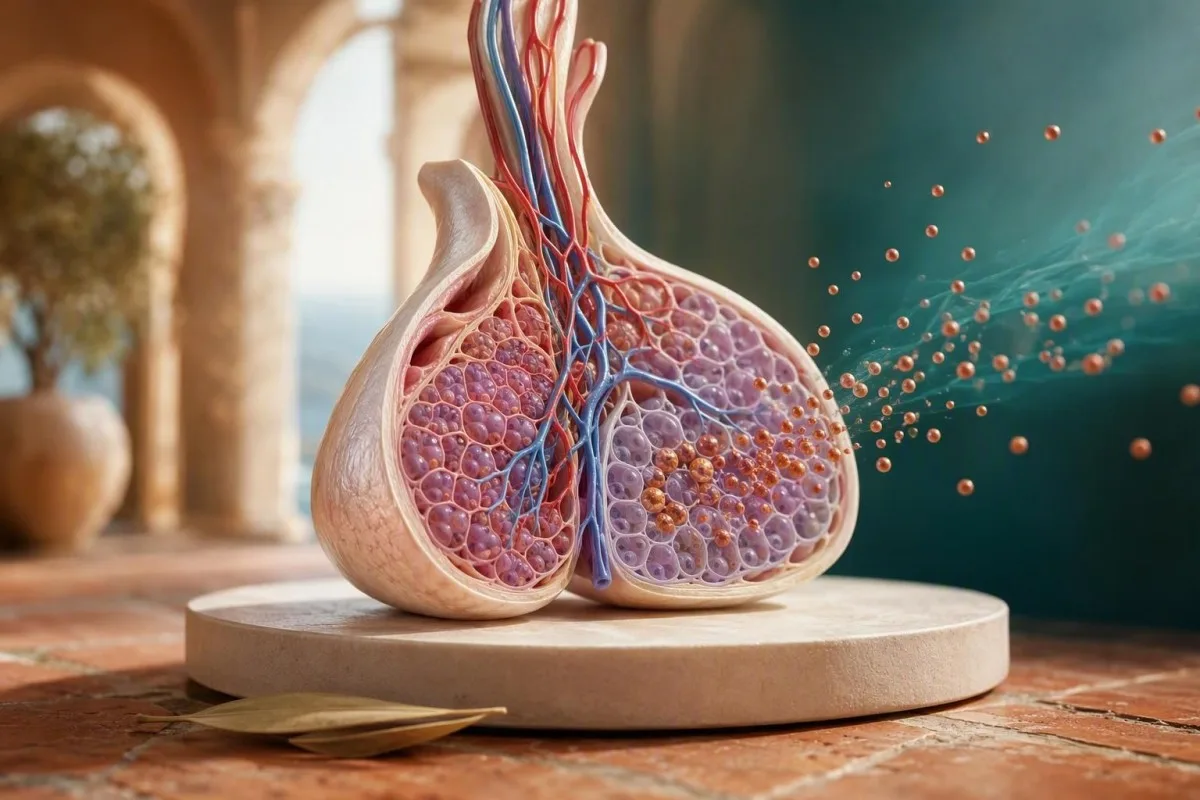
Rezultat prolaktina na graničnoj vrednosti je često privremen, ali uslovi ponovljenog testiranja i obrazac simptoma određuju da li se može bezbedno pratiti ili je potreban endokrinološki pregled.


- Блага елевација obično znači rezultat prolaktina neznatno iznad gornje granice referentne laboratorije, često ispod 50 ng/mL (oko 1.060 mIU/L).
- Поново прво kada je prolaktin 20-50 ng/mL i nema vizuelnih simptoma, jakih glavobolja ili značajnih promena menstruacije ili seksualne funkcije.
- Odmor je bitan jer anksioznost zbog uzimanja krvi iz vene, loš san, vežbanje, stimulacija dojki i akutna bolest mogu prolazno povisiti prolaktin.
- Преглед терапије je esencijalno jer antipsihotici, metoklopramid, domperidon, opioidi, neki antidepresivi i verapamil mogu povisiti prolaktin.
- Testiranje makroprolaktina je posebno koristan za perzistentno povišenje sa malo ili bez tipičnih simptoma; identifikuje biološki manje aktivne komplekse prolaktina.
- Nivoi iznad 100 ng/mL zaslužuju bržu endokrinološku procenu, iako lekovi ponekad mogu dati vrednosti u tom opsegu.
- Хитна провера je potreban kod nove jake glavobolje, smanjenog perifernog vida, trudnoće sa vizuelnim simptomima ili iznenadne neurološke promene.
- Kontekst utiče na broj: status trudnoće, funkcija štitne žlezde, bubrežna funkcija, tajming uzimanja lekova i prethodne vrednosti menjaju tumačenje.
Šta obično znači granična vrednost prolaktina
Blago povišen prolaktin – značenje je obično privremeni signal, a ne dokaz stanja hipofize: rezultat ispod 50 ng/mL (otprilike ispod 1.060 mIU/L) obično zahteva pažljivo pripremljen ponovljeni test. Ja sam dr Tomas Klajn, i u kliničkom pregledu, kombinacija tačne vrednosti, simptoma, lekova, mogućnosti trudnoće i uslova uzorkovanja je mnogo važnija od jedne crvene laboratorijske zastavice.
Većina laboratorija navodi referentni interval za odrasle koji nisu trudni od oko 4-23 ng/mL kod žena и 3-15 ng/mL kod muškaraca, ali metode se razlikuju. Vrednost od 27 ng/mL kod žene čija je gornja laboratorijska granica 23 ng/mL je granični rezultat prolaktina, a ne dijagnoza; jedinice se mogu približno konvertovati kao 1 ng/mL = 21,2 mIU/L.
Kliničari postaju zabrinutiji kada je povišenje uporno, raste ili je praćeno izostankom menstruacije, galaktorejom, neplodnošću, smanjenim libidom, erektilnom disfunkcijom, glavoboljom ili promenom periferne vida. Vrednost preko 200 нг/мЛ je sugestivnija za adenom hipofize koji luči prolaktin nego vrednost od 28 ng/mL, iako nijedan prag ne zamenjuje kliničku procenu.
Кантести је АИ анализатор крви koji postavlja rezultat prolaktina pored tragova povezanih sa štitnom žlezdom, bubrezima, jetrom, trudnoćom i polnim hormonima, umesto da se izolovani pokazatelj tretira kao dijagnoza. Čitaoci koji nisu sigurni u laboratorijske pokazatelje takođe mogu pogledati naš vodič za rezultate van referentnog opsega.
Zašto se laboratorije ne slažu
Imunoeseji prolaktina nisu zamenljivi: dve laboratorije mogu prijaviti malo drugačije brojeve od iste osobe istog dana. Koristite referentni interval odštampan pored vašeg rezultata i, kada pratite trend, pokušajte da koristite istu laboratoriju; ovo je takođe razlog zašto poređenje rezultata između poseta zahteva više pažnje nego što ljudi očekuju.
Privremeni uzroci koji mogu povisiti prolaktin
Stres, poremećaj sna, vežbanje, stimulacija bradavica, seksualna aktivnost i akutne bolesti mogu izazvati kratkotrajni porast prolaktina. Благо повишен резултат након тешке вожње или неспаване ноћи може се нормализовати без лечења.
Пролактин се ослобађа у пулсовима и расте током спавања, са врхунцем који се често јавља у раним јутарњим сатима. Узорак ухваћен убрзо након буђења, након ноћне смене или током болног поступка стога може бити мање репрезентативан од узорка ухваћеног ујутру након одмора.
По мом искуству, анксиозни 31-годишњи пацијент са пролактином од 34 ng/mL након три сата сна често има нормалан поновљени резултат у 10 ујутру, након тихог седења. Одмор од 15-30 минута пре узимања умањује ефекат акутног стреса поступка, а избегавање интензивног тренинга током 24 сата је разумно.
Недавна грозница, напад, повреда грудног коша, или чак упорна стимулација груди или дојке могу повећати пролактин. Ако је ваш тест уследио након болести, упоредите га са принципима временског распореда у нашем vodič za hronologiju krvnih testova, уместо да претпоставите да број одражава вашу дугорочну основну вредност.
Kako pravilno ponoviti test prolaktina
Поновите тест пролактина у мирно јутро, идеално 2-3 сата након буђења и након 20-30 минута тихог седења. Пост није универзално потребан, али пост преко ноћи може олакшати интерпретацију поновљеног панела када се мере и глукоза или липиди.
За поновни тест, избегавајте напорне вежбе, секс, стимулацију груди и небитне прегледе грудног коша 24 сата унапред. Немојте сами прекидати прописане лекове; уместо тога, забележите назив лека, дозу, време последње дозе и зашто је прописан.
Практичан захтев вашом лекару је: поновите серумски пролактин, тест на трудноћу ако је релевантан, TSH и слободни T4, и креатинин или eGFR када узрок није јасан. Тестирање штитне жлезде је важно јер примарна хипотиреоза може повећати тиротропин-ослобађајући хормон и секундарно повећати пролактин; погледајте наш распоред поновљеног тестирања штитне жлезде.
Поновно време је обично 1-4 недеље за скроман неочекиван резултат када се осећате добро, уместо следећег дана. Тренд се може јасно ухватити са longitudinalnom praćenju laboratorijskih nalaza, посебно ако чувате белешке о сну, дану циклуса, болести и лековима.
Lekovi koji često uzrokuju blago povišen prolaktin
Лекови који блокирају допамин спадају међу најчешће узроке упорног благог до умереног повишења пролактина. Кључни преступиоци су антипсихотици и лекови против мучнине као што су метоклопрамид и домперидон.
Допамин нормално сузбија ослобађање пролактина из хипофизе, тако да лекови који блокирају допаминске Д2 рецепторе могу значајно повећати нивое. Рисперидон, амисулприд, халоперидол, метоклопрамид и домперидон су чести примери; опиоиди, верапамил и неки ССРИ могу умереније допринети.
Нивои повезани са лековима варирају: рисперидон може произвести пролактин изнад 100 ng/mL, док повишење повезано са ССРИ може бити само 25-40 ng/mL. Разлог зашто не прекидамо лек је тај што релапс психозе, тешка мучнина, бол или депресија могу представљати много већи непосредни ризик.
Kantesti AI je услузи за тумачење лабораторијских тестова заснованој на AI-у који тражи контекст лекова када је хормонски резултат означен, али његова интерпретација не може заменити лекара који зна зашто је лек започет. Ако су присутни симптоми повезани са хормонима, наш vodič za hormonski panel објашњава који пратећи резултати се обично испитују од стране лекара.
Trudnoća, dojenje i normalni fiziološki porasti
Трудноћа и дојење могу повећати ниво пролактина далеко изнад референтних вредности за труднице и не тумаче се коришћењем уобичајеног интервала од 3-23 ng/mL. Тест на трудноћу је стога рани и суштински корак у необјашњивом повишењу код било кога ко би могао бити трудан.
Током трудноће, пролактин обично прогресивно расте до 100-300 ng/mL опсега у касној гестацији, а дојење одржава испрекидана повишења. Тачна вредност не мери производњу млека поуздано, тако да је праћење броја код особе која доји ретко корисно.
Лекови који садрже естроген и нормалан менструални циклус могу мало допринети, али ретко сами објашњавају велико упорно повећање. Време циклуса такође може компликовати сродне хормоне као што су естрадиол и прогестерон; наше објашњење варијабилности естрадиола у менопаузи показује зашто један резултат полних хормона ретко одговара на све.
Код особе која покушава да затрудни, упорна хиперпролактинемија може ометати овулацију сузбијањем гонадотропин-ослобађајућег хормона. То је клинички релевантно чак и када је вредност само 35-60 ng/mL, посебно када су менструације постале ретке.
Uzroci povezani sa štitnom žlezdom, bubrezima, jetrom i grudnim zidom
Примарна хипотироидизам, смањено бубрежно клиренс, хронична болест јетре и стимулација зида грудног коша могу повећати ниво пролактина без раста хипофизе. Ови узроци се обично откривају кроз историју болести и мали скуп циљаних лабораторијских тестова пре него што се разматра снимање мозга.
Очигледни примарни хипотироидизам често показује TSH са ниским слободним T4, а корекција левотироксином може нормализовати пролактин током недеља до месеци. Централни хипотироидизам има другачији образац, тако да нормалан TSH не решава увек питање када је слободни Т4 низак; прочитајте наш водич за ниском слободном Т4 са нормалним TSH.
Хронична болест бубрега може повишити пролактин кроз смањено клиренс и измењену регулацију допамина; eGFR испод 60 mL/min/1.73 m² чини ово објашњење вероватнијим. Болест јетре је мање честа изолована појава, али дисфункција синтезе и промене полних хормона могу допринети.
Херпес зостер на грудном кошу, операција грудног коша, опекотине и упорна механичка иритација су повезани са повишењем пролактина јер улазни сензорни нервни импулси могу стимулисати рефлексни пут. Ово је један од разлога зашто лекар поставља питање о осипу или операцији која изгледа неповезана са резултатом хормона.
Kada je testiranje na makroprolaktin razuman sledeći korak
Тестирање на макропролактин је најкорисније када ниво пролактина остаје повишен, али симптоми изостају или нису пропорционални резултату. Макропролактин је обично пролактин везан за имуноглобулин и има мању биолошку активност јер слабо досеже рецепторе.
Многе рутинске анализе броје макропролактин као пролактин, стварајући привидно висок резултат код некога са редовним менструацијама, без галактореје и без проблема са фертилитетом или сексуалних симптома. Лабораторије обично врше скрининг преципитацијом полиетилен гликолом; низак опоравак мономерног пролактина подржава макропролактинемију.
Смернице Ендокриног друштва препоручују проверу макропролактина код асимптоматске хиперпролактинемије јер може спречити непотребно снимање и лечење (Melmed et al., 2011). Објављене процене преваленције знатно се разликују у зависности од анализе и популације за упућивање, али макропролактин се јавља код отприлике 10-25% особа које се процењују због повишеног пролактина.
Makroprolaktin nije razlog za odbacivanje simptoma koji su stvarno prisutni; osoba može imati makroprolaktin uz drugi endokrini problem. Za šire zamke testiranja, naš članak o kvalitativnim u poređenju sa kvantitativnim testovima је користан пратилац.
Šta lekari proveravaju kada povišenje perzistira
Perzistentno povišenje prolaktina treba potvrditi i proceniti testom na trudnoću kada je relevantno, pregledom lekova, TSH/slobodni T4, bubrežnom funkcijom i makroprolaktinom pre pretpostavke bolesti hipofize. Ponovljeni rezultat u istom opsegu je informativniji od pojedinačnog izolovanog rezultata.
Fokusirani anamneza obuhvata pitanje o vremenu menstruacije, izlučivanju mleka, libida, erektilne funkcije, neplodnosti, promenama vida, glavoboljama, konvulzijama, simptomima u grudima i svakom receptnom, bez recepta i rekreativnom supstancom. U mojih 15 godina kliničke prakse, lista lekova je često nedostajući trag — posebno kada je laboratorijsku porudžbinu postavio lekar koji nije upoznat sa psihijatrijskim ili gastrointestinalnim receptom.
Prolaktin od 50-100 ng/mL uz normalnu funkciju štitne žlezde i bubrega, bez objašnjenja lekovima i bez makroprolaktina obično opravdava učešće endokrinologa. Pregled kliničkog upravljanja od strane Serrija i kolega naglašava identifikaciju fizioloških i farmakoloških uzroka pre snimanja (Serri et al., 2003).
Кантестијев стандарди медицинске валидације podržavaju tumačenje zasnovano na obrascima, ali abnormalni rezultati moraju biti potvrđeni od strane kliničara i laboratorije koja izdaje rezultate. Donošenje sažete hronologije rezultata je često korisnije nego ponavljanje velike netargetirane hormonske ploče.
Kada treba brinuti o prolaktinu i zatražiti hitan pregled
Novi vizuelni simptomi, jaka ili brzo pogoršavajuća glavobolja, neurološka promena, ili izrazito perzistentno povišenje prolaktina zahtevaju hitnu medicinsku procenu. MRI se generalno razmatra nakon što se isključe uobičajeni reverzibilni uzroci ili kada simptomi ukazuju na pritisak u blizini optičkih puteva.
MRI hipofize nije automatski potreban za pojedinačnu vrednost od 29 ng/mL nakon stresa. Razumnije je kod neobjašnjenog perzistentnog povišenja, prolaktina iznad 100 ng/mL, amenoreje ili hipogonadizma, ili simptoma mase hipofize; vrednosti iznad 200 нг/мЛ чиме се повећава вероватноћа пролактинома.
Potražite klinički savet istog dana za iznenadnu jaku glavobolju sa vizuelnim poremećajem, povraćanjem, konfuzijom, slabošću ili nesvesticom. Ove karakteristike su retke kod obične blage hiperprolaktinemije, ali su važne jer apopleksija hipofize i druge neurološke bolesti zahtevaju hitno isključenje.
Gubitak perifernog vida često počinje suptilno, tako da ljudi opisuju udaranje u dovratnike, a ne očigledno slepilo. Naš detaljni pregled simptome visokog prolaktina objašnjava koje kombinacije simptoma ne treba odlagati za rutinsko ponovno testiranje.
Menstruacija, plodnost i zdravlje kostiju: zašto simptomi menjaju plan
Blago povišen prolaktin je važniji kada ometa menstruacije, ovulaciju, plodnost ili izloženost estrogenu. Hormon može potisnuti reproduktivno signaliziranje potrebno za redovnu ovulaciju, čak i kada nema dramatičnog izlučivanja mleka.
Oligomenoreja znači cikluse duže od 35 дана, dok amenoreja znači odsustvo menstrualnog krvarenja za 3 месеца kod nekoga ko je prethodno bio redovan; oboje zaslužuju klinički pregled ako je prolaktin povišen. Test na trudnoću dolazi prvi jer je rana trudnoća mnogo češća od poremećaja hipofize.
Nizak estrogen tokom mnogih meseci može smanjiti gustinu kostiju, posebno kada hiperprolaktinemija uzrokuje amenoreju. Neposredan zadatak nije slepo započeti suplemente, već identifikovati uzrok i vratiti odgovarajuću hormonsku funkciju; žene koje razmatraju lečenje mogu pregledati početne testove pre HRT-a.
Galaktoreja je mlečni iscjedak nepovezan sa trudnoćom ili dojenjem, ali nije ni neophodan ni dovoljan za povišen prolaktin. Normalan nalaz prolaktina ne isključuje lokalni uzrok u dojci, a povišen nalaz ne čini iscjedak automatski opasnim.
Blago povišen prolaktin kod muškaraca: zanemareni tragovi
Kod muškaraca, uporno povišen prolaktin može smanjiti libido, oštetiti erekciju, smanjiti testosteron i povremeno utjecati na plodnost. Nalaz treba tumačiti u kombinaciji sa pravilno vremenski određenim jutarnjim panelom testosterona, a ne samo na osnovu prolaktina.
Kod muškaraca sa seksualnim simptomima, ljekari često mjere ukupni testosteron između 7 i 11 sati ujutro., sa SHBG-om i izračunatim slobodnim testosteronom kada je potrebno. Prolaktin može suzbiti gonadotropine, proizvodeći nizak ili neprimjereno normalan LH i FSH uz nizak testosteron.
Četrdesetdvogodišnji muškarac sa prolaktinom od 31 ng/mL i granično niskim testosteronom može imati loš san, gojaznost, dejstvo lijekova ili disfunkciju hipofize—ne postoji jedinstvena prečica. Naše objašnjenje niskog slobodnog testosterona pokazuje zašto SHBG može radikalno promijeniti interpretaciju ukupne vrijednosti.
Кантести је платформа за тумачење биомаркера помоћу AI koji može uporediti prolaktin sa testosteronom, LH, FSH, TSH i prethodnim rezultatima, ali se nikada ne smije koristiti za dijagnostikovanje lezije hipofize. Uporni simptomi zaslužuju primarnu njegu ili endokrinološku konsultaciju čak i kada je porast prolaktina skroman.
Problemi sa testom: biotin, hook efekat i pogrešan rezultat
Laboratorijske interferencije su rijetke, ali treba ih uzeti u obzir kada se broj prolaktina oštro sukobljava sa simptomima ili nalazima MRI. Biotin obično više interferira s nekim drugim endokrinim imunoesejima nego s prolaktinom, ali svaki dodatak ishrani ipak pripada istoriji zahtjeva za laboratoriju.
Efekat visoke doze udarca može uzrokovati lažno nizak rezultat prolaktina kada vrlo veliki prolaktinom proizvodi ekstremno visoke koncentracije hormona koje preplavljuju dvostruki esej. Ako MRI pokazuje veliku masu hipofize, ali je prolaktin samo blago povišen, laboratorija može razrijediti uzorak i ponoviti esej.
Дозе биотина од 5–10 mg дневно—česti u proizvodima za kosu i nokte—mogu ometati odabrane eseje zasnovane na streptavidinu i biotinu. Obavijestite ljekara i laboratoriju o dodacima ishrani i slijedite savjete lokalne laboratorije o njihovom ukidanju; naš vodič o dodacima ishrani prije testova krvi objašnjava zašto ovo nije univerzalno pravilo.
Heterofilna antitijela su još jedan rijedak izvor pogrešnih rezultata imunoeseja, posebno kada su vrijednosti u neskladu sa kliničkom slikom. Ponavljanje u drugoj laboratoriji ili korištenje alternativne metode eseja može riješiti neizvjesnost bez izlaganja pacijenta nepotrebnim skeniranjima.
Posebne situacije: adolescenti, menopauza i antipsihotička terapija
Starost, status menopauze i razlog za primjenu lijeka koji blokira dopamin mijenjaju prag za djelovanje. Ista vrijednost prolaktina može značiti nešto drugačije kod 16-godišnjaka sa zakašnjelim pubertetom, roditelja koji doji i 62-godišnjaka koji uzima antipsihotički tretman.
Adolescenti trebaju pedijatrijsku ili adolescentnu endokrinološku interpretaciju jer pubertet, uspostavljanje menstruacije i rast mijenjaju klinički kontekst. Testiranje prolaktina kod djece rijetko je rutinski skrining test i treba ga povezati sa specifičnim simptomom ili pitanjem o lijekovima.
Nakon menopauze, povišenje prolaktina nije objašnjeno normalnim ciklusnim varijacijama, tako da uporne vrijednosti zaslužuju pažljivu medikamentoznu i endokrinološku reviziju. Menopauzalni simptomi se mogu preklapati sa simptomima štitne žlijezde i prolaktina; naš vodič za FSH после менопаузе pomaže u odvajanju očekivanih promjena od neočekivanih obrazaca.
Za hiperprolaktinemiju povezanu s antipsihoticima, upravljanje mora biti podijeljeno sa ljekarom koji propisuje lijekove za mentalno zdravlje. Opcije mogu uključivati posmatranje, prilagođavanje doze ili promjenu lijekova, ali agonisti dopamina kao što je kabergolin mogu pogoršati psihijatrijske simptome kod osjetljivih osoba i nisu usputni dodaci.
Kako zabeležiti trend prolaktina koji vaš lekar može koristiti
Korisni trend prolaktina beleži rezultat, laboratorijski opseg, vreme prikupljanja, status sna, ciklusa ili trudnoće, bolest i lekove. Tri vrednosti prikupljene pod različitim uslovima mogu biti manje korisne nego dve vrednosti prikupljene dosledno.
Zapišite tačne jedinice jer ng/mL i mIU/L nisu direktno uporedivi bez konverzije, i zadržite referentni interval laboratorije. Napomenite da li ste vežbali, postili, dojili, imali seksualne odnose, uzimali lekove ili loše spavali u prethodna 24 sata.
Kantesti AI, Алат за анализу крвних тестова уз помоћ AI, može organizovati istorijske izveštaje i istaknuti promene rezultata u laboratorijskim panelima za oko 60 sekundi, ali originalni PDF i laboratorijski opseg ostaju izvorni zapis. Naš kontrolni spisak za praćenje laboratorijskog rezultata navodi praktične detalje koji sprečavaju lažne alarme trendova.
Ako delite rezultate sa članom porodice ili lekarom, zadržite kontrolu nad pristankom i pristupom. Ljudi koji upravljaju porodičnim zapisima mogu koristiti naše savete o bezbedno deljenje porodičnih rezultata bez pretvaranja rezultata hormona u porodičnu dijagnozu.
Praktičan pristup 2026. nakon blago povišenog prolaktina
Od 28. avgusta 2026. godine, praktičan put je da se potvrdi blagi neočekivani rezultat jednom pod standardnim uslovima, provere reverzibilni uzroci, zatraži makroprolaktin kada povišenje potraje bez simptoma, i uputi kada nivoi ili simptomi to opravdavaju. Ovaj pristup izbegava i nepotrebne MRI skenove i propuštenu endokrinu bolest.
Za prolaktin ispod 50 ng/mL, bez simptoma opasnosti i očiglednog privremenog okidača, ponoviti za 1-4 nedelje nakon normalizacije sna i odmora. Za uporno 50-100 ng/mL, pregledati lekove, status trudnoće, TSH/slobodni T4, eGFR i makroprolaktin; za vrednosti iznad 100 ng/mL ili zabrinjavajuće simptome, dogovoriti blagovremeniju endokrinu procenu.
Praktično pravilo dr. Tomasa Kleina je jednostavno: ne pokušavajte da snizite prolaktin suplementima pre nego što znate zašto je povišen. Naši kliničari i recenzenti rade u okviru standarda opisanih od strane Медицински саветодавни одбор, a čitaoci mogu videti kako tumačenje obrazaca funkcioniše u našim Vodič kroz AI tehnologiju.
Za čitaoce koji istražuju srodnu laboratorijsku metodologiju, Kantesti publikacije uključuju Водич за студије гвожђа: TIBC, засићеност гвожђем и капацитет везивања и aPTT нормални опсег: Д-димер, протеин Ц, водич за згрушавање крви; ovo nisu smernice za prolaktin, ali opisuju isti princip tumačenja laboratorijske vrednosti u kontekstu njenog testiranja. Formalni linkovi publikacija zadržani su ispod radi transparentnosti.
Често постављана питања
Шта значи гранична вредност нивоа пролактина?
Granična vrednost prolaktina obično znači da je rezultat samo neznatno iznad gornje referentne granice vaše laboratorije, često oko 25-50 ng/mL. Stres, nedavna vežba, loš san, stimulacija grudi, akutne bolesti i lekovi mogu uzrokovati ovaj stepen povišenja. Većina ljudi sa neočekivanim graničnim rezultatom i bez simptoma upozorenja treba da ponovi test u mirnijim jutarnjim uslovima pre razmatranja snimanja ili lečenja. Laboratorijski opseg i jedinice, obično ng/mL ili mIU/L, moraju se proveriti sa tačnom vrednošću.
Da li treba da brinem ako mi je nivo prolaktina 30 ng/mL?
Nivo prolaktina od 30 ng/mL je blago povišen u mnogim referentnim opsezima za odrasle koji nisu trudne i sam po sebi obično ne predstavlja hitno stanje. Kliničar će uzeti u obzir trudnoću, lekove, san, stres, funkciju štitne žlezde, funkciju bubrega, simptome i da li je uzorak prikupljen nakon mirovanja. Ponovljeno testiranje rezultata za 1-4 nedelje je obično prikladno ako nema jake glavobolje, promene vida ili značajne menstrualne ili seksualne disfunkcije. Uporno povišenje može opravdati testiranje na makroprolaktin i endokrinološki pregled.
Da li anksioznost može povisiti prolaktin na testu krvi?
Да, анксиозност око узимања узорака може привремено повећати пролактин јер пролактин реагује на физички и емоционални стрес. Седење у миру 20-30 минута пре узимања узорака и тестирање 2-3 сата након буђења чини да поновљени резултат буде репрезентативнији. Избегавање напорног вежбања, секса и стимулације дојки 24 сата додатно смањује могуће варијације. Не треба претпоставити да сама анксиозност објашњава резултат који остаје повишен на правилно узетим поновљеним узорцима.
Kada treba testirati makroprolaktin?
Makroprolaktin treba uzeti u obzir kada nivo prolaktina ostaje povišen pri ponovljenom testiranju, ali tipični simptomi izostaju ili su blagi. Makroprolaktin se sastoji od prolaktina vezanog za imunoglobulin, a rutinski testovi ga mogu registrovati uprkos njegovoj nižoj biološkoj aktivnosti. Laboratorije često koriste precipitaciju polietilen glikolom za procenu aktivne monomernne frakcije. Testiranje može sprečiti nepotrebne magnetne rezonance hipofize ili lečenje, posebno kod upornih vrednosti u opsegu od 25-100 ng/mL.
Који ниво пролактина указује на тумор хипофизе?
Nijedan pojedinačni nivo prolaktina ne dijagnostikuje tumor hipofize, ali uporni nivoi iznad 100 ng/mL povećavaju potrebu za endokrinom procenom nakon provere lekova i drugih uzroka. Nivoi iznad 200 ng/mL više ukazuju na adenom hipofize koji luči prolaktin, iako lekovi koji blokiraju dopamin ponekad mogu izazvati značajna povišenja. Odluke o MRI takođe zavise od glavobolje, vizuelnih simptoma, menstrualne ili seksualne disfunkcije, kao i rezultata testova štitne žlezde, trudnoće, bubrega i makroprolaktina. Nivo od 25-40 ng/mL sam po sebi je mnogo češće prolazan ili sekundaran nego veliki tumor hipofize.
Могу ли природно да снизим благо повишен пролактин?
Ne treba pokušavati lečiti blago povišen prolaktin suplementima pre potvrđivanja rezultata i identifikacije uzroka. Poboljšanje sna, izbegavanje intenzivnog vežbanja pre ponovnog uzorkovanja i smanjenje izbegnutog stresa mogu pomoći u sprečavanju privremenog porasta koji bi iskrivio test, ali oni ne leče upornu hiperprolaktinemiju povezanu sa lekovima, štitnom žlezdom, bubrezima ili hipofizom. Nemojte prestajati sa uzimanjem antipsihotika, lekova protiv mučnine, opioida ili antidepresiva bez saveta lekara koji ih je propisao. Najbezbedniji sledeći korak je ponovljeni test uz pravilnu pripremu i ciljani klinički pregled.
Укључите AI анализу крвне слике данас
Придружите се више од 2 милиона корисника широм света који верују Kantesti-у за тренутну и прецизну анализу лабораторијских тестова. Отпремите своје резултате крвне слике и добијте свеобухватно тумачење 15,000+ биомаркера за неколико секунди.
📚 Референциране научне публикације
Klajn, T., Mičel, S., i Veber, H. (2026). Водич за студије гвожђа: TIBC, засићеност гвожђем и капацитет везивања. Kantesti AI Medical Research.
Klajn, T., Mičel, S., i Veber, H. (2026). aPTT нормални опсег: Д-димер, протеин Ц, водич за згрушавање крви. Kantesti AI Medical Research.
📖 Спољне медицинске референце
Serri O et al. (2003). Dijagnoza i lečenje hiperprolaktinemije. CMAJ.
Gibney J et al. (2005). Uticaj rutinskog skrininga na makroprolaktin na kliničku praksu. Journal of Clinical Endocrinology & Metabolism.
⚕️ Медицинска одрицање одговорности
Овај чланак је само у образовне сврхе и не представља медицински савет. За одлуке о дијагнози и лечењу увек се консултујте са квалификованим здравственим радником.
Е-Е-А-Т сигнали поверења
Искуство
Клиничка ревизија процеса тумачења лабораторијских налаза коју води лекар.
Експертиза
Фокус на лабораторијску медицину: како се биомаркери понашају у клиничком контексту.
Ауторитативност
Написао др Томас Клајн, уз рецензију др Саре Мичел и проф. др Ханса Вебера.
Поузданост
Тумачење засновано на доказима, са јасним путевима праћења како би се смањила узнемиреност.