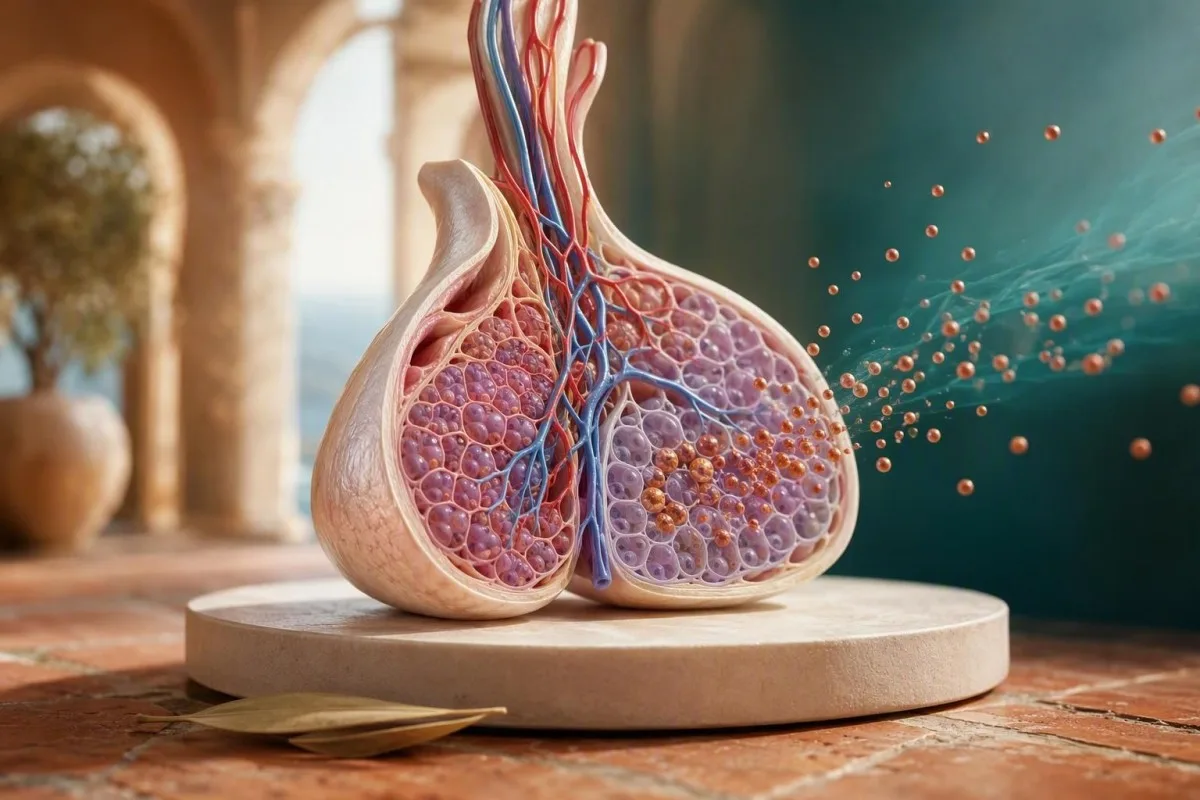
د پرولاکټین یو مبهم پایله اکثرا لنډمهاله وي، مګر د تکراري ازموینې شرایط او د نښو نمونې ټاکي چې ایا دا په خوندي توګه څارل کیدی شي یا د اندوکرین بیاکتنې ته اړتیا لري.


- لږه لوړوالی معمولا د راپور ورکولو لابراتوار له پورتنۍ حد څخه لږ لوړ د پرولاکټین پایله معنی لري، اکثرا د 50 ng/mL (شاوخوا 1,060 mIU/L) څخه ټیټه وي.
- لومړی تکرار کړئ کله چې پرولاکټین 20-50 ng/mL وي او هیڅ بصري نښې، شدید سر درد، یا د حیض یا جنسي فعالیت کې لوی بدلونونه شتون نلري.
- آرام کول مهم دي ځکه چې د وینې اخیستلو اضطراب، ضعیف خوب، تمرین، د سینې محرک، او شدید ناروغي کولی شي په لنډمهاله توګه پرولاکټین لوړ کړي.
- د درملو بیاکتنه مهم دي ځکه چې انټي سایکوټیکونه، میټوکلوپرامایډ، ډومپیریډون، اپیوایډونه، ځینې انټي ډیپریشنونه، او ویراپامیل کولی شي پرولاکټین لوړ کړي.
- د میکروپرولاکټین ازموینه په ځانګړي توګه د دوامداره لوړوالي لپاره د لږ یا هیڅ معمولي نښو سره ګټور دی؛ دا بیولوژیکي پلوه لږ فعال پرولاکټین پیچلتیاوې پیژني.
- له 100 ng/mL څخه لوړې کچې د اندیښنې وړ اندیښنې وړ اندیښنې وړ اندیښنې وړ اندیښنې وړ اندیښنې وړ اندیښنې وړ اندیښنې وړ اندیښنې وړ اندیښنې وړ اندیښنې وړ اندیښنې وړ اندیښنې وړ اندیښنې وړ اندیښنې وړ اندیښنې وړ اندیښنې وړ اندیښنې وړ اندیښنې وړ اندیښنې وړ اندیښنې وړ اندیښنې وړ اندیښنې وړ اندیښنې وړ اندیښنې وړ اندیښنې وړ اندیښنې وړ اندیښنې وړ اندیښنې وړ اندیښنې وړ اندیښنې وړ اندیښنې وړ اندیښنې وړ اندیښنې وړ اندیښنې وړ اندیښنې وړ اندیښنې وړ اندیښنې وړ اندیښنې وړ اندیښنې وړ اندیښنې وړ اندیښنې وړ اندیښنې وړ اندیښنې وړ اندیښنې وړ اندیښنې وړ اندیښنې وړ اندیښنې وړ اندیښنې وړ اندیښنې وړ اندیښنې وړ اندیښنې وړ اندیښنې وړ اندیښنې وړ اندیښنې وړ اندیښنې وړ اندیښنې وړ اندیښنې وړ اندیښنې وړ اندیښنې وړ اندیښنې وړ اندیښنې وړ اندیښنې وړ اندیښنې وړ اندیښنې وړ اندیښنې وړ اندیښنې وړ اندیښنې وړ اندیښنې وړ اندیښنې وړ اندیښنې وړ اندیښنې وړ اندیښنې وړ اندیښنې وړ اندیښنې وړ اندیښنې وړ اندیښنې وړ اندیښنې وړ اندیښنې وړ اندیښنې وړ اندیښنې وړ اندیښنې وړ اندیښنې وړ اندیښنې وړ اندیښنې وړ اندیښنې وړ اندیښنې وړ اندیښنې وړ اندیښنې وړ اندیښنې وړ اندیښنې وړ اندیښنې وړ اندیښنې وړ اندیښنې وړ اندیښنې وړ اندیښنې وړ اندیښنې وړ اندیښنې وړ اندیښنې وړ اندیښنې وړ اندیښنې وړ اندیښنې وړ اندیښنې وړ اندیښنې وړ اندیښنې وړ اندیښنې وړ اندیښنې وړ اندیښنې وړ اندیښنې وړ اندیښنې وړ اندیښنې وړ اندیښنې وړ اندیښنې وړ اندیښنې وړ اندیښنې وړ اندیښنې وړ اندیښنې وړ اندیښنې وړ اندیښنې وړ اندیښنې وړ اندیښنې وړ اندیښنې وړ اندیښنې وړ اندیښنې وړ اندیښنې وړ اندیښنې وړ اندیښنې وړ اندیښنې وړ اندیښنې وړ اندیښنې وړ اندیښنې وړ اندیښنې وړ اندیښنې وړ اندیښنې وړ اندیښنې وړ اندیښنې وړ اندیښنې وړ اندیښنې وړ اندیښنې وړ اندیښنې وړ اندیښنې وړ اندیښنې وړ اندیښنې وړ اندیښنې وړ اندیښنې وړ اندیښنې وړ اندیښنې وړ اندیښنې وړ اندیښنې وړ اندیښنې وړ اندیښنې وړ اندیښنې وړ اندیښنې وړ اندیښنې وړ اندیښنې وړ اندیښنې وړ اندیښنې وړ اندیښنې وړ اندیښنې وړ اندیښنې وړ اندیښنې وړ اندیښنې وړ اندیښنې وړ اندیښنې وړ اندیښنې وړ اندیښنې وړ اندیښنې وړ اندیښنې وړ اندیښنې وړ اندیښنې وړ اندیښنې وړ اندیښنې وړ اندیښنې وړ اندیښنې وړ اندیښنې وړ اندیښنې وړ اندیښنې وړ اندیښنې وړ اندیښنې وړ اندیښنې وړ اندیښنې وړ اندیښنې وړ اندیښنې وړ اندیښنې وړ اندیښنې وړ اندیښنې وړ اندیښنې وړ اندیښنې وړ اندیښنې وړ اندیښنې وړ اندیښنې وړ اندیښنې وړ اندیښنې وړ اندیښنې وړ اندیښنې وړ اندیښنې وړ اندیښنې وړ اندیښنې وړ اندیښنې وړ اندیښنې وړ اندیښنې وړ اندیښنې وړ اندیښنې وړ اندیښنې وړ اندیښنې وړ اندیښنې وړ اندیښنې وړ اندیښنې وړ اندیښنې وړ اندیښنې وړ اندیښنې وړ اندیښنې وړ اندیښنې وړ اندیښنې وړ اندیښنې وړ اندیښنې وړ اندیښنې وړ اندیښنې وړ اندیښنې وړ اندیښنې وړ اندیښنې وړ اندیښنې وړ اندیښنې وړ اندیښنې وړ اندیښنې وړ اندیښنې وړ اندیښنې وړ اندیښنې وړ اندیښنې وړ اندیښنې وړ اندیښنې وړ اندیښنې وړ اندیښنې وړ اندیښنې وړ اندیښنې وړ اندیښنې وړ اندیښنې وړ اندیښنې وړ اندیښنې وړ اندیښنې وړ اندیښنې وړ اندیښنې وړ اندیښنې وړ اندیښنې وړ اندیښنې وړ اندیښنې وړ اندیښنې وړ اندیښنې وړ اندیښنې وړ اندیښنې وړ اندیښنې وړ اندیښنې وړ اندیښنې وړ اندیښنې وړ اندیښنې وړ اندیښنې وړ اندیښنې وړ اندیښنې وړ اندیښنې وړ اندیښنې وړ اندیښنې وړ اندیښنې وړ اندیښنې وړ اندیښنې وړ اندیښنې وړ اندیښنې وړ اندیښنې وړ اندیښنې وړ اندیښنې وړ اندیښنې وړ اندیښنې وړ اندیښنې وړ اندیښنې وړ اندیښنې وړ اندیښنې وړ اندیښنې وړ اندیښنې وړ اندیښنې وړ اندیښنې وړ اندیښنې وړ اندیښنې وړ اندیښنې وړ اندیښنې وړ اندیښنې وړ اندیښنې وړ اندیښنې وړ اندیښنې وړ اندیښنې وړ اندیښنې وړ اندیښنې وړ اندیښنې وړ اندیښنې وړ اندیښنې وړ اندیښنې وړ اندیښنې وړ اندیښنې وړ اندیښنې وړ اندیښنې وړ اندیښنې وړ اندیښنې وړ اندیښنې وړ اندیښنې وړ اندیښنې وړ اندیښنې وړ اندیښنې وړ اندیښنې وړ اندیښنې وړ اندیښنې وړ اندیښنې وړ اندیښنې وړ اندیښنې وړ اندیښنې وړ اندیښنې وړ اندیښنې وړ اندیښنې وړ اندیښنې وړ اندیښنې وړ اندیښنې وړ اندیښنې وړ اندیښنې وړ اندیښنې وړ اندیښنې وړ اندیښنې وړ اندیښنې وړ اندیښنې وړ اندیښنې وړ اندیښنې وړ اندیښنې وړ اندیښنې وړ اندیښنې وړ اندیښنې وړ اندیښنې وړ اندیښنې وړ اندیښنې وړ اندیښنې وړ اندیښنې وړ اندیښنې وړ اندیښنې وړ اندیښنې وړ اندیښنې وړ اندیښنې وړ اندیښنې وړ اندیښنې وړ اندیښنې وړ اندیښنې وړ اندیښنې وړ اندیښنې وړ اندیښنې وړ اندیښنې وړ اندیښنې وړ اندیښنې وړ اندیښنې وړ اندیښنې وړ اندیښنې وړ اندیښنې وړ اندیښنې وړ اندیښنې وړ اندیښنې وړ اندیښنې وړ اندیښنې وړ اندیښنې وړ اندیښنې وړ اندیښنې وړ اندیښنې وړ اندیښنې وړ اندیښنې وړ اندیښنې وړ اندیښنې وړ اندیښنې وړ اندیښنې وړ اندیښنې وړ اندیښنې وړ اندیښنې وړ اندیښنې وړ اندیښنې وړ اندیښنې وړ اندیښنې وړ اندیښنې وړ اندیښنې وړ اندیښنې وړ اندیښنې وړ اندیښنې وړ اندیښنې وړ اندیښنې وړ اندیښنې وړ اندیښنې وړ اندیښنې وړ اندیښنې وړ اندیښنې وړ اندیښنې وړ اندیښنې وړ اندیښنې وړ اندیښنې وړ اندیښنې وړ اندیښنې وړ اندیښنې وړ اندیښنې وړ اندیښنې وړ اندیښنې وړ اندیښنې وړ اندیښنې وړ اندیښنې وړ اندیښنې وړ اندیښنې وړ اندیښنې وړ اندیښنې وړ اندیښنې وړ اندیښنې وړ اندیښنې وړ اندیښنې وړ اندیښنې وړ اندیښنې وړ اندیښنې وړ اندیښنې وړ اندیښنې وړ اندیښنې وړ اندیښنې وړ اندیښنې وړ اندیښنې وړ اندیښنې وړ اندیښنې وړ اندیښنې وړ اندیښنې وړ اندیښنې وړ اندیښنې وړ اندیښنې وړ اندیښنې وړ اندیښنې وړ اندیښنې وړ اندیښنې وړ اندیښنې وړ اندیښنې وړ اندیښنې وړ اندیښنې وړ اندیښنې وړ اندیښنې وړ اندیښنې وړ اندیښنې وړ اندیښنې وړ اندیښنې وړ اندیښنې وړ اندیښنې وړ اندیښنې وړ اندیښنې وړ اندیښنې وړ اندیښنې وړ اندیښنې وړ اندیښنې وړ اندیښنې وړ اندیښنې وړ اندیښنې وړ اندیښنې وړ اندیښنې وړ اندیښنې وړ اندیښنې وړ اندیښنې وړ اندیښنې وړ اندیښنې وړ اندیښنې وړ اندیښنې وړ اندیښنې وړ اندیښنې وړ اندیښنې وړ اندیښنې وړ اندیښنې وړ اندیښنې وړ اندیښنې وړ اندیښنې وړ اندیښنې وړ اندیښنې وړ اندیښنې وړ اندیښنې وړ اندیښنې وړ اندیښنې وړ اندیښنې وړ اندیښنې وړ اندیښنې وړ اندیښنې وړ اندیښنې وړ اندیښنې وړ اندیښنې وړ اندیښنې وړ اندیښنې وړ اندیښنې وړ اندیښنې وړ اندیښنې وړ اندیښنې وړ اندیښنې وړ اندیښنې وړ اندیښنې وړ اندیښنې وړ اندیښنې وړ اندیښنې وړ اندیښنې وړ اندیښنې وړ اندیښنې وړ اندیښنې وړ اندیښنې وړ اندیښنې وړ اندیښنې وړ اندیښنې وړ اندیښنې وړ اندیښنې وړ اندیښنې وړ اندیښنې وړ اندیښنې وړ اندیښنې وړ اندیښنې وړ اندیښنې وړ اندیښنې وړ اندیښنې وړ اندیښنې وړ اندیښنې وړ اندیښنې وړ اندیښنې وړ اندیښنې وړ اندیښنې وړ اندیښنې وړ اندیښنې وړ اندیښنې وړ اندیښنې وړ اندیښنې وړ اندیښنې وړ اندیښنې وړ اندیښنې وړ اندیښنې وړ اندیښنې وړ اندیښنې وړ اندیښنې وړ اندیښنې وړ اندیښنې وړ اندیښنې وړ اندیښنې وړ اندیښنې وړ اندیښنې وړ اندیښنې وړ اندیښنې وړ اندیښنې وړ اندیښنې وړ اندیښنې وړ اندیښنې وړ اندیښنې وړ اندیښنې وړ اندیښنې وړ اندیښنې وړ اندیښنې وړ اندیښنې وړ اندیښنې وړ اندیښنې وړ اندیښنې وړ اندیښنې وړ اندیښنې وړ اندیښنې وړ اندیښنې وړ اندیښنې وړ اندیښنې وړ اندیښنې وړ اندیښنې وړ اندیښنې وړ اندیښنې وړ اندیښنې وړ اندیښنې وړ اندیښنې وړ اندیښنې وړ اندیښنې وړ اندیښنې وړ اندیښنې وړ اندیښنې وړ اندیښنې وړ اندیښنې وړ اندیښنې وړ اندیښنې وړ اندیښنې وړ اندیښنې وړ اندیښنې وړ اندیښنې وړ اندیښنې وړ اندیښنې وړ اندیښنې وړ اندیښنې وړ اندیښنې وړ اندیښنې وړ اندیښنې وړ اندیښنې وړ اندیښنې وړ اندیښنې وړ اندیښنې وړ اندیښنې وړ اندیښنې وړ اندیښنې وړ اندیښنې وړ اندیښنې وړ اندیښنې وړ اندیښنې وړ اندیښنې وړ اندیښنې وړ اندیښنې وړ اندیښنې وړ اندیښنې وړ اندیښنې وړ اندیښنې وړ اندیښنې وړ اندیښنې وړ اندیښنې وړ اندیښنې وړ اندیښنې وړ اندیښنې وړ اندیښنې وړ اندیښنې وړ اندیښنې وړ اندیښنې وړ اندیښنې وړ اندیښنې وړ اندیښنې وړ اندیښنې وړ اندیښنې وړ اندیښنې وړ اندیښنې وړ اندیښنې وړ اندیښنې وړ اندیښنې وړ اندیښنې وړ اندیښنې وړ اندیښنې وړ اندیښنې وړ اندیښنې وړ اندیښنې وړ اندیښنې وړ اندیښنې وړ اندیښنې وړ اندیښنې وړ اندیښنې وړ اندیښنې وړ اندیښنې وړ اندیښنې وړ اندیښنې وړ اندیښنې وړ اندیښنې وړ اندیښنې وړ اندیښنې وړ اندیښنې وړ اندیښنې وړ اندیښنې وړ اندیښنې وړ اندیښنې وړ اندیښنې وړ اندیښنې وړ اندیښنې وړ اندیښنې وړ اندیښنې وړ اندیښنې وړ اندیښنې وړ اندیښنې وړ اندیښنې وړ اندیښنې وړ اندیښنې وړ اندیښنې وړ اندیښنې وړ اندیښنې وړ اندیښنې وړ اندیښنې وړ اندیښنې وړ اندیښنې وړ اندیښنې وړ اندیښنې وړ اندیښنې وړ اندیښنې وړ اندیښنې وړ اندیښنې وړ اندیښنې وړ اندیښنې وړ اندیښنې وړ اندیښنې وړ اندیښنې وړ اندیښنې وړ اندیښنې وړ اندیښنې وړ اندیښنې وړ اندیښنې وړ اندیښنې وړ اندیښنې وړ اندیښنې وړ اندیښنې وړ اندیښنې وړ اندیښنې وړ اندیښنې وړ اندیښنې وړ اندیښنې وړ اندیښنې وړ اندیښنې وړ اندیښنې وړ اندیښنې وړ اندیښنې وړ اندیښنې وړ اندیښنې وړ اندیښنې وړ اندیښنې وړ اندیښنې وړ اندیښنې وړ اندیښنې وړ اندیښنې وړ اندیښنې وړ اندیښنې وړ اندیښنې وړ اندیښنې وړ اندیښنې وړ اندیښنې وړ اندیښنې وړ اندیښنې وړ اندیښنې وړ اندیښنې وړ اندیښنې وړ اندیښنې وړ اندیښنې وړ اندیښنې وړ اندیښنې وړ اندیښنې وړ اندیښنې وړ اندیښنې وړ اندیښنې وړ اندیښنې وړ اندیښنې وړ اندیښنې وړ اندیښنې وړ اندیښنې وړ اندیښنې وړ اندیښنې وړ اندیښنې وړ اندیښنې وړ اندیښنې وړ اندیښنې وړ اندیښنې وړ اندیښنې وړ اندیښنې وړ اندیښنې وړ اندیښنې وړ اندیښنې وړ اندیښنې وړ اندیښنې وړ اندیښنې وړ اندیښنې وړ اندیښنې وړ اندیښنې وړ اندیښنې وړ اندیښنې وړ اندیښنې وړ اندیښنې وړ اندیښنې وړ اندیښنې وړ اندیښنې وړ اندیښنې وړ اندیښنې وړ اندیښنې وړ اندیښنې وړ اندیښنې وړ اندیښنې وړ اندیښنې وړ اندیښنې وړ اندیښنې وړ اندیښنې وړ اندیښنې وړ اندیښنې وړ اندیښنې وړ اندیښنې وړ اندیښنې وړ اندیښنې وړ اندیښنې وړ اندیښنې وړ اندیښنې وړ اندیښنې وړ اندیښنې وړ اندیښنې وړ اندیښنې وړ اندیښنې وړ اندیښنې وړ اندیښنې وړ اندیښنې وړ اندیښنې وړ اندیښنې وړ اندیښنې وړ اندیښنې وړ اندیښنې وړ اندیښنې وړ اندیښنې وړ اندیښنې وړ اندیښنې وړ اندیښنې وړ اندیښنې وړ اندیښنې وړ اندیښنې وړ اندیښنې وړ اندیښنې وړ اندیښنې وړ اندیښنې وړ اندیښنې وړ اندیښنې وړ اندیښنې وړ اندیښنې وړ اندیښنې وړ اندیښنې وړ اندیښنې وړ اندیښنې وړ اندیښنې وړ اندیښنې وړ اندیښنې وړ اندیښنې وړ اندیښنې وړ اندیښنې وړ اندیښنې وړ اندیښنې وړ اندیښنې وړ اندیښنې وړ اندیښنې وړ اندیښنې وړ اندیښنې وړ اندیښنې وړ اندیښنې وړ اندیښنې وړ اندیښنې وړ اندیښنې وړ اندیښنې وړ اندیښنې وړ اندیښنې وړ اندیښنې وړ اندیښنې وړ اندیښنې وړ اندیښنې وړ اندیښنې وړ اندیښنې وړ اندیښنې وړ اندیښنې وړ اندیښنې وړ اندیښنې وړ اندیښنې وړ اندیښنې وړ اندیښنې وړ اندیښنې وړ اندیښنې وړ اندیښنې وړ اندیښنې وړ اندیښنې وړ اندیښنې وړ اندیښنې وړ اندیښنې وړ اندیښنې وړ اندیښنې وړ اندیښنې وړ اندیښنې وړ اندیښنې وړ اندیښنې وړ اندیښنې وړ اندیښنې وړ اندیښنې وړ اندیښنې وړ اندیښنې وړ اندیښنې وړ اندیښنې وړ اندیښنې وړ اندیښنې وړ اندیښنې وړ اندیښنې وړ اندیښنې وړ اندیښنې وړ اندیښنې وړ اندیښنې وړ اندیښنې وړ اندیښنې وړ اندیښنې وړ اندیښنې وړ اندیښنې وړ اندیښنې وړ اندیښنې وړ اندیښنې وړ اندیښنې وړ اندیښنې وړ اندیښنې وړ اندیښنې وړ اندیښنې وړ اندیښنې وړ اندیښنې وړ اندیښنې وړ اندیښنې وړ اندیښنې وړ اندیښنې وړ اندیښنې وړ اندیښنې وړ اندیښنې وړ اندیښنې وړ اندیښنې وړ اندیښنې وړ اندیښنې وړ اندیښنې وړ اندیښنې وړ اندیښنې وړ اندیښنې وړ اندیښنې وړ اندیښنې وړ اندیښنې وړ اندیښنې وړ اندیښنې وړ اندیښنې وړ اندیښنې وړ اندیښنې وړ اندیښنې وړ اندیښنې وړ اندیښنې وړ اندیښنې وړ اندیښنې وړ اندیښنې وړ اندیښنې وړ اندیښنې وړ اندیښنې وړ اندیښنې وړ اندیښنې وړ اندیښنې وړ اندیښنې وړ اندیښنې وړ اندیښنې وړ اندیښنې وړ اندیښنې وړ اندیښنې وړ اندیښنې وړ اندیښنې وړ اندیښنې وړ اندیښنې وړ اندیښنې وړ اندیښنې وړ اندیښنې وړ اندیښنې وړ اندیښنې وړ اندیښنې وړ اندیښنې وړ اندیښنې وړ اندیښنې وړ اندیښنې وړ اندیښنې وړ اندیښنې وړ اندیښنې وړ اندیښنې وړ اندیښنې وړ اندیښنې وړ اندیښنې وړ اندیښنې وړ اندیښنې وړ اندیښنې وړ اندیښنې وړ اندیښنې وړ اندیښنې وړ اندیښنې وړ اندیښنې وړ اندیښنې وړ اندیښنې وړ اندیښنې وړ اندیښنې وړ اندیښنې وړ اندیښنې وړ اندیښنې وړ اندیښنې وړ اندیښنې وړ اندیښنې وړ اندیښنې وړ اندیښنې وړ اندیښنې وړ اندیښنې وړ اندیښنې وړ اندیښنې وړ اندیښنې وړ اندیښنې وړ اندیښنې وړ اندیښنې وړ اندیښنې وړ اندیښنې وړ اندیښنې وړ اندیښنې وړ اندیښنې وړ اندیښنې وړ اندیښنې وړ اندیښنې وړ اندیښنې وړ اندیښنې وړ اندیښنې وړ اندیښنې وړ اندیښنې وړ اندیښنې وړ اندیښنې وړ اندیښنې وړ اندیښنې وړ اندیښنې وړ اندیښنې وړ اندیښنې وړ اندیښنې وړ اندیښنې وړ اندیښنې وړ اندیښنې وړ اندیښنې وړ اندیښنې وړ اندیښنې وړ اندیښنې وړ اندیښنې وړ اندیښنې وړ اندیښنې وړ اندیښنې وړ اندیښنې وړ اندیښنې وړ اندیښنې وړ اندیښنې وړ اندیښنې وړ اندیښنې وړ اندیښنې وړ اندیښنې وړ اندیښنې وړ اندیښنې وړ اندیښنې وړ اندیښنې وړ اندیښنې وړ اندیښنې وړ اندیښنې وړ اندیښنې وړ اندیښنې وړ اندیښنې وړ اندیښنې وړ اندیښنې وړ اندیښنې وړ اندیښنې وړ اندیښنې وړ اندیښنې وړ اندیښنې وړ اندیښنې وړ اندیښنې وړ اندیښنې وړ اندیښنې وړ اندیښنې وړ اندیښنې وړ اندیښنې وړ اندیښنې وړ اندیښنې وړ اندیښنې وړ اندیښنې وړ اندیښنې وړ اندیښنې وړ اندیښنې وړ اندیښنې وړ اندیښنې وړ اندیښنې وړ اندیښنې وړ اندیښنې وړ اندیښنې وړ اندیښنې وړ اندیښنې وړ اندیښنې وړ اندیښنې وړ اندیښنې وړ اندیښنې وړ اندیښنې وړ اندیښنې وړ اندیښنې وړ اندیښنې وړ اندیښنې وړ اندیښنې وړ اندیښنې وړ اندیښنې وړ اندیښنې وړ اندیښنې وړ اندیښنې وړ اندیښنې وړ اندیښنې وړ اندیښنې وړ اندیښنې وړ اندیښنې وړ اندیښنې وړ اندیښنې وړ اندیښنې وړ اندیښنې وړ اندیښنې وړ اندیښنې وړ اندیښنې وړ اندیښنې وړ اندیښنې وړ اندیښنې وړ اندیښنې وړ اندیښنې وړ اندیښنې وړ اندیښنې وړ اندیښنې وړ اندیښنې وړ اندیښنې وړ اندیښنې وړ اندیښنې وړ اندیښنې وړ اندیښنې وړ اندیښنې وړ اندیښنې وړ اندیښنې وړ اندیښنې وړ اندیښنې وړ اندیښنې وړ اندیښنې وړ اندیښنې وړ اندیښنې وړ اندیښنې وړ اندیښنې وړ اندیښنې وړ اندیښنې وړ اندیښنې وړ اندیښنې وړ اندیښنې وړ اندیښنې وړ اندیښنې وړ اندیښنې وړ اندیښنې وړ اندیښنې وړ اندیښنې وړ اندیښنې وړ اندیښنې وړ اندیښنې وړ اندیښنې وړ اندیښنې وړ اندیښنې وړ اندیښنې وړ اندیښنې وړ اندیښنې وړ اندیښنې وړ اندیښنې وړ اندیښنې وړ اندیښنې وړ اندیښنې وړ اندیښنې وړ اندیښنې وړ اندیښنې وړ اندیښنې وړ اندیښنې وړ اندیښنې وړ اندیښنې وړ اندیښنې وړ اندیښنې وړ اندیښنې وړ اندیښنې وړ اندیښنې وړ اندیښنې وړ اندیښنې وړ اندیښنې وړ اندیښنې وړ اندیښنې وړ اندیښنې وړ اندیښنې وړ اندیښنې وړ اندیښنې وړ اندیښنې وړ اندیښنې وړ اندیښنې وړ اندیښنې وړ اندیښنې وړ اندیښنې وړ اندیښنې وړ اندیښنې وړ اندیښنې وړ اندیښنې وړ اندیښنې وړ اندیښنې وړ اندیښنې وړ اندیښنې وړ اندیښنې وړ اندیښنې وړ اندیښنې وړ اندیښنې وړ اندیښنې وړ اندیښنې وړ اندیښنې وړ اندیښنې وړ اندیښنې وړ اندیښنې وړ اندیښنې وړ اندیښنې وړ اندیښنې وړ اندیښنې وړ اندیښنې وړ اندیښنې وړ اندیښنې وړ اندیښنې وړ اندیښنې وړ اندیښنې وړ اندیښنې وړ اندیښنې وړ اندیښنې وړ اندیښنې وړ اندیښنې وړ اندیښنې وړ اندیښنې وړ اندیښنې وړ اندیښنې وړ اندیښنې وړ اندیښنې وړ اندیښنې وړ اندیښنې وړ اندیښنې وړ اندیښنې وړ اندیښنې وړ اندیښنې وړ اندیښنې وړ اندیښنې وړ اندیښنې وړ اندیښنې وړ اندیښنې وړ اندیښنې وړ اندیښنې وړ اندیښنې وړ اندیښنې وړ اندیښنې وړ اندیښنې وړ اندیښنې وړ اندیښنې وړ اندیښنې وړ اندیښنې وړ اندیښنې وړ اندیښنې وړ اندیښنې وړ اندیښنې وړ اندیښنې وړ اندیښنې وړ اندیښنې وړ اندیښنې وړ اندیښنې وړ اندیښنې وړ اندیښنې وړ اندیښنې وړ اندیښنې وړ اندیښنې وړ اندیښنې وړ اندیښنې وړ اندیښنې وړ اندیښنې وړ اندیښنې وړ اندیښنې وړ اندیښنې وړ اندیښنې وړ اندیښنې وړ اندیښنې وړ اندیښنې وړ اندیښنې وړ اندیښنې وړ اندیښنې وړ اندیښنې وړ اندیښنې وړ اندیښنې وړ اندیښنې وړ اندیښنې وړ اندیښنې وړ اندیښنې وړ اندیښنې وړ اندیښنې وړ اندیښنې وړ اندیښنې وړ اندیښنې وړ اندیښنې وړ اندیښنې وړ اندیښنې وړ اندیښنې وړ اندیښنې وړ اندیښنې وړ اندیښنې وړ اندیښنې وړ اندیښنې وړ اندیښنې وړ اندیښنې وړ اندیښنې وړ اندیښنې وړ اندیښنې وړ اندیښنې وړ اندیښنې وړ اندیښنې وړ اندیښنې وړ اندیښنې وړ اندیښنې وړ اندیښنې وړ اندیښنې وړ اندیښنې وړ اندیښنې وړ اندیښنې وړ اندیښنې وړ اندیښنې وړ اندیښنې وړ اندیښنې وړ اندیښنې وړ اندیښنې وړ اندیښنې وړ اندیښنې وړ اندیښنې وړ اندیښنې وړ اندیښنې وړ اندیښنې وړ اندیښنې وړ اندیښنې وړ اندیښنې وړ اندیښنې وړ اندیښنې وړ اندیښنې وړ اندیښنې وړ اندیښنې وړ اندیښنې وړ اندیښنې وړ اندیښنې وړ اندیښنې وړ اندیښنې وړ اندیښنې وړ اندیښنې وړ اندیښنې وړ اندیښنې وړ اندیښنې وړ اندیښنې وړ اندیښنې وړ اندیښنې وړ اندیښنې وړ اندیښنې وړ اندیښنې وړ اندیښنې وړ اندیښنې وړ اندیښنې وړ اندیښنې وړ اندیښنې وړ اندیښنې وړ اندیښنې وړ اندیښنې وړ اندیښنې وړ اندیښنې وړ اندیښنې وړ اندیښنې وړ اندیښنې وړ اندیښنې وړ اندیښنې وړ اندیښنې وړ اندیښنې وړ اندیښنې وړ اندیښنې وړ اندیښنې وړ اندیښنې وړ اندیښنې وړ اندیښنې وړ اندیښنې وړ اندیښنې وړ اندیښنې وړ اندیښنې وړ اندیښنې وړ اندیښنې وړ اندیښنې وړ اندیښنې وړ اندیښنې وړ اندیښنې وړ اندیښنې وړ اندیښنې وړ اندیښنې وړ اندیښنې وړ اندیښنې وړ اندیښنې وړ اندیښنې وړ اندیښنې وړ اندیښنې وړ اندیښنې وړ اندیښنې وړ اندیښنې وړ اندیښنې وړ اندیښنې وړ اندیښنې وړ اندیښنې وړ اندیښنې وړ اندیښنې وړ اندیښنې وړ اندیښنې وړ اندیښنې وړ اندیښنې وړ اندیښنې وړ اندیښنې وړ اندیښنې وړ اندیښنې وړ اندیښنې وړ اندیښنې وړ اندیښنې وړ اندیښنې وړ اندیښنې وړ اندیښنې وړ اندیښنې وړ اندیښنې وړ اندیښنې وړ اندیښنې وړ اندیښنې وړ اندیښنې وړ اندیښنې وړ اندیښنې وړ اندیښنې وړ اندیښنې وړ اندیښنې وړ اندیښنې وړ اندیښنې وړ اندیښنې وړ اندیښنې وړ اندیښنې وړ اندیښنې وړ اندیښنې وړ اندیښنې وړ اندیښنې وړ اندیښنې وړ اندیښنې وړ اندیښنې وړ اندیښنې وړ اندیښنې وړ اندیښنې وړ اندیښنې وړ اندیښنې وړ اندیښنې وړ اندیښنې وړ اندیښنې وړ اندیښنې وړ اندیښنې وړ اندیښنې وړ اندیښنې وړ اندیښنې وړ اندیښنې وړ اندیښنې وړ اندیښنې وړ اندیښنې وړ اندیښنې وړ اندیښنې وړ اندیښنې وړ اندیښنې وړ اندیښنې وړ اندیښنې وړ اندیښنې وړ اندیښنې وړ اندیښنې وړ اندیښنې وړ اندیښنې وړ اندیښنې وړ اندیښنې وړ اندیښنې وړ اندیښنې وړ اندیښنې وړ اندیښنې وړ اندیښنې وړ اندیښنې وړ اندیښنې وړ اندیښنې وړ اندیښنې وړ اندیښنې وړ اندیښنې وړ اندیښنې وړ اندیښنې وړ اندیښنې وړ اندیښنې وړ اندیښنې وړ اندیښنې وړ اندیښنې وړ اندیښنې وړ اندیښنې وړ اندیښنې وړ اندیښنې وړ اندیښنې وړ اندیښنې وړ اندیښنې وړ اندیښنې وړ اندیښنې وړ اندیښنې وړ اندیښنې وړ اندیښنې وړ اندیښنې وړ اندیښنې وړ اندیښنې وړ اندیښنې وړ اندیښنې وړ اندیښنې وړ اندیښنې وړ اندیښنې وړ اندیښنې وړ اندیښنې وړ اندیښنې وړ اندیښنې وړ اندیښنې وړ اندیښنې وړ اندیښنې وړ اندیښنې وړ اندیښنې وړ اندیښنې وړ اندیښنې وړ اندیښنې وړ اندیښنې وړ اندیښنې وړ اندیښنې وړ اندیښنې وړ اندیښنې وړ اندیښنې وړ اندیښنې وړ اندیښنې وړ اندیښنې وړ اندیښنې وړ اندیښنې وړ اندیښنې وړ اندیښنې وړ اندیښنې وړ اندیښنې وړ اندیښنې وړ اندیښنې وړ اندیښنې وړ اندیښنې وړ اندیښنې وړ اندیښنې وړ اندیښنې وړ اندیښنې وړ اندیښنې وړ اندیښنې وړ اندیښنې وړ اندیښنې وړ اندیښنې وړ اندیښنې وړ اندیښنې وړ اندیښنې وړ اندیښنې وړ اندیښنې وړ اندیښنې وړ اندیښنې وړ اندیښنې وړ اندیښنې وړ اندیښنې وړ اندیښنې وړ اندیښنې وړ اندیښنې وړ اندیښنې وړ اندیښنې وړ اندیښنې وړ اندیښنې وړ اندیښنې وړ اندیښنې وړ اندیښنې وړ اندیښنې وړ اندیښنې وړ اندیښنې وړ اندیښنې وړ اندیښنې وړ اندیښنې وړ اندیښنې وړ اندیښنې وړ اندیښنې وړ اندیښنې وړ اندیښنې وړ اندیښنې وړ اندیښنې وړ اندیښنې وړ اندیښنې وړ اندیښنې وړ اندیښنې وړ اندیښنې وړ اندیښنې وړ اندیښنې وړ اندیښنې وړ اندیښنې وړ اندیښنې وړ اندیښنې وړ اندیښنې وړ اندیښنې وړ اندیښنې وړ اندیښنې وړ اندیښنې وړ اندیښنې وړ اندیښنې وړ اندیښنې وړ اندیښنې وړ اندیښنې وړ اندیښنې وړ اندیښنې وړ اندیښنې وړ اندیښنې وړ اندیښنې وړ اندیښنې وړ اندیښنې وړ اندیښنې وړ اندیښنې وړ اندیښنې وړ اندیښنې وړ اندیښنې وړ اندیښنې وړ اندیښنې وړ اندیښنې وړ اندیښنې وړ اندیښنې وړ اندیښنې وړ اندیښنې وړ اندیښنې وړ اندیښنې وړ اندیښنې وړ اندیښنې وړ اندیښنې وړ اندیښنې وړ اندیښنې وړ اندیښنې وړ اندیښنې وړ اندیښنې وړ اندیښنې وړ اندیښنې وړ اندیښنې وړ اندیښنې وړ اندیښنې وړ اندیښنې وړ اندیښنې وړ اندیښنې وړ اندیښنې وړ اندیښنې وړ اندیښنې وړ اندیښنې وړ اندیښنې وړ اندیښنې وړ اندیښنې وړ اندیښنې وړ اندیښنې وړ اندیښنې وړ اندیښنې وړ اندیښنې وړ اندیښنې وړ اندیښنې وړ اندیښنې وړ اندیښنې وړ اندیښنې وړ اندیښنې وړ اندیښنې وړ اندیښنې وړ اندیښنې وړ اندیښنې وړ اندیښنې وړ اندیښنې وړ اندیښنې وړ اندیښنې وړ اندیښنې وړ اندیښنې وړ اندیښنې وړ اندیښنې وړ اندیښنې وړ اندیښنې وړ اندیښنې وړ اندیښنې وړ اندیښنې وړ اندیښنې وړ اندیښنې وړ اندیښنې وړ اندیښنې وړ اندیښنې وړ اندیښنې وړ اندیښنې وړ اندیښنې وړ اندیښنې وړ اندیښنې وړ اندیښنې وړ اندیښنې وړ اندیښنې وړ اندیښنې وړ اندیښنې وړ اندیښنې وړ اندیښنې وړ اندیښنې وړ اندیښنې وړ اندیښنې وړ اندیښنې وړ اندیښنې وړ اندیښنې وړ اندیښنې وړ اندیښنې وړ اندیښنې وړ اندیښنې وړ اندیښنې وړ اندیښنې وړ اندیښنې وړ اندیښنې وړ اندیښنې وړ اندیښنې وړ اندیښنې وړ اندیښنې وړ اندیښنې وړ اندیښنې وړ اندیښنې وړ اندیښنې وړ اندیښنې وړ اندیښنې وړ اندیښنې وړ اندیښنې وړ اندیښنې وړ اندیښنې وړ اندیښنې وړ اندیښنې وړ اندیښنې وړ اندیښنې وړ اندیښنې وړ اندیښنې وړ اندیښنې وړ اندیښنې وړ اندیښنې وړ اندیښنې وړ اندیښنې وړ اندیښنې وړ اندیښنې وړ اندیښنې وړ اندیښنې وړ اندیښنې وړ اندیښنې وړ اندیښنې وړ اندیښنې وړ اندیښنې وړ اندیښنې وړ اندیښنې وړ اندیښنې وړ اندیښنې وړ اندیښنې وړ اندیښنې وړ اندیښنې وړ اندیښنې وړ اندیښنې وړ اندیښنې وړ اندیښنې وړ اندیښنې وړ اندیښنې وړ اندیښنې وړ اندیښنې وړ اندیښنې وړ اندیښنې وړ اندیښنې وړ اندیښنې وړ اندیښنې وړ اندیښنې وړ اندیښنې وړ اندیښنې وړ اندیښنې وړ اندیښنې وړ اندیښنې وړ اندیښنې وړ اندیښنې وړ اندیښنې وړ اندیښنې وړ اندیښنې وړ اندیښنې وړ اندیښنې وړ اندیښنې وړ اندیښنې وړ اندیښنې وړ اندیښنې وړ اندیښنې وړ اندیښنې وړ اندیښنې وړ اندیښنې وړ اندیښنې وړ اندیښنې وړ اندیښنې وړ اندیښنې وړ اندیښنې وړ اندیښنې وړ اندیښنې وړ اندیښنې وړ اندیښنې وړ اندیښنې وړ اندیښنې وړ اندیښنې وړ اندیښنې وړ اندیښنې وړ اندیښنې وړ اندیښنې وړ اندیښنې وړ اندیښنې وړ اندیښنې وړ اندیښنې وړ اندیښنې وړ اندیښنې وړ اندیښنې وړ اندیښنې وړ اندیښنې وړ اندیښنې وړ اندیښنې وړ اندیښنې وړ اندیښنې وړ اندیښنې وړ اندیښنې وړ اندیښنې وړ اندیښنې وړ اندیښنې وړ اندیښنې وړ اندیښنې وړ اندیښنې وړ اندیښنې وړ اندیښنې وړ اندیښنې وړ اندیښنې وړ اندیښنې وړ اندیښنې وړ اندیښنې وړ اندیښنې وړ اندیښنې وړ اندیښنې وړ اندیښنې وړ اندیښنې وړ اندیښنې وړ اندیښنې وړ اندیښنې وړ اندیښنې وړ اندیښنې وړ اندیښنې وړ اندیښنې وړ اندیښنې وړ اندیښنې وړ اندیښنې وړ اندیښنې وړ اندیښنې وړ اندیښنې وړ اندیښنې وړ اندیښنې وړ اندیښنې وړ اندیښنې وړ اندیښنې وړ اندیښنې وړ اندیښنې وړ اندیښنې وړ اندیښنې وړ اندیښنې وړ اندیښنې وړ اندیښنې وړ اندیښنې وړ اندیښنې وړ اندیښنې وړ اندیښنې وړ اندیښنې وړ اندیښنې وړ اندیښنې وړ اندیښنې وړ اندیښنې وړ اندیښنې وړ اندیښنې وړ اندیښنې وړ اندیښنې وړ اندیښنې وړ اندیښنې وړ اندیښنې وړ اندیښنې وړ اندیښنې وړ اندیښنې وړ اندیښنې وړ اندیښنې وړ اندیښنې وړ اندیښنې وړ اندیښنې وړ اندیښنې وړ اندیښنې وړ اندیښنې وړ اندیښنې وړ اندیښنې وړ اندیښنې وړ اندیښنې وړ اندیښنې وړ اندیښنې وړ اندیښنې وړ اندیښنې وړ اندیښنې وړ اندیښنې وړ اندیښنې وړ اندیښنې وړ اندیښنې وړ اندیښنې وړ اندیښنې وړ اندیښنې وړ اندیښنې وړ اندیښنې وړ اندیښنې وړ اندیښنې وړ اندیښنې وړ اندیښنې وړ اندیښنې وړ اندیښنې وړ اندیښنې وړ اندیښنې وړ اندیښنې وړ اندیښنې وړ اندیښنې وړ اندیښنې وړ اندیښنې وړ اندیښنې وړ اندیښنې وړ اندیښنې وړ اندیښنې وړ اندیښنې وړ اندیښنې وړ اندیښنې وړ اندیښنې وړ اندیښنې وړ اندیښنې وړ اندیښنې وړ اندیښنې وړ اندیښنې وړ اندیښنې وړ اندیښنې وړ اندیښنې وړ اندیښنې وړ اندیښنې وړ اندیښنې وړ اندیښنې وړ اندیښنې وړ اندیښنې وړ اندیښنې وړ اندیښنې وړ اندیښنې وړ اندیښنې وړ اندیښنې وړ اندیښنې وړ اندیښنې وړ اندیښنې وړ اندیښنې وړ اندیښنې وړ اندیښنې وړ اندیښنې وړ اندیښنې وړ اندیښنې وړ اندیښنې وړ اندیښنې وړ اندیښنې وړ اندیښنې وړ اندیښنې وړ اندیښنې وړ اندیښنې وړ اندیښنې وړ اندیښنې وړ اندیښنې وړ اندیښنې وړ اندیښنې وړ اندیښنې وړ اندیښنې وړ اندیښنې وړ اندیښنې وړ اندیښنې وړ اندیښنې وړ اندیښنې وړ اندیښنې وړ اندیښنې وړ اندیښنې وړ اندیښنې وړ اندیښنې وړ اندیښنې وړ اندیښنې وړ اندیښنې وړ اندیښنې وړ اندیښنې وړ اندیښنې وړ اندیښنې وړ اندیښنې وړ اندیښنې وړ اندیښنې وړ اندیښنې وړ اندیښنې وړ اندیښنې وړ اندیښنې وړ اندیښنې وړ اندیښنې وړ اندیښنې وړ اندیښنې وړ اندیښنې وړ اندیښنې وړ اندیښنې وړ اندیښنې وړ اندیښنې وړ اندیښنې وړ اندیښنې وړ اندیښنې وړ اندیښنې وړ اندیښنې وړ اندیښنې وړ اندیښنې وړ اندیښنې وړ اندیښنې وړ اندیښنې وړ اندیښنې وړ اندیښنې وړ اندیښنې وړ اندیښنې وړ اندیښنې وړ اندیښنې وړ اندیښنې وړ اندیښنې وړ اندیښنې وړ اندیښنې وړ اندیښنې وړ اندیښنې وړ اندیښنې وړ اندیښنې وړ اندیښنې وړ اندیښنې وړ اندیښنې وړ اندیښنې وړ اندیښنې وړ اندیښنې وړ اندیښنې وړ اندیښنې وړ اندیښنې وړ اندیښنې وړ اندیښنې وړ اندیښنې وړ اندیښنې وړ اندیښنې وړ اندیښنې وړ اندیښنې وړ اندیښنې وړ اندیښنې وړ اندیښنې وړ اندیښنې وړ اندیښنې وړ اندیښنې وړ اندیښنې وړ اندیښنې وړ اندیښنې وړ اندیښنې وړ اندیښنې وړ اندیښنې وړ اندیښنې وړ اندیښنې وړ اندیښنې وړ اندیښنې وړ اندیښنې وړ اندیښنې وړ اندیښنې وړ اندیښنې وړ اندیښنې وړ اندیښنې وړ اندیښنې وړ اندیښنې وړ اندیښنې وړ اندیښنې وړ اندیښنې وړ اندیښنې وړ اندیښنې وړ اندیښنې وړ اندیښنې وړ اندیښنې وړ اندیښنې وړ اندیښنې وړ اندیښنې وړ اندیښنې وړ اندیښنې وړ اندیښنې وړ اندیښنې وړ اندیښنې وړ اندیښنې وړ اندیښنې وړ اندیښنې وړ اندیښنې وړ اندیښنې وړ اندیښنې وړ اندیښنې وړ اندیښنې وړ اندیښنې وړ اندیښنې وړ اندیښنې وړ اندیښنې وړ اندیښنې وړ اندیښنې وړ اندیښنې وړ اندیښنې وړ اندیښنې وړ اندیښنې وړ اندیښنې وړ اندیښنې وړ اندیښنې وړ اندیښنې وړ اندیښنې وړ اندیښنې وړ اندیښنې وړ اندیښنې وړ اندیښنې وړ اندیښنې وړ اندیښنې وړ اندیښنې وړ اندیښنې وړ اندیښنې وړ اندیښنې وړ اندیښنې وړ اندیښنې وړ اندیښنې وړ اندیښنې وړ اندیښنې وړ اندیښنې وړ اندیښنې وړ اندیښنې وړ اندیښنې وړ اندیښنې وړ اندیښنې وړ اندیښنې وړ اندیښنې وړ اندیښنې وړ اندیښنې وړ اندیښنې وړ اندیښنې وړ اندیښنې وړ اندیښنې وړ اندیښنې وړ اندیښنې وړ اندیښنې وړ اندیښنې وړ اندیښنې وړ اندیښنې وړ اندیښنې وړ اندیښنې وړ اندیښنې وړ اندیښنې وړ اندیښنې وړ اندیښنې وړ اندیښنې وړ اندیښنې وړ اندیښنې وړ اندیښنې وړ اندیښنې وړ اندیښنې وړ اندیښنې وړ اندیښنې وړ اندیښنې وړ اندیښنې وړ اندیښنې وړ اندیښنې وړ اندیښنې وړ اندیښنې وړ اندیښنې وړ اندیښنې وړ اندیښنې وړ اندیښنې وړ اندیښنې وړ اندیښنې وړ اندیښنې وړ اندیښنې وړ اندیښنې وړ اندیښنې وړ اندیښنې وړ اندیښنې وړ اندیښنې وړ اندیښنې وړ اندیښنې وړ اندیښنې وړ اندیښنې وړ اندیښنې وړ اندیښنې وړ اندیښنې وړ اندیښنې وړ اندیښنې وړ اندیښنې وړ اندیښنې وړ اندیښنې وړ اندیښنې وړ اندیښنې وړ اندیښنې وړ اندیښنې وړ اندیښنې وړ اندیښنې وړ اندیښنې وړ اندیښنې وړ اندیښنې وړ اندیښنې وړ اندیښنې وړ اندیښنې وړ اندیښنې وړ اندیښنې وړ اندیښنې وړ اندیښنې وړ اندیښنې وړ اندیښنې وړ اندیښنې وړ اندیښنې وړ اندیښنې وړ اندیښنې وړ اندیښنې وړ اندیښنې وړ اندیښنې وړ اندیښنې وړ اندیښنې وړ اندیښنې وړ اندیښنې وړ اندیښنې وړ اندیښنې وړ اندیښنې وړ اندیښنې وړ اندیښنې وړ اندیښنې وړ اندیښنې وړ اندیښنې وړ اندیښنې وړ اندیښنې وړ اندیښنې وړ اندیښنې وړ اندیښنې وړ اندیښنې وړ اندیښنې وړ اندیښنې وړ اندیښنې وړ اندیښنې وړ اندیښنې وړ اندیښنې وړ اندیښنې وړ اندیښنې وړ اندیښنې وړ اندیښنې وړ اندیښنې وړ اندیښنې وړ اندیښنې وړ اندیښنې وړ اندیښنې وړ اندیښنې وړ اندیښنې وړ اندیښنې وړ اندیښنې وړ اندیښنې وړ اندیښنې وړ اندیښنې وړ اندیښنې وړ اندیښنې وړ اندیښنې وړ اندیښنې وړ اندیښنې وړ اندیښنې وړ اندیښنې وړ اندیښنې وړ اندیښنې وړ اندیښنې وړ اندیښنې وړ اندیښنې وړ اندیښنې وړ اندیښنې وړ اندیښنې وړ اندیښنې وړ اندیښنې وړ اندیښنې وړ اندیښنې وړ اندیښنې وړ اندیښنې وړ اندیښنې وړ اندیښنې وړ اندیښنې وړ اندیښنې وړ اندیښنې وړ اندیښنې وړ اندیښنې وړ اندیښنې وړ اندیښنې وړ اندیښنې وړ اندیښنې وړ اندیښنې وړ اندیښنې وړ اندیښنې وړ اندیښنې وړ اندیښنې وړ اندیښنې وړ اندیښنې وړ اندیښنې وړ اندیښنې وړ اندیښنې وړ اندیښنې وړ اندیښنې وړ اندیښنې وړ اندیښنې وړ اندیښنې وړ اندیښنې وړ اندیښنې وړ اندیښنې وړ اندیښنې وړ اندیښنې وړ اندیښنې وړ اندیښنې وړ اندیښنې وړ اندیښنې وړ اندیښنې وړ اندیښنې وړ اندیښنې وړ اندیښنې وړ اندیښنې وړ اندیښنې وړ اندیښنې وړ اندیښنې وړ اندیښنې وړ اندیښنې وړ اندیښنې وړ اندیښنې وړ اندیښنې وړ اندیښنې وړ اندیښنې وړ اندیښنې وړ اندیښنې وړ اندیښنې وړ اندیښنې وړ اندیښنې وړ اندیښنې وړ اندیښنې وړ اندیښنې وړ اندیښنې وړ اندیښنې وړ اندیښنې وړ اندیښنې وړ اندیښنې وړ اندیښنې وړ اندیښنې وړ اندیښنې وړ اندیښنې وړ اندیښنې وړ اندیښنې وړ اندیښنې وړ اندیښنې وړ اندیښنې وړ اندیښنې وړ اندیښنې وړ اندیښنې وړ اندیښنې وړ اندیښنې وړ اندیښنې وړ اندیښنې وړ اندیښنې وړ اندیښنې وړ اندیښنې وړ اندیښنې وړ اندیښنې وړ اندیښنې وړ اندیښنې وړ اندیښنې وړ اندیښنې وړ اندیښنې وړ اندیښنې وړ اندیښنې وړ اندیښنې وړ اندیښنې وړ اندیښنې وړ اندیښنې وړ اندیښنې وړ اندیښنې وړ اندیښنې وړ اندیښنې وړ اندیښنې وړ اندیښنې وړ اندیښنې وړ اندیښنې وړ اندیښنې وړ اندیښنې وړ اندیښنې وړ اندیښنې وړ اندیښنې وړ اندیښنې وړ اندیښنې وړ اندیښنې وړ اندیښنې وړ اندیښنې وړ اندیښنې وړ اندیښنې وړ اندیښنې وړ اندیښنې وړ اندیښنې وړ اندیښنې وړ اندیښنې وړ اندیښنې وړ اندیښنې وړ اندیښنې وړ اندیښنې وړ اندیښنې وړ اندیښنې وړ اندیښنې وړ اندیښنې وړ اندیښنې وړ اندیښنې وړ اندیښنې وړ اندیښنې وړ اندیښنې وړ اندیښنې وړ اندیښنې وړ اندیښنې وړ اندیښنې وړ اندیښنې وړ اندیښنې وړ اندیښنې وړ اندیښنې وړ اندیښنې وړ اندیښنې وړ اندیښنې وړ اندیښنې وړ اندیښنې وړ اندیښنې وړ اندیښنې وړ اندیښنې وړ اندیښنې وړ اندیښنې وړ اندیښنې وړ اندیښنې وړ اندیښنې وړ اندیښنې وړ اندیښنې وړ اندیښنې وړ اندیښنې وړ اندیښنې وړ اندیښنې وړ اندیښنې وړ اندیښنې وړ اندیښنې وړ اندیښنې وړ اندیښنې وړ اندیښنې وړ اندیښنې وړ اندیښنې وړ اندیښنې وړ اندیښنې وړ اندیښنې وړ اندیښنې وړ اندیښنې وړ اندیښنې وړ اندیښنې وړ اندیښنې وړ اندیښنې وړ اندیښنې وړ اندیښنې وړ اندیښنې وړ اندیښنې وړ اندیښنې وړ اندیښنې وړ اندیښنې وړ اندیښنې وړ اندیښنې وړ اندیښنې وړ اندیښنې وړ اندیښنې وړ اندیښنې وړ اندیښنې وړ اندیښنې وړ اندیښنې وړ اندیښنې وړ اندیښنې وړ اندیښنې وړ اندیښنې وړ اندیښنې وړ اندیښنې وړ اندیښنې وړ اندیښنې وړ اندیښنې وړ اندیښنې وړ اندیښنې وړ اندیښنې وړ اندیښنې وړ اندیښنې وړ اندیښنې وړ اندیښنې وړ اندیښنې وړ اندیښنې وړ اندیښنې وړ اندیښنې وړ اندیښنې وړ اندیښنې وړ اندیښنې وړ اندیښنې وړ اندیښنې وړ اندیښنې وړ اندیښنې وړ اندیښنې وړ اندیښنې وړ اندیښنې وړ اندیښنې وړ اندیښنې وړ اندیښنې وړ اندیښنې وړ اندیښنې وړ اندیښنې وړ اندیښنې وړ اندیښنې وړ اندیښنې وړ اندیښنې وړ اندیښنې وړ اندیښنې وړ اندیښنې وړ اندیښنې وړ اندیښنې وړ اندیښنې وړ اندیښنې وړ اندیښنې وړ اندیښنې وړ اندیښنې وړ اندیښنې وړ اندیښنې وړ اندیښنې وړ اندیښنې وړ اندیښنې وړ اندیښنې وړ اندیښنې وړ اندیښنې وړ اندیښنې وړ اندیښنې وړ اندیښنې وړ اندیښنې وړ اندیښنې وړ اندیښنې وړ اندیښنې وړ اندیښنې وړ اندیښنې وړ اندیښنې وړ اندیښنې وړ اندیښنې وړ اندیښنې وړ اندیښنې وړ اندیښنې وړ اندیښنې وړ اندیښنې وړ اندیښنې وړ اندیښنې وړ اندیښنې وړ اندیښنې وړ اندیښنې وړ اندیښنې وړ اندیښنې وړ اندیښنې وړ اندیښنې وړ اندیښنې وړ اندیښنې وړ اندیښنې وړ اندیښنې وړ اندیښنې وړ اندیښنې وړ اندیښنې وړ اندیښنې وړ اندیښنې وړ اندیښنې وړ اندیښنې وړ اندیښنې وړ اندیښنې وړ اندیښنې وړ اندیښنې وړ اندیښنې وړ اندیښنې وړ اندیښنې وړ اندیښنې وړ اندیښنې وړ اندیښنې وړ اندیښنې وړ اندیښنې وړ اندیښنې وړ اندیښنې وړ اندیښنې وړ اندیښنې وړ اندیښنې وړ اندیښنې وړ اندیښنې وړ اندیښنې وړ اندیښنې وړ اندیښنې وړ اندیښنې وړ اندیښنې وړ اندیښنې وړ اندیښنې وړ اندیښنې وړ اندیښنې وړ اندیښنې وړ اندیښنې وړ اندیښنې وړ اندیښنې وړ اندیښنې وړ اندیښنې وړ اندیښنې وړ اندیښنې وړ اندیښنې وړ اندیښنې وړ اندیښنې وړ اندیښنې وړ اندیښنې وړ اندیښنې وړ اندیښنې وړ اندیښنې وړ اندیښنې وړ اندیښنې وړ اندیښنې وړ اندیښنې وړ اندیښنې وړ اندیښنې وړ اندیښنې وړ اندیښنې وړ اندیښنې وړ اندیښنې وړ اندیښنې وړ اندیښنې وړ اندیښنې وړ اندیښنې وړ اندیښنې وړ اندیښنې وړ اندیښنې وړ اندیښنې وړ اندیښنې وړ اندیښنې وړ اندیښنې وړ اندیښنې وړ اندیښنې وړ اندیښنې وړ اندیښنې وړ اندیښنې وړ اندیښنې وړ اندیښنې وړ اندیښنې وړ اندیښنې وړ اندیښنې وړ اندیښنې وړ اندیښنې وړ اندیښنې وړ اندیښنې وړ اندیښنې وړ اندیښنې وړ اندیښنې وړ اندیښنې وړ اندیښنې وړ اندیښنې وړ اندیښنې وړ اندیښنې وړ اندیښنې وړ اندیښنې وړ اندیښنې وړ اندیښنې وړ اندیښنې وړ اندیښنې وړ اندیښنې وړ اندیښنې وړ اندیښنې وړ اندیښنې وړ اندیښنې وړ اندیښنې وړ اندیښنې وړ اندیښنې وړ اندیښنې وړ اندیښنې وړ اندیښنې وړ اندیښنې وړ اندیښنې وړ اندیښنې وړ اندیښنې وړ اندیښنې وړ اندیښنې وړ اندیښنې وړ اندیښنې وړ اندیښنې وړ اندیښنې وړ اندیښنې وړ اندیښنې وړ اندیښنې وړ اندیښنې وړ اندیښنې وړ اندیښنې وړ اندیښنې وړ اندیښنې وړ اندیښنې وړ اندیښنې وړ اندیښنې وړ اندیښنې وړ اندیښنې وړ اندیښنې وړ اندیښنې وړ اندیښنې وړ اندیښنې وړ اندیښنې وړ اندیښنې وړ اندیښنې وړ اندیښنې وړ اندیښنې وړ اندیښنې وړ اندیښنې وړ اندیښنې وړ اندیښنې وړ اندیښنې وړ اندیښنې وړ اندیښنې وړ اندیښنې وړ اندیښنې وړ اندیښنې وړ اندیښنې وړ اندیښنې وړ اندیښنې وړ اندیښنې وړ اندیښنې وړ اندیښنې وړ اندیښنې وړ اندیښنې وړ اندیښنې وړ اندیښنې وړ اندیښنې وړ اندیښنې وړ اندیښنې وړ اندیښنې وړ اندیښنې وړ اندیښنې وړ اندیښنې وړ اندیښنې وړ اندیښنې وړ اندیښنې وړ اندیښنې وړ اندیښنې وړ اندیښنې وړ اندیښنې وړ اندیښنې وړ اندیښنې وړ اندیښنې وړ اندیښنې وړ اندیښنې وړ اندیښنې وړ اندیښنې وړ اندیښنې وړ اندیښنې وړ اندیښنې وړ اندیښنې وړ اندیښنې وړ اندیښنې وړ اندیښنې وړ اندیښنې وړ اندیښنې وړ اندیښنې وړ اندیښنې وړ اندیښنې وړ اندیښنې وړ اندیښنې وړ اندیښنې وړ اندیښنې وړ اندیښنې وړ اندیښنې وړ اندیښنې وړ اندیښنې وړ اندیښنې وړ اندیښنې وړ اندیښنې وړ اندیښنې وړ اندیښنې وړ اندیښنې وړ اندیښنې وړ اندیښنې وړ اندیښنې وړ اندیښنې وړ اندیښنې وړ اندیښنې وړ اندیښنې وړ اندیښنې وړ اندیښنې وړ اندیښنې وړ اندیښنې وړ اندیښنې وړ اندیښنې وړ اندیښنې وړ اندیښنې وړ اندیښنې وړ اندیښنې وړ اندیښنې وړ اندیښنې وړ اندیښنې وړ اندیښنې وړ اندیښنې وړ اندیښنې وړ اندیښنې وړ اندیښنې وړ اندیښنې وړ اندیښنې وړ اندیښنې وړ اندیښنې وړ اندیښنې وړ اندیښنې وړ اندیښنې وړ اندیښنې وړ اندیښنې وړ اندیښنې وړ اندیښنې وړ اندیښنې وړ اندیښنې وړ اندیښنې وړ اندیښنې وړ اندیښنې وړ اندیښنې وړ اندیښنې وړ اندیښنې وړ اندیښنې وړ اندیښنې وړ اندیښنې وړ اندیښنې وړ اندیښنې وړ اندیښنې وړ اندیښنې وړ اندیښنې وړ اندیښنې وړ اندیښنې وړ اندیښنې وړ اندیښنې وړ اندیښنې وړ اندیښنې وړ اندیښنې وړ اندیښنې وړ اندیښنې وړ اندیښنې وړ اندیښنې وړ اندیښنې وړ اندیښنې وړ اندیښنې وړ اندیښنې وړ اندیښنې وړ اندیښنې وړ اندیښنې وړ اندیښنې وړ اندیښنې وړ اندیښنې وړ اندیښنې وړ اندیښنې وړ اندیښنې وړ اندیښنې وړ اندیښنې وړ اندیښنې وړ اندیښنې وړ اندیښنې وړ اندیښنې وړ اندیښنې وړ اندیښنې وړ اندیښنې وړ اندیښنې وړ اندیښنې وړ اندیښنې وړ اندیښنې وړ اندیښنې وړ اندیښنې وړ اندیښنې وړ اندیښنې وړ اندیښنې وړ اندیښنې وړ اندیښنې وړ اندیښنې وړ اندیښنې وړ اندیښنې وړ اندیښنې وړ اندیښنې وړ اندیښنې وړ اندیښنې وړ اندیښنې وړ اندیښنې وړ اندیښنې وړ اندیښنې وړ اندیښنې وړ اندیښنې وړ اندیښنې وړ اندیښنې وړ اندیښنې وړ اندیښنې وړ اندیښنې وړ اندیښنې وړ اندیښنې وړ اندیښنې وړ اندیښنې وړ اندیښنې وړ اندیښنې وړ اندیښنې وړ اندیښنې وړ اندیښنې وړ اندیښنې وړ اندیښنې وړ اندیښنې وړ اندیښنې وړ اندیښنې وړ اندیښنې وړ اندیښنې وړ اندیښنې وړ اندیښنې وړ اندیښنې وړ اندیښنې وړ اندیښنې وړ اندیښنې وړ اندیښنې وړ اندیښنې وړ اندیښنې وړ اندیښنې وړ اندیښنې وړ اندیښنې وړ اندیښنې وړ اندیښنې وړ اندیښنې وړ اندیښنې وړ اندیښنې وړ اندیښنې وړ اندیښنې وړ اندیښنې وړ اندیښنې وړ اندیښنې وړ اندیښنې وړ اندیښنې وړ اندیښنې وړ اندیښنې وړ اندیښنې وړ اندیښنې وړ اندیښنې وړ اندیښنې وړ اندیښنې وړ اندیښنې وړ اندیښنې وړ اندیښنې وړ اندیښنې وړ اندیښنې وړ اندیښنې وړ اندیښنې وړ اندیښنې وړ اندیښنې وړ اندیښنې وړ اندیښنې وړ اندیښنې وړ اندیښنې وړ اندیښنې وړ اندیښنې وړ اندیښنې وړ اندیښنې وړ اندیښنې وړ اندیښنې وړ اندیښنې وړ اندیښنې وړ اندیښنې وړ اندیښنې وړ اندیښنې وړ اندیښنې وړ اندیښنې وړ اندیښنې وړ اندیښنې وړ اندیښنې وړ اندیښنې وړ اندیښنې وړ اندیښنې وړ اندیښنې وړ اندیښنې وړ اندیښنې وړ اندیښنې وړ اندیښنې وړ اندیښنې وړ اندیښنې وړ اندیښنې وړ اندیښنې وړ اندیښنې وړ اندیښنې وړ اندیښنې وړ اندیښنې وړ اندیښنې وړ اندیښنې وړ اندیښنې وړ اندیښنې وړ اندیښنې وړ اندیښنې وړ اندیښنې وړ اندیښنې وړ اندیښنې وړ اندیښنې وړ اندیښنې وړ اندیښنې وړ اندیښنې وړ اندیښنې وړ اندیښنې وړ اندیښنې وړ اندیښنې وړ اندیښنې وړ اندیښنې وړ اندیښنې وړ اندیښنې وړ اندیښنې وړ اندیښنې وړ اندیښنې وړ اندیښنې وړ اندیښنې وړ اندیښنې وړ اندیښنې وړ اندیښنې وړ اندیښنې وړ اندیښنې وړ اندیښنې وړ اندیښنې وړ اندیښنې وړ اندیښنې وړ اندیښنې وړ اندیښنې وړ اندیښنې وړ اندیښنې وړ اندیښنې وړ اندیښنې وړ اندیښنې وړ اندیښنې وړ اندیښنې وړ اندیښنې وړ اندیښنې وړ اندیښنې وړ اندیښنې وړ اندیښنې وړ اندیښنې وړ اندیښنې وړ اندیښنې وړ اندیښنې وړ اندیښنې وړ اندیښنې وړ اندیښنې وړ اندیښنې وړ اندیښنې وړ اندیښنې وړ اندیښنې وړ اندیښنې وړ اندیښنې وړ اندیښنې وړ اندیښنې وړ اندیښنې وړ اندیښنې وړ اندیښنې وړ اندیښنې وړ اندیښنې وړ اندیښنې وړ اندیښنې وړ اندیښنې وړ اندیښنې وړ اندیښنې وړ اندیښنې وړ اندیښنې وړ اندیښنې وړ اندیښنې وړ اندیښنې وړ اندیښنې وړ اندیښنې وړ اندیښنې وړ اندیښنې وړ اندیښنې وړ اندیښنې وړ اندیښنې وړ اندیښنې وړ اندیښنې وړ اندیښنې وړ اندیښنې وړ اندیښنې وړ اندیښنې وړ اندیښنې وړ اندیښنې وړ اندیښنې وړ اندیښنې وړ اندیښنې وړ اندیښنې وړ اندیښنې وړ اندیښنې وړ اندیښنې وړ اندیښنې وړ اندیښنې وړ اندیښنې وړ اندیښنې وړ اندیښنې وړ اندیښنې وړ اندیښنې وړ اندیښنې وړ اندیښنې وړ اندیښنې وړ اندیښنې وړ اندیښنې وړ اندیښنې وړ اندیښنې وړ اندیښنې وړ اندیښنې وړ اندیښنې وړ اندیښنې وړ اندیښنې وړ اندیښنې وړ اندیښنې وړ اندیښنې وړ اندیښنې وړ اندیښنې وړ اندیښنې وړ اندیښنې وړ اندیښنې وړ اندیښنې وړ اندیښنې وړ اندیښنې وړ اندیښنې وړ اندیښنې وړ اندیښنې وړ اندیښنې وړ اندیښنې وړ اندیښنې وړ اندیښنې وړ اندیښنې وړ اندیښنې وړ اندیښنې وړ اندیښنې وړ اندیښنې وړ اندیښنې وړ اندیښنې وړ اندیښنې وړ اندیښنې وړ اندیښنې وړ اندیښنې وړ اندیښنې وړ اندیښنې وړ اندیښنې وړ اندیښنې وړ اندیښنې وړ اندیښنې وړ اندیښنې وړ اندیښنې وړ اندیښنې وړ اندیښنې وړ اندیښنې وړ اندیښنې وړ اندیښنې وړ اندیښنې وړ اندیښنې وړ اندیښنې وړ اندیښنې وړ اندیښنې وړ اندیښنې وړ اندیښنې وړ اندیښنې وړ اندیښنې وړ اندیښنې وړ اندیښنې وړ اندیښنې وړ اندیښنې وړ اندیښنې وړ اندیښنې وړ اندیښنې وړ اندیښنې وړ اندیښنې وړ اندیښنې وړ اندیښنې وړ اندیښنې وړ اندیښنې وړ اندیښنې وړ اندیښنې وړ اندیښنې.
- عاجله بیاکتنه د نوي شدید سر درد، د لید ساحې کمیدل، د بصري نښو سره امیندوارۍ، یا ناڅاپي عصبي بدلون لپاره اړین دی.
- په یوه حالت کې له یوه عدد څخه زیات: د حمل وضعیت، د تایرایډ فعالیت، د پښتورګو فعالیت، د درملو وخت، او پخواني ارزښتونه تفسیر بدلوي.
د پرولاکټین مبهم پایله معمولا څه معنی لري
د پرولاکټین کمی لوړیدل څه معنی لري معمولا یو لنډمهاله نښه وي نه د پیټیوټري ناروغۍ ثبوت: د 50 ng/mL لاندې پایله (تقریبا د 1,060 mIU/L لاندې) معمولا د احتیاطي تدبیرونو سره بیا ازموینې ته اړتیا لري. زه ډاکټر توماس کلین یم، او په کلینیکي بیاکتنه کې، د دقیق ارزښت، نښو، درملو، د حمل امکان، او نمونې شرایطو ترکیب د یوه سور لابراتواري نښه څخه خورا ډیر مهم دی.
ډیری لابراتوارونه د غیر امیندواره لویانو لپاره د حوالې وقفه د شاوخوا په توګه نقل کوي په ښځو کې 4-23 ng/mL او په نارینه وو کې 3-15 ng/mL, ، مګر میتودونه توپیر لري. د 27 ng/mL ارزښت په یوه ښځه کې چې د لابراتوار پورتنۍ حد 23 ng/mL دی، د پرولاکټین یوهграниزه پایله ده، نه تشخیص؛ واحدونه په نږدې توګه 1 ng/mL = 21.2 mIU/L سره بدلیدلی شي.
کلینیک پوهان اندیښمن کیږي کله چې لوړیدل دوامداره، لوړیږي، یا د دورې نشتوالی، ګلکتوریا، بانجھتوب، کم libido، د انقباض ستونزه، سر درد، یا بدل شوي بصري ساحه سره وي. د 200 ng/mL ارزښت د 28 ng/mL په ارزښت څخه د پرولاکټین تولیدونکي پیټیوټري اډینوما لپاره ډیر احتمال لري، که څه هم هیڅ حد د کلینیکي ارزونې ځای نه نیسي.
کانټیسټي یو دی د AI د وینې معاینې شنونکی چې د پرولاکټین پایله د تایرایډ، پښتورګو، جگر، امیندوارۍ پورې اړوند، او د جنسي هورمون نښو تر څنګ ایږدي، پرځای د دې چې یوه جلا نښه د تشخیص په توګه ومنل شي. لوستونکي چې د لابراتواري نښو په اړه ناخبره دي کولی شي زموږ لارښود هم بیاکتنه وکړي له حد څخه د وتلو (out-of-range) پایلو.
ولې لابراتوارونه موافق نه دي
د پرولاکټین امیون assays د تبادلې وړ ندي: دوه لابراتوارونه ممکن د ورته شخص څخه په ورته ورځ مختلف شمیرې راپور کړي. د خپلې پایلې تر څنګ چاپ شوي د حوالې وقفه وکاروئ او کله چې یو رجحان تعقیب کوئ، هڅه وکړئ چې ورته لابراتوار وکاروئ؛ دا هم هغه دلیل دی چې ولې د لیدنو ترمنځ د پایلو پرتله کول د خلکو له تمې څخه ډیر پام غواړي.
لنډمهاله لاملونه چې کولی شي پرولاکټین لوړ کړي
فشار، د خوب ګډوډی، تمرین، د سینې وهل، جنسي فعالیت، او شدید ناروغي کولی شي د پرولاکټین لنډمهاله لوړوالی رامنځته کړي. د سختې تګ راتګ یا د خوب نه کولو وروسته یو لږ لوړ ارزښت ممکن له درملنې پرته عادي شي.
پرولاکټین په پلسونو کې خوشې کیږي او د خوب په جریان کې لوړیږي، چې معمولا د سهار په لومړیو ساعتونو کې لوړیږي. له خوبه پاڅیدو سمدلاسه وروسته، د شپې وروسته، یا د دردناک پروسې په جریان کې اخیستل شوی نمونه له همدې امله له آرام شوي سهار نمونې څخه لږ استازیتوب کیدی شي.
زما په تجربه کې، یوه اندیښمن 31 کلنه ښځینه ناروغه چې د دریو ساعتونو خوب وروسته د پرولاکټین 34 ng/mL لري، اکثرا د سهار په 10 بجو په آرامۍ سره ناست کیدو وروسته عادي تکراري پایله لري. د ترلاسه کولو دمخه 15-30 دقیقې ناست آرام د ناڅاپي پروسیجر سټریس اغیز کموي، او د 24 ساعتونو لپاره له سخت تمرین څخه ډډه کول مناسب دي.
وروستی تبه، قبضه، د سینې دیوال ټپ، یا حتی دوامداره د سینې یا سینې محرک کولی شي پرولاکټین لوړ کړي. که ستاسو ازموینه د ناروغۍ وروسته وه، دا زموږ سره د وخت پوهیدو اصولو سره پرتله کړئ د وینې ټسټ د مهالویش لارښود, ، پرځای د دې چې دا شمیره ستاسو د اوږدې مودې اساس منعکس کړي.
د پرولاکټین ازموینه څنګه په سمه توګه تکرار کړئ
په آرام سهار کې د پرولاکټین تکرار، په مثبته توګه د خوبه کیدو 2-3 ساعته وروسته او د 20-30 دقیقو خاموش ناست وروسته. روژه په نړیواله کچه اړینه نه ده، مګر د شپې روژه د تکراري پینل تفسیر اسانه کولی شي کله چې ګلوکوز یا لیپیدونه هم اندازه کیږي.
د تکراري ازموینې لپاره، مخکې له 24 ساعتونو څخه سخت تمرین، جنس، د سینې محرک، او غیر ضروري د سینې معاینه څخه ډډه وکړئ. په خپله د نسخې درمل مه ودروئ؛ پرځای یې، د درملو نوم، دوز، وروستی دوز وخت، او د هغه د نسخې لامل ثبت کړئ.
ستاسو معالج ته یو عملي غوښتنه دا ده: تکرار کړئ د سیرم پرولاکټین, ، د امیندوارۍ ازموینه که اړونده وي،, TSH او وړیا T4, ، او کریټینین یا eGFR کله چې لامل یې روښانه نه وي. د تایرایډ ازموینه مهمه ده ځکه چې لومړني هایپوتایرویډیزم کولی شي د تایرایډ-ریلیزینګ هورمون لوړ کړي او په ثانوي ډول پرولاکټین لوړ کړي؛ زموږ وګورئ د تایرایډ بیا ازموینې مهال ویش.
د تکرار وخت معمولا 1-4 اونۍ د یو متوسط غیر متوقع پایلې لپاره کله چې تاسو ښه احساس کوئ، پرځای د بلې ورځې. یو رجحان په روښانه توګه د د لابراتوار اوږدمهاله تعقیب کې, سره نیول کیدی شي ، په ځانګړي توګه که تاسو خوب ، د دورې ورځ ، ناروغي ، او د درملو نوټونه خوندي کړئ.
هغه درمل چې معمولا لږ پرولاکټین لوړوي
د ډوپامین بلاک کونکي درمل د پرولاکټین دوامداره لږ تر لږه لوړیدو ترټولو عام لاملونو څخه دي. کلیدي مجرمان انټي سایکوټیک او د قې ضد درمل دي لکه میټوکلوپرامایډ او ډومپیریډون.
ډوپامین په نورمال ډول د پټویتري پرولاکټین خوشې کول له مینځه وړي ، نو هغه درمل چې د ډوپامین D2 ریسیپټرونو بلاک کوي کولی شي کچه په پام وړ لوړه کړي. ریسپیریډون، امیسولپریډ، هالوپیریډول، میټوکلوپرامایډ، او ډومپیریډون په مکرر ډول مثالونه دي؛ اوپیوایډونه، ویراپامیل، او ځینې SSRIs ممکن په لږه اندازه برخه واخلي.
د درملو پورې اړوند کچه په پراخه کچه توپیر لري: ریسپیریډون کولی شي پرولاکټین له 100 ng/mL, څخه لوړ کړي ، پداسې حال کې چې د SSRI پورې تړلی زیاتوالی ممکن یوازې 25-40 ng/mL وي. هغه دلیل چې موږ په ساده ډول درمل نه ودروو دا دی چې د رواني ناروغۍ ، شدید قې ، درد ، یا خپګان بیرته ستنیدل ممکن خورا لوی سمدستي خطر رامینځته کړي.
Kantesti AI یو د AI لاب ټېسټ د تفسیر خدمت دا د درملو شرایطو ته اشاره کوي کله چې د هورمون پایله فلګ کیږي ، مګر د دې تفسیر نشي کولی هغه معالج بدل کړي څوک چې پوهیږي ولې درمل پیل شوي. که د هورمون پورې اړوند نښې شتون ولري ، زموږ د هورمون پینل لارښود توضيح کوي چې کوم پایلې ورسره وي چې معمولا د ډاکټرانو لخوا معاینه کیږي.
امیندوارۍ، شیدې ورکول، او عادي فزیولوژیکي لوړوالی
امیندوارۍ او شیدې ورکول کولی شي د پرولاکټین کچه د عادي حد څخه پورته لوړه کړي او د نورمال 3-23 ng/mL وقفې په واسطه نه تفسیر کیږي. له همدې امله د امیندوارۍ ازموینه د هغه چا لپاره چې امیندواره وي د ناڅرګنده لوړوالي په صورت کې یو لومړنی او ضروري ګام دی.
د امیندوارۍ پرمهال، پرولاکټین په تدریجي ډول لوړیږي 100-300 ng/mL په وروستي امیندوارۍ کې، او شیدې ورکول دوامداره لوړوالی ساتي. دقیق ارزښت د شیدو رسولو په اعتبار سره نه اندازه کوي، نو د شیدې ورکولو شخص لپاره د شمیرې تعقیب کول په ندرت سره ګټور دي.
د ایسټروجن لرونکي درمل او عادي میاشتنی دوره کولی شي لږ ونډه ولري، مګر دا په ندرت سره یوازې یو لوی دوامداره زیاتوالی تشریح کوي. د دورې وخت هم کولی شي د اړوندو هورمونونو لکه ایسټراډیول او پروګیسټرون پیچلتیاوې رامینځته کړي؛ زموږ تشریح په مینوپاز کې ایسټراډیول تغیر ښیې چې ولې د جنسي هورمون یوه پایله په ندرت سره هرڅه ځوابوي.
په هغه شخص کې چې د امیندوارۍ هڅه کوي، دوامداره هایپرپرولاکټینیمیا کولی شي د ګونادوتروپین - خوشې شوي هورمون په فشار سره د تخمدان په پروسه کې مداخله وکړي. دا کلینیکي پلوه مهمه ده حتی کله چې شمیره یوازې 35-60 ng/mL وي، په ځانګړي توګه کله چې دورې نادرې شوي وي.
د تایرایډ، پښتورګو، ځیګر، او د سینې دیوال لاملونه
لومړنی هایپوتايرایډیزم، د پښتورګو پاکولو کمیدل، مزمن د جگر ناروغي، او د سینې دیوال محرک کولی شي ټول پرولاکټین لوړ کړي پرته له دې چې د پیتویټري وده وکړي. دا لاملونه معمولا د تاریخ او د هدف لرونکو لابراتواري ازموینو له یوې کوچنۍ سیټ څخه د دماغ امیجینګ په پام کې نیولو دمخه موندل کیږي.
ښکاره لومړنی هایپوتايرایډیزم اکثرا ښیې لوړ TSH د ټیټ وړیا T4 سره, ، او د لیووتایروکسین سره سمون کولی شي په اونیو کې تر میاشتو پورې پرولاکټین نورمال کړي. مرکزي هایپوتايرایډیزم یو مختلف نمونې لري، نو د TSH نورمال کیدل تل پوښتنه نه حل کوي کله چې وړیا T4 ټیټ وي؛ زموږ لارښود ولولئ د نورمال TSH سره ټیټ وړیا T4.
مزمن د پښتورګو ناروغي د پاکولو او بدل شوي ډوپامین تنظیم له لارې پرولاکټین لوړ کولی شي؛ د eGFR څخه کم ۶۰ ملی لیتر/دقیقه/۱.۷۳ متر مربع دا تشریح خورا ممکنه کوي. د جگر ناروغي یو لږ عام جلا تشریح دی، مګر مصنوعي اختلال او د جنسي هورمون بدلونونه کولی شي مرسته وکړي.
د سینې په اوږدو کې د هرپس زوسټر، د سینې جراحي، سوځیدنې، او دوامداره میخانیکي خارش هر یو د پرولاکټین لوړوالي سره تړاو لري ځکه چې حسي اعصاب ان پټ کولی شي د انعکاس لاره محرک کړي. دا یو دلیل دی چې یو ډاکټر د خارش یا عملیاتو په اړه پوښتنه کوي چې د هورمون پایلې سره تړاو نلري.
کله چې د ماکروپرولاکټین ازموینه هوښیار راتلونکی ګام وي
د مایکروپرولاکټین ازموینه ترټولو ګټوره ده کله چې پرولاکټین لوړ پاتې شي مګر نښې یې نه وي یا پایلې ته نامتناسب وي. مایکروپرولاکټین معمولا پرولاکټین دی چې د امون ګلوبولین سره تړلی وي او لږ بیولوژیکي فعالیت لري ځکه چې دا په ضعیف ډول ریسیپټرونو ته رسیږي.
ډیری معمول ازموینې مایکروپرولاکټین د پرولاکټین په توګه شمیري، په هغه چا کې چې منظم دورې لري، هیڅ ګالاکټوریا نه لري، او هیڅ زیږون یا جنسي نښې نلري، یو ظاهري لوړ پایله رامینځته کوي. لابراتوارونه معمولا د پولیتیلین ګلایکول precipitation سره سکرین کوي؛ د مونومیریک پرولاکټین کم رغونه د مایکروپرولاکټینیمیا ملاتړ کوي.
د Endocrine Society لارښود سپارښتنه کوي چې په اسیمپتوماتیک هایپرپرولاکټینیمیا کې مایکروپرولاکټین چیک کړئ ځکه چې دا د غیر ضروري امیجینګ او درملنې مخه نیولی شي (Melmed et al., 2011). خپاره شوي خپریدنې اټکلونه د ازموینې او معرفي شوي نفوس لخوا په متفاوت ډول توپیر لري، مګر مایکروپرولاکټین په شاوخوا کې واقع کیږي 10-25% هغه خلک چې د لوړ شوي پرولاکټین لپاره ارزول شوي.
ماکروپرولاکټین د هغه نښو ردولو لامل نه دی چې په حقیقت کې شتون لري؛ یو شخص کولی شي ماکروپرولاکټین او بل اینڈوکرین ستونزه ولري. د پراخو ازموینې خنډونو لپاره، زموږ مقاله د کیفی او مقداری ازموینې په اړه کې ګټور ملګری دی.
کله چې لوړوالی دوام ومومي کلینیکران څه معاینه کوي
دوامداره پرولاکټین لوړوالی باید تایید او و ارزول شي د امیندوارۍ ازموینې سره کله چې اړونده وي، د درملو بیاکتنه، TSH/مفت T4، د پښتورګو فعالیت، او ماکروپرولاکټین د هایپوفیسس ناروغۍ فرض کولو دمخه. په ورته حد کې تکراري پایله د یو واحد جلا شوي پایلې په پرتله ډیر معلوماتي ده.
یو متمرکز تاریخ د میاشتني وخت، شیدې خارج کیدو، لیبیډو، د اختلاط فعالیت، بې اولادۍ، د لید بدلون، سر درد، دورې، د سینې نښې، او هر درمل، له درمل پلورنځي څخه، او تفریحي توکو په اړه پوښتنه کوي. زما په 15 کلونو کلینیکي عمل کې، د درملو لیست اکثرا ورک شوی نښه وي - په ځانګړي توګه کله چې د لابراتوار امر د یو کلینیکین لخوا ترتیب شوی وي چې د رواني یا معدې د نسخې سره نا اشنا وي.
پرولاکټین 50-100 ng/mL د عادي تایرایډ او پښتورګو فعالیت سره، د درملو هیڅ وضاحت نشته، او هیڅ ماکروپرولاکټین معمولا د اینڈوکرینولوژي ان پټ توجیه کوي. د سیری او همکارانو لخوا کلینیکي مدیریت بیاکتنه د عکس العمل دمخه د فزیولوژیک او فارماکولوژیکي لاملونو پیژندلو باندې ټینګار کوي (Serri et al., 2003).
د کانټیسټي د طبي تایید معیارونه د نمونې پر بنسټ تفسیر ملاتړ کوي، مګر غیر معمولي پایلې باید د کلینیکین او راپور ورکولو لابراتوار له لارې تایید شي. د پایلو یوه لنډه کرونولوژي راوړل اکثرا د لوی غیر هدفي هورمون پینل تکرارولو څخه ډیر ګټور وي.
کله چې د پرولاکټین په اړه اندیښنه ولرئ او بیړنۍ بیاکتنې غوښتنه وکړئ
نوي بصری نښې، شدید یا په چټکۍ سره خرابیدونکی سر درد، عصبي بدلون، یا د پام وړ دوامداره پرولاکټین لوړوالی سمدستي طبي ارزونې ته اړتیا لري. MRI معمولا وروسته له دې په پام کې نیول کیږي چې عام بدلیدونکي لاملونه رد شي یا کله چې نښې د آپټیک لارو ته نږدې فشار په ګوته کوي.
د فشار وروسته د 29 ng/mL یوه یوازېنۍ ارزښت لپاره د هایپوفیسس MRI په اتوماتيک ډول اړین ندي. دا د نامعلومه دوامداره لوړوالي، پرولاکټین له 100 ng/mL, ، امینوریا یا هایپوګونادیزم، یا د هایپوفیسس ماس نښې سره ډیر مناسب دی؛ ارزښتونه له 200 ng/mL د پرولاکټینوما احتمال زیاتوي.
د ناڅاپي شدید سر درد لپاره ورته ورځني کلینیکي مشورې وغواړئ چې د بصری اختلال، کانګې، ګډوډۍ، ضعف، یا بې هوښۍ سره وي. دا ځانګړتیاوې په عادي معتدل هایپرپرولاکټینیمیا کې غیر معمولي دي، مګر دوی مهم دي ځکه چې د هایپوفیسس اپوپلیکسي او نور عصبي ناروغۍ عاجل ردولو ته اړتیا لري.
د پردیو لید ضایع اکثرا په لومړي سر کې په نرمۍ سره پیل کیږي، نو خلک د څرګند ړوندوالي پرځای د دروازې چوکاټونو سره ټکر کوي. زموږ تفصيلي بیاکتنه د د لوړ پرولاکټین نښې تشریح کوي چې د کومو نښو ترکیبونه باید د منظم بیا ازموینې لپاره انتظار ونه کړي.
میاشتنۍ، زیږون، او د هډوکي روغتیا: ولې نښې نښانې پلان بدلوي
لږ لوړ شوي پرولاکټین هغه وخت ډیر مهم کیږي کله چې دا دورې، تخمدان، زیږون، یا ایسټروجن ته د افشا کیدو مخه ونیسي. هورمون کولی شي د منظم تخمدان لپاره اړین د تولیدي سیګنال فشار کړي حتی کله چې د شیدو هیڅ څرګند خارج کیدل شتون ونلري.
اولیګومینوریا پدې معنی ده چې دورې له 35 ورځو, څخه اوږدې دي، پداسې حال کې چې امینوریا پدې معنی ده چې د میاشتني وینې جریان شتون نلري 3 میاشتو لپاره په هغه چا کې چې پخوا منظم و؛ دواړه باید کلینیکي بیاکتنې مستحق وي که چیرې پرولاکټین لوړ وي. د امیندوارۍ ازموینه لومړی راځي ځکه چې لومړنۍ امیندوارۍ د هایپوفیسس اختلال څخه خورا عام ده.
د ډیرو میاشتو لپاره ټیټ ایسټروجن کولی شي د هډوکي کثافت کم کړي، په ځانګړي توګه کله چې هایپرپرولاکټینیمیا د امینوریا لامل کیږي. سمدستي کار دا دی چې ړوند سترګې د اضافي توکو سره پیل نه کړئ بلکه د لامل پیژندلو او مناسب هورمونل فعالیت بحالولو لپاره؛ میرمنې چې درملنې ته پام کوي کولی شي بیاکتنه وکړي د HRT دمخه د اساس لاین ازموینې.
ګالاکټوریا د شیدو په څیر خارجیدل دي چې له امیندوارۍ یا شیدې ورکولو سره تړاو نلري، خو دا د پرولاکټین د لوړوالي لپاره نه اړین او نه هم کافي ده. عادي پرولاکټین پایله د سینې محلي لامل له منځه نه وړي، او لوړه پایله په اتوماتيک ډول د خارج کیدو خطرناک نه ګرځوي.
په نارینه وو کې لږ پرولاکټین لوړیږي: له پامه غورځول شوي نښې
په نارینه وو کې، د پرولاکټین دوامداره لوړوالی کولی شي د جنسي لیوالتیا کم کړي، د انزال په فعالیت کې ګډوډي راولي، ټسټوسټیرون کم کړي، او کله ناکله د زیږون اغیزمن کړي. یوه پایله باید د سهار د ټسټوسټیرون مناسب وخت سره تفسیر شي، نه یوازې د پرولاکټین له مخې.
د جنسي نښو لرونکو نارینه وو لپاره، ډاکټران معمولا په مینځ کې ټول ټسټوسټیرون اندازه کوي د سهار له 7 تر 11 بجو پورې., ، کله چې اړتیا وي د SHBG او محاسبه شوي وړیا ټسټوسټیرون سره. پرولاکټین کولی شي ګونادوتروپینونه فشار کړي، چې د ټیټ ټسټوسټیرون سره یوځای د ټیټ یا په نامناسب ډول عادي LH او FSH تولیدوي.
یو 42 کلن سړی د 31 ng/mL پرولاکټین او د ټسټوسټیرون ټیټې کچې سره ممکن د خوب نشتوالی، چاغښت، د درملو اغیزه، یا د پیتویټري dysfunction ولري - هیڅ یوه لنډه لاره نشته. زموږ تشریح ټیټ وړیا ټسټوسټرون (low free testosterone) ښیې چې ولې SHBG کولی شي د ټول ارزښت تفسیر په رادیکالي ډول بدل کړي.
کانټیسټي یو دی د AI بایومارکر تفسیر پلیټفارم چې کولی شي پرولاکټین د ټسټوسټیرون، LH، FSH، TSH، او پخوانیو پایلو سره پرتله کړي، خو دا باید هیڅکله د پیتویټري ضایع تشخیص لپاره ونه کارول شي. دوامداره نښې په لومړني پاملرنې یا انډروکرین مشورې مستحق دي حتی کله چې د پرولاکټین لوړوالی لږ وي.
د معاینه کولو ستونزې: بایوټین، هک اغیز، او یو ګمراه کونکی پایله
د لابراتوار مداخله نادره ده خو باید په پام کې ونیول شي کله چې د پرولاکټین شمیره د نښو یا MRI موندنو سره په شدیده توګه توپیر ولري. بایوټین معمولا د پرولاکټین په پرتله په نورو انډروکرین امیونو assays کې ډیر مداخله کوي، خو بیا هم هر ضمیمه باید په لابراتوار غوښتنې تاریخ کې شامل شي.
د لوړ دوز هوک اغیز کولی شي د پرولاکټین غلط ټیټ پایله رامنځته کړي کله چې یو خورا لوی پرولاکټینوما خورا لوړ هورمون غلظت تولیدوي چې دوه سایټ assay له مینځه وړي. که MRI یوه لویه پیتویټري ماس ښیي خو پرولاکټین یوازې په معتدله توګه لوړ شوی وي، لابراتوار کولی شي نمونه ضعیفه کړي او assay تکرار کړي.
د بایوټین خوراکونه د هره ورځ 5-10 mg—په ویښتو او نوکانو محصولاتو کې عام—کولی شي په ځانګړو سټریپټاویډین-بایوټین assays کې مداخله وکړي. کلینیکین او لابراتوار ته د ضمیمو په اړه ووایاست، او د دوی د ایستلو په اړه د ځایی لابراتوار مشورې تعقیب کړئ؛ زموږ د وینې ازموینې دمخه ضمیمې لارښود تشریح کوي چې ولې دا یو اندازه د ټولو لپاره مناسبه قاعده نه ده.
هیتروفیل انټي باډیز د امیونو assay د غلطو پایلو بل نادر سرچینه ده، په ځانګړې توګه کله چې ارزښتونه له کلینیکي انځور سره مطابقت نلري. په بل لابراتوار کې تکرار یا د بدیل assay میتود کارول کولی شي د شک پرته شک له منځه یوسي او ناروغ د غیر ضروري سکینونو سره مخ شي.
ځانګړي وضعیتونه: ځوانان، مینوپاز، او د انټي سایکوټیک درملنه
عمر، د مینوپاز حالت، او د ډوپامین بلاک کولو درملو دلیل د عمل حد بدلوي. یو شان پرولاکټین ارزښت ممکن په 16 کلن ځوان کې د ناوخته بلوغت سره، شیدې ورکونکي مور، او 62 کلن شخص کې چې د انټي سایکوټیک درملنه اخلي، بیل معنی ولري.
ځوانان د ماشومانو یا ځوانانو د انډروکرین تفسیر ته اړتیا لري ځکه چې بلوغت، د میاشتني دورې تاسیس، او وده د کلینیکي شرایط بدلوي. په ماشومانو کې پرولاکټین ازموینه په ندرت سره یوه عامه سکرینینګ ازموینه ده او باید د ځانګړې نښې یا د درملو پوښتنې سره تړلې وي.
د مینوپاز وروسته، د پرولاکټین لوړوالی د عادي دورې بدلون لخوا نه تشریح کیږي، نو دوامداره ارزښتونه د درملو او انډروکرین فکر وړ بیاکتنې مستحق دي. د مینوپاز نښې د تایرایډ او پرولاکټین نښو سره ګډې کیدی شي؛ زموږ لارښود مینوپاز وروسته FSH د تمه شوي بدلونونو د غیر متوقع نمونو څخه جلا کولو کې مرسته کوي.
د انټي سایکوټیک سره تړلي هایپرپرولاکټینیمیا لپاره، مدیریت باید د رواني روغتیا لیکونکي سره شریک شي. اختیارونه کولی شي مشاهده، دوز تنظیم، یا د درملو بدلول شامل کړي، خو ډوپامین اګونیسټ لکه کیبرګولین ممکن په حساسو خلکو کې رواني نښې خراب کړي او په اسانۍ سره اضافه کیدونکي ندي.
د پرولاکټین رجحان څنګه ثبت کړئ چې ستاسو کلینیکر یې کارولی شي
د پرولیکټین یو ګټور رجحان د پایلې، د لابراتوار اندازه، د راټولولو وخت، خوب، د دورې یا امیندوارۍ وضعیت، ناروغۍ، او درملو ثبتوي. په مختلفو شرایطو کې راټول شوي درې ارزښتونه د په دوامداره توګه راټول شوي دوو ارزښتونو څخه لږ ګټور کیدی شي.
دقیق واحدونه ولیکئ ځکه ng/mL او mIU/L پرته له بدلولو څخه په مستقیم ډول د پرتله کیدو وړ ندي, ، او د لابراتوار حوالې وقفه وساتئ. په یاد ولرئ چې ایا تاسو تمرین کړی، روژه نیولې، شیدې ورکړي، جنسي اړیکه لرله، درمل اخیستي، یا په تیرو 24 ساعتونو کې بد خوب کړی دی.
Kantesti AI، یو د AI پر بنسټ د وینې ازموینې تحلیل وسیله, ، کولی شي په شاوخوا 60 ثانیو کې تاریخي راپورونه تنظیم کړي او د لابراتوار پینلونو په اوږدو کې بدلیدونکي پایلې روښانه کړي، بیا هم اصلي PDF او د لابراتوار اندازه د سرچینې ریکارډ پاتې کیږي. زموږ د لابراتواري پایلو تعقیب چکلیست د عملي توضیحاتو لیست کوي چې د غلط رجحان الارمونو مخه نیسي.
که تاسو پایلې له کورنۍ غړي یا کلینیک سره شریک کړئ، د رضایت او لاسرسي کنټرول وساتئ. د کورنۍ ریکارډونو اداره کونکي خلک کولی شي زموږ مشورې څخه ګټه پورته کړي د کورنۍ پایلې شریکولو خوندي کول پرته له دې چې د هورمون پایله د کورنۍ تشخیص بدل کړي.
د پرولاکټین د لږې پایلې وروسته د 2026 لپاره یو عملي لاره
د 28 اګست 2026 پورې، یوه عملي لاره دا ده چې په معیاري شرایطو کې یو ځل د یوې ضعیفې غیر متوقع پایلې تایید کړئ، د بدلیدلو لاملونو وګورئ، کله چې لوړوالی پرته له نښو دوام ولري ماکروپرولیکټین غوښتنه وکړئ، او کله چې کچه یا نښې اجازه ورکړي راجع کړئ. دا طریقه د غیر ضروري MRI سکینونو او د اندوکراین ناروغۍ له لاسه ورکولو څخه مخنیوی کوي.
د پرولیکټین لپاره لاندې 50 ng/mL, ، هیڅ سور بیرغ نښې شتون نلري، او یو روښانه لنډمهاله محرک، د خوب او آرامۍ له عادي کیدو وروسته په 1-4 اونیو کې بیا تکرار کړئ. د دوامداره 50-100 ng/mL لپاره، درمل، د امیندوارۍ وضعیت، TSH/free T4، eGFR، او ماکروپرولیکټین بیاکتنه وکړئ؛ د 100 ng/mL څخه پورته ارزښتونو یا اندیښمن نښو لپاره، ډیر وخت اندوکراین ارزونه ترتیب کړئ.
ډاکټر توماس کلین regras عملي قاعده ساده ده: د پرولیکټین کمولو هڅه مه کوئ مخکې له دې چې پوه شئ ولې لوړ شوی دی. زموږ کلینیکران او بیاکتونکي زموږ لخوا تشریح شوي معیارونو کې کار کوي د طبي مشورتي بورډ, ، او لوستونکي کولی شي وګوري چې زموږ په د AI ټکنالوژۍ لارښود.
کې د نمونې تفسیر څنګه کار کوي. د هغو لوستونکو لپاره چې د لابراتواري میتودولوژي اړوند موضوعات څیړي، Kantesti خپرونې پکې شامل دي د اوسپنې د مطالعاتو لارښود: TIBC، د اوسپنې سنتریت او د تړلو ظرفیت او د aPTT نورمال حد: D-Dimer، پروټین C د وینې د بندیدو لارښود; دا د پرولیکټین لارښوونې ندي، مګر دا د ازموینې په شرایطو کې د لابراتوار ارزښت تفسیر ورته اصول تشریح کوي. رسمي خپرونې لینکونه د شفافیت لپاره لاندې ساتل شوي دي.
پوښتل شوې پوښتنې
د پرولیکټین د نیمګړي کچې څه معنی لري؟
د پرولاکټین کچه معمولا د دې معنی لري چې پایله ستاسو د لابراتوار د پورتني حوالې حد څخه یوازې لږ لوړه ده، چې ډیری وختونه شاوخوا 25-50 ng/mL وي. فشار، وروستي تمرین، ضعیف خوب، د سینې محرک، شدید ناروغي، او درمل کولی شي دا درجه لوړوالي رامینځته کړي. ډیری خلک چې د غیر متوقع حد پایله ولري او هیڅ د اندیښنې نښې ونه لري باید د عکس العمل یا درملنې په پام کې نیولو دمخه د سهار په ارام شرایطو کې ازموینه تکرار کړي. د لابراتوار حد او واحدونه، معمولا ng/mL یا mIU/L، باید د دقیق ارزښت سره بیاکتنه وشي.
ایا باید اندیښنه ولرم که زما پرولاکټین 30 ng/mL وي؟
د پرولاکټین کچه 30 ng/mL په ډیری غیر امیندواره بالغ لابراتواري حدودو کې په معتدله توګه لوړه ده او معمولا په ځان کې بیړني حالت ندی. یو کلینیک به امیندوارۍ، درمل، خوب، فشار، د تایرایډ فعالیت، د پښتورګو فعالیت، علایم، او ایا نمونه له آرام وروسته راټول شوې وي په پام کې ونیسي. که چیرې شدید سر درد، د لید بدلون، یا د میاشتني یا جنسي اختلالاتو د پام وړ نشتوالی شتون ولري، د 1-4 اونیو په جریان کې د پایلې تکرار کول معمولا مناسب وي. دوامداره لوړتیا ممکن د macroprolactin ازموینې او د داخلي درملو بیاکتنې توجیه کړي.
ایا اضطراب کولی شي په وینه معاینه کې پرولاکټین لوړ کړي؟
هو، اضطراب د نمونې راټولولو په شاوخوا کې کولی شي د پرولاکټین کچه لنډمهاله لوړه کړي ځکه چې پرولاکټین د فزیکي او احساساتي فشار سره غبرګون کوي. د راټولولو دمخه 20-30 دقیقې په ارامه ناست او د ویښیدو له 2-3 ساعتونو وروسته ازموینه کول د تکرار پایله ډیر استازي کوي. د 24 ساعتونو لپاره د قوي تمرین، جنسي اړیکو، او د سینې د هڅولو څخه ډډه کول د مخنیوي وړ توپیر نور هم کموي. یوازې اضطراب باید ونه منل شي چې د بیا راټول شوي نمونو په سم ډول راټول شوي پایله په ګوته کړي.
د ماکروپرولاکټین ازموینه کله باید وشي؟
کله چې پرولاکټین په تکراري ازموینه کې لوړ پاتې شي خو عادي نښې شتون ونلري یا لږې وي، نو مایکروپرولاکټین باید په پام کې ونیول شي. مایکروپرولاکټین د ایمونوګلوبولین سره تړلي پرولاکټین څخه جوړ دی، او منظم ازموینې ممکن له دې سره د هغې د کمې بیولوژیکي فعالیت سره سره حساب وکړي. لابراتوارونه اکثرا د فعال مونوومیریک برخې اټکل کولو لپاره پولیتیلین ګلایکول precipitation کاروي. ازموینه کولی شي له غیر ضروري پیتويټري MRI یا درملنې څخه مخنیوی وکړي، په ځانګړي توګه د 25-100 ng/mL حد کې د دوامداره ارزښتونو سره.
کوم د پرولاکټین کچه د پیټیوټري تومور ښکارندوی کوي؟
د پرولاکتین یوه کچه د پاینل غدې تومور تشخیص نه کوي، مګر له 100 ng/mL څخه لوړې دوامداره کچې د اندوکراین ارزونې اړتیا زیاتوي وروسته له دې چې درمل او نور لاملونه معاینه شي. له 200 ng/mL څخه لوړې کچې د پرولاکتین پټوونکي پاینل غدې اډینوما ته ډیرې مشکوکې دي، که څه هم ډوپامین بلاک کونکي درمل کولی شي په ځینو وختونو کې د پام وړ لوړوالی رامینځته کړي. د MRI پریکړې د سر درد، بصري نښو، حیض یا جنسي اختلالاتو، او د تایرایډ، امیندوارۍ، پښتورګو، او مایکروپرولاکتین ازموینې پایلو پورې هم اړه لري. د 25-40 ng/mL یوه کچه له لوی پاینل غدې تومور څخه ډیر ځله لنډمهاله یا ثانوي وي.
ایا زه کولی شم په طبیعي ډول یو څه لوړ شوي پرولیکټین ټیټ کړم؟
تاسو باید د پایلو تصدیق کولو او د لامل پیژندلو دمخه د پرولاکټین د لږ لوړوالي درملنې لپاره د سپلیمنټونو هڅه ونه کړئ. خوب ښه کول، د تکراري نمونې اخیستلو دمخه شدید تمرین څخه ډډه کول، او د مخنیوي وړ فشار کمول کولی شي د لنډمهاله لوړوالي مخه ونیسي، مګر دا د دوامداره درملو پورې اړوند، تایرایډ پورې اړوند، پښتورګو پورې اړوند، یا پټویټري پورې اړوند هایپرپرولیکټینیمیا درملنه نه کوي. د نسخې وړ ډاکټر په مشوره پرته د انټي سایکوټیک، د التهاب ضد درمل، اوپیایډز، یا انټي ډیپریسنټس بندولو څخه ډډه وکړئ. خوندي راتلونکی ګام په سمه توګه چمتو شوی تکراري ازموینه او په نښه شوي کلینیکي بیاکتنه ده.
همدا نن د AI په مرسته د وینې ازموینې تحلیل ترلاسه کړئ
له 2M+ څخه زیات کاروونکي په ټوله نړۍ کې زموږ په Kantesti باور لري چې د لابراتوار ازموینو تحلیل په فوري او دقیق ډول کوي. خپل د وینې ازموینې پایلې اپلوډ کړئ او په ثانیو کې د 15,000+ بایومارکرونو بشپړه تشریح ترلاسه کړئ.
📚 د څېړنې خپرونې چې حواله شوې دي
کلین، ټي، مېچېل، ایس، او وېبر، ایچ. (2026). د اوسپنې د مطالعاتو لارښود: TIBC، د اوسپنې سنتریت او د تړلو ظرفیت. Kantesti د AI طبي څېړنه.
کلین، ټي، مېچېل، ایس، او وېبر، ایچ. (2026). د aPTT نورمال حد: D-Dimer، پروټین C د وینې د بندیدو لارښود. Kantesti د AI طبي څېړنه.
📖 بهرني طبي مراجع
میل میډ S et al. (2011). د هایپرپرولاکټینیمیا تشخیص او درملنه: د اندوکراین ټولنې کلینیکي عمل لارښود. د کلینیکي Endocrinology او Metabolism ژورنال.
سری O et al. (2003). د هایپرپرولیکټینیمیا تشخیص او مدیریت. CMAJ.
گیبي J et al. (2005). د ماکروپرولیکټین د منظم سکرینینګ اغیزه د کلینیکي تمرین باندې. د کلینیکي Endocrinology او Metabolism ژورنال.
⚕️ طبي ردونه
دا مقاله یوازې د زده کړې لپاره ده او طبي مشوره نه جوړوي. د تشخیص او درملنې د پرېکړو لپاره تل د وړ روغتیايي خدمت وړاندې کوونکي سره سلا وکړئ.
د E-E-A-T باور نښې
تجربه
د ډاکټر تر مشرۍ لاندې کلینیکي بیاکتنه د لابراتواري تفسیر د کاري بهیرونو لپاره.
تخصص
د لابراتواري طب تمرکز پر دې چې بایومارکرونه په کلینیکي شرایطو کې څنګه چلند کوي.
واک ورکول
د ډاکټر توماس کلاین له خوا لیکل شوی، د ډاکټر سارا میچل او پروف. ډاکټر هانس ویبر له خوا بیاکتنه.
اعتبار
د شواهدو پر بنسټ تفسیر د روښانه تعقیبي لارو چارو سره، تر څو اندیښنه کمه شي.