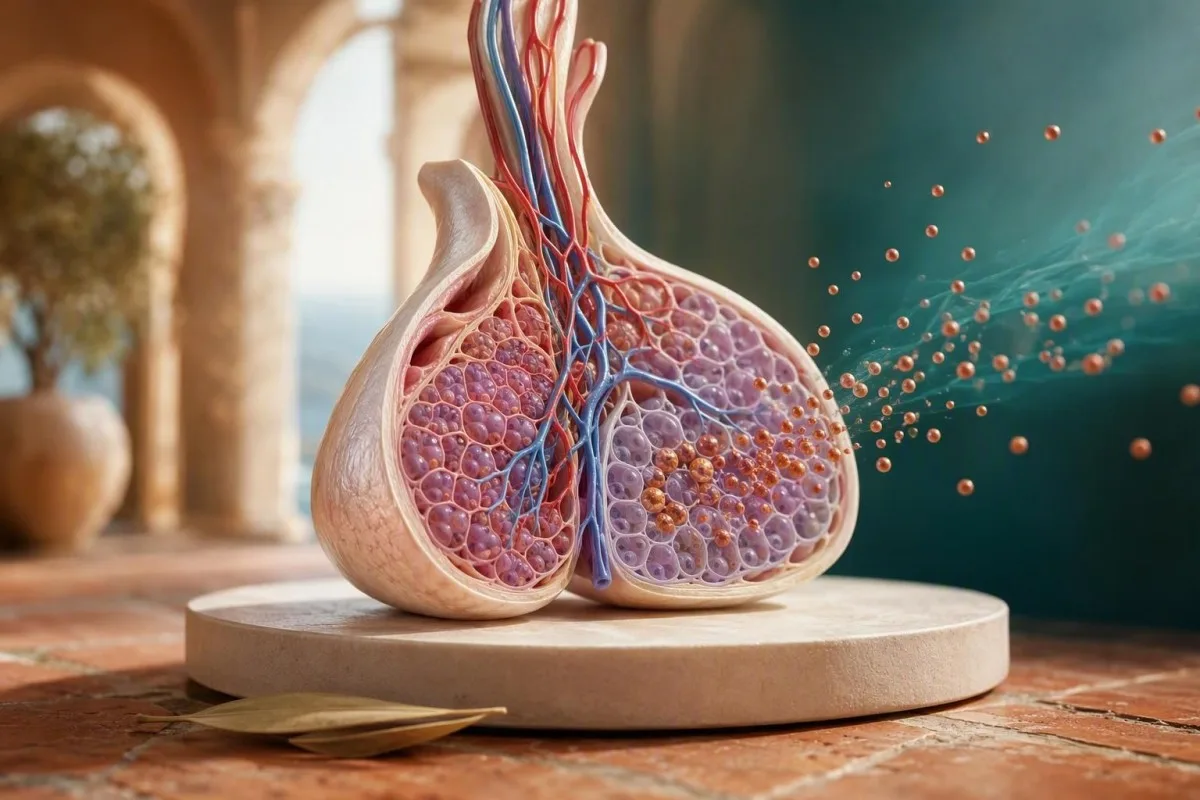
In grinsde prolaktine-útslach is faak tydlik, mar de omstannichheden fan de werhelle test en it patroan fan symptomen bepale oft it feilich folge wurde kin of dat it endokrinologyske beoardieling nedich hat.


- Lichte ferheging betsjut meastentiids in prolaktine-útslach krekt boppe de limyt fan it laboratoarium, faak ûnder de 50 ng/mL (sawat 1.060 mIU/L).
- Werhelje earst as prolaktine 20-50 ng/mL is en der gjin sichtbere symptomen, slimme hoofdpijn of grutte feroaringen yn de menstruaasje of seksuële funksje binne.
- Rêst is wichtig om't angsten foar bloedôfnimmen, minne sliep, oefening, boarststimulaasje en akute sykte prolaktine tydlik ferheegje kinne.
- Beoardieling fan medisinen is essinsjeel om't antipsychotika, metoclopramide, domperidone, opioïden, guon antidepressants en verapamil prolaktine ferheegje kinne.
- Testen fan makroprolaktine is bysûnder nuttich foar oanhâldende ferheging mei pear of gjin typyske symptomen; it identifisearret biologysk minder aktive prolaktinekompleksen.
- Nivo's boppe 100 ng/mL fertsjinje in rapere endokrinologyske beoardieling, hoewol't medisinen sa no en dan wearden yn dat berik produsearje kinne.
- Dringende oersjoch is nedich foar in nije slimme hoofdpijn, fermindere sydsicht, swangerskip mei fisuele symptomen, of hommelse neurologyske feroaring.
- Kontekst slacht ien sifer: swangerskipstatus, skildklierfunksje, nierfunksje, timing fan medisinen, en eardere wearden feroarje de ynterpretaasje.
Wat in grinsde prolaktine-útslach meastal betsjut
Licht ferhege prolaktine betsjutting is meastentiids in tydlik sinjaal ynstee fan bewiis fan in hypofyse-betingst: in resultaat ûnder 50 ng/mL (likernôch ûnder 1.060 mIU/L) fertsjinnet faak in soarchfâldich taret herhelingsûndersyk. Ik bin Dr. Thomas Klein, en yn klinyske resinsje is de kombinaasje fan de eksakte wearde, symptomen, medisinen, swangerskipmooglikheid, en samplingbetingsten folle wichtiger as in ienich read laboratoariumflagge.
De measte laboratoaria sitearje in net-swangere folwoeksen referinsjeinterval fan sawat 4-23 ng/mL by froulju en 3-15 ng/mL by manlju, mar metoaden ferskille. In wearde fan 27 ng/mL by in frou waans laboratoariumheechste limyt 23 ng/mL is, is in grinslizzend prolaktineresultaat, gjin diagnoaze; ienheden kinne sawat konvertearre wurde as 1 ng/mL = 21,2 mIU/L.
Klinisy wurde mear soargen as ferheging oanhâldend is, stige, of begelaat wurdt troch ôfwêzige perioaden, galactorrhoea, ynf ferljochting, lege libido, erektile muoite, hoofdpijn, of feroare fisy yn 'e periferie. In wearde boppe 200 ng/mL is mear suggestyf fan in prolaktine-sekretearjende hypofyse-adenoom dan in wearde fan 28 ng/mL, hoewol gjin limyt de klinyske beoardieling ferfangt.
Kantesti is in AI bloedtestanalysator dat in prolaktineresultaat neist skildklier-, nier-, lever-, swangerskip-relatearre, en seks-hormoan-oanwizings pleatst ynstee fan in isolearre flagge as in diagnoaze te behanneljen. Lêzers dy't ûnwissich binne oer laboratoariumflaggen kinne ek ús gids foar resultaten bûten de berikgrinzen.
Wêrom laboratoaria it net iens binne
Prolaktine-ymmunoassays binne net útwikselber: twa laboratoaria kinne wat ferskillende sifers melde fan deselde persoan op deselde dei. Brûk it referinsjeinterval dat neist jo eigen resultaat stiet en besykje, by it folgjen fan in trend, itselde laboratoarium te brûken; dit is ek wêrom resultaten tusken besites fergelykje freget mear soarch dan minsken ferwachtsje.
Tydlike oarsaken dy't prolaktine omheech triuwe kinne
Stress, sliepfersteuring, beweging, tepelstimulaasje, seksuele aktiviteit en akute sykte kinne in koartlibjende prolaktineferheging feroarsaake. In myld hege wearde nei in drege reis of in slapeloze nacht kin normalisearje sûnder behanneling.
Prolaktine wurdt yn pulsen frijlitten en stiet op tidens sliep, mei in pyk faak yn de iere moarntiid. In stekproef koart nei it wekkerjen, nei in nachtdien, of tidens in pynlike proseduere kin dêrom minder representatyf wêze as in rêstige midmoarnstekproef.
Nei myn ûnderfining hat in soargen 31-jierrige pasjint mei in prolaktine fan 34 ng/mL nei trije oeren sliep faak in normaal werhellingsresultaat om 10 oere moarns nei rêstich sitten. 15-30 minuten rêst sitten foar it nimmen fan de stekproef fermindert it effekt fan akute proseduerele stress, en it foarkommen fan yntinsive training foar 24 oeren is ferstannich.
Koartlyn koarts, in oanfal, boarstwandblessuere, of sels oanhâldende boarst- of boarststimulaasje kin prolaktine ferheegje. As jo test sykte folge, fergelykje it mei de timingprinsipes yn ús bloedtest-tiidline-gids, ynstee fan te oannimmen dat it nûmer jo langtermyn baseline reflektearret.
Hoe't in prolaktine-test goed werhelle wurdt
Werhelje prolaktine op in kalme moarn, ideaal 2-3 oeren nei it wekkerjen en nei 20-30 minuten fan stille sitten. Fêstjen is net universeel fereaske, mar in fêstjen fan in nacht kin in werhellingspaniel makliker te ynterpretearjen meitsje as glukoaze of lipiden ek mjitten wurde.
Foar in werhellingstest, foarkom yntinsive beweging, seks, boarststimulaasje, en net-essinsjele boarstûndersyk foar 24 oeren fan tefoaren. Stopje foarskreaune medisinen net op eigen manneboet; jou ynstee de medisinenam, dosering, lêste doseringstiid, en de reden wêrom't it foarskreaun is, op.
In praktyske fraach oan jo klinikus is: werhelje serûm prolaktine, swangerskipstest as relevant, TSH en frije T4, en kreatinine of eGFR as de oarsaak ûndúdlik is. Skildkliertest is wichtich, om't primêre hypothyroïdy kin thyrotropin-releasing hormone ferheegje en sekundêr prolaktine ferheegje; sjoch ús skyldkliertest skema.
Werheljen fan de timing is meastentiids 1-4 wiken foar in myld ûnferwacht resultaat as jo jo goed fiele, ynstee fan de oare deis. In trend kin dúdlik fêstlein wurde mei longitudinale labfolchting, benammen as jo sliep, syklusdei, sykte, en medisinen-notysjes bewarje.
Medikamenten dy't faak mild hege prolaktine feroarsaakje
Dopamine-blokkearjende medisinen hearre ta de meast foarkommende oarsaken fan oanhâldende mylde oant moderate prolaktineferheging. De wichtichste fertochten binne antipsykotika en anty-nausiamedisinen lykas metoclopramide en domperidone.
Dopamine ûnderdrukt normaal de prolaktine-release fan de hypofyse, sadat medisinen dy't dopamine D2-receptors blokkearje de nivo's substansjeel ferheegje kinne. Risperidone, amisulpride, haloperidol, metoclopramide, en domperidone binne faak foarbylden; opioïden, verapamil, en guon SSRI's kinne mear myld bydrage.
Medisinen-relatearre nivo's fariearje breed: risperidone kin prolaktine boppe 100 ng/mL, feroarsaakje, wylst in SSRI-assosjearre ferheging mar 25-40 ng/mL wêze kin. De reden dat wy in medisyn net gewoan stopje, is dat weromfal fan psychose, slimme misselijkheid, pine, of depresje in folle grutter direkte risiko kinne foarmje.
Kantesti AI is in AI lab test-ynterpretaasjetsjinst dat freget om medisynkontekst as in hormoanresultaat flagge kriget, mar de ynterpretaasje dêrfan kin de foarskriuwer net ferfange dy't wit wêrom't it medisyn begûn is. As der hormoan-relatearre symptomen oanwêzich binne, ús hormoanenpanielgids leit út hokker begeliedende resultaten kliïnyske ynspektearje.
Swangerskip, boarstfieding en normale fysiologyske stiging
Swangerskip en boarstfieding kinne prolaktine fier boppe net-swangere referinsjeranges ferheegje en wurde net ynterpretearre mei it gewoane 3-23 ng/mL-ynterval. In swangerskipstest is dêrom in iere en essinsjele stap by ûnferklearre ferheging foar elkenien dy't swier wêze kin.
Tiidens swangerskip stige prolaktine gewoanlik progressyf yn 'e 100-300 ng/mL berik troch lette gestaasje, en boarstfieding hanthavenet yntermitterende ferhegingen. De krekte wearde mjit de molkefoarsjenning net betrouber, dus it efterfolgjen fan in nûmer by in boarstfiedende persoan is selden nuttich.
Estrogeen-befetsjende medisinen en de normale menstruele syklus kinne in lyts bydrage leverje, mar se ferklearje selden in grutte oanhâldende ferheging allinich. Syklus timing kin ek relatearre hormonen lykas estradiol en progesteron komplisearje; ús ferklearring fan estradiol fariabiliteit yn menopause lit sjen wêrom't ien seks-hormoanresultaat selden alles antwurdget.
By in persoan dy't besiket swier te wurden, kin oanhâldende hyperprolaktinemy ovulaasje bemuoie troch it ûnderdrukken fan gonadotropine-releasing hormoan. Dat is klinysk relevant ek as it nûmer mar 35-60 ng/mL is, benammen as perioaden seldsum wurden binne.
Schildklier-, nier-, lever- en boarstwand-oarsaken
Primêre hypothyroïdy, fermindere nierklaring, chronike leversykte, en boarstwandstimulaasje kinne allegear prolaktine ferheegje sûnder in hypofysegroei. Dizze oarsaken wurde meast fûn troch skiednis en in lyts set fan doelgerichte laboratoariumtests foardat harsensôfbylding beskôge wurdt.
Overt primêre hypothyroïdy toant faak hege TSH mei lege frije T4, en korreksje mei levothyroxine kin prolaktine yn wiken oant moannen normalisearje. Sintrale hypothyroïdy hat in oar patroan, dus in normale TSH lost de fraach net altyd op as frije T4 leech is; lês ús gids foar lege frij T4 mei normale TSH.
Chronike nier sykte kin prolaktine ferheegje troch fermindere klaring en feroare dopamine regeling; in eGFR ûnder 60 mL/min/1.73 m² makket dizze ferklearring plauzibel. Leversykte is in minder mienskiplike isolearre ferklearring, mar syntetyske disfunksje en seks-hormoan feroarings kinne bydrage.
Herpes zoster oer de boarst, boarstchirurgie, brânwûnen, en oanhâldende meganyske irritaasje binne allegear keppele oan prolaktineferheging, om't sensoryske nerve-input de refleksrûte stimulearje kin. Dit is ien reden dat in klinikus freget nei in útslach of operaasje dy't net relatearre liket oan in hormoanresultaat.
Wannear't makroprolaktine-testing de ferstannige folgjende stap is
Macroprolaktine-testing is it meast nuttich as prolaktine ferhege bliuwt, mar symptomen ôfwêzich binne of út proportion fan it resultaat. Macroprolaktine is meastentiids prolaktine bûn oan immunoglobuline en hat minder biologyske aktiviteit, om't it earmer reseptors berikt.
In protte routine assays telle macroprolaktine as prolaktine, wêrtroch't in blykber heech resultaat ûntstiet by immen mei reguliere perioaden, gjin galaktorrhoea, en gjin fruchtberens- of seksuele symptomen. Laboratoaren skermje faak mei polyetyleen glykolpresipitaasje; in lege herstel fan monomere prolaktine stipet macroprolactinemy.
De Endocrine Society rjochtline riedt oan om macroprolaktine te kontrolearjen by asymptoatyske hyperprolaktinemy, om't it ûnnedige ôfbylding en behanneling foarkomme kin (Melmed et al., 2011). Publisearre prevalinsjeskattings ferskille sterk per assay en ferwizingepopulaasje, mar macroprolaktine ferskynt sawat 10-25% fan minsken dy't evaluearre binne foar ferhege prolactine.
Makroprolactine is gjin reden om symptomen dy't wirklik oanwêzich binne te negearjen; in persoan kin makroprolactine hawwe plus in oare endokrine probleem. Foar bredere assay pitfalls, ús artikel oer kwalitative versus kwantitative tests in nuttige begelieder.
Wat dokters kontrolearje by oanhâldende ferheging
Persistente prolactineferheging moat befêstige wurde en beoardiele wurde mei swangerskipstests as relevant, medisynen beoardieling, TSH/frij T4, nierfunksje, en makroprolactine foardat in hypofyse-sykte oannommen wurdt. In werhelingsresultaat yn deselde berik is ynformatyf as in inkeld isolearre resultaat.
In rjochte anamnese freget nei menstruele timing, molke ôffier, libido, erektile funksje, ynfertility, fisuele feroaring, hoofdpijn, seizures, boarst symptomen, en elke recept, oer-de-counter, en rekreative substânsje. Yn myn 15 jier fan klinyske praktyk is de medisynlist faak de ûntbrekkende oanwizing—benammen as de laboratoariumopdracht pleatst waard troch in klinikus dy't net fertroud is mei in psychiatryske of gastrointestinale recept.
Prolactine fan 50-100 ng/mL mei normale skildklier- en nierenfunksje, gjin medisynferklearring, en gjin makroprolactine rjochtfeardiget meastentiids endokrinology-ynput. De klinyske management review troch Serri en kollega's beklammet it identifisearjen fan fysiologyske en farmakologyske oarsaken foardat byldfoarming (Serri et al., 2003).
Kantesti's medyske validaasjenormen stypje patroan-basearre ynterpretaasje, mar abnormale resultaten moatte befêstige wurde troch in klinikus en it rapportearjende laboratoarium. It meitsjen fan in bondige kronology fan resultaten is faaks nuttiger as it werheljen fan in grut ûntelber hormoanpaniel.
Wannear't jo soargen meitsje oer prolaktine en om in driuwende beoardieling freegje
Nije fisuele symptomen, in slimme of rap fergriemjende hoofdpijn, neurologyske feroaring, of markearre persistinte prolactineferheging fereaskje prompt medyske beoardieling. MRI wurdt algemien beskôge nei't mienskiplike omkearbere oarsaken útsletten binne of as symptomen druk tichtby de optyske paden suggerearje.
In hypofyse-MRI is net automatysk nedich foar in inkeld wearde fan 29 ng/mL nei stress. It is ridliker mei ûnferklearre persistinte ferheging, prolactine boppe 100 ng/mL, amenorroe of hypogonadisme, of symptomen fan in hypofysese massa; wearden boppe 200 ng/mL makket in prolaktinoom wierskynliker.
Sykje deselde dei medysk advys foar ynienen yntinse hoofdpijn mei fisuele steurnis, braken, betizing, swakte, of flauens. Dizze skaaimerken binne ûngewoan yn gewoane mylde hyperprolactinaemia, mar se binne wichtich omdat hypofyse apopleksy en oare neurologyske sykten driuwend út te sluten binne.
Perifeare fisyferlies begjint faak subtym, sadat minsken tsjin doarposten oan rinne beskriuwe ynstee fan dúdlike blynheid. Us detaillearre resinsje fan hege prolaktine-symptomen leit út hokker kombinaasjes fan symptomen net wachtsje moatte op in routine werhelling.
Menstruaasjes, fruchtberens en bonkesûnens: wêrom't symptomen it plan feroarje
Mild ferhege prolactine is wichtiger as it perioaden, ovulaasje, fruchtberens, of oestrogeenbleatstelling fersteurt. It hormoan kin de reproduktive sinjalearring ûnderdrukke dy't nedich is foar reguliere ovulaasje, sels as der gjin dramatyske molke ôffier is.
Oligomenorroe betsjut syklusen langer as 35 dagen, wylst amenorroe gjin menstruele bloeding betsjut foar 3 moannen by ien dy't earder regelmjittich wie; beide fertsjinje medyske resinsje as prolactine ferhege is. In swangerskipstest komt earst, om't betide swangerskip folle gewoaner is as in hypofyse-stoornis.
Leech oestrogeen oer in protte moannen kin de bonedens ferminderje, benammen as hyperprolactinaemia amenorroe feroarsaket. De direkte taak is net om blindly oanfollingen te begjinnen, mar om de oarsaak te identifisearjen en de passende hormonale funksje te herstellen; froulju dy't behanneling beskôgje kinne resinsje foarige HRT-baseline tests.
Galaktorrhoea is molke-eftige ôfskieding dy't net relatearre is oan swangerskip of boarstfieding, mar it is net needsaaklik of genôch foar hege prolaktine. In normale prolaktine-resultaat slút gjin lokale boarsoarsaak út, en in ferhege resultaat makket ôfskieding net automatysk gefaarlik.
Mild hege prolaktine by manlju: de oersjen yndikaasjes
By manlju kin oanhâldende hege prolaktine it libido ferleegje, ereksjes hinderje, testosteron ferminderje en soms de fruchtberens beynfloedzje. In resultaat moat ynterpretearre wurde mei in goed timed moarnstestosteronpaniel, net allinich op prolaktine.
By manlju mei seksuele symptomen mjitte dokters faak totaal testosteron tusken 7 en 11 oere moarns., mei SHBG en berekûnde frij testosteron as dat nedich is. Prolaktine kin gonadotropinen ûnderdrukke, wêrtroch't lege of ûnferwacht normale LH en FSH neist leech testosteron ûntsteane.
In 42-jierrige man mei prolaktine fan 31 ng/mL en grinsleaze leech testosteron kin min sliepe, obesitas, medisyn-effekt, of hypofyse-dysfunksje hawwe - der is gjin ien dy't shortcut. Us ferklearring fan leech frij testosteron lit sjen wêrom't SHBG de ynterpretaasje fan in totale wearde radikaal feroarje kin.
Kantesti is in AI-biomarker-ynterpretaasjeplatfoarm dat prolaktine kin fergelykje mei testosteron, LH, FSH, TSH, en eardere resultaten, mar it moat nea brûkt wurde om in hypofyse-lesje te diagnostisearjen. Oanhâldende symptomen fertsjinje in earste-soarch- of endokrine besprekking, sels as de prolaktine-stiging moderaat is.
Assayproblemen: biotine, hook effect en in misliedende útslach
Laboratoriumynterferinsje is ûngewoan, mar moat beskôge wurde as it prolaktine-nûmer skerp yn striid is mei symptomen of MRI-befiningen. Biotine fersteurt meastentiids mear mei guon oare endokrine immunoassays dan prolaktine, dochs heart elk oanfolling op de oanfraachskiednis fan it laboratorium.
It high-dose hook-effekt kin in falsk lege prolaktine-resultaat feroarsaakje as in tige grutte prolaktinoom ekstreem hege hormoankonsintraasjes produseart dy't in twa-site assay oerweldigje. As MRI in grutte hypofysemassa sjen lit, mar prolaktine is allinich licht ferhege, kin it laboratorium it monster ferdunje en de assay werhelje.
Biotine-doses fan 5-10 mg deistich—gewoan yn hier- en nagelprodukten—kin ynfiere mei selektearre streptavidin-biotin assays. Fertel de dokter en it laboratoarium oer oanfollingen, en folgje it advys fan it lokale laboratoarium oer it ynlûken dêrfan; ús oanfollingen foar bloedtests ferklearret wêrom't dit gjin ien-grutte-past-alle-regel is.
Heterofile antistoffen binne in oare seldsume boarne fan misliedende immunoassays, benammen as wearden yn striid binne mei it klinyske byld. Werhelje yn in oar laboratoarium of in alternative assaymetoade brûke kin ûnwissichheid oplosse sûnder in pasjint te ûnderwerpen oan ûnnedige scans.
Spesjale situaasjes: adolesinten, menopoaze en antipsychotyske behanneling
Leeftyd, menopoaze status, en de reden foar in dopamine-blokkearjend medisyn feroarje de drompel foar aksje. Deselde prolaktine-wearde kin wat oars betsjutte by in 16-jierrige mei fertrage puberteit, in boarstfieding âlder, en in 62-jierrige dy't antipsychotika nimt.
Adolesinten hawwe pediatryske of adolesinte endokrine ynterpretaasje nedich, om't puberteit, menstruearre fêstiging en groei de klinyske kontekst feroarje. Prolaktinetests by bern binne selden in routine screeningstest en moatte keppele wurde oan in spesifike symptoom of medisynfraach.
Nei de menopoaze wurdt in prolaktineferheging net ferklearre troch normale syklusfariaasje, dus oanhâldende wearden fertsjinje in betochte medisinen- en endokrine resinsje. Menopoazesymptomen kinne oerlaapje mei skildklier- en prolaktinesymptomen; ús gids foar FSH nei menopoaze helpt om ferwachte feroaringen te skieden fan ûnferwachte patroanen.
Foar antipsytoatyske hyperprolactinaemia, moat it behear dield wurde mei de mentale sûnensfoarskriuwer. Opsjes kinne observaasje, dosis oanpassing, of medikaasjes wikselje omfetsje, mar dopaminagonyse lykas cabergoline kinne psychyske symptomen fergrije by gefoelige minsken en binne gjin casual add-ons.
Hoe't jo in prolaktine-trend opnimme kinne dêr't jo dokter wat oan hat
In nuttige prolaktinetrend befettet it resultaat, laboratoariumberik, kolleksjetiid, sliep, syklus of swangerskipstatus, sykte, en medisinen. Trije wearden sammele ûnder ferskate betingsten kinne minder nuttich wêze dan twa wearden konsekwint sammele.
Skriuw de krekte ienheden op, om't ng/mL en mIU/L net direkt ferlykje kinne wurde sûnder konversje, en behâld it laboratoariumreferinsjeinterval. Notearje oft jo yn de foargeande 24 oeren oefene, fêste, boarstfieden, seks hân, medisinen nommen hawwe, of min sliept hawwe.
Kantesti AI, in AI-oandreaune ark foar analyse fan bloedtests, kin histoaryske rapporten organisearje en feroarjende resultaten oer laboratoariumpanielen yn sawat 60 sekonden markearje, dochs bliuwe de orizjinele PDF en it laboratoariumberik de boarne fan records. Us labresultaat-tracker checklist listet de praktyske details dy't falske trendalarms foarkomme.
As jo resultaten diele mei in famyljelid of klinikus, behâld dan de kontrôle oer tastimming en tagong. Minsken dy't húshâldingsregisters beheare kinne ús advys brûke oer feilich diele fan famyljeresultaten sûnder in hormoanresultaat yn in famyljediagnosis te feroarjen.
In praktysk paad fan 2026 nei in mylde prolaktine-útslach
Fanôf 28 augustus 2026 is in praktysk paad om in myld ûnferwacht resultaat ien kear ûnder standertbetingsten te befêstigjen, reversibele oarsaken te kontrolearjen, macroprolactin te freegjen as ferheging persistearret sûnder symptomen, en te ferwizen as nivo's of symptomen it rjochtfeardigje. Dizze oanpak foarkomt sawol ûnnedige MRI-scans as miste endokrine sykte.
Foar prolaktine ûnder 50 ng/mL, gjin read-flagge symptomen, en in dúdlike tydlike trigger, werhelje yn 1-4 wiken nei't sliep en rêst normalisearre binne. Foar persistearjende 50-100 ng/mL, besjoch medisinen, swangerskipstatus, TSH/frij T4, eGFR, en macroprolactin; foar wearden boppe 100 ng/mL of soargen symptomen, regelje tiidiger endokrine beoardieling.
Dr. Thomas Klein syn praktyske regel is ienfâldich: besykje prolaktine net te ferleegjen mei supplementen foardat jo witte wêrom't it ferhege is. Us klinisy en resinsinten wurkje neffens de noarmen beskreaun troch de Medyske Advysried, en lêzers kinne sjen hoe't patroanynterpretaasje wurket yn ús AI-technologygids.
Foar lêzers dy't relatearre laboratoariummetodology ûndersykje, omfetsje Kantesti-publikaasjes Gids foar izerstúdzjes: TIBC, izerfersêding en bindingskapasiteit en aPTT Normaal Berik: D-Dimer, Proteïne C Bloedstollingsgids; dit binne gjin prolaktinerjochtlinen, mar se beskriuwe itselde prinsipe fan it ynterpretearjen fan in laboratoariumwearde yn syn testkontekst. De formele publikaasjelinks bliuwe hjirûnder foar transparânsje.
Faak stelde fragen
Wat betsjut in grins prolaktinepeil?
In grinsprolaktine wurdt meastentiids betsjut dat it resultaat mar in lyts bytsje boppe de boppegrins fan jo laboratoarium leit, faak sa'n 25-50 ng/mL. Stress, resinte oefening, min sliepen, boarststimulaasje, akute sykte en medisinen kinne allegearre dit nivo fan ferheging feroarsaakje. De measte minsken mei in ûnferwacht grinspresultaat en gjin "reade flagge" symptomen moatte de test werhelje ûnder rêstigere moarns betingsten foardat ôfbylding of behanneling beskôge wurdt. De laboratoariumrekker en de ienheden, meastentiids ng/mL of mIU/L, moatte tegearre mei de krekte wearde besjoen wurde.
Moat ik my soargen meitsje as myn prolaktine 30 ng/mL is?
In in protalin-nivo fan 30 ng/mL is byino ferhege yn in protte laboratoarium-rekken fan folwoeksenen dy't net swier binne en is meastentiids gjin needgefal op himsels. In klinikus sil rekken hâlde mei swangerskip, medisinen, sliep, stress, skildklierfunksje, niersfunksje, symptomen, en oft de stekproef nommen is nei rêst. It werheljen fan it resultaat yn 1-4 wiken is meastentiids passend as der gjin slimme hoofdpijn, fisuele feroaring, of signifikante menstruaasje- of seksuele disfunksje is. Oanhâldende ferheging kin makroprolaktinetesting en endokrine beoardieling rjochtfeardigje.
Kinne it earst prolaktine ferheegje by in bloedtest?
Ja, angst om in samling te sammeljen kin prolaktine tydlik ferheegje, om't prolaktine reagearret op fysike en emosjonele stress. Stil sitte foar 20-30 minuten foar de samling en testen 2-3 oeren nei it wekkerjen makket in werhellingsresultaat mear representatyf. It foarkommen fan yntinsive oefening, seks en boarstimulaasje foar 24 oeren fermindert fierder te foarkommen fariaasje. Angst allinnich moat net oannommen wurde om in resultaat te ferklearjen dat heech bliuwt op goed sammele werhellingssamples.
Wann moat makroprolaktine wurde hifrege?
Makroprolaktine moat wurde beskôge as prolaktine ferhege bliuwt by werhelle testen, mar typyske symptomen ôfwêzich of mild binne. Makroprolaktine bestiet út prolaktine bûn oan immunoglobuline, en rûtine-assays kinne it telle, nettsjinsteande syn legere biologyske aktiviteit. Laboratoaren brûke faak polyetyleenglykol presipitaasje om de aktive monomere fraksje te skatten. Testen kin ûnnedige hypofyse-MRI of behanneling foarkomme, benammen mei oanhâldende wearden yn it berik fan 25-100 ng/mL.
Hokker prolaktinewearde wiist op in tumors fan de hypofyse?
Gjin i i njëjtë i nivelit të prolaktinës nuk diagnostifikon një tumor hipofizar, por nivelet e vazhdueshme mbi 100 ng/mL rrisin nevojën për vlerësim endokrin pas kontrollit të medikamenteve dhe shkaqeve të tjera. Nivelet mbi 200 ng/mL sugjerojnë më shumë një adenomë hipofizare që sekreton prolaktinë, megjithëse medikamentet bllokuese të dopaminës ndonjëherë mund të prodhojnë ngritje të theksuara. Vendimet e rezonancës magnetike gjithashtu varen nga dhimbja e kokës, simptomat vizuale, disfunksioni menstrual ose seksual, dhe rezultatet e testeve të tiroides, shtatzënisë, veshkave dhe makroprolaktinës. Një nivel i vetëm prej 25-40 ng/mL është shumë më shpesh kalimtar ose sekondar sesa një tumor i madh hipofizar.
Kin ik in bytsje te hege prolaktine natuerlik ferleegje?
Jo moatte net besykje om licht ferhege prolactine te behanneljen mei oanfollingen foardat jo it resultaat befêstigje en de oarsaak identifisearje. Better sliepen, yntinsive oefening foarkomme foardat jo in werhellingsmonster nimme, en it ferminderjen fan te foarkommen stress kin helpe om in tydlike stiging te foarkommen dy't de test ferdraait, mar it behannelet gjin oanhâldende hyperprolaktinemy dy't medisinen, skildklier, nieren of hypofyse-relatearre is. Stopje gjin antipsychotika, medisinen tsjin misselijkheid, opioïden, of antidepressiva sûnder advys fan de foarskriuwende klinikus. De feilichste folgjende stap is in goed taret werhellingstest en in rjochte klinyske resinsje.
Krij hjoed noch AI-oandreaune bloedtest-analyse
Doch mei oan mear as 2 miljoen brûkers wrâldwiid dy’t Kantesti fertrouwe foar direkte, krekte analyse fan laboratoariumtests. Upload jo bloedtest resultaten en ûntfange wiidweidige ynterpretaasje fan 15,000+-biomarkers yn sekonden.
📚 Ferwiisde ûndersykspublikaasjes
Klein, T., Mitchell, S., & Weber, H. (2026). Gids foar izerstúdzjes: TIBC, izerfersêding en bindingskapasiteit. Kantesti AI Medysk Undersyk.
Klein, T., Mitchell, S., & Weber, H. (2026). aPTT Normaal Berik: D-Dimer, Proteïne C Bloedstollingsgids. Kantesti AI Medysk Undersyk.
📖 Eksterne medyske referinsjes
Serri O et al. (2003). Diagnoaze en behear fan hyperprolactinemia. CMAJ.
Gibney J et al. (2005). De ynfloed op klinyske praktyk fan routine screening foar macroprolactin. Journal of Clinical Endocrinology & Metabolism.
⚕️ Medyske disclaimer
Dit artikel is allinnich foar ûnderwiisdoelen en foarmet gjin medysk advys. Rieplachtsje altyd in kwalifisearre soarchferliener foar besluten oer diagnoaze en behanneling.
E-E-A-T fertrouwensignalen
Ûnderfining
Dokter-oandreaune klinyske resinsje fan lab-ynterpretaasje-wurkprosessen.
Ekspertize
Fokus fan laboratoariummedisyne op hoe’t biomarkers har gedrage yn in klinyske kontekst.
Autoriteit
Skreaun troch dr. Thomas Klein mei resinsje troch dr. Sarah Mitchell en prof. dr. Hans Weber.
Betrouberens
Bewiis-basearre ynterpretaasje mei dúdlike ferfolchpaadkes om alarm te ferminderjen.