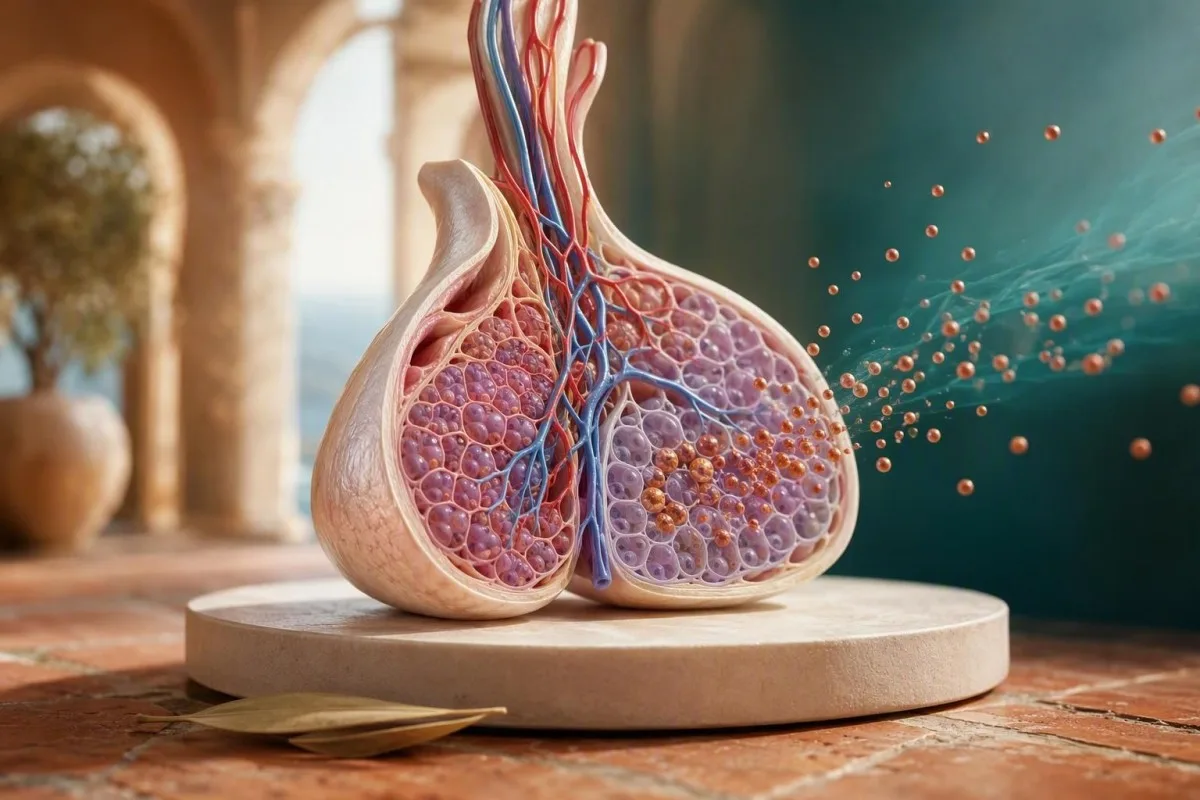
Rajatapauksen prolaktiinitulos on usein ohimenevä, mutta uusintatestin olosuhteet ja oireiden luonne määrittävät, voidaanko sitä seurata turvallisesti vai tarvitaanko endokrinologin arviota.


- Lievä kohoaminen tarkoittaa yleensä prolaktiinitulosta, joka on juuri ja juuri raportoivan laboratorion ylärajan yläpuolella, usein alle 50 ng/mL (noin 1 060 mIU/L).
- Toista ensin kun prolaktiini on 20–50 ng/mL eikä ole näköoireita, voimakasta päänsärkyä tai merkittäviä kuukautis- tai seksuaalitoimintojen muutoksia.
- Lepo on tärkeää koska laskimopunktion ahdistus, huono uni, liikunta, rintojen stimulaatio ja akuutti sairaus voivat nostaa prolaktiinia ohimenevästi.
- Lääkityksen tarkistus on välttämätöntä, koska antipsykootit, metoklopramidi, domperidoni, opioidit, jotkin masennuslääkkeet ja verapamiili voivat kohottaa prolaktiinia.
- Makroprolaktiinitutkimus on erityisen hyödyllinen jatkuvassa kohonneisuudessa, jossa on vähän tai ei ollenkaan tyypillisiä oireita; se tunnistaa biologisesti vähemmän aktiivisia prolaktiinikomplekseja.
- Tasot yli 100 ng/mL ansaitsevat nopeamman endokrinologisen arvioinnin, vaikka lääkkeet voivat toisinaan tuottaa arvoja tällä alueella.
- Kiireellinen arvio tarvitaan uuteen voimakkaaseen päänsärkyyn, alentuneeseen sivunäköön, raskauteen näköoireiden kanssa tai äkilliseen neurologiseen muutokseen.
- Konteksti vaikuttaa tulkintaan: raskauden tila, kilpirauhasen toiminta, munuaisten toiminta, lääkityksen ajoitus ja aiemmat arvot vaikuttavat tulkintaan.
Mitä rajatapauksen prolaktiinitulos yleensä tarkoittaa
Lievästi kohonnut prolaktiini tarkoittaa yleensä ohimenevää signaalia eikä todistetta aivolisäkkeen sairaudesta: tulos alle 50 ng/mL (noin alle 1 060 mIU/L) edellyttää yleensä huolellisesti valmisteltua uusintatestiä. Olen tohtori Thomas Klein, ja kliinisessä arvioinnissa tarkka arvo, oireet, lääkkeet, raskauden mahdollisuus ja näytteenotto-olosuhteet yhdistelmä on paljon tärkeämpi kuin yksittäinen punainen laboratoriolippu.
Useimmat laboratoriot ilmoittavat ei-raskaana olevan aikuisen viitevälin noin 4–23 ng/mL naisilla ja 3–15 ng/mL miehillä, mutta menetelmät vaihtelevat. Arvo 27 ng/mL naisella, jonka laboratorion yläraja on 23 ng/mL, on rajatapaus prolaktiinituloksessa, ei diagnoosi; yksiköt voidaan muuntaa likimäärin muotoon 1 ng/mL = 21,2 mIU/L.
Lääkärit ovat enemmän huolissaan, kun kohonnat ovat pysyviä, nousevia tai niihin liittyy kuukautisten puuttumista, galaktorreaa, hedelmättömyyttä, alhaista libidoa, erektiohäiriöitä, päänsärkyä tai muuttunutta ääreisnäköä. Arvo yli 200 ng/ml viittaa todennäköisemmin prolaktiinia erittävään aivolisäkeadenoomaan kuin arvo 28 ng/mL, vaikka mikään raja-arvo ei korvaa kliinistä arviointia.
Kantesti on Tekoälyinen verikoeanalysaattori joka sijoittaa prolaktiinituloksen kilpirauhasen, munuaisten, maksan, raskauden ja sukupuolihormonien vihjeiden rinnalle sen sijaan, että yksittäistä lippua käsiteltäisiin diagnoosina. Lukijat, jotka ovat epävarmoja laboratoriolippujen merkityksestä, voivat myös tutustua oppaaseemme poikkeavien tulosten osalta.
Miksi laboratoriot ovat eri mieltä
Prolaktiinin immunomääritykset eivät ole vaihdettavissa keskenään: kaksi laboratoriota voi ilmoittaa hieman erilaisia lukuja samalta henkilöltä samana päivänä. Käytä oman tuloksesi vieressä olevaa viiteväliä ja yritä seurata trendiä käyttämällä samaa laboratoriota; tämä on myös syy siihen, miksi tulosten vertailu käyntien välillä vaatii enemmän huolellisuutta kuin ihmiset odottavat.
Ohimenevät syyt, jotka voivat nostaa prolaktiinia
Stressi, unihäiriöt, liikunta, nännien stimulaatio, seksuaalinen aktiivisuus ja akuutti sairaus voivat aiheuttaa lyhytkestoisen prolaktiinin nousun. Lievästi kohonnut arvo vaikean työmatkan tai univajeisen yön jälkeen voi normalisoitua ilman hoitoa.
Prolaktiinia vapautuu pulsseina ja se nousee unen aikana, usein huippuarvojen ollessa varhaisina aamutunteina. Siksi pian heräämisen jälkeen, yövuoron jälkeen tai kivuliaan toimenpiteen aikana otettu näyte voi olla vähemmän edustava kuin levänneenä otettu aamupäivän näyte.
Kokemukseni mukaan ahdistuneella 31-vuotiaalla potilaalla, jonka prolaktiiniarvo on 34 ng/mL kolmen tunnin unen jälkeen, on usein normaali uusintatulos klo 10 hiljaa istumisen jälkeen. 15–30 minuutin istumalepo ennen näytteenottoa vähentää akuutin toimenpiteellisen stressin vaikutusta, ja on järkevää välttää voimakasta harjoittelua 24 tuntia ennen.
Äskettäinen kuume, kouristuskohtaus, rintakehän vamma tai jopa jatkuva rintojen tai rintakehän stimulaatio voi kohottaa prolaktiinia. Jos testisi tehtiin sairauden jälkeen, vertaa sitä aikatauluperiaatteisiin verikokeiden aikajanan opas, sen sijaan, että olettaisit luvun heijastavan pitkäaikaista perustasoasi.
Miten prolaktiinitesti uusitaan oikein
Toista prolaktiinimittaus tyynenä aamuna, mieluiten 2–3 tuntia heräämisen jälkeen ja 20–30 minuutin hiljaisen istumisen jälkeen. Paasto ei ole yleisesti vaadittua, mutta yön yli kestävän paaston jälkeen uusintapaneeli voi olla helpompi tulkita, kun myös glukoosia tai lipidejä mitataan.
Uusintatestiä varten vältä raskasta liikuntaa, seksiä, rintojen stimulaatiota ja tarpeetonta rintakehän tutkimista 24 tuntia etukäteen. Älä lopeta määrättyä lääkitystä omin päin; sen sijaan kirjaa lääkkeen nimi, annos, viimeisen annoksen ajankohta ja syy sen määräämiseen.
Käytännöllinen pyyntö hoitavalle lääkärillesi on: uusi seerumin prolaktiini, raskaustesti, jos relevantti, TSH:n ja vapaan T4:n, ja kreatiniini tai eGFR, kun syy on epäselvä. Kilpirauhastestaus on tärkeää, koska primaari hypotyreoosi voi kohottaa tyreotropiinia vapauttavaa hormonia ja toissijaisesti lisätä prolaktiinia; katso kilpirauhasen uusintatestien aikataulu.
Uusinnan ajoitus on yleensä kuluessa lievän odottamattoman tuloksen kohdalla, kun tunnet olosi hyväksi, pikemminkin kuin seuraavana päivänä. Trendi voidaan kuvata selkeästi pitkittäisessä laboratoriotulosten seurannassa, varsinkin jos kirjaat muistiin unen, kierron päivän, sairauden ja lääkityksen.
Lääkkeet, jotka yleisesti aiheuttavat lievästi kohonnutta prolaktiinia
Dopamiinia estävät lääkkeet ovat yleisimpiä jatkuvan lievän tai kohtalaisen prolaktiinin kohoamisen syitä. Keskeiset syylliset ovat psykoosilääkkeet ja pahoinvoinnin vastaiset lääkkeet, kuten metoklopramidi ja domperidoni.
Dopamiini normaalisti estää aivolisäkkeen prolaktiinin vapautumista, joten dopamiini D2 -reseptoreita estävät lääkkeet voivat lisätä tasoja merkittävästi. Risperidoni, amisulpridi, haloperidoli, metoklopramidi ja domperidoni ovat yleisiä esimerkkejä; opioidit, verapamiili ja jotkin SSRI-lääkkeet voivat vaikuttaa vaatimattomammin.
Lääkitykseen liittyvät tasot vaihtelevat suuresti: risperidoni voi aiheuttaa prolaktiinitasoja yli 100 ng/mL, kun taas SSRI-lääkkeisiin liittyvä nousu voi olla vain 25–40 ng/mL. Syy siihen, miksi emme lopeta lääkettä yksinkertaisesti, on se, että psykoosin, vaikean pahoinvoinnin, kivun tai masennuksen uusiutuminen voi aiheuttaa paljon suuremman välittömän riskin.
Kantesti AI on AI-laboratoriotestien tulkintapalvelu , joka pyytää lääkityksen kontekstia, kun hormonitulos on merkitty, mutta sen tulkinta ei voi korvata määräävää lääkäriä, joka tietää, miksi lääkitys aloitettiin. Jos esiintyy hormonaalisia oireita, meidän hormonipaneliopas selittää, mitä mukana seuraavia tuloksia kliinikot yleensä tarkastelevat.
Raskaus, imetys ja normaali fysiologinen nousu
Raskaus ja imetys voivat nostaa prolaktiinia huomattavasti yli ei-raskaana olevien viitearvojen, eikä niitä tulkita tavanomaisella 3–23 ng/mL välinä. Raskaustesti onkin varhainen ja välttämätön toimi selittämättömän suurentuneen arvon selvittämisessä kaikilla, jotka voivat olla raskaana.
Raskauden aikana prolaktiini nousee yleensä asteittain 100–300 ng/mL alueelle loppuraskaudessa, ja imetys ylläpitää ajoittaisia suurenemia. Tarkka arvo ei mittaa maidontuotantoa luotettavasti, joten imettävän henkilön arvon tavoittelu on harvoin hyödyllistä.
Estrogeeniä sisältävä lääkitys ja normaali kuukautiskierto voivat vaikuttaa vähän, mutta ne selittävät harvoin yksinään suurta pysyvää nousua. Kierron vaihe voi myös vaikeuttaa muiden hormonien, kuten estradiolin ja progesteronin, tulkintaa; selityksemme estradiolin vaihteluun vaihdevuosien aikana näyttää, miksi yhden sukuhormonin tulos harvoin kertoo kaikkea.
Hedelmällisyystä yrittävällä henkilöllä pysyvä hyperprolaktinemia voi häiritä ovulaatiota estämällä gonadotropiinia vapauttavan hormonin (GnRH). Tämä on kliinisesti merkittävää, vaikka arvo olisi vain 35–60 ng/mL, erityisesti jos kuukautiset ovat harventuneet.
Kilpirauhas-, munuais-, maksa- ja rintakehän syyt
Primaarinen hypotyreoosi, heikentynyt munuaisten puhdistuma, krooninen maksasairaus ja rintakehän stimulaatio voivat kaikki nostaa prolaktiinia ilman aivolisäkekasvainta. Nämä syyt havaitaan yleensä anamneesin ja pienen määrän kohdennettuja laboratoriotutkimuksia avulla ennen aivojen kuvantamisen harkitsemista.
Ilmeinen primaarinen hypotyreoosi osoittaa usein TSH ja matala vapaa T4, ja hoito levotyroksiinilla voi normalisoida prolaktiinitasot viikoissa tai kuukausissa. Sentralisen hypotyreoosin kuvio on erilainen, joten normaali TSH ei aina ratkaise kysymystä, kun vapaa T4 on matala; lue oppaamme matala vapaa T4 normaalilla TSH:lla.
Krooninen munuaissairaus voi nostaa prolaktiinia puhdistuman heikkenemisen ja muuttuneen dopamiinisäätelyn vuoksi; eGFR alle viittaa CKD:hen, alle tekee tästä selityksestä uskottavamman. Maksasairaus on harvinaisempi erillinen selitys, mutta synteesihäiriö ja sukuhormonien muutokset voivat vaikuttaa.
Vyöruusu rintakehällä, rintakehän leikkaus, palovammat ja jatkuva mekaaninen ärsytys on yhdistetty prolaktiinin nousuun, koska aistinelinten hermoinputki voi stimuloida refleksireittiä. Tämä on yksi syy siihen, miksi kliinikko kysyy ihottumasta tai leikkauksesta, joka vaikuttaa epäsuhtaiselta hormonaaliseen tulokseen nähden.
Milloin makroprolaktiinin testaus on järkevä seuraava askel
Makroprolaktiinitesti on hyödyllisin, kun prolaktiini pysyy koholla, mutta oireita ei ole tai ne ovat epäsuhtaisia tulokseen nähden. Makroprolaktiini on yleensä immunoglobuliiniin sitoutunutta prolaktiinia, ja sillä on vähemmän biologista aktiivisuutta, koska se pääsee reseptoreihin huonosti.
Monet rutiinianalyysit laskevat makroprolaktiinin prolaktiiniksi, mikä luo ilmeisesti korkean tuloksen henkilölle, jolla on säännölliset kuukautiset, ei galaktorreaa eikä hedelmällisyys- tai seksuaalioireita. Laboratoriot suorittavat yleensä seulonnan polyetyleeniglykolisaostuksella; monomeerisen prolaktiinin vähäinen talteenotto tukee makroprolaktinemiaa.
Endocrine Societyn suositus kehottaa tarkistamaan makroprolaktiinin oireettomassa hyperprolaktinemiassa, koska se voi estää tarpeettoman kuvantamisen ja hoidon (Melmed et al., 2011). Julkaistut esiintyvyysarviot vaihtelevat merkittävästi analyysimenetelmästä ja potilasryhmästä riippuen, mutta makroprolaktiinia esiintyy noin 10-25% ihmisillä, joilla on tutkittu kohonnutta prolaktiinia.
Makroprolaktiini ei ole syy sivuuttaa oireita, jotka ovat todellisia; henkilöllä voi olla makroprolaktiinia ja toinen hormonaalinen ongelma. Laajemmista analyysivirheistä artikkelimme laadulliset ja määrälliset testit on hyödyllinen lisä.
Mitä lääkärit tarkistavat, kun kohonneisuus jatkuu
Pitkittynyt prolaktiinin kohoaminen on vahvistettava ja arvioitava raskaustestillä, jos se on relevantti, lääkityksen tarkistuksella, TSH/vapaa T4, munuaistoiminta ja makroprolaktiini ennen kuin oletetaan aivolisäkesairaus. Samaa aluetta osoittava toistuva tulos on informatiivisempi kuin yksittäinen, erillinen tulos.
Kohdennettu anamneesi kysyy kuukautisten ajoituksesta, rintamaidenerityksestä, libIdosta, erektiotoiminnosta, hedelmättömyydestä, näkömuutoksista, päänsäryistä, kouristuksista, rintaoireista ja jokaisesta resepti-, itsehoito- ja virkistysaineesta. 15 vuoden kliinisessä käytännössäni lääkelista on usein puuttuva vihje – erityisesti silloin, kun laboratoriotilaus tehtiin kliinikon toimesta, joka ei ollut perehtynyt psykiatriseen tai maha-suolikanavan reseptilääkkeisiin.
Prolactin of 50–100 ng/mL normaalin kilpirauhasen ja munuaistoiminnan, ilman lääkityksen selitystä ja ilman makroprolaktiinia, yleensä oikeuttaa endokrinologin arviota. Serri ja kollegoiden kliinisen hoidon tarkistus korostaa fysiologisten ja farmakologisten syiden tunnistamista ennen kuvantamista (Serri et al., 2003).
Kantestin lääketieteellisen validoinnin standardit tukevat kuvioon perustuvaa tulkintaa, mutta poikkeavat tulokset on vahvistettava kliinikon ja raportoivan laboratorion avulla. Tiivistetyn tuloshistorian esittäminen on usein hyödyllisempää kuin suuren, epäspesifin hormonipaneelin toistaminen.
Milloin olla huolissaan prolaktiinista ja pyytää kiireellistä arviota
Uudet näköoireet, voimakas tai nopeasti paheneva päänsärky, neurologinen muutos tai merkittävä, jatkuva prolaktiinin kohoaminen vaativat nopeaa lääketieteellistä arviointia. MRI:tä harkitaan yleensä sen jälkeen, kun yleiset, palautuvat syyt on suljettu pois tai kun oireet viittaavat paineeseen näköhermoratojen lähellä.
Aivolisäkkeen MRI-kuvantamista ei automaattisesti tarvita yksittäiselle 29 ng/mL:n arvolle stressin jälkeen. Se on järkevämpää selittämättömän jatkuvan kohoamisen, prolaktiinin ollessa yli 100 ng/mL, amenorrea tai hypogonadismi, tai aivolisäkkeen kasvaimen oireiden yhteydessä; arvot yli 200 ng/ml tekee prolaktinooman todennäköisemmäksi.
Hae päivystyksellistä lääketieteellistä neuvontaa äkillisen, kovan päänsäryn, johon liittyy näköhäiriöitä, oksentelua, sekavuutta, heikkoutta tai pyörtymistä. Nämä piirteet ovat harvinaisia tavallisessa lievässä hyperprolaktinemiassa, mutta ne ovat tärkeitä, koska aivolisäkkeen apopleksia ja muut neurologiset sairaudet on suljettava kiireellisesti pois.
Perifeerisen näön menetys alkaa usein hienovaraisesti, joten ihmiset kuvaavat törmäävänsä ovenkarmeihin sen sijaan, että he sokeutuisivat ilmeisesti. Yksityiskohtainen katsauksemme korkean prolaktiinin oireet selittää, mitkä oireyhdistelmät eivät saa odottaa rutiininomaista uudelleentestausta.
Kuukautiset, hedelmällisyys ja luuston terveys: miksi oireet muuttavat suunnitelmaa
Lievästi kohonnut prolaktiini on merkityksellisempi, kun se häiritsee kuukautisia, ovulaatiota, hedelmällisyyttä tai estrogeenialtistusta. Hormoni voi tukahduttaa lisääntymiskykyyn liittyvän signaloinnin, jota tarvitaan säännölliseen ovulaatioon, vaikka rintamaideneritystä ei olisikaan dramaattisesti.
Oligomenorrea tarkoittaa yli 35 päivän, kestävää sykliä, kun taas amenorrea tarkoittaa kuukautisvuodon puuttumista 3 kuukauden ajan aiemmin säännöllisillä henkilöillä; molemmat edellyttävät kliinistä arviota, jos prolaktiini on kohonnut. Raskaustesti tehdään ensin, koska alkuraskaus on paljon yleisempi kuin aivolisäkesairaus.
Alhainen estrogeenitaso monien kuukausien ajan voi vähentää luuntiheyttä, erityisesti kun hyperprolaktinemia aiheuttaa amenorreaa. Välitön tehtävä ei ole aloittaa lisäravinteita sokkona, vaan tunnistaa syy ja palauttaa asianmukainen hormonaalinen toiminta; hoitoa harkitsevat naiset voivat tarkistaa ennen HRT-hoitoa tehtävät perustestit.
Galaktorrea on maidon kaltaista eritettä, joka ei liity raskauteen tai imetykseen, mutta se ei ole välttämätön eikä riittävä korkealle prolaktiinille. Normaali prolaktiinitulos ei sulje pois paikallista rintojen syytä, eikä kohonnut tulos tee eritteestä automaattisesti vaarallista.
Lievästi kohonnut prolaktiini miehillä: huomiotta jääneet vihjeet
Miehillä jatkuva korkea prolaktiini voi heikentää libidoa, erektiota, vähentää testosteronia ja toisinaan vaikuttaa hedelmällisyyteen. Tulos on tulkittava asianmukaisesti ajoitetun aamutestosteronipaneelin kanssa, ei pelkän prolaktiinin perusteella.
Seksuaalisista oireista kärsivillä miehillä lääkärit mittaavat usein kokonaistestosteronin välillä klo 7–11., ja tarvittaessa myös SHBG:n ja laskennallisen vapaan testosteronin. Prolaktiini voi tukahduttaa gonadotropiineja, tuottaen matalan tai odottamattoman normaalin LH:n ja FSH:n matalan testosteronin rinnalla.
42-vuotiaalla miehellä, jonka prolaktiini on 31 ng/mL ja testosteroni rajallisesti matala, voi olla unihäiriöitä, lihavuutta, lääkevaikutus tai aivolisäkkeen toimintahäiriö – ei ole olemassa yhtä oikotietä. Selityksemme matalasta vapaasta testosteronista näyttää, miksi SHBG voi radikaalisti muuttaa kokonaisarvon tulkintaa.
Kantesti on AI-biomarkkerien tulkinta-alusta , joka voi verrata prolaktiinia testosteroniin, LH:iin, FSH:iin, TSH:iin ja aiempiin tuloksiin, mutta sitä ei saa koskaan käyttää aivolisäkkeen leesion diagnosointiin. Jatkuvat oireet ansaitsevat perusterveydenhuollon tai endokrinologin keskustelun, vaikka prolaktiinin nousu olisikin kohtalainen.
Määritysmenetelmän ongelmat: biotiini, koukkuefekti ja harhaanjohtava tulos
Laboratorion häiriö on harvinainen, mutta se on otettava huomioon, kun prolaktiiniluku on jyrkässä ristiriidassa oireiden tai MRI-löydösten kanssa. Biotiini häiritsee yleensä enemmän joitain muita endokriinisia immunomäärityksiä kuin prolaktiinia, mutta jokainen lisäravinne kuuluu silti laboratorion pyyntöhistoriaan.
Suuriannoksinen koukkuefekti voi aiheuttaa virheellisesti matalan prolaktiinituloksen, kun erittäin suuri prolaktinooma tuottaa äärimmäisen korkeita hormonaalisia pitoisuuksia, jotka ylittävät kaksipaikkaisen määrityksen kapasiteetin. Jos MRI näyttää suuren aivolisäkkeen massan, mutta prolaktiini on vain lievästi koholla, laboratorio voi laimentaa näytteen ja toistaa määrityksen.
Biotiiniannokset, 5–10 mg päivässä– yleisiä hiusten ja kynsien hoitotuotteissa – voi häiritä valittuja streptavidini-biotiinimäärityksiä. Kerro lääkärille ja laboratoriosta lisäravinteista ja noudata paikallisen laboratorion ohjeita niiden käytön lopettamisesta; oppaamme lisäravinteista ennen verikokeita selittää, miksi tämä ei ole yleispätevä sääntö.
Heterofiiliset vasta-aineet ovat toinen harvinainen harhaanjohtavien immunomääritystulosten lähde, erityisesti kun arvot ovat ristiriidassa kliinisen kuvan kanssa. Toistamalla toisessa laboratoriossa tai käyttämällä vaihtoehtoista määritysmenetelmää voidaan epävarmuus ratkaista ilman, että potilasta altistetaan tarpeettomille kuvantamistutkimuksille.
Erityistilanteet: nuoret, vaihdevuodet ja antipsykoottinen hoito
Ikä, vaihdevuosien tila ja dopamiinia estävän lääkkeen syy muuttavat toimenpidekynnystä. Sama prolaktiiniarvo voi merkitä eri asiaa 16-vuotiaalla, jolla on viivästynyt murrosikä, imettävällä vanhemmalla ja 62-vuotiaalla, joka käyttää psykoosilääkitystä.
Nuoret tarvitsevat lasten- tai nuorisopediatrin endokrinologin tulkintaa, koska murrosikä, kuukautisten alkaminen ja kasvu muuttavat kliinistä kontekstia. Prolaktiinimääritys lapsilla on harvoin rutiininomainen seulontatesti ja sen tulisi liittyä johonkin tiettyyn oireeseen tai lääkityskysymykseen.
Vaihdevuosien jälkeen prolaktiinin nousua ei selitä normaali kiertovaihtelu, joten jatkuvat arvot ansaitsevat huolellisen lääkitys- ja endokrinologisen tarkistuksen. Vaihdevuosien oireet voivat limittyä kilpirauhas- ja prolaktiinioireiden kanssa; oppaamme FSH vaihdevuosien jälkeen auttaa erottamaan odotetut muutokset odottamattomista kuvioista.
Antipsyyttisten lääkkeiden aiheuttaman hyperprolaktinemian hoidosta on sovittava mielenterveysalan määrääjän kanssa. Vaihtoehtoja voivat olla seuranta, annoksen säätö tai lääkkeiden vaihto, mutta dopamiiniagonist, kuten kabergoliini, voi pahentaa psykiatrisia oireita alttiilla henkilöillä, eikä niitä voi lisätä huolettomasti.
Miten tallentaa prolaktiinitrendi, jota lääkäri voi käyttää
Hyödyllinen prolaktiinitrendi tallentaa tuloksen, laboratorion viitevälin, näytteenottoajan, unen, syklin tai raskauden tilan, sairauden ja lääkitykset. Kolme eri olosuhteissa kerättyä arvoa voi olla vähemmän hyödyllistä kuin kaksi johdonmukaisesti kerättyä arvoa.
Kirjoita tarkat yksiköt, koska ng/mL ja mIU/L eivät ole suoraan vertailukelpoisia ilman muunnosta, ja säilytä laboratorion viiteväli. Huomioi, oletko liikkunut, paastonnut, imettänyt, harrastanut seksiä, ottanut lääkkeitä tai nukkunut huonosti edellisen 24 tunnin aikana.
Kantesti AI, joka on AI-pohjainen verikokeiden analyysityökalu, voi järjestää historialliset raportit ja korostaa muuttuvia tuloksia laboratorio paneeleissa noin 60 sekunnissa, kuitenkin alkuperäinen PDF ja laboratorion viiteväli pysyvät lähdeluetteloina. Meidän laboratoriotulosten seurantatarkistuslista listaa käytännön yksityiskohdat, jotka estävät vääriä trendihälytyksiä.
Jos jaat tuloksia perheenjäsenen tai lääkärin kanssa, säilytä suostumus ja pääsy hallinnassa. Kotitalousasiakirjoja hallinnoivat ihmiset voivat käyttää neuvojamme turvalliseen perheen tulosten jakamiseen muuttamatta hormonaalista tulosta perhediagnosiksi.
Käytännönläheinen vuoden 2026 polku lievän prolaktiinituloksen jälkeen
Elokuun 28. päivästä 2026 alkaen käytännöllinen lähestymistapa on vahvistaa lievä odottamaton tulos kerran normaaliolosuhteissa, tarkistaa palautuvat syyt, pyytää makroprolaktiinia, kun pitoisuus lisääntyy ilman oireita, ja ohjata, kun pitoisuudet tai oireet sitä edellyttävät. Tämä lähestymistapa välttää sekä tarpeettomat MRI-skannaukset että diagnosoimattomat endokriinisairaudet.
Prolaktiinin osalta alle 50 ng/mL, ei punaisia lippuja oireita, ja ilmeinen tilapäinen laukaisija, toista 1-4 viikon kuluttua unen ja levon normalisoitumisesta. Pysyville 50-100 ng/mL pitoisuuksille, tarkista lääkkeet, raskaus, TSH/vapaa T4, eGFR ja makroprolaktiini; yli 100 ng/mL pitoisuuksille tai huolestuttaville oireille, järjestä aiempi endokriininen arviointi.
Dr. Thomas Kleinin käytännön sääntö on yksinkertainen: älä yritä laskea prolaktiinia lisäravinteilla ennen kuin tiedät, miksi se on koholla. Meidän kliinikot ja tarkastelijat työskentelevät esitettyjen standardien mukaisesti Lääketieteellinen neuvoa-antava toimikunta, ja lukijat voivat nähdä, miten kuvioiden tulkinta toimii meidän Tekoälyteknologiaopas.
Lukijoille, jotka tutkivat liittyvää laboratoriotutkimusmenetelmää, Kantesti julkaisut sisältävät Rautatutkimusopas: TIBC, raudan kylläisyys ja sitoutumiskyky ja aPTT:n normaali alue: D-dimeerin ja proteiini C:n veren hyytymisopas; nämä eivät ole prolaktiiniohjeita, mutta ne kuvaavat samaa periaatetta laboratorion arvon tulkitsemisesta sen testikontekstissa. Muodolliset julkaisulinkit säilytetään alla läpinäkyvyyden vuoksi.
Usein kysytyt kysymykset
Mitä rajatapaus prolaktiinitaso tarkoittaa?
Rajatapaus prolaktiinitaso tarkoittaa yleensä sitä, että tulos on vain hieman laboratorion yläviitearvon yläpuolella, usein noin 25-50 ng/mL. Stressi, äskettäinen liikunta, huono uni, rintojen stimulointi, akuutti sairaus ja lääkkeet voivat kaikki aiheuttaa tämänasteista nousua. Useimmat henkilöt, joilla on odottamaton rajatapauslöydös ilman hälyttäviä oireita, tulisi testata uudelleen rauhallisemmissa aamuolosuhteissa ennen kuvantamisen tai hoidon harkitsemista. Laboratorion alue ja yksiköt, yleensä ng/mL tai mIU/L, on tarkistettava tarkan arvon kanssa.
Pidäkö minun huolestuttava, jos prolaktiinini on 30 ng/mL?
Prolatiinitaso 30 ng/mL on monissa raskaana oleviin naisiin ja aikuisiin liittyvissä laboratoriotutkimusviitearvoissa lievästi koholla, eikä se itsessään yleensä ole hätätapaus. Lääkäri harkitsee raskautta, lääkkeitä, unta, stressiä, kilpirauhasen toimintaa, munuaisten toimintaa, oireita ja sitä, onko näyte otettu levon jälkeen. Tuloksen uusiminen 1-4 viikon kuluttua on yleensä asianmukaista, jos ei ole voimakasta päänsärkyä, näköhäiriöitä tai merkittävää kuukautis- tai seksuaalihäiriötä. Jatkuva koholla oleva taso voi oikeuttaa makroprolatiinin testaamisen ja endokrinologin arvioinnin.
Voiko ahdistus nostaa prolaktiinia verikokeessa?
Kyllä, ahdistus näytteenotosta voi ohimenevästi nostaa prolaktiinia, koska prolaktiini reagoi fyysiseen ja henkiseen stressiin. 20–30 minuutin hiljaa istuminen ennen näytteenottoa ja näytteen ottaminen 2–3 tuntia heräämisen jälkeen tekee toistetusta tuloksesta edustavamman. Voimakkaan liikunnan, seksin ja rintojen stimulaation välttäminen 24 tuntia vähentää edelleen vältettävissä olevaa vaihtelua. Pelkkään ahdistukseen ei pidä olettaa selittävän tulosta, joka pysyy koholla asianmukaisesti otetuissa uusintanäytteissä.
Milloin makroprolaktiini tulee määrittää?
Makroprolaktiinia tulisi harkita, kun prolaktiiniarvo on koholla uusintatutkimuksissa, mutta tyypilliset oireet puuttuvat tai ovat lieviä. Makroprolaktiini koostuu immunoglobuliiniin sitoutuneesta prolaktiinistä, ja rutiinimääritykset voivat laskea sen mukaan sen vähäisemmästä biologisesta aktiivisuudesta huolimatta. Laboratoriot käyttävät usein polyetyleeniglylyserolisaatiota aktiivisen monomeerisen fraktion arvioimiseksi. Testaus voi ehkäistä tarpeettomia aivolisäkkeen MRI-tutkimuksia tai hoitoa, erityisesti pysyvien arvojen ollessa välillä 25-100 ng/mL.
Mikä prolaktiinitaso viittaa aivolisäkekasvaimeen?
Yksittäinen prolaktiinitaso ei diagnosoi aivolisäkekasvainta, mutta jatkuvat yli 100 ng/ml tasot lisäävät tarvetta endokrinologiselle arvioinnille lääkkeiden ja muiden syiden tarkistamisen jälkeen. Yli 200 ng/ml tasot viittaavat todennäköisemmin prolaktiinia erittävään aivolisäkeadenomaan, vaikka dopamiinia estävät lääkkeet voivat joskus aiheuttaa merkittäviä nousuja. MRI-päätökset riippuvat myös päänsärystä, näköoireista, kuukautis- tai seksuaalihäiriöistä sekä kilpirauhas-, raskaus-, munuais- ja makroprolaktiinitestien tuloksista. 25–40 ng/ml taso yksinään on paljon useammin ohimenevä tai sekundaarinen kuin suuri aivolisäkekasvain.
Voinko laskea lievästi kohonnutta prolaktiinia luonnollisesti?
Kohonneen prolaktiinin lievää tasoa ei pidä yrittää hoitaa lisäravinteilla ennen tuloksen varmistamista ja syyn selvittämistä. Unen parantaminen, intensiivisen liikunnan välttäminen ennen uutta näytettä ja vältettävissä olevan stressin vähentäminen voivat auttaa ehkäisemään tilapäisen nousun vääristämästä testiä, mutta ne eivät hoida pitkäaikaista lääkitykseen, kilpirauhaseen, munuaisiin tai aivolisäkkeeseen liittyvää hyperprolaktinemiaa. Älä lopeta antipsykootteja, pahoinvointilääkkeitä, opioideja tai masennuslääkkeitä ilman määräävän lääkärin neuvoa. Turvallisin seuraava askel on asianmukaisesti valmisteltu uusintatesti ja kohdennettu kliininen arviointi.
Hanki tekoälypohjainen verikoeanalyysi tänään
Liity yli 2 miljoonan käyttäjän joukkoon maailmanlaajuisesti, jotka luottavat Kantesti:hen saadakseen välittömän ja tarkan laboratoriotestianalyysin. Lataa verikoetuloksesi ja saat kattavan tulkinnan 15,000+-biomarkkereista sekunneissa.
📚 Viitatut tutkimusjulkaisut
Klein, T., Mitchell, S., & Weber, H. (2026). Rautatutkimusopas: TIBC, raudan kylläisyys ja sitoutumiskyky. Kantesti AI Medical Research.
Klein, T., Mitchell, S., & Weber, H. (2026). aPTT:n normaali alue: D-dimeerin ja proteiini C:n veren hyytymisopas. Kantesti AI Medical Research.
📖 Ulkoiset lääketieteelliset lähteet
Serri O et al. (2003). Hyperprolaktinemian diagnosointi ja hoito. CMAJ.
Gibney J et al. (2005). Makroprolaktiinin rutiiniseulonnan vaikutus kliiniseen käytäntöön. Journal of Clinical Endocrinology & Metabolism.
⚕️ Lääketieteellinen vastuuvapauslauseke
Tämä artikkeli on tarkoitettu vain koulutustarkoituksiin eikä se muodosta lääketieteellistä neuvontaa. Ota aina yhteyttä pätevään terveydenhuollon ammattilaiseen diagnoosi- ja hoitopäätöksiä varten.
E-E-A-T-luottamussignaalit
Kokea
Lääkärin johtama kliininen arviointi laboratoriotulkinnan työnkuluista.
Asiantuntemus
Laboratoriolääketiede keskittyy siihen, miten biomarkkerit käyttäytyvät kliinisessä kontekstissa.
Auktoriteetti
Kirjoittanut tohtori Thomas Klein, tarkistanut tohtori Sarah Mitchell ja professori tohtori Hans Weber.
Luotettavuus
Näyttöön perustuva tulkinta selkeillä jatkopoluilla, jotka vähentävät hälytystä.