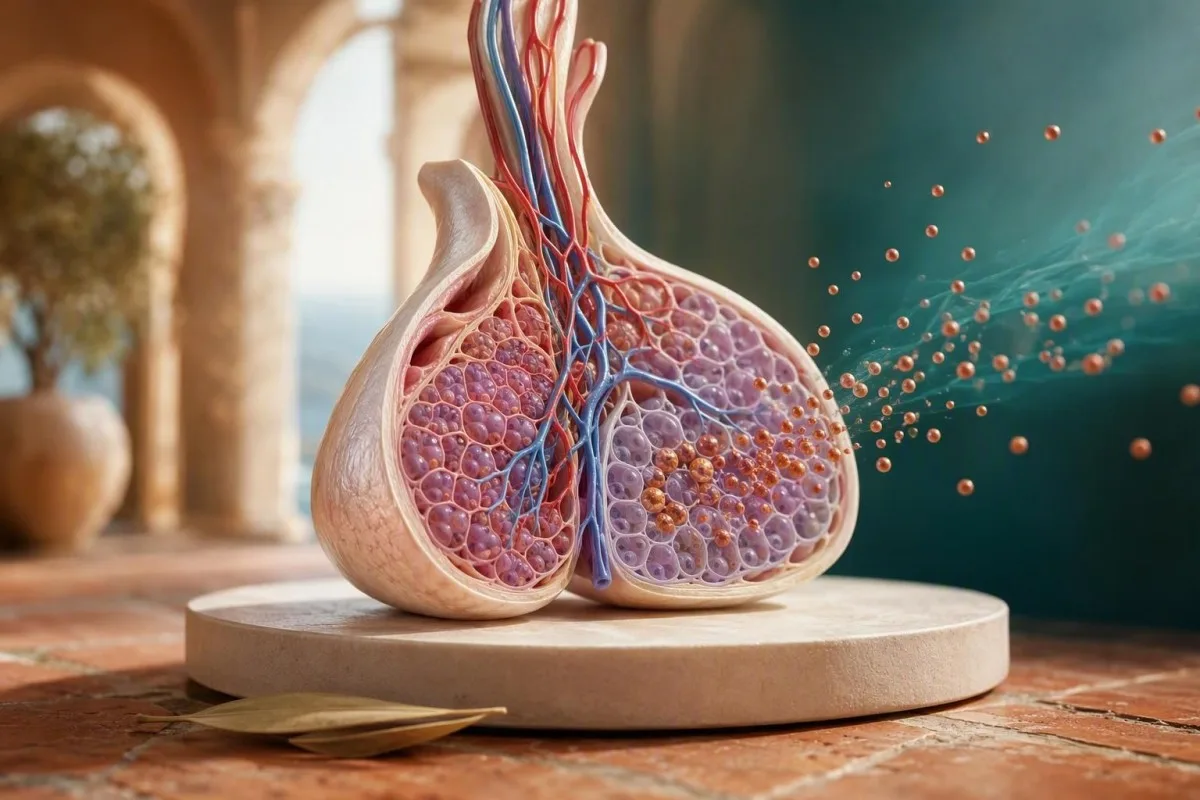
Хязгаарлагдмал пролактины үр дүн нь ихэвчлэн түр зуурынх байдаг боловч дахин шинжилгээ хийх нөхцөл, өвчний шинж тэмдгийн хэлбэр нь үүнийг аюулгүй ажиглах эсвэл дотоод шүүрлийн эмчийн хяналт шаардлагатай эсэхийг тодорхойлдог.


- Бага зэргийн өсөлт ихэвчлэн шинжилгээний лабораторийн дээд хязгаараас арай өндөр, ихэвчлэн 50 ng/mL (ойролцоогоор 1,060 mIU/L) -ээс доош пролактины үр дүн гэсэн үг.
- Эхлээд давтан шалга пролактин 20-50 ng/mL байх бөгөөд харааны шинж тэмдэг, хүнд толгой өвдөх, эсвэл бэлгийн системийн өөрчлөлт байхгүй үед.
- Амралт чухал венийн цус авах өвдөлт, нойр муудах, дасгал хийх, хөхөнд хүрэх, болон хурц өвчин нь пролактиныг түр зуур нэмэгдүүлж болно.
- Эмийн тойм нь антипсихотик, метоклопрамид, домперидон, опиоид, зарим антидепрессант, верапамил нь пролактиныг нэмэгдүүлж болзошгүй тул чухал юм.
- Макропролактин шинжилгээ нь цөөн буюу ердийн шинж тэмдэггүйгээр удаан хугацаагаар ихэссэн тохиолдолд онцгой ач холбогдолтой; энэ нь биологийн идэвх багатай пролактины комплексуудыг илрүүлдэг.
- 100 ng/mL-аас дээш түвшин нь хурдан дотоод шүүрлийн үнэлгээ шаарддаг, гэхдээ эм нь заримдаа энэ хязгаарт хүрэх боломжтой байдаг.
- Яаралтай хяналт нь шинээр хүнд толгой өвдөх, харааны талбай багасах, харааны шинж тэмдэгтэй жирэмсэлт, эсвэл гэнэтийн мэдрэлийн өөрчлөлтөд шаардлагатай.
- Нэг тоон үзүүлэлт нь контекстээс хамаарна: жирэмсний байдал, бамбай булчирхайн үйл ажиллагаа, бөөрний үйл ажиллагаа, эм хэрэглэх цаг, өмнөх утгууд нь тайлбарыг өөрчилж болно.
Хязгаарлагдмал пролактины үр дүн гэж юу хэлдэг вэ
Пролактины бага зэргийн өндөр байдлын утга нь ихэвчлэн гипофиз булчирхайн өвчинг батлах биш харин түр зуурын шинж тэмдэг юм: 50 нг/мл (ойролцоогоор 1,060 мИЕ/л) доорх үр дүн нь ихэвчлэн сайтар бэлтгэсэн давтан шинжилгээ шаарддаг. Би бол доктор Томас Кляйн бөгөөд клиник хяналтаар, яг үнэн утга, шинж тэмдэг, эм, жирэмслэх боломж, дээж авах нөхцөл байдлын хослол нь ганц улаан лабораторийн тэмдэгээс хамаагүй илүү чухал ач холбогдолтой.
Ихэнх лабораториуд жирэмсэлдэггүй насанд хүрсэн хүний тухай лавлах интервалыг ойролцоогоор эмэгтэйчүүдэд 4-23 нг/мл болон эрэгтэйчүүдэд 3-15 нг/мл, гэж заадаг боловч аргууд нь өөр өөр байдаг. Лабораторийн дээд хязгаар нь 23 нг/мл байдаг эмэгтэйн хувьд 27 нг/мл утга нь онош биш харин хил заагийн пролактины үр дүн юм; нэгжийг ойролцоогоор 1 нг/мл = 21.2 мИЕ/л гэж хөрвүүлж болно.
Үр хөндөлт, галакторея, үргүйдэл, бэлгийн дуршил буурах, бэлэг эрхтний хүндрэл, толгой өвдөх, эсвэл захын хараа өөрчлөгдөх зэрэг шинж тэмдгүүдтэй хамт байвал эсвэл өсч байвал эмч нар илүү санаа зовдог. 28 нг/мл утгатай харьцуулахад 200 нг/мл-ээс дээш хэвээр байвал илүү их санаа зовоох болдог. нь пролактин ялгаруулдаг гипофиз аденома илүүтэй илэрхийлдэг боловч ямар ч хязгаарлалт нь клиник үнэлгээг орлохгүй.
Кантести бол AI цусны шинжилгээний анализатор нь дан тэмдгийг онош гэж үзэхээс илүүтэйгээр бамбай булчирхай, бөөр, элэг, жирэмслэлттэй холбоотой, бэлгийн дааврын мэдээллүүдийн хажууд пролактины үр дүнг байрлуулдаг. Лабораторийн тэмдгүүдийн талаар эргэлзэж буй уншигчид манай гарын авлагыг мөн үзэж болно. хязгаараас хэтэрсэн/доогуур гарсан үр дүнгүүд.
Лабораториуд яагаад зөрүүтэй байдаг вэ
Пролактины дархлал судлалын шинжилгээ нь харилцан солигдох боломжгүй: хоёр лаборатори нэг хүний хувьд нэг өдөр өөр өөр утгыг зааж болно. Өөрийнхөө үр дүнгийн хажууд хэвлэгдсэн лавлах интервалыг ашиглаж, хандлагыг хянахдаа нэг лабораторийг ашиглахыг хичээ; энэ нь мөн яагаад гэвэл айлчлал хоорондын үр дүнг харьцуулах хүмүүсийн төсөөлж байгаагаас илүү их анхаарал шаарддаг.
Пролактиныг түр зуур нэмэгдүүлж болзошгүй хүчин зүйлс
Стресс, нойрны хямрал, дасгал, хөхний толгойн өдөөлт, бэлгийн үйл ажиллагаа, цочмог өвчин нь богино хугацааны пролактины өсөлтийг үүсгэж болно. Хүндэрхэн хөдөлгөөн хийсэн эсвэл нойр муутай хоносон хойно гарсан бага зэрэг өндөр үзүүлэлт нь эмчилгээгүйгээр хэвийн болж болно.
Пролактин нь хэлбэлзэлтэйгээр ялгардаг бөгөөд нойрны үед нэмэгддэг ба ихэвчлэн өглөөний эрт цагаар оргилдоо хүрдэг. Тиймээс, сэрсний дараа, шөнийн ээлжийн дараа, эсвэл өвдөлттэй процедурыг хийж байх үед авсан дээж нь амрангаа авсан өглөөний дундын дээжээс төлөөлөлтэй байх нь бага байх болно.
Миний туршлагаас үзэхэд, гурван цаг унтсаны дараа пролактины хэмжээ 34 нг/мл болсон 31 настай, түгшүүртэй өвчтөн нь амар амгалан сууж байгаад өглөөний 10 цагт дахин хийсэн шинжилгээгээр хэвийн үзүүлэлттэй байдаг. Дээж авахаас 15-30 минутын өмнө сууж амрах нь процедурын улмаас үүссэн хурц стрессийн нөлөөллийг бууруулдаг бөгөөд 24 цагийн турш эрчимтэй дасгал хийхээс зайлсхийх нь зүйтэй.
Саяхан болсон халууралт, таталт, цээжний хөндийн гэмтэл, эсвэл хөх, цээжийг удаан хугацаагаар өдөөх нь пролактиныг нэмэгдүүлж болно. Хэрэв таны шинжилгээ өвчний дараа хийгдсэн бол, манай цусны шинжилгээний цагийн хуваарийн гарын авлага, -д байгаа цаг хугацааны зарчмуудтай харьцуулж үзэх хэрэгтэй бөгөөд энэ нь тухайн тоо таны урт хугацааны суурь түвшинг харуулж байна гэж бүү төсөөл.
Пролактины шинжилгээг хэрхэн зөв давтан хийх вэ
Тайван өглөө, илүү тохиромжтой нь сэрснээс хойш 2-3 цагийн дараа, 20-30 минут чимээгүй сууж байсны дараа пролактиныг дахин шинжлээрэй. Хоол тэжээлийн хязгаарлалт нь заавал шаардлагатай биш боловч, глюкоз эсвэл липидийг мөн хэмжиж байгаа бол шөнийн турш хоол тэжээлээс татгалзах нь давтан хийх шинжилгээний багцыг ойлгоход илүү хялбар болгоно.
Давтан шинжилгээ хийлгэхдээ, урьдчилсан 24 цагийн турш эрчимтэй дасгал, бэлгийн харьцаа, хөхний өдөөлт, шаардлагагүй цээжний үзлэгээс зайлсхий. Эмчээс зааж өгсөн эмээ өөрийн дурмээр бүү зогсоо; үүний оронд эмийн нэр, тун, сүүлчийн тун авсан цаг, мөн ямар шалтгаанаар эмчлүүлж байсан талаар тэмдэглэж аваарай.
Эмчээсээ хийх бодит хүсэлт бол: давтан цусны сийвэнгийн пролактин, хэрэв холбогдолтой бол жирэмсний шинжилгээ, Бамбай булчирхайн үйл ажиллагаа бууралт нь ясны эргэлтийг дарангуйлж ALP-ийг бууруулж чаддаг тул ALP бага + өтгөн хаталт, хүйтэнд тэсвэр муудах, эсвэл өндөр холестерин ихэвчлэн намайг, болон шалтгаан тодорхойгүй тохиолдолд креатинин эсвэл eGFR-ийг давтан шинжлүүлээрэй. Бамбай булчирхайн шинжилгээ нь чухал ач холбогдолтой, учир нь анхдагч гипотиреозын улмаас тиреотропин ялгаруулагч гормоныг ихэсгэж, улмаар пролактиныг нэмэгдүүлж болно; манай бамбай булчирхайн шинжилгээг дахин хийх хуваарь.
Давтан хийх хугацаа нь ихэвчлэн 1-4 долоо хоног байдаг, ялангуяа хэрэв та нойр, мөчлөгийн өдөр, өвчин, болон эмчилгээний тэмдэглэлийг хадгалж байвал, гайхмаар бага зэргийн үр дүн гарсан тохиолдолд маргааш биш, харин та эрүүл байвал хийгддэг. урт хугацааны лабораторийн хяналтанд ашиг тустай, ялангуяа хэрэв та нойр, мөчлөгийн өдөр, өвчин, болон эмчилгээний тэмдэглэлийг хадгалж байвал.
Дунд зэрэг өндөр пролактиныг үүсгэдэг эмүүд
Допаминыг хориглох эм нь пролактиныг удаан хугацаагаар багаас дунд зэргийн түвшинд нэмэгдүүлэх нийтлэг шалтгаануудын нэг юм. Гол гэмтээгчид нь антипсихотик болон метоклопрамид, домперидон зэрэг дотор муухайрах эм юм.
Допамин нь гипофиз булчирхайнаас пролактин ялгаралтыг хэвийн байдалд дарамталдаг тул допамин D2 рецепторыг хориглодог эмүүд нь түвшинг ихээхэн нэмэгдүүлж болно. Рисперридон, амисульприд, халоперидол, метоклопрамид, домперидон нь түгээмэл жишээ юм; опиоид, верапамил, зарим SSRI нь бага зэрэг нөлөөлж болно.
Эмэнд холбоотой түвшин нь өргөн хэлбэлздэг: рисперидон нь 100 х/мл, -аас дээш пролактин үүсгэж болно, харин SSRI-тай холбоотой нэмэгдэл нь зөвхөн 25-40 нг/мл байж болно. Эмийг зогсоохгүй байх шалтгаан нь сэтгэцийн өвчин, хүнд дотор муухайрах, өвдөх, эсвэл сэтгэлийн хямрал дахин сэдэрч, илүү их шуурхай эрсдэл учруулж болзошгүй юм.
Kantesti AI нь AI лабораторийн шинжилгээний тайлбар үйлчилгээ нь гормоны үр дүнг тэмдэглэхэд эмчилгээний талаарх мэдээллийг шаарддаг, гэхдээ түүний тайланг нь эмчилгээг эхлүүлсэн шалтгааныг мэддэг эмч орлож чадахгүй. Хэрэв гормонтой холбоотой шинж тэмдгүүд илэрвэл, манай дааврын самбарын заавар нь эмч нар ихэвчлэн ямар дагалдах үр дүнг шалгадаг тайлбарладаг.
Жирэмсэлт, хөхүүлэлт, физиологийн хэвийн өсөлт
Жирэмслэлт, хөхүүлэлт нь пролактиныг жирэмсэн бус хүмүүсийн хэвийн хэмжээнээс хамаагүй өндөр болгож болно. Үүнийг ердийн 3-23 нг/мл интервал ашиглан тайлбарладаггүй. Тиймээс жирэмсэн байж болох хэн ч байсан шалтгаангүйгээр пролактины түвшин өндөр байвал жирэмсний шинжилгээ нь эрт бөгөөд зайлшгүй хийх алхам юм.
Жирэмсний үед пролактин нь жирэмсний сүүл үеийн байдлаар 100-300 нг/мл хүртэл аажмаар нэмэгдэж, хөхүүлэлт нь үе үе өндөр хэвээр байлгадаг. Яг тодорхой утга нь сүүний үйлдвэрлэлийг найдвартай хэмждэггүй тул хөхүүлж буй хүнд тоон үзүүлэлтийг хөөцөлдөх нь ховорхон ашигтай байдаг.
Эстроген агуулсан эм болон хэвийн сарын тэмдгийн мөчлөг нь бага зэрэг нөлөөлж болох ч дангаараа байнгын их хэмжээний өсөлтийг тайлбарлах нь ховор. Мөчлөгийн цаг нь эстрадиол, прогестерон зэрэг дагалдах даавруудыг төвөгтэй болгож болно; бидний цэвэршилтийн үед эстрадиолын өөрчлөлт тайлбар нь яагаад бэлгийн дааврын нэг үр дүн нь бүгдийг тайлбарлаж чадахгүй байгааг харуулж байна.
Үр тогтоох гэж байгаа хүнд байнгын гиперпролактинеми нь гонадотропин ялгаруулах дааврыг дарах замаар өндгөвч гадагшлах үйл ажиллагаанд саад учруулж болно. Сарын тэмдэг ховорссон үед, тэр ч байтугай тоо нь ердөө 35-60 нг/мл байсан ч энэ нь эмнэлзүйн хувьд чухал ач холбогдолтой юм.
Бамбай булчирхай, бөөр, элэг, цээжний хананы шалтгаан
Анхдагч гипотиреоз, бөөрний шүүрлийн бууралт, архаг элэгний өвчин, цээжний ханыг өдөөх нь гипофиз өсөхгүйгээр пролактиныг нэмэгдүүлж болно. Эдгээр шалтгаануудыг ихэвчлэн түүх болон цөөн тооны зорилтот лабораторийн шинжилгээгээр тархины зураглал хийхээс өмнө олж тогтоодог.
Илэрхий анхдагч гипотиреоз нь ихэвчлэн бага, мөн левотироксиноор эмчилснээр долоо хоног, сарын туршид пролактиныг хэвийн болгож болно. Төвийн гипотиреозын хэв маяг өөр байдаг тул TSH хэвийн байсан ч чөлөөт Т4 бага байвал асуудал шийдэгдэхгүй; манай гарын авлагыг уншина уу хэвийн TSH-тай бага чөлөөт Т4.
Архаг бөөрний өвчин нь шүүрлийг бууруулж, дофамины зохицуулалтыг өөрчилснөөр пролактиныг нэмэгдүүлж болно; eGFR нь 60 мл/мин/1.73 м²-оос доогуур -аас доогуур байвал энэ тайлбар илүү боломжтой болно. Элэгний өвчин нь илүү түгээмэл бус шалтгаан боловч нийлэгжилтийн алдагдал, бэлгийн дааврын өөрчлөлт нөлөөлж болно.
Цээжний херпес зостер, цээжний мэс засал, түлэгдэлт, мэдрэлийн байнгын механикийн өдөөлт нь мэдрэлийн импульс нь рефлексийн замыг өдөөж чаддаг тусмаа пролактиныг нэмэгдүүлэхтэй холбоотой байдаг. Тиймээс эмч нь гормоны үр дүнтэй холбоогүй тууралт эсвэл мэс заслын талаар асуудаг нэг шалтгаан энэ юм.
Макропролактины шинжилгээг хэзээ хийх нь зүйтэй вэ
Макропролактиныг шинжлэх нь пролактин өндөр хэвээр байгаа боловч шинж тэмдэг байхгүй эсвэл үр дүнтэй харьцуулахад бага байвал хамгийн ашигтай байдаг. Макропролактин нь ихэвчлэн иммуноглобулинтай холбогдсон пролактин бөгөөд рецептортой муу харьцдаг тул биологийн идэвх багатай байдаг.
Олон тооны ердийн шинжилгээнүүд нь макропролактиныг пролактин гэж тооцдог тул хэвийн сарын тэмдэгтэй, галактореагүй, үр тогтоох эсвэл бэлгийн шинж тэмдэггүй хүмүүст өндөр үр дүнг харуулдаг. Лабораториуд нь ихэвчлэн полиэтилен гликол тундаруулах аргаар шүүдэг; мономерик пролактины бага хуримтлал нь макропролактинемиаг дэмждэг.
Эндокринологийн нийгэмлэгийн удирдамж нь шинж тэмдэггүй гиперпролактинемийн үед макропролактиныг шалгахыг зөвлөдөг (Melmed et al., 2011), учир нь энэ нь шаардлагагүй зураглал, эмчилгээнээс зайлсхийх боломжийг олгодог. Нийтлэгдсэн тархалтын тоо нь шинжилгээний арга болон хүмүүсийг сонгосон байдлаас хамааран харилцан адилгүй байдаг боловч макропролактин нь ойролцоогоор 10-25% пролактины түвшин өндөр гэж үнэлэгдсэн хүмүүсийн хувьд тохиолддог.
Макропролактин нь үнэндээ байгаа шинж тэмдгийг үгүйсгэх шалтгаан биш; макропролактинтой хүн өөр нэгэн дотоод шүүрлийн асуудалтай байж болно. Илүү өргөн хүрээтэй шинжилгээний алдаануудын тухай бидний нийтлэл чанарын ба тоон шинжилгээний харьцуулалт нь хэрэгтэй нэмэлт гарын авлага болно.
Пролактины түвшин хэвийн хэмжээнээс хэтэрсэн үед эмч нар юуг шалгадаг вэ
Жирэмсний шинжилгээ (холбогдох үед), эмийн хэрэглээний хяналт, TSH/чөлөөт Т4, бөөрний үйл ажиллагаа, макропролактиныг шалгасны дараа гипофизийн өвчнийг таамаглахаас өмнө пролактиныг тогтмол ихэсгэхийг баталгаажуулж, үнэлэх хэрэгтэй. Нэг удаагийн бие даасан үр дүнгээс илүүтэйгээр ижил төстэй хүрээнд давтан хийсэн үр дүн нь илүү ач холбогдолтой.
Цаг үе, сарын тэмдэглэл, сүү гарах, бэлгийн дуршил, бэлэг эрхтний үйл ажиллагаа, үргүйдэл, харааны өөрчлөлт, толгой өвдөх, таталт, цээжний өвчин, мөн бүх төрлийн жортой, жоргүй, чөлөөт эм, болон бусад бодисын талаар нарийвчилсан түүх шаардлагатай. Миний 15 жилийн эмнэлзүйн практикт эмийн жагсаалт нь ихэвчлэн алдагдсан анхааруулга болдог - ялангуяа сэтгэц, ходоод гэдэсний эмийн жорыг сайн мэдэхгүй эмч лабораторийн захиалгыг хийсэн тохиолдолд.
Prolactin of 50-100 нг/мл хэвийн бамбай болон бөөрний үйл ажиллагаа, ямар нэгэн эмийн шалтгаангүй, мөн макропролактин байхгүй тохиолдолд ихэвчлэн дотоод шүүрлийн эмчийн оролцоог шаарддаг. Serri болон түүний хамтрагчдын хийсэн эмнэлзүйн удирдлагын хяналт нь зураглал хийхээс өмнө физиологийн болон фармакологийн шалтгааныг тодорхойлохыг онцолж байна (Serri et al., 2003).
Кантести эмнэлзүйн баталгаажуулалтын стандартууд бүтэцтэй тайлбарыг дэмждэг боловч хэвийн бус үр дүнг эмч болон тайлагнах лабораторийн хяналтаар баталгаажуулах шаардлагатай. Хязгаарлагдмал хугацааны үр дүнг авчрах нь хэтэрхий өргөн хүрээтэй гормоныг давтан хийхээс илүү ач холбогдолтой байдаг.
Пролактины талаар хэзээ санаа зовж, яаралтай үзлэг хийлгэх шаардлагатай вэ
Шинэ харааны шинж тэмдэг, хүнд эсвэл түргэн муудаж буй толгой өвдөх, мэдрэлийн өөрчлөлт, эсвэл пролактиныг тогтмол ихэсгэх нь шуурхай эмнэлгийн үнэлгээ шаардлагатай. MRI нь ерөнхийдөө нийтлэг сэргээгдэх шалтгааныг үгүйсгэсний дараа эсвэл шинж тэмдгүүд нь оптик замыг ойролцоох даралтыг илтгэсэн тохиолдолд авч үздэг.
стресст орсноос хойш 29 х/мл-ийн нэг утгатай байхад гипофизийн MRI автоматаар шаардлагатай биш. Үл тайлагдах тогтмол ихсэлттэй, пролактин нь 100 х/мл, -аас их байвал илүү зохистой юм. 200 нг/мл-ээс дээш хэвээр байвал илүү их санаа зовоох болдог. пролактинома үүсэх магадлалыг нэмэгдүүлдэг.
хэм алдагдал эсвэл гипогонадизм, эсвэл гипофизийн масс-тай шинж тэмдэг; үнэ цэнэ нь.
харааны өөрчлөлт, бөөлжилт, төөрөлдөх, сулрах, эсвэл ухаан алдах зэрэг гэнэтийн хүчтэй толгой өвдөх тохиолдолд ижил өдрийн эмнэлгийн зөвлөгөө аваарай. Эдгээр шинж тэмдгүүд нь ердийн хөнгөн гиперпролактинемид ховор байдаг, гэхдээ гипофизийн апоплекси болон бусад мэдрэлийн өвчнийг яаралтай үгүйсгэх шаардлагатай тул тэд чухал ач холбогдолтой. өндөр пролактины шинж тэмдгүүдийг захын харааны алдагдал нь ихэвчлэн аажмаар эхэлдэг тул хүмүүс илт сохор гэхээс илүүтэйгээр хаалганы хүрээнд мөргөлддөг гэж дүрсэлдэг. Бидний нарийвчилсан тойм.
Сарын тэмдэг, үр тогтоох чадвар, ясны эрүүл мэнд: шинж тэмдгүүд төлөвлөгөөг хэрхэн өөрчилдөг вэ
ямар шинж тэмдгийн хослолууд энгийн дахин шалгалтыг хүлээх ёсгүйг тайлбарладаг. хөнгөнөөр ихэссэн пролактин нь сарын тэмдэг, өндгөн эс гадагшлах, үргүйдэл, эсвэл эстрогенд өртөхөд саад болдог үед илүү чухал ач холбогдолтой.
Тогтмол пролактин ихсэх нь удаан хугацааны туршид нөхөн үржихүйн гормоны дохиог бууруулж болно. 35 хоногоос, Цикл нь 3 сараас -аас урт байвал олигоменорея, харин өмнө нь тогтмол байсан хэн нэгэнд.
-аас илүү хугацаанд сарын тэмдэг ирээгүй байвал аменорея гэдэг; пролактин ихэссэн тохиолдолд аль нь ч эмнэлгийн хяналт шаарддаг. Жирэмсний шинжилгээ нь эхний ээлжинд хийгддэг, учир нь эрт жирэмслэлт нь гипофизийн өвчинтэй харьцуулахад хамаагүй илүү түгээмэл байдаг. Олон сарын турш бага эстроген нь ясны нягтралыг бууруулж болно, ялангуяа гиперпролактинеми нь аменорея үүсгэдэг. Шуурхай зорилт нь нэмэлтийг сохор гэгээ ашиглан эхлүүлэх биш, харин шалтгааныг тодорхойлж, зохих гормоны үйл ажиллагааг сэргээх явдал юм; эмчилгээ хийлгэхээр төлөвлөж буй эмэгтэйчүүд.
Галакторрея нь жирэмслэлт, хөхүүлэхтэй холбоогүй сүүтэй төстэй шүүдэс байдаг боловч пролактиныг ихэсгэх шаардлагатай эсвэл хангалттай биш юм. Хэвийн пролактины үр дүн нь хөхний орон нутгийн шалтгааныг үгүйсгэхгүй, харин ихэссэн үр дүн нь шүүдэсийг автоматаар аюултай болгодоггүй.
Эрэгтэйчүүдэд бага зэрэг өндөр пролактин: анзаарагдахгүй орхигдсон шинж тэмдгүүд
Эрэгтэйчүүдэд пролактин ихэссэн тохиолдолд бэлгийн дуршил буурах, бэлэг эрхтэн босох нь хэвийн бус болох, тестостерон буурах, заримдаа үр тогтоох чадварт нөлөөлж болно. Үр дүнг пролактиноос гадна өглөөний цагт тохирсон тестостероны шинжилгээтэй хамт тайлбарлах ёстой.
Бэлгийн шинж тэмдэгтэй эрэгтэйчүүдэд эмч нар ихэвчлэн нийт тестостероныг 7-11 цагийн хооронд хэмждэг., шаардлагатай үед SHBG ба тооцоолсон чөлөөт тестостеронтой хамт. Пролактин нь гонадотропиныг дарангуйлдаг бөгөөд энэ нь бага эсвэл тохиромжгүй хэвийн LH ба FSH, мөн бага тестостерон үүсгэдэг.
Пролактин 31 нг/мл, дундаж хэмжээнд буурсан тестостеронтой 42 настай эрэгтэй хүнд нойр муудах, таргалалт, эмний нөлөө, эсвэл гипофиз дисфункцийн улмаас үүсч болно - үүнийг шууд шийдэх арга байхгүй. Манай тайлбар бага чөлөөт тестостерон нь SHBG нь нийт утгыг хэрхэн радикалаар өөрчилж болохыг харуулдаг.
Кантести бол AI биомаркер тайлбарлах платформ нь пролактиныг тестостерон, LH, FSH, TSH, болон өмнөх үр дүнтэй харьцуулж болох боловч гипофиз хавдрыг оношлоход хэзээ ч ашиглаж болохгүй. Пролактины өсөлт бага байсан ч шинж тэмдгүүд байвал анхан шатны тусламж эсвэл дотоод шүүрлийн эмчтэй зөвлөлдөх хэрэгтэй.
Аналитик асуудлууд: биотин, hook effect, болон төөрөгдүүлсэн үр дүн
Лабораторийн хөндлөнгийн оролцоо ховор боловч пролактины тоо нь шинж тэмдэг эсвэл MRI-тай зөрчилдөх үед үүнийг авч үзэх ёстой. Биотин нь ихэвчлэн пролактинаас бусад дотоод шүүрлийн иммуноанализыг илүү их хөндлөнгөөс оролцдог боловч нэмэлт бүр нь лабораторийн хүсэлтийн түүхэнд байх ёстой.
Өндөр тунгийн "hook" эффект нь маш их хэмжээний пролактиномын улмаас маш өндөр дааврын концентраци үүсч, хоёр талын шинжилгээг даван туулах үед худал хуурамч бага пролактины үр дүнг өгч болно. Хэрэв MRI нь гипофиз том масс харуулж, харин пролактин нь зөвхөн бага зэрэг ихэссэн бол лаборатори нь дээжийг шингэлж, шинжилгээг давтан хийж болно.
Биотины тун 5-10 мг—үүсгэдэг үс, хумс бэлтгэлд түгээмэл—зарим стрептовидин-биотины шинжилгээнд нөлөөлж болно. Эмч, лабораторид нэмэлт тэжээлийн талаар мэдэгдэж, тэдгээрийг зогсоох талаар орон нутгийн лабораторийн зөвлөмжийг дагаж мөрдөөрэй; манай цусны шинжилгээ өмнөх нэмэлт тэжээлийн гарын авлага нь энэ нь бүх хүнд тохирсон дүрэм биш гэдгийг тайлбарлаж байна.
Гетерофил эсрэгбие нь бусад ховор тохиолдлын улмаас хуурамч иммуноанализын үр дүнг өгч болно, ялангуяа утгууд нь эмнэлзүйн дүр төрхтэй зөрчилдөх үед. Өөр лабораторид давтан хийх эсвэл өөр шинжилгээний аргыг ашиглах нь өвчтөнийг шаардлагагүй сканнерд оруулж, эргэлзээг арилгах боломжтой.
Тусгай нөхцөл байдал: өсвөр насныхан, цэвэршилтийн үе, антипсихотик эмчилгээ
Нас, цэвэршилтийн байдал, дофаминыг хориглох эм хэрэглэх шалтгаан нь арга хэмжээ авах босгыг өөрчилдөг. Пролактины ижил үнэ нь бэлгийн бойжилт хоцорсон 16 настай, хөхүүл эх, эмнэлгийн бус эмчилгээ хийлгэж буй 62 настай хүмүүст өөр өөр утгатай байж болно.
Өсвөр үеийнхэнд хүүхдийн эсвэл өсвөр үеийнхний дотоод шүүрлийн эмчийн тайлбар шаардлагатай байдаг, учир нь бэлгийн бойжилт, сарын тэмдэг ирж эхлэх, өсөлт нь эмнэлзүйн нөхцөл байдлыг өөрчилдөг. Хүүхдэд пролактины шинжилгээ хийх нь ховор тохиолддог ердийн скрининг шинжилгээ биш бөгөөд тодорхой шинж тэмдэг эсвэл эмчилгээний асуулттай холбоотой байх ёстой.
Цэвэршилтийн дараа пролактин ихсэх нь сарын тэмдгийн хэвийн өөрчлөлтөөр тайлагдахгүй тул байнгын үр дүнг нь эмчилгээ, дотоод шүүрлийн эмчтэй сайтар хэлэлцэх хэрэгтэй. Цэвэршилтийн шинж тэмдгүүд нь бамбай булчирхай болон пролактины шинж тэмдгүүдтэй давхцаж болно; манай гарын авлага менопаузын дараах FSH нь хүлээгдэж буй өөрчлөлтүүдийг хүлээгдэж буй бус хэв маягаас ялгахад тусалдаг.
Антипсихотик эмтэй холбоотой гиперпролактинемийн хувьд эмчилгээг сэтгэцийн эрүүл мэндийн эмчтэй хуваалцах ёстой. Хяналт, тунг тохируулах, эмийг солих зэрэг сонголтууд байдаг боловч каберголин зэрэг дофамин агонистууд нь эмзэг хүмүүст сэтгэцийн шинж тэмдгийг улам хүндрүүлж болзошгүй тул энэ нь ердийн нэмэлт биш юм.
Эмчдээ зориулж пролактины хандлагыг хэрхэн тэмдэглэх вэ
Ашигтай пролактины чиглэл нь үр дүн, лабораторийн хязгаар, цуглуулах цаг, унтах, мөчлөг эсвэл жирэмсний байдал, өвчин, эм хэрэглэж байгааг бүртгэдэг. Өөр өөр нөхцөлд цуглуулсан гурван үнэ цэнэ нь тогтвортой цуглуулсан хоёр үнэ цэнээс бага үр дүнтэй байж болно.
Яг нэгжийг нь бичнэ үү, учир нь ng/mL ба mIU/L нь хөрвүүлэхгүйгээр шууд харьцуулах боломжгүй, мөн лабораторийн лавлагааны интервалыг хадгална уу. Өмнөх 24 цагийн дотор дасгал хийсэн, өлсөж байсан, хөхүүлсэн, бэлгийн харьцаанд орсон, эм уусан, эсвэл муу унтсан эсэхээ тэмдэглэнэ.
Kantesti Хиймэл оюун ухаан, AI-аар ажилладаг цусны шинжилгээний үр дүнгийн шинжилгээний хэрэгсэл, түүхэн тайланг зохион байгуулж, лабораторийн бүлгүүдийн өөрчлөгдөж буй үр дүнг ойролцоогоор 60 секундын дотор онцлох боломжтой боловч анхны PDF болон лабораторийн хязгаар нь бүртгэлийн эх үүсвэр хэвээр байна. Манай лабораторийн үр дүн хянах (tracker) шалгах жагсаалт нь буруу чиглэлийн дохиолол үүсгэхээс сэргийлэх практик дэлгэрэнгүй мэдээллийг жагсаасан.
Хэрэв та үр дүнгээ гэр бүлийн гишүүн эсвэл эмчтэй хуваалцвал зөвшөөрөл, хандалтын хяналтыг хадгал. Гэр бүлийн бүртгэлийг удирддаг хүмүүс манай зөвлөмжийг ашиглаж болно гэр бүлийн үр дүнг аюулгүй хуваалцах гормоны үр дүнг гэр бүлийн онош болгохгүйгээр.
Бага зэрэг пролактины үр дагавраас хойш 2026 онд хэрэгжүүлэх практик арга
2026 оны 8-р сарын 28-ны байдлаар, практик арга зам бол бага зэргийн гэнэтийн үр дүнг стандарт нөхцөлд нэг удаа баталгаажуулж, урвуулах боломжтой шалтгааныг шалгаж, шинж тэмдэггүйгээр үргэлжилж буй өсөлтийг авахдаа макропролактиныг хүсэх, түвшин эсвэл шинж тэмдэг нь үүнийг баталгаажуулсан тохиолдолд илгээх явдал юм. Энэхүү арга нь шаардлагагүй MRI скан болон алдагдсан дотоод шүүрлийн өвчинг хоёуланг нь арилгадаг.
Пролактины доор 50 нг/мл, улаан туг шиг шинж тэмдэг байхгүй, илэрхий түр зуурын шалтгаантай бол 1-4 долоо хоногийн дараа нойр, амралт хэвийн болсон үед дахин шалгана. 50-100 нг/мл-д тогтмол байвал эм, жирэмсний байдал, TSH/чөлөөт Т4, eGFR, макропролактиныг хянана; 100 нг/мл-аас дээш үнэ цэнэ эсвэл санаа зовоосон шинж тэмдэгтэй бол илүү цаг тухайд нь дотоод шүүрлийн үнэлгээг зохион байгуулна.
Доктор Томас Кляйны практик дүрэм энгийн: яагаад өсч байгааг мэдэхээсээ өмнө нэмэлтээр пролактиныг бууруулах гэж бүү оролд. Манай эмч нар болон хянагчид дараах стандартын дагуу ажилладаг. Эмнэлгийн зөвлөх зөвлөл, уншигчид манайхаас хэв маягийн тайлбарыг хэрхэн хийдэг болохыг харж болно AI технологийн заавар.
Лабораторийн арга зүйг судалж буй уншигчдад зориулсан Kantesti хэвлэлүүд нь дараахь зүйлийг агуулдаг. Төмрийн судалгааны гарын авлага: TIBC, Төмрийн ханалт ба холбох чадвар болон aPTT-ийн хэвийн хэмжээ: D-Dimer, Уураг C цусны бүлэгнэлтийн гарын авлага; эдгээр нь пролактины удирдамж биш боловч лабораторийн үнэ цэнийг туршилтын контекстэд тайлбарлах ижил зарчмыг тодорхойлдог. Ил тод байдлыг хангахын тулд формал хэвлэлийн холбоосууд доор хадгалагдсан.
Байнга асуудаг асуултууд
Пролактины түвшин хязгаарт байх нь юу гэсэн үг вэ?
Хязгаарлагдмал пролактины түвшин гэдэг нь ихэвчлэн танай лабораторийн дээд хязгаарын хэмжээнээс бага зэрэг илүү байгааг хэлдэг бөгөөд ихэвчлэн 25-50 нг/мл орчим байдаг. Стресс, саяны дасгал, нойр муудах, хөхний өдөөлт, цочмог өвчин, эм хэрэглэх нь энэ хэмжээний өсөлтөд хүргэдэг. Ер бусын хязгаарлагдмал үр дүнтэй, шинж тэмдэггүй ихэнх хүмүүст дүрслэл эсвэл эмчилгээ хийхээс өмнө өглөөний тайван нөхцөлд дахин шинжилгээ өгөхийг зөвлөж байна. Лабораторийн хязгаар ба нэгж, ихэвчлэн нг/мл эсвэл мЕд/л, нь тодорхой утгатай хамт хянагдах ёстой.
Хэрэв миний пролактины түвшин 30 нг/мл байвал санаа зовох хэрэгтэй юу?
30 нг/мл пролактины нь ихэнх жирэмдэг бус насанд хүрсэн хүний лабораторийн хэмжээстэй харьцуулахад бага зэрэг өндөр бөгөөд өөрөө онцгой байдал үүсгэх нь ховор. Эмч нь жирэмслэлт, эм, нойр, стресс, бамбай булчирхайн үйл ажиллагаа, бөөрний үйл ажиллагаа, шинж тэмдэг, дээжийг амралтаа авсны дараа цуглуулсан эсэхийг харгалзан үзнэ. Хэрэв толгой өвдөх, харааны өөрчлөлт, эсвэл сарын тэмдэг, бэлгийн үйл ажиллагааны ноцтой хямрал байхгүй тохиолдолд 1-4 долоо хоногийн дараа давтан шалгах нь ихэвчлэн тохиромжтой байдаг. Байнга өндөр байвал макропролактиныг шинжлэх, дотоод шүүрлийн эмчийн хяналт шаардлагатай байж болно.
Цусны шинжилгээнд сэтгэлийн түгшүүр пролактиныг нэмэгдүүлж чадах уу?
Тийм ээ, дээж авах үед үүсэх түгшүүр нь пролактиныг түр зуур нэмэгдүүлж болно, учир нь пролактин нь бие махбод болон сэтгэлзүйн стресст хариу үйлдэл үзүүлдэг. Цуглуулга хийхээс 20-30 минутын өмнө тайван суух, сэрснээс хойш 2-3 цагийн дараа шалгах нь давтан авсан үр дүнг илүү төлөөлөлтэй болгоно. Эрчимтэй дасгал, секс, хөхний өдөөлтөөс 24 цагийн турш зайлсхийх нь зайлсхийх боломжтой өөрчлөлтийг бууруулдаг. Зөв цуглуулсан давтан дээжинд өндөр хэвээр байгаа үр дүнг зөвхөн түгшүүрээр тайлбарлаж болохгүй.
Макропролактиныг хэзээ шинжлэх ёстой вэ?
Макропролактиныг дахин шинжлэхэд пролактины түвшин өндөр хэвээр байвал, гэхдээ ердийн шинж тэмдгүүд байхгүй эсвэл бага байвал авч үзэх хэрэгтэй. Макропролактин нь иммуноглобулинд холбогдсон пролактинаас бүрддэг бөгөөд ердийн шинжилгээ нь биологийн идэвхжил багатай байсан ч үүнийг тоолж болно. Лабораториуд ихэвчлэн идэвхтэй мономерийн фракцийг тооцоолохын тулд полиэтилен гликол тундаруулах аргыг ашигладаг. Ялангуяа 25-100 нг/мл мужид тогтвортой үнэ цэнэтэй байвал шинжилгээ нь шаардлагагүй гипофиз MRI эсвэл эмчилгээг урьдчилан сэргийлэх боломжтой.
Пролактины ямар түвшин нь гипофизын хавдар байж болзошгүйг илтгэдэг вэ?
Нэг пролактины түвшин нь гипофизын хавдрыг оношлох боломжгүй ч эм, бусад шалтгааныг шалгасны дараа 100 нг/мл-аас дээш байх нь эндокринологийн үнэлгээ хийх шаардлагатайг нэмэгдүүлдэг. 200 нг/мл-аас дээш түвшин нь пролактин ялгаруулдаг гипофизын аденома байх магадлалтай боловч допаминыг хориглодог эмүүд нь заримдаа өндөр түвшинг үүсгэж болно. МРТ-гийн шийдвэр нь толгой өвдөх, харааны шинж тэмдэг, сарын тэмдэг, бэлгийн эмгэг, мөн бамбай, жирэмслэлт, бөөр, макропролактины шинжилгээний үр дүнгээс хамаарна. 25-40 нг/мл-ын түвшин нь ихэнх тохиолдолд гипофизын том хавдар байх магадлалаас илүү түр зуурын эсвэл хоёрдогч шинж чанартай байдаг.
Пролактин бага зэрэг өндөр байвал байгалийн аргаар бууруулж болох уу?
Пролактиныг нэмэлтээр эмчлэхээсээ өмнө үр дүнг баталгаажуулж, шалтгааныг нь тогтоох хэрэгтэй. Унтамжийг сайжруулах, давтан дээж авахаас өмнө эрчимтэй дасгал хийхээс зайлсхийх, стрессийг бууруулах нь түр зуурын өсөлтийг багасгахад тусална. Гэхдээ энэ нь эмийн, бамбай булчирхайн, бөөрний, эсвэл гипофизтэй холбоотой гиперпролактинемийг эмчлэхгүй. Эмийн эмчтэй зөвлөлдөхгүйгээр антипсихотик, дотор муухайрах эм, опиоид, эсвэл сэтгэл гутралын эсрэг эм хэрэглэхээ зогсоож болохгүй. Дараагийн хамгийн найдвартай алхам бол зөв бэлтгэсэн давтан шинжилгээ хийлгэх, эмнэлзүйн зорилтот хяналт хийлгэх явдал юм.
Өнөөдөр AI-аар дэмжигдсэн цусны шинжилгээний тайлал аваарай
Лабораторийн шинжилгээний агшин зуур, үнэн зөв тайлалд итгэдэг дэлхийн 2 сая гаруй хэрэглэгчтэй нэгдээрэй. Цусны шинжилгээний хариугаа байршуулж, 15,000+ биомаркеруудын цогц тайллыг хэдхэн секундын дотор аваарай.
📚 Иш татсан судалгааны нийтлэлүүд
Клейн, Т., Митчелл, С., ба Вебер, Х. (2026). Төмрийн судалгааны гарын авлага: TIBC, Төмрийн ханалт ба холбох чадвар. Kantesti AI Медикл Рисерч.
Клейн, Т., Митчелл, С., ба Вебер, Х. (2026). aPTT-ийн хэвийн хэмжээ: D-Dimer, Уураг C цусны бүлэгнэлтийн гарын авлага. Kantesti AI Медикл Рисерч.
📖 Гадаад эмнэлгийн лавлагаа
Serri O ба бусад. (2003). Гиперпролактинемийн оношлогоо ба эмчилгээ. CMAJ.
Gibney J ба бусад. (2005). Макропролактиныг ердийн байдлаар скрининг хийх нь эмнэлзүйн практикт хэрхэн нөлөөлдөг. Клиникийн дотоод шүүрлийн ба бодисын солилцооны сэтгүүл.
⚕️ Эмнэлгийн мэдэгдэл
Энэ нийтлэл зөвхөн боловсролын зорилготой бөгөөд эмнэлгийн зөвлөгөө биш болно. Оношилгоо, эмчилгээний шийдвэр гаргахдаа мэргэшсэн эрүүл мэндийн үйлчилгээ үзүүлэгчтэй заавал зөвлөлдөнө.
E-E-A-T итгэлийн дохио
Туршлага
Эмчийн удирдлагатай лабораторийн тайлалын ажлын урсгалын клиник хяналт.
Мэргэшсэн байдал
Биомаркерууд клиникийн нөхцөлд хэрхэн ажиллаж/өөрчлөгдөж байгаад чиглэсэн лабораторийн анагаах ухаан.
Эрх мэдэл
Доктор Томас Клейн бичсэн, Доктор Сара Митчелл, Проф. Доктор Ханс Вебер нар хянан тохиолдуулсан.
Найдвартай байдал
Сэрэмжлүүлгийг бууруулахын тулд тодорхой дараагийн алхамтай, нотолгоонд суурилсан тайлал.