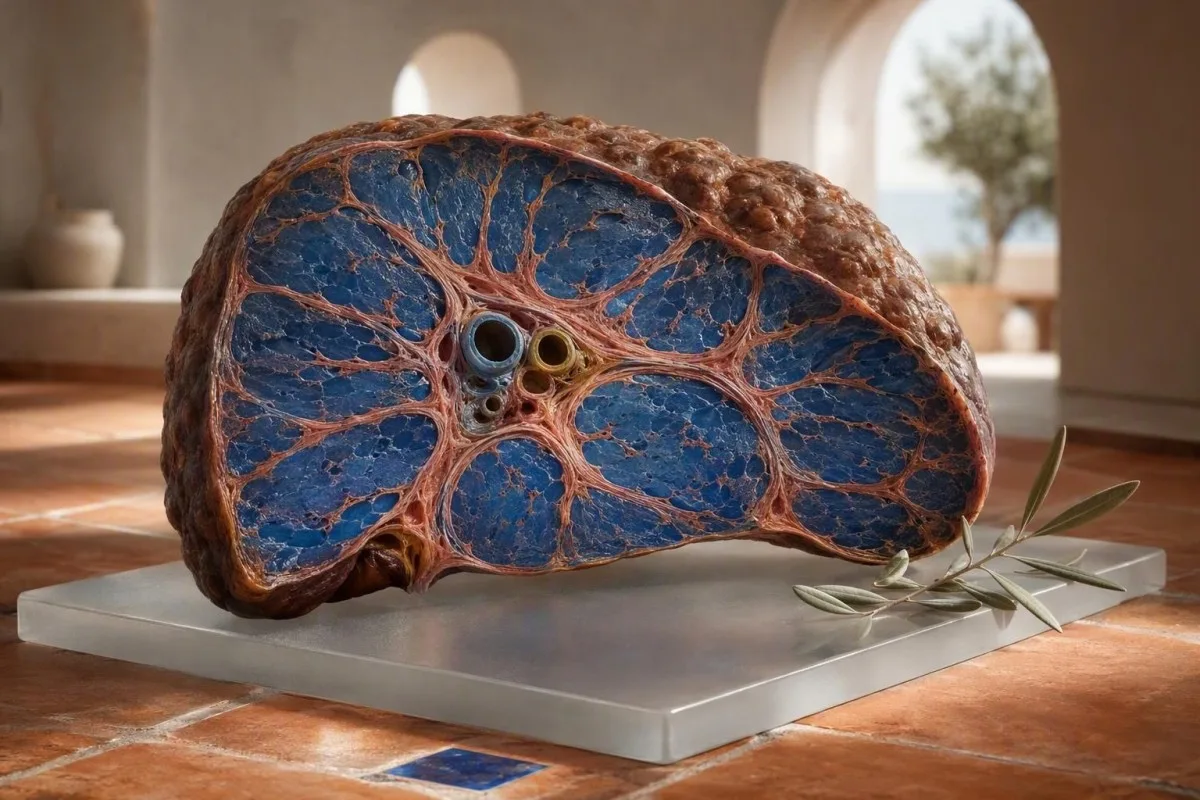
ஆரம்பகால கல்லீரல் இழைநார் வளர்ச்சி பெரும்பாலும் வெளிப்படையான வலியை ஏற்படுத்துவதில்லை: மஞ்சள் காமாலை வருவதற்கு முன்பே சோர்வு, தூக்க மாற்றங்கள், சிராய்ப்பு, அரிப்பு மற்றும் இரத்தத் தட்டு எண்ணிக்கை குறைதல் ஆகியவை ஏற்படலாம். கல்லீரல் சோதனைகள், இரத்த எண்ணிக்கை மற்றும் நார்த்திசு வளர்ச்சி மதிப்பெண்களில் ஒரு முறை காணப்படுவது வழக்கமான குறிப்பு ஆகும், இது ஒரு அசாதாரண நொதி அல்ல.


- அமைதியான வடு சாதாரண ALT மற்றும் AST உடன் ஏற்படலாம், குறிப்பாக வளர்சிதை மாற்ற கொழுப்பு கல்லீரல் நோய் மற்றும் மது தொடர்பான கல்லீரல் நோய்களில்.
- 150 × 10⁹/L க்குக் கீழே உள்ள தகட்டணுக்கள் கல்லீரல் ஆபத்து காரணிகளுடன் படிப்படியாக குறையும் போது, இது கல்லீரல் இழைநார் வளர்ச்சிக்கு முந்தைய அறிகுறியாக இருக்கலாம்.
- FIB-4 1.3-க்கு கீழே 65 வயதிற்குட்பட்ட பெரியவர்களில் மேம்பட்ட நார்த்திசு வளர்ச்சியின் குறைந்த ஆபத்தைக் குறிக்கிறது; 2.67 அல்லது அதற்கு மேல் உடனடியாக நிபுணர் மதிப்பீடு தேவைப்படுகிறது.
- ஆல்புமின் 35 g/L க்குக் கீழே அல்லது அதிகரிக்கும் INR, அமினோட்ரான்ஸ்ஃபெரேஸ்கள் மிதமாக இருந்தாலும், கல்லீரல் செயற்கைத் திறன் குறைவதைக் குறிக்கலாம்.
- AST:ALT 1 க்கு மேல் கல்லீரல் இழைநார் வளர்ச்சிக்கு கண்டறியக்கூடியது அல்ல, ஆனால் த்ரோம்போசைட்டோபீனியா, உயர்ந்த GGT, அல்லது இமேஜிங் மாற்றங்களுடன் இணைந்தால் கவலையை அதிகரிக்கிறது.
- பிலிரூபின் 34 µmol/L க்கு மேல் மஞ்சள் காமாலை, அடர்ந்த சிறுநீர், காய்ச்சல், குழப்பம் அல்லது அடிவயிற்றில் வீக்கம் ஏற்பட்டால் உடனடி மருத்துவ மதிப்பீடு தேவை.
- சாதாரண நொதிகள் அந்த நேரத்தில் செயலில் உள்ள நொதி கசிவு இல்லை என்று அர்த்தம்; அவை கல்லீரல் கட்டமைப்பு சாதாரணமாக இருப்பதற்கான சான்றுகள் அல்ல.
- மது அருந்துவதை நிறுத்துதல், வளர்சிதை மாற்ற அபாயத்திற்கான சிகிச்சை, வைரஸ் ஹெபடைடிஸ் பராமரிப்பு மற்றும் மருந்து மறுஆய்வு ஆரம்பகட்ட ஃபைப்ரோஸிஸை மெதுவாக்கலாம் அல்லது சில சமயங்களில் பகுதியளவு மாற்றியமைக்கலாம்.
கல்லீரல் பரிசோதனைக்குத் தகுதியான நுட்பமான ஆரம்பகால கல்லீரல் இழைநார் வளர்ச்சி அறிகுறிகள்
கல்லீரல் இழைநார் வளர்ச்சி (cirrhosis) அறிகுறிகள் பெரும்பாலும் தெளிவற்றதாகவும், விட்டுவிட்டு வருபவையாகவும் இருக்கும், சோர்வு, பசியின்மை குறைதல், தூக்கக் கலக்கம், அரிப்பு, எளிதில் காயம் ஏற்படுதல் அல்லது உடற்பயிற்சி தாங்கும் திறன் குறைதல் போன்றவை மஞ்சள் தோல் அல்லது திரவம் தேங்குவதற்கு நீண்ட காலத்திற்கு முன்பே நிகழ்கின்றன. எனது மருத்துவ அனுபவத்தில், கவலைக்குரிய அம்சம் ஒரு சோர்வான பிற்பகல் அல்ல; இது நீரிழிவு, உடல் பருமன், வழக்கமான மது அருந்துதல், ஹெபடைடிஸ் ஆபத்து அல்லது கல்லீரல் நோய்க்கான குடும்ப வரலாறு உள்ள ஒருவரிடம் 6 முதல் 12 வாரங்கள் நீடிக்கும் அமைதியான ஒரு குழுவாகும்.
ஃபைப்ரோஸிஸ் முன்னேறும்போது ஒரு நபர் வேலை செய்யலாம், பயிற்சி செய்யலாம் மற்றும் முற்றிலும் நலமாகத் தோன்றலாம். நீரிழிவு, உடல் பருமன், வழக்கமான மது அருந்துதல், ஹெபடைடிஸ் ஆபத்து, அல்லது கல்லீரல் நோய்க்கான குடும்ப வரலாறு உள்ள ஒருவரிடம் 6 முதல் 12 வாரங்கள் நீடிக்கும் அமைதியான ஒரு குழுவாகும். நான் 48 வயதான ஒரு அலுவலக ஊழியரை பார்த்துள்ளேன், அவருடைய ஒரே மாற்றம் 3 மணி நேரத்தில் அரிப்பு மற்றும் சோர்வுடன் எழுந்ததாகும்; அவருடைய ALT 31 IU/L ஆக இருந்தது, ஆனால் தட்டணுக்கள் நான்கு ஆண்டுகளில் 214 இலிருந்து 136 × 10⁹/L ஆக குறைந்துள்ளது. அந்த போக்கு எலாஸ்டோகிராபிக்கு வழிவகுத்தது மற்றும் மேம்பட்ட ஃபைப்ரோஸிஸை கண்டறிந்தது.
கல்லீரல் இழைநார் வளர்ச்சி (cirrhosis) பொதுவாக கடுமையான கல்லீரல் வலியை ஏற்படுத்துவதில்லை. கல்லீரல் உறை (capsule) தாமதமான கட்டத்தில் நீட்டிக்கப்படலாம், ஆனால் ஆரம்பகட்ட வடு உயிரியல் ரீதியாக அமைதியானது, ஏனெனில் ஃபைப்ரோஸிஸ் நுண்ணிய வாஸ்குலர் சேனல்களுக்கு இடையில் உருவாகிறது. அடிவயிற்றில் ஒரு புதிய நிறைவு உணர்வு, ஆரம்பகால திருப்தி, அல்லது கணுக்கால் வீக்கம் ஆகியவை ஒரு தெளிவற்ற வலது பக்க வலியை விட கவலைக்குரியவை, குறிப்பாக ஒரு வாரத்தில் 2 கிலோவுக்கு மேல் எடை அதிகரிக்கும் போது.
டாக்டர் தாமஸ் க்ளீன், சமீபத்திய குழும முடிவுகளை மட்டும் கொண்டுவராமல், முந்தைய முடிவுகளையும் கல்லீரல் ஆய்வுக்கு கொண்டுவருமாறு அறிவுறுத்துகிறார். அடிப்படை இரத்தப் பரிசோதனை 12, 24 மற்றும் 48 மாதங்களுக்கு முந்தைய முடிவுகளுடன் ஒப்பிடப்படும்போது மிகவும் பயனுள்ளதாக மாறும்.
வழக்கமான சந்திப்பிற்காக காத்திருக்கக் கூடாத அறிகுறிகள்
குழப்பம், புதிய பகல்நேர தூக்கக் கலக்கம், இரத்த வாந்தி, கருப்பு மலம், அடிவயிற்றில் வீக்கத்துடன் காய்ச்சல், அல்லது விரைவாக அதிகரிக்கும் மஞ்சள் காமாலை ஆகியவை அன்றே அவசர மதிப்பீடு தேவை. இவை கல்லீரல் இழைநார் வளர்ச்சியின் (cirrhosis) சிதைவு, இரைப்பை குடல் இரத்தப்போக்கு, தொற்று, அல்லது பாதிப்பில்லாத ஏற்ற இறக்கங்களுக்கு பதிலாக கடுமையான கல்லீரல் காயத்தை பிரதிபலிக்கலாம்.
ஏன் சாதாரண ALT மற்றும் AST கல்லீரல் இழைநார் வளர்ச்சியைக் கண்டறிய முடியாது
சாதாரண ALT மற்றும் AST ஆகியவை குறிப்பிடத்தக்க ஃபைப்ரோஸிஸ் அல்லது கல்லீரல் இழைநார் வளர்ச்சியை (cirrhosis) நிராகரிக்காது. ALT மற்றும் AST தற்போதைய செல் நொதி கசிவைப் பிரதிபலிக்கின்றன, அதேசமயம் ஃபைப்ரோஸிஸ் குவிக்கப்பட்ட கட்டமைப்பு வடுவை பிரதிபலிக்கிறது, இது கல்லீரல் செல் நிறை மற்றும் வீக்கம் குறையும் போது குறைந்த கசிவை ஏற்படுத்தக்கூடும்.
பல ஆய்வகங்கள் ஆண்களுக்கு ALT வரம்பு சுமார் 35 முதல் 45 IU/L வரையிலும், பெண்களுக்கு 25 முதல் 35 IU/L வரையிலும் பயன்படுத்துகின்றன, இருப்பினும் சோதனை முறை மற்றும் நாட்டிற்கு ஏற்ப குறிப்பு இடைவெளிகள் மாறுபடும். 28 IU/L முடிவு காகிதத்தில் சாதாரணமாக இருக்கலாம், ஆனால் நீரிழிவு, வகை 2 நீரிழிவு, 128 × 10⁹/L தட்டணு எண்ணிக்கை மற்றும் உயர் FIB-4 மதிப்பெண் கொண்ட ஒரு நபருக்கு இது குறைவாக ஆறுதலளிக்கும்.
2023 AASLD வழிகாட்டுதல்கள், அமினோட்ரான்ஸ்மினேஸ்கள் மேம்பட்ட ஆல்கஹால் அல்லாத கொழுப்பு கல்லீரல் நோயால் பாதிக்கப்பட்ட நோயாளிகளுக்கு சாதாரணமாக இருக்கலாம் என்று கூறுகின்றன; எனவே ஆபத்து வகைப்படுத்தல், நொதிகளை மட்டும் சாராமல், ஆக்கிரமிப்பு அல்லாத ஃபைப்ரோஸிஸ் சோதனையையும் சேர்க்க வேண்டும் (Rinella et al., 2023). இது ஒரு ஒற்றை மதிப்பிற்கு அருகிலுள்ள கொடியை விட மாதிரி மிகவும் முக்கியத்துவம் வாய்ந்த பகுதிகளில் ஒன்றாகும்.
கடினமான பயிற்சி, தசை காயம், மற்றும் சில மருந்துகள் கல்லீரல் வடு இல்லாமல் AST ஐ உயர்த்தலாம். ஒரு பந்தய வீரருக்கு பந்தயத்திற்குப் பிறகு AST 89 IU/L ஆக இருப்பது தசை மூலமாக இருக்கலாம், குறிப்பாக கிரியேட்டின் கைனேஸ் அதிகமாகவும், பிலிரூபின், தட்டணுக்கள், INR மற்றும் GGT சாதாரணமாகவும் இருந்தால்; எங்கள் உயர் AST வழிகாட்டி அந்த வேறுபாட்டை விளக்குகிறது.
கல்லீரல் இழைநார் வளர்ச்சி இரத்தப் பரிசோதனைகள்: மருத்துவர்கள் உண்மையில் கவலைப்படும் முறை
மிகவும் கவலைக்குரிய கல்லீரல் இழைநார் வளர்ச்சி (cirrhosis) இரத்தப் பரிசோதனை முறை, குறையும் தட்டணுக்கள், ALT ஐ விட AST அதிகமாக இருப்பது, உயர்ந்த பிலிரூபின் அல்லது GGT, மற்றும் தனித்த நொதி உயர்வை விட albumin அல்லது INR குறைதல் ஆகியவற்றை ஒருங்கிணைக்கிறது. ஒவ்வொரு சோதனையும் கல்லீரல் உயிரியலின் வெவ்வேறு அம்சங்களைப் பிடிக்கிறது: காயம், பித்தநீர் ஓட்டம், போர்ட்டல் அழுத்தம், அல்லது புரத உற்பத்தி.
150 × 10⁹/L க்குக் கீழே உள்ள தகட்டணுக்கள் முன்னேறிய ஃபைப்ரோஸிஸில் பொதுவாகக் காணப்படுகின்றன, ஏனெனில் போர்டல் உயர் இரத்த அழுத்தம் மண்ணீரலை பெரிதாக்கி, பிளேட்லெட் திரட்சியை அதிகரிக்கிறது. 142 × 10⁹/L என்ற எண்ணிக்கை சிரோசிஸுக்கு ஆதாரம் அல்ல, இருப்பினும் 240 இலிருந்து 142 ஆகக் குறையும் போக்கு தனித்த முடிவை விட மருத்துவ ரீதியாக மிகவும் அர்த்தமுள்ளதாக இருக்கிறது.
1.0 க்கு மேல் AST:ALT விகிதம் ஃபைப்ரோஸிஸ் முன்னேறும்போது ஏற்படலாம், அதே நேரத்தில் 2.0 க்கு மேல் உள்ள விகிதங்கள் மது தொடர்பான ஹெபடைடிஸ் உடன் பாரம்பரியமாக தொடர்புடையவை, ஆனால் அவை உணர்திறன் அல்லது தனித்தன்மை வாய்ந்தவை அல்ல. GGT பெரும்பாலும் மது, வளர்சிதை மாற்ற கொழுப்பு கல்லீரல், கொலஸ்டாஸிஸ் மற்றும் மருந்து விளைவுகளுடன் உயர்கிறது; இதைப் பற்றி மேலும் படிக்கவும் GGT என்ன அர்த்தம் மது தான் காரணம் என்று கருதுவதற்கு முன்.
Kantesti AI கல்லீரல் பேனல்களை இந்த இணைக்கப்பட்ட முடிவுகளை வயது, பாலினம், தெரிவிக்கப்பட்ட நிலைமைகள் மற்றும் முந்தைய மதிப்புகளுக்கு எதிராக எடைபோடுவதன் மூலம் விளக்குகிறது, ஒரு கொடியிலிருந்து நோயறிதலை ஒதுக்குவதை விட. Kantesti என்பது ஒரு AI இரத்தப் பரிசோதனை பகுப்பாய்வி (analyzer) குறைந்த பிளேட்லெட்டுகள் மற்றும் அதிகரிக்கும் AST:ALT விகிதம் போன்ற பின்தொடர்தல் வடிவங்களை அடையாளம் காண வடிவமைக்கப்பட்டுள்ளது, அவை மருத்துவரின் மதிப்பாய்வுக்கு தகுதியானவை.
பொதுவான தவறான ஆறுதல் பொறி
சாதாரண பிலிரூபின் மற்றும் சாதாரண அல்புமின் ஈடுசெய்யப்பட்ட சிரோசிஸுடன் இணைந்து இருக்கலாம். அந்த குறிப்பான்கள் பெரும்பாலும் கல்லீரல் அதிக செயல்பாட்டு இருப்பை இழந்த பிறகு தாமதமாக மோசமடைகின்றன, எனவே அவை ஆரம்ப வடுவுக்கு மோசமான தனித்தனி ஸ்கிரீனிங் சோதனைகள்.
மருத்துவ ரீதியாக குறிப்பிடத்தக்க வடுவைக் கண்டறிய FIB-4 மற்றும் ஊடுருவாத குறிப்புகள்
FIB-4 என்பது வயது, AST, ALT மற்றும் பிளேட்லெட் எண்ணிக்கையைப் பயன்படுத்தி சரிபார்க்கப்பட்ட முதல்-வரிசை ஃபைப்ரோஸிஸ் மதிப்பெண் ஆகும். 65 வயதுக்குட்பட்ட பெரியவர்களில், 1.3 க்குக் குறைவான FIB-4 பொதுவாக முன்னேறிய ஃபைப்ரோஸிஸின் குறைந்த அபாயத்தைக் குறிக்கிறது, அதே நேரத்தில் 2.67 அல்லது அதற்கும் அதிகமான முடிவு சிறப்பு மதிப்பீடு அல்லது எலாஸ்டோகிராபியைத் தூண்ட வேண்டும்.
சூத்திரம் வயது × AST ÷ பிளேட்லெட்டுகள் × ALT இன் வர்க்க மூலம் ஆகும், AST மற்றும் ALT IU/L இல் மற்றும் பிளேட்லெட்டுகள் × 10⁹/L இல். வயது மதிப்பெண்ணை கணிசமாக மாற்றுகிறது: EASL 65 வயதுக்கு மேற்பட்டவர்களுக்கு 2.0 என்ற உயர் குறைந்த-ஆபத்து வரம்பைப் பரிந்துரைக்கிறது, ஏனெனில் சாதாரண வயது தொடர்பான ஸ்கோரிங் இல்லையெனில் தவறான நேர்மறைகளை உருவாக்கலாம் (European Association for the Study of the Liver, 2021).
FIB-4 மதிப்பெண் என்பது ஒரு முன்னுரிமை கருவி, நோயறிதல் அல்ல. கடுமையான ஹெபடைடிஸ், சமீபத்திய அதிக மது உட்கொள்ளல், கீமோதெரபி, அல்லது தற்காலிக பிளேட்லெட் வீழ்ச்சி அதை அதிகரிக்கலாம், எனவே நான் பொதுவாக சமநிலையற்ற முடிவை விளக்குவதற்கு முன் 4 முதல் 12 வாரங்களில் உறுதிப்படுத்தப்படாத சோதனைகளை மீண்டும் செய்கிறேன், தனிநபருக்கு மஞ்சள் காமாலை அல்லது பிற சிவப்பு கொடிகள் இல்லாவிட்டால்.
கான்டெஸ்டி என்பது ஒரு AI ஆய்வகப் பரிசோதனை விளக்கம் சேவை தேவையான முடிவுகள் இருக்கும்போது FIB-4 ஐ கணக்கிட்டு சூழமைக்கக்கூடியவை, ஆனால் ஒரு உயர் மதிப்பெண்ணுக்கு தற்காலிக எலாஸ்டோகிராபி, சிறப்பு மதிப்பீடு அல்லது எப்போதாவது திசு பரிசோதனை மூலம் மருத்துவ உறுதிப்படுத்தல் தேவை. எங்கள் கல்லீரல்-பேனல் மேலோட்டம் பொதுவாக கிடைக்கும் சோதனைகளை காட்டுகிறது.
குறைந்த இரத்தத் தட்டுகள்: கல்லீரல் இழைநார் வளர்ச்சிக்கு முந்தைய அறிகுறி, தீர்ப்பு அல்ல
150 × 10⁹/L க்குக் கீழே தொடர்ச்சியான பிளேட்லெட் எண்ணிக்கை, கல்லீரலுக்கு வெளியே பல காரணங்கள் இருந்தாலும், போர்ட்டல் உயர் இரத்த அழுத்தத்தின் ஆரம்ப வழக்கமான இரத்த பரிசோதனை குறிப்புகளில் ஒன்றாக இருக்கலாம். எண்ணிக்கை மெதுவாகக் குறைந்து, மண்ணீரல் வீக்கம், அதிக FIB-4, அல்லது அசாதாரண கல்லீரல் இமேஜிங் உடன் நிகழும்போது கல்லீரல் இணைப்பு வலுவடைகிறது.
போர்ட்டல் உயர் இரத்த அழுத்தம் கல்லீரல் மற்றும் மண்ணீரல் வழியாக இரத்த ஓட்டத்தை மாற்றுகிறது. மண்ணீரல் அதிக பிளேட்லெட்டுகளை வைத்திருக்கலாம், எனவே 110 முதல் 140 × 10⁹/L வரையிலான எண்ணிக்கை ஈடுசெய்யப்பட்ட நோயில் அசிடிஸ் அல்லது வாரிசெஸ்களுக்கு பல ஆண்டுகளுக்கு முன்பே வரக்கூடும். அதனால்தான் பிளேட்லெட் போக்கு FIB-4 இல் சேர்க்கப்பட்டுள்ளது, பொதுவான CBC அடிக்குறிப்பாக கருதப்படுவதற்குப் பதிலாக.
எல்லா குறைந்த முடிவும் உண்மையான வீழ்ச்சியைக் குறிக்காது. EDTA தொடர்பான பிளேட்லெட் திரட்டல் எண்ணிக்கையை தவறாகக் குறைக்கலாம், மேலும் ஆய்வகம் இதை இரத்த-திரை ஆய்வு அல்லது சிட்ரேட் மாதிரி மூலம் உறுதிப்படுத்தலாம்; எங்கள் விளக்கத்தைப் பார்க்கவும் EDTA தட்டணு கட்டித்திரட்டல். வைரஸ் நோய், நோயெதிர்ப்பு த்ரோம்போசைட்டோபீனியா, ஃபோலேட் குறைபாடு மற்றும் எலும்பு மஜ்ஜை நிலைமைகள் சாத்தியமானவை.
டாக்டர் தாமஸ் க்ளீன், இரண்டு ஆண்டுகளில் 20% ஆல் குறையும் எண்ணிக்கை, ஆய்வகத்தின் குறைந்த வரம்பைத் தாண்டியதா என்று கேட்பதை விட பெரும்பாலும் பயனுள்ளதாக இருக்கும் என்று கண்டறிந்துள்ளார். அதை முழு இரத்த எண்ணிக்கை கூறுகளுடன் மற்றும் முந்தைய அல்ட்ராசவுண்ட் அறிக்கைகளுடன் இணைத்து முடிவுகளை எடுக்கவும்.
அல்புமின் மற்றும் INR: கல்லீரல் இருப்பை அளவிடும் இரத்தப் பரிசோதனைகள்
குறைந்த அல்புமின் மற்றும் நீண்ட INR, குறிப்பாக அவை ஒன்றாக உருவாகும்போது, கல்லீரல் செயற்கை செயல்பாட்டைக் குறைக்கலாம். 35 g/L க்குக் கீழே அல்புமின் அல்லது 1.3 க்கு மேல் INR, இரத்த உறைதல் எதிர்ப்பு சிகிச்சையின்றி, சரியான நேரத்தில் மருத்துவ மதிப்பாய்வுக்கு உத்தரவாதம் அளிக்கிறது, இருப்பினும் எந்த முடிவும் சிரோசிஸ்க்கு குறிப்பிட்டதல்ல.
அல்புமின் பாதி ஆயுள் சுமார் 20 நாட்கள் ஆகும், எனவே அது மெதுவாக மாறும் மற்றும் ஈடுசெய்யப்பட்ட சிரோசிஸில் பெரும்பாலும் இயல்பாகவே இருக்கும். ஊட்டச்சத்துக் குறைபாடு, சிறுநீரக புரத இழப்பு, கடுமையான முறையான நோய், கர்ப்பம் மற்றும் திரவ சுமை ஆகியவை அல்புமினைக் குறைக்கலாம்; ஆல்புமின் மற்றும் குளோபுலின் வழிகாட்டி இந்த சாத்தியக்கூறுகளைப் பிரிக்க உதவுகிறது.
INR, கல்லீரலால் உற்பத்தி செய்யப்படும் வைட்டமின் கே-சார்ந்த இரத்த உறைதல் காரணி செயல்பாட்டை பிரதிபலிக்கிறது. வார்ஃபரின் எடுத்துக் கொள்ளாத ஒரு நபருக்கு 1.5 INR, மிதமாக உயர்ந்த ALT ஐ விட கவலைக்குரியது, ஆனால் மலabsoroption, நுண்ணுயிர் எதிர்ப்பிகள் அல்லது cholestasis இலிருந்து வைட்டமின் கே குறைபாடு அதை நீட்டிக்கலாம் மற்றும் மீளக்கூடியதாக இருக்கலாம்.
Kantesti AI என்பது ஒரு AI-இயங்கும் இரத்த பரிசோதனை பகுப்பாய்வு கருவி செயற்கை செயல்பாடு ALT ஆல் மட்டும் கைப்பற்றப்படாததால், அல்புமின், பிலிரூபின், INR மற்றும் பிளேட்லெட் வடிவங்களை ஒன்றாக எடுத்துக்காட்டுகிறது. இரத்த உறைதல் சோதனைகள் குறித்த தொழில்நுட்ப சூழலுக்கு, எங்கள் இரத்த உறைதல் பரிசோதனை வழிகாட்டி.
மஞ்சள் காமாலை, அரிப்பு, அடர் சிறுநீர் மற்றும் வெளிர் மலம்: அவை என்ன அர்த்தம் கொள்ளலாம்
மஞ்சள் காமாலை, அடர் தேநீர் நிற சிறுநீர், வெளிறிய மலம் மற்றும் பொதுவான அரிப்பு ஆகியவை பித்த ஓட்டம் அல்லது பிலிரூபின் செயலாக்கத்தில் குறைபாடு இருப்பதைக் குறிக்கலாம், அவை உடனடியாக மதிப்பிடப்பட வேண்டும். 34 µmol/L க்கும் அதிகமான மொத்த பிலிரூபின், சுமார் 2 mg/dL, பெரும்பாலும் பகல் ஒளியில் மஞ்சள் நிறமாகத் தெரியும், இருப்பினும் தோல் நிறம் மற்றும் ஒளி கண்டறிதலைப் பாதிக்கின்றன.
அடர்ந்த சிறுநீர் வழக்கமாக இணைக்கப்பட்ட பிலிரூபினால் ஏற்படுகிறது, இணைக்கப்படாத பிலிரூபினால் அல்ல. எனவே, பிலிரூபின் நேர்மறையான சிறுநீர் டிப்ஸ்டிக், சாதாரண சிவப்பு-செல் சிதைவை விட கல்லீரல்-பித்தப்பை நோய் அல்லது அடைப்பு நோக்கி மருத்துவர்களை வழிநடத்துகிறது; எங்கள் சிறுநீர் பிலிருபின் வழிகாட்டியில் அடுத்த சோதனைகளை விளக்குகிறது.
வெளிறிய அல்லது களிமண் நிற மலம் குடலுக்கு குறைந்த நிறமி செல்வதைக் குறிக்கிறது. இது பித்தப்பை கல், மருந்து தொடர்பான பித்தநீர் தேக்கம், கணைய அல்லது பித்தநீர் குழாய் நோய், அல்லது மேம்பட்ட கல்லீரல் செயலிழப்புடன் ஏற்படலாம், எனவே இதை நச்சு நீக்கும் எதிர்வினை என்று அழைப்பது பாதுகாப்பானது அல்ல; பார்க்கவும் வெளிர் மலம் ஏற்படும் காரணங்களை.
பித்தநீர் தேக்கத்தால் ஏற்படும் அரிப்பு, பிலிரூபின் குறிப்பிடத்தக்க அளவு உயர்வதற்கு முன்பே கடுமையாக இருக்கலாம். இது பொதுவாக உள்ளங்கைகள் மற்றும் பாதங்களை பாதிக்கிறது மற்றும் இரவில் மோசமடைகிறது; மருத்துவர்கள் வழக்கமாக ALP, GGT, பிலிரூபின் பின்னங்கள், மருந்து வெளிப்பாடு, பொருந்தும் இடங்களில் கர்ப்ப நிலை, மற்றும் பித்தநீர் குழாய்களுக்கான அல்ட்ராசவுண்ட் அணுகலைச் சரிபார்க்கிறார்கள்.
ALP, GGT, மற்றும் பிலிரூபின்: பித்தநீர் தேக்க முறையைக் கண்டறிதல்
பித்தநீர் தேக்க கல்லீரல்-சோதனை முறை என்பது கார லைபேஸ் மற்றும் GGT, ALT மற்றும் AST ஐ விட அதிகமாக உயர்கிறது, பெரும்பாலும் நேரடி பிலிரூபின் உயர்வுகளுடன். இந்த முறை, சிரோசிஸ் என்ற தானியங்கி அனுமானத்திற்கு பதிலாக, பித்தப்பை குழாய் அடைப்பு, மருந்து காயம், தன்னுடல் தாக்க பித்தநீர் தேக்க நோய், அல்லது ஊடுருவும் கல்லீரல் நிலைமைகளைத் தேட தூண்ட வேண்டும்.
ALP பித்தப்பை திசுக்களால் மட்டுமல்ல, எலும்பு, நஞ்சுக்கொடி மற்றும் குடல் ஆகியவற்றாலும் உற்பத்தி செய்யப்படுகிறது. உயர்த்தப்பட்ட ALP மற்றும் சாதாரண GGT எலும்பிலிருந்து பெறப்பட்டதாக இருக்கலாம், குறிப்பாக எலும்பு முறிவுக்குப் பிறகு, வளர்ச்சி sırasında, அல்லது வைட்டமின் டி குறைபாடு உடன், அதே சமயம் உயர்ந்த ALP மற்றும் உயர்ந்த GGT கல்லீரல்-பித்தப்பை ஆதாரத்தை ஆதரிக்கின்றன; எங்கள் ALP மற்றும் GGT விளக்கம் நடைமுறை உதாரணங்களை வழங்குகிறது.
R விகிதம் கடுமையான நொதி முறைகளை வகைப்படுத்த உதவுகிறது: ALT அதன் சாதாரண வரம்பின் மேல் எல்லையால் வகுக்கப்படுகிறது, பின்னர் ALP அதன் மேல் எல்லையால் வகுக்கப்படுகிறது. R விகிதம் 5 க்கு மேல் கல்லீரல் செல் காயத்தைக் குறிக்கிறது, 2 க்கு கீழே பித்தநீர் தேக்கத்தைக் குறிக்கிறது, மற்றும் 2 முதல் 5 வரை கலவையாகும் - மருந்து மதிப்பீட்டிற்கு பயனுள்ளதாக இருக்கும் ஆனால் தனித்த நோயறிதல் அல்ல.
Kantesti AI, உலகளாவிய ALP கட்ஆஃப்ஐ திணிக்காமல், பதிவேற்றப்பட்ட அறிக்கையிலிருந்து ஆய்வக குறிப்பு வரம்புகளைப் பயன்படுத்துகிறது, ஏனெனில் வரம்புகள் வேறுபடுகின்றன. பித்தநீர் தேக்க இரத்தப் பரிசோதனை வழிகாட்டி ஒரு மருத்துவர் விவாதத்திற்கு பயனுள்ள தயாரிப்பு ஆகும்.
காரணம் கண்டறிவது வடுவைக் கண்டறிவது போலவே முக்கியமானது
சಿರோசிஸ் என்பது ஒரு முடிவு, ஒரு தனி நோய் அல்ல: ஆல்கஹால், வளர்சிதை மாற்ற கொழுப்பு கல்லீரல் நோய், ஹெபடைடிஸ் பி அல்லது சி, தன்னுடல் தாக்க நோய், இரும்பு அதிகம், மற்றும் சில மருந்துகள் அனைத்தும் அதை ஏற்படுத்தக்கூடும். காரணத்தை அடையாளம் காண்பது சிகிச்சை, குடும்ப ஸ்கிரீனிங், புற்றுநோய் கண்காணிப்பு, மற்றும் மேலும் ஃபைப்ரோஸிஸை மெதுவாக்கும் வாய்ப்பை மாற்றுகிறது.
வளர்சிதை மாற்ற ஆபத்து நேரடி உரையாடலுக்கு உரியது. மைய உடல் பருமன், 1.7 mmol/L அல்லது 150 mg/dL க்கு மேல் ட்ரைகிளிசரைடுகள், உயர் இரத்த அழுத்தம், மற்றும் வகை 2 நீரிழிவு, மது அருந்தும் அளவு குறைவாக இருந்தாலும், கொழுப்பு கல்லீரல் நோயின் நிகழ்தகவை அதிகரிக்கும். ஒரு வளர்சிதை மாற்ற நோய்க்குறி சரிபார்ப்புப் பட்டியல் தொடர்புடைய அபாயங்களை தெளிவுபடுத்த முடியும்.
ஆண்களில் அல்லது மாதவிடாய் நின்ற பெண்களில் 300 ng/mL க்கும் அதிகமான ஃபெரிட்டின் இரும்பு அதிகமாக இருப்பதைக் கண்டறிய போதுமானதாக இல்லை. 45% க்கும் அதிகமாக டிரான்ஸ்ஃபெரின் செறிவு நீடித்திருப்பது பரம்பரை ஹீமோக்ரோமாடோசிஸுக்கு மிகவும் குறிப்பிட்டது மற்றும் பொதுவாக பொருத்தமான மருத்துவச் சூழலில் HFE மரபணு சோதனைக்குத் தூண்டுகிறது; எங்கள் ஹீமோக்ரோமாடோசிஸ் அறிகுறிகள் வழிகாட்டியைப் பார்க்கவும்.
மருந்துகள் மற்றும் சப்ளிமெண்ட் வரலாறுகள் வழக்கமாக குறைவாக மதிப்பிடப்படுகின்றன. அதிக அளவு கிரீன் டீ சாறு, அனபோலிக் ஏஜெண்டுகள், பல-கூறு எடை இழப்பு தயாரிப்புகள், அமியோடரோன், மெத்தோட்ரெக்ஸேட் மற்றும் சில ஆண்டிபயாடிக்குகள் கல்லீரல் சோதனைகளை மாற்றலாம், அதே நேரத்தில் கல்லீரல் சுத்திகரிப்பு சரியான மதிப்பீட்டை தாமதப்படுத்தக்கூடும்; எங்கள் சப்ளிமெண்ட் பாதுகாப்பு மதிப்பாய்வு இதில் கவனமாக உள்ளது.
அறிகுறிகளிலிருந்து யூகிக்காமல், வைரஸ் ஹெபடைடிஸ் பரிசோதிக்கப்பட வேண்டும்
நாள்பட்ட ஹெபடைடிஸ் சி பல தசாப்தங்களாக அறிகுறியற்றதாக இருக்கலாம், அதே நேரத்தில் ஃபைப்ரோசிஸ் முன்னேறுகிறது. ஆன்டிபாடி சோதனை வெளிப்பாட்டைக் கண்டறிகிறது, அதே நேரத்தில் HCV RNA சோதனை செயலில் உள்ள தொற்றை உறுதிப்படுத்துகிறது; எங்கள் ஹெபடைட்டிஸ் C பரிசோதனை வழிகாட்டி இரண்டு சோதனைகளும் ஏன் முக்கியம் என்பதை விளக்குகிறது.
அசாதாரண கல்லீரல் இழைநார் வளர்ச்சி இரத்தப் பரிசோதனை முறைக்குப் பிறகு என்ன நடக்கும்
அசாதாரண ஃபைப்ரோசிஸ் முறை பொதுவாக உடனடியாக கல்லீரல் இழைநார் வளர்ச்சி நோயறிதலை விட, இரத்தப் பரிசோதனைகளை மீண்டும் செய்தல், அல்ட்ராசவுண்ட் மற்றும் எலாஸ்டோகிராபிக்கு வழிவகுக்கிறது. எலாஸ்டோகிராபி கல்லீரல் விறைப்புத்தன்மையை கிலோபாஸ்கல்ஸில் மதிப்பிடுகிறது மற்றும் கடுமையான அழற்சி, நெரிசல் மற்றும் சமீபத்திய அதிக மது வெளிப்பாடு ஆகியவை கருதப்படும்போது மிகவும் நம்பகமானதாக இருக்கும்.
ஒரு மருத்துவர் பொதுவாக AST, ALT, ALP, GGT, பிலிரூபின், அல்புமின், INR மற்றும் முழு இரத்த எண்ணிக்கையை வாரங்களுக்குள் முடிவுகள் எதிர்பாராததாக இருந்தால் மீண்டும் செய்கிறார். அவர்கள் ஹெபடைடிஸ் பி மற்றும் சி சோதனைகள், டிரான்ஸ்ஃபெரின் செறிவுடன் ஃபெரிட்டின், இம்யூனோகுளோபுலின்கள், ஆட்டோஆன்டிபாடிகள், கோலியாக் சோதனை மற்றும் செருலோபிளாஸ்மின் ஆகியவற்றை இளம் பெரியவர்களில் சேர்க்கலாம் - இருப்பினும் சரியான பட்டியல் வயது மற்றும் இடர் வரலாற்றைப் பின்பற்றுகிறது.
EASL இன் 2021 ஆக்கிரமிப்பு அல்லாத சோதனை வழிகாட்டி இரண்டு-படி அணுகுமுறையை ஆதரிக்கிறது: முதலில் FIB-4, பின்னர் தற்காலிக எலாஸ்டோகிராபி அல்லது குறைந்த-இடர் வரம்புக்கு மேல் உள்ளவர்களுக்கு இரண்டாவது சீரம் சோதனை (European Association for the Study of the Liver, 2021). கல்லீரல் விறைப்புத்தன்மை ஃபைப்ரோசிஸுக்குச் சமமானதல்ல; இதய செயலிழப்பு நெரிசல், கொலஸ்டாசிஸ் மற்றும் கடுமையான ஹெபடைடிஸ் ஆகியவை தற்காலிகமாக அதை உயர்த்தலாம்.
கான்டெஸ்டி என்பது ஒரு AI பயோமார்க்கர் விளக்க தளம் அடுத்த சந்திப்பிற்கான கேள்விகளாக பதிவேற்றப்பட்ட பேனலை ஒழுங்கமைக்க முடியும், இதில் எந்த மதிப்புகள் மாறின மற்றும் என்ன சாத்தியமான காரணங்களை விலக்க வேண்டும். எங்கள் மருத்துவ முறை இங்குக் விவரிக்கப்பட்டுள்ளது மருத்துவ சரிபார்ப்பு மேலோட்டம், ஆனால் அது ஒரு பரிசோதனை அல்லது இமேஜிங் ஆர்டருக்கு மாற்றாகாது.
மது, வளர்சிதை மாற்ற ஆபத்து, மற்றும் கல்லீரல் சோதனைகளை எப்போது மீண்டும் செய்ய வேண்டும்
மது குறைப்பு மற்றும் வளர்சிதை மாற்ற இடர் சிகிச்சை வாரங்களுக்குள் கல்லீரல் நொதிகளை மேம்படுத்தலாம், ஆனால் ஃபைப்ரோசிஸ் இடர் ஒரே ஒரு மேம்படுத்தப்பட்ட ALT முடிவிலிருந்து கணிக்கப்படக்கூடாது. மது நிறுத்தப்பட்ட 2 முதல் 6 வாரங்களுக்குப் பிறகு GGT பெரும்பாலும் குறைகிறது, அதே நேரத்தில் பிளேட்லெட் மற்றும் ஃபைப்ரோசிஸ்-ஸ்கோர் மாற்றங்கள் நீண்ட காலம் ஆகலாம் மற்றும் அடிப்படை நோய் நிலையைப் பொறுத்தது.
நிறுவப்பட்ட கல்லீரல் இழைநார் வளர்ச்சி நோயால் பாதிக்கப்பட்ட ஒருவருக்கு உலகளவில் பாதுகாப்பான மது வரம்பு எதுவும் இல்லை; மது அருந்துவதை நிறுத்துவதே நிலையான பரிந்துரையாகும், ஏனெனில் சிறிய அளவுகூட கல்லீரல் உயர் இரத்த அழுத்தத்தை மோசமாக்கலாம் அல்லது மீட்சியில் தலையிடலாம். கல்லீரல் இழைநார் வளர்ச்சி இல்லாதவர்களுக்கு, தெரிவிக்கப்படும் உட்கொள்ளல் இன்னும் சூழல் தேவைப்படுகிறது: குடிப்பழக்கம், உடல் எடை, நீரிழிவு மற்றும் மருந்து பயன்பாடு இடர்களை கணிசமாக மாற்றுகின்றன.
வளர்சிதை மாற்ற கல்லீரல் நோயில், நீடித்த 7% முதல் 10% உடல் எடை குறைப்பு ஸ்டீட்டோஹெபடைடிஸ் முன்னேற்றத்துடன் தொடர்புடையது மற்றும் சில நோயாளிகளுக்கு ஃபைப்ரோசிஸை மேம்படுத்தலாம், இருப்பினும் தனிப்பட்ட முடிவுகள் மாறுபடும். திடீர் டயட்டிங் ALT ஐ தற்காலிகமாக உயர்த்தலாம், எனவே சமீபத்திய எடை மாற்றத்துடன் பேனலைப் படிக்கவும்; எங்கள் கட்டுரை எடை இழப்புக்குப் பிறகு கல்லீரல் நொதிகள் ஏன் என்பதை விளக்குகிறது.
Kantesti AI போக்கு பகுப்பாய்வு சோதனைகள் ஒப்பிடக்கூடிய புள்ளிகளில் எடுக்கப்படும்போது மிகவும் தகவலறிந்ததாக இருக்கும் - குறிப்பாக 48 மணிநேரம் கடினமான உடற்பயிற்சியைத் தவிர்த்து, மது, நோய் மற்றும் புதிய சப்ளிமெண்ட்ஸ் ஆகியவற்றைக் குறிப்பிடுகிறது. ஆல்கஹால் நிறுத்தம் கண்டறியும் குறியீடு காலவரிசை எது முதலில் இயல்பு நிலைக்கு வரக்கூடும் என்பதை விவரிக்கிறது.
கல்லீரல் சிகிச்சையை தாமதப்படுத்தக்கூடிய உணவு மற்றும் துணைப் பொருட்கள் பற்றிய கட்டுக்கதைகள்
எந்தவொரு ஜூஸ் கிளென்ஸ், மூலிகை தயாரிப்பு அல்லது சப்ளிமெண்ட் மூலமும் கல்லீரல் சிரோசிஸ் தழும்பு திசுவை நம்பகத்தன்மையுடன் அகற்ற முடியாது. மத்திய தரைக்கடல் பாணி உணவு முறை, போதுமான புரதம், நீரிழிவு மேலாண்மை மற்றும் கல்லீரலுக்கு நச்சுத்தன்மை வாய்ந்த சப்ளிமெண்ட்ஸ் தவிர்ப்பது கல்லீரல் ஆரோக்கியத்திற்கு உதவும், ஆனால் அவை ஃபைப்ரோஸிஸின் காரணத்தை கண்டறிவதற்கு மாற்றாகாது.
சிரோசிஸ் உள்ளவர்களுக்கு சில சமயங்களில் அனைத்து புரதங்களையும் தவிர்க்கும்படி கூறப்படுகிறார்கள், இது தசை இழப்பு மற்றும் பலவீனத்தை மோசமாக்கும். கடுமையான கல்லீரல் என்செபலோபதி சமயத்தில் ஒரு குறிப்பிட்ட தற்காலிக அறிவுறுத்தல் இல்லாவிட்டால், பல நோயாளிகளுக்கு தோராயமாக தேவைப்படுகிறது ஒரு நாளைக்கு உடல் எடைக்கு 1.2 முதல் 1.5 கிராம் புரதம், உணவு நிபுணரின் வழிகாட்டுதலின் கீழ், உணவுகளாக பிரிக்கப்பட்டுள்ளது.
நச்சு நீக்கும் என்று சந்தைப்படுத்தப்படும் தயாரிப்புகளில் எச்சரிக்கையாக இருங்கள். செறிவூட்டப்பட்ட மஞ்சள், கவா, கருப்பு கோஹோஷ் மற்றும் பல-கூறு பாடிபில்டிங் அல்லது ஸ்லிம்மிங் சப்ளிமெண்ட்ஸ் அனைத்தும் கேஸ் சீரிஸில் கல்லீரல் காயத்துடன் இணைக்கப்பட்டுள்ளன, மேலும் தயாரிப்புகள் அவற்றின் லேபிள்கள் கூறும் உள்ளடக்கத்தை கொண்டிருக்காது. எங்கள் சான்றுகளின் அடிப்படையில் கல்லீரல் உணவு வழிகாட்டி ஆதரிக்கும் உணவுப் பழக்கங்களை சந்தைப்படுத்தல் கூற்றுகளிலிருந்து பிரிக்கிறது.
திரவம் தேக்கம் ஏற்பட்டால், திரவக் கட்டுப்பாட்டை விட சோடியம் கட்டுப்பாடு பெரும்பாலும் முக்கியமானது. ஒரு பொதுவான இலக்கு ஒரு நாளைக்கு 2 கிராமுக்கு குறைவாக சோடியம், ஆனால் டையூரிடிக்ஸ், சிறுநீரக செயல்பாடு, இரத்த அழுத்தம் மற்றும் ஊட்டச்சத்து போதுமான அளவு இணையவழி உணவுத் திட்டத்திற்கு பதிலாக தனிப்பட்ட மேற்பார்வை தேவைப்படுகிறது.
கல்லீரல் இழைநார் வளர்ச்சி அறிகுறிகள் அவசரமாகும் போது
தெரிந்த அல்லது சந்தேகிக்கப்படும் சிரோசிஸ் உள்ளவருக்கு இரத்த வாந்தி, கருப்பு தார் போன்ற மலம், குழப்பம், வயிற்று வீக்கத்துடன் கூடிய காய்ச்சல், கடுமையான மூச்சுத் திணறல் அல்லது வேகமாக மோசமடைந்து வரும் மஞ்சள் காமாலை ஆகியவை அவசர அறிகுறிகளாகும். இந்த அறிகுறிகள் வெரிசல் இரத்தப்போக்கு, கல்லீரல் என்செபலோபதி, தன்னிச்சையான பாக்டீரியா பெரிட்டோனிட்டிஸ், சிறுநீரக காயம் அல்லது கடுமையான-மேல்-நாள்பட்ட கல்லீரல் செயலிழப்பு ஆகியவற்றைக் குறிக்கலாம்.
சிரோசிஸில் புதிய குழப்பம் அல்லது தலைகீழ் தூக்கம்-விழிப்பு சுழற்சி என்பது சோர்வு மட்டுமல்ல. இது கல்லீரல் என்செபலோபதியைக் குறிக்கலாம், குறிப்பாக மலச்சிக்கல், நீரிழப்பு, தொற்று, இரைப்பைக் குடல் இரத்தப்போக்கு, மயக்க மருந்து பயன்பாடு அல்லது உயர் அம்மோனியா முடிவுடன் சேர்ந்து; இருப்பினும், அம்மோனியா மட்டும் என்செபலோபதியை நம்பகத்தன்மையுடன் கண்டறியவோ அல்லது தரப்படுத்தவோ செய்யாது.
வீங்கிய வயிறு அசைட்டைக் குறிக்கலாம், ஆனால் இது உடல் பருமன், குடல் வீக்கம், கருப்பை நோய் அல்லது இதய செயலிழப்பு ஆகியவற்றிலிருந்தும் எழலாம். காய்ச்சல், மென்மை, குறைந்த இரத்த அழுத்தம் அல்லது அசைட்டீஸ் உள்ள ஒருவரிடம் சிறுநீரக செயல்பாட்டில் மோசமடைதல் உடனடியாக மதிப்பிடப்பட வேண்டும், ஏனெனில் தொற்று நுட்பமானதாகவும் ஆபத்தானதாகவும் இருக்கலாம்.
அவசரமற்ற நிச்சயமற்ற தன்மைக்கு, அறிகுறிகள், மருந்துகள், ஆல்கஹால் உட்கொள்ளல், சப்ளிமெண்ட்ஸ் மற்றும் தேதி-குறிப்பிட்ட எடைகளை ஒரு மருத்துவர் அழைக்கும் முன் எழுதவும். ஒரு இரத்தப் பரிசோதனை சுருக்க சரிபார்ப்புப் பட்டியல் அந்த உரையாடலை மேலும் திறமையாக்கலாம்.
முடிவுகளை மாற்றும் நடைமுறை கல்லீரல் சந்திப்பு சரிபார்ப்புப் பட்டியல்
சிறந்த கல்லீரல் சந்திப்பில் முந்தைய ஆய்வக அறிக்கைகள், யதார்த்தமான ஆல்கஹால் மற்றும் மருந்து வரலாறு, வளர்சிதை மாற்ற வரலாறு மற்றும் எந்த இமேஜிங் அறிக்கைகளும் அடங்கும். இந்த விவரங்கள் தற்காலிக என்சைம் முடிவை பல வருட ஃபைப்ரோஸிஸைக் குறிக்கும் வடிவத்திலிருந்து வேறுபடுத்த அனுமதிக்கின்றன.
நீங்கள் கண்டறியக்கூடிய ஒவ்வொரு முடிவையும் கொண்டு வாருங்கள், இதில் CBC, கல்லீரல் பேனல், INR, ஃபெரிட்டின், ஹெபடைடிஸ் சோதனைகள், அல்ட்ராசவுண்ட் அறிக்கைகள் மற்றும் kPa இல் உள்ள எலாஸ்டோகிராஃபி மதிப்புகள் ஆகியவை அடங்கும். ஒரு தனிப்பட்ட முடிவு சத்தமாக இருக்கலாம்; 18 மாதங்களில் பரவியுள்ள மூன்று முடிவுகள் பிளேட்லெட்டுகள் குறைகிறதா அல்லது பிலிரூபின் நிலையானதா என்பதைக் காட்டலாம். எங்கள் பக்கம்தோறும் முடிவு ஒப்பீட்டு வழிகாட்டி வழக்கமாக எந்த மாற்றங்கள் அர்த்தமுள்ளவை என்பதை விளக்குகிறது.
நான்கு நேரடிக் கேள்விகளைக் கேளுங்கள்: இதற்கான சாத்தியமான காரணம் என்ன? எந்த ஃபைப்ரோஸிஸ் நிலை சந்தேகிக்கப்படுகிறது? எனக்கு எலாஸ்டோகிராபி அல்லது ஹெபடோலஜி பரிந்துரை தேவையா? எந்த அறிகுறிகள் என்னை அவசர சிகிச்சைப் பிரிவுக்கு அனுப்ப வேண்டும்? சிரோசிஸ் உறுதிசெய்யப்பட்டால், கல்லீரல் புற்றுநோயைக் கண்டறிய ஆறு மாதங்களுக்கு ஒருமுறை அல்ட்ராசவுண்ட் கண்காணிப்பு மற்றும் வெரிசஸ் மதிப்பீடு செய்ய எண்டோஸ்கோபி தேவையா என்று கேளுங்கள்.
செப்டம்பர் 4, 2026 நிலவரப்படி, AI-உருவாக்கிய விளக்கங்கள் நோயறிதலை விட தயாரிப்பாகக் கருதப்பட வேண்டும் என்று எங்கள் மருத்துவர்கள் இன்னும் பரிந்துரைக்கின்றனர். Kantesti-ன் மருத்துவப் பணி மேற்பார்வையுடன் மதிப்பாய்வு செய்யப்படுகிறது. மருத்துவ ஆலோசனைக் குழு, மற்றும் சிரோசிஸ் பற்றிய இறுதி முடிவு உங்களை பரிசோதித்து உறுதிப்படுத்தும் சோதனைகளை ஆர்டர் செய்யக்கூடிய சிகிச்சையாளரிடம் உள்ளது.
அடிக்கடி கேட்கப்படும் கேள்விகள்
கல்லீரல் நொதிகள் சாதாரணமாக இருக்கும்போது ஈரல் அழற்சி (Cirrhosis) ஏற்பட முடியுமா?
ஆம். இயல்பான ALT மற்றும் AST கல்லீரல் இழைநார்ப்பெருக்கத்தை நிராகரிக்காது, ஏனெனில் இந்த நொதிகள் தற்போதுள்ள கல்லீரல் செல் பாதிப்பைப் பிரதிபலிக்கின்றன, நிறுவப்பட்ட வடு திசுக்களின் அளவை அல்ல. குறிப்பாக வளர்சிதை மாற்ற கல்லீரல் நோய்களில், ஈடுசெய்யப்பட்ட கல்லீரல் இழைநார்ப்பெருக்கம் ஆய்வக குறிப்பு இடைவெளிக்குள் ALT மற்றும் AST உடன் தோன்றலாம். 150 × 10⁹/L க்கும் குறைவான பிளேட்லெட் எண்ணிக்கை, 2.67 அல்லது அதற்கு மேற்பட்ட FIB-4, அசாதாரண எலாஸ்டோகிராஃபி, குறைந்த அல்புமின் அல்லது அதிகரிக்கும் INR ஆகியவை நொதிகளை விட மிகவும் பயனுள்ள தடயங்களை வழங்க முடியும்.
கல்லீரல் இழைநார் வளர்ச்சி நோயின் முதல் எச்சரிக்கை அறிகுறிகள் யாவை?
ஆரம்பகால கல்லீரல் இழைநார் வளர்ச்சியின் அறிகுறிகளில் தொடர்ந்து சோர்வு, பசியின்மை, அரிப்பு, எளிதில் காயம், உடற்பயிற்சி சகிப்புத்தன்மை குறைதல், தூக்க மாற்றங்கள் மற்றும் வயிற்று நிரம்பிய உணர்வு ஆகியவை அடங்கும், ஆனால் பலருக்கு எந்த அறிகுறிகளும் இல்லை. மஞ்சள் காமாலை, அடர் சிறுநீர், வெளிர் மலம், கணுக்கால் வீக்கம், வயிற்று திரவம், குழப்பம், இரத்தம் வாந்தி எடுத்தல் மற்றும் கருப்பு மலம் ஆகியவை பின்னர் அல்லது அவசர அறிகுறிகளாக இருக்கும். அறிகுறிகள் மட்டும் கல்லீரல் இழைநார் வளர்ச்சியை கண்டறிய முடியாது, எனவே கல்லீரல் குழு, பிளேட்லெட்டுகளுடன் CBC, INR, அல்புமின் மற்றும் ஃபைப்ரோஸிஸ் மதிப்பீடு பொதுவாக தேவைப்படுகிறது.
கல்லீரல் இழைநார் வளர்ச்சி (cirrhosis) ஏற்படுவதை எந்த இரத்த தட்டுக்களின் எண்ணிக்கை குறிக்கிறது?
150 × 10⁹/L க்கும் குறைவான பிளேட்லெட் எண்ணிக்கை, மேம்பட்ட கல்லீரல் ஃபைப்ரோஸிஸ் அல்லது போர்டல் உயர் இரத்த அழுத்தத்தை சந்தேகிக்கத் தூண்டும், அது தொடர்ந்தால் மற்றும் கீழ்நோக்கிச் சென்றால், ஆனால் அது கல்லீரல் இழைநார் வளர்ச்சி நோயைக் கண்டறிவதில்லை. பிளேட்லெட் திரட்சி, வைரஸ் நோய்கள், நோயெதிர்ப்பு த்ரோம்போசைட்டோபீனியா, மருந்துகள், ஊட்டச்சத்து குறைபாடுகள் மற்றும் எலும்பு மஜ்ஜை கோளாறுகள் ஆகியவற்றாலும் எண்ணிக்கை குறையலாம். இரண்டு ஆண்டுகளில் 220 இலிருந்து 135 × 10⁹/L ஆக ஒரு படிப்படியான சரிவு, AST அதிகரிப்பு மற்றும் அதிக FIB-4 உடன் சேர்ந்து, லேசாக குறைந்த ஒரு வாசிப்பை விட அதிக தகவலறிந்ததாக இருக்கிறது.
சிரோசிஸ் என்பதற்கான FIB-4 மதிப்பெண் என்ன?
FIB-4 சிரோசிஸ் நோயைக் கண்டறியாது, ஆனால் வயது, AST, ALT மற்றும் பிளேட்லெட்டுகள் ஆகியவற்றிலிருந்து மேம்பட்ட ஃபைப்ரோஸிஸ் அபாயத்தை இது மதிப்பிடுகிறது. 65 வயதுக்குட்பட்ட பெரியவர்களுக்கு, 1.3 க்குக் குறைவான மதிப்பெண் பொதுவாக குறைந்த அபாயத்தைக் குறிக்கிறது, 1.3 முதல் 2.66 வரை மேலும் ஊடுருவாத மதிப்பீடு தேவைப்படுகிறது, மற்றும் 2.67 அல்லது அதற்கு மேற்பட்ட மதிப்பெண் சிறப்பு நிபுணர் மதிப்பீட்டிற்கு வழிவகுக்கிறது. 65 வயதுக்கு மேற்பட்ட பெரியவர்களுக்கு, வயது தொடர்பான தவறான நேர்மறைகளைக் குறைக்க பொதுவாக 2.0 க்கும் அதிகமான வரம்பு பயன்படுத்தப்படுகிறது.
ஆரம்பத்திலேயே கண்டறியப்பட்டால் கல்லீரல் இழைநார் வளர்ச்சி குணமாகுமா?
கல்லீரல் நார்ப்பெருக்கத்தின் ஆரம்ப நிலையை, அதன் அடிப்படைக் காரணத்தை நீக்குவதன் மூலமோ அல்லது கட்டுப்படுத்துவதன் மூலமோ மேம்படுத்தலாம். இதில் மது அருந்துவதை நிரந்தரமாக நிறுத்துதல், வைரஸ் கல்லீரல் அழற்சிக்கு வெற்றிகரமாக சிகிச்சை பெறுதல், வளர்சிதை மாற்ற கல்லீரல் நோயால் பாதிக்கப்பட்டவர்களுக்கு உடல் எடையைக் குறைத்தல், அல்லது நோயெதிர்ப்பு மண்டலம் தொடர்பான நோய்களுக்கு சிகிச்சை அளித்தல் ஆகியவை அடங்கும். நன்கு உருவான கல்லீரல் இழைநாரருள் (cirrhosis) முழுமையாக மாறாமல் போகலாம், ஆனால் சிறப்பு மருத்துவ கவனிப்பு மூலம் அதன் சிக்கல்களையும் மேலும் தழும்புகளையும் குறைக்க முடியும். உடல் எடையை 7% முதல் 10% வரை தொடர்ந்து குறைப்பது, வளர்சிதை மாற்ற கல்லீரல் நோயால் பாதிக்கப்பட்ட பலருக்கு கல்லீரல் கொழுப்பு அழற்சியை (steatohepatitis) மேம்படுத்தும், இருப்பினும் நோயாளிகளுக்கிடையே முடிவுகள் மாறுபடும்.
சாத்தியமான கல்லீரல் இழைநார் வளர்ச்சிக்கு எப்போது மருத்துவமனைக்குச் செல்ல வேண்டும்?
இரத்தம் வாந்தி எடுத்தல், கருப்பு தார் போன்ற மலம், புதிய குழப்பம், மயக்கம், வயிற்று வீக்கத்துடன் கூடிய காய்ச்சல், கடுமையான மஞ்சள் காமாலை, அல்லது வேகமாக மோசமடையும் மூச்சுத்திணறல் ஏற்பட்டால் அவசர மருத்துவ உதவியை நாடவும். இந்த அறிகுறிகள் மாறுபட்ட இரத்தப்போக்கு, அசைடிக் திரவத்தில் தொற்று, கல்லீரல் என்செபலோபதி, அல்லது கடுமையான கல்லீரல் செயலிழப்பு ஆகியவற்றைக் குறிக்கலாம், மேலும் வெளிநோயாளர் இரத்தப் பரிசோதனைகளுக்காக காத்திருக்கக் கூடாது. லேசான அறிகுறிகள் இருந்தாலும், பிலிரூபின் 34 µmol/L ஐ விட அதிகமாகவோ, ஆண்டிகோகுலண்டுகள் இல்லாமலேயே INR 1.3 ஐ விட அதிகமாகவோ, அல்லது பிளேட்லெட்டுகள் குறைந்தாலோ, உடனடியாக ஒரு மருத்துவரைத் தொடர்பு கொண்டு ஆலோசனை பெறவும்.
இன்று AI இயக்கப்படும் இரத்த பரிசோதனை பகுப்பாய்வைப் பெறுங்கள்
உடனடி, துல்லியமான ஆய்வக பரிசோதனை பகுப்பாய்வுக்காக Kantesti-ஐ நம்பும் உலகம் முழுவதும் 2 மில்லியனுக்கும் மேற்பட்ட பயனர்களுடன் சேருங்கள். உங்கள் இரத்த பரிசோதனை முடிவுகளை பதிவேற்றி, சில வினாடிகளில் 15,000+ பயோமார்க்கர்களின் முழுமையான விளக்கத்தை பெறுங்கள்.
📚 மேற்கோள் காட்டப்பட்ட ஆராய்ச்சி வெளியீடுகள்
Klein, T., Mitchell, S., & Weber, H. (2026). Kantesti ஆராய்ச்சி குழு. (2026). aPTT இயல்பான வரம்பு: D-டைமர், புரோட்டீன் C இரத்த உறைதல் வழிகாட்டி. Zenodo. https://doi.org/10.5281/zenodo.18262555. ResearchGate மற்றும் Academia.edu கிடைக்கும் இணைப்புக்கள் வெளியீட்டுப் பதிவின் மூலம் பராமரிக்கப்படுகின்றன.. Kantesti AI மருத்துவ ஆராய்ச்சி.
Klein, T., Mitchell, S., & Weber, H. (2026). Kantesti ஆராய்ச்சி குழு. (2026). சீரம் புரதங்கள் வழிகாட்டி: குளோபுலின்கள், அல்புமின் & A/G விகிதம் இரத்த பரிசோதனை. Zenodo. https://doi.org/10.5281/zenodo.18316300. ResearchGate மற்றும் Academia.edu கிடைக்கும் இணைப்புக்கள் வெளியீட்டுப் பதிவின் மூலம் பராமரிக்கப்படுகின்றன.. Kantesti AI மருத்துவ ஆராய்ச்சி.
📖 வெளிப்புற மருத்துவ குறிப்புகள்
⚕️ மருத்துவ மறுப்பு
இந்த கட்டுரை கல்வி நோக்கங்களுக்காக மட்டுமே; இது மருத்துவ ஆலோசனையாகாது. நோயறிதல் மற்றும் சிகிச்சை முடிவுகளுக்காக எப்போதும் தகுதியான சுகாதார வழங்குநரை அணுகுங்கள்.
E-E-A-T நம்பிக்கை சிக்னல்கள்
அனுபவம்
ஆய்வக விளக்க (lab interpretation) பணிச்சூழல்களின் மீது மருத்துவர் வழிநடத்தும் மருத்துவ மதிப்பாய்வு.
நிபுணத்துவம்
மருத்துவ சூழலில் உயிர்க்குறிகள் (biomarkers) எவ்வாறு நடக்கின்றன என்பதில் ஆய்வக மருத்துவத்தின் கவனம்.
அதிகாரம்
டாக்டர் தாமஸ் க்ளைன் எழுதியது; டாக்டர் சாரா மிட்செல் மற்றும் பேராசிரியர் டாக்டர் ஹான்ஸ் வெபர் மதிப்பாய்வு செய்தது.
நம்பகத்தன்மை
எச்சரிக்கையை குறைக்க தெளிவான பின்தொடர்பு பாதைகளுடன் ஆதார அடிப்படையிலான விளக்கம்.