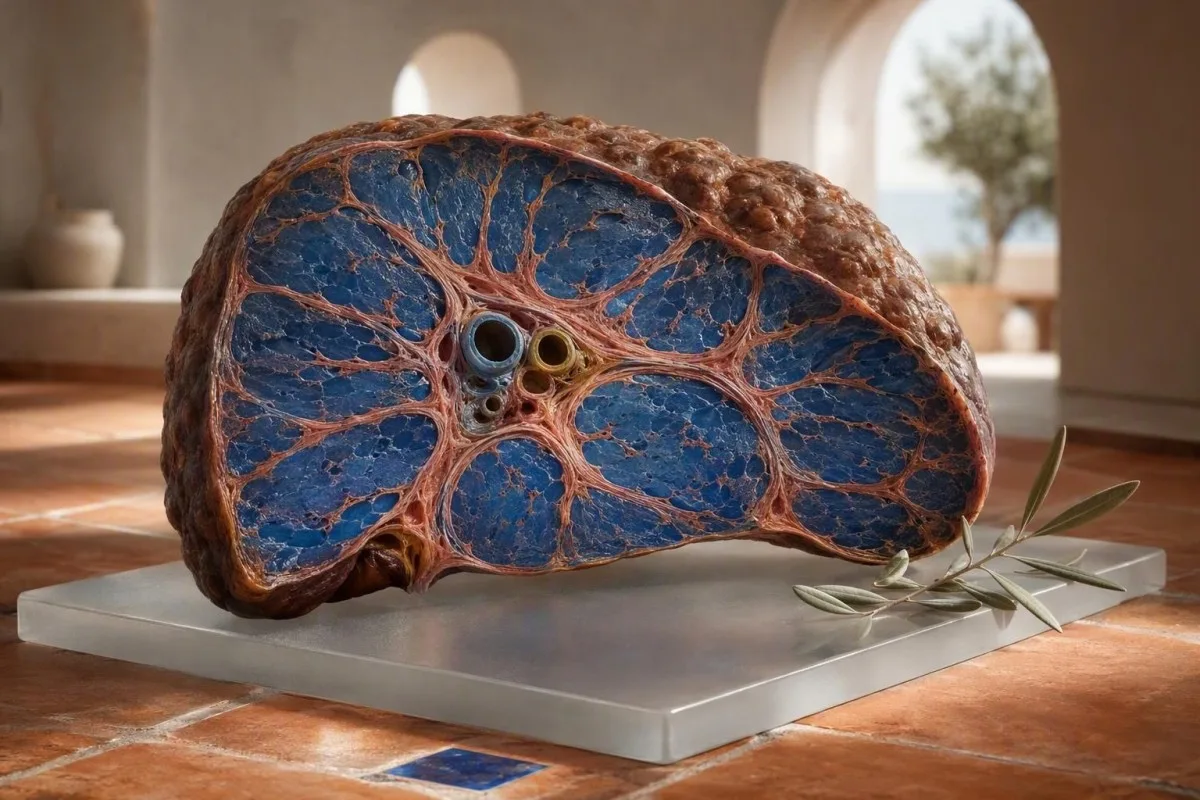
Zirrosi goiztiarrak askotan ez du min nabarmenik sortzen: nekea, loaldiko aldaketak, ubeldurak, azkura eta plaketen kopuruaren jaitsiera ager daitezke icterizia baino lehen. Gako erabilgarria normalean gibel-proben, odol-konteuaren eta fibrosi-puntuazioen arteko eredu bat izaten da, ez entzima anomalo bakar bat.


- Orbaintze isila ALT eta AST normalekin gerta daiteke, bereziki gibel-gantzatsu metabolikoan eta alkoholak eragindako gibel-gaixotasunean.
- Plaketak 150 × 10⁹/L azpitik Ataripeko hipertentsio goiztiarreko argibide izan daitezke, gibel-arriskuko faktoreekin batera pixkanaka jaisten direnean.
- FIB-4 1,3 azpitik 65 urtetik beherako helduen artean fibrosi aurreratuaren arrisku txikia adierazten du normalean; 2,67 edo gehiago esku-hartze espezializatu azkarra eskatzen du.
- Albumina 35 g/L azpitik edo INR igotzen bada, gibelaren funtzio sintetikoren murrizketa adieraz daiteke, aminotransferasak apalak izan arren.
- AST:ALT 1etik gora ez da zirrosiaren diagnostikoa, baina kezka sortzen du tronbozitopeniarekin, GGT altxatuta edo irudien aldaketekin batera dagoenean.
- Bilirrubina 34 µmol/L baino gehiago Ikteriarekin, gernu ilunekin, sukarrarekin, nahasmenduarekin edo sabeleko hanturarekin berehalako ebaluazio klinikoa behar da.
- Entzima normalak ez dute esan nahi momentu horretan ez dagoenik entzima-ihes aktiborik; ez dute frogatzen gibelaren arkitektura normala denik.
- Alkoholaren etenaldia, arrisku metabolikoaren tratamendua, hepatitis birikoaren zaintza eta botiken berrikuspena fibrosi goiztiarra moteldu edo batzuetan partzialki alderantzikatu dezakete.
Gibel-azterketa merezi duten zirrosi goiztiarreko sintoma sotilak
Zirrosi goiztiarraren sintomak askotan lausoak eta tartekatuak dira, nekea, gosea gutxitzea, loa nahastea, azkura, erraz ubeldura edo ariketa-tolerantzia gutxitzea azal horia edo likidoen atxikipena baino askoz lehenago gertatzen dira. Nire esperientzia klinikoan, ez da ezinegona sortzen duen gauza arratsalde nekatua; baizik eta diabetesa, gizentasuna, alkoholaren ohiko esposizioa, hepatitis arriskua edo gibeleko gaixotasunen familia-historia duen norbaitengan 6 eta 12 astez irauten duen klasto isil bat da.
Pertsona batek lan egin, entrenatu eta ondo egon daiteke fibrosia aurrera doan bitartean. Bulego bateko 48 urteko langile bat ikusi dut, zeinaren aldaketa bakarra 3:00etan esnatzea zen azkura eta nekearekin; bere ALT 31 IU/L zen, baina plaketkentzola 214tik 136 × 10⁹/Lra jaitsi zen lau urtean. Joera horrek elastografia sustatu zuen eta fibrosi aurreratua identifikatu zuen.
Zirrosi ez da normalean gibeleko mina zorrotza sortzen. Gibelaren kapsula prozesuaren amaieran heda daiteke, baina orbain goiztiarra biologikoki isila da, fibrosia mikroskopiko baskular kanalen artean garatzen delako. Sabelaldeko betetasun sentsazio berri bat, goiz goiz elikadura edo orkatilen hantura gehiago axola da eskuineko aldeko mina lauso bat baino, batez ere pisua astebetean 2 kg baino gehiago igotzen denean.
Thomas Klein doktoreak aurreko emaitzak ekartzea aholkatzen du, ez bakarrik azken panela, gibelaren berrikuspenerako. A hasierako odol-proba askoz erabilgarriagoa bihurtzen da duela 12, 24 eta 48 hilabete lehenagoko emaitzekin alderatu daitekeenean.
Ezohiko hitzordua itxaron beharko ez luketen sintomak
Nahasmendua, eguneko logura berria, odola botatzea, aulki beltza, sukarra sabeleko hanturarekin, edo horia azkar igotzen bada larrialdiko egun bereko ebaluazioa eskatzen dute. Hauek zirrosi deskonpensatua, gastrointestinaleko odoljarioa, infekzioa edo gibeleko lesio akutua islatu dezakete, aldiz, aldaketa kaltegabe bat baino.
Zergatik ALT eta AST normalak ez dute zirrosia baztertzen
ALT eta AST normalak ez dute fibrosi edo zirrosi esanguratsua baztertzen. ALT eta AST zelula-ihes entzimatikoaren korrontea islatzen dute, fibrosiak arkitektura-orbaintze metatua islatzen duen bitartean, gibel-zelulen masa eta hantura jaisten direnean isurketarik gutxi sor dezakeena.
Laborategi askok ALTren goiko mugak gizonezkoentzat 35 eta 45 IU/L artean eta emakumezkoentzat 25 eta 35 IU/L artean erabiltzen dituzte, nahiz eta erreferentzia-tarteak saiakera eta herrialdearen arabera aldatu. 28 IU/Lko emaitza normala izan daiteke paperean, gizentasuna, 2. motako diabetesa, 128 × 10⁹/Lko plaketen kopurua eta FIB-4 puntuazio altua duen pertsona batean oraindik ere deserosoagoa izaten jarraitzen duena.
2023ko AASLD gidalerroek diote aminotransaminasak normalak izan daitezkeela fibrosi ez-alkoholiko aurreratua duten pazienteetan; hori dela eta, arriskuen estratifikazioak fibrosiaren probak ez-sasiakoez gain, entzimez gain, sartu beharko lituzke (Rinella et al., 2023). Hau da ereduak balio bakar baten ondoan dagoen banderak baino garrantzi handiagoa duen eremu horietako bat.
Ariketa gogorra, muskulu-lesioak eta botika batzuek AST igo dezakete gibel-orbaintze gabe. AST 89 IU/L duten 52 urteko maratoilari batek lasterketa baten ondoren muskulu-iturri bat izan dezake, batez ere kreatin kinasa altua bada etabilirrubina, plaketak, INR eta GGT normalak badira; gure AST altuko gida bereizketa hori azaltzen du.
Zirrosiako odol-analisiak: klinikoek benetan kezkatzen dituzten ereduak
Zirrosi-odol-analisirik kezkagarriena plaket gutxitzea, ALT baino handiagoa den ASTa, bilirrubina edo GGT igotzea eta albumina edo INR kaltetua konbinatzen ditu, entzima bakarraren igoera baino. Test bakoitzak gibelaren biologiaren alderdi desberdin bat jasotzen du: lesioa, behazun-jariaketa, atari-presioa edo proteina-ekoizpena.
Plaketak 150 × 10⁹/L azpitik Fibrosi aurreratuan ohikoak dira, hipertentsio portala splenia handitzen duelako eta plaketen metaketa areagotzen duelako. 142 × 10⁹/L-ko kopurua ez da zirrosiaren froga, hala ere, 240tik 142rako beheranzko joera bat klinikoki esanguratsuagoa da emaitza isolatu bat baino.
AST:ALT ratio bat 1.0tik gora Fibrosia aurreratzen doan heinean gerta daiteke, 2.0tik gorako ratioak klasikoki alkoholak eragindako hepatitisarekin lotzen diren arren, ez dira ez sentikorrak ez espezifikoak. GGT sarritan igotzen da alkoholarekin, gibel koipetsua metabolikoarekin, kolestasiarekin eta botiken eraginekin; irakurri gehiago zer esan nahi duen GGTk alkohola kausa dela suposatu aurretik.
Kantesti AI-ak gibeleko panelak interpretatzen ditu emaitza lotu hauek adina, sexua, jakinarazitako baldintzak eta aurreko balioekiko pisatuz, diagnostiko bat bandera bakar batetik esleitu beharrean. Kantesti AI odol-analisien analizatzaile bat da jarraipen-ereduak identifikatzeko diseinatua, hala nola plaketa baxuak eta AST:ALT ratio igotzea, klinikoaren berrikuspena merezi dutenak.
Lasaitasun faltsuaren tranpa ohikoa
Bilirrubina normalak eta albumina normalak zirrosi konpentsatuarekin batera egon daitezke. Markatzaile horiek geroago okertzen dira, gibelak erreserba funtzional gehiago galdu ondoren, beraz, orbain goiztiarraren azterketa-probak dira.
FIB-4 eta orbaintze kliniko esanguratsurako argibide ez-inbaditzaileak
FIB-4 lehen mailako fibrosi puntuazio balioztatua da, adina, AST, ALT eta plaketen kopurua erabiliz. 65 urtetik beherako helduengan, 1.3tik beherako FIB-4 orokorrean fibrosi aurreratuaren arrisku txikia adierazten du, eta 2.67ko edo goragoko emaitza batek espezialista-ebaluazioa edo elastografia abiarazi beharko luke.
Formula hau da: adina × AST / plaketak × √ALT, non AST eta ALT IU/L-tan eta plaketak × 10⁹/L-tan dauden. Adinak nabarmen aldatzen du puntuazioa: EASL-ek 65 urtetik gorakoentzat 2.0ko probabilitate txikiko atalase altuagoa gomendatzen du, bestela adin-lotutako puntuazio arruntak faltsu-positiboak sor ditzakeelako (European Association for the Study of the Liver, 2021).
FIB-4 puntuazio bat triaje-tresna da, ez diagnostiko bat. Hepatitis akutua, alkohol-episodio astun berria, kimioterapia edo plaketen aldi baterako jaitsiera batek puztu dezakete, beraz, proba ezegonkorrak 4 eta 12 aste geroago errepikatzen ditut normalean, emaitza mugakorra interpretatu aurretik, pertsonak jaundiza edo beste abisu-adierazle batzuk izan ezean.
Kantesti bat da. AI laborategiko proba interpretatzeko zerbitzuan beharrezko emaitzak daudenean FIB-4 kalkulatu eta testuinguruan jar dezaketenak, baina puntuazio altuak mediku-baieztapena behar du elastografia, espezialista-ebaluazioa edo noizbait ehun-azterketa baten bidez. Gure gibeleko-panelaren ikuspegi orokorra erakusten du zein proba diren ohikoak.
Plaketa gutxi: ataripeko hipertentsio goiztiarreko argibidea, ez epaia
150 × 10⁹/L azpiko plakagune iraunkorrak izan daitezke hipertentsio portalearen ohiko odol-analisiaren lehenengo zantzuetako bat, baina gibel-ez kausa asko ditu. Gibeleko lotura indartu egiten da plakaguneak pixkanaka jaisten direnean eta barearen handitzearekin, FIB-4 altuarekin edo gibelaren irudigintza anormalarekin gertatzen direnean.
Hipertentsio portalak gibelaren eta barearen bidezko zirkulazioa aldatzen du. Bareak plaketa gehiago gorde ditzake, beraz, 110 eta 140 × 10⁹/L arteko plakagunea aszitisaren edo varizen aurretik izan daiteke urteetan gaixotasun konpentsatuan. Horregatik, plaketa-joera FIB-4an sartzen da ohiko odol-analisi baten oharpen gisa hartu beharrean.
Ez duzu emaitza baxu bakoitzak benetako jaitsiera islatzen. EDTArekin lotutako plaketa-gunkak plakagunea faltsuki jaitsi dezake, eta laborategiak hori egiazta dezake odolaren filmaren berrikuspen batekin edo zitratozko lagin batekin; ikus gure azalpena EDTAk eragindako plaken pikortzea. Biriko gaixotasuna, inmunotrombizitopenia, folatoen gabezi a eta hezur-muineko baldintzak ere posible dira oraindik.
Thomas Klein doktoreak aurkitu du bi urteren buruan 20% jaisten den plakagunea laborategiko behe-muga gainditu duen galdetzea baino erabilgarriagoa dela. Parekatu odol-analisi osoaren osagaiekin eta aurreko ultrasoinu-txostenekin ondorioak atera aurretik.
Albuminak eta INR: gibel-erreserba neurtzen duten odol-analisiak
Albumin baxua eta INR luzea gibelaren funtzio sintetik o gutxitu dela adieraz dezakete, batez ere elkarrekin garatzen direnean. 35 g/L azpiko albuminak edo 1.3tik gorako INRk (koagulazioaren aurkako tratamendurik gabe) berehalako berrikuspen klinikoa justifikatzen dute, emaitza horiek ez dira espezifikoak zirosirako.
Albuminek 20 egun inguruko erdi-bizitza du, beraz, motel aldatzen da eta askotan normal mantentzen da zirosi konpentsatuan. Desnutrizioa, giltzurrunetako proteina-galera, gaixotasun sistemiko larria, haurdunaldia eta gehiegizko likido-karga ere albumina jaitsi dezakete; albumina eta globulina gida aukera horiek bereizten laguntzen du.
INRk gibelak ekoitzitako K bitamina-dependenteko koagulazio-faktoreen jarduera islatzen du. Warfarina hartzen ez duen pertsona baten 1.5eko INR, ALT apur bat altua baino kezka handiagoa da, baina malabsorzioa, antibiotikoak edo kolestasiaren ondoriozko K bitamina-gabeziak ere luzatu egin dezake eta itzulgarria izan daiteke.
Kantesti AI giltzurruneko panel bat irakurtzen duen AI bidezko odol-analisien analisi-tresna albuminaren, bilirrubinaren, INRren eta plaketen ereduak batera nabarmentzen dituena, funtzio sintetikoa ez baita ALT bakarrak islatzen. Koagulazio-analisien testuinguru teknikoari buruz, berrikusi gure koagulazio-proben gida.
Iktz, azkura, gernu iluna eta taburete zurbila: zer esan dezaketen
Ikterizia, te koloreko gernua, aulki zurbila eta azkura orokorra behazun-jariorik ezaren edobilirrubina-prozesamenduaren nahastearen adierazgarri izan daitezke, eta azkar ebaluatu behar dira. 34 µmol/L baino gehiagoko bilirrubina totala, 2 mg/dL inguru, argi ikusgarri bihurtzen da sarritan eguzki-argitan, nahiz eta azalaren tonuak eta argiztapenak hautematea eragiten duten.
Gernu iluna, oro har, konjugatutako bilirrubinak eragiten du, ez konjugatu gabeko bilirrubinak. Beraz, gernu-dipstick bat bilirrubinarentzat positiboa bada, klinikoek hepatobiliazar gaixotasun edo oztopora jotzen dute, ez bakarrik globulu gorrien hausturara; gure gernu-bilirubinaren gidak hurrengo egiaztapenak azaltzen ditu.
Aulki zurbila edo buztin kolorekoa esan nahi du pigmentu gutxiago iristen dela hestera. Beharbada behazun-harri batekin, botiken eraginezko kolestasiarekin, pankreako edo behazun-hodien gaixotasunarekin edo gibel-disfuntzio aurreratuarekin gertatzen da, beraz, ez da segurua detox-erreakzio gisa etiketatzea; ikus gorotz argien kausak.
Kolestasiak eragindako azkura larria izan daiteke bilirrubina nabarmen igo baino lehen. Palmak eta zolarenak eragiten ditu normalean eta gauez okertzen da; klinikoek, oro har, ALP, GGT, bilirrubina-frakzioak, botiken eraginak, haurdunaldiaren egoera (dagokionean) eta behazun-hodien ultrasoinu-sarbidea egiaztatzen dituzte.
ALP, GGT eta bilirrubina: eredu kolestatiko bat ezagutzea
Gibel-testen eredu kolestatiko batean, fosfatasa alkalinoak eta GGTak ALT eta AST baino gehiago igotzen dira, zuzeneko bilirrubina igotzearekin batera. Eredu honek behazun-hodien oztopoa, botiken kalteak, gaixotasun autoimmune kolestatikoa edo gibeleko baldintza infiltratzaileak bilatzen sustatu beharko lituzke, zirrosiaren hipotesi automatiko bat baino.
ALP hesteko ehunetan sortzen da, baina baita hezurretan, placentan eta hesteetan ere. GGT normalarekin ALP igota egoteak hezur jatorria izan dezake, bereziki haustura baten ondoren, hazkunde garaian edo D bitamina gabeziarekin, aldiz, ALP altua eta GGT altua gibel-jatorri bat sustatzen dute; gure ALP eta GGT azalpena adibide praktikoak ematen ditu.
R erlazioak entzima-eredu akutuen sailkapenean laguntzen du: ALT bere azken mugatik gora zatituta, gero ALP bere azken mugatik gora zatituta. 5etik gorako R erlazioak kalte hepatoselularra iradokitzen du, 2tik beherakoak kolestasia iradokitzen du, eta 2 eta 5 artekoak nahasketa dira—botiken ebaluaziorako erabilgarria, baina ez diagnostiko autonomoa.
Kantesti AI-k igotako txosteneko erreferentziazko mugak erabiltzen ditu ALP-ren mozketa unibertsal bat ezartzea baino, barrutiak desberdinak direlako. kolestasia odol-test gida kliniko-eztabaidarako prestaketa erabilgarria da.
Kaura aurkitzeak orbaintzea aurkitzeak adinako garrantzia du
Zirrosia amaiera bat da, ez gaixotasun bakarra: alkohola, gibel-gantzats metabolikoa, B edo C hepatitis, gaixotasun autoimmuneak, burdin gehiegizkoa eta zenbait botika izan daitezke guztiak kausa. Kausa identifikatzeak tratamendua, familiako azterketa, minbiziaren zaintza eta fibrosi gehiago motelduz gero hobetzeko aukera aldatzen ditu.
Arrisku metabolikoak zuzeneko elkarrizketa merezi du. Pisuaren erdiko gehiegizko irabazia, triglizeridoak 1.7 mmol/L edo 150 mg/dL baino gehiago, hipertentsioa eta 2. motako diabetesa gibel-gantzatsen gaixotasunaren probabilitatea areagotzen dute, alkohola gutxi hartzen denean ere. sindrome metabolikoaren zerrenda lotutako arriskuak argitu ditzake.
Gizonetan edo menopausia osteko emakumeetan 300 ng/mL baino gehiagoko ferritinak ez du nahikoa balio burdin gehiegizko diagnostikatzeko. Transferrinaren saturazioa etengabe 45% baino gehiagokoa izatea espezifikoagoa da heredatutako hemochromatosirako eta normalean HFE proba genetikoak eskatzen ditu egoera kliniko egoki batean; ikusi gure hemochromatosiaren sintomak gida.
Botiken eta osagarrien historiari ohikoan gutxiesten zaio. Te berdearen extract handiak, esteroide anabolikoak, pisua galtzeko osagai anitzeko produktuak, amiodarona, metotrexatoa eta antibiotiko batzuek gibeleko probak alda ditzakete, eta gibela garbitzeko ustezko prozedura batek balorazio egokia atzeratu dezake; gure osagarrien segurtasunari buruzko berrikuspena zuhurtziaz jokatzen du honen inguruan.
Hepatitis birikoak probatu egin behar dira, ez sintomengatik asmatu
Hepatitis C kronikoak asintomatiko iraun dezake hamarkadetan zehar fibrosia aurrera doan bitartean. Antibideen probak esposizioa identifikatzen du, eta HCV RNA probak infekzio aktiboa baieztatzen du; gure hepatitis C probatzeko gida azaltzen du zergatik diren bi probak garrantzitsuak.
Zer gertatzen da zirrosiako odol-analisi anomalo baten ondoren
Fibrosi eredu anormal batek normalean odol-proba errepikatuak, ultrasoinu bat eta elastografia dakar, ez berehalako zirrosi-diagnostiko bat. Elastografiak gibeleko zurruntasuna kilopascaletan neurtzen du eta fidagarriena da hantura akutua, konjestiona eta azken alkohol-esposizio astuna kontuan hartzen direnean.
Mediku batek AST, ALT, ALP, GGT, bilirrubina, albumina, INR eta odol-konpultso osoa errepikatzen ditu normalean astebete barru, emaitzak espero ez direnean. Hepatitis B eta C probak, transferrinaren saturazioarekin ferritina, immunoglubulinak, auto-antibateak, coeliac probak eta zeruoplasmina gehi ditzakete heldu gazteagoetan; zerrenda zehatza adinaren eta arrisku-historiaren araberakoa da.
EASLren 2021eko proba ez-inbasiboen jarraibideak bi-urratseko ikuspegia onartzen du: lehenik FIB-4, gero elastografia iragankorra edo bigarren serum-proba bat arrisku baxuko atalasearen gainetik dauden pertsonentzat (European Association for the Study of the Liver, 2021). Gibeleko zurruntasuna ez da berdina fibrosiarekin; bihotz-gutxiegitasunaren konjestionak, kolestasiak eta hepatitis akutuak aldi baterako igo dezakete.
Kantesti bat da. AI biomarkatzaileen interpretazio-plataforma hurrengo hitzordurako galderatan antola dezakeen igoa den panel bat, balio aldakorrak eta baztertu beharreko balizko kausak barne. Gure metodologia klinikoa baliozkotze medikoaren ikuspegi orokorra, n deskribatzen da, baina ez du azterketa fisikoa edo irudi-agindu bat ordezkatzen.
Alkoholak, arrisku metabolikoak eta gibel-analiziak errepikatzeko unea
Alkoholaren murrizketak eta arrisku metabolikoaren tratamenduak gibeleko entzimak hobetu ditzakete astebetetan, baina fibrosiaren arriskua ez da ALT emaitza hobetu batetik epaitu behar. GGT-k askotan behera egiten du alkoholaren etenaldiaren ondoren 2 eta 6 aste igaro ondoren, plaken eta fibrosiaren puntuazioaren aldaketek denbora gehiago iraun dezaketen bitartean eta oinarrian dagoen gaixotasunaren egoeraren araberakoak izan daitezke.
Ez dago alkoholaren atalase unibertsalki segururik ezarritako zirrosia duen pertsona batentzat; abstinentzia da gomendio estandarra, kantitate txikiek ere ataka-hipertentsioa okertu edo berreskuratzea oztopatu dezaketelako. Zirrosirik ez duten pertsonentzat, jakinarazitako kontsumoak testuingurua behar du oraindik: binge ereduak, gorputz-pisuak, diabetesak eta botiken erabilerak arriskua nabarmen aldatzen dute.
Gibeleko gaixotasun metabolikoan, etengabeko %5-10 gorputz-pisua murriztea steatohepatitisaren hobekuntzarekin lotuta dago eta fibrosia hobetu dezake paziente batzuengan, emaitzak banan-banan aldatzen badira ere. Crash dietak aldi baterako ALT igo dezake, beraz, interpretatu panel bat azken pisua aldatzearekin batera; gure artikulua pisu-galeraren ondoren gibeleko entzimak azaltzen du zergatik.
AI joeren analisiari buruz gehien informatuta dago probak puntu konparagarrietan hartzen direnean—ahal dela ariketa fisiko bizia 48 orduz saihestuz eta alkohola, gaixotasuna eta osagarri berriak kontuan hartuz. Alkoholaren etenaren biomarkatzaileen denbora-lerroa Zer normaliza daitekeen lehenik deskribatzen du.
Gibel-arretari atzerapena eragin diezaioketen elikagai eta osagarrien mitoak
Zuku garbiketa, belar produktuek edo osagarriek ez dute zirrosi orbain-ehuna kentzen fidagarritasunez. Dieta mediterraneo estiloko eredu batek, proteina nahikoak, diabetesaren kudeaketak eta osagarri hepatotoxikoak saihesteak gibelaren osasuna babes dezakete, baina ez dira fibrosi-kausa identifikatzeko ordezkoak.
Zirrosidun pertsonei batzuetan proteina guztiak saihesteko esaten zaie, eta horrek muskulu-galera eta ahultasuna areagotu ditzake. Entzefalopatia hepatiko larria dagoen bitartean aldi baterako argibide zehatzik izan ezean, paziente askok gutxi gorabehera behar dute 1.2 eta 1.5 g proteina kilogramo gorputz-paisa eguneko, otorduen artean banatuta, dietetika-gidaritzapean.
Kontuz ibili detoxifikatzaile gisa merkaturatutako produktuekin. Kurkuma kontzentratua, kava, kohosh beltza eta bodybuilding edo argaltzeko osagarri anitzek osatutako produktuak gibeleko lesioekin lotu dira kasuen azterketetan, eta produktuek ez dute baliteke beren etiketan diotena izatea. Gure ebidentzian oinarritutako gibelaren elikagai-gida dietaren ohitura lagungarriak marketin-erreklamazioetatik bereizten ditu.
Fluido-atentzioa sortzen bada, sodio-murrizketak askotan fluido-murrizketak baino garrantzi handiagoa du. Helburu ohiko bat eguneko 2 g sodio baino gutxiago da, baina diuretikoek, giltzurrun-funtzioak, odol-presioak eta elikadura-nahikotasunak arreta pertsonalizatua behar dute interneteko otordu-plan baten ordez.
Zirrosiako sintomak premiazkoak direnean
Odola botatzea, gorotz beltzak, nahasmena, sukarra sabelaldeko hanturarekin, arnasestu larria edo jaundice azkar okertzea larrialdi-sintomak dira, zirrosi ezaguna edo susmagarria duten pertsonentzat. Seinale hauek varize-odoljarioa, entzefalopatia hepatikoa, peritonitis bakteriano espontaneoa, giltzurrun-lesioa edo gibel-falkarako akutu-kroniko bat adieraz ditzakete.
Nahasmen berria edo lo-esna zikloaren alderantzikatzea ez da nekea besterik zirrosian. Entzefalopatia hepatikoa adierazi dezake, batez ere idorreria, deshidratazioa, infekzioa, odoljario gastrointestinala, sedante-erabilera edo amoniako maila altua izanez gero; amoniakoak bakarrik, ordea, ez du fidagarritasunez diagnostikatzen edo gradatzen entzefalopatia.
Sabelalde distentsiodunak aszitesa ispilatu dezake, baina baita gizentasunetik, hesteetako distentsiotik, obarioen gaixotasunetatik edo bihotz-falkaretatik ere sor daiteke. Sukarrak, samurtasunak, odol-presio baxuak edo giltzurrun-funtzioa okertzeak aszitisa duen pertsona batean berehala baloratu behar dira, infekzioa sotila eta arriskutsua izan baitaiteke.
Larrialdi-ez ziurtasunerako, idatzi sintomak, botikak, alkohol-kontsumoa, osagarriak eta data-zigiludun pisuak kliniko bati deitu aurretik. odol-analisiaren laburpen-zerrenda elkarrizketa hori eraginkorrago bihur dezake.
Erabakiak aldatzen dituen gibel-hitzordu egutegi praktikoa
Gibel-hitzordu onenak aurretiko laborategiko txostenak, alkohol eta botiken historia errealista bat, historia metabolikoa eta irudi-txosten guztiak biltzen ditu. Xehetasun horiek klinikoek entzima-emaitza iragankor bat fibrosia iradokitzen duen urte anitzeko eredu batetik bereiztea ahalbidetzen dute.
Ekarri aurki ditzakezun emaitza guztiak, CBC, gibel-panela, INR, ferritina, hepatitis-testak, ultrasoinu-txostenak eta kPa-ko elastografia-balioak barne. Emaitza bakar bat lausoa izan daiteke; 18 hilabetetan zeharreko hiru emaitzek platelen jaitsiera edo bilirrubina egonkorra den erakuts dezakete. Gure emaitza alderaketa gida aldaketa esanguratsuak ohi diren azaltzen du.
Galdetu lau galdera zuzen: Zein da kausa posiblea? Zein fibrosi-etapa susmatzen da? Behar dut elastografia edo hepatologia-deribazioa? Zein sintomak eraman beharko naute premiazko arretara? Zirrosia baieztatzen bada, galdetu sei hilean behingo ultrasoinu-jarraipena egin behar den gibeleko minbiziaren aurkako tratamendurako eta endoskopia behar den barizeak ebaluatzeko.
2026ko irailaren 4tik aurrera, gure medikuek oraindik gomendatzen dute AI-ak sortutako azalpenak prestaketa gisa tratatzea, ez diagnostiko gisa. Kantesti-ren lan klinikoa gainbegiratuta berrikusten da Medikuntza Aholku Batzordea, eta zirrosiari buruzko azken erabakia tratamendua egiten duen medikuaren esku dago, hark aztertu eta proba berretsi ahal izango dituenak.
Maiz egiten diren galderak
Zirrosia izan dezakezu gibel-entzimak normal dituzunean?
Bai. ALT eta AST normalek ez dute zirrosia baztertzen, entzima hauek egungo gibeleko kalte zelularra islatzen baitute, ezta orbain ehunaren kopurua ere. Zirrosi konpentsatuak aurkez daitezke ALT eta AST laborategiko erreferentzia tartearen barruan, batez ere gibeleko gaixotasun metabolikoetan. 150 × 10⁹/L baino gutxiagoko plaketen kopurua, 2.67ko edo handiagoko FIB-4, elastografiaren anomaliak, albumina baxua edo goranzko INR batek, entzimek bakarrik baino zantzu erabilgarriagoak eman ditzakete.
Zeintzuk dira zirrosiaren lehenengo abisu-seinaleak?
Zirrosi goiztiarraren sintomak neke iraunkorra, gosea galtzea, azkura, ubeldura errazak, ariketa-tolerantzia murriztua, loaren aldaketak eta sabeleko betetasuna izan daitezke, baina jende askok ez ditu sintomarik izaten. Jentzia, gernu iluna, aulki zurbila, orkatilen hantura, sabeleko fluidoa, nahasmena, odola botatzea eta aulki beltza geroagoko edo larrialdiko seinaleak izaten dira. Sintomak bakarrik ezin dute zirrosia diagnostikatu, beraz, gibeleko panel bat, CBC plaketekin, INR, albumina eta fibrosi-ebaluazioa behar dira normalean.
Zein plaketen kopuruk iradokitzen du zirrosia?
150 × 10⁹/L baino gutxiagoko plakaginen kopuruak gibeleko fibrosi aurreratua edo hipertentsio portala susmatzea ekar dezake, iraun eta beherantz egiten badu, baina ez du zirrosia diagnostikatzen. Plakaginen metaketak, birus-gaixotasunak, purpura tronbozitopeniko immunea, sendagaiek, elikagaien gabeziak eta hezur-muineko nahasteek ere zenbatekoa jaitsi dezakete. Jaitsiera progresiboa, hala nola 220tik 135 × 10⁹/L bi urtean zehar, AST altxatua eta FIB-4 altua izanik, irakurketa baxu apal bat baino informazio handiagoa ematen du.
Zer esan nahi du FIB-4 puntuazioak zirrosia?
FIB-4ek ez du zirrosia diagnostikatzen, baina fibrosi aurreratuaren arriskua kalkulatzen du adinaren, AST, ALT eta plaketeen arabera. 65 urtetik beherako helduetan, 1,3tik beherako puntuazio batek oro har arrisku txikia adierazten du, 1,3tik 2,66ra bitartekoak ez-inbaditzaile azterketa gehiago behar du, eta 2,67tik gorakoak espezialista ebaluazioa merezi du. 65 urtetik gorako helduetan, 2,0tik gorako atalasea ohikoa da adinarekin lotutako faltsuak diren positiboak murrizteko.
Zirrosi hobetu al daiteke goiz harrapatzen bada?
Fibrosi goiztiarrak hobetu egin daitezke oinarrian dagoen kausa kentzen edo kontrolatzen denean, alkoholaren etengabeko abstinentzia, hepatitis biralaren tratamendu arrakastatsua, gibeleko gaixotasun metabolikoaren kasuan pisua galtzea edo sistema immuneak eragindako gaixotasunen tratamendua barne. Cirrhosis finkatua agian ez da guztiz itzuliko, baina konplikazioak eta orbain gehiago murriztu daitezke espezialisten zainketarekin. Pisua murrizteak steatohepatitisa hobetu dezake gibeleko gaixotasun metabolikoa duten pertsona askotan, nahiz eta emaitzak pazienteen artean desberdinak izan.
Noiz joan behar dut ospitalera zirrosi posiblearekin?
Eskatu premiazko arreta odol-jarioa, beherako beltz eta naritsua, nahasmen berria, zorabioak, sukarra eta sabelaldeko hantura, icterizia larria edo gero eta arnasa hartzeko zailtasun handiagoa izanez gero. Sintoma hauek balantza-odoljarioa, likido aszitikoan infekzioa, entzefalopatia hepatikoa edo gibel-gutxiegitasun akutua adieraz ditzakete eta ez dute itxaron behar anbulatoriozko odol-analisien errepikapena. Sintoma arinak badituzu, baina bilirrubinak 34 µmol/L gainditzen badu, INR 1,3 gainditzen badu antikoagulatzaileak hartu gabe, edo plaketak gutxitzen ari badira, jarri harremanetan mediku batekin berehala aholkua eskatzeko.
Lortu gaur AI bidezko odol-analisien analisia
Batu mundu osoko 2 milioi erabiltzaile baino gehiagok Kantesti-n konfiantza dutenak, laborategiko analisiak berehala eta zehaztasunez aztertzeko. Igo zure odol-analisien emaitzak eta jaso 15,000+ biomarkatzaileen interpretazio integrala segundo gutxitan.
📚 Erreferentziatutako ikerketa-argitalpenak
Klein, T., Mitchell, S., & Weber, H. (2026). Kantesti Research Team. (2026). aPTT Erresonantzia Normala: D-Dimer, Protein C odolaren koagulazio-gida. Zenodo. https://doi.org/10.5281/zenodo.18262555. ResearchGate eta Academia.edu eskuragarritasun-estekak argitalpen-erregistroaren bidez mantentzen dira.. Kantesti AI Medical Research.
Klein, T., Mitchell, S., & Weber, H. (2026). Kantesti Research Team. (2026). Serum Proteinen Gida: Globulinak, Albuminak eta A/G Ratio Odol-proba. Zenodo. https://doi.org/10.5281/zenodo.18316300. ResearchGate eta Academia.edu eskuragarritasun-estekak argitalpen-erregistroaren bidez mantentzen dira.. Kantesti AI Medical Research.
📖 Kanpoko erreferentzia medikoak
⚕️ Ohar medikoa
Artikulu hau hezkuntza-helburuetarako da soilik eta ez du mediku-aholkurik ematen. Diagnostiko- eta tratamendu-erabakietarako, beti kontsultatu osasun-profesional kualifikatu bati.
E-E-A-T Konfiantza-seinaleak
Esperientzia
Medikuek gidatutako berrikuspen klinikoa laborategiko interpretazioaren lan-fluxuei buruz.
Espezializazioa
Laborategiko medikuntzaren ikuspegia biomarkatzaileek testuinguru klinikoan nola jokatzen duten aztertzean.
Autoritatea
Dr. Thomas Klein-ek idatzia, eta Dr. Sarah Mitchell eta Prof. Dr. Hans Weber-ek berrikusia.
Fidagarritasuna
Ebidentzian oinarritutako interpretazioa, alarma murrizteko jarraipen-bide argiekin.