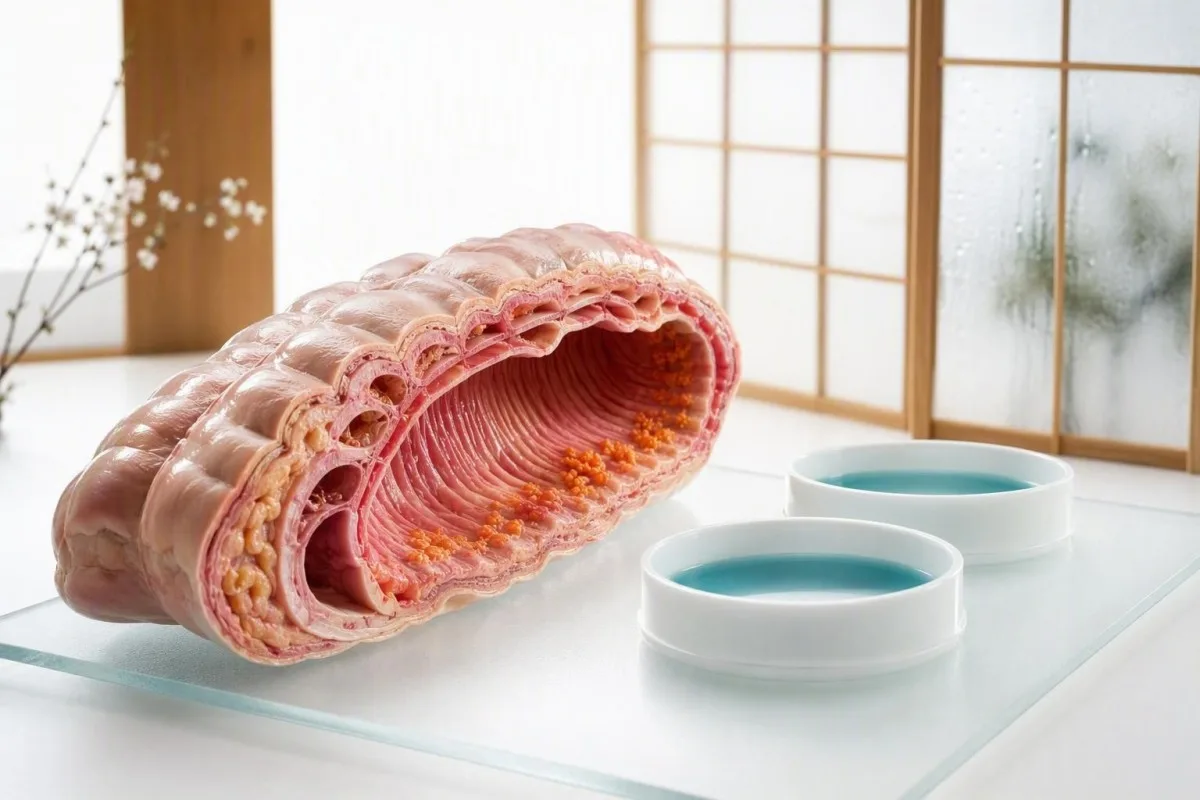
Bi probek hesteetako hantura neutrofiloek eragindakoa detektatzen dute, baina kalprotektina izan ohi da jarraipenerako tresna kuantitatibo erabilgarriena. Emaitza egokia hurrengo erabaki klinikoa aldatzen duena da, ez IBD batekin etiketatu.


- Kalprotektina < 50 µg/g gutxi gorabehera lasaigarria da IBS susmatzen duten helduengan, alarmarik gabeko ezaugarriak baldin badaude.
- Laktiferra Neutrofiloen proteina bat da; analisi kuantitatibo askok < 7,25 µg/g erabiltzen dute negatibo gisa, baina laborategiko mugak aldatu egiten dira.
- Gorotz-markatzaile altuak Hesteetako hantura adierazten dute, ez diagnostiko zehatz bat; infekzioak, AINEak, divertikulitisak eta onkologia kolonekoak biak igo ditzakete.
- Kalprotektina mugakoa 50–150 µg/g normalean errepikako lagin bat merezi du 2–6 astetan, berehalako kolon osokopi bat baino lehenago.
- Kalprotektina > 250 µg/g Mukosaren hantura aktiboaren kezka areagotzen du eta normalean berrikuspen klinikoa, gorotz-infekzioen probak edo endoskopiaren plangintza eskatzen du.
- Emaitza normalak hesi koloniko aktiboa izateko aukera gutxiago egiten du, baina ezin du fidagarri baztertu heste meharreko Crohn-en gaixotasun isolatua.
- HIBren jarraipena sintomak eta biomarkatzaileak erabiltzen ditu, CRP, anemiaren markatzaileak, irudigintza eta endoskopia; ez du inolako hesteko markatzailek berez diagnostikatzen.
- Sintoma larrigarriak kaka beltza, odola ikusgai iraunkorra, sukarra, mina larria, zorabioak edo deshidratazioa bezalako sintomek balorazio medikoa behar dute, markatzailearen emaitzaren kontuan hartu gabe.
Zein gorotz-markatzaile aukeratu lehenik?
Fekalen kalprotektina izan ohi da hesteko hanturaren lehen aukerako markatzailea eskuragarri dagoelako, kuantitatiboa delako eta hanturazko heste-gaixotasuna funtzionalen artean bereizteko zeregin handiena duelako. Gorotz-laktoferrina proba emaitzak zentzuzko alternatiba bat dira tokian-tokian balioztatutako saiakuntza denean, baina biak aldi berean eskatzeak gutxitan aldatzen du tratamendua.
6 asteko beherako solteak, karranpak eta pisu-galerarik edo odoljario eriktorik ez duen pertsona batentzat, kalprotektinarekin hasiko nuke, infekzio proba helburuekin batera, kolonoskopia baino lehen. 50 µg/g azpiko emaitza batek hantura koloniko esanguratsua gutxiago egitea eragiten du, eta emaitza argi goratua bada, gehiago aztertzeko arrazoi bat ematen du. Diarrea kroniko kronikorako AGA jarraibideak kalprotektina edo laktatoferrina onartzen ditu hanturazko egoeren azterketa-probak gisa (Smalley et al., 2019).
Aukeratu laktatoferrina zure gastroenterologia-zerbitzuak koherentziaz erabiltzen duenean, laborategiak balio kuantitatibo balioztatua ematen duenean, edo infekzio-diarrea azterketarekin batera doanean. Ez aukeratu espezifikoagoa dirudielako: bi proteinak askatzen dira neutrofiloak heste-luminean sartzen direnean. Gai praktikoa da zure medikuak emaitza zure aurreko laginekin alderatu dezakeen azterketa berezi berarekin.
Kantesti bat da. AI odol-analisi analizatzailea hemoglobinaren, CRPren, albuminaren eta burdinaren indizeen antzeko emaitzak hesteko markatzailearen txosten batean jartzen ditu; ez du hesteko saiakuntza edo mediku baten diagnostikoa ordezkatzen. Ahultasunak beherakoa badu lagun, beherakoaren odol-azterketa deshidratazioa, anemia edo elektrolitoen galera identifikatzen lagun dezake, premia aldatzen duena.
Erregel ona
Erabili balioztatutako marka bat lehenik, errepikatu marka bera emaitza mugan dagoenean edo tratamendua jarraitzen denean, eta gorde proba bikoitza gastroenterologia-galdera zehatz batetarako. Jarraipenaren erdian saiakuntza aldatzeak joera agerikoak sortzen ditu, baliteke laborategiko zarata izatea biologia baino gehiago.
Zerk detektatzen duen benetan gorotz-kalprotektinak
Kalprotektinak kaltzioa eta zinka lotzen dituen proteina bat neurtzen du, batik bat neutrofiloetatik heste-traktuan askatzen dena. Hezte-kontzentrazio altuago batek hesteetara neutrofiloen migrazioa islatzen du, HIB aktiboan ohikoa dena baina HIB ez diren zenbait egoeratan ere gertatzen dena.
Kalprotektina S100A8/S100A9 proteina-konplexua da, eta hainbat egunetan egonkor mantentzen da hesteetan gela-tenperaturan, hori baita etxean jasotako proba gisa ondo funtzionatzeko arrazoietako bat. Bere indar biologikoa tokikotasuna da: CRP ez bezala, heste-lumineko zeluletako jarduera islatzen du, ez gorputz osoko fase akutuko erantzuna. Beraz, CRP normal batek ez du kalprotektina altua baliorik gabetzen.
Helduen praktikan, laborategiek normalean sailkatzen dute 50 µg/g baino gutxiago normaltzat eta 150–250 µg/g baino gehiago heste-hantura aktiboarekin gero eta bateragarriago gisa. Hauek erabaki-atalaseak dira, ez muga biologiko unibertsalak. Europako zenbait zerbitzuk 100 µg/g erabiltzen dute erreferentzia-atalase gisa, eta pedriatriako eta saiakuntza espezifikoen erreferentzia-tarteak nabarmen desberdinak izan daitezke.
28 urteko paziente bat ikusi dut, 680 µg/g kalprotektina duena, CRP normala eta azkenik heste-zuzen eta sigmoide colonera mugatutako kolitis ulceratiboa. Eredu hori ez da arraroa: tokiko mukosaren hantura aktiboa izan daiteke seinale sistemiko sendo gabe. Gure Calprotectina fecal: gida-eremuak azaltzen du zergatik laborategiko bere metodoa eta unitateak emaitza guztietan atxikita egon behar diren.
Zerk detektatzen duen gorotz-laktiferrak modu ezberdinean
Laktoseroak neutrofiloetatik eratorritako beste proteina bat detektatzen du eta kalprotektinak bezalako galdera biologiko bati erantzuten dio: hesteetako neutrofiloen hantura aktiboa dago? Ez du bere kabuz hesteetako ultzeraduna, Crohn-en gaixotasuna, kolitis bakterianoa edo beste kausa bat identifikatzen.
Laktoseroa neutrofiloen bigarren mailako granulatuetan gordetako eta aktibazioan askatzen den burdina lotzen duen glikoproteina da. Laktoseroko proba kualitatibo positibo bat erabilgarria da, ez baitu IBS konplikaturik baztertzen egoera kliniko egokian. Neurrizko saiakuntzak aldatu egiten dira: metodo ohiko batek negatiboa definitzen du 7.25 µg/g baino gutxiago, beraz, ez aplikatu inoiz kalprotektina-atala laktoseroko txosten bati.
Ebidentziak ez du erakusten laktoseroa kategorikoki hobea denik. Meta-analisia diagnostiko batean, Wang eta lankideek aurkitu zuten laktoseroko fecalak sentsibilitate metatua zuela 82% eta espezifitatea 95% IBDa IBD ez diren kontroletatik bereizteko, nahiz eta zehaztasun-zenbatespenak gaixotasunaren prebalentziarekin eta azterketaren diseinuarekin aldatzen diren (Wang et al., 2015). Zehaztasun ikaragarri horrek ere ez du emaitza positiboa IBD diagnostiko bihurtzen.
Laktoseroko emaitza positibo bat bereziki merezi du eztabaidatzea beherakoa bat-batean hasi bada bidaiatu ondoren, antibiotikoak, janari kutsatua jateagatik edo gaixo dagoen norbaitekin kontaktuan egoteagatik. Egoera horietan, klinikariek patogenoen probak egiten dituzte normalean, zuzenean IBD sailkapenera salto egin beharrean. Gure gida gorotz-kultura emaitzak txosten negatibo edo hazkuntza mistoak zertan erabaki dezakeen eta zertan ezin duen azaltzen du.
Nola irakurri mugak gehiegi erreakzionatu gabe
50 µg/g-tik beherako kalprotektina balioa normalean hartzen da helduentzat, 50–150 µg/g tarte ez-esanguratsua da askotan, eta 250 µg/g-tik gorako balioek hantura aktiboaren kezka pizten dute. Laktoserok saiakuntza-espezifikoak diren atalak erabiltzen ditu, normalean kualitatibo positiboa edo 7.25 µg/g inguruko atal kuantitatiboa.
50 µg/g kalprotektina-atalak sentsibilitatea du helburu: gaixotasun hanturazko kliniko garrantzitsuen gehienak harrapatzen ditu, faltsuen positibo batzuen kontura. 250 µg/g-ko atala espezifikoagoa eta IBD ezarritakoa kontrolatzeko erabilgarriagoa da. Bien artean dago erdiko frustragarria, non botiken erabilera, gastroenteritis berria, adina eta ibilbidea zenbaki bakar bat baino garrantzitsuagoak diren.
72tik 94 µg/g-rako aldaketa askotan ez da hain esanguratsua 85etik 430 µg/g-rako aldaketa baino, batez ere bi laginak laborategi berean probatu baziren. Gorotzaren koherentziak erauzketa eragin dezake eta aldakuntza biologikoa erreala da. Dr. Thomas Kleinen aholku praktikoa da AINEen erabilera, infekzio berria, hilekoaren kutsadura eta bilketa-data grabatzea, igoera apal bat interpretatu aurretik.
Balio segizialetarako ikuspegi diziplinatu baterako, alderatu lagin-data sintomekin eta erlazionatutako laborategiekin, emaitza nabarmendu bakoitza gaixotasunaren progresio gisa tratatu beharrean. Gure 3-10 mEq/L potasiorik gabe; 8-16 mEq/L potasioarekin laborategiko medikuntzan erreferentzia-aldaketaren eta analisi-aldaketaren printzipio bera azaltzen du.
Zergatik bi markatzaileak altuak izan daitezkeen IBD gabe
Gorotz-hanturaren markatzaile altxatuak agertzen dira infekzio enterikoetan, AINEen esposizioan, dibertikulitisean, neoplasia kolonekoan, kolitis mikroskopikoan eta HIIan. Emaitzak hantura-seinale bat baieztatzen du; ez du bere kabuz adierazten kausa, kokapena, iraupena edo larritasuna.
Antiinflamatorio ez esteroideek (AINEak) calprotectina fekal altxatu dezakete, batzuetan nabarmen, heste-iragazkortasuna handituz eta muki-mintzeko lesio txikiak eraginez. Ibuprofenoa, naproxenoa eta diklofenakoa garrantzitsuak dira; kliniko batek horiek etetea iradoki dezake, medikoki segurua bada, proba errepikatu aurretik. Ez utzi preskribatutako aspirina, antikoagulatzaileak edo mina arintzeko botikak hartzeari lehenengo medikuari galdetu gabe.
Gastroenteritis bakteriano akutua 500 µg/g-tik gorako calprotectina-balioak eta laktosferrina positiboa sor ditzake, horregatik gorotz-patogenoen panelek kolon osoko azterketa urgenteari baino informazio gehiago eman diezaiokete gaixotasunaren lehen egunetan. Alderantziz, giardiasi-k beherako luzea sor dezake neutrofiloen markatzailearen igoera gutxiagorekin. Sintomen denborak sarritan pisu diagnostiko handiagoa du pazienteek espero dutena baino.
Kantesti bat da. AI laborategiko proba interpretatzeko zerbitzuan Hantura-eredu bat adieraz dezake, hala nola hemoglobinaren maila baxua, albumina baxua, tronbozitosis eta CRP altxatua, klinikoaren berrikusketarako, baina odolaren aurkikuntza horiek ez dute frogatzen jatorria hesteetakoa denik. Gorotzetan odola duten pertsonentzat, FIT jarraipena eta kolon osoko azterketaren ordutegia calprotectinatik bereizten da eta ez da atzeratu behar.
Noiz hala ere gaixotasuna gal dezakeen emaitza normal batek
Calprotectin edo laktosferrina normal batek heste-hantura aktiboa gutxiago litekeena egiten du, baina ezin du Crohn-en gaixotasuna erabat baztertu, batez ere heste meharreko gaixotasun arina edo isolatua denean. Emaitza normal batek ez du azaltzen pisua galtzea, burdinaren gabezi anomalia, beherako gauekoa edo odoljario ikusgarri errepikatua.
Heste meharreko Crohn-en gaixotasunak heste-hanturazko kolon zabalago batek baino proteina neutrofilo gutxiago isuri ditzake gorotz-lagin batera, batez ere lesioak proxima edo arinak direnean. Hori dela eta, sintomak eta alarma-ezaugarriak zenbaki lasaigarri baten gainetik daude. ECCO-ESGAR jarraibide diagnostikoak gomendatzen du biomarkatzaileak ileokolonoskopiarekin eta irudi zeharkakoekin integratzea, HIIa kliniko susmagarria izaten jarraitzen badu (Maaser et al., 2019).
46 urteko pertsona batek calprotectina 38 µg/g, ferritina 7 ng/mL eta neke progresiboa baditu, hesteetako odoljario edo malabsorzioaren ebaluazioa merezi du hesteetako maiztasuna normala izan arren. Nire esperientziaren arabera, burdinaren gabezi eta sintoma ezezagunen konbinazioa gorotz-markatzaile baxu bakar bat baino askoz garrantzitsuagoa da. Irakurri gure ferritina baxua eta hesteetako arrastoak ohiko hurrengo laborategiko galderak egiteko.
Zeliako gaixotasunak, behazun-azidoaren beherakoak, pankreako gutxiegitasunak eta botiken eragin askok sintomak sor ditzakete gorotz-hanturaren markatzaile normalekin. Hori dela eta, proba normal bat bidegurutze bat da diagnostiko ez-hanturazkoetara eramateko, ez adierazpen bat sintomak psikologikoak edo garrantzirik gabeak direla.
Zer egin gorotz-kalprotektina emaitza mugatu batekin
Calprotectina fekalaren emaitza mugan (50–150 µg/g) sarritan errepikatzen da 2–6 aste igaro ondoren, sintomak egonkorrak badira eta ez badago alarma-ezaugarriren bat. Errepikapenak laborategiko metodo bera erabili beharko luke eta ahal dela azken aldian izandako heste-infekziotik urrun egin beharko litzateke.
Berriz probatu aurretik, klinikoek AINEak, protoi-ponpa inhibitzaileak, antibiotikoak, infekzio akutak, esfortzu handiko ariketa fisikoa eta adinaren araberako arriskua berrikusten dituzte. Ez dago botika guztientzako unibertsalki onartutako etendura tarte bat. Plan pragmatiko bat sarritan 2 asteko tartea da gaixotasun akutua hobetu ondoren, baldin eta sintomek lehenago arreta behar izateko seinalerik ematen ez badute.
Errepikapenak 118 µg/g-tik 32 µg/g-ra jaisten bada eta sintomak hobetzen badira, proba inbaditzaileak saihestu daitezke. 96 µg/g-tik 310 µg/g-ra igotzen bada, norabideak froga baliotsuak gehitzen ditu endoskopiaren emaitza iritsi aurretik ere. Horregatik, mugako balio bakar batek gutxitan piztu beharko luke izua –edo gezurrezko lasaitasuna.
Gure Calprotectina mugatuaren jarraipenerako gida Lehen mailako arretako edo gastroenterologiako hitzordura eramateko galderak jasotzen ditu. Sintomen egunkari labur bat, gorotz-maiztasuna, gaueko esnatzea, sukarra eta botiken datak, normalean, elikagai-kateatzaileak obsesiboki aztertzea baino erabilgarriagoa da.
Nola erabiltzen dituzten klinikoek markatzaileak IBD diagnostikatu ondoren
HII ezarrietan, calprotectina da heste-hantura objektiboa jarraitzeko eta sintomak okerrera, infekzio, SII gainjarri edo tratamendu-hutsegite bat diren erabakitzen laguntzeko baliagarriena. Lactoferrinak ere jarduera jarrai dezake, baina kalproteinak jarraibideei hobeto eutsitako atalaseak ditu tratamendua helburu izateko jarraipenerako.
Sintomak eta mukosaren jarduera maiz desberdintzen dira. Kolitis ultzeradun gaixo batek ondo senti dezake kalproteina 80tik 360 µg/g-ra igotzen den bitartean, edo hesteetako mugimendu premiazkoak izan ditzake azido biliarraren malabsorzioagatik, kalproteina 28 µg/g izaten jarraitzen duen bitartean. 2023ko AGA kolitis ultzeradunaren bi markers-en jarraibideak sintomak bi markers-ekin konbinatzea gomendatzen du, bat bakarrik edo bestea bakarrik kontuan hartu beharrean (Singh et al., 2023).
Remisioaren jarraipenerako, mediku askok 150 µg/g baino gutxiago bermatzailetzat jotzen dute, eta 150 µg/g baino gehiago probak errepikatu, endoskopia edo tratamenduaren berrikuspena eska dezake, sintomak eta aurreko gaixotasunaren portaera kontuan hartuta. Kolitis ultzeradun sintomatiko aktiboan, 250 µg/g baino gehiago etengabeko hantura berresten du. Atalaseak gidalerroak dira, ez esku-hartze mediku espezializatuaren beharraz ohartarazten duten argibideak.
Kantesti AI giltzurruneko panel bat irakurtzen duen AI biomarkatzaileen interpretazio-plataforma odol-analisien joerak gaixoaren tratamendu-datak antolatzen dituena; ez du hesteetako sendi-zantzuaren larritasuna zenbaki bakar batetik ebaluatzen. Biologikoak hartzen dituzten gaixoek ere ulertu behar dute zeintzuk diren odol-analisi seguruek tratamendua jarraitzeko erabiltzen direnak eta zeintzuk sintoma behar duten berehala beren IBD taldeari jakinaraztea.
Nola eragiten dieten emaitzei bilketa-akatsak eta denborak
Bildumaren kalitateak hesteko markerren interpretazioan eragina du, izan ere, kutsatutako, atzeratutako edo gaizki hartutako lagin batek baliozkotzat ez hartzea edo neurketa fidagarriagoa ez ematea eragin dezake. Laborategi gehienek hesteko zati txiki bat nahi dute emandako ontzi esterilean sartuta, komuneko urik edo gernurik gabe.
Hezur-gorotza ohikoena da kalproteina eta laktoferrinaren analietarako; ez itxaron lagin trinkoa sortu arte beherakoa bada arazo klinikoa. Saihestu komuneko uretatik biltzea, eta jakinarazi laborategiari laginak odol menstruala ikusgaia badu. Biltegiratzeko argibideak kitaren araberakoak dira, baina askok tenperatura-kontrolik gabe garraiatzeko aukera ematen dute denbora laburrean, kalproteina nahiko egonkorra baita.
Maratoi bat, gastroenteritis korta edo kolonokopiaren aurreko heste-garbiketa egin eta egun batera lagina hartzeak galdera okerra erantzun diezazuke. Ariketa luzeak hesteetako iragazkortasuna areagotu eta hesteetako sintomak sor ditzake. Gorririk gabeko atleta luzea bazara, kontuan hartu lagina gertakari handi batetik urruti biltzea; gure iraunkortasun-kirolariaren laborategi-gidan dago jasota azaltzen du zergatik testuinguruak probaren interpretazioa aldatzen duen.
Kontua da, bilketa ezin hobeak ez du bi marker ez-espezifikoa espezifiko bihurtzen. Kalitate handiko laginak neurketaren konfiantza hobetzen du; ezin du historia klinikoa, azterketa eta diagnostiko diferentziala ordezkatu.
Zein odol-proba egiten duten gorotz-markatzaile bat erabilgarriago
CBC, CRP, ferritina, albumina, giltzurrunetako funtzioa eta celiak serologia azterketek sarritan balio kliniko gehiago ematen diote hesteko markagailu altuari, bigarren hesteko hantura proteina bat eskatzea baino. Eredu kezkagarria ez da anomalia bakar bat, baizik eta hainbat emaitza hantura, malabsorzioa edo odol-galera adierazten dutenak.
Hemoglobina baxua, 15 ng/mL baino gutxiagoko ferritina, laborategiko erreferentzia-tartea baino gutxiagoko albumina, plaket altuak edo CRP altuak kezka indartu dezakete hesteetako gaixotasun kliniko esanguratsu batzuen inguruan. Inork ez du IBD diagnostikatzen. Izan ere, CRP normala izan daiteke kolitis ultzeradun arinean, eta ferritinak faltsuki normala eman dezake hanturak fase akutu proteinatzat igotzen duenean.
Kantesti bat da. AI bidezko odol-analisien analisi-tresna CBC, burdinaren azterketak eta CRP aztertzen dituena esparru kliniko berean, hemoglobinaren mailaren aldaketak berrikuspen goiztiarra justifikatu dezakeen barne, baita. Dr. Thomas Kleinek ohartarazten du isolatutako 12 mg/L-ko CRP ez-espezifikoa dela, aldiz, 12 mg/L-ko CRP, albumina jaisten eta 740 µg/g-ko kalproteina gehituta, askoz ere ekintza gehiagoko kluster bat dela.
Burdinaren balioak kontraesankorrak diruditen pazienteentzat, gure burdinaren azterketen gida aztertzen du transferrinaren saturazioa eta ferritina hantura garaian. Odol-analisiaren (CBC) emaitzen gida batek anemia mikrozitikoa, hanturazkoa edo nahasia den identifikatzen lagun zaitzake.
Noiz izan daitekeen zentzuzkoa bi probak eskatzea
Kalprotectina eta laktoperina batera eskatzea ez da beharrezkoa izan ohi, baina arrazoizkoa izan daiteke espezialista batek sintoma desberdinak bateratzen dituenean, aurreko saiakuntza bat errepikatu ezin denean, edo tokiko bide batek baieztapena behar duenean. Emaitza bateratuek apur bat handitzen dute seinale hanturazkoaren konfiantza; emaitza desberdinek, berriz, berrikustea eragiten dute, ez batez besteko aritmetikoa.
Kalprotectina altua laktoperina negatiboarekin baliteke saiakuntzaren garaia, ebakoiaren inguruko emaitza bat, espezimenaren heterogeneitatea edo desberdintasun analitikoak islatzea. Kalprotectina baxua laktoperina positiboarekin batera erantzun diziplinatua merezi du: bilketa egiaztatu, saiakuntza zehatza berrikusi, sintomak aztertu eta infekzioa probatu egokia denean. Konbinazio batek ere ez du diagnostiko lasterbiderik balidatua.
Biko probak ere erabilgarriak izan daitezke ikerketa-esparruetan, non protokolo batek bi biomarkatzaileak aurretik zehazten dituen. Hori ez da ohiko pazienteen tratamendua, non proba bikoitzek kostua gehi diezaioketen erabakiak hobetu gabe. Galdetu eskatzen duen klinikari galdera sinple bat: “Zer egingo dugu desberdin bigarren proba positiboa bada?”
Txosten batek barnean koherentzia eza badu, erabili gure gida kualitatiboa vs. kuantitatiboa ulertzeko zergatik “positiboa” eta “altua” ez diren laborategiko adierazpen trukagarriak. Metodoaren koherentzia garrantzitsuagoa da eskuragarri dagoen marka guztiak biltzea baino.
Zerk baieztatzen edo baztertzen duen benetan IBD
HII (Hanturazko Arrazoi Zeliakoa) sintomen, ileokolonoscopiaren ehun laginketarekin, histologiaren, laborategiko proben eta batzuetan MRI edo CT enterografiaren sintesian diagnostikatzen da, ez kalprotectina edo laktoperina bakarrik. Gorotz-markatzaileek azterketa hauek behar dituztenak erabakitzen laguntzen dute eta hantura denboran zehar aldatzen ari den erabakitzen.
Kolonoskopia terminalaren eta kolonaren zuzeneko ebaluazioa ahalbidetzen du eta ehun-azterketa ahalbidetzen du hanturazko ezaugarri kronikoak, infekzioak, kolitis mikroskopikoa, displasia eta beste arrazoi batzuk aztertzeko. Irudizko azterketak bereziki balio du heste mehea estali dezakeen Crohn-en gaixotasuna kolonostopia estandarraren irismenaz haratago hedatzen denean. Gorotz-markatzailea triaje seinale bat da, ez diagnostiko mikroskopiko bat.
Ez nahastu heste-immunokimikako proba bat (FIT) hanturazko markatzaile batekin. FITek gizakiaren hemoglobina detektatzen du eta batez ere koloneko minbiziaren azterketan edo beheko G.I. odoljarioen bideetan erabiltzen da, berriz, kalprotectinak eta laktoperinak neutrofiloen produktuak detektatzen dituzte. Gure konparazioa FIT eta FOBT azaltzen du zergatik hanturazko markatzaile negatibo batek ez duen gomendatutako minbiziaren azterketa ordezkatzen.
2026ko irailaren 4tik aurrera, gastroenterologiako gida nagusi batek ere ez du gomendatzen Crohn-en gaixotasuna edo kolitis ultzeratiboa gorotz-biomarkatzaile bakarreko atalase batetik diagnostikatzea. Muga horrek gaixoak babesten ditu bai gaixotasun galduetatik bai bizialdiko diagnostiko-etiketa beharrezkoetatik.
Gorotz-proba baten emaitza oro gainditzen duten sintomak
Errebalizazio ikusgarria, taburete beltz alkitrana, sabeleko mina larria, sukarra, zorabioak, deshidratazioa, ahultasun azkarra okertzen ari dena, edo nahi gabeko pisua galtzea ebaluazio medikoa behar dute denboran, kalprotectina edo laktoperina kontuan hartu gabe. Emaitza normal bat ez da inoiz erabili behar sintoma-eredu potentzialki premiazko bat itxaroteko.
Kezka premiazkoa fisiologia da, ez laborategiko txostenaren etiketa. Diarrea urtsua maizak potasio baxua, giltzurrunetako lesio akutuak eta sintoma ortostatikoak sor ditzake hanturaren markatzailea itzuli aurretik. Jatekoak mantentzeko ezintasuna duten helduek, nahasmenak, zorabioak edo gernu irteera gutxikoek premiazko arreta bilatu beharko lukete.
50 urtetik gorako hesteetako sintoma berriek, minbizi koloneko historia familiar sendo batek, eta burdin gabeziaren anemiek kolonaren ebaluazioaren atalasea aldatzen dute kalprotectina baxua denean ere. Gorotz-markatzaile batek ez du minbiziaren arriskua osotasunean ebaluatzen. Gure Inauen kantzerako aurreko gida Patroi arruntak onberak diren sintomak bereizten ditu, azterketa behar dutenengandik.
Haurrek, haurdunek, adinekoek eta botika immunosupresoreak erabiltzen dituzten pertsonek triaje indibidualizatua behar dute, haien ohiko arriskuak desberdinak baitira. Sintomak premiazkoak diren ala ez zalantzan baduzu, tokiko medikuarekin edo premiazko arreta zerbitzuarekin harremanetan jartzea seguruagoa da zenbaki bat bakarrik interpretatzen saiatzea baino.
Zure emaitzaren ondoren izan beharreko elkarrizketa praktikoa
Jarraipen-galdera erabilgarriena hauxe da: “Emaitza honek aldatzen du infekzio-probatzea, proba errepikatzea, irudigintza edo endoskopia egiteko beharra?” Balio zehatza, saiakuntzaren izena, sintomen kronologia, botikak eta aurreko emaitzak eramateak elkarrizketa hori azkarrago eta zehatzago kliniko bihurtzen du.
Eraman azken 14 egunetako zerrenda: aulki-maiztasuna, gaueko sintomak, sukarra, pisua galtzea, bidaia, antibiotikoak, AINEak eta familia-historia. 180 µg/g-ko kalproteina sukarrarekin 3 eguneko beherako gaixotasun baten ondoren, beste plan bat eskatzen du 4 hilabetetako gaueko beherakoarekin eta pisua galtzearekin emaitza bera baino.
Kantesti AIk zure odol-txostenak antolatzen lagunduko dizu hitzordua baino lehen, baina diagnostikoak eta tratamendu-erabakiak medikuaren esku geratzen dira, azterketa egin eta azterketa zehatzak antolatu ditzakeenaren esku geratzen dira. Gure baliozkotze medikoko ikuspegia laborategiko interpretazio arduratsuan nola txertatzen diren ikuskapen klinikoa eta iturriaren egiaztapena azaltzen du.
Kasu konplexuetarako, galdetu nor arduratuko den jarraipenaz eta noiz espero behar zenituzkeen errepikapen-emaitza edo erreferentzia-erabakia. Gure medikuak Medikuntza Aholku Batzordea azpimarratzen dute plan dokumentatu batek “geroago berriro egiaztatzea” agindu lauso bat baino hobea dela, batez ere hantura-markatzaileak eta anemia norabide berean mugitzen direnean.
Erabakian zentratutako behe-lerroa
Aukeratu kalproteina lehenik egoera gehienetan, erabili laktosferrina zure zerbitzuaren alternatiba balioztatua denean, eta ez pentsa bi emaitzek ere IBD diagnostikatzen dutenik. Emaitza baxu batek arreta funtziozko eta hanturazko kausetara bideratzen du, eta emaitza altu iraunkorrak infekzio-probatzea, espezialista-azterketa edo endoskopia behar dezaketen pertsonak identifikatzen ditu.
Zizare kroniko ez-konplikatuetarako, marka normal batek —50 µg/g azpiko kalproteina edo laborategi horren arabera laktosferrina negatiboa— gaixotasun hanturazko aktibo baten probabilitatea murriztu dezake. 250 µg/g-ko balioa edo laktosferrina positiboa duten sintoma iraunkorrekin, hurrengo galdera kausa da, ez ziurtasuna. Infekzioa, botiken eraginpean egotea, IBD eta beste hantura-baldintza batzuk zerrendan jarraitzen dute.
Paziente gehienek 50–150 µg/g kalproteina gunean aurkitzen dute anbiguotasuna zailena. Nire esperientzian, hurrengo urrats onena errepikapen bat da, behar bezala programatutakoa, ez dieta-garbiketa bat, norberaren esteroideak erabiltzea edo internet bidezko diagnostiko bat. Mantendu laborategi bera ahal bada, joera interpretatu ahal izateko.
Kantesti’s AI teknologiaren gida gure sistemek laborategiko testuingurua nola gordetzen duten azaltzen du, aldi berean mediku-azterketarako galderak nabarmenduz. Edozein AI interpretazio erabiltze segurua berdina da hemen: erabili elkarrizketa kliniko hobeago baterako prestatu, inoiz ez aurreko arauak ezabatzeko edo zainketa diagnostikoa ordezkatzeko.
Maiz egiten diren galderak
Kalprotektina hobea al da laktoferrina baino IBD detektatzeko?
Kalprotektina nahiago izaten da hanturazko heste-gaixotasuna (IBD) susmatzen denean, analisi kuantitatibo gisa eskuragarri dagoelako eta jarraipenerako ohiko atalaseak dituelako, hala nola 50 µg/g baino gutxiago eta 250 µg/g baino gehiago. Laktoferrina ere neutrofiloetatik eratorritako gorotz-markatzaile erabilgarria da eta laborategiak balioztatutako saiakuntza erabiltzen badu ondo funtziona dezake. Markatzaile batek ere ez du IBD baieztatzen, infekzioek, AINEek, dibertikulitisak eta beste heste-baldintza batzuek biak igo ditzaketelako. Proba hobea izaten da zure medikuak sintomekin batera interpretatu eta laborategi-metodo bera erabiliz errepika dezakeena.
Zein kalprotectina maila da kezkagarria?
Helduengan 50 µg/g-tik beherako fekal kalprotektina maila orokorrean lasaigarria da, sintoma larriak ez dituztenetan; 50–150 µg/g aldiz, askotan muga-mankidetzat hartzen da eta 2–6 aste igaro ondoren errepikatu daiteke. 150–250 µg/g-tik gorako balioak kezka handiagoa dira hesteetako hanturagatik, eta 250 µg/g-tik gorako mailak ohikoan berrikuspen klinikoa edo proba gehiago eskatzen ditu. Ekintza zehatza azterketaren, sintomen, adinaren, AINEen erabileraren eta balioa igotzen ari den ala ezaren araberakoa da. 600 µg/g-ko balio batek, beherako bakteriano akutuaren ondoren, esanahi desberdina izan dezake 600 µg/g-ko balio batek zenbait hilabetetako sintoma kronikoetan.
IBS-ak calprotectin edo lactoferrin maila altua sor al dezake?
IBS konplikatugabeak normalean ez du hesteetako calprotectin edo lactoferrin maila alturik eragiten, IBSk ez baitu neutrofiloek bultzatutako hesteetako hanturarik sortzen. 50 eta 150 µg/g arteko calprotectin maila apaleko igoerak ager daitezke infekzio berriagatik, AINEen erabileragatik, adinarekin lotutako faktoreengatik edo saiakuntza-aldakortasunagatik, beraz, ez dute automatikoki IBS baztertzen. Lactoferrin edo calprotectin positibo batek 250 µg/g-tik gora izanez gero, kausa hanturazko edo infekzioso baten ebaluazioa egin beharko litzateke IBS suposatu beharrean. IBS eta HBI (Hesteetako Hanturazko Gaitza) batera egon daitezke, eta hori da sintomek eta joerek garrantzia duten beste arrazoi bat.
Kalproteina normal batek Crohnen gaixotasuna bazter dezake?
Kalprotektina normalak heste-hanturazko hesteetako gaixotasun aktiboaren (IBD) probabilitatea murrizten du, baina ez du erabat baztertzen Crohn-en gaixotasuna, batez ere heste meharreko Crohn-en gaixotasun arina edo isolatua. 50 µg/g-tik beherako balio batek ez luke nagusitu behar alarma-ezaugarrietan, hala nola burdin-eskasiaren anemia, pisu galera, beherako gauetarokoa, etengabeko odoljarioa edo familia-historia sendoa. Klinikariek ileokolonoskopia, MR enterografia edo kapsula-azterketa erabil dezakete susmo klinikoa handia izaten jarraitzen badu. Emaitza probabilitateari ekarpena egiten dion froga-elementu gisa tratatu behar da, baztertze-proba amaierako bat baino gehiago.
Borderline balore bat duen kalprotektina berretsi behar al dut?
Kalprotektinaren 50–150 µg/g emaitza mugakide batetan, askotan 2–6 astera errepikatzen da sintomak egonkorrak direnean eta ez dagoen abisu-ezaugarririk. Errepikatu aurretik, klinikoek ohiko gastroenteritisa, AINEen erabilera, antibiotikoak eta bilketa-baldintzak berrikusten dituzte, bakoitzak balioan eragina izan dezakeelako. Erabili laborategiko saiakuntza bera ahal bada, metodo desberdinen emaitzak ez baitira zuzenean konparagarriak. 250 µg/g-ra edo gorako emaitza igotzeak oro har, pisua kliniko handiagoa du maila baxuko igoera egonkor batek baino.
Antibioticak heste-faseko kalprotektinak eta laktiferinak eragin al diezaieket?
Antibiotikoek bigarren mailan eragin diezaiokete gorotzen hantura-markatzaileei, beherako infekziosoak tratatuz, abiaraziz edo haiekin batera gertatuz, eta hesteetako mikrobioma aldatuz. Antibiotikoekin lotutako beherakoak dituen pertsona batentzat, kausak aztertu beharko lirateke, hala nola Clostridioides difficile, kalprotektina altua edo laktoperina positiboa IBD gisa interpretatu beharrean. Ez dago denbora-tarte fidagarririk antibiotikoak hartu ondoren probak egiteko; denbora-aldia sintomen eta klinikaren galderaren araberakoa da. Antibiotikoen ondorengo beherako iraunkorrak, sukarrak edo sabeleko minek klinikoak gidatutako probak behar dituzte auto-tratamenduaren ordez.
Lortu gaur AI bidezko odol-analisien analisia
Batu mundu osoko 2 milioi erabiltzaile baino gehiagok Kantesti-n konfiantza dutenak, laborategiko analisiak berehala eta zehaztasunez aztertzeko. Igo zure odol-analisien emaitzak eta jaso 15,000+ biomarkatzaileen interpretazio integrala segundo gutxitan.
📚 Erreferentziatutako ikerketa-argitalpenak
Klein, T., Mitchell, S., & Weber, H. (2026). Kantesti LTD. (2026). Urobilinogenaren gernu-proba: Gernu-analisiaren gida osoa 2026. Zenodo.. Kantesti AI Medical Research.
Klein, T., Mitchell, S., & Weber, H. (2026). Kantesti LTD. (2026). Burdinaren Azterketen Gida: TIBC, Burdina-saturazioa eta Lotzeko Gaitasuna. Zenodo.. Kantesti AI Medical Research.
📖 Kanpoko erreferentzia medikoak
Singh S eta kideak. (2023). AGA Ariketa Klinikoen Jarraibidea Kolitis Ulzeratiboaren Kudeaketarako Biomarkatzaileen Rolari buruz. Gastroenterology.
⚕️ Ohar medikoa
Artikulu hau hezkuntza-helburuetarako da soilik eta ez du mediku-aholkurik ematen. Diagnostiko- eta tratamendu-erabakietarako, beti kontsultatu osasun-profesional kualifikatu bati.
E-E-A-T Konfiantza-seinaleak
Esperientzia
Medikuek gidatutako berrikuspen klinikoa laborategiko interpretazioaren lan-fluxuei buruz.
Espezializazioa
Laborategiko medikuntzaren ikuspegia biomarkatzaileek testuinguru klinikoan nola jokatzen duten aztertzean.
Autoritatea
Dr. Thomas Klein-ek idatzia, eta Dr. Sarah Mitchell eta Prof. Dr. Hans Weber-ek berrikusia.
Fidagarritasuna
Ebidentzian oinarritutako interpretazioa, alarma murrizteko jarraipen-bide argiekin.