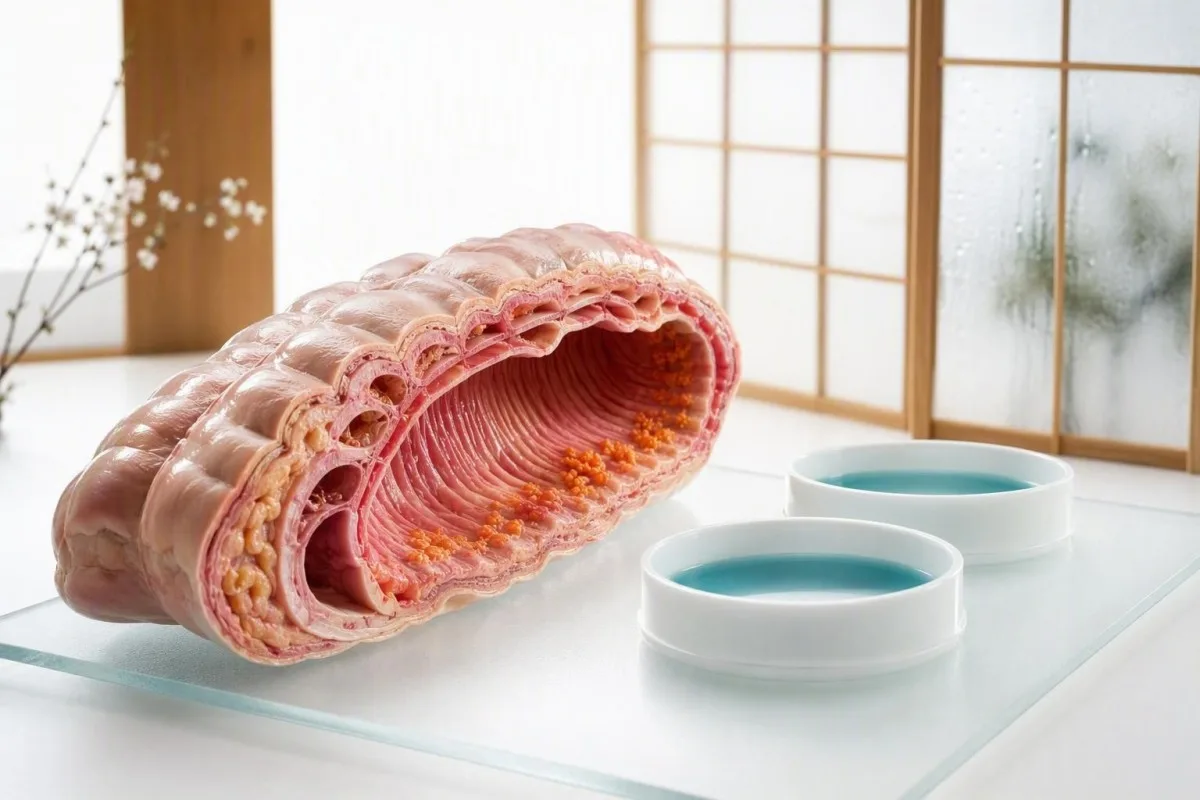
Хоёр шинжилгээ нь савханцраас үүдэлтэй гэдэсний үрэвслийг илрүүлдэг боловч калпротектин нь ихэвчлэн илүү ашигтай тоон хэмжих хэрэгсэл юм. Зөв үр дүн нь дараагийн эмнэлзүйн шийдвэрийг өөрчилнө, таныг IBD гэж оношлох биш юм.


- Калпротектин IBS-тай байж болзошгүй насанд хүрэгчдэд илэрсэн дохионы шинж тэмдэггүй тохиолдолд 50 µg/г-аас доош байвал ерөнхийдөө тайван байдаг.
- Лактоферрин нь савханцрын уураг юм; олон тоон хэмжих шинжилгээ нь 7.25 µg/г-аас бага утгыг сөрөг гэж үздэг боловч лабораторийн хязгаарууд өөр өөр байдаг.
- Ялгадасны өндөр маркерууд нь гэдэсний үрэвслийг заадаг боловч тодорхой онош биш; халдвар, NSAID, дивертикулит ба колоректал неоплази нь хоёуланг нь нэмэгдүүлж болно.
- Хил хязгаарын кальпротектин 50–150 µg/g нь шууд колоноскопи хийлгэхээс илүү 2–6 долоо хоногийн дараа дахин дээж авахад хүргэдэг.
- 250 µg/g-аас дээш калпротектин нь идэвхтэй салст бүрхүүлийн үрэвслийн талаарх санаа зовиурыг нэмэгдүүлдэг бөгөөд ихэвчлэн эмнэлзүйн хяналт, ялгадасны халдварыг шинжлэх эсвэл эндоскопи төлөвлөхөд хүргэдэг.
- Хэвийн хариу нь цочмог бүдүүн гэдэсний үрэвсэл (IBD)-ийг бага боломжтой болгодог ч тусгаарлагдсан нарийн гэдэсний Крон өвчнийг найдвартай үгүйсгэх боломжгүй.
- Үрэвсэлт гэдэсний өвчин (IBD) хянах нь шинж тэмдэг, биомаркерууд, CRP, цус багадалтын шинж тэмдэг, дүрслэл, дурангийн шинжилгээг ашигладаг; ямар ч төрлийн шинжилгээ нь хэр үедээ үрэвслийг оношлох боломжгүй.
- 2 дахин хар ялгадас, цусан хатгалга, халуурах, хүнд өвдөх, ухаан алдах эсвэл шингэн алдах зэрэг шинж тэмдгүүд нь шинжилгээний хариунаас үл хамааран эмнэлгийн үнэлгээ шаардлагатай.
Хамгийн түрүүнд ямар ялгадас маркер сонгох вэ?
Фекал кальпротектин нь ихэвчлэн ялгадсан үрэвслийн эхний шатны шинжилгээний маркер юм учир нь энэ нь өргөн тархсан, тоон утгатай, мөн үрэвсэлт гэдэсний өвчин ба функциональ гэдэсний шинж тэмдгийг ялгах хамгийн хүчтэй үүрэгтэй. Өтгөний лактоферрины шинжилгээ энэ нь орон нутагт батлагдсан арга бол гүйцэтгэлийг давтах нь боломжийн хувилбар болно, гэхдээ эхэндээ хоёуланг нь захиалах нь ховорхон тусламжийг өөрчилдөг.
6 долоо хоногийн турш суулгах, хэвлийгээр өвдөх, жин алдахгүй, шулуун гэдсээс цус гарахгүй байгаа хүнд, би ихэвчлэн кальпротектин болон халдварт өвчний шинжилгээг дурангийн шинжилгээнээс өмнө хийнэ. 50 мкг/г-аас доош үр дүн нь бүдүүн гэдэсний ноцтой үрэвслийг бага боломжтой болгодог бол илт өндөр үр дүн нь цаашид судлах шалтгаан болдог. Архаг усжилт суулгалтын үед AGA гарын авлага нь үрэвсэлт өвчнийг (Smalley et al., 2019) скрининг хийхэд кальпротектин эсвэл лактоферринийг дэмждэг.
Таны гэдэс судлалын алба тогтмол хэрэглэдэг, лаборатори нь батлагдсан тоон утгыг тайлагнадаг, эсвэл халдварт суулгалтын шинжилгээнд багтсан бол лактоферринийг сонгоно уу. Илүү нарийн төвөгтэй сонсогдож байгаа учраас сонгох хэрэггүй: сархлаг эс гэдэсний хөндий рүү ороход хоёр уураг ялгардаг. Практик асуудал бол таны эмч таны өмнөх дээжийг ижил аргаар харьцуулж чадах эсэх явдал юм.
Кантести бол AI цусны шинжилгээний анализатор нь гемоглобин, CRP, альбумин, төмрийн индекси зэрэг холбогдох үр дүнг ялгадсан шинжилгээний тайлантай хамт байрлуулдаг; энэ нь ялгадсан шинжилгээг эсвэл эмчийн оношийг орлохгүй. Хэрэв суулгалт нь ядаргаа дагалддаг бол суулгалтын цусны шинжилгээ нь шингэн алдалт, цус багадалт, эсвэл яаралтай байдлыг өөрчилдөг электролитийн алдагдлыг илрүүлэхэд тусална.
Ашигтай дүрэм
Эхлээд нэг батлагдсан маркер хэрэглэ, үр дүн нь дундаж эсвэл эмчилгээг хянаж байхдаа ижил маркер давтан хийж, зөвхөн гэдэс судлалын тодорхой асуултын хувьд давхар шинжилгээг хадгал. Давталтын явцад аргыг өөрчлөх нь биологийн үзэгдэл биш харин лабораторийн алдааг харуулсан хэв маягийг бий болгодог.
Ялгадасны калпротектин бодит байдал дээр юу илрүүлдэг вэ
Кальпротектин нь гэдэс доторх сархлаг эсээс ихэвчлэн ялгардаг кальци, цайр-холбогч уургийг хэмждэг. Өндөр ялгадсан концентраци нь гэдсэнд сархлаг эс нүүх байдлыг илэрхийлдэг бөгөөд энэ нь идэвхтэй IBD-д түгээмэл байдаг ч IBD бус хэд хэдэн өвчинд ч тохиолддог.
Кальпротектин нь S100A8/S100A9 уурагны цогцолбор бөгөөд хэд хоногийн турш өрөөний температурт ялгадаст харьцангуй тогтвортой байдаг - энэ нь гэртээ цуглуулах шинжилгээнд сайн ажиллах нэг шалтгаан юм. Үүний биологийн давуу тал нь орон нутгийн шинж чанар юм: CRP-ээс ялгаатай нь энэ нь биеийн бүхэлдээ хурц үеийн хариу урвал биш харин гэдэсний хөндийн эсийн үйл ажиллагааг илэрхийлдэг. Тиймээс хэвийн CRP нь өндөр кальпротектиний үр дүнг үгүйсгэхгүй.
Насанд хүрэгчдийн практикт лабораториуд ихэвчлэн ангилдаг 50 мкг/г-аас бага нь хэвийн гэж 150–250 мкг/г-аас их нь идэвхтэй гэдэсний үрэвсэлтэй илүү их нийцдэг. Эдгээр нь шийдвэрлэх босгонууд боловч бүх нийтийн биологийн хил хязгаар биш юм. Зарим Европын албад 100 мкг/г-ийг шилжүүлэн авах босго болгон ашигладаг бол хүүхдийн болон шинжилгээний тусгай лавлах интервал нь ихээхэн ялгаатай байж болно.
Би 28 настай, кальпротектиний хэмжээ 680 мкг/г, CRP хэвийн, эцэст нь шулуун гэдэс, сигмоид бүдүүн гэдэстэй хязгаарлагдсан шархлаат үрэвсэлтэй хүнийг харсан. Энэ хэв маяг нь ховор биш юм: орон нутгийн салст бүрхүүлийн үрэвсэл нь хүчтэй системчилсэн дохиогүйгээр идэвхтэй байж болно. Бидний Фекал calprotectin хэмжилтийн хязгаарын гарын авлага лабораторийн өөрийн арга, нэгжийг яагаад үр дүн бүртэй хамт байлгах ёстойг тайлбарласан.
Ялгадасны лактоферрин юуг өөрөөр илрүүлдэг вэ
Лактоферрин нь нэмэлт нейтрофилээс гаралтай уургийг илрүүлдэг бөгөөд калпротектинтэй бараг ижил биологийн асуултад хариулдаг: гэдэсний идэвхтэй нейтрофил үрэвсэл байна уу? Энэ нь дангаараа шархлаат колит, Крон өвчин, нянгийн колит, эсвэл өөр шалтгааныг тогтоодоггүй.
Лактоферрин нь нейтрофилийн хоёрдогч гранулаар хадгалагдаж, идэвхжсэний дараа ялгардаг төмөр-холбогч гликопротейн юм. Чанарын хувьд эерэг фекал лактоферриний шинжилгээ нь зөв клиник орчинд төвөггүй IBS-ээс татгалзах боломжтой тул ашигтай байдаг. Тоон шинжилгээ нь өөр өөр байдаг: өргөн хэрэглэгддэг нэг арга нь сөрөг утгыг дараах байдлаар тодорхойлдог: 7.25 мкг/г-аас бага, тиймээс лактоферриний тайлан дээр калпротектиний хязгаарыг хэзээ ч бүү хэрэглээрэй.
Нотолгоо нь лактоферрин нь бүх талаараа илүү дээр болохыг харуулаагүй. Диагностик мета-шинжилгээнд Ван болон түүний хамтрагчид фекал лактоферрин нь IBD-ийг IBD бус хяналттай харьцуулахад 82% мэдрэмжтэй, 1% тусгаарлагдсан болохыг олж тогтоосон боловч үнэн зөв байдлын үнэлгээ нь өвчний тархалт, судалгааны загвараас хамаарч өөрчлөгддөг (Ван болон бусад, 2015). Энэхүү гайхалтай тусгаарлалт нь эерэг үр дүнг IBD онош болгож чадахгүй.
Хэрэв суулгалт нь аялал, антибиотик, бохирдсон хоол хэрэглэсэн, эсвэл өвчтэй хүнтэй харьцсаны дараа гэнэт эхэлсэн тохиолдолд эерэг лактоферриний үр дүн нь ялангуяа ярилцах нь зүйтэй. Эдгээр нөхцөл байдалд эмч нар шууд IBD гэсэн шошгонд орохоос илүүтэйгээр нянгийн шинжилгээ хийлгэхээр нэмдэг. Манай гарын авлага өтгөний өсгөвөрийн үр дүнгүүд сөрөг эсвэл холимог өсөлтийн тайлан юуг шийдвэрлэж чадах, чадахгүйг тайлбарласан.
Хэт их санаа зовохгүйгээр хязгаарыг хэрхэн унших вэ
50 мкг/г-аас доош калпротектиний хэмжээ нь насанд хүрэгчдэд ердийн байдаг, 50–150 мкг/г нь ихэвчлэн тодорхойгүй бүс байдаг, харин 250 мкг/г-аас дээш хэмжээ нь идэвхтэй үрэвслийн талаар санаа зовооход хүргэдэг. Лактоферрин нь шинжилгээний тусгай хязгаарыг ашигладаг, ихэвчлэн чанарын хувьд эерэг эсвэл 7.25 мкг/г орчим тоон хязгаартай байдаг.
50 мкг/г калпротектиний хязгаар нь мэдрэмжтэй байхаар зохиогдсон: энэ нь зарим хуурамч эерэгийг алдсан ч ихэнх клиник ач холбогдолтой үрэвслийн өвчнийг илрүүлдэг. 250 мкг/г хязгаар нь тусгаарлалт болон тогтоогдсон IBD-ийг хянахын тулд илүү ашигтай байдаг. Тэдгээрийн хооронд залхмаар дунд хэсэг байдаг бөгөөд эмчилгээний нөлөөлөл, саяхан болсон ходоодны үрэвсэл, нас, чиглэл нь ганц тооноос илүү чухал ач холбогдолтой.
72-аас 94 мкг/г хүртэлх өөрчлөлт нь 85-аас 430 мкг/г хүртэлх өөрчлөлтөөс бага утгатай байдаг, ялангуяа хоёр дээжийг ижил лабораторид шинжилсэн бол. Өтний өтгөн нь гаргаж авах нөлөөлөл, биологийн хувьсамж нь бодит байдалтай. Доктор Томас Клейний практик зөвлөгөө нь бага зэргийн өсөлтийг тайлбарлахаас өмнө NSAID хэрэглэх, саяхан халдвар авах, сарын тэмдгийн бохирдол, цуглуулах огноог тэмдэглэх явдал юм.
Цуврал утгуудыг зохистой хянаж үзэхийн тулд дээжийн огноог шинж тэмдэг, холбогдох лабораториудтай харьцуулж, байнгын нэмэгдлийг өвчин хүндэрч байна гэж үзэхгүй байх. Манай цусны шинжилгээний чиг хандлагын заавар лабораторийн анагаах ухаанд шинэчлэл, шинжилгээний хувьсамжийн ижил зарчмыг тайлбарласан.
Яагаад хоёр маркер нь IBDгүйгээр өндөр байж болох вэ
Гэдэсний халдвар, НПШ (NSAID) хэрэглэх, дивертикулит, бүдүүн гэдэсний хавдар, микроскопийн колит болон үрэвсэлт гэдэсний өвчин (IBD) зэрэгт ялгадас дахь үрэвслийн маркерүүд ихэсдэг. Үр дүн нь үрэвслийн байдлыг баталгаажуулдаг боловч шалтгаан, байрлал, хугацаа, хүнд хэдийг өөрөө тодорхойлдоггүй.
Стероид бус үрэвслийн эсрэг эмүүд (NSAIDs) гэдэсний нэвчүүлэх чанарыг нэмэгдүүлж, салст бүрхүүлд бага зэргийн гэмтэл учруулснаар ялгадас дахь кальпротектинийг ихэсгэж болно. Ибупрофен, напроксен, диклофенак зэрэг эмүүд үүнд хамаарна. Хэрэв эмнэлзүйн хувьд аюулгүй бол эмч шинжилгээг дахин хийхээс өмнө эдгээр эмийг түр зогсоохыг зөвлөж болно. Заавал уух аспирин, цус шингэлэх эм, өвчин намдаах эм зэргийг эмчтэй зөвлөлгүйгээр бүү зогсоо.
Цочмог нянгаар үүсгэгдсэн ходоод гэдэсний үрэвсэл нь кальпротектинийг 500 мкг/г-аас дээш түвшинд, лактоферринийг эерэг үр дүнтэйгээр өгч болно. Тиймээс өвчний эхний өдрүүдэд ялгадасны нянгийн шинжилгээ нь яаралтай колоноскопи хийлгэхээс илүү мэдээлэл өгөх боломжтой. Эсрэгээр, жиардиаз нь удаан хугацаагаар суулгалт үүсгэж, нейтрофилийн маркерыг төдийлэн ихэсгэхгүй байж болно. Өвчний түүх нь хүлээж байснаас илүү оношлогооны ач холбогдолтой байдаг.
Кантести бол AI лабораторийн шинжилгээний тайлбар үйлчилгээ нь цус багадалт, альбумин бага, тромбоцитоз, CRP-ийн өсөлт зэрэг үрэвслийн хэв шинжийг эмчийн хянуулж үзэхэд хүргэдэг боловч эдгээр цусан дахь үзүүлэлтүүд нь гэдэсний гаралтай болохыг батлахгүй. Ялгадас цустай ирсэн тохиолдолд, FIT-ийн дараах хяналт ба колоноскопийн цаг нь кальпротектинээс өөр асуудал бөгөөд хойшлуулж болохгүй.
Хэвийн үр дүн хэзээ өвчнийг алдаж болох вэ
Хэвийн кальпротектин эсвэл лактоферрин нь цочмог гэдэсний үрэвслийг багасгадаг боловч Кроны өвчнийг, ялангуяа бага зэргийн эсвэл зөвхөн нарийн гэдэсний өвчнийг бүрэн үгүйсгэж чадахгүй. Эрүүл үр дүн нь мөн удаан хугацаагаар жин хасах, төмрийн дутагдлын цус багадалт, шөнийн суулгалт, эсвэл давтан харагдах цус алдалтыг тайлбарлаж чадахгүй.
Нарийн гэдэсний Кроны өвчин нь өргөн хүрээтэй колитээс бага нейтрофил уургийг ялгадас дээж рүү ялгаруулж болно, ялангуяа гэмтэл нь проксимал эсвэл бага зэргийн үед. Энэ нь шинж тэмдэг ба сэрэмжлүүлэг шинж чанарууд нь баталгаатай тооноос давуу гэдгийн нэг шалтгаан юм. ECCO-ESGAR оношлогооны удирдамж нь IBD нь эмнэлзүйн хувьд сэжиглэгдсээр байвал (Maaser et al., 2019) биомаркеруудыг ileocolonoscopy ба хөндлөн огтлолын зураглалтай нэгтгэхийг зөвлөдөг.
38 мкг/г кальпротектин, 7 нг/мл ферритин, ба аажмаар ядарч байгаа 46 настай хүнд гэдэсний цус алдалт эсвэл шимэгдэлтийн дутагдлын шинжилгээ хийх шаардлагатай, хэдийгээр гэдэсний хөдөлгөөн хэвийн байсан ч. Миний туршлагаас үзэхэд, төмрийн дутагдал ба шалтгаан нь тодорхойгүй шинж тэмдгүүдийн хослол нь ганцхан бага ялгадасны маркерээс илүү чухал ач холбогдолтой. Манайхыг уншина уу бага ферритин ба гэдэсний шинж тэмдэг дараагийн ердийн лабораторийн асуултуудад.
Цолиак өвчин, цөсний хүчлийн суулгалт, нойр булчирхайн дутагдал, олон эмийг хэрэглэх нь хэвийн ялгадасны үрэвслийн маркертай шинж тэмдгийг үүсгэж болно. Тиймээс эрүүл үр дүн нь үрэвсэлгүй оношийн замд орох уулзвар бөгөөд шинж тэмдгүүд нь сэтгэлзүйн эсвэл чухал бус гэсэн мэдэгдэл биш юм.
Хязгаарлагдмал калпротектиний үр дүнд хэрхэн хандах вэ
50–150 мкг/г-ийн хязгаарлагдмал ялгадасны кальпротектиний үр дүн нь шинж тэмдгүүд тогтвортой, сэрэмжлүүлэг шинж чанар байхгүй бол 2-6 долоо хоногийн дараа давтан хийгддэг. Давтан хийх шинжилгээ нь ижил лабораторийн аргыг ашиглах ёстой бөгөөд боломжтой бол саяхан болсон гэдэсний халдвар өнгөрсний дараа хийгдэх ёстой.
Дахин шинжлэхээс өмнө эмч нар НПШ, протон насосны дарангуйлагч, антибиотик, цочмог халдвар, эрчимтэй тэсвэр тэвчээртэй дасгал, насжилттай холбоотой эрсдлийг хянадаг. Эм бүрийн хувьд бүрэн хэмжээний завсарлага байдаггүй. Прагматик төлөвлөгөө нь ихэвчлэн цочмог өвчин намдсанаас хойш 2 долоо хоногийн дараа, хэрэв шинж тэмдгүүд нь илүү эрт тусламж шаардлагатай байгааг илтгэхгүй бол юм.
Давтан хийсэн шинжилгээ 118-аас 32 мкг/г болж буурч, шинж тэмдгүүд намдвал инвазив шинжилгээнээс зайлсхийх боломжтой. Хэрэв 96-аас 310 мкг/г болж нэмэгдвэл, эндоскопийн үр дүн ирэхээс өмнө чиглэл нь нэмэлт баталгаа болно. Тиймээс ганц хязгаарлагдмал утга нь ховор тохиолдолд айдас эсвэл хуурамч баталгааг өдөөх ёстой.
Манай хязгаарлагдмал кальпротектиний дараах хяналтын гарын авлага нь анхан шатны тусламж үйлчилгээ эсвэл ходоод гэдэсний эмчийн үзлэгт аваачих асуултуудыг багтаана. Гэдэсний давтамж, шөнийн цагаар сэрэх, халуурах, эмийн огноо зэргийг агуулсан богино тэмдэглэл нь хоолны хөдөлгүүрийг хэт их шалгахаас илүү ашигтай байдаг.
Эмч нар IBD-ийг оношлосны дараа маркерүүдийг хэрхэн ашигладаг вэ
Бэхэжсэн IBD-д кальпротектин нь гэдэсний объектив үрэвслийг хянах, шинж тэмдгүүд нь өвчин дахилт, халдвар, IBS давхцал, эсвэл эмчилгээний бүтэлгүйтэл болох эсэхийг шийдэхэд хамгийн их ашигтай байдаг. Лактоферрин нь идэвхжилийг дагаж болно, гэхдээ калпротектин нь эмчилгээг зорилтот хяналт тавих шинжээчдийн дэмжсэн илүү олон хязгаартай.
Шинж тэмдэг ба салст бүрхүүлийн идэвхжил нь ихэвчлэн харилцан адилгүй байдаг. Үрэвсэлт шархлаат колит өвчтэй хүн сайн мэдрэгдэж байхад калпротектин нь 80-аас 360 мкг/г хүртэл нэмэгдэж болно, эсвэл цөсний хүчлийн шингээлт муудахаас болж түргэн гэдэсний хөдөлгөөн хийж байхад калпротектин нь 28 мкг/г хэвээр байж болно. 2023 оны AGA шархлаат колитын биомаркерын удирдамж нь ганц бие болон шинж тэмдэг, биомаркеруудыг харьцуулан хослуулахыг зөвлөж байна (Singh et al., 2023).
Хүндрэлгүй болсон эсэхийг хянахын тулд олон эмч нар 150 мкг/г-аас бага байдлыг тайвшруулж, харин 150 мкг/г-аас их байвал шинж тэмдэг болон өмнөх өвчний түүхээс хамааран дахин шинжилгээ, эндоскопи, эсвэл эмчилгээний хяналтыг хийх шаардлагатай болно. Идэвхтэй шинж тэмдэгтэй шархлаат колит өвчний үед, 250 мкг/г-аас их нь үргэлжилж буй үрэвслийг баталгаажуулдаг. Хязгаар нь заавар биш, харин мэргэжилтний зөвлөгөөгүйгээр биологийн эмчилгээг өөрчлөх заавар биш юм.
Kantesti AI нь AI биомаркер тайлбарлах платформ нь өвчтөний мэдүүлсэн эмчилгээний огнооны дагуу цусны шинжилгээний чиг хандлагыг зохион байгуулдаг; энэ нь зөвхөн тоогоор хийсэн шинжилгээний үр дүнгээр өтгөн хаталтын хүнд байдлыг үнэлж чадахгүй. Биологийн эмчилгээ хийлгэж буй өвчтөнүүд аль нь цусны шинжилгээний аюулгүй байдал нь эмчилгээг хянадаг болон аль шинж тэмдэг нь тэдний IBD багийнхантай шуурхай холбоо барих шаардлагатайг ойлгох ёстой.
Цуглуулах алдаа ба цаг хугацаа нь үр дүнг хэрхэн нөлөөлдөг вэ
Цуглуулах чанар нь өтгөн дэх маркерын тайлбарт нөлөөлдөг, учир нь бохирдсон, саатсан, эсвэл муу цуглуулсан дээж нь үл хамаарах эсвэл бага найдвартай хэмжилтийг өгч болно. Ихэнх лабораториуд өгөгдсөн ариутгасан саванд ариун цэврийн ус эсвэл шээсгүйгээр бага хэмжээний өтгөн хийхийг хүсдэг.
Калпротектин ба лактоферриний шинжилгээнд сул өтгөн ихэвчлэн хүлээн зөвшөөрөгддөг; суулгалтын шинж тэмдэг нь эмнэлзүйн асуудал бол тогтмол дээж хүлээж битгий бай. Ариун цэврийн ус шүүрч авах, мөн дээжинд цусны сарын тэмдгийн цус байгаа эсэхийг лабораторид мэдэгдэхээс зайлсхий. Хадгалах заавар нь багц бүрээр өөр өөр байдаг, гэхдээ калпротектин нь харьцангуй тогтвортой байдаг тул олонх нь богино хугацаагаар өрөөний температурт тээвэрлэх боломжийг олгодог.
Марафоны дараа, ходоод гэдэсний үрэвсэл, эсвэл колоноскопийн бэлтгэлийн дараа нэг өдрийн дараа дээж авах нь буруу асуултад хариулах болно. Тэсвэр тэвчээртэй дасгал нь гэдэсний нэвчилтийг түр зуур нэмэгдүүлж, ходоод гэдэсний шинж тэмдгийг өдөөж болно. Хэрэв та аюултай шинж тэмдэггүйгээр тэсвэр тэвчээртэй тамирчин бол чухал арга хэмжээнээс зайлсхийж дээж авах цагийг сонгохыг бодож үзээрэй; манай тэсвэр тэвчээрийн тамирчны лабораторийн гарын авлагад хамрагдсан нь контекст нь шинжилгээний тайлбарыг хэрхэн өөрчилдөг тайлбарладаг.
Асуудал нь төгс цуглуулга нь онцлог бус биомаркерыг онцлог болгодоггүй явдал юм. Өндөр чанартай дээж нь хэмжилтийн итгэлийг нэмэгдүүлдэг; энэ нь эмнэлзүйн түүх, үзлэг, ба ялгах оношийг орлож чадахгүй.
Ямар цусны шинжилгээ нь ялгадас маркер илүү ашигтай болгодог вэ
CBC, CRP, ферритин, альбумин, бөөрний функц ба целиак серологи нь ихэвчлэн хоёр дахь өтгөн дэх үрэвслийн уургийг захиалснаас илүү өндөр өтгөн дэх маркерт илүү их эмнэлзүйн үнэ цэнийг нэмдэг. Аюултай хэв маяг нь ганц бие гажиг биш, харин үрэвсэл, шингээлт муудалт, эсвэл цус алдалтыг зааж буй хэд хэдэн үр дүн юм.
Бага гемоглобин, 15 нг/мл-аас бага ферритин, лабораторийн лавлах хязгаараас доогуур альбумин, өндөр ялтас, эсвэл өндөр CRP нь гэдэсний өвчний талаархи санаа зовнилтыг бэхжүүлж болно. Хэний ч оношийг баталгаажуулдаггүй. Үнэндээ, CRP нь бага шархлаат колит өвчний үед хэвийн хэвээр байж болно, мөн ферритин нь үрэвсэл түүнийг цочмог үеийн уураг болгон нэмэгдүүлэх үед хуурамчаар хэвийн харагдаж болно.
Кантести бол AI-аар ажилладаг цусны шинжилгээний үр дүнгийн шинжилгээний хэрэгсэл нь CBC, төмрийн судалгаа болон CRP-г ижил эмнэлзүйн хүрээнд уншиж, өөрчлөгдөж буй гемоглобины түвшин нь илүү эртний хяналтыг баталгаажуулж болох эсэхийг багтаасан. Доктор Томас Клейн нь 12 мг/л-ийн ганц CRP нь онцлог бус боловч 12 мг/л CRP нь унаж буй альбумин болон 740 мкг/г калпротектин нь илүү үйлдэлтэй кластер юм гэж байнга анхааруулдаг.
Төмрийн хэмжээ нь эсрэг зөрчилтэй байж болох өвчтөнүүдэд манай Төмрийн шинжилгээний судалгааны гарын авлага нь үрэвслийн үед трансферрин өөх тос, ферритинийг тайлбарладаг. А Цусны бүрэн шинжилгээний (CBC) тайлангийн гарын авлага нь цус багадал нь микроцитик, үрэвсэлт эсвэл холимог эсэхийг тодорхойлоход тусална.
Хоёр шинжилгээг нэгэн зэрэг захиалах нь хэзээ үндэслэлтэй байж болох вэ
Калпротектин ба лактоферринийг хамт захиалах нь ихэвчлэн шаардлагагүй байдаг боловч мэргэжилтэн зөрчилтэй шинж тэмдгүүдийг нягталж, өмнөх шинжилгээг давтах боломжгүй, эсвэл орон нутгийн эмчилгээний арга нь баталгаа шаарддаг тохиолдолд үндэслэлтэй байж болно. Зөрчилтэй үр дүнгүүд нь үрэвслийн дохионы итгэлийг бага зэрэг нэмэгдүүлдэг; зөрчилтэй үр дүнгүүд нь ихэвчлэн арифметик дунджийг олох бус, хяналт шалгалтанд оруулдаг.
Өндөр калпротектин ба сөрөг лактоферрин нь шинжилгээний цаг хугацаа, хязгаарын ойролцоох үр дүн, дээжийн гетероген байдал, эсвэл аналитик ялгааг тусгаж болно. Бага калпротектин ба эерэг лактоферрин нь ижил сахилга баттай хариу урвалыг шаарддаг: цуглуулгыг баталгаажуул, яг шинжилгээг хянах, шинж тэмдгийг хянах, шаардлагатай бол халдвар байгаа эсэхийг шалгах. Аль ч хослол нь оношлогоонд баталгаажсан товчлол байхгүй.
Хос шинжилгээ нь протокол нь хоёулаа биомаркеруудыг урьдчилан тогтоосон судалгааны орчинд ашигтай байж болно. Энэ нь ердийн өвчтөний тусламж үйлчилгээнээс өөр бөгөөд тэнд давхар шинжилгээ нь шийдвэрийг сайжруулж чадахгүйгээр зардлыг нэмж болно. Захиалсан эмчээс энгийн асуулт асуугаарай: “Хоёр дахь шинжилгээ эерэг гарвал бид юу өөр хийх вэ?”
Хэрэв тайлан нь дотооддоо зөрчилтэй харагдвал манай Чанарын болон тоон шинжилгээний харьцуулалт “эерэг” ба “өндөр” нь хоорондоо солигдох боломжгүй лабораторийн мэдэгдэл биш гэдгийг ойлгохын тулд ашиглана уу. Хэрэглэсэн аргын нягт байдал нь боломжтой бүх тэмдэглэгчийг цуглуулахаас илүү чухал юм.
Бодит байдал дээр юу IBD-г баталгаажуулдаг эсвэл үгүйсгэдэг вэ
ХДБ нь зөвхөн калпротектин эсвэл лактоферринээс бус, шинж тэмдэг, ileocolonoscopy болон эдийн дээж авах, гистологи, лабораторийн шинжилгээ, заримдаа MRI эсвэл CT enterography-ийн синтезээр оношлогддог. Гэдэсний шинж тэмдгүүд нь эдгээр судалгааг хэн хийх шаардлагатайг, мөн үрэвсэл нь цаг хугацаа өнгөрөх тусам өөрчлөгдөж болох эсэхийг шийдэхэд тусалдаг.
Колоноскопи нь төгсгөлийн ileum болон colon-ийг шууд үнэлэх боломжийг олгодог бөгөөд архаг үрэвсэлт шинж чанар, халдвар, бичил үрэвсэл, дисплази ба бусад шалтгааны улмаас эдийн үзлэгийг хийх боломжтой болгодог. Стандарт колоноскопийн хүртээмжгүй жижиг гэдэсний Кроны өвчин байж болзошгүй тохиолдолд дүрс оношилгоо нь онцгой үнэ цэнэтэй юм. Гэдэсний шинж тэмдэг нь ангилах дохио боловч микроскопийн оношлогоо биш.
Гэдэсний дархлааны шинжилгээг үрэвслийн аль ч тэмдэгтэй андуурах ёсгүй. FIT нь хүний гемоглобиныг илрүүлдэг бөгөөд үндсэндээ колоректал хорт хавдрын скрининг эсвэл доод гэдэсний цус алдалтын замд ашиглагддаг бол калпротектин ба лактоферрин нь нейтрофилийн бүтээгдэхүүнийг илрүүлдэг. Бидний харьцуулалт FIT болон FOBT нь сөрөг үрэвслийн тэмдэг нь зөвлөсөн хорт хавдрын скринингэд орлохгүй гэдгийг тайлбарладаг.
2026 оны 9-р сарын 4-ний байдлаар, ямар ч томоохон гастроэнтерологийн удирдамж нь Кроны өвчин эсвэл шархлаат колит-ийг ганц гэдэсний биомаркер хязгаараас оношлохыг зөвлөдөггүй. Энэхүү хязгаарлалт нь өвчтөнүүдийг алдагдсан өвчин болон шаардлагагүй насан туршийн оношлогооны шошгоноос хамгаалдаг.
Ямар ч ялгадас шинжилгээний үр дүнгээс илүү чухал ач холбогдолтой шинж тэмдгүүд
Байнгын харагдахуйц шулуун гэдэсний цус алдалт, хар өтгөн, хүнд хэлбэрийн хэвлийн өвдөлт, халуурах, ухаан алдах, шингэн алдах, хурдан сульдах, санаандгүй жин хасах нь калпротектин эсвэл лактоферринээс үл хамааран цаг алдалгүй эмнэлгийн тусламж шаарддаг. Нормаль үр дүнг хэзээ ч болзошгүй яаралтай шинж тэмдгийн хэв маягийг хүлээхэд ашиглаж болохгүй.
Яаралтай санаа зовох зүйл бол физиологи бөгөөд лабораторийн тайлан дээрх шошго биш юм. Байнга ус шиг суулгалт нь үрэвслийн тэмдэг гарахаас өмнө калийн бага байдал, бөөрний хурц гэмтэл, ортостатик шинж тэмдгүүдийг үүсгэж болно. Шингэн ууж чадахгүй, төөрөлдөх, ухаан алдах, эсвэл бага шээс ялгаруулдаг насанд хүрэгчид яаралтай тусламж авах ёстой.
50 наснаас хойш шинэ гэдэсний шинж тэмдэг, колоректал хорт хавдрын хүчтэй гэр бүлийн түүх, төмрийн дутагдлын цус багадалт нь калпротектин бага байсан ч колоноскопийн үнэлгээний хязгаарыг өөрчилдөг. Гэдэсний шинж тэмдэг нь хорт хавдрын эрсдлийг бүрэн дүүрэн үнэлдэггүй. Манай Өтгөн дэх салст: анхааруулах шинжийн заавар Түгээмэл, хоргүй хэлбэрүүдийг шинжилгээ шаардлагатай шинж тэмдгүүдээс ялгана.
Хүүхэд, жирэмсэн хүмүүс, ахмад настнууд болон дархлаа дарангуйлах эм хэрэглэдэг хүмүүст суурь эрсдэл нь өөр байдаг тул тус бүрд нь тохирсон яаралтай байдлын үнэлгээ шаардлагатай. Хэрэв шинж тэмдэг яаралтай тусламж шаардлагатай эсэхэд эргэлзэж байвал тоог дангаар нь тайлбарлах гэж оролдохоос илүү орон нутгийн эмч эсвэл яаралтай тусламжийн байгууллагатай холбоо барих нь аюулгүй.
Таны үр дүнгийн дараа хийх практик хэлэлцүүлэг
Дараагийн хамгийн ач холбогдолтой асуулт бол: “Энэ үр дүн халдварын шинжилгээ, давтан шинжилгээ, дүрс оношилгоо эсвэл дурангийн шинжилгээ хийлгэх шаардлагад өөрчлөлт оруулж байна уу?” юм.” Яг утга, шинжилгээний нэр, шинж тэмдэг эхэлсэн хугацаа, хэрэглэж буй эмүүд болон өмнөх үр дүнг авч очвол энэ яриа илүү хурдан бөгөөд эмнэлзүйн хувьд нарийвчлалтай болно.
Өмнөх 14 хоногийн дараах мэдээллийг жагсаалт болгон авч очно уу: өтгөний давтамж, шөнийн шинж тэмдэг, халууралт, жингийн өөрчлөлт, аялал, антибиотик, NSAID болон гэр бүлийн өвчний түүх. 3 хоног үргэлжилсэн халууралттай суулгалтын дараах калпротектины 180 µg/g үзүүлэлтэд авах арга хэмжээ нь шөнийн суулгалт, жин бууралт 4 сарын турш үргэлжилсний дараах ижил үр дүнтэй харьцуулахад өөр байна.
Kantesti AI нь үзлэгийн өмнө дагалдах цусны шинжилгээний тайлангуудыг эмхлэхэд тусалж болох ч оношилгоо, эмчилгээний шийдвэрийг таныг үзэж, баталгаажуулах шинжилгээг зохион байгуулж чадах эмч гаргана. Манай эмнэлзүйн баталгаажуулалтын арга байгууллага эмнэлзүйн хяналт болон эх сурвалжийг шалгах үйл явцыг лабораторийн хариуг хариуцлагатай тайлбарлахад хэрхэн тусгасныг тайлбарладаг.
Төвөгтэй тохиолдолд дараагийн хяналтыг хэн хариуцах, давтан шинжилгээний хариу эсвэл эмчид шилжүүлэх шийдвэрийг хэзээ хүлээж болохыг асуугаарай. Манай Эмнэлгийн зөвлөх зөвлөл эмч нар, ялангуяа үрэвслийн маркер болон цус багадалт нэг чиглэлд өөрчлөгдөж байгаа үед “дараа нь дахин шалгуул” гэсэн тодорхой бус заавраас илүү баримтжуулсан төлөвлөгөө чухал гэдгийг онцолдог.
Шийдвэр төвтэй дүгнэлт
Ихэнх нөхцөлд эхлээд калпротектин сонгож, танай байгууллагаар баталгаажсан хувилбар бол лактоферринийг хэрэглэнэ. Аль ч үр дүн нь IBD-ийг оношилно гэж бүү үзээрэй. Бага үр дүн нь үйл ажиллагааны болон үрэвслийн бус шалтгаанд анхаарал хандуулахад хүргэдэг бол тогтвортой өндөр үр дүн нь халдварын шинжилгээ, нарийн мэргэжлийн эмчийн үзлэг эсвэл дурангийн шинжилгээ шаардлагатай байж болох хүмүүсийг тодорхойлдог.
Хүндрэлгүй архаг суулгалтын үед нэг удаагийн хэвийн маркер—калпротектин 50 µg/g-ээс бага байх эсвэл тухайн лабораторийн шалгуураар лактоферрин сөрөг гарах—нь идэвхтэй үрэвсэлт өвчний магадлалыг бууруулна. 250 µg/g-ээс дээш үзүүлэлт эсвэл шинж тэмдэг үргэлжилсэн үед лактоферрин эерэг гарах нь дараагийн асуултыг баталгаатай эсэх бус, шалтгаан нь юу вэ гэдэгт чиглүүлнэ. Халдвар, эмийн хэрэглээ, IBD болон бусад үрэвсэлт эмгэгүүдийг мөн авч үзнэ.
Ихэнх өвчтөнд калпротектины 50–150 µg/g бүсийн тодорхой бус байдал хамгийн хэцүү санагддаг. Миний туршлагаар дараагийн хамгийн зөв алхам нь хоолны дэглэмээр биеэ цэвэрлэх, эмчийн зааваргүй стероид хэрэглэх эсвэл интернетээр өөрийгөө оношлохоос илүү хугацааг зөв сонгосон давтан шинжилгээ байдаг. Боломжтой бол үр дүнгийн чиг хандлагыг зөв тайлбарлахын тулд нэг лабораторийг тогтмол ашиглаарай.
Kantesti-ийн AI технологийн заавар байгууллага нь эмнэлзүйн мэдээллийн нөхцөлийг хадгалахын зэрэгцээ эмчийн хянан үзлэгт шаардлагатай асуултуудыг хэрхэн онцолдгийг тайлбарладаг. AI-ийн аливаа тайлбарыг энд аюулгүй ашиглах зарчим ижил: үүнийг эмчтэй хийх яриагаа илүү үр дүнтэй бэлтгэхэд ашиглахаас бус, анхааруулах шинж тэмдгийг үл тоомсорлох эсвэл оношилгооны тусламжийг орлуулахад хэзээ ч бүү ашиглаарай.
Байнга асуудаг асуултууд
IBD-г илрүүлэхэд калпротектин нь лактоферринаас илүү сайн уу?
Калпротектин нь ихэвчлэн үрэвсэлт өвчний сэжигтэй тохиолдлуудад илүү тохиромжтой байдаг, учир нь энэ нь тоон шинжилгээнд өргөнөөр байдаг бөгөөд 50 мкг/г-аас бага, 250 мкг/г-аас их гэсэн түгээмэл хэрэглэгддэг хяналтын босготой байдаг. Лактоферрин нь мөн нейтрофилээс гаралтай ашигтай шинжилгээний маркер бөгөөд лаборатори нь баталгаажсан шинжилгээг ашиглах үед сайн үр дүнг өгдөг. Эдгээр шинжилгээнүүдийн аль нь ч үрэвсэлт өвчнийг батлахгүй, учир нь халдвар, НПӨ, дивертикулит болон гэдэсний бусад өвчин нь хоёуланг нь нэмэгдүүлж болно. Илүү сайн шинжилгээ нь ихэвчлэн таны эмч шинж тэмдгүүдтэй хамт тайлбарлаж, ижил лабораторийн аргыг ашиглан давтан хийх боломжтой байдаг.
Calprotectin-ийн ямар түвшин нь санаа зовох хэрэгтэй вэ?
Насанд хүрэгчдэд илэрхий шинж тэмдэггүй тохиолдолд fecal calprotectin-ийн хэмжээ 50 µg/g-аас доош байвал ерөнхийдөө аюулгүй гэж үзнэ, харин 50–150 µg/g нь хил заагт тооцогддог бөгөөд 2–6 долоо хоногийн дараа давтан хийх шаардлагатай байж болно. 150–250 µg/g-аас дээш үнэ цэнэ нь гэдэсний үрэвслийг илүү ихээр илтгэнэ, харин 250 µg/g-аас дээш үнэ цэнэ нь ихэвчлэн эмнэлзүйн хяналт эсвэл нэмэлт шинжилгээ хийлгэхийг шаарддаг. Яг хэрхэх нь шинжилгээний арга, шинж тэмдэг, нас, NSAID хэрэглэж байгаа эсэх, үнэ цэнэ нь өсч байгаа эсэхээс хамаарна. Цочмог бактерийн суулгалтын дараах 600 µg/g-ийн үнэ цэнэ нь хэдэн сарын турш архаг шинж тэмдэгтэй байх үеийн 600 µg/g-аас өөр утгатай байж болно.
IBS нь калпротектин эсвэл лактоферриныг өндөр болгож чадах уу?
Ихэнх тохиолдолд хүндрэлгүй IBS нь гэдэсний үрэвсэл, цусны цагаан эсийн нөлөөтэй байдаггүй тул фекаль калпротектин, лактоферрины түвшинг ихэсгэдэггүй. Саяхан халдвар авсан, NSAID хэрэглэсэн, насжилттай холбоотой хүчин зүйлс, эсвэл шинжилгээний өөрчлөлтөөс шалтгаалж 50-150 µg/g хооронд бага зэрэг калпротектиний түвшин нэмэгдэж болно, тиймээс энэ нь IBS-ийг шууд үгүйсгэхгүй. 250 µg/g-аас дээш лактоферрин эсвэл калпротектиний үр дүн нь IBS гэж үзэхийн оронд үрэвсэлт эсвэл халдварт өвчинг шалтгаан болгож шалгалт хийх ёстой. IBS болон IBD хамт байж болно, энэ нь шинж тэмдэг болон чиг хандлагын ач холбогдлыг нэмэгдүүлдэг өөр нэг шалтгаан юм.
Хэвийн калпротектин нь Кроны өвчнийг үгүйсгэж чадах уу?
Калипротектиний хэвийн үр дүн нь томоолон гэдэсний идэвхтэй үрэвсэлт өвчин (IBD)-ийг үгүйсгэх боловч Кроны өвчнийг, ялангуяа хөнгөн эсвэл зөвхөн нарийн гэдэсний Кроны өвчнийг бүрэн үгүйсгэх боломжгүй юм. 50 мкг/г-аас доош үнэлгээ нь төмрийн дутагдлын цус багадалт, жин хасах, шөнийн үеийн суулгалт, байнга цус алдах, эсвэл гэр бүлд ойрхон хүн ижил өвчинтэй байх зэрэг сэрэмжлүүлэх шинж тэмдгүүдийг үл харгалзан хэрэглэгдэх ёсгүй. Эмч нар клиник сэжиглэл өндөр хэвээр байвал ileocolonoscopy, MR enterography эсвэл капсул шинжилгээг ашиглаж болно. Үр дүнг эцсийн үгүйсгэх шинжилгээ гэхээсээ илүүтэй бодит байдлыг тохируулах нэг баримт гэж үзэх нь хамгийн тохиромжтой.
Хэрэв кальпротектиний шинжилгээний хариу нь хил заагт байвал дахин өгөх шаардлагатай юу?
50–150 µg/g-ийн хил заагт байх калпротектиний үр дүн нь ихэвчлэн 2–6 долоо хоногийн дараа, шинж тэмдэг тогтвортой, ямар нэгэн анхааруулах шинж тэмдэггүй үед давтан хийгддэг. Давтан хийхээс өмнө эмч нар ойрын үед болсон ходоод гэдэсний үрэвсэл, НПВП хэрэглэсэн эсэх, антибиотик болон цуглуулгын нөхцөл байдлыг хянаж үздэг, учир нь эдгээр нь үр дүнд нөлөөлж болно. Боломжтой бол ижил лабораторийн шинжилгээг ашиглах нь зүйтэй, учир нь өөр өөр аргаар гаргасан үр дүн шууд харьцуулах боломжгүй байж болно. 250 µg/g болон түүнээс дээш болж буй үр дүн нь тогтвортой бага зэргийн өндөрлөгөөс илүү клиник ач холбогдолтой байдаг.
Антибиотикууд баасны калпротектин болон лактоферринд нөлөөлж чадах уу?
Антибиотикууд нь халдварт суулгалтыг эмчлэх, үүсгэх, давхцах болон гэдэсний бичил орчныг өөрчлөх замаар өтгөн дэх үрэвслийн маркеруудад шууд бусаар нөлөөлж болно. Антибиотикоос үүдэлтэй суулгалттай хүнд Clostridioides difficile зэрэг шалтгааныг нь тогтоох ёстой бөгөөд өндөр calprotectin эсвэл эерэг lactoferrin-ийг IBD гэж ойлгохоос зайлсхийх хэрэгтэй. Антибиотикийн дараа туршилт хийхээс өмнө хүлээх найдвартай, бүх нийтийн олон хоногийн тоо байхгүй; хугацаа нь шинж тэмдэг болон эмнэлзүйн асуултаас хамаарна. Антибиотикийн дараа суулгалт, халуурах, эсвэл хэвлий өвдөх нь өөрийгөө эмчлэхээс илүүтэй эмчээс хамааралтай шинжилгээ хийлгэх шаардлагатай.
Өнөөдөр AI-аар дэмжигдсэн цусны шинжилгээний тайлал аваарай
Лабораторийн шинжилгээний агшин зуур, үнэн зөв тайлалд итгэдэг дэлхийн 2 сая гаруй хэрэглэгчтэй нэгдээрэй. Цусны шинжилгээний хариугаа байршуулж, 15,000+ биомаркеруудын цогц тайллыг хэдхэн секундын дотор аваарай.
📚 Иш татсан судалгааны нийтлэлүүд
Клейн, Т., Митчелл, С., ба Вебер, Х. (2026). Kantesti LTD. (2026). Шээсний уробилиноген: Бүтэн шээсний шинжилгээний гарын авлага 2026. Zenodo.. Kantesti AI Медикл Рисерч.
Клейн, Т., Митчелл, С., ба Вебер, Х. (2026). Kantesti LTD. (2026). Төмрийн шинжилгээний заавар: TIBC, төмрийн ханалт ба холбох чадвар. Zenodo.. Kantesti AI Медикл Рисерч.
📖 Гадаад эмнэлгийн лавлагаа
Singh S нар. (2023). Шархлаат колитын эмчилгээний биомаркерын үүргийн талаарх AGA-ийн эмнэлзүйн практик удирдамж. Gastroenterology.
⚕️ Эмнэлгийн мэдэгдэл
Энэ нийтлэл зөвхөн боловсролын зорилготой бөгөөд эмнэлгийн зөвлөгөө биш болно. Оношилгоо, эмчилгээний шийдвэр гаргахдаа мэргэшсэн эрүүл мэндийн үйлчилгээ үзүүлэгчтэй заавал зөвлөлдөнө.
E-E-A-T итгэлийн дохио
Туршлага
Эмчийн удирдлагатай лабораторийн тайлалын ажлын урсгалын клиник хяналт.
Мэргэшсэн байдал
Биомаркерууд клиникийн нөхцөлд хэрхэн ажиллаж/өөрчлөгдөж байгаад чиглэсэн лабораторийн анагаах ухаан.
Эрх мэдэл
Доктор Томас Клейн бичсэн, Доктор Сара Митчелл, Проф. Доктор Ханс Вебер нар хянан тохиолдуулсан.
Найдвартай байдал
Сэрэмжлүүлгийг бууруулахын тулд тодорхой дараагийн алхамтай, нотолгоонд суурилсан тайлал.