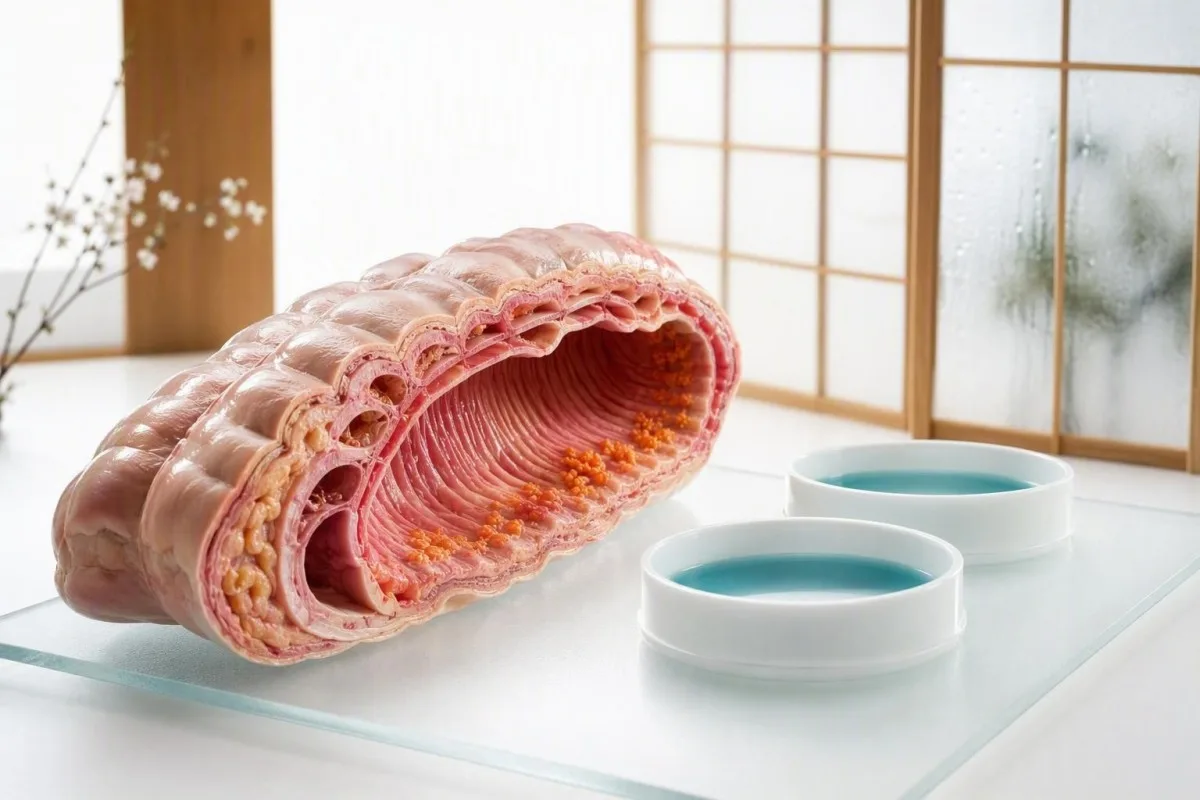
การทดสอบทั้งสองอย่างสามารถตรวจจับการอักเสบของลำไส้ที่เกิดจากนิวโทรฟิลได้ แต่โดยทั่วไปแล้วแคลโปรเทคตินเป็นเครื่องมือวัดปริมาณที่ใช้ประโยชน์ได้มากกว่า ผลลัพธ์ที่ถูกต้องคือผลลัพธ์ที่เปลี่ยนการตัดสินใจทางคลินิกครั้งต่อไป ไม่ใช่ผลลัพธ์ที่ติดป้ายว่าคุณเป็น IBD.


- Calprotectin โดยทั่วไปแล้วน้อยกว่า 50 µg/g ถือว่าน่าพอใจในผู้ใหญ่ที่มีอาการสงสัย IBS เมื่อไม่มีสัญญาณเตือน.
- Lactoferrin เป็นโปรตีนของนิวโทรฟิล การทดสอบเชิงปริมาณจำนวนมากใช้ค่าที่น้อยกว่า 7.25 µg/g เป็นค่าลบ แต่ค่าตัดของห้องปฏิบัติการแตกต่างกันไป.
- ตัวบ่งชี้ในอุจจาระสูง บ่งชี้การอักเสบของลำไส้ ไม่ใช่การวินิจฉัยที่เฉพาะเจาะจง การติดเชื้อ, NSAIDs, diverticulitis และ colorectal neoplasia สามารถทำให้ทั้งสองอย่างสูงขึ้นได้.
- แคลโปรเทกตินระดับก้ำกึ่ง ของ 50–150 µg/g มักจะแนะนำให้ส่งตัวอย่างซ้ำหลังจาก 2–6 สัปดาห์ แทนที่จะทำการส่องกล้องลำไส้ใหญ่ทันที.
- Calprotectin สูงกว่า 250 µg/g เพิ่มความกังวลเกี่ยวกับการอักเสบของเยื่อบุที่กำลังดำเนินอยู่ และโดยทั่วไปจะกระตุ้นให้มีการทบทวนทางคลินิก การตรวจหาการติดเชื้อในอุจจาระ หรือการวางแผนการส่องกล้อง.
- ผลตรวจปกติ ทำให้โรคลำไส้อักเสบจากสาเหตุอื่น (IBD) ที่เป็นชนิดรุนแรงในลำไส้ใหญ่ (colon) มีความเป็นไปได้น้อยลง แต่ไม่สามารถตัดโรคโครห์น (Crohn’s disease) ที่เกิดขึ้นเฉพาะในลำไส้เล็กได้อย่างน่าเชื่อถือ.
- การติดตาม IBD ใช้ร่วมกับอาการ, การตรวจวัดค่าชีวภาพ, CRP, การตรวจวัดค่าภาวะโลหิตจาง, การถ่ายภาพรังสี และการส่องกล้อง; ไม่มีตัวบ่งชี้ใดในอุจจาระเพียงอย่างเดียวที่สามารถวินิจฉัยภาวะกำเริบได้อย่างแม่นยำ.
- อาการที่ควรรีบด่วน เช่น อุจจาระสีดำ, มีเลือดสดปนเปื้อนอย่างต่อเนื่อง, มีไข้, ปวดอย่างรุนแรง, เป็นลม หรือภาวะขาดน้ำ จำเป็นต้องได้รับการประเมินทางการแพทย์โดยไม่คำนึงถึงผลการตรวจวัด.
คุณควรเลือกตัวบ่งชี้ในอุจจาระใดเป็นอันดับแรก
Calprotectin ในอุจจาระมักเป็นตัวบ่งชี้การอักเสบในอุจจาระที่เลือกใช้เป็นอันดับแรก เนื่องจากมีความพร้อมใช้งานอย่างแพร่หลาย, สามารถวัดปริมาณได้, และมีบทบาทที่แข็งแกร่งที่สุดในการแยกแยะโรคลำไส้อักเสบ (inflammatory bowel disease) ที่มีแนวโน้มจะเป็นไปได้ ออกจากอาการลำไส้ทำงานผิดปกติ (functional bowel symptoms). การตรวจแล็กโตเฟอร์รินในอุจจาระ ผลลัพธ์เป็นทางเลือกที่สมเหตุสมผลเมื่อเป็นการตรวจวัดที่ได้รับการรับรองความถูกต้องในระดับท้องถิ่น แต่การสั่งตรวจทั้งสองอย่างตั้งแต่ต้นไม่ค่อยได้เปลี่ยนแปลงการดูแลผู้ป่วย.
สำหรับผู้ที่มีอาการท้องเสียมา 6 สัปดาห์, ปวดเกร็งท้อง, และไม่มีน้ำหนักลดหรือเลือดออกทางทวารหนัก, โดยทั่วไปผมจะเริ่มจากการตรวจ calprotectin ร่วมกับการตรวจการติดเชื้อเฉพาะจุด แทนที่จะเป็นการส่องกล้องลำไส้ใหญ่ ผลต่ำกว่า 50 µg/g ทำให้การอักเสบอย่างมีนัยสำคัญในลำไส้ใหญ่มีแนวโน้มเป็นไปได้น้อยลง ในขณะที่ผลที่สูงชัดเจนเป็นเหตุผลให้ต้องตรวจเพิ่มเติม แนวปฏิบัติของ AGA สำหรับอาการท้องเสียเรื้อรังสนับสนุนการใช้ calprotectin หรือ lactoferrin เป็นการตรวจคัดกรองสำหรับภาวะอักเสบ (Smalley et al., 2019).
เลือก lactoferrin เมื่อบริการด้านระบบทางเดินอาหารของคุณใช้เป็นประจำ, เมื่อห้องปฏิบัติการรายงานค่าปริมาณที่ได้รับการรับรองความถูกต้อง, หรือเมื่อรวมอยู่ในการตรวจหาการติดเชื้อในทางเดินอาหาร อย่าเลือกเพราะฟังดูเฉพาะเจาะจงกว่า: โปรตีนทั้งสองชนิดจะถูกปล่อยออกมาเมื่อเซลล์นิวโทรฟิลเข้าสู่ลำไส้ ประเด็นที่สำคัญคือแพทย์ของคุณสามารถเปรียบเทียบผลลัพธ์กับตัวอย่างก่อนหน้าของคุณโดยใช้การตรวจวัดแบบเดียวกันได้หรือไม่.
คันเตสตีเป็น เครื่องวิเคราะห์ผลเลือด AI ที่แสดงผลที่เกี่ยวข้อง เช่น ฮีโมโกลบิน, CRP, อัลบูมิน และค่าดัชนีเหล็ก ควบคู่ไปกับรายงานผลการตรวจอุจจาระ; ไม่ได้แทนที่การตรวจอุจจาระหรือการวินิจฉัยของแพทย์ หากมีอาการอ่อนเพลียร่วมกับอาการท้องเสีย การตรวจเลือดสำหรับอาการท้องเสีย สามารถช่วยระบุภาวะขาดน้ำ, ภาวะโลหิตจาง, หรือการสูญเสียอิเล็กโทรไลต์ที่เปลี่ยนแปลงความเร่งด่วน.
หลักการง่ายๆ ที่เป็นประโยชน์
ใช้ตัวบ่งชี้ที่ได้รับการรับรองความถูกต้องเพียงตัวเดียวก่อน, ทำซ้ำตัวบ่งชี้เดิมเมื่อผลเป็นค่าก้ำกึ่ง หรือเมื่อติดตามการรักษา, และสงวนการตรวจแบบคู่ไว้สำหรับคำถามเฉพาะด้านระบบทางเดินอาหาร การเปลี่ยนวิธีการตรวจระหว่างการติดตามผลทำให้เกิดแนวโน้มที่ปรากฏซึ่งอาจเป็นสัญญาณรบกวนของห้องปฏิบัติการมากกว่าชีววิทยา.
สิ่งที่แคลโปรเทคตินในอุจจาระตรวจจับได้จริง
Calprotectin วัดโปรตีนที่จับกับแคลเซียมและสังกะสี ซึ่งส่วนใหญ่ถูกปล่อยออกมาจากเซลล์นิวโทรฟิลในทางเดินอาหาร. ความเข้มข้นในอุจจาระที่สูงขึ้นสะท้อนถึงการเคลื่อนที่ของเซลล์นิวโทรฟิลเข้าสู่ลำไส้ ซึ่งเป็นเรื่องปกติใน IBD ที่มีการทำงาน แต่ก็เกิดขึ้นได้กับภาวะที่ไม่ใช่ IBD หลายชนิด.
Calprotectin คือโปรตีนคอมเพล็กซ์ S100A8/S100A9 และยังคงค่อนข้างเสถียรในอุจจาระเป็นเวลาหลายวันที่อุณหภูมิห้อง—นี่เป็นเหตุผลหนึ่งที่ทำให้สามารถใช้เป็นการตรวจที่บ้านได้ จุดแข็งทางชีววิทยาคือความเป็นเฉพาะที่: แตกต่างจาก CRP, มันสะท้อนกิจกรรมของเซลล์ในโพรงลำไส้ แทนที่จะเป็นการตอบสนองของระยะเฉียบพลันทั่วทั้งร่างกาย ดังนั้น CRP ปกติจึงไม่สามารถหักล้างผล calprotectin ที่สูงได้.
ในการปฏิบัติของผู้ใหญ่, ห้องปฏิบัติการมักจำแนก น้อยกว่า 50 µg/g ว่าเป็นค่าปกติ และ มากกว่า 150–250 µg/g ว่าเข้ากันได้มากขึ้นกับการอักเสบของลำไส้ที่กำลังดำเนินอยู่ นี่คือเกณฑ์การตัดสินใจ, ไม่ใช่ขอบเขตทางชีววิทยาที่เป็นสากล บริการบางแห่งในยุโรปใช้ 100 µg/g เป็นเกณฑ์การส่งต่อ, ในขณะที่ช่วงอ้างอิงเฉพาะเด็กและเฉพาะการตรวจวัดอาจแตกต่างกันอย่างมาก.
ผมเคยพบผู้ป่วยอายุ 28 ปีที่มีค่า calprotectin 680 µg/g, CRP ปกติ, และสุดท้ายได้รับการวินิจฉัยว่าเป็นโรคลำไส้ใหญ่อักเสบเป็นแผล (ulcerative colitis) ที่จำกัดเฉพาะบริเวณทวารหนักและลำไส้ใหญ่ส่วนซิกมอยด์ รูปแบบดังกล่าวไม่ผิดปกติ: การอักเสบเฉพาะที่ของเยื่อเมือกอาจมีการทำงานโดยไม่มีสัญญาณระบบที่รุนแรง คู่มือช่วงค่า fecal calprotectin อธิบายว่าเหตุใดวิธีการและหน่วยของห้องปฏิบัติการเองจึงควรติดอยู่กับทุกผลลัพธ์.
แลคโตเฟอรินในอุจจาระตรวจจับสิ่งที่แตกต่างออกไป
แลคโตเฟอร์รินตรวจพบโปรตีนอีกชนิดหนึ่งที่เกิดจากนิวโทรฟิล และตอบคำถามทางชีววิทยาเกือบเหมือนกับคาลโปรเทคติน: มีการอักเสบของนิวโทรฟิลในลำไส้อย่างต่อเนื่องหรือไม่? ไม่สามารถระบุโรค ulcerative colitis, Crohn’s disease, bacterial colitis หรือสาเหตุอื่น ๆ ได้ด้วยตัวเอง.
แลคโตเฟอร์รินเป็นไกลโคโปรตีนที่จับธาตุเหล็ก ซึ่งเก็บสะสมอยู่ในแกรนูลทุติยภูมิของนิวโทรฟิลและจะถูกปล่อยออกมาเมื่อมีการกระตุ้น การทดสอบแลคโตเฟอร์รินในอุจจาระแบบกึ่งปริมาณที่ให้ผลบวกมีประโยชน์ เนื่องจากช่วยบ่งชี้ว่าไม่ใช่ภาวะ IBS ที่ไม่มีภาวะแทรกซ้อนในบริบททางคลินิกที่เหมาะสม การทดสอบเชิงปริมาณมีความหลากหลาย: วิธีการหนึ่งที่ใช้กันทั่วไปกำหนดค่าลบไว้ที่ น้อยกว่า 7.25 µg/g, ดังนั้นห้ามใช้ค่าตัดของคาลโปรเทคตินกับรายงานแลคโตเฟอร์ริน.
หลักฐานไม่แสดงว่าแลคโตเฟอร์รินเหนือกว่าโดยสิ้นเชิง ในการวิเคราะห์อภิมานเพื่อการวินิจฉัย Wang และคณะพบว่า fecal lactoferrin มีความไวรวม 82% และความจำเพาะ 14% ในการแยก IBD ออกจากกลุ่มควบคุมที่ไม่ใช่ IBD แม้ว่าการประมาณค่าความแม่นยำจะเปลี่ยนแปลงไปตามความชุกของโรคและการออกแบบการศึกษา (Wang et al., 2015) ความจำเพาะที่น่าประทับใจนี้ยังไม่เพียงพอที่จะแปลผลบวกเป็นการวินิจฉัย IBD.
ผลแลคโตเฟอร์รินที่เป็นบวกมีค่าควรแก่การปรึกษาหารือ โดยเฉพาะอย่างยิ่งเมื่ออาการท้องร่วงเริ่มขึ้นอย่างกะทันหันหลังจากการเดินทาง ยาปฏิชีวนะ การสัมผัสอาหารปนเปื้อน หรือการสัมผัสกับผู้ป่วย ในสถานการณ์ดังกล่าว แพทย์มักจะทำการทดสอบเชื้อก่อโรคเพิ่มเติม แทนที่จะรีบวินิจฉัยว่าเป็น IBD ทันที คำแนะนำของเราเกี่ยวกับ ผลการเพาะเชื้ออุจจาระ ครอบคลุมสิ่งที่รายงานผลลบหรือผลการเจริญเติบโตแบบผสมสามารถและไม่สามารถสรุปได้.
วิธีอ่านค่าตัดโดยไม่ตกใจเกินไป
ค่าคาลโปรเทคตินต่ำกว่า 50 µg/g มักเป็นค่าปกติสำหรับผู้ใหญ่, 50–150 µg/g มักเป็นเขตที่ไม่แน่ชัด และค่าที่สูงกว่า 250 µg/g ทำให้เกิดความกังวลเกี่ยวกับการอักเสบอย่างต่อเนื่อง. แลคโตเฟอร์รินใช้ค่าตัดเฉพาะของการทดสอบ ซึ่งโดยทั่วไปคือผลบวกเชิงคุณภาพหรือเกณฑ์เชิงปริมาณที่ใกล้เคียง 7.25 µg/g.
เกณฑ์คาลโปรเทคติน 50 µg/g ออกแบบมาเพื่อความไว: สามารถตรวจพบโรคอักเสบที่มีความสำคัญทางคลินิกส่วนใหญ่ได้ โดยแลกมาด้วยผลบวกปลอมบางส่วน เกณฑ์ 250 µg/g มีประโยชน์มากกว่าสำหรับความจำเพาะและสำหรับการติดตาม IBD ที่ได้รับการยืนยัน ระหว่างทั้งสองคือช่วงกลางที่น่าหงุดหงิด ซึ่งการได้รับยา, โรคกระเพาะอาหารและลำไส้อักเสบที่เพิ่งเป็น, อายุ และแนวโน้มมีความสำคัญมากกว่าตัวเลขเดี่ยว.
การเปลี่ยนแปลงจาก 72 เป็น 94 µg/g มักมีความหมายน้อยกว่าการเปลี่ยนแปลงจาก 85 เป็น 430 µg/g โดยเฉพาะอย่างยิ่งหากตัวอย่างทั้งสองได้รับการทดสอบโดยห้องปฏิบัติการเดียวกัน ความสม่ำเสมอของอุจจาระสามารถส่งผลต่อการสกัด และความแปรปรวนทางชีววิทยามีอยู่จริง คำแนะนำเชิงปฏิบัติของ Dr. Thomas Klein คือให้บันทึกการใช้ยา NSAIDs, การติดเชื้อที่เพิ่งเป็น, การปนเปื้อนของประจำเดือน และวันที่เก็บตัวอย่างก่อนที่จะตีความการเพิ่มขึ้นเล็กน้อย.
สำหรับแนวทางที่มีระเบียบวินัยในการพิจารณาค่าต่อเนื่อง ให้เปรียบเทียบวันที่เก็บตัวอย่างกับอาการและผลแล็บที่เกี่ยวข้อง แทนที่จะถือว่าผลที่ถูกตั้งค่าทุกครั้งเป็นการลุกลามของโรค ของเรา คู่มือแนวโน้มผลตรวจเลือด อธิบายหลักการเดียวกันของการเปลี่ยนแปลงอ้างอิงและความแปรปรวนเชิงวิเคราะห์ในเวชศาสตร์ห้องปฏิบัติการ.
เหตุผลที่ตัวบ่งชี้ทั้งสองอย่างอาจสูงโดยที่ไม่มี IBD
ระดับสารบ่งชี้การอักเสบในอุจจาระที่สูงขึ้นพบได้ในการติดเชื้อในทางเดินอาหาร การสัมผัสยา NSAIDs, โรคถุงผนังลำไส้อักเสบ, เนื้องอกในลำไส้ใหญ่และทวารหนัก, ลำไส้ใหญ่อักเสบชนิดจุลทรรศน์ และ IBD. ผลการตรวจยืนยันสัญญาณการอักเสบ; ไม่ได้ระบุสาเหตุ ตำแหน่ง ระยะเวลา หรือความรุนแรงด้วยตัวของมันเอง.
ยาต้านการอักเสบที่ไม่ใช่สเตียรอยด์ (NSAIDs) อาจทำให้ค่า fecal calprotectin สูงขึ้นได้ โดยบางครั้งอาจสูงขึ้นมาก เนื่องจากการเพิ่มการซึมผ่านของลำไส้และการบาดเจ็บเล็กน้อยของเยื่อบุลำไส้ Ibuprofen, naproxen และ diclofenac มีความสำคัญ; แพทย์อาจแนะนำให้หยุดใช้ยากลุ่มนี้หากปลอดภัยทางการแพทย์ก่อนทำการทดสอบซ้ำ อย่าหยุดยาแอสไพริน ยาต้านการแข็งตัวของเลือด หรือยาแก้ปวดตามใบสั่งแพทย์โดยไม่ได้ปรึกษาแพทย์ผู้สั่งยาก่อน.
โรคกระเพาะและลำไส้อักเสบจากเชื้อแบคทีเรียเฉียบพลันอาจทำให้ค่า calprotectin สูงกว่า 500 µg/g และ lactoferrin ให้ผลบวก ซึ่งเป็นเหตุผลว่าทำไมชุดตรวจเชื้อก่อโรคในอุจจาระจึงให้ข้อมูลได้มากกว่าการส่องกล้องลำไส้ใหญ่โดยด่วนในช่วงวันแรกๆ ของอาการป่วย ในทางกลับกัน โรค Giardiasis อาจทำให้ท้องเสียเรื้อรังพร้อมกับการเพิ่มขึ้นของสารบ่งชี้ neutrophilic ที่ไม่เด่นชัดนัก ลำดับเวลาของอาการมักมีน้ำหนักในการวินิจฉัยมากกว่าที่ผู้ป่วยคาดการณ์ไว้.
คันเตสตีเป็น บริการตีความผลการทดสอบของ AI ที่สามารถบ่งชี้รูปแบบการอักเสบ เช่น ฮีโมโกลบินต่ำ, อัลบูมินต่ำ, เกล็ดเลือดสูง และ CRP สูง สำหรับการพิจารณาของแพทย์ แต่การค้นพบในเลือดเหล่านี้ไม่ได้พิสูจน์ว่าแหล่งที่มามาจากลำไส้ สำหรับผู้ที่มีเลือดปนในอุจจาระ, การติดตามผล FIT และเวลาการส่องกล้อง เป็นประเด็นแยกต่างหากจาก calprotectin และไม่ควรล่าช้า.
เมื่อผลปกติยังสามารถมองข้ามโรคไปได้
ค่า calprotectin หรือ lactoferrin ปกติทำให้การอักเสบของลำไส้ที่กำลังดำเนินอยู่มีโอกาสน้อยลง แต่ก็ไม่สามารถตัดโรค Crohn's ได้อย่างสมบูรณ์ โดยเฉพาะอย่างยิ่งโรคที่เกี่ยวกับลำไส้เล็กส่วนต้นหรือโรคที่จำกัดเฉพาะที่. ผลปกติยังไม่สามารถอธิบายภาวะน้ำหนักลดต่อเนื่อง, ภาวะโลหิตจางจากการขาดธาตุเหล็ก, ท้องเสียตอนกลางคืน, หรือการมีเลือดออกที่มองเห็นได้เป็นประจำ.
โรค Crohn's ในลำไส้เล็กอาจมีการขับโปรตีนนิวโทรฟิลลงในตัวอย่างอุจจาระน้อยกว่าการอักเสบของลำไส้ใหญ่ที่รุนแรง โดยเฉพาะอย่างยิ่งเมื่อรอยโรคอยู่บริเวณส่วนต้นหรือมีอาการเล็กน้อย นี่เป็นเหตุผลหนึ่งที่อาการและสัญญาณอันตรายมีน้ำหนักเหนือกว่าตัวเลขที่น่าพอใจ แนวทางการวินิจฉัยของ ECCO-ESGAR แนะนำให้บูรณาการตัวบ่งชี้ทางชีวภาพกับการส่องกล้องลำไส้ใหญ่และเล็กและการถ่ายภาพตัดขวางเมื่อยังคงสงสัย IBD ทางคลินิก (Maaser et al., 2019).
ผู้ป่วยอายุ 46 ปีที่มีค่า calprotectin 38 µg/g, ferritin 7 ng/mL และมีอาการอ่อนเพลียเพิ่มขึ้นสมควรได้รับการประเมินภาวะเลือดออกในทางเดินอาหารหรือภาวะดูดซึมผิดปกติ แม้ว่าความถี่ในการขับถ่ายอุจจาระจะปกติก็ตาม จากประสบการณ์ของฉัน การผสมผสานระหว่างการขาดธาตุเหล็กและอาการที่ไม่สามารถอธิบายได้มีความสำคัญมากกว่าค่าสารบ่งชี้ในอุจจาระเพียงค่าเดียว อ่านบทความของเรา ภาวะferritin ต่ำและเบาะแสเกี่ยวกับลำไส้ สำหรับคำถามเกี่ยวกับห้องปฏิบัติการต่อไปตามปกติ.
โรคเซลิแอค, ท้องเสียจากกรดน้ำดี, ภาวะตับอ่อนทำงานไม่เพียงพอ และผลกระทบจากยาหลายชนิดอาจทำให้เกิดอาการโดยที่สารบ่งชี้การอักเสบในอุจจาระปกติ ดังนั้นผลการตรวจปกติจึงเป็นทางแยกไปสู่การวินิจฉัยที่ไม่ใช่การอักเสบ ไม่ใช่การประกาศว่าอาการมีความสำคัญทางจิตใจหรือไม่สำคัญ.
จะทำอย่างไรกับผลแคลโปรเทคตินที่ก้ำกึ่ง
ผล calprotectin ในอุจจาระที่ก้ำกึ่ง 50–150 µg/g มักจะทำการตรวจซ้ำหลังจาก 2–6 สัปดาห์ หากอาการคงที่และไม่มีสัญญาณอันตราย. การตรวจซ้ำควรใช้วิธีการตรวจทางห้องปฏิบัติการเดียวกันและควรดำเนินการเมื่อไม่มีการติดเชื้อในทางเดินอาหารเมื่อเร็วๆ นี้ หากเป็นไปได้.
ก่อนทำการตรวจซ้ำ แพทย์จะพิจารณาประวัติการใช้ยา NSAIDs, ยายับยั้งโปรตอนปั๊ม, ยาปฏิชีวนะ, การติดเชื้อเฉียบพลัน, การออกกำลังกายแบบแอโรบิกที่หนักหน่วง และความเสี่ยงตามอายุ ไม่มีระยะเวลาล้างพิษที่ตกลงกันอย่างเป็นสากลสำหรับยาทุกชนิด แผนการปฏิบัติมักจะเป็น 2 สัปดาห์หลังจากอาการป่วยเฉียบพลันทุเลาลง โดยมีเงื่อนไขว่าอาการไม่ได้บ่งชี้ถึงความจำเป็นในการดูแลก่อนหน้านี้.
หากผลการตรวจซ้ำลดลงจาก 118 เป็น 32 µg/g และอาการทุเลาลง การตรวจแบบรุกล้ำอาจหลีกเลี่ยงได้ หากเพิ่มขึ้นจาก 96 เป็น 310 µg/g ทิศทางนี้จะเพิ่มหลักฐานที่เป็นประโยชน์แม้ก่อนที่ผลการส่องกล้องจะออกมา นี่คือเหตุผลที่ค่าก้ำกึ่งเพียงค่าเดียวไม่ควรทำให้เกิดความตื่นตระหนก—หรือความสบายใจผิดๆ.
ของเรา แนวทางการติดตามผล calprotectin ก้ำกึ่ง ระบุคำถามที่จะนำไปปรึกษาแพทย์ประจำตัวหรือแพทย์ผู้เชี่ยวชาญด้านระบบทางเดินอาหาร สมุดบันทึกอาการสั้นๆ ที่บันทึกความถี่ในการขับถ่ายอุจจาระ, การตื่นกลางคืน, ไข้ และวันที่ใช้ยา มักจะมีประโยชน์มากกว่าการตรวจสอบตัวกระตุ้นอาหารอย่างหมกมุ่น.
แพทย์ใช้ตัวบ่งชี้อย่างไรหลังจากการวินิจฉัย IBD
ในผู้ป่วย IBD ที่ได้รับการวินิจฉัยแล้ว calprotectin มีประโยชน์สูงสุดในการติดตามการอักเสบของลำไส้ที่วัดผลได้ และช่วยในการตัดสินว่าอาการบ่งชี้ถึงการกำเริบ, การติดเชื้อ, ภาวะ IBS ร่วม, หรือการรักษาที่ไม่ได้ผล. แลคโตเฟอร์รินสามารถติดตามการดำเนินของโรคได้เช่นกัน แต่แคลโปรเทคตินมีเกณฑ์ที่ได้รับการสนับสนุนจากแนวทางปฏิบัติมากกว่าสำหรับการติดตามผลการรักษาแบบ "treat-to-target".
อาการและการอักเสบของเยื่อบุลำไส้มักไม่สอดคล้องกัน ผู้ป่วยโรคลำไส้ใหญ่อักเสบเป็นแผล (ulcerative colitis) อาจรู้สึกสบายดีในขณะที่ค่าแคลโปรเทคตินเพิ่มขึ้นจาก 80 เป็น 360 µg/g หรือมีอาการปวดเบ่งถ่ายอุจจาระบ่อยครั้งจากการดูดซึมกรดน้ำดีผิดปกติในขณะที่ค่าแคลโปรเทคตินยังคงอยู่ที่ 28 µg/g แนวทางปฏิบัติปี 2023 ของ AGA สำหรับสารบ่งชี้ทางชีวภาพในโรคลำไส้ใหญ่อักเสบเป็นแผล แนะนำให้รวมอาการเข้ากับสารบ่งชี้ทางชีวภาพแทนที่จะพึ่งพาสิ่งใดสิ่งหนึ่งเพียงอย่างเดียว (Singh et al., 2023).
สำหรับการติดตามภาวะสงบของโรค น้อยกว่า 150 µg/g ถือว่าน่าพอใจ ในขณะที่ มากกว่า 150 µg/g อาจต้องมีการตรวจซ้ำ การส่องกล้อง หรือการทบทวนการรักษา ขึ้นอยู่กับอาการและประวัติของโรคก่อนหน้านี้ ในกรณีโรคลำไส้ใหญ่อักเสบเป็นแผลที่มีอาการรุนแรง, มากกว่า 250 µg/g บ่งชี้ถึงการอักเสบที่กำลังดำเนินอยู่ ค่าตัดเป็นเพียงแนวทาง ไม่ใช่คำสั่งให้ปรับเปลี่ยนการรักษาด้วยยาชีววัตถุโดยปราศจากการประเมินของผู้เชี่ยวชาญ.
Kantesti AI เป็น แพลตฟอร์มการตีความไบโอมาร์กเกอร์ด้วย AI ที่จัดลำดับแนวโน้มผลเลือดตามวันที่ผู้ป่วยรายงานการรักษา ไม่สามารถประเมินความรุนแรงของการส่องกล้องอุจจาระได้จากตัวเลขเพียงอย่างเดียว ผู้ป่วยที่รับยาชีววัตถุควรรู้ว่าการตรวจ เลือดเพื่อความปลอดภัยใดเป็นการติดตามการรักษา และอาการใดที่ต้องติดต่อทีม IBD ของตนเองทันที.
ข้อผิดพลาดในการเก็บตัวอย่างและระยะเวลาส่งผลต่อผลลัพธ์อย่างไร
คุณภาพของการเก็บสิ่งส่งตรวจมีผลต่อการตีความค่าสารบ่งชี้ในอุจจาระ เนื่องจากตัวอย่างที่ปนเปื้อน ล่าช้า หรือเก็บอย่างไม่ถูกต้องอาจถูกปฏิเสธหรือให้ผลการวัดที่ไม่น่าเชื่อถือ. ห้องปฏิบัติการส่วนใหญ่ต้องการอุจจาระปริมาณเล็กน้อยใส่ในภาชนะปลอดเชื้อที่จัดเตรียมไว้ให้ โดยไม่มีน้ำปนเปื้อนจากโถส้วมหรือปัสสาวะ.
อุจจาระเหลวมักใช้ได้สำหรับการตรวจแคลโปรเทคตินและแลคโตเฟอร์ริน อย่ารอตัวอย่างอุจจาระที่จับเป็นก้อนหากอาการท้องร่วงเป็นปัญหาทางคลินิก หลีกเลี่ยงการเก็บจากน้ำในโถส้วม และแจ้งให้ห้องปฏิบัติการทราบหากตัวอย่างมีเลือดประจำเดือนปนเปื้อนที่มองเห็นได้ คำแนะนำในการจัดเก็บแตกต่างกันไปตามชุดตรวจ แต่หลายชุดอนุญาตให้ขนส่งในอุณหภูมิห้องระยะสั้นได้ เนื่องจากแคลโปรเทคตินค่อนข้างคงตัว.
การเก็บตัวอย่างในวันถัดจากการวิ่งมาราธอน การติดเชื้อไวรัสในทางเดินอาหาร หรือการเตรียมลำไส้ก่อนการส่องกล้อง อาจทำให้ได้คำตอบที่ไม่ถูกต้อง การออกกำลังกายแบบ endurance สามารถเพิ่มการซึมผ่านของลำไส้ชั่วคราวและกระตุ้นอาการทางเดินอาหาร หากคุณเป็นนักกีฬา endurance โดยไม่มีสัญญาณอันตรายใดๆ ควรพิจารณาเก็บตัวอย่างโดยหลีกเลี่ยงช่วงเวลาที่มีกิจกรรมสำคัญของเรา คู่มือแล็บสำหรับนักกีฬาความอึด อธิบายว่าบริบทเปลี่ยนแปลงการตีความผลการตรวจอย่างไร.
ประเด็นคือ การเก็บตัวอย่างที่สมบูรณ์แบบไม่ได้ทำให้สารบ่งชี้ทางชีวภาพที่ไม่เฉพาะเจาะจงกลายเป็นสิ่งที่เฉพาะเจาะจง ตัวอย่างที่มีคุณภาพสูงช่วยเพิ่มความมั่นใจในการวัดผล ไม่สามารถทดแทนประวัติทางคลินิก การตรวจร่างกาย และการวินิจฉัยแยกโรคได้.
การตรวจเลือดใดบ้างที่ทำให้ตัวบ่งชี้ในอุจจาระมีประโยชน์มากขึ้น
CBC, CRP, ferritin, albumin, การทำงานของไต และ celiac serology มักจะให้คุณค่าทางคลินิกเพิ่มเติมต่อค่าสารบ่งชี้ในอุจจาระที่สูง มากกว่าการสั่งตรวจโปรตีนอักเสบในอุจจาระซ้ำ. รูปแบบที่น่ากังวลไม่ใช่ความผิดปกติเพียงอย่างเดียว แต่เป็นผลลัพธ์หลายอย่างที่บ่งชี้ถึงการอักเสบ การดูดซึมผิดปกติ หรือการสูญเสียเลือด.
ระดับฮีโมโกลบินต่ำ, ferritin ต่ำกว่า 15 ng/mL, albumin ต่ำกว่าช่วงอ้างอิงของห้องปฏิบัติการ, เกล็ดเลือดสูง หรือ CRP สูง สามารถเพิ่มความกังวลเกี่ยวกับโรคลำไส้ที่มีความสำคัญทางคลินิกได้ ไม่มีค่าใดค่าหนึ่งสามารถวินิจฉัย IBD ได้ อันที่จริง CRP อาจยังคงปกติในโรคลำไส้ใหญ่อักเสบเป็นแผลเล็กน้อย และ ferritin อาจดูปกติอย่างผิดปกติเมื่อการอักเสบทำให้ค่าสูงขึ้นในฐานะ acute-phase protein.
คันเตสตีเป็น เครื่องมือวิเคราะห์ผลตรวจเลือดที่ขับเคลื่อนด้วย AI ที่อ่านผล CBC, การศึกษาธาตุเหล็ก และ CRP ในบริบททางคลินิกเดียวกัน รวมถึงว่าระดับฮีโมโกลบินที่เปลี่ยนแปลงอาจทำให้ต้องทบทวนเร็วขึ้นหรือไม่ Dr. Thomas Klein เตือนเป็นประจำว่า CRP โดดเดี่ยวที่ 12 mg/L นั้นไม่เฉพาะเจาะจง ในขณะที่ CRP 12 mg/L ร่วมกับ albumin ที่ลดลงและ calprotectin 740 µg/g ถือเป็นกลุ่มผลลัพธ์ที่สามารถนำไปปฏิบัติได้มากกว่ามาก.
สำหรับผู้ป่วยที่ค่าเหล็กดูขัดแย้งกัน คู่มือการศึกษาค่าเหล็ก อธิบายการดูดซึมธาตุเหล็ก (transferrin saturation) และเฟอร์ริติน (ferritin) ในช่วงที่มีการอักเสบ คู่มือผล CBC สามารถช่วยระบุได้ว่าภาวะโลหิตจางเป็นชนิด microcytic, inflammatory, หรือ mixed.
เมื่อใดที่การส่งตรวจทั้งสองอย่างอาจสมเหตุสมผล
การส่งตรวจ calprotectin และ lactoferrin ร่วมกันมักไม่จำเป็น แต่สมเหตุสมผลเมื่อผู้เชี่ยวชาญกำลังตรวจสอบอาการที่ขัดแย้งกัน ผลการตรวจก่อนหน้านี้ไม่สามารถทำซ้ำได้ หรือแนวทางปฏิบัติในท้องถิ่นต้องการการยืนยัน. ผลที่สอดคล้องกันช่วยเพิ่มความมั่นใจในสัญญาณการอักเสบเล็กน้อย ผลที่ขัดแย้งกันมักนำไปสู่การทบทวน ไม่ใช่การคำนวณหาค่าเฉลี่ย.
ค่า calprotectin สูงร่วมกับ lactoferrin เป็นลบ อาจสะท้อนถึงเวลาในการตรวจ ผลที่ใกล้เคียงค่าตัดเกณฑ์ ความแตกต่างของตัวอย่าง หรือความแตกต่างของการวิเคราะห์ ค่า calprotectin ต่ำร่วมกับ lactoferrin เป็นบวก สมควรได้รับการตอบสนองอย่างมีระเบียบเช่นเดียวกัน: ตรวจสอบการเก็บตัวอย่าง ทบทวนการตรวจวิเคราะห์ที่แน่นอน ตรวจสอบอาการ และตรวจหาการติดเชื้อเมื่อเหมาะสม ทั้งสองชุดค่านี้ไม่มีทางลัดที่ได้รับการรับรองสำหรับการวินิจฉัย.
การตรวจสองครั้งอาจมีประโยชน์ในงานวิจัยที่โปรโตคอลกำหนดเครื่องหมายทางชีวภาพทั้งสองอย่าง นี่แตกต่างจากการดูแลผู้ป่วยตามปกติ ซึ่งการตรวจซ้ำอาจเพิ่มค่าใช้จ่ายโดยไม่ปรับปรุงการตัดสินใจ ถามแพทย์ผู้สั่งตรวจคำถามง่ายๆ ว่า “เราจะทำอะไรแตกต่างออกไปหากการตรวจครั้งที่สองเป็นบวก”
หากรายงานดูเหมือนไม่สอดคล้องกันภายใน ให้ใช้ คู่มือการทดสอบเชิงคุณภาพเทียบเชิงปริมาณ ของเราเพื่อทำความเข้าใจว่าทำไม “บวก” และ “สูง” จึงไม่ใช่คำกล่าวในห้องปฏิบัติการที่ใช้แทนกันได้ ความสอดคล้องของวิธีการมีความสำคัญมากกว่าการรวบรวมเครื่องหมายทุกอย่างที่มีอยู่.
สิ่งใดที่ยืนยันหรือตัด IBD ออกไปจริง ๆ
IBD วินิจฉัยผ่านการสังเคราะห์อาการ การส่องกล้องลำไส้เล็กส่วนปลายและลำไส้ใหญ่ร่วมกับการเก็บตัวอย่างเนื้อเยื่อ พยาธิวิทยา การตรวจทางห้องปฏิบัติการ และบางครั้ง MRI หรือ CT enterography—ไม่ใช่จาก calprotectin หรือ lactoferrin เพียงอย่างเดียว. เครื่องหมายในอุจจาระช่วยตัดสินว่าใครต้องการการตรวจสอบเหล่านี้ และการอักเสบอาจมีการเปลี่ยนแปลงไปตามกาลเวลาหรือไม่.
การส่องกล้องลำไส้ใหญ่ช่วยประเมินส่วนปลายของลำไส้เล็กและลำไส้ใหญ่โดยตรง และอนุญาตให้ตรวจเนื้อเยื่อเพื่อหาลักษณะการอักเสบเรื้อรัง การติดเชื้อ ลำไส้อักเสบจากกล้องจุลทรรศน์ รอยโรคก่อนมะเร็ง และสาเหตุอื่นๆ การถ่ายภาพมีประโยชน์อย่างยิ่งเมื่อโรค Crohn's อาจเกี่ยวข้องกับลำไส้เล็กส่วนที่เกินขอบเขตของการส่องกล้องลำไส้ใหญ่ตามมาตรฐาน เครื่องหมายในอุจจาระเป็นการคัดกรองเบื้องต้น ไม่ใช่การวินิจฉัยระดับจุลทรรศน์.
อย่าสับสนการตรวจอิมมูโนเคมีของอุจจาระ (fecal immunochemical test) กับเครื่องหมายการอักเสบใดๆ FIT ตรวจพบฮีโมโกลบินของมนุษย์ และใช้เป็นหลักในการคัดกรองมะเร็งลำไส้ใหญ่และทวารหนัก หรือในแนวทางการตรวจเลือดออกทางเดินอาหารส่วนล่าง ในขณะที่ calprotectin และ lactoferrin ตรวจพบผลิตภัณฑ์จากเม็ดเลือดขาว FIT และ FOBT อธิบายว่าทำไมเครื่องหมายการอักเสบที่เป็นลบจึงไม่สามารถทดแทนการคัดกรองมะเร็งที่แนะนำได้.
ณ วันที่ 4 กันยายน 2026 ไม่มีแนวทางทางเดินอาหารหลักใดแนะนำให้วินิจฉัยโรค Crohn's หรือ ulcerative colitis จากเกณฑ์เครื่องหมายทางชีวภาพในอุจจาระเพียงค่าเดียว ข้อจำกัดนั้นช่วยปกป้องผู้ป่วยจากการวินิจฉัยโรคที่ผิดพลาดและการติดป้ายวินิจฉัยตลอดชีวิตโดยไม่จำเป็น.
อาการที่สำคัญกว่าผลการตรวจอุจจาระใด ๆ
เลือดออกทางทวารหนักที่มองเห็นได้ต่อเนื่อง อุจจาระสีดำเหมือนยางมะตอย ปวดท้องรุนแรง มีไข้ หน้ามืด ขาดน้ำ อ่อนเพลียที่แย่ลงอย่างรวดเร็ว หรือน้ำหนักลดโดยไม่ได้ตั้งใจ จำเป็นต้องได้รับการประเมินทางการแพทย์อย่างทันท่วงที โดยไม่คำนึงถึง calprotectin หรือ lactoferrin. ผลปกติไม่ควรถือเป็นการรอสังเกตอาการที่อาจเร่งด่วน.
ความกังวลเร่งด่วนคือสรีรวิทยา ไม่ใช่ป้ายกำกับบนรายงานผลทางห้องปฏิบัติการ ท้องเสียเป็นน้ำบ่อยๆ อาจทำให้โพแทสเซียมต่ำ ไตวายเฉียบพลัน และอาการหน้ามืดเป็นลมก่อนที่เครื่องหมายการอักเสบจะกลับมาเป็นปกติ ผู้ใหญ่ที่ไม่สามารถดื่มน้ำได้ สับสน หน้ามืดเป็นลม หรือมีปัสสาวะออกน้อยมากควรเข้ารับการรักษาอย่างเร่งด่วน.
อาการลำไส้ใหม่หลังอายุ 50 ปี ประวัติครอบครัวเป็นมะเร็งลำไส้ใหญ่และทวารหนักรุนแรง และภาวะโลหิตจางจากการขาดธาตุเหล็ก จะเปลี่ยนแปลงเกณฑ์สำหรับการประเมินลำไส้ใหญ่ แม้ว่า calprotectin จะต่ำก็ตาม เครื่องหมายในอุจจาระไม่ได้ประเมินความเสี่ยงมะเร็งได้อย่างครอบคลุม คู่มือสัญญาณเตือน: เมือกในอุจจาระ แยกแยะรูปแบบทั่วไปที่ไม่เป็นอันตรายจากอาการที่ต้องได้รับการตรวจ.
เด็ก สตรีมีครรภ์ ผู้สูงอายุ และผู้ที่ใช้ยาปรับภูมิคุ้มกัน จำเป็นต้องได้รับการคัดแยกตามลักษณะเฉพาะ เนื่องจากความเสี่ยงพื้นฐานของพวกเขาแตกต่างกัน หากคุณไม่แน่ใจว่าอาการเร่งด่วนหรือไม่ การติดต่อแพทย์ในพื้นที่หรือบริการดูแลเร่งด่วนจะปลอดภัยกว่าการพยายามตีความตัวเลขเพียงค่าเดียว.
การพูดคุยที่เป็นประโยชน์หลังจากได้รับผลของคุณ
คำถามติดตามผลที่มีประโยชน์ที่สุดคือ: “ผลลัพธ์นี้เปลี่ยนแปลงความจำเป็นในการตรวจหาการติดเชื้อ การตรวจซ้ำ การถ่ายภาพ หรือการส่องกล้องของฉันหรือไม่?” การนำเสนอค่าที่แน่นอน ชื่อการทดสอบ ลำดับเวลาของอาการ ยา และผลลัพธ์ก่อนหน้า ทำให้การสนทนานั้นเร็วขึ้นและแม่นยำยิ่งขึ้นในทางคลินิก.
นำรายการ 14 วันล่าสุดมาด้วย: ความถี่ในการขับถ่าย อาการตอนกลางคืน ไข้ การเปลี่ยนแปลงน้ำหนัก การเดินทาง ยาปฏิชีวนะ ยา NSAIDs และประวัติครอบครัว ค่า calprotectin 180 µg/g หลังอาการท้องร่วงมีไข้ 3 วัน จำเป็นต้องมีแผนที่แตกต่างจากผลลัพธ์เดียวกันหลังอาการท้องร่วงตอนกลางคืนและน้ำหนักลด 4 เดือน.
Kantesti AI สามารถช่วยคุณจัดระเบียบรายงานผลเลือดประกอบก่อนการนัดหมายได้ แต่การวินิจฉัยและการตัดสินใจรักษาเป็นหน้าที่ของแพทย์ผู้ตรวจรักษาคุณและจัดเตรียมการตรวจขั้นสุดท้าย ระบบของเรา แนวทางการยืนยันทางการแพทย์ อธิบายว่าการกำกับดูแลทางคลินิกและการตรวจสอบแหล่งที่มาถูกสร้างขึ้นในการตีความผลทางห้องปฏิบัติการอย่างมีความรับผิดชอบอย่างไร.
สำหรับกรณีที่ซับซ้อน ให้ถามว่าใครจะเป็นผู้รับผิดชอบในการติดตามผล และเมื่อใดที่คุณควรคาดหวังผลการตรวจซ้ำหรือการตัดสินใจส่งต่อ แพทย์ในระบบของเรา คณะกรรมการที่ปรึกษาทางการแพทย์ เน้นย้ำว่าแผนที่บันทึกไว้ดีกว่าคำแนะนำที่คลุมเครือให้ “ตรวจซ้ำในภายหลัง” โดยเฉพาะอย่างยิ่งเมื่อเครื่องหมายการอักเสบและภาวะโลหิตจางเคลื่อนไหวไปในทิศทางเดียวกัน.
ข้อสรุปที่เน้นการตัดสินใจ
เลือก calprotectin ก่อนในส่วนใหญ่ ใช้ lactoferrin เมื่อเป็นทางเลือกที่ได้รับการตรวจสอบแล้วของบริการของคุณ และอย่าถือว่าผลลัพธ์ใดๆ เป็นการวินิจฉัย IBD. ผลลัพธ์ต่ำจะเปลี่ยนความสนใจไปสู่สาเหตุที่เกี่ยวข้องกับการทำงานและการอักเสบ ในขณะที่ผลลัพธ์สูงอย่างต่อเนื่องจะบ่งชี้ผู้ที่อาจต้องการการตรวจหาการติดเชื้อ การปรึกษาผู้เชี่ยวชาญ หรือการส่องกล้อง.
สำหรับอาการท้องร่วงเรื้อรังที่ไม่ซับซ้อน เครื่องหมายปกติหนึ่งอย่าง—calprotectin ต่ำกว่า 50 µg/g หรือ lactoferrin เป็นลบตามห้องปฏิบัติการนั้น—สามารถลดโอกาสของการเกิดโรคที่อักเสบได้ สำหรับค่าที่สูงกว่า 250 µg/g หรือ lactoferrin เป็นบวกกับอาการที่ยังคงอยู่ คำถามต่อไปคือสาเหตุ ไม่ใช่ความแน่นอน การติดเชื้อ การสัมผัสยา IBD และภาวะอักเสบอื่นๆ ยังคงอยู่ในรายการ.
ผู้ป่วยส่วนใหญ่พบว่าความคลุมเครือเป็นเรื่องยากที่สุดในโซน calprotectin 50–150 µg/g จากประสบการณ์ของฉัน ขั้นตอนต่อไปที่ดีที่สุดมักจะเป็นการตรวจซ้ำตามเวลาที่เหมาะสม ไม่ใช่การอดอาหาร การใช้สเตียรอยด์ด้วยตนเอง หรือการวินิจฉัยผ่านอินเทอร์เน็ต ให้ใช้ห้องปฏิบัติการเดียวกันหากเป็นไปได้ เพื่อให้แนวโน้มสามารถตีความได้.
Kantesti’s คู่มือเทคโนโลยี AI อธิบายว่าระบบของเรารักษาบริบทของห้องปฏิบัติการอย่างไร ขณะเดียวกันก็เน้นคำถามสำหรับการทบทวนทางการแพทย์ การใช้การตีความ AI ใดๆ อย่างปลอดภัยนั้นเหมือนกัน: ใช้เพื่อเตรียมพร้อมสำหรับการสนทนาทางคลินิกที่ดีขึ้น อย่าใช้เพื่อละเว้นสัญญาณเตือนหรือแทนที่การดูแลวินิจฉัย.
คำถามที่พบบ่อย
แคลโปรเทคตินดีกว่าแลคโตเฟอร์รินในการตรวจหา IBD หรือไม่
คาลโปรเทคตินมักเป็นที่นิยมสำหรับภาวะที่สงสัยว่าจะเป็น IBD เนื่องจากมีให้ทดสอบแบบปริมาณอย่างแพร่หลาย และมีเกณฑ์การติดตามที่ใช้กันทั่วไป เช่น น้อยกว่า 50 ไมโครกรัม/กรัม และมากกว่า 250 ไมโครกรัม/กรัม แลคโตเฟอร์รินก็เป็นตัวบ่งชี้ในอุจจาระที่มาจากนิวโทรฟิลที่มีประโยชน์เช่นกัน และสามารถให้ผลดีเมื่อห้องปฏิบัติการใช้วิธีการทดสอบที่ได้รับการตรวจสอบแล้ว ไม่มีตัวบ่งชี้ใดที่ยืนยัน IBD ได้ เนื่องจากมีการติดเชื้อ, NSAIDs, ถุงผนังลำไส้อักเสบ และภาวะลำไส้อื่นๆ สามารถทำให้ค่าทั้งสองสูงขึ้นได้ การทดสอบที่ดีกว่ามักเป็นการทดสอบที่แพทย์ของคุณสามารถตีความร่วมกับอาการและทำซ้ำโดยใช้วิธีการของห้องปฏิบัติการเดียวกัน.
ระดับ calprotectin ที่น่ากังวลคือเท่าใด?
ระดับ fecal calprotectin ที่ต่ำกว่า 50 µg/g โดยทั่วไปถือว่าน่าสบายใจสำหรับผู้ใหญ่ที่ไม่มีอาการผิดปกติ ในขณะที่ 50–150 µg/g มักถือว่าอยู่ในเกณฑ์ที่ต้องระวังและอาจต้องทำการตรวจซ้ำหลัง 2–6 สัปดาห์ ค่าที่สูงกว่า 150–250 µg/g น่ากังวลมากขึ้นเกี่ยวกับการอักเสบของลำไส้ และระดับที่สูงกว่า 250 µg/g มักกระตุ้นให้มีการทบทวนทางคลินิกหรือการทดสอบเพิ่มเติม การดำเนินการที่แน่นอนขึ้นอยู่กับวิธีตรวจ อาการ อายุ การใช้ NSAID และว่าค่ากำลังเพิ่มขึ้นหรือไม่ ค่า 600 µg/g หลังอาการท้องเสียจากแบคทีเรียเฉียบพลัน อาจมีความหมายแตกต่างจาก 600 µg/g ในช่วงที่มีอาการเรื้อรังหลายเดือน.
IBS สามารถทำให้ค่า calprotectin หรือ lactoferrin สูงได้หรือไม่
IBS ที่ไม่มีภาวะแทรกซ้อนมักจะไม่ทำให้ระดับ fecal calprotectin หรือ lactoferrin สูงขึ้น เนื่องจาก IBS ไม่ได้ก่อให้เกิดการอักเสบของลำไส้ที่เกิดจากนิวโทรฟิล การสูงขึ้นเล็กน้อยของ calprotectin ระหว่าง 50 ถึง 150 µg/g อาจเกิดขึ้นจากการติดเชื้อล่าสุด การใช้ NSAIDs ปัจจัยที่เกี่ยวข้องกับอายุ หรือความผันแปรของการทดสอบ ดังนั้นจึงไม่สามารถวินิจฉัยแยก IBS ออกไปได้โดยอัตโนมัติ การตรวจพบ lactoferrin เป็นบวก หรือ calprotectin สูงกว่า 250 µg/g ควรได้รับการประเมินหาสาเหตุจากการอักเสบหรือการติดเชื้อ แทนที่จะสันนิษฐานว่าเป็น IBS IBS และ IBD สามารถเกิดร่วมกันได้ ซึ่งเป็นอีกเหตุผลหนึ่งที่อาการและแนวโน้มมีความสำคัญ.
calprotectin ปกติสามารถตัดโรค Crohn ออกได้หรือไม่?
ผล calprotectin ปกติช่วยลดโอกาสของการเกิดโรค IBD ในลำไส้ใหญ่ที่กำลังดำเนินอยู่ แต่ไม่สามารถตัดโรค Crohn ออกได้อย่างสมบูรณ์ โดยเฉพาะโรค Crohn ที่มีอาการเล็กน้อยหรือเป็นเฉพาะที่ลำไส้เล็กส่วนปลาย ค่าที่ต่ำกว่า 50 µg/g ไม่ควรมีน้ำหนักเหนือกว่าสัญญาณเตือน เช่น ภาวะโลหิตจางจากการขาดธาตุเหล็ก น้ำหนักลด ท้องเสียตอนกลางคืน ถ่ายเป็นเลือดเรื้อรัง หรือประวัติครอบครัวที่ชัดเจน แพทย์อาจใช้การส่องกล้องลำไส้ใหญ่และปลายลำไส้เล็ก (ileocolonoscopy) การถ่ายภาพด้วยคลื่นสนามแม่เหล็กของลำไส้เล็ก (MR enterography) หรือการประเมินด้วยแคปซูล (capsule assessment) เมื่อยังคงมีข้อสงสัยทางคลินิกสูง ควรปฏิบัติต่อผลลัพธ์นี้ว่าเป็นหลักฐานหนึ่งที่ปรับค่าความน่าจะเป็น มากกว่าจะเป็นการทดสอบเพื่อการยกเว้นที่สิ้นสุด.
ควรตรวจซ้ำผล calprotectin ที่มีค่าก้ำกึ่งหรือไม่
ผล calprotectin ที่มีค่าก้ำกึ่งที่ 50–150 µg/g มักจะถูกตรวจซ้ำหลังจาก 2–6 สัปดาห์ เมื่ออาการคงที่และไม่มีสัญญาณอันตราย ก่อนที่จะตรวจซ้ำ แพทย์มักจะทบทวนประวัติการติดเชื้อในระบบทางเดินอาหารเมื่อเร็วๆ นี้ การใช้ยา NSAID การใช้ยาปฏิชีวนะ และสภาวะการเก็บตัวอย่าง เนื่องจากแต่ละปัจจัยสามารถส่งผลต่อค่าที่ได้ ให้ใช้การตรวจทางห้องปฏิบัติการแบบเดียวกันหากเป็นไปได้ เนื่องจากผลลัพธ์จากวิธีที่แตกต่างกันอาจไม่สามารถเปรียบเทียบกันได้โดยตรง ผลลัพธ์ที่เพิ่มขึ้นเข้าใกล้หรือสูงกว่า 250 µg/g โดยทั่วไปจะมีน้ำหนักทางคลินิกมากกว่าการเพิ่มขึ้นเล็กน้อยที่คงที่.
ยาปฏิชีวนะสามารถส่งผลต่อ fecal calprotectin และ lactoferrin ได้หรือไม่
ยาปฏิชีวนะอาจส่งผลกระทบต่อเครื่องหมายการอักเสบของอุจจาระทางอ้อม โดยการรักษา กระตุ้น หรือเกิดขึ้นพร้อมกับอาการท้องเสียจากการติดเชื้อ และโดยการเปลี่ยนแปลงจุลินทรีย์ในลำไส้ บุคคลที่มีอาการท้องเสียที่เกี่ยวข้องกับยาปฏิชีวนะควรได้รับการประเมินหาสาเหตุ เช่น *Clostridioides difficile* แทนที่จะตีความว่า calprotectin ที่สูงขึ้นหรือ lactoferrin ที่เป็นบวกเป็น IBD ไม่มีจำนวนวันที่เชื่อถือได้สากลที่จะรอหลังจากการใช้ยาปฏิชีวนะก่อนทำการทดสอบ เวลาขึ้นอยู่กับอาการและคำถามทางคลินิก อาการท้องเสีย ไข้ หรือปวดท้องอย่างต่อเนื่องหลังการใช้ยาปฏิชีวนะ จำเป็นต้องมีการทดสอบภายใต้การนำของแพทย์ แทนที่จะเป็นการรักษาตนเอง.
รับการวิเคราะห์ผลตรวจเลือดด้วย AI วันนี้
เข้าร่วมผู้ใช้งานมากกว่า 2 ล้านคนทั่วโลกที่ไว้วางใจ Kantesti สำหรับการวิเคราะห์ผลตรวจทางห้องแล็บแบบทันทีและแม่นยำ อัปโหลดผลตรวจเลือดของคุณ แล้วรับการอ่านผลตรวจเลือดอย่างครอบคลุมของไบโอมาร์กเกอร์ 15,000+ ภายในไม่กี่วินาที.
📚 งานวิจัยที่อ้างอิง
Klein, T., Mitchell, S., & Weber, H. (2026). Kantesti LTD. (2569). Urobilinogen in Urine Test: Complete Urinalysis Guide 2026. Zenodo..
Klein, T., Mitchell, S., & Weber, H. (2026). Kantesti LTD. (2026). คู่มือการศึกษาธาตุเหล็ก: TIBC, การดูดซึมธาตุเหล็ก & ความสามารถในการจับ. Zenodo..
📖 อ้างอิงทางการแพทย์ภายนอก
Singh S และคณะ (2023). แนวปฏิบัติทางคลินิกของ AGA เกี่ยวกับบทบาทของตัวบ่งชี้ทางชีวภาพสำหรับการจัดการโรคลำไส้ใหญ่อักเสบเป็นแผล. วารสาร Gastroenterology.
⚕️ ข้อสงวนสิทธิ์ทางการแพทย์
บทความนี้จัดทำเพื่อวัตถุประสงค์ด้านการศึกษาเท่านั้น และไม่ถือเป็นคำแนะนำทางการแพทย์ โปรดปรึกษาผู้ให้บริการด้านสุขภาพที่มีคุณสมบัติเหมาะสมเสมอสำหรับการตัดสินใจด้านการวินิจฉัยและการรักษา.
สัญญาณความน่าเชื่อถือ E-E-A-T
ประสบการณ์
การทบทวนเชิงคลินิกโดยแพทย์ที่นำโดยกระบวนการตีความผลตรวจในห้องแล็บ.
ความเชี่ยวชาญ
โฟกัสด้านเวชศาสตร์ห้องปฏิบัติการเกี่ยวกับพฤติกรรมของไบโอมาร์กเกอร์ในบริบททางคลินิก.
อำนาจ
เขียนโดย ดร. โธมัส ไคลน์ (Dr. Thomas Klein) พร้อมทบทวนโดย ดร. ซาราห์ มิตเชลล์ (Dr. Sarah Mitchell) และ ศ.ดร. ฮันส์ เวเบอร์ (Prof. Dr. Hans Weber).
ความน่าเชื่อถือ
การตีความที่อิงหลักฐาน พร้อมเส้นทางการติดตามที่ชัดเจนเพื่อลดความตื่นตระหนก.