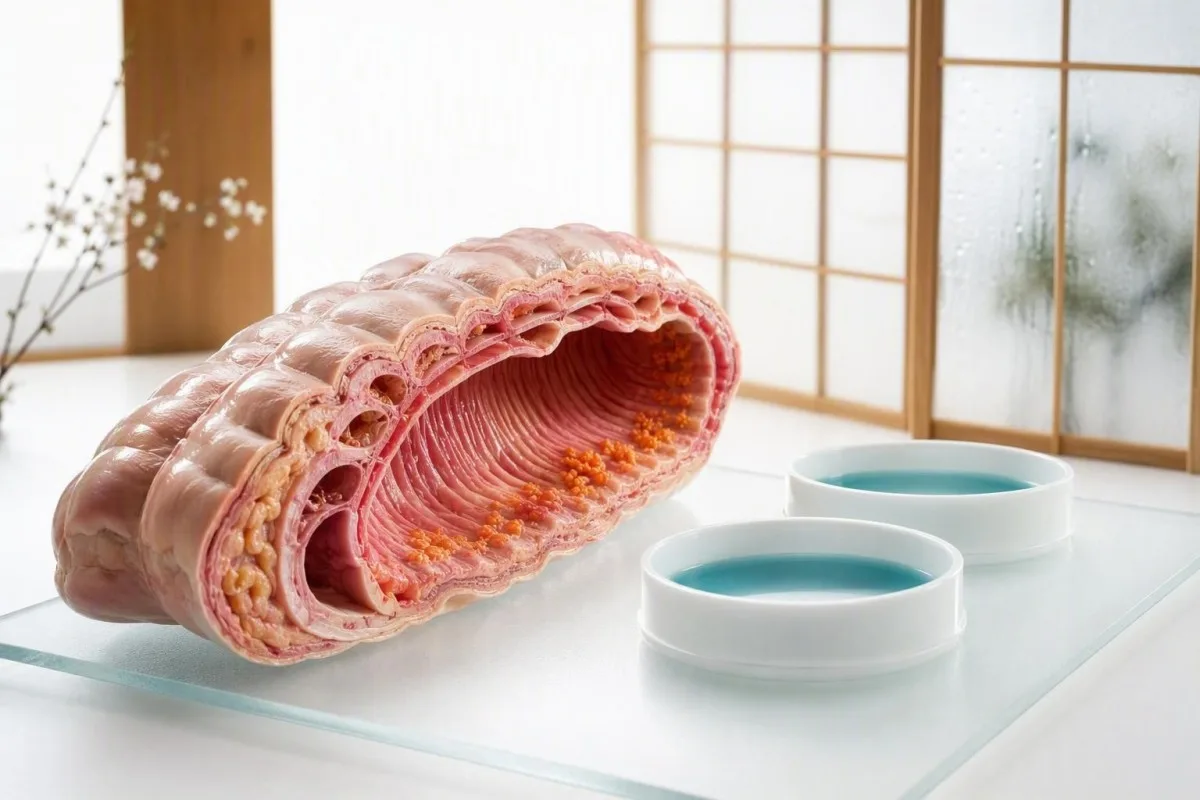
Beide tests detektearje yntestinale ûntstekking feroarsake troch neutrofile, mar calprotectine is meastentiids it nuttiger kwantitative folchoarsen ark. It goede resultaat is ien dy't de folgjende klinyske beslút feroaret – net ien dy't jo mei IBD labelt.


- Calprotectine ûnder 50 µg/g is algemien gerêststellend by folwoeksenen mei fertochte IBS as der gjin alarmfunksjes binne.
- Lactoferrine is in neutrofile proteïne; in protte kwantitative assays brûke minder dan 7.25 µg/g as negatyf, mar laboratoariumôfslachpunten ferskille.
- Hege stoelmarkers jouwe yntestinale ûntstekking oan, net in spesifike diagnoaze; ynfeksje, NSAID's, diverticulitis en kolorektale neoplasia kinne beide ferheegje.
- Grinsgebiet calprotectine fan 50–150 µg/g fertsjinnet faak in werhellingssample nei 2–6 wiken ynstee fan direkte kolonoskopy.
- Calprotectine boppe 250 µg/g fergruttet soarch foar aktive slijmvliesûntstekking en jout meastentiids klinyske resinsje, stoelynfeksjetests of endoscopyplanning oan.
- Normale resultaten meitsje aktyf kolonysk IBD minder wierskynlik, mar kin isolearre lytse-ynwending Crohn’s sykte net betrouber útslute.
- IBD-monitoring brûkt symptomen plus biomarkers, CRP, anemy-markers, ôfbylding en endoskopie; gjin inkele stoelmarker diagnostisearret ûnôfhinklik in opflakkering.
- Dringende symptomen lykas swarte stoel, oanhâldend sichtber bloed, koarts, slimme pine, flauwvallen of útdroeging fereaskje medyske beoardieling, nettsjinsteande in markerresultaat.
Hokker stoelmarker moatte jo earst kieze?
Fekale kalprotektine is meastentiids de earste kar stoelûntstekkingmarker om't it breed beskikber is, kwantitatyf, en de sterkste rol hat by it skieden fan wierskynlike inflammatoire darm-sykte fan funksjonele darm-symptomen. Fecale laktoferinetest resultaten binne in ferstannich alternatyf as dat de lokaal falidearre assay is, mar it bestelle fan beide by it begjin feroaret selden de soarch.
Foar in persoan mei 6 wiken fan losse stoelen, krampen, en gjin gewichtsverlies of rektale bloeding, soe ik meastentiids begjinne mei kalprotektine plus doelgerichte ynfeksjetesting ynstee fan kolonoscopy. In resultaat ûnder de 50 µg/g makket signifikante kolonyske ûntstekking minder wierskynlik, wylst in dúdlik ferhege resultaat in reden jout om fierder te ûndersykjen. De AGA-rjochtline foar chronike wetterige diarree stipet kalprotektine as lactoferrine as screeningstests foar inflammatoire betingsten (Smalley et al., 2019).
Kies lactoferrine as jo gastrointestinaal tsjinst it konsekwint brûkt, as it laboratoarium in falidearre kwantitative wearde rapportearret, of as it ynbegrepen is by in ynfeksjeuze diarree wurk-up. Kies it net om't it spesifiker klinkt: beide aaiwiten wurde frijlitten as neutrofielen yn it darmkanaal komme. It praktyske probleem is oft jo klinikus it resultaat kin fergelykje mei jo eardere samples mei deselde assay.
Kantesti is in AI bloedtestanalysator dy't relatearre resultaten pleatst lykas hemoglobine, CRP, albumine en izeren yndikatoaren neist in stoelmarker rapport; it ferfangt de stoel assay of in diagnoaze fan in klinikus net. As wurgens diarree begeliedt, in bloedtest foar diarree kin helpe by it identifisearjen fan útdroeging, anemy, of elektrolyt ferlies dat de urgency feroaret.
In nuttige tomme regel
Brûk earst ien falidearre marker, werhelje deselde marker as in resultaat grinzet of by it folgjen fan behanneling, en reservearje dûbele testing foar in spesifike gastrointestinaal fraach. It feroarjen fan assay healwei de opfolging skept likende trends dy't laboratoarium geraas kinne wêze ynstee fan biology.
Wat fetale calprotectine eins detektearret
Kalprotektine mjit in kalsium- en sink-bindend aaiwyt dat foarnamlik frijkomt út neutrofielen yn it darmkanaal. In hegere stoelkonsintraasje wjerspegelet neutrofielmigraasje yn 'e darm, wat faak foarkomt by aktyf IBD, mar ek foarkomt by ferskate net-IBD betingsten.
Kalprotektine is it S100A8/S100A9 aaiwytkompleks, en it bliuwt ferskate dagen relatyf stabyl yn stoel by keamertemperatuer—ien reden dat it goed wurket as in sammeltest thús. De biologyske krêft is lokaliteit: yn tsjinstelling ta CRP, wjerspegelet it sellulêre aktiviteit yn it darmkanaal ynstee fan in folsleine lichem akute faze reaksje. In normale CRP annuleart dêrom in heech kalprotektine-resultaat net.
Yn folwoeksen praktyk klassifisearje laboratoaria faak minder dan 50 µg/g as normaal en mear dan 150–250 µg/g as hieltyd mear yn oerienstimming mei aktyf darm-ûntstekking. Dit binne beslúttrempel, gjin universele biologyske grins. Guon Europeeske tsjinsten brûke 100 µg/g as de ferwizingstrempel, wylst pediatryske en assay-spesifike referinsje-intervallen aardich ferskille kinne.
Ik haw in 28-jierrige sjoen mei in kalprotektine fan 680 µg/g, in normale CRP, en úteinlik ulcerative colitis beheind ta it rectum en sigmoid kolon. Dat patroan is net ûngewoan: lokale slijmvliesûntstekking kin aktyf wêze sûnder in sterk systeem sinjaal. Us hantlieding foar de râne fan fekale calprotectine leit út wêrom't de eigen metoade en ienheden fan it laboratoarium by elk resultaat moatte bliuwe.
Wat fetale laktoferrine oars detektearret
Lactoferrine detektearret in oar fan neutrofile ôflaat proteïne en beäntwurdet hast deselde biologyske fraach as calprotectine: is der aktive yntestinale neutrofile ûntstekking? It identifisearret op himsels gjin ulceratieve kolitis, Crohn's sykte, baktearjele kolitis, of in oare oarsaak.
Lactoferrine is in izer-bindend glycoproteïne dat opslein wurdt yn sekundêre granulen fan neutrofile en frijkomt by aktivearring. In positive kwalitative fekale lactoferrine test is nuttich, om't it onkomplisearre IBS yn de juste klinyske setting tsjinkomme kin. Kvantitative assays ferskille: ien faak brûkte metoade definiearret in negative wearde as minder as 7.25 µg/g, dus tapasse nea in calprotectine-ôfsnien op in lactoferrine-rapport.
It bewiis lit net sjen dat lactoferrine kategorisch superieur is. Yn in diagnostyske meta-analyse fûnen Wang en kollega's dat fekale lactoferrine in gearstalde gefoelichheid hie fan 82% en spesifisiteit fan 95% foar it ûnderskieden fan IBD fan net-IBD kontrôles, hoewol't de skattings fan krektens ferskowe mei de prevalens fan de sykte en it ûntwerp fan it ûndersyk (Wang et al., 2015). Dy yndrukwekkende spesifisiteit makket in posityf resultaat noch gjin IBD-diagnoaze.
In posityf lactoferrine-resultaat is benammen de muoite wurdich om te besprekken as diarree abrupte begûn nei reizen, antibiotika, bleatstelling oan fersmoarge iten, of kontakt mei immen siik. Yn dy situaasjes foegje klinisy meastentiids patogenetests ta ynstee fan direkt nei in IBD-etiket te springen. Us hantlieding foar resultaten fan stoelkultuer beskriuwt wat in negatyf of mingde-groei-rapport bepale kin en net.
Hoe't ôfslachpunten lêze sûnder te oerreageerjen
In calprotectin wearde ûnder de 50 µg/g is meastal normaal foar folwoeksenen, 50–150 µg/g is faak in ûnbepaalde sône, en wearden boppe de 250 µg/g jouwe oan op aktive ûntstekking. Lactoferrine brûkt assay-spesifike ôfsniene, meastal in kwalitative posityf of in kwantitative drompel tichtby 7.25 µg/g.
De 50 µg/g calprotectin drompel is ûntwurpen foar gefoelichheid: it fange de measte klinysk signifikante ûntstekking sykte tsjin de kosten fan guon falske positives. De 250 µg/g drompel is nuttiger foar spesifisiteit en foar it folgjen fan fêste IBD. Dêrtusken leit it frustrearjende midden, wêr't medikaasjebleatstelling, resinte gastro-enteritis, leeftiid, en trajekt mear fan belang binne as in inkeld sifer.
In feroaring fan 72 nei 94 µg/g is faak minder betsjuttingfol as in feroaring fan 85 nei 430 µg/g, benammen as beide samples troch itselde laboratoarium test waarden. Stoelgeardheid kin de ekstraksje beynfloedzje en biologyske fariaasje is echt. It praktyske advys fan Dr. Thomas Klein is om NSAID-gebrûk, resinte ynfeksje, menstruale kontaminaasje, en de kolleksjedatum op te nimmen foardat in beskieden stiging ynterpretearre wurdt.
Foar in dissiplinearre oanpak fan rige wearden, ferlykje de sample datum mei symptomen en relatearre laboratoariumresultaten ynstee fan elke markearre resultaat as sykteprogressje te behanneljen. Us 3-10 mEq/L sûnder kalium; 8-16 mEq/L mei kalium leit itselde prinsipe út fan referinsje feroaring en analytyske fariaasje yn laboratoariummedisyne.
Wêrom beide markers heech kinne wêze sûnder IBD
Ferhege yndikatoaren foar ûntstekking yn 'e stoel komme foar by darmynfeksje, NSAID-eksposysje, diverticulitis, kolorektale neoplasia, mikroskopyske kolitis en ûntstekking fan 'e darmen (IBD). It resultaat befêstiget in ûntstekking-sinjaal; it jout op himsels de oarsaak, lokaasje, doer of earnst net oan.
Net-steroïdale anty-inflammatoare medisinen (NSAIDs) kinne faekalproteïne ferheegje, soms substansjeel, troch ferhege darmpermeabiliteit en lytse skea oan it slijmvlies. Ibuprofen, naproxen en diclofenac binne fan belang; in dokter kin foarstelle om te stopjen as it medysk feilich is foardat de test werhelle wurdt. Stopje net mei foarskreaun aspirine, antikoagulantia, of pineferlieners sûnder earst de foarskriuwer te freegjen.
Akute baktearjele gastroenteritis kin calprotectine wearden boppe 500 µg/g en in positive lactoferrine produsearje, dêrom kin in stoel patogenepaniel yn de earste dagen fan de sykte mear ynformatyf wêze as in needkolonoskopy. Oan de oare kant kin giardiasis langdurige diarree feroarsaakje mei minder opfallende neutrofile yndikatorferheging. De tiidline fan symptomen hat faak mear diagnostyske wearde dan pasjinten ferwachtsje.
Kantesti is in AI lab test-ynterpretaasjetsjinst dat in ûntstekking patroan oanjaan kin lykas lege hemoglobine, lege albumine, trombocytose en ferhege CRP foar medyske resinsje, mar dy bloedfynsten bewize net dat de boarne yn de darmen leit. Foar minsken mei bloed yn de stoel, FIT opfolging en kolonoskopy timing is in aparte kwestje fan calprotectine en moat net útsteld wurde.
Wannear't in normaal resultaat noch sykte mist kin
Normale calprotectine of lactoferrine makket aktive ûntstekking fan it kolon minder wierskynlik, mar it kin Crohn's sykte net folslein útslute, benammen mylde of isolearre sykte fan de tinne darm. In normaal resultaat ferklearret ek gjin oanhâldende gewichtsverlies, izertekoart-anemy, nachtlike diarree, of weromkommende sichtbere bloed yn de stoel.
Sykte fan Crohn yn de tinne darm kin minder neutrofile proteïne ôfjaan yn in stoelmonster as wiidfersprate kolitis, benammen as lesjes proksimaal of myld binne. Dit is ien reden dat symptomen en alarmerende skaaimerken in geruststellend nûmer oerhearskje. De ECCO-ESGAR diagnostyske rjochtline riedt oan om biomarkers te yntegrearjen mei ileokolonoskopy en transversale byldfoarming as IBD klinysk fertocht bliuwt (Maaser et al., 2019).
In 46-jierrige man mei calprotectine fan 38 µg/g, ferritine fan 7 ng/mL, en progressive wurgens fertsjinnet evaluaasje foar gastrointestinale bloedferlies of malabsorpsje, ek al is de frekwinsje fan de stoel normaal. Nei myn miening is de kombinaasje fan izertekoart en ûnferklearre symptomen folle mear konsekwint dan in inkelde lege stoel yndikator. Lês ús lege ferritine en darm-oanwizings foar de gewoane folgjende laboratoariumfragen.
Coeliakie, galstien diarree, pankoreasinsuffisjinsje en in protte medikaasje-effekten kinne symptomen feroarsaakje mei normale stoelûntstekking yndikatoaren. In normaal resultaat is dêrom in foarke yn de dyk nei net-ûntstekkingdiagnosen, net in ferklearring dat symptomen psychologysk of ûnbelangryk binne.
Wat te dwaan mei in grinskalige calprotectine-resultaat
In begrinzjend resultaat fan faekalproteïne fan 50–150 µg/g wurdt faak werhelle nei 2–6 wiken as de symptomen stabyl binne en der gjin alarmerende skaaimerken binne. De werhelling moat deselde laboratoariummetoade brûke en moat, as it mooglik is, timed wurde fuort fan in resinte gastrointestinale ynfeksje.
Foardat opnij testen, dokters evaluearje NSAIDs, proton-pompremmers, antibiotika, akute ynfeksjes, swiere duorsume oefening en leeftyd-relatearre risiko. Der is gjin universeel oerienkommen útspoelinterval foar elk medisyn. In pragmatysk plan is faak 2 wiken nei't in akute sykte delbêde is, mits de symptomen gjin needsaak foar eardere soarch sinjalearje.
As de werhelling fan 118 nei 32 µg/g falt en de symptomen deltearje, kin invasive testen foarkommen wurde. As it fan 96 nei 310 µg/g stijget, foeget de rjochting brûkbere bewiis ta sels foardat in endoskopyske resultaat komt. Dêrom moat in inkelde begrinzjende wearde selden panik of falske gerêststelling feroarsaakje.
Ús begrinzjend calprotectine opfolggids stelt de fragen foar dy't meinaam wurde kinne nei in primêre soarch- of gastroenterologyôfspraak. In koart symptoomdeiboek mei stoelfrekwinsje, nachtlike wekkerjen, koarts en medikaasjedates is meastentiids nuttiger as it obsessyf kontrolearjen fan fiedsel triggers.
Hoe't klinisy markers brûke nei't IBD diagnostisearre is
By fêststelde IBD is calprotectine it meast nuttich foar it folgjen fan objektive darmûntstekking en it heljen fan besluten oft symptomen in opflakkering, ynfeksje, IBS-oarlap, of behannelingfalen fertsjintwurdigje. Lactoferrine kin ek aktiviteit folgje, mar calprotectine hat mear troch rjochtlinen stipe drompels foar "treat-to-target" monitoring.
Symptomen en slijmvliesaktiviteit diverzje faak. In pasjint mei ulcerative colitis kin him goed fiele, wylst calprotectine stige fan 80 oant 360 µg/g, of urgente darmbewegingen hawwe fanwegen galtsjersmalabsorpsje, wylst calprotectine 28 µg/g bliuwt. De AGA ulcerative colitis biomarker rjochtline fan 2023 advisearret it kombinearjen fan symptomen mei biomarkers ynstee fan te fertrouwen op ien fan beide allinich (Singh et al., 2023).
Foar remissje monitoring beskôgje in protte dokters minder dan 150 µg/g as geruststellend, wylst mear as 150 µg/g werhelle testen, endoskopie, of behanneling review rjochtfeardigje kin, ôfhinklik fan symptomen en foarige syktegedrach. Yn aktive symptomatyske ulcerative colitis, mear as 250 µg/g stipet aktive ûntstekking. Drompels binne gidsen, gjin ynstruksjes om biologyske behanneling te feroarjen sûnder spesjalistyske ynfier.
Kantesti AI is in AI-biomarker-ynterpretaasjeplatfoarm dat bloedtesttrends organisearret om de rapportearre behannelingsdatums fan in pasjint hinne; it kin de slimens fan endoskopyske stoel net allinich fan in sifer beoardielje. Pasjinten dy't biologika nimme, moatte ek begripe hokker bloedfeiligens tests de behanneling kontrolearje en hokker symptomen prompt kontakt mei harren IBD-team fereaskje.
Hoe't kolleksjefouten en timing resultaten beynfloedzje
De kwaliteit fan de kolleksje beynfloedet de ynterpretaasje fan stoelmarkers, om't in besmet, fertrage, of min nommen stekproef ôfwiisd wurde kin of in minder betroubere mjitting produsearje kin. De measte laboratoaren wolle in lyts stoelpart dat yn de foarsjoen sterile kontener pleatst wurdt sûnder húskeplak of urine.
Losse stoel is meastal akseptabel foar calprotectine en lactoferrine testen; wachtsje net op in foarme stekproef as diarree it klinyske probleem is. Foarkom kolleksje út húskeplak, en fertel it laboratoarium as de stekproef sichtber menstruaasjebloed befettet. Opslachynstruksjes ferskille per kit, mar in protte tastean koart transport by keamertemperatuer, om't calprotectine relatyf stabyl is.
It nimmen fan in stekproef in dei nei in maraton, in perioade fan gastroenteritis, of tarieding foar kolonoskopy kin de ferkearde fraach beäntwurdzje. Uthâldingsfermogen kin de darmpermeabiliteit tydlik ferheegje en gastrointestinale symptomen provosearje. As jo in uthâldingsatleet binne sûnder warskôgingssinjalen, beskôgje dan it plannen fan de kolleksje fuort fan in grut evenemint; ús labgids foar uthâldingsatleten ferklearret wêrom't kontekst de testynterpretaasje feroaret.
It punt is, in perfekte kolleksje makket in net-spesifike biomarker net spesifyk. In sample fan hege kwaliteit ferbetteret it fertrouwen yn de mjitting; it kin de klinyske anamnese, ûndersyk en differinsjaaldiagnoaze net ferfange.
Hokker bloedtests meitsje in stoelmarker nuttiger
In CBC, CRP, ferritine, albumine, nierfunksje en celiac serology foegje faak mear klinyske wearde ta oan in ferhege stoelmarker dan it besteljen fan in twadde stoelûntstekingsprotein. It soarchlike patroan is net ien abnormaliteit, mar ferskate resultaten dy't wize op ûntstekking, malabsorpsje, of bloedferlies.
Lege hemoglobine, ferritine ûnder 15 ng/mL, albumine ûnder it laboratoarium referinsjebereik, ferhege bloedplaatjes, of ferhege CRP kinne soargen fersterkje foar klinysk betsjuttende darm sykte. Gjin fan alles is diagnostysk foar IBD. Eins kin CRP normaal bliuwe by mylde ulcerative colitis, en ferritine kin falsk normaal lykje as ûntstekking it ferheget as in akút-fase proteïne.
Kantesti is in AI-oandreaune ark foar analyse fan bloedtests dat in CBC, izerstudies en CRP yn itselde klinyske ramt lêst, ynklusyf oft in feroarjend hemoglobinenivo earder ûndersyk rjochtfeardigje soe. Dr. Thomas Klein warskôget routine dat in isolearre CRP fan 12 mg/L net-spesifyk is, wylst CRP 12 mg/L plus falling albumine en in calprotectine fan 740 µg/g in folle mear aksjebere kluster is.
Foar pasjinten waans izerwearden tsjinstridich lykje, ús ûndersyksgids foar izerstúdzjes ferklearret oer transerrinsaturaasje en ferritine by ûntstekking. In gids foar CBC-resultaten kin jo ek helpe om te bepalen oft bloedearmoed mikrozytysk, ûntstekking, of mingd is.
Wannear't it besteljen fan beide tests ridlik kin wêze
It tegearre oanfreegje fan kalprotektine en laktoferrine is meastentiids ûnnedich, mar it kin ridlik wêze as in spesjalist tsjinstridige symptomen fermoedsoenje, in eardere assay net werhelle wurde kin, of in pleatslik paad befêstiging fereasket. Oerienkommende resultaten ferheegje de fertrouwen yn in ûntstekkingsteken moderaat; tsjinstridige resultaten liede meastentiids ta resinsje, net ta aritmetyske moyennes.
In hege kalprotektine mei negative laktoferrine kin assaytiming, in resultaat tichtby de grins, stekproefheterogeniteit, of analytyske ferskillen reflektearje. In lege kalprotektine mei positive laktoferrine fertsjinnet deselde dissiplinearre reaksje: ferifiearje de kolleksje, besjoch de presize assay, kontrolearje symptomen en test op ynfeksje as passend. Gjin fan beide kombinaasjes hat in falidearre fluchtoets nei diagnoaze.
Dûbele testen kin ek nuttich wêze yn ûndersyksynstellingen wêr't in protokol beide biomarkers foarôf spesifisearret. Dat is oars as routinepasjintesoarch, wêr't dûbele testen kosten tafoegje kinne sûnder besluten te ferbetterjen. Stel de oanfreegjende klinikus in ienfâldige fraach: “Wat sille wy oars dwaan as de twadde test posityf is?”
As in ferslach yntern inkonsistint liket, brûk dan ús kwalitative tsjin kwantitative testgids om te begripen wêrom “posityf” en “heech” gjin ferfangende laboratoariumútspraken binne. Konsistinsje fan metoade is wichtiger as it sammeljen fan elke beskikbere marker.
Wat IBD eins befêstiget of útslút
CDI wurdt diagnostisearre troch in synteze fan symptomen, ileokolonoskopy mei weefseloanfraach, histology, laboratoariumtests, en soms MRI of CT enterografy – net allinich út kalprotektine of laktoferrine. Faalmarkers helpe te besluten wa't dizze ûndersiken nedich hat en oft ûntstekking yn 'e tiid feroarje kin.
Kolonoskopy makket direkte beoardieling fan it terminale ileum en dikke darm mooglik en lit weefselûndersyk ta foar chronike ûntstekkingseigenskippen, ynfeksje, mikroskopyske kolitis, dysplasie en oare oarsaken. Imagerie is bysûnder weardefol as Crohn's sykte lytse darm kin belûke bûten it berik fan in standert kolonoskopy. In faalmarker is in triage-sinjaal, gjin mikroskopyske diagnoaze.
Betize gjin faale immunochemyske test mei ien fan beide ûntstekkingmarkers. FIT detektearret minsklik hemoglobine en wurdt primêr brûkt by kolorektale kankerscreening of paadwizers foar bloeden yn 'e legere GI-kanaal, wylst kalprotektine en laktoferrine neutrofylprodukten detektearje. Us fergeliking fan FIT en FOBT ferklearret wêrom't in negative ûntstekkingmarker gjin ferfanging is foar oanrikkemandearre kankerscreening.
Sûnt 4 septimber 2026 advisearje gjin grutte gastroenterology-rjochtlinen de diagnoaze fan Crohn's sykte of ulceratyf kolitis fan in inkele faalbiomarker-drompel. Dat beheining beskermet pasjinten tsjin sawol miste sykte as ûnnedige libbenslange diagnostyske labels.
Symptomen dy't elk stoeltestresultaat oertreffe
Oanhâldend sichtber rektale bloed, swarte teare stoelgong, slimme bukpyn, koarts, flau, dehydraasje, rap ferswakkjende swakte, of ûnbedoeld gewichtsverlies fereaskje tiidige medyske beoardieling, nettsjinsteande kalprotektine of laktoferrine. In normaal resultaat moat nea brûkt wurde om in potinsjeel driuwend symptoompatoan te wachtsjen.
De driuwende soarch is fysiologie, net it label op in laboratoariumferslach. Faak wetterige diarree kin lege kalium, akute nierbeskeadiging en ortostatyske symptomen feroarsaakje foardat in ûntstekkingmarker weromkomt. Folwoeksenen mei it ûnfermogen om floeistoffen yn te hâlden, betizing, flau, of minimale urineútfier moatte driuwend soarch sykje.
Nije darm-symptomen nei 50 jier, in sterke famyljeskiednis fan kolorektale kanker, en izertekoart-bloedarmoede feroarje de drompel foar kolon-evaluaasje, sels as kalprotektine leech is. In faalmarker beoardielet kankerrisiko net útfoldich. Us slijm yn stoel read-flagge gids ûnderskiedt gewoane goedaardige patroanen fan symptomen dy't ûndersyk nedich binne.
Bern, swangere froulju, âlderen, en minsken dy't medisinen brûke dy't it ymmúnsysteem ûnderdrukke, hawwe yndividualisearre triearring nedich, om't harren basisrisiko's ferskille. As jo net wis binne oft symptomen akút binne, is it feiliger om kontakt op te nimmen mei in lokale klinikus of needtsjinst dan te besykjen in nûmer allinich te ynterpretearjen.
In praktyske petear nei jo resultaat
De meast brûkbere opfolchfraach is: “Feroaret dit resultaat myn needsaak foar ynfeksjetests, werhelle tests, byldfoarming, of endoskopie?” It meitsjen fan de krekte wearde, assay-namme, symptoomtiidline, medisinen, en eardere resultaten makket dat petear rapper en klinysk presys.
Nim in list fan de ôfrûne 14 dagen mei: stoelfrekwinsje, nachtlike symptomen, koarts, gewichtsferoaring, reizen, antibiotika, NSAID's, en famyljeskiednis. In kalprotektine fan 180 µg/g nei in 3-dagen diarree-sykte mei koarts freget in oar plan dan itselde resultaat nei 4 moannen fan nachtlike diarree en gewichtsverlies.
Kantesti AI kin jo helpe by it organisearjen fan begeliedende bloedrapporten foarôfgeand oan in ôfspraak, mar diagnoaze- en behannelingbesluten hearre ta de klinikus dy't jo ûndersykje kin en definitive tests regelje kin. Us medyske validaasje-oanpak leit út hoe't klinyske tafersjoch en boarne-ynspeksje ynboud binne yn ferantwurde laboratoariumynterpretaasje.
Foar komplekse gefallen, freegje wa't de opfolging sil drage en wannear't jo in werhelle resultaat of ferwizingsbeslút ferwachtsje moatte. De klinisy fan ús Medyske Advysried beklamje dat in dokumintearre plan better is dan in ûndúdlike ynstruksje om “letter opnij te kontrolearjen,” benammen as ûntstekkingmarkers en bloedearmoed yn deselde rjochting bewege.
De beslút-rjochte konklúzje
Kies kalprotektine earst yn de measte situaasjes, brûk laktoferrine as it de falidearre alternatyf fan jo tsjinst is, en tink net dat ien fan beide resultaten IBD diagnostisearret. In leech resultaat ferset de oandacht nei funksjonele en net-ûntstekkingsoorzaken, wylst in oanhâldend heech resultaat minsken identifisearret dy't mooglik ynfeksjetests, spesjalistysk ûndersyk, of endoskopie nedich hawwe.
Foar ûngemaklike chronike diarree kin ien normale marker - kalprotektine ûnder 50 µg/g of in negative laktoferrine neffens dat laboratoarium - de kâns op aktyf ûntstekking sykte ferminderje. Foar in wearde boppe 250 µg/g of in positive laktoferrine mei oanhâldende symptomen, is de folgjende fraach de oarsaak, net de wissichheid. Ynfeksje, medisynynname, IBD, en oare ûntstekking sykten bliuwe op de list.
De measte pasjinten fine de dûbelsinnichheid it dreechst yn de kalprotektine-sône fan 50-150 µg/g. Nei myn ûnderfining is de bêste folgjende stap meastentiids in foarsichtich plande werhelling, net in dieetbeheining, selsstjoerde steroïdegebrûk, of in ynternetdiagnoaze. Hâld itselde laboratoarium as it mooglik is, sadat de trend te ynterpretearjen is.
Kantesti’s AI-technologygids beskriuwt hoe't ús systemen laboratoarium-kontekst behâlde, wylst fragen foar medysk ûndersyk wurde markearre. It feilige gebrûk fan elke AI-ynterpretaasje is hjir itselde: brûk it om jo tariede op in better klinysk petear, nea om readflags te negearjen of diagnostyske soarch te ferfangen.
Faak stelde fragen
Is kalproteïne better dan laktoferrine foar it opspoaren fan IBD?
Kalprotektine hat meastal de foarkar by it fermoeden fan IBD, om't it breed beskikber is as kwantitative test en faak brûkte drompels hat foar tafersjoch, lykas minder dan 50 µg/g en mear dan 250 µg/g. Laktoferrine is ek in nuttige út stoel ôflate marker fan neutrofilen en kin goed wurkje as it laboratoarium in falidearre assay brûkt. Gjin fan beide markers befêstiget IBD, om't ynfeksjes, NSAID's, divertikulitis en oare darmomstannichheden beide ferheegje kinne. De bettere test is meastal dejinge dy't jo dokter ynterpretearje kin neist symptomen en werhelje mei deselde laboratoariummetoade.
Hokker kalprotektinepeil is soarchwekkend?
In faekale kalprotektinwearde ûnder 50 µg/g is meastal geruststellend foar folwoeksenen sûnder warskôgingssymptomen, wylst 50–150 µg/g faak as grinsgefoelich beskôge wurdt en mooglik werhelle wurde kin nei 2–6 wiken. Wearden boppe 150–250 µg/g soargje mear foar yntestinale ûntstekking, en wearden boppe 250 µg/g liede meastentiids ta klinyske beoardieling of fierdere tests. De krekte aksje hinget ôf fan de assay, symptomen, leeftiid, NSAID-gebrûk en oft de wearde stjget. In wearde fan 600 µg/g nei akute baktearjele diarree kin in oare betsjutting hawwe as 600 µg/g by ferskate moannen fan chronike symptomen.
Kin IBS hege calprotectine of lactoferrine feroarsaakje?
Unkomplisearre IBS feroarsaket meastentiids gjin ferhege fekale kalprotektine of laktoferrine, om't IBS gjin yntestinale ûntstekking troch neutrofilen feroarsaket. Milde ferhegingen fan kalprotektine tusken 50 en 150 µg/g kinne foarkomme troch resinte ynfeksje, NSAID-gebrûk, leeftydsbetingste faktoaren, of mjitferskillen, dus se slute IBS net automatysk út. In positive laktoferrine of kalprotektine boppe 250 µg/g moat liede ta in evaluaasje fan in ûntstekking of ynfeksje feroarsaak, ynstee fan IBS oan te nimmen. IBS en IBD kinne tegearre foarkomme, wat in oare reden is wêrom't symptomen en trends fan belang binne.
Kin in normale kalprotektine Crohn's sykte útslute?
In normale calprotectine-útslach fermindert de kâns op aktive IBD yn 'e dikke darm, mar kin sykte fan Crohn net folslein útslute, benammen mylde of allinnich yn de tinne darm. In wearde ûnder de 50 µg/g moat gjin reden wêze om alarmearende tekens lykas izertekoart-anemy, gewichtsverlies, nachtlike diarree, oanhâldend bloedjen of in sterke famyljeanamnese te negearjen. Klinisy kinne ileokolonoskopy, MR enterografy of kapsuleûndersyk brûke as it klinyske fertinking heech bliuwt. De útslach moat it bêste behannele wurde as ien probabilitêr oanpassend bewiis ynstee fan in definitive útslutingstest.
Moat ik in grinskalige calprotectine-útslach werhelje?
In grinsskorreksje fan calprotectine fan 50–150 µg/g wurdt faak werhelle nei 2–6 wiken as symptomen stabyl binne en der gjin warskôgingsfunksjes binne. Foardat it werheljen wurdt, kontrolearje klinisy faak resinte gastro-enteritis, NSAID-gebrûk, antibiotika en kolleksjeomstannichheden, om't elk de wearde beynfloedzje kin. Brûk deselde laboratoariumassay as mooglik, om't resultaten fan ferskate metoaden net direkt fergelykje kinne. In stijgend resultaat nei of boppe 250 µg/g hat oer it algemien mear klinysk gewicht dan in stabile lege ferheging.
Kinne antibiotika de fetale kalproteïne en laktoferrine beynvloedzje?
Antibiotika kinne kiedingûntstekkingmarkers yndirekt beynfloedzje troch ynfeksjeare diarree te behanneljen, te triggerjen, of tegearre te foarkommen, en troch it yntestinale mikrobiom te feroarjen. In persoan mei troch antibiotika feroarsake diarree moat wurde beoardiele op oarsaken lykas Clostridioides difficile ynstee fan in ferhege kalprotektine as posityf laktoferrine as IBD te ynterpretearjen. D'r is gjin betrouber universeel oantal dagen om te wachtsjen nei antibiotika foardat jo testje; timing hinget ôf fan symptomen en de klinyske fraach. Oanhâldende diarree, koarts, of buikpijn nei antibiotika fereasket testen troch in dokter ynstee fan selsbehanneling.
Krij hjoed noch AI-oandreaune bloedtest-analyse
Doch mei oan mear as 2 miljoen brûkers wrâldwiid dy’t Kantesti fertrouwe foar direkte, krekte analyse fan laboratoariumtests. Upload jo bloedtest resultaten en ûntfange wiidweidige ynterpretaasje fan 15,000+-biomarkers yn sekonden.
📚 Ferwiisde ûndersykspublikaasjes
Klein, T., Mitchell, S., & Weber, H. (2026). Kantesti LTD. (2026). Urobilinogen yn Urine Test: Complete Urinalysis Guide 2026. Zenodo.. Kantesti AI Medysk Undersyk.
Klein, T., Mitchell, S., & Weber, H. (2026). Kantesti B.V. (2026). Iron Studies Guide: TIBC, Iron Saturation & Binding Capacity. Zenodo.. Kantesti AI Medysk Undersyk.
📖 Eksterne medyske referinsjes
Singh S et al. (2023). AGA Klinyske Rjochtline oer de Rol fan Biomarkers foar it Management fan Ulcerative Colitis. Gastroenterology.
⚕️ Medyske disclaimer
Dit artikel is allinnich foar ûnderwiisdoelen en foarmet gjin medysk advys. Rieplachtsje altyd in kwalifisearre soarchferliener foar besluten oer diagnoaze en behanneling.
E-E-A-T fertrouwensignalen
Ûnderfining
Dokter-oandreaune klinyske resinsje fan lab-ynterpretaasje-wurkprosessen.
Ekspertize
Fokus fan laboratoariummedisyne op hoe’t biomarkers har gedrage yn in klinyske kontekst.
Autoriteit
Skreaun troch dr. Thomas Klein mei resinsje troch dr. Sarah Mitchell en prof. dr. Hans Weber.
Betrouberens
Bewiis-basearre ynterpretaasje mei dúdlike ferfolchpaadkes om alarm te ferminderjen.