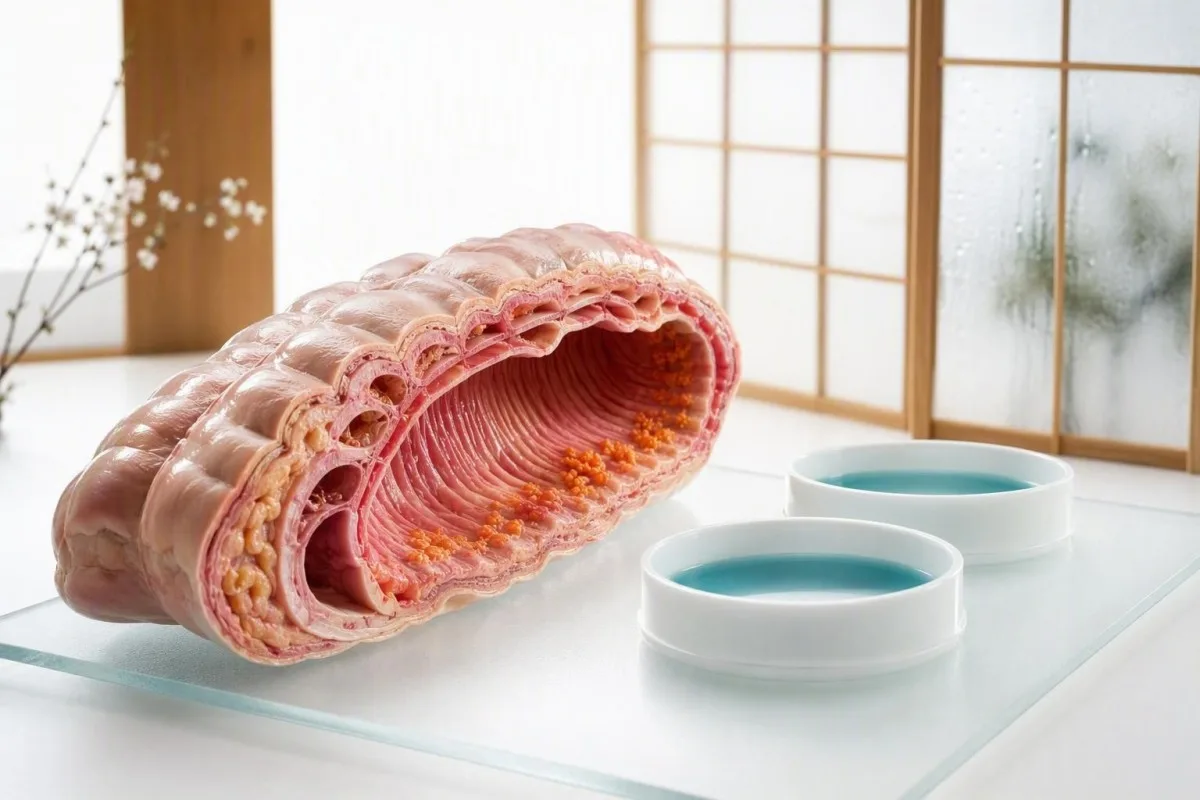
Και οι δύο εξετάσεις ανιχνεύουν εντερική φλεγμονή που καθοδηγείται από ουδετερόφιλα, αλλά η καλπροτεκτίνη είναι συνήθως το πιο χρήσιμο εργαλείο ποσοτικής παρακολούθησης. Το σωστό αποτέλεσμα είναι αυτό που αλλάζει την επόμενη κλινική απόφαση - όχι αυτό που σας χαρακτηρίζει με ΝΟΕ.


- Καλπροτεκτίνη κάτω από 50 µg/g είναι γενικά καθησυχαστικό σε ενήλικες με υποψία ΣΕΕ όταν δεν υπάρχουν χαρακτηριστικά συναγερμού.
- Λακτοφερρίνη είναι μια πρωτεΐνη ουδετερόφιλων· πολλές ποσοτικές αναλύσεις χρησιμοποιούν λιγότερο από 7.25 µg/g ως αρνητικό, αλλά τα εργαστηριακά όρια ποικίλλουν.
- Αυξημένοι δείκτες κοπράνων υποδεικνύουν εντερική φλεγμονή, όχι ειδική διάγνωση· η λοίμωξη, τα ΜΣΑΦ, η εκκολπωματίτιδα και η νεοπλασία του παχέος εντέρου μπορούν να αυξήσουν και τα δύο.
- Borderline calprotectin από 50–150 µg/g συχνά χρήζει επανάληψης δείγματος μετά από 2–6 εβδομάδες αντί για άμεση κολονοσκόπηση.
- Καλπροτεκτίνη άνω των 250 µg/g αυξάνει την ανησυχία για ενεργό φλεγμονή του βλεννογόνου και συνήθως προκαλεί κλινική επανεξέταση, έλεγχο για λοιμώξεις κοπράνων ή σχεδιασμό ενδοσκόπησης.
- Φυσιολογικά αποτελέσματα καθιστά λιγότερο πιθανή την ενεργό φλεγμονώδη νόσο του εντέρου (IBD) στο κόλον, αλλά δεν μπορεί να αποκλείσει αξιόπιστα την απομονωμένη νόσο του Crohn στο λεπτό έντερο.
- Παρακολούθηση IBD χρησιμοποιεί συμπτώματα συν βιοδείκτες, CRP, δείκτες αναιμίας, απεικόνιση και ενδοσκόπηση· κανένας δείκτης κοπράνων από μόνος του δεν διαγιγνώσκει εξάρση.
- Επείπτωτα συμπτώματα όπως μαύρες κενώσεις, επίμονο ορατό αίμα, πυρετό, σοβαρό πόνο, λιποθυμία ή αφυδάτωση χρειάζονται ιατρική αξιολόγηση ανεξάρτητα από το αποτέλεσμα ενός δείκτη.
Ποιον δείκτη κοπράνων πρέπει να επιλέξετε πρώτα;
Η κοπρανική καλπροτεκτίνη είναι συνήθως ο δείκτης φλεγμονής κοπράνων πρώτης επιλογής επειδή είναι ευρέως διαθέσιμη, ποσοτική και έχει τον ισχυρότερο ρόλο στον διαχωρισμό της πιθανής φλεγμονώδους νόσου του εντέρου από λειτουργικά συμπτώματα του εντέρου. Δοκιμασία κοπραλικής λακτοφερρίνης τα αποτελέσματα είναι μια λογική εναλλακτική λύση όταν αυτή είναι η τοπικά επικυρωμένη ανάλυση, αλλά η παραγγελία και των δύο στην αρχή σπάνια αλλάζει τη διαχείριση.
Για ένα άτομο με 6 εβδομάδες διάρροια, κράμπες και χωρίς απώλεια βάρους ή αιμορραγία από το ορθό, θα ξεκινούσα γενικά με καλπροτεκτίνη συν στοχευμένο έλεγχο λοιμώξεων αντί για κολονοσκόπηση. Ένα αποτέλεσμα κάτω από 50 µg/g καθιστά λιγότερο πιθανή τη σημαντική φλεγμονή στο κόλον, ενώ ένα σαφώς αυξημένο αποτέλεσμα παρέχει λόγο για περαιτέρω διερεύνηση. Η κατευθυντήρια γραμμή της AGA για τη χρόνια υδαρής διάρροια υποστηρίζει την καλπροτεκτίνη ή τη λακτοφερρίνη ως διαγνωστικές εξετάσεις για φλεγμονώδεις καταστάσεις (Smalley et al., 2019).
Επιλέξτε λακτοφερρίνη όταν η γαστρεντερολογική σας υπηρεσία τη χρησιμοποιεί με συνέπεια, όταν το εργαστήριο αναφέρει μια επικυρωμένη ποσοτική τιμή, ή όταν περιλαμβάνεται σε μια διερεύνηση λοιμώδους διάρροιας. Μην την επιλέγετε επειδή ακούγεται πιο ειδική: και οι δύο πρωτεΐνες απελευθερώνονται όταν τα ουδετερόφιλα εισέρχονται στον αυλό του εντέρου. Το πρακτικό ζήτημα είναι αν ο γιατρός σας μπορεί να συγκρίνει το αποτέλεσμα με προηγούμενα δείγματά σας χρησιμοποιώντας την ίδια ανάλυση.
Το Καντέστι είναι ένα Αναλυτής εξέτασης αίματος AI που τοποθετεί σχετικές τιμές όπως αιμοσφαιρίνη, CRP, λευκώματα και δείκτες σιδήρου παράλληλα με μια αναφορά δείκτη κοπράνων· δεν αντικαθιστά την ανάλυση κοπράνων ή τη διάγνωση του γιατρού. Εάν η κόπωση συνοδεύει τη διάρροια, μια αιματολογική εξέταση για τη διάρροια μπορεί να βοηθήσει στον εντοπισμό αφυδάτωσης, αναιμίας ή απώλειας ηλεκτρολυτών που αλλάζει την επείγουσα ανάγκη.
Ένας χρήσιμος εμπειρικός κανόνας
Χρησιμοποιήστε έναν επικυρωμένο δείκτη πρώτα, επαναλάβετε τον ίδιο δείκτη όταν ένα αποτέλεσμα είναι οριακό ή κατά την παρακολούθηση της θεραπείας, και κρατήστε τον διπλό έλεγχο για μια συγκεκριμένη γαστρεντερολογική ερώτηση. Η αλλαγή ανάλυσης στη μέση της παρακολούθησης δημιουργεί φαινομενικές τάσεις που μπορεί να είναι θόρυβος του εργαστηρίου παρά βιολογία.
Τι ανιχνεύει πραγματικά η κοπρανική καλπροτεκτίνη
Η καλπροτεκτίνη μετρά μια πρωτεΐνη που δεσμεύει ασβέστιο και ψευδάργυρο και απελευθερώνεται κυρίως από τα ουδετερόφιλα στον εντερικό σωλήνα. Μια υψηλότερη συγκέντρωση στα κόπρανα αντανακλά τη μετανάστευση ουδετερόφιλων στο έντερο, η οποία είναι συχνή σε ενεργό IBD, αλλά συμβαίνει επίσης με αρκετές καταστάσεις μη-IBD.
Η καλπροτεκτίνη είναι το σύμπλεγμα πρωτεϊνών S100A8/S100A9 και παραμένει σχετικά σταθερή στα κόπρανα για αρκετές ημέρες σε θερμοκρασία δωματίου - ένας λόγος που λειτουργεί καλά ως τεστ οικιακής συλλογής. Η βιολογική της ισχύς είναι η εντοπιότητα: σε αντίθεση με την CRP, αντανακλά την κυτταρική δραστηριότητα στον αυλό του εντέρου αντί για μια αντίδραση οξείας φάσης ολόκληρου του σώματος. Επομένως, μια φυσιολογική CRP δεν ακυρώνει ένα υψηλό αποτέλεσμα καλπροτεκτίνης.
Στην ενήλικη πρακτική, τα εργαστήρια ταξινομούν συνήθως λιγότερο από 50 µg/g ως φυσιολογικό και περισσότερο από 150–250 µg/g ως όλο και πιο συμβατό με ενεργή εντερική φλεγμονή. Αυτά είναι όρια απόφασης, όχι καθολικά βιολογικά σύνορα. Ορισμένες ευρωπαϊκές υπηρεσίες χρησιμοποιούν 100 µg/g ως όριο παραπομπής, ενώ τα παιδιατρικά και τα ειδικά για την ανάλυση διαστήματα αναφοράς μπορεί να διαφέρουν σημαντικά.
Είδα έναν 28χρονο με καλπροτεκτίνη 680 µg/g, φυσιολογική CRP, και τελικά ελκώδη κολίτιδα περιορισμένη στο ορθό και το σιγμοειδές κόλον. Αυτό το μοτίβο δεν είναι ασυνήθιστο: η τοπική φλεγμονή του βλεννογόνου μπορεί να είναι ενεργή χωρίς ισχυρό συστημικό σήμα. Οδηγός εύρους κοπρανικής καλπροτεκτίνης εξηγεί γιατί η μέθοδος και οι μονάδες του εργαστηρίου πρέπει να συνοδεύουν κάθε αποτέλεσμα.
Τι ανιχνεύει διαφορετικά η κοπρανική λακτοφερρίνη
Η λακτοφερρίνη ανιχνεύει μια άλλη πρωτεΐνη που προέρχεται από ουδετερόφιλα και απαντά σχεδόν στην ίδια βιολογική ερώτηση με την καλπροτεκτίνη: υπάρχει ενεργής εντερικής φλεγμονής ουδετεροφίλων; Δεν αναγνωρίζει από μόνη της ελκωτική κολίτιδα, νόσο του Crohn, βακτηριακή κολίτιδα ή άλλη αιτία.
Η λακτοφερρίνη είναι μια γλυκοπρωτεΐνη που δεσμεύει τον σίδηρο, αποθηκεύεται στους δευτερογενείς κοκκίους των ουδετεροφίλων και απελευθερώνεται κατά την ενεργοποίηση. Μια θετική ποιοτική δοκιμή κοπρανικής λακτοφερρίνης είναι χρήσιμη επειδή αποκλείει το αδιαταρακτο ΣΕΕ στο σωστό κλινικό πλαίσιο. Οι ποσοτικές δοκιμές ποικίλλουν: μια κοινώς χρησιμοποιούμενη μέθοδος ορίζει μια αρνητική τιμή ως < 7.25 µg/g, επομένως μην εφαρμόζετε ποτέ ένα όριο καλπροτεκτίνης σε μια αναφορά λακτοφερρίνης.
Τα στοιχεία δεν δείχνουν ότι η λακτοφερρίνη είναι κατηγορηματικά ανώτερη. Σε μια διαγνωστική μετα-ανάλυση, οι Wang και συνεργάτες βρήκαν ότι η κοπρανική λακτοφερρίνη είχε συνδυασμένη ευαισθησία 82% και ειδικότητα 1% για τη διάκριση της ΙΦΝ από μη-ΙΦΝ μάρτυρες, αν και οι εκτιμήσεις ακρίβειας μεταβάλλονται με την επικράτηση της νόσου και τον σχεδιασμό της μελέτης (Wang et al., 2015). Αυτή η εντυπωσιακή ειδικότητα εξακολουθεί να μην μετατρέπει ένα θετικό αποτέλεσμα σε διάγνωση ΙΦΝ.
Ένα θετικό αποτέλεσμα λακτοφερρίνης αξίζει ιδιαίτερα να συζητηθεί όταν η διάρροια άρχισε ξαφνικά μετά από ταξίδι, αντιβιοτικά, έκθεση σε μολυσμένη τροφή ή επαφή με κάποιον άρρωστο. Σε αυτές τις περιπτώσεις, οι κλινικοί ιατροί συνήθως προσθέτουν έλεγχο παθογόνων παρά πηδούν κατευθείαν στην ετικέτα ΙΦΝ. Ο οδηγός μας για τα αποτελέσματα καλλιέργειας κοπράνων καλύπτει τι μπορεί και τι δεν μπορεί να καθορίσει μια αναφορά αρνητικής ή μικτής καλλιέργειας.
Πώς να διαβάζετε τα όρια χωρίς να αντιδράτε υπερβολικά
Μια τιμή καλπροτεκτίνης κάτω από 50 µg/g είναι συνήθως φυσιολογική για ενήλικες, 50–150 µg/g είναι συχνά μια ακαθόριστη ζώνη, και τιμές πάνω από 250 µg/g προκαλούν ανησυχία για ενεργή φλεγμονή. Η λακτοφερρίνη χρησιμοποιεί όρια ειδικά για τη δοκιμασία, συνήθως ένα ποιοτικό θετικό ή ένα ποσοτικό όριο κοντά στα 7.25 µg/g.
Το όριο των 50 µg/g καλπροτεκτίνης έχει σχεδιαστεί για ευαισθησία: πιάνει την περισσότερη κλινικά σημαντική φλεγμονώδη νόσο με κόστος ορισμένων ψευδώς θετικών. Το όριο των 250 µg/g είναι πιο χρήσιμο για ειδικότητα και για παρακολούθηση τεκμηριωμένης ΙΦΝ. Μεταξύ τους βρίσκεται η απογοητευτική μέση ζώνη, όπου η έκθεση σε φαρμακευτική αγωγή, η πρόσφατη γαστρεντερίτιδα, η ηλικία και η τροχιά έχουν μεγαλύτερη σημασία από έναν μόνο αριθμό.
Μια αλλαγή από 72 σε 94 µg/g είναι συχνά λιγότερο σημαντική από μια αλλαγή από 85 σε 430 µg/g, ιδιαίτερα εάν και τα δύο δείγματα ελέγχθηκαν από το ίδιο εργαστήριο. Η συνέπεια των κοπράνων μπορεί να επηρεάσει την εξαγωγή και η βιολογική μεταβλητότητα είναι πραγματική. Η πρακτική συμβουλή του Δρ Thomas Klein είναι να καταγράφονται η χρήση ΜΣΑΦ, η πρόσφατη λοίμωξη, η εμμηνορροϊκή μόλυνση και η ημερομηνία συλλογής πριν από την ερμηνεία μιας μέτριας αύξησης.
Για μια πειθαρχημένη προσέγγιση σε διαδοχικές τιμές, συγκρίνετε την ημερομηνία του δείγματος με τα συμπτώματα και τις σχετικές εργαστηριακές εξετάσεις, αντί να αντιμετωπίζετε κάθε επισημασμένο αποτέλεσμα ως εξέλιξη της νόσου. Το οδηγό τάσεων για εξετάσεις αίματος εξηγεί την ίδια αρχή αλλαγής αναφοράς και αναλυτικής μεταβλητότητας στην εργαστηριακή ιατρική.
Γιατί και οι δύο δείκτες μπορεί να είναι αυξημένοι χωρίς ΝΟΕ
Οι αυξημένοι δείκτες φλεγμονής στα κόπρανα εμφανίζονται με εντερική λοίμωξη, έκθεση σε ΜΣΑΦ, εκκολπωματίτιδα, παχέος εντέρου νεοπλασία, μικροσκοπική κολίτιδα και ΙΦΝΕ. Το αποτέλεσμα επιβεβαιώνει ένα φλεγμονώδες σήμα· δεν αποκαλύπτει από μόνο του την αιτία, την εντόπιση, τη διάρκεια ή τη σοβαρότητα.
Τα μη στεροειδή αντιφλεγμονώδη φάρμακα μπορούν να αυξήσουν την κοπρανική καλπροτεκτίνη, μερικές φορές σημαντικά, αυξάνοντας τη διαπερατότητα του εντέρου και προκαλώντας μικρές βλάβες στον βλεννογόνο. Η ιβουπροφαίνη, η ναπροξένη και η δικλοφενάκη έχουν σημασία· ένας κλινικός μπορεί να προτείνει τη διακοπή τους, εάν είναι ιατρικά ασφαλές, πριν από την επανεξέταση. Μην διακόπτετε την ασπιρίνη, τα αντιπηκτικά ή τα παυσίπονα που σας έχουν συνταγογραφηθεί χωρίς να συμβουλευτείτε πρώτα τον συνταγογράφο.
Η οξεία βακτηριακή γαστρεντερίτιδα μπορεί να παράγει τιμές καλπροτεκτίνης άνω των 500 µg/g και θετική λακτοφερρίνη, γι' αυτό ένα πάνελ παθογόνων των κοπράνων μπορεί να είναι πιο ενημερωτικό από μια επείγουσα κολονοσκόπηση τις πρώτες ημέρες της νόσου. Αντίθετα, η γιardiasis μπορεί να προκαλέσει παρατεταμένη διάρροια με λιγότερο έντονη αύξηση των δεικτών ουδετερόφιλων. Το χρονοδιάγραμμα των συμπτωμάτων έχει συχνά μεγαλύτερη διαγνωστική βαρύτητα από ό,τι περιμένουν οι ασθενείς.
Το Καντέστι είναι ένα υπηρεσία ερμηνείας δοκιμών AI που μπορεί να επισημάνει ένα φλεγμονώδες μοτίβο, όπως χαμηλή αιμοσφαιρίνη, χαμηλή αλβουμίνη, θρομβοκυττάρωση και αυξημένη CRP για κλινική ανασκόπηση, αλλά αυτά τα ευρήματα του αίματος δεν αποδεικνύουν ότι η πηγή είναι εντερική. Για άτομα με αίμα στα κόπρανα, Παρακολούθηση FIT και χρονισμός κολονοσκόπησης είναι ένα ξεχωριστό ζήτημα από την καλπροτεκτίνη και δεν πρέπει να καθυστερεί.
Πότε ένα φυσιολογικό αποτέλεσμα μπορεί ακόμα να χάσει την νόσο
Η φυσιολογική καλπροτεκτίνη ή λακτοφερρίνη καθιστά λιγότερο πιθανή την ενεργό φλεγμονή του παχέος εντέρου, αλλά δεν μπορεί να αποκλείσει πλήρως τη νόσο του Crohn, ιδιαίτερα τη ήπια ή απομονωμένη νόσο του λεπτού εντέρου. Ένα φυσιολογικό αποτέλεσμα δεν εξηγεί επίσης επίμονη απώλεια βάρους, αναιμία λόγω έλλειψης σιδήρου, νυχτερινή διάρροια ή υποτροπιάζουσα ορατή αιμορραγία.
Η νόσος του Crohn του λεπτού εντέρου μπορεί να αποβάλει λιγότερη πρωτεΐνη ουδετερόφιλων σε ένα δείγμα κοπράνων από την εκτεταμένη κολίτιδα, ειδικά όταν οι βλάβες είναι εγγύς ή ήπιες. Αυτός είναι ένας λόγος που τα συμπτώματα και τα χαρακτηριστικά συναγερμού υπερτερούν ενός καθησυχαστικού αριθμού. Η διαγνωστική κατευθυντήρια γραμμή ECCO-ESGAR συνιστά την ενσωμάτωση βιοδεικτών με ειλεοκολονοσκόπηση και απεικόνιση τομής όταν η ΙΦΝΕ παραμένει κλινικά υποπτή (Maaser et al., 2019).
Ένα άτομο 46 ετών με καλπροτεκτίνη 38 µg/g, φερριτίνη 7 ng/mL και προοδευτική κόπωση χρήζει αξιολόγησης για γαστρεντερική αιμορραγία ή δυσαπορρόφηση, ακόμη και αν η συχνότητα των κενώσεων είναι φυσιολογική. Κατά την εμπειρία μου, ο συνδυασμός έλλειψης σιδήρου και ανεξήγητων συμπτωμάτων είναι πολύ πιο σημαντικός από έναν μεμονωμένο χαμηλό δείκτη στα κόπρανα. Διαβάστε το χαμηλή φερριτίνη και εντερικές ενδείξεις για τις συνήθεις επόμενες εργαστηριακές ερωτήσεις.
Η κοιλιοκάκη, η διάρροια από χολικά οξέα, η παγκρεατική ανεπάρκεια και πολλές επιδράσεις φαρμάκων μπορούν να προκαλέσουν συμπτώματα με φυσιολογικούς δείκτες φλεγμονής στα κόπρανα. Ένα φυσιολογικό τεστ είναι επομένως ένα σταυροδρόμι προς μη φλεγμονώδεις διαγνώσεις, όχι μια δήλωση ότι τα συμπτώματα είναι ψυχολογικά ή ασήμαντα.
Τι να κάνετε με ένα οριακό αποτέλεσμα καλπροτεκτίνης
Ένα οριακό αποτέλεσμα κοπρανικής καλπροτεκτίνης 50–150 µg/g επαναλαμβάνεται συνήθως μετά από 2–6 εβδομάδες, εάν τα συμπτώματα είναι σταθερά και δεν υπάρχουν χαρακτηριστικά συναγερμού. Η επανεξέταση πρέπει να χρησιμοποιεί την ίδια εργαστηριακή μέθοδο και να χρονολογείται μακριά από μια πρόσφατη γαστρεντερική λοίμωξη, όπου είναι δυνατόν.
Πριν από την επανεξέταση, οι κλινικοί ανασκοπούν τα ΜΣΑΦ, τους αναστολείς αντλίας πρωτονίων, τα αντιβιοτικά, τις οξείες λοιμώξεις, την έντονη αερόβια άσκηση και τον ηλικιακό κίνδυνο. Δεν υπάρχει καθολικά συμφωνημένο διάστημα έκπλυσης για κάθε φάρμακο. Ένα πρακτικό σχέδιο είναι συχνά 2 εβδομάδες μετά την ύφεση μιας οξείας ασθένειας, υπό την προϋπόθεση ότι τα συμπτώματα δεν υποδηλώνουν ανάγκη για νωρίτερη φροντίδα.
Εάν η επανεξέταση πέσει από 118 σε 32 µg/g και τα συμπτώματα υφεθούν, η επεμβατική διερεύνηση μπορεί να αποφευχθεί. Εάν αυξηθεί από 96 σε 310 µg/g, η κατεύθυνση προσθέτει χρήσιμες ενδείξεις ακόμη και πριν φτάσει το αποτέλεσμα της ενδοσκόπησης. Γι' αυτό μια μεμονωμένη οριακή τιμή σπάνια πρέπει να προκαλεί πανικό—ή ψευδή διαβεβαίωση.
Μας οδηγός παρακολούθησης οριακής καλπροτεκτίνης παραθέτει τις ερωτήσεις που πρέπει να τεθούν σε ένα ραντεβού πρωτοβάθμιας φροντίδας ή γαστρεντερολογίας. Ένα σύντομο ημερολόγιο συμπτωμάτων με τη συχνότητα των κενώσεων, τη νυχτερινή αφύπνιση, τον πυρετό και τις ημερομηνίες φαρμακευτικής αγωγής είναι συνήθως πιο χρήσιμο από τον εμμονικό έλεγχο των τροφικών ερεθισμάτων.
Πώς οι κλινικοί ιατροί χρησιμοποιούν τους δείκτες μετά τη διάγνωση της ΝΟΕ
Στην καθιερωμένη ΙΦΝΕ, η καλπροτεκτίνη είναι πιο χρήσιμη για την παρακολούθηση της αντικειμενικής εντερικής φλεγμονής και για τη βοήθεια στον καθορισμό εάν τα συμπτώματα αντιπροσωπεύουν έξαρση, λοίμωξη, επικάλυψη με ΣΕΕ, ή αποτυχία θεραπείας. Η λακτοφερρίνη μπορεί επίσης να παρακολουθεί τη δραστηριότητα, αλλά η καλπροτεκτίνη έχει περισσότερα υποστηριζόμενα από κατευθυντήριες οδηγίες όρια για την παρακολούθηση "treat-to-target".
Τα συμπτώματα και η ενδοσκοπική δραστηριότητα συχνά αποκλίνουν. Ένας ασθενής με ελκώδη κολίτιδα μπορεί να αισθάνεται καλά ενώ η καλπροτεκτίνη ανεβαίνει από 80 σε 360 µg/g, ή να έχει επείγουσες κενώσεις λόγω δυσαπορρόφησης χολικών οξέων ενώ η καλπροτεκτίνη παραμένει 28 µg/g. Η κατευθυντήρια οδηγία του AGA για τους βιοδείκτες στην ελκώδη κολίτιδα του 2023 συνιστά τον συνδυασμό συμπτωμάτων με βιοδείκτες αντί να βασίζεται μόνο σε έναν από αυτούς (Singh et al., 2023).
Για την παρακολούθηση της ύφεσης, πολλοί κλινικοί θεωρούν λιγότερο από 150 µg/g καθησυχαστικό, ενώ περισσότερο από 150 µg/g μπορεί να απαιτεί επανέλεγχο, ενδοσκόπηση ή αναθεώρηση της θεραπείας, ανάλογα με τα συμπτώματα και το ιστορικό της νόσου. Σε ενεργό συμπτωματική ελκώδη κολίτιδα, περισσότερο από 250 µg/g υποστηρίζει τη συνεχιζόμενη φλεγμονή. Οι τιμές-στόχοι είναι οδηγίες, όχι εντολές για αλλαγή της βιολογικής θεραπείας χωρίς εξειδικευμένη γνώμη.
Το Kantesti AI είναι ένα Πλατφόρμα ερμηνείας βιοδεικτών AI που οργανώνει τις τάσεις των αιματολογικών εξετάσεων γύρω από τις αναφερόμενες ημερομηνίες θεραπείας του ασθενούς· δεν μπορεί να αξιολογήσει το ενδοσκοπικό στάδιο της φλεγμονής από έναν μόνο αριθμό. Οι ασθενείς που λαμβάνουν βιολογικά πρέπει επίσης να κατανοήσουν ποιες εξετάσεις ασφαλείας αίματος παρακολουθούν τη θεραπεία και ποια συμπτώματα απαιτούν άμεση επικοινωνία με την ομάδα τους για την ΙΦΝΕ.
Πώς τα σφάλματα συλλογής και ο χρονισμός επηρεάζουν τα αποτελέσματα
Η ποιότητα της συλλογής επηρεάζει την ερμηνεία των δεικτών κοπράνων, επειδή ένα μολυσμένο, καθυστερημένο ή ανεπαρκώς δειγματοληπτημένο δείγμα μπορεί να απορριφθεί ή να δώσει μια λιγότερο αξιόπιστη μέτρηση. Τα περισσότερα εργαστήρια θέλουν ένα μικρό τμήμα κοπράνων τοποθετημένο στον παρεχόμενο αποστειρωμένο περιέκτη χωρίς νερό τουαλέτας ή ούρα.
Τα υγρά κόπρανα είναι συνήθως αποδεκτά για τη δοκιμή καλπροτεκτίνης και λακτοφερρίνης· μην περιμένετε για ένα σχηματισμένο δείγμα εάν η διάρροια είναι το κλινικό πρόβλημα. Αποφύγετε τη συλλογή από νερό τουαλέτας και ενημερώστε το εργαστήριο εάν το δείγμα περιλαμβάνει ορατό εμμηνορροϊκό αίμα. Οι οδηγίες αποθήκευσης ποικίλλουν ανάλογα με το κιτ, αλλά πολλά επιτρέπουν σύντομη μεταφορά σε θερμοκρασία δωματίου, επειδή η καλπροτεκτίνη είναι σχετικά σταθερή.
Η δειγματοληψία μια ημέρα μετά από έναν μαραθώνιο, μια επεισόδιο γαστρεντερίτιδας ή την προετοιμασία εντέρου για κολονοσκόπηση μπορεί να δώσει λάθος απάντηση. Η άσκηση αντοχής μπορεί παροδικά να αυξήσει τη διαπερατότητα του εντέρου και να προκαλέσει γαστρεντερικά συμπτώματα. Εάν είστε αθλητής αντοχής χωρίς προειδοποιητικά σημάδια, εξετάστε το ενδεχόμενο να χρονομετρήσετε τη συλλογή μακριά από ένα μεγάλο γεγονός· το οδηγό εργαστηριακών εξετάσεων για αθλήτριες αντοχής μας εξηγεί γιατί το πλαίσιο αλλάζει την ερμηνεία της εξέτασης.
Το θέμα είναι ότι μια τέλεια συλλογή δεν καθιστά έναν μη ειδικό βιοδείκτη ειδικό. Ένα δείγμα υψηλής ποιότητας βελτιώνει την εμπιστοσύνη στη μέτρηση· δεν μπορεί να αντικαταστήσει το κλινικό ιστορικό, την εξέταση και τη διαφορική διάγνωση.
Ποιες αιματολογικές εξετάσεις καθιστούν έναν δείκτη κοπράνων πιο χρήσιμο
Ένα CBC, CRP, φερριτίνη, αλβουμίνη, νεφρική λειτουργία και ορολογικός έλεγχος κοιλιοκάκης συχνά προσθέτουν μεγαλύτερη κλινική αξία σε έναν αυξημένο δείκτη κοπράνων παρά η παραγγελία μιας δεύτερης πρωτεΐνης φλεγμονής κοπράνων. Το ανησυχητικό μοτίβο δεν είναι καμία μεμονωμένη ανωμαλία, αλλά πολλά αποτελέσματα που υποδεικνύουν φλεγμονή, δυσαπορρόφηση ή απώλεια αίματος.
Χαμηλή αιμοσφαιρίνη, φερριτίνη κάτω από 15 ng/mL, αλβουμίνη κάτω από το εργαστηριακό εύρος αναφοράς, αυξημένα αιμοπετάλια ή αυξημένο CRP μπορούν να ενισχύσουν την ανησυχία για κλινικά σημαντική νόσο του εντέρου. Κανένα δεν είναι διαγνωστικό για ΙΦΝΕ. Στην πραγματικότητα, το CRP μπορεί να παραμείνει φυσιολογικό σε ήπια ελκώδη κολίτιδα, και η φερριτίνη μπορεί να φαίνεται ψευδώς φυσιολογική όταν η φλεγμονή την αυξάνει ως οξείας φάσης πρωτεΐνη.
Το Καντέστι είναι ένα Εργαλείο ανάλυσης αιματολογικών εξετάσεων με AI-powered που διαβάζει ένα CBC, μελέτες σιδήρου και CRP στο ίδιο κλινικό πλαίσιο, συμπεριλαμβανομένου του κατά πόσον ένα μεταβαλλόμενο επίπεδο αιμοσφαιρίνης μπορεί να δικαιολογήσει νωρίτερη επανεξέταση. Ο Δρ Thomas Klein συχνά προειδοποιεί ότι ένα μεμονωμένο CRP 12 mg/L είναι μη ειδικό, ενώ CRP 12 mg/L συν πτώση αλβουμίνης και καλπροτεκτίνη 740 µg/g είναι μια πολύ πιο πρακτική ομάδα.
Για ασθενείς των οποίων οι τιμές σιδήρου φαίνονται αντιφατικές, ο οδηγός έρευνας μελετών σιδήρου εξηγεί τον κορεσμό της τρανσφερρίνης και τη φερριτίνη κατά τη φλεγμονή. Ένας οδηγός αποτελεσμάτων CBC μπορεί επίσης να σας βοηθήσει να προσδιορίσετε εάν η αναιμία είναι μικροκυτταρική, φλεγμονώδης ή μικτή.
Πότε μπορεί να είναι λογικό να παραγγείλετε και τις δύο εξετάσεις
Η παραγγελία καλπροτεκτίνης και λακτοφερρίνης μαζί είναι συνήθως περιττή, αλλά μπορεί να είναι λογική όταν ένας ειδικός επανεξετάζει αντιφατικά συμπτώματα, μια προηγούμενη ανάλυση δεν μπορεί να επαναληφθεί, ή μια τοπική διαδρομή απαιτεί επιβεβαίωση. Συμφωνούντα αποτελέσματα αυξάνουν μετρίως την εμπιστοσύνη σε ένα φλεγμονώδες σήμα. αντιφατικά αποτελέσματα συνήθως οδηγούν σε επανεξέταση, όχι σε αριθμητικό μέσο όρο.
Υψηλή καλπροτεκτίνη με αρνητική λακτοφερρίνη μπορεί να αντικατοπτρίζει τον χρόνο ανάλυσης, ένα αποτέλεσμα κοντά στο όριο, ετερογένεια δείγματος, ή αναλυτικές διαφορές. Χαμηλή καλπροτεκτίνη με θετική λακτοφερρίνη αξίζει την ίδια πειθαρχημένη απόκριση: επαληθεύστε τη συλλογή, ελέγξτε την ακριβή ανάλυση, ελέγξτε τα συμπτώματα και κάντε εξετάσεις για λοίμωξη όταν είναι απαραίτητο. Καμία από τις δύο συνθέσεις δεν έχει επικυρωμένο συντομότερο δρόμο για τη διάγνωση.
Η διπλή ανάλυση μπορεί επίσης να είναι χρήσιμη σε ερευνητικά περιβάλλοντα όπου ένα πρωτόκολλο προκαθορίζει και τους δύο βιοδείκτες. Αυτό διαφέρει από τη συνήθη φροντίδα ασθενών, όπου η διπλή ανάλυση μπορεί να προσθέσει κόστος χωρίς να βελτιώσει τις αποφάσεις. Ρωτήστε τον θεράποντα ιατρό μια απλή ερώτηση: “Τι θα κάνουμε διαφορετικά αν η δεύτερη εξέταση είναι θετική;”
Εάν μια αναφορά φαίνεται εσωτερικά ασυνεπής, χρησιμοποιήστε το οδηγός ποιοτικού έναντι ποσοτικού ελέγχου μας για να κατανοήσετε γιατί το “θετικό” και το “υψηλό” δεν είναι εναλλάξιμες εργαστηριακές δηλώσεις. Η συνέπεια της μεθόδου έχει μεγαλύτερη σημασία από τη συλλογή κάθε διαθέσιμου δείκτη.
Τι επιβεβαιώνει ή αποκλείει πραγματικά τη ΝΟΕ
Η ΙΦΝ διαγιγνώσκεται μέσω σύνθεσης συμπτωμάτων, ειλεοκολονοσκόπησης με λήψη δειγμάτων ιστού, ιστολογίας, εργαστηριακών εξετάσεων, και μερικές φορές μαγνητικής τομογραφίας ή εντερογραφίας CT - όχι μόνο από καλπροτεκτίνη ή λακτοφερρίνη. Οι δείκτες κοπράνων βοηθούν στην απόφαση για το ποιος χρειάζεται αυτές τις διερευνήσεις και εάν η φλεγμονή μπορεί να μεταβάλλεται με την πάροδο του χρόνου.
Η κολονοσκόπηση επιτρέπει την άμεση εκτίμηση του τελικού ειλεού και του παχέος εντέρου και επιτρέπει την εξέταση ιστού για χρόνια φλεγμονώδη χαρακτηριστικά, λοίμωξη, μικροσκοπική κολίτιδα, δυσπλασία και άλλες αιτίες. Η απεικόνιση είναι ιδιαίτερα πολύτιμη όταν η νόσος του Crohn μπορεί να επηρεάζει το λεπτό έντερο πέρα από την εμβέλεια μιας τυπικής κολονοσκόπησης. Ένας δείκτης κοπράνων είναι σήμα διαλογής, όχι μικροσκοπική διάγνωση.
Μην συγχέετε μια ανοσοχημική δοκιμασία κοπράνων με κάποιον από τους φλεγμονώδεις δείκτες. Το FIT ανιχνεύει την ανθρώπινη αιμοσφαιρίνη και χρησιμοποιείται κυρίως στην ανίχνευση καρκίνου του παχέος εντέρου ή σε διαδρομές αιμορραγίας χαμηλής γαστρεντερικής οδού, ενώ η καλπροτεκτίνη και η λακτοφερρίνη ανιχνεύουν προϊόντα ουδετερόφιλων. Η σύγκρισή μας FIT και FOBT εξηγεί γιατί ένας αρνητικός δείκτης φλεγμονής δεν υποκαθιστά την προτεινόμενη ανίχνευση καρκίνου.
Από τις 4 Σεπτεμβρίου 2026, καμία κύρια γαστρεντερολογική κατευθυντήρια γραμμή δεν συνιστά τη διάγνωση της νόσου του Crohn ή της ελκώδους κολίτιδας από ένα μόνο κατώφλι βιοδεικτών κοπράνων. Αυτός ο περιορισμός προστατεύει τους ασθενείς τόσο από χαμένες διαγνώσεις όσο και από περιττές δια βίου διαγνωστικές ετικέτες.
Συμπτώματα που υπερτερούν οποιουδήποτε αποτελέσματος εξέτασης κοπράνων
Επίμονη ορατή αιμορραγία από το ορθό, μαύρα πίσσα κόπρανα, σοβαρός κοιλιακός πόνος, πυρετός, λιποθυμία, αφυδάτωση, ραγδαία επιδεινούμενη αδυναμία, ή ακούσια απώλεια βάρους απαιτούν έγκαιρη ιατρική αξιολόγηση ανεξάρτητα από την καλπροτεκτίνη ή τη λακτοφερρίνη. Ένα φυσιολογικό αποτέλεσμα δεν πρέπει ποτέ να χρησιμοποιείται για να αναβάλει ένα δυνητικά επείγον πρότυπο συμπτωμάτων.
Η επείγουσα ανησυχία αφορά τη φυσιολογία, όχι την ετικέτα σε μια εργαστηριακή αναφορά. Η συχνή υδαρής διάρροια μπορεί να προκαλέσει χαμηλό κάλιο, οξεία νεφρική βλάβη και ορθοστατικές εκδηλώσεις πριν από την επιστροφή ενός δείκτη φλεγμονής. Ενήλικες με αδυναμία συγκράτησης υγρών, σύγχυση, λιποθυμία, ή ελάχιστη διούρηση πρέπει να αναζητήσουν επείγουσα περίθαλψη.
Νέα συμπτώματα του εντέρου μετά την ηλικία των 50 ετών, ισχυρό οικογενειακό ιστορικό καρκίνου του παχέος εντέρου, και αναιμία λόγω έλλειψης σιδήρου αλλοιώνουν το κατώφλι για αξιολόγηση του παχέος εντέρου ακόμα και όταν η καλπροτεκτίνη είναι χαμηλή. Ένας δείκτης κοπράνων δεν αξιολογεί τον κίνδυνο καρκίνου συνολικά. Το βλέννα στα κόπρανα οδηγός κόκκινων σημαιών διακρίνει κοινά καλοήθη μοτίβα από συμπτώματα που χρειάζονται εξέταση.
Τα παιδιά, οι έγκυες, οι ηλικιωμένοι και τα άτομα που λαμβάνουν ανοσοκατασταλτικά φάρμακα χρειάζονται εξατομικευμένη διαλογή, επειδή οι βασικοί κίνδυνοι διαφέρουν. Εάν δεν είστε σίγουροι εάν τα συμπτώματα είναι επείγοντα, η επικοινωνία με έναν τοπικό κλινικό ιατρό ή μια υπηρεσία επείγουσας φροντίδας είναι ασφαλέστερη από την προσπάθεια ερμηνείας ενός αριθμού μεμονωμένα.
Μια πρακτική συζήτηση που πρέπει να γίνει μετά το αποτέλεσμά σας
Η πιο χρήσιμη ερώτηση παρακολούθησης είναι: “Αλλάζει αυτό το αποτέλεσμα την ανάγκη μου για έλεγχο λοιμώξεων, επαναλαμβανόμενο έλεγχο, απεικόνιση ή ενδοσκόπηση;” Η προσκόμιση της ακριβούς τιμής, του ονόματος της ανάλυσης, του χρονοδιαγράμματος των συμπτωμάτων, των φαρμάκων και των προηγούμενων αποτελεσμάτων καθιστά αυτή τη συνομιλία ταχύτερη και κλινικά ακριβέστερη.
Φέρτε μια λίστα των τελευταίων 14 ημερών: συχνότητα κενώσεων, νυχτερινά συμπτώματα, πυρετός, αλλαγή βάρους, ταξίδια, αντιβιοτικά, ΜΣΑΦ και οικογενειακό ιστορικό. Μια καλπροτεκτίνη 180 µg/g μετά από 3ήμερη πυρετώδη διάρροια απαιτεί διαφορετικό σχέδιο από το ίδιο αποτέλεσμα μετά από 4 μήνες νυχτερινής διάρροιας και απώλειας βάρους.
Το Kantesti AI μπορεί να σας βοηθήσει να οργανώσετε τις συνοδευτικές αιματολογικές αναφορές πριν από ένα ραντεβού, αλλά οι αποφάσεις διάγνωσης και θεραπείας ανήκουν στον κλινικό ιατρό που μπορεί να σας εξετάσει και να κανονίσει οριστικό έλεγχο. Η δική μας προσέγγιση ιατρικής επικύρωσης εξηγεί πώς η κλινική εποπτεία και ο έλεγχος πηγής ενσωματώνονται στην υπεύθυνη εργαστηριακή ερμηνεία.
Για πολύπλοκες περιπτώσεις, ρωτήστε ποιος θα αναλάβει την παρακολούθηση και πότε πρέπει να περιμένετε ένα επαναλαμβανόμενο αποτέλεσμα ή απόφαση παραπομπής. Οι κλινικοί ιατροί στο δικό μας Ιατρική Συμβουλευτική Επιτροπή τονίζουν ότι ένα τεκμηριωμένο σχέδιο είναι καλύτερο από μια ασαφή οδηγία “ελέγξτε ξανά αργότερα”, ειδικά όταν οι δείκτες φλεγμονής και η αναιμία κινούνται προς την ίδια κατεύθυνση.
Το συμπέρασμα με έμφαση στην απόφαση
Επιλέξτε καλπροτεκτίνη πρώτα στα περισσότερα περιβάλλοντα, χρησιμοποιήστε λακτοφερρίνη όταν είναι η επικυρωμένη εναλλακτική λύση της υπηρεσίας σας και μην υποθέτετε ότι κανένα αποτέλεσμα διαγιγνώσκει IBD. Ένα χαμηλό αποτέλεσμα στρέφει την προσοχή προς λειτουργικές και μη φλεγμονώδεις αιτίες, ενώ ένα επίμονα υψηλό αποτέλεσμα προσδιορίζει άτομα που μπορεί να χρειαστούν έλεγχο λοιμώξεων, εξειδικευμένη εξέταση ή ενδοσκόπηση.
Για μη επιπλεγμένη χρόνια διάρροια, ένας φυσιολογικός δείκτης—καλπροτεκτίνη κάτω από 50 µg/g ή αρνητική λακτοφερρίνη σύμφωνα με αυτό το εργαστήριο—μπορεί να μειώσει την πιθανότητα ενεργού φλεγμονώδους νόσου. Για τιμή άνω των 250 µg/g ή θετική λακτοφερρίνη με επίμονα συμπτώματα, η επόμενη ερώτηση είναι η αιτία, όχι η βεβαιότητα. Λοιμώξεις, έκθεση σε φάρμακα, IBD και άλλες φλεγμονώδεις καταστάσεις παραμένουν στη λίστα.
Οι περισσότεροι ασθενείς βρίσκουν την αμφισημία πιο δύσκολη στη ζώνη καλπροτεκτίνης 50–150 µg/g. Κατά την εμπειρία μου, το καλύτερο επόμενο βήμα είναι συνήθως μια προσεκτικά χρονισμένη επανάληψη, όχι μια διατροφική κάθαρση, αυτοσκηνοθετημένη χρήση στεροειδών ή διάγνωση από το διαδίκτυο. Διατηρήστε το ίδιο εργαστήριο όπου είναι εφικτό, ώστε η τάση να είναι ερμηνεύσιμη.
Kantesti’s οδηγός τεχνολογίας AI περιγράφει πώς τα συστήματά μας διατηρούν το εργαστηριακό πλαίσιο, ενώ επισημαίνουν ερωτήματα για ιατρική αναθεώρηση. Η ασφαλής χρήση οποιασδήποτε ερμηνείας AI είναι η ίδια εδώ: χρησιμοποιήστε την για να προετοιμαστείτε για μια καλύτερη κλινική συζήτηση, ποτέ για να παρακάμψετε κόκκινες σημαίες ή να αντικαταστήσετε τη διαγνωστική φροντίδα.
Συχνές Ερωτήσεις
Είναι η καλπροτεκτίνη καλύτερη από τη λακτοφερρίνη για την ανίχνευση της ΙΦΝ;
Η καλπροτεκτίνη προτιμάται συνήθως για την υποψία ΙΦΕ γιατί είναι ευρέως διαθέσιμη ως ποσοτική εξέταση και έχει κοινώς χρησιμοποιούμενα όρια παρακολούθησης, όπως κάτω από 50 µg/g και πάνω από 250 µg/g. Η λακτοφερρίνη είναι επίσης ένας χρήσιμος δείκτης κοπράνων που προέρχεται από ουδετερόφιλα και μπορεί να αποδώσει καλά όταν το εργαστήριο χρησιμοποιεί μια επικυρωμένη δοκιμασία. Κανένας δείκτης δεν επιβεβαιώνει την ΙΦΕ, επειδή λοιμώξεις, ΜΣΑΦ, εκκολπωματίτιδα και άλλες παθήσεις του εντέρου μπορούν να αυξήσουν και τους δύο. Η καλύτερη εξέταση είναι συνήθως αυτή που μπορεί να ερμηνεύσει ο γιατρός σας παράλληλα με τα συμπτώματα και να επαναλάβει χρησιμοποιώντας την ίδια εργαστηριακή μέθοδο.
Ποιο επίπεδο καλπροτεκτίνης είναι ανησυχητικό;
Επίπεδο φříkladλης καλπροτεκτίνης κάτω από 50 µg/g είναι γενικά καθησυχαστικό για ενήλικες χωρίς συμπτώματα συναγερμού, ενώ 50–150 µg/g θεωρείται συχνά οριακό και μπορεί να επαναληφθεί μετά από 2–6 εβδομάδες. Τιμές άνω των 150–250 µg/g είναι πιο ανησυχητικές για εντερική φλεγμονή, και επίπεδα άνω των 250 µg/g συνήθως οδηγούν σε κλινική επανεκτίμηση ή περαιτέρω εξετάσεις. Η ακριβής ενέργεια εξαρτάται από την ανάλυση, τα συμπτώματα, την ηλικία, τη χρήση ΜΣΑΦ και εάν η τιμή αυξάνεται. Μια τιμή 600 µg/g μετά από οξεία βακτηριακή διάρροια μπορεί να έχει διαφορετική σημασία από 600 µg/g κατά τη διάρκεια μηνών χρόνιων συμπτωμάτων.
Μπορεί το ΣΕΕ εντέρου να προκαλέσει υψηλή καλπροτεκτίνη ή λακτοφερρίνη;
Το αδιαμφισβήτητο ΣΕΕ συνήθως δεν προκαλεί αυξημένη κοπρανική καλπροτεκτίνη ή λακτοφερρίνη, επειδή το ΣΕΕ δεν παράγει εντερική φλεγμονή που οδηγείται από ουδετερόφιλα. Ήπιες αυξήσεις της καλπροτεκτίνης μεταξύ 50 και 150 µg/g μπορεί να συμβούν από πρόσφατη λοίμωξη, χρήση ΜΣΑΦ, ηλικιακούς παράγοντες ή μεταβλητότητα του αναλύτη, οπότε δεν αποκλείουν αυτόματα το ΣΕΕ. Μια θετική λακτοφερρίνη ή καλπροτεκτίνη άνω των 250 µg/g θα πρέπει να ωθήσει σε διερεύνηση για φλεγμονώδη ή λοιμώδη αιτία, αντί να υποτεθεί ΣΕΕ. Το ΣΕΕ και η ΦΕΕ μπορούν να συνυπάρχουν, κάτι που αποτελεί άλλο έναν λόγο για τον οποίο τα συμπτώματα και οι τάσεις έχουν σημασία.
Μπορεί μια φυσιολογική καλπροτεκτίνη να αποκλείσει τη νόσο του Crohn;
Ένα φυσιολογικό αποτέλεσμα καλπροτεκτίνης μειώνει την πιθανότητα ενεργού φλεγμονώδους νόσου του εντέρου (IBD) στο κόλον, αλλά δεν μπορεί να αποκλείσει πλήρως τη νόσο του Crohn, ιδίως την ήπια ή την απομονωμένη νόσο του Crohn του λεπτού εντέρου. Μια τιμή κάτω από 50 µg/g δεν πρέπει να παρακάμπτει τα προειδοποιητικά σημεία, όπως η αναιμία λόγω έλλειψης σιδήρου, η απώλεια βάρους, η νυχτερινή διάρροια, η επίμονη αιμορραγία ή το ισχυρό οικογενειακό ιστορικό. Οι κλινικοί ιατροί μπορούν να χρησιμοποιήσουν ειλεοκολονοσκόπηση, MR εντερογραφία ή ενδοσκοπική κάψουλα όταν η κλινική υποψία παραμένει υψηλή. Το αποτέλεσμα πρέπει να αντιμετωπίζεται καλύτερα ως ένα στοιχείο που προσαρμόζει την πιθανότητα, παρά ως τελική διαγνωστική δοκιμασία αποκλεισμού.
Να επαναλάβω ένα οριακό αποτέλεσμα καλπροτεκτίνης;
Ένα οριακό αποτέλεσμα καλπροτεκτίνης 50–150 µg/g επαναλαμβάνεται συχνά μετά από 2–6 εβδομάδες, όταν τα συμπτώματα είναι σταθερά και δεν υπάρχουν προειδοποιητικά σημεία. Πριν την επανάληψη, οι κλινικοί γιατροί συνήθως επανεξετάζουν πρόσφατη γαστρεντερίτιδα, χρήση ΜΣΑΦ, αντιβιοτικά και συνθήκες συλλογής, επειδή καθένα μπορεί να επηρεάσει την τιμή. Χρησιμοποιήστε την ίδια εργαστηριακή δοκιμασία, αν είναι δυνατόν, καθώς τα αποτελέσματα από διαφορετικές μεθόδους ενδέχεται να μην είναι άμεσα συγκρίσιμα. Ένα αποτέλεσμα που αυξάνεται προς ή πάνω από 250 µg/g γενικά έχει μεγαλύτερη κλινική βαρύτητα από μια σταθερή ήπια αύξηση.
Μπορούν τα αντιβιοτικά να επηρεάσουν την κοπρανική καλπροτεκτίνη και τη λακτοφερρίνη;
Τα αντιβιοτικά μπορούν να επηρεάσουν τους δείκτες φλεγμονής των κοπράνων έμμεσα, αντιμετωπίζοντας, προκαλώντας ή συμπίπτοντας με λοιμώδη διάρροια και αλλοιώνοντας το εντερικό μικροβίωμα. Ένα άτομο με διάρροια σχετιζόμενη με αντιβιοτικά θα πρέπει να αξιολογείται για αιτίες όπως το Clostridioides difficile αντί να ερμηνεύει αυξημένη καλπροτεκτίνη ή θετική λακτοφερρίνη ως ΙΦΝ. Δεν υπάρχει αξιόπιστος καθολικός αριθμός ημερών αναμονής μετά τη λήψη αντιβιοτικών πριν από τον έλεγχο· ο χρόνος εξαρτάται από τα συμπτώματα και το κλινικό ερώτημα. Η επίμονη διάρροια, ο πυρετός ή ο κοιλιακός πόνος μετά από αντιβιοτικά απαιτούν κλινικό έλεγχο αντί για αυτοθεραπεία.
Λάβετε σήμερα ανάλυση εξετάσεων αίματος με AI
Εγγραφείτε σε πάνω από 2 εκατομμύρια χρήστες παγκοσμίως που εμπιστεύονται το Kantesti για άμεση, ακριβή ανάλυση εργαστηριακών εξετάσεων. Ανεβάστε τα αποτελέσματα εξετάσεων αίματος και λάβετε ολοκληρωμένη ερμηνεία βιοδεικτών του 15,000+ μέσα σε δευτερόλεπτα.
📚 Παραπομπές σε δημοσιεύσεις έρευνας
Klein, T., Mitchell, S., & Weber, H. (2026). Kantesti LTD. (2026). Ουροχολινογόνο στα ούρα: Οδηγός πλήρους ανάλυσης ούρων 2026. Zenodo.. Ιατρική έρευνα του Kantesti με AI.
Klein, T., Mitchell, S., & Weber, H. (2026). Kantesti LTD. (2026). Οδηγός Μελετών Σιδήρου: TIBC, Κορεσμός Σιδήρου & Δυναμικό Σύνδεσης. Zenodo.. Ιατρική έρευνα του Kantesti με AI.
📖 Εξωτερικές ιατρικές αναφορές
Singh S et al. (2023). Κλινική Οδηγία Πρακτικής της AGA για τον Ρόλο των Βιοδεικτών στη Διαχείριση της Ελκώδους Κολίτιδας. Gastroenterology.
⚕️ Ιατρική αποποίηση ευθύνης
Αυτό το άρθρο προορίζεται μόνο για εκπαιδευτικούς σκοπούς και δεν αποτελεί ιατρική συμβουλή. Συμβουλεύεστε πάντα έναν κατάλληλο επαγγελματία υγείας για αποφάσεις σχετικά με τη διάγνωση και τη θεραπεία.
Σήματα εμπιστοσύνης E-E-A-T
Εμπειρία
Κλινική ανασκόπηση από ιατρό για τις ροές εργασίας ερμηνείας εργαστηριακών αποτελεσμάτων.
Πραγματογνωμοσύνη
Εστίαση στην εργαστηριακή ιατρική στο πώς συμπεριφέρονται οι βιοδείκτες στο κλινικό πλαίσιο.
Αυθεντικότητα
Γραμμένο από τον Δρ. Thomas Klein με ανασκόπηση από την Δρ. Sarah Mitchell και τον Καθ. Dr. Hans Weber.
Αξιοπιστία
Ερμηνεία βασισμένη σε τεκμηριωμένα δεδομένα με σαφείς οδούς παρακολούθησης για τη μείωση του συναγερμού.