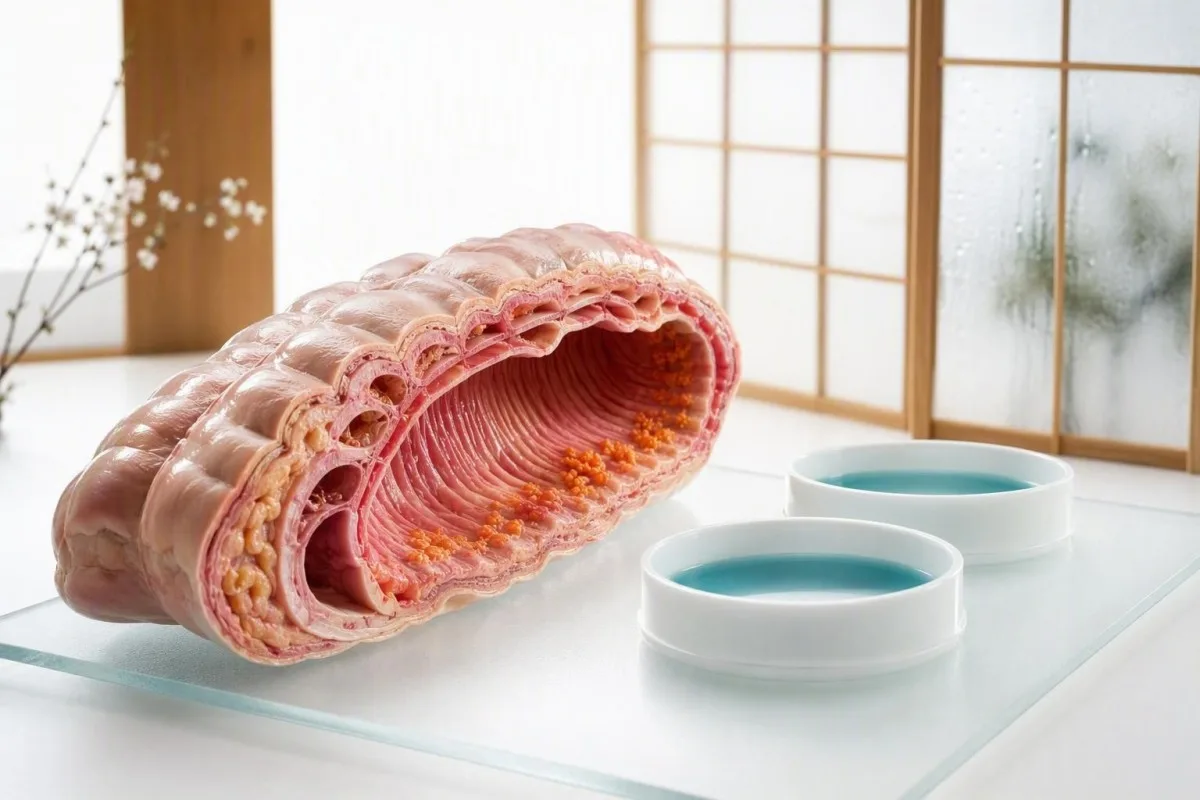
การทดสอบทั้งสองอย่างตรวจจับการอักเสบของลำไส้ที่เกิดจากนิวโทรฟิล แต่แคลโปรเทคตินมักจะเป็นเครื่องมือติดตามเชิงปริมาณที่มีประโยชน์มากกว่า ผลลัพธ์ที่ถูกต้องคือผลลัพธ์ที่เปลี่ยนแปลงการตัดสินใจทางคลินิกครั้งต่อไป ไม่ใช่ผลลัพธ์ที่ระบุว่าคุณเป็น IBD.


- แคลโปรเทคติน ต่ำกว่า 50 µg/g โดยทั่วไปแล้วจะให้ความสบายใจในผู้ใหญ่ที่สงสัยว่าเป็น IBS เมื่อไม่มีสัญญาณเตือน.
- แลคโตเฟอร์ริน เป็นโปรตีนของนิวโทรฟิล การทดสอบเชิงปริมาณหลายชนิดใช้ค่าต่ำกว่า 7.25 µg/g เป็นค่าลบ แต่ค่าขีดจำกัดของห้องปฏิบัติการจะแตกต่างกันไป.
- เครื่องหมายอุจจาระสูง บ่งชี้การอักเสบของลำไส้ ไม่ใช่การวินิจฉัยที่เฉพาะเจาะจง การติดเชื้อ, NSAIDs, diverticulitis และ colorectal neoplasia สามารถทำให้ทั้งสองค่าสูงขึ้นได้.
- calprotectin ຂອບເຂດ ของ 50–150 µg/g มักจะสมควรได้รับการตรวจซ้ำหลังจาก 2–6 สัปดาห์ แทนที่จะเป็นการส่องกล้องตรวจลำไส้ใหญ่ทันที.
- แคลโปรเทคตินสูงกว่า 250 µg/g เพิ่มความกังวลเกี่ยวกับการอักเสบของเยื่อเมือกที่กำลังดำเนินอยู่ และโดยทั่วไปจะกระตุ้นให้มีการทบทวนทางคลินิก การทดสอบการติดเชื้อในอุจจาระ หรือการวางแผนการส่องกล้อง.
- ຜົນກວດປົກກະຕິ *sa* **t** *u* **m** *n* **a** *h* **m** *n* **a** *n* **o** *n* **a** **h** *n* **o** *n* **a** *n* **o** **h** *n* **o** **h** *n* **o** *n* **a** *n* **o** **h** *n* **o** *n* **a** **h** *n* **o** *n* **a** *n* **o** **h** *n* **a** *n* **o** **h** *n* **o** *n* **a** **h** *n* **o** *n* **a** *n* **o** **h** *n* **o** *n* **a** **h** *n* **o** *n* **a** *n* **o** **h** *n* **o** *n* **a** **h** *n* **o** *n* **a** *n* **o** **h** *n* **o** *n* **a** **h** *n* **o** *n* **a** *n* **o** **h** *n* **o** *n* **a** **h** *n* **o** *n* **a** *n* **o** **h** *n* **o** *n* **a** **h** *n* **o** *n* **a** *n* **o** **h** *n* **o** *n* **a** **h** *n* **o** *n* **a** *n* **o** **h** *n* **o** *n* **a** **h** *n* **o** *n* **a** *n* **o** **h** *n* **o** *n* **a** **h** *n* **o** *n* **a** *n* **o** **h** *n* **o** *n* **a** **h** *n* **o** *n* **a** *n* **o** **h** *n* **o** *n* **a** **h** *n* **o** *n* **a** *n* **o** **h** *n* **o** *n* **a** **h** *n* **o** *n* **a** *n* **o** **h** *n* **o** *n* **a** **h** *n* **o** *n* **a** *n* **o** **h** *n* **o** *n* **a** **h** *n* **o** *n* **a** *n* **o** **h** *n* **o** *n* **a** **h** *n* **o** *n* **a** *n* **o** **h** *n* **o** *n* **a** **h** *n* **o** *n* **a** *n* **o** **h** *n* **o** *n* **a** **h** *n* **o** *n* **a** *n* **o** **h** *n* **o** *n* **a** **h** *n* **o** *n* **a** *n* **o** **h** *n* **o** *n* **a** **h** *n* **o** *n* **a** *n* **o** **h** *n* **o** *n* **a** **h** *n* **o** *n* **a** *n* **o** **h** *n* **o** *n* **a** **h** *n* **o** *n* **a** *n* **o** **h** *n* **o** *n* **a** **h** *n* **o** *n* **a** *n* **o** **h** *n* **o** *n* **a** **h** *n* **o** *n* **a** *n* **o** **h** *n* **o** *n* **a** **h** *n* **o** *n* **a** *n* **o** **h** *n* **o** *n* **a** **h** *n* **o** *n* **a** *n* **o** **h** *n* **o** *n* **a** **h** *n* **o** *n* **a** *n* **o** **h** *n* **o** *n* **a** **h** *n* **o** *n* **a** *n* **o** **h** *n* **o** *n* **a** **h** *n* **o** *n* **a** *n* **o** **h** *n* **o** *n* **a** **h** *n* **o** *n* **a** *n* **o** **h** *n* **o** *n* **a** **h** *n* **o** *n* **a** *n* **o** **h** *n* **o** *n* **a** **h** *n* **o** *n* **a** *n* **o** **h** *n* **o** *n* **a** **h** *n* **o** *n* **a** *n* **o** **h** *n* **o** *n* **a** **h** *n* **o** *n* **a** *n* **o** **h** *n* **o** *n* **a** **h** *n* **o** *n* **a** *n* **o** **h** *n* **o** *n* **a** **h** *n* **o** *n* **a** *n* **o** **h** *n* **o** *n* **a** **h** *n* **o** *n* **a** *n* **o** **h** *n* **o** *n* **a** **h** *n* **o** *n* **a** *n* **o** **h** *n* **o** *n* **a** **h** *n* **o** *n* **a** *n* **o** **h** *n* **o** *n* **a** **h** *n* **o** *n* **a** *n* **o** **h** *n* **o** *n* **a** **h** *n* **o** *n* **a** *n* **o** **h** *n* **o** *n* **a** **h** *n* **o** *n* **a** *n* **o** **h** *n* **o** *n* **a** **h** *n* **o** *n* **a** *n* **o** **h** *n* **o** *n* **a** **h** *n* **o** *n* **a** *n* **o** **h** *n* **o** *n* **a** **h** *n* **o** *n* **a** *n* **o** **h** *n* **o** *n* **a** **h** *n* **o** *n* **a** *n* **o** **h** *n* **o** *n* **a** **h** *n* **o** *n* **a** *n* **o** **h** *n* **o** *n* **a** **h** *n* **o** *n* **a** *n* **o** **h** *n* **o** *n* **a** **h** *n* **o** *n* **a** *n* **o** **h** *n* **o** *n* **a** **h** *n* **o** *n* **a** *n* **o** **h** *n* **o** *n* **a** **h** *n* **o** *n* **a** *n* **o** **h** *n* **o** *n* **a** **h** *n* **o** *n* **a** *n* **o** **h** *n* **o** *n* **a** **h** *n* **o** *n* **a** *n* **o** **h** *n* **o** *n* **a** **h** *n* **o** *n* **a** *n* **o** **h** *n* **o** *n* **a** **h** *n* **o** *n* **a** *n* **o** **h** *n* **o** *n* **a** **h** *n* **o** *n* **a** *n* **o** **h** *n* **o** *n* **a** **h** *n* **o** *n* **a** *n* **o** **h** *n* **o** *n* **a** **h** *n* **o** *n* **a** *n* **o** **h** *n* **o** *n* **a** **h** *n* **o** *n* **a** *n* **o** **h** *n* **o** *n* **a** **h** *n* **o** *n* **a** *n* **o** **h** *n* **o** *n* **a** **h** *n* **o** *n* **a** *n* **o** **h** *n* **o** *n* **a** **h** *n* **o** *n* **a** *n* **o** **h** *n* **o** *n* **a** **h** *n* **o** *n* **a** *n* **o** **h** *n* **o** *n* **a** **h** *n* **o** *n* **a** *n* **o** **h** *n* **o** *n* **a** **h** *n* **o** *n* **a** *n* **o** **h** *n* **o** *n* **a** **h** *n* **o** *n* **a** *n* **o** **h** *n* **o** *n* **a** **h** *n* **o** *n* **a** *n* **o** **h** *n* **o** *n* **a** **h** *n* **o** *n* **a** *n* **o** **h** *n* **o** *n* **a** **h** *n* **o** *n* **a** *n* **o** **h** *n* **o** *n* **a** **h** *n* **o** *n* **a** *n* **o** **h** *n* **o** *n* **a** **h** *n* **o** *n* **a** *n* **o** **h** *n* **o** *n* **a** **h** *n* **o** *n* **a** *n* **o** **h** *n* **o** *n* **a** **h** *n* **o** *n* **a** *n* **o** **h** *n* **o** *n* **a** **h** *n* **o** *n* **a** *n* **o** **h** *n* **o** *n* **a** **h** *n* **o** *n* **a** *n* **o** **h** *n* **o** *n* **a** **h** *n* **o** *n* **a** *n* **o** **h** *n* **o** *n* **a** **h** *n* **o** *n* **a** *n* **o** **h** *n* **o** *n* **a** **h** *n* **o** *n* **a** *n* **o** **h** *n* **o** *n* **a** **h** *n* **o** *n* **a** *n* **o** **h** *n* **o** *n* **a** **h** *n* **o** *n* **a** *n* **o** **h** *n* **o** *n* **a** **h** *n* **o** *n* **a** *n* **o** **h** *n* **o** *n* **a** **h** *n* **o** *n* **a** *n* **o** **h** *n* **o** *n* **a** **h** *n* **o** *n* **a** *n* **o** **h** *n* **o** *n* **a** **h** *n* **o** *n* **a** *n* **o** **h** *n* **o** *n* **a** **h** *n* **o** *n* **a** *n* **o** **h** *n* **o** *n* **a** **h** *n* **o** *n* **a** *n* **o** **h** *n* **o** *n* **a** **h** *n* **o** *n* **a** *n* **o** **h** *n* **o** *n* **a** **h** *n* **o** *n* **a** *n* **o** **h** *n* **o** *n* **a** **h** *n* **o** *n* **a** *n* **o** **h** *n* **o** *n* **a** **h** *n* **o** *n* **a** *n* **o** **h** *n* **o** *n* **a** **h** *n* **o** *n* **a** *n* **o** **h** *n* **o** *n* **a** **h** *n* **o** *n* **a** *n* **o** **h** *n* **o** *n* **a** **h** *n* **o** *n* **a** *n* **o** **h** *n* **o** *n* **a** **h** *n* **o** *n* **a** *n* **o** **h** *n* **o** *n* **a** **h** *n* **o** *n* **a** *n* **o** **h** *n* **o** *n* **a** **h** *n* **o** *n* **a** *n* **o** **h** *n* **o** *n* **a** **h** *n* **o** *n* **a** *n* **o** **h** *n* **o** *n* **a** **h** *n* **o** *n* **a** *n* **o** **h** *n* **o** *n* **a** **h** *n* **o** *n* **a** *n* **o** **h** *n* **o** *n* **a** **h** *n* **o** *n* **a** *n* **o** **h** *n* **o** *n* **a** **h** *n* **o** *n* **a** *n* **o** **h** *n* **o** *n* **a** **h** *n* **o** *n* **a** *n* **o** **h** *n* **o** *n* **a** **h** *n* **o** *n* **a** *n* **o** **h** *n* **o** *n* **a** **h** *n* **o** *n* **a** *n* **o** **h** *n* **o** *n* **a** **h** *n* **o** *n* **a** *n* **o** **h** *n* **o** *n* **a** **h** *n* **o** *n* **a** *n* **o** **h** *n* **o** *n* **a** **h** *n* **o** *n* **a** *n* **o** **h** *n* **o** *n* **a** **h** *n* **o** *n* **a** *n* **o** **h** *n* **o** *n* **a** **h** *n* **o** *n* **a** *n* **o** **h** *n* **o** *n* **a** **h** *n* **o** *n* **a** *n* **o** **h** *n* **o** *n* **a** **h** *n* **o** *n* **a** *n* **o** **h** *n* **o** *n* **a** **h** *n* **o** *n* **a** *n* **o** **h** *n* **o** *n* **a** **h** *n* **o** *n* **a** *n* **o** **h** *n* **o** *n* **a** **h** *n* **o** *n* **a** *n* **o** **h** *n* **o** *n* **a** **h** *n* **o** *n* **a** *n* **o** **h** *n* **o** *n* **a** **h** *n* **o** *n* **a** *n* **o** **h** *n* **o** *n* **a** **h** *n* **o** *n* **a** *n* **o** **h** *n* **o** *n* **a** **h** *n* **o** *n* **a** *n* **o** **h** *n* **o** *n* **a** **h** *n* **o** *n* **a** *n* **o** **h** *n* **o** *n* **a** **h** *n* **o** *n* **a** *n* **o** **h** *n* **o** *n* **a** **h** *n* **o** *n* **a** *n* **o** **h** *n* **o** *n* **a** **h** *n* **o** *n* **a** *n* **o** **h** *n* **o** *n* **a** **h** *n* **o** *n* **a** *n* **o** **h** *n* **o** *n* **a** **h** *n* **o** *n* **a** *n* **o** **h** *n* **o** *n* **a** **h** *n* **o** *n* **a** *n* **o** **h** *n* **o** *n* **a** **h** *n* **o** *n* **a** *n* **o** **h** *n* **o** *n* **a** **h** *n* **o** *n* **a** *n* **o** **h** *n* **o** *n* **a** **h** *n* **o** *n* **a** *n* **o** **h** *n* **o** *n* **a** **h** *n* **o** *n* **a** *n* **o** **h** *n* **o** *n* **a** **h** *n* **o** *n* **a** *n* **o** **h** *n* **o** *n* **a** **h** *n* **o** *n* **a** *n* **o** **h** *n* **o** *n* **a** **h** *n* **o** *n* **a** *n* **o** **h** *n* **o** *n* **a** **h** *n* **o** *n* **a** *n* **o** **h** *n* **o** *n* **a** **h** *n* **o** *n* **a** *n* **o** **h** *n* **o** *n* **a** **h** *n* **o** *n* **a** *n* **o** **h** *n* **o** *n* **a** **h** *n* **o** *n* **a** *n* **o** **h** *n* **o** *n* **a** **h** *n* **o** *n* **a** *n* **o** **h** *n* **o** *n* **a** **h** *n* **o** *n* **a** *n* **o** **h** *n* **o** *n* **a** **h** *n* **o** *n* **a** *n* **o** **h** *n* **o** *n* **a** **h** *n* **o** *n* **a** *n* **o** **h** *n* **o** *n* **a** **h** *n* **o** *n* **a** *n* **o** **h** *n* **o** *n* **a** **h** *n* **o** *n* **a** *n* **o** **h** *n* **o** *n* **a** **h** *n* **o** *n* **a** *n* **o** **h** *n* **o** *n* **a** **h** *n* **o** *n* **a** *n* **o** **h** *n* **o** *n* **a** **h** *n* **o** *n* **a** *n* **o** **h** *n* **o** *n* **a** **h** *n* **o** *n* **a** *n* **o** **h** *n* **o** *n* **a** **h** *n* **o** *n* **a** *n* **o** **h** *n* **o** *n* **a** **h** *n* **o** *n* **a** *n* **o** **h** *n* **o** *n* **a** **h** *n* **o** *n* **a** *n* **o** **h** *n* **o** *n* **a** **h** *n* **o** *n* **a** *n* **o** **h** *n* **o** *n* **a** **h** *n* **o** *n* **a** *n* **o** **h** *n* **o** *n* **a** **h** *n* **o** *n* **a** *n* **o** **h** *n* **o** *n* **a** **h** *n* **o** *n* **a** *n* **o** **h** *n* **o** *n* **a** **h** *n* **o** *n* **a** *n* **o** **h** *n* **o** *n* **a** **h** *n* **o** *n* **a** *n* **o** **h** *n* **o** *n* **a** **h** *n* **o** *n* **a** *n* **o** **h** *n* **o** *n* **a** **h** *n* **o** *n* **a** *n* **o** **h** *n* **o** *n* **a** **h** *n* **o** *n* **a** *n* **o** **h** *n* **o** *n* **a** **h** *n* **o** *n* **a** *n* **o** **h** *n* **o** *n* **a** **h** *n* **o** *n* **a** *n* **o** **h** *n* **o** *n* **a** **h** *n* **o** *n* **a** *n* **o** **h** *n* **o** *n* **a** **h** *n* **o** *n* **a** *n* **o** **h** *n* **o** *n* **a** **h** *n* **o** *n* **a** *n* **o** **h** *n* **o** *n* **a** **h** *n* **o** *n* **a** *n* **o** **h** *n* **o** *n* **a** **h** *n* **o** *n* **a** *n* **o** **h** *n* **o** *n* **a** **h** *n* **o** *n* **a** *n* **o** **h** *n* **o** *n* **a** **h** *n* **o** *n* **a** *n* **o** **h** *n* **o** *n* **a** **h** *n* **o** *n* **a** *n* **o** **h** *n* **o** *n* **a** **h** *n* **o** *n* **a** *n* **o** **h** *n* **o** *n* **a** **h** *n* **o** *n* **a** *n* **o** **h** *n* **o** *n* **a** **h** *n* **o** *n* **a** *n* **o** **h** *n* **o** *n* **a** **h** *n* **o** *n* **a** *n* **o** **h** *n* **o** *n* **a** **h** *n* **o** *n* **a** *n* **o** **h** *n* **o** *n* **a** **h** *n* **o** **n** **o** *n* **a** **h** *n* **o** *n* **a** *n* **o** **h** *n* **o** *n* **a** **h** *n* **o** *n* **a** *n* **o** **h** *n* **o** *n* **a** **h** *n* **o** *n* **a** *n* **o** **h** *n* **o** *n* **a** **h** *n* **o** *n* **a** *n* **o** **h** *n* **o** *n* **a** **h** *n* **o** *n* **a** *n* **o** **h** *n* **o** *n* **a** **h** *n* **o** *n* **a** *n* **o** **h** *n* **o** *n* **a** **h** *n* **o** *n* **a** *n* **o** **h** *n* **o** *n* **a** **h** *n* **o** *n* **a** *n* **o** **h** *n* **o** *n* **a** **h** *n* **o** *n* **a** *n* **o** **h** *n* **o** *n* **a** **h** *n* **o** *n* **a** *n* **o** **h** *n* **o** *n* **a** **h** *n* **o** *n* **a** *n* **o** **h** *n* **o** *n* **a** **h** *n* **o** *n* **a** *n* **o** **h** *n* **o** *n* **a** **h** *n* **o** *n* **a** *n* **o** **h** *n* **o** *n* **a** **h** *n* **o** *n* **a** *n* **o** **h** *n* **o** *n* **a** **h** *n* **o** *n* **a** *n* **o** **h** *n* **o** *n* **a** **h** *n* **o** *n* **a** *n* **o** **h** *n* **o** *n* **a** **h** *n* **o** *n* **a** *n* **o** **h** *n* **o** *n* **a** **h** *n* **o** *n* **a** *n* **o** **h** *n* **o** *n* **a** **h** *n* **o** *n* **a** *n* **o** **h** *n* **o** *n* **a** **h** *n* **o** *n* **a** *n* **o** **h** *n* **o** *n* **a** **h** *n* **o** *n* **a** *n* **o** **h** *n* **o** *n* **a** **h** *n* **o** *n* **a** *n* **o** **h** *n* **o** *n* **a** **h** *n* **o** *n* **a** *n* **o** **h** *n* **o** *n* **a** **h** *n* **o** *n* **a** *n* **o** **h** *n* **o** *n* **a** **h** *n* **o** *n* **a** *n* **o** **h** *n* **o** *n* **a** **h** *n* **o** *n* **a** *n* **o** **h** *n* **o** *n* **a** **h** *n* **o** *n* **a** *n* **o** **h** *n* **o** *n* **a** **h** *n* **o** *n* **a** *n* **o** **h** *n* **o** *n* **a** **h** *n* **o** *n* **a** *n* **o** **h** *n* **o** *n* **a** **h** *n* **o** *n* **a** *n* **o** **h** *n* **o** *n* **a** **h** *n* **o** *n* **a** *n* **o** **h** *n* **o** *n* **a** **h** *n* **o** *n* **a** *n* **o** **h** *n* **o** *n* **a** **h** *n* **o** *n* **a** *n* **o** **h** *n* **o** *n* **a** **h** *n* **o** *n* **a** *n* **o** **h** *n* **o** *n* **a** **h** *n* **o** *n* **a** *n* **o** **h** *n* **o** *n* **a** **h** *n* **o** *n* **a** *n* **o** **h** *n* **o** *n* **a** **h** *n* **o** *n* **a** *n* **o** **h** *n* **o** *n* **a** **h** *n* **o** *n* **a** *n* **o** **h** *n* **o** *n* **a** **h** *n* **o** *n* **a** *n* **o** **h** *n* **o** *n* **a** **h** *n* **o** *n* **a** *n* **o** **h** *n* **o** *n* **a** **h** *n* **o** *n* **a** *n* **o** **h** *n* **o** *n* **a** **h** *n* **o** *n* **a** *n* **o** **h** *n* **o** *n* **a** **h** *n* **o** *n* **a** *n* **o** **h** *n* **o** *n* **a** **h** *n* **o** *n* **a** *n* **o** **h** *n* **o** *n* **a** **h** *n* **o** *n* **a** *n* **o** **h** *n* **o** *n* **a** **h** *n* **o** *n* **a** *n* **o** **h** *n* **o** *n* **a** **h** *n* **o** *n* **a** *n* **o** **h** *n* **o** *n* **a** **h** *n* **o** *n* **a** *n* **o** **h** *n* **o** *n* **a** **h** *n* **o** *n* **a** *n* **o** **h** *n* **o** *n* **a** **h** *n* **o** *n* **a** *n* **o** **h** *n* **o** *n* **a** **h** *n* **o** *n* **a** *n* **o** **h** *n* **o** *n* **a** **h** *n* **o** *n* **a** *n* **o** **h** *n* **o** *n* **a** **h** *n* **o** *n* **a** *n* **o** **h** *n* **o** *n* **a** **h** *n* **o** *n* **a** *n* **o** **h** *n* **o** *n* **a** **h** *n* **o** *n* **a** *n* **o** **h** *n* **o** *n* **a** **h** *n* **o** *n* **a** *n* **o** **h** *n* **o** *n* **a** **h** *n* **o** *n* **a** *n* **o** **h** *n* **o** *n* **a** **h** *n* **o** *n* **a** *n* **o** **h** *n* **o** *n* **a** **h** *n* **o** *n* **a** *n* **o** **h** *n* **o** *n* **a** **h** *n* **o** *n* **a** *n* **o** **h** *n* **o** *n* **a** **h** *n* **o** *n* **a** *n* **o** **h** *n* **o** *n* **a** **h** *n* **o** *n* **a** *n* **o** **h** *n* **o** *n* **a** **h** *n* **o** *n* **a** *n* **o** **h** *n* **o** *n* **a** **h** *n* **o** *n* **a** *n* **o** **h** *n* **o** *n* **a** **h** *n* **o** *n* **a** *n* **o** **h** *n* **o** *n* **a** **h** *n* **o** *n* **a** *n* **o** **h** *n* **o** *n* **a** **h** *n* **o** *n* **a** *n* **o** **h** *n* **o** *n* **a** **h** *n* **o** *n* **a** *n* **o** **h** *n* **o** *n* **a** **h** *n* **o** *n* **a** *n* **o** **h** *n* **o** *n* **a** **h** *n* **o** *n* **a** *n* **o** **h** *n* **o** *n* **a** **h** *n* **o** *n* **a** *n* **o** **h** *n* **o** *n* **a** **h** *n* **o** *n* **a** *n* **o** **h** *n* **o** *n* **a** **h** *n* **o** *n* **a** *n* **o** **h** *n* **o** *n* **a** **h** *n* **o** *n* **a** *n* **o** **h** *n* **o** *n* **a** **h** *n* **o** *n* **a** *n* **o** **h** *n* **o** *n* **a** **h** *n* **o** *n* **a** *n* **o** **h** *n* **o** *n* **a** **h** *n* **o** *n* **a** *n* **o** **h** *n* **o** *n* **a** **h** *n* **o** *n* **a** *n* **o** **h** *n* **o** *n* **a** **h** *n* **o** *n* **a** *n* **o** **h** *n* **o** *n* **a** **h** *n* **o** *n* **a** *n* **o** **h** *n* **o** *n* **a** **h** *n* **o** *n* **a** *n* **o** **h** *n* **o** *n* **a** **h** *n* **o** *n* **a** *n* **o** **h** *n* **o** *n* **a** **h** *n* **o** *n* **a** *n* **o** **h** *n* **o** *n* **a** **h** *n* **o** *n* **a** *n* **o** **h** *n* **o** *n* **a** **h** *n* **o** *n* **a** *n* **o** **h** *n* **o** *n* **a** **h** *n* **o** *n* **a** *n* **o** **h** *n* **o** *n* **a** **h** *n* **o** *n* **a** *n* **o** **h** *n* **o** *n* **a** **h** *n* **o** *n* **a** *n* **o** **h** *n* **o** *n* **a** **h** *n* **o** *n* **a** *n* **o** **h** *n* **o** *n* **a** **h** *n* **o** *n* **a** *n* **o** **h** *n* **o** *n* **a** **h** *n* **o** *n* **a** *n* **o** **h** *n* **o** *n* **a** **h** *n* **o** *n* **a** *n* **o** **h** *n* **o** *n* **a** **h** *n* **o** *n* **a** *n* **o** **h** *n* **o** *n* **a** **h** *n* **o** *n* **a** *n* **o** **h** *n* **o** *n* **a** **h** *n* **o** *n* **a** *n* **o** **h** *n* **o** *n* **a** **h** *n* **o** *n* **a** *n* **o** **h** *n* **o** *n* **a** **h** *n* **o** *n* **a** *n* **o** **h** *n* **o** *n* **a** **h** *n* **o** *n* **a** *n* **o** **h** *n* **o** *n* **a** **h** *n* **o** *n* **a** *n* **o** **h** *n* **o** *n* **a** **h** *n* **o** *n* **a** *n* **o** **h** *n* **o** *n* **a** **h** *n* **o** *n* **a** *n* **o** **h** *n* **o** *n* **a** **h** *n* **o** *n* **a** *n* **o** **h** *n* **o** *n* **a** **h** *n* **o** *n* **a** *n* **o** **h** *n* **o** *n* **a** **h** *n* **o** *n* **a** *n* **o** **h** *n* **o** *n* **a** **h** *n* **o** *n* **a** *n* **o** **h** *n* **o** *n* **a** **h** *n* **o** *n* **a** *n* **o** **h** *n* **o** *n* **a** **h** *n* **o** *n* **a** *n* **o** **h** *n* **o** *n* **a** **h** *n* **o** *n* **a** *n* **o** **h** *n* **o** *n* **a** **h** *n* **o** *n* **a** *n* **o** **h** *n* **o** *n* **a** **h** *n* **o** *n* **a** *n* **o** **h** *n* **o** *n* **a** **h** *n* **o** *n* **a** *n* **o** **h** *n* **o** *n* **a** **h** *n* **o** *n* **a** *n* **o** **h** *n* **o** *n* **a** **h** *n* **o** *n* **a** *n* **o** **h** *n* **o** *n* **a** **h** *n* **o** *n* **a** *n* **o** **h** *n* **o** *n* **a** **h** *n* **o** *n* **a** *n* **o** **h** *n* **o** *n* **a** **h** *n* **o** *n* **a** *n* **o** **h** *n* **o** *n* **a** **h** *n* **o** *n* **a** *n* **o** **h** *n* **o** *n* **a** **h** *n* **o** *n* **a** *n* **o** **h** *n* **o** *n* **a** **h** *n* **o** *n* **a** *n* **o** **h** *n* **o** *n* **a** **h** *n* **o** *n* **a** *n* **o** **h** *n* **o** *n* **a** **h** *n* **o** *n* **a** *n* **o** **h** *n* **o** *n* **a** **h** *n* **o** *n* **a** *n* **o** **h** *n* **o** *n* **a** **h** *n* **o** *n* **a** *n* **o** **h** *n* **o** *n* **a** **h** *n* **o** *n* **a** *n* **o** **h** *n* **o** *n* **a** **h** *n* **o** *n* **a** *n* **o** **h** *n* **o** *n* **a** **h** *n* **o** *n* **a** *n* **o** **h** *n* **o** *n* **a** **h** *n* **o** *n* **a** *n* **o** **h** *n* **o** *n* **a** **h** *n* **o** *n* **a** *n* **o** **h** *n* **o** *n* **a** **h** *n* **o** *n* **a** *n* **o** **h** *n* **o** *n* **a** **h** *n* **o** *n* **a** *n* **o** **h** *n* **o** *n* **a** **h** *n* **o** *n* **a** *n* **o** **h** *n* **o** *n* **a** **h** *n* **o** *n* **a** *n* **o** **h** *n* **o** *n* **a** **h** *n* **o** *n* **a** *n* **o** **h** *n* **o** *n* **a** **h** *n* **o** *n* **a** *n* **o** **h** *n* **o** *n* **a** **h** *n* **o** *n* **a** *n* **o** **h** *n* **o** *n* **a** **h** *n* **o** *n* **a** *n* **o** **h** *n* **o** *n* **a** **h** *n* **o** *n* **a** *n* **o** **h** *n* **o** *n* **a** **h** *n* **o** *n* **a** *n* **o** **h** *n* **o** *n* **a** **h** *n* **o** *n* **a** *n* **o** **h** *n* **o** *n* **a** **h** *n* **o** *n* **a** *n* **o** **h** *n* **o** *n* **a** **h** *n* **o** *n* **a** *n* **o** **h** *n* **o** *n* **a** **h** *n* **o** *n* **a** *n* **o** **h** *n* **o** *n* **a** **h** *n* **o** *n* **a** *n* **o** **h** *n* **o** *n* **a** **h** *n* **o** *n* **a** *n* **o** **h** *n* **o** *n* **a** **h** *n* **o** *n* **a** *n* **o** **h** *n* **o** *n* **a** **h** *n* **o** *n* **a** *n* **o** **h** *n* **o** *n* **a** **h** *n* **o** *n* **a** *n* **o** **h** *n* **o** *n* **a** **h** *n* **o** *n* **a** *n* **o** **h** *n* **o** *n* **a** **h** *n* **o** *n* **a** *n* **o** **h** *n* **o** *n* **a** **h** *n* **o** *n* **a** *n* **o** **h** *n* **o** *n* **a** **h** *n* **o** *n* **a** *n* **.
- IBD monitoring ໃຊ້ອາການບວກກັບ biomarkers, CRP, ຕົວຊີ້ວັດໂລກເລືອດຈາງ, ການຖ່າຍພາບ ແລະ endoscopy; ບໍ່ມີ marker ໃດໃນອາຈົມພຽງຢ່າງດຽວສາມາດວິນິດໄສການອັກເສບໄດ້.
- ອາການດ່ວນ ເຊັ່ນ ອາຈົມສີດຳ, ມີເລືອດສົດຊ້ຳເຮື້ອ, ໄຂ້, ເຈັບທ້ອງຮຸນແຮງ, ເປັນລົມ ຫຼື ຂາດນ້ຳ, ຕ້ອງການການປະເມີນຈາກແພດໂດຍບໍ່ສົນໃຈຜົນຂອງ marker.
คุณควรเลือกเครื่องหมายอุจจาระตัวใดก่อน?
Fecal calprotectin ໂດຍທົ່ວໄປແມ່ນ marker ທີ່ເລືອກໃຊ້ກ່ອນສຳລັບການອັກເສບໃນອາຈົມ. ເນື່ອງຈາກວ່າມັນມີຄວາມພ້ອມທົ່ວໄປ, ປະລິມານ, ແລະມີບົດບາດທີ່ເຂັ້ມແຂງທີ່ສຸດໃນການແຍກຄວາມແຕກຕ່າງລະຫວ່າງພະຍາດລຳໄສ້ອັກເສບທີ່ເປັນໄປໄດ້ກັບອາການຂອງລຳໄສ້ທຳງານ. ការធ្វើតេស្ត lactoferrin ក្នុងលាមក ຜົນໄດ້ຮັບແມ່ນທາງເລືອກທີ່ສົມເຫດສົມຜົນເມື່ອມັນເປັນ assay ທີ່ໄດ້ຮັບການຢັ້ງຢືນໃນທ້ອງຖິ່ນ, ແຕ່ການສັ່ງທັງສອງຢ່າງໃນຕອນເລີ່ມຕົ້ນບໍ່ຄ່ອຍປ່ຽນແປງການປິ່ນປົວ.
ສຳລັບຄົນທີ່ມີອາການຖອກທ້ອງ 6 ອາທິດ, ເຈັບທ້ອງ, ແລະບໍ່ມີນ້ຳໜັກຫຼຸດ ຫຼືເລືອດອອກທາງຮູທະວານ, ຂ້ອຍໂດຍທົ່ວໄປຈະເລີ່ມຕົ້ນດ້ວຍ calprotectin ບວກກັບການກວດຫາການຕິດເຊື້ອທີ່ຈຳເພາະ ແທນທີ່ຈະເປັນ colonoscopy. ຜົນໄດ້ຮັບຕ່ຳກວ່າ 50 µg/g ເຮັດໃຫ້ການອັກເສບໃນລຳໄສ້ໃຫຍ່ທີ່ສຳຄັນມີໜ້ອຍລົງ, ໃນຂະນະທີ່ຜົນໄດ້ຮັບທີ່ສູງຢ່າງຊັດເຈນເປັນເຫດຜົນທີ່ຈະຊອກຫາຕື່ມອີກ. ແນວທາງຂອງ AGA ສຳລັບອາການຖອກທ້ອງເປັນເວລາດົນສະໜັບສະໜູນ calprotectin ຫືລາກໂຕເຟອີຣັກໃນການກວດຄັດກອງສຳລັບອາການອັກເສບ (Smalley et al., 2019).
ເລືອກ lactoferrin ເມື່ອການບໍລິການດ້ານການປິ່ນປົວດ້ວຍການກ່ຽວກັບການຍ່ອຍອາຫານຂອງທ່ານນຳໃຊ້ມັນຢ່າງຕໍ່ເນື່ອງ, ເມື່ອຫ້ອງທົດລອງລາຍງານຄ່າປະລິມານທີ່ໄດ້ຮັບການຢັ້ງຢືນ, ຫລື ເມື່ອມັນຖືກລວມເຂົ້າກັບການກວດຫາອາການຖອກທ້ອງທີ່ຕິດເຊື້ອ. ຢ່າເລືອກມັນເພາະວ່າມັນມີຄວາມສະເພາະເຈາະຈົງກວ່າ: ທັງສອງໂປຣຕີນຈະຖືກປ່ອຍອອກເມື່ອ neutrophils ເຂົ້າໄປໃນຮູທະວານ. ບັນຫາໃນການປະຕິບັດແມ່ນວ່າທ່ານໝໍຂອງທ່ານສາມາດປຽບທຽບຜົນໄດ້ຮັບກັບຕົວຢ່າງກ່ອນໜ້ານີ້ຂອງທ່ານໂດຍໃຊ້ assay ດຽວກັນໄດ້ຫລືບໍ່.
ແຄນເທສຕີ ເປັນ AI ເຄື່ອງວິເຄາະເລືອດ ທີ່ວາງຜົນໄດ້ຮັບທີ່ກ່ຽວຂ້ອງເຊັ່ນ hemoglobin, CRP, albumin ແລະ ຕົວຊີ້ວັດທາດເຫລັກ ຄຽງຄູ່ກັບລາຍງານ marker ອາຈົມ; ມັນບໍ່ໄດ້ແທນທີ່ assay ອາຈົມ ຫລື ການວິນິດໄສຂອງທ່ານໝໍ. ຖ້າຄວາມອິດເມື່ອຍມາພ້ອມກັບອາການຖອກທ້ອງ, ການກວດເລືອດສຳລັບອາການຖອກທ້ອງ ສາມາດຊ່ວຍລະບຸການຂາດນ້ຳ, ໂລກເລືອດຈາງ, ຫລື ການສູນເສຍ electrolyte ທີ່ປ່ຽນແປງຄວາມຮີບດ່ວນ.
ກົດຫລັກການທີ່ເປັນປະໂຫຍດ
ໃຊ້ marker ທີ່ໄດ້ຮັບການຢັ້ງຢືນໜຶ່ງຢ່າງກ່ອນ, ເຮັດຊ້ຳ marker ດຽວກັນເມື່ອຜົນໄດ້ຮັບເປັນຂອບເຂດຫລືເມື່ອຕິດຕາມການປິ່ນປົວ, ແລະ ສະຫງວນການກວດສອງຢ່າງໄວ້ສຳລັບຄຳຖາມສະເພາະກ່ຽວກັບການປິ່ນປົວດ້ວຍການຍ່ອຍອາຫານ. ການປ່ຽນ assay ຢູ່ກາງການຕິດຕາມສ້າງແນວໂນ້ມທີ່ເບິ່ງຄືວ່າອາດຈະເປັນສັນຍານຂອງຫ້ອງທົດລອງຫລາຍກວ່າຊີວະວິທະຍາ.
สิ่งที่แคลโปรเทคตินในอุจจาระตรวจจับได้จริง
Calprotectin ວັດແທກໂປຣຕີນທີ່ຜູກພັນກັບແຄລຊຽມແລະສັງກະສີທີ່ປ່ອຍອອກມາສ່ວນໃຫຍ່ຈາກ neutrophils ໃນລະບົບທາງເດີນອາຫານ. ຄວາມເຂັ້ມຂຸ້ນຂອງອາຈົມທີ່ສູງກວ່າສະທ້ອນໃຫ້ເຫັນການເຄື່ອນຍ້າຍຂອງ neutrophils ເຂົ້າໄປໃນລຳໄສ້, ຊຶ່ງເປັນເລື່ອງທົ່ວໄປໃນ IBD ທີ່ມີການເຄື່ອນໄຫວແຕ່ກໍຍັງເກີດຂຶ້ນກັບຫລາຍສະພາບທີ່ບໍ່ແມ່ນ IBD.
Calprotectin ແມ່ນສັງຄົມໂປຣຕີນ S100A8/S100A9, ແລະມັນຍັງຄົງມີຄວາມສະຖຽນລະພາບພໍສົມຄວນໃນອາຈົມເປັນເວລາຫລາຍມື້ຢູ່ທີ່ອຸນຫະພູມຫ້ອງ—ເປັນເຫດຜົນໜຶ່ງທີ່ມັນເຮັດວຽກໄດ້ດີເປັນການທົດສອບການເກັບຕົວຢ່າງຢູ່ເຮືອນ. ຄວາມເຂັ້ມແຂງທາງຊີວະວິທະຍາຂອງມັນແມ່ນສະເພາະບາງບ່ອນ: ບໍ່ຄືກັບ CRP, ມັນສະທ້ອນໃຫ້ເຫັນກິດຈະກຳຂອງຈຸລັງຢູ່ໃນຮູທະວານແທນການຕອບສະໜອງຂອງໄລຍະສ້ວຍແຫຼມທົ່ວຮ່າງກາຍ. ດັ່ງນັ້ນ, CRP ປົກກະຕິບໍ່ໄດ້ຍົກເລີກຜົນ calprotectin ທີ່ສູງ.
ໃນການປະຕິບັດຂອງຜູ້ໃຫຍ່, ຫ້ອງທົດລອງມັກຈະຈັດປະເພດ ຕ່ຳກວ່າ 50 µg/g ວ່າເປັນປົກກະຕິແລະ ຫຼາຍກວ່າ 150–250 µg/g ວ່າເປັນທີ່ເໝາະສົມກັບການອັກເສບຂອງລຳໄສ້ທີ່ມີການເຄື່ອນໄຫວ. ເຫຼົ່ານີ້ແມ່ນຂອບເຂດການຕັດສິນ, ບໍ່ແມ່ນຂອບເຂດທາງຊີວະວິທະຍາທີ່ເປັນສາກົນ. ບາງການບໍລິການຂອງເອີຣົບໃຊ້ 100 µg/g ເປັນຂອບເຂດການສົ່ງຕໍ່, ໃນຂະນະທີ່ໄລຍະການອ້າງອີງສະເພາະຂອງເດັກນ້ອຍແລະ assay ສາມາດແຕກຕ່າງກັນຢ່າງຫຼວງຫຼາຍ.
ຂ້າພະເຈົ້າໄດ້ເຫັນຄົນອາຍຸ 28 ປີທີ່ມີ calprotectin 680 µg/g, CRP ປົກກະຕິ, ແລະສຸດທ້າຍແມ່ນເປັນພະຍາດລຳໄສ້ເປັນແຜທີ່ມີຂອບເຂດພຽງແຕ່ຢູ່ຮູທະວານແລະລຳໄສ້ໃຫຍ່ສ່ວນ sigmoid. ຮູບແບບນັ້ນບໍ່ແມ່ນເລື່ອງແປກ: ການອັກເສບຂອງເຍື່ອໃນທ້ອງຖິ່ນສາມາດມີການເຄື່ອນໄຫວໂດຍບໍ່ມີສັນຍານລະບົບທີ່ແຂງແຮງ. ຄູ່ມືລະດັບ fecal calprotectin ອະທິບາຍວ່າເປັນຫຍັງວິທີການ ແລະ ໜ່ວຍຂອງຫ້ອງທົດລອງເອງຈຶ່ງຄວນຕິດກັບທຸກໆຜົນ.
สิ่งที่แลคโตเฟอร์รินในอุจจาระตรวจจับได้แตกต่างกัน
Lactoferrin ກວດຈັບໂປຼຕີນອີກຊະນິດໜຶ່ງທີ່ຜະລິດຈາກ neutrophils ແລະຕອບສະໜອງຄຳຖາມທາງຊີວະວິທະຍາເກືອບຄືກັນກັບ calprotectin: ມີການອັກເສບຂອງ neutrophils ໃນລຳໄສ້ທີ່ເປັນການເຄື່ອນໄຫວບໍ? ມັນບໍ່ສາມາດລະບຸເຖິງ ulcerative colitis, Crohn’s disease, bacterial colitis, ຫຼືສາເຫດອື່ນໆດ້ວຍຕົວຂອງມັນເອງ.
Lactoferrin ເປັນ glycoprotein ທີ່ຈັບທາດເຫຼັກ, ເຊິ່ງຖືກເກັບໄວ້ໃນເມັດນ້ອຍຂອງ neutrophils ແລະຖືກປ່ອຍອອກມາເມື່ອ neutrophils ເຄື່ອນໄຫວ. ການທົດສອບ fecal lactoferrin ທີ່ມີຄຸນນະພາບໃນທາງບວກແມ່ນມີປະໂຫຍດ ເພາະມັນຂັດແຍ້ງກັບ IBS ທີ່ບໍ່ສັບສົນໃນສະພາບທາງຄລີນິກທີ່ເໝາະສົມ. ການທົດສອບຄຸນນະພາບມີຄວາມແຕກຕ່າງກັນ: ວິທີການໜຶ່ງທີ່ໃຊ້ກັນທົ່ວໄປກຳນົດຄຸນຄ່າໃນທາງລົບວ່າ ໜ້ອຍກວ່າ 7.25 µg/g, ສະນັ້ນຈົ່ງຢ່າໃຊ້ cut-off ຂອງ calprotectin ກັບລາຍງານ lactoferrin.
ຫຼັກຖານບໍ່ໄດ້ສະແດງວ່າ lactoferrin ມີຄວາມເໜືອກວ່າຢ່າງຊັດເຈນ. ໃນການວິເຄາະ meta-analysis ຂອງການວິນິດໄສ, Wang ແລະເພື່ອນຮ່ວມງານໄດ້ພົບວ່າ fecal lactoferrin ມີຄວາມອ່ອນໄຫວສະເລ່ຍ 82% ແລະຄວາມຈຳເພາະ 14% ໃນການແຍກ IBD ອອກຈາກກຸ່ມຄວບຄຸມທີ່ບໍ່ແມ່ນ IBD, ເຖິງແມ່ນວ່າການປະເມີນຄວາມຖືກຕ້ອງຈະປ່ຽນແປງໄປຕາມຄວາມຊຸກຍູ້ຂອງພະຍາດ ແລະ ການອອກແບບການສຶກສາ (Wang et al., 2015). ຄວາມຈຳເພາະທີ່ໜ້າປະທັບໃຈນີ້ຍັງບໍ່ໄດ້ປ່ຽນຜົນໃນທາງບວກໄປສູ່ການວິນິດໄສ IBD.
ຜົນ lactoferrin ໃນທາງບວກມີຄຸນຄ່າໂດຍສະເພາະໃນການສົນທະນາເມື່ອອາການຖອກທ້ອງເລີ່ມຕົ້ນຢ່າງກະທັນຫັນຫຼັງຈາກການເດີນທາງ, ການໃຊ້ຢາຕ້ານເຊື້ອ, ການสัมผัสອາຫານທີ່ປົນເປື້ອນ, ຫຼືການຕິດຕໍ່ກັບຄົນທີ່ເຈັບປ່ວຍ. ໃນສະຖານະການດັ່ງກ່າວ, ນັກຊ່ຽວຊານດ້ານການແພດມັກຈະເພີ່ມການທົດສອບເຊື້ອພະຍາດແທນທີ່ຈະຟ້າວຕິດປ້າຍ IBD. ຄູ່ມືຂອງພວກເຮົາກ່ຽວກັບ លទ្ធផលដាំវប្បធម៌លាមក ອະທິບາຍວ່າລາຍງານທາງລົບ ຫຼື ການເຕີບໂຕແບບປະສົມສາມາດ ແລະ ບໍ່ສາມາດຕັດສິນໄດ້.
วิธีอ่านค่าขีดจำกัดโดยไม่ตื่นตระหนกเกินไป
ຄຸນຄ່າ calprotectin ຕ່ຳກວ່າ 50 µg/g ໂດຍທົ່ວໄປຖືວ່າມີຄຸນຄ່າປົກກະຕິສຳລັບຜູ້ໃຫຍ່, 50–150 µg/g ມັກຈະເປັນເຂດທີ່ບໍ່ແນ່ນອນ, ແລະຄຸນຄ່າສູງກວ່າ 250 µg/g ເຮັດໃຫ້ເກີດຄວາມກັງວົນກ່ຽວກັບການອັກເສບທີ່ເປັນການເຄື່ອນໄຫວ. Lactoferrin ໃຊ້ cut-off ທີ່ສະເພາະກັບການທົດສອບ, ໂດຍທົ່ວໄປແມ່ນຄຸນນະພາບໃນທາງບວກ ຫຼື ເຂດແດນຄຸນນະພາບທີ່ປະມານ 7.25 µg/g.
ເຂດແດນ calprotectin 50 µg/g ຖືກອອກແບບມາເພື່ອຄວາມອ່ອນໄຫວ: ມັນຈັບພະຍາດອັກເສບສ່ວນໃຫຍ່ທີ່ສຳຄັນທາງຄລີນິກ ໂດຍມີຄ່າໃຊ້ຈ່າຍຂອງຜົນບວກປອມບາງສ່ວນ. ເຂດແດນ 250 µg/g ມີປະໂຫຍດຫຼາຍກວ່າສຳລັບຄວາມຈຳເພາະ ແລະສຳລັບການຕິດຕາມ IBD ທີ່ໄດ້ຮັບການສ້າງຕັ້ງຂຶ້ນ. ລະຫວ່າງສອງອັນນີ້ແມ່ນເຂດກາງທີ່ໜ້າຫົງຫາຍ, ບ່ອນທີ່ການໄດ້ຮັບຢາ, ພະຍາດກະເພາະລຳໄສ້ອັກເສບບໍ່ດົນມານີ້, ອາຍຸ, ແລະເສັ້ນທາງມີຄວາມສຳຄັນຫຼາຍກວ່າຕົວເລກດຽວ.
ການປ່ຽນແປງຈາກ 72 ຫາ 94 µg/g ມັກຈະໜ້ອຍກວ່າການປ່ຽນແປງຈາກ 85 ຫາ 430 µg/g, ໂດຍສະເພາະຖ້າຕົວຢ່າງທັງສອງຖືກທົດສອບໂດຍຫ້ອງທົດລອງດຽວກັນ. ຄວາມສອດຄ່ອງຂອງອາຈົມສາມາດສົ່ງຜົນກະທົບຕໍ່ການສະກັດເອົາ ແລະ ຄວາມແຕກຕ່າງທາງຊີວະວິທະຍາມີຢູ່ຈິງ. ຄຳແນະນຳທີ່ໃຊ້ໄດ້ຈິງຂອງ Dr. Thomas Klein ແມ່ນການບັນທຶກການໃຊ້ NSAID, ການຕິດເຊື້ອບໍ່ດົນມານີ້, ການປົນເປື້ອນຂອງປະຈຳເດືອນ, ແລະວັນທີເກັບຕົວຢ່າງກ່ອນທີ່ຈະຕີຄວາມໝາຍຂອງການເພີ່ມຂຶ້ນເລັກນ້ອຍ.
ສຳລັບວິທີການທີ່ເປັນລະບຽບສຳລັບຄຸນຄ່າແບບ serial, ໃຫ້ປຽບທຽບວັນທີຕົວຢ່າງກັບອາການ ແລະ ຫ້ອງທົດລອງທີ່ກ່ຽວຂ້ອງ ແທນທີ່ຈະຖືວ່າທຸກຜົນທີ່ຖືກຕິດປ້າຍເປັນການລຸກລາມຂອງພະຍາດ. 3-10 mEq/L ໂດຍບໍ່ນັບ potassium; 8-16 mEq/L ໂດຍນັບ potassium ອະທິບາຍຫຼັກການດຽວກັນຂອງການອ້າງອີງການປ່ຽນແປງ ແລະ ຄວາມແຕກຕ່າງທາງວິເຄາະໃນຢາຫ້ອງທົດລອງ.
เหตุใดเครื่องหมายทั้งสองจึงสามารถสูงได้โดยไม่มี IBD
ລະດັບເຄື່ອງໝາຍການອັກເສບໃນອາຈົມທີ່ສູງຂຶ້ນເກີດຂຶ້ນກັບການຕິດເຊື້ອໃນລຳໄສ້, ການໄດ້ຮັບຢາ NSAID, ພະຍາດຖອກທ້ອງ, ພະຍາດເນື້ອງອກໃນລຳໄສ້ໃຫຍ່, ໂລກລຳໄສ້ອັກເສບຈຸນລະພາກ ແລະ IBD. ຜົນໄດ້ຮັບຢືນຢັນສັນຍານການອັກເສບ; ມັນບໍ່ໄດ້ເປີດເຜີຍສາເຫດ, ສະຖານທີ່, ໄລຍະເວລາ, ຫລື ຄວາມຮຸນແຮງດ້ວຍຕົນເອງ.
ຢາຕ້ານການອັກເສບທີ່ບໍ່ແມ່ນສະເຕີຣອຍສາມາດເຮັດໃຫ້ fecal calprotectin ສູງຂຶ້ນ, ບາງຄັ້ງກໍສູງຂຶ້ນຢ່າງຫຼວງຫຼາຍ, ໂດຍການເພີ່ມຄວາມຊຶມຜ່ານຂອງລຳໄສ້ ແລະ ເຮັດໃຫ້ເຍື່ອເມືອກບາດເຈັບເລັກໜ້ອຍ. ຢາ Ibuprofen, naproxen ແລະ diclofenac ມີຄວາມສຳຄັນ; ທ່ານໝໍອາດແນະນຳໃຫ້ຢຸດໃຊ້ຢາເຫລົ່ານີ້ ຖ້າປອດໄພທາງການແພດກ່ອນຈະທົດສອບຄືນໃໝ່. ຢ່າຢຸດຢາ aspirin, ຢາກັນເລືອດແຂງ, ຫລື ຢາແກ້ປວດທີ່ທ່ານໄດ້ຮັບຕາມໃບສັ່ງແພດໂດຍບໍ່ໄດ້ຮັບອະນຸຍາດຈາກທ່ານໝໍກ່ອນ.
ພະຍາດກະເພາະລຳໄສ້ອັກເສບແບັກທີເລຍແບບສ້ວຍແຫຼມອາດຜະລິດຄ່າ calprotectin ສູງກວ່າ 500 µg/g ແລະ lactoferrin ທີ່ເປັນບວກ, ນີ້ແມ່ນເຫດຜົນທີ່ຄະນະກຳມະການພະຍາດໃນອາຈົມສາມາດໃຫ້ຂໍ້ມູນຫຼາຍກວ່າການກວດສອບລຳໄສ້ຢ່າງຮີບດ່ວນໃນມື້ທຳອິດຂອງການເຈັບປ່ວຍ. ໃນທາງກົງກັນຂ້າມ, giardiasis ອາດເຮັດໃຫ້ຖອກທ້ອງຍືດເຍື່ອດ້ວຍການເພີ່ມເຄື່ອງໝາຍ neutrophilic ທີ່ບໍ່ໂດດເດັ່ນ. ໄລຍະເວລາຂອງອາການມັກຈະມີນ້ຳໜັກການວິນິດໄສຫຼາຍກວ່າທີ່ຄົນເຈັບຄາດຄິດ.
ແຄນເທສຕີ ເປັນ ບໍລິການຕີຄວາມຜົນການກວດຂອງ AI ທີ່ສາມາດບົ່ງບອກຮູບແບບການອັກເສບເຊັ່ນ hemoglobin ຕໍ່າ, albumin ຕໍ່າ, thrombocytosis ແລະ CRP ສູງສໍາລັບການກວດສອບໂດຍທ່ານຫມໍ, ແຕ່ຜົນການກວດເລືອດເຫລົ່ານັ້ນບໍ່ໄດ້ຢັ້ງຢືນວ່າແຫຼ່ງກໍາເນີດແມ່ນຢູ່ໃນລໍາໄສ້. ສໍາລັບຄົນທີ່ມີເລືອດໃນອາຈົມ, ການຕິດຕາມ FIT ແລະ ໄລຍະເວລາຂອງການກວດສອບລໍາໄສ້ ເປັນເລື່ອງແຍກຕ່າງຫາກຈາກ calprotectin ແລະ ບໍ່ຄວນຊັກຊ້າ.
เมื่อผลลัพธ์ปกติยังคงพลาดการวินิจฉัยโรคได้
calprotectin ຫຼື lactoferrin ປົກກະຕິເຮັດໃຫ້ການອັກເສບຂອງລຳໄສ້ໃຫຍ່ທີ່ກຳລັງດຳເນີນຢູ່ເປັນໄປໄດ້ໜ້ອຍລົງ, ແຕ່ມັນບໍ່ສາມາດຍົກເວັ້ນພະຍາດ Crohn ໄດ້ຢ່າງສົມບູນ, ໂດຍສະເພາະພະຍາດລຳໄສ້ນ້ອຍແບບອ່ອນຫຼືແຍກຕ່າງຫາກ. ຜົນໄດ້ຮັບປົກກະຕິກໍບໍ່ໄດ້ອະທິບາຍການສູນເສຍນ້ຳໜັກຢ່າງຕໍ່ເນື່ອງ, ໂລກເລືອດຈາງຂາດທາດເຫຼັກ, ຖອກທ້ອງກາງຄືນ, ຫລືເລືອດອອກທີ່ເຫັນໄດ້ເລື້ອຍໆ.
ພະຍາດ Crohn ໃນລຳໄສ້ນ້ອຍອາດປ່ອຍທາດໂປຼຕີນ neutrophilic ເຂົ້າໄປໃນຕົວຢ່າງອາຈົມໜ້ອຍກວ່າໂລກລຳໄສ້ໃຫຍ່ທີ່ກວ້າງຂວາງ, ໂດຍສະເພາະເມື່ອບາດແຜຢູ່ສ່ວນເທິງຫຼືອ່ອນແອ. ນີ້ແມ່ນສາເຫດໜຶ່ງທີ່ອາການ ແລະ ຄຸນລັກສະນະທີ່ເປັນອັນຕະລາຍມີອິດທິພົນຕໍ່ເລກທີ່ໜ້າໄວ້ວາງໃຈ. ແນວທາງການວິນິດໄສຂອງ ECCO-ESGAR ແນະນຳໃຫ້ລວມເອົາ biomarkers ກັບ ileocolonoscopy ແລະ cross-sectional imaging ເມື່ອຍັງມີການສົງໄສທາງຄລີນິກກ່ຽວກັບ IBD (Maaser et al., 2019).
ຄົນອາຍຸ 46 ປີ ທີ່ມີ calprotectin 38 µg/g, ferritin 7 ng/mL, ແລະ ຄວາມອິດເມື່ອຍທີ່ເພີ່ມຂຶ້ນສົມຄວນໄດ້ຮັບການປະເມີນສໍາລັບການສູນເສຍເລືອດໃນກະເພາະອາຫານຫຼືການດູດຊຶມບໍ່ດີ ເຖິງແມ່ນວ່າຄວາມຖີ່ຂອງການຖ່າຍອາຈົມຈະປົກກະຕິກໍຕາມ. ຈາກປະສົບການຂອງຂ້າພະົ້າ, ການປະສົມທາດເຫຼັກທີ່ຂາດແຄນ ແລະ ອາການທີ່ບໍ່ສາມາດອະທິບາຍໄດ້ມີຄວາມສຳຄັນຫຼາຍກວ່າເຄື່ອງໝາຍອາຈົມຕໍ່າໜຶ່ງຢ່າງ. ອ່ານຂອງພວກເຮົາ ferritin ຕໍ່າ ແລະ ຄຳແນະນຳກ່ຽວກັບລຳໄສ້ ສໍາລັບຄໍາຖາມໃນຫ້ອງທົດລອງຕໍ່ໄປຕາມປົກກະຕິ.
Celiac disease, bile acid diarrhea, pancreatic insufficiency ແລະ ຜົນກະທົບຂອງຢາຫຼາຍຊະນິດອາດເຮັດໃຫ້ເກີດອາການດ້ວຍເຄື່ອງໝາຍການອັກເສບໃນອາຈົມທີ່ປົກກະຕິ. ດັ່ງນັ້ນ, ການທົດສອບທີ່ເປັນປົກກະຕິຈຶ່ງເປັນສີ່ແຍກໃນເສັ້ນທາງສູ່ການວິນິດໄສທີ່ບໍ່ມີການອັກເສບ, ບໍ່ແມ່ນການປະກາດວ່າອາການທາງຈິດໃຈຫຼືບໍ່ສຳຄັນ.
จะทำอย่างไรกับผลแคลโปรเทคตินที่ก้ำกึ่ง
ຜົນ calprotectin ໃນອາຈົມທີ່ເປັນຄ່າກາງ 50–150 µg/g ມັກຈະໄດ້ຮັບການເຮັດຊ້ຳອີກຫຼັງຈາກ 2–6 ອາທິດ ຖ້າອາການຄົງທີ່ ແລະ ບໍ່ມີອາການເປັນອັນຕະລາຍ. ການທົດສອບຊ້ຳຄວນໃຊ້ວິທີການຫ້ອງທົດລອງດຽວກັນ ແລະ ຄວນໄດ້ຮັບການກຳນົດເວລາຫ່າງຈາກການຕິດເຊື້ອໃນລະບົບຍ່ອຍອາຫານເມື່ອເປັນໄປໄດ້.
ກ່ອນການທົດສອບຄືນໃໝ່, ທ່ານຫມໍຈະກວດກາ NSAIDs, proton-pump inhibitors, antibiotics, ການຕິດເຊື້ອແບບສ້ວຍແຫຼມ, ການອອກກຳລັງກາຍແຂງແຮງຢ່າງໜັກ ແລະ ຄວາມສ່ຽວເນື່ອງຈາກອາຍຸ. ບໍ່ມີໄລຍະເວລາການລ້າງອອກທີ່ໄດ້ຮັບການຍອມຮັບຢ່າງເປັນເອກະສັນກັນສຳລັບທຸກຢາ. ແຜນການທີ່ປະຕິບັດໄດ້ມັກຈະເປັນ 2 ອາທິດ ຫຼັງຈາກການເຈັບປ່ວຍແບບສ້ວຍແຫຼມໄດ້ສະຫງົບລົງ, ໂດຍມີເງື່ອນໄຂວ່າອາການບໍ່ໄດ້ຊີ້ບອກເຖິງຄວາມຕ້ອງການການດູແລທີ່ໄວຂຶ້ນ.
ຖ້າການທົດສອບຊ້ຳຫຼຸດລົງຈາກ 118 ເປັນ 32 µg/g ແລະອາການສະຫງົບລົງ, ການທົດສອບທີ່ຮຸກຮານອາດຈະຫລີກລ້ຽງໄດ້. ຖ້າມັນເພີ່ມຂຶ້ນຈາກ 96 ເປັນ 310 µg/g, ທິດທາງຈະເພີ່ມຫຼັກຖານທີ່ມີປະໂຫຍດເຖິງແມ່ນກ່ອນທີ່ຜົນການກວດສອບ endoscopy ຈະມາເຖິງ. ນີ້ແມ່ນເຫດຜົນທີ່ຄ່າກາງຄ່າໜຶ່ງຄວນຈະບໍ່ຄ່ອຍເຮັດໃຫ້ເກີດຄວາມຕື່ນຕົກໃຈ—ຫຼື ຄວາມໝັ້ນໃຈທີ່ຜິດພາດ.
ຂອງພວກເຮົາ ຄູ່ມືການຕິດຕາມ calprotectin ຄ່າກາງ ວາງຄໍາຖາມທີ່ຈະນໍາໄປຫາການນັດໝາຍກັບແພດປະຖົມພະຍາບານຫຼືແພດຊ່ຽວຊານດ້ານລະບົບຍ່ອຍອາຫານ. ບົດບັນທຶກອາການສັ້ນໆ ພ້ອມດ້ວຍຄວາມຖີ່ຂອງອາຈົມ, ການຕື່ນກາງຄືນ, ໄຂ້ ແລະ ວັນທີໃຊ້ຢາມັກຈະມີປະໂຫຍດຫຼາຍກວ່າການກວດຫາສິ່ງກະຕຸ້ນອາຫານຢ່າງ وسواسي.
แพทย์ใช้วิธีประเมินเครื่องหมายหลังจากวินิจฉัย IBD แล้วอย่างไร
ໃນ IBD ທີ່ຖືກສ້າງຕັ້ງຂຶ້ນ, calprotectin ມີປະໂຫຍດຫຼາຍທີ່ສຸດໃນການຕິດຕາມການອັກເສບໃນລຳໄສ້ທີ່ເປັນຈຸດປະສົງ ແລະ ຊ່ວຍໃນການຕັດສິນວ່າອາການຕ່າງໆ ໄດ້ສະແດງເຖິງການອັກເສບຮຸນແຮງ, ການຕິດເຊື້ອ, ການທັບຊ້ອນ IBS, ຫລືການລົ້ມເຫລວຂອງການປິ່ນປົວ. Lactoferrin ກໍສາມາດຕິດຕາມກິດຈະກຳໄດ້, ແຕ່ calprotectin ມີເງື່ອນໄຂທີ່ສະໜັບສະໜູນດ້ວຍແນວທາງຫຼາຍກວ່າສຳລັບການຕິດຕາມ treat-to-target.
ອາການ ແລະ ກິດຈະກຳຂອງເຍື່ອເມືອກ ມັກຈະແຕກຕ່າງກັນ. ຄົນເຈັບທີ່ເປັນໂຣກລຳໄສ້ອັກເສບແຜ່ກະຈາຍ (ulcerative colitis) ອາດຈະຮູ້ສຶກດີໃນຂະນະທີ່ calprotectin ເພີ່ມຂຶ້ນຈາກ 80 ຫາ 360 µg/g, ຫຼື ມີອາການຖ່າຍອອກຢ່າງກະທັນຫັນຈາກການດູດຊຶມອາຊິດນໍ້າດີທີ່ຜິດປົກກະຕິໃນຂະນະທີ່ calprotectin ຍັງຄົງຢູ່ທີ່ 28 µg/g. ແນວທາງ 2023 AGA ທີ່ກ່ຽວຂ້ອງກັບ biomarkers ຂອງໂຣກລຳໄສ້ອັກເສບແຜ່ກະຈາຍ (ulcerative colitis) ແນະນຳໃຫ້ລວມອາການກັບ biomarkers ແທນທີ່ຈະອີງໃສ່ອັນໃດອັນໜຶ່ງຢ່າງດຽວ (Singh et al., 2023).
ສຳລັບການຕິດຕາມການຫາຍດີ, ທ່ານໝໍຫຼາຍຄົນເຫັນ ນ້ອຍກວ່າ 150 µg/g ວ່າເປັນທີ່ໜ້າໄວ້ວາງໃຈ, ໃນຂະນະທີ່ ຫຼາຍກວ່າ 150 µg/g ອາດຈະຮຽກຮ້ອງໃຫ້ກວດຄືນ, ສ່ອງກ້ອງ, ຫຼື ທົບທວນການປິ່ນປົວ ຂຶ້ນຢູ່ກັບອາການ ແລະ ປະຫວັດການເປັນພະຍາດກ່ອນໜ້າ. ໃນໂຣກລຳໄສ້ອັກເສບແຜ່ກະຈາຍ (ulcerative colitis) ທີ່ມີອາການເປັນແອກທີຟ, ຫຼາຍກວ່າ 250 µg/g ສະໜັບສະໜູນການອັກເສບທີ່ກຳລັງດຳເນີນຢູ່. ຄ່າຕັດແມ່ນຄຳແນະນຳ, ບໍ່ແມ່ນຄຳສັ່ງໃຫ້ປ່ຽນການປິ່ນປົວແບບຊີວະພາບ (biologic treatment) ໂດຍບໍ່ໄດ້ຮັບຄຳແນະນຳຈາກຜູ້ຊ່ຽວຊານ.
Kantesti AI គឺជាអ្វីមួយដែល ແພລດຟອມການຕີຄວາມໝາຍ biomarker ຂອງ AI ທີ່ຈັດລຽງແນວໂນ້ມການກວດເລືອດ ຕາມວັນທີ່ລາຍງານການປິ່ນປົວຂອງຄົນເຈັບ; ມັນບໍ່ສາມາດປະເມີນຄວາມຮຸນແຮງຂອງການສ່ອງກ້ອງຂອງອາຈົມໄດ້ຈາກຕົວເລກຢ່າງດຽວ. ຄົນເຈັບທີ່ກຳລັງໃຊ້ຢາຊີວະພາບ (biologics) ຄວນເຂົ້າໃຈວ່າ ການກວດເລືອດເພື່ອກວດສຸຂະພາບ ຕິດຕາມການປິ່ນປົວ ແລະ ອາການໃດແດ່ທີ່ຮຽກຮ້ອງໃຫ້ຕິດຕໍ່ທີມ IBD ຂອງເຂົາເຈົ້າທັນທີ.
ความผิดพลาดในการเก็บตัวอย่างและเวลาส่งผลต่อผลลัพธ์อย่างไร
ຄຸນນະພາບຂອງການເກັບຕົວຢ່າງ ສົ່ງຜົນກະທົບຕໍ່ການຕີຄວາມໝາຍເຄື່ອງໝາຍໃນອາຈົມ ເພາະວ່າຕົວຢ່າງທີ່ປົນເປື້ອນ, ຊັກຊ້າ, ບໍ່ໄດ້ຕົວຢ່າງທີ່ດີ អាចຖືກປະຕິເສດ ຫຼື ໃຫ້ຜົນການວັດແທກທີ່ບໍ່ໜ້າເຊື່ອຖື. ຫ້ອງທົດລອງສ່ວນຫຼາຍຕ້ອງການສ່ວນນ້ອຍຂອງອາຈົມ ໃສ່ໃນພາຊະນະສະອາດທີ່ໃຫ້ມາ ໂດຍບໍ່ມີນ້ຳໃນໂຖສະອາດ ຫຼື ຍ່ຽວ.
ອາຈົມແຫຼວ ໂດຍທົ່ວໄປແມ່ນຍອມຮັບໄດ້ສຳລັບການທົດສອບ calprotectin ແລະ lactoferrin; ຢ່າລໍຖ້າຕົວຢ່າງທີ່ເປັນກ້ອນ ຖ້າອາການທ້ອງເສຍແມ່ນບັນຫາທາງຄລີນິກ. ຫຼີກລ້ຽງການເກັບຈາກນ້ຳໃນໂຖສະອາດ, ແລະ ແຈ້ງໃຫ້ຫ້ອງທົດລອງຮູ້ ຖ້າຕົວຢ່າງມີເລືອດປະຈຳເດືອນທີ່ເຫັນໄດ້. ຄຳແນະນຳໃນການເກັບຮັກສາ ແຕກຕ່າງກັນໄປຕາມຊຸດ, ແຕ່ຫຼາຍຊຸດອະນຸຍາດໃຫ້ຂົນສົ່ງໃນອຸນຫະພູມຫ້ອງເປັນເວລາສັ້ນໆ ເພາະວ່າ calprotectin ມີຄວາມໝັ້ນຄົງເມື່ອທຽບໃສ່ກັນ.
ການເກັບຕົວຢ່າງໜຶ່ງມື້ຫຼັງຈາກການແລ່ນມາຣາທອນ, ການເປັນພະຍາດກະເພາະລຳໄສ້ອັກເສບ, ຫຼື ການກະກຽມລຳໄສ້ເພື່ອສ່ອງກ້ອງ ອາດຈະໃຫ້ຄຳຕອບທີ່ບໍ່ຖືກຕ້ອງ. ການອອກກຳລັງກາຍທີ່ອົດທົນ ສາມາດເພີ່ມການຊຶມຜ່ານຂອງລຳໄສ້ຊົ່ວຄາວ ແລະ ກໍ່ໃຫ້ເກີດອາການທາງເດີນອາຫານ. ຖ້າທ່ານເປັນນັກກິລາກ່ຽວກັບຄວາມອົດທົນ ໂດຍບໍ່ມີສັນຍານເຕືອນ, ພິຈາລະນາເວລາເກັບຕົວຢ່າງ ຫ່າງຈາກເຫດການໃຫຍ່; ຂອງພວກເຮົາ คู่มือแล็บสำหรับนักกีฬาที่เน้นความอึด ອະທິບາຍວ່າເປັນຫຍັງສະພາບການຈຶ່ງປ່ຽນການຕີຄວາມໝາຍການທົດສອບ.
ບັນຫາຄື, ການເກັບຕົວຢ່າງທີ່ສົມບູນແບບ ບໍ່ໄດ້ເຮັດໃຫ້ biomarkers ທີ່ບໍ່ສະເພາະເຈາະຈົງ ສະເພາະ. ຕົວຢ່າງຄຸນນະພາບສູງ ເສີມສ້າງຄວາມໝັ້ນໃຈໃນການວັດແທກ; ມັນບໍ່ສາມາດທົດແທນປະຫວັດທາງຄລີນິກ, ການກວດ, ແລະ ການວິນິດໄສທີ່ແຕກຕ່າງກັນໄດ້.
การตรวจเลือดใดที่ทำให้เครื่องหมายอุจจาระมีประโยชน์มากขึ้น
CBC, CRP, ferritin, albumin, ການເຮັດວຽກຂອງไต ແລະ celiac serology ມັກຈະເພີ່ມຄຸນຄ່າທາງຄລີນິກໃຫ້ກັບເຄື່ອງໝາຍໃນອາຈົມທີ່ສູງ ກ່ວາການສັ່ງໂປຣຕີນອັກເສບໃນອາຈົມຄັ້ງທີສອງ. ຮູບແບບທີ່ໜ້າເປັນຫ່ວງ ບໍ່ແມ່ນຄວາມຜິດປົກກະຕິອັນໃດອັນໜຶ່ງ ແຕ່ເປັນຜົນລັບຫຼາຍຢ່າງ ທີ່ຊີ້ບອກເຖິງການອັກເສບ, ການດູດຊຶມ, ຫຼື ການສູນເສຍເລືອດ.
Hemoglobin ຕ່ຳ, ferritin ຕ່ຳກວ່າ 15 ng/mL, albumin ຕ່ຳກວ່າລະດັບອ້າງອີງຂອງຫ້ອງທົດລອງ, platelets ສູງ, ຫຼື CRP ສູງ ສາມາດເພີ່ມຄວາມເປັນຫ່ວງກ່ຽວກັບພະຍາດລຳໄສ້ທີ່ມີຄວາມໝາຍທາງຄລີນິກ. ບໍ່ມີອັນໃດເປັນການວິນິດໄສ IBD. ຄວາມຈິງແລ້ວ, CRP ອາດຈະຍັງຄົງເປັນປົກກະຕິໃນໂຣກລຳໄສ້ອັກເສບແຜ່ກະຈາຍ (ulcerative colitis) ຂະໜາດນ້ອຍ, ແລະ ferritin ອາດຈະເບິ່ງຄືນເປັນປົກກະຕິເມື່ອການອັກເສບເພີ່ມມັນຂຶ້ນເປັນໂປຣຕີນໄລຍະສ້ວຍແຫຼມ (acute-phase protein).
ແຄນເທສຕີ ເປັນ ឧបករណ៍វិភាគតេស្តឈាមដែលដំណើរការដោយ AI ທີ່ອ່ານ CBC, ການສຶກສາທາດເຫຼັກ ແລະ CRP ໃນກອບຄລີນິກດຽວກັນ, ລວມທັງວ່າລະດັບ hemoglobin ທີ່ປ່ຽນແປງ ອາດຈະ justify ການກວດສອບເບິ່ງກ່ອນໜ້ານີ້. ທ່ານດຣ. Thomas Klein ມັກຈະເຕືອນວ່າ CRP ແບບໂດດດ່ຽວ 12 mg/L ບໍ່ສະເພາະເຈາະຈົງ, ໃນຂະນະທີ່ CRP 12 mg/L ບວກກັບ albumin ຫຼຸດລົງ ແລະ calprotectin 740 µg/g ແມ່ນກຸ່ມທີ່ມີການເຄື່ອນໄຫວຫຼາຍກວ່າ.
ສໍາລັບຄົນເຈັບທີ່ມີຄ່າທາດເຫຼັກທີ່ເບິ່ງຄືວ່າຂັດແຍ້ງກັນ, ຄູ່ມືການຄົ້ນຄວ້າການສຶກສາທາດເຫຼັກຂອງພວກເຮົາ ອະທິບາຍການອີ່ມຕົວຂອງທາດເຫຼັກ ແລະທາດເຫຼັກໃນເວລາທີ່ອັກເສບ. ຄູ່ມືຜົນການ CBC ຍັງສາມາດຊ່ວຍທ່ານລະບຸໄດ້ວ່າພະຍາດເລືອດຈາງເປັນ microcytic, ອັກເສບ, ຫຼືປະສົມ.
เมื่อใดที่การสั่งตรวจทั้งสองอย่างอาจสมเหตุสมผล
ການສັ່ງ calprotectin ແລະ lactoferrin ຮ່ວມກັນໂດຍທົ່ວໄປແລ້ວບໍ່ຈໍາເປັນ, ແຕ່ມັນສາມາດມີເຫດຜົນໄດ້ເມື່ອຜູ້ຊ່ຽວຊານກໍາລັງປັບຄວາມຂັດແຍ້ງຂອງອາການ, ການວິເຄາະກ່ອນຫນ້ານີ້ບໍ່ສາມາດເຮັດຊ້ໍາໄດ້, ຫຼືເສັ້ນທາງທ້ອງຖິ່ນຕ້ອງການການຢືນຢັນ. ຜົນໄດ້ຮັບທີ່ສອດຄ້ອງກັນເພີ່ມຄວາມຫມັ້ນໃຈຢ່າງຫນ້ອຍໃນສັນຍານການອັກເສບ; ຜົນໄດ້ຮັບທີ່ຂັດແຍ້ງກັນໂດຍທົ່ວໄປແລ້ວຈະກະຕຸ້ນການທົບທວນ, ບໍ່ແມ່ນການຄິດໄລ່ເລກຄະນິດ.
Calprotectin ສູງທີ່ມີ lactoferrin ຕ່ໍາອາດສະທ້ອນເຖິງການຈັບເວລາການວິເຄາະ, ຜົນໄດ້ຮັບທີ່ໃກ້ຄຽງກັບຈຸດຕັດ, ຄວາມບໍ່ສະເຫມີກັນຂອງຕົວຢ່າງ, ຫຼືຄວາມແຕກຕ່າງຂອງການວິເຄາະ. Calprotectin ຕ່ໍາທີ່ມີ lactoferrin ສູງສົມຄວນໄດ້ຮັບການຕອບສະຫນອງຢ່າງມີວິໄນຄືກັນ: ກວດສອບການເກັບຕົວຢ່າງ, ທົບທວນການວິເຄາະທີ່ແນ່ນອນ, ກວດອາການແລະກວດຫາການຕິດເຊື້ອເມື່ອເຫມາະສົມ. ບໍ່ມີການປະສົມປະສານໃດໆມີທາງລັດທີ່ໄດ້ຮັບການຢືນຢັນສໍາລັບການວິນິດໄສ.
ການທົດສອບຄູ່ຍັງສາມາດເປັນປະໂຫຍດໃນສະພາບແວດລ້ອມການຄົ້ນຄວ້າທີ່ໂຄງການກໍານົດ biomarkers ທັງສອງໄວ້ລ່ວງຫນ້າ. ນັ້ນແຕກຕ່າງຈາກການດູແລຄົນເຈັບຕາມປົກກະຕິ, ບ່ອນທີ່ການທົດສອບຊ້ໍາກັນສາມາດເພີ່ມຄ່າໃຊ້ຈ່າຍໂດຍບໍ່ໄດ້ປັບປຸງການຕັດສິນໃຈ. ຖາມທ່ານຫມໍທີ່ສັ່ງຊື້ຄໍາຖາມງ່າຍໆ: “ພວກເຮົາຈະເຮັດແນວໃດແຕກຕ່າງຖ້າການທົດສອບຄັ້ງທີສອງເປັນບວກ?”
ຖ້າບົດລາຍງານເບິ່ງຄືວ່າບໍ່ສອດຄ້ອງກັນພາຍໃນ, ໃຫ້ໃຊ້ แนวทางการทดสอบเชิงคุณภาพเทียบกับเชิงปริมาณ ຂອງພວກເຮົາເພື່ອເຂົ້າໃຈວ່າເປັນຫຍັງ “ບວກ” ແລະ “ສູງ” ບໍ່ແມ່ນຄໍາຖະແຫຼງຫ້ອງທົດລອງທີ່ສາມາດແລກປ່ຽນກັນໄດ້. ຄວາມສອດຄ້ອງຂອງວິທີການມີຄວາມສໍາຄັນຫຼາຍກ່ວາການເກັບທຸກເຄື່ອງຫມາຍທີ່ມີຢູ່.
สิ่งใดที่ยืนยันหรือตัด IBD ออกไปได้จริง
IBD ຖືກວິນິດໄສໂດຍການສັງລວມອາການ, ileocolonoscopy ດ້ວຍການເກັບຕົວຢ່າງເນື້ອເຍື່ອ, histology, ການທົດສອບໃນຫ້ອງທົດລອງ, ແລະບາງຄັ້ງ MRI ຫຼື CT enterography—ບໍ່ແມ່ນຈາກ calprotectin ຫຼື lactoferrin ຢ່າງດຽວ. ເຄື່ອງຫມາຍໃນອາຈົມຊ່ວຍຕັດສິນວ່າໃຜຕ້ອງການການສອບສວນເຫຼົ່ານີ້ແລະວ່າການອັກເສບອາດຈະມີການປ່ຽນແປງຕາມເວລາ.
Colonoscopy ອະນຸຍາດໃຫ້ປະເມີນໂດຍກົງຂອງ ileum ສິ້ນສຸດແລະ colon ແລະອະນຸຍາດໃຫ້ການກວດສອບເນື້ອເຍື່ອສໍາລັບລັກສະນະການອັກເສບຊໍາເຮື້ອ, ການຕິດເຊື້ອ, microscopic colitis, dysplasia, ແລະສາເຫດອື່ນໆ. ການຖ່າຍພາບມີຄຸນຄ່າໂດຍສະເພາະເມື່ອ Crohn's disease ອາດຈະກ່ຽວຂ້ອງກັບລໍາໄສ້ຂະຫນາດນ້ອຍທີ່ຢູ່ໄກເກີນກວ່າການເຂົ້າເຖິງ colonoscopy ມາດຕະຖານ. ເຄື່ອງຫມາຍໃນອາຈົມແມ່ນສັນຍານການຄັດເລືອກ, ບໍ່ແມ່ນການວິນິດໄສ microscopic.
ຢ່າສັບສົນການທົດສອບ immunochemical ຂອງອາຈົມກັບເຄື່ອງຫມາຍການອັກເສບໃດໆ. FIT ກວດຫາ hemoglobin ຂອງມະນຸດ ແລະຖືກນໍາໃຊ້ເປັນຫຼັກໃນການກວດຫາໂລກມະເລັງລໍາໄສ້ໃຫຍ່ຫຼືເສັ້ນທາງເລືອດອອກໃນລະບົບ GI ຕ່ໍາ, ໃນຂະນະທີ່ calprotectin ແລະ lactoferrin ກວດຫາຜະລິດຕະພັນຂອງ neutrophil. ການປຽບທຽບຂອງພວກເຮົາ FIT ແລະ FOBT ອະທິບາຍວ່າເປັນຫຍັງເຄື່ອງຫມາຍການອັກເສບທີ່ເປັນລົບບໍ່ສາມາດທົດແທນການກວດຫາໂລກມະເລັງທີ່ແນະນໍາໄດ້.
ນັບແຕ່ວັນທີ 4 ກັນຍາ 2026, ບໍ່ມີຄໍາແນະນໍາດ້ານ gastroenterology ທີ່ສໍາຄັນໃດໆແນະນໍາໃຫ້ວິນິດໄສ Crohn's disease ຫຼື ulcerative colitis ຈາກຈຸດຕັດ single stool biomarker. ຂໍ້ຈໍາກັດນັ້ນປົກປ້ອງຄົນເຈັບຈາກທັງການພາດການວິນິດໄສແລະການຕິດສະຫຼາກການວິນິດໄສຕະຫຼອດຊີວິດທີ່ບໍ່ຈໍາເປັນ.
อาการที่สำคัญกว่าผลการตรวจอุจจาระใดๆ
ການມີເລືອດອອກທາງຮູທວາຍທີ່ເຫັນໄດ້ຊັດເຈນ, ອາຈົມສີດໍາ, ເຈັບທ້ອງຮຸນແຮງ, ໄຂ້, ເປັນລົມ, ຂາດນ້ໍາ, ອ່ອນເພຍຊຸດໂຊມຢ່າງໄວວາ, ຫຼືນ້ໍາຫນັກຫຼຸດລົງໂດຍບໍ່ໄດ້ຕັ້ງໃຈຕ້ອງການການປະເມີນທາງການແພດທີ່ທັນເວລາໂດຍບໍ່ຄໍານຶງເຖິງ calprotectin ຫຼື lactoferrin. ຜົນໄດ້ຮັບປົກກະຕິບໍ່ຄວນຖືກນໍາໃຊ້ເພື່ອລໍຖ້າອາການທີ່ອາດຈະຮີບດ່ວນ.
ຄວາມກັງວົນຮີບດ່ວນແມ່ນກ່ຽວກັບການເຮັດວຽກຂອງຮ່າງກາຍ, ບໍ່ແມ່ນປ້າຍຊື່ໃນລາຍງານຫ້ອງທົດລອງ. ຖອກທ້ອງນ້ໍາເລື້ອຍໆສາມາດເຮັດໃຫ້ໂພແທດຊຽມຕໍ່າ, ຄວາມລົ້ມເຫຼວຂອງຫມາກໄຂ່ຫຼັງຢ່າງຮ້າຍແຮງ, ແລະອາການ orthostatic ກ່ອນທີ່ເຄື່ອງຫມາຍການອັກເສບຈະກັບຄືນມາ. ຜູ້ໃຫຍ່ທີ່ມີຄວາມສາມາດໃນການດູດຊຶມນ້ໍາ, ສັບສົນ, ເປັນລົມ, ຫຼືມີການຂັບຖ່າຍປັດສາວະໜ້ອຍຄວນໄປພົບແພດຢ່າງຮີບດ່ວນ.
ອາການຂອງລໍາໄສ້ໃຫມ່ຫຼັງຈາກອາຍຸ 50 ປີ, ປະຫວັດຄອບຄົວທີ່ແຂງແຮງຂອງໂລກມະເລັງລໍາໄສ້ໃຫຍ່, ແລະພະຍາດເລືອດຈາງຈາກການຂາດທາດເຫຼັກປ່ຽນແປງຈຸດຕັດສໍາລັບການປະເມີນ colon ເຖິງແມ່ນວ່າ calprotectin ຕ່ໍາ. ເຄື່ອງຫມາຍໃນອາຈົມບໍ່ໄດ້ປະເມີນຄວາມສ່ຽງຂອງໂລກມະເລັງຢ່າງຄົບຖ້ວນ. ຄູ່ມືຄຳເຕືອນກ່ຽວກັບເສັ້ນເລືອດໃນອາຈົມ ແຍກຮູບແບບທົ່ວໄປທີ່ບໍ່ເປັນອັນຕະລາຍອອກຈາກອາການທີ່ຕ້ອງການການກວດສອບ.
ເດັກນ້ອຍ, ແມ່ຍິງຖືພາ, ຜູ້ສູງອາຍຸ, ແລະຜູ້ທີ່ໃຊ້ຢາສະກັດກັ້ນພູມຄຸ້ມກັນ ຈຳເປັນຕ້ອງໄດ້ຮັບການຄັດແຍກແຕ່ລະບຸກຄົນ ເພາະຄວາມສ່ຽງພື້ນຖານຂອງເຂົາເຈົ້າແຕກຕ່າງກັນ. ຖ້າທ່ານບໍ່ແນ່ໃຈວ່າອາການດັ່ງກ່າວເປັນເລື່ອງຮີບດ່ວນ, ການຕິດຕໍ່ແພດໝໍທ້ອງຖິ່ນ ຫຼື ບໍລິການດູແລດ່ວນແມ່ນປອດໄພກວ່າການພະຍາຍາມຕີຄວາມໝາຍຕົວເລກຢ່າງດຽວ.
การสนทนาที่นำไปปฏิบัติได้จริงหลังจากทราบผลของคุณ
ຄຳຖາມຕິດຕາມທີ່ເປັນປະໂຫຍດທີ່ສຸດແມ່ນ: “ຜົນໄດ້ຮັບນີ້ປ່ຽນແປງຄວາມຕ້ອງການຂອງຂ້ອຍໃນການກວດຫາການຕິດເຊື້ອ, ການກວດຊ້ຳ, ການຖ່າຍຮູບ, ຫຼື ການສ່ອງກ້ອງ?” ການນຳເອົາຄ່າທີ່ແນ່ນອນ, ຊື່ການວິເຄາະ, ໄລຍະເວລາຂອງອາການ, ຢາ, ແລະ ຜົນໄດ້ຮັບທີ່ຜ່ານມາ ມາປຶກສາຫາລືຈະເຮັດໃຫ້ການສົນທະນາໄວຂຶ້ນ ແລະ ມີຄວາມຄົມຊັດທາງດ້ານຄລີນິກຫຼາຍຂຶ້ນ.
ນຳລາຍຊື່ 14 ມື້ທີ່ຜ່ານມາ: ຄວາມຖີ່ຂອງອາຈົມ, ອາການໃນຕອນກາງຄືນ, ໄຂ້, ການປ່ຽນແປງນ້ຳໜັກ, ການເດີນທາງ, ຢາຕ້ານເຊື້ອ, NSAIDs, ແລະ ປະຫວັດຄອບຄົວ. Calprotectin 180 µg/g ຫຼັງຈາກພະຍາດຖອກທ້ອງທີ່ມີໄຂ້ 3 ວັນ ຮຽກຮ້ອງໃຫ້ມີແຜນທີ່ແຕກຕ່າງກັນ ກ່ວາຜົນດຽວກັນຫຼັງຈາກຖອກທ້ອງໃນຕອນກາງຄືນ ແລະ ນ້ຳໜັກລົດ 4 ເດືອນ.
Kantesti AI ສາມາດຊ່ວຍທ່ານຈັດລະບຽບລາຍງານເລືອດທີ່ມາພ້ອມກ່ອນການນັດໝາຍ, ແຕ່ການວິນິດໄສ ແລະ ການຕັດສິນໃຈປິ່ນປົວແມ່ນຂຶ້ນກັບແພດໝໍທີ່ສາມາດກວດທ່ານ ແລະ ຈັດການກວດສອບສຸດທ້າຍໄດ້. ຂອງພວກເຮົາ ວິທີການຢືນຢັນທາງການແພດຂອງພວກເຮົາ ອະທິບາຍວ່າການຄວບຄຸມທາງຄລີນິກ ແລະ ການກວດສອບແຫຼ່ງທີ່ມາ ຖືກສ້າງເຂົ້າໃນການຕີຄວາມໝາຍຫ້ອງທົດລອງຢ່າງມີຄວາມຮັບຜິດຊອບແນວໃດ.
ສໍາລັບກໍລະນີທີ່ສັບສົນ, ໃຫ້ຖາມວ່າຜູ້ໃດຈະຮັບຜິດຊອບການຕິດຕາມ ແລະ ເມື່ອໃດທ່ານຄວນຄາດຫວັງຜົນການກວດຊ້ຳ ຫຼື ການຕັດສິນໃຈສົ່ງຕໍ່. ແພດໝໍໃນຂອງພວກເຮົາ ຄະນະທີ່ປຶກສາທາງການແພດ ຍ້ຳວ່າແຜນການທີ່ບັນທຶກໄວ້ ດີກວ່າຄຳແນະນຳທີ່ບໍ່ຊັດເຈນໃຫ້ “ກວດຄືນພາຍຫຼັງ”, ໂດຍສະເພາະເມື່ອຕົວຊີ້ບອກການອັກເສບ ແລະ ໂລກເລືອດຈາງເຄື່ອນໄຫວໄປໃນທິດທາງດຽວກັນ.
ข้อสรุปที่เน้นการตัดสินใจ
ເລືອກ calprotectin ກ່ອນໃນສະຖານະການສ່ວນໃຫຍ່, ໃຊ້ lactoferrin ເມື່ອມັນເປັນທາງເລືອກທີ່ໄດ້ຮັບການຢັ້ງຢືນຂອງການບໍລິການຂອງທ່ານ, ແລະ ຢ່າສົມມຸດວ່າຜົນໃດໆ ກໍຕາມ ວິນິດໄສ IBD. ຜົນໄດ້ຮັບຕ່ຳ ຈະເຮັດໃຫ້ຄວາມສົນໃຈແນໃສ່ສາເຫດທີ່ເປັນປະໂຫຍດ ແລະ ບໍ່ອັກເສບ, ໃນຂະນະທີ່ຜົນໄດ້ຮັບສູງຢ່າງຕໍ່ເນື່ອງ ຈະລະບຸຄົນທີ່ອາດຕ້ອງການການກວດຫາການຕິດເຊື້ອ, ການປຶກສາຜູ້ຊ່ຽວຊານ, ຫຼື ການສ່ອງກ້ອງ.
ສໍາລັບອາການທ້ອງຜູກຊໍາເຮື້ອທີ່ບໍ່ສັບສົນ, ຕົວຊີ້ບອກປົກກະຕິໜຶ່ງອັນ—calprotectin ຕ່ຳກວ່າ 50 µg/g ຫຼື lactoferrin ທີ່ເປັນລົບ ອີງຕາມຫ້ອງທົດລອງນັ້ນ—ສາມາດຫຼຸດຄວາມເປັນໄປໄດ້ຂອງພະຍາດອັກເສບທີ່ກຳລັງດຳເນີນຢູ່. ສໍາລັບຄ່າທີ່ສູງກວ່າ 250 µg/g ຫຼື lactoferrin ທີ່ເປັນບວກກັບອາການທີ່ຍັງຄົງຢູ່, ຄໍາຖາມຕໍ່ໄປແມ່ນສາເຫດ, ບໍ່ແມ່ນຄວາມແນ່ນອນ. ການຕິດເຊື້ອ, ການສຳຜັດກັບຢາ, IBD, ແລະ ພະຍາດອັກເສບອື່ນໆ ຍັງຄົງຢູ່ໃນລາຍການ.
ຄົນເຈັບສ່ວນຫຼາຍພົບຄວາມຄົງຄ້າງຍາກທີ່ສຸດໃນເຂດ calprotectin 50–150 µg/g. ຕາມປະສົບການຂອງຂ້ອຍ, ຂັ້ນຕອນຕໍ່ໄປທີ່ດີທີ່ສຸດແມ່ນປົກກະຕິແລ້ວແມ່ນການກວດຄືນທີ່ຖືກເວລາຢ່າງລະມັດລະວັງ, ບໍ່ແມ່ນການລ້າງສານອາຫານ, ການໃຊ້ສະເຕີຣອຍທີ່ຄວບຄຸມຕົນເອງ, ຫຼື ການວິນິດໄສທາງອິນເຕີເນັດ. ຮັກສາຫ້ອງທົດລອງດຽວກັນ ບ່ອນທີ່ເປັນໄປໄດ້ ເພື່ອໃຫ້ແນວໂນ້ມສາມາດຕີຄວາມໝາຍໄດ້.
Kantesti’s ຄູ່ມືເທັກໂນໂລຍີ AI ອະທິບາຍວ່າລະບົບຂອງພວກເຮົາຮັກສາສະພາບແວດລ້ອມຂອງຫ້ອງທົດລອງໃນຂະນະທີ່ເນັ້ນຄຳຖາມສຳລັບການທົບທວນທາງການແພດແນວໃດ. ການນຳໃຊ້ AI ໃດໆ ກໍຕາມ ຢ່າງປອດໄພແມ່ນຄືກັນຢູ່ທີ່ນີ້: ໃຊ້ເພື່ອການກະກຽມສຳລັບການສົນທະນາທາງຄລີນິກທີ່ດີກວ່າ, ບໍ່ເຄີຍໃຊ້ເພື່ອທົດແທນສັນຍານອັນຕະລາຍ ຫຼື ແທນທີ່ການດູແລວິນິດໄສ.
ຄໍາຖາມທີ່ຖາມເລື້ອຍໆ
Calprotectin ດີกว่า lactoferrin ในการตรวจหา IBD หรือไม่?
Calprotectin ມັກຖືກເລືອກໃຊ້ໃນກໍລະນີສົງໄສ IBD ເພາະວ່າມັນມີຢູ່ໃນການທົດສອບແບບປະລິມານທີ່ກວ້າງຂວາງ ແລະມີລະດັບການຕິດຕາມທີ່ໃຊ້ກັນທົ່ວໄປເຊັ່ນ: ໜ້ອຍກວ່າ 50 µg/g ແລະຫຼາຍກວ່າ 250 µg/g. Lactoferrin ກໍ່ເປັນຕົວຊີ້ບອກທີ່ເປັນປະໂຫຍດທີ່ມາຈາກເມັດເລືອດຂາວໃນອາຈົມ ແລະສາມາດປະຕິບັດໄດ້ດີເມື່ອຫ້ອງທົດລອງໃຊ້ວິທີວິເຄາະທີ່ໄດ້ຮັບການຮັບຮອງ. ບໍ່ມີຕົວຊີ້ບອກໃດຢືນຢັນ IBD, ເພາະວ່າການຕິດເຊື້ອ, NSAIDs, diverticulitis ແລະສະພາບລຳໄສ້ອື່ນໆ ສາມາດເພີ່ມທັງສອງຢ່າງໄດ້. ການທົດສອບທີ່ດີກວ່າ ປົກກະຕິແມ່ນການທົດສອບທີ່ທ່ານໝໍຂອງທ່ານ ສາມາດຕີຄວາມໝາຍໄດ້ຄຽງຄູ່ກັບອາການ ແລະເຮັດຊ້ຳໂດຍໃຊ້ວິທີການຫ້ອງທົດລອງດຽວກັນ.
ລະດັບ calprotectin ທີ່ໜ້າກັງວົນແມ່ນເທົ່າໃດ?
ລະດັບ calprotectin ໃນອາຈົມຕ່ຳກວ່າ 50 µg/g ໂດຍທົ່ວໄປແມ່ນເປັນທີ່ໜ້າພໍໃຈສຳລັບຜູ້ໃຫຍ່ທີ່ບໍ່ມີອາການເຕືອນ, ໃນຂະນະທີ່ 50–150 µg/g ມັກຈະຖືວ່າເປັນຂອບເຂດ ແລະ ອາດຈະເຮັດຊ້ຳໄດ້ຫຼັງຈາກ 2–6 ອາທິດ. ຄ່າທີ່ສູງກວ່າ 150–250 µg/g ຈະເຮັດໃຫ້ເປັນຫ່ວງຫຼາຍຂຶ້ນກ່ຽວກັບການອັກເສບຂອງລຳໄສ້, ແລະລະດັບທີ່ສູງກວ່າ 250 µg/g ມັກຈະຮຽກຮ້ອງໃຫ້ມີການທົບທວນທາງຄລີນິກ ຫຼື ການກວດເພີ່ມເຕີມ. ການປະຕິບັດທີ່ແນ່ນອນແມ່ນຂຶ້ນກັບການວິເຄາະ, ອາການ, ອາຍຸ, ການໃຊ້ NSAID ແລະວ່າຄ່ານັ້ນເພີ່ມຂຶ້ນຫຼືບໍ່. ຄ່າ 600 µg/g ຫຼັງຈາກອາການຖອກທ້ອງຈາກເຊື້ອແບັກທີເຣຍສ້ ັນແຫຼມອາດມີຄວາມໝາຍແຕກຕ່າງຈາກ 600 µg/g ໃນລະຫວ່າງອາການເຮື້ອຮັງຫຼາຍເດືອນ.
IBS ສາມາດເຮັດໃຫ້ມີຄາໂປແຄລໄຊນິນ ຫຼື ແລັກໂຕເຟີຣິນສູງໄດ້ບໍ?
IBS ที่ไม่ซับซ้อนมักจะไม่ก่อให้เกิด fecal calprotectin หรือ lactoferrin ที่สูงขึ้น เนื่องจาก IBS ไม่ได้ก่อให้เกิดการอักเสบของลำไส้ที่เกิดจากเม็ดเลือดขาว การสูงขึ้นเล็กน้อยของ calprotectin ระหว่าง 50 ถึง 150 µg/g อาจเกิดขึ้นจากการติดเชื้อเมื่อเร็วๆ นี้ การใช้ NSAIDs ปัจจัยที่เกี่ยวข้องกับอายุ หรือความแปรปรวนของการทดสอบ ดังนั้นจึงไม่สามารถตัด IBS ออกได้โดยอัตโนมัติ การตรวจพบ lactoferrin หรือ calprotectin เป็นบวกที่สูงกว่า 250 µg/g ควรได้รับการประเมินหาสาเหตุของการอักเสบหรือการติดเชื้อ แทนที่จะสันนิษฐานว่าเป็น IBS IBS และ IBD สามารถเกิดขึ้นร่วมกันได้ ซึ่งเป็นอีกเหตุผลหนึ่งที่อาการและแนวโน้มมีความสำคัญ.
Calprotectin ປົກກະຕິ ສາມາດ ຕັດ IBD Crohn's ອອກໄດ້ບໍ?
ຜົນການກວດຄາໂປເທັກຕິນປົກກະຕິຈະຫຼຸດຜ່ອນຄວາມເປັນໄປໄດ້ຂອງພະຍາດລຳໄສ້ອັກເສບໃນລຳໄສ້ໃຫຍ່ (IBD) ທີ່ກຳລັງເປັນຢູ່, ແຕ່ບໍ່ສາມາດຍົກເວັ້ນພະຍາດໂຄຣົນ (Crohn’s disease) ໄດ້ຢ່າງສົມບູນ, ໂດຍສະເພາະແມ່ນພະຍາດໂຄຣົນທີ່ມີອາການບໍ່ຮຸນແຮງຫຼືເກີດຂຶ້ນຢູ່ໃນລຳໄສ້ນ້ອຍເທົ່ານັ້ນ. ຄ່າທີ່ຕ່ຳກວ່າ 50 µg/g ບໍ່ຄວນມີອິດທິພົນຕໍ່ອາການເຕືອນຕ່າງໆເຊັ່ນ: ໂລກເລືອດຈາງຂາດທາດເຫຼັກ, ນ້ຳໜັກລົດ, ທ້ອງເສຍໃນຕອນກາງຄືນ, ມີເລືອດອອກບໍ່ຢຸດຫຼືມີປະຫວັດຄອບຄົວທີ່ແຂງແຮງ. ແພດອາດໃຊ້ວິທີກວດດ້ວຍການສ່ອງກ້ອງລຳໄສ້ໃຫຍ່ (ileocolonoscopy), ການຖ່າຍຮູບສະແກນດ້ວຍຄື້ນແມ່ເຫຼັກ (MR enterography) ຫລືການກວດດ້ວຍແຄັບຊູນ (capsule assessment) ເມື່ອຄວາມສົງໄສທາງການແພດຍັງຄົງຢູ່ໃນລະດັບສູງ. ຜົນລັບດັ່ງກ່າວຄວນໄດ້ຮັບການພິຈາລະນາວ່າເປັນພຽງຂໍ້ມູນໜຶ່ງທີ່ປັບຄວາມເປັນໄປໄດ້ເທົ່ານັ້ນ, ບໍ່ແມ່ນການກວດເພື່ອຍົກເວັ້ນຂັ້ນສຸດທ້າຍ.
ຂ້ອຍຄວນເຮັດຊ້ຳຜົນ calprotectin ທີ່ບໍ່ແນ່ນອນບໍ?
ผล calprotectin ที่อยู่ในเกณฑ์ก้ำกึ่งที่ 50–150 µg/g มักจะตรวจซ้ำหลัง 2–6 สัปดาห์ เมื่ออาการคงที่และไม่มีสัญญาณอันตราย ก่อนทำการตรวจซ้ำ แพทย์มักจะทบทวนประวัติโรคกระเพาะและลำไส้อักเสบเมื่อเร็วๆ นี้ การใช้ยา NSAIDs ยาปฏิชีวนะ และสภาวะในการเก็บสิ่งส่งตรวจ เนื่องจากแต่ละปัจจัยอาจมีผลต่อค่าที่ได้ ควรใช้ชุดตรวจเดียวกันในห้องปฏิบัติการหากเป็นไปได้ เนื่องจากผลจากวิธีที่แตกต่างกันอาจไม่สามารถเปรียบเทียบกันได้โดยตรง ผลที่เพิ่มขึ้นเข้าใกล้หรือสูงกว่า 250 µg/g โดยทั่วไปมีน้ำหนักทางคลินิกมากกว่าค่าที่สูงขึ้นเล็กน้อยอย่างคงที่.
ยาปฏิชีวนะสามารถส่งผลต่อ calprotectin และ lactoferrin ในอุจจาระได้หรือไม่?
ຢາຕ້ານເຊື້ອສາມາດສົ່ງຜົນກະທົບຕໍ່ເຄື່ອງໝາຍການອັກເສບຂອງອາຈົມໂດຍທາງອ້ອມ ໂດຍການປິ່ນປົວ, ກະຕຸ້ນ, ຫຼືເກີດຂຶ້ນພ້ອມກັບການຖອກທ້ອງຈາກການຕິດເຊື້ອ ແລະ ໂດຍການປ່ຽນແປງຈຸລິນຊີໃນລຳໄສ້. ບຸກຄົນທີ່ຖອກທ້ອງຈາກຢາຕ້ານເຊື້ອຄວນໄດ້ຮັບການປະເມີນຫາສາເຫດເຊັ່ນ Clostridioides difficile ແທນທີ່ຈະຕີຄວາມໝາຍ calprotectin ທີ່ສູງຂຶ້ນ ຫຼື lactoferrin ທີ່ເປັນບວກວ່າເປັນ IBD. ບໍ່ມີວັນເວລາທີ່ເຊື່ອຖືໄດ້ໃນການລໍຖ້າຫຼັງຈາກກິນຢາຕ້ານເຊື້ອ ກ່ອນທີ່ຈະກວດ; ເວລາຂຶ້ນກັບອາການ ແລະຄຳຖາມທາງຄລີນິກ. ການຖອກທ້ອງ, ໄຂ້, ຫຼືອາການເຈັບທ້ອງຢ່າງຕໍ່ເນື່ອງຫຼັງຈາກກິນຢາຕ້ານເຊື້ອຕ້ອງການການກວດຈາກແພດ ບໍ່ແມ່ນການປິ່ນປົວດ້ວຍຕົນເອງ.
ຮັບການວິເຄາະຜົນກວດເລືອດດ້ວຍ AI ທັນທີ
ເຂົ້າຮ່ວມຜູ້ໃຊ້ຫຼາຍກວ່າ 2 ລ້ານຄົນທົ່ວໂລກ ທີ່ໄວ້ໃຈ Kantesti ສຳລັບການວິເຄາະການກວດເລືອດທີ່ທັນທີ ແລະຖືກຕ້ອງ. ອັບໂຫຼດຜົນກວດເລືອດຂອງທ່ານ ແລະຮັບການຕີຄວາມໝາຍຢ່າງຄົບຖ້ວນຂອງ biomarker 15,000+ ໃນວິນາທີ.
📚 ບົດຄວາມວິຈັຍທີ່ອ້າງອີງ
Klein, T., Mitchell, S., & Weber, H. (2026). Kantesti LTD. (2026). ປັດສະວະ urobillinogen: ຄູ່ມືການວິເຄາະປັດສະວະຄົບຖ້ວນ 2026. Zenodo.. ການຄົ້ນຄວ້າທາງການແພດຂອງ AI Kantesti.
Klein, T., Mitchell, S., & Weber, H. (2026). Kantesti LTD. (2026). ຄູ່ມືການສຶກສາທາດເຫຼັກ: TIBC, ການອີ່ມຕົວຂອງທາດເຫຼັກ & ຄວາມສາມາດໃນການຜູກ. Zenodo.. ການຄົ້ນຄວ້າທາງການແພດຂອງ AI Kantesti.
📖 ເອກະສານອ້າງອີງທາງການແພດພາຍນອກ
Singh S et al. (2023). ພາກແນວທາງການປະຕິບັດທາງຄລີນິກຂອງ AGA ກ່ຽວກັບບົດບາດຂອງຕົວຊີ້ບອກທາງຊີວະວິທະຍາສຳລັບການຈັດການ Ulcerative Colitis. Gastroenterology.
⚕️ ຂໍ້ສັງເກດທາງການແພດ
ບົດຄວາມນີ້ມີຈຸດປະສົງເພື່ອການສຶກສາເທົ່ານັ້ນ ແລະບໍ່ແມ່ນຄຳແນະນຳທາງການແພດ. ຄວນປຶກສາຜູ້ໃຫ້ບໍລິການດ້ານສຸຂະພາບທີ່ມີຄຸນວຸດທິສະເໝີ ສຳລັບການວິນິດໄຊ ແລະ ການຕັດສິນໃຈດ້ານການຮັກສາ.
ສັນຍານຄວາມໄວ້ໃຈ E-E-A-T
ປະສົບການ
ການທົບທວນຄລີນິກຂອງແພດຜູ້ນຳພາ ກ່ຽວກັບຂັ້ນຕອນການຕີຄວາມໝາຍຜົນການກວດໃນຫ້ອງທົດລອງ.
ຄວາມຊ່ຽວຊານ
ວິຊາການແພດທົດລອງ (ການແພດທາງຫ້ອງທົດລອງ) ເນັ້ນໃສ່ວ່າຕົວຊີ້ວັດ (biomarkers) ມີພຶດຕິກຳແນວໃດໃນບັນບົດທາງຄລີນິກ.
ຄວາມເປັນອຳນາດ
ຂຽນໂດຍທ່ານດຣ. Thomas Klein ໂດຍມີການກວດທານໂດຍທ່ານດຣ. Sarah Mitchell ແລະ ສາດສະດາຈານດຣ. Hans Weber.
ຄວາມໜ້າເຊື່ອຖື
ການຕີຄວາມໝາຍອີງຕາມຫຼັກຖານດ້ວຍເສັ້ນທາງຕິດຕາມທີ່ຊັດເຈນ ເພື່ອຫຼຸດການຕົກໃຈ.