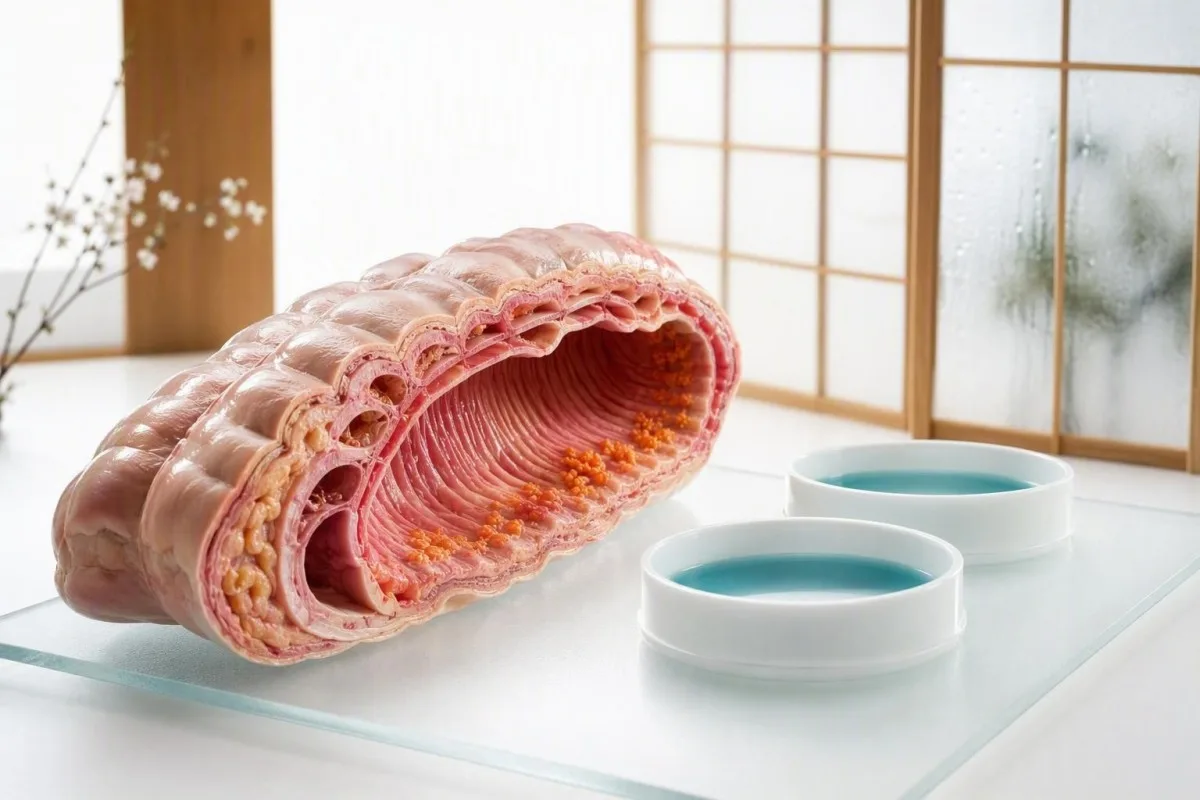
هر دو آزمایش التهاب روده ناشی از نوتروفیل را تشخیص میدهند، اما کالپروتکتین معمولاً ابزار نظارتی کمی مفیدتر است. نتیجه درست، نتیجهای است که تصمیم بالینی بعدی را تغییر میدهد - نه نتیجهای که شما را با IBD برچسبگذاری میکند.


- کالپروتکتین کمتر از 50 میکروگرم در گرم به طور کلی در بزرگسالان با مشکوک به IBS و بدون علائم هشدار دهنده، اطمینان بخش است.
- لاکتوفرین پروتئین نوتروفیل است؛ بسیاری از سنجشهای کمی از کمتر از 7.25 میکروگرم در گرم به عنوان منفی استفاده میکنند، اما آستانههای آزمایشگاهی متغیر هستند.
- نشانگرهای بالای مدفوع التهاب روده را نشان میدهند، نه یک تشخیص خاص؛ عفونت، NSAIDs، دیورتیکولیت و نئوپلازی روده بزرگ میتواند هر دو را افزایش دهد.
- کالپروتکتین مرزی 50-150 میکروگرم در گرم اغلب به جای کولونوسکوپی فوری، تکرار نمونه را پس از 2-6 هفته توجیه میکند.
- کالپروتکتین بالای 250 میکروگرم در گرم نگرانی برای التهاب فعال مخاط را افزایش میدهد و معمولاً بررسی بالینی، آزمایش عفونت مدفوع یا برنامهریزی آندوسکوپی را ضروری میسازد.
- نتایج طبیعی احتمال بیماری التهابی روده (IBD) در کولون فعال را کمتر میکند، اما نمیتواند بیماری کرون در روده کوچک را به طور قابل اعتماد رد کند.
- پایش IBD از علائم به همراه بیومارکرها، CRP، نشانگرهای کمخونی، تصویربرداری و آندوسکوپی استفاده میکند؛ هیچ یک از نشانگرهای مدفوع به تنهایی شعلهور شدن را تشخیص نمیدهند.
- علائم اورژانسی مانند مدفوع سیاه، خون قابل مشاهده پایدار، تب، درد شدید، غش یا کمآبی بدن، صرف نظر از نتیجه آزمایش، نیاز به ارزیابی پزشکی دارند.
کدام نشانگر مدفوع را باید ابتدا انتخاب کنید؟
کالپروتکتین مدفوع معمولاً اولین نشانگر التهاب مدفوع است. زیرا به طور گسترده در دسترس، کمی و قویترین نقش را در تفکیک بیماری التهابی روده محتمل از علائم گوارشی عملکردی دارد. آزمایش لاکتوفرین مدفوع نتایج، جایگزین منطقی هستند زمانی که سنجش به طور محلی معتبر باشد، اما سفارش هر دو در ابتدا به ندرت مراقبت را تغییر میدهد.
برای فردی با ۶ هفته اسهال شل، گرفتگی شکم، و بدون کاهش وزن یا خونریزی مقعدی، من معمولاً با کالپروتکتین به علاوه آزمایش عفونت هدفمند به جای کولونوسکوپی شروع میکنم. نتیجه زیر ۵۰ میکروگرم بر گرم، التهاب قابل توجه کولون را کمتر محتمل میسازد، در حالی که نتیجه به وضوح بالا، دلیلی برای بررسی بیشتر فراهم میکند. دستورالعمل AGA برای اسهال مزمن آبکی، کالپروتکتین یا لاکتوفرین را به عنوان آزمایش غربالگری برای شرایط التهابی (Smalley et al., 2019) تأیید میکند.
زمانی لاکتوفرین را انتخاب کنید که سرویس گوارش شما به طور مداوم از آن استفاده میکند، زمانی که آزمایشگاه مقدار کمی معتبر را گزارش میدهد، یا زمانی که همراه با بررسی اسهال عفونی است. آن را به این دلیل انتخاب نکنید که خاصتر به نظر میرسد: هر دو پروتئین هنگام ورود نوتروفیلها به لومن روده آزاد میشوند. مسئله عملی این است که آیا پزشک شما میتواند نتیجه را با نمونههای قبلی شما با استفاده از همان سنجش مقایسه کند.
کانتستی یک آنالایزر آزمایش خون هوش مصنوعی که نتایج مرتبطی مانند هموگلوبین، CRP، آلبومین و شاخصهای آهن را در کنار گزارش نشانگر مدفوع قرار میدهد؛ این جایگزین سنجش مدفوع یا تشخیص پزشک نمیشود. اگر خستگی همراه اسهال باشد، یک آزمایش خون برای اسهال میتواند به شناسایی کمآبی، کمخونی، یا از دست دادن الکترولیت که فوریت را تغییر میدهد، کمک کند.
یک قاعده سرانگشتی مفید
ابتدا از یک نشانگر معتبر استفاده کنید، همان نشانگر را زمانی که نتیجه مرزی است یا هنگام پایش درمان تکرار کنید، و آزمایش دوگانه را برای یک سوال خاص گوارشی رزرو کنید. تغییر سنجش در میانه پیگیری، روند ظاهری ایجاد میکند که ممکن است نویز آزمایشگاهی باشد تا بیولوژی.
آنچه کالپروتکتین مدفوع در واقع تشخیص میدهد
کالپروتکتین پروتئین اتصالدهنده کلسیم و روی را اندازهگیری میکند که عمدتاً از نوتروفیلها در دستگاه گوارش آزاد میشود. غلظت بالاتر مدفوع نشاندهنده مهاجرت نوتروفیلها به روده است که در IBD فعال شایع است اما در چندین شرایط غیرIBD نیز رخ میدهد.
کالپروتکتین کمپلکس پروتئین S100A8/S100A9 است و برای چندین روز در دمای اتاق در مدفوع نسبتاً پایدار میماند - یکی از دلایلی که به عنوان آزمایش جمعآوری خانگی به خوبی عمل میکند. قدرت بیولوژیکی آن محلی بودن است: برخلاف CRP، فعالیت سلولی را در لومن روده منعکس میکند و نه پاسخ فاز حاد کل بدن. بنابراین، CRP طبیعی، نتیجه بالای کالپروتکتین را لغو نمیکند.
در عمل بزرگسالان، آزمایشگاهها معمولاً طبقهبندی میکنند کمتر از ۵۰ میکروگرم بر گرم را طبیعی و بیش از ۱۵۰–۲۵۰ میکروگرم بر گرم را به طور فزایندهای سازگار با التهاب فعال روده میدانند. اینها آستانههای تصمیمگیری هستند، نه مرزهای بیولوژیکی جهانی. برخی سرویسهای اروپایی از ۱۰۰ میکروگرم بر گرم به عنوان آستانه ارجاع استفاده میکنند، در حالی که بازههای مرجع کودکان و مختص سنجش میتوانند به طور قابل توجهی متفاوت باشند.
من یک فرد ۲۸ ساله با کالپروتکتین ۶۸۰ میکروگرم بر گرم، CRP طبیعی، و در نهایت کولیت اولسراتیو محدود به رکتوم و کولون سیگموئید دیدهام. این الگو غیر معمول نیست: التهاب موضعی مخاط میتواند بدون سیگنال سیستمیک قوی فعال باشد. راهنمای محدوده فیزیولوژیک کالپروتکتین مدفوع توضیح میدهد که چرا روش و واحدهای آزمایشگاه در هر نتیجه باید همراه آن باقی بمانند.
آنچه لاکتوفرین مدفوع به طور متفاوتی تشخیص میدهد
لاکتوفرین پروتئین دیگری مشتق از نوتروفیل را شناسایی میکند و تقریباً همان سوال بیولوژیکی کالپروتکتین را پاسخ میدهد: آیا التهاب فعال نوتروفیلی روده وجود دارد؟ این به تنهایی کولیت اولسراتیو، بیماری کرون، کولیت باکتریایی یا علت دیگری را تشخیص نمیدهد.
لاکتوفرین یک گلیکوپروتئین اتصال دهنده آهن است که در دانههای ثانویه نوتروفیل ذخیره شده و در هنگام فعال شدن آزاد میشود. یک تست کیفی مثبت لاکتوفرین مدفوع مفید است زیرا در زمینه بالینی مناسب، وقوع IBS بدون عارضه را رد میکند. سنجشهای کمی متفاوت هستند: یک روش متداول مقادیر منفی را تعریف میکند به کمتر از 7.25 میکروگرم بر گرم, ، بنابراین هرگز حد آستانه کالپروتکتین را برای گزارش لاکتوفرین اعمال نکنید.
شواهد نشان نمیدهد که لاکتوفرین به طور قطعی برتر است. در یک متاآنالیز تشخیصی، وانگ و همکاران دریافتند که لاکتوفرین مدفوع دارای حساسیت تجمیعی 82% و ویژگی 14% برای تمایز IBD از کنترلهای غیر IBD بود، اگرچه تخمینهای دقت با شیوع بیماری و طراحی مطالعه تغییر میکنند (Wang et al., 2015). این ویژگی چشمگیر هنوز نتیجه مثبت را به تشخیص IBD تبدیل نمیکند.
یک نتیجه مثبت لاکتوفرین به ویژه زمانی ارزش بحث دارد که اسهال به طور ناگهانی پس از مسافرت، آنتیبیوتیکها، قرار گرفتن در معرض غذای آلوده، یا تماس با فردی بیمار شروع شده باشد. در این شرایط، پزشکان معمولاً آزمایش پاتوژن را اضافه میکنند تا اینکه مستقیماً به برچسب IBD بپردازند. راهنمای ما به نتایج کشت مدفوع توضیح میدهد که یک گزارش منفی یا رشد مخلوط چه چیزی را میتواند و چه چیزی را نمیتواند مشخص کند.
چگونه آستانهها را بدون واکنش بیش از حد بخوانیم
مقدار کالپروتکتین کمتر از 50 میکروگرم بر گرم معمولاً برای بزرگسالان طبیعی است، 50-150 میکروگرم بر گرم اغلب یک منطقه نامشخص است و مقادیر بالای 250 میکروگرم بر گرم نگران کننده التهاب فعال است. لاکتوفرین از حد آستانههای خاص سنجش استفاده میکند، معمولاً مثبت کیفی یا یک حد کمی نزدیک به 7.25 میکروگرم بر گرم.
حد آستانه 50 میکروگرم بر گرم کالپروتکتین برای حساسیت طراحی شده است: بیشترین بیماری التهابی با اهمیت بالینی را با هزینه برخی نتایج مثبت کاذب تشخیص میدهد. حد آستانه 250 میکروگرم بر گرم برای ویژگی و نظارت بر IBD اثبات شده مفیدتر است. بین این دو، ناحیه میانی ناامیدکننده قرار دارد، جایی که قرار گرفتن در معرض دارو، گاستروانتریت اخیر، سن و مسیر بیماری بیش از یک عدد واحد اهمیت دارد.
تغییر از 72 به 94 میکروگرم بر گرم اغلب کمتر از تغییر از 85 به 430 میکروگرم بر گرم معنادار است، به خصوص اگر هر دو نمونه توسط یک آزمایشگاه آزمایش شده باشند. قوام مدفوع میتواند بر استخراج تأثیر بگذارد و تنوع بیولوژیکی واقعی است. توصیه عملی دکتر توماس کلاین این است که قبل از تفسیر افزایش متوسط، مصرف NSAID، عفونت اخیر، آلودگی قاعدگی و تاریخ جمعآوری را ثبت کنید.
برای یک رویکرد منظم به مقادیر سریالی، تاریخ نمونه را با علائم و آزمایشهای مرتبط مقایسه کنید تا اینکه هر نتیجه پرچمگذاری شده را به عنوان پیشرفت بیماری در نظر بگیرید. آزمایش خون همین اصل تغییر مرجع و تغییر تحلیلی در پزشکی آزمایشگاهی را توضیح میدهد.
چرا هر دو نشانگر میتوانند بدون IBD بالا باشند
افزایش مارکرهای التهاب مدفوع با عفونت روده، قرار گرفتن در معرض داروهای ضدالتهاب غیراستروئیدی (NSAID)، دیورتیکولیت، نئوپلازی کولورکتال، کولیت میکروسکوپی و بیماری التهابی روده (IBD) رخ میدهد. نتیجه، سیگنال التهابی را تأیید میکند؛ به تنهایی علت، محل، مدت زمان یا شدت را مشخص نمیکند.
داروهای ضدالتهاب غیراستروئیدی میتوانند کلسیتین مدفوع را افزایش دهند، گاهی اوقات به طور قابل توجهی، با افزایش نفوذپذیری روده و ایجاد آسیبهای کوچک مخاطی. ایبوپروفن، ناپروکسن و دیکلوفناک مهم هستند؛ پزشک ممکن است توصیه کند در صورت ایمن بودن از نظر پزشکی، قبل از تکرار آزمایش، مصرف آنها را قطع کنید. آسپرین، داروهای ضد انعقاد خون یا مسکنهایی را که تجویز شدهاند، بدون مشورت با پزشک تجویز کننده مصرف نکنید.
گاستروانتریت باکتریایی حاد ممکن است مقادیر کلسیتین بالای 500 میکروگرم بر گرم و لاکتوفرین مثبت ایجاد کند، به همین دلیل پانل پاتوژن مدفوع میتواند در روزهای اول بیماری آموزندهتر از کولونوسکوپی اورژانسی باشد. برعکس، ژیاردیازیس ممکن است باعث اسهال طولانی مدت با افزایش کمتر قابل توجه مارکر نوتروفیلیک شود. جدول زمانی علائم اغلب وزن تشخیصی بیشتری نسبت به آنچه بیماران انتظار دارند، دارد.
کانتستی یک سرویس تفسیر آزمایشهای آزمایشگاه AI منتشر میشوند که میتواند الگوی التهابی مانند هموگلوبین پایین، آلبومین پایین، ترومبوسیتوز و CRP بالا را برای بررسی پزشک مشخص کند، اما این یافتههای خونی اثبات نمیکنند که منشاء آن روده است. برای افرادی که خون در مدفوع دارند،, پیگیری FIT و زمانبندی کولونوسکوپی موضوعی جدا از کلسیتین است و نباید به تأخیر بیفتد.
چه زمانی یک نتیجه طبیعی همچنان میتواند بیماری را نادیده بگیرد
کلسیتین یا لاکتوفرین طبیعی، التهاب فعال کولون را کمتر محتمل میکند، اما نمیتواند بیماری کرون، به ویژه بیماری خفیف یا محدود به روده کوچک را به طور کامل رد کند. نتیجه طبیعی همچنین کاهش وزن مداوم، کمخونی فقر آهن، اسهال شبانه یا خونریزی قابل مشاهده مکرر را توضیح نمیدهد.
بیماری کرون روده کوچک ممکن است پروتئین نوتروفیل کمتری نسبت به کولیت گسترده به نمونه مدفوع وارد کند، به خصوص زمانی که ضایعات در قسمت پروگزیمال یا خفیف باشند. این یکی از دلایلی است که علائم و ویژگیهای هشدار دهنده بر یک عدد اطمینانبخش اولویت دارند. دستورالعمل تشخیصی ECCO-ESGAR توصیه میکند که بیومارکرها را با ileocolonoscopy و تصویربرداری مقطعی ادغام کنند، زمانی که IBD همچنان از نظر بالینی مشکوک است (Maaser et al., 2019).
فرد 46 سالهای با کلسیتین 38 میکروگرم بر گرم، فریتین 7 نانوگرم در میلیلیتر و خستگی پیشرونده، حتی اگر تعداد دفعات اجابت مزاج طبیعی باشد، شایسته بررسی برای خونریزی گوارشی یا سوء جذب است. از تجربه من، ترکیب کمبود آهن و علائم نامشخص بسیار مهمتر از یک مارکر مدفوع پایین منفرد است. مقاله ما را بخوانید فریتین پایین و سرنخهای روده برای سوالات آزمایشگاهی معمول بعدی.
بیماری سلیاک، اسهال اسید صفراوی، نارسایی پانکراس و بسیاری از اثرات دارویی ممکن است باعث بروز علائم با مارکرهای التهاب مدفوع طبیعی شوند. بنابراین، یک تست طبیعی یک دوراهی به سمت تشخیصهای غیر التهابی است، نه اعلامیهای مبنی بر روانی بودن یا بیاهمیت بودن علائم.
با نتیجه کالپروتکتین مرزی چه کار کنیم
یک نتیجه مرزی کلسیتین مدفوع 50–150 میکروگرم بر گرم معمولاً پس از 2–6 هفته تکرار میشود، اگر علائم پایدار باشند و هیچ ویژگی هشدار دهندهای وجود نداشته باشد. تکرار باید با استفاده از همان روش آزمایشگاهی انجام شود و در صورت امکان، دور از یک عفونت اخیر دستگاه گوارش باشد.
قبل از تکرار آزمایش، پزشکان NSAIDها، مهارکنندههای پمپ پروتون، آنتیبیوتیکها، عفونتهای حاد، ورزش استقامتی شدید و ریسک مرتبط با سن را بررسی میکنند. هیچ فاصله زمانی شستشوی مورد توافق جهانی برای هر دارویی وجود ندارد. یک برنامه عملی معمولاً 2 هفته پس از بهبودی بیماری حاد، به شرطی که علائم نیاز به مراقبت زودتر را نشان ندهند، است.
اگر تکرار از 118 به 32 میکروگرم بر گرم کاهش یابد و علائم برطرف شوند، ممکن است از آزمایش تهاجمی اجتناب شود. اگر از 96 به 310 میکروگرم بر گرم افزایش یابد، جهتگیری حتی قبل از رسیدن نتیجه آندوسکوپی، شواهد مفیدی اضافه میکند. به همین دلیل یک مقدار مرزی منفرد به ندرت باید باعث وحشت شود یا اطمینان کاذب ایجاد کند.
ما راهنمای پیگیری کلسیتین مرزی سؤالاتی را که باید به قرار ملاقات مراقبتهای اولیه یا گوارش برده شوند، بیان میکند. یک دفترچه یادداشت علائم کوتاه با تعداد دفعات اجابت مزاج، بیداری شبانه، تب و تاریخ داروها معمولاً مفیدتر از بررسی وسواسگونه محرکهای غذایی است.
پزشکان چگونه از نشانگرها پس از تشخیص IBD استفاده میکنند
در IBD تثبیت شده، کلسیتین برای پیگیری التهاب عینی روده و کمک به تصمیمگیری در مورد اینکه آیا علائم نشاندهنده شعلهور شدن، عفونت، همپوشانی IBS، یا شکست درمان است، بیشترین کاربرد را دارد. لاکتوفرین نیز میتواند فعالیت را پیگیری کند، اما کالپروتکتین دارای آستانههای حمایتی بیشتری در دستورالعملها برای پایش درمان تا رسیدن به هدف است.
علائم و فعالیت مخاطی اغلب از هم جدا میشوند. یک بیمار مبتلا به کولیت اولسراتیو ممکن است احساس خوبی داشته باشد در حالی که کالپروتکتین از 80 به 360 میکروگرم در گرم افزایش مییابد، یا به دلیل سوء جذب اسید صفراوی حرکات روده فوری داشته باشد در حالی که کالپروتکتین 28 میکروگرم در گرم باقی میماند. دستورالعمل نشانگرهای زیستی 2023 AGA برای کولیت اولسراتیو، ترکیب علائم با نشانگرهای زیستی را به جای تکیه بر هر یک به تنهایی توصیه میکند (Singh et al., 2023).
برای پایش بهبودی، بسیاری از پزشکان کمتر از 150 میکروگرم در گرم را اطمینانبخش میدانند، در حالی که بیش از 150 میکروگرم در گرم ممکن است بسته به علائم و سابقه بیماری، نیاز به تکرار آزمایش، اندوسکوپی یا بازنگری درمان داشته باشد. در کولیت اولسراتیو علامتدار فعال،, بیش از 250 میکروگرم در گرم التهاب مداوم را تأیید میکند. آستانهها راهنما هستند، نه دستوراتی برای تغییر درمان بیولوژیکی بدون نظر متخصص.
Kantesti AI یک پلتفرم تفسیر بیومارکرهای AI که روندهای آزمایش خون را بر اساس تاریخچههای درمانی گزارششده بیمار سازماندهی میکند؛ این نمیتواند شدت آندوسکوپی مدفوع را تنها از یک عدد ارزیابی کند. بیمارانی که داروهای بیولوژیکی مصرف میکنند همچنین باید بدانند کدام آزمایشهای ایمنی خون درمان را پایش میکنند و کدام علائم نیاز به تماس فوری با تیم IBD آنها دارد.
چگونه خطاهای جمعآوری و زمانبندی بر نتایج تأثیر میگذارند
کیفیت جمعآوری بر تفسیر نشانگر مدفوع تأثیر میگذارد زیرا نمونه آلوده، تأخیری یا ضعیف جمعآوری شده ممکن است رد شود یا اندازهگیری کماثرتری تولید کند. بیشتر آزمایشگاهها یک بخش کوچک مدفوع را در ظرف استریل ارائه شده بدون آب توالت یا ادرار میخواهند.
مدفوع شل معمولاً برای آزمایش کالپروتکتین و لاکتوفرین قابل قبول است؛ اگر اسهال مشکل بالینی است، منتظر نمونه سفت نشوید. از جمعآوری از آب توالت خودداری کنید و اگر نمونه حاوی خون قاعدگی قابل مشاهده است، به آزمایشگاه اطلاع دهید. دستورالعملهای نگهداری بر اساس کیت متفاوت است، اما بسیاری اجازه حمل و نقل کوتاه در دمای اتاق را میدهند زیرا کالپروتکتین نسبتاً پایدار است.
نمونهبرداری یک روز پس از ماراتن، یک دوره گاستروانتریت، یا آمادهسازی روده برای کولونوسکوپی ممکن است پاسخ اشتباهی بدهد. ورزش استقامتی میتواند به طور موقت نفوذپذیری روده را افزایش داده و باعث علائم گوارشی شود. اگر شما یک ورزشکار استقامتی بدون پرچم قرمز هستید، جمعآوری نمونه را دور از یک رویداد مهم در نظر بگیرید؛ راهنمای آزمایشگاهی ورزشکاران استقامتی ما ما توضیح میدهد که چرا زمینه، تفسیر آزمایش را تغییر میدهد.
نکته این است که جمعآوری عالی، یک نشانگر زیستی غیر اختصاصی را اختصاصی نمیکند. یک نمونه با کیفیت بالا، اعتماد به اندازهگیری را افزایش میدهد؛ این نمیتواند جایگزین تاریخچه بالینی، معاینه و تشخیص افتراقی شود.
کدام آزمایشهای خون باعث مفیدتر شدن نشانگر مدفوع میشوند
یک CBC، CRP، فریتین، آلبومین، عملکرد کلیه و سرولوژی سلیاک اغلب ارزش بالینی بیشتری را به یک نشانگر مدفوع بالا اضافه میکنند تا سفارش یک پروتئین التهابی دوم مدفوع. الگوی نگرانکننده، نه یک ناهنجاری، بلکه چندین نتیجه است که به سمت التهاب، سوء جذب یا خونریزی اشاره دارد.
هموگلوبین پایین، فریتین کمتر از 15 نانوگرم در میلیلیتر، آلبومین کمتر از محدوده مرجع آزمایشگاه، پلاکتهای بالا، یا CRP بالا میتواند نگرانی برای بیماری روده با اهمیت بالینی را تقویت کند. هیچ کدام از اینها برای IBD تشخیصی نیست. در واقع، CRP ممکن است در کولیت اولسراتیو خفیف نرمال باقی بماند، و فریتین میتواند به طور کاذب نرمال به نظر برسد زمانی که التهاب آن را به عنوان یک پروتئین فاز حاد بالا میبرد.
کانتستی یک ابزار تحلیل آزمایش خون مبتنی بر AI که CBC، مطالعات آهن و CRP را در همان چارچوب بالینی میخواند، از جمله اینکه آیا تغییر در سطح هموگلوبین ممکن است نیاز به بررسی زودتر داشته باشد. دکتر توماس کلین به طور معمول هشدار میدهد که یک CRP ایزوله 12 میلیگرم در لیتر غیر اختصاصی است، در حالی که CRP 12 میلیگرم در لیتر به علاوه کاهش آلبومین و کالپروتکتین 740 میکروگرم در گرم، یک خوشه بسیار قابل اقدامتر است.
برای بیمارانی که مقادیر آهن آنها متناقض به نظر می رسد، راهنمای تحقیقات مطالعات آهن ما اشباع ترانسفرین و فریتین را در طول التهاب توضیح می دهد. یک راهنمای نتایج CBC همچنین می تواند به شما کمک کند تا تشخیص دهید که کم خونی میکروسیتیک، التهابی یا ترکیبی است.
چه زمانی سفارش دادن هر دو آزمایش منطقی است
سفارش همزمان کلسپروتکتین و لاکتوفئرین معمولاً غیر ضروری است، اما زمانی که یک متخصص در حال تطبیق علائم متناقض است، یک سنجش قبلی قابل تکرار نیست، یا یک مسیر محلی نیاز به تأیید دارد، منطقی است. نتایج سازگار، اطمینان از سیگنال التهابی را به میزان کم افزایش می دهند؛ نتایج متناقض معمولاً باعث بازنگری می شوند، نه میانگین حسابی.
کلسپروتکتین بالا با لاکتوفئرین منفی ممکن است زمان سنجش، نتیجه ای نزدیک به حد آستانه، ناهمگونی نمونه، یا تفاوت های تحلیلی را منعکس کند. کلسپروتکتین پایین با لاکتوفئرین مثبت، پاسخ منظم مشابهی را می طلبد: جمع آوری را تأیید کنید، سنجش دقیق را مرور کنید، علائم را بررسی کنید و در صورت لزوم برای عفونت آزمایش کنید. هیچ ترکیبی میانبر معتبر برای تشخیص ندارد.
آزمایش دوگانه می تواند در محیط های تحقیقاتی که در آن پروتکل هر دو بیومارکر را از قبل مشخص کرده است، مفید باشد. این با مراقبت روتین بیمار متفاوت است، که در آن آزمایش تکراری می تواند هزینه را بدون بهبود تصمیم گیری افزایش دهد. از پزشک درخواست کننده یک سوال ساده بپرسید: “اگر آزمایش دوم مثبت باشد، چه کاری متفاوتی انجام خواهیم داد؟”
اگر گزارشی در داخل ناسازگار به نظر می رسد، از راهنمای تست کیفی در مقابل کمی ما برای درک اینکه چرا “مثبت” و “بالا” گزاره های آزمایشگاهی قابل تعویض نیستند، استفاده کنید. ثبات روش بیش از جمع آوری هر نشانگر موجود اهمیت دارد.
آنچه در واقع IBD را تأیید یا رد میکند
IBD از طریق ترکیبی از علائم، ileocolonoscopy با نمونه برداری بافت، هیستولوژی، آزمایشات آزمایشگاهی، و گاهی اوقات MRI یا CT enterography تشخیص داده می شود - نه فقط از کلسپروتکتین یا لاکتوفئرین. نشانگرهای مدفوع به تصمیم گیری در مورد اینکه چه کسی به این تحقیقات نیاز دارد و آیا التهاب در طول زمان ممکن است تغییر کند، کمک می کند.
کولونوسکوپی ارزیابی مستقیم ایلئوم انتهایی و کولون را امکان پذیر می کند و معاینه بافت را برای ویژگی های التهابی مزمن، عفونت، کولیت میکروسکوپی، دیسپلازی و علل دیگر مجاز می سازد. تصویربرداری به ویژه زمانی ارزشمند است که بیماری کرون ممکن است روده کوچک را فراتر از دسترس کولونوسکوپی استاندارد درگیر کند. یک نشانگر مدفوع یک سیگنال تریاژ است، نه یک تشخیص میکروسکوپی.
آزمایش ایمونوشیمیایی مدفوع (FIT) را با هیچ یک از نشانگرهای التهابی اشتباه نگیرید. FIT هموگلوبین انسانی را تشخیص می دهد و عمدتاً در غربالگری سرطان کولورکتال یا مسیرهای خونریزی دستگاه گوارش تحتانی استفاده می شود، در حالی که کلسپروتکتین و لاکتوفئرین محصولات نوتروفیل را تشخیص می دهند. مقایسه ما از FIT و FOBT توضیح می دهد که چرا یک نشانگر التهابی منفی جایگزین غربالگری سرطان توصیه شده نمی شود.
از تاریخ ۴ سپتامبر ۲۰۲۶، هیچ دستورالعمل اصلی گوارش، تشخیص بیماری کرون یا کولیت اولسراتیو را از یک آستانه بیومارکر مدفوع واحد توصیه نمی کند. این محدودیت بیماران را از هر دو بیماری از دست رفته و برچسب های تشخیصی مادام العمر غیر ضروری محافظت می کند.
علائمی که بر هر نتیجه آزمایش مدفوع ارجحیت دارند
خونریزی قابل مشاهده مداوم مقعد، مدفوع قیری تیره، درد شدید شکم، تب، غش، کم آبی، ضعف به سرعت در حال بدتر شدن، یا کاهش وزن ناخواسته، صرف نظر از کلسپروتکتین یا لاکتوفئرین، نیاز به ارزیابی پزشکی به موقع دارند. یک نتیجه طبیعی هرگز نباید برای انتظار برای علائم بالقوه فوری استفاده شود.
نگرانی فوری فیزیولوژی است، نه برچسب روی گزارش آزمایشگاهی. اسهال آبکی مکرر می تواند قبل از بازگشت نشانگر التهاب، باعث کمبود پتاسیم، آسیب حاد کلیه و علائم ارتوستاتیک شود. بزرگسالان با ناتوانی در نگه داشتن مایعات، گیجی، غش، یا حداقل خروجی ادرار باید به دنبال مراقبت فوری باشند.
علائم جدید روده پس از ۵۰ سالگی، سابقه خانوادگی قوی سرطان کولورکتال، و کم خونی فقر آهن، آستانه ارزیابی کولون را حتی زمانی که کلسپروتکتین پایین است، تغییر می دهند. یک نشانگر مدفوع، خطر سرطان را به طور جامع ارزیابی نمی کند. راهنمای علائم هشدار دهنده مخاط در مدفوع الگوهای شایع خوشخیم را از علائمی که نیاز به بررسی دارند، متمایز میکند.
کودکان، زنان باردار، افراد مسن و افرادی که داروهای سرکوب کننده سیستم ایمنی مصرف میکنند، به دلیل تفاوت در خطرات پایه، به تریاژ فردی نیاز دارند. اگر در مورد فوری بودن علائم مطمئن نیستید، تماس با یک پزشک محلی یا مرکز اورژانس، ایمنتر از تلاش برای تفسیر یک عدد به تنهایی است.
گفتگوی عملی که پس از دریافت نتیجه باید انجام شود
مفیدترین سوال پیگیری این است: “آیا این نتیجه نیاز من به آزمایش عفونت، آزمایش مجدد، تصویربرداری یا آندوسکوپی را تغییر میدهد؟” ارائه مقدار دقیق، نام آزمایش، زمانبندی علائم، داروها و نتایج قبلی، آن مکالمه را سریعتر و از نظر بالینی دقیقتر میکند.
فهرستی از 14 روز گذشته را همراه داشته باشید: دفعات اجابت مزاج، علائم شبانه، تب، تغییر وزن، سفر، آنتیبیوتیکها، NSAIDs و سابقه خانوادگی. کالپروتکتین 180 میکروگرم بر گرم پس از یک بیماری اسهالی تبدار 3 روزه، به برنامهای متفاوت از همین نتیجه پس از 4 ماه اسهال شبانه و کاهش وزن نیاز دارد.
Kantesti AI میتواند به شما کمک کند گزارشهای خون همراه را قبل از قرار ملاقات سازماندهی کنید، اما تصمیمات تشخیص و درمان به عهده پزشک است که میتواند شما را معاینه کرده و آزمایش قطعی را ترتیب دهد. سیستم ما اعتبارسنجی پزشکی ما توضیح میدهد که چگونه نظارت بالینی و بررسی منبع در تفسیر آزمایشگاهی مسئولانه گنجانده شدهاند.
برای موارد پیچیده، بپرسید چه کسی مسئولیت پیگیری را بر عهده خواهد داشت و چه زمانی باید انتظار نتیجه تکراری یا تصمیم ارجاع را داشته باشید. پزشکان در سیستم ما هیئت مشاوره پزشکی تاکید میکنند که یک برنامه مستند، بهتر از یک دستورالعمل مبهم “بعداً دوباره بررسی کنید” است، به خصوص زمانی که نشانگرهای التهاب و کمخونی در یک جهت حرکت میکنند.
خط پایانی متمرکز بر تصمیم
در بیشتر موارد، ابتدا کالپروتکتین را انتخاب کنید، از لاکتوفرین زمانی استفاده کنید که جایگزین معتبر سرویس شما باشد، و فرض نکنید که هیچ یک از نتایج IBD را تشخیص میدهند. یک نتیجه پایین، توجه را به سمت علل عملکردی و غیر التهابی معطوف میکند، در حالی که یک نتیجه بالا و پایدار، افرادی را که ممکن است نیاز به آزمایش عفونت، بررسی تخصصی یا آندوسکوپی داشته باشند، شناسایی میکند.
برای اسهال مزمن بدون عارضه، یک نشانگر طبیعی - کالپروتکتین زیر 50 میکروگرم بر گرم یا لاکتوفرین منفی طبق آزمایشگاه مربوطه - میتواند احتمال بیماری التهابی فعال را کاهش دهد. برای مقادیر بالای 250 میکروگرم بر گرم یا لاکتوفرین مثبت با علائم مداوم، سوال بعدی علت است، نه قطعیت. عفونت، مصرف دارو، IBD و سایر بیماریهای التهابی همچنان در لیست قرار دارند.
بیشتر بیماران، ابهام را در منطقه کالپروتکتین 50-150 میکروگرم بر گرم سختترین میدانند. بر اساس تجربه من، بهترین گام بعدی معمولاً یک تکرار با زمانبندی دقیق است، نه یک پاکسازی رژیم غذایی، مصرف خودسرانه استروئید، یا تشخیص اینترنتی. در صورت امکان، از همان آزمایشگاه استفاده کنید تا روند قابل تفسیر باشد.
Kantesti’s راهنمای فناوری هوش مصنوعی توضیح میدهد که چگونه سیستمهای ما زمینه آزمایشگاهی را حفظ میکنند و در عین حال سوالاتی را برای بررسی پزشکی برجسته میکنند. استفاده ایمن از هرگونه تفسیر هوش مصنوعی در اینجا یکسان است: از آن برای آماده شدن برای یک مکالمه بالینی بهتر استفاده کنید، هرگز برای نادیده گرفتن علائم هشدار دهنده یا جایگزینی مراقبت تشخیصی استفاده نکنید.
سوالات متداول
آیا کالپروتکتین برای تشخیص IBD بهتر از لاکتوفرین است؟
کالپروتکتین معمولاً برای موارد مشکوک به بیماری التهابی روده (IBD) ترجیح داده میشود، زیرا به طور گسترده به عنوان یک تست کمی در دسترس است و آستانههای نظارت متداولی مانند کمتر از ۵۰ میکروگرم بر گرم و بیش از ۲۵۰ میکروگرم بر گرم دارد. لاکتوفرین نیز یک مارکر مدفوعی مفید مشتق از نوتروفیل است و زمانی که آزمایشگاه از یک سنجش معتبر استفاده میکند، میتواند عملکرد خوبی داشته باشد. هیچکدام از این مارکرها IBD را تأیید نمیکنند، زیرا عفونتها، داروهای ضدالتهاب غیراستروئیدی (NSAIDs)، دیورتیکولیت و سایر بیماریهای روده میتوانند هر دو را افزایش دهند. تست بهتر معمولاً تستی است که پزشک شما میتواند در کنار علائم آن را تفسیر کند و با استفاده از همان روش آزمایشگاهی تکرار کند.
سطح کلسیتینین نگران کننده چیست؟
سطح کلسیم مدفوع زیر ۵۰ میکروگرم بر گرم برای بزرگسالان بدون علائم هشداردهنده معمولاً اطمینانبخش است، در حالی که ۵۰–۱۵۰ میکروگرم بر گرم اغلب مرزی تلقی میشود و ممکن است پس از ۲–۶ هفته تکرار شود. مقادیر بالاتر از ۱۵۰–۲۵۰ میکروگرم بر گرم برای التهاب روده نگرانکنندهتر هستند و سطوح بالاتر از ۲۵۰ میکروگرم بر گرم معمولاً منجر به بازبینی بالینی یا آزمایشهای بیشتر میشوند. اقدام دقیق به سنجش، علائم، سن، مصرف NSAID و اینکه آیا مقدار در حال افزایش است، بستگی دارد. مقدار ۶۰۰ میکروگرم بر گرم پس از اسهال باکتریایی حاد میتواند معنای متفاوتی نسبت به ۶۰۰ میکروگرم بر گرم در طول چندین ماه علائم مزمن داشته باشد.
آیا سندرم روده تحریکپذیر (IBS) میتواند باعث افزایش کلسیم پروتکتین یا لاکتوفرین شود؟
سندرم روده تحریک پذیر (IBS) بدون عارضه معمولاً باعث افزایش کالپروتکتین یا لاکتوفرین مدفوع نمیشود، زیرا IBS باعث التهاب روده ناشی از نوتروفیلها نمیشود. افزایش خفیف کالپروتکتین بین 50 تا 150 µg/g میتواند ناشی از عفونت اخیر، مصرف داروهای ضد التهاب غیر استروئیدی (NSAIDs)، عوامل مرتبط با سن یا تغییرات سنجش باشد، بنابراین به طور خودکار IBS را رد نمیکنند. لاکتوفرین مثبت یا کالپروتکتین بالاتر از 250 µg/g باید منجر به ارزیابی علت التهابی یا عفونی شود، نه اینکه فرض بر IBS باشد. IBS و بیماری التهابی روده (IBD) میتوانند همزمان وجود داشته باشند، که دلیل دیگری برای اهمیت علائم و روندها است.
آیا کالپروتکتین طبیعی میتواند بیماری کرون را رد کند؟
نتیجه طبیعی کلسيپروتکتین احتمال بیماری التهابی روده (IBD) فعال کولون را کاهش میدهد اما نمیتواند بیماری کرون را، بهویژه بیماری کرون خفیف یا ایزوله روده کوچک، بهطور کامل رد کند. مقدار کمتر از ۵۰ میکروگرم بر گرم نباید بر علائم هشداردهنده مانند کمخونی فقر آهن، کاهش وزن، اسهال شبانه، خونریزی مداوم یا سابقه خانوادگی قوی غلبه کند. پزشکان ممکن است در صورت باقی ماندن شک بالینی بالا، از ileocolonoscopy، MR enterography یا ارزیابی کپسولی استفاده کنند. بهترین رویکرد این است که نتیجه بهعنوان یک مدرک تعدیلکننده احتمال در نظر گرفته شود تا یک آزمایش ردکننده نهایی.
آیا باید نتیجه مرزی کلسیم پروتکتین را تکرار کنم؟
نتیجه مرزی کلسیتوگلین بین ۵۰ تا ۱۵۰ میکروگرم در گرم، اغلب پس از ۲ تا ۶ هفته در صورت پایدار بودن علائم و عدم وجود علائم هشدار دهنده تکرار میشود. قبل از تکرار، پزشکان معمولاً گاستروانتریت اخیر، مصرف داروهای ضد التهاب غیر استروئیدی (NSAIDs)، آنتیبیوتیکها و شرایط جمعآوری را بررسی میکنند، زیرا هر کدام میتوانند بر نتیجه تأثیر بگذارند. در صورت امکان از همان سنجش آزمایشگاهی استفاده کنید، زیرا نتایج حاصل از روشهای مختلف ممکن است قابل مقایسه نباشند. نتیجه رو به افزایش به سمت یا بالاتر از ۲۵۰ میکروگرم در گرم، معمولاً وزن بالینی بیشتری نسبت به افزایش پایدار درجه پایین دارد.
آیا آنتیبیوتیکها میتوانند بر کلسیم فکال و لاکتوفرین تأثیر بگذارند؟
آنتیبیوتیکها میتوانند با درمان، ایجاد یا همزمانی با اسهال عفونی و با تغییر میکروبیوم روده، بر مارکرهای التهاب مدفوع به طور غیرمستقیم تأثیر بگذارند. فرد مبتلا به اسهال مرتبط با آنتیبیوتیک باید به جای تفسیر کلسیتونین بالا یا لاکتوفرین مثبت به عنوان IBD، برای عللی مانند *Clostridioides difficile* ارزیابی شود. هیچ عدد جهانی قابل اعتمادی برای مدت زمان انتظار پس از مصرف آنتیبیوتیک قبل از آزمایش وجود ندارد؛ زمانبندی به علائم و سوال بالینی بستگی دارد. اسهال مداوم، تب یا درد شکمی پس از مصرف آنتیبیوتیک نیاز به آزمایش تحت نظر پزشک دارد تا خوددرمانی.
همین امروز آنالیز آزمایش خون با هوش مصنوعی را دریافت کنید
به بیش از 2 میلیون کاربر در سراسر جهان بپیوندید که Kantesti را برای تحلیل فوری و دقیق آزمایشهای آزمایشگاهی مورد اعتماد قرار میدهند. نتایج آزمایش خون خود را بارگذاری کنید و در عرض چند ثانیه، تفسیر جامع 15,000+ از نشانگرهای زیستی را دریافت کنید.
📚 انتشارات پژوهشی ارجاعشده
کلاین، تی.، میچل، اس.، و وبر، اچ. (۲۰۲۶). Kantesti LTD. (2026). اوروبیلینوجن در آزمایش ادرار: راهنمای کامل تجزیه و تحلیل ادرار 2026. Zenodo.. پژوهش پزشکی مبتنی بر هوش مصنوعی Kantesti.
کلاین، تی.، میچل، اس.، و وبر، اچ. (۲۰۲۶). Kantesti LTD. (2026). راهنمای مطالعات آهن: TIBC، اشباع آهن و ظرفیت اتصال. Zenodo.. پژوهش پزشکی مبتنی بر هوش مصنوعی Kantesti.
📖 منابع پزشکی خارجی
Singh S et al. (2023). دستورالعمل طبابت بالینی AGA در مورد نقش بیومارکرها برای مدیریت کولیت اولسراتیو. گوارش.
⚕️ سلب مسئولیت پزشکی
این مقاله فقط برای اهداف آموزشی است و توصیه پزشکی محسوب نمیشود. برای تصمیمهای مربوط به تشخیص و درمان، همیشه با یک ارائهدهنده مراقبتهای بهداشتی واجد شرایط مشورت کنید.
سیگنالهای اعتماد E-E-A-T
تجربه
بازبینی بالینی مبتنی بر نظر پزشک از فرایندهای تفسیر آزمایشگاه.
تخصص
تمرکز بر پزشکی آزمایشگاهی و اینکه نشانگرهای زیستی در زمینه بالینی چگونه رفتار میکنند.
اقتدارگرایی
نوشتهشده توسط دکتر توماس کلاین، با بازبینی توسط دکتر سارا میچل و پروفسور دکتر هانس وبر.
قابل اعتماد بودن
تفسیر مبتنی بر شواهد با مسیرهای پیگیری روشن برای کاهش هشدارها.