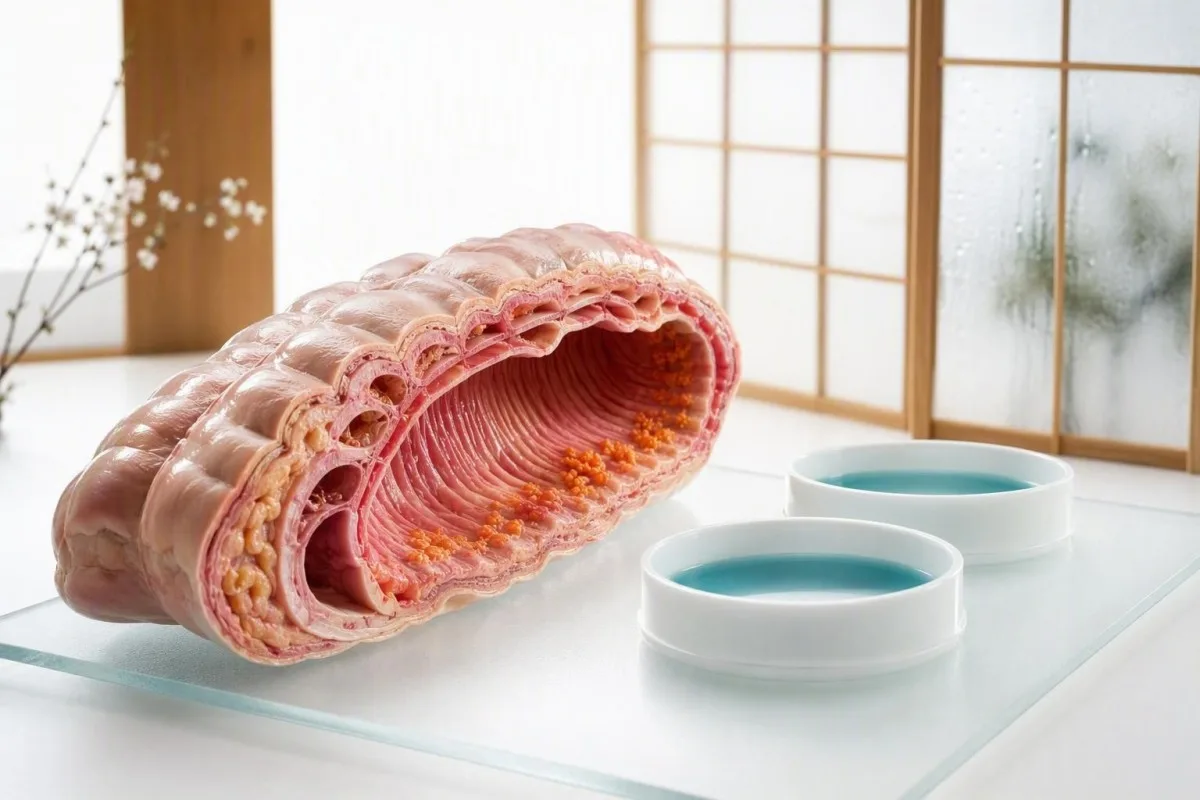
Her iki test de nötrofil kaynaklı bağırsak iltihabını tespit eder, ancak kalprotektin genellikle daha kullanışlı kantitatif izleme aracıdır. Doğru sonuç, IBD ile sizi etiketleyen değil, bir sonraki klinik kararı değiştirendir.


- Kalprotektin 50 µg/g'nin altındaki değerler, alarm belirtisi olmayan ve IBS şüphesi olan yetişkinlerde genellikle güvence vericidir.
- Laktoferrin bir nötrofil proteinidir; birçok kantitatif test 7.25 µg/g'nin altını negatif olarak kullanır, ancak laboratuvar kesilme noktaları farklılık gösterir.
- Yüksek dışkı belirteçleri belirli bir teşhisi değil, bağırsak iltihabını gösterir; enfeksiyon, NSAID'ler, divertikülit ve kolorektal neoplazi her ikisini de yükseltebilir.
- Sınırda kalprotektin 50–150 µg/g arası değerler, acil kolonoskopi yerine 2–6 hafta sonra tekrarlanan bir numuneyi haklı çıkarabilir.
- 250 µg/g üzerindeki kalprotektin aktif mukoza iltihabı endişesini artırır ve genellikle klinik değerlendirme, dışkı enfeksiyon testi veya endoskopi planlamasını gerektirir.
- Normal sonuçlar kolonda aktif İBH'yi daha az olası kılar ancak izole ince bağırsak Crohn hastalığını güvenilir bir şekilde dışlayamaz.
- İBH takibi semptomlar artı biyobelirteçler, CRP, anemi belirteçleri, görüntüleme ve endoskopi kullanır; hiçbir dışkı belirteci tek başına alevlenmeyi teşhis etmez.
- Acil belirtiler siyah dışkı, kalıcı görünür kan, ateş, şiddetli ağrı, bayılma veya dehidrasyon gibi durumlar, belirteç sonucundan bağımsız olarak tıbbi değerlendirme gerektirir.
Hangi dışkı belirteciyle başlamalısınız?
Fekal kalprotektin genellikle ilk tercih dışkı inflamasyon belirtecidir çünkü yaygın olarak bulunur, kantitatiftir ve inflamatuar barsak hastalığını fonksiyonel barsak semptomlarından ayırmada en güçlü role sahiptir. Dışkı laktoferrin testi sonuçlar, yerel olarak doğrulanmış tetkik olduğunda mantıklı bir alternatiftir, ancak başlangıçta her ikisini de istemek nadiren bakımı değiştirir.
6 haftadır gevşek dışkı, kramp ve kilo kaybı veya rektal kanaması olmayan bir kişi için, genellikle kolonoskopi yerine kalprotektin artı hedeflenmiş enfeksiyon testi ile başlardım. 50 µg/g altındaki bir sonuç, anlamlı kolonik inflamasyonu daha az olası kılarken, belirgin şekilde yüksek bir sonuç daha ileri gitmek için bir neden sağlar. Kronik sulu ishale yönelik AGA kılavuzu, inflamatuar durumlar için tarama testleri olarak kalprotektini veya laktiferini desteklemektedir (Smalley vd., 2019).
Gastroenteroloji servisiniz bunu tutarlı bir şekilde kullandığında, laboratuvar doğrulanmış kantitatif bir değer bildirdiğinde veya enfeksiyöz ishal çalışmasıyla birlikte olduğunda laktiferini seçin. Daha spesifik duyulduğu için seçmeyin: nötrofiller bağırsak lümenine girdiğinde her iki protein de salınır. Pratik sorun, klinisyeninizin sonucu aynı tetkik ile önceki örneklerinizle karşılaştırıp karşılaştıramayacağıdır.
Kantesti bir AI kan testi analizörü hemoglobin, CRP, albümin ve demir indeksleri gibi ilgili sonuçları bir dışkı belirteci raporunun yanına yerleştirir; dışkı tetkikinin veya bir klinisyenin tanısının yerini almaz. İshalinize yorgunluk eşlik ediyorsa, ishal için kan testi dehidrasyon, anemi veya aciliyeti değiştiren elektrolit kaybını belirlemeye yardımcı olabilir.
Kullanışlı bir kural
Önce tek bir doğrulanmış belirteç kullanın, sonuç sınırda olduğunda veya tedaviyi izlerken aynı belirteci tekrarlayın ve ikili testi belirli bir gastroenteroloji sorusu için saklayın. Takip sırasında yarı yolda tetkiki değiştirmek, biyolojiden çok laboratuvar gürültüsü olabilecek görünür eğilimler yaratır.
Gaitada kalprotektin aslında neyi tespit eder
Kalprotektin, intestinal traktusta ağırlıklı olarak nötrofillere salınan kalsiyum ve çinko bağlayıcı bir proteini ölçer. Daha yüksek bir dışkı konsantrasyonu, nötrofil göçünü ince bağırsağa yansıtır, bu da aktif İBH'de yaygındır ancak çeşitli İBH dışı durumlarda da görülür.
Kalprotektin, S100A8/S100A9 protein kompleksidir ve oda sıcaklığında birkaç gün boyunca dışkıda nispeten stabildir—bu da evde toplama testi olarak iyi çalışmasının nedenlerinden biridir. Biyolojik gücü yerellik ilkesidir: CRP'nin aksine, tüm vücut akut faz yanıtı yerine intestinal lümendeki hücresel aktiviteyi yansıtır. Bu nedenle normal bir CRP, yüksek bir kalprotektin sonucunu iptal etmez.
Erişkin pratiğinde laboratuvarlar yaygın olarak sınıflandırır 50 µg/g'den az normal ve 150–250 µg/g'den fazla aktif intestinal inflamasyonla giderek daha uyumlu olarak. Bunlar karar eşikleridir, evrensel biyolojik sınırlar değildir. Bazı Avrupa servisleri 100 µg/g'yi sevk eşiği olarak kullanırken, pediatrik ve tetkik bazlı referans aralıkları önemli ölçüde farklılık gösterebilir.
680 µg/g kalprotektin, normal CRP ve sonuçta rektum ve sigmoid kolonla sınırlı ülseratif koliti olan 28 yaşında bir hasta gördüm. Bu örüntü alışılmadık değildir: lokal mukoza inflamasyonu güçlü bir sistemik sinyal olmadan aktif olabilir. Bizim Gait calprotektin aralığı rehberi laboratuvarın kendi yönteminin ve birimlerinin her sonuca eklenmesi gerektiğini açıklar.
Gaitada laktoferrin farklı olarak neyi tespit eder
Laktiferin, nötrofil kaynaklı başka bir proteini tespit eder ve calprotectin ile neredeyse aynı biyolojik soruyu yanıtlar: aktif barsak nötrofil inflamasyonu var mı? Ülseratif kolit, Crohn hastalığı, bakteriyel kolit veya başka bir nedeni kendi başına tanımlamaz.
Laktiferin, nötrofil ikincil granüllerinde depolanan ve aktivasyon sırasında salınan demir bağlayıcı bir glikoproteindir. Pozitif bir kalitatif dışkı laktiferin testi, doğru klinik ortamda komplike olmayan IBS'ye karşı çıktığı için faydalıdır. Kantitatif testler değişiklik gösterir: yaygın olarak kullanılan bir yöntem, negatif bir değeri olarak tanımlar 7.25 µg/g'den az, bu nedenle asla bir calprotectin eşiğini bir laktiferin raporuna uygulamayın.
Kanıtlar laktiferinin kategorik olarak üstün olduğunu göstermemektedir. Bir tanı meta-analizinde Wang ve arkadaşları, dışkı laktiferinin IBD ile IBD olmayan kontrolleri ayırt etmek için 'lik bir duyarlılığa ve %1'lik bir özgüllüğe sahip olduğunu bulmuşlardır, ancak doğruluk tahminleri hastalığın prevalansına ve çalışma tasarımına göre değişmektedir (Wang ve ark., 2015). Bu etkileyici özgüllük bile pozitif bir sonucu IBD tanısına dönüştürmez.
Seyahat, antibiyotikler, kontamine gıda maruziyeti veya hasta biriyle temas sonrası ishalin aniden başladığı durumlarda pozitif bir laktiferin sonucu özellikle tartışmaya değerdir. Bu durumlarda, klinisyenler doğrudan bir IBD etiketine atlamak yerine genellikle patojen testi eklerler. Rehberimiz dışkı kültürü sonuçları negatif veya karışık büyüme raporunun neleri çözebileceğini ve neleri çözemeyeceğini açıklar.
Kesilme noktalarını aşırı tepki vermeden nasıl okursunuz
50 µg/g'nin altındaki bir calprotectin değeri yetişkinler için genellikle normaldir, 50–150 µg/g sıklıkla belirsiz bir bölgedir ve 250 µg/g'nin üzerindeki değerler aktif inflamasyon endişesini artırır. Laktiferin, genellikle kalitatif pozitif veya 7.25 µg/g civarında kantitatif bir eşik olan testlere özgü eşikleri kullanır.
50 µg/g calprotectin eşiği duyarlılık için tasarlanmıştır: bazı yanlış pozitifler pahasına çoğu klinik olarak anlamlı inflamatuar hastalığı yakalar. 250 µg/g eşiği, özgüllük ve tespit edilmiş IBD'yi izlemek için daha kullanışlıdır. Aralarında, ilaç maruziyeti, yakın zamanda geçirilen gastroenterit, yaş ve gidişatın tek bir sayıdan daha önemli olduğu sinir bozucu orta alan yatar.
72'den 94 µg/g'ye bir değişiklik, özellikle her iki örnek de aynı laboratuvar tarafından test edildiyse, 85'ten 430 µg/g'ye bir değişiklikten daha az anlamlı olabilir. Dışkı kıvamı ekstraksiyonu etkileyebilir ve biyolojik varyasyon gerçektir. Dr. Thomas Klein'ın pratik tavsiyesi, ılımlı bir yükselişi yorumlamadan önce NSAID kullanımını, yakın zamanda geçirilen enfeksiyonu, adet kirliliğini ve toplama tarihini kaydetmektir.
Seri değerler için disiplinli bir yaklaşım için, her işaretlenmiş sonucu hastalık ilerlemesi olarak değerlendirmek yerine, örnek tarihini belirtiler ve ilgili testlerle karşılaştırın. Bizim kan tahlili trend rehberi; potasyumsuz laboratuvar tıbbında referans değişimi ve analitik varyasyon aynı prensibini açıklar.
Her iki belirteç de neden IBD olmadan yüksek olabilir
Bağırsak enfeksiyonu, NSAID maruziyeti, divertikülit, kolorektal neoplazi, mikroskobik kolit ve IBD ile dışkı inflamasyon belirteçleri yükselir. Sonuç bir inflamasyon sinyalini doğrular; tek başına nedeni, yeri, süreyi veya şiddeti açıklamaz.
Steroid olmayan anti-inflamatuar ilaçlar (NSAID'ler), bağırsak geçirgenliğini artırarak ve küçük mukoza yaralanmalarına neden olarak fekal kalprotektini, bazen de önemli ölçüde yükseltebilir. İbuprofen, naproksen ve diklofenak önemlidir; bir klinisyen, testi tekrarlamadan önce tıbbi olarak güvenliyse bunları kesmeyi önerebilir. Reçeteli aspirin, antikoagülanlar veya ağrı kesicileri önce reçeteyi yazan kişiye sormadan bırakmayın.
Akut bakteriyel gastroenterit, 500 µg/g üzerindeki kalprotektin değerlerine ve pozitif laktoferrine neden olabilir, bu nedenle dışkı patojen paneli, hastalığın ilk günlerinde acil kolonoskopiden daha bilgilendirici olabilir. Tersine, giardiyazis, daha az belirgin nötrofilik belirteç yükselmesiyle uzamış ishale neden olabilir. Semptom zaman çizelgesi, hastaların beklediğinden daha fazla tanısal ağırlık taşır.
Kantesti bir AI laboratuvar testi yorumlama hizmetinde yayımlanır. Düşük hemoglobin, düşük albümin, trombositoz ve yüksek CRP gibi bir inflamasyon paterni işaretleyebilen, ancak bu kan bulgularının kaynağın bağırsak olduğunu kanıtlamadığı klinisyen incelemesi için. Dışkıda kanı olan kişiler için, FIT takibi ve kolonoskopi zamanlaması kalprotektinden ayrı bir konudur ve geciktirilmemelidir.
Normal bir sonuç hastalığı gözden kaçırdığında
Normal kalprotektin veya laktoferrin, aktif kolon inflamasyonunu daha az olası hale getirir, ancak Crohn hastalığını, özellikle hafif veya izole ince bağırsak hastalığını tamamen dışlamaz. Normal bir sonuç, inatçı kilo kaybını, demir eksikliği anemisini, gece ishali veya tekrarlayan görünür kanamayı da açıklamaz.
İnce bağırsak Crohn hastalığı, özellikle lezyonlar proksimal veya hafif olduğunda, kolit ile karşılaştırıldığında dışkı örneğine daha az nötrofil proteini salabilir. Bu, semptomların ve alarm özelliklerinin güven veren bir sayıyı geçersiz kılması nedenlerinden biridir. ECCO-ESGAR tanı kılavuzu, IBD klinik olarak şüphelenildiğinde biyobelirteçlerin ileokolonoskopi ve kesitsel görüntüleme ile entegre edilmesini önermektedir (Maaser vd., 2019).
38 µg/g kalprotektin, 7 ng/mL ferritin ve ilerleyici yorgunluğu olan 46 yaşındaki bir hasta, bağırsak sıklığı normal olsa bile gastrointestinal kan kaybı veya malabsorpsiyon açısından değerlendirilmeyi hak ediyor. Deneyimlerime göre, demir eksikliği ve açıklanamayan semptomların kombinasyonu, tek bir düşük dışkı belirtecinden çok daha önemlidir. Bizimkini okuyun düşük ferritin ve bağırsak ipuçları için olağan sonraki laboratuvar soruları.
Çölyak hastalığı, safra asidi ishali, pankreas yetmezliği ve birçok ilaç etkisi, normal dışkı inflamasyon belirteçleri ile semptomlara neden olabilir. Bu nedenle normal bir test, semptomların psikolojik veya önemsiz olduğunu beyan etmekten ziyade, inflamatuar olmayan tanılara giden bir yol ayrımıdır.
Sınırda bir kalprotektin sonucuyla ne yapmalı
50–150 µg/g aralığında sınırdaki bir fekal kalprotektin sonucu, semptomlar stabilse ve alarm özellikleri yoksa 2–6 hafta sonra yaygın olarak tekrarlanır. Tekrar, mümkünse yakın zamanda geçirilen bir gastrointestinal enfeksiyondan uzak bir zamana denk gelecek şekilde aynı laboratuvar yöntemi kullanılmalıdır.
Yeniden test etmeden önce klinisyenler NSAID'leri, proton-pompa inhibitörlerini, antibiyotikleri, akut enfeksiyonları, şiddetli dayanıklılık egzersizini ve yaşa bağlı riski gözden geçirir. Her ilaç için evrensel olarak kabul edilmiş bir yıkayıcı aralığı yoktur. Pratik bir plan genellikle akut bir hastalığın düzelmesinden 2 hafta sonradır, ancak semptomlar daha erken bakım ihtiyacını işaret etmiyorsa.
Tekrar 118'den 32 µg/g'ye düşer ve semptomlar düzelirse, invaziv testten kaçınılabilir. 96'dan 310 µg/g'ye yükselirse, endoskopi sonucunu beklemeden önce bile yön faydalı bir kanıt ekler. Bu nedenle tek bir sınırdaki değer nadiren paniğe veya yanlış güvenceye yol açmalıdır.
Bizim sınırdaki kalprotektin takip kılavuzu birinci basamak veya gastroenteroloji randevusuna götürülecek soruları ortaya koymaktadır. Dışkı sıklığı, gece uyanmaları, ateş ve ilaç tarihleri içeren kısa bir semptom günlüğü, takıntılı bir şekilde gıda tetikleyicilerini kontrol etmekten genellikle daha kullanışlıdır.
Klinik hekimler IBD teşhisi konulduktan sonra belirteçleri nasıl kullanır
Bilinen IBD'de kalprotektin, objektif bağırsak inflamasyonunu izlemek ve semptomların alevlenme, enfeksiyon, IBS örtüşmesi veya tedavi başarısızlığını temsil edip etmediğini belirlemeye yardımcı olmak için en kullanışlıdır. Laktiferin de aktiviteyi takip edebilir, ancak kalprotektinin tedavi-hedef izlemi için daha fazla kılavuz tarafından desteklenen eşik değerleri vardır.
Semptomlar ve mukoza aktivitesi sıklıkla farklılık gösterir. Ülseratif koliti olan bir hasta iyi hissederken kalprotektini 80'den 360 µg/g'a çıkabilir veya safra asidi malabsorpsiyonu nedeniyle acil dışkılama ihtiyacı duyarken kalprotektini 28 µg/g'da kalabilir. 2023 AGA ülseratif kolit biyobelirteç kılavuzu, yalnızca birine güvenmek yerine semptomları biyobelirteçlerle birleştirmeyi önermektedir (Singh ve ark., 2023).
Remisyon takibi için birçok klinisyen 150 µg/g'dan az değeri güvence verici olarak kabul ederken, 150 µg/g'dan fazla değer, semptomlara ve önceki hastalık seyrine bağlı olarak tekrarlayan test, endoskopi veya tedavi gözden geçirilmesini gerektirebilir. Aktif semptomatik ülseratif kolitte, 250 µg/g'dan fazla değer devam eden inflamasyonu destekler. Eşik değerler, uzman görüşü olmadan biyolojik tedaviyi değiştirmeye yönelik talimatlar değil, yol göstericilerdir.
Kantesti AI, Yapay zekâ biyobelirteç yorumlama platformu kan testi trendlerini hastanın bildirdiği tedavi tarihlerine göre düzenler; tek başına bir sayıdan dışkı endoskopik şiddetini değerlendiremez. Biyolojik tedavi alan hastalar ayrıca hangi kan güvenliği testlerinin tedaviyi izlediğini ve hangi semptomların İBH ekibiyle acil temas gerektirdiğini de anlamalıdır.
Numune toplama hataları ve zamanlama sonuçları nasıl etkiler
Toplama kalitesi, dışkı belirteçlerinin yorumlanmasını etkiler çünkü kontamine olmuş, gecikmiş veya kötü örneklenmiş bir numune reddedilebilir veya daha az güvenilir bir ölçüm üretebilir. Çoğu laboratuvar, az miktarda dışkının, sağlanan steril kaba tuvalet suyu veya idrar olmadan konulmasını ister.
Kalprotektin ve laktiferin testleri için gevşek dışkı genellikle kabul edilebilirdir; ishal klinik sorunsa biçimli bir numune için beklemeyin. Tuvalet suyundan toplama yapmaktan kaçının ve numunenin görünür adet kanı içerip içermediğini laboratuvara bildirin. Saklama talimatları kitte değişiklik gösterir, ancak kalprotektin nispeten stabil olduğu için çoğu kısa süreli oda sıcaklığında taşımaya izin verir.
Maraton, mide-bağırsak enfeksiyonu veya kolonoskopi bağırsak hazırlığından bir gün sonra örnekleme yapmak yanlış soruyu yanıtlayabilir. Dayanıklılık egzersizi geçici olarak bağırsak geçirgenliğini artırabilir ve gastrointestinal semptomları tetikleyebilir. Kırmızı bayrakları olmayan bir dayanıklılık sporcusuysanız, büyük bir etkinlikten uzak bir zamana denk getirmeyi düşünün; dayanıklılık sporcusu laboratuvar rehberimizde ele alınmıştır bağlamın test yorumunu neden değiştirdiğini açıklar.
Mesele şu ki, mükemmel bir toplama, spesifik olmayan bir biyobelirteci spesifik hale getirmez. Yüksek kaliteli bir numune, ölçüme olan güveni artırır; klinik öyküyü, muayeneyi ve ayırıcı tanıyı yerine koyamaz.
Hangi kan testleri bir dışkı belirtecini daha kullanışlı hale getirir
Bir CBC, CRP, ferritin, albümin, böbrek fonksiyonu ve çölyak serolojisi, ikinci bir dışkı inflamasyon proteini istemektense, yükselmiş bir dışkı belirtecine genellikle daha fazla klinik değer katar. Endişe verici örüntü, tek bir anormallik değil, inflamasyon, malabsorpsiyon veya kan kaybına işaret eden birkaç sonuçtur.
Düşük hemoglobin, 15 ng/mL altı ferritin, laboratuvar referans aralığının altında albümin, yüksek trombositler veya yüksek CRP, klinik olarak anlamlı bağırsak hastalığı endişesini güçlendirebilir. Hiçbiri İBH'nin tanısı değildir. Nitekim, CRP hafif ülseratif kolitte normal kalabilir ve akut faz proteini olarak yükselttiğinde ferritin yanlış normal görünebilir.
Kantesti bir Yapay zekâ destekli kan testi analiz aracı CBC, demir çalışmaları ve CRP'yi aynı klinik çerçevede okuyan, değişen hemoglobin seviyesinin daha erken bir incelemeyi haklı çıkarıp çıkarmayacağını içeren bir araçtır. Dr. Thomas Klein rutin olarak 12 mg/L'lik izole bir CRP'nin spesifik olmadığını, oysa 12 mg/L'lik CRP artı düşen albümin ve 740 µg/g'lık bir kalprotektinin çok daha eyleme geçirilebilir bir küme olduğunu belirtir.
Demir değerleri çelişkili görünen hastalar için, demir çalışmaları araştırma rehberimiz inflamasyon sırasında transferrin saturasyonu ve ferritini açıklar. Bir tam kan sayımı (CBC) sonuç rehberi ayrıca aneminin mikrositik, inflamatuar veya karışık olup olmadığını belirlemenize yardımcı olabilir.
Her iki testin de istenmesi ne zaman mantıklı olabilir
Kalprotektin ve laktoferrin'i birlikte istemek genellikle gereksizdir, ancak bir uzman tutarsız semptomları uzlaştırırken, önceki bir test tekrarlanamazken veya yerel bir yolun doğrulanması gerektiğinde makul olabilir. Tutarlı sonuçlar, inflamatuar bir sinyale olan güveni mütevazı bir şekilde artırır; tutarsız sonuçlar genellikle aritmetik ortalama almaktan ziyade gözden geçirmeyi tetikler.
Yüksek kalprotektin ve negatif laktoferrin, test zamanlamasını, kesme noktasına yakın bir sonucu, örnek heterojenliğini veya analitik farklılıkları yansıtabilir. Düşük kalprotektin ve pozitif laktoferrin, aynı disiplinli yanıtı hak eder: numune alımını doğrulayın, kesin testi gözden geçirin, semptomları inceleyin ve uygun olduğunda enfeksiyonu test edin. Her iki kombinasyonun da teşhis için doğrulanmış bir kestirme yolu yoktur.
Çift test, bir protokolün her iki biyobelirteci de önceden belirlediği araştırma ortamlarında da faydalı olabilir. Bu, rutin hasta bakımından farklıdır; burada yinelenen testler kararları iyileştirmeden maliyet ekleyebilir. İstemci klinisyene basit bir soru sorun: “İkinci test pozitif çıkarsa farklı ne yapacağız?”
Bir rapor dahili olarak tutarsız görünüyorsa, bizim nitel mi nicel mi test rehberi “pozitif” ve “yüksek”in birbirinin yerine geçebilen laboratuvar ifadeleri olmadığını anlamak için kullanın. Her mevcut belirteci toplamak yerine yöntem tutarlılığı daha önemlidir.
IBD'yi aslında ne doğrular veya dışlar
İBH, semptomların, doku örneklemesi ile birlikte ileokolonoskopi, histoloji, laboratuvar testleri ve bazen de MRG veya BT enterografisinin bir senteziyle teşhis edilir; yalnızca kalprotektin veya laktoferrin ile değil. Dışkı belirteçleri, kimlerin bu araştırmalara ihtiyaç duyacağına ve inflamasyonun zamanla değişip değişmediğine karar vermeye yardımcı olur.
Kolonoskopi, terminal ileum ve kolonun doğrudan değerlendirilmesine izin verir ve kronik inflamatuar özellikler, enfeksiyon, mikroskobik kolit, displazi ve diğer nedenler için doku incelemesine olanak tanır. Crohn hastalığı, standart bir kolonoskopinin ulaşamayacağı ince bağırsağı tutuyorsa, görüntüleme özellikle değerlidir. Dışkı belirteci, mikroskobik bir tanı değil, bir triyaj sinyalidir.
Dışkı immünokimyasal testini, inflamatuar belirteçlerden herhangi biriyle karıştırmayın. FIT, insan hemoglobinini saptar ve öncelikle kolorektal kanser taramasında veya alt gastrointestinal kanama yollarında kullanılırken, kalprotektin ve laktoferrin nötrofil ürünlerini saptar. FIT ve FOBT karşılaştırmamız negatif bir inflamasyon belirtecinin önerilen kanser taramasının yerini neden tutmadığını açıklar.
4 Eylül 2026 itibarıyla, hiçbir büyük gastroenteroloji kılavuzu, Crohn hastalığı veya ülseratif koliti tek bir dışkı biyobelirteç eşiğinden teşhis etmeyi önermemektedir. Bu kısıtlama, hastaları hem kaçırılmış hastalıktan hem de gereksiz ömür boyu teşhis etiketlerinden korur.
Herhangi bir dışkı testi sonucunu geçersiz kılan belirtiler
Kalıcı görünen rektal kanama, siyah katranlı dışkı, şiddetli karın ağrısı, ateş, bayılma, dehidrasyon, hızla kötüleşen halsizlik veya istemsiz kilo kaybı, kalprotektin veya laktoferrin'den bağımsız olarak zamanında tıbbi değerlendirme gerektirir. Normal bir sonuç, potansiyel olarak acil bir semptom örüntüsünü beklemek için asla kullanılmamalıdır.
Acil endişe, laboratuvar raporundaki etiketten ziyade fizyolojidir. Sık sulu ishal, inflamasyon belirteci geri dönmeden önce düşük potasyum, akut böbrek hasarı ve ortostatik semptomlara neden olabilir. Sıvıları içeride tutamayan, kafa karışıklığı yaşayan, bayılan veya çok az idrar çıkaran yetişkinler acil bakım almalıdır.
50 yaşından sonra yeni bağırsak semptomları, kolorektal kanserin güçlü aile öyküsü ve demir eksikliği anemisi, kalprotektin düşük olsa bile kolon değerlendirmesi için eşiği değiştirir. Dışkı belirteci kanser riskini kapsamlı bir şekilde değerlendirmez. Bizim Sesteki mukus kırmızı bayrak kılavuzu yaygın iyi huylu paternleri, muayene gerektiren belirtilerden ayırır.
Çocuklar, hamileler, yaşlılar ve bağışıklık sistemini baskılayan ilaç kullanan kişilerin, temel riskleri farklı olduğu için bireyselleştirilmiş triyaj yapılması gerekir. Belirtilerin aciliyetinden emin değilseniz, bir sayıyı tek başına yorumlamaya çalışmaktan daha güvenli olan yerel bir klinisyen veya acil servis ile iletişim kurmaktır.
Sonucunuzdan sonra yapılacak pratik bir sohbet
En yararlı takip sorusu şudur: “Bu sonuç enfeksiyon testi, tekrar testi, görüntüleme veya endoskopi ihtiyacımı değiştiriyor mu?” Kesin değeri, tahlil adını, belirti zaman çizelgesini, ilaçları ve önceki sonuçları getirmek, bu konuşmayı daha hızlı ve klinik olarak daha hassas hale getirir.
Son 14 güne ait bir liste getirin: dışkı sıklığı, gece belirtileri, ateş, kilo değişikliği, seyahat, antibiyotikler, NSAID'ler ve aile öyküsü. 3 günlük ateşli ishal hastalığı sonrası 180 µg/g kalprotektin, 4 aylık gece ishali ve kilo kaybı sonrası aynı sonuçtan farklı bir plan gerektirir.
Kantesti Yapay Zeka, bir randevudan önce eşlik eden kan raporlarını düzenlemenize yardımcı olabilir, ancak teşhis ve tedavi kararları, sizi muayene edebilecek ve kesin testleri düzenleyebilecek klinisyene aittir. Bizim tıbbi doğrulama yaklaşımımız laboratuvar yorumlarının sorumlu bir şekilde gerçekleştirilmesinde klinik gözetim ve kaynak kontrolünün nasıl oluşturulduğunu açıklar.
Karmaşık vakalar için, takipten kimin sorumlu olacağını ve ne zaman tekrar sonuç veya sevk kararı bekleyeceğinizi sorun. Bizim üzerindeki klinisyenler Tıbbi Danışma Kurulu , özellikle inflamasyon belirteçleri ve anemi aynı yönde hareket ettiğinde, belirsiz bir “daha sonra tekrar kontrol edin” talimatından daha iyi bir belgelenmiş plan vurgular.
Karar odaklı temel sonuç
Çoğu durumda öncelikle kalprotektini seçin, laktoferini hizmetinizin doğrulanmış alternatifi olduğunda kullanın ve hiçbirinin IBD'yi teşhis ettiğini varsaymayın. Düşük bir sonuç, fonksiyonal ve enflamatuar olmayan nedenlere doğru dikkati kaydırırken, sürekli yüksek bir sonuç enfeksiyon testi, uzman değerlendirmesi veya endoskopiye ihtiyaç duyabilecek kişileri belirler.
Komplike olmayan kronik ishal için, tek bir normal belirteç - 50 µg/g'nin altındaki kalprotektin veya o laboratuvara göre negatif laktoferin - aktif inflamatuar hastalık olasılığını azaltabilir. 250 µg/g üzerindeki bir değer veya kalıcı belirtilerle pozitif laktoferin için, bir sonraki soru kesinlik değil, nedendir. Enfeksiyon, ilaç maruziyeti, IBD ve diğer inflamatuar durumlar listede kalır.
Çoğu hasta, belirsizliği 50–150 µg/g kalprotektin bölgesinde en zorlayıcı bulur. Deneyimlerime göre, en iyi sonraki adım genellikle dikkatli bir şekilde zamanlanmış bir tekrardır, diyet temizliği, kendi kendine yönlendirilen steroid kullanımı veya internet teşhisi değildir. Mümkünse aynı laboratuvarı kullanın, böylece eğilim yorumlanabilir olur.
Kantesti’nin Yapay zeka teknolojisi rehberi sistemlerimizin tıbbi inceleme için soruları vurgularken laboratuvar bağlamını nasıl koruduğunu açıklar. Herhangi bir Yapay Zeka yorumunun güvenli kullanımı aynıdır: daha iyi bir klinik konuşma için hazırlanmak için kullanın, asla kırmızı bayrakların üzerine çıkmak veya tanısal bakımı değiştirmek için kullanmayın.
Sıkça Sorulan Sorular
IBD'yi tespit etmede kalprotektin, laktiferinden daha mı iyidir?
Calprotektin, kantitatif bir test olarak yaygın şekilde bulunması ve 50 µg/g'den az ve 250 µg/g'den fazla gibi yaygın olarak kullanılan takip eşiklerine sahip olması nedeniyle genellikle şüpheli İBH (İnflamatuar Bağırsak Hastalığı) için tercih edilir. Laktoferrin de faydalı bir nötrofil kaynaklı dışkı belirtecidir ve laboratuvar valide edilmiş bir test kullanıyorsa iyi performans gösterebilir. Enfeksiyonlar, NSAID'ler, divertikülit ve diğer bağırsak rahatsızlıkları her ikisini de yükseltebileceği için hiçbir belirteç İBH'yi doğrulamaz. Daha iyi test genellikle, klinisyeninizin semptomlarla birlikte yorumlayabileceği ve aynı laboratuvar yöntemini kullanarak tekrarlayabileceği testtir.
Hangi kalprotektin seviyesi endişe vericidir?
Alarm semptomları olmayan yetişkinlerde 50 µg/g'nin altındaki fekal kalprotektin düzeyi genellikle güven vericidir, 50–150 µg/g ise sıklıkla sınırlı olarak kabul edilir ve 2–6 hafta sonra tekrarlanabilir. 150–250 µg/g'nin üzerindeki değerler bağırsak inflamasyonu için daha endişe vericidir ve 250 µg/g'nin üzerindeki düzeyler genellikle klinik değerlendirme veya ileri tetkiklere neden olur. Kesin aksiyon test yöntemine, semptomlara, yaşa, NSAID kullanımına ve değerin artıp artmadığına bağlıdır. Akut bakteriyel ishal sonrasında 600 µg/g değerinin anlamı, aylar süren kronik semptomlar sırasında 600 µg/g değerinden farklı olabilir.
IBS, yüksek calprotectin veya laktiferine neden olabilir mi?
Komplike olmayan IBS, genellikle nötrofil kaynaklı bağırsak iltihabına neden olmadığı için fekal kalprotektin veya laktoferini yükseltmez. 50 ila 150 µg/g arasındaki hafif kalprotektin yükselmeleri, yakın zamanda geçirilen enfeksiyon, NSAID kullanımı, yaşa bağlı faktörler veya test değişkenliğinden kaynaklanabilir, bu nedenle IBS'yi otomatik olarak dışlamazlar. 250 µg/g üzerindeki pozitif bir laktoferin veya kalprotektin, IBS varsaymak yerine inflamatuar veya enfeksiyöz bir nedenin araştırılmasını teşvik etmelidir. IBS ve IBD birlikte bulunabilir, bu da semptomların ve eğilimlerin neden önemli olduğunun başka bir nedenidir.
Normal bir kalprotektin Crohn hastalığını dışlayabilir mi?
Normal bir kalprotektin sonucu, aktif kolondaki İBH olasılığını azaltır ancak özellikle hafif veya izole ince bağırsak Crohn hastalığı olmak üzere Crohn hastalığını tamamen dışlayamaz. 50 µg/g'nin altındaki bir değer, demir eksikliği anemisi, kilo kaybı, gece ishali, sürekli kanama veya güçlü aile öyküsü gibi alarm belirtilerinin üzerine çıkmamalıdır. Klinik şüphenin yüksek kalması durumunda klinisyenler ileokolonoskopi, MR enterografi veya kapsül değerlendirmesini kullanabilirler. Sonuç, kesin bir dışlama testinden ziyade, olasılığı ayarlayan bir kanıt parçası olarak değerlendirilmelidir.
Sınırda pozitif bir kalsoprotektin sonucunu tekrarlamalı mıyım?
50–150 µg/g arası sınırdaki bir kalprotektin sonucu, semptomların stabil olduğu ve alarm bulgularının olmadığı durumlarda genellikle 2–6 hafta sonra tekrarlanır. Tekrarlamadan önce, klinisyenler sıklıkla yakın zamanda geçirilmiş gastroenterit, NSAID kullanımı, antibiyotikler ve numune toplama koşullarını gözden geçirir, çünkü bunların her biri değeri etkileyebilir. Mümkünse aynı laboratuvar testini kullanın, çünkü farklı yöntemlerden elde edilen sonuçlar doğrudan karşılaştırılamayabilir. 250 µg/g'a doğru yükselen veya bu değeri aşan bir sonuç genellikle stabil düşük seviyeli bir yükselişe göre daha fazla klinik ağırlık taşır.
Antibiyotikler gaita kalprotektinini ve laktoferini etkileyebilir mi?
Antibiyotikler, enfeksiyöz diyareyi tedavi ederek, tetikleyerek veya buna denk gelerek ve bağırsak mikrobiyotasını değiştirerek dışkı inflamasyon belirteçlerini dolaylı olarak etkileyebilir. Antibiyotikle ilişkili diyaresi olan bir kişi, yükselmiş kalprotektin veya pozitif laktoferrin'i İBH olarak yorumlamak yerine Clostridioides difficile gibi nedenlerle değerlendirilmelidir. Testten önce antibiyotik sonrası beklemek için güvenilir evrensel bir gün sayısı yoktur; zamanlama semptomlara ve klinik soruna bağlıdır. Antibiyotik sonrası devam eden diyare, ateş veya karın ağrısı, kendi kendine tedavi yerine hekim liderliğinde test gerektirir.
Bugün Yapay Zekâ Destekli Kan Tahlili Analizini Alın
Anlık ve doğru laboratuvar testi analizi için Kantesti’ye güvenen dünya genelindeki 2 milyondan fazla kullanıcıya katılın. Kan testi sonuçlarınızı yükleyin ve saniyeler içinde 15,000+ biyobelirteçlerinin kapsamlı yorumunu alın.
📚 Kaynak Gösterilen Araştırma Yayınları
Klein, T., Mitchell, S., & Weber, H. (2026). Kantesti LTD. (2026). İdrarda Urobilinogen Testi: Tam Urinaliz Rehberi 2026. Zenodo.. Kantesti Yapay Zeka Tıbbi Araştırma.
Klein, T., Mitchell, S., & Weber, H. (2026). Kantesti LTD. (2026). Demir Çalışmaları Kılavuzu: TIBC, Demir Satürasyonu ve Bağlama Kapasitesi. Zenodo.. Kantesti Yapay Zeka Tıbbi Araştırma.
📖 Harici Tıbbi Kaynaklar
Singh S ve diğerleri. (2023). Ülseratif Kolit Yönetiminde Biyobelirteçlerin Rolüne İlişkin AGA Klinik Uygulama Kılavuzu. Gastroenteroloji.
⚕️ Tıbbi Uyarı
Bu makale yalnızca eğitim amaçlıdır ve tıbbi tavsiye niteliği taşımaz. Tanı ve tedavi kararları için her zaman yetkin bir sağlık hizmeti sağlayıcısına danışın.
E-E-A-T Güven Sinyalleri
Deneyim
Hekim liderliğinde laboratuvar yorumlama iş akışlarının klinik incelemesi.
Uzmanlık
Klinik bağlamda biyobelirteçlerin nasıl davrandığına odaklanan laboratuvar tıbbı.
Otorite
Dr. Thomas Klein tarafından yazılmış; Dr. Sarah Mitchell ve Prof. Dr. Hans Weber tarafından gözden geçirilmiştir.
Güvenilirlik
Alarmı azaltmaya yönelik net takip yollarıyla kanıta dayalı yorumlama.