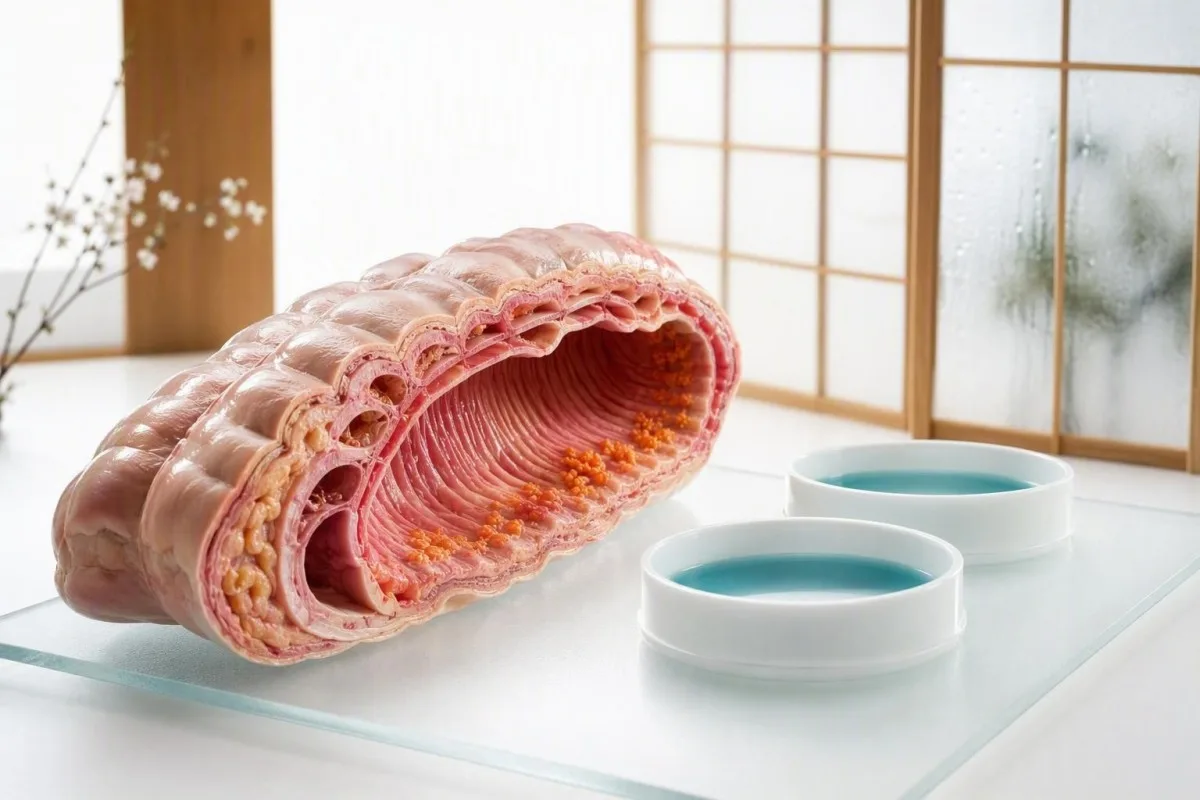
Oba testa zaznata črevesno vnetje, ki ga povzročajo nevtrofilci, vendar je kalprotektin običajno bolj uporaben kvantitativni nadzorni pokazatelj. Pravilen rezultat je tisti, ki spremeni naslednjo klinično odločitev – ne tisti, ki vam dodeli diagnozo IBD.


- Kalprotektin pod 50 µg/g je običajno pomirjujoče pri odraslih s sumom na IBS, če ni alarmnih znakov.
- Laktoferin je nevtrofilni protein; mnogi kvantitativni testi uporabljajo manj kot 7,25 µg/g kot negativen, vendar se mejne vrednosti v laboratoriju razlikujejo.
- Visoki blatski pokazatelji kažejo na črevesno vnetje, ne na specifično diagnozo; okužba, NSAID, divertikulitis in kolorektalna neoplazija lahko dvigneta oba.
- Meja kalprotektina od 50–150 µg/g pogosto upravičuje ponovni odvzem vzorca čez 2–6 tednov namesto takojšnje kolonoskopije.
- Kalprotektin nad 250 µg/g povečuje skrb za aktivno vnetje sluznice in običajno sproži klinični pregled, testiranje blata na okužbo ali načrtovanje endoskopije.
- Normalni rezultati lahko zmanjša verjetnost za kolitisno IBD, vendar ne more zanesljivo izključiti izolirane črevesne oblike Chronove bolezni.
- Spremljanje IBD uporablja simptome ter biomarkerje, CRP, označevalce anemije, slikovne preiskave in endoskopijo; nobeno blatom ne diagnosticira neodvisno poslabšanja.
- Nujni simptomi kot so črno blato, stalna vidna kri, vročina, močna bolečina, omedlevica ali dehidracija, potrebujejo zdravniško oceno ne glede na rezultat označevalca.
Kateri blaten pokazatelj izbrati najprej?
Fekalni kalprotektin je običajno označevalec vnetja v blatu prvega izbora ker je široko dostopen, kvantitativen in ima najmočnejšo vlogo pri ločevanju verjetne vnetne črevesne bolezni od funkcionalnih črevesnih simptomov. Test fekalne laktoferina rezultati so razumna alternativa, kadar je to lokalno validiran test, vendar redko kaj spremeni pri začetnem naročanju obeh.
Za osebo s 6 tedni redke blata, krči in brez izgube teže ali rektalnega krvavenja bi običajno začel s kalprotektinom ter ciljanim testiranjem okužbe namesto kolonoskopije. Rezultat pod 50 µg/g zmanjša verjetnost pomembnega koloničnega vnetja, medtem ko jasno povišan rezultat daje razlog za nadaljnje ukrepanje. Smernice AGA za kronično vodeno drisko podpirajo kalprotektin ali laktoderin kot presejalne teste za vnetne pogoje (Smalley et al., 2019).
Izberite laktoderin, kadar ga vaša gastroenterološka služba dosledno uporablja, kadar laboratorij poroča validirano kvantitativno vrednost ali kadar je vključen v obravnavo okužene driske. Ne izbirajte ga, ker zveni bolj specifično: oba beljakovina se sproščata, ko nevtrofilci vstopijo v črevesni lumen. Praktično vprašanje je, ali lahko vaš zdravnik primerja rezultat z vašimi prejšnjimi vzorci z istim testom.
Kantesti je AI analizator krvi ki povezuje sorodne rezultate, kot so hemoglobin, CRP, albumin in indeksi železa, s poročilom o označevalcu blata; ne nadomesti blata ali diagnoze zdravnika. Če utrujenost spremlja drisko, krvni test za drisko lahko pomaga pri prepoznavanju dehidracije, anemije ali izgube elektrolitov, ki vpliva na nujnost.
Uporabno pravilo
Najprej uporabite en validiran označevalec, ponovite isti označevalec, kadar je rezultat mejni ali pri spremljanju zdravljenja, in dvojno testiranje si pridržite za specifično gastroenterološko vprašanje. Zamenjava testa sredi spremljanja ustvari navidezne trende, ki so lahko laboratorijski šum, ne pa biologija.
Kaj dejansko zazna blatski kalprotektin
Kalprotektin meri kalcijevo in cinkovo vezavno beljakovino, ki se večinoma sprošča iz nevtrofilcev v prebavnem traktu. Višja koncentracija v blatu odraža migracijo nevtrofilcev v črevo, kar je pogosto pri aktivni IBD, vendar se pojavi tudi pri več ne-IBD stanjih.
Kalprotektin je kompleks beljakovin S100A8/S100A9 in ostane razmeroma stabilen v blatu več dni pri sobni temperaturi – to je eden od razlogov, zakaj dobro deluje kot test za domačo zbirko. Njegova biološka prednost je lokalnost: za razliko od CRP odraža celično aktivnost v črevesnem lumenu in ne sistemskega odziva akutne faze. Zato normalen CRP ne izniči visoke vrednosti kalprotektina.
V odrasli praksi laboratoriji pogosto razvrščajo manj kot 50 µg/g kot normalno in več kot 150–250 µg/g kot vse bolj združljivo z aktivnim črevesnim vnetjem. To so odločitvene meje, ne univerzalne biološke meje. Nekatere evropske službe uporabljajo 100 µg/g kot mejno vrednost za napotitev, medtem ko se referenčni intervali za pediatrične in specifične teste lahko bistveno razlikujejo.
Videla sem 28-letnika s kalprotektinom 680 µg/g, normalnim CRP in na koncu ulceroznim kolitisom, omejenim na rektum in sigmoidno debelo črevo. Ta vzorec ni nenavaden: lokalno vnetje sluznice je lahko aktivno brez močnega sistemskega signala. Naše vodilo za referenčne vrednosti blata pojasnjuje, zakaj bi morali biti lastna laboratorijska metoda in enote vedno priloženi vsakemu rezultatu.
Kaj zazna blatski laktoferin drugače
Laktoferin zazna drug protein, ki izvira iz nevtrofilcev, in odgovori na skoraj enako biološko vprašanje kot kalprotektin: ali obstaja aktivno črevesno vnetje nevtrofilcev? Sam po sebi ne identificira ulceroznega kolitisa, Crohnove bolezni, bakterijskega kolitisa ali drugega vzroka.
Laktoferin je glikoprotein, ki veže železo, shranjen v sekundarnih zrncah nevtrofilcev in sproščen med aktivacijo. Pozitiven kvalitativni test blata za laktoferin je uporaben, ker v ustreznem kliničnem okolju izključuje nekompliciran IBS. Kvantitativne meritve se razlikujejo: ena pogosto uporabljena metoda definira negativno vrednost kot manj kot 7.25 µg/g, zato nikoli ne uporabite kalprotektinskega mejnega pragova za poročilo o laktoferinu.
Dokazi ne kažejo, da je laktoferin kategorično boljši. V diagnostični meta-analizi sta Wang in sodelavci ugotovila, da ima blato laktoferin združeno občutljivost 82% in specifičnost 14% za razlikovanje IBD od kontrol brez IBD, čeprav se ocene točnosti spreminjajo glede na prevalenco bolezni in zasnovo študije (Wang et al., 2015). Ta impresivna specifičnost še vedno ne pretvori pozitivnega rezultata v diagnozo IBD.
Pozitiven rezultat laktoferina je še posebej vreden obravnave, ko se driska nenadoma pojavi po potovanju, jemanju antibiotikov, izpostavljenosti okuženi hrani ali stiku z bolno osebo. V teh situacijah kliniki običajno dodajo testiranje patogenov, namesto da bi takoj skočili na oznako IBD. Naše vodilo za rezultatih kultivacije blata pokriva, kaj lahko in česa ne more rešiti poročilo z negativnim ali mešanim rastjo.
Kako brati mejne vrednosti brez pretiranega odziva
Vrednost kalprotektina pod 50 µg/g je običajno normalna za odrasle, 50–150 µg/g je pogosto nedoločno območje, vrednosti nad 250 µg/g pa vzbujajo skrb glede aktivnega vnetja. Laktoferin uporablja mejne pragove, specifične za test, običajno kvalitativni pozitiven ali kvantitativni prag blizu 7.25 µg/g.
Kalprotektinski mejni prag 50 µg/g je zasnovan za občutljivost: zajame večino klinično pomembnih vnetnih bolezni po ceni nekaterih lažnih pozitivnih rezultatov. Mejni prag 250 µg/g je bolj uporaben za specifičnost in spremljanje uveljavljenega IBD. Med njima leži frustrirajoče srednje območje, kjer so izpostavljenost zdravilom, nedavna gastroenteritis, starost in potek pomembnejši od ene same številke.
Sprememba z 72 na 94 µg/g je pogosto manj pomembna kot sprememba z 85 na 430 µg/g, še posebej, če sta bila oba vzorca testirana v istem laboratoriju. Konzistenca blata lahko vpliva na ekstrakcijo in biološka variacija je resnična. Praktični nasvet dr. Thomasa Kleina je, da pred interpretacijo zmernega dviga zabeležite uporabo NSAID, nedavno okužbo, menstrualno kontaminacijo in datum zbiranja.
Za discipliniran pristop k zaporednim vrednostim primerjajte datum vzorca s simptomi in povezanimi laboratorijskimi izvidi, namesto da bi vsak označen rezultat obravnavali kot napredovanje bolezni. Naše vodnik po trendih krvnih preiskav pojasnjuje isto načelo referenčne spremembe in analitične variacije v laboratorijski medicini.
Zakaj sta lahko oba pokazatelja povišana brez IBD
Povišani označevalci vnetja v blatu se pojavijo pri črevesnih okužbah, izpostavljenosti NSAID, divertikulitisu, kolorektalnih novotvorbah, mikroskopskem kolitisu in IBD. Rezultat potrjuje vnetni signal; sam po sebi ne razkriva vzroka, lokacije, trajanja ali resnosti.
Nesteroidna protivnetna zdravila lahko zvišajo fekalni kalprotektin, včasih znatno, s povečanjem prepustnosti črevesja in povzročanjem manjših poškodb sluznice. Ibuprofen, naproksen in diklofenak so pomembni; zdravnik lahko pred ponovnim testiranjem predlaga njihovo opustitev, če je to medicinsko varno. Ne prenehajte jemati predpisanega aspirina, antikoagulantov ali protibolečinskih zdravil, ne da bi se najprej posvetovali s predpisovalcem.
Akutni bakterijski gastroenteritis lahko povzroči vrednosti kalprotektina nad 500 µg/g in pozitiven laktiferin, zato je panel patogenov v blatu lahko bolj informativen kot nujna kolonoskopija v prvih dneh bolezni. Nasprotno, giardioza lahko povzroči podaljšano drisko z manj izrazitim nevtrofilnim dvigom označevalcev. Časovnica simptomov ima pogosto večjo diagnostično težo, kot jo pričakujejo bolniki.
Kantesti je storitvi za interpretacijo laboratorijskih testov AI ki lahko signalizira vnetni vzorec, kot so nizka raven hemoglobina, nizka raven albumina, trombocitoza in povišan CRP, za pregled pri zdravniku, vendar ti izvidi krvi ne dokazujejo, da je vir v črevesju. Za ljudi s krvjo v blatu, Spremljanje FIT in čas kolonoskopije je ločeno vprašanje od kalprotektina in ga ne smemo odlašati.
Kdaj lahko normalen rezultat še vedno spregleda bolezen
Normalni kalprotektin ali laktiferin omilita verjetnost aktivnega vnetja debelega črevesa, vendar ne more v celoti izključiti Crohnove bolezni, zlasti blage ali izolirane bolezni tankega črevesa. Normalen rezultat prav tako ne pojasnjuje vztrajne izgube teže, anemije zaradi pomanjkanja železa, nočne driske ali ponavljajoče se vidne krvavitve.
Vnetje tankega črevesa pri Crohnove bolezni lahko sprošča manj nevtrofilnih beljakovin v vzorec blata kot obsežen kolitis, zlasti ko so lezije proksimalne ali blage. To je eden od razlogov, zakaj imajo simptomi in alarmantne značilnosti prednost pred pomirjujočo številko. Diagnostične smernice ECCO-ESGAR priporočajo združevanje biomarkerjev z ileokolonoskopijo in slikovnimi preiskavami, kadar IBD ostaja klinično sumljiva (Maaser et al., 2019).
46-letnik s kalprotektinom 38 µg/g, feritinom 7 ng/mL in napredujočo utrujenostjo si zasluži oceno zaradi krvavitve iz prebavil ali malabsorpcije, tudi če je pogostnost blatenja normalna. Po mojih izkušnjah je kombinacija pomanjkanja železa in nepojasnjenih simptomov veliko bolj pomembna kot posamezen nizek označevalec v blatu. Preberite naše nizek feritin in namigi za črevesje za običajna naslednja laboratorijska vprašanja.
Celiakija, driska zaradi žolčnih kislin, pankreasna insuficienca in številni učinki zdravil lahko povzročijo simptome z normalnimi označevalci vnetja v blatu. Zato je normalen test na razpotju k ne-vnetnim diagnozam, ne pa izjava, da so simptomi psihološki ali nepomembni.
Kaj storiti z mejnim rezultatom kalprotektina
Mejna vrednost fekalnega kalprotektina 50–150 µg/g se običajno ponovi po 2–6 tednih, če so simptomi stabilni in ni alarmantnih znakov. Ponovitev naj uporabi enako laboratorijsko metodo in naj bo časovno odmaknjena od nedavne okužbe prebavil, če je mogoče.
Pred ponovnim testiranjem zdravniki pregledajo NSAID, zaviralce protonske črpalke, antibiotike, akutne okužbe, naporne vzdržljivostne vadbe in starostna tveganja. Ni univerzalno dogovorjenega intervala izplakovanja za vsako zdravilo. Pragmaticen načrt je pogosto 2 tedna po umirjanju akutne bolezni, če simptomi ne signalizirajo potrebe po zgodnejši oskrbi.
Če se ponovitev zniža z 118 na 32 µg/g in se simptomi umirijo, je invazivno testiranje morda mogoče izogniti. Če zraste z 96 na 310 µg/g, smer dodaja uporabne dokaze še pred prihodom rezultata endoskopije. Zato redko povzroči paniko ali lažno zagotovilo ena sama mejna vrednost.
Naš vodnik za spremljanje mejnega kalprotektina opisuje vprašanja za obisk pri osebnem zdravniku ali gastroenterologu. Kratek dnevnik simptomov s pogostostjo blatenja, nočnim prebujanjem, zvišano telesno temperaturo in datumi jemanja zdravil je običajno bolj uporaben kot obsedeno preverjanje sprožiteljev hrane.
Kako zdravniki uporabljajo pokazatelje po diagnosticiranju IBD
Pri uveljavljeni IBD je kalprotektin najbolj uporaben za sledenje objektivnemu vnetju črevesja in pomaga pri odločanju, ali simptomi predstavljajo poslabšanje, okužbo, prekrivanje z IBS ali neuspeh zdravljenja. Laktoferin lahko prav tako sledi aktivnosti, vendar ima kalprotektin več smernic podprtih pragov za spremljanje zdravljenja do cilja.
Simptomi in sluznična aktivnost se pogosto razlikujeta. Bolnik z ulceroznim kolitisom se lahko počuti dobro, medtem ko kalprotektin naraste od 80 do 360 µg/g, ali ima nujno potrebo po odvajanju blata zaradi malabsorpcije žolčnih kislin, medtem ko kalprotektin ostane 28 µg/g. Smernice AGA iz leta 2023 za biološke označevalce pri ulceroznem kolitisu svetujejo kombiniranje simptomov z biološkimi označevalci, namesto da bi se zanašali le na eno ali drugo (Singh et al., 2023).
Za spremljanje remisije številni klinični zdravniki menijo manj kot 150 µg/g je pomirjujoče, medtem ko več kot 150 µg/g lahko upraviči ponovno testiranje, endoskopijo ali pregled zdravljenja, odvisno od simptomov in prejšnjega poteka bolezni. Pri aktivnem simptomatskem ulceroznem kolitisu, več kot 250 µg/g podpira obstoječo vnetje. Mejne vrednosti so vodilo, ne navodila za spremembo biološkega zdravljenja brez strokovnega mnenja.
Kantesti AI je platforma za interpretacijo biomarkerjev z AI ki organizira trende krvnih preiskav glede na prijavljene datume zdravljenja bolnika; ne more oceniti endoskopske resnosti blata le na podlagi števila. Bolniki, ki jemljejo biološka zdravila, bi morali razumeti tudi, kateri krvni testi za varnost spremljajo zdravljenje in kateri simptomi zahtevajo takojšen stik z njihovo ekipo za IBD.
Kako napake pri zbiranju in čas vplivata na rezultate
Kakovost zbiranja vpliva na interpretacijo markerjev v blatu, ker lahko kontaminiran, zamujen ali slabo odvzet vzorec zavrnejo ali pa dajejo manj zanesljivo meritev. Večina laboratorijev želi majhen košček blata, ki ga je treba dati v priloženo sterilno posodo brez straniščne vode ali urina.
Tekoče blato je običajno primerno za testiranje kalprotektina in laktoferina; ne čakajte na formiran vzorec, če je driska klinični problem. Izogibajte se zbiranju iz straniščne vode in obvestite laboratorij, če vzorec vsebuje vidno menstrualno kri. Navodila za shranjevanje se razlikujejo glede na komplet, vendar mnogi omogočajo kratek transport pri sobni temperaturi, ker je kalprotektin relativno stabilen.
Vzorkovanje dan po maratonu, epizodi gastroenteritisa ali pripravi na kolonoskopijo lahko odgovori na napačno vprašanje. Vzdržljivostno vadbo lahko začasno poveča prepustnost črevesja in povzroči prebavne simptome. Če ste vzdržljivostni športnik brez rdečih zastav, razmislite o časovni nastavitvi odvzema stran od pomembnega dogodka; naša vodniku za laboratorijske preiskave za vzdržljivostne športnike pojasnjuje, zakaj kontekst spremeni interpretacijo testa.
Bistvo je, da popolno zbiranje ne naredi nespecifičnega biološkega označevalca specifičnega. Visokokakovosten vzorec poveča zaupanje v meritev; ne more nadomestiti klinične anamneze, pregleda in diferencialne diagnoze.
Katere krvne preiskave naredijo blatski pokazatelj bolj uporaben
CBC, CRP, feritin, albumin, ledvična funkcija in serologija za celiakijo pogosto dodajo več klinične vrednosti povišanemu markerju v blatu kot naročanje drugega beljakovinskega markerja vnetja v blatu. Skrb vzbujajoč vzorec ni nobena posamezna nepravilnost, temveč več rezultatov, ki kažejo na vnetje, malabsorpcijo ali krvavitev.
Nizka hemoglobina, feritin pod 15 ng/mL, albumin pod referenčnim območjem laboratorija, povišane krvne ploščice ali povišan CRP lahko okrepijo skrb za klinično pomembno črevesno bolezen. Nobena od teh ni diagnostična za IBD. Dejansko lahko CRP ostane normalen pri blagem ulceroznem kolitisu, feritin pa je lahko lažno normalen, ko vnetje dvigne raven kot beljakovina akutne faze.
Kantesti je Orodje za analizo krvnih testov z umetno inteligenco ki bere CBC, železove študije in CRP v istem kliničnem okviru, vključno s tem, ali bi spremenjena raven hemoglobina upravičila zgodnejši pregled. Dr. Thomas Klein rutinsko opozarja, da je izoliran CRP 12 mg/L nespecifičen, medtem ko je CRP 12 mg/L plus padajoč albumin in kalprotektin 740 µg/g veliko bolj ukrepajoča skupina rezultatov.
Pri bolnikih, katerih vrednosti železa se zdijo nedosledne, naš vodnik za preiskave železa pojasnjuje nasičenost transferina in serumski feritin med vnetjem. Vodnik po rezultatih preiskav krvne slike (CBC) vam lahko pomaga ugotoviti, ali je anemija mikrocitna, vnetna ali mešana.
Kdaj je lahko razumen odvzem obeh testov
Naročanje kalprotektina in laktiferina hkrati običajno ni potrebno, vendar je lahko upravičeno, kadar specialist usklajuje neskladne simptome, predhodnega testa ni mogoče ponoviti ali lokalni postopek zahteva potrditev. Skladni rezultati skromno povečajo zaupanje v vnetni signal; neskladni rezultati običajno sprožijo pregled, ne aritmetično povprečje.
Visok kalprotektin z negativnim laktiferinom lahko odraža časovni okvir testa, rezultat blizu meje, heterogenost vzorca ali analitske razlike. Nizek kalprotektin s pozitivnim laktiferinom si zasluži enak discipliniran odziv: preverite odvzem, preglejte natančen test, preglejte simptome in po potrebi testirajte za okužbo. Nobena kombinacija nima potrjene bližnjice do diagnoze.
Dvojno testiranje je lahko koristno tudi v raziskovalnih okoljih, kjer protokol vnaprej določa obe biološki označevalki. To se razlikuje od rutinske oskrbe bolnikov, kjer lahko podvojeno testiranje poveča stroške brez izboljšanja odločitev. Vprašajte naročajočega zdravnika preprosto vprašanje: “Kaj bomo drugače storili, če bo drugi test pozitiven?”
Če se poročilo zdi notranje nedosledno, uporabite naš vodilo za kvalitativne in kvantitativne teste vodnik za razumevanje, zakaj “pozitivno” in “visoko” nista zamenljivi laboratorijski izjavi. Doslednost metode je pomembnejša od zbiranja vseh razpoložljivih markerjev.
Kaj dejansko potrdi ali izključi IBD
Vnetno črevesno bolezen (IBD) diagnosticiramo s sintezo simptomov, ileokolonoskopijo z odvzemo tkiva, histologijo, laboratorijskimi preiskavami in včasih z MRI ali CT enterografijo – ne samo s kalprotektinom ali laktiferinom. Blatni markerji pomagajo pri odločitvi, kdo potrebuje te preiskave in ali se lahko vnetje sčasoma spreminja.
Kolonoskopija omogoča neposredno oceno terminalnega ileuma in debelega črevesa ter omogoča pregled tkiva za kronične vnetne spremembe, okužbe, mikroskopski kolitis, displazijo in druge vzroke. Slikanje je še posebej dragoceno, kadar Crohnova bolezen prizadene tanko črevo onkraj dosega standardne kolonoskopije. Blatni marker je signal za triažo, ne mikroskopska diagnoza.
Ne zamenjujte teste imunokemije blata s katerim koli vnetnim markerjem. FIT zazna človeški hemoglobin in se uporablja predvsem pri presejanju za kolorektalni rak ali pri poteh krvavitev v spodnjem delu prebavil, medtem ko kalprotektin in laktiferin zaznata produkte nevtrofilcev. Naša primerjava FIT in FOBT pojasnjuje, zakaj negativen vnetni marker ne nadomešča priporočenega presejanja za raka.
Od 4. septembra 2026 nobena glavna gastroenterološka smernica ne priporoča diagnosticiranja Crohnove bolezni ali ulceroznega kolitisa na podlagi enega praga za biološke označevalce v blatu. Ta omejitev varuje bolnike pred zamujenimi boleznimi in nepotrebnimi doživljenjskimi diagnostičnimi oznakami.
Simptomi, ki prevagajo kakršen koli rezultat blatskega testa
Vztrajno vidno rektalno krvavenje, črno blato, hude bolečine v trebuhu, vročina, omedlevica, dehidracija, hitro poslabšanje šibkosti ali nenamerno hujšanje potrebujejo pravočasno zdravniško oceno ne glede na kalprotektin ali laktiferin. Normalnega rezultata nikoli ne smemo uporabiti za čakanje ob potencialno nujnem vzorcu simptomov.
Nujna skrb je fiziologija, ne oznaka na laboratorijskem poročilu. Pogosta vodena driska lahko povzroči nizek kalij, akutno ledvično odpoved in ortostatske simptome, preden se vrne vnetni marker. Odrasli, ki ne morejo zadržati tekočine, imajo zmedenost, omedlevico ali minimalen izhod urina, naj poiščejo nujno pomoč.
Novi črevesni simptomi po 50. letu starosti, močna družinska anamneza kolorektalnega raka in slabokrvnost zaradi pomanjkanja železa spremenijo prag za kolonsko oceno, tudi ko je kalprotektin nizek. Blatni marker ne ocenjuje celovito tveganja za raka. Naš smernice za rdeče zastavice pri sluzi v blatu razlikuje pogoste benigne vzorce od simptomov, ki zahtevajo pregled.
Otroci, nosečnice, starejši odrasli in ljudje, ki jemljejo imunosupresivna zdravila, potrebujejo individualno triažo, ker se njihova osnovna tveganja razlikujejo. Če niste prepričani, ali so simptomi nujni, je varneje stopiti v stik z lokalnim zdravnikom ali službo za nujno oskrbo, kot pa poskušati interpretirati številko izolirano.
Praktičen pogovor, ki ga je treba opraviti po prejemu rezultata
Najbolj uporabno nadaljnje vprašanje je: “Ali ta rezultat spremeni mojo potrebo po testiranju na okužbo, ponovnem testiranju, slikanju ali endoskopiji?” Če s seboj prinesete natančno vrednost, ime testa, časovnico simptomov, zdravila in prejšnje rezultate, bo ta pogovor hitrejši in klinično natančnejši.
Prinesite seznam iz zadnjih 14 dni: pogostost blatenja, nočni simptomi, vročina, sprememba teže, potovanja, antibiotiki, NSAID in družinska anamneza. Kalprotektin 180 µg/g po 3-dnevni driski z vročino zahteva drugačen načrt kot enak rezultat po 4 mesecih nočne driske in izgube teže.
Kantesti AI vam lahko pomaga organizirati spremljajoča krvna poročila pred obiskom pri zdravniku, vendar odločitve o diagnozi in zdravljenju ostanejo pri zdravniku, ki vas lahko pregleda in uredi končno testiranje. Naše pristop medicinske validacije pojasnjuje, kako sta klinični nadzor in preverjanje izvora vgrajena v odgovorno laboratorijsko interpretacijo.
Pri zapletenih primerih vprašajte, kdo bo odgovoren za spremljanje in kdaj lahko pričakujete ponovni rezultat ali odločitev o napotitvi. Zdravniki na naši Zdravniški svetovalni odbor poudarjajo, da dokumentiran načrt premaga nejasno navodilo “ponovno preveri kasneje”, še posebej, ko se vnetni markerji in anemija premikajo v isto smer.
Odločilno bistvo
V večini primerov najprej izberite kalprotektin, uporabite laktoferin, ko je to potrjena alternativa vaše službe, in ne domnevajte, da kateri koli rezultat diagnosticira IBD. Nizka vrednost preusmeri pozornost na funkcionalne in nevnetne vzroke, medtem ko vztrajno visoka vrednost identificira ljudi, ki morda potrebujejo testiranje na okužbo, specialistični pregled ali endoskopijo.
Za nekomplicirano kronično drisko lahko en normalen marker – kalprotektin pod 50 µg/g ali negativen laktoferin po navedbah laboratorija – zmanjša verjetnost aktivne vnetne bolezni. Pri vrednosti nad 250 µg/g ali pozitivnem laktoferinu s persistentnimi simptomi je naslednje vprašanje vzrok, ne gotovost. Na seznamu ostajajo okužba, izpostavljenost zdravilom, IBD in druga vnetna stanja.
Večina bolnikov težko prenaša dvoumnost v območju kalprotektina 50–150 µg/g. Po mojih izkušnjah je najboljši naslednji korak ponavadi skrbno časovno ponovljeno testiranje, ne pa dieta, samozdravljenje s steroidi ali diagnoza z interneta. Če je mogoče, uporabite enak laboratorij, da je trend mogoče interpretirati.
Kantesti-jev Vodnik po tehnologiji AI opisuje, kako naši sistemi ohranjajo laboratorijski kontekst, hkrati pa poudarjajo vprašanja za zdravniški pregled. Varno uporabo katere koli interpretacije AI je tukaj enako: uporabite jo za pripravo na boljši klinični pogovor, nikoli za preklic rdečih zastavic ali nadomestitev diagnostične oskrbe.
Pogosto zastavljena vprašanja
Je kalprotektin boljši kot laktiferin za odkrivanje IBD?
Kalprotektin je običajno prednostni test pri sumu na IBD, ker je široko dostopen kot kvantitativni test in ima pogosto uporabljene mejne vrednosti za spremljanje, kot so manj kot 50 µg/g in več kot 250 µg/g. Laktoferin je prav tako uporaben marker iztrebkov, izpeljan iz nevtrofilcev, in je lahko zanesljiv, če laboratorij uporablja validiran test. Noben od markerjev ne potrdi IBD, saj lahko okužbe, nesteroidna protivnetna zdravila (NSAID), divertikulitis in druga črevesna obolenja oba zvišajo. Boljši test je običajno tisti, ki ga lahko vaš zdravnik interpretira skupaj s simptomi in ponovi z uporabo iste laboratorijske metode.
Katera raven kalprotektina je skrb vzbujajoča?
Ravenj fekalnega kalprotektina pod 50 µg/g je pri odraslih brez alarmantnih simptomov običajno pomirjujoč, medtem ko se 50–150 µg/g pogosto šteje za mejno vrednost in se lahko ponovi po 2–6 tednih. Vrednosti nad 150–250 µg/g bolj kažejo na črevesno vnetje, ravni nad 250 µg/g pa običajno sprožijo klinični pregled ali nadaljnje testiranje. Natančno ukrepanje je odvisno od testa, simptomov, starosti, uporabe nesteroidnih protivnetnih zdravil in ali vrednost narašča. Vrednost 600 µg/g po akutni bakterijski driski ima lahko drugačen pomen kot 600 µg/g med večmesečnimi kroničnimi simptomi.
Ali lahko sindrom iritabilnega črevesja (IBS) povzroči visoko vrednost kalprotektina ali laktoferina?
Nezapleten IBS običajno ne povzroča zvišane vrednosti fekalnega kalprotektina ali laktoferina, ker IBS ne povzroča vnetja črevesja, ki ga poganjajo nevtrofilci. Blago zvišanje kalprotektina med 50 in 150 µg/g se lahko pojavi zaradi nedavne okužbe, uporabe NSAID, starostnih dejavnikov ali variacije testa, zato ne izključuje samodejno IBS. Pozitiven test na laktoferin ali kalprotektin nad 250 µg/g bi moral spodbuditi oceno za vnetni ali nalezljiv vzrok, namesto da bi domnevali IBS. IBS in IBD se lahko pojavljata hkrati, kar je še en razlog, zakaj so simptomi in trendi pomembni.
Ali lahko normalen kalprotektin izključi Crohnovo bolezen?
Normalen rezultat kalprotektina zmanjša verjetnost aktivne vnetne črevesne bolezni (IBD) v črevesu, vendar ne more popolnoma izključiti Crohnove bolezni, zlasti blage ali izolirane Crohnove bolezni tankega črevesa. Vrednost pod 50 µg/g ne sme prevladati nad znaki opozorila, kot so slabokrvnost zaradi pomanjkanja železa, izguba telesne teže, nočni driska, vztrajna krvavitev ali močna družinska anamneza. Klinični zdravniki lahko uporabijo ileokolonoskopijo, MR enterografijo ali kapsulno preiskavo, kadar klinični sum ostaja visok. Rezultat je najbolje obravnavati kot eno od dokazov, ki prilagajajo verjetnost, namesto kot končni izključitveni test.
Ali naj ponovim mejni rezultat kalprotektina?
Mejni rezultat kalprotektina 50–150 µg/g se pogosto ponovi po 2–6 tednih, ko so simptomi stabilni in ni alarmnih znakov. Pred ponovitvijo klinični zdravniki običajno pregledajo nedavne gastroenteritise, uporabo nesteroidnih antirevmatikov (NSAID), antibiotike in pogoje zbiranja, ker lahko vsak od teh vpliva na vrednost. Če je mogoče, uporabite isti laboratorijski test, saj rezultati različnih metod morda niso neposredno primerljivi. Naraščajoči rezultat proti 250 µg/g ali nad njim običajno nosi večjo klinično težo kot stabilna nizka stopnja povišanja.
Ali lahko antibiotiki vplivajo na fekalni kalprotektin in laktoferin?
Antibiotiki lahko posredno vplivajo na označevalce vnetja v blatu z zdravljenjem, sprožitvijo ali sočasnim pojavom nalezljive driske ter s spremembo črevesnega mikrobioma. Osebo z drisko, povezano z antibiotiki, je treba oceniti glede vzrokov, kot je Clostridioides difficile, namesto da bi povišan kalprotektin ali pozitiven laktoferin tolmačili kot IBD. Ni zanesljivega univerzalnega števila dni, ki bi jih bilo treba počakati po antibiotikih pred testiranjem; čas je odvisen od simptomov in kliničnega vprašanja. Trajna driska, vročina ali bolečina v trebuhu po antibiotikih potrebuje testiranje pod vodstvom zdravnika, ne samozdravljenje.
Danes pridobite analizo krvnih preiskav z umetno inteligenco
Pridružite se več kot 2 milijonoma uporabnikov po vsem svetu, ki zaupajo Kantesti za takojšnjo, natančno analizo laboratorijskih preiskav. Naložite svoje rezultate krvnih preiskav in v nekaj sekundah prejmite celovito razlago biomarkerjev 15,000+.
📚 Citirane raziskovalne publikacije
Klein, T., Mitchell, S., & Weber, H. (2026). Kantesti LTD. (2026). Urobilinogen v urinu: popoln vodnik po analizi urina 2026. Zenodo.. Kantesti AI Medical Research.
Klein, T., Mitchell, S., & Weber, H. (2026). Kantesti LTD. (2026). Priročnik za analizo železa: TIBC, nasičenost železa in kapaciteta vezave. Zenodo.. Kantesti AI Medical Research.
📖 Zunanje medicinske reference
Singh S et al. (2023). Klinična smernica AGA o vlogi bioloških označevalcev pri obravnavi ulceroznega kolitisa. Gastroenterology.
⚕️ Medicinska izjava o omejitvi odgovornosti
Ta članek je namenjen izobraževalnim namenom in ne predstavlja medicinskega nasveta. Za odločitve o diagnozi in zdravljenju se vedno posvetujte z usposobljenim izvajalcem zdravstvenih storitev.
E-E-A-T zaupanja vredni signali
Izkušnje
Zdravniški klinični pregled delovnih postopkov za interpretacijo laboratorijskih izvidov.
Strokovno znanje
Laboratorijska medicina s poudarkom na tem, kako se biomarkerji obnašajo v kliničnem kontekstu.
Avtoritativnost
Napisal dr. Thomas Klein, pregledala dr. Sarah Mitchell in prof. dr. Hans Weber.
Zanesljivost
Interpretacija na podlagi dokazov z jasnimi nadaljnjimi potmi za zmanjšanje alarmiranja.