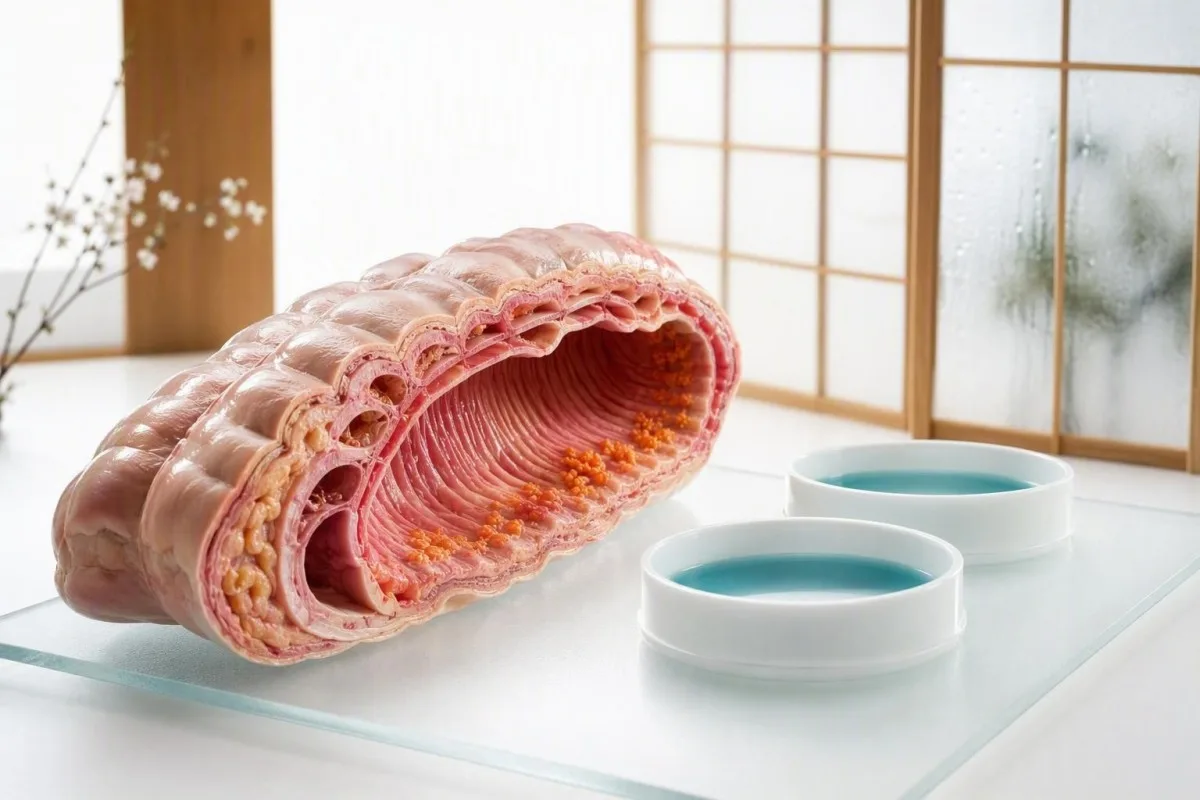
બંને પરીક્ષણો ન્યુટ્રોફિલ-ડ્રાઇવ ઇન્ટરેસ્ટાઇનલ ઇન્ફ્લેમેશન (intestinal inflammation) શોધે છે, પરંતુ કેલપ્રોટેક્ટીન (calprotectin) સામાન્ય રીતે વધુ ઉપયોગી માત્રાત્મક દેખરેખ સાધન છે. સાચું પરિણામ એ છે જે આગામી ક્લિનિકલ નિર્ણય (clinical decision) બદલે છે — એક નથી જે તમને IBD સાથે લેબલ કરે છે.


- કેલપ્રોટેક્ટીન (Calprotectin) IBS ની શંકા ધરાવતા પુખ્ત વયના લોકોમાં 50 µg/g થી નીચે સામાન્ય રીતે રાહત આપે છે જ્યારે ત્યાં કોઈ એલાર્મ સુવિધાઓ (alarm features) નથી.
- લેક્ટોફેરીન (Lactoferrin) એ ન્યુટ્રોફિલ (neutrophil) પ્રોટીન (protein) છે; ઘણા માત્રાત્મક એસે (quantitative assays) 7.25 µg/g કરતાં ઓછો ઉપયોગ નેગેટિવ (negative) તરીકે કરે છે, પરંતુ લેબોરેટરી (laboratory) કટઓફ (cutoffs) બદલાય છે.
- ઊંચા સ્ટૂલ માર્કર્સ (High stool markers) આંતરડાના સોજા (intestinal inflammation) દર્શાવે છે, કોઈ ચોક્કસ નિદાન (diagnosis) નથી; ચેપ (infection), NSAIDs, ડાયવર્ટિક્યુલાઇટિસ (diverticulitis) અને કોલોરેક્ટલ નિયોપ્લાસિયા (colorectal neoplasia) બંનેને વધારી શકે છે.
- બોર્ડરલાઇન કેલપ્રોટેક્ટિન 50–150 µg/g સામાન્ય રીતે તાત્કાલિક કોલોનોસ્કોપી (colonoscopy) ને બદલે 2–6 અઠવાડિયા પછી પુનરાવર્તિત નમૂના (repeat sample) ને લાયક ઠેરવે છે.
- 250 µg/g થી વધુ કેલપ્રોટેક્ટીન (Calprotectin) સક્રિય મ્યુકોસલ ઇન્ફ્લેમેશન (mucosal inflammation) માટે ચિંતા વધારે છે અને સામાન્ય રીતે ક્લિનિકલ રિવ્યુ (clinical review), સ્ટૂલ ઇન્ફેક્શન (stool infection) ટેસ્ટિંગ (testing) અથવા એન્ડોસ્કોપી (endoscopy) પ્લાનિંગ (planning) ને પ્રોમ્પ્ટ (prompts) કરે છે.
- સામાન્ય પરિણામો કોલોનિક IBD (શોથગ્રસ્ત આંતરડાનો રોગ) ને ઓછી સંભાવના બનાવે છે પરંતુ અલગ નાના-આંતરડાના ક્રોહન રોગને વિશ્વસનીય રીતે બાકાત રાખી શકતું નથી.
- IBD ની દેખરેખ લક્ષણો વત્તા બાયોમાર્કર્સ, CRP, એનિમિયા માર્કર્સ, ઇમેજિંગ અને એન્ડોસ્કોપીનો ઉપયોગ કરે છે; કોઈ પણ સ્ટૂલ માર્કર સ્વતંત્ર રીતે ફ્લેર (રોગનો તીવ્ર હુમલો) નું નિદાન કરતું નથી.
- તાત્કાલિક લક્ષણો જેમ કે કાળો મળ, સતત દેખાતું લોહી, તાવ, ગંભીર પીડા, બેહોશી અથવા ડિહાઇડ્રેશન માર્કરના પરિણામને ધ્યાનમાં લીધા વગર તબીબી મૂલ્યાંકનની જરૂર છે.
તમારે પ્રથમ કયો સ્ટૂલ માર્કર (stool marker) પસંદ કરવો જોઈએ?
મળમાં કેલપ્રોટેક્ટીન સામાન્ય રીતે પ્રથમ પસંદગીનો મળનો સોજો માર્કર છે કારણ કે તે વ્યાપકપણે ઉપલબ્ધ, માત્રાત્મક છે, અને કાર્યાત્મક આંતરડાના લક્ષણોથી શોથગ્રસ્ત આંતરડાના રોગને અલગ પાડવામાં સૌથી મજબૂત ભૂમિકા ભજવે છે. মલ લેક્ટોફેરિન પરીક્ષણ પરિણામો એક સમજદાર વિકલ્પ છે જ્યારે તે સ્થાનિક રીતે માન્ય એસે (લેબોરેટરી પરીક્ષણ) હોય, પરંતુ શરૂઆતમાં બંનેનો ઓર્ડર આપવાથી ભાગ્યે જ સંભાળ બદલાય છે.
6 અઠવાડિયાથી ઝાડા, ખેંચાણ, અને વજન ઘટાડ્યા વિના અથવા ગુદામાંથી રક્તસ્રાવ વિનાના વ્યક્તિ માટે, હું સામાન્ય રીતે કોલોનોસ્કોપીને બદલે કેલપ્રોટેક્ટીન વત્તા લક્ષિત ચેપ પરીક્ષણ સાથે શરૂ કરીશ. 50 µg/g થી નીચેનું પરિણામ નોંધપાત્ર કોલોનિક સોજાની શક્યતા ઓછી બનાવે છે, જ્યારે સ્પષ્ટ રીતે ઉચ્ચ પરિણામ વધુ તપાસવાનું કારણ પૂરું પાડે છે. ક્રોનિક વોટરી ડાયેરિયા માટે AGA માર્ગદર્શિકા શોથગ્રસ્ત રોગો (Smalley et al., 2019) માટે સ્ક્રીનીંગ પરીક્ષણો તરીકે કેલપ્રોટેક્ટીન અથવા લેક્ટોફેરિનને સમર્થન આપે છે.
જ્યારે તમારી ગેસ્ટ્રોએન્ટેરોલોજી સેવા તેનો સતત ઉપયોગ કરે, જ્યારે લેબોરેટરી માન્ય માત્રાત્મક મૂલ્યનો અહેવાલ આપે, અથવા જ્યારે તે ચેપી ઝાડાના કાર્યકારી અભ્યાસ સાથે જોડાયેલ હોય ત્યારે લેક્ટોફેરિન પસંદ કરો. તે વધુ વિશિષ્ટ લાગે છે તેથી તેને પસંદ કરશો નહીં: ન્યુટ્રોફિલ્સ આંતરડાના લ્યુમેનમાં પ્રવેશ કરે ત્યારે બંને પ્રોટીન મુક્ત થાય છે. વ્યવહારુ મુદ્દો એ છે કે શું તમારો ચિકિત્સક સમાન એસેનો ઉપયોગ કરીને તમારા અગાઉના નમૂનાઓ સાથે પરિણામની તુલના કરી શકે છે.
કાન્ટેસ્ટી એક છે AI રક્ત પરીક્ષણ વિશ્લેષક જે હિમોગ્લોબિન, CRP, આલ્બ્યુમિન અને આયર્ન સૂચકાંકો જેવા સંબંધિત પરિણામોને મળ-માર્કર રિપોર્ટની સાથે મૂકે છે; તે મળના એસે અથવા ચિકિત્સકના નિદાનને બદલતું નથી. જો ઝાડા સાથે થાક હોય, તો ઝાડા માટે રક્ત પરીક્ષણ ડિહાઇડ્રેશન, એનિમિયા, અથવા ઇલેક્ટ્રોલાઇટ લોસને ઓળખવામાં મદદ કરી શકે છે જે તાકીદને બદલે છે.
નિયમનો એક ઉપયોગી નિયમ
પહેલા એક માન્ય માર્કરનો ઉપયોગ કરો, જ્યારે પરિણામ સીમારેખા પર હોય અથવા સારવારની દેખરેખ રાખી રહ્યા હોવ ત્યારે સમાન માર્કરનું પુનરાવર્તન કરો, અને ચોક્કસ ગેસ્ટ્રોએન્ટેરોલોજી પ્રશ્ન માટે ડ્યુઅલ પરીક્ષણ (બે માર્કર્સનું એકસાથે પરીક્ષણ) અનામત રાખો. ફોલો-અપના મધ્યમાં એસે બદલવાથી દેખીતા વલણો સર્જાય છે જે જીવવિજ્ઞાનને બદલે લેબોરેટરી નોઇસ (ત્રુટિ) હોઈ શકે છે.
ફેકલ કેલપ્રોટેક્ટીન (fecal calprotectin) ખરેખર શું શોધે છે
કેલપ્રોટેક્ટીન આંતરડાના માર્ગમાં મુખ્યત્વે ન્યુટ્રોફિલ્સમાંથી મુક્ત થતા કેલ્શિયમ અને ઝીંક-બાઇન્ડિંગ પ્રોટીનનું માપન કરે છે. મળમાં ઊંચી સાંદ્રતા આંતરડામાં ન્યુટ્રોફિલ સ્થળાંતરને પ્રતિબિંબિત કરે છે, જે સક્રિય IBD માં સામાન્ય છે પરંતુ ઘણા નોન-IBD પરિસ્થિતિઓમાં પણ થાય છે.
કેલપ્રોટેક્ટીન S100A8/S100A9 પ્રોટીન કોમ્પ્લેક્સ છે, અને તે ઓરડાના તાપમાને ઘણા દિવસો સુધી મળમાં પ્રમાણમાં સ્થિર રહે છે - એક કારણ કે તે હોમ કલેક્શન ટેસ્ટ તરીકે સારી રીતે કામ કરે છે. તેની જૈવિક શક્તિ સ્થાનિકતા છે: CRP થી વિપરીત, તે શરીર-વ્યાપી તીવ્ર-તબક્કાના પ્રતિભાવને બદલે આંતરડાના લ્યુમેનમાં કોષીય પ્રવૃત્તિને પ્રતિબિંબિત કરે છે. તેથી સામાન્ય CRP ઉચ્ચ કેલપ્રોટેક્ટીન પરિણામને રદ કરતું નથી.
પુખ્ત વ્યવહારમાં, લેબોરેટરી સામાન્ય રીતે વર્ગીકૃત કરે છે 50 µg/g કરતાં ઓછું ને સામાન્ય અને 150–250 µg/g કરતાં વધુ ને સક્રિય આંતરડાના સોજા સાથે વધુને વધુ સુસંગત તરીકે ગણે છે. આ નિર્ણય થ્રેશોલ્ડ (મર્યાદા) છે, સાર્વત્રિક જૈવિક સીમાઓ નથી. કેટલીક યુરોપિયન સેવાઓ 100 µg/g ને રેફરલ થ્રેશોલ્ડ તરીકે ઉપયોગ કરે છે, જ્યારે બાળરોગ અને એસે-વિશિષ્ટ સંદર્ભ અંતરાલો નોંધપાત્ર રીતે અલગ હોઈ શકે છે.
મેં 680 µg/g ના કેલપ્રોટેક્ટીન, સામાન્ય CRP, અને અંતે ગુદામાર્ગ અને સિગ્મોઇડ કોલોન સુધી મર્યાદિત અલ્સરેટિવ કોલાઇટિસ સાથે 28-વર્ષીય વ્યક્તિને જોયા છે. તે પેટર્ન અસામાન્ય નથી: સ્થાનિક શ્લેષ્મ સોજો મજબૂત પ્રણાલીગત સંકેત વિના સક્રિય હોઈ શકે છે. અમારું મળનું કેલપ્રોટેક્ટીન રેન્જ માર્ગદર્શિકા સમજાવે છે કે શા માટે પ્રયોગશાળાની પોતાની પદ્ધતિ અને એકમો દરેક પરિણામ સાથે જોડાયેલા રહેવા જોઈએ.
ફેકલ લેક્ટોફેરીન (fecal lactoferrin) અલગ રીતે શું શોધે છે
લેક્ટોફેરીન ન્યુટ્રોફિલ-ઉત્પન્ન પ્રોટીનને શોધે છે અને કેલપ્રોટેક્ટીન જેવા જ જૈવિક પ્રશ્નનો જવાબ આપે છે: શું આંતરડામાં સક્રિય ન્યુટ્રોફિલ બળતરા છે? તે એકલા અલ્સેરેટિવ કોલાઇટિસ, ક્રોહન રોગ, બેક્ટેરિયલ કોલાઇટિસ અથવા અન્ય કોઈ કારણને ઓળખતું નથી.
લેક્ટોફેરીન એ આયર્ન-બાંધનાર ગ્લાયકોપ્રોટીન છે જે ન્યુટ્રોફિલ સેકન્ડરી ગ્રેન્યુલ્સમાં સંગ્રહિત થાય છે અને સક્રિયકરણ દરમિયાન મુક્ત થાય છે. સકારાત્મક ગુણાત્મક મળ લેક્ટોફેરીન પરીક્ષણ ઉપયોગી છે કારણ કે તે યોગ્ય ક્લિનિકલ સેટિંગમાં બિન-જટિલ IBS ની વિરુદ્ધ દલીલ કરે છે. જથ્થાત્મક પરીક્ષણો બદલાય છે: એક સામાન્ય રીતે વપરાતી પદ્ધતિ નકારાત્મક મૂલ્ય તરીકે વ્યાખ્યાયિત કરે છે 7.25 µg/g કરતાં ઓછું, તેથી લેક્ટોફેરીન રિપોર્ટ પર ક્યારેય કેલપ્રોટેક્ટીન કટઓફ લાગુ કરશો નહીં.
પુરાવા દર્શાવતા નથી કે લેક્ટોફેરીન શ્રેષ્ઠ છે. ડાયગ્નોસ્ટિક મેટા-એનાલિસિસમાં, વાંગ અને સહકર્મીઓએ IBD ને નોન-IBD નિયંત્રણોથી અલગ કરવા માટે મળ લેક્ટોફેરીનમાં 82% સંવેદનશીલતા અને 1% વિશિષ્ટતા શોધી કાઢ્યું, જોકે ચોકસાઈ અંદાજો રોગ પ્રચલિતતા અને અભ્યાસ ડિઝાઇન સાથે બદલાય છે (વાંગ એટ અલ., 2015). તે પ્રભાવશાળી વિશિષ્ટતા હજુ પણ સકારાત્મક પરિણામને IBD નિદાનમાં રૂપાંતરિત કરતી નથી.
મળવું સકારાત્મક લેક્ટોફેરીન પરિણામ ખાસ કરીને ચર્ચા કરવા યોગ્ય છે જ્યારે ઝાડા અચાનક મુસાફરી, એન્ટિબાયોટિક્સ, દૂષિત ખોરાકના સંપર્કમાં, અથવા બીમાર વ્યક્તિના સંપર્ક પછી શરૂ થાય છે. તે પરિસ્થિતિઓમાં, ચિકિત્સકો સામાન્ય રીતે સીધા IBD લેબલ પર કૂદી જવાને બદલે પેથોજેન પરીક્ષણ ઉમેરે છે. અમારી માર્ગદર્શિકા સ્ટૂલ કલ્ચરના પરિણામો સમજાવે છે કે નકારાત્મક અથવા મિશ્ર-વૃદ્ધિ રિપોર્ટ શું નક્કી કરી શકે છે અને શું નક્કી કરી શકતું નથી.
ઓવરરિએક્ટ (overreacting) કર્યા વિના કટઓફ (cutoffs) કેવી રીતે વાંચવા
50 µg/g થી ઓછું કેલપ્રોટેક્ટીન મૂલ્ય પુખ્ત વયના લોકો માટે સામાન્ય રીતે સામાન્ય હોય છે, 50–150 µg/g ઘણીવાર અનિશ્ચિત ઝોન હોય છે, અને 250 µg/g થી વધુ મૂલ્યો સક્રિય બળતરા માટે ચિંતા વધારે છે. લેક્ટોફેરીન પરીક્ષણ-વિશિષ્ટ કટઓફનો ઉપયોગ કરે છે, સામાન્ય રીતે ગુણાત્મક હકારાત્મક અથવા 7.25 µg/g ની નજીક જથ્થાત્મક થ્રેશોલ્ડ.
50 µg/g કેલપ્રોટેક્ટીન થ્રેશોલ્ડ સંવેદનશીલતા માટે ડિઝાઇન થયેલ છે: તે કેટલાક ખોટા હકારાત્મકની કિંમતે મોટાભાગના ક્લિનિકલી મહત્વપૂર્ણ બળતરા રોગોને પકડે છે. 250 µg/g થ્રેશોલ્ડ વિશિષ્ટતા અને સ્થાપિત IBD ની દેખરેખ માટે વધુ ઉપયોગી છે. તેમની વચ્ચે નિરાશાજનક મધ્ય આવે છે, જ્યાં દવાના સંપર્કમાં, તાજેતરનો ગેસ્ટ્રોએન્ટેરિટિસ, ઉંમર અને ગતિ એક જ નંબર કરતાં વધુ મહત્વ ધરાવે છે.
72 થી 94 µg/g નો ફેરફાર ઘણીવાર 85 થી 430 µg/g ના ફેરફાર કરતાં ઓછો અર્થપૂર્ણ હોય છે, ખાસ કરીને જો બંને નમૂનાઓ સમાન પ્રયોગશાળા દ્વારા પરીક્ષણ કરવામાં આવ્યા હોય. મળની સુસંગતતા નિષ્કર્ષણને અસર કરી શકે છે અને જૈવિક ભિન્નતા વાસ્તવિક છે. ડૉ. થોમસ ક્લેઈનનો વ્યવહારુ સલાહ એ છે કે મામૂલી વધારાનું અર્થઘટન કરતા પહેલા NSAID નો ઉપયોગ, તાજેતરનો ચેપ, માસિક દૂષણ અને સંગ્રહ તારીખ રેકોર્ડ કરવી.
શ્રેણીબદ્ધ મૂલ્યોના શિસ્તબદ્ધ અભિગમ માટે, રોગની પ્રગતિ તરીકે દરેક ફ્લેગ કરેલા પરિણામની સારવાર કરવાને બદલે નમૂનાની તારીખની લક્ષણો અને સંબંધિત લેબ્સ સાથે તુલના કરો. અમારું 3-10 mEq/L પોટેશિયમ વગર; 8-16 mEq/L પોટેશિયમ સાથે પ્રયોગશાળા દવાખાનામાં રેફરન્સ ચેન્જ અને એનાલિટિક વેરિએશનના સમાન સિદ્ધાંતને સમજાવે છે.
IBD વિના બંને માર્કર્સ (markers) શા માટે ઊંચા હોઈ શકે છે
મળમાં બળતરા માર્કર્સનું વધવું એન્ટરિક ચેપ, NSAID સંપર્ક, ડાયવર્ટિક્યુલાટીસ, કોલોરેક્ટલ નિયોપ્લાઝિયા, માઇક્રોસ્કોપિક કોલાઇટિસ અને IBD સાથે થાય છે. પરિણામ બળતરા સંકેતની પુષ્ટિ કરે છે; તે એકલું કારણ, સ્થાન, અવધિ અથવા તીવ્રતા જાહેર કરતું નથી.
નોન-સ્ટીરોઈડલ એન્ટી-ઇન્ફ્લેમેટરી દવાઓ આંતરડાની પારગમ્યતા વધારીને અને નાના મ્યુકોસલ ઇજાઓ કરીને મળ કેલપ્રોટેક્ટીનને, ક્યારેક નોંધપાત્ર રીતે, વધારી શકે છે. Ibuprofen, naproxen અને diclofenac મહત્વપૂર્ણ છે; જો તબીબી રીતે સુરક્ષિત હોય તો ક્લિનિશિયન પરીક્ષણ પુનરાવર્તિત કરતા પહેલા તેમને બંધ કરવાનું સૂચવી શકે છે. નિર્ધારિત Aspirin, એન્ટીકોએગ્યુલન્ટ્સ, અથવા પીડાની દવાઓ પહેલા પ્રિસ્ક્રાઇબરને પૂછ્યા વિના બંધ કરશો નહીં.
તીવ્ર બેક્ટેરિયલ ગેસ્ટ્રોએન્ટેરાઇટિસ 500 µg/g થી વધુ કેલપ્રોટેક્ટીન મૂલ્યો અને પોઝિટિવ લેક્ટોફેરીન ઉત્પન્ન કરી શકે છે, તેથી જ મળ પેથોજન પેનલ રોગના પ્રથમ દિવસોમાં તાત્કાલિક કોલોનોસ્કોપી કરતાં વધુ માહિતીપ્રદ હોઈ શકે છે. તેનાથી વિપરીત, ગિઆર્ડિઆસિસ લાંબા સમય સુધી ઝાડાનું કારણ બની શકે છે જેમાં ન્યુટ્રોફિલિક માર્કરનું વધવું ઓછું નોંધપાત્ર હોય છે. લક્ષણોનો સમયગાળો ઘણીવાર દર્દીઓ અપેક્ષા રાખે છે તેના કરતાં વધુ નિદાનકારી વજન ધરાવે છે.
કાન્ટેસ્ટી એક છે AI લેબ ટેસ્ટ ઇન્ટરપ્રિટેશન સર્વિસ પર પ્રકાશિત થાય છે જે ક્લિનિશિયન સમીક્ષા માટે ઓછો હિમોગ્લોબિન, ઓછો એલ્બ્યુમિન, થ્રોમ્બોસાયટોસિસ અને વધારે CRP જેવી બળતરા પેટર્ન ફ્લેગ કરી શકે છે, પરંતુ આ રક્ત તારણો આંતરડાનો સ્ત્રોત સાબિત કરતા નથી. મળમાં લોહી ધરાવતા લોકો માટે, FIT ફોલો-અપ અને કોલોનોસ્કોપીનો સમય કેલપ્રોટેક્ટીનથી અલગ મુદ્દો છે અને તેમાં વિલંબ કરવો જોઈએ નહીં.
જ્યારે સામાન્ય પરિણામ હજુ પણ રોગ ચૂકી શકે છે
સામાન્ય કેલપ્રોટેક્ટીન અથવા લેક્ટોફેરીન સક્રિય કોલોનિક બળતરાને ઓછી સંભવિત બનાવે છે, પરંતુ તે ક્રોહન રોગને સંપૂર્ણપણે બાકાત રાખી શકતું નથી, ખાસ કરીને હળવી અથવા અલગ નાની-આંતરડાની રોગ. સામાન્ય પરિણામ સતત વજન ઘટવું, આયર્ન-ઉણપનો એનિમિયા, રાત્રે ઝાડા, અથવા વારંવાર દેખાતા રક્તસ્રાવને પણ સમજાવતું નથી.
નાની-આંતરડાનો ક્રોહન રોગ મળના નમૂનામાં વિસ્તૃત કોલાઇટિસ કરતાં ઓછું ન્યુટ્રોફિલ પ્રોટીન છોડી શકે છે, ખાસ કરીને જ્યારે જખમ પ્રોક્સિમલ અથવા હળવા હોય. આ એક કારણ છે કે લક્ષણો અને એલાર્મ સુવિધાઓ આશ્વાસન આપતી સંખ્યા પર પ્રભુત્વ ધરાવે છે. ECCO-ESGAR નિદાન માર્ગદર્શિકા IBD ક્લિનિકલી શંકાસ્પદ રહે ત્યારે બાયોમાર્કર્સને ઇલિયોકોલોનોસ્કોપી અને ક્રોસ-સેક્શનલ ઇમેજિંગ સાથે સંકલિત કરવાની ભલામણ કરે છે (Maaser et al., 2019).
38 µg/g ના કેલપ્રોટેક્ટીન, 7 ng/mL ના ફેરિટિન અને પ્રગતિશીલ થાક ધરાવતા 46 વર્ષીય વ્યક્તિ આંતરડાની આવર્તન સામાન્ય હોવા છતાં પણ ગેસ્ટ્રોઇન્ટેસ્ટાઇનલ રક્તસ્રાવ અથવા માલએબ્સોર્પ્શન માટે મૂલ્યાંકનને પાત્ર છે. મારા અનુભવમાં, આયર્ન ઉણપ અને અસ્પષ્ટ લક્ષણોનું સંયોજન એકલ નીચા મળ માર્કર કરતાં ઘણું વધુ પરિણામલક્ષી છે. અમારું વાંચો નીચા ફેરિટિન અને આંતરડાના સંકેતો સામાન્ય રીતે આગામી લેબોરેટરી પ્રશ્નો માટે.
સેલિયાક રોગ, પિત્ત એસિડ ઝાડા, સ્વાદુપિંડની અપૂર્ણતા અને ઘણી દવાઓની અસરો સામાન્ય મળ બળતરા માર્કર્સ સાથે લક્ષણોનું કારણ બની શકે છે. તેથી સામાન્ય પરીક્ષણ બિન-બળતરા નિદાન તરફ એક કાંટો છે, લક્ષણો મનોવૈજ્ઞાનિક અથવા અપ્રસ્તુત છે તેવી ઘોષણા નથી.
બોર્ડરલાઇન (borderline) કેલપ્રોટેક્ટીન (calprotectin) પરિણામ સાથે શું કરવું
50–150 µg/g નું સીમાવર્તી મળ કેલપ્રોટેક્ટીન પરિણામ સામાન્ય રીતે 2-6 અઠવાડિયા પછી પુનરાવર્તિત થાય છે જો લક્ષણો સ્થિર હોય અને કોઈ એલાર્મ સુવિધાઓ ન હોય. પુનરાવર્તન એ જ લેબોરેટરી પદ્ધતિનો ઉપયોગ કરવો જોઈએ અને શક્ય હોય ત્યાં તાજેતરના ગેસ્ટ્રોઇન્ટેસ્ટાઇનલ ચેપથી દૂર સમયસર હોવો જોઈએ.
ફરીથી પરીક્ષણ કરતા પહેલા, ક્લિનિશિયન NSAIDs, પ્રોટોન-પંપ ઇન્હિબિટર્સ, એન્ટિબાયોટિક્સ, તીવ્ર ચેપ, કઠોર સહનશક્તિ કસરત અને ઉંમર-સંબંધિત જોખમની સમીક્ષા કરે છે. દરેક દવા માટે સાર્વત્રિક રીતે સંમત વોશઆઉટ અંતરાલ નથી. એક વ્યવહારુ યોજના ઘણીવાર તીવ્ર બીમારી સ્થાયી થયાના 2 અઠવાડિયા પછી હોય છે, જો લક્ષણો વહેલી સંભાળની જરૂરિયાતનો સંકેત ન આપે.
જો પુનરાવર્તન 118 થી 32 µg/g થી ઘટી જાય અને લક્ષણો સ્થિર થાય, તો આક્રમક પરીક્ષણ ટાળી શકાય છે. જો તે 96 થી 310 µg/g સુધી વધે, તો દિશા એન્ડોસ્કોપી પરિણામ આવે તે પહેલાં ઉપયોગી પુરાવા ઉમેરે છે. આ જ કારણ છે કે એકલ સીમાવર્તી મૂલ્ય ભાગ્યે જ ગભરાટ - અથવા ખોટી ખાતરી - ટ્રિગર કરવી જોઈએ.
અમારા સીમાવર્તી કેલપ્રોટેક્ટીન ફોલો-અપ માર્ગદર્શિકા પ્રાથમિક-સંભાળ અથવા ગેસ્ટ્રોએન્ટેરોલોજી એપોઇન્ટમેન્ટ પર લઈ જવાના પ્રશ્નો રજૂ કરે છે. મળની આવર્તન, રાત્રે જાગવું, તાવ અને દવાની તારીખો સાથેનો ટૂંકો લક્ષણ ડાયરી સામાન્ય રીતે ફૂડ ટ્રીગર્સને વધુ પડતી તપાસવા કરતાં વધુ ઉપયોગી છે.
IBD નિદાન (diagnosed) થયા પછી ચિકિત્સકો માર્કર્સ (markers) નો ઉપયોગ કેવી રીતે કરે છે
સ્થાપિત IBD માં, કેલપ્રોટેક્ટીન ઉદ્દેશ્ય આંતરડાની બળતરાને ટ્રેક કરવા અને લક્ષણો ફ્લેર, ચેપ, IBS ઓવરલેપ, અથવા સારવારની નિષ્ફળતાનું પ્રતિનિધિત્વ કરે છે કે કેમ તે નક્કી કરવામાં મદદ કરવા માટે સૌથી ઉપયોગી છે. લેક્ટોફેરીન પણ પ્રવૃત્તિને અનુસરી શકે છે, પરંતુ ટ્રીટ-ટુ-ટાર્ગેટ મોનિટરિંગ માટે કેલપ્રોટેક્ટીનમાં વધુ માર્ગદર્શિકા-સમર્થિત થ્રેશોલ્ડ છે.
લક્ષણો અને મ્યુકોસલ પ્રવૃત્તિ વારંવાર અલગ પડે છે. અલ્સરેટિવ કોલાઇટિસવાળા દર્દીને સારું લાગી શકે છે જ્યારે કેલપ્રોટેક્ટીન 80 થી 360 µg/g સુધી વધે છે, અથવા પિત્ત એસિડ મેલાબસોર્પ્શનથી તાત્કાલિક આંતરડાની ગતિ થઈ શકે છે જ્યારે કેલપ્રોટેક્ટીન 28 µg/g રહે છે. 2023 AGA અલ્સરેટિવ કોલાઇટિસ બાયોમાર્કર માર્ગદર્શિકા ફક્ત એક પર આધાર રાખવાને બદલે લક્ષણોને બાયોમાર્કર્સ સાથે જોડવાની સલાહ આપે છે (સિંઘ એટ અલ., 2023).
ઉપશમન મોનિટરિંગ માટે, ઘણા ચિકિત્સકો જુએ છે 150 µg/g થી ઓછું આશ્વાસનદાયક તરીકે, જ્યારે 150 µg/g થી વધુ લક્ષણો અને અગાઉના રોગના વર્તન પર આધાર રાખીને પુનરાવર્તિત પરીક્ષણ, એન્ડોસ્કોપી અથવા સારવાર સમીક્ષાની જરૂર પડી શકે છે. સક્રિય લક્ષણોવાળા અલ્સરેટિવ કોલાઇટિસમાં, 250 µg/g થી વધુ ચાલુ બળતરાને સમર્થન આપે છે. કટઓફ માર્ગદર્શિકાઓ છે, સૂચનાઓ નથી કે નિષ્ણાત ઇનપુટ વિના જૈવિક સારવારમાં ફેરફાર કરવો.
Kantesti AI એ એક AI બાયોમાર્કર અર્થઘટન પ્લેટફોર્મ જે દર્દીના જણાવેલા સારવારની તારીખોની આસપાસ બ્લડ-ટેસ્ટના ટ્રેન્ડ ગોઠવે છે; તે એકલા નંબર પરથી મળનું એન્ડોસ્કોપિક ગંભીરતાનું મૂલ્યાંકન કરી શકતું નથી. બાયોલોજિક્સ લેતા દર્દીઓએ એ પણ સમજવું જોઈએ કે કયા રક્ત સુરક્ષા પરીક્ષણો સારવારનું નિરીક્ષણ કરે છે અને કયા લક્ષણોને તેમની IBD ટીમ સાથે તાત્કાલિક સંપર્કની જરૂર છે.
કલેક્શન (collection) ભૂલો અને ટાઇમિંગ (timing) પરિણામોને કેવી રીતે અસર કરે છે
સંગ્રહની ગુણવત્તા મળના માર્કરના અર્થઘટનને અસર કરે છે કારણ કે દૂષિત, વિલંબિત અથવા નબળી રીતે નમૂના લીધેલ નમૂનો નકારવામાં આવી શકે છે અથવા ઓછું વિશ્વસનીય માપન ઉત્પન્ન કરી શકે છે. મોટાભાગની પ્રયોગશાળાઓ પૂરી પાડવામાં આવેલ જંતુરહિત કન્ટેનરમાં મળનો નાનો ભાગ મૂકવા માંગે છે જેમાં શૌચાલયનું પાણી અથવા પેશાબ ન હોય.
છૂટક મળ સામાન્ય રીતે કેલપ્રોટેક્ટીન અને લેક્ટોફેરીન પરીક્ષણ માટે સ્વીકાર્ય છે; જો ઝાડા ક્લિનિકલ સમસ્યા હોય તો બનેલા નમૂનાની રાહ જોશો નહીં. શૌચાલયના પાણીમાંથી સંગ્રહ ટાળો, અને જો નમૂનામાં માસિક રક્ત દેખાય તો પ્રયોગશાળાને જણાવો. સંગ્રહ સૂચનાઓ કિટ દ્વારા બદલાય છે, પરંતુ ઘણા ટૂંકા રૂમ-તાપમાન પરિવહનની મંજૂરી આપે છે કારણ કે કેલપ્રોટેક્ટીન તુલનાત્મક રીતે સ્થિર છે.
મેરેથોનના એક દિવસ પછી, ગેસ્ટ્રોએન્ટેરિટિસના એપિસોડ, અથવા કોલોનોસ્કોપી આંતરડાની તૈયારીના નમૂના લેવાથી ખોટો પ્રશ્ન પૂછી શકાય છે. સહનશક્તિ કસરત અસ્થાયી રૂપે આંતરડાની પારગમ્યતા વધારી શકે છે અને જઠરાંત્રિય લક્ષણોને ઉત્તેજિત કરી શકે છે. જો તમે રેડ ફ્લેગ્સ વિના સહનશક્તિ એથ્લેટ છો, તો મુખ્ય ઇવેન્ટથી દૂર સંગ્રહના સમયનું મૂલ્યાંકન કરો; અમારું સહનશક્તિ ખેલાડી લેબ માર્ગદર્શિકામાં સમજાવે છે કે શા માટે સંદર્ભ પરીક્ષણ અર્થઘટનને બદલે છે.
વાત એ છે કે, સંપૂર્ણ સંગ્રહ અસ્પષ્ટ બાયોમાર્કરને વિશિષ્ટ બનાવતો નથી. ઉચ્ચ-ગુણવત્તાવાળો નમૂનો માપનમાં વિશ્વાસ વધારે છે; તે ક્લિનિકલ ઇતિહાસ, પરીક્ષા અને તફાવત નિદાનને બદલી શકતો નથી.
કયા બ્લડ ટેસ્ટ (blood tests) સ્ટૂલ માર્કર (stool marker) ને વધુ ઉપયોગી બનાવે છે
CBC, CRP, ફેરિટિન, આલ્બ્યુમિન, કિડની કાર્ય અને સેલિયાક સેરોલોજી ઘણીવાર મળના વધેલા માર્કર કરતાં વધુ ક્લિનિકલ મૂલ્ય ઉમેરે છે. ચિંતાજનક પેટર્ન કોઈ એક અસામાન્યતા નથી પરંતુ ઘણા પરિણામો છે જે બળતરા, મેલાબસોર્પ્શન અથવા રક્ત નુકશાન તરફ નિર્દેશ કરે છે.
ઓછો હિમોગ્લોબિન, 15 ng/mL થી ઓછું ફેરિટિન, પ્રયોગશાળાના સંદર્ભ શ્રેણીથી ઓછું આલ્બ્યુમિન, વધેલા પ્લેટલેટ્સ, અથવા વધેલા CRP ક્લિનિકલી અર્થપૂર્ણ આંતરડાના રોગ માટે ચિંતાને મજબૂત બનાવી શકે છે. કંઈપણ IBD નું નિદાન કરતું નથી. હકીકતમાં, CRP હળવા અલ્સરેટિવ કોલાઇટિસમાં સામાન્ય રહી શકે છે, અને ફેરિટિન ખોટી રીતે સામાન્ય દેખાઈ શકે છે જ્યારે બળતરા તેને તીવ્ર-તબક્કાના પ્રોટીન તરીકે વધારે છે.
કાન્ટેસ્ટી એક છે AI-સંચાલિત બ્લડ ટેસ્ટ એનાલિસિસ ટૂલ જે CBC, આયર્ન અભ્યાસ અને CRP વાંચે છે તે જ ક્લિનિકલ ફ્રેમમાં, જેમાં હિમોગ્લોબિનના બદલાતા સ્તર વહેલી સમીક્ષાને યોગ્ય ઠેરવી શકે છે કે કેમ તે સહિત. ડૉ. થોમસ ક્લાઈન નિયમિતપણે ચેતવણી આપે છે કે 12 mg/L નું અલગ CRP અસ્પષ્ટ છે, જ્યારે CRP 12 mg/L વત્તા ઘટતું આલ્બ્યુમિન અને 740 µg/g નું કેલપ્રોટેક્ટીન એ ખૂબ જ કાર્યવાહી કરી શકાય તેવું ક્લસ્ટર છે.
જે દર્દીઓના આયર્ન મૂલ્યો વિરોધાભાસી લાગે છે, અમારું આયર્ન સ્ટડીઝ સંશોધન માર્ગદર્શિકા ઇન્ફ્લેમેશન દરમિયાન ટ્રાન્સફરિન સેચ્યુરેશન અને ફેરિટિન સમજાવે છે. એક CBC પરિણામ માર્ગદર્શિકા તમને એ ઓળખવામાં પણ મદદ કરી શકે છે કે એનિમિયા માઇક્રોસાયટીક, ઇન્ફ્લેમેટરી અથવા મિશ્ર છે.
બંને પરીક્ષણોનો ઓર્ડર (order) આપવો ક્યારે યોગ્ય હોઈ શકે છે
કેલપ્રોટેક્ટીન અને લેક્ટોફેરિન એકસાથે ઓર્ડર કરવાનું સામાન્ય રીતે બિનજરૂરી છે, પરંતુ જ્યારે કોઈ નિષ્ણાત વિરોધાભાસી લક્ષણો, અગાઉની એસેનું પુનરાવર્તન ન થઈ શકે, અથવા સ્થાનિક માર્ગદર્શિકાને પુષ્ટિની જરૂર હોય ત્યારે તે વાજબી હોઈ શકે છે. સુસંગત પરિણામો ઇન્ફ્લેમેટરી સિગ્નલમાં વિશ્વાસને થોડો વધારે છે; વિરોધાભાસી પરિણામો સામાન્ય રીતે સમીક્ષાનું કારણ બને છે, ગાણિતિક સરેરાશનું નહીં.
ઊંચું કેલપ્રોટેક્ટીન અને નકારાત્મક લેક્ટોફેરિન એસે ટાઇમિંગ, કટઓફની નજીકનું પરિણામ, સ્પેસિમેન હેટરોજેનિટી અથવા એનાલિટીકલ તફાવતોને પ્રતિબિંબિત કરી શકે છે. નીચું કેલપ્રોટેક્ટીન અને હકારાત્મક લેક્ટોફેરિન સમાન શિસ્તબદ્ધ પ્રતિભાવને લાયક ઠેરવે છે: કલેક્શનની ચકાસણી કરો, ચોક્કસ એસેની સમીક્ષા કરો, લક્ષણો તપાસો અને યોગ્ય હોય ત્યારે ચેપ માટે પરીક્ષણ કરો. કોઈપણ સંયોજનમાં નિદાન માટે માન્ય શોર્ટકટ નથી.
ડ્યુઅલ ટેસ્ટિંગ સંશોધન સેટિંગ્સમાં પણ ઉપયોગી થઈ શકે છે જ્યાં પ્રોટોકોલ બંને બાયોમાર્કર્સને પૂર્વ-નિર્ધારિત કરે છે. તે નિયમિત દર્દીઓની સંભાળ કરતાં અલગ છે, જ્યાં ડુપ્લિકેટ ટેસ્ટિંગ નિર્ણય સુધાર્યા વિના ખર્ચ વધારી શકે છે. ઓર્ડર કરનાર ચિકિત્સકને એક સરળ પ્રશ્ન પૂછો: “જો બીજું પરીક્ષણ હકારાત્મક આવે તો આપણે શું અલગ કરીશું?”
જો કોઈ રિપોર્ટ આંતરિક રીતે અસંગત લાગે, તો અમારી ગુણાત્મક વિરુદ્ધ માત્રાત્મક પરીક્ષણ માર્ગદર્શિકા શા માટે “હકારાત્મક” અને “ઊંચું” પરસ્પર વિનિમયક્ષમ લેબોરેટરી નિવેદનો નથી તે સમજવા માટે. પદ્ધતિની સુસંગતતા દરેક ઉપલબ્ધ માર્કર એકત્રિત કરવા કરતાં વધુ મહત્વની છે.
ખરેખર IBD ની પુષ્ટિ (confirms) અથવા બાકાત (excludes) શું કરે છે
IBD નું નિદાન લક્ષણો, પેશી નમૂના સાથે ileocolonoscopy, હિસ્ટોલોજી, પ્રયોગશાળા પરીક્ષણો અને ક્યારેક MRI અથવા CT એન્ટેરોગ્રાફી - ફક્ત કેલપ્રોટેક્ટીન અથવા લેક્ટોફેરિનથી નહીં, તેના સંશ્લેષણ દ્વારા થાય છે. સ્ટૂલ માર્કર્સ એ નક્કી કરવામાં મદદ કરે છે કે કોને આ તપાસની જરૂર છે અને સમય જતાં ઇન્ફ્લેમેશન બદલાઈ રહ્યું છે કે કેમ.
કોલોનોસ્કોપી ટર્મિનલ ઇલિયમ અને કોલોનનું સીધું મૂલ્યાંકન કરવાની મંજૂરી આપે છે અને ક્રોનિક ઇન્ફ્લેમેટરી લક્ષણો, ચેપ, માઇક્રોસ્કોપિક કોલાઇટિસ, ડિસપ્લેસિયા અને અન્ય કારણો માટે પેશી પરીક્ષાની મંજૂરી આપે છે. ક્રોહન રોગ નાના આંતરડાને સ્ટાન્ડર્ડ કોલોનોસ્કોપીની પહોંચની બહાર સામેલ કરી શકે છે ત્યારે ઇમેજિંગ ખાસ કરીને મૂલ્યવાન છે. સ્ટૂલ માર્કર એ ટ્રાયેજ સિગ્નલ છે, માઇક્રોસ્કોપિક નિદાન નથી.
ફેકલ ઇમ્યુનોકેમિકલ ટેસ્ટને કોઈપણ ઇન્ફ્લેમેટરી માર્કર સાથે ગૂંચવશો નહીં. FIT માનવ હિમોગ્લોબિન શોધે છે અને તેનો ઉપયોગ મુખ્યત્વે કોલોરેક્ટલ કેન્સર સ્ક્રીનીંગ અથવા લોઅર-જીઆઈ બ્લીડિંગ પાથવેમાં થાય છે, જ્યારે કેલપ્રોટેક્ટીન અને લેક્ટોફેરિન ન્યુટ્રોફિલ ઉત્પાદનો શોધે છે. અમારા ની સરખામણી સમજાવે છે કે નકારાત્મક ઇન્ફ્લેમેશન માર્કર ભલામણ કરેલ કેન્સર સ્ક્રીનીંગનું સ્થાન કેમ લઈ શકતો નથી. 4 સપ્ટેમ્બર, 2026 સુધીમાં, કોઈ મુખ્ય ગેસ્ટ્રોએન્ટેરોલોજી માર્ગદર્શિકા સિંગલ સ્ટૂલ બાયોમાર્કર થ્રેશોલ્ડથી ક્રોહન રોગ અથવા અલ્સરેટિવ કોલાઇટિસનું નિદાન કરવાની ભલામણ કરતી નથી. તે નિયંત્રણ દર્દીઓને ચૂકી ગયેલા રોગ અને બિનજરૂરી આજીવન નિદાન લેબલ્સ બંનેથી સુરક્ષિત કરે છે.
સતત દેખાતું મળાશય રક્તસ્ત્રાવ, કાળી ચીકણી મળ, તીવ્ર પેટનો દુખાવો, તાવ, બેહોશી, ડિહાઇડ્રેશન, ઝડપથી નબળાઇ વધવી, અથવા અજાણતાં વજન ઘટવું એ કેલપ્રોટેક્ટીન અથવા લેક્ટોફેરિનને ધ્યાનમાં લીધા વિના સમયસર તબીબી મૂલ્યાંકનની જરૂર છે.
કોઈપણ સ્ટૂલ ટેસ્ટ (stool test) પરિણામ કરતાં વધુ મહત્વના લક્ષણો (Symptoms)
સામાન્ય પરિણામનો ઉપયોગ ક્યારેય સંભવિત તાકીદના લક્ષણ પેટર્નની રાહ જોવા માટે થવો જોઈએ નહીં. એલાર્મ લક્ષણોને ક્લિનિકલ ટ્રાયેજની જરૂર હોય છે ભલે સ્ટૂલ માર્કર ઓછો હોય.
50 વર્ષની ઉંમર પછી નવા આંતરડાના લક્ષણો, કોલોરેક્ટલ કેન્સરનો મજબૂત કૌટુંબિક ઇતિહાસ, અને આયર્ન-ડેફિશિયન્સી એનિમિયા, કેલપ્રોટેક્ટીન ઓછું હોય ત્યારે પણ કોલોન મૂલ્યાંકન માટે થ્રેશોલ્ડ બદલે છે. સ્ટૂલ માર્કર કેન્સરના જોખમનું વ્યાપક મૂલ્યાંકન કરતું નથી. અમારું.
50 વર્ષની ઉંમર પછી આંતરડાના નવા લક્ષણો, કોલોરેક્ટલ કેન્સરનો મજબૂત પારિવારિક ઇતિહાસ, અને આયર્નની ઉણપથી થાક કેલ્પોટેક્ટીન ઓછું હોવા છતાં પણ કોલોન મૂલ્યાંકન માટેની મર્યાદા બદલી નાખે છે. સ્ટૂલ માર્કર કેન્સરના જોખમનું વ્યાપકપણે મૂલ્યાંકન કરતું નથી. અમારું મળ માં લાલ ધ્વજ માર્ગદર્શિકા સામાન્ય સૌમ્ય પેટર્નને એવી અસરોથી અલગ પાડે છે કે જેને તપાસની જરૂર છે.
બાળકો, સગર્ભા સ્ત્રીઓ, વૃદ્ધો અને રોગપ્રતિકારક શક્તિ દબાવતી દવાઓનો ઉપયોગ કરતા લોકો માટે વ્યક્તિગત ટ્રાયેજની જરૂર છે કારણ કે તેમના બેઝલાઇન જોખમો અલગ હોય છે. જો તમને ખાતરી ન હોય કે લક્ષણો તાત્કાલિક છે કે કેમ, તો ફક્ત એક નંબરનું અર્થઘટન કરવાનો પ્રયાસ કરવા કરતાં સ્થાનિક ક્લિનિશિયન અથવા તાત્કાલિક-સંભાળ સેવાનો સંપર્ક કરવો વધુ સુરક્ષિત છે.
તમારા પરિણામ પછી વાત કરવા માટે એક વ્યવહારુ વાતચીત
સૌથી ઉપયોગી અનુવર્તી પ્રશ્ન છે: “શું આ પરિણામ ચેપ પરીક્ષણ, પુનરાવર્તિત પરીક્ષણ, ઇમેજિંગ અથવા એન્ડોસ્કોપીની મારી જરૂરિયાત બદલે છે?” ચોક્કસ મૂલ્ય, એસે નામ, લક્ષણ સમયરેખા, દવાઓ અને અગાઉના પરિણામો લાવવાથી તે વાતચીત ઝડપી અને વધુ ક્લિનિકલી ચોક્કસ બને છે.
છેલ્લા 14 દિવસની સૂચિ લાવો: મળની આવર્તન, રાત્રિ દરમિયાનના લક્ષણો, તાવ, વજનમાં ફેરફાર, મુસાફરી, એન્ટિબાયોટિક્સ, NSAIDs અને કૌટુંબિક ઇતિહાસ. 3-દિવસીય તાવવાળા ઝાડાના રોગ પછી 180 µg/g નો કેલપ્રોટેક્ટીન, 4 મહિનાના રાત્રિના ઝાડા અને વજન ઘટાડ્યા પછી સમાન પરિણામ કરતાં અલગ યોજનાની માંગ કરે છે.
Kantesti AI તમને એપોઇન્ટમેન્ટ પહેલાં સહાયક રક્ત અહેવાલો ગોઠવવામાં મદદ કરી શકે છે, પરંતુ નિદાન અને સારવારના નિર્ણયો ક્લિનિશિયન સાથે સંબંધિત છે જે તમારી તપાસ કરી શકે છે અને ચોક્કસ પરીક્ષણની વ્યવસ્થા કરી શકે છે. અમારી તબીબી માન્યતા (medical validation) અભિગમ સમજાવે છે કે કેવી રીતે ક્લિનિકલ દેખરેખ અને સ્રોત તપાસ જવાબદાર પ્રયોગશાળા અર્થઘટનમાં બનાવવામાં આવે છે.
જટિલ કેસો માટે, પૂછો કે ફોલો-અપની માલિકી કોની રહેશે અને તમારે પુનરાવર્તિત પરિણામ અથવા રેફરલ નિર્ણયની ક્યારે અપેક્ષા રાખવી જોઈએ. અમારા ક્લિનિશિયનો તબીબી સલાહકાર મંડળ ભાર મૂકે છે કે દસ્તાવેજીકૃત યોજના “પછીથી ફરીથી તપાસો” ની અસ્પષ્ટ સૂચના કરતાં વધુ સારી છે, ખાસ કરીને જ્યારે બળતરા માર્કર્સ અને એનિમિયા એક જ દિશામાં આગળ વધે છે.
નિર્ણય-કેન્દ્રિત મુખ્ય મુદ્દો
મોટાભાગની પરિસ્થિતિઓમાં પ્રથમ કેલપ્રોટેક્ટીન પસંદ કરો, જ્યારે લેક્ટોફેરિન તમારી સેવાનો માન્ય વિકલ્પ હોય ત્યારે તેનો ઉપયોગ કરો, અને એવું ન માનો કે કોઈપણ પરિણામ IBD નું નિદાન કરે છે. નીચું પરિણામ કાર્યાત્મક અને બળતરા-વિરોધી કારણો તરફ ધ્યાન ફેરવે છે, જ્યારે સતત ઊંચું પરિણામ એવા લોકોને ઓળખે છે જેને ચેપ પરીક્ષણ, નિષ્ણાત સમીક્ષા અથવા એન્ડોસ્કોપીની જરૂર પડી શકે છે.
બિન-જટિલ ક્રોનિક ઝાડા માટે, એક સામાન્ય માર્કર - 50 µg/g થી નીચે કેલપ્રોટેક્ટીન અથવા તે પ્રયોગશાળા અનુસાર નકારાત્મક લેક્ટોફેરિન - સક્રિય બળતરા રોગની સંભાવના ઘટાડી શકે છે. 250 µg/g થી વધુ મૂલ્ય અથવા સતત લક્ષણો સાથે સકારાત્મક લેક્ટોફેરિન માટે, આગલો પ્રશ્ન કારણ છે, નિશ્ચિતતા નથી. ચેપ, દવા સંપર્ક, IBD, અને અન્ય બળતરાની સ્થિતિઓ સૂચિમાં રહે છે.
મોટાભાગના દર્દીઓને 50–150 µg/g કેલપ્રોટેક્ટીન ઝોનમાં અસ્પષ્ટતા સૌથી મુશ્કેલ લાગે છે. મારા અનુભવમાં, શ્રેષ્ઠ આગલું પગલું સામાન્ય રીતે કાળજીપૂર્વક સમયસર પુનરાવર્તન છે, આહાર શુદ્ધિકરણ, સ્વ-નિર્દેશિત સ્ટેરોઇડનો ઉપયોગ અથવા ઇન્ટરનેટ નિદાન નથી. જો શક્ય હોય તો સમાન પ્રયોગશાળા રાખો જેથી વલણ અર્થઘટન કરી શકાય.
Kantesti’s AI ટેકનોલોજી માર્ગદર્શિકા વર્ણવે છે કે કેવી રીતે અમારી સિસ્ટમ્સ તબીબી સમીક્ષા માટેના પ્રશ્નોને પ્રકાશિત કરતી વખતે પ્રયોગશાળાના સંદર્ભને સાચવે છે. કોઈપણ AI અર્થઘટનનો સુરક્ષિત ઉપયોગ અહીં સમાન છે: તેનો ઉપયોગ વધુ સારી ક્લિનિકલ વાતચીત માટે તૈયાર કરવા માટે કરો, લાલ ધ્વજને ક્યારેય ઓવરરાઇડ કરવા અથવા નિદાન સંભાળને બદલવા માટે નહીં.
વારંવાર પૂછાતા પ્રશ્નો
શું IBD શોધવા માટે કેલપ્રોટેક્ટિન લેક્ટોફેરીન કરતાં વધુ સારું છે?
Calprotectin ને સામાન્ય રીતે IBD નાં શંકાસ્પદ કિસ્સાઓમાં પસંદ કરવામાં આવે છે કારણ કે તે જથ્થાત્મક પરીક્ષણ તરીકે વ્યાપકપણે ઉપલબ્ધ છે અને તેમાં સામાન્ય રીતે 50 µg/g થી ઓછું અને 250 µg/g થી વધુ જેવા દેખરેખ થ્રેશોલ્ડનો ઉપયોગ થાય છે. Lactoferrin પણ એક ઉપયોગી ન્યુટ્રોફિલ-આધારિત મળ માર્કર છે અને જ્યારે પ્રયોગશાળા માન્ય પરીક્ષણનો ઉપયોગ કરે છે ત્યારે તે સારું પ્રદર્શન કરી શકે છે. બંનેમાંથી કોઈ પણ માર્કર IBD ની પુષ્ટિ કરતું નથી, કારણ કે ચેપ, NSAIDs, ડાયવર્ટિક્યુલાઇટિસ અને આંતરડાની અન્ય સ્થિતિઓ બંનેને વધારી શકે છે. સામાન્ય રીતે જે પરીક્ષણ તમારા ચિકિત્સક લક્ષણો સાથે અર્થઘટન કરી શકે છે અને સમાન પ્રયોગશાળા પદ્ધતિનો ઉપયોગ કરીને પુનરાવર્તન કરી શકે છે તે વધુ સારું પરીક્ષણ છે.
કયું કેલપ્રોટેક્ટીન સ્તર ચિંતાજનક છે?
50 µg/g થી ઓછું મળ (fecal) કેલપ્રોટેક્ટીનનું સ્તર પુખ્ત વયના લોકો માટે સામાન્ય રીતે ચિંતાજનક નથી, જ્યારે 50–150 µg/g ને ઘણીવાર સીમારેખા માનવામાં આવે છે અને 2–6 અઠવાડિયા પછી પુનરાવર્તિત થઈ શકે છે. 150–250 µg/g થી વધુ મૂલ્યો આંતરડાના સોજા (intestinal inflammation) માટે વધુ ચિંતાજનક છે, અને 250 µg/g થી વધુ સ્તર સામાન્ય રીતે ક્લિનિકલ સમીક્ષા (clinical review) અથવા વધુ પરીક્ષણ (further testing) તરફ દોરી જાય છે. ચોક્કસ કાર્યવાહી એસે (assay), લક્ષણો, ઉંમર, NSAID (Non-steroidal anti-inflammatory drug) ના ઉપયોગ અને મૂલ્ય વધી રહ્યું છે કે કેમ તેના પર આધાર રાખે છે. તીવ્ર બેક્ટેરિયલ ઝાડા (acute bacterial diarrhoea) પછી 600 µg/g નું મૂલ્ય કેટલાક મહિનાઓના ક્રોનિક લક્ષણો (chronic symptoms) દરમિયાન 600 µg/g કરતાં અલગ અર્થ ધરાવી શકે છે.
શું IBS કેલપ્રોટેક્ટીન અથવા લેક્ટોફેરીન વધારે કરી શકે છે?
સામાન્ય IBS માં સામાન્ય રીતે મળમાં કેલપ્રોટેક્ટીન (fecal calprotectin) કે લેક્ટોફેરીન (lactoferrin) વધારે નથી હોતું કારણ કે IBS આંતરડામાં ન્યુટ્રોફિલ (neutrophil) દ્વારા થતી બળતરા ઉત્પન્ન કરતું નથી. 50 અને 150 µg/g વચ્ચે કેલપ્રોટેક્ટીનમાં સામાન્ય વધારો તાજેતરના ચેપ, NSAID દવાના ઉપયોગ, ઉંમર સંબંધિત પરિબળો અથવા ટેસ્ટની ભિન્નતાને કારણે થઈ શકે છે, તેથી તે આપોઆપ IBS ને નકારી કાઢતા નથી. 250 µg/g થી વધુ લેક્ટોફેરીન કે કેલપ્રોટેક્ટીન પોઝિટિવ આવે તો IBS ધારવાને બદલે બળતરા અથવા ચેપી કારણ માટે મૂલ્યાંકન કરવું જોઈએ. IBS અને IBD એકસાથે થઈ શકે છે, જે લક્ષણો અને તેના વલણો (trends) ને મહત્વ આપવાનું બીજું કારણ છે.
શું સામાન્ય કેલપ્રોટેક્ટીન ક્રોહન'સ રોગને નકારી શકે છે?
સામાન્ય કેલપ્રોટેક્ટીન પરિણામ કોલોનિક IBD (Inflammatory Bowel Disease) ની સક્રિયતાની સંભાવના ઘટાડે છે પરંતુ Crohn’s disease (ક્રોહન રોગ), ખાસ કરીને હળવા અથવા ફક્ત નાના આંતરડાને અસર કરતા Crohn’s disease, ને સંપૂર્ણપણે નકારી શકતું નથી. 50 µg/g થી ઓછું મૂલ્ય આયર્નની ઉણપથી થાક (iron-deficiency anemia), વજન ઘટવું, રાત્રે ઝાડા (nocturnal diarrhoea), સતત રક્તસ્રાવ (persistent bleeding) અથવા મજબૂત પારિવારિક ઇતિહાસ (strong family history) જેવી એલાર્મ સુવિધાઓને અવગણવી જોઈએ નહીં. જ્યારે ક્લિનિકલ શંકા ઊંચી રહે ત્યારે ચિકિત્સકો ileocolonoscopy, MR enterography અથવા કેપ્સ્યુલ assessment નો ઉપયોગ કરી શકે છે. આ પરિણામને અંતિમ નિવારણ પરીક્ષણ (exclusion test) કરતાં સંભાવના-સમાયોજિત પુરાવાના (probability-adjusting piece of evidence) એક ભાગ તરીકે શ્રેષ્ઠ ગણવામાં આવે છે.
શું મારે બોર્ડરલાઇન કેલપ્રોટેક્ટીન પરિણામનું પુનરાવર્તન કરવું જોઈએ?
50–150 µg/g ના બોર્ડરલાઇન કેલપ્રોટેક્ટીન પરિણામને લક્ષણો સ્થિર હોય અને કોઈ એલાર્મ લક્ષણો ન હોય ત્યારે સામાન્ય રીતે 2–6 અઠવાડિયા પછી પુનરાવર્તિત કરવામાં આવે છે. પુનરાવર્તન કરતા પહેલા, ચિકિત્સકો સામાન્ય રીતે તાજેતરના ગેસ્ટ્રોએન્ટેરિટિસ, NSAID નો ઉપયોગ, એન્ટિબાયોટિક્સ અને નમૂના સંગ્રહની સ્થિતિઓની સમીક્ષા કરે છે, કારણ કે દરેક મૂલ્યને પ્રભાવિત કરી શકે છે. જો શક્ય હોય તો સમાન લેબોરેટરી એસેનો ઉપયોગ કરો, કારણ કે વિવિધ પદ્ધતિઓના પરિણામો સીધા તુલનાત્મક ન હોઈ શકે. 250 µg/g તરફ અથવા તેનાથી ઉપરનું વધતું પરિણામ સામાન્ય રીતે સ્થિર નીચા-ગ્રેડના ઉચ્ચ સ્તર કરતાં વધુ ક્લિનિકલ વજન ધરાવે છે.
શું એન્ટિબાયોટિક્સ મળના કેલપ્રોટેક્ટીન અને લેક્ટોફેરીનને અસર કરી શકે છે?
એન્ટિબાયોટિક્સ ચેપી ઝાડાની સારવાર કરીને, તેને ઉત્તેજિત કરીને અથવા તેની સાથે સુસંગત થઈને અને આંતરડાના માઇક્રોબાયોમને બદલીને મળના જ્વાળા માર્કર્સને પરોક્ષ રીતે અસર કરી શકે છે. એન્ટિબાયોટિક-સંબંધિત ઝાડા ધરાવતી વ્યક્તિનું નિદાન ક્લોસ્ટ્રિડીઓઇડ્સ ડિફિસિલ જેવા કારણો માટે થવું જોઈએ, ન કે વધેલા કેલપ્રોટેક્ટીન અથવા હકારાત્મક લેક્ટોફેરીનને IBD તરીકે અર્થઘટન કરવાને બદલે. એન્ટિબાયોટિક્સ પછી પરીક્ષણ કરતા પહેલા રાહ જોવા માટે કોઈ વિશ્વસનીય સાર્વત્રિક દિવસોની સંખ્યા નથી; સમય લક્ષણો અને ક્લિનિકલ પ્રશ્ન પર આધાર રાખે છે. એન્ટિબાયોટિક્સ પછી સતત ઝાડા, તાવ અથવા પેટમાં દુખાવો માટે સ્વ-સારવારને બદલે ચિકિત્સક-આગેવાની હેઠળના પરીક્ષણની જરૂર પડે છે.
આજે જ AI-સંચાલિત બ્લડ ટેસ્ટ વિશ્લેષણ મેળવો
વિશ્વભરના 2 મિલિયનથી વધુ વપરાશકર્તાઓ જોડાઓ જેઓ તાત્કાલિક, ચોક્કસ લેબ ટેસ્ટ વિશ્લેષણ માટે Kantesti પર વિશ્વાસ કરે છે. તમારાં બ્લડ ટેસ્ટ રિપોર્ટ અપલોડ કરો અને સેકન્ડોમાં 15,000+ બાયોમાર્કર્સની વ્યાપક સમજૂતી મેળવો.
📚 સંદર્ભિત સંશોધન પ્રકાશનો
ક્લાઇન, ટી., મિચેલ, એસ., અને વેબર, એચ. (2026). Kantesti LTD. (2026). પેશાબમાં યુરોબિલિનોજન પરીક્ષણ: સંપૂર્ણ પેશાબ વિશ્લેષણ માર્ગદર્શિકા 2026. Zenodo.. Kantesti AI Medical Research.
ક્લાઇન, ટી., મિચેલ, એસ., અને વેબર, એચ. (2026). Kantesti LTD. (2026). આયર્ન સ્ટડીઝ ગાઇડ: TIBC, આયર્ન સેચ્યુરેશન & બાઇન્ડિંગ કેપેસિટી. Zenodo.. Kantesti AI Medical Research.
📖 બાહ્ય તબીબી સંદર્ભો
Singh S et al. (2023). AGA ક્લિનિકલ પ્રેક્ટિસ ગાઇડલાઇન ઓન ધ રોલ ઓફ બાયોમાર્કર્સ ફોર ધ મેનેજમેન્ટ ઓફ અલ્સેરેટિવ કોલાઇટિસ. ગેસ્ટ્રોએન્ટરોલોજી.
⚕️ તબીબી અસ્વીકરણ
આ લેખ માત્ર શૈક્ષણિક હેતુઓ માટે છે અને તે તબીબી સલાહનું સ્વરૂપ નથી. નિદાન અને સારવાર સંબંધિત નિર્ણય માટે હંમેશા લાયક આરોગ્યસેવા પ્રદાતા સાથે પરામર્શ કરો.
E-E-A-T વિશ્વાસ સંકેતો
અનુભવ
લેબ રિપોર્ટની વ્યાખ્યાયન વર્કફ્લોઝનું ડૉક્ટર-આધારિત ક્લિનિકલ સમીક્ષણ.
કુશળતા
લેબોરેટરી મેડિસિનનો ફોકસ કે બાયોમાર્કર્સ ક્લિનિકલ સંદર્ભમાં કેવી રીતે વર્તે છે તેના પર.
સત્તાવાદ
ડૉ. થોમસ ક્લાઇન દ્વારા લખાયેલ અને ડૉ. સારાહ મિચેલ તથા પ્રો. ડૉ. હાન્સ વેબર દ્વારા સમીક્ષિત.
વિશ્વસનીયતા
પુરાવા આધારિત વ્યાખ્યાયન સાથે સ્પષ્ટ અનુસરણ માર્ગો, જેથી ચિંતા/અલાર્મ ઓછું થાય.