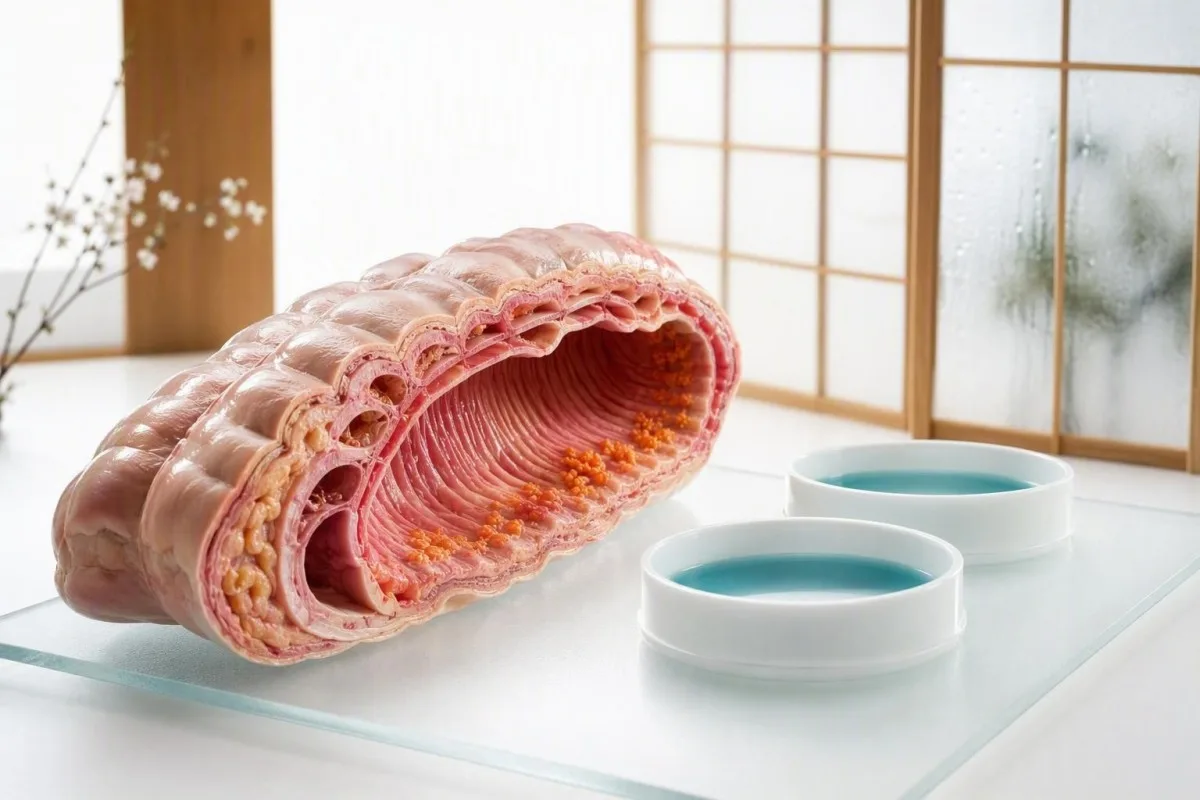
Mindkét teszt kimutatja a neutrofil-mediálta bélgyulladást, de a kalprotektin általában a hasznosabb, kvantitatív monitorozási eszköz. A helyes eredmény az, amelyik megváltoztatja a következő klinikai döntést – nem pedig az, amely IBD-vel címkéz.


- Kalprotektin < 50 µg/g általában megnyugtató felnőtteknél, akiknél IBS gyanúja merül fel, és nincsenek riasztó tünetek.
- Laktóferrin egy neutrofil fehérje; sok kvantitatív analízis kevesebb mint 7,25 µg/g értéket használ negatívként, de a laboratóriumi határértékek változnak.
- Magas székletmarkerek bélgyulladást jeleznek, nem specifikus diagnózist; fertőzés, NSAID-ok, diverticulitis és colorectalis neoplasia mindkettőt emelhetik.
- Határérték alatti kalprotektin 50–150 µg/g gyakran ismételt mintavételt indokol 2–6 hét elteltével, azonnali kolonoszkópia helyett.
- 250 µg/g feletti kalprotektin fokozza az aktív nyálkahártyagyulladás gyanúját, és általában klinikai felülvizsgálatot, székletfertőzés tesztelést vagy endoszkópia tervezést tesz szükségessé.
- Normál eredmények csökkenti az aktív vastagbélgyulladás valószínűségét, de nem zárja ki megbízhatóan az izolált vékonybélben jelentkező Crohn-betegséget.
- IBD monitorozás tüneteket, biomarkereket, CRP-t, anémia markereket, képalkotó és endoszkópos vizsgálatokat használ; egyetlen székletmarker önmagában nem diagnosztizál gyulladásos bélbetegség fellángolást.
- Sürgős tünetek mint például a fekete széklet, tartósan látható vérzés, láz, súlyos fájdalom, ájulás vagy kiszáradás, orvosi értékelést igényelnek a marker eredményétől függetlenül.
Melyik székletmarkert válassza először?
A széklet kalprotektin általában az elsőként választandó széklet gyulladás marker mivel széles körben elérhető, kvantitatív, és a legerősebb szerepet játssza az irritábilis bél szindróma és a gyulladásos bélbetegség megkülönböztetésében. Fekális laktoferrin teszt eredmények ésszerű alternatívát jelentenek, ha az a helyileg validált vizsgálat, de mindkettő egyidejű rendelése ritkán változtat a kezelésen.
Egy olyan személy esetében, akinek 6 hete laza széklete, görcsökkel küzd, és nincs súlyvesztése vagy végbélvérzése, általában a kalprotektinnel és célzott fertőzéses vizsgálattal kezdeném a colonoscopia helyett. Az 50 µg/g alatti eredmény kevésbé valószínűsíti a jelentős vastagbélgyulladást, míg a egyértelműen emelkedett eredmény okot ad a további vizsgálatra. A krónikus vizes hasmenésre vonatkozó AGA irányelv javasolja a kalprotektint vagy laktoferrint mint szűrővizsgálatot gyulladásos állapotok esetében (Smalley et al., 2019).
Válassza a laktoferrint, ha a gasztroenterológiai osztálya következetesen használja, ha a laboratórium validált kvantitatív értéket jelent, vagy ha fertőző hasmenés kivizsgálásával együtt alkalmazzák. Ne válassza azért, mert specifikusabbnak hangzik: mindkét fehérje felszabadul, amikor neutrofilok lépnek a bél lumenébe. A gyakorlati kérdés az, hogy az orvosa össze tudja-e hasonlítani az eredményt az előző mintáival, ugyanazt a vizsgálatot használva.
Kantesti egy AI vérvizsgálati analizátor amely a hemoglobin, CRP, albumin és vasionindexekhez hasonló eredményeket a székletmarker jelentés mellé helyezi; nem helyettesíti a székletvizsgálatot vagy az orvos diagnózisát. Ha a hasmenést fáradtság kíséri, vérvizsgálat hasmenésre segíthet azonosítani a kiszáradást, az anémiát vagy az elektrolitvesztést, amely befolyásolja a sürgősséget.
Egy hasznos ökölszabály
Használjon először egy validált markert, ismételje meg ugyanazt a markert, ha az eredmény borderline vagy a kezelés monitorozása során, és tartsa a kettős tesztelést specifikus gasztroenterológiai kérdésre. Az utókövetés felénél a vizsgálat megváltoztatása látszólagos trendeket hoz létre, amelyek laboratóriumi zajt, nem pedig biológiai jelenséget jelenthetnek.
Amit a széklet kalprotektin valójában kimutat
A kalprotektin egy kalcium- és cinkkötő fehérjét mér, amelyet elsősorban a neutrofilok bocsátanak ki a bélrendszerben. A magasabb székletkoncentráció a neutrofilok bélbe való migrációját tükrözi, ami gyakori az aktív IBD-ben, de számos nem-IBD állapotban is előfordul.
A kalprotektin az S100A8/S100A9 fehérjekomplex, és több napig viszonylag stabil marad a székletben szobahőmérsékleten – ez az egyik oka annak, hogy jól működik otthoni gyűjtési tesztként. Biológiai erőssége a lokalitás: ellentétben a CRP-vel, ez a bél lumenében lévő celluláris aktivitást tükrözi, nem pedig egy egész testre kiterjedő akut fázisú választ. Ezért a normál CRP nem zárja ki a magas kalprotektin eredményt.
Felnőtt gyakorlatban a laboratóriumok általában osztályozzák kevesebb mint 50 µg/g normálként és több mint 150–250 µg/g egyre inkább összefüggésbe hozható az aktív bélgyulladással. Ezek döntési küszöbértékek, nem pedig univerzális biológiai határok. Néhány európai szolgálat 100 µg/g-ot használ a beutalási küszöbértékként, míg a gyermekgyógyászati és vizsgálatspecifikus referenciatartományok lényegesen eltérhetnek.
Láttam egy 28 éves beteget 680 µg/g kalprotektin szinttel, normál CRP-vel, és végül csak a végbélre és a szigmabélre korlátozódó fekélyes vastagbélgyulladással. Ez a minta nem szokatlan: a helyi nyálkahártya gyulladása erős szisztémás jel nélkül is aktív lehet. A mi széklet-kalprotektin tartományok útmutató magyarázza, hogy a laboratórium saját módszere és mértékegysége miért maradjon minden eredményhez csatolva.
Amit a széklet laktóferrin másképp kimutat
A laktoferrin egy másik, neutrofilből származó fehérjét detektál, és szinte ugyanarra a biológiai kérdésre ad választ, mint a kalprotektin: van-e aktív bélrendszeri neutrofil gyulladás? Ez önmagában nem azonosítja a fekélyes vastagbélgyulladást, a Crohn-betegséget, a bakteriális vastagbélgyulladást vagy más okot.
A laktoferrin egy vasat megkötő glikoprotein, amely a neutrofil másodlagos granulumokban tárolódik, és aktiválás során szabadul fel. Pozitív kvalitatív széklet laktoferrin teszt hasznos, mert kizárja az egyszerű IBS-t a megfelelő klinikai környezetben. A kvantitatív vizsgálatok változóak: az egyik gyakran használt módszer a negatív értéket 7.25 µg/g alattiként határozza meg, ezért soha ne alkalmazzon kalprotektin küszöbértéket laktoferrin leletre.
A bizonyítékok nem mutatják, hogy a laktoferrin kategorikusan felülmúlná. Egy diagnosztikai metaanalízisben Wang és munkatársai azt találták, hogy a széklet laktoferrin összefoglaló érzékenysége 82% és specificitása 15% az IBD és a nem-IBD kontrollok megkülönböztetésében, bár a pontossági becslések a betegség prevalenciájával és a vizsgálat tervezésével változnak (Wang et al., 2015). Ez a lenyűgöző specificitás továbbra sem teszi a pozitív eredményt IBD diagnózissá.
Különösen érdemes megvitatni a pozitív laktoferrin eredményt, ha a hasmenés hirtelen kezdődött utazás, antibiotikumok, szennyezett élelmiszer-expozíció vagy beteg személlyel való érintkezés után. Ilyen helyzetekben a klinikusok általában kórokozó vizsgálatot végeznek, ahelyett, hogy egyből IBD címkét adnának. Útmutatónk székletkultúra-eredményekről elmagyarázza, mit állapíthat meg és mit nem egy negatív vagy vegyes növekedési lelet.
Hogyan olvassuk el a határértékeket túlreagálás nélkül
A 50 µg/g alatti kalprotektin érték általában normális felnőtteknél, az 50–150 µg/g gyakran határozatlan zóna, és a 250 µg/g feletti értékek aktív gyulladásra utalnak. A laktoferrin vizsgálatspecifikus küszöbértékeket használ, általában kvalitatív pozitív vagy egy 7.25 µg/g körüli kvantitatív küszöbértéket.
Az 50 µg/g kalprotektin küszöbértéket az érzékenységre tervezték: a legtöbb klinikailag jelentős gyulladásos betegséget befogja némi álpozitív költségén. A 250 µg/g küszöbérték hasznosabb a specificitás és a diagnosztizált IBD monitorozása szempontjából. Köztük fekszik a frusztráló középső zóna, ahol a gyógyszerhasználat, a közelmúltbeli gyomor-bélhurut, az életkor és a tendenciák jobban számítanak, mint egyetlen szám.
A 72-ről 94 µg/g-ra történő változás gyakran kevésbé jelentős, mint a 85-ről 430 µg/g-ra történő változás, különösen, ha mindkét mintát ugyanaz a laboratórium vizsgálta. A széklet konzisztenciája befolyásolhatja az extrakciót, és a biológiai variáció valós. Dr. Thomas Klein gyakorlati tanácsa, hogy rögzítse a NSAID használatot, a közelmúltbeli fertőzést, a menstruációs szennyeződést és a gyűjtés dátumát, mielőtt értékelné a mérsékelt emelkedést.
A sorozatos értékek fegyelmezett megközelítéséhez hasonlítsa össze a mintavételi dátumot a tünetekkel és a kapcsolódó laboratóriumi leletekkel, ahelyett, hogy minden jelzett eredményt betegség progressziójának tekintene. A mi 3-10 mEq/L kálium nélkül; 8-16 mEq/L káliummal útmutatónk ugyanezt az elvet magyarázza el a referenciacseréről és az analitikai variációról a laboratóriumi orvoslásban.
Miért lehet mindkét marker magas IBD nélkül
Megemelkedett székletgyulladás-jelzők fordulnak elő enterális fertőzések, NSAID-expozíció, diverticulitis, colorectalis neoplázia, mikroszkópos vastagbélgyulladás és IBD esetén. Az eredmény gyulladásos jelet erősít meg; önmagában nem tárja fel az okot, a helyet, a tartamot vagy a súlyosságot.
A nem-szteroid gyulladáscsökkentők (NSAID-ok) megemelhetik a széklet kalprotektin szintjét, néha jelentősen, növelve a bél áteresztőképességét és apró nyálkahártya-sérüléseket okozva. Az ibuprofen, naproxen és diklofenák számítanak; egy orvos javasolhatja ezek szedésének felfüggesztését, ha orvosilag biztonságos a teszt megismétlése előtt. Ne hagyja abba a felírt aszpirin, véralvadásgátló vagy fájdalomcsillapító szedését anélkül, hogy előbb felkeresné a felírót.
Az akut bakteriális gastroenteritis kalprotektin-értékeket eredményezhet 500 µg/g felett és pozitív laktoferint, ezért egy széklet patogén panel hasznosabb lehet, mint egy sürgős kolonoszkópia a betegség első napjaiban. Ezzel szemben a giardiasis hosszan tartó hasmenést okozhat kevésbé drámai neutrofil jelzőanyag-emelkedéssel. A tünetek idővonala gyakran nagyobb diagnosztikai súllyal bír, mint azt a betegek várják.
Kantesti egy AI laboratóriumi leletértelmező szolgáltatás ami gyulladásos mintázatot jelezhet, mint például alacsony hemoglobin, alacsony albumin, trombocitózis és emelkedett CRP orvosi felülvizsgálatra, de ezek a véreredmények nem bizonyítják, hogy a forrás bélrendszeri. A székletben vért tartalmazó embereknél, a FIT utánkövetése és a kolonoszkópia időzítése külön kérdés a kalprotektintől, és nem szabad késleltetni.
Mikor egy normál eredmény mégis elmulaszthat egy betegséget
A normál kalprotektin vagy laktoferin kevésbé valószínűvé teszi az aktív vastagbélgyulladást, de nem zárja ki teljesen a Crohn-betegséget, különösen a enyhe vagy izolált vékonybél-betegséget. Az egészséges eredmény továbbá nem magyarázza a tartós fogyást, a vashiányos vérszegénységet, az éjszakai hasmenést vagy az ismétlődő látható vérzést.
A vékonybél Crohn-betegsége kevesebb neutrofil fehérjét üríthet a székletmintába, mint a kiterjedt vastagbélgyulladás, különösen, ha a léziók proximálisak vagy enyhék. Ez az egyik oka annak, hogy a tünetek és a vészjelző jellemzők felülírják a megnyugtató számot. Az ECCO-ESGAR diagnosztikai irányelve azt javasolja, hogy integrálják a biomarkereket az ileokolonoszkópiával és a keresztmetszeti képalkotással, ha az IBD továbbra is klinikailag gyanús (Maaser et al., 2019).
Egy 46 éves, 38 µg/g kalprotektin-szinttel, 7 ng/mL ferritin-szinttel és progresszív fáradtsággal küzdő személyt ki kell vizsgálni gyomor-bélrendszeri vérzés vagy malabszorpció szempontjából, még akkor is, ha a bélmozgások gyakorisága normális. Tapasztalataim szerint a vashiány és az ok nélküli tünetek kombinációja sokkal súlyosabb, mint egyetlen alacsony székletjelző. Olvassa el a alacsony ferritin és bélbeli utalások című cikkünket a szokásos következő laboratóriumi kérdésekhez.
Cöliákia, epesav-hasmenés, hasnyálmirigy-elégtelenség és számos gyógyszerhatás okozhat tüneteket normál székletgyulladás-jelzők mellett. Az egészséges teszt ezért egy elágazás a nem-gyulladásos diagnózisok felé vezető úton, nem pedig kijelentés arról, hogy a tünetek pszichológiaiak vagy jelentéktelenek.
Mit tegyünk egy határértékű kalprotektin eredménnyel
A határérték alatti, 50–150 µg/g széklet kalprotektin eredményt általában 2–6 hét múlva megismétlik, ha a tünetek stabilak és nincsenek vészjelzők. Az ismételt vizsgálatnak ugyanazt a laboratóriumi módszert kell használnia, és lehetőség szerint távol kell esnie egy nemrégiben lezajlott gyomor-bélrendszeri fertőzéstől.
Az újratesztelés előtt az orvosok áttekintik az NSAID-okat, a protonpumpa-gátlókat, az antibiotikumokat, az akut fertőzéseket, az erős állóképességi edzést és az életkorral összefüggő kockázatokat. Nincs univerzálisan elfogadott kimosási időszak minden gyógyszerre. Gyakorlatias terv gyakran 2 hét egy akut betegség lecsengése után, feltéve, hogy a tünetek nem jeleznek korábbi ellátási igényt.
Ha az ismételt vizsgálat 118-ról 32 µg/g-ra esik, és a tünetek enyhülnek, a invazív vizsgálatok elkerülhetők. Ha 96-ról 310 µg/g-ra emelkedik, az irányzat hasznos bizonyítékot ad, még az endoszkópia eredménye előtt. Ezért egyetlen határérték ritkán okozhat pánikot – vagy hamis megnyugvást.
A miénk határérték alatti kalprotektin utánkövetési útmutató ismerteti azokat a kérdéseket, amelyeket fel kell tenni a háziorvosi vagy gasztroenterológiai rendelésen. Egy rövid tünetnapló a széklet gyakoriságával, éjszakai ébredéssel, lázzal és gyógyszeres dátumokkal általában hasznosabb, mint az élelmiszer-kiváltó okok megszállott ellenőrzése.
Hogyan használják a markereket a klinikusok az IBD diagnosztizálása után
Megerősített IBD esetén a kalprotektin leginkább az objektív bélgyulladás nyomon követésére és annak eldöntésére hasznos, hogy a tünetek fellángolást, fertőzést, IBS-átfedést vagy kezelési elégtelenséget jelentenek-e. A laktózferrin is követheti az aktivitást, de a kalprotektinnek több irányelv által támogatott küszöbszáma van a kezelés cél szerinti monitorozásához.
A tünetek és a nyálkahártya aktivitása gyakran eltérnek. Egy fekélyes vastagbélgyulladásban szenvedő beteg jól érezheti magát, miközben a kalprotektin 80-ról 360 µg/g-ra emelkedik, vagy sürgető székelési ingere lehet az epesav malabszorpció miatt, miközben a kalprotektin 28 µg/g marad. A 2023-as AGA fekélyes vastagbélgyulladás biomarker irányelv javasolja a tünetek és a biomarkerek kombinálását, ahelyett, hogy csak az egyikre támaszkodnánk (Singh et al., 2023).
A remisszió monitorozása során sok orvos kevesebb mint 150 µg/g megnyugtatónak tartja, míg több mint 150 µg/g ismételt vizsgálatot, endoszkópiát vagy kezelés felülvizsgálatát teheti szükségessé a tünetektől és a korábbi betegség lefolyásától függően. Aktív, tünetekkel járó fekélyes vastagbélgyulladás esetén, több mint 250 µg/g alátámasztja a folyamatos gyulladást. A küszöbértékek útmutatók, nem pedig utasítások a biológiai kezelés módosítására szakorvosi konzultáció nélkül.
Az Kantesti AI egy AI biomarker-értelmező platform amely a vérvizsgálati trendeket a beteg által jelentett kezelési dátumok köré szervezi; önmagában nem tudja felmérni a széklet endoszkópos súlyosságát egy számból. A biológiai terápiában részesülő betegeknek is meg kell érteniük, hogy mely vérbiztonsági vizsgálatok monitorozzák a kezelést és mely tünetek esetén szükséges haladéktalanul felvenni a kapcsolatot az IBD csapatukkal.
Hogyan befolyásolják az eredményeket a gyűjtési hibák és az időzítés
A gyűjtés minősége befolyásolja a székletmarkerek értelmezését, mert egy szennyezett, késedelmes vagy rosszul vett minta elutasítható, vagy kevésbé megbízható mérést eredményezhet. A legtöbb laboratórium egy kis mennyiségű székletet kér a mellékelt steril tartályba, WC-víz vagy vizelet nélkül.
A laza széklet általában elfogadható a kalprotektin és a laktózferrin vizsgálatokhoz; ne várjon formált mintát, ha hasmenés a klinikai probléma. Kerülje a WC-vízből való gyűjtést, és tájékoztassa a laboratóriumot, ha a minta látható menstruációs vért tartalmaz. A tárolási utasítások készletenként eltérnek, de sok lehetővé teszi a rövid szobahőmérsékletű szállítást, mivel a kalprotektin viszonylag stabil.
A gyűjtés egy maraton után, gyomor-bélhurut epizód után vagy kolonoszkópia bél-előkészítés után hamis kérdésre adhat választ. Az állóképességi edzés átmenetileg növelheti a bél áteresztőképességét és gyomor-bélrendszeri tüneteket válthat ki. Ha Ön állóképességi sportoló piros zászlók nélkül, fontolja meg a gyűjtés időzítését egy nagyobb eseménytől távol; a mi állóképességi sportoló laboratóriumi útmutatónkban elmagyarázza, miért változtatja meg a kontextus a teszt értelmezését.
A lényeg az, hogy egy tökéletes gyűjtés nem tesz specifikussá egy nem specifikus biomarkert. A kiváló minőségű minta növeli a mérés megbízhatóságát; nem helyettesítheti a klinikai anamnézist, a vizsgálatot és a differenciáldiagnózist.
Mely vérvizsgálatok teszik hasznosabbá a székletmarkert
A CBC, CRP, feritin, albumin, vesefunkció és celiakia szerológia gyakran több klinikai értéket ad egy emelkedett széklet markerhez, mint egy második széklet gyulladásos fehérje rendelése. A nyugtalanító minta nem egyetlen rendellenesség, hanem több eredmény, amelyek gyulladásra, malabszorpcióra vagy vérvesztésre utalnak.
Az alacsony hemoglobin, a 15 ng/mL alatti feritin, a laboratóriumi referenciatartomány alatti albumin, az emelkedett vérlemezkék vagy az emelkedett CRP erősítheti a klinikailag jelentős bélbetegség iránti aggodalmat. Egyik sem diagnosztizálja az IBD-t. Valójában a CRP normális maradhat enyhe fekélyes vastagbélgyulladásban, és a feritin hamis normálisnak tűnhet, amikor a gyulladás akut fázisú fehérjeként emeli meg.
Kantesti egy Mesterséges intelligencia-alapú vérvizsgálat-elemző eszköz amely egy CBC, vashiány vizsgálatok és CRP vizsgálatot olvas ugyanabban a klinikai keretben, beleértve azt is, hogy a változó hemoglobin szint indokolhat-e korábbi felülvizsgálatot. Dr. Thomas Klein rutinszerűen figyelmeztet, hogy egy izolált CRP 12 mg/L nem specifikus, míg a CRP 12 mg/L plusz csökkenő albumin és 740 µg/g kalprotektin sokkal inkább cselekvőképes klaszter.
Az olyan betegek esetében, akiknél a vashiány értékei ellentmondásosnak tűnnek, vasstátusz kutatási útmutatónk ismerteti a transzferrin szaturációt és a feritint gyulladás esetén. Egy CBC eredmény útmutató segíthet azonosítani, hogy a vérszegénység mikrocyás, gyulladásos vagy kevert típusú-e.
Mikor lehet ésszerű mindkét tesztet megrendelni
A kalprotektin és a laktoferrin együttes rendelése általában felesleges, de indokolt lehet, ha egy szakorvos ellentmondó tüneteket egyeztet, egy korábbi vizsgálat nem ismételhető meg, vagy egy helyi protokoll megerősítést igényel. A megegyező eredmények mérsékelten növelik a gyulladásos jelzésbe vetett bizalmat; az ellentmondó eredmények általában felülvizsgálatot, nem pedig számtani átlagolást vonnak maguk után.
A magas kalprotektin negatív laktoferrin mellett tükrözheti a vizsgálat időzítését, a határértékhez közeli eredményt, a minta heterogenitását vagy analitikai különbségeket. Az alacsony kalprotektin pozitív laktoferrin mellett ugyanezt a fegyelmezett választ érdemli: ellenőrizze a mintavételt, tekintse át a pontos vizsgálatot, vizsgálja meg a tüneteket, és szükség esetén tesztelje fertőzésre. Egyik kombinációnak sincs validált gyorsított út a diagnózishoz.
A kettős vizsgálat kutatási környezetben is hasznos lehet, ahol egy protokoll mindkét biomarkert előír. Ez eltér a rutinszerű betegellátástól, ahol a megkettőzött vizsgálat költségeket növelhet anélkül, hogy javítaná a döntéshozatalt. Tegyen fel egy egyszerű kérdést a rendelő orvosnak: “Mit fogunk másképp csinálni, ha a második vizsgálat pozitív lesz?”
Ha egy jelentés belsőleg ellentmondásosnak tűnik, használja a mi minőségi és mennyiségi teszt útmutató útmutatónkat annak megértéséhez, hogy miért nem cserélhető fel a “pozitív” és a “magas” laboratóriumi kijelentés. A módszer következetessége fontosabb, mint minden rendelkezésre álló marker gyűjtése.
Mi erősít meg vagy zár ki valójában IBD-t
Az IBD diagnózisa tünetek, ileocolonoszkópia szövettani mintavétellel, szövettan, laboratóriumi vizsgálatok, és néha MRI vagy CT enterográfia szintéziséből áll – nem pusztán kalprotektinből vagy laktoferinből. A székletmarkerek segítenek eldönteni, ki szorul ezekre a vizsgálatokra, és hogy a gyulladás változhat-e az idő múlásával.
A kolonoszkópia lehetővé teszi a terminális ileum és a vastagbél közvetlen felmérését, és szövettani vizsgálatot tesz lehetővé krónikus gyulladásos jellemzők, fertőzés, mikroszkópos kolitisz, diszplázia és egyéb okok kimutatására. A képalkotás különösen értékes, ha a Crohn-betegség a vékonybelet érinti a szokásos kolonoszkópia hatótávolságán túl. A székletmarker triázsig jelzés, nem pedig mikroszkópos diagnózis.
Ne tévessze össze a széklet immunokémiai tesztet (FIT) egyik gyulladásos markerrel sem. A FIT emberi hemoglobint detektál, és elsősorban a kolorektális rákszűrésben vagy az alsó GI vérzési utakban használatos, míg a kalprotektin és a laktoferrin neutrofil termékeket detektál. Összehasonlításunk a FIT és FOBT oldalon magyarázza el, miért nem helyettesíti a negatív gyulladásos marker az ajánlott rákszűrést.
2026. szeptember 4-től kezdve egyetlen jelentős gasztroenterológiai iránymutatás sem ajánlja a Crohn-betegség vagy a fekélyes vastagbélgyulladás diagnosztizálását egyetlen széklet biomarker küszöbérték alapján. Ez a korlátozás megvédi a betegeket mind az elmaradt betegségektől, mind a felesleges, élethosszig tartó diagnosztikai címkéktől.
Tünetek, amelyek felülírnak bármilyen székletvizsgálati eredményt
Perzisztáló látható végbélvérzés, fekete kátrányszerű széklet, súlyos hasi fájdalom, láz, ájulás, kiszáradás, gyorsan romló gyengeség vagy akaratlan fogyás azonnali orvosi értékelést igényel, függetlenül a kalprotektintől vagy laktoferintől. A normál eredményt soha nem szabad arra használni, hogy kivárjuk a potenciálisan sürgős tünetmintázatot.
Az azonnali aggodalom a fiziológia, nem pedig a laboratóriumi jelentés címkéje. A gyakori vizes hasmenés alacsony káliumszintet, akut veseelégtelenséget és ortosztatikus tüneteket okozhat, mielőtt a gyulladásos marker eredményt kapnánk. Azoknak a felnőtteknek, akik nem képesek magukban tartani a folyadékot, zavartak, elájulnak, vagy minimális a vizeletkiválasztásuk, sürgős ellátást kell kérniük.
Az 50 év feletti új bélpanaszok, a vastagbélrák erős családi anamnézise és a vashiányos vérszegénység módosítják a vastagbél vizsgálatának küszöbértékét, még akkor is, ha a kalprotektin alacsony. A székletmarker nem értékeli átfogóan a rák kockázatát. A mi mukus v székletben vörös zászló útmutató megkülönbözteti a gyakori jóindulatú mintázatokat a vizsgálatot igénylő tünetektől.
A gyermekek, terhes személyek, idősebb felnőttek és immunszuppresszív gyógyszereket szedő személyek esetében egyéni triázsra van szükség, mivel alapvető kockázataik eltérőek. Ha bizonytalan abban, hogy a tünetek sürgősek-e, biztonságosabb egy helyi orvossal vagy sürgősségi ellátással felvenni a kapcsolatot, mint megpróbálni önmagában értelmezni egy számot.
Egy gyakorlati beszélgetés az eredmény után
A leginkább hasznos utólagos kérdés: “Változtatja ez az eredmény a fertőzés tesztelés, ismételt tesztelés, képalkotás vagy endoszkópia iránti szükségességemet?” A pontos érték, a vizsgálat neve, a tünetek idővonala, a gyógyszerek és a korábbi eredmények magunkkal vitele gyorsabbá és klinikailag pontosabbá teszi ezt a beszélgetést.
Hozzon magával egy listát az elmúlt 14 napból: széklet gyakorisága, éjszakai tünetek, láz, súlyváltozás, utazás, antibiotikumok, NSAID-ok és családi anamnézis. A 180 µg/g calprotectin 3 napos lázas, hasmenéses megbetegedés után más tervet igényel, mint ugyanaz az eredmény 4 hónapos éjszakai hasmenés és súlyvesztés után.
A Kantesti AI segíthet a kísérő vérvizsgálati eredmények rendszerezésében az időpont előtt, de a diagnózis és a kezelési döntések az orvos hatáskörébe tartoznak, aki megvizsgálhatja Önt, és elrendelheti a végleges vizsgálatokat. A mi orvosi validációs megközelítésünk elmagyarázza, hogyan épül be a klinikai felügyelet és az ellenőrzés a felelős laboratóriumi értelmezésbe.
Komplex esetekben kérdezze meg, ki lesz a felelős az utánkövetésért, és mikor várhat ismételt eredményt vagy utalási döntést. A mi Orvosi Tanácsadó Testület orvosai hangsúlyozzák, hogy a dokumentált terv jobb, mint egy homályos utasítás, hogy “ellenőrizze később”, különösen akkor, amikor a gyulladásos markerek és a vérszegénység azonos irányba mozognak.
A döntésközpontú lényeg
A legtöbb esetben a calprotectint válassza először, a laktóferrint használja, ha az a szolgáltatás validált alternatívája, és ne feltételezze, hogy egyik eredmény sem diagnosztizálja az IBD-t. Az alacsony eredmény a funkcionális és nem gyulladásos okok felé tereli a figyelmet, míg a tartósan magas eredmény azonosítja azokat a személyeket, akiknek fertőzés tesztelésre, szakorvosi vizsgálatra vagy endoszkópiára lehet szükségük.
Az egyszerű krónikus hasmenés esetén egy normál marker – 50 µg/g alatti calprotectin vagy negatív laktóferrin az adott laboratórium szerint – csökkentheti az aktív gyulladásos betegség valószínűségét. A 250 µg/g feletti érték vagy a pozitív laktóferrin tartós tünetekkel esetén a következő kérdés az ok, nem a bizonyosság. A lista továbbra is tartalmazza a fertőzést, gyógyszeres expozíciót, IBD-t és más gyulladásos állapotokat.
A legtöbb beteg számára az 50–150 µg/g calprotectin zóna a legnehezebb az ambivalencia miatt. Tapasztalataim szerint a legjobb következő lépés általában egy gondosan időzített ismételt vizsgálat, nem pedig étrendi tisztítás, önálló szteroidhasználat vagy internetes diagnózis. Ha lehetséges, tartsa meg ugyanazt a laboratóriumot, hogy az trend értelmezhető legyen.
Kantesti’s Mesterséges intelligencia technológiai útmutató leírja, hogyan őrzik meg rendszereink a laboratóriumi kontextust, miközben kiemelik az orvosi felülvizsgálatra vonatkozó kérdéseket. Bármely AI értelmezés biztonságos használata itt is ugyanaz: használja egy jobb klinikai beszélgetésre való felkészüléshez, soha ne használja vörös zászlók figyelmen kívül hagyására vagy diagnosztikai ellátás helyettesítésére.
Gyakran Ismételt Kérdések
A kalprotektin jobb a laktózferrinnél IBD kimutatására?
A kalprotektint általában az IBD gyanújakor részesítik előnyben, mert széles körben elérhető kvantitatív tesztként, és gyakran használt monitorozási küszöbértékekkel rendelkezik, mint például kevesebb mint 50 µg/g és több mint 250 µg/g. A laktoferrin is hasznos, neutrofil eredetű székletmarkert, és jól teljesíthet, ha a laboratórium validált vizsgálatot végez. Egyik marker sem erősíti meg az IBD-t, mivel fertőzések, NSAID-ok, diverticulitis és más bélbetegségek is emelhetik mindkettőt. A jobb teszt általában az, amelyet az Ön orvosa a tünetekkel együtt tud értelmezni, és ugyanazzal a laboratóriumi módszerrel meg tud ismételni.
Milyen szintre emelkedett kalprotektin-szint aggasztó?
Felnőttek esetében 50 µg/g alatti széklet kalprotektin szint általában megnyugtató, ha nincsenek aggasztó tünetek, míg az 50–150 µg/g tartományt gyakran határértéknek tekintik, és 2–6 hét múlva megismételhető. A 150–250 µg/g feletti értékek nagyobb aggodalomra adnak okot a bélgyulladás tekintetében, és a 250 µg/g feletti szintek gyakran klinikai felülvizsgálatot vagy további vizsgálatokat tesznek szükségessé. A pontos teendő függ a teszteléstől, a tünetektől, az életkortól, az NSAID-használattól, és attól, hogy az érték emelkedik-e. Az akut bakteriális hasmenés utáni 600 µg/g értéknek eltérő jelentése lehet, mint a több hónapos krónikus tünetek alatt tapasztalt 600 µg/g értéknek.
Az IBS okozhat magas kalprotektin- vagy laktoferinszintet?
Az egyszerű IBS általában nem okoz emelkedett széklet kalprotektin vagy laktóferrin szintet, mert az IBS nem okoz neutrofil által vezérelt bélgyulladást. Enyhe, 50 és 150 µg/g közötti kalprotektin emelkedés előfordulhat nemrégiben lezajlott fertőzés, NSAID-használat, életkorhoz kapcsolódó tényezők vagy mérési variációk miatt, így nem zárják ki automatikusan az IBS-t. Pozitív laktóferrin vagy 250 µg/g feletti kalprotektin szint gyulladásos vagy fertőző ok kivizsgálását indokolja az IBS feltételezése helyett. Az IBS és az IBD együtt is előfordulhat, ami szintén ok arra, hogy a tünetek és azok tendenciái számítanak.
A normál calprotectin kizárhatja a Crohn-betegséget?
A normális kalprotektineredmény csökkenti az aktív vastagbél-IBD valószínűségét, de nem zárja ki teljesen a Crohn-betegséget, különösen az enyhe vagy csak a vékonybélre lokalizálódó Crohn-betegséget. Az 50 µg/g alatti érték nem múlhatja felül az aggasztó tüneteket, mint például a vashiányos vérszegénység, fogyás, éjszakai hasmenés, tartós vérzés vagy erős családi anamnézis. A klinikusok ileocolonoszkópiát, MR enterográfiát vagy kapszulendiagnosztikát alkalmazhatnak, ha a klinikai gyanú továbbra is magas. Az eredményt legjobb úgy kezelni, mint egy valószínűséget módosító bizonyítékot, nem pedig végső kizáró vizsgálatot.
Megismétlem a határértékű kalprotektin eredményt?
Az 50–150 µg/g közötti határértékű kalprotektin eredményt gyakran ismételjük 2–6 hét múlva, ha a tünetek stabilak és nincsenek riasztó jelek. Az ismétlés előtt a klinikusok általában áttekintik a közelmúltbeli gyomor-bélhurutot, NSAID-használatot, antibiotikumokat és a mintavételi körülményeket, mivel ezek mind befolyásolhatják az értéket. Lehetőség szerint ugyanazt a laboratóriumi vizsgálatot használja, mivel a különböző módszerek eredményei nem feltétlenül hasonlíthatók össze közvetlenül. A 250 µg/g felé vagy afeletti emelkedő eredmény általában nagyobb klinikai jelentőséggel bír, mint egy stabil, alacsony fokú emelkedés.
Befolyásolhatják-e az antibiotikumok a széklet kalprotektin és laktoferrin szintjét?
Az antibiotikumok közvetve befolyásolhatják a széklet gyulladásos markereit azáltal, hogy kezelik, kiváltják vagy egybeesnek fertőző hasmenéssel, valamint megváltoztatják a bél mikrobiomját. Az antibiotikumokhoz társuló hasmenésben szenvedő személyt olyan okok miatt kell értékelni, mint a Clostridioides difficile, ahelyett, hogy a magasabb kalprotektin- vagy pozitív laktoferrin-szintet IBD-ként értelmeznék. Nincs megbízható, univerzális napok száma, amit antibiotikumok szedése után várni kellene a tesztelés előtt; az időzítés a tünetektől és a klinikai kérdéstől függ. Az antibiotikumok utáni tartós hasmenés, láz vagy hasi fájdalom orvos által vezetett vizsgálatot igényel önkezelés helyett.
Végezzen mesterséges intelligencia által támogatott vérvizsgálat-elemzést még ma
Csatlakozzon világszerte több mint 2 millió felhasználóhoz, akik az Kantesti-t bízzák meg azonnali, pontos laborvizsgálat-elemzésért. Töltse fel a vérvizsgálat eredményeit, és kapjon átfogó értelmezést az 15,000+ biomarkerekről másodpercek alatt.
📚 Hivatkozott kutatási publikációk
Klein, T., Mitchell, S., & Weber, H. (2026). Kantesti LTD. (2026). Urobilinogen a Vizeletvizsgálatban: Teljes Vizeletanalízis Útmutató 2026. Zenodo.. Kantesti mesterséges intelligencia orvosi kutatás.
Klein, T., Mitchell, S., & Weber, H. (2026). Kantesti KFT. (2026). Vasanyagcsere Útmutató: TIBC, Vas Telítettség és Kötési Kapacitás. Zenodo.. Kantesti mesterséges intelligencia orvosi kutatás.
📖 Külső orvosi hivatkozások
Singh S et al. (2023). AGA Klinikai Gyakorlati Irányelv a Biomarkerek Szerepéről a Fekélyes vastagbélgyulladás Kezelésében. Gastroenterológia.
⚕️ Orvosi nyilatkozat
A cikk kizárólag oktatási célokat szolgál, és nem minősül orvosi tanácsadásnak. A diagnózisra és a kezelési döntésekre vonatkozóan mindig konzultáljon szakképzett egészségügyi szolgáltatóval.
E-E-A-T bizalmi jelzések
Tapasztalat
Orvosok által vezetett klinikai áttekintés a laboratóriumi értelmezési munkafolyamatokról.
Szakértelem
Laboratóriumi medicina fókusz: hogyan viselkednek a biomarkerek klinikai környezetben.
Tekintélyesség
Dr. Thomas Klein írta, Dr. Sarah Mitchell és Prof. Dr. Hans Weber általi felülvizsgálattal.
Megbízhatóság
Bizonyítékokon alapuló értelmezés, világos követési útvonalakkal a riadalom csökkentésére.