钙卫蛋白与乳铁蛋白:选择粪便检测

类别
文章
肠道健康 实验室解读 2026年更新 面向患者的说明

两种检测均可检测中性粒细胞介导的肠道炎症,但钙卫蛋白通常是更有用的定量监测工具。正确的结果是能够改变下一步临床决策的结果,而不是给你贴上 IBD 的标签。.

📖 ~11分钟 📅
📝 发表: 🩺 医学审阅: ✅ 基于证据
⚡ 快速概要 v1.0 —
  1. 钙卫蛋白 在疑似 IBS 且无警示症状的成人中,低于 50 µg/g 通常是令人放心的。.
  2. 乳铁蛋白 是一种中性粒细胞蛋白;许多定量检测使用低于 7.25 µg/g 作为阴性,但实验室临界值各不相同。.
  3. 粪便标志物升高 表明存在肠道炎症,而非特异性诊断;感染、NSAIDs、憩室炎和结直肠肿瘤都可能导致两者升高。.
  4. 临界值钙卫蛋白 50–150 µg/g 通常值得在 2-6 周后重复取样,而不是立即进行结肠镜检查。.
  5. 钙卫蛋白高于 250 µg/g 增加了活动性黏膜炎症的担忧,通常会促使临床复查、粪便感染检测或安排内窥镜检查。.
  6. 正常结果 尽管可能但不能可靠地排除孤立性小肠克罗恩病。.
  7. IBD监测 使用症状加上生物标志物、CRP、贫血指标、影像学和内镜检查;没有一种粪便标志物能独立诊断疾病活动。.
  8. 伴随ALP升高的紧急症状包括 如黑便、持续性肉眼血便、发热、剧烈疼痛、昏厥或脱水,无论标志物结果如何,都需要就医评估。.

您应首先选择哪种粪便标志物?

粪便钙卫蛋白通常是首选的粪便炎症标志物 因为它普及率高、可定量,并且在区分可能的炎症性肠病与功能性肠道症状方面作用最强。. 粪便乳铁蛋白检测 如果它是经过本地验证的检测方法,那么其结果是一个合理的选择,但一开始就同时订购很少能改变治疗方案。.

Calprotectin vs lactoferrin laboratory proteins shown beside an intestinal cross-section
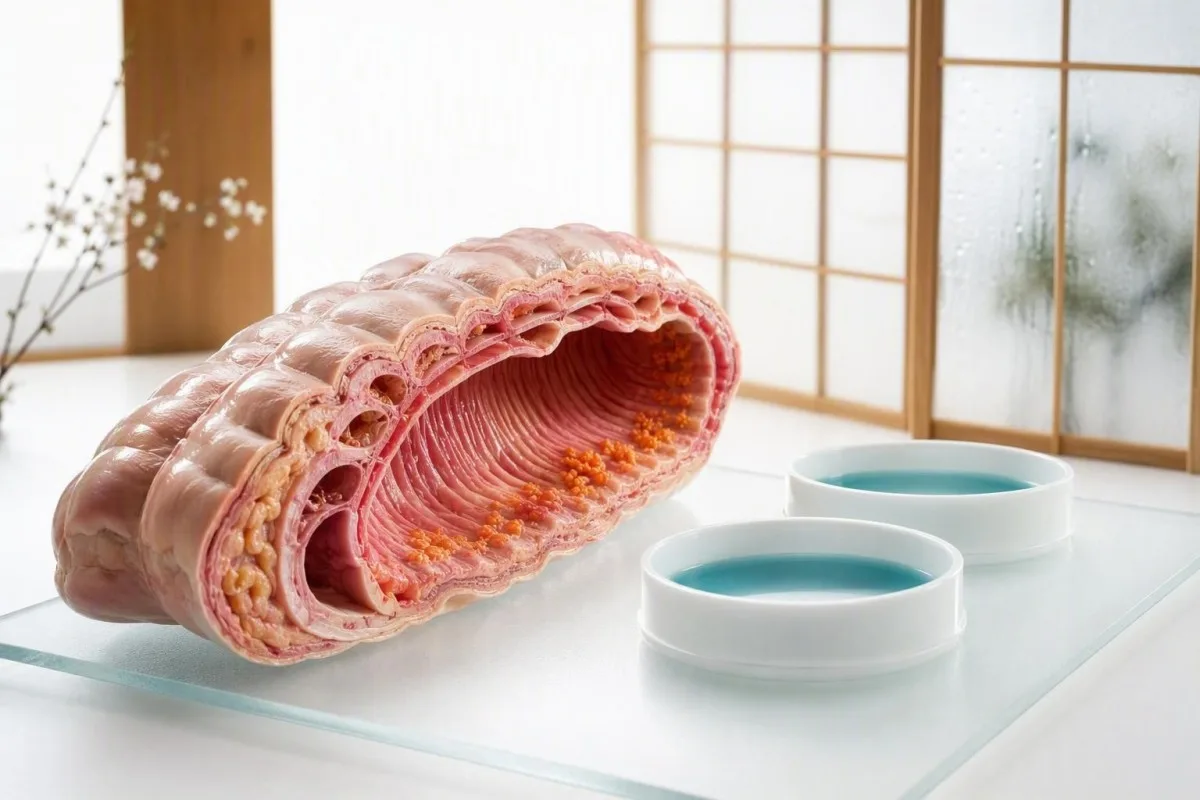
图1: 两种中性粒细胞衍生的粪便标志物显示在结肠内壁旁边。.

对于有6周腹泻、痉挛但没有体重减轻或直肠出血的人,我通常会先进行钙卫蛋白检查以及针对性感染检测,而不是结肠镜检查。低于50 µg/g 的结果使得显著的结肠炎症不太可能发生,而明显升高的结果则为进一步检查提供了理由。AGA 关于慢性水样腹泻的指南支持将钙卫蛋白或铁蛋白作为炎症性疾病的筛查试验(Smalley 等人,2019 年)。.

当您的胃肠病科服务部门一致使用铁蛋白时,当实验室报告了经过验证的定量值,或者当它与传染性腹泻的检查一起进行时,请选择铁蛋白。不要仅仅因为它听起来更特异而选择它:当有中性粒细胞进入肠腔时,两种蛋白质都会释放。实际问题是您的医生能否使用相同的检测方法将结果与您之前的样本进行比较。.

Kantesti 是一个 人工智能血液检测分析仪 将血红蛋白、CRP、白蛋白和铁指标等相关结果与粪便标志物报告一起列出;它不能替代粪便检测或医生的诊断。如果腹泻伴有疲劳, 腹泻的血液检查 有助于识别脱水、贫血或电解质流失,这些都可能改变紧迫性。.

一个有用的经验法则

首先使用一种经过验证的标志物,当结果接近临界值或在监测治疗时重复使用同一种标志物,并将双重检测保留给特定的胃肠病学问题。在随访过程中途更换检测方法会产生看似的趋势,这些趋势可能是实验室的噪音而不是生物学现象。.

粪便钙卫蛋白实际检测的是什么

钙卫蛋白测量一种钙和锌结合蛋白,该蛋白主要从肠道的中性粒细胞中释放出来。. 粪便浓度越高,反映出中性粒细胞迁移到肠道,这在活动性IBD中很常见,但也会发生在几种非IBD疾病中。.

Fecal calprotectin test sample tray with an immunoassay cartridge in clinical laboratory
图2: 用于测量钙卫蛋白的定量粪便提取流程。.

钙卫蛋白是 S100A8/S100A9 蛋白复合物,它在室温下在粪便中相对稳定数天——这也是它作为家庭收集测试效果良好的原因之一。其生物学优势在于局部性:与 CRP 不同,它反映的是肠腔内的细胞活动,而不是全身性的急性期反应。因此,正常的 CRP 结果并不能否定高的钙卫蛋白结果。.

在成人实践中,实验室通常将其归类为 小于 50 µg/g 为正常, 大于 150–250 µg/g 越来越兼容活动性肠道炎症。这些是决策阈值,而非普遍的生物学边界。一些欧洲服务机构使用 100 µg/g 作为转诊阈值,而儿科和特定检测方法的参考区间可能存在显著差异。.

我见过一名 28 岁的患者,其钙卫蛋白水平为 680 µg/g,CRP 正常,最终诊断为仅限于直肠和乙状结肠的溃疡性结肠炎。这种模式并不少见:局灶性黏膜炎症可能在没有强烈全身信号的情况下是活跃的。我们的 fecal calprotectin range guide explains why the laboratory’s own method and units should stay attached to every result.

粪便乳铁蛋白检测的不同之处

Lactoferrin detects another neutrophil-derived protein and answers nearly the same biological question as calprotectin: is there active intestinal neutrophil inflammation? It does not identify ulcerative colitis, Crohn’s disease, bacterial colitis, or another cause on its own.

Lactoferrin protein molecules near intestinal neutrophils in medical cellular illustration
图 3: Lactoferrin release from neutrophils during an intestinal tissue response.

Lactoferrin is an iron-binding glycoprotein stored in neutrophil secondary granules and released during activation. A positive qualitative fecal lactoferrin test is useful because it argues against uncomplicated IBS in the right clinical setting. Quantitative assays vary: one commonly used method defines a negative value as less than 7.25 µg/g, so never apply a calprotectin cutoff to a lactoferrin report.

The evidence does not show that lactoferrin is categorically superior. In a diagnostic meta-analysis, Wang and colleagues found fecal lactoferrin had pooled sensitivity of 82% and specificity of 95% for distinguishing IBD from non-IBD controls, although accuracy estimates shift with disease prevalence and study design (Wang et al., 2015). That impressive specificity still does not convert a positive result into an IBD diagnosis.

A positive lactoferrin result is especially worth discussing when diarrhoea began abruptly after travel, antibiotics, contaminated food exposure, or contact with someone unwell. In those situations, clinicians usually add pathogen testing rather than jumping straight to an IBD label. Our guide to 粪便培养结果 covers what a negative or mixed-growth report can and cannot settle.

如何解读临界值而不反应过度

A calprotectin value below 50 µg/g is usually normal for adults, 50–150 µg/g is often an indeterminate zone, and values above 250 µg/g raise concern for active inflammation. Lactoferrin uses assay-specific cutoffs, commonly a qualitative positive or a quantitative threshold near 7.25 µg/g.

Calprotectin threshold comparison represented by stool assay wells and color gradation
图 4: Quantitative zones help guide retesting and referral decisions.

The 50 µg/g calprotectin threshold is designed for sensitivity: it catches most clinically significant inflammatory disease at the cost of some false positives. The 250 µg/g threshold is more useful for specificity and for monitoring established IBD. Between them lies the frustrating middle, where medication exposure, recent gastroenteritis, age, and trajectory matter more than a single number.

A change from 72 to 94 µg/g is often less meaningful than a change from 85 to 430 µg/g, particularly if both samples were tested by the same laboratory. Stool consistency can influence extraction and biological variation is real. Dr. Thomas Klein’s practical advice is to record NSAID use, recent infection, menstrual contamination, and collection date before interpreting a modest rise.

For a disciplined approach to serial values, compare the sample date with symptoms and related labs rather than treating every flagged result as disease progression. Our 血液检查趋势指南 explains the same principle of reference change and analytic variation in laboratory medicine.

通常令人安心 <50 µg/g calprotectin Active colonic IBD is less likely in adults without alarm symptoms.
临界区 50–150 µg/g calprotectin Review NSAIDs, infection and symptoms; repeat testing is often appropriate.
明显升高 150–250 µg/g calprotectin Persistent elevation warrants clinical assessment and often further investigation.
显著升高 >250 µg/g calprotectin Suggests active mucosal inflammation but still requires cause-specific evaluation.

为什么两种标志物升高也可能没有 IBD

Elevated stool inflammation markers occur with enteric infection, NSAID exposure, diverticulitis, colorectal neoplasia, microscopic colitis and IBD. The result confirms an inflammatory signal; it does not disclose the cause, location, duration, or severity by itself.

Clinical consultation reviewing anti-inflammatory medication and a stool inflammation report
图 5: Medication history can materially alter interpretation of a raised marker.

Non-steroidal anti-inflammatory drugs can raise fecal calprotectin, sometimes substantially, by increasing intestinal permeability and causing small mucosal injuries. Ibuprofen, naproxen and diclofenac matter; a clinician may suggest withholding them if medically safe before repeating the test. Do not stop prescribed aspirin, anticoagulants, or pain medicines without asking the prescriber first.

Acute bacterial gastroenteritis may produce calprotectin values above 500 µg/g and a positive lactoferrin, which is why a stool pathogen panel can be more informative than an urgent colonoscopy in the first days of illness. Conversely, giardiasis may cause prolonged diarrhoea with less striking neutrophilic marker elevation. The symptom timeline often carries more diagnostic weight than patients expect.

Kantesti 是一个 AI 实验室检测解读服务 that can flag an inflammation pattern such as low hemoglobin, low albumin, thrombocytosis and raised CRP for clinician review, but those blood findings do not prove the source is intestinal. For people with blood in the stool, FIT follow-up and colonoscopy timing is a separate issue from calprotectin and should not be delayed.

正常结果仍可能漏诊疾病的情况

Normal calprotectin or lactoferrin makes active colonic inflammation less likely, but it cannot fully exclude Crohn’s disease, particularly mild or isolated small-bowel disease. A normal result also does not explain persistent weight loss, iron-deficiency anemia, nocturnal diarrhoea, or recurrent visible bleeding.

Small bowel cross-section showing patchy Crohn's disease activity beyond stool marker reach
图 6: Patchy small-bowel activity may produce a less conspicuous stool signal.

Small-bowel Crohn’s disease can shed less neutrophil protein into a stool sample than extensive colitis, especially when lesions are proximal or mild. This is one reason symptoms and alarm features overrule a reassuring number. The ECCO-ESGAR diagnostic guideline recommends integrating biomarkers with ileocolonoscopy and cross-sectional imaging when IBD remains clinically suspected (Maaser et al., 2019).

A 46-year-old with calprotectin of 38 µg/g, ferritin of 7 ng/mL, and progressive fatigue deserves evaluation for gastrointestinal blood loss or malabsorption even if bowel frequency is normal. In my experience, the combination of iron deficiency and unexplained symptoms is much more consequential than a single low stool marker. Read our low ferritin and gut clues for the usual next laboratory questions.

Celiac disease, bile acid diarrhoea, pancreatic insufficiency and many medication effects may cause symptoms with normal stool inflammation markers. A normal test is therefore a fork in the road toward non-inflammatory diagnoses, not a declaration that symptoms are psychological or unimportant.

如何处理钙卫蛋白的临界值结果

A borderline fecal calprotectin result of 50–150 µg/g is commonly repeated after 2–6 weeks if symptoms are stable and there are no alarm features. The repeat should use the same laboratory method and should be timed away from a recent gastrointestinal infection where possible.

Home stool sample collection kit beside calendar and medication review notes
图 7: A repeat sample is most informative when collection conditions are documented.

Before retesting, clinicians review NSAIDs, proton-pump inhibitors, antibiotics, acute infections, strenuous endurance exercise and age-related risk. There is no universally agreed washout interval for every medicine. A pragmatic plan is often 2 weeks after an acute illness has settled, provided symptoms do not signal a need for earlier care.

If the repeat falls from 118 to 32 µg/g and symptoms settle, invasive testing may be avoidable. If it rises from 96 to 310 µg/g, the direction adds useful evidence even before an endoscopy result arrives. This is why a single borderline value should rarely trigger panic—or false reassurance.

我们的 borderline calprotectin follow-up guide lays out the questions to bring to a primary-care or gastroenterology appointment. A short symptom diary with stool frequency, nighttime waking, fever and medication dates is usually more useful than obsessively checking food triggers.

确诊 IBD 后,临床医生如何使用标志物

In established IBD, calprotectin is most useful for tracking objective intestinal inflammation and helping decide whether symptoms represent a flare, infection, IBS overlap, or treatment failure. Lactoferrin can also follow activity, but calprotectin has more guideline-supported thresholds for treat-to-target monitoring.

Gastroenterology clinic reviewing stool biomarker trend cards alongside blood laboratory results
图 8: Serial biomarkers complement symptoms during IBD follow-up.

Symptoms and mucosal activity frequently diverge. A patient with ulcerative colitis may feel well while calprotectin climbs from 80 to 360 µg/g, or have urgent bowel motions from bile acid malabsorption while calprotectin remains 28 µg/g. The 2023 AGA ulcerative colitis biomarker guideline advises combining symptoms with biomarkers rather than relying on either alone (Singh et al., 2023).

For remission monitoring, many clinicians view less than 150 µg/g as reassuring, while more than 150 µg/g may warrant repeat testing, endoscopy, or treatment review depending on symptoms and prior disease behaviour. In active symptomatic ulcerative colitis, more than 250 µg/g supports ongoing inflammation. Cutoffs are guides, not instructions to alter biologic treatment without specialist input.

Kantesti AI 是一种 AI 生物标志物解读平台 that organizes blood-test trends around a patient’s reported treatment dates; it cannot assess stool endoscopic severity from a number alone. Patients taking biologics should also understand which blood safety tests monitor treatment and which symptoms require prompt contact with their IBD team.

收集错误和时机如何影响结果

Collection quality affects stool marker interpretation because a contaminated, delayed, or poorly sampled specimen can be rejected or produce a less reliable measurement. Most laboratories want a small stool portion placed into the supplied sterile container without toilet water or urine.

Hands placing stool sample into a sterile collection container using a clinical kit
图 9: Clean collection reduces preventable sample rejection and ambiguity.

Loose stool is usually acceptable for calprotectin and lactoferrin testing; do not wait for a formed sample if diarrhoea is the clinical problem. Avoid collecting from toilet water, and tell the laboratory if the sample includes visible menstrual blood. Storage instructions vary by kit, but many allow short room-temperature transport because calprotectin is comparatively stable.

Sampling a day after a marathon, a bout of gastroenteritis, or colonoscopy bowel preparation may answer the wrong question. Endurance exercise can transiently increase gut permeability and provoke gastrointestinal symptoms. If you are an endurance athlete without red flags, consider timing collection away from a major event; our 耐力运动员化验指南中有介绍。 explains why context changes test interpretation.

The thing is, a perfect collection does not make a nonspecific biomarker specific. A high-quality sample improves confidence in the measurement; it cannot replace the clinical history, examination, and differential diagnosis.

哪些血液检查能让粪便标志物更有用

A CBC, CRP, ferritin, albumin, kidney function and celiac serology often add more clinical value to a raised stool marker than ordering a second stool inflammation protein. The concerning pattern is not any one abnormality but several results that point toward inflammation, malabsorption, or blood loss.

Laboratory blood panel results arranged with a calprotectin stool marker report
图 10: Blood markers add systemic context to an intestinal inflammation result.

Low hemoglobin, ferritin below 15 ng/mL, albumin below the laboratory reference range, raised platelets, or raised CRP can strengthen concern for clinically meaningful bowel disease. None is diagnostic of IBD. In fact, CRP may remain normal in mild ulcerative colitis, and ferritin can look falsely normal when inflammation raises it as an acute-phase protein.

Kantesti 是一个 基于 AI 的血液检测分析工具 that reads a CBC, iron studies and CRP in the same clinical frame, including whether a changing hemoglobin level might justify earlier review. Dr. Thomas Klein routinely cautions that an isolated CRP of 12 mg/L is nonspecific, whereas CRP 12 mg/L plus falling albumin and a calprotectin of 740 µg/g is a much more actionable cluster.

For patients whose iron values seem contradictory, our iron studies research guide explains transferrin saturation and ferritin during inflammation. A CBC result guide can also help you identify whether anemia is microcytic, inflammatory, or mixed.

何时同时进行两种检测可能是合理的

Ordering calprotectin and lactoferrin together is usually unnecessary, but it can be reasonable when a specialist is reconciling discordant symptoms, a prior assay cannot be repeated, or a local pathway requires confirmation. Concordant results modestly increase confidence in an inflammatory signal; discordant results usually trigger review, not arithmetic averaging.

Two separate stool inflammation assay cartridges compared in a gastroenterology laboratory
图 11: Different assay platforms should not be treated as interchangeable trend points.

A high calprotectin with negative lactoferrin may reflect assay timing, a result near the cutoff, specimen heterogeneity, or analytical differences. A low calprotectin with positive lactoferrin deserves the same disciplined response: verify collection, review the exact assay, check symptoms and test for infection when appropriate. Neither combination has a validated shortcut to diagnosis.

Dual testing can also be useful in research settings where a protocol prespecifies both biomarkers. That is different from routine patient care, where duplicate testing can add cost without improving decisions. Ask the ordering clinician a simple question: “What will we do differently if the second test is positive?”

If a report looks internally inconsistent, use our 定性与定量检测指南 to understand why “positive” and “high” are not interchangeable laboratory statements. Consistency of method matters more than collecting every available marker.

哪些因素实际确诊或排除 IBD

IBD is diagnosed through a synthesis of symptoms, ileocolonoscopy with tissue sampling, histology, laboratory tests, and sometimes MRI or CT enterography—not from calprotectin or lactoferrin alone. Stool markers help decide who needs these investigations and whether inflammation may be changing over time.

Ileocolonoscopy pathway represented by colon anatomy and clinical diagnostic instruments
图 12: Endoscopy and tissue examination establish the diagnosis beyond biomarker screening.

Colonoscopy allows direct assessment of the terminal ileum and colon and permits tissue examination for chronic inflammatory features, infection, microscopic colitis, dysplasia, and other causes. Imaging is particularly valuable when Crohn’s disease may involve small bowel beyond the reach of a standard colonoscopy. A stool marker is a triage signal, not a microscopic diagnosis.

Do not confuse a fecal immunochemical test with either inflammatory marker. FIT detects human hemoglobin and is used primarily in colorectal cancer screening or lower-GI bleeding pathways, whereas calprotectin and lactoferrin detect neutrophil products. Our comparison of FIT and FOBT explains why a negative inflammation marker does not substitute for recommended cancer screening.

As of September 4, 2026, no major gastroenterology guideline recommends diagnosing Crohn’s disease or ulcerative colitis from a single stool biomarker threshold. That restraint protects patients from both missed disease and unnecessary lifelong diagnostic labels.

比任何粪便检测结果都更重要的症状

Persistent visible rectal bleeding, black tarry stool, severe abdominal pain, fever, fainting, dehydration, rapidly worsening weakness, or unintended weight loss need timely medical assessment regardless of calprotectin or lactoferrin. A normal result should never be used to wait out a potentially urgent symptom pattern.

Patient symptom diary and urgent clinical assessment pathway in a calm medical setting
图 13: Alarm symptoms require clinical triage even when a stool marker is low.

The urgent concern is physiology, not the label on a laboratory report. Frequent watery diarrhoea can produce low potassium, acute kidney injury, and orthostatic symptoms before an inflammation marker returns. Adults with inability to keep fluids down, confusion, fainting, or minimal urine output should seek urgent care.

New bowel symptoms after age 50, a strong family history of colorectal cancer, and iron-deficiency anemia alter the threshold for colon evaluation even when calprotectin is low. A stool marker does not assess cancer risk comprehensively. Our mucus in stool red-flag guide distinguishes common benign patterns from symptoms that need examination.

Children, pregnant people, older adults, and people using immune-suppressing medicines need individualized triage because their baseline risks differ. If you are unsure whether symptoms are urgent, contacting a local clinician or urgent-care service is safer than trying to interpret a number in isolation.

收到结果后可以进行的实用对话

The most useful follow-up question is: “Does this result change my need for infection testing, repeat testing, imaging, or endoscopy?” Bringing the exact value, assay name, symptom timeline, medicines, and previous results makes that conversation faster and more clinically precise.

Over-shoulder clinical discussion of stool inflammation results and symptom timeline
图 14: A structured symptom and medication history turns a biomarker into a decision.

Bring a list of the previous 14 days: stool frequency, overnight symptoms, fever, weight change, travel, antibiotics, NSAIDs, and family history. A calprotectin of 180 µg/g after a 3-day febrile diarrhoeal illness calls for a different plan than the same result after 4 months of nocturnal diarrhoea and weight loss.

Kantesti AI can help you organize accompanying blood reports before an appointment, but diagnosis and treatment decisions belong with the clinician who can examine you and arrange definitive testing. Our 医学验证方法 explains how clinical oversight and source checking are built into responsible laboratory interpretation.

For complex cases, ask who will own the follow-up and when you should expect a repeat result or referral decision. The clinicians on our 医疗顾问委员会 emphasize that a documented plan beats a vague instruction to “recheck later,” especially when inflammation markers and anemia move in the same direction.

以决策为中心的要点

Choose calprotectin first in most settings, use lactoferrin when it is your service’s validated alternative, and do not assume either result diagnoses IBD. A low result shifts attention toward functional and non-inflammatory causes, while a persistently high result identifies people who may need infection testing, specialist review, or endoscopy.

For uncomplicated chronic diarrhoea, one normal marker—calprotectin below 50 µg/g or a negative lactoferrin according to that laboratory—can reduce the likelihood of active inflammatory disease. For a value above 250 µg/g or a positive lactoferrin with persistent symptoms, the next question is cause, not certainty. Infection, medicine exposure, IBD, and other inflammatory conditions remain on the list.

Most patients find the ambiguity hardest in the 50–150 µg/g calprotectin zone. In my experience, the best next step is usually a carefully timed repeat, not a dietary cleanse, self-directed steroid use, or an internet diagnosis. Keep the same laboratory where feasible so the trend is interpretable.

Kantesti的 AI技术指南 describes how our systems preserve laboratory context while highlighting questions for medical review. The safe use of any AI interpretation is the same here: use it to prepare for a better clinical conversation, never to override red flags or replace diagnostic care.

常见问题

钙卫蛋白比乳铁蛋白更适合检测炎症性肠病吗?

粪钙卫蛋白通常是怀疑炎症性肠病 (IBD) 的首选,因为它作为定量检测广泛可用,并且通常使用监测阈值,例如低于 50 µg/g 和高于 250 µg/g。乳铁蛋白也是一种有用的来源于中性粒细胞的粪便标志物,并且当实验室使用经过验证的检测方法时,其表现良好。这两个标志物都不能确诊 IBD,因为感染、非甾体抗炎药 (NSAIDs)、憩室炎和其他肠道疾病都会导致两者升高。更好的检测方法通常是您的医生可以结合症状进行解读并使用相同实验室方法重复检测的方法。.

多少的钙卫蛋白水平值得关注?

对于没有警示症状的成年人,粪便钙卫蛋白水平低于 50 µg/g 通常令人放心,而 50–150 µg/g 通常被认为是临界值,可能需要在 2–6 周后重复检查。高于 150–250 µg/g 的值更令人担忧肠道炎症,而高于 250 µg/g 的水平通常会促使临床评估或进一步检查。具体措施取决于检测方法、症状、年龄、NSAID 使用情况以及数值是否上升。急性细菌性腹泻后 600 µg/g 的值可能与数月慢性症状期间的 600 µg/g 具有不同的含义。.

肠易激综合征(IBS)会引起钙卫蛋白或乳铁蛋白升高吗?

简单的肠易激综合征通常不会导致粪便钙卫蛋白或乳铁蛋白升高,因为肠易激综合征不会引起中性粒细胞驱动的肠道炎症。50 至 150 µg/g 之间的轻度钙卫蛋白升高可能由近期感染、非甾体抗炎药使用、年龄相关因素或测定差异引起,因此它们不会自动排除肠易激综合征。阳性的乳铁蛋白或高于 250 µg/g 的钙卫蛋白应提示评估是否存在炎症或感染性原因,而不是假设为肠易激综合征。肠易激综合征和炎症性肠病可能并存,这也是症状和趋势很重要的另一个原因。.

Can a normal calprotectin rule out Crohn's disease?

正常的钙卫蛋白(calprotectin)结果降低了结肠炎性肠病(IBD)活动的可能性,但不能完全排除克罗恩病(Crohn’s disease),尤其是轻度或孤立性小肠克罗恩病。低于50 µg/g的值不应忽视警示特征,如缺铁性贫血、体重减轻、夜间腹泻、持续性出血或强烈的家族史。当临床怀疑仍然很高时,医生可以使用回结肠镜检查、MR小肠造影或胶囊内镜检查。该结果最好被视为一个调整概率的证据,而不是最终的排除试验。.

应该重复检测临界值降钙素原吗?

50–150 µg/g 的临界校保护素结果,在症状稳定且无警示特征时,通常会在 2–6 周后重复检测。在重复检测前,临床医生通常会回顾近期是否发生过胃肠炎、使用非甾体抗炎药 (NSAID)、使用抗生素以及样本采集条件,因为这些因素都可能影响数值。如果可能,请使用相同的实验室检测方法,因为不同方法的检测结果可能无法直接比较。结果上升至或高于 250 µg/g 通常比持续的低水平升高具有更大的临床意义。.

抗生素会影响粪便钙卫蛋白和乳铁蛋白吗?

抗生素可能通过治疗、诱发或偶发感染性腹泻以及改变肠道微生物群,间接影响粪便炎症标志物。抗生素相关性腹泻的患者应评估其病因,例如艰难梭菌感染,而不是将升高的钙卫蛋白或阳性的乳铁蛋白解释为炎症性肠病(IBD)。抗生素治疗后没有可靠的通用检测等待天数;时机取决于症状和临床问题。抗生素治疗后持续性腹泻、发热或腹痛需要由医生进行检测,而不是自行治疗。.

立即获取AI驱动的血液检测分析

加入全球超过2,000,000名用户,他们信任Kantesti进行即时、准确的检验分析。上传你的血液检查结果,并在几秒内获得对15,000+生物标志物的全面解读。.

📚 参考研究论文

1

Klein, T., Mitchell, S., & Weber, H. (2026). Kantesti LTD.(2026)。尿胆原尿检:2026 年完整尿液分析指南。Zenodo。.. Kantesti AI医学研究。.

2

Klein, T., Mitchell, S., & Weber, H. (2026). Kantesti LTD. (2026). Iron Studies Guide: TIBC, Iron Saturation & Binding Capacity. Zenodo.. Kantesti AI医学研究。.

📖 外部医学参考资料

3

Smalley W等(2019年)。. AGA Clinical Practice Guidelines on the Laboratory Evaluation of Functional Diarrhea and Diarrhea-Predominant Irritable Bowel Syndrome in Adults.。 《Gastroenterology》。.

4

Maaser C et al. (2019). ECCO-ESGAR Guideline for Diagnostic Assessment in IBD Part 1: Initial diagnosis, monitoring of known IBD, detection of complications. Journal of Crohn's and Colitis.

5

Singh S et al. (2023). AGA Clinical Practice Guideline on the Role of Biomarkers for the Management of Ulcerative Colitis.。 《Gastroenterology》。.

200万+测试分析
127+国家
75+语言

⚕️ 医疗免责声明

E-E-A-T信任信号

经验

由医生主导的临床审阅:实验室解读工作流程。.

📋

专业知识

实验室医学重点:生物标志物在临床情境中的表现。.

👤

权威

由 Thomas Klein 博士撰写,并由 Sarah Mitchell 博士与 Hans Weber 教授审阅。.

🛡️

可信度

基于循证的解读,并提供清晰的后续路径以减少警报。.

🏢 Kantesti LTD 在英格兰和威尔士注册 · 公司编号:. 17090423 英国伦敦 · kantesti.net
blank
作者:Prof. Dr. Thomas Klein

Thomas Klein 博士是获得美国内科医学委员会认证的临床血液科医生,担任 Kantesti AI 的首席医疗官。凭借超过 15 年的实验室医学经验,并对借助 AI 进行血液检查结果解读抱有浓厚兴趣,他致力于将新技术与日常临床实践相连接。他的研究兴趣包括生物标志物分析、临床决策支持研究以及针对特定人群的参考范围优化。作为 CMO,他为平台的内部基准评估提供临床输入,并对 Kantesti 教育报告的医疗质量提供临床监督。.

发表回复

您的邮箱地址不会被公开。 必填项已用 * 标注