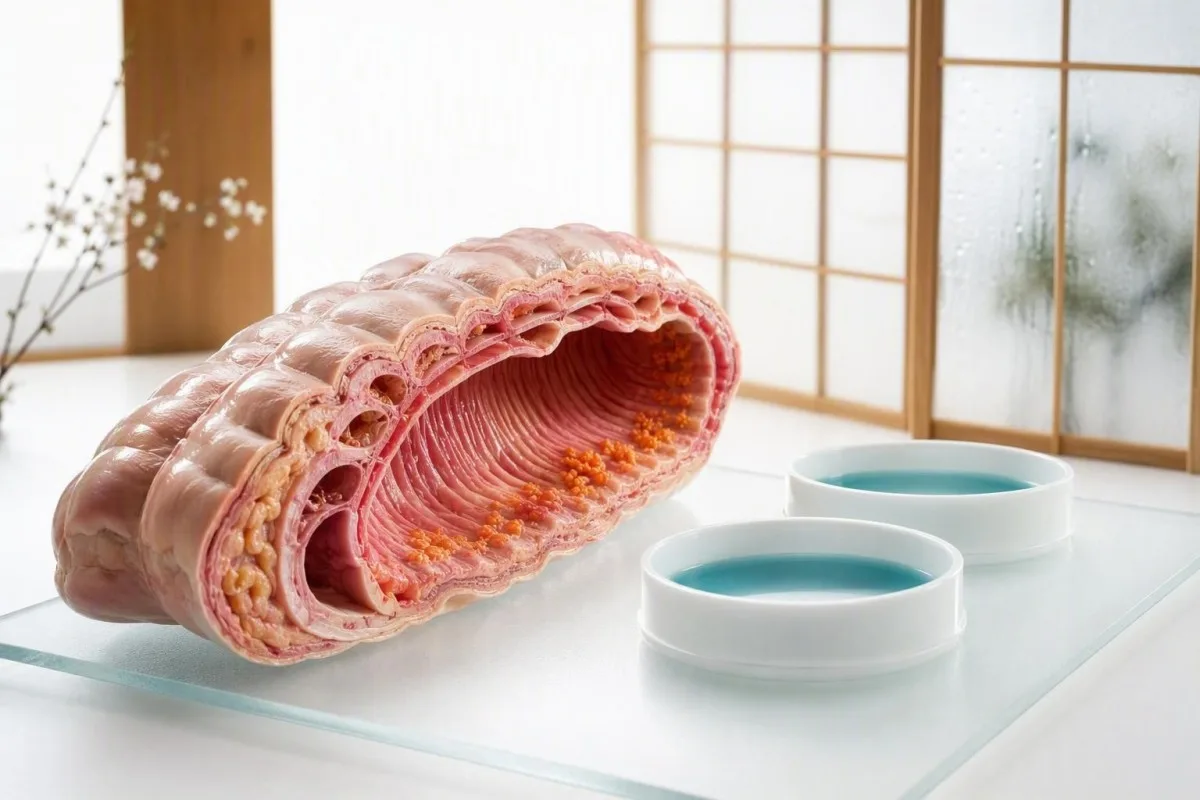
שני הבדיקות מזהות דלקת מעיים המונעת על ידי נויטרופילים, אך קלפרוטקטין הוא בדרך כלל הכלי הכמותי השימושי יותר למעקב. התוצאה הנכונה היא כזו שמשנה את ההחלטה הקלינית הבאה - לא כזו שמסמנת אותך עם IBD.


- קלפרוטקטין מתחת ל-50 µg/g הוא בדרך כלל מרגיע במבוגרים עם חשד ל-IBS כאשר אין תכונות אזעקה.
- לקטופרין הוא חלבון נויטרופילים; בדיקות כמותיות רבות משתמשות בפחות מ-7.25 µg/g כשלילי, אך ערכי הסף של המעבדה משתנים.
- סמני צואה גבוהים מצביעים על דלקת מעיים, לא על אבחנה ספציפית; זיהום, NSAIDs, דיברטיקוליטיס וניאופלזיה קולורקטלית יכולים להעלות את שניהם.
- קלפרוטקטין גבולי של 50–150 µg/g לעיתים קרובות מצדיקים דגימה חוזרת לאחר 2–6 שבועות ולא קולונוסקופיה מיידית.
- קלפרוטקטין מעל 250 µg/g מגביר את הדאגה לדלקת רירית פעילה ובדרך כלל מניע בדיקה קלינית, בדיקת זיהום בצואה או תכנון אנדוסקופיה.
- תוצאות תקינות יכולים להפחית את הסבירות למחלת מעי דלקתית פעילה במעי הגס, אך אינם יכולים לשלול באופן מהימן מחלת קרוהן הממוקמת אך ורק במעי הדק.
- ניטור מחלות מעי דלקתיות (IBD) משתמש בתסמינים ובנוסף בסמנים ביולוגיים, CRP, סמני אנמיה, הדמיה ואנדוסקופיה; אף סמן צואה אינו מאבחן התלקחות באופן עצמאי.
- תסמינים דחופים כגון צואה שחורה, דימום נראה מתמשך, חום, כאב חמור, עילפון או התייבשות, דורשים הערכה רפואית ללא קשר לתוצאת הסמן.
באיזה סמן צואה כדאי לבחור תחילה?
קלפרוטקטין בצואה הוא בדרך כלל סמן הדלקת הראשון הנבחר בצואה מכיוון שהוא זמין באופן נרחב, כמותי, ויש לו את התפקיד החזק ביותר בהבחנה בין מחלות מעי דלקתיות סבירות לבין תסמיני מעי פונקציונליים. בדיקת לקטופרין בצואה תוצאות הן חלופה סבירה כאשר זהו המבחן שאושר באופן מקומי, אך הזמנת שניהם בתחילת הדרך משנה לעיתים רחוקות את הטיפול.
אצל אדם עם שלשולים קלים במשך 6 שבועות, כאבי בטן עוויתיים, וללא ירידה במשקל או דימום רקטלי, הייתי מתחיל בדרך כלל עם קלפרוטקטין ובדיקות זיהום ממוקדות במקום קולונוסקופיה. תוצאה מתחת ל-50 מיקרוגרם/גרם הופכת דלקת משמעותית במעי הגס לפחות סבירה, בעוד שתוצאה מוגברת באופן ברור מספקת סיבה להמשך בדיקה. הנחיות ה-AGA לשלשול מימי כרוני תומכות בקלפרוטקטין או לקטופרין כבדיקות סקר למצבים דלקתיים (Smalley et al., 2019).
בחר לקטופרין כאשר שירות הגסטרואנטרולוגיה שלך משתמש בו באופן עקבי, כאשר המעבדה מדווחת על ערך כמותי מאומת, או כאשר הוא נכלל במסגרת בדיקות לשלשול זיהומי. אל תבחר בו כי הוא נשמע יותר ספציפי: שני החלבונים משוחררים כאשר נויטרופילים חודרים ללומן המעי. הסוגיה המעשית היא האם הרופא שלך יכול להשוות את התוצאה לדגימות קודמות שלך באמצעות אותו מבחן.
קנטסטי הוא מנתח בדיקות דם בינה מלאכותית המציג תוצאות קשורות כגון המוגלובין, CRP, אלבומין ומדדי ברזל לצד דוח סמן צואה; הוא אינו מחליף את מבחן הצואה או את אבחנת הרופא. אם עייפות מלווה שלשול, בדיקת דם לשלשול יכולה לעזור לזהות התייבשות, אנמיה, או אובדן אלקטרוליטים המשנה את הדחיפות.
כלל אצבע שימושי
השתמש בסמן מאומת אחד תחילה, חזור על אותו סמן כאשר התוצאה גבולית או בעת ניטור טיפול, ושמור על בדיקה כפולה לשאלה ספציפית בגסטרואנטרולוגיה. שינוי מבחן באמצע מעקב יוצר מגמות לכאורה שעשויות להיות רעש מעבדתי ולא ביולוגיה.
מה קלפרוטקטין בצואה באמת מזהה
קלפרוטקטין מודד חלבון קושר סידן ואבץ המשוחרר בעיקר מנויטרופילים במערכת העיכול. ריכוז צואה גבוה יותר משקף נדידת נויטרופילים למעי, הנפוצה במחלות מעי דלקתיות פעילות אך מתרחשת גם עם מספר מצבים שאינם מחלות מעי דלקתיות.
קלפרוטקטין הוא הקומפלקס החלבוני S100A8/S100A9, והוא נשאר יציב יחסית בצואה למשך מספר ימים בטמפרטורת החדר - סיבה אחת לכך שהוא פועל היטב כבדיקת איסוף ביתית. עוצמתו הביולוגית היא מקומיות: בניגוד ל-CRP, הוא משקף פעילות תאית בלומן המעי ולא תגובת פאזה חריפה של כל הגוף. לכן, CRP תקין אינו מבטל תוצאת קלפרוטקטין גבוהה.
במרפאות מבוגרים, מעבדות מסווגות בדרך כלל פחות מ-50 מיקרוגרם/גרם כתקין ו יותר מ-150–250 מיקרוגרם/גרם כמתאימים יותר ויותר לדלקת מעיים פעילה. אלו הן ספי החלטה, לא גבולות ביולוגיים אוניברסליים. שירותים אירופיים מסוימים משתמשים ב-100 מיקרוגרם/גרם כסף הפניה, בעוד שטווחים רפרנס לילדים ולמבחנים ספציפיים יכולים להיות שונים באופן מהותי.
ראיתי בחור בן 28 עם קלפרוטקטין של 680 מיקרוגרם/גרם, CRP תקין, ובסופו של דבר דלקת כיבית מוגבלת לרקטום ולמעי הגס הסיגמואידי. דפוס זה אינו יוצא דופן: דלקת מקומית של הרירית יכולה להיות פעילה ללא אות מערכתי חזק. שלנו מדריך טווחי קלפרוטקטין צואתי מסביר מדוע יש להצמיד את השיטה והיחידות של המעבדה לכל תוצאה.
מה לקטופרין בצואה מזהה באופן שונה
לקטופרין מזהה חלבון אחר שמקורו בנויטרופילים ועונה על אותה שאלה ביולוגית כמו קלפרוטקטין: האם יש דלקת מעי פעילה של נויטרופילים? הוא אינו מזהה קוליטיס כיבית, מחלת קרוהן, קוליטיס חיידקית, או סיבה אחרת בפני עצמו.
לקטופרין הוא גליקופרוטאין קושר ברזל המאוחסן בגרנולות משניות של נויטרופילים ומשתחרר במהלך הפעלה. בדיקת לקטופרין צואתי איכותית חיובית שימושית מכיוון שהיא שוללת IBS לא מסובך בהקשר הקליני הנכון. בדיקות כמותיות משתנות: שיטה נפוצה אחת מגדירה ערך שלילי כ פחות מ-7.25 מיקרוגרם/גרם, ולכן לעולם אל תשתמשו בסף קלפרוטקטין לדיווח לקטופרין.
הראיות אינן מראות שלקטופרין עולה באופן קטגורי. במטא-אנליזה אבחנתית, וואנג ועמיתיו מצאו שלקטופרין צואתי הייתה רגישות משולבת של 82% וסגוליות של 14% להבחנה בין IBD לביקורות לא-IBD, אם כי הערכות דיוק משתנות עם שכיחות המחלה ועיצוב המחקר (וואנג ואח', 2015). סגוליות מרשימה זו עדיין אינה הופכת תוצאה חיובית לאבחנת IBD.
תוצאת לקטופרין חיובית שווה במיוחד דיון כאשר שלשול החל בפתאומיות לאחר נסיעה, אנטיביוטיקה, חשיפה למזון מזוהם, או מגע עם אדם חולה. במצבים אלו, רופאים בדרך כלל מוסיפים בדיקות פתוגנים במקום לקפוץ ישר לתווית IBD. המדריך שלנו ל תוצאות תרבית צואה מכסה מה דוח שלילי או גידול מעורב יכול ואינו יכול להכריע.
כיצד לקרוא ערכי סף מבלי להגיב יתר על המידה
ערך קלפרוטקטין מתחת ל-50 מיקרוגרם/גרם הוא בדרך כלל תקין למבוגרים, 50–150 מיקרוגרם/גרם הוא לעיתים קרובות אזור לא חד משמעי, וערכים מעל 250 מיקרוגרם/גרם מעלים חשש לדלקת פעילה. לקטופרין משתמש בספים ספציפיים לבדיקה, בדרך כלל חיובי איכותי או סף כמותי קרוב ל-7.25 מיקרוגרם/גרם.
סף הקלפרוטקטין של 50 מיקרוגרם/גרם מיועד לרגישות: הוא תופס את רוב המחלות הדלקתיות בעלות משמעות קלינית במחיר של כמה תוצאות חיוביות שגויות. הסף של 250 מיקרוגרם/גרם שימושי יותר לסגוליות ולניטור IBD מאובחנת. ביניהם נמצא האזור האמצעי המתסכל, שבו חשיפה לתרופות, דלקת קיבה וטרינרית אחרונה, גיל ומסלול משפיעים יותר ממספר בודד.
שינוי מ-72 ל-94 מיקרוגרם/גרם הוא לעיתים קרובות פחות משמעותי משינוי מ-85 ל-430 מיקרוגרם/גרם, במיוחד אם שתי הדגימות נבדקו על ידי אותה מעבדה. צפיפות הצואה יכולה להשפיע על מיצוי והשונות הביולוגית אמיתית. העצה המעשית של ד"ר תומאס קליין היא לרשום שימוש ב-NSAID, זיהום אחרון, זיהום מנדי, ותאריך איסוף לפני פירוש עלייה מתונה.
לגישה ממושמעת לערכים סדרתיים, השוו את תאריך הדגימה עם תסמינים ובדיקות קשורות במקום להתייחס לכל תוצאה מסומנת כהתקדמות מחלה. שלנו 3-10 mEq/L ללא אשלגן; 8-16 mEq/L עם אשלגן מסביר את אותו עיקרון של שינוי התייחסות ושונות אנליטית ברפואת מעבדה.
מדוע שני הסמנים יכולים להיות גבוהים ללא IBD
סמני דלקת מוגברים בצואה מתרחשים עם זיהום מעיים, חשיפה לתרופות נוגדות דלקת שאינן סטרואידיות (NSAIDs), דיברטיקוליטיס, ניאופלזיה קולורקטלית, קוליטיס מיקרוסקופי ומחלות מעי דלקתיות (IBD). התוצאה מאשרת אות דלקתי; היא אינה חושפת את הסיבה, המיקום, משך הזמן או חומרת הדלקת בפני עצמה.
תרופות נוגדות דלקת שאינן סטרואידיות (NSAIDs) יכולות להעלות קלפרוטקטין בצואה, לעיתים באופן משמעותי, על ידי הגברת חדירות המעי וגרימת פגיעות קטנות ברירית. איבופרופן, נפרוקסן ודיקלופנק חשובים; רופא עשוי להציע להפסיקם אם הדבר בטוח מבחינה רפואית לפני חזרה על הבדיקה. אין להפסיק אספירין, נוגדי קרישה או משככי כאבים שנרשמו על ידי רופא ללא התייעצות קודם לכן.
גסטרואנטריטיס חיידקית חריפה עשויה לייצר ערכי קלפרוטקטין מעל 500 מק"ג/גרם ולעקפרוטקטין חיובי, זו הסיבה שפאנל פתוגנים בצואה יכול להיות אינפורמטיבי יותר מקולונוסקופיה דחופה בימים הראשונים של המחלה. לעומת זאת, ג'יארדיאזיס עשויה לגרום לשלשול ממושך עם עלייה פחות בולטת בסמנים נויטרופיליים. ציר הזמן של התסמינים נושא לעיתים קרובות משקל אבחנתי רב יותר ממה שמטופלים מצפים.
קנטסטי הוא שירות פרשנות בדיקות מעבדת ה-AI שיכולים לסמן דפוס דלקתי כגון המוגלובין נמוך, אלבומין נמוך, תרומבוציטוז ו-CRP מוגבר לצורך סקירה על ידי רופא, אך ממצאי דם אלו אינם מוכיחים שמקור הדלקת הוא במעי. עבור אנשים עם דם בצואה, מעקב FIT ותזמון קולונוסקופיה הוא נושא נפרד מקלפרוטקטין ואין לעכב אותו.
מתי תוצאה תקינה עדיין יכולה לפספס מחלה
קלפרוטקטין או לקטופרין תקינים הופכים דלקת קולונית פעילה לפחות סבירה, אך אינם יכולים לשלול לחלוטין מחלת קרוהן, במיוחד מחלה קלה או מבודדת של המעי הדק. תוצאה תקינה גם אינה מסבירה ירידה במשקל מתמשכת, אנמיה מחוסר ברזל, שלשול לילי או דימום גלוי חוזר.
מחלת קרוהן של המעי הדק עשויה להפריש פחות חלבון נויטרופילי לדגימת צואה מאשר קוליטיס נרחבת, במיוחד כאשר הנגעים קרובים או קלים. זוהי אחת הסיבות שתסמינים ותכונות אזעקה גוברים על מספר מרגיע. ההנחיה האבחנתית של ECCO-ESGAR ממליצה לשלב ביומרקרים עם אילאו-קולונוסקופיה והדמיה חתכית כאשר IBD נותר חשודה קלינית (Maaser et al., 2019).
אישה בת 46 עם קלפרוטקטין של 38 מק"ג/גרם, פריטין של 7 נ"ג/מ"ל, ועייפות מתקדמת ראויה להערכה של דימום ממערכת העיכול או ספיגה לקויה, גם אם תדירות היציאות תקינה. מניסיוני, השילוב של חוסר ברזל ותסמינים בלתי מוסברים משמעותי הרבה יותר מסמן צואה נמוך בודד. קראו את שלנו פריטין נמוך ורמזים למעי לשאלות המעבדה הבאות הרגילות.
צליאק, שלשול חומצת מרה, אי ספיקה לבלבית והשפעות רבות של תרופות עשויים לגרום לתסמינים עם סמני דלקת תקינים בצואה. לכן, בדיקה תקינה היא צומת דרכים לאבחנות שאינן דלקתיות, ולא הצהרה שהתסמינים פסיכולוגיים או חסרי חשיבות.
מה לעשות עם תוצאת קלפרוטקטין גבולית
תוצאת קלפרוטקטין גבולית של 50–150 מק"ג/גרם חוזרת בדרך כלל לאחר 2–6 שבועות אם התסמינים יציבים ואין תכונות אזעקה. החזרה צריכה להשתמש באותה שיטת מעבדה ויש לתזמן אותה הרחק מזיהום בדרכי העיכול אחרון, במידת האפשר.
לפני בדיקה חוזרת, רופאים סוקרים NSAIDs, מעכבי משאבות פרוטונים, אנטיביוטיקה, זיהומים חריפים, פעילות גופנית עצימה של סיבולת וסיכון הקשור לגיל. אין מרווח שטיפה מוסכם אוניברסלית לכל תרופה. תוכנית פרגמטית היא לרוב שבועיים לאחר שהמחלה החריפה שככה, בתנאי שהתסמינים אינם מעידים על צורך בטיפול מוקדם יותר.
אם החזרה יורדת מ-118 ל-32 מק"ג/גרם והתסמינים נרגעים, ניתן להימנע מבדיקות פולשניות. אם היא עולה מ-96 ל-310 מק"ג/גרם, הכיוון מוסיף עדות שימושית עוד לפני הגעת תוצאת אנדוסקופיה. זו הסיבה שערך גבולי בודד צריך לעורר פאניקה - או תחושת ביטחון כוזבת - לעיתים רחוקות.
שֶׁלָנוּ מדריך למעקב קלפרוטקטין גבולי מפרט את השאלות שיש להביא לפגישת רפואת משפחה או גסטרואנטרולוגיה. יומן תסמינים קצר עם תדירות יציאות, התעוררות בלילה, חום ותאריכי נטילת תרופות שימושי יותר באופן כללי מאשר בדיקה אובססיבית של טריגרים תזונתיים.
כיצד קלינאים משתמשים בסמנים לאחר אבחון IBD
ב-IBD מאושר, קלפרוטקטין שימושי ביותר למעקב אחר דלקת מעי אובייקטיבית ולסיוע בהחלטה האם תסמינים מייצגים התלקחות, זיהום, חפיפה עם IBS, או כישלון טיפולי. לקטופרין יכול גם לעקוב אחר הפעילות, אך לקלפרוטקטין יש יותר ספים הנתמכים בהנחיות לניטור "treat-to-target".
תסמינים ופעילות רירית מתפצלים לעיתים קרובות. חולה עם קוליטיס כיבית עשוי להרגיש טוב כאשר הקלפרוטקטין עולה מ-80 ל-360 µg/g, או לחוות תנועות מעיים דחופות מחוסר ספיגה של מלחי מרה כאשר הקלפרוטקטין נשאר 28 µg/g. ההנחיה של AGA משנת 2023 לסמנים ביולוגיים לקוליטיס כיבית ממליצה לשלב תסמינים עם סמנים ביולוגיים ולא להסתמך על אחד מהם בלבד (Singh et al., 2023).
לצורך ניטור הפוגה, רופאים רבים רואים פחות מ-150 µg/g כמ reassuring, בעוד יותר מ-150 µg/g עשוי לדרוש בדיקה חוזרת, אנדוסקופיה, או סקירת טיפול בהתאם לתסמינים ולהתנהגות מחלה קודמת. בקוליטיס כיבית סימפטומטית פעילה, יותר מ-250 µg/g תומך בדלקת מתמשכת. רמות חיתוך הן הנחיות, לא הוראות לשנות טיפול ביולוגי ללא חוות דעת של מומחה.
Kantesti AI הוא פלטפורמת פרשנות ביומרקרים של AI שמאגדת מגמות בדיקות דם סביב תאריכי טיפול מדווחים של המטופל; היא אינה יכולה להעריך חומרת אנדוסקופיה של צואה לפי מספר בלבד. מטופלים הנוטלים תרופות ביולוגיות צריכים גם להבין אילו בדיקות בטיחות דם מנטרות את הטיפול ואילו תסמינים דורשים פנייה דחופה לצוות ה-IBD שלהם.
כיצד שגיאות איסוף ותזמון משפיעים על התוצאות
איכות האוסף משפיעה על פרשנות סמני צואה מכיוון שדגימה מזוהמת, מאוחרת, או לא נלקחה כראוי עלולה להידחות או להפיק מדידה פחות אמינה. רוב המעבדות רוצות שחלק קטן מצואה יוכנס למיכל הסטרילי המסופק ללא מי שתייה או שתן.
צואה רכה מקובלת בדרך כלל לבדיקות קלפרוטקטין ולקטופרין; אל תחכה לדגימה מוצקה אם שלשול הוא הבעיה הקלינית. הימנע מאיסוף ממי השירותים, ודווח למעבדה אם הדגימה כוללת דם וסתי נראה. הוראות אחסון משתנות לפי ערכה, אך רבות מאפשרות הובלה קצרה בטמפרטורת החדר מכיוון שקלפרוטקטין יציב יחסית.
דגימה יום לאחר מרתון, התקף גסטרואנטריטיס, או הכנת מעיים לקולונוסקופיה עשויה לענות על השאלה הלא נכונה. פעילות גופנית סיבולת יכולה להגביר באופן חולף את חדירות המעי ולעורר תסמינים במערכת העיכול. אם אתה ספורטאי סיבולת ללא "דגלים אדומים", שקול לתזמן את האיסוף הרחק מאירוע גדול; שלנו מדריך מעבדתי לספורטאי סבולת מסביר מדוע הקשר משנה את פרשנות הבדיקה.
העניין הוא, שאיסוף מושלם אינו הופך סמן ביולוגי לא ספציפי למשהו ספציפי. דגימה באיכות גבוהה משפרת את הביטחון במדידה; היא אינה יכולה להחליף את ההיסטוריה הקלינית, הבדיקה, ואבחנה מבדלת.
אילו בדיקות דם הופכות סמן צואה לשימושי יותר
CBC, CRP, פריטין, אלבומין, תפקוד כליות וסרולוגיה צליאקית לעיתים קרובות מוסיפים ערך קליני רב יותר לסמן צואה מוגבר מאשר הזמנת חלבון דלקת צואה שני. הדפוס המדאיג אינו כל חריגה אחת אלא מספר תוצאות המצביעות על דלקת, תת-ספיגה, או אובדן דם.
המוגלובין נמוך, פריטין מתחת ל-15 ng/mL, אלבומין מתחת לטווח הייחוס של המעבדה, טסיות דם מוגברות, או CRP מוגבר יכולים לחזק את החשש למחלת מעי משמעותית קלינית. אף אחד מהם אינו אבחנתי של IBD. למעשה, CRP יכול להישאר תקין בקוליטיס כיבית קלה, ופריטין יכול להיראות תקין באופן מטעה כאשר דלקת מעלה אותו כחלבון פאזה חריפה.
קנטסטי הוא כלי לניתוח בדיקות דם מבוסס AI הקורא CBC, בדיקות ברזל ו-CRP באותה מסגרת קלינית, כולל האם רמת המוגלובין משתנה עשויה להצדיק בדיקה מוקדמת יותר. ד"ר תומאס קליין מזהיר באופן קבוע ש-CRP מבודד של 12 mg/L הוא לא ספציפי, בעוד CRP 12 mg/L בתוספת ירידה באלבומין וקלפרוטקטין של 740 µg/g מהווים צבר פעולה הרבה יותר משמעותי.
עבור מטופלים שערכי הברזל שלהם נראים סותרים, המדריך שלנו למחקרי ברזל מסביר רווית טרנספרין ופריטין במהלך דלקת. מדריך לתוצאות CBC יכול גם לעזור לך לזהות אם האנמיה היא מיקרוציטית, דלקתית, או מעורבת.
מתי הזמנת שתי הבדיקות עשויה להיות סבירה
הזמנת קלפרוטקטין ולקטופרין יחד היא בדרך כלל מיותרת, אך היא יכולה להיות סבירה כאשר מומחה מיישב תסמינים לא תואמים, לא ניתן לחזור על בדיקה קודמת, או שנדרש אישור של נתיב מקומי. תוצאות תואמות מגבירות באופן מתון את הביטחון באיתות דלקתי; תוצאות סותרות בדרך כלל מפעילות סקירה, לא מיצוע חשבוני.
קלפרוטקטין גבוה עם לקטופרין שלילי עשוי לשקף תזמון בדיקה, תוצאה קרובה לסף, הטרוגניות של דגימה, או הבדלים אנליטיים. קלפרוטקטין נמוך עם לקטופרין חיובי מצריך אותה תגובה משמעתית: אשר איסוף, סקור את הבדיקה המדויקת, בדוק תסמינים ובדוק זיהום בעת הצורך. לאף שילוב אין קיצור דרך מאומת לאבחון.
בדיקה כפולה יכולה להיות שימושית גם בסביבות מחקר שבהן פרוטוקול מגדיר מראש את שני הסמנים הביולוגיים. זה שונה מטיפול שגרתי בחולים, שבו בדיקה כפולה יכולה להוסיף עלויות מבלי לשפר החלטות. שאל את הרופא המזמין שאלה פשוטה: “מה נעשה אחרת אם הבדיקה השנייה תהיה חיובית?”
אם דוח נראה לא עקבי מבפנים, השתמש ב מדריך לבדיקה איכותית לעומת כמותית שלנו כדי להבין מדוע “חיובי” ו“גבוה” אינם הצהרות מעבדה ניתנות להחלפה. עקביות של השיטה חשובה יותר מאשר איסוף כל סמן זמין.
מה בעצם מאשר או שולל IBD
IBD מאובחן באמצעות סינתזה של תסמינים, איליוקולונוסקופיה עם דגימת רקמה, היסטולוגיה, בדיקות מעבדה, ולעיתים MRI או CT אנטרוגרפיה – לא רק מקלפרוטקטין או לקטופרין בלבד. סמני צואה עוזרים להחליט מי זקוק לבדיקות אלה והאם דלקת עשויה להשתנות לאורך זמן.
קולונוסקופיה מאפשרת הערכה ישירה של המעי העקום הטרמינלי והמעי הגס ומאפשרת בדיקת רקמה למאפיינים דלקתיים כרוניים, זיהום, קוליטיס מיקרוסקופית, דיספלזיה, וסיבות אחרות. הדמיה בעלת ערך רב במיוחד כאשר מחלת קרוהן עשויה לערב את המעי הדק מעבר להישג של קולונוסקופיה סטנדרטית. סמן צואה הוא אות מיון, לא אבחנה מיקרוסקופית.
אל תבלבל בין בדיקה אימונוכימית של צואה לבין סמן דלקתי כלשהו. FIT מזהה המוגלובין אנושי ומשמש בעיקר בסריקת סרטן המעי הגס או בנתיבים של דימום במערכת העיכול התחתונה, בעוד שקלפרוטקטין ולקטופרין מזהים תוצרי נויטרופילים. ההשוואה שלנו של FIT ו-FOBT מסבירה מדוע סמן דלקת שלילי אינו תחליף לסריקת סרטן מומלצת.
נכון ל-4 בספטמבר 2026, אין הנחיה גסטרואנטרולוגית מרכזית הממליצה לאבחן מחלת קרוהן או קוליטיס כיבית על סמך סף סמן ביולוגי יחיד בצואה. הגבלה זו מגנה על מטופלים הן מפני מחלה חסרה והן מפני תוויות אבחון לכל החיים שלא לצורך.
תסמינים שגוברים על כל תוצאת בדיקת צואה
דימום רקטלי נראה מתמשך, צואה שחורה וזפתית, כאבי בטן חמורים, חום, עילפון, התייבשות, חולשה המחמירה במהירות, או ירידה בלתי מכוונת במשקל דורשים הערכה רפואית בזמן ללא קשר לקלפרוטקטין או לקטופרין. אין להשתמש בתוצאה תקינה כדי להתעלם מדפוס תסמינים שעלול להיות דחוף.
החשש הדחוף הוא פיזיולוגיה, לא התווית שעל דוח מעבדה. שלשול מימי תכוף יכול לגרום לאשלגן נמוך, פגיעה כלייתית חריפה, ותסמינים אורתוסטטיים לפני שסמן דלקת מופיע. מבוגרים שאינם מסוגלים לשתות נוזלים, מבולבלים, מתעלפים, או עם תפוקת שתן מינימלית צריכים לפנות לטיפול דחוף.
תסמיני מעי חדשים לאחר גיל 50, היסטוריה משפחתית חזקה של סרטן המעי הגס, ואנמיה מחוסר ברזל משנים את הסף להערכת המעי גם כאשר הקלפרוטקטין נמוך. סמן צואה אינו מעריך סיכון לסרטן באופן מקיף. ריר בצואה: מדריך דגלים אדומים מבחין בין דפוסים שפירים נפוצים לבין תסמינים הדורשים בדיקה.
תינוקות, נשים הרות, מבוגרים וכן אנשים המשתמשים בתרופות מדכאות חיסון דורשים מיון אינדיבידואלי מכיוון שהסיכונים הבסיסיים שלהם שונים. אם אינך בטוח אם תסמינים דחופים, פנה לאיש קליני מקומי או לשירות חירום, דבר בטוח יותר מאשר לנסות לפרש מספר בבידוד.
שיחה מעשית לנהל לאחר קבלת התוצאה שלך
השאלה השימושית ביותר להמשך היא: “האם תוצאה זו משנה את הצורך שלי בבדיקת זיהום, בדיקה חוזרת, הדמיה או אנדוסקופיה?” הבאת הערך המדויק, שם הבדיקה, ציר הזמן של התסמינים, תרופות ותוצאות קודמות הופכת את השיחה הזו למהירה ומדויקת מבחינה קלינית יותר.
הביאו רשימה של 14 הימים האחרונים: תדירות יציאות, תסמיני לילה, חום, שינוי משקל, נסיעות, אנטיביוטיקה, NSAIDs והיסטוריה משפחתית. קלפרוטקטין של 180 מיקרוגרם/גרם לאחר מחלה שלשולית חמה בת 3 ימים דורשת תוכנית שונה מאשר אותה תוצאה לאחר 4 חודשים של שלשול לילי וירידה במשקל.
Kantesti AI יכול לעזור לך לארגן דוחות דם נלווים לפני פגישה, אך החלטות אבחון וטיפול שייכות לאיש הקליני שיכול לבדוק אותך ולסדר בדיקות סופיות. שלנו לאימות רפואי מסביר כיצד פיקוח קליני ובדיקת מקור משולבים בפרשנות מעבדתית אחראית.
למקרים מורכבים, שאל מי יהיה אחראי למעקב ומתי עליך לצפות לתוצאה חוזרת או להחלטת הפניה. אנשי הצוות הקליני ב- המועצה המייעצת הרפואית מדגישים שתוכנית מתועדת עדיפה על הוראה מעורפלת “לבדוק שוב מאוחר יותר”, במיוחד כאשר סמני דלקת ואנמיה נעים באותו כיוון.
השורה התחתונה ממוקדת החלטה
בחר קלפרוטקטין תחילה ברוב המצבים, השתמש בלקטופרין כאשר זהו החלופה המאומתת של השירות שלך, ואל תניח שאף אחת מהתוצאות מאבחנת IBD. תוצאה נמוכה מפנה את תשומת הלב לגורמים תפקודיים ודלקתיים, בעוד שתוצאה גבוהה באופן עקבי מזהה אנשים שאולי יזדקקו לבדיקת זיהום, בדיקה על ידי מומחה או אנדוסקופיה.
עבור שלשול כרוני לא מסובך, סמן תקין אחד—קלפרוטקטין מתחת ל-50 מיקרוגרם/גרם או לקטופרין שלילי לפי אותה מעבדה—יכול להפחית את הסבירות למחלה דלקתית פעילה. עבור ערך מעל 250 מיקרוגרם/גרם או לקטופרין חיובי עם תסמינים מתמשכים, השאלה הבאה היא הסיבה, לא הוודאות. זיהום, חשיפה לתרופות, IBD ומצבים דלקתיים אחרים נשארים ברשימה.
רוב המטופלים מוצאים את העמימות הקשה ביותר באזור הקלפרוטקטין של 50–150 מיקרוגרם/גרם. מניסיוני, הצעד הבא הטוב ביותר הוא בדרך כלל בדיקה חוזרת בזמן מתוזמן בקפידה, ולא ניקוי תזונתי, שימוש עצמי בסטרואידים, או אבחנה באינטרנט. שמור על אותה מעבדה במידת האפשר כך שהמגמה תהיה ניתנת לפירוש.
Kantesti’s מדריך טכנולוגיית בינה מלאכותית מתאר כיצד המערכות שלנו שומרות על הקשר המעבדתי תוך הדגשת שאלות לבדיקה רפואית. השימוש הבטוח בכל פרשנות AI זהה כאן: השתמש בו כדי להתכונן לשיחה קלינית טובה יותר, לעולם לא כדי לעקוף דגלים אדומים או להחליף טיפול אבחוני.
שאלות נפוצות
האם קלפרוטקטין טוב יותר מלַקטוֹפֶרין בזיהוי מחלות מעי דלקתיות?
קלפרוטקטין מועדף בדרך כלל לחשד למחלות מעי דלקתיות (IBD) מכיוון שהוא זמין באופן נרחב כבדיקה כמותית ובעל ספי ניטור נפוצים כמו פחות מ-50 מיקרוגרם/גרם ויותר מ-250 מיקרוגרם/גרם. לקטופרין הוא גם סמן שימושי שמקורו בנויטרופילים בצואה ויכול להניב תוצאות טובות כאשר המעבדה משתמשת במבחן מאומת. אף אחד מהסמנים אינו מאשר IBD, מכיוון שזיהומים, תרופות נוגדות דלקת שאינן סטרואידיות (NSAIDs), דיברטיקוליטיס ומצבי מעיים אחרים יכולים להעלות את רמתם. הבדיקה הטובה יותר היא בדרך כלל זו שהרופא המטפל שלך יכול לפרש לצד תסמינים ולחזור עליה תוך שימוש באותה שיטת מעבדה.
איזה רמת קלפרוטקטין מדאיגה?
רמת קלפרוטקטין בצואה מתחת ל-50 µg/g היא בדרך כלל מרגיעה עבור מבוגרים ללא תסמיני אזעקה, בעוד ש-50–150 µg/g נחשבת לעיתים קרובות גבולית ועשויה לחזור על עצמה לאחר 2–6 שבועות. ערכים מעל 150–250 µg/g מדאיגים יותר לגבי דלקת מעיים, ורמות מעל 250 µg/g מובילות בדרך כלל לבדיקה קלינית או לבדיקות נוספות. הפעולה המדויקת תלויה במבחן, בתסמינים, בגיל, בשימוש ב-NSAID והאם הערך עולה. ערך של 600 µg/g לאחר שלשול חיידקי חריף יכול להיות בעל משמעות שונה מ-600 µg/g במהלך מספר חודשים של תסמינים כרוניים.
האם תסמונת המעי הרגיז (IBS) יכולה לגרום לרמות גבוהות של קלפרוטקטין או לקטופרין?
מעי רגיז ללא סיבוכים בדרך כלל אינו גורם לעלייה בקלפרוטקטין או לקטופרין בצואה, מכיוון שמעי רגיז אינו מייצר דלקת מעיים המונעת על ידי נויטרופילים. עלייה קלה בקלפרוטקטין בין 50 ל-150 µg/g יכולה להתרחש עקב זיהום אחרון, שימוש ב-NSAID, גורמים הקשורים לגיל, או שונות במדידה, ולכן אינן שוללות באופן אוטומטי מעי רגיז. לקטופרין חיובי או קלפרוטקטין מעל 250 µg/g מחייבים בירור סיבה דלקתית או זיהומית ולא הנחה שמדובר במעי רגיז. מעי רגיז ומחלת מעי דלקתית (IBD) יכולים להתקיים במקביל, וזו סיבה נוספת לכך שתסמינים ומגמות חשובים.
האם קלפרוטקטין תקין יכול לשלול מחלת קרוהן?
תוצאה תקינה של קלפרוטקטין מפחיתה את הסבירות למחלת מעי דלקתית פעילה של המעי הגס, אך אינה יכולה לשלול לחלוטין מחלת קרוהן, במיוחד מחלת קרוהן קלה או מבודדת של המעי הדק. ערך מתחת ל-50 מק"ג/גרם לא צריך לגבור על מאפייני אזעקה כגון אנמיה מחוסר ברזל, ירידה במשקל, שלשול לילי, דימום מתמשך או היסטוריה משפחתית חזקה. קלינאים עשויים להשתמש ב-ileocolonoscopy, MR enterography או הערכת קפסולה כאשר חשד קליני נותר גבוה. התוצאה מטופלת בצורה הטובה ביותר כפיסת ראיה אחת המתאימה את ההסתברות, ולא כמבחן שלילה סופי.
האם כדאי לחזור על תוצאת קלפרוטקטין גבולית?
תוצאה גבולית של קלפרוטקטין של 50–150 מק"ג/גרם חוזרת לעיתים קרובות לאחר 2–6 שבועות כאשר התסמינים יציבים ואין סימני אזהרה. לפני החזרה, קלינאים בדרך כלל סוקרים גסטרואנטריטיס אחרונה, שימוש ב-NSAIDs, אנטיביוטיקה ותנאי איסוף, מכיוון שכל אחד מהם יכול להשפיע על הערך. השתמש באותו מבחן מעבדה אם אפשר, מכיוון שתוצאות משיטות שונות עשויות שלא להיות ניתנות להשוואה ישירה. תוצאה עולה לכיוון או מעל 250 מק"ג/גרם נושאת בדרך כלל משקל קליני רב יותר מאשר עלייה יציבה בדרגה נמוכה.
האם אנטיביוטיקה יכולה להשפיע על קלפרוטקטין ולקטופרין בצואה?
אנטיביוטיקה יכולה להשפיע על סמני דלקת בצואה באופן עקיף על ידי טיפול, גרימה או התרחשות במקביל לשלשול זיהומי ועל ידי שינוי המיקרוביום של המעי. יש להעריך אצל אדם עם שלשול הקשור לאנטיביוטיקה סיבות כמו Clostridioides difficile במקום לפרש קלפרוטקטין מוגבר או לקטופרין חיובי כ-IBD. אין מספר ימים אוניברסלי אמין להמתין לאחר אנטיביוטיקה לפני בדיקה; התזמון תלוי בתסמינים ובשאלה הקלינית. שלשול מתמשך, חום או כאבי בטן לאחר אנטיביוטיקה מצריכים בדיקות בהובלת רופא ולא טיפול עצמי.
קבל ניתוח בדיקות דם מבוסס בינה מלאכותית כבר היום
הצטרף ליותר מ-2 מיליון משתמשים ברחבי העולם שסומכים על Kantesti לצורך ניתוח מיידי ומדויק של בדיקות מעבדה. העלה את תוצאות בדיקות הדם שלך וקבל פרשנות מקיפה של ביומרקרים של 15,000+ בתוך שניות.
📚 פרסומי מחקר עם הפניות
Klein, T., Mitchell, S., & Weber, H. (2026). Kantesti LTD. (2026). אורובילינוגן בבדיקת שתן: מדריך שלם לניתוח שתן 2026. Zenodo.. מחקר רפואי של Kantesti בינה מלאכותית.
Klein, T., Mitchell, S., & Weber, H. (2026). Kantesti LTD. (2026). מדריך בדיקות ברזל: TIBC, רווית ברזל ויכולת קשירה. Zenodo.. מחקר רפואי של Kantesti בינה מלאכותית.
📖 הפניות רפואיות חיצוניות
Singh S et al. (2023). הנחיה קלינית של AGA בנוגע לתפקידם של סמנים ביולוגיים לניהול קוליטיס כיבית. Gastroenterology.
⚕️ הצהרת אחריות רפואית
מאמר זה מיועד למטרות חינוכיות בלבד ואינו מהווה ייעוץ רפואי. תמיד יש להתייעץ עם גורם מוסמך בתחום הבריאות לצורך החלטות אבחון וטיפול.
אותות אמון E-E-A-T
הִתנַסוּת
סקירה קלינית בהובלת רופא של תהליכי עבודה לפענוח בדיקות מעבדה.
מוּמחִיוּת
רפואה מעבדתית מתמקדת באופן שבו סמנים ביולוגיים מתנהגים בהקשר קליני.
סמכותיות
נכתב על ידי ד״ר תומאס קליין, עם סקירה על ידי ד״ר שרה מיטשל ופרופ׳ ד״ר האנס וובר.
אֲמִינוּת
פרשנות מבוססת-ראיות עם מסלולי המשך ברורים כדי להפחית בהלה.