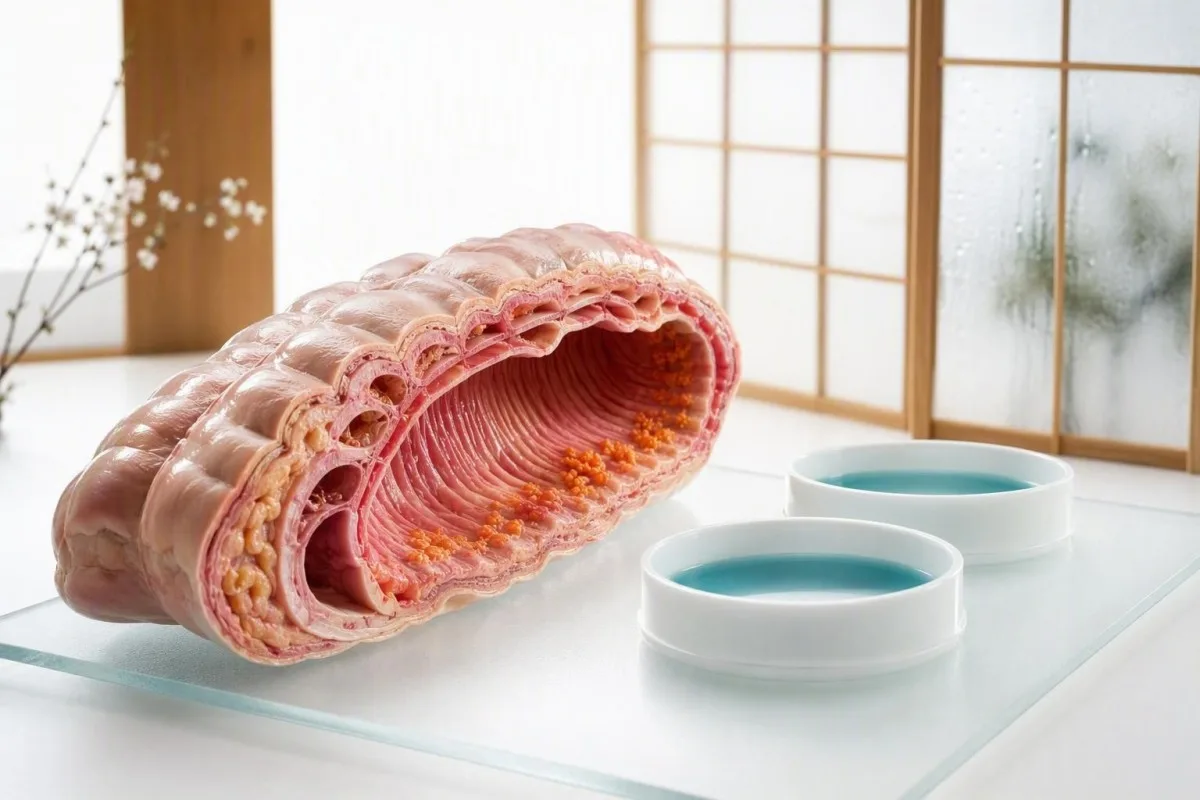
دونوں ٹیسٹ نیوٹروفیل سے چلنے والی آنتوں کی سوزش کا پتہ لگاتے ہیں، لیکن کیلپروٹیکٹن عام طور پر زیادہ مفید مقداری نگرانی کا آلہ ہے۔ صحیح نتیجہ وہ ہے جو آپ کے اگلے طبی فیصلے کو بدلتا ہے — یہ وہ نہیں جو آپ کو IBD کا لیبل لگاتا ہے۔.


- کیلپروٹیکٹن 150 µg/g سے کم عام طور پر IBS کے مشتبہ بالغوں میں تسلی بخش ہوتا ہے جب کوئی الارم فیچرز نہ ہوں۔.
- لیکٹوفیرین ایک نیوٹروفیل پروٹین ہے؛ بہت سے مقداری ٹیسٹ منفی کے طور پر 7.25 µg/g سے کم استعمال کرتے ہیں، لیکن لیبارٹری کٹ آف مختلف ہوتے ہیں۔.
- زیادہ سٹول مارکر آنتوں کی سوزش کی نشاندہی کرتے ہیں، نہ کہ کوئی مخصوص تشخیص؛ انفیکشن، NSAIDs، ڈائیورٹیکولائٹس اور کولوریکٹل نیو پلازیا دونوں کو بڑھا سکتے ہیں۔.
- بارڈر لائن کیلپروٹیکٹن 50–150 µg/g کے لیے فوری کالونوسکوپی کے بجائے 2–6 ہفتوں کے بعد دوبارہ نمونہ لینے کی ضرورت ہو سکتی ہے۔.
- 250 µg/g سے زیادہ کیلپروٹیکٹن فعال میوکوسل سوزش کے خدشات کو بڑھاتا ہے اور عام طور پر کلینیکل جائزہ، سٹول انفیکشن ٹیسٹنگ یا اینڈوسکوپی کی منصوبہ بندی کا باعث بنتا ہے۔.
- نارمل نتائج فعال آنتوں کی سوزش کی بیماری (IBD) کے امکانات کو کم کرتا ہے لیکن یہ الگ تھلگ چھوٹی آنت کے کرون کی بیماری کو قابل اعتماد طریقے سے خارج نہیں کر سکتا۔.
- IBD کی نگرانی علامات کے ساتھ ساتھ بائیو مارکرز، CRP، خون کی کمی کے مارکر، امیجنگ اور اینڈوسکوپی کا استعمال کرتا ہے؛ کوئی بھی اسٹول مارکر آزادانہ طور پر فلیر کا پتہ نہیں لگاتا ہے۔.
- فوری توجہ کی علامات جیسے کہ سیاہ پاخانہ، مستقل نظر آنے والا خون، بخار، شدید درد، بے ہوشی یا پانی کی کمی جو مارکر کے نتائج سے قطع نظر طبی جانچ کی ضرورت ہوتی ہے۔.
آپ کو پہلے کون سا سٹول مارکر منتخب کرنا چاہئے؟
فیcal calprotectin عام طور پر اسٹول کے سوزش کا پہلا انتخابی مارکر ہے۔ کیونکہ یہ وسیع پیمانے پر دستیاب، مقداری ہے، اور فعال آنتوں کی سوزش کی بیماری کو فعال آنتوں کی علامات سے الگ کرنے میں سب سے مضبوط کردار ادا کرتا ہے۔. ٹیسٹ برائے فیکل لییکٹوفررین نتائج ایک سمجھدار متبادل ہیں جب وہ لیبارٹری کے توثیق شدہ ٹیسٹ ہوں، لیکن ابتدائی طور پر دونوں کا آرڈر دینے سے شاذ و نادر ہی علاج میں تبدیلی آتی ہے۔.
6 ہفتوں سے پتلے پاخانے، درد، اور وزن میں کمی یا مقعد سے خون بہنے کے بغیر، میں عام طور پر کالپروٹیکٹن کے ساتھ ساتھ مخصوص انفیکشن ٹیسٹنگ سے شروع کروں گا بجائے کولونوسکوپی کے۔ 50 µg/g سے کم نتیجہ آنتوں کی نمایاں سوزش کو کم امکان بناتا ہے، جبکہ واضح طور پر بلند نتیجہ مزید جانچ کا باعث بنتا ہے۔ پانی والے دائمی اسہال کے لیے AGA کی رہنمائی فعال سوزش کی حالتوں کے لیے اسکریننگ ٹیسٹ کے طور پر کالپروٹیکٹن یا لیکٹوفیرن کی حمایت کرتی ہے (Smalley et al., 2019)۔.
جب آپ کی گیسٹروینٹرولوجی سروس اسے مسلسل استعمال کرتی ہے، جب لیبارٹری ایک توثیق شدہ مقداری قدر کی اطلاع دیتی ہے، یا جب اسے متعدی اسہال کی جانچ کے ساتھ جوڑا جاتا ہے تو لیکٹوفیرن کا انتخاب کریں۔ اس لیے منتخب نہ کریں کہ یہ زیادہ مخصوص لگتا ہے: جب نیوٹروفیل آنتوں کے لیمن میں داخل ہوتے ہیں تو دونوں پروٹین خارج ہوتے ہیں۔ عملی مسئلہ یہ ہے کہ آیا آپ کا معالج آپ کے پہلے کے نمونوں کے نتائج کا موازنہ اسی ٹیسٹ کے ساتھ کر سکتا ہے۔.
کنٹیسٹی ایک ہے۔ اے آئی بلڈ ٹیسٹ تجزیہ کار جو ہیموگلوبن، CRP، البومن اور آئرن کے انڈیکس جیسے متعلقہ نتائج کو اسٹول مارکر رپورٹ کے ساتھ رکھتا ہے۔ یہ اسٹول ٹیسٹ یا معالج کے تشخیص کی جگہ نہیں لیتا ہے۔ اگر تھکاوٹ کے ساتھ اسہال ہو، تو اسہال کے لیے خون کا ٹیسٹ پانی کی کمی، خون کی کمی، یا الیکٹرولائٹ کی کمی کی نشاندہی کرنے میں مدد کر سکتا ہے جو فوری طور پر تبدیلی لاتی ہے۔.
ایک مفید عام اصول
پہلے ایک توثیق شدہ مارکر استعمال کریں، جب نتیجہ غیر واضح ہو یا علاج کی نگرانی کرتے وقت اسی مارکر کو دہرائیں، اور دوہری جانچ کو گیسٹرو انٹولوجی کے مخصوص سوال کے لیے محفوظ رکھیں۔ فالو اپ کے دوران آدھے راستے میں ٹیسٹ تبدیل کرنے سے ظاہری رجحانات پیدا ہوتے ہیں جو لیبارٹری کا شور ہو سکتے ہیں نہ کہ حیاتیات۔.
فیcal کیلپروٹیکٹن دراصل کیا پتہ لگاتا ہے
کالپروٹیکٹن آنتوں کے راستے میں بنیادی طور پر نیوٹروفیل سے خارج ہونے والے کیلشیم اور زنک سے پابند پروٹین کی پیمائش کرتا ہے۔. آنت میں نیوٹروفیل کی منتقلی کی اعلیٰ اسٹول کی تعداد اس کی عکاسی کرتی ہے، جو فعال IBD میں عام ہے لیکن کئی غیر IBD حالات میں بھی ہوتا ہے۔.
کالپروٹیکٹن S100A8/S100A9 پروٹین کمپلیکس ہے، اور یہ کمرے کے درجہ حرارت پر کئی دنوں تک اسٹول میں نسبتاً مستحکم رہتا ہے - ایک وجہ یہ ہے کہ یہ گھر میں جمع کیے جانے والے ٹیسٹ کے طور پر اچھی طرح کام کرتا ہے۔ اس کی حیاتیاتی طاقت مقامی ہے: CRP کے برعکس، یہ پورے جسم کے شدید مرحلے کے ردعمل کے بجائے آنتوں کے لیمن میں سیلولر سرگرمی کی عکاسی کرتا ہے۔ لہذا عام CRP کالپروٹیکٹن کے بلند نتائج کو منسوخ نہیں کرتا ہے۔.
بالغ پریکٹس میں، لیبارٹریز عام طور پر درجہ بندی کرتی ہیں 50 µg/g سے کم کو نارمل اور 150–250 µg/g سے زیادہ کو آنتوں کی فعال سوزش کے ساتھ زیادہ مطابقت کے طور پر۔ یہ فیصلے کی حدیں ہیں، نہ کہ عالمگیر حیاتیاتی سرحدیں۔ کچھ یورپی خدمات 100 µg/g کو ریفرل حد کے طور پر استعمال کرتی ہیں، جبکہ پیڈیاٹرک اور ٹیسٹ کے مخصوص حوالہ وقفے کافی مختلف ہو سکتے ہیں۔.
میں نے 28 سالہ شخص کو 680 µg/g کے کالپروٹیکٹن، ایک عام CRP، اور بالآخر مقعد اور سگمیڈ آنت تک محدود السیریٹیو کولائٹس کے ساتھ دیکھا ہے۔ یہ پیٹرن غیر معمولی نہیں ہے: مقامی میوکوزل سوزش مضبوط سیسٹیمیٹک سگنل کے بغیر فعال ہو سکتی ہے۔ فیcal calprotectin رینج گائیڈ وضاحت کرتا ہے کہ لیبارٹری کا اپنا طریقہ کار اور یونٹس ہر نتیجے کے ساتھ کیوں منسلک رہنے چاہئیں۔.
فیcal لیکٹوفیرین مختلف کیا پتہ لگاتا ہے
لیکٹوفیرن ایک اور نیوٹروفیل سے ماخوذ پروٹین کا پتہ لگاتا ہے اور calprotectin کا تقریباً وہی حیاتیاتی سوال پوچھتا ہے: کیا آنتوں میں فعال نیوٹروفیل سوزش ہے؟ یہ اکیلے السریٹیو کولائٹس، کروہن کی بیماری، بیکٹیریل کولائٹس، یا کسی اور وجہ کی نشاندہی نہیں کرتا ہے۔.
لیکٹوفیرن ایک آئرن سے بھرپور گلائکو پروٹین ہے جو نیوٹروفیل کے ثانوی دانوں میں ذخیرہ ہوتا ہے اور فعال ہونے کے دوران خارج ہوتا ہے۔ ایک مثبت کیفیتی فیcal لیکٹوفیرن ٹیسٹ مفید ہے کیونکہ یہ مناسب کلینیکل سیٹنگ میں غیر پیچیدہ IBS کے خلاف دلیل پیش کرتا ہے۔ مقداری تجزیے مختلف ہوتے ہیں: ایک عام طور پر استعمال کیا جانے والا طریقہ ایک منفی قدر کو <7.25 µg/g کے طور پر بیان کرتا ہے، لہذا calprotectin کٹ آف کو کبھی بھی لیکٹوفیرن رپورٹ پر لاگو نہ کریں۔ 7.25 µg/g سے کم, ، لہذا calprotectin کٹ آف کو کبھی بھی لیکٹوفیرن رپورٹ پر لاگو نہ کریں۔.
شواہد یہ ظاہر نہیں کرتے ہیں کہ لیکٹوفیرن قطعی طور پر بہتر ہے۔ ایک تشخیصی میٹا تجزیہ میں، وانگ اور ساتھیوں نے IBD کو غیر IBD کنٹرولز سے ممتاز کرنے کے لیے فیcal لیکٹوفیرن کی مجموعی حساسیت 82% اور خصوصیت 19% پائی، حالانکہ درستگی کے تخمینے بیماری کی شدت اور مطالعہ کے ڈیزائن کے ساتھ بدلتے رہتے ہیں (وانگ وغیرہ، 2015)۔ یہ متاثر کن خصوصیت اب بھی مثبت نتیجے کو IBD تشخیص میں تبدیل نہیں کرتی ہے۔.
جب سفر، اینٹی بائیوٹکس، آلودہ خوراک کے رابطے، یا بیمار شخص کے رابطے کے بعد قے اچانک شروع ہوئی ہو تو مثبت لیکٹوفیرن نتیجہ پر تبادلہ خیال کرنا خاص طور پر قابل قدر ہے۔ ان حالات میں، کلینشین عام طور پر سیدھے IBD لیبل پر جانے کے بجائے پیتھوجن ٹیسٹنگ کا اضافہ کرتے ہیں۔ ہمارا گائیڈ stool culture کے نتائج اس بات کی وضاحت کرتا ہے کہ منفی یا مکسڈ گروتھ رپورٹ کیا طے کر سکتی ہے اور کیا نہیں۔.
کٹ آف کو زیادہ ردعمل کے بغیر کیسے پڑھیں
50 µg/g سے کم calprotectin قدر عام طور پر بالغوں کے لیے نارمل ہوتی ہے، 50–150 µg/g اکثر ایک غیر متعین زون ہوتا ہے، اور 250 µg/g سے زیادہ قدریں فعال سوزش کے خدشے کو بڑھاتی ہیں۔. لیکٹوفیرن تجزیہ کے مخصوص کٹ آف استعمال کرتا ہے، عام طور پر ایک کیفیتی مثبت یا 7.25 µg/g کے قریب ایک مقداری حد۔.
50 µg/g calprotectin حد کو حساسیت کے لیے ڈیزائن کیا گیا ہے: یہ کچھ جھوٹے مثبت کے خرچ پر زیادہ تر طبی لحاظ سے اہم سوزش کی بیماری کو پکڑتا ہے۔ 250 µg/g حد خصوصیت اور قائم شدہ IBD کی نگرانی کے لیے زیادہ مفید ہے۔ ان کے درمیان مایوس کن درمیانی راستہ ہے، جہاں دوا کے استعمال، حالیہ گیسٹروینٹرائٹس، عمر، اور ٹراجیکٹری ایک نمبر سے زیادہ اہم ہیں۔.
72 سے 94 µg/g کی تبدیلی اکثر 85 سے 430 µg/g کی تبدیلی سے کم معنی خیز ہوتی ہے، خاص طور پر اگر دونوں نمونے ایک ہی لیبارٹری کے ذریعہ جانچے گئے ہوں۔ پاخانہ کی مستقل مزاجی اخراج کو متاثر کر سکتی ہے اور حیاتیاتی تغیر حقیقی ہے۔ ڈاکٹر تھامس کلین کی عملی نصیحت یہ ہے کہ ایک معمولی اضافے کو سمجھنے سے پہلے NSAID کا استعمال، حالیہ انفیکشن، ماہواری کی آلودگی، اور جمع کرنے کی تاریخ کو ریکارڈ کیا جائے۔.
سیریل قدروں کے لیے ایک منظم طریقہ کے لیے، بیماری کی ترقی کے طور پر ہر فلیگ شدہ نتیجے کا علاج کرنے کے بجائے نمونہ کی تاریخ کا علامات اور متعلقہ لیبز سے موازنہ کریں۔ ہماری سے دیکھیں لیبارٹری میڈیسن میں ریفرنس تبدیلی اور تجزیاتی تغیر کے اسی اصول کی وضاحت کرتی ہے۔.
IBD کے بغیر دونوں مارکر زیادہ کیوں ہو سکتے ہیں
آنتوں کے انفیکشن، NSAID کے استعمال، ڈائیورٹیکولائٹس، کولوریکٹل نیوپلاسیا، مائکروسکوپک کولائٹس اور IBD کے ساتھ پاخانے میں سوزش کے بلند مارکر پائے جاتے ہیں۔. نتیجہ سوزش کے سگنل کی تصدیق کرتا ہے۔ یہ خود سے وجہ، مقام، مدت، یا شدت ظاہر نہیں کرتا ہے۔.
نان-سٹیرایڈل اینٹی سوزش والی دوائیں آنتوں کی پارگمیتا کو بڑھا کر اور چھوٹے سے مخاطی کے زخموں کا سبب بن کر، بعض اوقات نمایاں طور پر، پاخانے کے کیلپروٹیکٹن کو بڑھا سکتی ہیں۔ Ibuprofen، naproxen اور diclofenac اہم ہیں؛ اگر طبی طور پر محفوظ ہو تو معالج ٹیسٹ کو دہرانے سے پہلے انہیں روکنے کا مشورہ دے سکتا ہے۔ تجویز کردہ ایسپرین، اینٹی کوگولنٹ، یا درد کی دواؤں کو پہلے معالج سے پوچھے بغیر بند نہ کریں۔.
شدید بیکٹیریل گیسٹرو اینٹرائٹس 500 µg/g سے زیادہ کیلپروٹیکٹن کی قدر اور مثبت لیکٹوفیرین پیدا کر سکتا ہے، یہی وجہ ہے کہ بیمار کے ابتدائی دنوں میں پاخانہ پیتھوجن پینل فوری کالونوسکوپی سے زیادہ معلوماتی ہو سکتا ہے۔ اس کے برعکس، گیارڈیاسس کم نمایاں نیوٹروفل مارکر میں اضافے کے ساتھ طویلہ اسہال کا سبب بن سکتا ہے۔ علامات کی ٹائم لائن اکثر مریضوں کی توقع سے زیادہ تشخیصی وزن رکھتی ہے۔.
کنٹیسٹی ایک ہے۔ اے آئی لیب ٹیسٹ کی تشریح کی خدمت جو کہ کم ہیموگلوبن، کم البومن، تھرومبوسائٹوسس اور بلند CRP جیسے سوزش کے پیٹرن کو کلینیکل جائزہ کے لیے جھنڈا کر سکتا ہے، لیکن خون کے یہ نتائج آنتوں کے ذریعہ کو ثابت نہیں کرتے ہیں۔ پاخانے میں خون والے افراد کے لیے،, FIT فالو اپ اور کالونوسکوپی کا وقت کیلپروٹیکٹن سے ایک الگ مسئلہ ہے اور اسے تاخیر نہیں کرنی چاہیے۔.
جب ایک عام نتیجہ پھر بھی بیماری کو نظر انداز کر سکتا ہے
نارمل کیلپروٹیکٹن یا لیکٹوفیرین فعال کولونک سوزش کو کم ممکن بناتا ہے، لیکن یہ کرون کی بیماری کو مکمل طور پر خارج نہیں کر سکتا، خاص طور پر ہلکی یا تنہائی میں چھوٹی آنت کی بیماری۔. عام نتیجہ مستقل وزن میں کمی، آئرن کی کمی سے ہونے والی انیمیا، رات کے وقت اسہال، یا بار بار نظر آنے والے خون بہنے کی بھی وضاحت نہیں کرتا ہے۔.
چھوٹی آنت کی کرون کی بیماری کولائٹس کی نسبت پاخانے کے نمونے میں کم نیوٹروفل پروٹین خارج کر سکتی ہے، خاص طور پر جب زخم قریبی یا ہلکے ہوں۔ یہ ایک وجہ ہے کہ علامات اور الارم کی خصوصیات ایک تسلی بخش نمبر کو زیادہ اہمیت دیتی ہیں۔ ECCO-ESGAR تشخیصی رہنمائی IBD کے کلینیکلی مشتبہ رہنے پر (Maaser et al., 2019) ileocolonoscopy اور کراس سیکشنل امیجنگ کے ساتھ بائیو مارکرز کو مربوط کرنے کی سفارش کرتی ہے۔.
38 µg/g کے کیلپروٹیکٹن، 7 ng/mL کے فیریٹن، اور بتدریج تھکاوٹ والا 46 سالہ شخص آنتوں کے خون کے نقصان یا مالابسورپشن کے لیے تشخیص کا مستحق ہے، چاہے پاخانے کی فریکوئنسی نارمل ہو۔ میرے تجربے میں، آئرن کی کمی اور غیر واضح علامات کا مجموعہ ایک ہی کم پاخانے کے مارکر سے کہیں زیادہ اہم ہے۔ ہمارا پڑھیں کم فیریٹن اور آنتوں کے سراغ معمول کے اگلے لیبارٹری سوالات کے لیے۔.
سیلیک ڈیزیز، بائل ایسڈ اسہال، لبلبے کی ناکامی اور بہت سی ادویات کے اثرات عام پاخانے میں سوزش کے مارکر کے ساتھ علامات کا سبب بن سکتے ہیں۔ لہذا ایک عام ٹیسٹ غیر سوزش والی تشخیص کی طرف ایک چوراہے پر ہے، نہ کہ یہ اعلان کہ علامات نفسیاتی یا غیر اہم ہیں۔.
بارڈر لائن کیلپروٹیکٹن کے نتیجہ کے ساتھ کیا کرنا ہے
50–150 µg/g کا بارڈر لائن پاخانہ کیلپروٹیکٹن نتیجہ عام طور پر 2-6 ہفتوں کے بعد دہرایا جاتا ہے اگر علامات مستحکم ہوں اور کوئی الارم کی خصوصیات نہ ہوں۔. اگر ممکن ہو تو دہرانے کے لیے اسی لیبارٹری کے طریقے کا استعمال کیا جانا چاہیے اور حال ہی میں آنتوں کے انفیکشن سے دور وقت مقرر کیا جانا چاہیے۔.
دوبارہ ٹیسٹ کرنے سے پہلے، معالج NSAIDs، پروٹان پمپ انحیبیٹرز، اینٹی بائیوٹکس، شدید انفیکشن، شدید صبر آزما ورزش اور عمر سے متعلقہ خطرات کا جائزہ لیتے ہیں۔ ہر دوا کے لیے عالمی سطح پر متفقہ واش آؤٹ وقفہ نہیں ہے۔ ایک عملی منصوبہ اکثر شدید بیماری کے ٹھیک ہونے کے 2 ہفتے بعد ہوتا ہے، بشرطیکہ علامات پہلے دیکھ بھال کی ضرورت کا اشارہ نہ دیں۔.
اگر دہرائی گئی قدر 118 سے 32 µg/g تک گر جاتی ہے اور علامات ٹھیک ہو جاتی ہیں، تو حملہ آور جانچ سے بچا جا سکتا ہے۔ اگر یہ 96 سے 310 µg/g تک بڑھ جاتی ہے، تو سمت اینڈوسکوپی کے نتائج آنے سے پہلے ہی مفید ثبوت فراہم کرتی ہے۔ یہی وجہ ہے کہ ایک ہی بارڈر لائن قدر کو شاذ و نادر ہی گھبراہٹ - یا جھوٹی یقین دہانی کا سبب بننا چاہیے۔.
ہماری بارڈر لائن کیلپروٹیکٹن فالو اپ گائیڈ وہ سوالات بتاتا ہے جو بنیادی دیکھ بھال یا گیسٹروینٹرولوجی اپوائنٹمنٹ میں لائے جائیں۔ پاخانے کی فریکوئنسی، رات کی نیند، بخار اور ادویات کی تاریخوں کے ساتھ ایک مختصر علامات کی ڈائری عام طور پر کھانے کے ٹرگر کو جنونی طور پر جانچنے سے زیادہ کارآمد ہوتی ہے۔.
IBD کی تشخیص ہونے کے بعد معالج مارکرز کو کیسے استعمال کرتے ہیں
قائم IBD میں، کیلپروٹیکٹن آنتوں کی فعال سوزش کو ٹریک کرنے اور یہ فیصلہ کرنے میں مدد کرنے کے لیے سب سے زیادہ مفید ہے کہ آیا علامات فلیر، انفیکشن، IBS اوورلیپ، یا علاج کی ناکامی کی نمائندگی کرتی ہیں۔. لیکٹوفیرن بھی سرگرمی کی پیروی کر سکتا ہے، لیکن علاج کے اہداف کی نگرانی کے لیے کیلپروٹیکٹن کے پاس زیادہ رہنما خطوط سے تائید شدہ حدیں ہیں۔.
علامات اور میوکوزل سرگرمی اکثر مختلف ہوتی ہیں۔ السرٹیو کولائٹس والے مریض کو اچھا محسوس ہو سکتا ہے جبکہ کیلپروٹیکٹن 80 سے 360 µg/g تک بڑھ جاتا ہے، یا پیٹ میں درد کی فوری حرکت ہو سکتی ہے جو بائل ایسڈ میلابزربشن کی وجہ سے ہوتی ہے جبکہ کیلپروٹیکٹن 28 µg/g پر رہتا ہے۔ 2023 AGA السرٹیو کولائٹس بائیو مارکر گائیڈ لائن علامات کو بائیو مارکر کے ساتھ ملانے کا مشورہ دیتی ہے بجائے اس کے کہ کسی ایک پر انحصار کیا جائے (سنگھ وغیرہ، 2023)۔.
ریمیشن کی نگرانی کے لیے، بہت سے کلینشین 150 µg/g سے کم کو تسلی بخش سمجھتے ہیں، جبکہ 150 µg/g سے زیادہ کو علامات اور ماضی کے مرض کے رویے کے لحاظ سے دہرائے جانے والے ٹیسٹنگ، اینڈوسکوپی، یا علاج کے جائزے کی ضرورت ہو سکتی ہے۔ فعال علامات والے السرٹیو کولائٹس میں،, 250 µg/g سے زیادہ جاری سوزش کی حمایت کرتا ہے۔ کٹ آف رہنما خطوط ہیں، نہ کہ ماہر کی مداخلت کے بغیر بایولوجک علاج کو تبدیل کرنے کی ہدایات۔.
Kantesti AI ایک AI بایومارکر تشریح پلیٹ فارم جو کسی مریض کی بتائی گئی علاج کی تاریخوں کے گرد خون کے ٹیسٹ کے رجحانات کو منظم کرتا ہے۔ یہ صرف ایک نمبر سے آنتوں کی اینڈوسکوپک شدت کا اندازہ نہیں لگا سکتا۔ بایولوجکس لینے والے مریضوں کو یہ بھی سمجھنا چاہیے کہ کون سے خون کے سیفٹی ٹیسٹ علاج کی نگرانی کرتے ہیں اور کون سی علامات پر فوری طور پر ان کی IBD ٹیم سے رابطہ کرنے کی ضرورت ہوتی ہے۔.
مجموعہ کی غلطیاں اور وقت نتائج کو کیسے متاثر کرتے ہیں
نمونے کا مجموعہ کا معیار پاخانہ مارکر کی تشریح کو متاثر کرتا ہے کیونکہ آلودہ، تاخیر سے، یا خراب طریقے سے نمونہ لینے والا نمونہ مسترد کیا جا سکتا ہے یا کم قابل اعتماد پیمائش پیدا کر سکتا ہے۔. زیادہ تر لیبارٹریز فراہم کردہ جراثیم سے پاک کنٹینر میں پاخانے کا ایک چھوٹا سا حصہ ڈالنے کو ترجیح دیتی ہیں، بغیر ٹوائلٹ کے پانی یا پیشاب کے۔.
ڈھلکا ہوا پاخانہ عام طور پر کیلپروٹیکٹن اور لیکٹو فیرن کی جانچ کے لیے قابل قبول ہوتا ہے۔ اگر اسہال کلینیکل مسئلہ ہے تو تشکیل شدہ نمونے کا انتظار نہ کریں۔ ٹوائلٹ کے پانی سے جمع کرنے سے گریز کریں، اور لیبارٹری کو بتائیں کہ اگر نمونے میں ماہواری کا خون نظر آتا ہے۔ ذخیرہ اندوزی کی ہدایات کٹ کے لحاظ سے مختلف ہوتی ہیں، لیکن بہت سے مختصر کمرے کے درجہ حرارت پر نقل و حمل کی اجازت دیتے ہیں کیونکہ کیلپروٹیکٹن نسبتاً مستحکم ہوتا ہے۔.
میراتھن، گیسٹروئنٹرائٹس، یا کالونوسکوپی آنتوں کی تیاری کے ایک دن بعد نمونہ لینے سے غلط سوال کا جواب مل سکتا ہے۔ برداشت والی ورزش آنتوں کی پارگمیتا کو عارضی طور پر بڑھا سکتی ہے اور معدے کی علامات کو بڑھا سکتی ہے۔ اگر آپ سرخ خطرات کے بغیر برداشت والے کھلاڑی ہیں، تو کسی بڑے ایونٹ سے دور نمونہ لینے کے وقت پر غور کریں؛ ہماری endurance athlete lab guide میں کیا گیا ہے وضاحت کرتی ہے کہ سیاق و سباق ٹیسٹ کی تشریح کو کیوں بدلتا ہے۔.
بات یہ ہے کہ، ایک کامل مجموعہ ایک غیر مخصوص بائیو مارکر کو مخصوص نہیں بناتا۔ ایک اعلیٰ معیار کا نمونہ پیمائش میں اعتماد کو بہتر بناتا ہے۔ یہ کلینیکل تاریخ، معائنے، اور تفریقی تشخیص کی جگہ نہیں لے سکتا۔.
کون سے خون کے ٹیسٹ سٹول مارکر کو زیادہ مفید بناتے ہیں
ایک CBC، CRP، فیریٹن، البومین، گردے کے فعل اور سیلیک سیرولوجی اکثر بڑھے ہوئے پاخانہ مارکر میں ایک اور پاخانہ سوزش پروٹین کا حکم دینے سے زیادہ کلینیکل قدر کا اضافہ کرتے ہیں۔. تشویش ناک نمونہ کسی ایک خرابی کا نہیں بلکہ کئی نتائج کا ہے جو سوزش، میلابزربشن، یا خون کے بہاؤ کی طرف اشارہ کرتے ہیں۔.
کم ہیموگلوبن، 15 ng/mL سے کم فیریٹن، لیبارٹری کے حوالہ رینج سے کم البومین، بڑھے ہوئے پلیٹلیٹس، یا بڑھے ہوئے CRP کلینیکل طور پر بامعنی آنتوں کی بیماری کے لیے تشویش کو مضبوط کر سکتے ہیں۔ ان میں سے کوئی بھی IBD کی تشخیص نہیں ہے۔ درحقیقت، CRP ہلکے السرٹیو کولائٹس میں نارمل رہ سکتا ہے، اور فیریٹن جھوٹے طور پر نارمل نظر آ سکتا ہے جب سوزش اسے ایکیوٹ فیز پروٹین کے طور پر بڑھے۔.
کنٹیسٹی ایک ہے۔ اے آئی سے چلنے والا خون کے ٹیسٹ کا تجزیہ کا آلہ جو ایک CBC، آئرن کے مطالعے اور CRP کو ایک ہی کلینیکل فریم میں پڑھتا ہے، بشمول آیا ہیموگلوبن کی بدلتی ہوئی سطح پہلے جائزے کو جائز ٹھہرا سکتی ہے۔ ڈاکٹر تھامس کلین باقاعدگی سے خبردار کرتے ہیں کہ 12 mg/L کا ایک الگ CRP غیر مخصوص ہے، جبکہ 12 mg/L کا CRP پلس گرتا ہوا البومین اور 740 µg/g کا کیلپروٹیکٹن ایک زیادہ قابل عمل کلسٹر ہے۔.
ان مریضوں کے لیے جن کے آئرن کی قدریں متضاد لگتی ہیں، ہمارا آئرن اسٹڈیز ریسرچ گائیڈ سوزش کے دوران ٹرانسفرین سیچوریشن اور فیریٹن کی وضاحت کرتا ہے۔ ایک سی بی سی نتیجہ گائیڈ آپ کو یہ پہچاننے میں بھی مدد کر سکتا ہے کہ آیا خون کی کمی مائکروسائٹک، سوزش والی، یا مخلوط ہے۔.
جب دونوں ٹیسٹ کا آرڈر دینا مناسب ہو سکتا ہے
کیلپروٹیکٹن اور لیکٹوفیرین کو ایک ساتھ آرڈر کرنا عام طور پر غیر ضروری ہوتا ہے، لیکن جب کوئی ماہر متضاد علامات کو حل کر رہا ہو، پچھلی جانچ کو دہرایا نہیں جا سکتا، یا مقامی راستہ کی تصدیق کی ضرورت ہو تو یہ معقول ہو سکتا ہے۔. ہم آہنگ نتائج سوزش کے اشارے میں اعتماد کو معمولی طور پر بڑھاتے ہیں۔ متضاد نتائج عام طور پر جانچ کا باعث بنتے ہیں، نہ کہ حسابی اوسط۔.
ایک اعلی کیلپروٹیکٹن کے ساتھ منفی لیکٹوفیرین جانچ کے وقت، کٹ آف کے قریب کے نتیجے، نمونے کی विषومیت، یا تجزیاتی اختلافات کی عکاسی کر سکتا ہے۔ ایک کم کیلپروٹیکٹن کے ساتھ مثبت لیکٹوفیرین اسی نظم و ضبط کے ردعمل کے لائق ہے: نمونے کی وصولی کی تصدیق کریں، جانچ کا صحیح طریقہ کار دیکھیں، علامات کا جائزہ لیں اور مناسب ہونے پر انفیکشن کے لیے جانچ کریں۔ کسی بھی امتزاج کے لیے تشخیص کا کوئی تصدیق شدہ شارٹ کٹ نہیں ہے۔.
ڈوئل ٹیسٹنگ تحقیقی ترتیبات میں بھی مفید ہو سکتی ہے جہاں ایک پروٹوکول دونوں بایومارکرز کو پہلے سے طے کرتا ہے۔ یہ معمول کے مریضوں کی دیکھ بھال سے مختلف ہے، جہاں ڈپلیکیٹ ٹیسٹنگ کے بغیر فیصلوں کو بہتر بنائے لاگت بڑھ سکتی ہے۔ آرڈر کرنے والے معالج سے ایک سادہ سوال پوچھیں: “اگر دوسری جانچ مثبت ہو تو ہم کیا مختلف کریں گے؟”
اگر کوئی رپورٹ اندرونی طور پر غیر مطابقت پذیر لگتی ہے، تو ہمارا استعمال کریں ایک کوالٹیٹیو بمقابلہ کوانٹیٹیٹیو ٹیسٹ گائیڈ یہ سمجھنے کے لیے کہ “مثبت” اور “اعلی” لیبارٹری بیانات قابل تبادلہ کیوں نہیں ہیں۔ طریقہ کی مطابقت ہر دستیاب مارکر کو جمع کرنے سے زیادہ اہم ہے۔.
کیا دراصل IBD کی تصدیق کرتا ہے یا اسے خارج کرتا ہے
IBD کی تشخیص علامات، ٹشو نمونے کے ساتھ ileocolonoscopy، histology، لیبارٹری ٹیسٹ، اور کبھی کبھی MRI یا CT enterography کے امتزاج کے ذریعے کی جاتی ہے—نہ کہ صرف کیلپروٹیکٹن یا لیکٹوفیرین سے۔. پاخانہ کے مارکر یہ فیصلہ کرنے میں مدد کرتے ہیں کہ کن کو ان تحقیقات کی ضرورت ہے اور آیا سوزش وقت کے ساتھ بدل سکتی ہے۔.
کالونوسکوپی ٹرمینل ileum اور colon کا براہ راست جائزہ لینے کی اجازت دیتا ہے اور دائمی سوزش کی خصوصیات، انفیکشن، مائکروسکوپک کولائٹس، ڈیسپلاسیا، اور دیگر وجوہات کے لیے ٹشو کے معائنے کی اجازت دیتا ہے۔ امیجنگ خاص طور پر قابل قدر ہے جب کرون کی بیماری میں چھوٹی آنت شامل ہو سکتی ہے جو معیاری کالونوسکوپی کی پہنچ سے باہر ہے۔ پاخانہ کا مارکر ایک ٹریاج سگنل ہے، نہ کہ مائکروسکوپک تشخیص۔.
فیકલ امیونوکیمیکل ٹیسٹ کو کسی بھی سوزش کے مارکر سے الجھائیں نہیں۔ FIT انسانی ہیموگلوبن کا پتہ لگاتا ہے اور بنیادی طور پر کولوریکٹل کینسر کی اسکریننگ یا نچلے GI خون بہنے کے راستوں میں استعمال ہوتا ہے، جبکہ کیلپروٹیکٹن اور لیکٹوفیرین نیوٹروفیل کی مصنوعات کا پتہ لگاتے ہیں۔ ہماری کا موازنہ FIT اور FOBT وضاحت کرتا ہے کہ کیوں ایک منفی سوزش کا مارکر تجویز کردہ کینسر کی اسکریننگ کا متبادل نہیں ہے۔.
4 ستمبر 2026 تک، کوئی بڑی گیسٹروینٹرولوجی گائیڈ لائن کرون کی بیماری یا السری کولائٹس کی تشخیص کے لیے ایک ہی پاخانہ بایومارکر کی حد کی سفارش نہیں کرتی ہے۔ یہ احتیاط مریضوں کو گمشدہ بیماری اور غیر ضروری تاحیات تشخیصی لیبل دونوں سے بچاتی ہے۔.
علامات جو کسی بھی سٹول ٹیسٹ کے نتیجہ پر حاوی ہوتی ہیں
مستقل نظر آنے والی مقعد سے خون بہنا، کالا تارکول جیسا پاخانہ، شدید پیٹ میں درد، بخار، بے ہوشی، پانی کی کمی، تیزی سے بڑھتی ہوئی کمزوری، یا غیر ارادی وزن میں کمی کو کیلپروٹیکٹن یا لیکٹوفیرین سے قطع نظر بروقت طبی تشخیص کی ضرورت ہوتی ہے۔. کسی بھی ممکنہ طور پر فوری علامت کے نمونے کو انتظار کرانے کے لیے نارمل نتیجہ کا استعمال کبھی نہیں کرنا چاہیے۔.
فوری تشویش فزیولوجی ہے، لیبارٹری رپورٹ پر لیبل نہیں۔ بار بار پانی کی طرح اسہال پوٹاشیم، شدید گردے کی چوٹ، اور ارتھوسٹیٹک علامات پیدا کر سکتا ہے اس سے پہلے کہ سوزش کا مارکر واپس آئے۔ سیال رکھنے سے قاصر بالغ، الجھن، بے ہوشی، یا پیشاب کی معمولی مقدار کو فوری دیکھ بھال کی تلاش کرنی چاہیے۔.
50 سال کی عمر کے بعد آنتوں کی نئی علامات، کولوریکٹل کینسر کی مضبوط خاندانی تاریخ، اور آئرن کی کمی سے خون کی کمی، یہاں تک کہ جب کیلپروٹیکٹن کم ہو تو بھی آنتوں کی تشخیص کے لیے حد کو بدل دیتی ہے۔ پاخانہ کا مارکر کینسر کے خطرے کا جامع طور پر اندازہ نہیں کرتا۔ ہمارا پاخانے میں بلغم کا گائیڈ عام غیر نقصان دہ نمونوں کو ان علامات سے ممتاز کرتا ہے جن کی جانچ کی ضرورت ہے۔.
بچوں، حاملہ افراد، معمر افراد، اور مدافعتی نظام کو دبانے والی ادویات استعمال کرنے والے افراد کو انفرادی ٹریاج کی ضرورت ہوتی ہے کیونکہ ان کے بنیادی خطرات مختلف ہوتے ہیں۔ اگر آپ کو یقین نہیں ہے کہ علامات فوری ہیں یا نہیں، تو تنہا نمبر کی تشریح کرنے کی کوشش کرنے سے بہتر ہے کہ مقامی معالج یا فوری نگہداشت کی سروس سے رابطہ کریں۔.
آپ کے نتیجہ کے بعد کی جانے والی ایک عملی گفتگو
سب سے مفید فالو اپ سوال یہ ہے: “کیا یہ نتیجہ انفیکشن کی جانچ، دوبارہ جانچ، امیجنگ، یا اینڈوسکوپی کی میری ضرورت کو بدلتا ہے؟” بالکل صحیح قدر، ٹیسٹ کا نام، علامات کی ٹائم لائن، ادویات، اور پچھلے نتائج لانے سے وہ بات چیت تیز اور طبی لحاظ سے زیادہ درست ہو جاتی ہے۔.
پچھلے 14 دنوں کی فہرست لائیں: پاخانے کی فریکوئنسی، رات کے وقت کی علامات، بخار، وزن میں تبدیلی، سفر، اینٹی بائیوٹکس، NSAIDs، اور خاندانی تاریخ۔ 3 دن کی بخار والی اسہال کی بیماری کے بعد 180 µg/g کا کیلپروٹیکٹن، 4 ماہ کی رات کی نیند کی اسہال اور وزن میں کمی کے بعد اسی طرح کے نتیجے سے مختلف منصوبہ بندی کا تقاضا کرتا ہے۔.
Kantesti AI اپائنٹمنٹ سے پہلے متعلقہ خون کی رپورٹس کو منظم کرنے میں آپ کی مدد کر سکتا ہے، لیکن تشخیص اور علاج کے فیصلے معالج کے ہوتے ہیں جو آپ کا معائنہ کر سکتا ہے اور حتمی جانچ کا انتظام کر سکتا ہے۔ ہماری طبی توثیق (medical validation) کی حکمتِ عملی بیان کرتا ہے کہ ذمہ دار لیبارٹری تشریح میں کلینیکل نگرانی اور سورس چیکنگ کیسے شامل ہیں۔.
پیچیدہ معاملات کے لیے، پوچھیں کہ فالو اپ کون سنبھالے گا اور آپ کو دوبارہ نتیجہ یا ریفرل فیصلے کی توقع کب کرنی چاہیے۔ ہماری پر موجود معالجین میڈیکل ایڈوائزری بورڈ اس بات پر زور دیتے ہیں کہ ایک دستاویزی منصوبہ “بعد میں دوبارہ جانچ” کی مبہم ہدایت سے بہتر ہے، خاص طور پر جب سوزش کے مارکر اور خون کی کمی ایک ہی سمت میں حرکت کرتے ہیں۔.
فیصلہ پر مبنی اہم نکتہ
زیادہ تر حالات میں پہلے کیلپروٹیکٹن کا انتخاب کریں، جب وہ آپ کی سروس کا تصدیق شدہ متبادل ہو تو لیکٹوفیرن استعمال کریں، اور یہ نہ سمجھیں کہ کوئی بھی نتیجہ IBD کی تشخیص کرتا ہے۔. ایک کم نتیجہ فعال اور غیر سوزش والی وجوہات کی طرف توجہ مرکوز کرتا ہے، جبکہ مستقل طور پر زیادہ نتیجہ والے افراد کی نشاندہی کرتا ہے جنہیں انفیکشن کی جانچ، ماہر کا جائزہ، یا اینڈوسکوپی کی ضرورت پڑسکتی ہے۔.
غیر پیچیدہ دائمی اسہال کے لیے، ایک عام مارکر—50 µg/g سے کم کیلپروٹیکٹن یا اس لیبارٹری کے مطابق منفی لیکٹوفیرن—فعال سوزش والی بیماری کے امکان کو کم کر سکتا ہے۔ 250 µg/g سے زیادہ قدر یا مستقل علامات کے ساتھ مثبت لیکٹوفیرن کے لیے، اگلا سوال وجہ ہے، یقین نہیں۔ انفیکشن، دوا کا استعمال، IBD، اور دیگر سوزش کی حالتیں فہرست میں شامل رہتی ہیں۔.
زیادہ تر مریض کیلپروٹیکٹن زون 50–150 µg/g میں ابہام کو سب سے زیادہ مشکل پاتے ہیں۔ میرے تجربے میں، اگلا بہترین قدم عام طور پر احتیاط سے وقت پر دہرانا ہوتا ہے، نہ کہ خوراک کی صفائی، خود سے سٹیرایڈ کا استعمال، یا انٹرنیٹ کی تشخیص۔ جب ممکن ہو تو ایک ہی لیبارٹری رکھیں تاکہ رجحان کو سمجھا جا سکے۔.
Kantesti’s اے آئی ٹیکنالوجی گائیڈ بیان کرتا ہے کہ ہمارے نظام طبی جائزے کے لیے سوالات کو نمایاں کرتے ہوئے لیبارٹری کے سیاق و سباق کو کیسے محفوظ رکھتے ہیں۔ کسی بھی AI تشریح کا محفوظ استعمال یہاں وہی ہے: اسے بہتر طبی بات چیت کے لیے تیار کرنے کے لیے استعمال کریں، کبھی بھی ریڈ فلگز کو اوور رائیڈ کرنے یا تشخیصی نگہداشت کی جگہ لینے کے لیے نہیں۔.
اکثر پوچھے گئے سوالات
کیا IBD کا پتہ لگانے کے لیے کیلپروٹیکٹن، لیکٹوفیرن سے بہتر ہے؟
کیل保护素通常被推荐用于疑似炎症性肠病(IBD),因为它作为定量检测的普及率很高,并且常用的监测阈值包括低于 50 µg/g 和高于 250 µg/g。乳铁蛋白也是一种有用的中性粒细胞来源的粪便标志物,当实验室使用经过验证的检测方法时,它也能表现良好。这两种标志物都不能确诊 IBD,因为感染、非甾体抗炎药 (NSAIDs)、憩室炎和其他肠道疾病都可能导致两者升高。通常,更好的检测方法是您的医生能够结合症状进行解读,并使用相同实验室方法重复的检测。.
کیل保护素水平是多少算高?
50 µg/g سے کم فیcal calprotectin کی سطح بالغوں کے لیے عام طور پر اطمینان بخش ہوتی ہے جن میں کوئی الارم علامات نہیں ہیں، جبکہ 50–150 µg/g کو اکثر غیر متعین سمجھا جاتا ہے اور 2–6 ہفتوں کے بعد دہرایا جا سکتا ہے۔ 150–250 µg/g سے زیادہ کی قدریں آنتوں کی سوزش کے لیے زیادہ تشویشناک ہوتی ہیں، اور 250 µg/g سے زیادہ کی سطحیں عام طور پر کلینیکل جائزہ یا مزید جانچ کا باعث بنتی ہیں۔ درست کارروائی کا انحصار ٹیسٹ، علامات، عمر، NSAID کے استعمال اور اس بات پر ہوتا ہے کہ آیا قدر بڑھ رہی ہے۔ شدید بیکٹیریل اسہال کے بعد 600 µg/g کی قدر کے مہینوں کے دائمی علامات کے دوران 600 µg/g کے مقابلے میں مختلف معنی ہو سکتے ہیں۔.
کیا آئی بی ایس کی وجہ سے کیلپروٹیکٹن یا لیکٹوفیرین کی سطح زیادہ ہو سکتی ہے؟
غیر پیچیدہ آئی بی ایس عام طور پر aumentare fecal calprotectin یا lactoferrin کا سبب نہیں بنتا کیونکہ آئی بی ایس نیوٹروفیل سے چلنے والی آنتوں کی سوزش پیدا نہیں کرتا ہے۔ 50 اور 150 µg/g کے درمیان mild calprotectin میں اضافہ حالیہ انفیکشن، NSAID کے استعمال، عمر سے متعلق عوامل، یا assay کی تبدیلی سے ہو سکتا ہے، لہذا وہ خود بخود آئی بی ایس کو رد نہیں کرتے ہیں۔ 250 µg/g سے زیادہ positive lactoferrin یا calprotectin کی وجہ سے آئی بی ایس کو فرض کرنے کے بجائے inflammatory یا infectious وجہ کا جائزہ لینا چاہیے۔ آئی بی ایس اور IBD coexist کر سکتے ہیں، جو ایک اور وجہ ہے کہ علامات اور رجحانات اہم ہیں۔.
کیا ایک عام کیلپروٹیکٹن کروہن کی بیماری کو رد کر سکتا ہے؟
ایک نارمل کیلپروٹیکٹن کا نتیجہ فعال کولونک IBD کے امکان کو کم کرتا ہے لیکن کروہن کی بیماری کو مکمل طور پر رد نہیں کر سکتا، خاص طور پر ہلکی یا الگ تھلگ چھوٹی آنت کی کروہن کی بیماری۔ 50 µg/g سے کم قیمت کو لوہے کی کمی والے انیمیا، وزن میں کمی، رات کے وقت اسہال، مسلسل خون بہنے یا مضبوط خاندانی تاریخ جیسی الارم خصوصیات کو نظر انداز نہیں کرنا چاہئے۔ جب طبی شبہات بلند رہیں تو ڈاکٹر ileocolonoscopy، MR enterography یا کیپسول کا اندازہ استعمال کر سکتے ہیں۔ اس نتیجے کو حتمی اخراج کے ٹیسٹ کے بجائے ایک امکان کو ایڈجسٹ کرنے والے ثبوت کے طور پر سب سے بہتر سمجھا جاتا ہے۔.
کیا مجھے بارڈر لائن کیلسپروتین کا نتیجہ دہرانا چاہیے؟
50–150 µg/g کا ایک بارڈر لائن کیلپروٹیکٹین نتیجہ اکثر 2–6 ہفتوں کے بعد دہرایا جاتا ہے جب علامات مستحکم ہوں اور کوئی الارم فیچر موجود نہ ہوں۔ دہرانے سے پہلے، ڈاکٹر عام طور پر حالیہ گیسٹروینٹرائٹس، NSAID کے استعمال، اینٹی بائیوٹکس اور نمونے جمع کرنے کے حالات کا جائزہ لیتے ہیں، کیونکہ ان میں سے ہر ایک قدر کو متاثر کر سکتا ہے۔ اگر ممکن ہو تو وہی لیبارٹری ایسے استعمال کریں، کیونکہ مختلف طریقوں کے نتائج براہ راست قابل موازنہ نہیں ہو سکتے ہیں۔ 250 µg/g یا اس سے زیادہ کی طرف بڑھنے والا نتیجہ عام طور پر مستحکم کم درجے کی بلندی سے زیادہ طبی اہمیت رکھتا ہے۔.
کیا اینٹی بائیوٹکس فیکل کیلپروٹیکٹن اور لیکٹوفیرن کو متاثر کر سکتی ہیں؟
اینٹی بائیوٹکس آنتوں کے مائکروبائیوم کو متاثر کر کے، یا انفیکشن والے اسہال کے علاج، اسباب بننے، یا اس کے ساتھ ساتھ ہونے کے ذریعے سٹول انفلامیشن مارکرز کو بالواسطہ طور پر متاثر کر سکتی ہیں۔ اینٹی بائیوٹک سے وابستہ اسہال والے شخص کا IBD کے طور پر بلند کیلپروٹیکٹن یا مثبت لیکٹوفیرن کی تفسیر کے بجائے کلوستریڈائڈز ڈیفیسل جیسے اسباب کے لئے جائزہ لیا جانا چاہئے۔ ٹیسٹنگ سے قبل اینٹی بائیوٹکس کے بعد انتظار کرنے کے دن کی کوئی قابل اعتماد عالمگیر تعداد نہیں ہے۔ ٹائمنگ علامات اور کلینیکل سوال پر منحصر ہے۔ اینٹی بائیوٹکس کے بعد مستقل اسہال، بخار، یا پیٹ میں درد کے لئے خود علاج کے بجائے معالج کی نگرانی میں ٹیسٹنگ کی ضرورت ہوتی ہے۔.
آج ہی اے آئی سے طاقتور خون کے ٹیسٹ کا تجزیہ حاصل کریں
دنیا بھر میں 2M+ صارفین میں شامل ہوں جو فوری اور درست لیب ٹیسٹ تجزیے کے لیے Kantesti پر بھروسہ کرتے ہیں۔ اپنے خون کے ٹیسٹ کے نتائج اپلوڈ کریں اور چند سیکنڈ میں 15,000+ بایومارکرز کی جامع تشریح حاصل کریں۔.
📚 حوالہ دی گئی تحقیقی اشاعتیں
کلائن، ٹی.، مچل، ایس.، اور ویبر، ایچ. (2026). Kantesti LTD. (2026). یوروبیلینوجن ان یورین ٹیسٹ: مکمل یورینالیسس گائیڈ 2026. Zenodo..۔ Kantesti اے آئی میڈیکل ریسرچ۔.
کلائن، ٹی.، مچل، ایس.، اور ویبر، ایچ. (2026). Kantesti LTD. (2026). آئرن اسٹڈیز گائیڈ: TIBC، آئرن سیچوریشن اور بائنڈنگ کیپیسٹی۔ Zenodo۔..۔ Kantesti اے آئی میڈیکل ریسرچ۔.
📖 بیرونی طبی حوالہ جات
Singh S et al. (2023)۔. السریٹیو کولائٹس کے انتظام کے لیے بائیو مارکر کے کردار پر AGA کلینیکل پریکٹس گائیڈ لائن.۔ گیسٹرو اینٹرولوجی۔.
⚕️ میڈیکل ڈس کلیمر
یہ مضمون صرف تعلیمی مقاصد کے لیے ہے اور طبی مشورہ نہیں ہے۔ تشخیص اور علاج کے فیصلوں کے لیے ہمیشہ کسی مستند صحت کے ماہر سے رجوع کریں۔.
E-E-A-T اعتماد کے اشارے
تجربہ
معالج کی قیادت میں لیب تشریح کے ورک فلو کا کلینیکل جائزہ۔.
مہارت
لیبارٹری میڈیسن کا فوکس یہ کہ بایومارکرز کلینیکل سیاق میں کیسے برتاؤ کرتے ہیں۔.
مستندیت
ڈاکٹر تھامس کلائن نے لکھا، ڈاکٹر سارہ مچل اور پروف. ڈاکٹر ہانس ویبر نے نظرثانی کی۔.
امانت داری
شواہد پر مبنی تشریح واضح فالو اپ راستوں کے ساتھ تاکہ گھبراہٹ کم ہو۔.