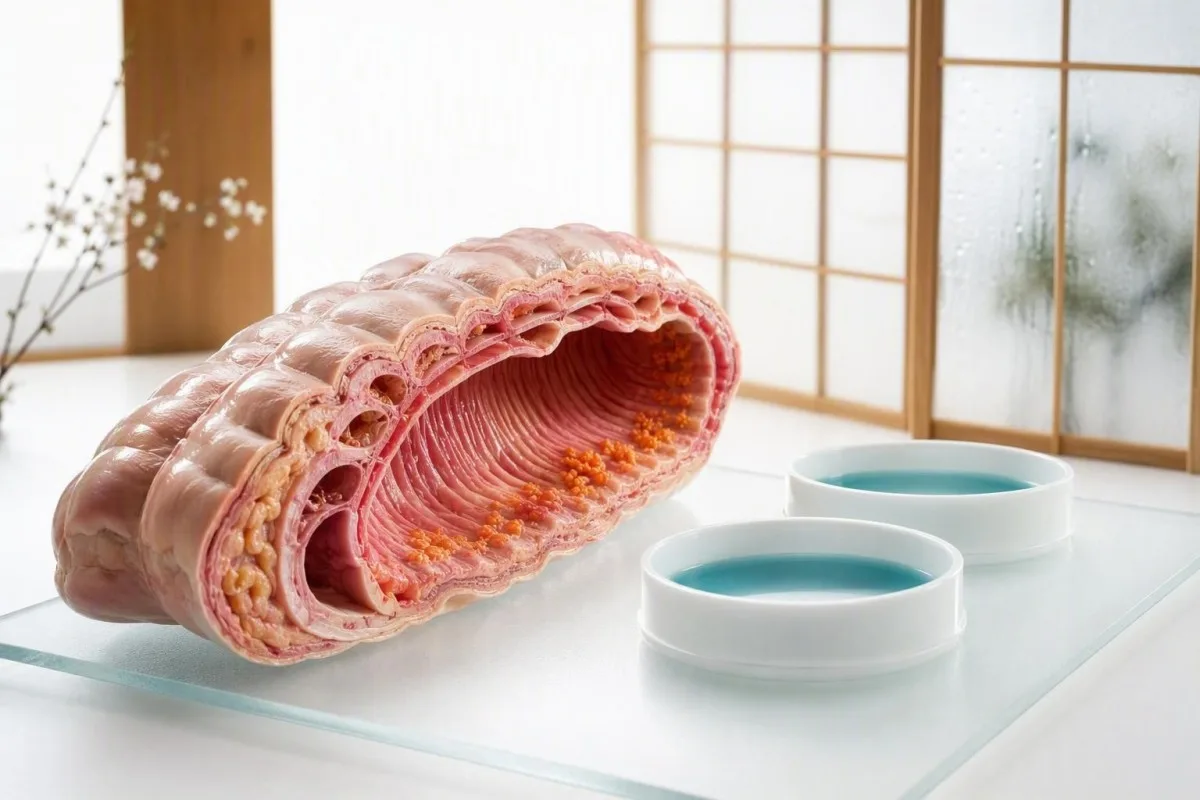
ორივე ტესტი ავლენს ნეიტროფილებით გამოწვეულ ნაწლავის ანთებას, თუმცა კალპროტექტინი, როგორც წესი, უფრო სასარგებლო რაოდენობრივი მონიტორინგის საშუალებაა. სწორი შედეგი არის ის, რომელიც ცვლის შემდეგ კლინიკურ გადაწყვეტილებას - და არა ის, რომელიც გაძლევთ IBD-ის დიაგნოზს.


- კალპროტექტინი 50 µg/g-ზე ნაკლები, როგორც წესი, დამაიმედებელია მოზრდილებში IBS-ის ეჭვის შემთხვევაში, როდესაც არ არის განგაშის ნიშნები.
- ლაქტოფერინი არის ნეიტროფილების ცილა; ბევრი რაოდენობრივი ანალიზი იყენებს 7.25 µg/g-ზე ნაკლებს, როგორც უარყოფითს, თუმცა ლაბორატორიული ზღვრები განსხვავდება.
- განავლის მაღალი მარკერები მიუთითებს ნაწლავის ანთებაზე, არა კონკრეტულ დიაგნოზზე; ინფექციამ, NSAIDs-მა, დივერტიკულიტმა და კოლორექტალურმა ნეოპლაზიამ შეიძლება გაზარდოს ორივე.
- კალპროტექტინი ზღვარზე 50–150 µg/g ხშირად მოითხოვს განმეორებით სინჯს 2–6 კვირის შემდეგ, დაუყოვნებელი კოლონოსკოპიის ნაცვლად.
- კალპროტექტინი 250 µg/g-ზე მეტი ზრდის აქტიური ლორწოვანი ანთების შეშფოთებას და, როგორც წესი, იწვევს კლინიკურ განხილვას, განავლის ინფექციის ტესტირებას ან ენდოსკოპიის დაგეგმვას.
- ნორმალური შედეგები აქტიური მსხვილი ნაწლავის IBD-ის ალბათობას ამცირებს, მაგრამ იზოლირებული წვრილი ნაწლავის კრონის დაავადების საიმედოდ გამორიცხვა არ შეუძლია.
- IBD-ის მონიტორინგი იყენებს სიმპტომებს პლუს ბიომარკერებს, CRP, ანემიის მარკერებს, გამოსახულებას და ენდოსკოპიას; განავლის არცერთი მარკერი დამოუკიდებლად არ დიაგნოსტიკებს გამწვავებას.
- სასწრაფო სიმპტომები როგორიცაა შავი განავალი, სისხლდენა, ცხელება, ძლიერი ტკივილი, გონების დაკარგვა ან დეჰიდრატაცია საჭიროებს სამედიცინო შეფასებას მარკერის შედეგის მიუხედავად.
რომელი განავლის მარკერი აირჩიოთ პირველ რიგში?
განავლის კალპროტექტინი ჩვეულებრივ პირველი არჩევანის განავლის ანთების მარკერია რადგან ის ფართოდ არის ხელმისაწვდომი, რაოდენობრივი და აქვს ყველაზე ძლიერი როლი ანთებითი ნაწლავის დაავადების ფუნქციური ნაწლავური სიმპტომებისგან გამოსაყოფად. ფეკალური ლაქტოფერინის ტესტი შედეგები გონივრული ალტერნატივაა, როდესაც ეს არის ადგილობრივად ვალიდირებული ანალიზი, მაგრამ ორივეს ერთდროულად შეკვეთა იშვიათად ცვლის მკურნალობას.
6 კვირის განმავლობაში ფაღარათის, კრუნჩხვების და წონის დაკლების ან სწორი ნაწლავიდან სისხლდენის გარეშე მყოფი ადამიანისთვის, ჩვეულებრივ დავიწყებ კალპროტექტინით პლუს მიზანმიმართული ინფექციის ტესტირებით, კოლონოსკოპიის ნაცვლად. 50 მკგ/გ-ზე ნაკლები შედეგი ნაკლებად სავარაუდოს ხდის მსხვილი ნაწლავის მნიშვნელოვან ანთებას, ხოლო ნათლად მომატებული შედეგი იძლევა მიზეზს, რომ უფრო შორს ვიყუროდეთ. ქრონიკული წყლიანი ფაღარათის AGA სახელმძღვანელო მხარს უჭერს კალპროტექტინს ან ლაქტოფერინს, როგორც ანთებითი მდგომარეობების სკრინინგ ტესტებს (Smalley et al., 2019).
აირჩიეთ ლაქტოფერინი, როდესაც თქვენი გასტროენტეროლოგიური სამსახური მას თანმიმდევრულად იყენებს, როდესაც ლაბორატორია იუწყება ვალიდირებულ რაოდენობრივ მნიშვნელობას, ან როდესაც ის შედის ინფექციური ფაღარათის ანალიზში. ნუ აირჩევთ მას იმიტომ, რომ ის უფრო სპეციფიკურად ჟღერს: ორივე ცილა გამოიყოფა, როდესაც ნეიტროფილები შედიან ნაწლავის სანათურში. პრაქტიკული საკითხია, შეუძლია თუ არა თქვენს ექიმს შედეგის შედარება თქვენს წინა ნიმუშებთან იგივე ანალიზის გამოყენებით.
კანტესტი არის AI სისხლის ტესტის ანალიზატორი რომელიც ათავსებს დაკავშირებულ შედეგებს, როგორიცაა ჰემოგლობინი, CRP, ალბუმინი და რკინის ინდექსები განავლის მარკერის ანგარიშთან ერთად; ის არ ცვლის განავლის ანალიზს ან ექიმის დიაგნოზს. თუ ფაღარათს ახლავს დაღლილობა, სისხლის ანალიზი ფაღარათისთვის შეუძლია დაეხმაროს დეჰიდრატაციის, ანემიის ან ელექტროლიტების დაკარგვის იდენტიფიცირებას, რომელიც ცვლის სასწრაფოობას.
სასარგებლო ზოგადი წესი
გამოიყენეთ ერთი ვალიდირებული მარკერი პირველ რიგში, გაიმეორეთ იგივე მარკერი, როდესაც შედეგი საზღვრულია ან მკურნალობის მონიტორინგისას, და შეინახეთ ორმაგი ტესტირება კონკრეტული გასტროენტეროლოგიური კითხვისთვის. ანალიზის შეცვლა მიყოლებით, შეცდომაში შეყვანის ტენდენციებს ქმნის, რომლებიც შეიძლება იყოს ლაბორატორიული ხმაური და არა ბიოლოგია.
რას ავლენს ფეკალური კალპროტექტინი სინამდვილეში
კალპროტექტინი ზომავს კალციუმ- და თუთია-შემბოჭველ ცილას, რომელიც ძირითადად ნეიტროფილებიდან გამოიყოფა ნაწლავის ტრაქტში. განავლის მაღალი კონცენტრაცია ასახავს ნეიტროფილების მიგრაციას ნაწლავში, რაც ხშირია აქტიური IBD-ის დროს, მაგრამ ასევე ხდება რამდენიმე არა-IBD მდგომარეობის დროს.
კალპროტექტინი არის S100A8/S100A9 ცილოვანი კომპლექსი და ის რჩება შედარებით სტაბილური განავალში რამდენიმე დღის განმავლობაში ოთახის ტემპერატურაზე - ერთი მიზეზი, რის გამოც ის კარგად მუშაობს სახლის კოლექციის ტესტად. მისი ბიოლოგიური ძალა ადგილობრივია: CRP-სგან განსხვავებით, ის ასახავს უჯრედულ აქტივობას ნაწლავის სანათურში, მთელი სხეულის მწვავე ფაზის პასუხის ნაცვლად. ამიტომ ნორმალური CRP არ აუქმებს კალპროტექტინის მაღალ შედეგს.
ზრდასრულთა პრაქტიკაში, ლაბორატორიები ჩვეულებრივ კლასიფიცირებენ 50 მკგ/გ-ზე ნაკლები როგორც ნორმალური და 150–250 მკგ/გ-ზე მეტი როგორც აქტიურ ნაწლავურ ანთებასთან სულ უფრო მეტად თავსებადს. ეს არის გადაწყვეტილების ზღვრები, არა უნივერსალური ბიოლოგიური საზღვრები. ზოგიერთი ევროპული სერვისი იყენებს 100 მკგ/გ-ს რეფერალურ ზღვრად, ხოლო პედიატრიული და ანალიზ-სპეციფიკური საცნობარო ინტერვალები შეიძლება მნიშვნელოვნად განსხვავდებოდეს.
მინახავს 28 წლის პაციენტი კალპროტექტინის 680 მკგ/გ, ნორმალური CRP და საბოლოოდ წყლულოვანი კოლიტი, რომელიც შემოიფარგლებოდა სწორი ნაწლავით და სიგმოიდური კოლით. ეს ნიმუში არ არის უჩვეულო: ადგილობრივი ლორწოვანი ანთება შეიძლება იყოს აქტიური ძლიერი სისტემური სიგნალის გარეშე. ჩვენი ფეკალური კალპროტექტინის დიაპაზონის გზამკვრივი ხსნის, თუ რატომ უნდა იყოს ლაბორატორიის საკუთარი მეთოდი და ერთეულები ყოველ შედეგთან ერთად.
რას ავლენს ფეკალური ლაქტოფერინი განსხვავებულად
ლაქტოფერინი აღმოაჩენს ნეიტროფილების მიერ წარმოქმნილ კიდევ ერთ ცილას და პასუხობს თითქმის იმავე ბიოლოგიურ კითხვაზე, როგორც კალპროტექტინი: არსებობს თუ არა ნაწლავების აქტიური ნეიტროფილური ანთება? ის თავისთავად არ ასახელებს წყლულოვან კოლიტს, კრონის დაავადებას, ბაქტერიულ კოლიტს ან სხვა მიზეზს.
ლაქტოფერინი არის რკინის შემბოჭველი გლიკოპროტეინი, რომელიც ინახება ნეიტროფილების მეორად გრანულებში და გამოიყოფა აქტივაციის დროს. დადებითი თვისებრივი ფეკალური ლაქტოფერინის ტესტი სასარგებლოა, რადგან ის არასპეციფიკური IBS-ის საწინააღმდეგოდ მეტყველებს, შესაბამის კლინიკურ გარემოცვაში. რაოდენობრივი ანალიზები განსხვავდება: ერთი ხშირად გამოყენებული მეთოდი განსაზღვრავს უარყოფით მნიშვნელობას, როგორც 7.25 µg/g -ზე ნაკლებს, ამიტომ არასდროს გამოიყენოთ კალპროტექტინის ზღვარი ლაქტოფერინის ანგარიშზე.
მტკიცებულებები არ აჩვენებს, რომ ლაქტოფერინი კატეგორიულად უპირატესია. დიაგნოსტიკურ მეტა-ანალიზში Wang-მა და კოლეგებმა დაადგინეს, რომ ფეკალურ ლაქტოფერინს ჰქონდა 82% მგრძნობელობა და 19% სპეციფიკა IBD-ისგან არამარტო IBD-ის მქონე პირებისგან განასხვავების მიზნით, თუმცა სიზუსტის შეფასებები იცვლება დაავადების გავრცელებისა და კვლევის დიზაინის მიხედვით (Wang et al., 2015). ეს შთამბეჭდავი სპეციფიკა კვლავ არ აქცევს დადებით შედეგს IBD-ის დიაგნოზად.
დადებითი ლაქტოფერინის შედეგი განსაკუთრებით იმსახურებს განხილვას, როდესაც ფაღარათი მოულოდნელად დაიწყო მოგზაურობის, ანტიბიოტიკების, დაბინძურებული საკვების ზემოქმედების ან ავადმყოფთან კონტაქტის შემდეგ. ამ სიტუაციებში, კლინიცისტები ჩვეულებრივ ამატებენ პათოგენების ტესტირებას, ვიდრე დაუყოვნებლივ გადავიდოდნენ IBD-ის ტარებაზე. ჩვენი გზამკვრივი განავლის კულტურის შედეგებზე აღწერს, თუ რისი დადგენა შეუძლია და რისი არა უარყოფით ან შერეული ზრდის ანგარიშს.
როგორ წავიკითხოთ ზღვრები გადაჭარბებული რეაქციის გარეშე
50 µg/g -ზე ნაკლები კალპროტექტინის მნიშვნელობა ჩვეულებრივ ნორმალურია მოზრდილებში, 50–150 µg/g ხშირად განუსაზღვრელი ზონაა, ხოლო 250 µg/g -ზე მეტი მნიშვნელობა ზრდის აქტიური ანთების ეჭვს. ლაქტოფერინი იყენებს ტესტის სპეციფიკურ ზღვრებს, ჩვეულებრივ თვისებრივ დადებითს ან რაოდენობრივ ზღვარს 7.25 µg/g -ის მახლობლად.
50 µg/g კალპროტექტინის ზღვარი შექმნილია მგრძნობელობისთვის: ის იჭერს კლინიკურად მნიშვნელოვან ანთებით დაავადებათა უმეტესობას, ზოგიერთი ცრუ დადებითის ფასად. 250 µg/g ზღვარი უფრო სასარგებლოა სპეციფიკურობისა და დადგენილი IBD-ის მონიტორინგისთვის. მათ შორის დევს იმედგამაცრუებელი შუალედი, სადაც მედიკამენტების ზემოქმედება, ბოლო გასტროენტერიტი, ასაკი და ტრაექტორია უფრო მნიშვნელოვანია, ვიდრე ერთი რიცხვი.
72-დან 94 µg/g-მდე ცვლილება ხშირად ნაკლებად მნიშვნელოვანია, ვიდრე 85-დან 430 µg/g-მდე ცვლილება, განსაკუთრებით თუ ორივე ნიმუში შემოწმდა იმავე ლაბორატორიაში. განავლის კონსისტენციას შეუძლია გავლენა იქონიოს ექსტრაქციაზე და ბიოლოგიური ვარიაცია რეალურია. დოქტორ თომას კლაინის პრაქტიკული რჩევაა, რომ აღინიშნოს NSAID-ების გამოყენება, ბოლო ინფექცია, მენსტრუალური დაბინძურება და შეგროვების თარიღი მოკრძალებული მატების ინტერპრეტაციამდე.
სერიული მნიშვნელობების დისციპლინირებული მიდგომისთვის, შეადარეთ ნიმუშის თარიღი სიმპტომებს და შესაბამის ლაბორატორიულ ტესტებს, ვიდრე ყოველ მონიშნულ შედეგს დაავადების პროგრესად ჩათვალოთ. ჩვენი 3-10 mEq/L კალიუმის გარეშე; 8-16 mEq/L კალიუმით განმარტავს ცვლილებისა და ანალიტიკური ვარიაციის იმავე პრინციპს ლაბორატორიულ მედიცინაში.
რატომ შეიძლება ორივე მარკერი იყოს მაღალი IBD-ის გარეშე
განავალში ანთებითი მარკერების მომატება ხდება ნაწლავური ინფექციის, NSAID-ის ზემოქმედების, დივერტიკულიტის, კოლორექტალური ნეოპლასტიკური დაავადების, მიკროსკოპული კოლიტის და IBD-ის დროს. შედეგი ადასტურებს ანთებით სიგნალს; თავისთავად არ ავლენს მიზეზს, ლოკალიზაციას, ხანგრძლივობას ან სიმძიმეს.
არასტეროიდული ანთების საწინააღმდეგო საშუალებებმა შეიძლება გაზარდოს ფეკალური კალპროტექტინი, ზოგჯერ მნიშვნელოვნად, ნაწლავის გამტარიანობის გაზრდისა და მცირე მუკოზური დაზიანებების გამოწვევის გზით. იბუპროფენი, ნაპროქსენი და დიკლოფენაკი მნიშვნელოვანია; ექიმმა შეიძლება შემოგთავაზოთ მათი შეწყვეტა, თუ ეს სამედიცინო თვალსაზრისით უსაფრთხოა, ტესტის განმეორებამდე. არ შეწყვიტოთ დანიშნული ასპირინი, ანტიკოაგულანტები ან ტკივილგამაყუჩებელი მედიკამენტები ექიმის კონსულტაციის გარეშე.
მწვავე ბაქტერიულმა გასტროენტერიტმა შეიძლება გამოიწვიოს კალპროტექტინის მაჩვენებლები 500 მკგ/გ-ზე მეტი და ლაქტოფერინის პოზიტიური შედეგი, ამიტომ განავლის პათოგენური პანელი უფრო მეტ ინფორმაციას მოგვცემს, ვიდრე სასწრაფო კოლონოსკოპია ავადმყოფობის პირველ დღეებში. პირიქით, ჯიარდიამ შეიძლება გამოიწვიოს გახანგრძლივებული დიარეა ნეიტროფილური მარკერის ნაკლებად გამოხატული მომატებით. სიმპტომების დროის განაწილებას ხშირად უფრო მეტი დიაგნოსტიკური წონა აქვს, ვიდრე პაციენტები მოელიან.
კანტესტი არის AI ლაბორატორიული ტესტის ინტერპრეტაციის სერვისზე რაც შეიძლება მიუთითებდეს ანთების ნიმუშზე, როგორიცაა დაბალი ჰემოგლობინი, დაბალი ალბუმინი, თრომბოციტოზი და მომატებული CRP კლინიცისტის გადასინჯვისთვის, მაგრამ ეს სისხლის მაჩვენებლები თავისთავად არ ადასტურებს ნაწლავური წარმოშობის წყაროს. სისხლიანი განავლის მქონე პირებისთვის, FIT-ის შემდგომი მონიტორინგი და კოლონოსკოპიის დრო ცალკე საკითხია კალპროტექტინთან და არ უნდა დაგვიანდეს.
როდის შეიძლება ნორმალურმა შედეგმა მაინც გამოტოვოს დაავადება
ნორმალური კალპროტექტინი ან ლაქტოფერინი ნაკლებად სავარაუდოს ხდის აქტიურ კოლონურ ანთებას, მაგრამ სრულად ვერ გამორიცხავს კრონის დაავადებას, განსაკუთრებით მსუბუქ ან იზოლირებულ წვრილი ნაწლავის დაავადებას. ნორმალური შედეგი ასევე არ ხსნის მუდმივ წონის კლებას, რკინადეფიციტურ ანემიას, ღამის დიარეას ან განმეორებით ხილულ სისხლდენას.
წვრილი ნაწლავის კრონის დაავადებამ შეიძლება ნაკლები ნეიტროფილური ცილა გამოყოს განავლის ნიმუშში, ვიდრე ფართო კოლიტმა, განსაკუთრებით მაშინ, როდესაც დაზიანებები პროქსიმალურია ან მსუბუქი. ეს არის ერთ-ერთი მიზეზი, რის გამოც სიმპტომები და განგაშის ნიშნები უგულებელყოფს დამამშვიდებელ რიცხვს. ECCO-ESGAR დიაგნოსტიკური გაიდლაინი გვირჩევს ბიომარკერების ინტეგრირებას ილეოკოლონოსკოპიასთან და განივი გამოსახულებით, როდესაც IBD კლინიკურად ეჭვმიტანილი რჩება (Maaser et al., 2019).
46- წლის პაციენტი კალპროტექტინის 38 მკგ/გ, ფერიტინის 7 ნგ/მლ და პროგრესირებადი დაღლილობით იმსახურებს შეფასებას კუჭ-ნაწლავის სისხლდენის ან მალაბსორბციის გამო, იმ შემთხვევაშიც კი, თუ ნაწლავების სიხშირე ნორმალურია. ჩემი გამოცდილებით, რკინის დეფიციტისა და აუხსნელი სიმპტომების კომბინაცია ბევრად უფრო მნიშვნელოვანია, ვიდრე განავლის ერთი დაბალი მარკერი. წაიკითხეთ ჩვენი დაბალი ფერიტინი და ნაწლავის მინიშნებები ჩვეულებრივი შემდეგი ლაბორატორიული კითხვებისთვის.
ცელიაკია, ნაღვლის მჟავას დიარეა, პანკრეასის უკმარისობა და მრავალი მედიკამენტის ეფექტი შეიძლება გამოიწვიონ სიმპტომები განავლის ანთებითი მარკერების ნორმალური მაჩვენებლით. შესაბამისად, ნორმალური ტესტი არის გზაჯვარედინი არაანთებითი დიაგნოზებისკენ, და არა განცხადება, რომ სიმპტომები ფსიქოლოგიური ან უმნიშვნელოა.
რა გავაკეთოთ სასაზღვრო კალპროტექტინის შედეგთან
საეჭვო ფეკალური კალპროტექტინის შედეგი 50–150 მკგ/გ ხშირად მეორდება 2–6 კვირის შემდეგ, თუ სიმპტომები სტაბილურია და არ არსებობს განგაშის ნიშნები. განმეორებითი ტესტი უნდა ჩატარდეს იმავე ლაბორატორიული მეთოდით და, შესაძლოა, ნაწლავური ინფექციის დასრულებიდან გარკვეული პერიოდის შემდეგ.
ხელახლა ტესტირებამდე ექიმები განიხილავენ NSAID-ებს, პროტონული ტუმბოს ინჰიბიტორებს, ანტიბიოტიკებს, მწვავე ინფექციებს, ინტენსიურ გამძლეობის ვარჯიშს და ასაკთან დაკავშირებულ რისკს. არ არსებობს უნივერსალურად შეთანხმებული გამორეცხვის პერიოდი ყველა მედიკამენტისთვის. პრაგმატული გეგმა ხშირად არის 2 კვირა მწვავე დაავადების დასრულების შემდეგ, იმ პირობით, რომ სიმპტომები არ მიუთითებს ადრეული მკურნალობის აუცილებლობაზე.
თუ განმეორებითი შედეგი 118-დან 32 მკგ/გ-მდე დაეცა და სიმპტომები გაუმჯობესდა, ინვაზიური ტესტირება შეიძლება თავიდან იქნას აცილებული. თუ ის 96-დან 310 მკგ/გ-მდე გაიზარდა, მიმართულება სასარგებლო მტკიცებულებას მატებს ენდოსკოპიის შედეგის მიღებამდეც კი. სწორედ ამიტომ, ერთი საეჭვო მაჩვენებელი იშვიათად უნდა იწვევდეს პანიკას ან ცრუ დამშვიდებას.
ჩვენი საეჭვო კალპროტექტინის შემდგომი მონიტორინგის სახელმძღვანელო წარმოადგენს კითხვებს, რომლებიც უნდა დაისვას პირველადი ჯანდაცვის ან გასტროენტეროლოგიის მიღებაზე. მოკლე სიმპტომების დღიური ჩანაწერი განავლის სიხშირით, ღამის გაღვიძებით, ცხელებით და მედიკამენტების თარიღებით, როგორც წესი, უფრო სასარგებლოა, ვიდრე საკვების გამომწვევი ფაქტორების დაჟინებული შემოწმება.
როგორ იყენებენ კლინიცისტები მარკერებს IBD-ის დიაგნოსტიკის შემდეგ
დადგენილი IBD-ის დროს კალპროტექტინი ყველაზე სასარგებლოა ობიექტური ნაწლავური ანთების თვალყურის დევნებისთვის და იმის გადასაწყვეტად, წარმოადგენს თუ არა სიმპტომები გამწვავებას, ინფექციას, IBS-ის გადაფარვას ან მკურნალობის უკმარისობას. ლაქტოფერინსაც შეუძლია აქტივობის მიყოლა, თუმცა კალპროტექტინს გააჩნია მეტი გაიდლაინით მხარდაჭერილი ზღვრები მკურნალობის მონიტორინგისთვის.
სიმპტომები და ლორწოვანი გარსის აქტივობა ხშირად განსხვავდება. წყლულოვანი კოლიტის მქონე პაციენტმა შეიძლება თავი კარგად იგრძნოს, მაშინ როცა კალპროტექტინი 80-დან 360 მკგ/გ-მდე იზრდება, ან ჰქონდეს სასწრაფო განავლის გამოყოფა ნაღვლის მჟავას მალაბსორბციის გამო, მაშინ როცა კალპროტექტინი 28 მკგ/გ რჩება. 2023 წლის AGA წყლულოვანი კოლიტის ბიომარკერის გაიდლაინი გვირჩევს სიმპტომების კომბინირებას ბიომარკერებთან, ერთ-ერთზე დამოკიდებულების ნაცვლად (Singh et al., 2023).
რემისიის მონიტორინგისთვის, ბევრი ექიმი აფასებს 150 მკგ/გ-ზე ნაკლებს როგორც დამაიმედებელს, ხოლო 150 მკგ/გ-ზე მეტს შეიძლება დასჭირდეს განმეორებითი ტესტირება, ენდოსკოპია ან მკურნალობის გადახედვა, სიმპტომებისა და დაავადების წინა მიმდინარეობის მიხედვით. აქტიური სიმპტომური წყლულოვანი კოლიტის დროს, 250 მკგ/გ-ზე მეტი მხარს უჭერს მიმდინარე ანთებას. ზღვრები არის მითითებები, არა ინსტრუქციები ბიოლოგიური მკურნალობის შეცვლისთვის სპეციალისტის ჩარევის გარეშე.
Kantesti AI არის AI ბიომარკერების ინტერპრეტაციის პლატფორმა რომელიც აორგანიზებს სისხლის ანალიზის ტენდენციებს პაციენტის მიერ მოხსენებული მკურნალობის თარიღების გარშემო; ის ვერ აფასებს განავლის ენდოსკოპიური სიმძიმეს მხოლოდ რიცხვის საფუძველზე. ბიოლოგიური პრეპარატების მიმღებმა პაციენტებმა ასევე უნდა გაიგონ, რომელი სისხლის უსაფრთხოების ტესტები აკონტროლებს მკურნალობას და რომელი სიმპტომები მოითხოვს დაუყოვნებლივ კონტაქტს მათ IBD გუნდთან.
როგორ მოქმედებს შეგროვების შეცდომები და დრო შედეგებზე
შეგროვების ხარისხი გავლენას ახდენს განავლის მარკერის ინტერპრეტაციაზე, რადგან დაბინძურებულ, დაგვიანებულ ან ცუდად აღებულ ნიმუშს შეიძლება უარი ეთქვას ან წარმოქმნას ნაკლებად სანდო გაზომვა. უმეტეს ლაბორატორიებს სურთ განავლის მცირე ნაწილი მოთავსდეს მიწოდებულ სტერილურ კონტეინერში ტუალეტის წყლის ან შარდის გარეშე.
ფხვიერი განავალი ჩვეულებრივ მისაღებია კალპროტექტინის და ლაქტოფერინის ტესტირებისთვის; ნუ დაელოდებით ჩამოყალიბებულ ნიმუშს, თუ დიარეა არის კლინიკური პრობლემა. მოერიდეთ ტუალეტის წყლიდან შეგროვებას და აცნობეთ ლაბორატორიას, თუ ნიმუში შეიცავს ხილულ მენსტრუალურ სისხლს. შენახვის ინსტრუქციები განსხვავდება კომპლექტის მიხედვით, მაგრამ ბევრი იძლევა მოკლევადიან ტრანსპორტირებას ოთახის ტემპერატურაზე, რადგან კალპროტექტინი შედარებით სტაბილურია.
ნიმუშის აღება მარათონის, გასტროენტერიტის ეპიზოდის ან კოლონოსკოპიის ნაწლავების მომზადების შემდეგ, შეიძლება არასწორ კითხვაზე გაგცეთ პასუხი. გამძლეობის ვარჯიშს შეუძლია დროებით გაზარდოს ნაწლავის გამტარიანობა და გამოიწვიოს კუჭ-ნაწლავის სიმპტომები. თუ თქვენ ხართ გამძლეობის ათლეტი წითელი დროშების გარეშე, გაითვალისწინეთ ნიმუშის აღება მნიშვნელოვანი მოვლენისგან მოშორებით; ჩვენი төзімділік спортшысы зертханалық нұсқаулығында қамтылған ხსნის, თუ რატომ ცვლის კონტექსტი ტესტის ინტერპრეტაციას.
საქმე ისაა, რომ სრულყოფილი შეგროვება არ ხდის არასპეციფიკურ ბიომარკერს სპეციფიკურს. მაღალი ხარისხის ნიმუში ზრდის ნდობას გაზომვაში; ის ვერ ჩაანაცვლებს კლინიკურ ისტორიას, გამოკვლევას და დიფერენციალურ დიაგნოზს.
რომელი სისხლის ანალიზები ხდის განავლის მარკერს უფრო სასარგებლოს
CBC, CRP, ფერიტინი, ალბუმინი, თირკმლის ფუნქცია და ცელიაკიის სეროლოგია ხშირად უფრო მეტ კლინიკურ ღირებულებას მატებს მომატებულ განავლის მარკერს, ვიდრე მეორე განავლის ანთების ცილის შეკვეთას. შემაშფოთებელი ნიმუში არ არის რომელიმე ერთი გადახრა, არამედ რამდენიმე შედეგი, რომელიც მიუთითებს ანთებაზე, მალაბსორბციაზე ან სისხლდენაზე.
დაბალი ჰემოგლობინი, ფერიტინი 15 ნგ/მლ-ზე ნაკლები, ალბუმინი ლაბორატორიული ნორმის ქვემოთ, მომატებული თრომბოციტები ან მომატებული CRP შეიძლება გააძლიეროს შეშფოთება კლინიკურად მნიშვნელოვანი ნაწლავის დაავადების შესახებ. არცერთი არ არის IBD-ის დიაგნოსტიკური. ფაქტობრივად, CRP შეიძლება დარჩეს ნორმალური მსუბუქი წყლულოვანი კოლიტის დროს, ხოლო ფერიტინი შეიძლება ცრუ ნორმალურად გამოიყურებოდეს, როდესაც ანთება ზრდის მას, როგორც მწვავე ფაზის ცილას.
კანტესტი არის AI-ზე დაფუძნებული სისხლის ანალიზის (blood test analysis) ხელსაწყო რომელიც აფასებს CBC, რკინის კვლევებს და CRP-ს იმავე კლინიკურ ჩარჩოში, იმის გათვალისწინებით, თუ ცვალებადი ჰემოგლობინის დონე შეიძლება ამართლებს ადრეულ გადახედვას. დოქტორ თომას კლაინი რეგულარულად აფრთხილებს, რომ იზოლირებული CRP 12 მგ/ლ არის არასპეციფიკური, ხოლო CRP 12 მგ/ლ პლუს დაცემული ალბუმინი და კალპროტექტინი 740 მკგ/გ არის ბევრად უფრო აქტიური კლასტერი.
პაციენტებისთვის, რომელთა რკინის მაჩვენებლები წინააღმდეგობრივად გამოიყურება, ჩვენი რკინის კვლევების კვლევის სახელმძღვანელო ხსნის ტრანსფერინის გაჯერებას და ფერიტინს ანთების დროს. CBC შედეგების სახელმძღვანელო ასევე დაგეხმარებათ იმის დადგენაში, არის თუ არა ანემია მიკროციტული, ანთებითი თუ შერეული.
როდის შეიძლება იყოს გონივრული ორივე ტესტის შეკვეთა
კალპროტექტინისა და ლაქტოფერინის ერთობლივი შეკვეთა, როგორც წესი, არ არის აუცილებელი, მაგრამ ეს შეიძლება იყოს გონივრული, როდესაც სპეციალისტი ასახავს შეუსაბამო სიმპტომებს, წინა ანალიზის გამეორება შეუძლებელია, ან ადგილობრივი პროტოკოლი მოითხოვს დადასტურებას. შეთანხმებული შედეგები ზომიერად ზრდის ნდობას ანთებით სიგნალში; შეუსაბამო შედეგები, როგორც წესი, იწვევს მიმოხილვას, არა არითმეტიკულ საშუალოს.
მაღალი კალპროტექტინი უარყოფითი ლაქტოფერინით შეიძლება ასახავდეს ანალიზის დროულობას, შედეგს ზღურბლთან ახლოს, ნიმუშის ჰეტეროგენურობას ან ანალიტიკურ განსხვავებებს. დაბალი კალპროტექტინი დადებითი ლაქტოფერინით იმსახურებს იგივე დისციპლინურ პასუხს: დაადასტურეთ შეგროვება, განიხილეთ ზუსტი ანალიზი, შეამოწმეთ სიმპტომები და საჭიროების შემთხვევაში შეამოწმეთ ინფექცია. არცერთ კომბინაციას არ აქვს დამოწმებული დიაგნოსტიკური შორტ-ქათი.
დუალური ტესტირება ასევე შეიძლება სასარგებლო იყოს კვლევით გარემოში, სადაც პროტოკოლი წინასწარ განსაზღვრავს ორივე ბიომარკერს. ეს განსხვავდება ჩვეულებრივი პაციენტის მოვლისგან, სადაც დუბლირებული ტესტირება შეიძლება დაემატოს ხარჯებს გადაწყვეტილების გაუმჯობესების გარეშე. დაუსვით შეკითხვის ექიმს მარტივი შეკითხვა: “რას გავაკეთებთ განსხვავებულად, თუ მეორე ტესტი დადებითი იქნება?”
თუ ანგარიში შინაგანად შეუსაბამო ჩანს, გამოიყენეთ ჩვენი ხარისხობრივი და რაოდენობრივი ტესტის სახელმძღვანელო იმის გასაგებად, თუ რატომ არ არის “დადებითი” და “მაღალი” ურთიერთშემცვლელი ლაბორატორიული განცხადებები. მეთოდის თანმიმდევრულობა უფრო მნიშვნელოვანია, ვიდრე ყველა ხელმისაწვდომი მარკერის შეგროვება.
რა რეალურად ადასტურებს ან გამორიცხავს IBD-ს
IBD დიაგნოსტირდება სიმპტომების, ილეოკოლონოსკოპიის ქსოვილის ნიმუშებით, ჰისტოლოგიის, ლაბორატორიული ტესტების და ზოგჯერ MRI ან CT ენტეროგრაფიის სინთეზით — არა მხოლოდ კალპროტექტინის ან ლაქტოფერინის საფუძველზე. განავლის მარკერები ეხმარება გადაწყვიტონ, ვის სჭირდება ეს გამოკვლევები და იცვლება თუ არა ანთება დროთა განმავლობაში.
კოლონოსკოპია იძლევა ტერმინალური ილეუმისა და მსხვილი ნაწლავის პირდაპირ შეფასებას და იძლევა ქსოვილის გამოკვლევას ქრონიკული ანთებითი მახასიათებლების, ინფექციის, მიკროსკოპული კოლიტის, დისპლაზიის და სხვა მიზეზების გამო. ვიზუალიზაცია განსაკუთრებით ღირებულია, როდესაც კრონის დაავადება შეიძლება მოიცავდეს წვრილ ნაწლავს სტანდარტული კოლონოსკოპიის მიღმა. განავლის მარკერი არის ტრიაჟის სიგნალი, არა მიკროსკოპული დიაგნოზი.
ნუ აბნევთ ფეკალურ იმუნოქიმიურ ტესტს ანთებით მარკერებთან. FIT ამოიცნობს ადამიანის ჰემოგლობინს და ძირითადად გამოიყენება მსხვილი ნაწლავის კიბოს სკრინინგში ან ქვედა კუჭ-ნაწლავის სისხლდენის გზებში, ხოლო კალპროტექტინი და ლაქტოფერინი ამოიცნობენ ნეიტროფილების პროდუქტებს. ჩვენი შედარება FIT და FOBT ხსნის, რატომ არ ანაცვლებს უარყოფითი ანთების მარკერი რეკომენდებულ კიბოს სკრინინგს.
4 სექტემბრის, 2026 წლის მდგომარეობით, არცერთი ძირითადი გასტროენტეროლოგიური სახელმძღვანელო არ გირჩევთ კრონის დაავადების ან წყლულოვანი კოლიტის დიაგნოსტირებას განავლის ერთი ბიომარკერის ზღურბლის საფუძველზე. ეს შეზღუდვა იცავს პაციენტებს როგორც გამოტოვებული დაავადებისგან, ასევე არასაჭირო სიცოცხლის მანძილზე დიაგნოსტიკური იარლიყებისგან.
სიმპტომები, რომლებიც აღემატება განავლის ნებისმიერ ტესტის შედეგს
მუდმივი ხილული სწორი ნაწლავის სისხლდენა, შავი ფერის განავალი, ძლიერი მუცლის ტკივილი, ცხელება, გულის წასვლა, დეჰიდრატაცია, სწრაფად გაუარესებული სისუსტე ან უნებლიე წონის დაკლება საჭიროებს დროულ სამედიცინო შეფასებას კალპროტექტინის ან ლაქტოფერინის მიუხედავად. ნორმალური შედეგი არასოდეს არ უნდა იქნას გამოყენებული პოტენციურად გადაუდებელი სიმპტომის ნიმუშის დასაჯდომად.
გადაუდებელი საზრუნავი არის ფიზიოლოგია, არა ლაბორატორიული ანგარიშის ეტიკეტი. ხშირი წყლიანი დიარეა შეიძლება გამოიწვიოს დაბალი კალიუმის დონე, თირკმლის მწვავე დაზიანება და ორთოსტატული სიმპტომები, სანამ ანთების მარკერი დაბრუნდება. მოზრდილები, რომლებსაც არ შეუძლიათ სითხის შენარჩუნება, დაბნეულობა, გულის წასვლა ან მინიმალური შარდის გამოყოფა, უნდა ეძებონ სასწრაფო დახმარება.
50 წელზე უფროსი ასაკის ახალი ნაწლავის სიმპტომები, მსხვილი ნაწლავის კიბოს ძლიერი ოჯახური ისტორია და რკინის დეფიციტის ანემია ცვლის მსხვილი ნაწლავის შეფასების ზღურბლს, მაშინაც კი, როდესაც კალპროტექტინი დაბალია. განავლის მარკერი არ აფასებს კიბოს რისკს ყოვლისმომცველად. ჩვენი ლორწო განავალში: წითელი დროშების სახელმძღვანელო განასხვავებს გავრცელებულ კეთილთვისებიან ნიმუშებს სიმპტომებისგან, რომლებიც საჭიროებენ გამოკვლევას.
ბავშვები, ორსული ქალები, ხანდაზმულები და იმუნოსუპრესიული მედიკამენტების მომხმარებლები საჭიროებენ ინდივიდუალურ ტრიაჟს, რადგან მათი საბაზისო რისკები განსხვავებულია. თუ არ ხართ დარწმუნებული, არის თუ არა სიმპტომები გადაუდებელი, ადგილობრივ კლინიცისტთან ან სასწრაფო დახმარების სამსახურთან დაკავშირება უფრო უსაფრთხოა, ვიდრე მარტო რიცხვის ინტერპრეტაციის მცდელობა.
პრაქტიკული საუბარი, რომელიც უნდა გქონდეთ თქვენი შედეგის შემდეგ
ყველაზე სასარგებლო მომდევნო შეკითხვაა: “ცვლის თუ არა ეს შედეგი ჩემს საჭიროებას ინფექციის ტესტირების, განმეორებითი ტესტირების, გამოსახულების ან ენდოსკოპიის მიმართ?” ზუსტი მნიშვნელობის, ანალიზის დასახელების, სიმპტომების ქრონოლოგიის, მედიკამენტების და წინა შედეგების მოტანა ამ საუბარს უფრო სწრაფ და კლინიკურად ზუსტს ხდის.
წარმოადგინეთ წინა 14 დღის სია: განავლის სიხშირე, ღამის სიმპტომები, ცხელება, წონის ცვლილება, მოგზაურობა, ანტიბიოტიკები, NSAIDs და ოჯახური ისტორია. კალპროტექტინის 180 მკგ/გ 3-დღიანი ცხელებით მიმდინარე დიარეული დაავადების შემდეგ განსხვავებულ გეგმას მოითხოვს, ვიდრე იგივე შედეგი 4 თვის ღამის დიარეისა და წონის დაკლების შემდეგ.
Kantesti AI დაგეხმარებათ სისხლის ანალიზების ორგანიზებაში დანიშვნამდე, მაგრამ დიაგნოზი და მკურნალობის გადაწყვეტილებები ეკუთვნის კლინიცისტს, რომელსაც შეუძლია თქვენი გამოკვლევა და საბოლოო ტესტირების დანიშვნა. ჩვენი სამედიცინო ვალიდაციის მიდგომა განმარტავს, თუ როგორ არის ჩართული კლინიკური მეთვალყურეობა და წყაროს შემოწმება პასუხისმგებლიან ლაბორატორიულ ინტერპრეტაციაში.
რთულ შემთხვევებში იკითხეთ, ვინ იქნება პასუხისმგებელი შემდგომი მონიტორინგისთვის და როდის უნდა ელოდოთ განმეორებით შედეგს ან რეფერალის გადაწყვეტილებას. ჩვენი კლინიცისტები სამედიცინო საკონსულტაციო საბჭო ხაზს უსვამენ, რომ დოკუმენტირებული გეგმა სჯობს ბუნდოვან ინსტრუქციას “ხელახლა შემოწმება მოგვიანებით”, განსაკუთრებით მაშინ, როდესაც ანთების მარკერები და ანემია ერთნაირი მიმართულებით მოძრაობენ.
გადაწყვეტილებაზე ორიენტირებული საბოლოო დასკვნა
უმეტეს შემთხვევაში პირველ რიგში აირჩიეთ კალპროტექტინი, გამოიყენეთ ლაქტოფერინი, როდესაც ის თქვენი სამსახურის დადასტურებული ალტერნატივაა და არ იფიქროთ, რომ რომელიმე შედეგი დიაგნოზირებს IBD-ს. დაბალი შედეგი ყურადღებას ფუნქციურ და არაანთებით მიზეზებზე ამახვილებს, ხოლო მუდმივად მაღალი შედეგი გამოყოფს ადამიანებს, რომლებსაც შეიძლება დასჭირდეთ ინფექციის ტესტირება, სპეციალისტის კონსულტაცია ან ენდოსკოპია.
გართულებების გარეშე ქრონიკული დიარეისთვის, ერთი ნორმალური მარკერი — კალპროტექტინი 50 მკგ/გ-ზე დაბლა ან ნეგატიური ლაქტოფერინი ამ ლაბორატორიის მიხედვით — შეუძლია შეამციროს აქტიური ანთებითი დაავადების ალბათობა. 250 მკგ/გ-ზე მეტი მნიშვნელობის ან დადებითი ლაქტოფერინის შემთხვევაში, როდესაც სიმპტომები გრძელდება, შემდეგი შეკითხვა მიზეზს ეხება, არა დარწმუნებულობას. სიაში რჩება ინფექცია, მედიკამენტების ზემოქმედება, IBD და სხვა ანთებითი პირობები.
უმეტეს პაციენტებს ყველაზე მეტად 50–150 მკგ/გ კალპროტექტინის ზონაში უჭირთ გაურკვევლობა. ჩემი გამოცდილებით, საუკეთესო შემდეგი ნაბიჯი ჩვეულებრივ არის ზუსტად დროული განმეორებითი ანალიზი, არა დიეტური წმენდა, თვითნებური სტეროიდების გამოყენება ან ინტერნეტ დიაგნოზი. თუ შესაძლებელია, გამოიყენეთ იგივე ლაბორატორია, რათა ტრენდი იყოს ინტერპრეტაციული.
Kantesti-ის AI ტექნოლოგიის გზამკვლევი აღწერს, თუ როგორ ინარჩუნებს ჩვენი სისტემები ლაბორატორიულ კონტექსტს, ხოლო ხაზს უსვამს სამედიცინო მიმოხილვის კითხვებს. ნებისმიერი AI ინტერპრეტაციის უსაფრთხო გამოყენება აქაც იგივეა: გამოიყენეთ იგი უკეთესი კლინიკური საუბრისთვის მოსამზადებლად, არასოდეს წითელი დროშების იგნორირებისთვის ან დიაგნოსტიკური ზრუნვის ჩანაცვლებისთვის.
ხშირად დასმული კითხვები
კალპროტექტინი უკეთესია თუ ლაქტოფერინი IBD-ის გამოსავლენად?
კალპროტექტინი ჩვეულებრივ ურჩევნიათ ანთებითი ნაწლავური დაავადების (IBD) ეჭვის შემთხვევაში, რადგან ის ფართოდ ხელმისაწვდომია რაოდენობრივი ანალიზის სახით და აქვს ხშირად გამოყენებული მონიტორინგის ზღვრები, როგორიცაა 50 მკგ/გ-ზე ნაკლები და 250 მკგ/გ-ზე მეტი. ლაქტოფერინი ასევე არის ნეიტროფილებით წარმოქმნილი სასარგებლო განავლის მარკერი და კარგად შეიძლება გამოდგეს, როდესაც ლაბორატორია იყენებს დადასტურებულ მეთოდს. არცერთი მარკერი არ ადასტურებს IBD-ს, რადგან ინფექციებმა, არასტეროიდულმა ანთების საწინააღმდეგო საშუალებებმა (NSAIDs), დივერტიკულიტმა და ნაწლავის სხვა დაავადებებმა შეიძლება გაზარდოს ორივე მაჩვენებელი. უკეთესი ტესტი, როგორც წესი, ისაა, რომლის ინტერპრეტაციაც თქვენს ექიმს შეუძლია სიმპტომებთან ერთად და რომლის გამეორებაც შესაძლებელია იმავე ლაბორატორიული მეთოდით.
რომელი კალპროტექტინის დონეა საგანგაშო?
ზრდასრულ ასიმპტომურ პაციენტებში განავლის კალპროტექტინის დონე 50 მკგ/გ-ზე ნაკლები, როგორც წესი, არ იწვევს შეშფოთებას, ხოლო 50–150 მკგ/გ ხშირად ითვლება საზღვრულად და შეიძლება განმეორდეს 2–6 კვირის შემდეგ. 150–250 მკგ/გ-ზე მაღალი მაჩვენებლები უფრო მეტად მიუთითებს ნაწლავის ანთებაზე, ხოლო 250 მკგ/გ-ზე მაღალი დონეები ხშირად იწვევს კლინიკურ შეფასებას ან დამატებით ტესტირებას. ზუსტი მოქმედება დამოკიდებულია ანალიზზე, სიმპტომებზე, ასაკზე, NSAID-ების გამოყენებაზე და იმაზე, იზრდება თუ არა მაჩვენებელი. მწვავე ბაქტერიული დიარეის შემდეგ 600 მკგ/გ-ს შეიძლება ჰქონდეს განსხვავებული მნიშვნელობა, ვიდრე რამდენიმე თვის ქრონიკული სიმპტომების დროს 600 მკგ/გ.
იწვევს თუ არა IBS-ი კალპროტექტინის ან ლაქტოფერინის მაღალ დონეს?
არასთ კომპლ. ნაწლავთა გაღიზიანების სინდრომი (IBS) ჩვეულებრივ არ იწვევს განავლის კალპროტექტინის ან ლაქტოფერინის დონის მატებას, რადგან IBS არ იწვევს ნეიტროფილებით განპირობებულ ნაწლავურ ანთებას. 50-დან 150 µg/g-მდე კალპროტექტინის მსუბუქი მატება შეიძლება მოხდეს ბოლო ინფექციის, არასტეროიდული ანთების საწინააღმდეგო საშუალებების (NSAID) გამოყენების, ასაკთან დაკავშირებული ფაქტორების ან ანალიზის ვარიაციების გამო, ამიტომ ისინი ავტომატურად არ გამორიცხავენ IBS-ს. ლაქტოფერინის ან კალპროტექტინის დადებითი მაჩვენებელი 250 µg/g-ზე მეტი უნდა გახდეს ანთებითი ან ინფექციური მიზეზის შეფასების საფუძველი და არა IBS-ის ვარაუდი. IBS და ანთებითი ნაწლავური დაავადება (IBD) შეიძლება თანაარსებობდეს, რაც კიდევ ერთი მიზეზია, რის გამოც სიმპტომებსა და ტენდენციებს მნიშვნელობა აქვს.
შეუძლია თუ არა ნორმალურ კალპროტექტინს კრონის დაავადების გამორიცხვა?
კალპროტექტინის ნორმალური მაჩვენებელი ამცირებს მსხვილი ნაწლავის აქტიური ანთებითი დაავადების (IBD) ალბათობას, თუმცა ვერ გამორიცხავს კრონის დაავადებას, განსაკუთრებით მსუბუქ ან იზოლირებულ წვრილი ნაწლავის კრონის დაავადებას. 50 მკგ/გ-ზე ნაკლები მაჩვენებელი არ უნდა აჭარბებდეს "განგაშის ნიშნებს", როგორიცაა რკინადეფიციტური ანემია, წონის კლება, ღამისმიერი დიარეა, მდგრადი სისხლდენა ან მყარი ოჯახური ანამნეზი. კლინიცისტებმა შეიძლება გამოიყენონ ილეოკოლონოსკოპია, MR ენტეროგრაფია ან კაფსულური გამოკვლევა, როდესაც კლინიკური ეჭვი რჩება მაღალი. შედეგი საუკეთესოდ უნდა იქნას განხილული, როგორც ერთი ალბათობის დამაზუსტებელი მტკიცებულება, საბოლოო გამომრიცხავი ტესტის ნაცვლად.
უნდა გავიმეორო თუ არა საზღვრული კალპროტექტინის შედეგი?
კალპროტექტინის სასაზღვრო შედეგი 50–150 µg/g ხშირად მეორდება 2–6 კვირის შემდეგ, როდესაც სიმპტომები სტაბილურია და არ არის საგანგაშო ნიშნები. გამეორებამდე, კლინიცისტები ხშირად აფასებენ ბოლო გასტროენტერიტს, NSAID-ების გამოყენებას, ანტიბიოტიკებს და შეგროვების პირობებს, რადგან თითოეულმა მათგანმა შეიძლება გავლენა მოახდინოს მნიშვნელობაზე. გამოიყენეთ იგივე ლაბორატორიული ანალიზი, თუ შესაძლებელია, რადგან სხვადასხვა მეთოდების შედეგები შეიძლება პირდაპირ შედარებადი არ იყოს. 250 µg/g-ისკენ ან მასზე მაღლა მზარდი შედეგი, როგორც წესი, უფრო მეტ კლინიკურ წონას ატარებს, ვიდრე სტაბილური დაბალი დონის მომატება.
ანტიბიოტიკებს შეუძლიათ თუ არა გავლენა მოახდინონ განავლის კალპროტექტინსა და ლაქტოფერინზე?
ანტიბიოტიკებმა შეიძლება ირიბად იმოქმედონ განავლის ანთების მარკერებზე ინფექციური დიარეის მკურნალობით, გამოწვევით ან დამთხვევით და ნაწლავთა მიკრობიომის შეცვლით. ანტიბიოტიკებით გამოწვეული დიარეის მქონე პაციენტს უნდა შეეფასოს მიზეზები, როგორიცაა Clostridioides difficile, იმის ნაცვლად, რომ კალპროტექტინის მომატება ან ლაქტოფერინის დადებითი პასუხი IBD-ის ნიშნად იქნას მიჩნეული. არ არსებობს სანდო უნივერსალური რიცხვი დღეებისა, რომელიც უნდა იქნას დაცული ანტიბიოტიკების მიღების შემდეგ ტესტირებამდე; დრო დამოკიდებულია სიმპტომებსა და კლინიკურ კითხვაზე. ანტიბიოტიკების შემდეგ დიარეის, ცხელების ან მზარდი მუცლის ტკივილის შემთხვევაში საჭიროა ექიმის მეთვალყურეობით ჩატარებული ტესტირება თვითმკურნალობის ნაცვლად.
მიიღეთ AI-ით გაძლიერებული სისხლის ანალიზის განმარტება დღეს
შეუერთდით 2 მილიონზე მეტ მომხმარებელს მთელ მსოფლიოში, რომლებიც ენდობიან Kantesti-ს ლაბორატორიული ანალიზების მყისიერ და ზუსტ განმარტებაში. ატვირთეთ თქვენი სისხლის ანალიზის შედეგები და მიიღეთ 15,000+ ბიომარკერების ყოვლისმომცველი ინტერპრეტაცია წამებში.
📚 მითითებული კვლევითი პუბლიკაციები
კლაინი, ტ., მიტჩელი, ს., და ვებერი, ჰ. (2026). Kantesti LTD. (2026). ურობილინოგენი შუალედის ტესტში: სრულყოფილი ურინალიზის გიდი 2026. Zenodo.. Kantesti AI სამედიცინო კვლევა.
კლაინი, ტ., მიტჩელი, ს., და ვებერი, ჰ. (2026). Kantesti LTD. (2026). რკინის კვლევების სახელმძღვანელო: TIBC, რკინის გაჯერება და შემაკავშირებელი უნარი. Zenodo.. Kantesti AI სამედიცინო კვლევა.
📖 გარე სამედიცინო წყაროები
Singh S et al. (2023). AGA კლინიკური პრაქტიკის მითითებები ბიომარკერების როლის შესახებ წყლულოვანი კოლიტის მართვაში.. Gastroenterology.
⚕️ სამედიცინო პასუხისმგებლობის შეზღუდვა
ეს სტატია მხოლოდ საგანმანათლებლო მიზნებისთვისაა და არ წარმოადგენს სამედიცინო რჩევას. დიაგნოზისა და მკურნალობის გადაწყვეტილებებისთვის ყოველთვის მიმართეთ კვალიფიციურ ჯანდაცვის სპეციალისტს.
E-E-A-T სანდოობის სიგნალები
გამოცდილება
ექიმის ხელმძღვანელობით კლინიკური მიმოხილვა ლაბორატორიული ინტერპრეტაციის სამუშაო პროცესებზე.
ექსპერტიზა
ლაბორატორიული მედიცინის აქცენტი იმაზე, როგორ იქცევიან ბიომარკერები კლინიკურ კონტექსტში.
ავტორიტეტულობა
დაწერილია დოქტორ თომას კლაინის მიერ, მიმოხილვა: დოქტორ სარა მიტჩელისა და პროფესორ დოქტორ ჰანს ვებერის მიერ.
სანდოობა
მტკიცებულებებზე დაფუძნებული ინტერპრეტაცია, მკაფიო შემდგომი ნაბიჯებით, რათა შემცირდეს განგაშის დონე.