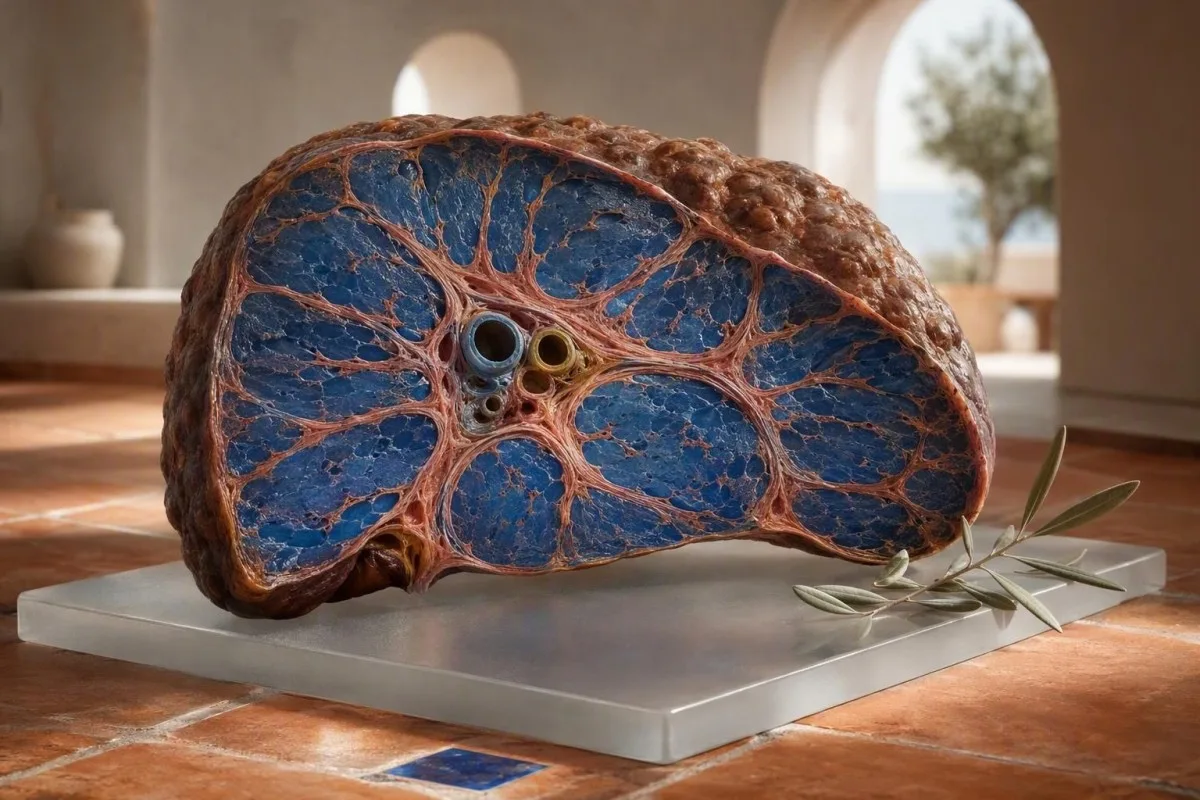
Gu tric cha bhithinn sgaraidhean tràth ag adhbhrachadh pian follaiseach: faodaidh sgìths, atharrachaidhean cadail, lotan, deargadh, agus tuiteam ann an àireamh nan truinnsearan tighinn ron bhuinneach. Mar as trice is e pàtran thar deuchainnean grùthan, cunntas fala, agus sgòran fibrais – chan e aon enzyme neo-àbhaisteach – an comharra feumail.


- Sgaradh sàmhach faodaidh tachairt le ALT agus AST àbhaisteach, gu h-àraid ann an galar geir grùthan metabolach agus galar grùthan co-cheangailte ri alcol.
- Plàtaidean fo 150 × 10⁹/L faodaidh gur e comharra tràth air mòr-fhulangas portal a th’ ann nuair a thuiteas iad mean air mhean còmhla ri factaran cunnairt grùthan.
- FIB-4 fo 1.3 mar as trice a’ nochdadh cunnart ìosal bho fibrosas adhartach ann an inbhich fo 65; 2.67 no barrachd a’ iarraidh measadh sgiobair luath.
- Albumin fo 35 g/L no INR a tha a’ sìneadh suas faodaidh e nochdadh gu bheil gnìomhachd synthesis grùthan air a lughdachadh, eadhon ged a tha aminotransferases meadhanach.
- AST:ALT nas àirde na 1 chan eil e a’ breithneachadh sgaraidhean, ach tha e a’ togail dragh nuair a tha e càraideach le thrombocytopenia, GGT àrdaichte, no atharrachaidhean ìomhaigh.
- Bilirubin nas àirde na 34 µmol/L le bhith a’ clì-ghalair, fual dorcha, fiabhras, troimh-chèile, no at bhoilg feumach air measadh clionaigeach èiginneach.
- Ensaimean àbhaisteach a’ ciallachadh gun gnìomhachd a-mach nsàim aig an àm sin; cha mhòr nach dearbhaich iad gu bheil ailtireachd grùthan àbhaisteach.
- Stad bhoochd-làimhe, làimhseachadh cunnart meatabolach, cùram galar-grùthan bhìorasach, agus ath-sgrùdadh cungaidhean-leighis faodaidh iad a bhith a’ slaodadh no uaireannan a’ tilleadh gu ìre roimhe seo.
Comharran tràth sgaraidhean nach gabh fhaicinn a dh’fheumas sgrùdadh grùthan
Tha comharraidhean tràtha de cirrhosis gu tric neo-shoilleir agus eadar-amail, le sgìos, dìth miann, dragh cadail, itching, bruising furasta, no lùghdachadh fulangas eacarsaich a’ tachairt fada mus tèid craiceann buidhe no cumail suas lionn. Nam’s eòlas clionaigeach, chan e aon fheasgar sgìth an rud a tha draghail; tha e na chruinneachadh sàmhach a mhaireas 6 gu 12 seachdainean ann an neach le tinneas an t-siùcair, reamhrachd, nochdadh deoch-làidir cunbhalach, cunnart hepatitis, no eachdraidh teaghlaich de thinneas grùthan.
Faodaidh neach fhathast obair, trèanadh, agus coimhead gu tur math fhad ‘s a tha fibrosis a’ dol air adhart. Chunnaic mi neach-obrach oifis 48-bliadhna aig an robh an aon atharrachadh a’ dùsgadh aig 3m le itching agus sgìth; bha an ALT aige 31 IU/L, ach bha truinnsearan air gluasad bho 214 gu 136 × 10⁹/L thar ceithir bliadhna. Thug an gluasad sin brosnachadh do elastography agus dh’aithnich e fibrosis adhartach.
Cha mhòr nach toir cirrhosis pian geur san grùthan. Faodaidh an clò-bhrat grùthan a bhith a’ sìneadh anmoch sa phròiseas, ach tha sgaradh tràth gu bith-eòlasach sàmhach oir bidh fibrosis a’ fàs eadar seanalan falamh meanbh-bheòil. Tha faireachdainn ùr de làn-lìonadh bhoilg, làn-shàrachadh tràth, no sèid adhbrann nas draghail na dh’ fhaodadh pian air taobh deas a bhith ann, gu h-àraid nuair a dh’ fhàsas cuideam còrr air 2 kg ann an seachdain.
Tha an Dr. Thomas Klein a’ comhairleachadh toraidhean roimhe a thoirt, chan ann dìreach am pannal as ùire, gu ath-sgrùdadh grùthan. A deuchainn fala bunaiteach bidh fada nas feumail nuair as urrainn dha a bhith air a choimeas ri toraidhean bho 12, 24, agus 48 mìosan roimhe seo.
Comharraidhean nach bu chòir feitheamh ri òrdanachadh cunbhalach
Tha troimh-chèile, codalachd latha ùr, cuir a-mach fala, stòl dubh, fiabhras le at bhoilg, no clì-ghalair a tha a’ fàs gu luath feumach air measadh èiginn air an aon latha. Faodaidh na rudan sin nochdadh cirrhosis neo-dhìolaichte, bleeding gastrointestinal, gabhaltachd, no leòn grùthan acute seach atharrachadh gun chron.
Carson nach dùin ALT agus AST àbhaisteach a-mach sgaraidhean
Chan eil ALT agus AST àbhaisteach a’ dùnadh a-mach fibrosis no cirrhosis cudromach. Tha ALT agus AST a’ nochdadh gnìomhachd nsàim ceallach gnàthach, fhad ‘s a tha fibrosis a’ nochdadh sgaradh ailtireil cruinnichte a dh’ fhaodadh glè bheag de ghnìomhachd leantainnach a dhèanamh nuair a thuit measgachadh cealla grùthan agus sèid.
Bidh mòran deuchainn-lann a’ cleachdadh crìochan àrda ALT timcheall air 35 gu 45 IU/L airson fir agus 25 gu 35 IU/L airson boireannaich, ged a bhios eadar-ama iomraidh ag atharrachadh a rèir sgrùdadh agus dùthaich. Faodaidh toradh 28 IU/L a bhith àbhaisteach air pàipear ged a tha e fhathast nas lugha de chreidsinn ann an neach le reamhrachd, seòrsa 2 tinneas an t-siùcair, cunntas truinnsear de 128 × 10⁹/L, agus sgòr FIB-4 àrd.
Tha stiùireadh AASLD 2023 ag ràdh gum faod aminotransferases a bhith àbhaisteach ann an euslaintich le tinneas grùthan geir neo-ocholach adhartach; bu chòir do chunnart cunnart mar sin a bhith a’ toirt a-steach deuchainn fibrosis neo-ionnsaigheach seach nsàim a-mhàin (Rinella et al., 2023). Is e seo aon de na raointean sin far a bheil am pàtran nas cudromaiche na am brataich ri taobh aon luach.
Faodaidh trèanadh cruaidh, leòn fèithe, agus cuid de chungaidhean-leigheis AST àrdachadh gun sgaradh grùthan. Faodaidh neach-ruithidh marathon 52-bliadhna le AST 89 IU/L às deidh rèis a bhith a’ faighinn stòr fèithe, gu sònraichte ma tha creatine kinase àrd agus bilirubin, truinnsearan, INR, agus GGT àbhaisteach; ar stiùireadh AST àrd a’ mìneachadh an eadar-dhealachaidh sin.
Deuchainnean fala sgaraidh: am pàtran air a bheil clionaichean a’ gabhail dragh gu fìrinneach
Tha am pàtran deuchainn fala cirrhosis as draghail a’ cothlamadh truinnsearan a tha a’ crìonadh, AST a tha nas àirde na ALT, bilirubin no GGT àrdaichte, agus albumin no INR a tha air a mhilleadh seach àrdachadh nsàim air leth. Bidh gach deuchainn a’ glacadh diofar thaobh de bhith-eòlas grùthan: leòn, sruthadh bile, cuideam portal, no dèanamh pròtain.
Plàtaidean fo 150 × 10⁹/L tha cumanta ann an fibrosis adhartach leis gu bheil mòr-bhruthadh portal a’ dèanamh an t-seòmar-bìdh nas motha agus ag àrdachadh cruinneachadh platelet. Chan eil cunntas de 142 × 10⁹/L na dhearbhadh air cirrhosis, ach tha slighe sìos bho 240 gu 142 nas cudromaiche gu clionaigeach na aon toradh air leth.
Tha co-mheas AST:ALT os cionn 1.0 faodaidh tachairt mar a bhios fibrosis a’ dol air adhart, fhad ‘s a tha co-mheasan os cionn 2.0 gu clasaigeach co-cheangailte ri hepatitis co-cheangailte ri deoch-làidir ach chan eil iad mothachail no sònraichte. Bidh GGT gu tric ag èirigh le deoch-làidir, grùthan geir metabolic, cholestasis, agus buaidhean cungaidh-leigheis; leugh tuilleadh mu dheidhinn dè tha GGT a’ ciallachadh mus gabh thu ri deoch-làidir mar an adhbhar.
Bidh Kantesti AI a’ mìneachadh panalan grùthan le bhith a’ tomhas nan toraidhean ceangailte seo an aghaidh aois, gnè, cumhaichean a chaidh aithris, agus luachan roimhe seach a bhith a’ toirt seachad breithneachadh bho aon bhratach. Kantesti ’s e anailisiche deuchainn fala AI a th’ ann air a dhealbhadh gus pàtrainan leantainneach a chomharrachadh leithid truailleadh ìosal a bharrachd air àrdachadh ann an co-mheas AST:ALT, a tha airidh air ath-sgrùdadh clionaigeach.
An ribe ath-dhaingneachaidh faoin cumanta
Faodaidh bilirubin àbhaisteach agus albumin àbhaisteach a bhith còmhla ri cirrhosis air a dhìoladh. Bidh na comharran sin gu tric a’ fàs nas miosa nas fhaide air adhart, às deidh don ghrùthan barrachd tèarmainn gnìomh a chall, agus mar sin tha iad nan deuchainnean sgrìonaidh dona leotha fhèin airson sgaradh tràth.
FIB-4 agus comharran neo-ionnsaigheach gu sgaradh mòr a tha cudromach gu clionaigeach
Tha FIB-4 na sgòr fibrosis air a dhearbhadh a’ chiad loidhne a’ cleachdadh aois, AST, ALT, agus cunntas platelet. Ann an daoine v an aois nas òige na 65, mar as trice tha FIB-4 fo 1.3 a’ nochdadh cunnart ìseal de fibrosis adhartach, fhad ‘s a bu chòir toraidhean de 2.67 no nas àirde a bhith a’ brosnachadh measadh speisealta no elastography.
Is e an fhoirmle aois × AST roinnte le truailleadh × freumh ceàrnagach ALT, le AST agus ALT ann an IU/L agus truailleadh ann an × 10⁹/L. Bidh aois ag atharrachadh an sgòr gu mòr: tha EASL a’ moladh ìre nas àirde de chunnart ìosal de 2.0 airson daoine nas sine na 65 oir faodaidh sgòradh àbhaisteach co-cheangailte ri aois toraidhean faoin a thoirt gu buil (Comann Eòrpach airson Sgrùdadh an Grùthan, 2021).
Is e sgòr FIB-4 inneal triage, chan e breithneachadh. Faodaidh hepatitis acut, prògram deoch-làidir trom o chionn ghoirre, chemotherapy, no tuiteam platelet sealach àrdachadh, mar sin mar as trice bidh mi ag ath-aithris deuchainnean neo-sheasmhach ann an 4 gu 12 seachdainean mus mìneachadh mi toradh crìche mura h-eil jaunice no comharran eile ann an cunnart aig an neach.
Tha Kantesti na seirbheis eadar-mhìneachaidh deuchainn-lann AI a dh’ fhaodas FIB-4 a thomhas agus a thoirt còmhla ri na toraidhean riatanach, ach feumaidh sgòr àrd dearbhadh meidigeach le transient elastography, measadh speisealta, no uaireannan sgrùdadh clò. Ar sealladh farsaing air panail grùthan a’ sealltainn dè na deuchainnean a tha rim faighinn gu cumanta.
Truinnsearan ìosal: comharra tràth air mòr-fhulangas portal, chan e breithneachadh
Faodaidh cunntas platelet a tha a’ fuireach fo 150 × 10⁹/L a bhith mar aon de na comharran tràithe as tràithe ann an deuchainnean fala cunbhalach de àrd-bhruthadh portal, ach tha mòran adhbharan neo-grùthan aige. Tha an ceangal grùthan a’ fàs nas làidire nuair a thuiteas na cunntasan mean air mhean agus a thachras iad le leudachadh spleen, FIB-4 àrd, no ìomhaigh grùthan neo-àbhaisteach.
Bidh àrd-bhruthadh portal ag atharrachadh a’ chuairteachadh tro’n ghrùthan agus an spleen. Faodaidh an spleen barrachd pleiteagan a chumail, mar sin faodaidh cunntas bho 110 gu 140 × 10⁹/L roimhe a bhith ann an ascites no varices airson bhliadhnaichean ann an tinneas cothromaichte. Sin as coireach gu bheil gluasad platelet air a thoirt a-steach do FIB-4 an àite a bhith air a làimhseachadh mar nota-coise coitcheann den CBC.
Chan eil a h-uile toradh ìosal a’ nochdadh fìor thuiteam. Faodaidh cruinneachadh platelet co-cheangailte ri EDTA cunntas a lughdachadh gu mearachdach, agus faodaidh an obair-lann seo a dhearbhadh le ath-sgrùdadh film fala no sampall citrate; faic ar mìneachadh air cruinneachadh pleitean EDTA. Tha gala bhìorasach, thrombocytopenia dìonach, dìth folate, agus suidheachaidhean smior cuideachd fhathast comasach.
Tha Dr. Thomas Klein air faighinn a-mach gu bheil cunntas a thuiteas le 20% thairis air dà bhliadhna gu tric nas fheumail na bhith a’ faighneachd an do dh’fhalbh e thairis air crìoch ìosal obair-lann. Dèan a chèile leis na pàirtean cunntais fala slàn agus aithisgean ultrasound roimhe mus dèan thu co-dhùnaidhean.
Albaimin agus INR: deuchainnean fala a thomhaileas glèidheadh grùthan
Faodaidh albumin ìosal agus INR fada a bhith a’ nochdadh gnìomh synthesis grùthan nas lugha, gu sònraichte nuair a thig iad còmhla. Tha albumin fo 35 g/L no INR os cionn 1.3 às aonais làimhseachadh anticoagulant a’ feumachdainn ath-sgrùdadh clionaigeach ann an deagh àm, ged nach eil gin de na toraidhean sònraichte do cirrhosis.
Tha leth-bheatha aig Albumin mu 20 latha, mar sin tha e ag atharrachadh gu slaodach agus gu tric a’ fuireach àbhaisteach ann an cirrhosis cothromaichte. Faodaidh dìth beathachaidh, call pròtain dubhaig, droch thinneas siostaim, torrachas, agus cus lionn cuideachd albumin a lughdachadh; tha an stiùireadh albumin agus globulin a’ cuideachadh le bhith a’ sgaradh nan comasachd sin.
Tha INR a’ nochdadh gnìomhachd nan factaran sèididh a tha an urra ri vitim K, mòran dhiubh air an dèanamh leis a’ ghrùthan. Tha INR de 1.5 ann an neach nach eil a’ gabhail warfarin nas draghail na ALT beag air a thogail, ach faodaidh dìth vitim K bho malabsorption, antibiotics, no cholestasis cuideachd a leudachadh agus faodaidh e tilleadh.
Kantesti AI ’s e Inneal mion-sgrùdaidh deuchainn fala le cumhachd AI a tha a’ comharrachadh pàtranan albumin, bilirubin, INR, agus platelet còmhla oir chan eil gnìomh synthesis air a ghlacadh le ALT a-mhàin. Airson co-theacsa teicnigeach air deuchainnean sèididh, dèan ath-sgrùdadh air ar stiùireadh deuchainn clotadh againn.
Buinneach, deargadh, fual dorcha, agus stòl bàn: dè dh’ fhaodadh iad a bhith a’ ciallachadh
Faicneachd, fual dorcha mar tì, stòl bàn, agus giorrachadh coitcheann faodaidh iad comharrachadh air sruthadh na h-bile a tha air a mhilleadh no giollachd bilirubin a tha air a mhilleadh agus bu chòir an sgrùdadh sa bhad. Bidh bilirubin iomlan os cionn 34 µmol/L, mu 2 mg/dL, gu tric a’ nochdadh mar bhuidheachd ann an solas an latha, ged a tha tòn craiceann agus solais a’ toirt buaidh air lorg.
Mar as trice bidh fual dorcha air adhbhrachadh le bilirubin co-cheangailte, chan ann le bilirubin nach eil co-cheangailte. Mar sin, tha dipstick fual deimhinneach airson bilirubin a’ stiùireadh luchd-clionaigeach a dh’ ionnsaigh tinneas hepatobiliary no bacadh seach dìreach briseadh cheallan fala dearga; tha ar stiùireadh bilirubin ann am fual a’ mìneachadh nan ath sgrùdaidhean.
Tha stòl bàn no mar dhath crèadha a’ ciallachadh nas lugha de dhath a’ ruighinn an caolan. Faodaidh e tachairt le clach-bile, cholestasis a tha air adhbhrachadh le cungaidh-leigheis, tinneas pancreas no duct bile, no gnìomhachd grùthan adhartach, mar sin chan eil e sàbhailte a bhith ga chomharrachadh mar ath-bhualadh detox; faic adhbharan stòl bàn.
Faodaidh giorrachadh bho cholestasis a bhith dona mus bi bilirubin gu math àrd. Gu tric bidh e a’ toirt buaidh air palms agus buinn agus a’ fàs nas miosa air an oidhche; mar as trice bidh luchd-clionaigeach a’ sgrùdadh ALP, GGT, bloighean bilirubin, nochdadh cungaidh-leigheis, staid trom le leanabh far a bheil sin buntainneach, agus ruigsinneachd ultrasound gu ducts bile.
ALP, GGT, agus bilirubin: aithneachadh pàtran cholestatic
Tha pàtran deuchainn grùthan cholestatic a’ ciallachadh gu bheil phosphatase alcaileach agus GGT ag èirigh nas motha na ALT agus AST, gu tric le àrdachadh bilirubin dìreach. Bu chòir don phàtran seo a bhith a’ brosnachadh rannsachadh airson bacadh duct bile, leòn cungaidh-leigheis, tinneas cholestatic fèin-dìon, no suidheachaidhean grùthan in-ghabhalach seach beachd fèin-ghluasadach air cirrhosis.
Tha ALP air a dhèanamh le stuth duct bile ach cuideachd bho chnàmhan, placenta, agus caolan. Tha ALP àrdaichte le GGT àbhaisteach dh’ fhaodadh gur ann bho chnàmhan a tha e, gu sònraichte às dèidh briseadh, rè fàs, no le cion bhiotamain D, fhad ‘s a tha ALP àrd a bharrachd air GGT àrd a’ toirt taic do thùs hepatobiliary; ar mìneachadh ALP agus GGT a’ toirt eisimpleirean practaigeach.
Bidh an R co-mheas a’ cuideachadh le bhith a’ clàradh pàtranan enzyme geur: ALT air a roinn leis an ìre àrd aige de normal, an uairsin air a roinn le ALP air a roinn leis an ìre àrd aige. Tha co-mheas R os cionn 5 a’ nochdadh leòn hepatocellular, fo 2 a’ nochdadh cholestasis, agus 2 gu 5 measgaichte—feumail airson measadh cungaidh-leigheis ach chan e breithneachadh leis fhèin.
Bidh Kantesti AI a’ cleachdadh crìochan iomraidh obair-lann bho na chaidh an aithisg a luchdachadh suas seach a bhith a’ cur sìos cuingealachadh ALP uile-choitcheann, oir tha raointean eadar-dhealaichte. Tha an stiùireadh deuchainn fala airson cholestasis na ullachadh feumail airson còmhraidhean clionaigeach.
Tha e cho cudromach faighinn a-mach an adhbhar ’s a tha e faighinn a-mach an scar
Tha cirrhosis na cheann-uidhe, chan e aon thinneas: faodaidh alcol, tinneas grùthan geimhleach metabolach, hepatitis B no C, tinneas fèin-dìon, cus iarainn, agus cuid de chungaidh-leigheas uile adhbhrachadh dha. Le bhith a’ comharrachadh na h-adhbhar ag atharrachadh làimhseachadh, sgrìonadh teaghlaich, sùil a chumail air aillse, agus an cothrom an tuilleadh fibroses a shlaodadh.
Tha cunnart metabolach airidh air còmhradh dìreach. Bidh togail cuideam meadhain, triglycerides os cionn 1.7 mmol/L no 150 mg/dL, mòr-bhruthadh, agus tinneas an t-siùcair seòrsa 2 a’ meudachadh an coltas gun tèid tinneas grùthan steatotic, eadhon nuair a tha caitheamh alcol ìosal. Tha liosta-sgrùdaidh syndrome metabolach faodaidh e na cunnartan co-cheangailte a shoilleireachadh.
Chan eil dòigh-obrach gu leòr aig Ferritin os cionn 300 ng/mL ann an fir no boireannaich às dèidh menopause gus cus iarainn a dhearbhadh. Tha cuspair air transferrin gu cunbhalach os cionn 45% nas sònraichte airson haemochromatosis oighreachail agus mar as trice bidh e a’ brosnachadh deuchainn ghinteil HFE ann an suidheachadh clionaigeach iomchaidh; faic ar stiùireadh air comharran haemochromatosis.
Tha eachdraidhean cungaidh-leigheis agus stuthan cur-ris air an dèanamh gu cunbhalach fo thuairmse. Faodaidh earrann tì uaine àrd-dòs, riochdairean anabolic, toraidhean ioma-ghnèitheach airson call cuideim, amiodarone, methotrexate, agus cuid de antibiotics atharrachadh deuchainnean ae, fhad ‘s a dh’ fhaodadh glanadh ae a tha fo chasaid dàil a chuir air measadh ceart; ar lèirmheas air sàbhailteachd stuthan cur-ris tha e gu faiceallach a thaobh seo.
Bu chòir hepatitis viral a bhith air a dhearbhadh, chan ann air a thomhas bho chomharran
Faodaidh hepatitis C leantainneach a bhith asymptomatic airson deicheadan fhad ‘s a tha am fibrosis a’ dol air adhart. Bidh deuchainn antibody a’ comharrachadh nochdadh, fhad ‘s a dhearbhas deuchainn RNA HCV galar gnìomhach; ar stiùireadh deuchainn hepatitis C a’ mìneachadh carson a tha an dà dheuchainn cudromach.
Dè thachras às dèidh pàtran neo-àbhaisteach de dheuchainnean fala sgaraidh
Mar as trice bidh pàtran fibrosis neo-àbhaisteach a’ leantainn gu deuchainnean fala a-rithist, ultrasound, agus elastography an àite breithneachadh cirrhosis sa bhad. Tha Elastography a’ tomhas cruas an ae ann an kilopascals agus tha e as earbsaiche nuair a thèid sèid leantainneach, dùmhlachd, agus nochdadh deoch làidir trom o chionn ghoirid a thoirt fa-near.
Mar as trice bidh lighiche a’ dèanamh deuchainn air AST, ALT, ALP, GGT, bilirubin, albumin, INR, agus cunntas fala slàn taobh a-staigh sheachdainean ma tha na toraidhean neo-àbhaisteach. Dh’ fhaodadh iad deuchainnean hepatitis B agus C, ferritin le cuspair air transferrin, immunoglobulins, autoantibodies, deuchainn coeliac, agus ceruloplasmin a chuir ris ann an òganach - ged a tha an liosta cheart a’ leantainn aois agus eachdraidh chunnairt.
Tha stiùireadh neo-ionnsaigheach EASL 2021 a’ toirt taic do dhòigh-obrach dà-cheum: an toiseach FIB-4, an uairsin elastography sealach no an dàrna deuchainn serum do dhaoine os cionn na stairsnich cunnairt ìseal (Comann Eòrpach airson Sgrùdadh an Aele, 2021). Chan eil cruas an ae co-ionann ris an fhiosrachadh; faodaidh dùmhlachd fàilligeadh cridhe, cholestasis, agus hepatitis leantainneach àrdachadh gu sealach.
Tha Kantesti na àrd-ùrlar mìneachaidh biomarcadairean AI a dh’ fhaodas pannal air a luchdachadh suas a chuir air dòigh ann an ceistean airson an ath choinneamh, a’ gabhail a-steach dè na luachan a dh’ atharraich agus dè na cnapan-starra a dh’ fhaodadh a bhith feumach air dùnadh. Tha ar modh-obrach clionaigeach air a mhìneachadh anns an geàrr-shealladh dearbhaidh meidigeach, ach cha chuir e an àite òrdugh sgrùdaidh no ìomhaigh.
Alcol, cunnart metabolach, agus cuin a nì thu ath-dheuchainn grùthan
Faodaidh lughdachadh deoch làidir agus làimhseachadh cunnart metabolach enzymes ae adhartachadh taobh a-staigh sheachdainean, ach cha bu chòir cunnart fibrosis a bhith air a bhreithneachadh bho aon toradh ALT a chaidh adhartachadh. Mar as trice bidh GGT a’ crìonadh thairis air 2 gu 6 seachdainean às deidh stad a chuir air deoch làidir, fhad ‘s a dh’ fhaodadh atharrachaidhean platelet agus sgòr fibrosis a bhith nas fhaide agus an urra ris an ìre galair bunaiteach.
Chan eil stairsneach deoch làidir sàbhailte air feadh an t-saoghail airson neach le cirrhosis stèidhichte; is e neo-ghabhaltachd an moladh àbhaisteach oir faodaidh eadhon tomhasan beaga an t-siostam portal a dhèanamh nas miosa no casg a chuir air faighinn seachad air. Dha daoine às aonais cirrhosis, feumaidh an caitheamh a chaidh aithris fhathast co-theacsa: bidh pàtrain binge, cuideam bodhaig, tinneas an t-siùcair, agus cleachdadh cungaidh-leigheis a’ toirt buaidh air cunnart gu mòr.
Ann an galair ae metabolach, tha lughdachadh cuideam bodhaig 7% gu 10% seasmhach co-cheangailte ri leasachadh ann an steatohepatitis agus faodaidh e fibrosis adhartachadh ann an cuid de dh’ euslaintich, ged a tha toraidhean fa leth ag atharrachadh. Faodaidh daithead cearc àrdachadh gu sealach ALT, mar sin a’ mìneachadh pannal còmhla ri atharrachadh cuideam o chionn ghoirid; tha an artaigil againn air enzymes grùthan às deidh call cuideim a’ mìneachadh carson.
Tha mìneachadh gluasad AI Kantesti as fheumaile nuair a thèid deuchainnean a dhèanamh aig puingean coimeasach - gu h-ìre a’ seachnadh eacarsaich dian airson 48 uairean agus a’ toirt fa-near deoch làidir, tinneas, agus stuthan cur-ris ùra. An timeline airson stad a chur air bith-mhearachd deoch-làidir a’ toirt cunntas air dè a dh’ fhaodadh a bhith àbhaisteach an toiseach.
Beul-aithris mu bhiadh agus stuthan cur-ris a dh’ fhaodadh cùram grùthan a chuir dheth
Chan urrainn do dhuilleag sùgh, toradh luibhe, no cur-ris sam bith a thoirt air falbh gu h-earbsach clò-bhualadh sgaraidh ae. Faodaidh daithead ann an stoidhle na Mara, pròtain gu leòr, làimhseachadh tinneas an t-siùcair, agus seachnadh de stuthan cur-ris a tha cronail don ae taic a thoirt do shlàinte an ae, ach chan eil iad nan àite airson adhbhar fibrosis a chomharrachadh.
Thathas ag ràdh uaireannan ri daoine le ae ri thoirt air falbh gus a h-uile pròtain a sheachnadh, rud a dh’ fhaodadh call fèithean agus lagachd a dhèanamh nas miosa. Mura h-eil stiùireadh sealach sònraichte ann aig àm droch encephalopathy grùthanach, feumaidh mòran euslaintich timcheall air 1.2 gu 1.5 g de phròtain gach kg de chuideam bodhaig gach latha, air a roinn thairis air biadh, fo stiùireadh daitheadach.
Bi faiceallach mu thoraidhean a tha air am margaidheachd mar stuthan dì-ghalarach. Chaidh turmeric dùmhail, kava, cohosh dubh, agus stuthan cur-ris ioma-ghnìomhach airson togail bodhaig no caolachadh a cheangal ri leòn ae ann an sreath de chùisean, agus is dòcha nach bi toraidhean anns na tha na bileagan aca ag ràdh. Tha ar n-fhiosrachadh stèidhichte air fianais stèidhichte air fianais a’ sgaradh chleachdaidhean daithead taiceil bho thagraidhean margaidheachd.
Ma dh’ fhàsas cruinneachadh fluid, bidh cuingealachadh sodium gu tric nas cudromaiche na cuingealachadh fluid. Is e amas cumanta nas lugha na 2 g sodium gach latha, ach feumaidh diuretics, gnìomh dubhaig, bruthadh-fala, agus co-fhreagarrachd beathachaidh sgrùdadh pearsanaichte an àite plana bìdh eadar-lìn.
Cuin a bhios comharraidhean sgaraidh a’ fàs èiginneach
Tha cuir a-mach fala, stòl dubh tarraingeach, troimh-chèile, fiabhras le at bhoilg, gann anail gu dona, no mòr-ghalair a tha a’ fàs gu luath nan comharran èiginn ann an neach le ae aithnichte no a tha fo amharas. Faodaidh na soidhnichean sin a bhith nan bleeding variceal, encephalopathy grùthanach, peritonitis bacterial spontaneous, leòn dubhaig, no fàilligeadh grùthanach acute-on-chronic.
Chan eil mearachd ùr no cearcall cadail-dùisg air a thionndadh dìreach sgìths ann an ae. Dh’ fhaodadh e a bhith a’ comharrachadh encephalopathy grùthanach, gu sònraichte ma tha e an cois giorrachadh, dìth uisge, galar, bleeding gastrointestinal, cleachdadh sedatives, no toradh àrd ammonia; ge-tà, chan urrainn ammonia leis fhèin a dhearbhadh no a mheasadh encephalopathy gu h-earbsach.
Faodaidh abdomen leudaichte nochdadh ascites, ach faodaidh e cuideachd a bhith bho reamhrachd, at bhoilg, galair ovarian, no fàilligeadh cridhe. Bu chòir fiabhras, tairgse, bruthadh-fala ìseal, no gnìomh dubhaig a tha a’ fàs nas miosa ann an neach le ascites a mheasadh sa bhad oir faodaidh galar a bhith fo-fhillte agus cunnartach.
Airson teagamh neo-èiginneach, sgrìobh sìos comharraidhean, cungaidhean-leigheis, caitheamh deoch-làidir, stuthan cur-ris, agus cuideaman air an cur air ceann-latha mus cuir thu fios gu neach-clionaigeach. Faodaidh liosta-gnàthachaidh deuchainn-fala an còmhradh sin a dhèanamh nas èifeachdaiche.
Liosta-sgrùdaidh coinneamh grùthan practaigeach a dh’ atharraicheas co-dhùnaidhean
Tha an t-òrdanachadh ae as fheàrr a’ toirt a-steach aithisgean obair-lann roimhe, eachdraidh reusanta deoch-làidir agus cungaidhean-leigheis, eachdraidh metabolach, agus aithisgean ìomhaigh sam bith. Leigidh na mion-fhiosrachadh sin le luchd-clionaigeach toradh enzyme geàrr-ùine a sgaradh bho phàtran ioma-bhliadhna a tha a’ comharrachadh fibrosis.
Thoir a h-uile toradh a lorgas tu, a’ toirt a-steach CBC, pannal ae, INR, ferritin, deuchainnean hepatitis, aithisgean ultrasound, agus luachan elastography ann an kPa. Faodaidh aon toradh a bhith fuaimneach; faodaidh trì toraidhean a tha a’ còmhdach 18 mìosan sealltainn a bheil truinnsearan a’ tuiteam no bilirubin seasmhach. Tha ar treòir coimeas toradh taobh le taobh a’ mìneachadh dè na h-atharrachaidhean a tha àbhaisteach a bhith cudromach.
Faighnich ceithir cheistean dìreach: Dè an t-adhbhar a tha coltach? Dè an ìre de fhìneadh a thathas a’ meas? A bheil feum agam air elastography no iomradh hepatology? Dè na comharran a bu chòir mo chuir gu cùram èiginn? Ma thèid cirrhosis a dhearbhadh, faighnich mu sgrùdadh ultrasound gach sia mìosan airson aillse grùthan agus an fheum air endoscopy gus varices a mheasadh.
Mar air 4 Sultain, 2026, tha na dotairean againn fhathast a’ moladh gun tèid mìneachaidhean a ghineadh le AI a làimhseachadh mar ullachadh, chan ann mar dhearbhadh. Tha obair chlinigeach Kantesti air ath-sgrùdadh le stiùireadh bho Bòrd Comhairleachaidh Meidigeach, agus tha an co-dhùnadh deireannach mu cirrhosis an urra ris an dotair leigheis a dh’ fhaodas sgrùdadh a dhèanamh ort agus deuchainnean dearbhaidh òrdachadh.
Ceistean Bitheanta
An urrainn dhut cirrhosis a bhith agad le h-enzyman grùthan àbhaisteach?
Tha. Chan eil ALT agus AST àbhaisteach a’ cur às do cirrhosis oir tha na h-enzyman sin a’ nochdadh leòn gnàthach ann an ceallan ae an àite na tha de stuth-dhealbh stèidhichte ann. Faodaidh cirrhosis dìolaidh nochdadh le ALT agus AST taobh a-staigh raon-ama obair-lann, gu sònraichte ann an galair ae metabolach. Faodaidh cunntas truinnsear nas ìsle na 150 × 10⁹/L, FIB-4 de 2.67 no barrachd, elastography neo-àbhaisteach, ìrean albumin ìosal, no INR ag èirigh a bhith a’ toirt seachad comharran nas feumaile na na h-enzyman leis fhèin.
Dèad a’ chiad chomharran rabhaidh aillseachd?
Faodaidh comharran tràth de cirrhosis a bhith a’ toirt a-steach sgìths leantainneach, droch bhiadh, tachas, bruis furasta, lughdachadh fulangas eacarsaich, atharrachaidhean cadail, agus lànachd bhoilg, ach chan eil comharraidhean aig mòran dhaoine. Tha buidheachas, fual dorcha, stòl bàn, sèid nan adhbrann, lionn bhoilg, troimh-chèile, cuir a-mach fuil, agus stòl dubh buailteach a bhith nan soidhnichean nas fhaide air adhart no èiginneach. Chan urrainn do chomharran a-mhàin cirrhosis a dhearbhadh, mar sin mar as trice tha feum air pannal grùthan, CBC le truinnsearan, INR, albsaimin, agus measadh fibrosis.
Dè an àireamh truinnsear a tha a’ nochdadh cirrhosis?
Faodaidh cunntas platelet fo 150 × 10⁹/L amharas a thogail airson sìtheadh grùthan adhartach no bruthadh-fala portal nuair a mhaireas e agus a thìmeas sìos, ach chan eil e a’ dearbhadh cirrhosis. Faodaidh cruinneachadh platelet, tinneasan bhìorasach, thrombocytopenia dìonach, cungaidhean-leigheis, dìth beathachaidh, agus easbaidhean smior cuideachd an cunntas a lughdachadh. Tha tuiteam adhartach, leithid 220 gu 135 × 10⁹/L thairis air dà bhliadhna còmhla ri AST àrdachadh agus FIB-4 àrd, nas fhiosraiche na aon leughadh gu math ìosal.
Dè tha sgòr FIB-4 a' ciallachadh airson cirrhosis?
Chan eil FIB-4 a' dearbhadh cirrhosis, ach tha e a' measadh an cunnart bho fibrosis adhartach bho aois, AST, ALT, agus truinnsearan. Ann an inbhich nas òige na 65, tha sgòr fo 1.3 mar as trice a' comharrachadh cunnart ìosal, feumaidh 1.3 gu 2.66 measadh neo-ionnsaigheach a bharrachd, agus tha 2.67 no nas àirde a' gealltainn measadh speisealta. Ann an inbhich nas sine na 65, thathas a' cleachdadh stairsneach os cionn 2.0 gu cumanta gus ceàrr-dhearbhaidhean co-cheangailte ri aois a lughdachadh.
An urrainn do cirrhosis a bhith a’ dol am feabhas ma thèid a ghlacadh tràth?
Faodaidh fibrosis tràth-ìre leasachadh nuair a thèid an adhbhar bunaiteach a thoirt air falbh no a smachdachadh, a’ gabhail a-steach dìth-alcol leantainneach, làimhseachadh soirbheachail air bhìoras hepatitis, call cuideim ann an galair ae metabolach, no làimhseachadh galar fèin-ana-mearachdach. Is dòcha nach tig cirrhosis stèidhichte air ais gu tur, ach faodar duilgheadasan agus lotan a bharrachd a lughdachadh gu tric le cùram speisealta. Faodaidh call cuideim leantainneach de 7% gu 10% leasachadh steatohepatitis a dhèanamh ann an mòran dhaoine le galair ae metabolach, ged a tha toraidhean eadar-dhealaichte eadar euslaintich.
Cuin a bu chòir dhomh a dhol dhan ospadal airson cirrhosis a dh’fhaodadh a bhith ann?
Faigh cùram èiginn airson cuir a-mach fuil, stòl tarraiceach dubh, troimh-chèile ùr, faochadh, fiabhras le sèid bhoilg, buidheachas dona, no giorrad analach a tha a’ fàs gu luath. Faodaidh na comharraidhean sin a bhith a’ nochdadh fuil bhovareices, galar ann an lionn ascitic, encephalopathy hepatic, no fàilligeadh grùthan mòr agus cha bu chòir dhaibh feitheamh ri deuchainnean fala ath-aithris san ospadal. Ma tha comharraidhean tlàth agad ach gu bheil bilirubin nas àirde na 34 µmol/L, tha INR nas àirde na 1.3 às aonais anticoagulants, no gu bheil truinnsearan a’ tuiteam, cuir fios gu neach-clionaigeach sa bhad airson comhairle.
Faigh Mion-sgrùdadh Deuchainn Fala le Cumhachd AI an-diugh
Thig còmhla ri còrr is 2 mhillean neach air feadh an t-saoghail a tha a’ earbsa Kantesti airson mion-sgrùdadh sa bhad, ceart air deuchainnean obair-lann. Luchdaich suas na toraidhean deuchainn fala agad agus faigh mìneachadh coileanta air biomarcair 15,000+ ann an diogan.
📚 Foillseachaidhean Rannsachaidh le Iomraidhean
Klein, T., Mitchell, S., & Weber, H. (2026). Sgioba Rannsachaidh Kantesti. (2026). Raon Àbhaisteach aPTT: D-Dimer, Stiùireadh Clotadh Fala Protein C. Zenodo. https://doi.org/10.5281/zenodo.18262555. Thathas a’ cumail cheanglaichean ruigsinneachd ResearchGate agus Academia.edu tro chlàr foillseachaidh.. Rannsachadh Leigheis AI Kantesti.
Klein, T., Mitchell, S., & Weber, H. (2026). Sgioba Rannsachaidh Kantesti. (2026). Stiùireadh Pròtainean Serum: Globulins, Albumin & Co-mheas A/G Deuchainn Fala. Zenodo. https://doi.org/10.5281/zenodo.18316300. Thathas a’ cumail cheanglaichean ruigsinneachd ResearchGate agus Academia.edu tro chlàr foillseachaidh.. Rannsachadh Leigheis AI Kantesti.
📖 Iomraidhean Meidigeach Taobh a-muigh
⚕️ Àicheadh Meidigeach
Tha an artaigil seo dìreach airson adhbharan foghlaim agus chan eil e a’ dèanamh comhairle mheidigeach. Cuir fios an-còmhnaidh gu solaraiche cùram slàinte teisteanasach airson co-dhùnaidhean breithneachaidh is leigheis.
Comharran earbsa E-E-A-T
Eòlas
Lèirmheas clionaigeach air a stiùireadh le lighiche air sruthan-obrach mìneachaidh obair-lann.
Eòlas
Fòcas air leigheas obair-lann air mar a bhios bith-chomharraidhean (biomarkers) a’ giùlan ann an co-theacsa clionaigeach.
Ùghdarrasachd
Air a sgrìobhadh le Dr. Thomas Klein le ath-sgrùdadh le Dr. Sarah Mitchell agus Prof. Dr. Hans Weber.
Earbsachd
Mìneachadh stèidhichte air fianais le slighean leanmhainn soilleir gus dragh a lughdachadh.