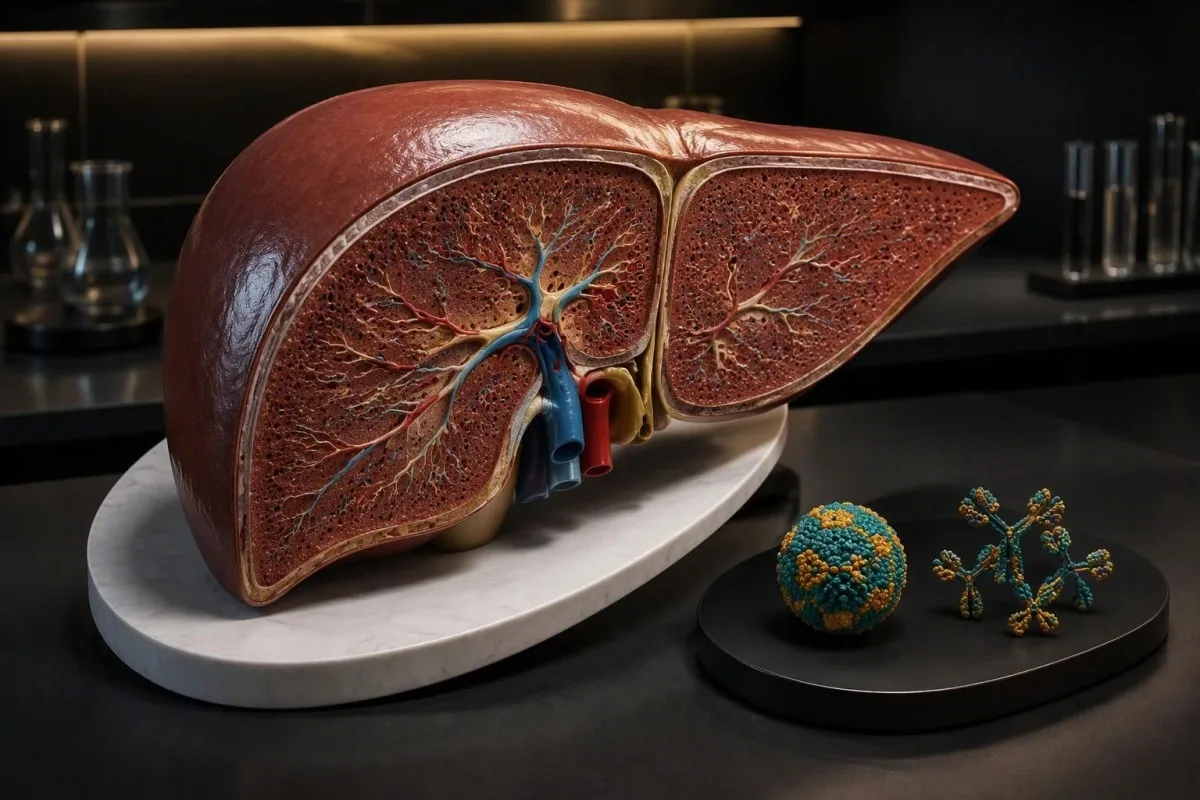
ධනාත්මක ප්රතිදේහ ප්රතිඵලයක් පමණක් රෝග නිර්ණයක් නොවේ. රෝග ලක්ෂණ, අක්මා ජෛව රසායනික ප්රතිඵල, නිරාවරණය වූ කාලය සහ නිශ්චිත පරීක්ෂණ ක්රමය අනුව ඊළඟට කළ යුතු දේ තීරණය වේ.


- හෙපටයිටිස් A IgM ධනාත්මක ගැළපෙන රෝග ලක්ෂණ, ඉහළ ගිය අක්මා එන්සයිම සහ හැකි නිරාවරණයක් එකට පවතින විට මෑත ආසාදනයකට වඩාත් ප්රබල ලෙස සහාය වේ.
- IgM කාලසීමාව සාමාන්යයෙන් රෝග ලක්ෂණ ඇතිවීමට පෙර කෙටි කාලයේ සිට ඉන් පසු මාස 6ක් පමණ දක්වා විහිදේ; ඇතැම් විට ඊටත් දිගු කාලයක් පැවතීම නිසා නිශ්චිත කාල නිර්ණය කළ නොහැක.
- සමස්ත HAV ප්රතිදේහ IgM සහ IgG ඇතුළත් වේ. සමස්ත ප්රතිදේහ ධනාත්මක වීමෙන් පමණක් උග්ර ආසාදනයක්, එන්නත්කරණයක් හෝ අතීත ආසාදනයක් වෙන්කර හඳුනාගත නොහැක.
- අනපේක්ෂිත ධනාත්මක ප්රතිඵලයක් වෛද්යවරයාගේ මඟපෙන්වීම යටතේ තක්සේරුවක් අවශ්ය කරයි; විශේෂයෙන් ALT සාමාන්ය විට, රෝග ලක්ෂණ නොමැති විට හෝ ප්රතිඵලය අවිශේෂිත පරීක්ෂණයකින් ලැබුණු විට.
- ALT 1,000 U/L ට වැඩි වීම උග්ර හෙපටයිටිස් A හිදී ඇති විය හැකි නමුත්, ඖෂධ විෂවීම, අක්මාවට රුධිර ප්රවාහය අඩු වීම සහ වෙනත් හේතු නිසාද මෙම මට්ටම ඇති විය හැක.
- තහවුරු කිරීම ලබාගත හැකි විට නව නියැදියක්, වෙනස් රසායනාගාර පරීක්ෂාවක් සහ HAV RNA පරීක්ෂාවක් අවශ්ය විය හැකිය; එම පරීක්ෂාවම නැවත කිරීම සැමවිටම ප්රමාණවත් නොවේ.
- සමීප සම්බන්ධතා ඇති අයගේ ආරක්ෂාව නිරාවරණයෙන් දින 14ක් ඇතුළත වඩාත් ඵලදායී වේ. සුදුසුකම් ලබන සම්බන්ධතා ඇති අයට හෙපටයිටිස් A එන්නත, ප්රතිශක්ති ග්ලොබියුලින් හෝ මේ දෙකම අවශ්ය විය හැකිය.
- හදිසි අනතුරු ඇඟවීමේ ලක්ෂණ ව්යාකූලත්වය, අසාමාන්ය නිදිමත, නොනවතින වමනය සහ INR ඉහළ යාම ඇතුළත් වේ; එන්සෙෆලෝපති සමඟ INR අගය 1.5 හෝ ඊට වැඩි වීමෙන් උග්ර අක්මා අකර්මණ්යතාවක් පෙන්නුම් කළ හැකිය.
- සුවය ලැබීම රෝග ලක්ෂණ, ALT, බිලිරුබින් සහ ඇතැම් විට INR මඟින් පසු විපරම් කළ යුතුය—IgM ඍණ වන තුරු නැවත නැවත පරීක්ෂා කිරීමෙන් නොවේ.
හෙපටයිටිස් A IgM ධනාත්මක ප්රතිඵලයකින් අදහස් වන්නේ කුමක්ද?
A හෙපටයිටිස් A IgM ධනාත්මක රෝග ලක්ෂණ, අක්මා එන්සයිම ඉහළ යාම සහ නිරාවරණය වූ කාලය ගැළපෙන විට, මෙම ප්රතිඵලය මෑතකදී ඇති වූ හෙපටයිටිස් A සඳහා සහාය වේ. අනපේක්ෂිත ධනාත්මක ප්රතිඵලයක්—විශේෂයෙන් රෝග ලක්ෂණ හෝ අක්මා අසාමාන්යතා නොමැති විට—දිගටම පවතින ප්රතිදේහ, මෑතකදී ලබාගත් එන්නතක් හෝ ව්යාජ ප්රතිඵලයක් නිසා විය හැකි අතර, වෛද්යවරයෙකුගේ මඟපෙන්වීමෙන් තහවුරු කරගත යුතුය. IgM ප්රතිඵලය පමණක් මත ක්රියාකාරී ආසාදනයක් හෝ හානිකර නොවන දෝෂයක් ඇතැයි උපකල්පනය නොකරන්න.
HAV IgM එය වෛරසය කොපමණ තිබේද යන්න මනින මිනුමක් නොව, ප්රතිදේහ ප්රතිචාරයකි. විශ්වාසදායක නිරාවරණයකින් සති 4කට පසු ඔක්කාරය, තද පැහැති මුත්රා සහ තියුණු ලෙස ඉහළ ගිය ALT අගයක් සමඟ පරීක්ෂා කරන පුද්ගලයෙකුට, වෙනත් හේතුවක් සඳහා වූ සුවතා පරීක්ෂණයකදී පරීක්ෂා කරන අයෙකුට වඩා උග්ර හෙපටයිටිස් A ඇති වීමේ සම්භාවිතාව බෙහෙවින් වෙනස්ය.
මම Kantesti හි ප්රධාන වෛද්ය නිලධාරී, වෛද්ය තෝමස් ක්ලයින් වෙමි; මෙහි මගේ ප්රවේශය වන්නේ ප්රශ්න 3ක් වෙන් කර බැලීමයි: ආසාදනය සිදු වූයේද, අක්මා ක්රියාකාරිත්වයට තර්ජනයක් තිබේද, සහ සම්බන්ධතා ඇති අයට ආරක්ෂාව අවශ්යද යන්න. මෙම ප්රශ්න එකිනෙකට සම්බන්ධ වුවද, එක් ධනාත්මක ප්රතිදේහ ප්රතිඵලයකට ඒ සියල්ලටම පිළිතුරු දිය නොහැක.
පරීක්ෂාව නියම කිරීමට හේතුව වැදගත් වේ. එකිනෙකට සම්බන්ධ නොවන සලකුණු 20ක් අඩංගු පුළුල් පරීක්ෂණයකින්, වෛද්යමය වශයෙන් කිසිදා සැක නොකළ ප්රතිඵලයක් අනාවරණය විය හැකි අතර, අපගේ පැහැදිලි කිරීම ධනාත්මක ප්රතිදේහ ප්රතිඵල නිරාවරණ සලකුණු සහ වත්මන් රෝගී තත්ත්වය පිළිබඳ සාක්ෂි අතර වෙනස හඳුනා ගැනීමට උපකාරී වේ.
Kantesti යනු AI රුධිර පරීක්ෂණ විශ්ලේෂකයකි HAV සෙරොලොජි පරීක්ෂණ ALT, බිලිරුබින් සහ නියැදි දින සමඟ පිළිවෙළට සලකා බැලීමට එය උපකාරී විය හැකිය; එක් ප්රතිදේහ ප්රතිඵලයකින් බෝවන බව තහවුරු කළ නොහැක. අපගේ සංවිධානය සහ සායනික අරමුණ අධ්යාපනික අර්ථකථනය ගැළපෙන්නේ කොතැනටද—සහ සෘජු වෛද්ය ඇගයීම භාර ගන්නේ කොතැනින්ද යන්න පැහැදිලි කරයි.
ධනාත්මක HAV IgM ප්රතිඵලයක් උග්ර හෙපටයිටිස් A තත්ත්වයකට සහාය වන්නේ කවදාද?
ගැළපෙන හදිසි රෝගී තත්ත්වයක් සහ ජෛව රසායනික හෙපටයිටිස් තිබෙන විට, ධනාත්මක HAV IgM ප්රතිඵලය උග්ර හෙපටයිටිස් A සඳහා වඩාත් ප්රබල සහායක් සපයයි. පුර්ව ලක්ෂණ කාලය සාමාන්යයෙන් දින 15–50ක් වන අතර, සාමාන්යය දින 28ක් පමණ වේ; එබැවින් වෛද්යවරු බලන්නේ ඊයේ ගත් ආහාරය පමණක් නොව, සති කිහිපයක් ආපස්සටය.
උග්ර හෙපටයිටිස් A සෙංගමාලය පෙනීමට පෙර තෙහෙට්ටුව, උණ, ආහාර රුචිය අඩුවීම, ඔක්කාරය හෝ උදරයේ අපහසුතාව සමඟ ආරම්භ විය හැකිය. සති 3–5කට පෙර සිදු වූ නිරාවරණයට දූෂිත ආහාර, සංචාරය, එකම නිවසේ සිටීම හෝ මල ද්රව්ය නිරාවරණය සම්බන්ධ ලිංගික සම්බන්ධතා ඇතුළත් විය හැකිය; මතකයේ රැඳෙන නිරාවරණයක් නොමැති වීමෙන් ආසාදනය බැහැර නොවේ.
උග්ර හෙපටයිටිස් A හි ALT අගය 1,000 U/L ඉක්මවා යා හැකිය, එහෙත් එම අගය HAV සඳහා විශේෂිත නොවේ. රසායනාගාරයේ ඉහළ සීමාව 40 U/L නම්, ALT 1,200 U/L වීම එම සීමාව මෙන් 30 ගුණයකි; අපගේ ALT පාරිභාෂික මාර්ගෝපදේශය මෙයින් මනිනු ලබන්නේ හානිය මිස අක්මාවේ ඉතිරි ක්රියාකාරී ධාරිතාව නොවන බව පැහැදිලි කරයි.
Consider a hypothetical 38-year-old with nausea, dark urine, ALT 1,450 U/L, bilirubin 4.0 mg/dL, and positive HAV IgM after an outbreak exposure. That combination strongly supports acute infection, but clinicians would still assess INR, medication use, and hydration because identifying the cause does not establish the severity.
The pattern across the panel is more useful than the highest number: ALT and AST commonly dominate early, while bilirubin can remain elevated as symptoms evolve. Our අක්මා පැනල් පැහැදිලි කිරීම separates these measurements so that 1 improving enzyme does not create false reassurance.
හෙපටයිටිස් A IgM සහ IgG: සමස්ත ප්රතිදේහවලින් පෙන්නුම් කරන්නේ කුමක්ද?
HAV IgM generally indicates recent immune activity, while HAV IgG usually indicates immunity from past infection or vaccination. Total anti-HAV detects both antibody classes, so 1 positive total-antibody result cannot establish acute hepatitis A unless the IgM component and clinical circumstances are also known.
Total anti-HAV positive with IgM negative usually means past infection or vaccine-related immunity, not acute hepatitis A. HAV IgG generally persists long term, often for life after natural infection; this is why a positive total result years later should not be interpreted as a new contagious episode.
Total anti-HAV positive with IgM positive is compatible with current or recent infection, but it can also occur with recent vaccination or misleading IgM reactivity. Both tests being positive does not provide 2 independent confirmations, because the total assay includes the very antibody class under question.
IgM positive with total anti-HAV negative is an unusual discordant pattern that deserves laboratory discussion rather than automatic diagnosis. Differences in analytical sensitivity can contribute, but a fresh specimen and another method may help distinguish early seroconversion from an isolated false signal; 1 laboratory contradiction should not be ignored.
HAV-specific IgM is not the same as total serum IgM, which is often reported in mg/dL. The distinction between antibody class and target also appears in CMV antibody patterns, although CMV and HAV have different biology and their confirmation pathways are not interchangeable.
හෙපටයිටිස් A IgM කොපමණ කාලයක් ධනාත්මකව පැවතිය හැකිද?
HAV IgM usually becomes detectable around symptom onset, sometimes 5–10 days earlier, and commonly remains detectable for approximately 6 months. Occasional persistence beyond 1 year means a positive result cannot precisely date an infection or prove that a recovering person remains contagious.
The IgM window is not a stopwatch. Two people recovering from the same outbreak may become negative at different times, and a result obtained 7 months after documented hepatitis A can reflect residual immune activity rather than a second infection; previous reports are therefore clinically valuable.
An early negative IgM does not always exclude hepatitis A. If characteristic symptoms started only 1–2 days before sampling and exposure is convincing, a clinician may arrange repeat serology after several days or consider HAV RNA, rather than concluding that the liver injury must have another cause.
Persistent IgM should not be used as a return-to-work test. Requiring a negative antibody at 3 or 6 months can unnecessarily prolong restrictions after the clinically relevant infectious period, while symptoms and public-health criteria provide a more appropriate basis for decisions.
Antibody duration varies between infections, so the general problem of persistent IgM is discussed in our chikungunya IgM timing guide. The practical point is the same, but HAV-specific timing must be used: an antibody can outlast the event that produced it.
හෙපටයිටිස් A IgM ව්යාජ ධනාත්මක ප්රතිඵලයක් ඇති විය හැක්කේ ඇයි?
A hepatitis A IgM false positive can arise from nonspecific immune activation, cross-reactive antibodies, or assay interference. The concern is greatest when there are 0 compatible symptoms, normal liver chemistry, no plausible exposure, and an isolated result near the assay’s positivity threshold.
Epstein–Barr virus and other illnesses can complicate antibody interpretation through broad immune activation or cross-reactivity, and autoimmune disease can occasionally contribute. A clinician should investigate these possibilities selectively—not order 10 additional antibody tests simply because one assay was positive; our EBV serology explanation illustrates pattern-based reasoning.
Low pretest probability reduces a positive result’s reliability. In an illustrative population where 1% truly have the target illness, a hypothetical test with 99% sensitivity and 99% specificity produces about 99 true positives and 99 false positives per 10,000 people; these are teaching assumptions, not published HAV assay performance estimates.
CDC documented this diagnostic problem in an investigation of unexpected positive HAV IgM results among people without a recent history of acute hepatitis (CDC, 2005). Its recommendation against indiscriminate IgM screening follows the same reasoning: testing people unlikely to have acute disease increases the proportion of misleading positives.
A second positive result is not automatically independent proof. If the same interfering antibody reacts again on the same system 48 hours later, repetition may simply reproduce the problem; the distinction between persistence and confirmation also appears in our West Nile IgM discussion, although HAV requires its own laboratory approach.
පරීක්ෂණ අගය සහ එන්නත් ඉතිහාසය කියවිය යුත්තේ කෙසේද?
Read the exact test name, laboratory cutoff, collection date, and recent vaccination history before interpreting HAV IgM. A value such as 1.2 index units is usually a method-specific signal, not a viral load, antibody concentration, or universal measure of disease severity.
HAV IgM assays do not share one universal numerical cutoff. One laboratory may report an index while another reports a signal-to-cutoff ratio or simply reactive/nonreactive; an index of 1.2 cannot be compared directly with 1.2 from a different method unless the laboratory confirms equivalence.
A weakly reactive result deserves attention, not dismissal. Near-cutoff reactivity can occur in early infection as well as false positivity, so 2 different patients with the same index may need different follow-up; our ගුණාත්මක එදිරිව ප්රමාණාත්මක මාර්ගෝපදේශය explains why numerical-looking reports are not always true concentrations.
Recent hepatitis A vaccination can transiently produce detectable IgM, so clinicians need the vaccination date and product, especially when testing occurred within the following few weeks. The vaccine is inactivated and cannot cause hepatitis A infection; vaccine-related reactivity should not be mislabeled as a laboratory mistake without assessment.
Supplement-related interference depends on the assay design. Tell the clinician and laboratory about high-dose biotin—for example, 5–10 mg daily—and immunomodulating treatment, but do not assume biotin necessarily causes a positive HAV result; Kantesti can organize 2 reports by method and date, while only the laboratory can investigate its analytical interference.
අනපේක්ෂිත ධනාත්මක ප්රතිඵලයක් තහවුරු කළ හැක්කේ කුමන පසු විපරම් පරීක්ෂණවලින්ද?
Confirmation starts with clinical reassessment and the original laboratory report, followed when appropriate by a fresh specimen, another assay method, and HAV RNA testing. There is no single mandatory confirmation sequence for every positive result; 1 symptomatic outbreak-associated case differs from an incidental screening result.
The first follow-up is often a conversation, not another tube. A clinician should establish symptom onset, exposures during the preceding 15–50 days, vaccination dates, previous HAV results, and medication history; these details determine whether immediate public-health action is justified while additional testing is arranged.
Repeat IgM on a fresh sample can check reproducibility, particularly if identification or sample handling is uncertain. Depending on timing, a repeat after several days may reveal evolving serology, but 1 immediate repeat on the same method does less to exclude method-specific interference than testing through a different validated assay.
HAV RNA detection provides direct evidence of viral genetic material, and public-health or reference laboratories may offer testing of serum or stool. A negative RNA result does not invariably exclude a resolving infection because specimen timing and assay sensitivity matter; RNA is not routinely necessary in every clinically convincing case (Nelson et al., 2020).
Kantesti යනු AI රුධිර පරීක්ෂණ ප්රතිඵල වේදිකාවකි that can place 3 elements—serology, liver chemistry, and timing—into one reviewable summary, without claiming to confirm infection. Our සායනික වලංගුකරණ රාමුව describes why uncertainty and clinician escalation belong in interpretation rather than being hidden behind a confident label.
රටාව නොගැළපෙන විට වෛද්යවරුන් සලකා බැලිය යුතු වෙනත් කරුණු මොනවාද?
An unexpected positive HAV IgM should not stop evaluation for other causes of liver injury. Hepatitis B or E, medication toxicity, autoimmune hepatitis, impaired liver blood flow, and bile duct problems can require different treatment—even when 1 HAV antibody assay is reactive.
Markedly elevated ALT is not unique to hepatitis A. An ALT of 2,000 U/L with recent acetaminophen excess or a hypotensive episode requires urgent investigation of those causes, because anchoring on positive IgM can delay time-sensitive treatment; 2 processes can occasionally coexist as well.
Hepatitis E deserves consideration when exposure, travel, pregnancy, or immune status fits. Its testing may involve IgM and RNA, with interpretation influenced by timing and immune suppression; our හෙපටයිටිස් ඊ පරීක්ෂණ මාර්ගෝපදේශය explains why a positive HAV screen should not close that diagnostic door.
Hepatitis B requires its own marker combination, commonly including HBsAg, anti-HBc, and sometimes HBV DNA. A patient with 2 weeks of fatigue but no jaundice can still have clinically significant hepatitis, as our හෙපටයිටිස් බී රෝග ලක්ෂණ මාර්ගෝපදේශය explains; symptom absence cannot distinguish the viruses reliably.
A predominantly cholestatic pattern changes the next step. If alkaline phosphatase is 4 times the upper limit while ALT is only mildly elevated, imaging may be needed to assess bile drainage; autoimmune testing or other investigations should follow the pattern, not a blanket panel triggered by one unexpected antibody.
හදිසි ප්රතිකාර අවශ්ය කරවන අක්මා ප්රතිඵල සහ රෝග ලක්ෂණ මොනවාද?
Confusion, unusual drowsiness, persistent vomiting, dehydration, or worsening coagulation require urgent medical assessment in suspected hepatitis A. An INR of at least 1.5 together with hepatic encephalopathy can meet the definition of acute liver failure in a person without pre-existing cirrhosis.
INR assesses clotting and can reveal impaired liver synthetic function, although warfarin, vitamin K deficiency, and other conditions affect it too. An INR rising from 1.1 to 1.6 during acute hepatitis needs prompt assessment even without confusion; our INR ප්රතිඵලය පිළිබඳ පැහැදිලි කිරීම helps explain this distinction.
ALT is an injury marker, not a liver-failure score. Falling ALT from 2,000 to 900 U/L may represent recovery, but it is not reassuring if INR is rising or mental status is changing; clinicians interpret at least these 3 domains together rather than judging safety from the enzyme trend alone.
Bilirubin reflects processing and excretion, not severity by itself. A bilirubin of 4.0 mg/dL is approximately 68 µmol/L and can explain jaundice and dark urine, but its cause requires context; our සෘජු බිලිරුබින් රටා මාර්ගෝපදේශය distinguishes hepatitis from impaired bile drainage.
New disorientation or inability to keep fluids down should not wait for repeat serology. Older adults and people with chronic liver disease warrant a lower threshold for assessment, and an unexpected positive with normal ALT and 0 symptoms is usually a confirmation problem rather than an emergency by itself.
උග්ර හෙපටයිටිස් A සහ සුවය ලැබීම සාමාන්යයෙන් කළමනාකරණය කරන්නේ කෙසේද?
Uncomplicated hepatitis A is usually managed with hydration, adequate nutrition, symptom relief, and clinician-directed monitoring; no specific antiviral is routinely used. Hepatitis A does not become chronic, although approximately 10–15% of symptomatic patients can have prolonged or relapsing illness lasting up to 6 months.
Monitoring should follow symptoms and liver chemistry, with INR added when illness is significant or function is uncertain. A clinician might repeat tests within several days for a deteriorating patient or after 1–2 weeks for stable outpatient recovery; those intervals are examples, not a universal schedule.
Medication review is part of treatment. Ask specifically about acetaminophen, combination cold remedies, herbal mixtures, and supplements rather than adding a liver-detox product; our liver-supporting food discussion explains why nutrition support is different from a promised cure.
Small, frequent meals can be easier than large meals during nausea, and oral rehydration may help when intake is poor. There is no established vitamin dose that makes HAV IgM disappear faster; a 500 mg supplement claim should not substitute for hydration assessment, medication safety, or follow-up.
Relapse does not mean chronic infection. Renewed symptoms or worsening ALT over the following 6 months still need reassessment, including consideration of other causes and renewed public-health advice; persistent IgM alone, without a clinical change, is not evidence that treatment failed (Nelson et al., 2020).
ඔබෙන් රෝගය බෝවිය හැකිද, සහ සමීප ඇසුරු කරන්නන් ආරක්ෂා කරන්නේ කුමන පූර්වාරක්ෂාවන්ද?
Hepatitis A spreads mainly through fecal–oral exposure, and infectiousness is usually greatest during the 2 weeks before jaundice or symptom onset. Most people become substantially less infectious about 1 week after onset, but IgM positivity alone cannot determine an individual’s transmission risk.
Soap-and-water handwashing is central, particularly after toileting, changing diapers, and before handling food. Household bathrooms and frequently touched surfaces should be cleaned according to local public-health advice; washing hands for at least 20 seconds is more useful than trying to monitor contagiousness through repeated IgM tests.
Household members and sexual contacts may need prompt exposure assessment, while ordinary workplace conversation or sharing air does not usually constitute an HAV exposure. Public-health teams assess childcare, food handling, and shared living arrangements individually; 1 positive result does not automatically justify vaccinating an entire office.
Avoid preparing food for others while potentially infectious, and discuss sexual practices that can involve fecal exposure with the treating clinician. Return-to-school or work restrictions commonly depend on onset dates and local rules rather than antibody negativity at 6 months; food handlers may face additional requirements.
Contact protection should not wait for symptoms, because post-exposure prophylaxis has a 14-day window. Our travel vaccine antibody guide explains how immunization records can be more useful than indiscriminate testing, but an actual household exposure calls for direct clinical or public-health advice.
නිරාවරණයෙන් පසු එන්නතක් හෝ ප්රතිශක්ති ග්ලොබියුලින් අවශ්ය වන්නේ කාටද?
Eligible close contacts should receive hepatitis A post-exposure prophylaxis as soon as possible, ideally within 14 days of exposure. U.S. ACIP guidance generally recommends a single-antigen hepatitis A vaccine for unvaccinated people aged at least 12 months, with immune globulin added or substituted in selected groups.
Under U.S. guidance, infants younger than 12 months receive immune globulin rather than routine hepatitis A vaccine for post-exposure protection. The recommended intramuscular immune-globulin dose is 0.1 mL/kg, and people with a vaccine contraindication may also need immune globulin; clinicians must use the locally licensed product and guidance.
Unvaccinated people aged at least 12 months who are immunocompromised or have chronic liver disease generally need both vaccine and immune globulin, administered at different anatomical sites. For adults older than 40 years, adding immune globulin depends on risk assessment rather than age alone (Nelson et al., 2020).
Previous complete vaccination usually removes the need for additional post-exposure prophylaxis, although immune suppression and uncertain records deserve individual assessment. Do not delay the 14-day window while searching for an antibody result; a dose given for immediate protection also needs the appropriate later schedule for durable immunity.
Children and pregnancy require individualized advice, not automatic avoidance of vaccination. Hepatitis A vaccine is inactivated, and pregnancy is not itself a contraindication when vaccination is indicated; our children’s laboratory safety guide reinforces why age-specific clinical decisions should not be delegated to 1 automated result.
වෛද්යවරයා සමඟ පසු විපරමට ඔබ රැගෙන යා යුත්තේ මොනවාද?
Bring the complete laboratory report, symptom dates, vaccination records, exposure details, and a medication list to follow-up. As of October 18, 2026, the safest interpretation still combines 3 domains—clinical illness, laboratory evidence, and exposure probability—rather than treating a positive flag as a diagnosis.
The original report contains details a cropped positive flag can hide. Include the assay name, reference threshold, whether the result is equivocal, and any laboratory comments; a collection date 2 days before symptoms means something different from a report obtained 8 months after documented hepatitis A.
Write a short timeline rather than relying on memory. List vaccination, symptom onset, travel, household illnesses, food-related alerts, and test dates over the preceding 50 days; also mention older confirmed hepatitis A, because a past infection can explain persistent IgM without proving a new event.
Kantesti යනු AI බලයෙන් ක්රියාත්මක රුධිර පරීක්ෂණ විශ්ලේෂණ මෙවලමකි that can help organize uploaded reports and trends in approximately 60 seconds, but it cannot determine whether 1 exposed contact should receive immune globulin. Our AI තාක්ෂණික මාර්ගෝපදේශය explains the interpretation workflow without replacing clinical examination or laboratory confirmation.
Ask 4 specific questions: Does this fit acute hepatitis A, should the laboratory confirm it differently, what liver tests need repeating, and do contacts need protection today? If exposure occurred 12 days ago, mention that immediately—the remaining prevention window may matter more than waiting for a neatly resolved diagnostic label.
පර්යේෂණ ප්රකාශන සහ ස්වයංක්රීය අර්ථකථනයේ සීමාවන්
HAV-specific guidance should drive diagnosis and contact protection; broader biomarker publications provide context, not proof of acute hepatitis A. The 2 related Zenodo publications below concern kidney chemistry and urinalysis, and neither should be treated as a HAV diagnostic validation study.
Source quality depends on the clinical question. CDC’s 2005 investigation directly addresses unexpected HAV IgM positivity, while Nelson and colleagues’ 2020 ACIP recommendations address prevention and post-exposure management; 2 general laboratory guides cannot replace either source when deciding whether a contact needs protection.
Kidney chemistry can become relevant during vomiting or poor intake, because dehydration may alter urea and creatinine independently of hepatitis severity. Our BUN සහ creatinine මාර්ගෝපදේශය provides that supporting context, but a high ratio should not be interpreted as confirming HAV or grading liver failure from 1 number.
Urinalysis can help investigate dark urine, although bilirubin, urobilinogen, concentration, and medicines contribute differently to its appearance. Our මුත්රා විශ්ලේෂණ අර්ථකථන මාර්ගෝපදේශය complements the accompanying Zenodo material; neither urine marker can replace HAV serology and clinical assessment after a 15–50-day exposure interval.
Thomas Klein’s clinical framework for this article prioritizes uncertainty disclosure and timely escalation, especially when a 14-day contact-protection window is closing. Kantesti’s educational interpretation is not a confirmed diagnosis, and our වෛද්ය උපදේශක මණ්ඩලය describes the physician expertise supporting clinical governance; named review of this particular article should be verified before publication.
නිතර අසන ප්රශ්න
හෙපටයිටිස් A IgM ධන වීමෙන් සෑමවිටම මට උග්ර හෙපටයිටිස් A ඇති බව අදහස් වේද?
හෙපටයිටිස් A IgM ධනාත්මක ප්රතිඵලයක් සෑම විටම උග්ර හෙපටයිටිස් A බව අදහස් නොකරයි. ගැළපෙන රෝග ලක්ෂණ, ALT ඉහළ යාම සහ සාමාන්ය දින 15–50ක පරිවාස කාලය තුළ නිරාවරණයක් එකට ගැළපෙන විට එය වඩාත්ම විශ්වසනීය වේ. ප්රතිදේහ අඛණ්ඩව පැවතීම, මෑතකදී එන්නත් ලබාගැනීම සහ ව්යාජ ප්රතික්රියාශීලීත්වය අනපේක්ෂිත ප්රතිඵලයක් පැහැදිලි කළ හැකිය. අවශ්ය විට වෛද්යවරයෙකුට අක්මා රසායනික පරීක්ෂණ සමාලෝචනය කර, නැවුම් සාම්පලයක්, වෙනත් පරීක්ෂණ ක්රමයක් හෝ HAV RNA පරීක්ෂණයක් සූදානම් කළ හැකිය.
සුවය ලැබීමෙන් පසුත් හෙපටයිටිස් A IgM ධනාත්මකව පැවතිය හැකිද?
HAV IgM සාමාන්යයෙන් මාස 6ක් පමණ හඳුනාගත හැකිව පවතින අතර, ඉඳහිට වසර 1කටත් වැඩි කාලයක් පවතී. සුවය ලබන කාලයේ ධනාත්මක ප්රතිඵලයක් ලැබීමෙන් ආසාදනය වූ නිශ්චිත කාලය තීරණය කිරීමට හෝ තවදුරටත් ආසාදනය පැතිරවිය හැකි බව තහවුරු කිරීමට නොහැකිය. IgM ඍණ වන තෙක් බලා සිටීම වෙනුවට වෛද්යවරු රෝග ලක්ෂණ, ALT, බිලිරුබින් සහ ඇතැම් විට INR නිරීක්ෂණය කරති. අලුත් රෝග ලක්ෂණ හෝ අක්මා රසායනික අගයන් නරක අතට හැරීමක් තිබේ නම් නැවත ඇගයීම අවශ්ය වේ.
හෙපටයිටිස් A IgM, IgG සහ සමස්ත ප්රතිදේහ අතර වෙනස කුමක්ද?
HAV IgM සාමාන්යයෙන් මෑතකාලීන ප්රතිශක්ති ක්රියාකාරිත්වය පිළිබිඹු කරන අතර, HAV IgG සාමාන්යයෙන් එන්නත්කරණයෙන් හෝ අතීත ආසාදනයකින් ලැබූ ප්රතිශක්තිය පිළිබිඹු කරයි. සමස්ත anti-HAV පරීක්ෂණයට පන්තීන් දෙකම ඇතුළත් වන බැවින්, ධනාත්මක සමස්ත-ප්රතිදේහ ප්රතිඵලයක් පමණක් මඟින් උග්ර ආසාදනයක් සහ ප්රතිශක්තියක් වෙන්කර හඳුනාගත නොහැක. සමස්ත anti-HAV ධනාත්මකව තිබී IgM ඍණාත්මක නම්, එය සාමාන්යයෙන් අතීත ආසාදනයක් හෝ එන්නත්කරණයක් පෙන්නුම් කරයි. සමස්ත anti-HAV ධනාත්මකව තිබී IgM ද ධනාත්මක නම්, රෝග ලක්ෂණ, නිරාවරණය සහ රසායනාගාර සන්දර්භය තවදුරටත් සලකා බැලිය යුතුය.
මගේ හෙපටයිටිස් A IgM පරීක්ෂණය ධනාත්මක වුවත්, මගේ අක්මා එන්සයිම සාමාන්ය නම් කුමක් කළ යුතුද?
අක්මාවේ එන්සයිම සාමාන්යව පවතින අතර රෝග ලක්ෂණ නොමැති විට ධනාත්මක HAV IgM ප්රතිඵලයක් ලැබීමෙන් අහඹු ව්යාජ හෝ දිගටම පවතින ප්රතිඵලයක් වීමේ හැකියාව වැඩි බව පෙනේ; එහෙත් සෑම මුල් අවධියේ හෝ රෝග ලක්ෂණ රහිත ආසාදනයක්ම බැහැර නොවේ. වයස අවුරුදු 6ට අඩු දරුවන්ට පැහැදිලි රෝග ලක්ෂණ නොමැතිව ආසාදනය තිබීමේ ඉඩ විශේෂයෙන් වැඩිය. වෛද්යවරයා ආසාදනයට නිරාවරණය වූ දින, පෙර HAV රෝග තත්ත්වය, එන්නත්කරණය සහ පරීක්ෂණ ප්රතිඵලය සමාලෝචනය කළ යුතුය. ධනාත්මක සලකුණ පමණක් පදනම් කරගෙන උග්ර හෙපටයිටිස් රෝග විනිශ්චය කරනවාට වඩා, අලුත් සාම්පලයක් හෝ වෙනත් ක්රමයක් යෝග්ය විය හැක.
හෙපටයිටිස් A එන්නත නිසා IgM පරීක්ෂණයක් ධනාත්මක විය හැකිද?
මෑතකදී හෙපටයිටිස් A එන්නත ලබාගැනීමෙන් සමහර පුද්ගලයන්ගේ HAV IgM තාවකාලිකව හඳුනාගත හැකි මට්ටමක පැවතිය හැකිය. එබැවින් ඊළඟ සති කිහිපය තුළ සිදුකරන පරීක්ෂණ, එන්නත ලබාගත් දිනය, රෝග ලක්ෂණ සහ අක්මා රසායනික පරීක්ෂණ ප්රතිඵල සමඟ සලකා බැලිය යුතුය. අක්රිය කළ එන්නතෙන් හෙපටයිටිස් A ආසාදනය ඇතිවිය නොහැක. ALT 1,000 U/L හෝ ඊට වැඩි නම් සහ පුද්ගලයාට ඊට ගැළපෙන රෝගාබාධයක් තිබේ නම්, මෑතකදී එන්නත් මාත්රාවක් ලබාගැනීමෙන් පමණක් ප්රතිඵලය පැහැදිලි කළ නොහැක.
නිරාවරණයෙන් පසු පවුලේ සාමාජිකයන්ට හෙපටයිටිස් A එන්නත අවශ්යද?
සුදුසු ගෘහස්ථ සහ ලිංගික සම්බන්ධතා ඇති පුද්ගලයන්ට නිරාවරණයෙන් දින 14ක් ඇතුළත හෙපටයිටිස් A සඳහා නිරාවරණයෙන් පසු වළක්වාලීමේ ප්රතිකාර අවශ්ය විය හැකිය. එක්සත් ජනපද ACIP මාර්ගෝපදේශ අනුව, එන්නත් නොලැබූ අවම වශයෙන් මාස 12ක් වයසැති පුද්ගලයන්ට සාමාන්යයෙන් තනි-ප්රතිදේහජනක හෙපටයිටිස් A එන්නත ලබා දෙන අතර, තෝරාගත් සම්බන්ධතා ඇති පුද්ගලයන්ට ප්රතිශක්ති ග්ලොබියුලින් ද අවශ්ය වේ. මාස 12ට අඩු ළදරුවන්ට සාමාන්යයෙන් නිරාවරණයෙන් පසු සාමාන්ය එන්නත්කරණය වෙනුවට ප්රතිශක්ති ග්ලොබියුලින් ලබා දේ. රෝග ලක්ෂණ හෝ නැවත කළ ප්රතිදේහ පරීක්ෂණ ප්රතිඵල එනතුරු බලා නොසිට වහාම වෛද්යවරයකු හෝ මහජන සෞඛ්ය සේවාවක් අමතන්න.
හෙපටයිටිස් A සඳහා ධනාත්මක ප්රතිඵලයක් හදිසි තත්ත්වයක් වන්නේ කවදාද?
ධන ප්රතිදේහ ප්රතිඵලයක් පමණක් සාමාන්යයෙන් හදිසි තත්ත්වයක් නොවේ. එහෙත් ව්යාකූලත්වය, අසාමාන්ය නිදිබර බව, දිගටම පවතින වමනය, දැඩි විජලනය හෝ රුධිර කැටිගැසීමේ තත්ත්වය නරක අතට හැරීම සඳහා වහාම වෛද්ය ඇගයීමක් අවශ්ය වේ. මීට පෙර සිරෝසිස් නොතිබූ අයෙකුට INR අගය 1.5 හෝ ඊට වැඩි වීමත් සමඟ අක්මා එන්සෙෆලෝපති ඇති වීමෙන් උග්ර අක්මා අකර්මණ්යතාවක් පෙන්නුම් කළ හැකිය. ව්යාකූලත්වය ඇති වීමට පෙර වුවද INR අගය ඉහළ යාමට කඩිනම් ඇගයීමක් අවශ්ය වේ. මානසික තත්ත්වය හෝ අක්මා ක්රියාකාරිත්වය පිරිහෙමින් පවතී නම්, ALT අගය පහළ යාමෙන් සුවය ලබන බව තහවුරු නොවේ.
අදම AI බලයෙන් රුධිර පරීක්ෂණ විශ්ලේෂණය ලබාගන්න
තත්පර කිහිපයකින් ක්ෂණික හා නිවැරදි රසායනාගාර පරීක්ෂණ විශ්ලේෂණය සඳහා Kantesti විශ්වාස කරන ලොව පුරා මිලියන 2කට වැඩි පරිශීලකයන්ට එක්වන්න. ඔබගේ රුධිර පරීක්ෂණ ප්රතිඵල උඩුගත කර, තත්පර කිහිපයකින් 15,000+ ජෛව සලකුණු පිළිබඳ සවිස්තර අර්ථකථනය ලබාගන්න.
📚 යොමු කර ඇති පර්යේෂණ ප්රකාශන
ක්ලයින්, ටී., මිචෙල්, එස්., සහ වෙබර්, එච්. (2026). BUN/ක්රියේටිනින් අනුපාතය පැහැදිලි කිරීම: වකුගඩු ක්රියාකාරීත්ව පරීක්ෂණ මාර්ගෝපදේශය. Kantesti AI වෛද්ය පර්යේෂණ.
ක්ලයින්, ටී., මිචෙල්, එස්., සහ වෙබර්, එච්. (2026). මුත්රා පරීක්ෂණයේ Urobilinogen: සම්පූර්ණ මුත්රා විශ්ලේෂණ මාර්ගෝපදේශය 2026. Kantesti AI වෛද්ය පර්යේෂණ.
📖 බාහිර වෛද්ය යොමු
Centers for Disease Control and Prevention (2005). Positive Test Results for Acute Hepatitis A Virus Infection Among Persons With No Recent History of Acute Hepatitis — United States, 2002–2004. MMWR Morbidity and Mortality Weekly Report, 54(18), 453–456.
⚕️ වෛද්ය වියාචනය
මෙම ලිපිය අධ්යාපනික අරමුණු සඳහා පමණක් වන අතර වෛද්ය උපදෙස් ලෙස නොසැලකේ. රෝග නිદાન සහ ප්රතිකාර තීරණ සඳහා සෑම විටම සුදුසුකම් ලත් සෞඛ්ය සේවා සපයන්නෙකුගෙන් උපදෙස් ලබාගන්න.
E-E-A-T විශ්වාස සංඥා
අත්දැකීම්
වෛද්යවරයා විසින් මෙහෙයවන ලද රසායනාගාර අර්ථකථන ක්රියාවලි පිළිබඳ සමාලෝචනය.
ප්රවීණතාව
සායනික සන්දර්භය තුළ ජෛව සලකුණු (biomarkers) හැසිරෙන ආකාරය පිළිබඳ රසායනාගාර වෛද්ය විද්යා අවධානය.
අධිකාරීත්වය
ආචාර්ය තෝමස් ක්ලයින් විසින් ලියන ලද අතර ආචාර්ය සාරා මිචෙල් සහ මහාචාර්ය ආචාර්ය හෑන්ස් වෙබර් විසින් සමාලෝචනය කරන ලදී.
විශ්වසනීයත්වය
අනතුරු ඇඟවීම් අඩු කිරීමට පැහැදිලි පසුකැඳවීම් මාර්ග සහිත සාක්ෂි-පාදක අර්ථකථනය.