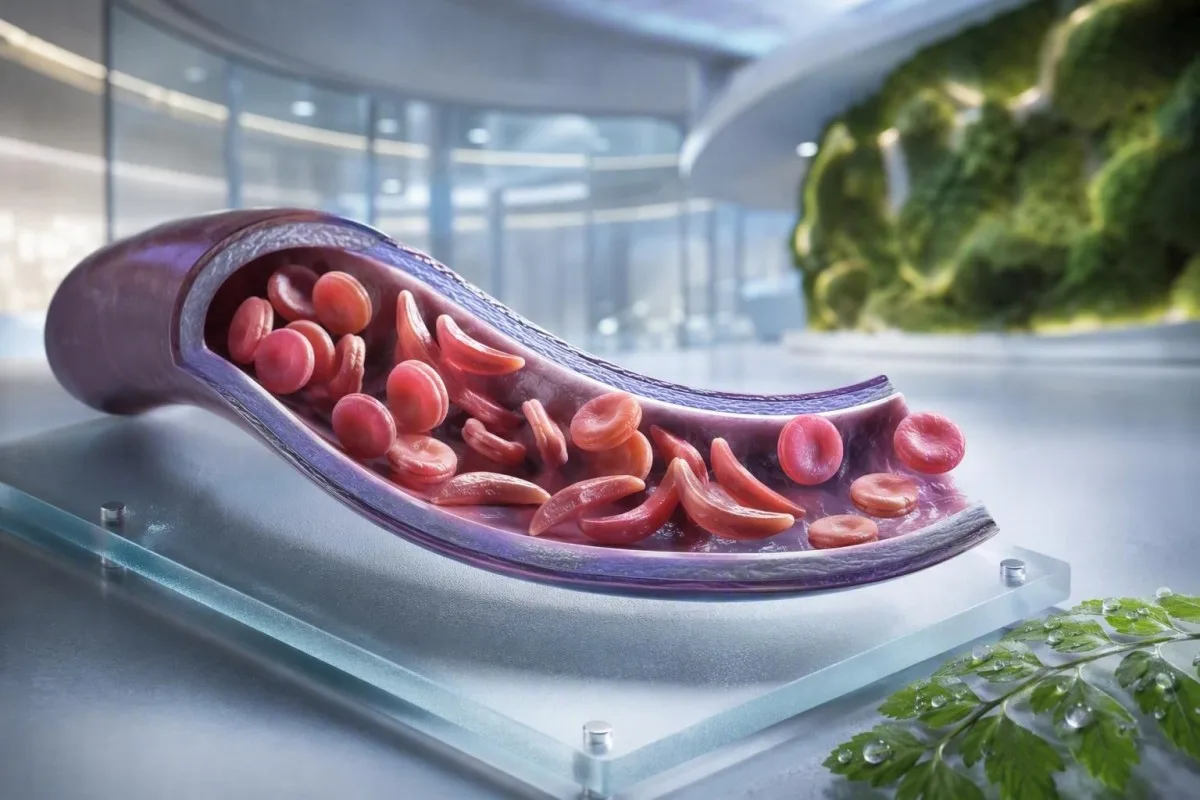
Ang sickle cell anemia dili usa ka pagsulay, usa ka simtomas, o usa ka lebel sa pagka-urgente. Kini nga giya nga nag-una sa pasyente nagbahin sa kahimtang sa pagka-carrier, nakumpirma nga sakit, regular nga pagmonitor, ug mga sitwasyon nga nanginahanglan og dinalian nga pag-atiman.


- Sickle cell trait nagpasabut sa usa ka HbS gene; kasagaran dili kini hinungdan sa chronic anemia o balik-balik nga mga krisis sa kasakit.
- Newborn screening nag-ila sa kadaghanan sa mga bata nga apektado sa wala pa magsugod ang mga simtomas, nga nagtugot sa penicillin ug espesyalista nga follow-up nga magsugod dayon.
- Hemoglobin electrophoresis nagbahin sa mga tipo sa hemoglobin ug makatabang sa pagkumpirma sa HbSS, HbSC, HbS-beta thalassemia, o kahimtang sa pagka-carrier.
- Grabe nga sakit sa dughan, kakulang sa gininhawa, hilanat nga 38.5°C o mas taas, kalibog, o bag-o nga kahuyang nanginahanglan og dinalian nga pag-assess sa emerhensya sa usa ka tawo nga adunay sickle cell disease.
- Acute chest syndrome mahimong magsugod sa ubo, hilanat, sakit sa dughan, o ubos nga oxygen ug mahimong mograbe sa paglabay sa mga oras kaysa mga adlaw.
- Usa ka kalit nga pagkahulog sa hemoglobin nga 2 g/dL o labaw pa gikan sa naandan nga lebel sa usa ka tawo mahimong magpaila sa aplastic crisis, sequestration, pagdugo, o gipadali nga hemolysis.
- Reticulocyte count makatabang sa pag-ila sa aktibo nga tubag sa marrow gikan sa aplastic crisis; ang ubos nga ihap sa panahon sa nagkagrabe nga anemia usa ka pasidaan nga sumbanan.
- Hydroxyurea usa ka tambal nga nag-usab sa sakit, dili lang tambal sa kasakit; ang pagmonitor kasagarang naglakip sa usa ka bug-os nga ihap sa dugo matag 4 ka semana sa panahon sa pag-adjust sa dosis.
Unsay gipasabut sa sickle cell anemia—ug unsay wala niini
Ang sickle cell anemia kasagarang nagtumong sa HbSS disease, diin ang usa ka tawo makapanunod og duha ka gene nga naghimo og hemoglobin S; ang mga pula nga selula mahimong gahi, dali mabuak, ug makababag sa gagmay nga mga ugat. Ang sickle cell trait lahi: usa ka HbS gene kasagaran igo na aron ipasa sa henetiko apan dili igo aron hinungdan sa laygay nga anemia ug balik-balik nga mga panghitabo sa vaso-occlusive nga makita sa HbSS.
Ang sickle cell disease usa ka umbrella term nga naglakip sa HbSS, HbSC, HbS-beta-zero thalassemia, ug HbS-beta-plus thalassemia. Ang HbSS kasagaran hinungdan sa labing kusog nga anemia, apan ang kagrabe lainlain kaayo bisan sa sulod sa usa ka pamilya; ang baseline hemoglobin nga 7.5 g/dL mahimong lig-on alang sa usa ka hamtong ug delikado alang sa lain kung kini dali nga nahulog.
Ang sickle cell mutation nagbag-o sa usa ka amino acid sa beta-globin: ang valine mopuli sa glutamic acid sa posisyon 6. Sa ubos nga oxygen, dehydration, acidosis, o hilanat, ang mga molekula sa HbS mahimong mag-polymerize sa sulod sa selula. Kana nga pisikal nga pagbag-o nagpatin-aw ngano nga ang usa ka krisis mahimong molambo pagkahuman sa taas nga paglupad, usa ka sakit sa gastrointestinal, o usa ka gabii nga dili maayo nga pag-inom og pluwido.
Kantesti AI usa ka AI blood test analyzer nga nagbutang sa CBC, bilirubin, LDH, reticulocyte, creatinine, ug nangaging mga resulta ngadto sa usa ka longitudinal nga pagtan-aw; dili kini makadugok sa sickle cell disease gikan sa usa ka CBC lamang. Alang sa usa ka praktikal nga paghinumdom sa pagreport sa hemoglobin, tan-awa unsa ang kahulogan sa HGB.
Pagka-Septyembre 4, 2026, nakakita gihapon ko og mga pasyente nga sayop nga gisultihan nga ang trait ug sakit mahimong mag-ilisan. Dili sila. Ang clinical rule ni Dr. Thomas Klein yano ra: pangayoa ang eksaktong hemoglobin genotype, dili usa ka dili klaro nga pahayag nga ang usa ka pagsulay “positibo.”
Ngano nga ang genotype nagbag-o sa pag-atiman
Ang HbSC mahimong adunay mas taas nga hemoglobin kaysa HbSS apan makahatag gihapon og mga komplikasyon sa retina, kasakit, o avascular necrosis. Ang HbS-beta thalassemia mahimong morag trait o HbSS depende kung ang produksyon sa beta-globin anaa sa bahin, mao nga ang molecular testing usahay makasulbad sa usa ka dili klaro nga electrophoresis pattern.
Mga simtomas sa sickle cell disease base sa edad ug baseline
Ang mga sintomas sa sickle cell disease kasagarang naglakip sa episodic nga kasakit sa bukog o dughan, kakapoy, jaundice, pagginhawa, paglangan sa pagtubo, ug kanunay nga mga impeksyon, apan walay duha ka tawo ang makasinati sa samang sumbanan. Ang mga sintomas kasagarang makita human sa 4 ngadto sa 6 ka bulan ang edad tungod kay ang fetal hemoglobin sa sinugdanan nanalipod sa mga masuso gikan sa HbS polymerization.
Dactylitis—makapasakit nga paghubas sa mga kamot o tiil—maoy mahimong unang makitang timailhan sa mga masuso. Sa mga bata nga nag-eskwela, ang kasakit sa tiyan nagkinahanglan ug partikular nga pag-atiman tungod kay ang constipation, sakit sa apdo, paghubas sa spleen, ug vaso-occlusion mahimong mobati nga katingad-an nga parehas sa balay.
Ang jaundice sa sickle cell disease nagpakita sa padayon nga pagguba sa pula nga selula ug pagtaas sa indirect bilirubin; dili kini awtomatikong nagpasabot ug hepatitis. Ang ngitngit nga ihi, luspad nga mga hugaw, kati, hilanat, o kasakit sa tuo-ibabaw nga tiyan nagbag-o sa maong pagtasa ug nagkinahanglan og pagsusi sa atay ug biliary nga mga hinungdan; ang among giya sa diretsong bilirubin nga mga sundanan nagpasabot sa kalainan.
Ang mga hamtong mahimong normal ang kasakit nga hinay-hinay nga nahimong mas kanunay. Sa akong kasinatian, ang pagbalhin gikan sa duha ka episode kada tuig nga gidumala sa balay ngadto sa duha ka episode kada bulan makahuluganon sa klinika bisan kung ang mga pagbisita sa emerhensya wala motaas. Ang pagkabalda sa pagkatulog, nawala nga trabaho, mga sintomas sa erectile, ubos nga mood, ug pagkunhod sa tolerance sa ehersisyo kinahanglan nga idokumento tungod kay kini sagad nag-una sa usa ka pormal nga pagbag-o sa pagtambal.
Ang konsentrasyon sa hemoglobin nga 6 hangtod 9 g/dL mahimong usa ka normal nga steady-state range sa HbSS, samtang ang kantidad nga ubos sa 10 g/dL dili gilauman sa kadaghanan sa mga tawo nga walay sakit. Ang numero importante, apan ang kausaban gikan sa personal nga baseline mas importante.
Kinsa ang angay maghunahuna sa sickle cell carrier screening
Makatarunganon ang pag-screen sa sickle cell sa wala pa ang pagmabdos o sa sayong bahin sa pagmabdos alang sa bisan kinsa nga wala nahibal-an ang ilang carrier status, bisan unsa ang hitsura, apelyido, o giingon nga kagikan. Ang carrier status napanunod ug sagad nagpabilin nga wala mahibal-an hangtod sa newborn screen o usa ka wala damhang abnormal nga pagsulay sa hemoglobin.
Kung ang duha ka biological nga ginikanan adunay HbS-related o beta-thalassemia variant, ang matag pagmabdos mahimong adunay 25% nga tsansa nga makapanunod sa usa ka klinikal nga hinungdanon nga kondisyon sa hemoglobin, depende sa mga variant nga nalambigit. Ang usa ka tigdala mahimong adunay normal nga kusog, normal nga mga resulta sa CBC, ug walay kaagi sa mga yugto sa kasakit.
Ang pagsala ilabi na nga mapuslanon kung ang usa ka kauban adunay HbAS, HbC trait, beta-thalassemia trait, dili masaysay nga microcytosis, o usa ka kaagi sa pamilya sa sickle cell disease. Ang ubos nga mean corpuscular volume kinahanglan dili basulon sa kakulangan sa iron sa wala pa susihon ang ferritin ug ikonsiderar ang thalassemia; itandi Mga timailhan sa MCV ug MCH.
Ang usa ka 2022 nga global report sa World Health Organization nagbanabana nga ang mga sakit sa hemoglobin nagpabilin nga usa ka mayor nga karga sa napanunod nga sakit, ilabi na kung diin dili managsama ang pag-access sa pagsala sa bag-ong nahimugso. Ang labing matinahuron nga pamaagi mao ang unibersal nga pag-access sa nahibal-an nga pagsala kaysa paggamit sa etnisidad ingon usa ka tigbantay.
Si Kantesti usa ka AI pagsabot sa resulta sa blood test platform nga makahatag og katin-awan sa usa ka gitaho nga resulta sa HbS sa simpleng lengguwahe, apan ang kumpirmasyon sa tigdala ug pagtambag sa pagpanganak nagkinahanglan og akreditado nga laboratoryo ug kliniko. Kung ang magtiayon nagplano og pagmabdos, pangutana kung ang pagsulay sa kauban ug genetic counseling mahimong mahitabo sa wala pa ang pagpanamkon kaysa pagkahuman sa usa ka resulta nga nahimong sensitibo sa oras.
Giunsa pagpamatuod sa hemoglobin electrophoresis ang diagnosis
Ang hemoglobin electrophoresis nagbulag sa mga bahin sa hemoglobin ug usa ka pangunang pagsulay sa pagkumpirma sa sickle cell anemia o trait, kasagaran kauban ang high-performance liquid chromatography ug, kung gikinahanglan, genetic testing. Ang usa ka routine nga CBC dili makakumpirma sa HbSS o trait tungod kay ang kakulangan sa iron ug thalassemia mahimong makahimo og nagkasapaw nga mga indeks sa pula nga selula.
Sa wala matambalan nga HbSS, ang electrophoresis kasagarang nagpakita sa kadaghanan nga HbS nga walay HbA, bisan kung ang porsyento sa HbF managlahi. Ang HbAS kasagarang nagpakita sa HbA ug HbS, kasagaran nga ang HbA mas taas kaysa HbS; ang eksaktong mga porsyento mahimong mausab sa kaubang napanunod nga alpha-thalassemia o bag-o nga transfusion.
Ang bag-o nga transfusion mahimong makapahisalaag sa resulta sa electrophoresis sulod sa mga 3 ka bulan tungod kay ang donor nga HbA naglibot gihapon. Kini usab ang hinungdan ngano nga ang HbA1c mahimong ubos sa pagtantiya sa aberids nga glucose pagkahuman sa transfusion o sa taas nga turnover nga hemolysis; tan-awa kung kanus-a nagpakamalis-ug ang HbA1c.
Ang peripheral smear mahimong magpakita og mga target cell, polychromasia, ug mga porma nga pormag-sickle, apan ang microscopy nagsuporta kay sa pagpuli sa pagsulay sa bahin. Nakita ni Dr. Klein ang “normal” nga mga emergency smear nga naglangan sa katin-awan sa dihang ang pasyente nabalhinan mga semana na ang milabay—kanunay isulti sa laboratoryo ug hematology team ang bahin sa mga transfusion.
Ang mga pamaagi sa pagsala sa bag-ong nahimugso nagpaila sa HbS sa wala pa ang klinikal nga sakit, apan ang resulta nagkinahanglan gihapon og tukma sa panahon nga kumpirmasyon nga pagsulay. Ang 2014 evidence-based guideline ni Yawn et al. nagrekomendar sa pagkalambigit sa espesyalista sa sayong bahin sa kinabuhi, uban ang mga preventive measures nga magsugod sa wala pa ang unang dakong komplikasyon (Yawn et al., 2014).
Regular nga pagmonitor sa dugo: unsay aktuwal nga gisubay sa mga clinician
Ang kasagaran nga pagbantay sa sakit nga sickle cell kasagarang nagtutok sa hemoglobin, reticulocytes, white cells, platelets, bilirubin, LDH, pag-andar sa amim Adenso, ug protina sa ihi—dili usa ka resulta nga nag-inusara. Ang labing luwas nga pagtandi mao ang kaugalingong makanunayon nga baseline sa pasyente, labing maayo kung kuhaon kung sila himsog ug wala bag-o lang nadawat og dugo.
Ang hemolysis kanunay nga nagpatunghag taas nga LDH, dili direkta nga bilirubin, ug reticulocytes nga adunay ubos nga haptoglobin. Ang haptoglobin mahimong ubos sa ubang mga rason, lakip ang sakit sa atay, mao nga ang kombinasyon nga pattern mas kusgan kaysa bisan unsang marka; among giya sa interpretasyon sa haptoglobin nagpakita kung ngano.
Ang porsyento lamang sa reticulocyte mahimong magpasobra sa tubag sa marrow sa dakong anemia. Ang mga clinician kanunay magkalkula sa absolutong ihap sa reticulocyte o gitakda nga tubag sa reticulocyte; ang pag-ubos sa absolutong ihap samtang nagkagrabe ang anemia makapabalaka alang sa parvovirus B19-associated aplastic crisis.
Si Kantesti usa ka AI-powered blood test analysis tool nga nagtandi sa balik-balik nga mga resulta sa hematology imbes nga pagtratar sa taas nga LDH isip usa ka standalone nga diagnosis. Ang usa ka sampol nga gimarkahan nga hemolyzed sa tubo mahimong sayop nga makadugang sa potassium ug LDH, mao nga ang usa ka katingad-an nga resulta mahimong magkinahanglan og redraw; pagrepaso balik-balik nga pagsulay human sa hemolysis.
Ang hydroxyurea kasagarang nagdugang sa MCV ug HbF sa paglabay sa panahon, samtang nagpaubos sa neutrophils gamay sa usa ka epektibo nga dosis. Ang maong mga kausaban mahimong gilauman, apan ang usa ka absolutong ihap sa neutrophil ubos sa indibidwal nga threshold sa pagtambal o usa ka paspas nga pag-ubos sa ihap sa platelet nagkinahanglan og pagrepaso sa nagreseta imbes nga self-adjusting nga tambal.
Kanus-a ang kasakit usa ka vaso-occlusive episode—ug kanus-a kini dili
Ang kasakit nga vaso-occlusive kasagaran lawom, grabe, ug nahimutang sa likod, dughan, bat-ang, mga tiil, o tiyan, apan ang bag-ong kasakit dili angay awtomatikong ipahamtang isip usa ka sickle crisis. Ang hilanat, lokal nga paghubag, samad, pagbantay sa tiyan, o mga sintomas sa neurologic sa usa ka kilid nagpunting padulong sa mga problema nga nanginahanglan og lainlaing pagsusi.
Ang usa ka home pain plan kasagarang naglakip sa sayo nga hydration, kainit, gireseta nga analgesia, pahulay, ug usa ka personal nga threshold sa pagpadako nga giuyonan sa sickle team. Ang pag-inom og sobra nga gidaghanon dili mas luwas: ang mga tawo nga adunay problema sa amim Adenso o sakit sa kasingkasing mahimong makasinati og fluid overload, labi na sa panahon sa usa ka acute illness.
Ang kasakit nga nagpabilin nga dili makontrol human sa kasagaran nga plano sa pagluwas, makapugong sa pag-inom og mga likido o tambal, o lahi sa kalidad o lokasyon kinahanglan magpahinabo og dinalian nga tambag sa klinikal. Ang usa ka hubag, init nga lutahan mahimong magrepresentar sa septic arthritis o impeksyon sa bukog imbes nga uncomplicated vaso-occlusion; among giya sa pagsulay sa dili masaysay nga kasakit naglatid sa mapuslanon nga unang mga imbestigasyon.
Sa emergency care, ang tukma sa panahon nga analgesia ug pag-usab sa pagtimbang-timbang mas importante kay sa pagpamatuod sa kabug-at sa kasakit pinaagi sa laboratory number. Ang giya sa NICE sa acute painful sickle episodes nagrekomendar sa dali nga pagtimbang-timbang sa analgesia ug kanunay nga pagrepaso, tungod kay ang undertreatment mismo nakatampo sa dugay nga kasakit ug paglangan sa pagkaayo (NICE, 2012).
Likayi ang cold packs direkta sa usa ka dapit sa vaso-occlusive pain gawas kung ang imong team piho nga nagtambag niini; ang bugnaw makapakunhod sa peripheral vessels. Kana nga praktikal nga detalye morag gamay, apan daghang mga pasyente ang nagsulti kanako nga walay nagpatin-aw niini hangtod pagkahuman sa daghang lisud nga mga yugto.
Acute chest syndrome: ang emerhensya nga daghang tawo ang dili makabantay
Ang acute chest syndrome usa ka bag-ong infiltrate sa baga sa chest imaging dugang pa sa mga sintomas sa respiratoryo, hilanat, sakit sa dughan, o ubos nga oxygen sa usa ka tawo nga adunay sakit nga sickle cell, ug kini usa ka emerhensya. Mahimo kini nga dali nga modaut, usahay pagkahuman sa pag-admit tungod sa usa ka yugto sa kasakit imbes sa higayon nga magsugod ang mga sintomas sa dughan.
Tawga ang emergency services o adto sa emergency care alang sa bag-ong kakulang sa gininhawa, sakit sa dughan, luspad nga asul nga ngabil, pagkalipong, padayon nga ubo nga adunay hilanat, o oxygen saturation ubos sa gitakdang target sa tawo. Ang saturation sa 92% mahimong usa ka dakong pag-ubos alang sa usa ka tawo nga kasagarang naa sa 98%, samtang ang pipila ka mga pasyente adunay ubos nga dokumentado nga baseline; ang absolutong kantidad ug pagbag-o pareho nga importante.
Ang acute chest syndrome mahimong maglakip sa impeksyon, tambok nga embolization gikan sa bone marrow, pulmonary vascular obstruction, atelectasis, o daghang mga proseso sa dungan. Ang mga clinician kasagarang nagtimbang-timbang sa oxygenation, CBC, reticulocytes, cultures kon aduna'y hilanat, chest imaging, ug usahay blood gases; pagsusi sa dugo alang sa paghuot sa gininhawa nagdugang og konteksto niining mga resulta.
Sa mga hamtong, ang sobrang pagkatulog gikan sa opioids, nipis nga pagginhawa gikan sa kasakit, ug sobra nga intravenous fluid mahimong makapasamot sa kahimtang sa respiratoryo. Ang incentive spirometry sa panahon sa pagpaospital makapakunhod sa mga komplikasyon sa baga sa pipila ka mga painful episodes, bisan tuod kini dili usa ka ilis sa dinalian nga pagtimbang-timbang kung ang mga sintomas nagsugod na.
Ang 2018 nga pagrepaso ni Kato ug mga kauban naghulagway sa acute chest syndrome ingon nga usa ka dakong hinungdan sa pagkamasakiton ug kamatayon sa tibuok kinabuhi (Kato et al., 2018). Ayaw pagdrayb sa imong kaugalingon kung ang pagkalipong, pagkahinanok, o pressure sa dughan grabe.
Hilanat, impeksyon, ug mga emerhensya sa spleen
Ang hilanat nga 38.5°C (101.3°F) o mas taas pa sa bata o hamtong nga adunay sickle cell disease nagkinahanglan og dinalian nga medikal nga pagsusi sa samang adlaw gawas kon ang ilang espesyalista nga team naghatag og laing plano. Ang functional loss sa immune function sa spleen makahimo sa pipila ka bacterial infections nga mas paspas og kauswagan kaysa ordinaryong viral fever.
Ang hilanat nga inubanan sa lethargy, pantal, ubos nga presyon sa dugo, kalibog, o gamay nga pag-ihi nagkinahanglan og emerhensiyang pag-atiman karon. Ang normal nga puti nga selula sa dugo dili kasaligan nga makawagtang sa seryoso nga impeksyon sa sickle cell disease, labi na sa sayong bahin sa sakit o sa panahon sa hydroxyurea treatment.
Ang splenic sequestration kasagaran mahitabo sa gagmay nga mga bata ug hinungdan sa kalit nga pagkadako sa spleen, kaputla, pagkapuno sa tiyan, paspas nga pagginhawa, ug dali nga pag-ubos sa hemoglobin. Ang mga ginikanan usahay gitudloan unsaon paghikap sa spleen sa ilang anak, apan ang bisan unsang bag-ong pagkadako nga inubanan sa sakit kinahanglan mag-aghat sa dinalian nga pagsusi kaysa balik-balik nga pagsusi sa balay.
Ang pag-ubos sa hemoglobin nga 2 g/dL o labaw pa ubos sa naandan nga baseline nga adunay dako nga spleen makapabalaka alang sa sequestration. Sa laing bahin, ang grabe nga anemia nga adunay ubos kaayo nga reticulocyte count mahimong magpaila sa aplastic crisis, kanunay nga may kalabutan sa parvovirus B19; interpretasyon sa reticulocyte count nagpatin-aw sa signal sa marrow.
Ang mga laboratoryo sa sepsis mahimong maglakip sa lactate, cultures, CBC, kidney tests, ug inflammatory markers, apan ang mga desisyon sa pagtambal kinahanglan dili gayud maghulat sa matag bili nga mobalik. Alang sa konteksto sa dinalian nga mga sumbanan, basaha ang mga senyales sa sepsis marker.
Mga bakuna ug preventive antibiotics
Ang mga bakuna ug childhood penicillin prophylaxis makapakunhod sa risgo apan dili makapahimo sa hilanat nga ubos ang risgo. Kumpirmaha ang imong indibidwal nga plano sa usa ka hematology o pediatric team, labi na pagkahuman sa splenectomy, pagbiyahe, bag-ong masuso, o pagbag-o sa lokal nga iskedyul sa pagbakuna.
Ang stroke ug mga neurologic warning signs nanginahanglan og dinalian nga aksyon
Ang bisan unsang kalit nga pagkaluy-a sa nawong, kahuyang sa bukton o tiil, kalisud sa pagsulti, pag-atake, grabe nga dili kasagaran nga sakit sa ulo, kalibog, o pagkawala sa balanse sa sickle cell disease kinahanglan tratuhon ingon usa ka posibleng stroke emergency. Tawga dayon ang mga serbisyo sa emerhensya; ayaw paghulat aron makita kung mawala ba ang mga sintomas o paghatag una og tambal sa kasakit.
Ang mga bata nga adunay HbSS o HbS-beta-zero thalassemia kasagarang gitanyagan og transcranial Doppler ultrasound screening gikan sa edad 2 hangtod 16 ka tuig. Ang dili normal nga time-averaged mean maximum velocity nga 200 cm/segundo o mas taas nagpaila sa dakong dugang nga risgo sa stroke ug nagkinahanglan og dinalian nga aksyon sa espesyalista.
Ang chronic transfusion therapy makapakunhod sa unang risgo sa stroke sa mga bata nga adunay dili normal nga Doppler findings, apan kini nagmugna og dugang nga mga panginahanglan: pagbantay sa iron overload, antibody screening, ug maampingong pagpares sa mga selula sa donor. Kini usa ka espesyalista nga pag-atiman, dili usa ka resulta nga pagadumalahon pinaagi sa usa ka app.
Ang mga hamtong mahimong adunay temporaryong mga simtomas sa neurological, kausaban sa panghunahuna, o hilom nga kadaot sa utok nga walay klasiko nga dramatiko nga stroke. Ang 10-minutos nga yugto sa kalisud sa pagpangita og pulong nagkinahanglan gihapon og emerhensiyang pagsusi tungod kay ang temporaryong mga simtomas sa ischemic mahimong usa ka pasidaan, dili usa ka kasigurohan.
Si Dr. Thomas Klein nagtambag sa mga pamilya nga tipigan ang ilang lokal nga sickle emergency contact number tapad sa naandan nga plano sa kasakit. Kini makawagtang sa usa ka desisyon sa pipila ka minuto diin ang bata o hamtong mahimong naglisud sa pagpakigsulti.
Pagpanalipod sa mga amim Adena, mata, ug baga taliwala sa mga krisis
Ang sickle cell disease makadaut sa mga kidney, retina, baga ug kasingkasing bisan kung dili kanunay ang kasakit, busa ang regular nga pagbantay sa organ usa ka bahin sa pagtambal kaysa usa ka opsyonal nga dugang. Ang pagsulay sa urine albumin, pagsusi sa presyon sa dugo, pagsusi sa mata, ug pagtimbang-timbang sa baga base sa sintomas makaila sa mga komplikasyon sa dili pa kini mahimong klaro.
Ang albuminuria mahimong usa ka sayo nga timailhan sa sickle nephropathy. Ang urine albumin-to-creatinine ratio nga 30 mg/g o labaw pa dili normal sa kadaghanan sa mga hamtong ug kinahanglan kumpirmahon sa balik-balik nga pagsulay tungod kay ang hilanat, ehersisyo, regla, ug dehydration makapataas niini sa temporaryo.
Ang creatinine mahimong tan-awon nga makapahisalaag nga normal sa sickle cell disease tungod kay ang pagtaas sa tubular secretion ug ubos nga muscle mass mahimong makatabon sa pagkunhod sa filtration. Ang Cystatin C o kombinasyon nga mga equation mahimong makadugang ug mapuslanong konteksto, samtang ang padayon nga mabula nga ihi nagkinahanglan ug pagsusi; tan-awa ang giya sa protina sa ihi.
Ang retinopathy labi na kaimportante sa sakit nga HbSC, nga mahimong mas hilom sa ubang mga aspeto sa klinika. Ang bag-ong mga floaters, mga kipat, usa ka pagbag-o sa panan-aw nga sama sa kurtina, o kalit nga pagkadaot sa panan-aw nanginahanglan dayon nga pagkonsulta sa ophthalmologist, dili usa ka routine nga appointment paglabay sa mga semana.
Ang pagmabdos nagdugang sa pisyolohikal nga hyperfiltration ug mas taas nga peligro sa inahan-ug-anak, busa ang batakang pagsusi sa kidney ug ihi kinahanglan himuon sa sayo pa. Ang among pagpatin-aw sa mga kausaban sa GFR sa pagmabdos makatabang sa pag-ila sa gipaabot nga kausaban gikan sa usa ka makapabalaka nga uso.
Mga kapilian sa pagtambal, hydroxyurea, ug kaluwasan sa transfusion
Ang hydroxyurea makapamenos sa masakit nga mga yugto ug acute chest syndrome alang sa daghang mga tawo nga adunay HbSS o HbS-beta-zero thalassemia pinaagi sa pagdugang sa fetal hemoglobin, apan kini nagkinahanglan og structured monitoring. Ang pagbalhin sa dugo mahimong makaluwas sa kinabuhi alang sa pinili nga mga komplikasyon, apan ang balik-balik nga mga pagbalhin nagdala og iron loading ug mga peligro sa red-cell antibody.
Ang hydroxyurea kasagarang gititrate gamit ang CBC ug reticulocyte count mga kada 4 ka semana hangtod nga maabot ang usa ka lig-on nga dosis, unya sa mas taas nga mga interval nga gitino sa nagtambal nga team. Ang mas taas nga MCV kasagaran usa ka gipaabot nga epekto sa pagtambal, samtang ang grabe nga cytopenia nagkinahanglan og review sa tambal ug usahay temporaryong paghunong.
Ang yano nga pagbalhin nagpataas sa kapasidad sa pagdala og oxygen, apan ang sobra nga konsentrasyon sa hemoglobin mahimong makadugang sa viscosity sa HbSS. Daghang acute protocols naglikay sa pagpataas sa post-transfusion hemoglobin labaw sa 10 g/dL gawas kung ang usa ka espesyalista magbutang ug laing tumong; ang exchange transfusion gigamit alang sa pinili nga grabe nga mga komplikasyon.
Ang iron overload mas lagmit mahitabo human sa balik-balik nga mga pagbalhin ug gisusi gamit ang ferritin trends ug liver o cardiac MRI kung angay. Ang ferritin motaas sa panghubag, busa ang usa ka taas nga lebel dili pamatuod sa iron burden sa tisyu; ang among giya sa pagtuon sa puthaw nagpasabot sa mga limitasyon.
Ang ebidensya labing lig-on alang sa hydroxyurea sa HbSS ug HbS-beta-zero disease; ang kaayohan sa HbSC nagpabilin nga usa ka dapit nga adunay dili kaayo kasigurohan ug mas indibidwal nga paghimog desisyon. Ang plano sa tambal kinahanglan maglakip sa mga diskusyon bahin sa kontrasepsyon ug pagmabdos kung kini may kalabutan, mga babag sa pagsunod, ug usa ka sinulat nga plano alang sa mga gimingaw nga dosis.
Pagmabdos, pagkamabayanihon, ug pagplano sa pamilya nga adunay HbS
Ang pagmabdos nga adunay sakit nga sickle cell nanginahanglan og sayo nga hiniusa nga pag-atiman gikan sa obstetrics ug hematology tungod kay ang mga peligro sa mga yugto sa kasakit, anemia, thrombosis, impeksyon, pre-eclampsia, pagdili sa pagtubo sa fetus ug wala pa sa panahon nga pagpanganak mas taas. Ang carrier screening importante sa dili pa magmabdos tungod kay ang genetic risk nagdepende sa duha ka biological nga ginikanan.
Ang pagbisita sa dili pa magmabdos kinahanglan magrepaso sa genotype, baseline hemoglobin, kidney function, urine albumin, presyon sa dugo, kasaysayan sa pagbalhin, mga antibodies sa red-cell, mga bakuna, ug mga tambal. Ang mga desisyon sa hydroxyurea sa pagmabdos gihimo sa indibidwal ug kinahanglan himuon uban sa mga espesyalista; ayaw kini ihunong o ibalik base lamang sa tambag sa internet.
Ang iron dili angay ireseta nga awtomatiko alang sa ubos nga hemoglobin sa HbSS. Ang iron deficiency mahimong mag-uban, labi na sa pagmabdos o bug-at nga pagdugo sa pagregla, apan ang ferritin ug transferrin saturation kinahanglan maggiya sa pagtambal tungod kay ang chronic hemolysis lamang dili katumbas sa iron deficiency.
Kung ang duha ka ginikanan adunay mga may kalabutan nga hemoglobin variants, ang genetic counseling mahimong magpatin-aw sa natural nga pagpanamkon, mga kapilian sa prenatal diagnostic, mga kapilian sa donor, ug preimplantation genetic testing nga dili magagiya ang pamilya ngadto sa usa ka desisyon. Ang tumong mao ang nahibal-an nga pagpili, dili kabalaka.
Alang sa ubang praktikal nga mga batag sa laboratoryo sa pagmabdos, tan-awa ang mga kabalaka sa pregnancy lab sa samang adlaw. Ang nailhan nga baseline sa pasyente kinahanglan ilakip sa matag maternity handover; kini nagbag-o kung giunsa ang usa ka resulta sa hemoglobin gihubad.
Paggamit sa mga resulta sa laboratoryo nga luwas taliwala sa mga appointment
Ang resulta sa laboratoryo sa sickle cell labing mapuslanon kung itandi sa imong genotype, lig-on nga baseline, mga sintomas, mga pagtambal, ug bag-o nga mga pagbalhin. Ang taas nga bilirubin o ubos nga hemoglobin mahimong gipaabot alang sa usa ka tawo nga adunay HbSS apan dinalian alang sa parehas nga tawo kung ang resulta mabalhin dayon.
Paghupot og usa ka panid nga rekord sa genotype, kasagaran nga hemoglobin, kasagaran nga oxygen saturation kung nahibal-an, blood group ug mga antibodies, kasamtangang mga tambal, mga petsa sa pagbalhin, ug mga kontak sa emerhensya. Makadaginot kini og oras sa dili pamilyar nga mga emergency department ug makapakunhod sa posibilidad nga ang usa ka HbSS baseline masayop sa bag-ong nadiskobrehan nga anemia.
Si Kantesti usa ka AI lab test interpretation service nga makahan-ay sa mga gi-upload nga taho sa laboratoryo ug makapasiugda og mga sumbanan alang sa diskusyon, lakip ang mga timailhan sa hemolysis, mga uso sa kidney, ug pagmonitor sa tambal. Dili niini makita ang imong dughan, masukod ang oxygenation, o mopuli sa pag-atiman sa emerhensya kung ang mga sintomas nagpunting sa acute chest syndrome, sepsis, o stroke.
Ang resulta nga dili sakop sa balay sa laboratoryo dili awtomatikong makadaot, ug ang resulta sa sulod niini mahimong makadaot gihapon kon kini kusog nga nabag-o. Alang sa katin-awan sa mga bandila sa pagreport ug mga sakop nga balay, basaha kahulugan sa resulta nga wala sa sakop.
Ang klinikal nga pamaagi sa Kantesti gisusi batok sa gitakda nga mga pamaagi ug mga limitasyon; ang mga magbabasa nga gusto makasabot sa among mga panalipod makasusi mga sumbanan sa balidasyon sa klinika. Dad-a ang orihinal nga PDF sa imong appointment sa hematology—makatabang ang OCR, apan ang orihinal nga report nagpabilin nga rekord.
Usa ka tin-aw nga plano sa aksyon sa emerhensya alang sa sickle cell disease
Mangayo dayon og tabang sa emerhensya alang sa sakit sa dughan o kalisud sa pagginhawa, hilanat nga 38.5°C o mas taas, bag-ong mga sintomas sa neurological, pagkalipong, grabeng kaputla, dili makontrolar nga kasakit, paspas nga pagdako sa tiyan, o kawala’y katakus sa pag-inom ug pag-inom og tambal. Kining mga timailhan sa pasidaan mahimong magpakita sa acute chest syndrome, sepsis, stroke, grabeng anemia, o splenic sequestration.
Sultihi ang mga kawani sa emerhensya nga ikaw adunay sickle cell disease, isulti ang imong genotype kon nahibal-an, ug ihulagway kon unsa ang lahi sa imong kasagaran nga episodyo. Hisguti ang bag-o nga pagpasa, basehan nga hemoglobin, mga tambal sa kasakit nga nangaon na uban ang mga dosis ug mga oras, mga alerdyi, pagmabdos, ug bisan unsang una nga acute chest syndrome o stroke.
Ayaw paghulat nga ang usa ka home pulse oximeter mahimong abnormal kon ang mga sintomas sa dughan nagkagrabe. Ang mga gamit sa konsumidor mahimong masayop sa bugnaw nga mga tudlo, mga produkto sa lansang, paglihok, dili maayo nga sirkulasyon, ug pipila ka mga tono sa panit; ang mga sintomas ug klinikal nga pagsusi milabaw sa usa ka makapadasig nga pagpakita.
Kon ikaw mag-atiman sa usa ka bata, pangutana sa ilang team alang sa usa ka sinulat nga threshold sa hilanat, plano sa analgesia, ug mga instruksyon sa pagsusi sa spleen. Kon ikaw usa ka hamtong, pagtipig og kopya sa imong telepono ug ipaambit kini sa usa ka tawo nga imong kasaligan; pagplano sa rekord sa panglawas sa pamilya mahimong makapasayon niini.
Ang medical team sa Kantesti, lakip ang among Lupon sa Medikal nga Magtatambag, nagsuporta sa edukasyon bahin sa interpretasyon sa laboratoryo, samtang ang mga desisyon sa emerhensya nahisakop sa personal nga mga serbisyo sa klinika. Bahin sa among organisasyon ug klinikal nga misyon, tan-awa among team ug pamaagi.
Kanunay nga Gipangutana nga mga Pangutana
Unsa ang mga unang simtomas sa sickle cell anemia sa mga masuso?
Ang unang mga simtomas sa sickle cell anemia kasagarang makita human sa 4 hangtod 6 ka bulan ang panuigon, kung kanus-a natural nga mahanaw ang fetal hemoglobin. Ang masakit nga paghubag sa mga kamot ug tiil, gitawag nga dactylitis, hilanat, dili kasagaran nga pagkamapikal, kaputli, jaundice, dili maayo nga pagpakaon, ug naghubag nga tiyan mao ang kasagaran nga sayo nga mga timailhan sa pasidaan. Ang hilanat nga 38.5°C (101.3°F) o mas taas pa sa usa ka masuso nga adunay sickle cell disease nanginahanglan og dinalian nga pagsusi sa medisina sa samang adlaw tungod kay ang grabe nga impeksyon dali nga mouswag. Ang newborn screening makaila sa mga masuso nga apektado sa wala pa magsugod ang mga sintomas, apan kinahanglan gihapon ang confirmatory testing ug espesyalista nga follow-up.
Aduna pa bay mga sintomas ang tawo bisan kung siya adunay sickle cell trait?
Kadaghanan sa mga tawo nga adunay sickle cell trait walay laygay nga anemia, walay balik-balik nga kasakit sa krisis, ug normal nga pag-ehersisyo adlaw-adlaw. Talagsaon nga mga komplikasyon mahimong mahitabo sa grabeng dehydration, grabeng pagkaladlad sa kainit, taas nga altitude, grabe nga paningkamot, o mga palibot nga ubos og oxygen, ug ang dugo sa ihi kinahanglan susihon imbes nga isipon nga dili makadaot. Ang trait nagpasabot ug usa ka HbS gene, samtang ang sickle cell anemia kasagaran nagpasabot sa HbSS nga sakit nga adunay duha ka apektadong beta-globin genes. Ang hemoglobin electrophoresis o usa ka katumbas nga fractionation test makaklaro sa kalainan.
Unsang pagsulay ang makakumpirma sa sickle cell anemia?
Ang hemoglobin electrophoresis, high-performance liquid chromatography, o capillary electrophoresis nagpamatuod sa mga hemoglobin fraction nga anaa ug importante sa pag-diagnose sa sickle cell anemia. Ang wala matambalan nga HbSS kasagarang nagpakita sa pangunang hemoglobin S nga walay hemoglobin A, samtang ang trait sagad nagpakita sa hemoglobin A ug hemoglobin S. Ang CBC makaila sa anemia o gagmay nga mga red cell apan dili makahimo og kaugalingong diagnosis sa HbSS, HbSC, o trait. Ang bag-o nga transfusion makadisturbo sa resulta sa fraction sulod sa mga 3 ka bulan, busa basin gikinahanglan ang molecular testing kon dili klaro ang pattern.
Kanus-a kinahanglan moadto sa emergency department ang usa ka tawo nga adunay sakit nga sickle cell?
Ang tawo nga may sickle cell disease kinahanglan mangayo og dinalian nga pagsusi alang sa hilanat nga 38.5°C (101.3°F) o mas taas pa, kasakit sa dughan, kalisud sa pagginhawa, ubos nga oxygen, kalit nga kahuyang, kalisud sa pagsulti, kumbulsiyon, pagkalipong, paspas nga pagkagrabe sa kaputla, grabeng paghubog sa tiyan, o kasakit nga dili makontrolar sa ilang gitakdang plano. Kining mga simtoma mahimong magpakita og acute chest syndrome, impeksyon, atake sa utok, splenic sequestration, o kalit nga pagkunhod sa hemoglobin. Ang bag-o o lahi nga kasakit nagkinahanglan usab og pagsusi tungod kay ang impeksyon sa bukog, sakit sa apdo, appendicitis, ug mga hugot mahimong makasundog sa kasakit sa vaso-occlusive. Ayaw pagmaneho sa imong kaugalingon kung ang mga simtoma sa neurological o respiratoryo makahuluganon.
Unsa nga lebel sa hemoglobin ang delikado sa sakit nga sickle cell?
Walay usa ka makuyaw nga gidaghanon sa hemoglobin sa sakit nga Sicle Cell tungod kay daghang tawo nga adunay HbSS ang adunay lig-on nga baseline tali sa gibana-bana nga 6 ug 9 g/dL. Ang pag-ubos sa 2 g/dL o labaw pa gikan sa naandan nga hemoglobin sa indibidwal kasagaran mas makapabalaka kaysa sa aktuwal nga kantidad ug mahimong magpaila sa aplastic crisis, splenic sequestration, pagdugo, o mas paspas nga hemolysis. Ang grabe nga mga sintomas sama sa kalisud sa pagginhawa, pagkalipong, kasakit sa dughan, kusog nga pagpitik sa kasingkasing, o kalibog nagkinahanglan og dinalian nga pagsusi sa bisan unsang lebel sa hemoglobin. Ang mga desisyon sa pagbalhin nagdepende sa mga sintomas, baseline, hinungdan sa anemia, oxygenation, ug risgo sa hyperviscosity.
Makapahimsug ni ang hydroxyurea sa sickle cell anemia?
Ang hydroxyurea dili makapauswag sa sickle cell anemia, apan makapakunhod kini sa mga yugto sa kasakit, acute chest syndrome, panginahanglan sa pag-transfuse, ug paggamit sa ospital alang sa daghang tawo nga adunay HbSS o HbS-beta-zero thalassemia. Nagtrabaho kini sa bahin pinaagi sa pagdugang sa fetal hemoglobin ug kasagarang nagkinahanglan og CBC ug reticulocyte monitoring mga kada 4 ka semana samtang ang dosis gi-adjust. Ang pagtaas sa MCV ug lebel sa HbF mahimong magpaila sa epekto sa biyolohiya, bisan pa kon walay resulta nga nagpamatuod sa hingpit nga pagsunod. Ang mga paagi sa pag-ayo sama sa stem-cell transplantation ug pipila ka gene-based therapies nagkinahanglan ug hatag-seguro nga pagtimbang-timbang sa eligibility ug dugay nga follow-up.
Karon na ang AI-Powered Blood Test Analysis
Apil sa kapin sa 2 milyon nga mga user sa tibuok kalibutan nga nagsalig sa Kantesti para sa dayon ug tukma nga pag-analisa sa lab test. I-upload ang imong resulta sa blood test ug makadawat og komprehensibong pagsabot sa 15,000+ nga mga biomarker sulod sa mga segundo.
📚 Mga Napangalan nga Research Publications
Klein, T., Mitchell, S., & Weber, H. (2026). Giya sa C3 C4 Complement Blood Test ug ANA Titer. Kantesti AI Medical Research.
Klein, T., Mitchell, S., & Weber, H. (2026). Pagsulay sa Dugo sa Nipah Virus: Giya sa Sayo nga Pag-ila ug Pagdayagnos 2026. Kantesti AI Medical Research.
📖 Mga Panlabas nga Sanggunian sa Medisina
⚕️ Pagpasabot sa Medikal
Kini nga artikulo para sa katuyoan sa edukasyon ra ug dili kini mosangpot sa medikal nga tambag. Kanunay mokonsulta sa usa ka kwalipikado nga healthcare provider alang sa mga desisyon sa diagnosis ug pagtambal.
Mga E-E-A-T Trust Signals
Kasinatian
Pagsusi sa klinika nga gipangulohan sa doktor sa mga workflow sa interpretasyon sa lab.
Kahanas
Pokus sa medisina sa laboratoryo kung giunsa paglihok ang mga biomarker sa konteksto sa klinika.
Pagka-awtorisado
Gisulat ni Dr. Thomas Klein ug gisusi ni Dr. Sarah Mitchell ug Prof. Dr. Hans Weber.
Kasaligan
Interpretasyon nga base sa ebidensya, nga adunay klaro nga mga agianan sa sunod nga buhat aron makunhuran ang kabalaka.