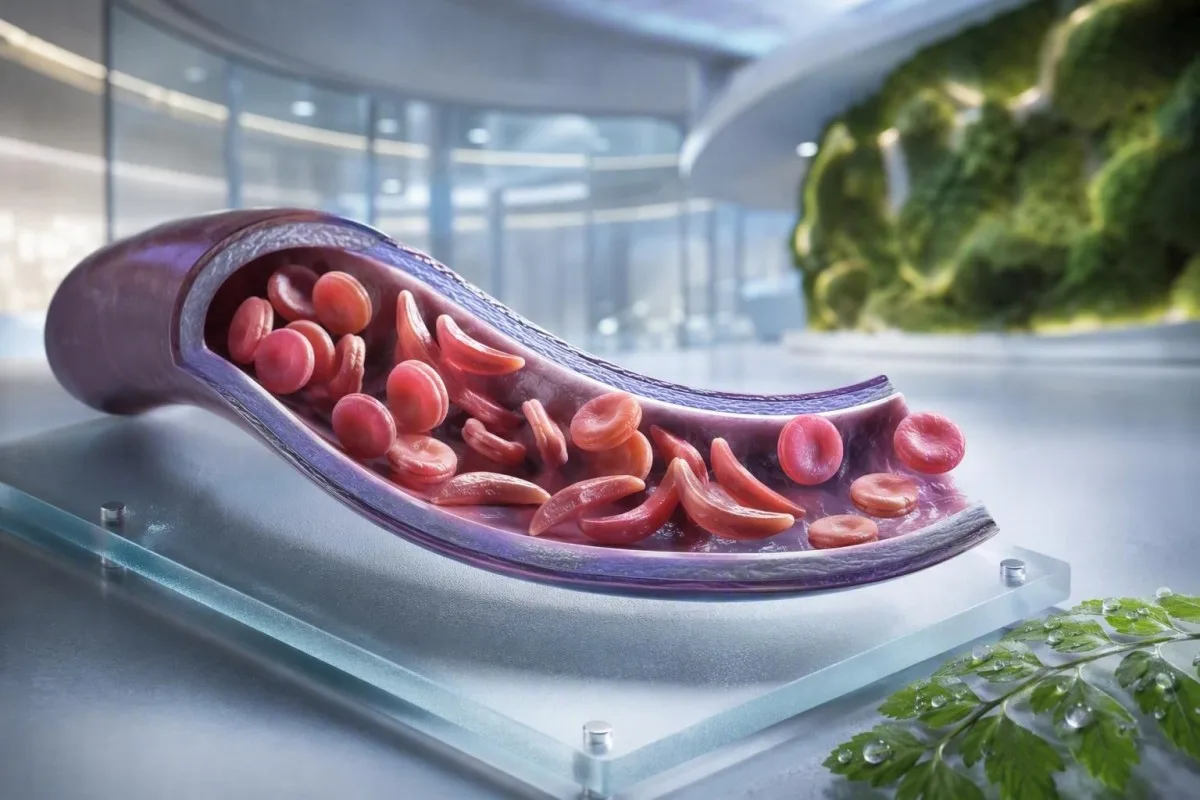
Sickle cell anemia کوئی ایک ٹیسٹ، ایک علامت، یا ایک سطح کی ہنگامی صورتحال نہیں ہے۔ یہ مریض پر مبنی رہنما خطوط کیریئر کی حالت، تصدیق شدہ بیماری، معمول کی نگرانی اور ایسی صورتحال کو الگ کرتا ہے جن میں ہنگامی دیکھ بھال کی ضرورت ہوتی ہے۔.


- Sickle cell trait کا مطلب ہے ایک HbS جین؛ یہ عام طور پر دائمی انیمیا یا بار بار ہونے والے درد کے بحران کا سبب نہیں بنتا ہے۔.
- نومولود کی جانچ زیادہ تر متاثرہ شیرخواروں کی علامات شروع ہونے سے پہلے ہی نشاندہی کرتا ہے، جس سے پینسلین اور ماہر کی فالو اپ جلدی شروع ہو سکتی ہے۔.
- ہیموگلوبن الیکٹروفوریسس ہیموگلوبن کی اقسام کو الگ کرتا ہے اور HbSS, HbSC, HbS-beta thalassemia، یا کیریئر کی حالت کی تصدیق میں مدد کرتا ہے۔.
- شدید سینے کا درد، سانس کی قلت، 38.5°C یا اس سے زیادہ بخار، الجھن، یا نئی کمزوری sickle cell disease والے شخص میں فوری ہنگامی تشخیص کی ضرورت ہوتی ہے۔.
- شدید سینے کا سنڈروم کھانسی، بخار، سینے میں درد، یا کم آکسیجن کے ساتھ شروع ہو سکتا ہے اور دنوں کے بجائے گھنٹوں میں بگڑ سکتا ہے۔.
- ہیموگلوبن میں 2 g/dL یا اس سے زیادہ کی اچانک کمی کسی شخص کی معمول کی سطح سے کمی اپلسٹک بحران، تخفیف، خون بہنے، یا تیز ہیمولائسز کی نشاندہی کر سکتی ہے۔.
- ریٹیکولوسائٹ کاؤنٹ اپلسٹک بحران سے فعال بون میرو کے ردعمل کو ممتاز کرنے میں مدد کرتا ہے؛ بگڑتی ہوئی انیمیا کے دوران کم گنتی ایک وارننگ پیٹرن ہے۔.
- ہائیڈروکسی یوریا ایک بیماری میں ترمیم کرنے والی دوا ہے، نہ کہ صرف درد کی دوا؛ خوراک کی ایڈجسٹمنٹ کے دوران عام طور پر ہر 4 ہفتے بعد مکمل خون کی گنتی کی نگرانی شامل ہوتی ہے۔.
Sickle cell anemia کا کیا مطلب ہے - اور کیا نہیں
سکل سیل انیمیا سے مراد عام طور پر HbSS بیماری ہے۔, ، جہاں کوئی شخص دو جینز کا وارث ہوتا ہے جو ہیموگلوبن S پیدا کرتے ہیں؛ سرخ خلیے سخت ہو سکتے ہیں، جلدی ٹوٹ سکتے ہیں، اور چھوٹی نالیوں کو روک سکتے ہیں۔. سکل سیل ٹریٹ مختلف ہے۔: ایک HbS جین عام طور پر جینیاتی طور پر منتقل کرنے کے لیے کافی ہوتا ہے لیکن HbSS میں نظر آنے والی دائمی انیمیا اور بار بار ہونے والے واسو-اوبسٹرکٹیو ایپی سوڈ کا سبب بننے کے لیے کافی نہیں ہوتا ہے۔.
سکل سیل بیماری ایک چھتری کی اصطلاح ہے جس میں HbSS، HbSC، HbS-beta-zero thalassemia، اور HbS-beta-plus thalassemia شامل ہیں۔ HbSS اکثر سب سے زیادہ نمایاں انیمیا کا سبب بنتا ہے، لیکن شدت ایک ہی خاندان میں بھی بہت زیادہ مختلف ہوتی ہے۔ 7.5 g/dL کا بیس لائن ہیموگلوبن ایک بالغ کے لیے مستحکم ہو سکتا ہے اور دوسرے کے لیے خطرناک اگر یہ تیزی سے گرا ہو۔.
ہیموگلوبن S میوٹیشن بیٹا-گلوبن میں ایک امینو ایسڈ کو بدلتا ہے: ویلین پوزیشن 6 پر گلوٹامک ایسڈ کی جگہ لیتا ہے۔ کم آکسیجن، پانی کی کمی، ایسڈوسس، یا بخار کے تحت، HbS مالیکیول خلیے کے اندر پولیمرائز ہو سکتے ہیں۔ وہ جسمانی تبدیلی بتاتی ہے کہ طویل پرواز، گیسٹرو انٹیسٹائل بیماری، یا خراب سیال کی مقدار والی رات کے بعد بحران کیوں پیدا ہو سکتا ہے۔.
Kantesti AI ایک اے آئی بلڈ ٹیسٹ تجزیہ کار جو CBC، بلیروبن، LDH، ریٹیکولوسائٹ، کریٹینائن، اور پچھلے نتائج کو ایک طولانی نظارے میں رکھتا ہے؛ یہ صرف CBC سے سکل سیل بیماری کی تشخیص نہیں کرتا ہے۔ ہیموگلوبن کی رپورٹنگ پر عملی ریفریشر کے لیے، دیکھیں کہ HGB کا کیا مطلب ہے.
4 ستمبر 2026 تک، میں اب بھی ایسے مریضوں کو دیکھتا ہوں جنہیں غلطی سے یہ بتایا جاتا ہے کہ ٹریٹ اور بیماری ایک دوسرے کے بدلے استعمال کیے جا سکتے ہیں۔ وہ نہیں ہیں۔ ڈاکٹر تھامس کلائن کا کلینیکل اصول سادہ ہے: درست ہیموگلوبن جین ٹائپ پوچھیں، نہ کہ ایک مبہم بیان کہ ٹیسٹ “مثبت” تھا۔”
جین ٹائپ کیئر کو کیوں بدلتا ہے۔
HbSC کا HbSS سے زیادہ ہیموگلوبن ہو سکتا ہے پھر بھی ریٹینل پیچیدگیاں، درد، یا ایواسکولر نیکروسس کا سبب بن سکتا ہے۔ HbS-beta تھیلاسیمیا ٹریٹ یا HbSS سے مشابہت کر سکتا ہے اس بات پر منحصر ہے کہ بیٹا-گلوبن کی پیداوار جزوی طور پر موجود ہے یا نہیں، اسی لیے مالیکیولر ٹیسٹنگ کبھی کبھی ایک مبہم الیکٹروفورسس پیٹرن کو حل کرتی ہے۔.
عمر اور بنیادی حیثیت کے لحاظ سے Sickle cell disease کی علامات
سکل سیل بیماری کی علامات میں عام طور پر وقفے وقفے سے ہڈی یا سینے کا درد، تھکاوٹ، پیلا یرقان، سانس کی قلت، تاخیر سے نشوونما، اور بار بار انفیکشن شامل ہوتے ہیں۔, ، لیکن کوئی بھی دو لوگ ایک ہی پیٹرن کا تجربہ نہیں کرتے ہیں۔ علامات عام طور پر 4 سے 6 ماہ کی عمر کے بعد ظاہر ہوتی ہیں کیونکہ جنین کا ہیموگلوبن ابتدائی طور پر نوزائیدہ بچوں کو HbS پولیمرائزیشن سے بچاتا ہے۔.
ڈیکٹیلائٹس - ہاتھوں یا پاؤں کی سوجن - نوزائیدہ بچوں میں پہلا نظر آنے والا نشان ہو سکتا ہے۔ اسکول جانے والے بچوں میں، پیٹ میں درد کو خاص توجہ کی ضرورت ہوتی ہے کیونکہ قبض، گیل بلڈر کی بیماری، تلی کا بڑھنا، اور واسو-اوبسٹرکشن گھر پر حیرت انگیز طور پر ایک جیسی محسوس ہو سکتی ہے۔.
سکل سیل بیماری میں پیلا یرقان سرخ خون کے خلیوں کے ٹوٹنے اور بالواسطہ بلیروبن میں اضافے کی عکاسی کرتا ہے۔ اس کا مطلب خود بخود ہیپاٹائٹس نہیں ہے۔ سیاہ پیشاب، پیلے رنگ کا پاخانہ، خارش، بخار، یا اوپری دائیں پیٹ میں درد اس تشخیص کو بدل دیتے ہیں اور جگر اور پتتاشی کی وجوہات کی جانچ کی ضرورت ہوتی ہے۔ ہمارے گائیڈ کے مطابق براہ راست بلیروبن پیٹرن فرق کو واضح کرتا ہے۔.
بالغ افراد درد کو معمول پر لا سکتے ہیں جو بتدریج زیادہ بار ہو گیا ہے۔ میرے تجربے میں، سالانہ دو گھر میں انتظام شدہ اقساط سے دو ماہانہ اقساط کی طرف تبدیلی طبی لحاظ سے معنی خیز ہے چاہے ہنگامی دوروں میں اضافہ نہ ہوا ہو۔ نیند میں خلل، چھوٹا ہوا کام، عضو تناسل کے مسائل، کم موڈ، اور ورزش کی صلاحیت میں کمی کو دستاویز کیا جانا چاہیے کیونکہ وہ اکثر علاج میں باقاعدہ تبدیلی سے پہلے ہوتے ہیں۔.
HbSS میں 6 سے 9 g/dL کی ہیموگلوبن کی مقدار ایک معمول کی مستحکم رینج ہو سکتی ہے، جبکہ بیماری کے بغیر زیادہ تر لوگوں میں 10 g/dL سے کم قدر غیر متوقع ہوگی۔ نمبر اہمیت رکھتا ہے، لیکن ذاتی بیس لائن سے تبدیلی زیادہ معنی رکھتی ہے۔.
کس کو sickle cell کیریئر کی جانچ پر غور کرنا چاہئے
حمل سے پہلے یا حمل کے ابتدائی مراحل میں کسی بھی ایسے شخص کے لیے سکل سیل اسکریننگ مناسب ہے جس کی کیریئر کی حیثیت نامعلوم ہو, ، ظاہری شکل، خاندانی نام، یا سمجھی جانے والی نسل سے قطع نظر۔ کیریئر کی حیثیت وراثت میں ملتی ہے اور اکثر نوزائیدہ اسکرین یا غیر متوقع طور پر غیر معمولی ہیموگلوبن ٹیسٹ تک نامعلوم رہتی ہے۔.
اگر دونوں حیاتیاتی والدین HbS سے متعلق یا بیٹا تھیلیسیمیا ویریئنٹ کے حامل ہیں، تو ہر حمل میں طبی لحاظ سے اہم ہیموگلوبن کی حالت وراثت میں ملنے کا 25% امکان ہو سکتا ہے، جو شامل ویریئنٹ پر منحصر ہے۔ ایک کیریئر میں عام توانائی، عام CBC نتائج، اور درد کے دوروں کی کوئی تاریخ نہیں ہو سکتی ہے۔.
اسکریننگ خاص طور پر اس وقت مفید ہوتی ہے جب ایک ساتھی کے پاس HbAS، HbC ٹریٹ، بیٹا تھیلیسیمیا ٹریٹ، غیر واضح مائکروسائٹوسس، یا سِکل سیل بیماری کی خاندانی تاریخ ہو۔ کم اوسط کارپسلر حجم کو فیرٹِن کی جانچ کیے بغیر اور تھیلیسیمیا پر غور کیے بغیر آئرن کی کمی کا ذمہ دار نہیں ٹھہرایا جانا چاہئے؛ موازنہ کریں MCV اور MCH کے اشارے.
ورلڈ ہیلتھ آرگنائزیشن کی 2022 کی ایک عالمی رپورٹ میں اندازہ لگایا گیا ہے کہ ہیموگلوبن کی بیماریاں ایک بڑی موروثی بیماری کا بوجھ بنی ہوئی ہیں، خاص طور پر جہاں نوزائیدہ اسکریننگ تک رسائی غیر مساوی ہے۔ سب سے زیادہ قابل احترام طریقہ یہ ہے کہ نسل کو گیٹ کیپر کے طور پر استعمال کرنے کے بجائے باخبر اسکریننگ تک عالمی رسائی ہو۔.
کنٹیسٹی ایک ہے۔ AI خون کے ٹیسٹ کی رپورٹ کی تشریح جو سادہ زبان میں بتائے گئے HbS کے نتیجے کی وضاحت کر سکتا ہے، لیکن کیریئر کی تصدیق اور تولیدی مشاورت کے لیے ایک تسلیم شدہ لیبارٹری اور معالج کی ضرورت ہوتی ہے۔ اگر کوئی جوڑا حمل کا منصوبہ بنا رہا ہے، تو پوچھیں کہ کیا ساتھی کی جانچ اور جینیاتی مشاورت تصور سے پہلے ہو سکتی ہے بجائے اس کے کہ نتیجہ وقت کے لحاظ سے حساس ہو جائے۔.
ہیموگلوبن الیکٹروفورسس کس طرح تشخیص کی تصدیق کرتا ہے
ہیموگلوبن الیکٹروفورسس ہیموگلوبن کے حصص کو الگ کرتی ہے اور سِکل سیل انیمیا یا ٹریٹ کی تصدیق کے لیے ایک بنیادی ٹیسٹ ہے۔, ، اکثر ہائی پرفارمنس لیکویڈ کرومیٹوگرافی کے ساتھ اور، جب ضرورت ہو، جینیاتی جانچ۔ ایک معمول کا CBC HbSS یا ٹریٹ کی تصدیق نہیں کر سکتا کیونکہ آئرن کی کمی اور تھیلیسیمیا اوورلیپنگ ریڈ بلڈ سیل انڈیکس پیدا کر سکتے ہیں۔.
غیر علاج شدہ HbSS میں، الیکٹروفورسس عام طور پر زیادہ تر HbS دکھاتا ہے جس میں کوئی HbA نہیں ہوتا، حالانکہ HbF کا فیصد مختلف ہوتا ہے۔ HbAS عام طور پر HbA اور HbS دونوں دکھاتا ہے، اکثر HbA کا تناسب HbS سے زیادہ ہوتا ہے؛ ٹھیک فیصد الفا تھیلیسیمیا یا حالیہ ٹرانسفیوژن کے ساتھ بدل سکتے ہیں۔.
حالیہ ٹرانسفیوژن تقریباً 3 ماہ تک الیکٹروفورسس کے نتیجے کو گمراہ کن بنا سکتا ہے کیونکہ ڈونر HbA اب بھی گردش کر رہا ہوتا ہے۔ یہی وجہ ہے کہ HbA1c ٹرانسفیوژن کے بعد یا زیادہ ٹرن اوور والے ہیمولیسس میں اوسط گلوکوز کو کم بتا سکتا ہے؛ دیکھیں جب HbA1c گمراہ کرتا ہے.
ایک پیریفرل سمیر میں ٹارگٹ سیلز، پولی کرومسیا، اور سِکلڈ فارمز نظر آ سکتے ہیں، لیکن مائکروسکوپی فریکشن ٹیسٹنگ کی جگہ لینے کے بجائے اس کی حمایت کرتی ہے۔ ڈاکٹر کلین نے “نارمل” ایمرجنسی سمیر دیکھے ہیں جو وضاحت میں تاخیر کرتے ہیں جب مریض کو ہفتوں پہلے ٹرانسفیوژن کیا گیا تھا - ہمیشہ لیبارٹری اور ہیماتولوجی ٹیم کو ٹرانسفیوژن کے بارے میں بتائیں۔.
نوزائیدہ اسکریننگ کے طریقے طبی بیماری سے پہلے HbS کی شناخت کرتے ہیں، لیکن نتیجے کو اب بھی بروقت تصدیقی جانچ کی ضرورت ہوتی ہے۔ Yawn et al. کی 2014 کی ثبوت پر مبنی رہنمائی ابتدائی زندگی میں ماہر کی شمولیت کی سفارش کرتی ہے، جس میں پہلی بڑی پیچیدگی سے پہلے حفاظتی تدابیر شروع کی جاتی ہیں (Yawn et al.، 2014)۔.
معمول کے خون کی نگرانی: معالجین اصل میں کیا ٹرینڈ کرتے ہیں
سکل سیل کی بیماری میں معمول کی نگرانی میں عام طور پر ہیموگلوبن، ریٹیکولوسائٹس، سفید خلیات، پلیٹلیٹس، بلیروبن، LDH، گردے کے فعل، اور پیشاب کے پروٹین کا رجحان دیکھا جاتا ہے، نہ کہ کوئی ایک الگ نتیجہ۔. سب سے محفوظ موازنہ مریض کے اپنے مستحکم بیس لائن کے ساتھ ہوتا ہے، جو مثالی طور پر اس وقت لیا جاتا ہے جب وہ صحت مند ہوں اور حال ہی میں منتقل نہ ہوئے ہوں۔.
ہیمولیسس اکثر بڑھی ہوئی LDH، غیر مستقیم بلیروبن، اور ریٹیکولوسائٹس کم ہپٹوگلوبن کے ساتھ پیدا کرتا ہے۔ ہپٹوگلوبن دیگر وجوہات کی بنا پر کم ہو سکتا ہے، بشمول جگر کی بیماری، اس لیے مجموعی نمونہ کسی بھی ایک مارکر سے زیادہ مضبوط ہوتا ہے؛ ہمارا ہپٹوگلوبن تشریح کا رہنما یہ دکھاتی ہے کہ کیوں۔.
صرف ریٹیکولوسائٹ کا فیصد شدید انیمیا میں بون میرو کے ردعمل کو بڑھا سکتا ہے۔ معالج اکثر مطلق ریٹیکولوسائٹ کا شمار یا درست شدہ ریٹیکولوسائٹ ردعمل کا حساب لگاتے ہیں؛ بگڑتی ہوئی انیمیا کے دوران گرتا ہوا مطلق شمار پارووائرس B19 سے وابستہ اپلاسٹک بحران کے خدشات کو بڑھاتا ہے۔.
کنٹیسٹی ایک ہے۔ اے آئی سے چلنے والا خون کے ٹیسٹ کا تجزیہ کا آلہ جو کہ ہائی LDH کو الگ تھلگ تشخیص کے طور پر علاج کرنے کے بجائے بار بار ہیماتولوجی کے نتائج کا موازنہ کرتا ہے۔ ٹیوب میں ہیمولائزڈ کے طور پر جھنڈا لگایا گیا نمونہ جھوٹے طور پر پوٹاشیم اور LDH کو بڑھا سکتا ہے، لہذا حیران کن نتائج کے لیے دوبارہ جانچ کی ضرورت ہو سکتی ہے؛ جائزہ ہیمولیسس کے بعد دوبارہ جانچ.
ہائیڈروکسی یوریا عام طور پر وقت کے ساتھ ساتھ MCV اور HbF کو بڑھاتا ہے، جبکہ مؤثر خوراک میں نیوٹروفل کو معمولی طور پر کم کرتا ہے۔ یہ تبدیلیاں متوقع ہو سکتی ہیں، لیکن مطلق نیوٹروفل شمار جو انفرادی علاج کی حد سے کم ہو یا تیزی سے گرتا ہوا پلیٹلیٹ شمار خود سے دوائی کو ایڈجسٹ کرنے کے بجائے معالج کے جائزے کا تقاضا کرتا ہے۔.
جب درد واسو-اوکلوسیو ایپیسوڈ ہوتا ہے - اور جب یہ نہیں ہوتا ہے
واسو-آکلوisive درد اکثر گہرا، شدید، اور پیٹھ، چھاتی، کولہوں، اعضاء، یا پیٹ میں واقع ہوتا ہے، لیکن نئے درد کو خود بخود سکل کرائسس کا نام نہیں دیا جانا چاہیے۔. بخار، فوکل سوجن، چوٹ، پیٹ کی گارڈنگ، یا ایک طرفہ اعصابی علامات ان مسائل کی نشاندہی کرتی ہیں جن کے لیے مختلف ورک اپ کی ضرورت ہوتی ہے۔.
گھر کے درد کے منصوبے میں عام طور پر ابتدائی ہائیڈریشن، گرمی، تجویز کردہ درد کش ادویات، آرام، اور سکل ٹیم کے ساتھ طے شدہ ذاتی بڑھوتری کی حد شامل ہوتی ہے۔ ضرورت سے زیادہ مقدار پینا محفوظ نہیں ہے: گردے کی خرابی یا دل کی بیماری والے افراد سیال اوورلوڈ کا شکار ہو سکتے ہیں، خاص طور پر شدید بیماری کے دوران۔.
درد جو معمول کے بچاؤ کے منصوبے کے بعد بھی کنٹرول میں نہیں رہتا، سیال یا دوائیوں کو نیچے رکھنے سے روکتا ہے، یا معیار یا مقام میں مختلف ہوتا ہے اسے فوری طبی مشورہ دینا چاہیے۔ ایک سوجن، گرم جوائنٹ غیر پیچیدہ واسو-آکلوژن کے بجائے سیپٹک گٹھیا یا ہڈی کے انفیکشن کی نمائندگی کر سکتا ہے؛ ہمارا بے وجہ درد کی جانچ کا رہنما مفید ابتدائی تحقیقات کی وضاحت کرتا ہے۔.
ایمرجنسی کیئر میں، بروقت درد کش ادویات اور دوبارہ تشخیص لیبارٹری نمبر کے ذریعے درد کی شدت کو ثابت کرنے سے زیادہ اہم ہیں۔ شدید دردناک سکل قسطوں پر NICE کی رہنمائی فوری درد کش ادویات کے اندازے اور بار بار جائزے کی سفارش کرتی ہے، کیونکہ کم علاج خود ہی طویل تکلیف اور تاخیر سے صحت یابی کا سبب بنتا ہے (NICE، 2012)۔.
واسو-آکلوisive درد کے علاقے پر براہ راست ٹھنڈے پیک سے پرہیز کریں جب تک کہ آپ کی ٹیم خاص طور پر ان کا مشورہ نہ دے؛ سردی باہر کے برتنوں کو تنگ کر سکتی ہے۔ وہ عملی تفصیل معمولی لگتی ہے، لیکن بہت سے مریض مجھے بتاتے ہیں کہ کئی مشکل قسطوں کے بعد بھی کسی نے اسے نہیں سمجھایا۔.
شدید سینے کا سنڈروم: وہ ہنگامی حالت جسے بہت سے لوگ نظر انداز کر دیتے ہیں
شدید سینے کا سنڈروم سکل سیل کی بیماری والے شخص میں سینے کی امیجنگ پر ایک نیا پھیلاؤ کے ساتھ ساتھ سانس کی علامات، بخار، سینے میں درد، یا کم آکسیجن ہے، اور یہ ایک ایمرجنسی ہے۔. یہ تیزی سے بگڑ سکتا ہے، کبھی کبھی سینے کی علامات شروع ہونے کے لمحے کے بجائے درد کی قسط کے لیے داخل ہونے کے بعد۔.
سانس کی قلت، سینے میں درد، نیلا-گرے ہونٹ، بے ہوشی، بخار کے ساتھ مستقل کھانسی، یا شخص کے تجویز کردہ ہدف سے نیچے آکسیجن سنترپتی کے لیے ایمرجنسی خدمات کو کال کریں یا ایمرجنسی کیئر پر جائیں۔ 92% کا سنترپتی کسی ایسے شخص کے لیے ایک بڑا ڈراپ ہو سکتا ہے جو عام طور پر 98% پر ہوتا ہے، جبکہ کچھ مریضوں کا کم درج شدہ بیس لائن ہوتا ہے؛ مطلق قدر اور تبدیلی دونوں اہم ہیں۔.
شدید سینے کے سنڈروم میں انفیکشن، ہڈی کے گودے سے چربی کا ایمبولائزیشن، پلمونری واسکولر رکاوٹ، ایلیٹاسس، یا ایک ساتھ کئی عمل شامل ہو سکتے ہیں۔ معالج عام طور پر آکسیجنیشن، CBC، ریٹیکولوسائٹس، بخار ہونے پر کلچر، سینے کی امیجنگ، اور کبھی کبھی بلڈ گیسز کا اندازہ لگاتے ہیں؛; سانس کی قلت کے لیے خون کے ٹیسٹ ان نتائج میں سیاق و سباق شامل کرتا ہے۔.
بالغوں میں، اوپیوڈز سے زیادہ پرسکون، درد کی وجہ سے سانس لینے میں کمی، اور ضرورت سے زیادہ نس کے سیال سانس کی حالت کو خراب کر سکتے ہیں۔ منتخب دردناک قسطوں میں ہسپتال میں داخل ہونے کے دوران انسینٹیو اسپائریومیٹری پھیپھڑوں کی پیچیدگیوں کو کم کرتی ہے، حالانکہ یہ علامات شروع ہونے کے بعد فوری تشخیص کا متبادل نہیں ہے۔.
2018 کے کاٹو اور ساتھیوں کے جائزے میں شدید سینے کے سنڈروم کو زندگی بھر میں مرض اور موت کی ایک بڑی وجہ کے طور پر بیان کیا گیا ہے (Kato et al., 2018)۔ اگر سانس کی قلت، غنودگی، یا سینے کا دباؤ شدید ہو تو خود گاڑی نہ چلائیں۔.
بخار، انفیکشن اور تلی کے ہنگامی حالات
38.5°C (101.3°F) یا اس سے زیادہ بخار کی صورت میں sickle cell disease کے مریض کو فوری طور پر اسی دن طبی جانچ کی ضرورت ہوتی ہے، جب تک کہ ان کی ماہر ٹیم کی طرف سے کوئی مختلف منصوبہ نہ دیا گیا ہو۔. طحال کی مدافعتی کارکردگی کے فنکشنل نقصان کی وجہ سے کچھ بیکٹیریل انفیکشن عام وائرل بخار کی نسبت بہت تیزی سے بڑھ سکتے ہیں۔.
بخار کے ساتھ سستی، جلد پر دانے، کم بلڈ پریشر، الجھن، یا پیشاب کی مقدار میں کمی ہونے پر فوری طبی امداد کی ضرورت ہوتی ہے۔ سفید خلیات کی گنتی کا عام نظر آنا sickle cell disease میں سنگین انفیکشن کو، خاص طور پر بیماری کے ابتدائی مراحل میں یا hydroxyurea کے علاج کے دوران، قابل اعتماد طریقے سے خارج نہیں کرتا ہے۔.
Splenic sequestration زیادہ تر چھوٹے بچوں میں ہوتا ہے اور اس کی وجہ سے طحال میں اچانک سوجن، رنگت کا پیلا پڑنا، پیٹ کا بھرا ہوا محسوس ہونا، تیز سانس لینا، اور ہیموگلوبن میں تیزی سے کمی واقع ہوتی ہے۔ والدین کو بعض اوقات یہ سکھایا جاتا ہے کہ وہ اپنے بچے کے طحال کو کیسے محسوس کریں، لیکن بیماری کے ساتھ کوئی بھی نئی سوجن بار بار گھر پر جانچ کے بجائے فوری جانچ کا باعث بننی چاہیے۔.
2 g/dL یا اس سے زیادہ ہیموگلوبن کی کمی جو معمول کے بیس لائن سے کم ہو، طحال کے سائز میں اضافے کے ساتھ، sequestration کے لیے تشویشناک ہے۔ اس کے برعکس، بہت کم reticulocyte count کے ساتھ شدید انیمیا aplastic crisis کا مشورہ دے سکتا ہے، جو اکثر parvovirus B19 سے متعلق ہوتا ہے؛; reticulocyte count کی تشریح marrow signal کی وضاحت کرتا ہے۔.
Sepsis لیبارٹری ٹیسٹوں میں lactate, cultures, CBC, گردے کے ٹیسٹ، اور سوزش کے مارکر شامل ہو سکتے ہیں، لیکن علاج کے فیصلے کبھی بھی تمام نتائج کے آنے کا انتظار نہیں کرنے چاہییں۔ فوری نمونوں کے بارے میں جاننے کے لیے، sepsis marker clues.
ویکسین اور حفاظتی اینٹی بائیوٹکس
ویکسین اور بچپن میں پینسلن پروفیلیکسس خطرے کو کم کرتے ہیں لیکن بخار کو کم خطرے والا نہیں بناتے ہیں۔ اپنے مخصوص منصوبے کی تصدیق ایک ہیماتولوجی یا پیڈیاٹرک ٹیم سے کروائیں، خاص طور پر splenectomy، سفر، ایک نئے بچے کی پیدائش، یا مقامی حفاظتی ٹیکہ جات کے شیڈول میں تبدیلی کے بعد۔.
فالج اور اعصابی انتباہی علامات کے لیے فوری کارروائی کی ضرورت ہوتی ہے
sickle cell disease میں چہرے کا اچانک لٹک جانا، بازو یا ٹانگ کی کمزوری، تقریر میں دشواری، دورے پڑنا، شدید غیر معمولی سر درد، الجھن، یا توازن کا ختم ہونا، ان سب کو ممکنہ اسٹروک ایمرجنسی کے طور پر سمجھا جانا چاہیے۔. فوری طور پر ایمرجنسی سروسز کو کال کریں؛ علامات کے گزرنے کا انتظار نہ کریں یا پہلے درد کی دوا نہ دیں۔.
HbSS یا HbS-beta-zero thalassemia والے بچوں کو عام طور پر 2 سال کی عمر سے 16 سال کی عمر تک transcranial Doppler ultrasound اسکریننگ کی پیشکش کی جاتی ہے۔ 200 cm/second یا اس سے زیادہ کی غیر معمولی time-averaged mean maximum velocity فالج کے خطرے میں نمایاں اضافہ کی نشاندہی کرتی ہے اور اس کے لیے فوری ماہرانہ مداخلت کی ضرورت ہوتی ہے۔.
دائمی ٹرانسفیوژن تھراپی Doppler کے غیر معمولی نتائج والے بچوں میں پہلے فالج کے خطرے کو کم کر سکتی ہے، لیکن یہ اضافی ضروریات پیدا کرتی ہے: آئرن اوورلوڈ کی نگرانی، اینٹی باڈی اسکریننگ، اور ڈونر سیلز کی احتیاط سے میچنگ۔ یہ ایک خصوصی نگہداشت ہے، کوئی ایسا نتیجہ نہیں جسے ایپ کے ذریعے سنبھالا جا سکے۔.
بالغوں کو کلاسیکی ڈرامائی فالج کے بغیر بھی عارضی اعصابی علامات، علمی تبدیلیاں، یا خاموش دماغی چوٹ ہو سکتی ہے۔ لفظ تلاش کرنے میں دشواری کا 10 منٹ کا واقعہ اب بھی ایمرجنسی جانچ کی ضرورت ہے کیونکہ عارضی اسکیمک علامات ایک انتباہ ہو سکتی ہیں، نہ کہ یقین دہانی۔.
ڈاکٹر تھامس کلین خاندانوں کو مشورہ دیتے ہیں کہ وہ درد کے معمول کے منصوبے کے ساتھ ساتھ اپنے مقامی sickle emergency رابطہ نمبر کو محفوظ رکھیں۔ یہ ان چند منٹوں کے دوران ایک فیصلہ ختم کر دیتا ہے جب بچہ یا بالغ بات چیت کرنے میں جدوجہد کر رہا ہو سکتا ہے۔.
بحرانوں کے درمیان گردوں، آنکھوں اور پھیپھڑوں کی حفاظت
sickle cell disease گردوں، ریٹنا، پھیپھڑوں اور دل کو نقصان پہنچا سکتا ہے جب درد کم ہوتا ہے، اس لیے اعضاء کی باقاعدگی سے نگرانی علاج کا حصہ ہے نہ کہ اختیاری اضافہ۔. پیشاب میں البومین کی جانچ، بلڈ پریشر کی جانچ، آنکھوں کے معائنے، اور علامات کی بنیاد پر پھیپھڑوں کی جانچ پیچیدگیوں کو ظاہر ہونے سے پہلے پہچان لیتی ہے۔.
پیشاب میں البومینوریا sickle nephropathy کی ابتدائی علامت ہو سکتی ہے۔ زیادہ تر بالغوں میں 30 mg/g یا اس سے زیادہ کا پیشاب میں البومین-to-creatinine تناسب غیر معمولی ہوتا ہے اور اس کی تصدیق دوبارہ جانچ سے ہونی چاہیے کیونکہ بخار، ورزش، حیض، اور پانی کی کمی اسے عارضی طور پر بڑھا سکتے ہیں۔.
sickle cell disease میں creatinine دھوکہ دہی سے نارمل نظر آ سکتا ہے کیونکہ بڑ ھے ہوئے ٹیوبولر سکریشن اور کم پٹھوں کے ماس فلٹریشن میں کمی کو چھپا سکتے ہیں۔ Cystatin C یا مشترکہ مساواتیں مفید سیاق و سباق شامل کر سکتی ہیں، جبکہ مستقل جھاگ دار پیشاب جانچ کا مستحق ہے؛ پیشاب میں پروٹین کی رہنمائی.
ریٹینوپیتھی خاص طور پر HbSC بیماری میں اہم ہے، جو دوسری صورتوں میں کلینیکل طور پر پرسکون ہو سکتی ہے۔ نئے تیرتے ہوئے داغ، چمک، پردے جیسی بصری تبدیلی، یا اچانک دھندلی نظر کو ہفتوں بعد معمول کے معائنے کے بجائے فوری آنکھوں کے معائنے کی ضرورت ہوتی ہے۔.
حمل میں فزیولوجک ہائپر فلٹریشن اور ماں کے لیے زیادہ خطرہ شامل ہوتا ہے، اس لیے گردوں اور پیشاب کا بنیادی جائزہ جلد ہونا چاہیے۔ حمل میں GFR کی تبدیلیاں متوقع تبدیلی کو تشویشناک رجحان سے ممتاز کرنے میں مدد ملتی ہے۔.
علاج کے اختیارات، ہائیڈروکسی یوریا اور ٹرانسفیوژن کی حفاظت
ہائیڈروکسی یوریا بہت سے HbSS یا HbS-beta-zero تھیلاسیمیا والے لوگوں کے لیے جنین ہیموگلوبن میں اضافہ کرکے دردناک دوروں اور شدید سینے کے سنڈروم کو کم کرتا ہے، لیکن اس کے لیے منظم نگرانی کی ضرورت ہوتی ہے۔. ٹرانسفیوژن منتخب پیچیدگیوں کے لیے جان بچا سکتی ہے، پھر بھی بار بار ٹرانسفیوژن لوہے کے بوجھ اور سرخ خون کے خلیات کے اینٹی باڈی کے خطرات لاتے ہیں۔.
ہائیڈروکسی یوریا عام طور پر تقریباً ہر 4 ہفتوں میں CBC اور ریٹیکولوسائٹ گنتی کے ساتھ کیا جاتا ہے جب تک کہ ایک مستحکم خوراک حاصل نہ ہو جائے، پھر علاج کرنے والی ٹیم کے ذریعے طویل وقفوں پر۔ ایک بلند MCV اکثر علاج کے اثر کی توقع کی جاتی ہے، جبکہ شدید سائٹوپینیا کے لیے ادویات کے جائزے اور کبھی کبھار عارضی طور پر روکنے کی ضرورت ہوتی ہے۔.
سادہ ٹرانسفیوژن آکسیجن لے جانے کی صلاحیت کو بڑھاتا ہے، لیکن زیادہ ہیموگلوبن کی زیادہ مقدار HbSS میں viscosity کو بڑھا سکتی ہے۔ بہت سے شدید پروٹوکول پوسٹ-ٹرانسفیوژن ہیموگلوبن کو 10 g/dL سے زیادہ بڑھانے سے گریز کرتے ہیں جب تک کہ کوئی ماہر مختلف ہدف مقرر نہ کرے؛ ایکسچینج ٹرانسفیوژن منتخب شدید پیچیدگیوں کے لیے استعمال کیا جاتا ہے۔.
بار بار ٹرانسفیوژن کے بعد لوہے کا زیادہ بوجھ زیادہ امکان کے ساتھ ہوتا ہے اور جب مناسب ہو تو فیریٹن کے رجحانات کے ساتھ ساتھ جگر یا دل کے MRI سے اس کا اندازہ لگایا جاتا ہے۔ فیریٹن سوزش کے ساتھ بڑھتا ہے، اس لیے ایک ہی بلند سطح ٹشو کے لوہے کے بوجھ کا ثبوت نہیں ہے؛ ہمارا آئرن اسٹڈیز گائیڈ حدود بیان کرتے ہیں۔.
HbSS اور HbS-beta-zero بیماری میں ہائیڈروکسی یوریا کے لیے سب سے مضبوط ثبوت موجود ہیں۔ HbSC میں فائدہ ایک ایسا علاقہ ہے جس میں کم یقینیت اور زیادہ انفرادی فیصلہ سازی شامل ہے۔ ادویات کے منصوبے میں متعلقہ صورتوں میں مانع حمل اور حمل کے بارے میں بات چیت، پابندی کی رکاوٹیں، اور چھوٹی خوراکوں کے لیے ایک تحریری منصوبہ شامل ہونا چاہیے۔.
HbS کے ساتھ حمل، زرخیزی اور خاندانی منصوبہ بندی
سیسل سیل بیماری کے ساتھ حمل کے لیے امراض نسواں اور امراض خون کے ماہرین کی جلد مشترکہ دیکھ بھال کی ضرورت ہوتی ہے کیونکہ درد کے دوروں، انیمیا، تھرومبوسس، انفیکشن، پری ایکلمپسیا، جنین کی نشوونما میں رکاوٹ اور وقت سے پہلے پیدائش کے خطرات زیادہ ہوتے ہیں۔. حمل سے پہلے کیریئر اسکریننگ اہم ہے کیونکہ جینیاتی خطرہ دونوں حیاتیاتی والدین پر منحصر ہوتا ہے۔.
حمل سے پہلے کے دورے میں جینو ٹائپ، بنیادی ہیموگلوبن، گردے کے فعل، پیشاب میں البومن، بلڈ پریشر، ٹرانسفیوژن کی تاریخ، سرخ خون کے خلیات کے اینٹی باڈیز، ویکسینیشن، اور ادویات کا جائزہ لینا چاہیے۔ حمل میں ہائیڈروکسی یوریا کے فیصلے انفرادی ہوتے ہیں اور ماہرین کے ساتھ کیے جانے چاہئیں؛ صرف انٹرنیٹ کی مشورے کی بنیاد پر اسے بند یا دوبارہ شروع نہ کریں۔.
HbSS میں کم ہیموگلوبن کے لیے لوہا خود بخود تجویز نہیں کیا جانا چاہیے۔ آئرن کی کمی ساتھ ساتھ ہو سکتی ہے، خاص طور پر حمل یا بھاری ماہواری کے خون کے ساتھ، لیکن فیریٹن اور ٹرانسفرین سنترپتی کو علاج کی رہنمائی کرنی چاہیے کیونکہ دائمی ہیمولیسس اکیلے آئرن کی کمی کے برابر نہیں ہے۔.
جب دونوں والدین متعلقہ ہیموگلوبن کے تغیرات رکھتے ہیں، تو جینیاتی مشاورت قدرتی تصور، قبل از پیدائش تشخیصی انتخاب، ڈونر کے اختیارات، اور امپلانٹیشن سے پہلے جینیاتی جانچ کی وضاحت کر سکتی ہے بغیر کسی خاندان کو ایک فیصلے کی طرف راغب کیے۔ مقصد باخبر انتخاب ہے، نہ کہ الارم۔.
حمل کے دیگر عملی لیبارٹری ریڈ فلیگز کے لیے، دیکھیں اسی دن حمل کے لیب کے خدشات. زچگی کے ہر ہینڈ اوور میں مریض کی معلوم بیس لائن شامل کی جانی چاہیے؛ یہ ہیموگلوبن کے نتیجے کی تشریح کو بدل دیتا ہے۔.
ملاقاتوں کے درمیان لیبارٹری کے نتائج کو محفوظ طریقے سے استعمال کرنا
ایک سیسل سیل لیبارٹری کا نتیجہ آپ کے جینو ٹائپ، مستحکم بیس لائن، علامات، علاج، اور حالیہ ٹرانسفیوژن کے مقابلے میں سب سے زیادہ مفید ہوتا ہے۔. HbSS والے شخص کے لیے بلند بلیروبن یا کم ہیموگلوبن متوقع ہو سکتا ہے لیکن وہی شخص اگر نتیجہ اچانک بدل جائے تو اس کے لیے فوری طور پر ہونا چاہیے۔.
جینو ٹائپ، عام ہیموگلوبن، عام آکسیجن سنترپتی اگر معلوم ہو، بلڈ گروپ اور اینٹی باڈیز، موجودہ ادویات، ٹرانسفیوژن کی تاریخیں، اور ہنگامی رابطوں کا ایک صفحے کا ریکارڈ رکھیں۔ یہ نامانوس ہنگامی شعبوں میں وقت بچاتا ہے اور نئے دریافت شدہ انیمیا کے لیے HbSS بیس لائن کو غلط سمجھنے کے امکان کو کم کرتا ہے۔.
کنٹیسٹی ایک ہے۔ اے آئی لیب ٹیسٹ کی تشریح کی خدمت جو اپلوڈ شدہ لیبارٹری رپورٹس کو منظم کر سکتا ہے اور ہیمولیسس مارکر، گردے کے رجحانات، اور ادویات کی نگرانی سمیت بات چیت کے لیے پیٹرن کو نمایاں کر سکتا ہے۔ یہ آپ کی سینے کو نہیں دیکھ سکتا، آکسیجن کی پیمائش نہیں کر سکتا، یا شدید سینے کے سنڈروم، سیپسس، یا فالج کی طرف اشارہ کرنے والی علامات کے لیے ہنگامی دیکھ بھال کی جگہ نہیں لے سکتا۔.
لیبارٹری کے حوالہ جات کے وقفے سے باہر کا نتیجہ خود بخود خطرناک نہیں ہوتا، اور اس کے اندر کا نتیجہ پھر بھی خطرناک ہو سکتا ہے اگر اس میں تیزی سے تبدیلی آئی ہو۔ رپورٹنگ کے نشانات اور حوالہ جات کے وقفوں کی وضاحت کے لیے، پڑھیں حد سے باہر کے نتیجے کا مطلب.
Kantesti کا طبی طریقہ کار متعین طریقوں اور حدود کے خلاف جائزہ لیا جاتا ہے؛ وہ قارئین جو ہمارے حفاظتی اقدامات کو سمجھنا چاہتے ہیں وہ جائزہ لے سکتے ہیں کلینیکل ویلیڈیشن معیار. ۔ اپنی ہیماتولوجی ملاقات میں اصل پی ڈی ایف لائیں — OCR مفید ہے، لیکن ماخذ رپورٹ ریکارڈ رہتی ہے۔.
sickle cell disease کے لیے ایک واضح ہنگامی ایکشن پلان
سینے میں درد یا سانس لینے میں دشواری، 38.5°C یا اس سے زیادہ بخار، اعصابی علامات، بے ہوشی، شدید پیلا پن، بے قابو درد، تیزی سے بڑھتا ہوا پیٹ، یا پینے اور دوا لینے سے قاصر ہونے کے لیے فوری مدد لیں۔. یہ انتباہی نشانیاں شدید سینے کا سنڈروم، سیپسس، فالج، شدید انیمیا، یا طحال کے اخراج کی نشاندہی کر سکتی ہیں۔.
ہنگامی عملے کو بتائیں کہ آپ کو ہسیہ خلیہ کی بیماری ہے، اگر معلوم ہو تو اپنا جینیاتی قسم بتائیں، اور بتائیں کہ آپ کے معمول کے دورے سے کیا مختلف ہے۔ حالیہ ٹرانسفیوژن، بنیادی ہیموگلوبن، خوراک اور وقت کے ساتھ پہلے سے لی گئی درد کی دوائیں، الرجی، حمل، اور کسی بھی سابقہ شدید سینے کے سنڈروم یا فالج کا ذکر کریں۔.
سینے کی علامات کے بگڑنے پر گھر کے پلس آکسیمیٹر کے غیر معمولی ہونے کا انتظار نہ کریں۔ صارف کے آلات سرد انگلیوں، ناخنوں کی مصنوعات، حرکت، خراب گردش، اور جلد کے کچھ رنگوں کے ساتھ غلط پڑھ سکتے ہیں؛ علامات اور طبی تشخیص ایک تسلی بخش ڈسپلے سے زیادہ اہم ہیں۔.
اگر آپ کسی بچے کی دیکھ بھال کرتے ہیں، تو ان کی ٹیم سے تحریری بخار کی حد، درد निवारک منصوبہ، اور طحال کی جانچ کی ہدایات کے بارے میں پوچھیں۔ اگر آپ بالغ ہیں، تو ایک کاپی اپنے فون میں رکھیں اور اسے ایک قابل اعتماد شخص کے ساتھ شیئر کریں؛; خاندانی صحت کا ریکارڈ پلاننگ اسے آسان بنا سکتا ہے۔.
Kantesti کی طبی ٹیم، بشمول ہماری میڈیکل ایڈوائزری بورڈ, لیبارٹری تشریح کے ارد گرد تعلیم کی حمایت کرتی ہے، جبکہ ہنگامی فیصلے ذاتی طبی خدمات سے تعلق رکھتے ہیں۔ ہماری تنظیم اور طبی مشن کے بارے میں، دیکھیں ہماری ٹیم اور طریقہ کار.
اکثر پوچھے گئے سوالات
بچوں镰状细胞贫血的早期症状是什么?
sickle cell anemia کی ابتدائی علامات اکثر 4 سے 6 ماہ کی عمر کے بعد ظاہر ہوتی ہیں، جب فیٹل ہیموگلوبن قدرتی طور پر کم ہو جاتا ہے۔ ہاتھوں اور پاؤں کی دردناک سوجن، جسے dactylitis کہتے ہیں، بخار، غیر معمولی بے چینی، رنگت کا پھیکا پڑنا، یرقان، ناقص خوراک، اور پیٹ کا پھولنا ابتدائی انتباہی علامات ہیں۔ sickle cell disease والے شیر خوار بچے میں 38.5°C (101.3°F) یا اس سے زیادہ بخار کو فوری طور پر اسی دن طبی تشخیص کی ضرورت ہوتی ہے کیونکہ سنگین انفیکشن تیزی سے بڑھ سکتا ہے۔ نوزائیدہ اسکریننگ علامات شروع ہونے سے پہلے متاثرہ شیر خوار بچوں کی نشاندہی کرتی ہے، لیکن تصدیقی جانچ اور ماہر کی فالو اپ ضروری ہے۔.
کیا sickle cell trait کے باوجود علامات ظاہر ہو سکتی ہیں؟
درحقیقت، زیادہ تر لوگوں میں جن میں سِکل سیل ٹریٹ ہوتا ہے، دائمی خون کی کمی، بار بار درد کے دورے، اور ورزش کی معمول کی برداشت نہیں ہوتی۔ شدید پانی کی کمی، شدید گرمی، بلند مقام، بہت زیادہ مشقت، یا کم آکسیجن والے ماحول میں نادر پیچیدگیاں ہو سکتی ہیں، اور پیشاب میں خون کا بصری جائزہ لیا جانا چاہیے نہ کہ اسے معمولی سمجھا جائے۔ ٹریٹ کا مطلب ہے ایک HbS جین، جبکہ سِکل سیل انیمیا سے عام طور پر دو متاثرہ بیٹا-گلوبن جین کے ساتھ HbSS بیماری مراد ہوتی ہے۔ ہیموگلوبن الیکٹروفورسس یا اس کے مساوی فریکشنشن ٹیسٹ سے اس فرق کو واضح کیا جا سکتا ہے۔.
کون سا ٹیسٹ sickle cell anemia کی تصدیق کرتا ہے؟
ہیموگلوبن الیکٹروفورسس، ہائی پرفارمنس لیکوِڈ کرومیٹوگرافی، یا کیپِلری الیکٹروفورسس موجود ہیموگلوبن فریکشنز کی تصدیق کرتا ہے اور یہ sickle cell anemia کی تشخیص میں مرکزی حیثیت رکھتا ہے۔ غیر علاج شدہ HbSS میں عام طور پر ہیموگلوبن A کے بغیر زیادہ تر ہیموگلوبن S دکھایا جاتا ہے، جبکہ trait میں عام طور پر ہیموگلوبن A اور ہیموگلوبن S دونوں دکھائے جاتے ہیں۔ ایک CBC انیمیا یا چھوٹی سرخ خلیات کی شناخت کر سکتا ہے لیکن یہ خود سے HbSS، HbSC، یا trait کی تشخیص نہیں کر سکتا۔ حالیہ ٹرانسفیوژن تقریباً 3 ماہ تک فریکشن کے نتائج کو بگاڑ سکتی ہے، لہذا جب پیٹرن غیر واضح ہو تو مالیکیولر ٹیسٹنگ کی ضرورت پڑ سکتی ہے۔.
کسیگھ کہل کے مرض میں مبتلا شخص کو ایمرجنسی ڈپارٹمنٹ کب جانا چاہئے؟
sickle cell disease میں مبتلا شخص کو 38.5°C (101.3°F) یا اس سے زیادہ بخار، سینے میں درد، سانس لینے میں دشواری، کم آکسیجن، اچانک کمزوری، تقریر میں دشواری، دورے، بے ہوشی، تیزی سے بگڑتی رنگت، پیٹ کا شدید پھول جانا، یا اس منصوبے سے بے قابو درد کی صورت میں فوری طبی امداد حاصل کرنی چاہیے۔ یہ علامات شدید سینے کا سنڈروم، انفیکشن، فالج، طحال کی علیحدگی، یا ہیموگلوبن میں اچانک کمی کا اشارہ کر سکتی ہیں۔ نئی یا مختلف درد کی بھی تشخیص کی ضرورت ہوتی ہے کیونکہ ہڈیوں کا انفیکشن، पितتاشی کی بیماری، اپینڈیسائٹس، اور خون کے لوتھڑے واسو-اوکلوسیو درد کی نقل کر سکتے ہیں۔ اگر اعصابی یا تنفسی علامات نمایاں ہوں تو خود گاڑی نہ چلائیں۔.
سکل سیل کی بیماری میں ہیموگلوبن کی کون سی سطح خطرناک ہوتی ہے؟
سکل سیل بیماری میں ہیموگلوبن کی کوئی ایک خطرناک تعداد نہیں ہوتی ہے کیونکہ HbSS والے بہت سے لوگ تقریباً 6 اور 9 g/dL کے درمیان مستحکم حالت میں ہوتے ہیں۔ کسی فرد کے معمول کے ہیموگلوبن سے 2 g/dL یا اس سے زیادہ کی کمی اکثر مطلق قدر سے زیادہ تشویشناک ہوتی ہے اور یہ اپاسٹک کرائسز، اسپلینِک سیکوسٹریشن، خون بہنے، یا تیز ہیمولیسس کی نشاندہی کر سکتی ہے۔ سانس لینے میں دشواری، بے ہوشی، سینے میں درد، تیز دھڑکن، یا الجھن جیسی شدید علامات کے لیے کسی بھی ہیموگلوبن کی سطح پر فوری تشخیص کی ضرورت ہوتی ہے۔ ٹرانسفیوژن کے فیصلے علامات، بیس لائن، انیمیا کی وجہ، آکسیجنیشن، اور ہائپر وسکوسیٹی کے خطرے پر منحصر ہوتے ہیں۔.
کیا ہائیڈروکسی یوریا سکل سیل انیمیا کا علاج کرتا ہے؟
ہائڈروکسیوریا sickle cell anemia کا علاج نہیں کرتا ہے، لیکن یہ بہت سے لوگوں کے لیے درد کے دوروں، شدید سینے کے سنڈروم، خون کی منتقلی کی ضرورت، اور ہسپتال میں داخلے کو کم کر سکتا ہے جنہیں HbSS یا HbS-beta-zero تھیلاسیمیا ہے۔ یہ جزوی طور پر جنین ہیموگلوبن میں اضافہ کرکے کام کرتا ہے اور عام طور پر خوراک کو ایڈجسٹ کرتے وقت تقریباً ہر 4 ہفتے بعد CBC اور reticulocyte کی نگرانی کی ضرورت ہوتی ہے۔ بڑھتا ہوا MCV اور HbF کی سطح حیاتیاتی اثر کی نشاندہی کر سکتی ہے، حالانکہ کوئی بھی نتیجہ مکمل پابندی کو ثابت نہیں کرتا ہے۔ علاج کے طریقے جیسے کہ stem-cell transplantation اور کچھ gene-based therapies کے لیے خصوصی اہلیت کا اندازہ اور طویل مدتی پیروی کی ضرورت ہوتی ہے۔.
آج ہی اے آئی سے طاقتور خون کے ٹیسٹ کا تجزیہ حاصل کریں
دنیا بھر میں 2M+ صارفین میں شامل ہوں جو فوری اور درست لیب ٹیسٹ تجزیے کے لیے Kantesti پر بھروسہ کرتے ہیں۔ اپنے خون کے ٹیسٹ کے نتائج اپلوڈ کریں اور چند سیکنڈ میں 15,000+ بایومارکرز کی جامع تشریح حاصل کریں۔.
📚 حوالہ دی گئی تحقیقی اشاعتیں
کلائن، ٹی.، مچل، ایس.، اور ویبر، ایچ. (2026). C3 C4 کمپلیمنٹ بلڈ ٹیسٹ اور ANA ٹائٹر گائیڈ.۔ Kantesti اے آئی میڈیکل ریسرچ۔.
کلائن، ٹی.، مچل، ایس.، اور ویبر، ایچ. (2026). نپاہ وائرس کا خون کا ٹیسٹ: جلد پتہ لگانے اور تشخیص کرنے کا گائیڈ 2026.۔ Kantesti اے آئی میڈیکل ریسرچ۔.
📖 بیرونی طبی حوالہ جات
⚕️ میڈیکل ڈس کلیمر
یہ مضمون صرف تعلیمی مقاصد کے لیے ہے اور طبی مشورہ نہیں ہے۔ تشخیص اور علاج کے فیصلوں کے لیے ہمیشہ کسی مستند صحت کے ماہر سے رجوع کریں۔.
E-E-A-T اعتماد کے اشارے
تجربہ
معالج کی قیادت میں لیب تشریح کے ورک فلو کا کلینیکل جائزہ۔.
مہارت
لیبارٹری میڈیسن کا فوکس یہ کہ بایومارکرز کلینیکل سیاق میں کیسے برتاؤ کرتے ہیں۔.
مستندیت
ڈاکٹر تھامس کلائن نے لکھا، ڈاکٹر سارہ مچل اور پروف. ڈاکٹر ہانس ویبر نے نظرثانی کی۔.
امانت داری
شواہد پر مبنی تشریح واضح فالو اپ راستوں کے ساتھ تاکہ گھبراہٹ کم ہو۔.