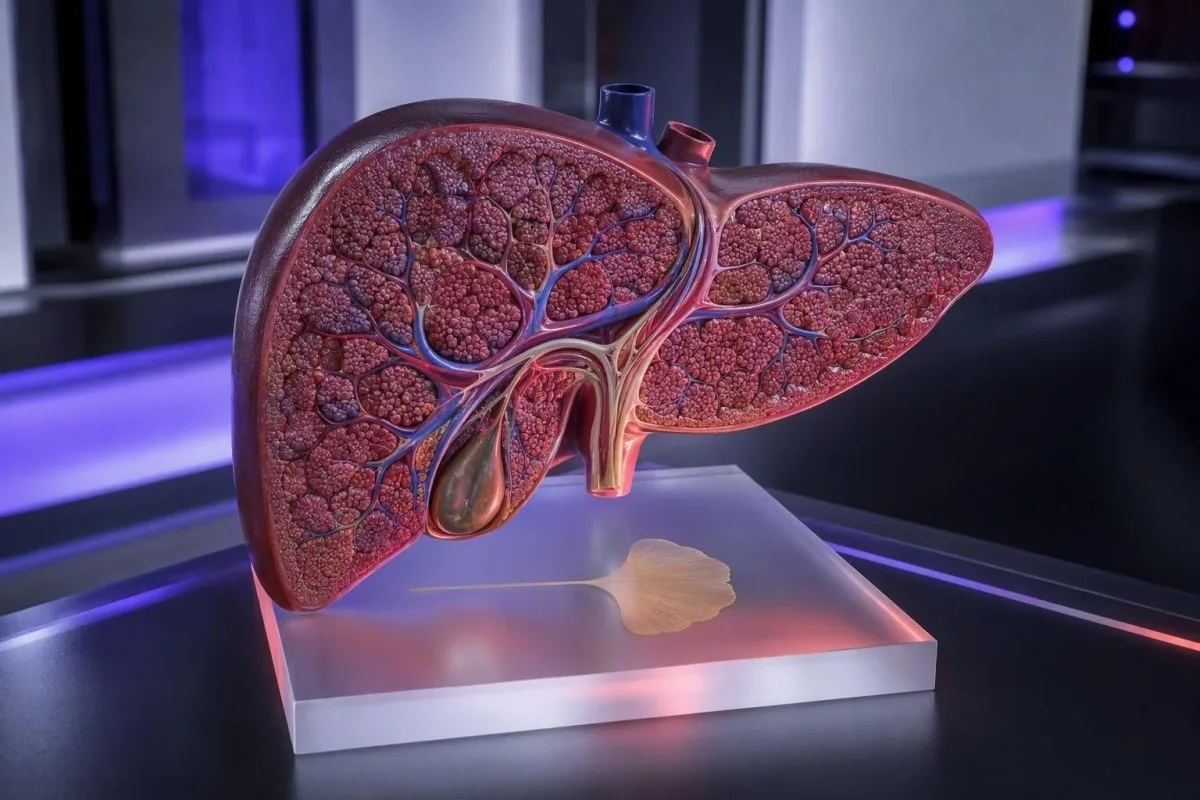
ALT הוא אנזים כבד המדווח לעיתים קרובות, אך הוא סימן למתח בתאים ולא לאבחנה. המשמעות נובעת מגודלו, דפוסו, תזמונו ושאר בדיקות הכבד שלך.


- משמעות ALT: ALT מייצג אלנין אמינוטרנספראז, אנזים הנמדד ב-IU/L המרוכז בתאי הכבד.
- טווח טיפוסי: מעבדות רבות למבוגרים משתמשות במגבלה עליונה של ALT של 35 IU/L לנשים ו-45 IU/L לגברים, אם כי הטווח של הדו"ח עצמו הוא מכריע.
- עלייה קלה: ALT נמוך מפי 2 מהגבול העליון של המעבדה הוא נפוץ ולעיתים קרובות מצדיק חזרה מתוכננת, לא פאניקה.
- התבנית חשובה: ALT עם AST, ALP, GGT, בילירובין, או INR גבוהים משמעותו שונה מהרמת ALT מבודדת.
- השפעת פעילות גופנית: אימוני התנגדות כבדים יכולים להעלות ALT ו-AST למשך 7 ימים או יותר, במיוחד כאשר CK (creatine kinase) גבוה גם כן.
- סקירת תרופות: אקמול, סטטינים, אנטיביוטיקה, תרופות נוגדות פרכוסים, תוספים ומוצרים צמחיים יכולים להשפיע על ALT.
- תסמינים דחופים: צהבת, בלבול, כאב חמור ברביע העליון הימני של הבטן, הקאות חוזרות, או שתן כהה מאוד דורשים הערכה קלינית באותו יום.
- ערך מגמה: ירידה ב-ALT לאחר הסרת טריגר היא בדרך כלל מרגיעה יותר מתוצאה גבולית בודדת.
מה משמעות ALT בבדיקת דם
ALT מייצג אלנין אמינוטרנספראז, אנזים המסייע לתאים להעביר קבוצות אמינו במהלך חילוף החומרים האנרגטי. הוא נמדד מכיוון ש-ALT חודר למחזור הדם כאשר תאי כבד נמצאים במתח או פגועים; הוא אינו מוכיח, בפני עצמו, נזק כבדי קבוע.
ALT נמצא בעיקר בתוך הפטוציטים, תאי העבודה של הכבד, אם כי כמויות קטנות נמצאות בשריר השלד וברקמות אחרות. תוצאה מוגברת פירושה שאנזים הגיע לדגימה יותר מהצפוי; הוא אינו יכול לזהות כבד שומני, דלקת כבד, פגיעה תרופתית, או פעילות גופנית ללא ראיות נלוות.
בפועל הקליני שלי, השאלה הראשונה השימושית ביותר היא לא “כמה גבוה זה?”, אלא “גבוה בהשוואה לאיזה קו בסיס ולאיזה סמנים אחרים?”. ALT של 58 IU/L לאחר שגרת אימונים חדשה הוא בעיה שונה מ-ALT 58 IU/L עם בילירובין 65 µmol/L ועיניים צהובות.
קנטסטי הוא מנתח בדיקות דם בינה מלאכותית שקורא ALT יחד עם AST, ALP, GGT, בילירובין, אלבומין, ספירת טסיות, תרופות, ותוצאות קודמות במקום להתייחס לערך מסומן אחד כאבחנה. למפה רחבה יותר של מדידות קשורות, ראה את שלנו מדריך הביומרקרים שלנו.
מדוע השם הישן SGPT עשוי להופיע
דוחות מסוימים עדיין קוראים ל-ALT “סרום גלוטמיק-פיראביק טרנסאמינאז” או SGPT. ALT ו-SGPT מתייחסים לאותו מבחן אנזים, אם כי דיווח מעבדה מודרני משתמש בדרך כלל ב-ALT.
מדוע רופאים מודדים אלנין אמינוטרנספראז
קלינאים מזמינים מבחן אלנין אמינוטרנספראז כדי לזהות מתח הפטוציטרי, לעקוב אחר מחלות כבד ידועות, ולבדוק פגיעות הקשורות לתרופות. ALT נכלל לעתים קרובות בפאנל כבד או בפאנל מטבולי מקיף, גם כאשר לאדם אין תסמינים.
ALT נבדק בדרך כלל במהלך בדיקות סוכרת או שומנים מכיוון שמחלת כבד שומנית הקשורה לתפקוד לקוי של חילוף החומרים, שנקראה בעבר מחלת כבד שומנית, יכולה להיות חבויה במשך שנים. הנחיות AASLD משנת 2023 ממליצות להעריך אנשים עם גורמי סיכון מטבוליים ורמות אנזימי כבד בלתי מוסברות למחלת כבד שומנית וסיכון לפיברוזיס (Rinella et al., 2023).
ALT תקין אינו שולל פיברוזיס משמעותי, ו-ALT גבוה אינו מודד את שלב הפיברוזיס. ראיתי מטופלים עם ALT 24 IU/L וצלקות משמעותיות בהערכה מומחה, במיוחד עם סוכרת מסוג 2; ציוני פיברוזיס והדמיה עונים על שאלה שונה.
ניטור ALT הוא גם פרקטי לאחר שינוי תרופתי, אך יש לתזמן אותו בשיקול דעת. המדריך שלנו ל בדיקות דם שנתיות מסביר מדוע תדירות הבדיקות צריכה לעקוב אחר סיכון, תסמינים וטיפול ולא רק על הרגל.
טווחי ALT תקינים ומדוע גבולות המעבדה משתנים
טווחי הייחוס של ALT למבוגרים בדרך כלל נעים בין כ-7 ל-35 IU/L לנשים ו-10 עד 45 IU/L לגברים, אך הטווחים משתנים לפי מבחן, אוכלוסייה ומעבדה. השתמש תמיד בגבול העליון המודפס ליד התוצאה שלך ולא בקיצוץ אינטרנט.
הגבול העליון הוא סטטיסטי, נגזר בדרך כלל מאוכלוסיית ייחוס, ולא ערובה לכך שכל ערך מתחתיו משקף כבד בריא לחלוטין. מעבדות אירופאיות מסוימות משתמשות בגבולות עליונים ספציפיים למין קרוב ל-25 IU/L לנשים ו-35 IU/L לגברים, מה שיכול לזהות סיכון מטבולי מוקדם יותר אך גם ליצור יותר דגלים גבוליים.
ערך הנמוך מפי שניים מהגבול העליון של הנורמה נקרא לעתים קרובות עלייה קלה. עבור מעבדה עם גבול עליון של 40 IU/L, ALT 55 עד 80 IU/L מצריך הקשר ובדרך כלל תוכנית חזרה, בעוד ALT 400 IU/L הוא פי 10 מהגבול העליון ומשנה את הדחיפות.
ד"ר תומאס קליין מייעץ למטופלים לשמור את שם המעבדה, יחידות, טווח, תאריך לקיחת הדגימה, צריכת אלכוהול, ופעילות גופנית בשבוע שקדם. זה הופך הבדלים בתוצאות בין בדיקות הרבה יותר ניתנים לפירוש.
כיצד ALT ו-AST פועלים יחד
יש לפרש ALT ו-AST יחד מכיוון ש-ALT ממוקד יחסית בכבד בעוד AST נמצא בשפע גם בשרירי השלד והלב. יחס AST ל-ALT יכול לרמז על דפוסים, אך הוא אינו יכול לאבחן מחלה הקשורה לאלכוהול או שחמת לב לבדו.
כאשר ALT עולה על AST, קלינאים שוקלים לעיתים קרובות סטטוזיס מטבולית, דלקת כבד נגיפית או השפעות תרופתיות, אם כי יש הרבה יוצאי דופן. יחס AST:ALT מעל 2 יכול להופיע בפגיעה כבדית הקשורה לאלכוהול, אך גם פיברוזיס מתקדמת, פגיעה בשריר ותזמון לאחר פגיעה חריפה יכולים לשנות את היחס.
רץ מרתון בן 52 עם AST 89 IU/L, ALT 61 IU/L וקריאטין קינאז 1,450 IU/L לאחר מרוץ זקוק לשיחה שונה ממישהו עם אותם אנזימים וקריאטין קינאז 90 IU/L. הסיבה שאנו דואגים לגבי AST בתוספת CK גבוה הוא שחרור שרירים; ALT בלבד פחות ספציפי לשרירים אך גם יכול לעלות.
עבור הצד השרירי של ההבחנה הזו, קרא את ההסבר שלנו לגבי תסמינים של AST גבוה. אם פעילות גופנית היא גורם אפשרי, הימנע מאימונים מאומצים באופן חריג במשך 7 ימים לפני הבדיקה החוזרת, אלא אם כן הרופא שלך מורה אחרת.
מדוע ALP, GGT ובילירובין משנים את משמעות ALT
ALT מעיד על דפוס הפטוצלולרי, בעוד שאלקלין פוספטאז, GGT ובילירובין עוזרים לזהות כולסטזיס או זרימת מרה לקויה. ALT בתוספת ALP ו-GGT גבוהים צריכים להעלות שיקול של מחלת דרכי מרה, השפעות תרופתיות או דלקת כבדית במקום להניח כבד שומני פשוט.
רופא עשוי לחשב יחס R: ALT חלקי הגבול העליון שלו, ואז חלקי ALP חלקי הגבול העליון שלו. יחס R של 5 ומעלה תומך בפגיעה הפטוצלולרית, 2 ומטה תומך בפגיעה כולסטטית, ו-2 עד 5 מצביע על דפוס מעורב; זהו כלי מיון, לא אבחנה סופית.
GGT שימושי כאשר ALP מוגבר מכיוון שעלייה ב-GGT תומכת במקור הפטו-ביליירי, בעוד ש-ALP יכול לעלות גם מפירוק עצם. לכן, עלייה מבודדת ב-ALP עם GGT תקין יכולה להוביל לשאלות לגבי עצם וויטמין D במקום להדמיית כבד.
שתן כהה, צואה חיוורת, גירוד, חום או צהבת עם בילירובין מוגבר אינם תסמינים של “לחכות לבדיקה השנתית הבאה”. שלנו לדפוס כולסטזיס מסביר את השילובים שיש להעריך באופן מיידי.
סיבות נפוצות ל-ALT מוגבר
ALT מוגבר משקף לרוב מחלת כבד שומנית מטבולית, חשיפה לאלכוהול, דלקת כבד נגיפית, השפעות תרופתיות, או עלייה זמנית הקשורה לפעילות גופנית. ההסתברות של כל סיבה משתנה עם משקל הגוף, גלוקוז, טריגליצרידים, דפוס צריכת אלכוהול, נסיעות, תרופות, וגודל העלייה.
מחלת כבד שומנית מטבולית סבירה במיוחד כאשר עליית ALT מלווה בעלייה במשקל מרכזי, טריגליצרידים מעל 150 מ"ג/ד"ל, כולסטרול HDL נמוך, גלוקוז בצום מוגבר, או סוכרת מסוג 2. זה יכול להתרחש גם אצל אנשים עם מבנה גוף קטן יותר, במיוחד עם שומן תוך-בטני, גנטיקה, דום נשימה בשינה, או תרופות מסוימות.
בדיקת דלקת כבד נגיפית תלויה בחשיפה ובסיכון, לא רק ב-ALT. אנטיגן פני שטח של הפטיטיס B ונוגדן להפטיטיס C עם בדיקת RNA מאשרת הם חלקים סטנדרטיים של הערכה ממוקדת כאשר ההיסטוריה, הגיאוגרפיה, או דפוס האנזימים תומכים בכך; שלנו מדריך להפטיטיס C מכסה את המסלול הרגיל.
סיבות פחות שכיחות אך חשובות כוללות עודף ברזל (hemochromatosis), דלקת כבד אוטואימונית (autoimmune hepatitis), מחלת וילסון (Wilson disease) אצל אנשים צעירים, צליאק (celiac disease) ומחסור באלפא-1 אנטיטריפסין (alpha-1 antitrypsin deficiency). ד"ר תומאס קליין ראה את הנזק של הנחה שכל עלייה ב-ALT קשורה לאלכוהול; בדיקה מובנית היא אדיבה ומדויקת יותר.
תרופות ותוספים שיכולים להעלות ALT
תרופות ותוספים יכולים להעלות ALT דרך פגיעה ישירה בכבד, שינוי בזרימת מרה, השפעות מטבוליות, או צירוף מקרים לא קשור. אל תפסיק תרופה שנרשמה בפתאומיות בגלל תוצאה אחת; פנה לרופא שרשם את התרופה, אשר יכול לשקול את תועלת התרופה מול הדפוס והמגמה.
אקמול (acetaminophen), הנקרא גם פראצטמול (paracetamol), יכול לגרום לעלייה משמעותית ב-ALT במינון יתר ולעיתים לשינויים קלים יותר בחשיפה טיפולית גבוהה. עבור רוב המבוגרים, המנה המקסימלית הרגילה היא 4,000 מ"ג ליום, אך קלינאים רבים ממליצים על תקרה נמוכה יותר לאנשים שצורכים אלכוהול באופן קבוע, שיש להם מחלת כבד, מבוגרים יותר, או משתמשים בתרופות משולבות להצטננות.
סטטינים (Statins) יכולים לגרום לעליות קטנות ב-ALT, אך פגיעה חמורה בכבד הקשורה לסטטינים נדירה; הפסקת תרופה קרדיווסקולרית ללא ייעוץ יכולה להיות מסוכנת יותר מהדגל של האנזים. הנחיות ה-ACG ממליצות לאשר כימיה חריגה של הכבד ולבצע היסטוריה קפדנית של תרופות מרשם, ללא מרשם, ותוספים לפני בדיקות מקיפות (Kwo et al., 2017).
תמצית תה ירוק, מוצרים אנבוליים, ויטמין A במינון גבוה, אבקות “ניקוי רעלים” מרובות רכיבים, ותוספי פיתוח גוף לא מפוקחים ראויים לשאלות ספציפיות מכיוון שתויות יכולות להיות לא שלמות. עיין במדריך המעשי שלנו בטיחות תוספים לפני הוספת מוצר חדש.
האם פעילות גופנית יכולה להעלות ALT באופן זמני?
כן, פעילות גופנית מאומצת יכולה להעלות זמנית את ה-ALT, במיוחד לאחר אימון התנגדות לא מוכר, אירועי סיבולת, או פגיעה בשריר. AST ו-creatine kinase עולים בדרך כלל באופן בולט יותר, והערכים עשויים לקחת 3 עד 10 ימים להתייצב תלוי בעצימות האימון ומסת השריר.
התפיסה השגויה הנפוצה היא ש-ALT מוגבר תמיד מעיד על נזק לכבד. בפועל, אימון קשה הכולל הרמת אקסצנטרית - תנועות הורדה איטיות - יכול לשבש את קרומי השריר מספיק כדי לשנות AST, ALT, LDH, ו-CK ללא הפרעה בכבד.
לצורך בדיקה חוזרת נקייה, אני בדרך כלל מבקש מחולים יציבים ובריאים להימנע מאימון אינטנסיבי במשך 5 עד 7 ימים, להימנע מאלכוהול למשך מספר ימים, לשמור על הידרציה תקינה, ולהשתמש באותה מעבדה במידת האפשר. זה אינו מתאים אם ישנם תסמיני דגל אדום או ALT הגבוה פי כמה מהטווח; מצבים אלה דורשים ייעוץ קליני תחילה.
קנטסטי הוא כלי לניתוח בדיקות דם מבוסס AI בשימוש ב-127+ מדינות שיכולות להשוות ALT, AST, CK, ובדיקות קודמות כדי לסמן דפוס המתאים לפעילות גופנית מבלי להכריז שהוא לא מזיק. ספורטאים יכולים גם לעיין תזמון בדיקת דם למרתון.
תסמינים שהופכים תוצאת ALT לדחופה יותר
רוב העליות הקלות ב-ALT אינן גורמות לתסמינים, אך צהבת, שתן כהה מאוד, צואה בהירה, כאב בטן חמור, בלבול, חבורות קלות, או הקאות מתמשכות מחייבים הערכה רפואית דחופה. תסמינים חשובים מכיוון שהם יכולים להצביע על פגיעה בעיבוד בילירובין, חסימת מרה, דלקת כבד חריפה, או ירידה בתפקוד הסינתטי של הכבד.
פנה לטיפול באותו יום עבור עיניים או עור צהובים, בלבול, נמנום חדש, כאב מתגבר במהירות מתחת לצמדי הצלעות הימניים, או חוסר יכולת להכניס נוזלים. תסמינים אלה נושאים משקל רב יותר כאשר ALT גבוה פי 5 מהגבול העליון, בילירובין מוגבר, או INR ממושך.
הריון משנה את הסף לדאגה: גירוד בכפות הידיים או הסוליות, אי נוחות בבטן הימנית העליונה, כאב ראש, הפרעה בראייה, או לחץ דם גבוה דורשים הערכה מיידית של מיילדות, גם כאשר ALT מוגבר באופן מתון בלבד. מצבים ספציפיים להריון דורשים מסלול שונה מבדיקות כבד שגרתיות במרפאה.
שינויים בשתן יכולים להוסיף רמזים אך אינם אבחנתיים בפני עצמם. המאמר שלנו בנושא גורמים לשתן כהה עוזר להבחין בין התייבשות ותרופות לבין סימני אזהרה הקשורים לבילירובין.
מה קורה בדרך כלל לאחר תוצאת ALT חריגה
לאחר תוצאת ALT חריגה, קלינאים בדרך כלל מאשרים את התוצאה, סוקרים חשיפות, וחוזרים על הפאנל או מרחיבים אותו בהתאם לגודל העלייה והתסמינים. תוצאה קלה אחת מובילה לעיתים קרובות לבדיקה חוזרת תוך שבועות עד חודשים ספורים, בעוד שעליה משמעותית או צהבת מצדיקות הערכה מהירה יותר.
סיקור ראשוני הגיוני כולל דפוס שתיית אלכוהול, מחלה אחרונה, שינויים במשקל הגוף, נסיעות, היסטוריה משפחתית, תרופות מרשם וללא מרשם, תוספים, ופעילות גופנית במהלך 7 הימים הקודמים. בדיקות מעקב נפוצות כוללות AST, ALP, GGT, בילירובין, אלבומין, ספירת דם מלאה, INR, בדיקת סקר להפטיטיס, פריטין עם רווית טרנספרין, וגלוקוז או HbA1c.
אולטרסאונד שימושי לעיתים קרובות עבור כבד שומני, אבני מרה, הרחבת דרכי מרה, או שינוי מבני, אך הוא אינו מדרג באופן אמין פיברוזיס בשלבים מוקדמים. FIB-4 משתמש בגיל, AST, ALT, וספירת טסיות דם כדי להעריך את הסיכון לפיברוזיס; הוא פחות אמין מתחת לגיל 35 ואין להשתמש בו במהלך מחלה אקוטית.
Kantesti AI הוא שירות פרשנות בדיקות מעבדת ה-AI המארגנת סמנים קשורים ותוצאות אורכיות לדיון עם רופא. מסבירן פאנל כבד מראה מה כל רכיב מעקב תורם.
מדוע מגמות ALT שימושיות יותר ממספר אחד
מגמת ALT לעיתים קרובות אינפורמטיבית יותר מתוצאה בודדת מכיוון שהיא מראה האם האות נפתר, מתמשך, או מואץ. שינוי מ-72 ל-34 IU/L לאחר 6 שבועות נושא מסר קליני שונה מ-34 ל-72 IU/L, למרות ששני המספרים עשויים להיות קרובים לסף מעבדה.
שונות ביולוגית, הידרציה, שונות בדיקה, ותזמון יכולים להזיז ALT במתינות בין דגימות. חזרה על הבדיקה באותה מעבדה, בזמן דומה ביום, לאחר פעילות וחשיפה לאלכוהול דומות, מפחיתה רעש והופכת שינוי אמיתי לקל יותר לזיהוי.
עלייה מתמשכת למשך יותר מ-6 חודשים מצדיקה הערכה מחושבת יותר, במיוחד עם סוכרת, השמנה, היסטוריה משפחתית של מחלות כבד, ירידה בטסיות, או עלייה בבילירובין. לעומת זאת, ALT קל ויציב בחולה שנבדק ביסודיות עשוי להיות במעקב במקום "להיצמד" לבדיקות חוזרות ורחבות.
Kantesti AI מפרש מגמות ALT עם AST נלווה, ספירת טסיות, בילירובין, וסמנים מטבוליים במקום להתייחס לשינוי של 3 IU/L כהתקדמות מחלה. ראה שלנו מדריך בדיקות אורך לפרטים שכדאי לרשום לאחר כל דגימה.
תפיסות שגויות לגבי ALT שיכולות להוביל להחלטות שגויות
ALT אינו “בדיקת תפקודי כבד” במובן המחמיר מכיוון שהוא מודד דליפת אנזים, ולא את יכולת הכבד לייצר אלבומין, פקטורי קרישה, או מרה. אלבומין, INR, בילירובין, ספירת טסיות, תסמינים, והדמיה עשויים לספר סיפור משמעותי יותר מ-ALT לבדו.
ALT תקין אינו נותן היתר להתעלם מצריכת אלכוהול כבדה, סוכרת, או היסטוריה משפחתית חזקה של מחלות כבד. כמו כן, ALT מוגבר אינו מוכיח שאלכוהול היה הגורם; הנחה זו עלולה לפגוע באמון ולעכב אבחון של מחלות ויראליות, אוטואימוניות, גנטיות, או קשורות לתרופות.
“ניקוי רעלים לכבד” הם מלכודת נפוצה נוספת. הכבד כבר מטפל במטבוליזם ופינוי, בעוד צום אגרסיבי, צמחי מרפא ללא פיקוח, וירידה מהירה במשקל יכולים לעיתים להחמיר תסמינים או סמנים מעבדתיים; העדויות למשטרים מסחריים של ניקוי רעלים הן עניות למדי.
אם תזונה היא חלק מהדיון, התמקד בשינוי משקל בר-קיימא, חלבון מספק, סיבים, והפחתת מזון אולטרה-מעובד במקום מוצרי פלא. ה- מדריך תזונה לכבד שלנו מבוסס העדויות הוא נקודת התחלה בטוחה יותר.
פרשנות ALT בילדים, הריון וגיל מבוגר
פרשנות ALT דורשת הקשר ספציפי לגיל בילדים, הריון, ומבוגרים מכיוון שגבולות ייחוס וסיבות סבירות שונים. ספי ALT בילדים נמוכים לעיתים קרובות יותר מטווחים מעבדתיים למבוגרים, ותסמיני כבד הקשורים להריון דורשים הערכה מהירה יותר בהנחיית מומחה.
בילדים, מחלת כבד שומנית הקשורה להשמנה מוכרת יותר ויותר, אך מחלות ויראליות, הפרעות שרירים, מחלת צליאק, ומצבים מטבוליים תורשתיים חייבים להישאר באבחנה המבדלת. רופא ילדים צריך לפרש עלייה מתמשכת ב-ALT במקום ליישם חשיבה של “מתחת ל-40 IU/L זה בסדר” של מבוגרים.
במהלך הריון, ALT צריך בדרך כלל להישאר בגבולות טווח הייחוס של לא-הרות; עלייה עם יתר לחץ דם, טסיות נמוכות, גירוד, או בחילות דורשת הערכה דחופה להפרעות ספציפיות להריון. אלבומין נוטה לרדת עקב הרחבת נפח הפלסמה, ולכן אין לפרש אלבומין ו-ALT באותה לוגיקה.
במבוגרים, ריבוי תרופות וחולשה מגבירים את ערכה של סקירת תרופות מלאה. ה- שלנו מדריך מעבדה לתרופות לקשישים מפרט שאלות להבאה לפגישה.
שימוש בפרשנות AI בבטחה לתוצאות ALT
AI יכול לעזור לארגן תוצאת ALT, אך הוא אינו יכול לבדוק אותך, לאמת תסמינים, או להחליף הערכה רפואית לדפוס כבד פוטנציאלי חמור. השימוש הבטוח ביותר הוא הכנה: זיהוי הדפוס, שמירה על הדו"ח המקורי, והבאת שאלות ממוקדות לרופא מוסמך.
נכון ל-5 בספטמבר 2026, Kantesti הוא פלטפורמת פענוח בדיקות דם של AI הסוקר דוחות מעבדה שהועלו בכ-60 שניות ומציב ALT בהקשר של ערכים קשורים, היסטוריית מגמות ותרופות שדווחו. הוא נועד לשפר את איכות השאלות, לא להנפיק אבחנה או לרשום טיפול.
לשם דיוק, ודאו שתמונת הדוח קריאה, שהיחידות נרשמו כהלכה, ושתוצאה משנה קודמת אינה נ mistaken לערך של היום. הגישה הקלינית של Kantesti מעוצבת על ידי פיקוח רופאים; הקוראים יכולים לעיין ב סטנדרטי אימות רפואיים ו המועצה המייעצת הרפואית שלנו בעת החלטה כיצד להשתמש בפרשנות נתמכת AI.
הביאו שלוש דברים לסקירה: הפאנל המלא, רשימה של כל תרופה ותוסף עם מינונים, וציר זמן של צריכת אלכוהול, מחלות, נסיעות ופעילות גופנית מאומצת. הכנה צנועה זו מונעת לעיתים קרובות אזעקה מיותרת ומונעת החמצה של דפוס משמעותי.
רשימת בדיקה מעשית לפני בדיקת ALT הבאה שלך
לפני בדיקת ALT חוזרת מתוכננת, שמרו על שגרתכם יציבה ותעדו גורמים שיכולים לשנות אנזימים. הימנעו מאימון כבד למשך 5 עד 7 ימים, היכן שזה בטוח מבחינה קלינית, הימנעו מאלכוהול למשך מספר ימים, ואל תשנו תרופות מרשם אלא אם הרופא המטפל מורה לכם לעשות זאת.
רשמו כל שימוש באקמול או פרצטמול, אנטיביוטיקה, תוספים חדשים, חום לאחרונה, דלקת מעיים, חיסונים, צום ושינוי משקל מהיר. צום בדרך כלל אינו נדרש עבור ALT בלבד, אם כי ייתכן שיידרש אם גלוקוז, טריגליצרידים, או בדיקות אחרות נמדדות באותה ביקור.
שאלו את הרופא המטפל אם ALT חוזר צריך לכלול AST, ALP, GGT, בילירובין, אלבומין, טסיות דם ו-CK. התשובה תלויה לעיתים קרובות בדפוס הראשוני; ALT בודד של 48 IU/L לאחר הרמת משקולות אינו דורש את אותו ברור כמו ALT של 248 IU/L עם בילירובין של 48 µmol/L.
אם אתם זקוקים לעזרה בהרכבת שאלות מהדוח שלכם, צ׳ק ליסט דיוק הדוח של AI שלנו שימושי לפני הביקור. למידע ארגוני על עבודתנו, ראו אודות קנטסטי.
שאלות נפוצות
מה פירוש ALT בתוצאות מעבדה?
ALT מייצג אלנין אמינוטרנספראז, אנזים הנמצא בעיקר בתאי כבד ונמדד ביחידות בינלאומיות לליטר (IU/L). מעבדות רבות משתמשות בגבולות עליונים של כ-35 IU/L עבור נשים בוגרות וכ-45 IU/L עבור גברים בוגרים, למרות שהטווח הייחוס המודפס על הדוח האישי הוא המדד הנכון להשוואה. ALT מוגבר מעיד על לחץ או פגיעה בתאים אך אינו יכול לזהות את הסיבה בעצמו. AST, ALP, GGT, בילירובין, תרופות, אלכוהול, פעילות גופנית ותסמינים קובעים את משמעות התוצאה.
האם ALT 50 IU/L גבוה?
ALT של 50 IU/L מעט מוגבר במעבדות עם גבול עליון של 35 או 40 IU/L, אך הוא קרוב לנורמה בחלק מהמעבדות עם גבול עליון של 55 IU/L. ערך סביב 50 IU/L הוא בדרך כלל פחות דחוף כאשר הבילירובין, ALP, INR ותסמינים תקינים, אם כי הוא עדיין ראוי להקשר ולעתים קרובות לחזרה. עלייה במשקל לאחרונה, אלכוהול, כבד שומני, תרופות ותוספים הם הסברים נפוצים. עלייה מתמשכת מעבר ל-6 חודשים מצדיקה סקירה קלינית מובנית.
האם פעילות גופנית יכולה להעלות את רמות ALT?
פעילות גופנית מאומצת עלולה להעלות את רמות ה-ALT, AST, LDH וקרטינין קינאז, מכיוון ששרירי השלד משחררים אנזימים לאחר מאמץ אינטנסיבי או לא מוכר. העלייה יכולה להימשך 3 עד 10 ימים, כאשר AST וקרטינין קינאז לעיתים קרובות עולים יותר מה-ALT. הימנעות מפעילות מאומצת באופן חריג במשך 5 עד 7 ימים לפני בדיקה חוזרת מתוכננת יכולה להבהיר האם פעילות גופנית תרמה לכך. עלייה משמעותית ב-ALT, צהבת, כאב חמור או שתן כהה עדיין דורשים ייעוץ רפואי מיידי ולא הנחה שפעילות גופנית היא האחראית.
מה חשוב יותר, ALT או AST?
לא ALT ולא AST חשובים באופן אוניברסלי מכיוון שהזוג מספק יותר מידע מכל תוצאה בנפרד. ALT מתמקד יותר בכבד, בעוד AST קיים גם בשרירי השלד ויכול לעלות משמעותית לאחר פעילות גופנית או פגיעה בשריר. יחס AST ל-ALT מעל 2 עשוי להופיע עם פגיעה כבדית הקשורה לאלכוהול, אך אינו אבחנתי ויכול להופיע גם עם פיברוזיס מתקדמת או שחרור שריר. קלינאים מפרשים את שני הערכים יחד עם GGT, ALP, בילירובין, קריאטין קינאז, ספירת טסיות, וההיסטוריה הקלינית.
מתי יש להתייחס לתוצאת ALT גבוהה כדחופה?
תוצאת ALT גבוהה מצריכה הערכה דחופה כאשר היא גבוהה פי 5 מהגבול העליון של המעבדה, עולה במהירות, או מופיעה יחד עם צהבת, בלבול, כאב חמור ברביע העליון הימני של הבטן, הקאות מתמשכות, חבורות בקלות, או שתן כהה מאוד. עלייה בבילירובין, INR ממושך, גלוקוז נמוך, או טסיות נמוכות עלולים להגביר את הדאגה מכיוון שהם עשויים להצביע על יותר מסתם שחרור אנזימים מבודד. גירוד הקשור להריון, כאב ראש, תסמינים ויזואליים, או לחץ דם גבוה עם עליית ALT מצריכים גם הערכה מיילדותית דחופה. תוצאה קלה ומבודדת מתחת לפי 2 מהגבול העליון מוערכת בדרך כלל בפחות דחיפות אך אין להתעלם ממנה.
האם כבד שומני יכול לגרום לרמות ALT גבוהות?
מחלת כבד שומני הקשורה לתפקוד לקוי של חילוף החומרים היא גורם שכיח לעלייה קלה ב-ALT, במיוחד כאשר הטריגליצרידים גבוהים מ-150 מ"ג/ד"ל, גלוקוז מוגבר, סוכרת מסוג 2, עלייה במשקל מרכזית, או רמות נמוכות של HDL כולסטרול. ALT יכול להיות תקין למרות שומן בכבד או פיברוזיס, כך שתוצאה תקינה אינה שוללת מחלה בעלת משמעות רלוונטית מבחינה קלינית. הנחיות ה-AASLD משנת 2023 תומכות בהערכת סיכון לפיברוזיס אצל אנשים עם גורמי סיכון מטבוליים ועלייה בלתי מוסברת באנזימים. ניהול משקל בר-קיימא, שליטה בסוכרת, הפחתת אלכוהול, וניטור בהנחיית רופא מבוססים יותר על ראיות מאשר מוצרי "ניקוי רעלים".
קבל ניתוח בדיקות דם מבוסס בינה מלאכותית כבר היום
הצטרף ליותר מ-2 מיליון משתמשים ברחבי העולם שסומכים על Kantesti לצורך ניתוח מיידי ומדויק של בדיקות מעבדה. העלה את תוצאות בדיקות הדם שלך וקבל פרשנות מקיפה של ביומרקרים של 15,000+ בתוך שניות.
📚 פרסומי מחקר עם הפניות
Klein, T., Mitchell, S., & Weber, H. (2026). מדריך לסוג דם B שלילי, בדיקת LDH וספירת רטיקולוציטים. מחקר רפואי של Kantesti בינה מלאכותית.
Klein, T., Mitchell, S., & Weber, H. (2026). שלשול לאחר צום, כתמים שחורים בצואה ומדריך GI 2026. מחקר רפואי של Kantesti בינה מלאכותית.
📖 הפניות רפואיות חיצוניות
⚕️ הצהרת אחריות רפואית
מאמר זה מיועד למטרות חינוכיות בלבד ואינו מהווה ייעוץ רפואי. תמיד יש להתייעץ עם גורם מוסמך בתחום הבריאות לצורך החלטות אבחון וטיפול.
אותות אמון E-E-A-T
הִתנַסוּת
סקירה קלינית בהובלת רופא של תהליכי עבודה לפענוח בדיקות מעבדה.
מוּמחִיוּת
רפואה מעבדתית מתמקדת באופן שבו סמנים ביולוגיים מתנהגים בהקשר קליני.
סמכותיות
נכתב על ידי ד״ר תומאס קליין, עם סקירה על ידי ד״ר שרה מיטשל ופרופ׳ ד״ר האנס וובר.
אֲמִינוּת
פרשנות מבוססת-ראיות עם מסלולי המשך ברורים כדי להפחית בהלה.