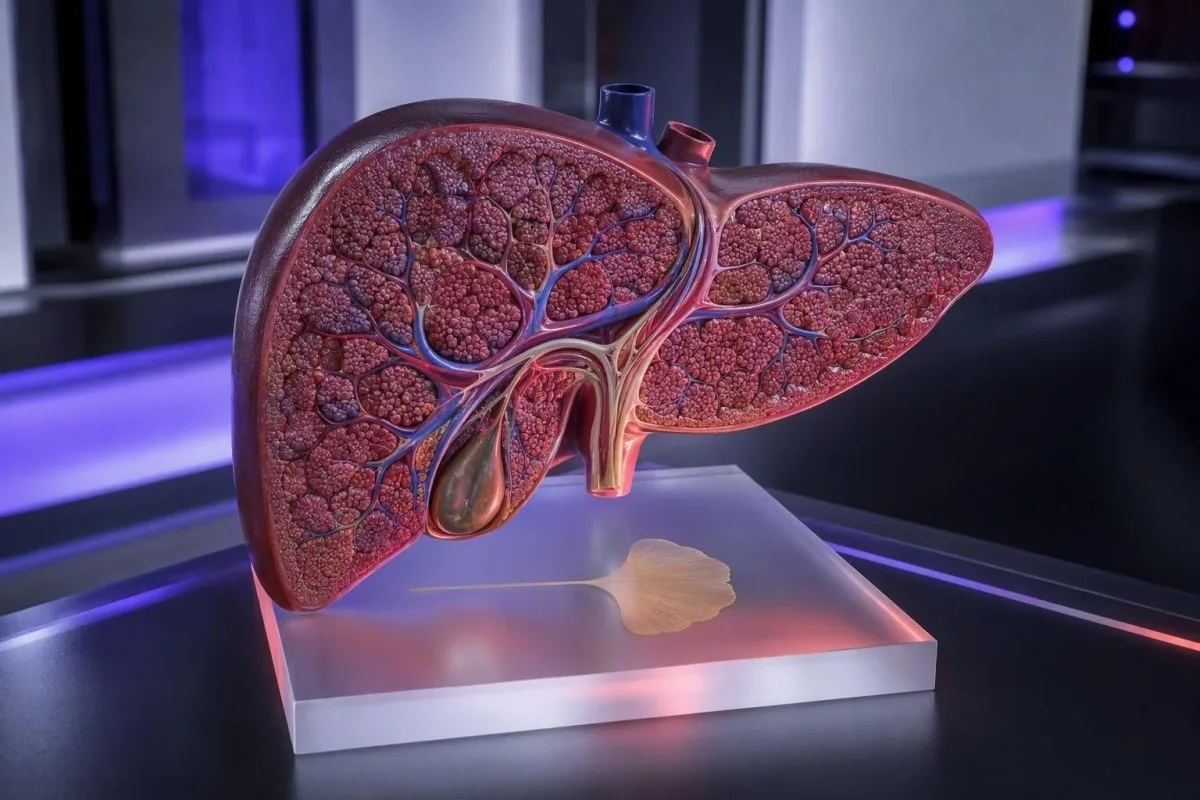
ALT ir bieži sastopams aknu enzīms, taču tas drīzāk norāda uz šūnu stresu nekā ir diagnostiska. Tā nozīme izriet no tā lieluma, raksta, laika un pārējā aknu paneļa.


- ALT nozīme: ALT apzīmē alanīna aminotransferāzi, enzīmu, ko mēra IU/L, un kas ir koncentrēts aknu šūnās.
- Tipiskais diapazons: Daudzas pieaugušo laboratorijas izmanto ALT augšējo robežu 35 IU/L sievietēm un 45 IU/L vīriešiem, lai gan ziņojuma pašas diapazons ir noteicošais.
- Viegla paaugstināšanās: ALT zem 2 reizēm no laboratorijas augšējās robežas ir bieži un bieži vien prasa plānotu atkārtošanu, nevis paniku.
- Svarīgs ir raksts: ALT kopā ar augstu AST, ALP, GGT, bilirubīnu vai INR nozīmē kaut ko citu nekā izolēts ALT paaugstinājums.
- Fiziskās slodzes ietekme: Intensīva svara treniņi var palielināt ALT un AST uz 7 dienām vai ilgāk, īpaši, ja arī kreatīna kināze ir augsta.
- Medikamentu izvērtēšana: Acetaminofēns, statīni, antibiotikas, pretepilepsijas zāles, piedevas un augu izcelsmes produkti var ietekmēt ALT.
- Steidzami simptomi: Dzelte, apjukums, stipras sāpes vēdera augšējā labajā pusē, atkārtota vemšana vai ļoti tumšs urīns prasa klīnisku izvērtēšanu tajā pašā dienā.
- Tendences vērtība: Kritiskā ALT vērtība pēc trigeru noņemšanas parasti ir vairāk nomierinoša nekā viens atsevišķs robežvērtību rezultāts.
Ko nozīmē ALT asins analīzēs
ALT apzīmē alanīna aminotransferāzi, enzīmu, kas palīdz šūnām pārnest aminoskābes enerģijas metabolismā. To mēra, jo ALT nonāk cirkulācijā, kad aknu šūnas ir pakļautas stresam vai ir bojātas; tas pats par sevi nenozīmē pastāvīgu aknu bojājumu.
ALT galvenokārt atrodas hepatocītos, kas ir aknu funkcionālās šūnas, lai gan nelielos daudzumos tas sastopams skeleta muskuļos un citos audos. Paaugstināts rezultāts nozīmē, ka paraugā nonācis vairāk enzīma, nekā gaidīts; tas nevar identificēt taukaudu aknas, hepatītu, medikamentu izraisītus bojājumus vai fiziskās slodzes bez papildu pierādījumiem.
Manā klīniskajā praksē visnoderīgākais pirmais jautājums nav “cik augsts tas ir?”, bet gan “augsts, salīdzinot ar kādu bāzes līniju un kādiem citiem marķieriem?”. ALT 58 SV/L pēc jaunas sporta zāles rutīnas ir cita problēma nekā ALT 58 SV/L ar bilirubīnu 65 µmol/L un dzeltenām acīm.
Kantesti ir AI asins analīžu analizators kas nolasa ALT kopā ar AST, ALP, GGT, bilirubīnu, albumīnu, trombocītu skaitu, medikamentiem un iepriekšējiem rezultātiem, nevis uzskata vienu atzīmēto vērtību par diagnozi. Plašāku saistīto mērījumu karti skatiet mūsu biomarķieru rokasgrāmata.
Kāpēc var parādīties vecais nosaukums SGPT
Dažos ziņojumos ALT joprojām sauc par “seruma glutamīnskābes-piruvīnskābes transamināzi” jeb SGPT. ALT un SGPT attiecas uz to pašu enzīmu testu, lai gan mūsdienu laboratorijas ziņojumos parasti tiek lietots ALT.
Kāpēc klīnicisti mēra alanīna aminotransferāzi
Klīnicisti pasūta alanīna aminotransferāzes testu , lai noteiktu hepatocelulāru stresu, uzraudzītu zināmas aknu slimības un pārbaudītu medikamentu izraisītus bojājumus. ALT bieži ir iekļauts aknu panelī vai visaptverošā metaboliskā panelī, pat ja personai nav simptomu.
ALT bieži tiek pārbaudīts diabēta vai lipīdu pārskatu laikā, jo ar vielmaiņas traucējumiem saistīta steatotiska aknu slimība, iepriekš saukta par taukainu aknu slimību, var būt klusa gadiem ilgi. 2023. gada AASLD vadlīnijas iesaka novērtēt personas ar vielmaiņas riska faktoriem un nenoskaidrotu aknu enzīmu paaugstināšanos attiecībā uz steatotiskām aknu slimībām un fibrozes risku (Rinella et al., 2023).
Normāls ALT neizslēdz nozīmīgu fibrozi, un augsts ALT nemēra fibrozes stadiju. Esmu redzējis pacientus ar ALT 24 SV/L un nozīmīgu rētu pēc speciālista novērtēšanas, īpaši ar 2. tipa diabētu; fibrozes rādītāji un attēlveidošana atbild uz citu jautājumu.
ALT uzraudzība ir praktiska arī pēc medikamentu maiņas, taču tā jāplāno pārdomāti. Mūsu ceļvedis ikgadējām asins analīzēm paskaidro, kāpēc testēšanas biežumam vajadzētu sekot riskam, simptomiem un ārstēšanai, nevis tikai ieradumam.
ALT normālās vērtības un kāpēc laboratoriju robežas atšķiras
Pieaugušo ALT atsauces diapazoni parasti svārstās no aptuveni 7 līdz 35 SV/L sievietēm un no 10 līdz 45 SV/L vīriešiem, taču diapazoni atšķiras atkarībā no testēšanas metodes, populācijas un laboratorijas. Vienmēr izmantojiet augšējo robežu, kas norādīta blakus jūsu paša rezultātam, nevis interneta atslēgpunktu.
Augšējā robeža ir statistiska, parasti iegūta no atsauces populācijas, nevis garantija, ka katra vērtība zem tās atspoguļo pilnīgi veselīgas aknas. Dažas Eiropas laboratorijas izmanto dzimumspecifiskas augšējās robežas aptuveni 25 SV/L sievietēm un 35 SV/L vīriešiem, kas var agrāk noteikt vielmaiņas risku, bet arī radīt vairāk robežvērtību.
Vērtība zem divkārtējās normas augšējās robežas bieži tiek saukta par vieglu paaugstināšanos. Laboratorijai ar augšējo robežu 40 SV/L, ALT 55 līdz 80 SV/L prasa kontekstu un parasti atkārtotu plānu, savukārt ALT 400 SV/L ir 10 reizes augstāks par augšējo robežu un maina steidzamību.
Dr. Thomas Klein iesaka pacientiem saglabāt laboratorijas nosaukumu, mērvienības, diapazonu, ņemšanas datumu, alkohola patēriņu un fiziskās slodzes iepriekšējā nedēļā. Tas padara rezultātu atšķirības starp apmeklējumiem daudz saprotamākas.
Kā ALT un AST darbojas kopā
ALT un AST ir jāinterpretē kopā, jo ALT ir relatīvi aknu specifisks, savukārt AST ir sastopams arī skeleta un sirds muskuļos. AST attiecība pret ALT var norādīt uz modeļiem, taču tā pati par sevi nevar diagnosticēt ar alkoholu saistītu slimību vai cirozi.
Kad ALT pārsniedz AST, klīnicisti bieži apsver metaboliskās steatozes, vīrusu hepatīta vai medikamentu ietekmi, lai gan ir daudz izņēmumu. AST:ALT attiecība virs 2 var rasties alkohola izraisītu aknu bojājumu gadījumā, taču arī progresējoša fibrosis, muskuļu bojājumi un laiks pēc akūtas traumas var ietekmēt šo attiecību.
52 gadus vecam maratonistam ar AST 89 SV/L, ALT 61 SV/L un kreatīna kināzi 1450 SV/L pēc skrējiena nepieciešama cita saruna nekā personai ar tādiem pašiem enzīmiem un kreatīna kināzi 90 SV/L. Iemesls, kāpēc mūs uztrauc AST kopā ar augstu CK, ir muskuļu bojājumi; ALT vienatnē ir mazāk specifisks muskuļiem, bet var arī paaugstināties.
Par šīs atšķirības muskuļu aspektu lasiet mūsu skaidrojumu par paaugstināta AST simptomiem. Ja fiziskā slodze ir iespējams izraisītājs, pirms atkārtotas analīzes izvairieties no neparasti intensīvas treniņu nedēļas, ja vien jūsu klīnicists nav norādījis citādi.
Kāpēc ALP, GGT un bilirubīns maina ALT nozīmi
ALT norāda uz hepatocelulāru modeli, savukārt sārmainā fosfatāze, GGT un bilirubīns palīdz identificēt holestāzi vai traucētu žultes plūsmu. ALT kopā ar augstu ALP un GGT vajadzētu rosina apsvērt žultsvadu slimības, medikamentu ietekmi vai aknu iekaisumu, nevis pieņemt vienkāršas tauku aknas.
Klīnicists var aprēķināt R koeficientu: ALT dalīts ar tā augšējo robežu, tad dalīts ar ALP dalītu ar tā augšējo robežu. R koeficients 5 vai vairāk atbalsta hepatocelulāru bojājumu, 2 vai mazāk atbalsta holestātisku bojājumu, un 2 līdz 5 liecina par jauktu modeli; tas ir triāžas rīks, nevis galīgais diagnoze.
GGT ir noderīga, ja ir paaugstināts ALP, jo GGT paaugstināšanās atbalsta hepatobiliāru avotu, savukārt ALP var paaugstināties arī no kaulu metabolismu. Tāpēc izolēts ALP paaugstinājums ar normālu GGT var virzīt uz jautājumiem par kauliem un D vitamīnu, nevis aknu attēlveidošanu.
Tumšs urīns, balti izkārnījumi, nieze, drudzis vai dzeltenība ar paaugstinātu bilirubīnu nav simptomi, lai “gaidītu nākamo ikgadējo analīzi”. Mūsu holestāzes modeļa ceļvedis skaidro kombinācijas, kuras vajadzētu izvērtēt nekavējoties.
Biežākie paaugstināta ALT iemesli
Paaugstināts ALT visbiežāk atspoguļo metaboliskas tauku aknu slimības, alkohola iedarbību, vīrusu hepatītu, medikamentu ietekmi vai īslaicīgu ar fizisko slodzi saistītu paaugstinājumu. Katra cēloņa varbūtība mainās atkarībā no ķermeņa svara, glikozes, triglicerīdu, alkohola lietošanas modeļa, ceļojumiem, medikamentiem un paaugstinājuma lieluma.
Metaboliskā steatozes aknu slimība ir īpaši iespējama, ja ALT paaugstināšanos pavada centrāla ķermeņa masas pieaugums, triglicerīdi virs 150 mg/dL, zems HDL holesterīna līmenis, paaugstināts glikozes līmenis tukšā dūšā vai 2. tipa diabēts. Tā var rasties arī cilvēkiem ar mazāku ķermeni, īpaši ar viscerāliem taukiem, ģenētiku, miega apnoju vai noteiktiem medikamentiem.
Vīrusu hepatīta testēšana ir atkarīga no iedarbības un riska, nevis tikai no ALT. Hepatīta B virsmas antigēns un hepatīta C antivielas ar apstiprinošu RNS testēšanu ir standarta daļas fokusētai izmeklēšanai, kad vēsture, ģeogrāfija vai enzīmu modelis to atbalsta; mūsu hepatīta C ceļvedis aptver parasto gaitu.
Retāk sastopamas, bet nozīmīgas cēloņi ietver hemohromatozi, autoimūnu hepatītu, Wilsona slimību jaunākiem cilvēkiem, celiakiju un alfa-1 antitripsīna deficītu. Dr. Thomas Klein ir saskāries ar kaitējumu, pieņemot, ka katrs paaugstināts ALT ir saistīts ar alkoholu; strukturēta izmeklēšana ir laipnāka un precīzāka.
Zāles un piedevas, kas var paaugstināt ALT
Medikamenti un uztura bagātinātāji var paaugstināt ALT, radot tiešu aknu bojājumu, mainot žults plūsmu, radot metaboliskus efektus vai nejauši sakrītot. Nepārtrauciet izrakstīto medikamentu pēkšņi viena rezultāta dēļ; sazinieties ar izrakstītāju, kurš var izsvērt medikamentu ieguvumus salīdzinājumā ar modeli un tendenci.
Acetaminofēns, ko sauc arī par paracetamolu, var izraisīt ievērojamu ALT paaugstināšanos pārdozēšanas gadījumā un dažreiz vieglākas izmaiņas pie augstas terapeitiskās iedarbības. Lielākajai daļai pieaugušo parastā maksimālā deva ir 4000 mg dienā, taču daudzi ārsti iesaka zemāku griestu cilvēkiem, kuri regulāri lieto alkoholu, kuriem ir aknu slimības, kuri ir vecāki vai lieto kombinētos aukstuma līdzekļus.
Statīni var izraisīt nelielu ALT paaugstināšanos, taču nopietni ar statīniem saistīti aknu bojājumi ir reti; kardiovaskulāro zāļu pārtraukšana bez konsultācijas var būt riskantāka nekā enzīmu novirze. ACG vadlīnijas iesaka apstiprināt nenormālas aknu ķīmijas un veikt rūpīgu izrakstīto, bezrecepšu un uztura bagātinātāju vēsturi pirms plašas testēšanas (Kwo et al., 2017).
Zaļās tējas ekstrakts, anaboliskie produkti, augstas devas A vitamīns, daudzkomponentu “detox” pulveri un neregulēti kultūrisma uztura bagātinātāji prasa īpašus jautājumus, jo etiķetes var būt nepilnīgas. Pārskatiet mūsu praktisko uztura bagātinātāju drošības ceļvedi pirms jauna produkta pievienošanas.
Vai vingrinājumi var īslaicīgi palielināt ALT?
Jā, intensīvas fiziskās slodzes var īslaicīgi palielināt ALT, īpaši pēc neierasta pretestības treniņa, izturības treniņiem vai muskuļu bojājumiem. AST un kreatīnkināze parasti paaugstinās izteiktāk, un vērtības var nosēsties 3 līdz 10 dienās atkarībā no fiziskās slodzes intensitātes un muskuļu masas.
Izplatīts mīts ir tāds, ka paaugstināts ALT vienmēr nozīmē aknu bojājumus. Praksē spēcīga sesija, kas ietver ekscentrisku pacelšanu — lēnas nolaišanās kustības — var pietiekami traucēt muskuļu membrānas, lai mainītu AST, ALT, LDH un CK bez iekšējiem aknu traucējumiem.
Lai veiktu tīru atkārtotu pārbaudi, es parasti lūdzu stabilus, labi jūtošus pacientus izvairīties no intensīvas treniņiem 5 līdz 7 dienas, izvairīties no alkohola vairākas dienas, uzturēt normālu hidratāciju un, ja iespējams, izmantot to pašu laboratoriju. Tas nav piemērots, ja ir sarkano karogu simptomi vai ALT ir vairākas reizes virs normas; šajās situācijās vispirms nepieciešama klīniskā konsultācija.
Kantesti ir ar AI balstīts asins analīzes rīks izmantoti 127+ valstīs, kas var salīdzināt ALT, AST, CK un iepriekšējās analīzes, lai atzīmētu ar fizisko slodzi saderīgu modeli, nepasludinot to par nekaitīgu. Sportisti var arī apskatīt maratona asins analīžu laiku.
Simptomi, kas padara ALT rezultātu steidzamāku
Lielākā daļa vieglu ALT paaugstināšanās nerada simptomus, taču dzelte, ļoti tumšs urīns, bālgani izkārnījumi, stipras sāpes vēderā, apjukums, viegli zilumi vai pastāvīga vemšana prasa tūlītēju medicīnisku novērtējumu. Simptomi ir svarīgi, jo tie var norādīt uz traucētu bilirubīna apstrādi, žults aizsprostojumu, akūtu hepatītu vai samazinātu aknu sintētisko funkciju.
Nekavējoties meklējiet medicīnisko palīdzību dzeltenām acīm vai ādai, apmulsumam, jaunai miegainībai, strauji pasliktinošām sāpēm zem labajām ribām vai nespējai saglabāt šķidrumu organismā. Šiem simptomiem ir lielāka nozīme, ja ALT ir virs 5 reizēm virs normas, bilirubīna līmenis ir paaugstināts vai INR ir pagarināts.
Grūtniecība maina satraukuma slieksni: nieze plaukstās vai pēdās, sāpes labajā vēdera augšējā kvadrantā, galvassāpes, redzes traucējumi vai augsts asinsspiediens prasa steidzamu dzemdniecības novērtējumu pat tad, ja ALT ir tikai mēreni paaugstināts. Grūtniecībai raksturīgi stāvokļi prasa citu pieeju nekā parastā ambulatorā aknu testēšana.
Urīna izmaiņas var pievienot norādes, bet pašas par sevi nav diagnostiskas. Mūsu raksts par tumša urīna cēloņiem palīdz atšķirt dehidratāciju un medikamentus no ar bilirubīnu saistītiem brīdinājuma signāliem.
Kas parasti notiek pēc anormāla ALT rezultāta
Pēc nenormāla ALT rezultāta klīnicisti parasti apstiprina rezultātu, pārskata iedarbības un atkārto vai paplašina paneli, pamatojoties uz paaugstinājuma lielumu un simptomiem. Viens viegls rezultāts bieži noved pie atkārtošanas pēc dažām nedēļām līdz dažiem mēnešiem, savukārt ievērojams paaugstinājums vai dzelte prasa ātrāku novērtēšanu.
Jēdzīga pirmā apskate ietver alkohola lietošanas paradumus, nesenās slimības, ķermeņa masas izmaiņas, ceļojumus, ģimenes anamnēzi, recepšu un bezrecepšu zāles, uztura bagātinātājus un fiziskās aktivitātes iepriekšējās 7 dienās. Kopējās turpmākās pārbaudes ietver AST, ALP, GGT, bilirubīnu, albumīnu, asins ainu, INR, hepatīta skrīningu, feritīnu ar transferrīna piesātinājumu un glikozes vai HbA1c.
Ultrasonogrāfija bieži ir noderīga steatozes, žultsakmeņu, žultsvadu paplašināšanās vai strukturālu izmaiņu gadījumā, taču tā neuzticami nen nosaka agrīnu fibrozi. FIB-4 izmanto vecumu, AST, ALT un trombocītu skaitu, lai novērtētu fibrozes risku; tas kļūst mazāk uzticams jaunākiem par 35 gadiem un nav jālieto akūtu slimību laikā.
Kantesti AI ir AI laboratorijas testa interpretācijas pakalpojumā kas organizē šos saistītos marķierus un longitudinalos rezultātus apspriešanai ar klīnicistu. Mūsu aknu paneļa skaidrotājs parāda, ko sniedz katrs turpmākās novērošanas elements.
Kāpēc ALT tendences ir noderīgākas nekā viens skaitlis
ALT tendence bieži ir informatīvāka nekā viens rezultāts, jo tā parāda, vai signāls izzūd, saglabājas vai paātrinās. Izmaiņas no 72 uz 34 IU/L pēc 6 nedēļām nes atšķirīgu klīnisku vēstījumu nekā 34 uz 72 IU/L, lai gan abi skaitļi var būt tuvu laboratorijas robežvērtībai.
Bioloģiskās variācijas, hidratācija, testa variācijas un laiks var nedaudz mainīt ALT starp analīzēm. Atkārtošana tajā pašā laboratorijā, līdzīgā dienas laikā, pēc līdzīgām aktivitātēm un alkohola iedarbības, samazina troksni un ļauj vieglāk identificēt reālas izmaiņas.
Pastāvīga paaugstināšanās vairāk nekā 6 mēnešus prasa apdomīgāku novērtēšanu, īpaši, ja ir diabēts, aptaukošanās, ģimenes anamnēzē aknu slimības, trombocītu skaita samazināšanās vai bilirubīna paaugstināšanās. Un otrādi, stabils viegls ALT rūpīgi izmeklētam pacientam var tikt uzraudzīts, nevis kusement ar atkārtotiem plašiem testiem.
Kantesti AI interpretē ALT tendences kopā ar pavadošo AST, trombocītu skaitu, bilirubīnu un vielmaiņas marķieriem, nevis uzskata 3 IU/L izmaiņu par slimības progresēšanu. Skatiet mūsu garengriezuma testēšanas ceļvedi par detaļām, kas ir vērts reģistrēt pēc katras analīzes.
ALT maldīgi uzskati, kas var novest pie sliktas izvēles
ALT nav “aknu funkcijas tests” striktā nozīmē, jo tas mēra fermentu noplūdi, nevis aknu spēju ražot albumīnu, koagulācijas faktorus vai žulti. Albumīns, INR, bilirubīns, trombocītu skaits, simptomi un attēldiagnostika var pastāstīt nozīmīgāku stāstu nekā tikai ALT.
Normāls ALT neatbrīvo no smaga alkohola lietošanas, diabēta vai spēcīgas aknu slimību ģimenes anamnēzes ignorēšanas. Tāpat paaugstināts ALT nenodrošina, ka alkohols bija cēlonis; šāds pieņēmums var kaitēt uzticībai un aizkavēt vīrusu, autoimūnu, ģenētisku vai medikamentu izraisītu slimību diagnostiku.
“Aknu detokss” ir vēl viena izplatīta kļūda. Aknas jau veic vielmaiņu un attīrīšanu, savukārt agresīva badošanās, neregulēti garšaugi un straujš svara zudums dažkārt var pasliktināt simptomus vai laboratorijas rādītājus; komerciālu detoksa režīmu pierādījumi ir godīgi vāji.
Ja diēta ir daļa no diskusijas, koncentrējieties uz ilgtspējīgu svara pārmaiņu, pietiekamu olbaltumvielu, šķiedrvielu un samazinātu ultraapstrādātu pārtikas produktu patēriņu, nevis uz brīnumlīdzekļiem. Mūsu uz pierādījumiem balstītā aknu pārtikas ceļvedis ir drošāks sākumpunkts.
ALT interpretācija bērniem, grūtniecības laikā un vecumdienās
ALT interpretācija prasa vecumam atbilstošu kontekstu bērniem, grūtniecēm un gados vecākiem cilvēkiem, jo atsauces robežas un iespējamie cēloņi atšķiras. Pediatriskie ALT robežvērtības bieži ir zemākas nekā pieaugušo laboratoriju diapazoni, un ar grūtniecību saistīti aknu simptomi prasa ātrāku speciālista vadītu novērtēšanu.
Bērniem arvien biežāk tiek atzīta aptaukošanās saistīta steatotiska aknu slimība, taču jāpatur prātā vīrusu slimības, muskuļu distrofijas, celiakija un iedzimti vielmaiņas traucējumi. Bērnu ārstam jāinterpretē pastāvīga ALT paaugstināšanās, nevis jāpielieto pieaugušo domāšana “zem 40 IU/L ir normāli”.
Grūtniecības laikā ALT parasti jāsaglabā grūtniecībai neraksturīgā atsauces intervālā; paaugstināšanās kopā ar hipertensiju, zemu trombocītu skaitu, niezi vai sliktu dūšu prasa tūlītēju novērtēšanu attiecībā uz grūtniecībai specifiskiem traucējumiem. Albumīns bieži pazeminās plazmas apjoma paplašināšanās dēļ, tāpēc albumīnu un ALT nedrīkst interpretēt ar tādu pašu loģiku.
Gados vecākiem cilvēkiem polifarmācija un trauslums palielina pilnas medikamentu pārskatīšanas vērtību. Mūsu senioru medikamentu laboratorijas ceļvedis sniedz jautājumus, ko uzdot vizītes laikā.
Droša AI interpretācijas izmantošana ALT rezultātiem
Mākslīgais intelekts var palīdzēt organizēt ALT rezultātu, taču tas nevar jūs izmeklēt, apstiprināt simptomus vai aizstāt medicīnisko novērtējumu potenciāli nopietnām aknu problēmām. Drošākā lietošana ir sagatavošanās: identificējiet problēmu, saglabājiet oriģinālo atskaiti un uzdodiet konkrētus jautājumus kvalificētam ārstam.
Sākot ar 2026. gada 5. septembri, Kantesti ir AI asins analīžu rezultātu platforma kas apmēram 60 sekunžu laikā pārskata augšupielādētās laboratorijas atskaites un iekļauj ALT saistībā ar saistītajām vērtībām, tendenču vēsturi un ziņotajām zālēm. Tā ir paredzēta, lai uzlabotu jautājumu kvalitāti, nevis izsniegtu diagnozi vai izrakstītu ārstēšanu.
Lai nodrošinātu precizitāti, pārbaudiet, vai atskaites attēls ir salasāms, vai vienības ir pareizi fiksētas un vai iepriekšējā gada rezultāts nav sajaukts ar šodienas vērtību. Kantesti klīnisko pieeju veido ārstu uzraudzība; lasītāji var iepazīties ar mūsu medicīniskās validācijas standarti un Medicīnas konsultatīvā padome izlemjot, kā izmantot mākslīgā intelekta atbalstīto interpretāciju.
Apskatei paņemiet trīs lietas: pilnu paneli, visu zāļu un uztura bagātinātāju sarakstu ar devām un alkohola, slimību, ceļojumu un intensīvas fiziskās slodzes grafiku. Šī nelielā sagatavošanās bieži novērš nevajadzīgu satraukumu un neļauj palaist garām nozīmīgu problēmu.
Praktiska kontrolsaraksts pirms nākamās ALT analīzes
Pirms plānotās ALT atkārtotas analīzes saglabājiet savu rutīnu nemainīgu un dokumentējiet faktorus, kas var mainīt enzīmus. Ja tas ir klīniski droši, izvairieties no smagas slodzes 5 līdz 7 dienas, vairākas dienas izvairieties no alkohola un nemainiet izrakstītās zāles, ja vien ārsts to nav norādījis.
Reģistrējiet jebkādu acetaminofēna vai paracetamola lietošanu, antibiotikas, jaunus uztura bagātinātājus, nesenu drudzi, gastroenterītu, vakcīnas, badošanos un strauju svara izmaiņas. Parasti ALT vien nav nepieciešama badošanās, lai gan tā var tikt pieprasīta, ja tajā pašā vizītē tiek mērīts glikozes, triglicerīdu vai citi rādītāji.
Jautājiet ārstam, vai atkārtotā ALT analīze ietver arī AST, ALP, GGT, bilirubīnu, albumīnu, trombocītus un CK. Atbilde bieži ir atkarīga no sākotnējās problēmas; izolēta ALT 48 IU/L pēc svara treniņiem neprasa tādu pašu izmeklēšanu kā ALT 248 IU/L ar bilirubīnu 48 µmol/L.
Ja jums nepieciešama palīdzība jautājumu apkopošanā no jūsu atskaites, mūsu AI ziņojuma precizitātes kontrolsarakstu ir noderīgs pirms vizītes. Lai iegūtu organizatorisku informāciju par mūsu darbu, skatiet Par Kantesti.
Bieži uzdotie jautājumi
Ko nozīmē ALT analīžu rezultātos?
ALT apzīmē alanīna aminotransferāzi, enzīmu, kas galvenokārt atrodams aknu šūnās un ko mēra starptautiskajās vienībās uz litru (SV/L). Daudzas laboratorijas izmanto augšējās robežas ap 35 SV/L pieaugušām sievietēm un 45 SV/L pieaugušiem vīriešiem, lai gan atsauces intervāls, kas drukāts uz individuālā pārskata, ir pareizais salīdzinātājs. Paaugstināts ALT signalizē par šūnu stresu vai bojājumiem, bet pats par sevi nespēj noteikt cēloni. AST, ALP, GGT, bilirubīns, medikamenti, alkohols, vingrošana un simptomi nosaka, ko nozīmē rezultāts.
Vai ALT 50 SV/L ir daudz?
ALT 50 SV/L ir nedaudz paaugstināts laboratorijās, kurās augšējā robeža ir 35 vai 40 SV/L, taču tas ir tuvu normai dažās laboratorijās ar augšējo robežu 55 SV/L. Vērtība ap 50 SV/L parasti ir mazāk akūta, ja bilirubīns, sārmainā fosfatāze, INR un simptomi ir normāli, lai gan tā joprojām prasa kontekstu un bieži vien atkārtotu analīzi. Nesen veikta svarcelšana, alkohols, metaboliskā steatoze, medikamenti un uztura bagātinātāji ir bieži sastopami skaidrojumi. Pastāvīga paaugstināšanās ilgāk par 6 mēnešiem prasa strukturētu klīnisko izvērtēšanu.
Vai fiziskās aktivitātes var paaugstināt ALT līmeni?
Intensīva slodze var paaugstināt ALT, AST, LDH un kreatīnkināzi, jo skeleta muskuļi izdala fermentus pēc intensīvas vai neierastas slodzes. Paaugstināšanās var saglabāties 3 līdz 10 dienas, turklāt AST un kreatīnkināze bieži vien paaugstinās vairāk nekā ALT. Izvairīšanās no neparasti intensīvas slodzes 5 līdz 7 dienas pirms plānotās atkārtotas analīzes var noskaidrot, vai pie vainas ir slodze. Ievērojama ALT paaugstināšanās, dzelte, stipras sāpes vai tumšs urīns joprojām prasa nekavējošu medicīnisku palīdzību, nevis tiek uzskatīts, ka pie vainas ir slodze.
Kas ir svarīgāks, ALT vai AST?
Ne ALT, ne AST nav universāli svarīgākas, jo abu rezultātu kopums sniedz vairāk informācijas nekā katrs atsevišķi. ALT ir vairāk saistīts ar aknām, savukārt AST atrodas arī skeleta muskuļos un var ievērojami paaugstināties pēc fiziskas slodzes vai muskuļu traumas. AST-ALT attiecība, kas pārsniedz 2, var rasties aknu bojājumu gadījumā, ko izraisa alkohols, taču tā nav diagnostiska, un tā var parādīties arī progresējošas fibrozes vai muskuļu bojājumu gadījumā. Klīnicisti abas vērtības interpretē kopā ar GGT, ALP, bilirubīnu, kreatīnkināzi, trombocītu skaitu un klīnisko anamnēzi.
Kad augsts ALT rādītājs jāuztver kā steidzams gadījums?
Augsts ALT rezultāts prasa neatliekamu izvērtēšanu, ja tas ir vairāk nekā 5 reizes virs laboratorijas augšējās normas robežas, strauji paaugstinās vai parādās kopā ar dzelti, apmulsumu, stiprām sāpēm labajā vēdera augšējā daļā, pastāvīgu vemšanu, vieglu sasitumu veidošanos vai ļoti tumšu urīnu. Bilirubīna paaugstināšanās, pagarināts INR, zems glikozes līmenis vai zems trombocītu skaits var palielināt bažas, jo tie var norādīt uz vairāk nekā izolētu enzīmu izdalīšanos. Ar grūtniecību saistīta nieze, galvassāpes, redzes simptomi vai augsts asinsspiediens kopā ar ALT paaugstināšanos prasa arī neatliekamu akušierisku izvērtēšanu. Izolēts viegls rezultāts zem 2 reizēm virs augšējās normas robežas parasti tiek izvērtēts mazāk steidzami, taču to nedrīkst ignorēt.
Vai tauku aknas var izraisīt paaugstinātu ALT?
Metaboliskās disfunkcijas izraisīta steatoze aknās ir biežs paaugstināta ALT cēlonis, īpaši, ja triglicerīdu līmenis pārsniedz 150 mg/dL, ir paaugstināts glikozes līmenis, 2. tipa diabēts, centrāla ķermeņa masas pieaugums vai zems HDL holesterīna līmenis. ALT var būt normāls, neskatoties uz aknu tauku nogulsnēšanos vai fibrozi, tāpēc normāls rezultāts neizslēdz klīniski nozīmīgu slimību. AASLD 2023. gada vadlīnijas atbalsta fibrozes riska novērtēšanu personām ar metaboliskajiem riska faktoriem un neizskaidrojamu enzīmu paaugstināšanos. Ilgtspējīga svara pārvaldība, diabēta kontrole, alkohola lietošanas samazināšana un ārsta vadīta uzraudzība ir vairāk pierādījumos balstītas nekā detoksikācijas produkti.
Iegūstiet AI vadītu asins analīžu analīzi jau šodien
Pievienojieties vairāk nekā 2 miljoniem lietotāju visā pasaulē, kuri uzticas Kantesti tūlītējai, precīzai laboratorijas analīžu interpretācijai. Augšupielādējiet savas asins analīzes rezultātus un dažu sekunžu laikā saņemiet visaptverošu 15,000+ biomarķieru interpretāciju.
📚 Atsauces pētniecības publikācijas
Kleins, T., Mičels, S., un Vēbers, H. (2026). B negatīvā asinsgrupa, LDH asins analīzes un retikulocītu skaita ceļvedis. Kantesti AI Medicīnas pētījumi.
Kleins, T., Mičels, S., un Vēbers, H. (2026). Caureja pēc badošanās, melni plankumi izkārnījumos un kuņģa-zarnu trakta ceļvedis 2026. gadam. Kantesti AI Medicīnas pētījumi.
📖 Ārējās medicīniskās atsauces
⚕️ Medicīniskā atruna
Šis raksts ir paredzēts tikai izglītojošiem nolūkiem un nav medicīnisks padoms. Vienmēr konsultējieties ar kvalificētu veselības aprūpes speciālistu, lai pieņemtu lēmumus par diagnostiku un ārstēšanu.
E-E-A-T uzticēšanās signāli
Pieredze
Ārstu vadīta klīniskā laboratorijas interpretācijas darbplūsmu pārskatīšana.
Ekspertīze
Laboratorijas medicīnas fokuss uz to, kā biomarķieri uzvedas klīniskā kontekstā.
Autoritāte
Sagatavojis Dr. Thomas Klein, pārskatījusi Dr. Sarah Mitchell un prof. Dr. Hans Weber.
Uzticamība
Uz pierādījumiem balstīta interpretācija ar skaidriem turpmākās rīcības ceļiem, lai mazinātu trauksmi.