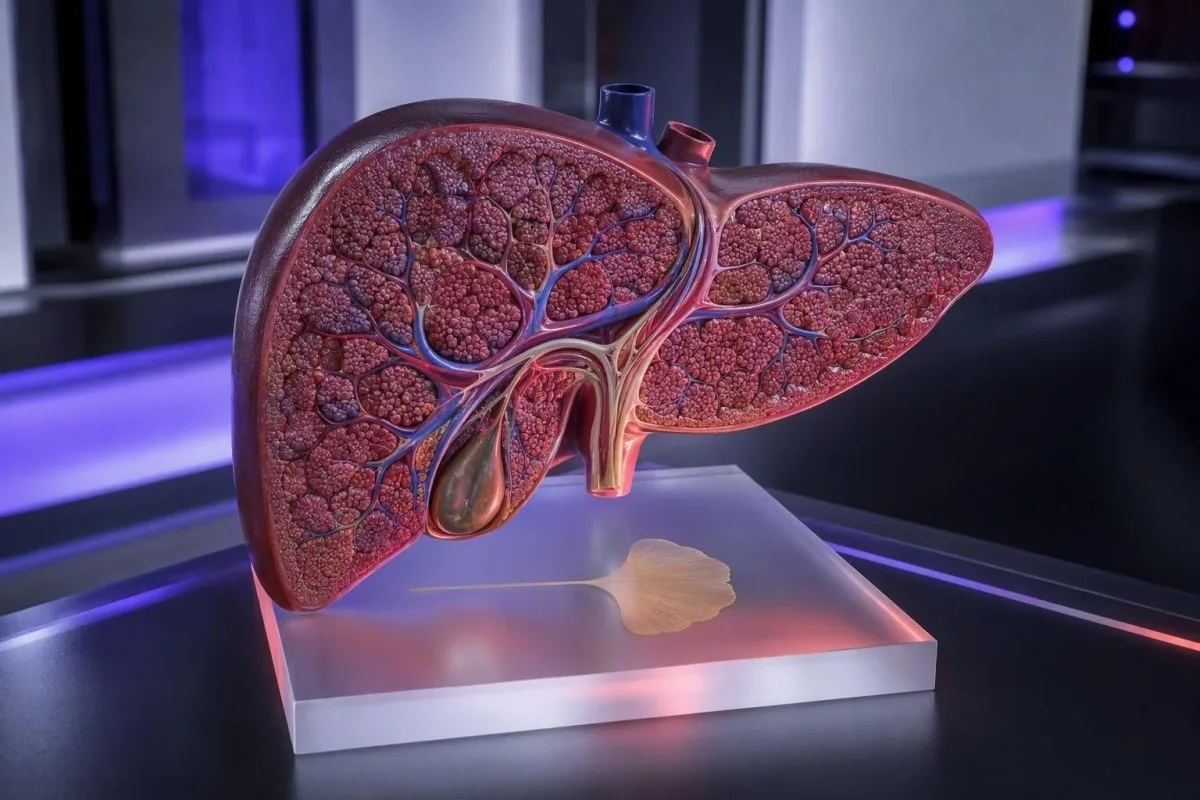
ALT është një enzimë e mëlçisë e raportuar shpesh, por është një sinjal i stresit qelizor më shumë sesa një diagnozë. Kuptimi vjen nga madhësia, modeli, koha dhe pjesa tjetër e panelit tuaj të mëlçisë.


- Kuptimi i ALT: ALT qëndron për alaninë aminotransferazë, një enzimë e matur në IU/L e cila është e përqendruar në qelizat e mëlçisë.
- Gama tipike: Shumë laboratorë për të rriturit përdorin një limit të sipërm të ALT prej 35 IU/L për gratë dhe 45 IU/L për burrat, megjithëse diapazoni i vetë raportit është vendimtar.
- Rritje e lehtë: ALT nën 2 herë limitin e sipërm laboratorik është i zakonshëm dhe shpesh kërkon një përsëritje të planifikuar, jo panik.
- rëndësi ka modeli: ALT me AST, ALP, GGT, bilirubinë ose INR të lartë do të thotë diçka tjetër sesa ngritja e izoluar e ALT.
- Efekti i ushtrimit: Stërvitja e rëndë me pesha mund të rrisë ALT dhe AST për 7 ditë ose më gjatë, veçanërisht kur edhe kreatin kinaza është e lartë.
- Rishikimi i mjekimeve: Acetaminofeni, statinat, antibiotikët, barnat kundër konfiskimit, suplementet dhe produktet bimore mund të ndikojnë në ALT.
- Simptoma urgjente: Verdhëza, konfuzioni, dhimbja e rëndë në pjesën e sipërme të djathtë të barkut, të vjellat e përsëritura ose urina shumë e errët kërkojnë vlerësim mjekësor brenda të njëjtës ditë.
- Vlera trendi: Një ALT në rënie pas heqjes së një shkaktari zakonisht është më pak shqetësuese sesa një rezultat i vetëm kufitar.
Çfarë do të thotë ALT në një test gjaku
ALT qëndron për alaninë aminotransferazë, një enzimë që ndihmon qelizat të transferojnë grupe amino gjatë metabolizmit energjitik. Ajo matet sepse ALT hyn në qarkullim kur qelizat e mëlçisë janë në stres ose të dëmtuara; ajo nuk tregon, në vetvete, dëmtim të përhershëm të mëlçisë.
ALT gjendet kryesisht brenda hepatociteve, qelizave funksionale të mëlçisë, megjithëse sasi të vogla gjenden në muskujt skeletorë dhe inde të tjera. Një rezultat i rritur do të thotë që më shumë enzimë ka arritur në mostër nga sa pritej; ajo nuk mund të identifikojë mëlçinë yndyrore, hepatitin, dëmtimin nga medikamentet ose ushtrimet pa dëshmi shoqëruese.
Në praktikën time klinike, pyetja e parë më e dobishme nuk është “sa lart është?” por “lart në krahasim me çfarë linje bazë dhe çfarë markuesish të tjerë?” Një ALT prej 58 IU/L pas një rutine të re në palestër është një problem tjetër nga ALT 58 IU/L me bilirubinë 65 µmol/L dhe sy të verdhë.
Kantesti është një Analizues i testeve të gjakut AI që lexon ALT krahas AST, ALP, GGT, bilirubinë, albuminë, numrin e trombociteve, medikamentet dhe rezultatet e mëparshme në vend që të trajtojë një vlerë të shënuar si diagnozë. Për një hartë më të gjerë të matjeve të lidhura, shihni tonën për biomarkerët.
Pse mund të shfaqet emri më i vjetër SGPT
Disa raporte ende e quajnë ALT “serum glutamic-pyruvic transaminase” ose SGPT. ALT dhe SGPT i referohen të njëjtit test enzimatik, megjithëse raportimi modern laboratorik zakonisht përdor ALT.
Pse mjekët matin alaninë aminotransferazën
Mjekët urdhërojnë një test alaninë aminotransferazë për të zbuluar stresin hepatocelular, për të monitoruar sëmundje të njohura të mëlçisë dhe për të kontrolluar dëmtimin e shkaktuar nga medikamentet. ALT shpesh përfshihet në një panel mëlçie ose panel kompleks metabolik, edhe kur një person nuk ka simptoma.
ALT kontrollohet shpesh gjatë rishikimeve të diabetit ose lipideve sepse sëmundja e mëlçisë steatoze e asociuar me disfunksion metabolik, e quajtur më parë sëmundja e mëlçisë yndyrore, mund të jetë e heshtur për vite. Udhëzimi AASLD i vitit 2023 këshillon vlerësimin e personave me faktorë rreziku metabolik dhe rritje të pashpjegueshme të enzimave të mëlçisë për rrezikun e sëmundjes steatoze të mëlçisë dhe fibrozës (Rinella et al., 2023).
Një ALT normale nuk përjashton fibrozë të rëndësishme, dhe një ALT e lartë nuk mat fazën e fibrozës. Unë kam parë pacientë me ALT 24 IU/L dhe mbushje kuptimplota në vlerësim specialistik, veçanërisht me diabet tip 2; rezultatet e fibrozës dhe imazhet përgjigjen një pyetjeje tjetër.
Monitorimi i ALT është gjithashtu praktik pas një ndryshimi medikamenti, por duhet planifikuar me kujdes. Udhëzuesi ynë për analizat e gjakut vjetore shpjegon pse frekuenca e testimit duhet të ndjekë rrezikun, simptomat dhe trajtimin në vend që të jetë vetëm zakon.
Vlerat normale të ALT dhe pse kufijtë laboratorikë ndryshojnë
Vargjet referuese të zakonshme të ALT-së te të rriturit variojnë nga rreth 7 deri në 35 IU/L për gratë dhe 10 deri në 45 IU/L për burrat, por vargjet ndryshojnë sipas analizës, popullatës dhe laboratorit. Gjithmonë përdorni kufirin e sipërm të shtypur pranë rezultati tuaj sesa një kufi nga interneti.
Kufiri i sipërm është statistikor, zakonisht i nxjerrë nga një popullatë referuese, jo një garanci se çdo vlerë nën të pasqyron një mëlçi plotësisht të shëndetshme. Disa laboratorë evropianë përdorin kufij të sipërm specifikë për seksin pranë 25 IU/L për gratë dhe 35 IU/L për burrat, të cilët mund të identifikojnë rrezikun metabolik më herët, por gjithashtu krijojnë më shumë sinjale kufitare.
Një vlerë nën dy herë kufirin e sipërm të normales shpesh quhet rritje e lehtë. Për një laborator me një kufi të sipërm prej 40 IU/L, ALT 55 deri në 80 IU/L kërkon kontekst dhe zakonisht një plan përsëritjeje, ndërsa ALT 400 IU/L është 10 herë kufiri i sipërm dhe ndryshon urgjencën.
Dr. Thomas Klein këshillon pacientët të ruajnë emrin e laboratorit, njësitë, diapazonin, datën e marrjes së gjakut, konsumin e alkoolit dhe aktivitetin fizik në javën e kaluar. Kjo bën që dallimet e rezultateve midis vizitave të jenë shumë më të interpretueshme.
Si ALT dhe AST punojnë së bashku
ALT dhe AST duhet të interpretohen së bashku sepse ALT është relativisht e fokusuar në mëlçi, ndërsa AST është gjithashtu e bollshme në muskulin skeletor dhe kardiak. Një raport AST-ndaj-ALT mund të sugjerojë modele, por nuk mund të diagnostikojë vetëm sëmundjen e lidhur me alkoolin ose cirrozën.
Kur ALT tejkalon AST, klinicistët shpesh marrin parasysh steatozën metabolike, hepatitin viral, ose efektet e medikamenteve, megjithëse ka shumë përjashtime. Një raport AST:ALT mbi 2 mund të ndodhë në dëmtimin e mëlçisë të lidhur me alkoolin, por fibrozë e avancuar, dëmtim muskulor dhe koha pas një goditjeje akute gjithashtu mund të ndryshojnë raportin.
Një atlet maratonist 52-vjeçar me AST 89 IU/L, ALT 61 IU/L dhe kreatinë kinazë 1,450 IU/L pas një gare ka nevojë për një bisedë tjetër nga dikush me të njëjtat enzima dhe kreatinë kinazë 90 IU/L. Arsyeja pse ne shqetësohemi për AST plus CK të lartë është lirimi nga muskuli; ALT vetëm është më pak specifik për muskulin, por mund të rritet gjithashtu.
Për aspektin muskulor të këtij dallimi, lexoni shpjegimin tonë për simptomat e AST të lartë. Nëse aktiviteti fizik është një shkak i mundshëm, shmangni stërvitjen e pazakontë të rëndë për 7 ditë para përsëritjes, nëse mjeku juaj nuk këshillon ndryshe.
Pse ALP, GGT dhe bilirubina ndryshojnë kuptimin e ALT
ALT tregon një model hepatocelular, ndërsa fosfataza alkaline, GGT dhe bilirubina ndihmojnë në identifikimin e kolestazës ose rrjedhës së dëmtuar të tëmthit. ALT plus ALP dhe GGT të larta duhet të nxisin marrjen parasysh të sëmundjes së duktuseve biliare, efekteve të medikamenteve, ose inflamacionit të mëlçisë, në vend që të supozoni thjesht mëlçi të yndyrshme.
Një klinicist mund të llogarisë një raport R: ALT i pjesëtuar me limitin e tij të sipërm, pastaj i pjesëtuar me ALP të pjesëtuar me limitin e tij të sipërm. Një raport R prej 5 ose më i lartë mbështet dëmtimin hepatocelular, 2 ose më pak mbështet dëmtimin kolestatik, dhe 2 deri në 5 sugjeron një model të përzier; ky është një mjet për radhitjen e prioriteve, jo një diagnozë përfundimtare.
GGT është i dobishëm kur ALP është e ngritur sepse ngritja e GGT mbështet një burim hepatobiliar, ndërsa ALP gjithashtu mund të rritet nga kthimi i kockave. Një ngritje e izoluar e ALP me GGT normale, prandaj, mund të çojë drejt pyetjeve për kockat dhe vitaminën D në vend të imazhit të mëlçisë.
Urinë e errët, jashtëqitje të zbehtë, kruarje, ethe, ose verdhëzë me bilirubinë të ngritur nuk janë simptoma për “pritjen deri te kontrolli vjetor”. për modelin e kolestazës shpjegon kombinimet që duhet të vlerësohen menjëherë.
Shkaqe të zakonshme të ALT-së së ngritur
ALT e ngritur më së shpeshti pasqyron sëmundjen metabolike të mëlçisë së yndyrshme, ekspozimin ndaj alkoolit, hepatitin viral, efektet e medikamenteve, ose një rritje të përkohshme të lidhur me aktivitetin fizik. Probabiliteti i çdo shkaku ndryshon me peshën trupore, glukozën, trigliceridet, modelin e alkoolit, udhëtimet, medikamentet dhe madhësinë e ngritjes.
Sëmundja metabolike e mëlçisë së yndyrshme është veçanërisht e mundshme kur ngritja e ALT shoqërohet me shtim peshe qendrore, trigliceride mbi 150 mg/dL, kolesterol HDL të ulët, glukozë agjërimi të ngritur, ose diabet tip 2. Mund të ndodhë edhe te persona me trupa më të vegjël, veçanërisht me yndyrë viscerale, gjenetikë, apno gjumi, ose disa medikamente.
Testimi për hepatitin viral varet nga ekspozimi dhe rreziku, jo vetëm nga ALT. Antigjeni sipërfaqësor i hepatitit B dhe antitrupi i hepatitit C me testimin konfirmativ të RNA-së janë pjesë standarde të një vlerësimi të fokusuar kur historia, gjeografia ose modeli enzimor e mbështesin atë; udhëzuesi ynë për hepatitin C mbulon shtegun e zakonshëm.
Shkaqe më pak të zakonshme por të rëndësishme përfshijnë hemokromatozën, hepatitin autoimun, sëmundjen Wilson tek të rinjtë, sëmundjen celiake dhe mungesën e alfa-1 antitripsinës. Dr. Thomas Klein ka parë dëmin e të gjykuarit se çdo ALT i ngritur lidhet me alkoolin; një analizë e strukturuar është më e butë dhe më e saktë.
Barnat dhe suplementet që mund të rrisin ALT
Barnat dhe suplementet mund të ngrenë ALT përmes dëmtimit direkt të mëlçisë, ndryshimit të rrjedhës së tëmthit, efekteve metabolike ose një përputhjeje të rastit. Mos ndaloni një ilaç të përshkruar papritur për shkak të një rezultati; kontaktoni mjekun përshkrues, i cili mund të peshojë përfitimin e drogës kundrejt modelit dhe tendencës.
Acetaminofeni, i quajtur edhe paracetamol, mund të shkaktojë ngritje të theksuar të ALT në mbidozë dhe ndonjëherë ndryshime më të buta në ekspozim terapeutik të lartë. Për shumicën e të rriturve, maksimumi i zakonshëm është 4,000 mg në ditë, por shumë klinicistë rekomandojnë një kufi më të ulët për njerëzit që pinë alkool rregullisht, kanë sëmundje të mëlçisë, janë më të moshuar ose përdorin kundërmjetës të ftohjes.
Statins mund të prodhojnë rritje të vogla të ALT, megjithatë dëmtimi serioz i mëlçisë i lidhur me statinët është i rrallë; ndalimi i një mjekimi kardiovaskular pa këshillë mund të jetë më i rrezikshëm se sinjali i enzimës. Udhëzuesi i ACG rekomandon konfirmimin e kimikateve jonormale të mëlçisë dhe marrjen e një historie të kujdesshme të recetave, të shitura pa recetë dhe suplementeve para testeve të gjera (Kwo et al., 2017).
Ekstrakti i çajit të gjelbër, produktet anabolike, vitamina A në dozë të lartë, pluhurat “detoks” me shumë përbërës dhe suplementet e rregulluara për kultivimin e muskujve meritojnë pyetje specifike sepse etiketimet mund të jenë jo të plota. Rishikoni udhëzuesin tonë praktik për sigurinë e suplementeve para se të shtoni një produkt të ri.
A mund të rrisë ushtrimi ALT-në përkohësisht?
Po, ushtrimi i vështirë mund të rrisë përkohësisht ALT, veçanërisht pas stërvitjes rezistente jo të zakonshme, ngjarjeve të qëndrueshmërisë ose dëmtimit të muskujve. AST dhe kreatin kinaza zakonisht rriten më dukshëm, dhe vlerat mund të marrin 3 deri në 10 ditë për t'u stabilizuar në varësi të intensitetit të ushtrimit dhe masës muskulore.
Kuptimi i gabuar i zakonshëm është se një ALT i ngritur gjithmonë nënkupton dëmtim të mëlçisë. Në praktikë, një seancë e vështirë që përfshin ngritjen ekscentrike – lëvizje të ngadalta të uljes – mund të prishë membranat e muskujve aq sa të ndryshojë AST, ALT, LDH dhe CK pa një çrregullim intrinsek të mëlçisë.
Për një kontroll të pastër, zakonisht u kërkoj pacientëve të qëndrueshëm dhe të shëndetshëm të shmangin stërvitjen e fortë për 5 deri në 7 ditë, të shmangin alkoolin për disa ditë, të mbajnë hidratimin normal dhe të përdorin të njëjtin laborator kur është e mundur. Kjo nuk është e përshtatshme nëse ka simptoma paralajmëruese ose një ALT disa herë mbi nivelin normal; ato situata kërkojnë këshillë mjekësore fillimisht.
Kantesti është një Mjet për analizën e testeve të gjakut me AI përdorur në 127+ vende që mund të krahasojnë ALT, AST, CK dhe tërheqje të mëparshme për të sinjalizuar një model të përputhshëm me ushtrimin pa e deklaruar atë të padëmshëm. Atletët gjithashtu mund të rishikojnë kohën e testit të gjakut të maratonës.
Simptomat që e bëjnë një rezultat ALT më urgjent
Shumica e ngritjeve të buta të ALT nuk shkaktojnë simptoma, por verdhëza, urinë shumë të errët, jashtëqitje të zbehtë, dhimbje të forta barku, konfuzion, mavijosje të lehtë ose të vjella të vazhdueshme kërkojnë vlerësim mjekësor të shpejtë. Simptomat kanë rëndësi sepse ato mund të tregojnë dëmtim të funksionit të bilirubinës, bllokim të tëmthit, hepatit akut ose funksion të reduktuar të sintezës së mëlçisë.
Kërkoni kujdes në të njëjtën ditë për sy ose lëkurë të verdhë, konfuzion, gjumësi të re, dhimbje që përkeqësohet me shpejtësi nën brinjët e djathtë, ose pamundësi për të mbajtur lëngjet. Këto simptoma kanë më shumë peshë kur ALT është mbi 5 herë kufiri i sipërm, bilirubina është e ngritur, ose INR është e zgjatur.
Shtatzënia ndryshon pragun për shqetësim: kruarje e pëllëmbëve ose shputave, shqetësim në pjesën e sipërme të djathtë të barkut, dhimbje koke, shqetësim vizual, ose presion i lartë i gjakut kërkon vlerësim urgjent obstetrik edhe kur ALT është vetëm moderuar i ngritur. Kushtet specifike të shtatzënisë kërkojnë një shteg të ndryshëm nga testimi rutinë jashtë pacientit për mëlçinë.
Ndryshimet në urinë mund të shtojnë të dhëna, por nuk janë diagnostikuese vetvetiu. Artikulli ynë mbi shkaqet e urinës së errët ndihmon në dallimin e dehidrimit dhe medikamenteve nga shenjat paralajmëruese të lidhura me bilirubinën.
Çfarë ndodh zakonisht pas një rezultati jonormal të ALT
Pas një rezultati jonormal të ALT, klinicistët zakonisht konfirmojnë rezultatin, rishikojnë ekspozimet dhe përsëritin ose zgjerojnë panelin bazuar në madhësinë e ngritjes dhe simptomat. Një rezultat i vetëm i butë shpesh çon në një përsëritje në javë deri në disa muaj, ndërsa ngritja e theksuar ose verdhëza justifikon vlerësim më të shpejtë.
Një rishikim i parë i arsyeshëm përfshin modelin e alkoolit, sëmundjet e fundit, ndryshimet e peshës trupore, udhëtimet, historinë familjare, ilaçet me recetë dhe pa recetë, suplementet dhe ushtrimet gjatë 7 ditëve të mëparshme. Testet e zakonshme të ndjekjes përfshijnë AST, ALP, GGT, bilirubinën, albuminën, numërimin e plotë të gjakut, INR, skriningun e hepatitit, ferritinën me ngopjen e transferrinës dhe glukozën ose HbA1c.
Ultratingulli shpesh është i dobishëm për steatozën, gurët në tëmth, zgjerimin e kanaleve biliare ose ndryshimin strukturor, por nuk e klasifikon me besueshmëri fibrozën e hershme. FIB-4 përdor moshën, AST, ALT dhe numrin e trombociteve për të vlerësuar rrezikun e fibrozës; bëhet më pak i besueshëm nën moshën 35 vjeç dhe nuk duhet të përdoret gjatë sëmundjeve akute.
Kantesti AI është një shërbimin e interpretimit të analizave të AI që organizon këto markera të lidhur dhe rezultatet longitudinale për diskutim me një mjek. shpjeguesi i panelit të mëlçisë tregon se çfarë kontribuon çdo komponent i ndjekjes.
Pse trendet e ALT janë më të dobishme se një numër i vetëm
Një trend ALT është shpesh më informativ sesa një rezultat i vetëm, sepse tregon nëse sinjali po zhduket, është persistues apo po përshpejtohet. Një ndryshim nga 72 në 34 IU/L pas 6 javësh mbart një mesazh të ndryshëm klinike sesa 34 në 72 IU/L, edhe nëse të dy numrat mund të jenë afër kufirit të laboratorit.
Variacioni biologjik, hidratimi, variacioni i analizës dhe koha mund të lëvizin ALT moderuar midis marrjeve. Përsëritja në të njëjtin laborator, në një kohë të ngjashme të ditës, pas aktivitetit të krahasueshëm dhe ekspozimit ndaj alkoolit, zvogëlon zhurmën dhe e bën ndryshimin real më të lehtë për t'u identifikuar.
Lëshimi persistues për më shumë se 6 muaj meriton një vlerësim më të qëllimshëm, veçanërisht me diabet, obezitet, histori familjare të sëmundjeve të mëlçisë, rënie të trombociteve ose rritje të bilirubinës. Në të kundërt, një ALT i butë dhe stabil te një pacient i vlerësuar plotësisht mund të monitorohet në vend që të ndiqet me teste të gjera të përsëritura.
Kantesti AI interpreton trendët ALT me AST shoqërues, numrin e trombociteve, bilirubinën dhe markeret metabolike, në vend që të trajtojë një ndryshim prej 3 IU/L si përparim të sëmundjes. Shikoni tonë për testimin longitudinal për detajet që ia vlen të regjistrohen pas çdo marrjeje.
Keqkuptime rreth ALT që mund të çojnë në vendime të këqija
ALT nuk është një “test i funksionit të mëlçisë” në kuptimin e ngushtë, sepse mat rrjedhjen e enzimave, jo aftësinë e mëlçisë për të prodhuar albuminë, faktorë mpiksjeje ose biliare. Albuminë, INR, bilirubinë, numri i trombociteve, simptomat dhe imazhet mund të tregojnë një histori më të rëndësishme sesa vetëm ALT.
ALT normal nuk të jep leje për të injoruar marrjen e rëndë të alkoolit, diabetin ose një histori familjare të fortë të sëmundjeve të mëlçisë. Në mënyrë të ngjashme, ALT i ngritur nuk provon se alkooli ishte shkaku; ky supozim mund të dëmtojë besimin dhe të vonojë diagnostikimin e kushteve virale, autoimune, gjenetike ose të lidhura me medikamentet.
“Detoksifikimet e mëlçisë” janë një tjetër kurth i zakonshëm. Mëlçia tashmë merret me metabolizmin dhe pastrimin, ndërsa agjërimi agresiv, bimët e pakontrolluara dhe humbja e shpejtë e peshës mund të përkeqësojnë ndonjëherë simptomat ose markeret laboratorike; dëshmitë për regjimet komerciale të detoksifikimit janë sinqerisht të pakta.
Nëse dieta është pjesë e diskutimit, përqendrohuni në ndryshimin e qëndrueshëm të peshës, proteinat e mjaftueshme, fibrat dhe reduktimin e ushqimit ultra-të përpunuar, në vend të produkteve të mrekullive. Tonë e bazuar në dëshmi ushqimin e mëlçisë është një pikë më e sigurt për fillim.
Interpretimi i ALT-së te fëmijët, gratë shtatzëna dhe të moshuarit
Interpretimi i ALT kërkon kontekst specifik sipas moshës te fëmijët, shtatzënat dhe të moshuarit, sepse kufijtë referues dhe shkaqet e mundshme ndryshojnë. Kufijtë e ALT pediatrik janë shpesh më të ulët se intervalet laboratorike te të rriturit, dhe simptomat e mëlçisë të lidhura me shtatzëninë kërkojnë vlerësim më të shpejtë të udhëhequr nga specialistë.
Te fëmijët, sëmundja e mëlçisë steatoze e lidhur me obezitetin është duke u njohur gjithnjë e më shumë, por sëmundjet virale, çrregullimet muskulore, sëmundja celiake dhe kushtet e trashëgueshme metabolike duhet të mbeten në diferenciale. Një mjek pediatër duhet të interpretojë lëshimin e ALT persistues, në vend që të aplikojë të menduarit e të rriturve “nën 40 IU/L është në rregull”.
Gjatë shtatzënisë, ALT përgjithësisht duhet të qëndrojë brenda intervalit referues jo-shtatzënë; një rritje me hipertension, trombocite të ulëta, kruajtje ose nauze kërkon vlerësim të menjëhershëm për çrregullime specifike të shtatzënisë. Albuminë zakonisht bie për shkak të zgjerimit të vëllimit të plazmës, kështu që albumina dhe ALT nuk duhet të interpretohen me të njëjtën logjikë.
Te të moshuarit, polifarmacia dhe pafuqia rrisin vlerën e një rishikimi të plotë të medikamenteve. Tonë guida laboratorike për medikamentet te të moshuarit përshkruan pyetje për t'i paraqitur në takim.
Përdorimi i sigurt i interpretimit të AI për rezultatet e ALT
AI mund të ndihmojë në organizimin e një rezultati ALT, por nuk mund t'ju ekzaminojë, të verifikojë simptomat, ose të zëvendësojë vlerësimin mjekësor për një model potencialisht serioz të mëlçisë. Përdorimi më i sigurt është përgatitja: identifikoni modelin, ruani raportin origjinal dhe sillni pyetje të fokusuar te një mjek i kualifikuar.
Që nga 5 shtatori 2026, Kantesti është një platformë e interpretimit të analizave të gjakut AI që shqyrton raportet laboratorike të ngarkuara në rreth 60 sekonda dhe vendos ALT në kontekstin e vlerave të lidhura, historisë së trendeve dhe medikamenteve të raportuara. Ai është projektuar për të përmirësuar cilësinë e pyetjeve, jo për të dhënë një diagnozë ose përshkruar trajtim.
Për saktësi, kontrolloni që imazhi i raportit të jetë i lexueshëm, njësitë të jenë kapur siç duhet dhe një rezultat nga një vit më parë të mos ngatërrohet me vlerën e sotme. Qasja klinike e Kantesti-së formësohet nga mbikëqyrja e mjekut; lexuesit mund të rishikojnë tonë standardet tona të validimit mjekësor dhe Bordi Këshillimor Mjekësor kur vendosin se si të përdorin interpretimin e mbështetur nga AI.
Sillni tre gjëra në një rishikim: panelin e plotë, një listë të çdo mjekimi dhe suplementi me doza, dhe një afat kohor të alkoolit, sëmundjeve, udhëtimeve dhe ushtrimeve intensive. Kjo përgatitje modeste shpesh parandalon alarm të panevojshëm dhe parandalon që të humbet një model kuptimplotë.
Një listë kontrolli praktike para testit tuaj të ardhshëm ALT
Para një ri-testimi të planifikuar të ALT, mbajeni rutinën tuaj të qëndrueshme dhe dokumentoni faktorët që mund të ndryshojnë enzimat. Shmangni stërvitjen e rëndë për 5 deri në 7 ditë ku është e sigurt klinikisht, shmangni alkoolin për disa ditë dhe mos ndryshoni medikamentet e përshkruara nëse mjeku juaj nuk ju udhëzon ndryshe.
Regjistroni çdo përdorim të acetaminofenit ose paracetamolit, antibiotikë, suplemente të reja, ethe të kohëve të fundit, gastroenterit, vaksina, agjërim dhe ndryshim të shpejtë të peshës. Agjërimi zakonisht nuk kërkohet vetëm për ALT, megjithëse mund të kërkohet nëse glukoza, trigliceridet ose teste të tjera po maten në të njëjtin vizitë.
Pyeteni mjekun nëse ALT përsëritur duhet të përfshijë AST, ALP, GGT, bilirubinën, albuminën, trombocitet dhe CK. Përgjigja shpesh varet nga modeli i parë; një ALT i izoluar prej 48 IU/L pas stërvitjes me pesha nuk ka nevojë për të njëjtin analizë si ALT 248 IU/L me bilirubinë 48 µmol/L.
Nëse keni nevojë për ndihmë në mbledhjen e pyetjeve nga raporti juaj, kontrollistin e saktësisë së raportit AI është i dobishëm para vizitës. Për informacion organizativ rreth punës sonë, shihni Rreth Kantestit.
Pyetje të Shpeshta
ALT-i çfarë do të thotë në rezultatet e analizave laboratorike?
ALT do të thotë alaninë aminotransferazë, një enzimë e gjetur kryesisht në qelizat e mëlçisë dhe e maturuar në njësi ndërkombëtare për litër (IU/L). Shumë laboratorë përdorin kufij të sipërm rreth 35 IU/L për gratë e rritura dhe 45 IU/L për burrat e rritur, megjithëse intervali referues i shtypur në raportin individual është krahasuesi i saktë. Një ALT i rritur sinjalizon stres ose dëmtim qelizor, por nuk mund të identifikojë vetë shkakun. AST, ALP, GGT, bilirubina, medikamentet, alkooli, ushtrimet dhe simptomat përcaktojnë kuptimin e rezultatit.
A është ALT 50 IU/L i lartë?
ALT prej 50 IU/L është lehtësisht i ngritur në laboratorë me një limit të sipërm prej 35 ose 40 IU/L, por është afër normales në disa laboratorë me një limit të sipërm prej 55 IU/L. Një vlerë rreth 50 IU/L zakonisht është më pak urgjente kur bilirubina, ALP, INR dhe simptomat janë normale, megjithëse ende kërkon kontekst dhe shpesh një përsëritje. Stërvitja e fundit me pesha, alkooli, steatoza metabolike, medikamentet dhe suplementet janë shpjegime të zakonshme. Ngritja e vazhdueshme përtej 6 muajsh kërkon një rishikim të strukturuar klinik.
A mund të rrisë ushtrimi nivelet e ALT?
Ushtrimet e sforcuara mund të rrisin ALT, AST, LDH dhe kreatin kinazën, sepse muskuli skeletor lëshon enzima pas përpjekjeve intensive ose të panjohura. Rritja mund të zgjasë nga 3 deri në 10 ditë, me AST dhe kreatin kinazën që shpesh rriten më shumë se ALT. Shmangia e aktivitetit jashtëzakonisht të sforcuar për 5 deri në 7 ditë para një përsëritjeje të planifikuar mund të sqarojë nëse ushtrimet kanë kontribuar. Rritja e theksuar e ALT, verdhëza, dhimbja e rëndë ose urina e errët ende kërkojnë këshillë mjekësore urgjente, në vend që të supozohet se ushtrimet janë përgjegjëse.
Cili është më i rëndësishëm, ALT apo AST?
Asnjë nga ALT apo AST nuk është më e rëndësishme në mënyrë universale, sepse çifti ofron më shumë informacion sesa secili rezultat më vete. ALT është më e fokusuar në mëlçi, ndërsa AST gjendet gjithashtu në muskujt e skeletit dhe mund të rritet ndjeshëm pas ushtrimit ose dëmtimit muskulor. Një raport AST-ndaj-ALT mbi 2 mund të ndodhë me dëmtim të mëlçisë të lidhur me alkoolin, por nuk është diagnostikues dhe mund të shfaqet gjithashtu me fibrozë të avancuar ose lirimin e muskujve. Klinicistët interpretojnë të dyja vlerat me GGT, ALP, bilirubinë, kreatinë kinazë, numrin e trombociteve dhe historinë klinike.
Kur rezultati i lartë i ALT-së duhet trajtuar si urgjent?
Një rezultat i lartë i ALT kërkon vlerësim urgjent kur është më shumë se 5 herë mbi kufirin e sipërm të laboratorit, rritet shpejt, ose ndodh me verdhëz, konfuzion, dhimbje të forta në kuadratin e sipërm të djathtë të abdomenit, të vjella të vazhdueshme, mavijosje të lehtë, ose urinë shumë të errët. Ngritja e bilirubinës, një INR e prolonguar, glukozë e ulët, ose trombocite të ulëta mund të rrisin shqetësimin sepse ato mund të tregojnë më shumë sesa një lëshim i izoluar i enzimës. Kruarja, dhimbja e kokës, simptomat vizuale, ose presioni i lartë i gjakut të lidhur me shtatzëninë me ngritje të ALT gjithashtu kërkojnë vlerësim urgjent obstetrik. Një rezultat i izoluar dhe i butë nën 2 herë mbi kufirin e sipërm zakonisht vlerësohet më pak urgjentisht, por nuk duhet injoruar.
A mund të shkaktojë mëlçia e yndyrtë ALT-në e lartë?
Sëmundja e mëlçisë me yndyrë e shoqëruar me disfunksion metabolik është një shkak i zakonshëm i ALT-së së ngritur lehtë, veçanërisht me trigliceridet mbi 150 mg/dL, glukozën e ngritur, diabetin e tipit 2, shtimin e peshës në qendër, ose kolesterolin e ulët HDL. ALT mund të jetë normale pavarësisht nga yndyra ose fibrozë në mëlçi, kështu që një rezultat normal nuk përjashton sëmundje klinikisht relevante. Udhëzimi i AASLD i vitit 2023 mbështet vlerësimin e rrezikut të fibrozës te njerëzit me faktorë rreziku metabolik dhe ngritje të pashpjegueshme të enzimave. Menaxhimi i qëndrueshëm i peshës, kontrolli i diabetit, reduktimi i alkoolit dhe monitorimi i drejtuar nga klinicisti janë më të bazuar në prova sesa produktet e detoksifikimit.
Merrni sot analizë të analizave të gjakut me AI
Bashkohuni me mbi 2 milionë përdorues në mbarë botën që i besojnë Kantesti për analizë të menjëhershme dhe të saktë të analizave laboratorike. Ngarkoni rezultatet e analizave të gjakut dhe merrni interpretim gjithëpërfshirës të biomarkerëve të 15,000+ brenda sekondash.
📚 Publikime kërkimore të cituara
Klein, T., Mitchell, S., & Weber, H. (2026). Udhëzues për grupin e gjakut B negativ, analizën e LDH dhe numërimin e retikulociteve. Kantesti Kërkim Mjekësor me AI.
Klein, T., Mitchell, S., & Weber, H. (2026). Diarre pas agjërimit, njolla të zeza në jashtëqitje dhe udhëzues gastrointestinal 2026. Kantesti Kërkim Mjekësor me AI.
📖 Referenca të jashtme mjekësore
⚕️ Mohim përgjegjësie mjekësore
Ky artikull është vetëm për qëllime edukative dhe nuk përbën këshilla mjekësore. Gjithmonë konsultohuni me një ofrues të kualifikuar të kujdesit shëndetësor për vendimet e diagnozës dhe trajtimit.
Sinjalet e Besimit E-E-A-T
Përvoja
Rishikim klinik i udhëhequr nga mjeku i flukseve të punës për interpretimin e analizave.
Ekspertizë
Fokus i mjekësisë laboratorike mbi mënyrën se si sillen biomarkerët në kontekstin klinik.
Autoritariteti
Shkruar nga Dr. Thomas Klein me rishikim nga Dr. Sarah Mitchell dhe Prof. Dr. Hans Weber.
Besueshmëria
Interpretim i bazuar në prova, me rrugë të qarta për ndjekje për të reduktuar alarmin.