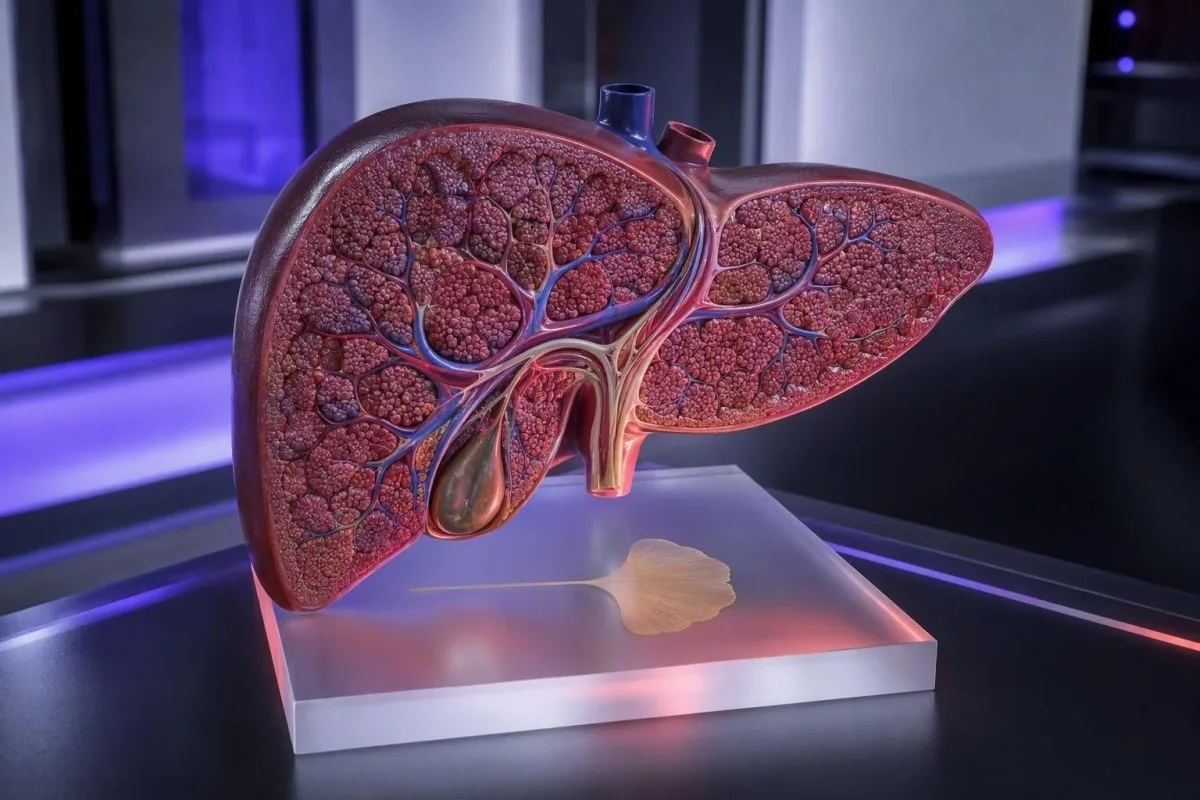
ALT je běžně uváděný jaterní enzym, ale signalizuje spíše stres buněk než diagnózu. Jeho význam vyplývá z jeho velikosti, vzorce, načasování a zbytku vašeho jaterního panelu.


- Význam ALT: ALT znamená alanin aminotransferáza, enzym měřený v IU/L, který je koncentrován v jaterních buňkách.
- Typický rozsah: Mnoho dospělých laboratoří používá horní limit ALT 35 IU/L pro ženy a 45 IU/L pro muže, ačkoli rozhodující je rozsah samotného laboratorního vyšetření.
- Mírné zvýšení: ALT nižší než 2násobek horní hranice laboratoře je běžný a často si zaslouží plánované opakování, nikoli paniku.
- záleží na vzorci: ALT s vysokými AST, ALP, GGT, bilirubínem nebo INR znamená něco jiného než izolované zvýšení ALT.
- Vliv cvičení: Intenzivní silový trénink může zvýšit ALT a AST po dobu 7 dnů nebo déle, zejména pokud je také vysoká kreatinkináza.
- Kontrola medikace: Acetaminofen, statiny, antibiotika, antiepileptika, doplňky stravy a bylinné přípravky mohou ovlivnit ALT.
- Naléhavé příznaky: Žloutenka, zmatenost, silná bolest v pravém horním kvadrantu břicha, opakované zvracení nebo velmi tmavá moč vyžadují posouzení lékařem ve stejný den.
- Trendová hodnota: Klesající ALT po odstranění spouštěče je obvykle uklidňující než jeden izolovaný hraniční výsledek.
Co ALT znamená na krevním testu
ALT je zkratka pro alaninaminotransferázu, enzym, který pomáhá buňkám přenášet aminoskupiny během energetického metabolismu. Měří se, protože ALT vstupuje do oběhu, když jsou jaterní buňky ve stresu nebo poškozené; samo o sobě to nedokazuje trvalé poškození jater.
ALT se nachází hlavně uvnitř hepatocytů, pracovních buněk jater, ačkoli malé množství se vyskytuje ve svalové tkáni a jiných tkáních. Zvýšený výsledek znamená, že se do vzorku dostalo více enzymu, než se očekávalo; nemůže identifikovat steatózu jater, hepatitidu, poškození způsobené léky nebo cvičení bez doprovodných důkazů.
V mé klinické praxi je nejužitečnější první otázkou nikoli “jak vysoká je?”, ale “vysoká v porovnání s jakou výchozí hodnotou a jakými jinými markery?”. ALT 58 IU/L po nové rutině v posilovně je jiný problém než ALT 58 IU/L s bilirubínem 65 µmol/L a žlutýma očima.
Kantesti je Analyzátor krevních testů AI který čte ALT spolu s AST, ALP, GGT, bilirubínem, albuminem, počtem krevních destiček, léky a předchozími výsledky, místo aby jeden označený údaj považoval za diagnózu. Pro širší mapu souvisejících měření viz naše průvodce biomarkery.
Proč se může objevit starší název SGPT
Některé zprávy stále nazývají ALT “serum glutamic-pyruvic transaminase” nebo SGPT. ALT a SGPT odkazují na stejný test enzymu, ačkoli moderní laboratorní hlášení obvykle používá ALT.
Proč lékaři měří alanin aminotransferázu
Klinici objednávají test alaninaminotransferázy k detekci stresu hepatocytů, monitorování známých onemocnění jater a kontrole poškození způsobeného léky. ALT je často zahrnut do jaterního panelu nebo komplexního metabolického panelu, i když osoba nemá žádné příznaky.
ALT se běžně kontroluje během vyšetření cukrovky nebo lipidů, protože steatotické onemocnění jater spojené s metabolickou dysfunkcí, dříve nazývané steatóza jater, může být po léta asymptomatické. Doporučení AASLD z roku 2023 radí vyšetřit osoby s metabolickými rizikovými faktory a nevysvětleným zvýšením jaterních enzymů na steatotické onemocnění jater a riziko fibrózy (Rinella et al., 2023).
Normální ALT nevylučuje významnou fibrózu a vysoká ALT neměří stadium fibrózy. Viděl jsem pacienty s ALT 24 IU/L a významným zjizvením při odborném posouzení, zejména s diabetem 2. typu; skóre fibrózy a zobrazovací metody odpovídají na jinou otázku.
Monitorování ALT je také praktické po změně medikace, ale mělo by být naplánováno promyšleně. Naše příručka k ročním krevním testům vysvětluje, proč by frekvence testování měla následovat riziko, příznaky a léčbu, nikoli pouze zvyk.
Normální rozmezí ALT a proč se laboratorní hranice liší
Referenční rozmezí pro ALT u dospělých se obvykle pohybuje od přibližně 7 do 35 IU/L pro ženy a 10 až 45 IU/L pro muže, ale rozmezí se liší podle testu, populace a laboratoře. Vždy používejte horní limit vytištěný vedle vašeho výsledku, nikoli internetový limit.
Horní limit je statistický, obvykle odvozený z referenční populace, nikoli záruka, že každá hodnota pod ním odráží zcela zdravá játra. Některé evropské laboratoře používají specifické pro pohlaví horní limity blízko 25 IU/L pro ženy a 35 IU/L pro muže, což může dříve identifikovat metabolické riziko, ale také vytváří více hraničních označení.
Hodnota pod dvojnásobkem horního limitu normálu se často nazývá mírné zvýšení. Pro laboratoř s horním limitem 40 IU/L si ALT 55 až 80 IU/L zaslouží kontext a obvykle plán opakování, zatímco ALT 400 IU/L je 10násobek horního limitu a mění naléhavost.
Dr. Thomas Klein radí pacientům, aby si poznamenali název laboratoře, jednotky, rozmezí, datum odběru, konzumaci alkoholu a cvičení v předchozím týdnu. To činí rozdíly ve výsledcích mezi návštěvami mnohem srozumitelnějšími.
Jak ALT a AST spolupracují
ALT a AST by se měly interpretovat společně, protože ALT je poměrně zaměřena na játra, zatímco AST je hojně přítomna také ve svalové a srdeční tkáni. Poměr AST k ALT může naznačovat vzorce, ale sám o sobě nemůže diagnostikovat onemocnění související s alkoholem nebo cirhózu.
Když ALT převýší AST, lékaři často zvažují metabolickou steatózu, virovou hepatitidu nebo účinky léků, ačkoli existuje mnoho výjimek. Poměr AST:ALT nad 2 se může vyskytnout u jaterního poškození spojeného s alkoholem, ale pokročilá fibróza, svalové poškození a časový odstup po akutním inzultu mohou také ovlivnit poměr.
52letý maratonský běžec s AST 89 IU/l, ALT 61 IU/l a kreatinkinázou 1 450 IU/l po závodě potřebuje jinou konzultaci než někdo se stejnými enzymy a kreatinkinázou 90 IU/l. Důvodem, proč nás znepokojuje AST plus vysoká CK, je uvolňování ze svalů; samotná ALT není tak specifická pro svaly, ale může také stoupat.
Pro svalovou stránku tohoto rozlišení si přečtěte naše vysvětlení příznaků vysoké AST. Pokud je fyzická aktivita pravděpodobnou příčinou, vyhněte se neobvykle náročnému tréninku 7 dní před opakováním, pokud váš lékař neurčí jinak.
Proč ALP, GGT a bilirubin mění význam ALT
ALT naznačuje hepatocelulární vzorec, zatímco alkalická fosfatáza, GGT a bilirubin pomáhají identifikovat cholestázu nebo narušený tok žluči. ALT plus vysoká ALP a GGT by měly podnítit zvážení onemocnění žlučovodů, účinků léků nebo zánětu jater spíše než předpokládat jednoduché ztučnění jater.
Lékař může vypočítat R poměr: ALT děleno jejím horním limitem, pak děleno ALP děleno jejím horním limitem. R poměr 5 nebo vyšší podporuje hepatocelulární poškození, 2 nebo nižší podporuje cholestatické poškození a 2 až 5 naznačuje smíšený vzorec; toto je nástroj pro třídění, nikoli konečná diagnóza.
GGT je užitečné, když je ALP zvýšená, protože elevace GGT podporuje hepatobiliární zdroj, zatímco ALP může také stoupat z kostní obnovy. Izolovaný nárůst ALP s normální GGT proto může vést spíše k otázkám týkajícím se kostí a vitaminu D než k jaternímu zobrazování.
Tmavá moč, bledá stolice, svědění, horečka nebo žloutenka se zvýšeným bilirubinem nejsou symptomy “počkejte na další roční test”. Naše příručka k cholestáze vysvětluje kombinace, které by měly být posouzeny neprodleně.
Běžné příčiny zvýšené ALT
Zvýšená ALT nejčastěji odráží metabolické steatické onemocnění jater, expozici alkoholu, virovou hepatitidu, účinky léků nebo dočasný nárůst související s cvičením. Pravděpodobnost každé příčiny se mění s tělesnou hmotností, glukózou, triglyceridy, alkoholovým vzorcem, cestováním, léky a velikostí elevace.
Metabolická steatóza jater je obzvláště pravděpodobná, když zvýšení ALT doprovází centrální přibírání na váze, triglyceridy nad 150 mg/dL, nízký HDL cholesterol, zvýšená glykémie nalačno nebo diabetes 2. typu. Může se vyskytnout i u lidí s menší postavou, zejména s viscerálním tukem, genetickými predispozicemi, spánkovou apnoe nebo určitými léky.
Testování virové hepatitidy závisí na expozici a riziku, nikoli pouze na ALT. HBsAg a protilátky proti HCV s konfirmačním testováním RNA jsou standardní součástí cíleného vyšetření, pokud to anamnéza, zeměpisná poloha nebo enzymový profil podporují; náš průvodce hepatitidou C pokrývá obvyklý postup.
Méně časté, ale důležité příčiny zahrnují hemochromatózu, autoimunitní hepatitidu, Wilsonovu chorobu u mladších lidí, celiakii a deficit alfa-1 antitrypsinu. Dr. Thomas Klein viděl škody způsobené domněním, že každé zvýšení ALT souvisí s alkoholem; strukturované vyšetření je laskavější a přesnější.
Léky a doplňky stravy, které mohou zvýšit ALT
Léky a doplňky stravy mohou zvýšit ALT přímým poškozením jater, změnou toku žluči, metabolickými účinky nebo nesouvisející náhodou. Nepřerušujte předepsaný lék náhle kvůli jednomu výsledku; kontaktujte předepisujícího lékaře, který může zvážit přínos léku oproti vzorci a trendu.
Acetaminofen, nazývaný také paracetamol, může způsobit výrazné zvýšení ALT při předávkování a někdy mírnější změny při vysoké terapeutické expozici. Pro většinu dospělých je obvyklý maximální příjem 4 000 mg denně, ale mnoho lékařů doporučuje nižší hranici pro lidi, kteří pravidelně pijí alkohol, mají onemocnění jater, jsou starší nebo používají kombinované léky na nachlazení.
Statiny mohou způsobit malé zvýšení ALT, přesto je vážné poškození jater spojené se statiny vzácné; ukončení užívání kardiovaskulárního léku bez porady může být rizikovější než enzymový flag. Směrnice ACG doporučuje potvrdit abnormální jaterní chemie a provést pečlivou anamnézu předepsaných, volně prodejných léků a doplňků stravy před rozsáhlým testováním (Kwo et al., 2017).
Extrakt ze zeleného čaje, anabolické produkty, vysoké dávky vitamínu A, vícesložkové “detoxikační” prášky a neregulované doplňky pro kulturistiku si zaslouží specifické otázky, protože etikety mohou být neúplné. Před přidáním nového produktu si projděte náš praktický průvodce bezpečností doplňků stravy .
Může cvičení dočasně zvýšit ALT?
Ano, namáhavé cvičení může dočasně zvýšit ALT, zejména po neznámém silovém tréninku, vytrvalostních událostech nebo svalovém zranění. AST a kreatinkináza obvykle stoupají výrazněji a hodnoty se mohou normalizovat za 3 až 10 dnů v závislosti na intenzitě cvičení a svalové hmotě.
Běžným omylem je, že zvýšené ALT vždy znamená poškození jater. V praxi může náročné cvičení zahrnující excentrické zvedání – pomalé spouštěcí pohyby – narušit svalové membrány natolik, že změní AST, ALT, LDH a CK bez vnitřního onemocnění jater.
Pro čisté zopakování testu obvykle žádám stabilní, dobře se cítící pacienty, aby se vyhnuli intenzivnímu tréninku po dobu 5 až 7 dnů, vyhýbali se alkoholu po několik dnů, udržovali normální hydrataci a pokud možno používali stejnou laboratoř. To není vhodné, pokud existují varovné příznaky nebo ALT je několikanásobně nad referenční mezí; tyto situace vyžadují nejprve lékařské doporučení.
Kantesti je Nástroj pro analýzu krevních testů poháněný AI používané ve 127+ zemích, které mohou porovnávat ALT, AST, CK a předchozí odběry k označení vzorce kompatibilního s cvičením, aniž by ho prohlásily za neškodné. Sportovci si také mohou projít načasování krevních testů u maratonců.
Příznaky, které činí výsledek ALT naléhavějším
Většina mírných zvýšení ALT nezpůsobuje příznaky, ale žloutenka, velmi tmavá moč, světlá stolice, silná bolest břicha, zmatenost, snadná tvorba modřin nebo trvalé zvracení vyžadují okamžité lékařské vyšetření. Příznaky jsou důležité, protože mohou naznačovat poruchu zpracování bilirubinu, obstrukci žlučových cest, akutní hepatitidu nebo sníženou syntetickou funkci jater.
Vyhledejte péči ve stejný den při žlutých očích nebo kůži, zmatenosti, nové ospalosti, rychle se zhoršující bolesti pod pravými žebry nebo neschopnosti udržet tekutiny v žaludku. Tyto příznaky mají větší váhu, když je ALT nad 5násobkem horní hranice, bilirubin je zvýšený nebo INR je prodloužen.
Těhotenství mění práh pro obavy: svědění dlaní nebo chodidel, bolest v pravém horním kvadrantu břicha, bolesti hlavy, poruchy vidění nebo vysoký krevní tlak vyžadují naléhavé porodnické vyšetření, i když je ALT pouze mírně zvýšena. Stavy specifické pro těhotenství vyžadují jiný postup než běžné ambulantní jaterní testování.
Změny moči mohou přidat vodítka, ale samy o sobě nejsou diagnostické. Náš článek o příčinách tmavé moči pomáhá rozlišit dehydrataci a léky od varovných příznaků souvisejících s bilirubinem.
Co se obvykle stane po abnormálním výsledku ALT
Po abnormálním výsledku ALT lékaři obvykle potvrdí výsledek, zkontrolují expozice a zopakují nebo rozšíří panel na základě velikosti zvýšení a symptomů. Jeden mírný výsledek často vede k opakování za několik týdnů až měsíců, zatímco výrazné zvýšení nebo žloutenka vyžadují rychlejší posouzení.
Rozumná první kontrola zahrnuje vzorec pití alkoholu, nedávné onemocnění, změny tělesné hmotnosti, cestování, rodinnou anamnézu, léky na předpis i bez předpisu, doplňky stravy a cvičení během předchozích 7 dnů. Běžné následné testy zahrnují AST, ALP, GGT, bilirubin, albumin, kompletní krevní obraz, INR, screening hepatitidy, ferritin s transferinovou saturací a glukózu nebo HbA1c.
Ultrazvuk je často užitečný pro steatózu, žlučové kameny, dilataci žlučovodů nebo strukturální změny, ale nespolehlivě odhaduje stadium časné fibrózy. FIB-4 používá věk, AST, ALT a počet trombocytů k odhadu rizika fibrózy; je méně spolehlivý pod 35 let a neměl by být používán během akutního onemocnění.
Kantesti AI je an službě pro interpretaci výsledků laboratorních testů AI který organizuje tyto související markery a dlouhodobé výsledky k diskusi s lékařem. Naše vysvětlení jaterních testů ukazuje, co přispívá jednotlivá následná složka.
Proč jsou trendy ALT užitečnější než jedno číslo
Trend ALT je často informativnější než jeden výsledek, protože ukazuje, zda se signál zlepšuje, přetrvává nebo zrychluje. Změna z 72 na 34 IU/L po 6 týdnech nese jiný klinický význam než změna z 34 na 72 IU/L, i když obě čísla mohou být blízko laboratorního limitu.
Biologická variabilita, hydratace, variabilita metody a načasování mohou mírně ovlivnit ALT mezi odběry. Opakování ve stejném laboratorním zařízení, ve podobnou denní dobu, po srovnatelné aktivitě a expozici alkoholu, snižuje šum a usnadňuje identifikaci skutečné změny.
Přetrvávající zvýšení po dobu delší než 6 měsíců vyžaduje důkladnější posouzení, zejména při cukrovce, obezitě, rodinné anamnéze onemocnění jater, poklesu trombocytů nebo zvýšení bilirubinu. Naopak stabilní mírná ALT u důkladně posouzeného pacienta může být monitorována, nikoli "honěna" opakovaným širokým testováním.
Kantesti AI interpretuje trendy ALT s doprovodnými AST, počtem trombocytů, bilirubinu a metabolickými markery, namísto aby považovala posun o 3 IU/L za progresi onemocnění. Viz naše průvodce longitudinálním testováním pro podrobnosti, které stojí za zaznamenání po každém odběru.
Mýty o ALT, které mohou vést k špatným rozhodnutím
ALT není v přísném smyslu “jaterní test”, protože měří únik enzymů, nikoli schopnost jater produkovat albumin, koagulační faktory nebo žluč. Albumin, INR, bilirubin, počet trombocytů, symptomy a zobrazovací metody mohou říci více podstatný příběh než samotná ALT.
Normální ALT nedává povolení ignorovat nadměrnou konzumaci alkoholu, cukrovku nebo silnou rodinnou anamnézu onemocnění jater. Stejně tak zvýšená ALT nedokazuje, že příčinou byl alkohol; tento předpoklad může poškodit důvěru a zpozdit diagnostiku virových, autoimunitních, genetických nebo léky vyvolaných stavů.
“Jaterní detoxikace” jsou další běžnou pastí. Játra již zajišťují metabolismus a eliminaci, zatímco agresivní hladovění, neregulované bylinky a rychlý úbytek hmotnosti mohou někdy zhoršit symptomy nebo laboratorní markery; důkazy pro komerční detoxikační režimy jsou upřímně slabé.
Pokud je součástí diskuse strava, zaměřte se na udržitelnou změnu hmotnosti, dostatek bílkovin, vlákniny a snížení ultra-průmyslově zpracovaných potravin, nikoli na zázračné produkty. Naše daty podložená průvodce výživou pro játra je bezpečnější výchozí bod.
Interpretace ALT u dětí, těhotenství a ve vyšším věku
Interpretace ALT vyžaduje kontext specifický pro věk u dětí, těhotenství a starších dospělých, protože referenční meze a pravděpodobné příčiny se liší. Pediatrické limity pro ALT jsou často nižší než referenční rozmezí dospělých v laboratořích a jaterní příznaky související s těhotenstvím vyžadují rychlejší posouzení pod vedením specialisty.
U dětí je stále častěji rozpoznávána steatotická choroba jater související s obezitou, ale v diferenciální diagnostice musí zůstat virová onemocnění, svalové poruchy, celiakie a vrozené metabolické stavy. Pediatrický lékař by měl interpretovat přetrvávající zvýšení ALT, spíše než aplikovat pediatrické myšlení “pod 40 IU/L je v pořádku”.
Během těhotenství by ALT měla obecně zůstat v rozmezí platném pro netěhotné ženy; zvýšení spojené s hypertenzí, nízkým počtem trombocytů, svěděním nebo nevolností vyžaduje rychlé posouzení těhotenských specifických poruch. Hladina albuminu často klesá v důsledku expanze objemu plazmy, takže albumin a ALT by neměly být interpretovány stejnou logikou.
U starších dospělých polyfarmacie a křehkost zvyšují hodnotu kompletní revize léků. Náš průvodce po laboratorních vyšetřeních pro seniory a jejich medikaci uvádí otázky, které je třeba si položit před návštěvou.
Bezpečné používání interpretace AI pro výsledky ALT
Umělá inteligence může pomoci s organizací výsledků ALT, ale nemůže vás vyšetřit, ověřit symptomy ani nahradit lékařské posouzení potenciálně závažného jaterního nálezu. Nejbezpečnější použití je příprava: identifikujte nález, uchovejte původní zprávu a přineste cílené otázky kvalifikovanému lékaři.
K datu 5. září 2026 je Kantesti platforma pro rozbor krevních výsledků AI který analyzuje nahrané laboratorní zprávy přibližně za 60 sekund a zasazuje ALT do kontextu souvisejících hodnot, historie trendů a hlášených léků. Je navržen tak, aby zlepšil kvalitu otázek, nikoli aby stanovil diagnózu nebo předepsal léčbu.
Pro přesnost zkontrolujte, zda je obrázek zprávy čitelný, zda jsou jednotky správně zachyceny a zda výsledek z předchozího roku není zaměněn za dnešní hodnotu. Klinický přístup Kantesti je formován dohledem lékařů; čtenáři si mohou prohlédnout naše standardy lékařské validace a Lékařská poradní rada při rozhodování o tom, jak používat interpretaci podporovanou umělou inteligencí.
Na kontrolu si přineste tři věci: kompletní panel, seznam všech léků a doplňků stravy s dávkováním a časovou osu alkoholu, nemoci, cestování a intenzivního cvičení. Tato skromná příprava často zabrání zbytečnému poplachu a zabrání opomenutí významného nálezu.
Praktický kontrolní seznam před dalším testem ALT
Před plánovaným opakovaným testem ALT udržujte svou rutinu stabilní a dokumentujte faktory, které mohou měnit hladinu enzymů. Vyhněte se náročnému tréninku 5 až 7 dní, pokud je to klinicky bezpečné, vyhněte se alkoholu po několik dní a neměňte předepsané léky, pokud vám to lékař nepředepíše.
Zaznamenejte užívání acetaminofenu nebo paracetamolu, antibiotika, nové doplňky stravy, nedávnou horečku, gastroenteritidu, očkování, hladovění a rychlou změnu hmotnosti. Hladovění obvykle pro samotnou ALT není nutné, ačkoli může být požadováno, pokud jsou při stejné návštěvě měřeny glukóza, triglyceridy nebo jiné testy.
Zeptejte se lékaře, zda by opakovaný ALT měl zahrnovat AST, ALP, GGT, bilirubin, albumin, krevní destičky a CK. Odpověď často závisí na prvním nálezu; izolovaný ALT 48 IU/L po vzpírání nevyžaduje stejné vyšetření jako ALT 248 IU/L s bilirubínem 48 µmol/L.
Pokud potřebujete pomoc s formulací otázek z vaší zprávy, naše checklist přesnosti AI reportu je užitečné před návštěvou. Pro organizační informace o naší práci viz O Kantesti.
Často kladené otázky
Co znamená ALT ve výsledcích laboratorních testů?
ALT je zkratka pro alaninaminotransferázu, enzym vyskytující se převážně v jaterních buňkách a měřený v mezinárodních jednotkách na litr (IU/L). Mnoho laboratoří používá horní limity kolem 35 IU/L pro dospělé ženy a 45 IU/L pro dospělé muže, ačkoli referenční interval vytištěný na konkrétní zprávě je správným srovnávacím údajem. Zvýšená hladina ALT signalizuje stres nebo poškození buněk, ale sama o sobě příčinu neurčí. AST, ALP, GGT, bilirubin, léky, alkohol, cvičení a příznaky určují, co výsledek znamená.
Je ALT 50 IU/L vysoké?
ALT 50 IU/L je v laboratořích s horní hranicí 35 nebo 40 IU/L mírně zvýšený, ale v některých laboratořích s horní hranicí 55 IU/L je blízko normy. Hodnota kolem 50 IU/L je obvykle méně naléhavá, pokud jsou bilirubin, ALP, INR a příznaky normální, ačkoli si stále zaslouží kontext a často opakování. Běžnými vysvětleními jsou nedávné cvičení s těžkými vahami, alkohol, metabolická steatóza, léky a doplňky stravy. Přetrvávající zvýšení nad 6 měsíců vyžaduje strukturované klinické hodnocení.
Může cvičení zvýšit hladinu ALT?
Namáhavé cvičení může zvýšit hladiny ALT, AST, LDH a kreatinkinázy, protože kosterní svalstvo uvolňuje enzymy po intenzivní nebo neobvyklé námaze. Zvýšení může přetrvávat 3 až 10 dní, přičemž AST a kreatinkináza se často zvyšují více než ALT. Vyhýbání se neobvykle namáhavé činnosti 5 až 7 dní před plánovaným opakovaným vyšetřením může objasnit, zda k tomu přispělo cvičení. Výrazné zvýšení ALT, žloutenka, silná bolest nebo tmavá moč stále vyžadují okamžitou lékařskou radu, místo aby se předpokládalo, že je zodpovědné cvičení.
Co je důležitější, ALT nebo AST?
Ani ALT, ani AST není univerzálně důležitější, protože oba výsledky dohromady poskytují více informací než každý výsledek zvlášť. ALT je více zaměřená na játra, zatímco AST se vyskytuje také ve svalové tkáni a může se po cvičení nebo poškození svalů výrazně zvýšit. Poměr AST k ALT nad 2 se může objevit u jaterního poškození způsobeného alkoholem, ale není diagnostický a může se objevit také u pokročilé fibrózy nebo uvolnění svalů. Lékaři interpretují obě hodnoty spolu s GGT, ALP, bilirubínem, kreatinkinázou, počtem trombocytů a anamnézou.
Kdy by měl být vysoký výsledek ALT považován za naléhavý?
Zvýšená hodnota ALT vyžaduje naléhavé posouzení, pokud je více než 5násobná oproti horní hranici laboratorní normy, rychle stoupá, nebo se vyskytuje spolu se žloutenkou, zmateností, silnou bolestí v pravém horním kvadrantu břicha, přetrvávajícím zvracením, snadnou tvorbou modřin nebo velmi tmavou močí. Zvýšení bilirubinu, prodloužené INR, nízká hladina glukózy nebo nízký počet krevních destiček zvyšují obavy, protože mohou naznačovat více než jen izolované uvolnění enzymů. Těhotenstvím indukovaný svědění, bolest hlavy, zrakové příznaky nebo vysoký krevní tlak se zvýšením ALT rovněž vyžadují naléhavé posouzení gynekologem. Izolovaná mírná hodnota pod 2násobkem horní hranice je obvykle posuzována méně naléhavě, ale neměla by být ignorována.
Může ztučnění jater způsobit zvýšené ALT?
Steatotické onemocnění jater asociované s metabolickou dysfunkcí je častou příčinou mírně zvýšené ALT, zejména při hladině triglyceridů nad 150 mg/dL, zvýšené glukóze, diabetu 2. typu, centrálním přibírání na váze nebo nízkém HDL cholesterolu. ALT může být normální i přes jaterní tuk nebo fibrózu, takže normální výsledek nevylučuje klinicky relevantní onemocnění. Doporučení AASLD z roku 2023 podporuje hodnocení rizika fibrózy u lidí s metabolickými rizikovými faktory a nevysvětleným zvýšením enzymů. Udržitelná kontrola hmotnosti, kontrola diabetu, snížení konzumace alkoholu a sledování pod vedením lékaře jsou více podložené důkazy než detoxikační produkty.
Získejte analýzu krevních testů poháněnou AI ještě dnes
Přidejte se k více než 2 milionům uživatelů po celém světě, kteří důvěřují Kantesti pro okamžitou a přesnou analýzu laboratorních testů. Nahrajte své výsledky krevních testů a během několika sekund získejte komplexní interpretaci biomarkerů 15,000+.
📚 Odkazované publikace výzkumu
Klein, T., Mitchell, S., & Weber, H. (2026). Příručka k krevní skupině B negativní, krevnímu testu LDH a počtu retikulocytů. Kantesti AI Medical Research.
Klein, T., Mitchell, S., & Weber, H. (2026). Průjem po půstu, černé skvrny ve stolici a průvodce trávicím traktem 2026. Kantesti AI Medical Research.
📖 Externí lékařské reference
⚕️ Lékařské prohlášení
Tento článek je pouze pro vzdělávací účely a nepředstavuje lékařské poradenství. Pro rozhodnutí o diagnóze a léčbě se vždy poraďte s kvalifikovaným poskytovatelem zdravotních služeb.
Signály důvěry E-E-A-T
Zažít
Lékařem vedená klinická revize pracovních postupů pro interpretaci laboratorních výsledků.
Odbornost
Zaměření laboratorní medicíny na to, jak se biomarkery chovají v klinickém kontextu.
Autoritativnost
Napsal Dr. Thomas Klein, recenze: Dr. Sarah Mitchell a Prof. Dr. Hans Weber.
Důvěryhodnost
Interpretace založená na důkazech s jasnými následnými kroky pro snížení poplachu.