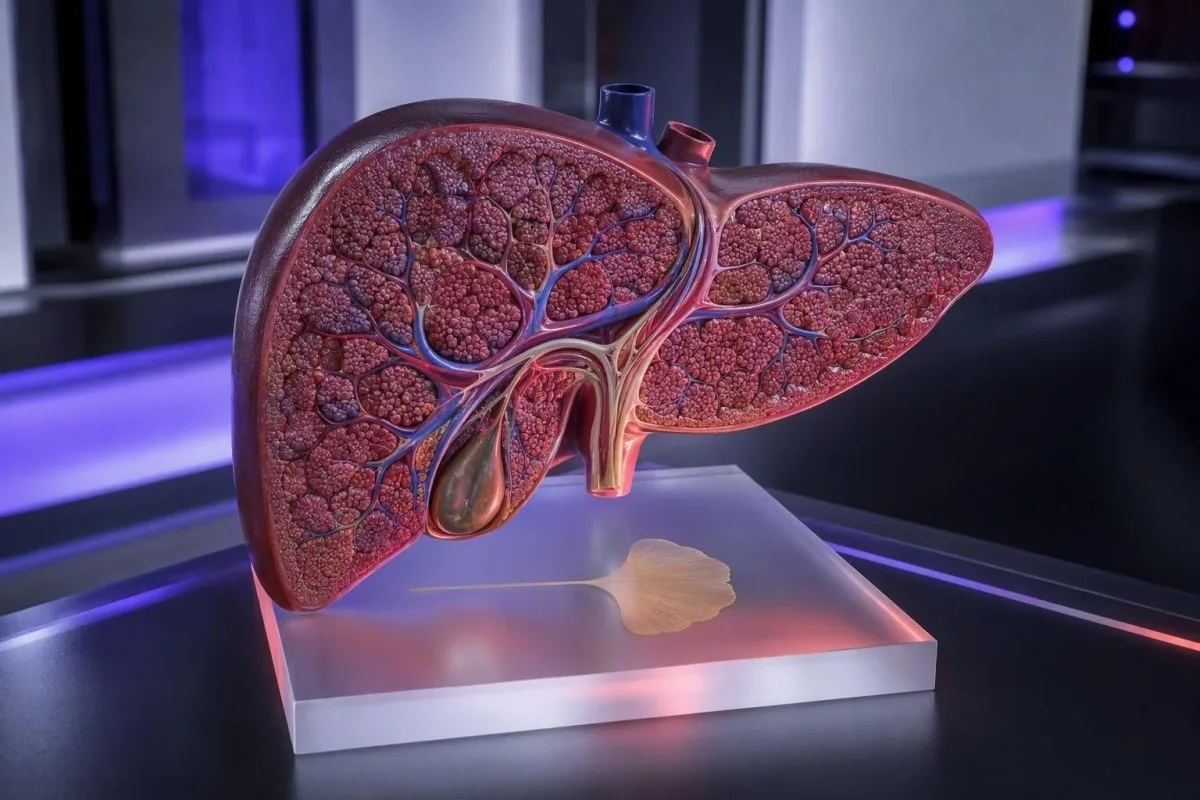
ALT нь элэгний фермент гэж түгээмэл мэдээлэгддэг боловч оношлогооноос илүүтэй эсийн стрессийн дохио юм. Утга нь түүний хэмжээ, хэв маяг, цаг хугацаа, болон бусад элэгний шинжилгээнээс хамаарна.


- ALT гэдэг нь юу гэсэн үг: ALT нь аланин аминотрансфераз гэсэн үг бөгөөд энэ нь элэгний эсэд агуулагдах IU/L-д хэмжигддэг фермент юм.
- Ердийн хүрээ: Олон насанд хүрэгчдийн лаборатори нь эмэгтэйчүүдэд 35 IU/L, эрэгтэйчүүдэд 45 IU/L-ийн ALT дээд хязгаарыг ашигладаг боловч тайлангийн өөрийн хязгаар нь шийдвэрлэх үүрэгтэй.
- Бага зэргийн өсөлт: Лабораторийн дээд хязгаараас 2 дахин бага ALT нь түгээмэл бөгөөд ихэвчлэн айх хэрэггүй, харин төлөвлөсөн дахин хийлгэлт шаарддаг.
- Дүр зураг чухал: Өндөр AST, ALP, GGT, билирубин, эсвэл INR бүхий ALT нь дан ALT-ийн өсөлтөөс өөр зүйлийг илэрхийлдэг.
- Дасгалын нөлөө: Хүнд жинтэй дасгал нь 7 хоног ба түүнээс дээш хугацаагаар ALT болон AST-ийг нэмэгдүүлж болно, ялангуяа креатин киназ мөн өндөр байвал.
- Эмийн тойм: Ацетаминофен, статин, антибиотик, антиконвульсант эм, нэмэлтүүд, болон ургамлын гаралтай бүтээгдэхүүнүүд нь ALT-д нөлөөлж болно.
- 2 дахин: Шарлалт, төөрөлдөх, хэвлийн баруун дээд хэсэгт хүчтэй өвдөх, байнга бөөлжих, эсвэл маш бараан шээс зэрэг нь нэг өдрийн дотор эмнэлзүйн үнэлгээ шаардлагатай.
- Хандлага: Аж үйлдвэрлэгчийг арилгасны дараа буурч буй ALT нь зөвхөн нэг удаагийн хязгаарлагдмал үр дүнгээс илүү тайвшруулах нь ихэвчлэн байдаг.
Цусны шинжилгээнд ALT юу гэсэн үг вэ
ALT нь аланин аминотрансфераз гэсэн үгийн товчлол юм, нь эрчим хүчний бодисын солилцооны үед амин бүлгүүдийг дамжуулахад тусалдаг фермент юм. Элэгний эс стресст өртөх эсвэл гэмтэх үед ALT нь цусны эргэлтэнд ордог тул үүнийг хэмждэг; энэ нь дангаараа элэгний байнгын гэмтлийг баталгаажуулдаггүй.
ALT нь ихэвчлэн элэгний ажиллагаатай эс болох гепатоцит дотор байдаг боловч бага хэмжээгээр араг ясны булчин болон бусад эдүүдэд агуулагддаг. Өндөр үр дүн нь хүлээгдсэнээс илүү их фермент дээжинд хүрснийг илэрхийлнэ; энэ нь хавсарсан нотолгоогүйгээр өөхлөг элэг, гепатит, эмийн гэмтэл, эсвэл дасгал хөдөлгөөнийг тодорхойлох боломжгүй юм.
Миний эмнэлзүйн практикт хамгийн үр дүнтэй эхний асуулт бол “хэр өндөр байна вэ?” гэхээс илүүтэйгээр “ямар суурьтай болон бусад ямар шинж тэмдгүүдтэй харьцуулахад өндөр вэ?” юм. Шинэ дасгалын дараах 58 IU/L ALT нь 65 µmol/L билирубин болон шар нүдтэй ALT 58 IU/L-ээс өөр асуудал юм.
Кантести бол AI цусны шинжилгээний анализатор энэ нь онош болгон нэг алдаатай утгыг авч үзэхээс илүүтэйгээр AST, ALP, GGT, билирубин, альбумин, ялтасны тоо, эм, өмнөх үр дүнгүүдийг ALT-тэй хамт уншдаг. холбогдох хэмжилтийн өргөн зураг харахын тулд манай биомаркерийн гарын авчим.
Хуучин SGPT нэр яагаад гарч ирж болох вэ
Зарим тайлангуудад ALT-ийг одоо ч “serum glutamic-pyruvic transaminase” эсвэл SGPT. гэж нэрлэдэг. ALT ба SGPT нь ижил фермент шинжилгээг илэрхийлдэг боловч орчин үеийн лабораторийн тайланд ихэвчлэн ALT-ийг ашигладаг.
Эмч нар яагаад аланин аминотрансфераз хэмждэг вэ
Эмч нар захиалдаг аланин аминотрансфераз шинжилгээ нь гепатоцеллюляр стресссийг илрүүлэх, элэгний өвчнийг хянах, эмийн улмаас үүссэн гэмтлийг шалгах зорилготой юм. ALT нь хүн ямар нэгэн шинж тэмдэггүй байсан ч элэгний хавтан эсвэл цогц бодисын солилцооны хавтангийн нэг хэсэг болгон ихэвчлэн оруулдаг.
Чихрийн шижин эсвэл липидийн үзлэгийн үед ALT-ийг ихэвчлэн шалгадаг, учир нь өмнө нь өөхлөг элэгний өвчин гэж нэрлэгдэж байсан бодисын солилцооны эмгэгээс үүдэлтэй стеатозын элэгний өвчин нь олон жилийн турш далд байж болно. 2023 оны AASLD зөвлөмжийн дагуу бодисын солилцооны эрсдэлт хүчин зүйлс болон шалтгаан тодорхойгүй элэгний ферментийн өсөлттэй хүмүүсийг стеатозын элэгний өвчин болон фиброзын эрсдэлийг (Rinella et al., 2023) үнэлэхийг зөвлөж байна.
Хэвийн ALT нь ноцтой фиброзыг үгүйсгэхгүй, өндөр ALT нь фиброзын шатыг хэмждэггүй. Би эмчлүүлэгчдийг ALT 24 IU/L, мэргэжлийн үнэлгээгээр утга учиртай сорвитой, ялангуяа 2-р хэлбэрийн чихрийн шижинтэй байсан, фиброзын оноо ба дүрслэл нь өөр асуултад хариулдаг.
Эмийн өөрчлөлт хийсний дараа ALT хяналт нь бас практик боловч үүнийг боловсронгуй төлөвлөх ёстой. Манай гарын авлагад жил бүрийн цусны шинжилгээ нь шинжилгээний давтамж нь зөвхөн зуршил биш, харин эрсдэл, шинж тэмдэг, эмчилгээг дагаж байх ёстой шалтгааныг тайлбарладаг.
ALT-ийн хэвийн хязгаар ба лабораторийн хязгаар өөр өөр байдаг шалтгаан
Насанд хүрэгчдийн ALT-ийн лавлагааны хязгаар нь эмэгтэйчүүдэд ойролцоогоор 7-35 IU/L, эрчүүдэд 10-45 IU/L орчим байдаг боловч хязгаар нь шинжилгээний арга, хүн ам, лабораториос хамаарч өөр өөр байдаг. Интернэт хязгаарыг бус, өөрийн үр дүнгийн хажууд бичсэн хязгаарын дээд хязгаарыг үргэлж ашигла.
Хязгаарын дээд хязгаар нь статистик бөгөөд ихэвчлэн лавлагааны популяцийн тоон дээр үндэслэдэг бөгөөд үүнээс доошхи бүх утга нь бүхэлдээ эрүүл элэг тусгадаг гэсэн баталгаа биш юм. Европын зарим лабораториуд эмэгтэйчүүдэд 25 IU/L, эрчүүдэд 35 IU/L орчим байдаг хүйстэй холбоотой хязгаарыг ашигладаг бөгөөд энэ нь бодисын солилцооны эрсдэлийг эрт илрүүлэх боловч илүү олон хязгаарлагдмал тэмдэглэгээ үүсгэж болно.
Хэвийн хязгаарын хоёр дахин бага утга нь ихэвчлэн бага зэргийн өсөлт гэж нэрлэгддэг. Хязгаарын дээд хязгаар 40 IU/L байдаг лабораторийн хувьд ALT 55-80 IU/L нь нөхцөл байдал, ихэвчлэн дахин шалгах төлөвлөгөөтэй байх ёстой байхад ALT 400 IU/L нь хязгаарын дээд хязгаараас 10 дахин их бөгөөд яаралтай байдлыг өөрчилнө.
Томас Кляйн эмч нь лабораторийн нэр, нэгж, хүрээ, цусан хангамжийн огноо, архины хэрэглээ, өмнөх долоо хоногт дасгал хөдөлгөөн хийсэн эсэх зэргийг тэмдэглэхийг зөвлөж байна. хийсэн шинжилгээний үр дүнгийн ялгаа нь илүү ойлгомжтой болдог.
ALT ба AST хэрхэн хамт ажилладаг
ALT ба AST-г хамтад нь тайлбарлах ёстой, учир нь ALT нь элэгэнд илүү төвлөрсөн байдаг бол AST нь араг ясны болон зүрхний булчинд ч их хэмжээгээр агуулагддаг. AST-ийн ALT-тэй харьцуулалт нь хэв маягийг харуулж болох ч зөвхөн архитай холбоотой өвчин эсвэл циррозыг оношилж чадахгүй.
ALT нь AST-ээс их байвал эмч нар ихэвчлэн бодисын солилцооны гаралтай стеатоз, вируст гепатит, эсвэл эмний нөлөөг авч үздэг, гэхдээ олон тооны үл хамаарах зүйл байдаг. 2-аас дээш AST:ALT харьцаа нь архитай холбоотой элэгний гэмтэлд тохиолдож болох боловч дэвшилтэт фиброз, булчингийн гэмтэл, цочмог гэмтлийн дараах хугацаа нь харьцааг өөрчилж болно.
Уралдааны дараа AST 89 IU/L, ALT 61 IU/L, креатин киназа 1,450 IU/L-тай 52 настай марафонч нь ижил фермент ба креатин киназа 90 IU/L-тай хүнээс өөрөөр ярилцах хэрэгтэй. AST ба өндөр CK-ийн талаар бид санаа зовдог шалтгаан нь булчингийн ялгарал юм; ALT нь зөвхөн булчиннд илүү өвөрмөц бус боловч нэмэгдэж болно.
Энэхүү ялгааг булчингийн талаас нь авч үзвэл манай тайлбарыг уншина уу өндөр AST шинж тэмдэг. Хэрэв бие махбодийн үйл ажиллагаа нь боломжит шалтгаан бол эмч тань өөрөөр зөвлөөгүй бол дахин хийлгэхээс 7 хоногийн өмнө ер бусын хүчтэй дасгал хийхээс зайлсхий.
Яагаад ALP, GGT ба билирубин нь ALT-ийн утгыг өөрчилдөг
ALT нь хепатоцеллюляр хэв маягийг илтгэдэг бол шүлтлэг фосфатаза, GGT, билирубин нь холестаз эсвэл цөсний урсгал саатсаныг илрүүлэхэд тусалдаг. ALT ба өндөр ALP, GGT нь энгийн өөх тостой элгийг төсөөлөхийн оронд цөсний сувгийн өвчин, эмийн нөлөө, эсвэл элэгний үрэвслийг авч үзэх ёстой.
Эмч R харьцааг тооцоолж болно: ALT-ийг түүний дээд хязгаарт хувааж, дараа нь ALP-г түүний дээд хязгаарт хуваасан харьцаанд хуваана. R харьцаа 5 ба түүнээс дээш байвал хепатоцеллюляр гэмтлийг дэмждэг, 2 ба түүнээс доош байвал холестатик гэмтлийг дэмждэг, 2-5 хооронд байвал холимог хэв маягийг илтгэнэ; энэ нь эцсийн онош биш, харин ангилах хэрэгсэл юм.
ALP ихэссэн үед GGT нь ашигтай байдаг, учир нь GGT-ийн өсөлт нь элэг-цөсний замын эх үүсвэрийг дэмждэг бол ALP нь ясны эргэлтээс ч нэмэгдэж болно. Тиймээс хэвийн GGT-тэй ганцаарчилсан ALP-ийн өсөлт нь элэгний зураглалаас илүү ясны болон D витамины асуудлууд руу чиглүүлж болно.
Хар шээс, цайвар өнгөтэй ялгадас, загатнах, халуурах, эсвэл билирубин ихэссэн шарлалт нь “дараагийн жилийн шинжилгээг хүлээх” шинж тэмдгүүд биш юм. Манай холестазын хэв шинжийн гарын авлага яаралтай үнэлэх ёстой хослолуудыг тайлбарладаг.
Өндөрлөсөн ALT-ийн нийтлэг шалтгаанууд
ALT-ийн ихсэлт нь ихэвчлэн бодисын солилцооны гаралтай стеатотик элэгний өвчин, архинд өртөх, вируст гепатит, эмийн нөлөө, эсвэл дасгал хөдөлгөөнөөс үүдэлтэй түр зуурын өсөлтийг илтгэнэ. Урьдчилан таамаглах нь биеийн жин, глюкоз, триглицерид, архины хэв маяг, аялал, эм, өсөлтийн хэмжээ зэргээр өөрчлөгддөг.
Бодисын солилцооны гаралтай стеатотик элэгний өвчин нь ALT-ийн ихсэлт нь төвийн жингийн өсөлт, 150 мг/дл-ээс их триглицерид, HDL холестерол бага, өлсөх глюкоз ихэссэн, эсвэл 2-р хэлбэрийн чихрийн шижин өвчин дагалддаг үед онцгой тохиолддог. Энэ нь жижиг биетэй хүмүүст ч тохиолдож болно, ялангуяа висцераль өөх, генетик, нойрны апноэ, эсвэл зарим эмтэй хамт.
Вируст хепатитийн шинжилгээ нь зөвхөн ALT-аар бус, халдвар болон эрсдэлээс хамаарна. Гепатит В гадаргуугийн антиген ба гепатит С-гийн эсрэг биеийг РНХ шинжилгээгээр баталгаажуулах нь түүх, газарзүйн байршил, эсвэл энзимийн хэв маяг нь үүнийг дэмжсэн тохиолдолд анхаарлаа хандуулсан үнэлгээний стандарт хэсэг юм; манай гепатит С гарын авлага нь ердийн замыг хамарна.
Цусны өвчин, аутоиммун хепатит, залуу хүмүүст тохиолдох Вилсоны өвчин, целиаки өвчин, альфа-1 антитрипсиний дутагдал зэрэг нь бага тохиолддог боловч чухал шалтгаан болдог. Томас Клейн эмч бүх л ALT-ийн өсөлтийг архитай холбон үзэх нь хор хөнөөлтэй болохыг харсан; бүтэцтэй шинжилгээ нь илүү эелдэг бөгөөд илүү нарийвчлалтай байдаг.
ALT-ийг нэмэгдүүлж болох эм, нэмэлтүүд
Эмийн болон нэмэлт бүтээгдэхүүнүүд нь шууд элэгний гэмтэл, цөсний урсгалын өөрчлөлт, бодисын солилцооны нөлөөлөл, эсвэл холбоогүй давхцал зэргээс шалтгаалан ALT-ийг нэмэгдүүлж болно. Нэгэн үр дүнгээс болж заавал уух эмийн эмчилгээг гэнэт зогсоож болохгүй; эмийн ашиг тусыг хэв маяг болон чиг хандлагатай харьцуулан жинлэж чадах эмчтэй холбоо барина уу.
Ацетаминофен, мөн парацетамол гэж нэрлэгддэг нь хэтрүүлэн хэрэглэхэд ALT-ийг их хэмжээгээр нэмэгдүүлж, заримдаа өндөр эмчилгээний тунгаар бага зэргийн өөрчлөлт үүсгэж болно. Ихэнх насанд хүрэгчдийн хувьд ердийн хамгийн ихдээ 4,000 мг/хоног байдаг боловч олон эмч нар тогтмол архи уудаг, элэгний өвчтэй, ахмад настан, эсвэл холимог ханиадны эмчилгээ хэрэглэдэг хүмүүст зориулсан доод хязгаарыг санал болгодог.
Статинууд нь ALT-ийг бага зэрэг нэмэгдүүлж болох боловч статинаас үүдэлтэй элэгний ноцтой гэмтэл ховор тохиолддог; зөвлөгөөгүйгээр зүрх судасны эмийг зогсоох нь энзимийн тэмдэгээс илүү эрсдэлтэй байж болно. ACG гарын авлага нь элэгний биохимийн үзүүлэлтүүдийг баталгаажуулах, эмийг сайтар хянах, эмийн бус болон нэмэлт бүтээгдэхүүний түүхийг нямбайлан судлахыг зөвлөж байна (Kwo et al., 2017).
Ногоон цайны ханд, анаболик бүтээгдэхүүн, өндөр тунгаар хэрэглэсэн витамин А, олон бүрэлдэхүүн хэсэгтэй “детокс” нунтаг, болон зохицуулалтгүй биеийн тамирын нэмэлтүүд нь шошго нь бүрэн бус байж болох тул тусад нь асуух шаардлагатай. Нэмэлт бүтээгдэхүүний аюулгүй байдлын гарын авлагаа үзнэ үү. нэмэлт бүтээгдэхүүний аюулгүй байдлын гарын авлага шинэ бүтээгдэхүүн нэмэхийн өмнө.
Дасгал нь ALT-ийг түр зуур нэмэгдүүлж чадах уу?
Тиймээ, эрчимтэй дасгал нь, ялангуяа өмнө нь хийж байгаагүй дасгал, тэсвэр тэвчээрийн дасгал, эсвэл булчингийн гэмтлийн дараа ALT-ийг түр зуур нэмэгдүүлж болно. AST болон креатин киназ нь ихэвчлэн илүү тод нэмэгддэг бөгөөд дасгалын эрч хүч, булчингийн хэмжээнээс хамаарч 3-10 хоногийн дараа хэвийн хэмжээндээ ордог.
Өндөр ALT нь үргэлж элэг гэмтдэгийг илтгэдэг гэсэн нийтлэг ойлголт байдаг. Бодит байдал дээр, ялангуяа экцентрик өргөлтийн үед - удаан буулгах хөдөлгөөнүүд - булчингийн мембраныг хангалттай гэмтээж, элэгний өвчин байхгүй байсан ч AST, ALT, LDH, болон CK-г өөрчилж болно.
Дахин шалгалтыг тодорхой хийхийн тулд би ихэвчлэн тогтвортой, эрүүл хүмүүсийг 5-7 хоногийн турш эрчимтэй дасгал хийхээс зайлсхийх, хэд хоногийн турш архи уухаас зайлсхийх, хэвийн хэмжээний ус уух, боломжтой бол ижил лаборатори ашиглахыг хүсдэг. Энэ нь аюулын шинж тэмдэг илэрвэл эсвэл хэвийн хэмжээнээс хэд дахин их ALT байвал тохиромжтой биш; эдгээр нөхцөл байдалд эхлээд эмнэлгийн зөвлөгөө шаардлагатай.
Кантести бол AI-аар ажилладаг цусны шинжилгээний үр дүнгийн шинжилгээний хэрэгсэл 127+ орнуудад ашиглагддаг бөгөөд энэ нь ALT, AST, CK, болон өмнөх хэмжилтүүдийг харьцуулж, дасгалтай холбоотой байж болох хэв маягийг тодорхойлох боловч аюулгүй гэж дүгнэхгүй. Тамирчид мөн хянах боломжтой. марафон цусан дахь шинжилгээний цаг хугацаа.
ALT-ийн үр дүнг илүү шуурхай болгох шинж тэмдгүүд
Ихэнх зөөлөн ALT-ийн өсөлт нь шинж тэмдэггүй байдаг боловч шарлалт, шээс өтгөн харлах, өтгөн цайварлах, хэвлийгээр хүндээр өвдөх, төөрөлдөх, амархан хөхрөх, эсвэл байнга бөөлжих нь яаралтай эмнэлгийн тусламж шаардлагатай. Шинж тэмдэг нь билирубины боловсруулалт муудах, цөсний бөглөрөл, цочмог хепатит, эсвэл элэгний нийлэгжүүлэх үйл ажиллагаа буурах зэргийг илтгэж болно.
Нүд эсвэл арьс шарлах, төөрөлдөх, шинээр нойрмоглох, баруун хавирганы доорх өвчин хурдан муудах, эсвэл шингэн ууж чадахгүй байх тохиолдолд тэр өдөр нь эмнэлэгт хандаарай. Эдгээр шинж тэмдэг нь ALT нь хэвийн хэмжээнээс 5 дахин их, билирубин ихэссэн, эсвэл INR уртссан үед илүү ач холбогдолтой.
Жирэмсний үед санаа зовох хязгаар өөрчлөгддөг: алган эсвэл ул нь загатнах, баруун талын хэвлийн дээд хэсэгт өвдөх, толгой өвдөх, харааны эмгэг, эсвэл өндөр цусны даралт нь ALT нь бага зэрэг нэмэгдсэн байсан ч яаралтай obstetric үнэлгээ шаардлагатай. Жирэмслэлттэй холбоотой нөхцөл байдлууд нь ердийн амбулаторийн элэгний шинжилгээнээс өөр зам шаарддаг.
Шээсний өөрчлөлт нь нэмэлт мэдээлэл өгч болох боловч өөрөө онош тавих боломжгүй. Бидний нийтлэл шээс өтгөн харлах шалтгаан нь шингэн дутагдал, эмийн болон билирубинтай холбоотой анхааруулгын шинж тэмдгүүдийг ялгахад тусалдаг.
Хэвийн бус ALT-ийн үр дүнгээс хойш ихэвчлэн юу болдог вэ
Элэгний ALT-ийн хэвийн бус үр дүнгээс хойш эмч нар ихэвчлэн үр дүнг баталгаажуулж, халдвар хянах, өсөлтийн хэмжээ болон шинж тэмдгүүдээс хамаарч хяналт тавих эсвэл өргөжүүлэх болно. Ганц зөөлөн үр дүн нь ихэвчлэн хэдэн долоо хоног эсвэл хэдэн сарын дараа дахин хэмжихэд хүргэдэг бол ноцтой өсөлт эсвэл шарлалт нь хурдан үнэлгээ шаарддаг.
Зохистой эхний хяналтад сүүлийн 7 хоногийн архины хэрэглээ, саяхны өвчин, биеийн жингийн өөрчлөлт, аялал, гэр бүлийн түүх, жороор болон жороор олгодоггүй эм, нэмэлт тэжээл, дасгал хөдөлгөөн зэргийг багтаана. Давтан хийгдэх шинжилгээнд AST, ALP, GGT, билирубин, альбумин, бүх төрлийн цусны шинжилгээ, INR, хепатит скрининг, ферритин ба трансферрины ханасан байдал, глюкоз эсвэл HbA1c орно.
Хэт авиан шинжилгээ нь стеатоз, цөсний чулуу, цөсний замын өргөсгөл, эсвэл бүтцийн өөрчлөлтийг илрүүлэхэд ихэвчлэн ашигтай байдаг боловч эртний фиброзыг найдвартай үнэлдэггүй. FIB-4 нь фиброзын эрсдлийг тооцоолохын тулд нас, AST, ALT, болон ялтсын тоог ашигладаг; 35 наснаас доош байхад найдвартай байдал нь буурдаг бөгөөд цочмог өвчний үед хэрэглэх ёсгүй.
Kantesti AI нь AI лабораторийн шинжилгээний тайлбар үйлчилгээ эдгээр холбоотой маркерууд болон урт хугацааны үр дүнг эмчтэй хэлэлцэхээр зохион байгуулдаг. Манай элэгний функцийн шинжилгээний тайлбар нь дараах хяналтын элементүүд юуг илтгэж байгааг харуулдаг.
Яагаад ALT-ийн хандлага нь нэг тооноос илүү ашигтай байдаг вэ
ALT-ийн хандлага нь нэг удаагийн үр дүнгээс илүү их мэдээлэл өгдөг, учир нь энэ нь шинж тэмдгийн буурах, тогтвортой байх, эсвэл хурдасч байгаа эсэхийг харуулдаг. 6 долоо хоногийн дараа 72-аас 34 IU/L болж буурсан өөрчлөлт нь 34-аас 72 IU/L болж өссөнөөс өөр эмнэлзүйн утгатай, гэхдээ хоёр тоо нь лабораторийн хязгаарт ойрхон байсан ч хамаагүй.
Биологийн хувьсах чанар, усны хангамж, шинжилгээний хувьсах чанар, цаг хугацаа нь ALT-ийг дээж авахад бага зэрэг өөрчилж болно. Ижил лабораторид, өдрийн ижил цагт, ижил төстэй үйл ажиллагаа, архины хэрэглээний дараа давтан хийх нь алдааг бууруулж, бодит өөрчлөлтийг илрүүлэхэд хялбар болгодог.
6 сараас дээш хугацаагаар тогтвортой ихсэх нь, ялангуяа чихрийн шижин, таргалалт, элэгний өвчний гэр бүлийн түүх, ялтсын бууралт, эсвэл билирубины өсөлттэй бол илүү нарийвчилсан үнэлгээ шаарддаг. Үүний эсрэгээр, бүрэн үнэлгээ хийлгэсэн өвчтөнд тогтвортой бага ALT нь давтан өргөн хүрээтэй шинжилгээ хийлгэхээс илүүтэй хяналт тавигдах боломжтой.
Kantesti AI нь 3 IU/L-ийн өөрчлөлтийг өвчин үүсгэгч гэж үзэхээс илүүтэй AST, ялтсын тоо, билирубин, болон бодисын солилцооны маркеруудтай хамт ALT-ийн хандлагыг тайлбарладаг. Манай урт хугацааны (longitudinal) шинжилгээний удирдамж -ийг үзнэ үү, дээж бүрийн дараа бүртгэхэд үнэтэй нарийвчилсан мэдээллийг.
Буруу шийдвэр гаргахад хүргэж болох ALT-ийн ойлголтууд
ALT нь “элэгний үйл ажиллагааны шинжилгээ” биш, учир нь энэ нь ферментийн алдагдлыг хэмждэг, элэгний альбумин, цусны бүлэгнэлтийн хүчин зүйлс, эсвэл цөс үйлдвэрлэх чадварыг хэмждэггүй. Альбумин, INR, билирубин, ялтсын тоо, шинж тэмдэг, болон дүрслэл нь зөвхөн ALT-аас илүү чухал утгыг илэрхийлж болно.
Хэвийн ALT нь хүнд архины хэрэглээ, чихрийн шижин, эсвэл элэгний өвчний тодорхой гэр бүлийн түүхийг үл тоомсорлох эрх олгодоггүй. Үүнтэй адилаар, ихэссэн ALT нь архи шалтгаан болсон гэсэн нотолгоо биш юм; энэ таамаглал нь итгэлцлийг алдагдуулж, вируст, аутоиммун, генетик, эсвэл эмэнд хамааралтай өвчний оношийг хойшлуулж болзошгүй.
“Элэг цэвэрлэх” нь бас нэг түгээмэл алдаа юм. Элэг нь бодисын солилцоо, зайлуулах ажлыг аль хэдийн гүйцэтгэдэг байхад, хэтрүүлсэн өлсөлт, зохицуулалтгүй ургамал, түргэн жин хасах нь заримдаа шинж тэмдэг эсвэл лабораторийн үзүүлэлтүүдийг улам дордуулж болзошгүй; худалдааны цэвэрлэх журмуудын нотолгоо нь үнэн хэрэгтээ муу байна.
Хэрэв хоолны дэглэм нь хэлэлцүүлгийн нэг хэсэг бол, эрүүл бүтээгдэхүүнээс илүү тогтвортой жингийн өөрчлөлт, хангалттай уураг, ширхэглэг, болон бага хэмжээний боловсруулсан хоол хүнсэнд анхаарлаа төвлөрүүл. Манай нотолгоонд суурилсан элэгний хоолны гарын авлага нь илүү аюулгүй эхлэлийн цэг юм.
Хүүхэд, жирэмсэн болон ахмад настнуудын ALT-ийн тайлбар
Хүүхэд, жирэмслэлт, болон ахмад настнуудын насны онцлог нь ALT-ийн тайлбарт хэрэгтэй, учир нь хязгаарууд болон боломжит шалтгаанууд нь ялгаатай байдаг. Хүүхдийн ALT-ийн хязгаар нь насанд хүрэгчдийн лабораторийн хүрээнээс бага байдаг бөгөөд жирэмслэлттэй холбоотой элэгний шинж тэмдгүүд нь мэргэжилтний удирдлагатай түргэн үнэлгээ шаарддаг.
Хүүхдүүдэд, таргалалттай холбоотой стеатотик элэгний өвчин нь улам бүр нэмэгдэж байгаа нь хүлээн зөвшөөрөгдөж байна, гэхдээ вируст өвчин, булчингийн эмгэг, целиак өвчин, болон удамшлын бодисын солилцооны эмгэгүүд нь ялгавартай оношлогоонд орж байх ёстой. Насанд хүрэгчдийн “40 IU/L-аас доош бол хэвийн” гэсэн ойлголтыг хэрэглэхээс илүүтэй хүүхдийн эмч нь тогтвортой ALT-ийн ихсэлтийг тайлбарлах ёстой.
Жирэмслэлтийн үед ALT нь ерөнхийдөө жирэмсэлдэггүй хязгаарт байх ёстой; хэрэв даралт ихсэх, ялтсын бууралт, загатнах, эсвэл дотор муухайрах шинж тэмдэг илэрвэл жирэмсэлттэй холбоотой өвчин эмгэгийг түргэн үнэлэх шаардлагатай. Альбумин нь ихэвчлэн плазмын хэмжээний өргөжилтөөс болж буурдаг тул альбумин болон ALT-ийг ижил логикоор тайлбарлах ёсгүй.
Ахмад настнуудын хувьд, олон төрлийн эм хэрэглэх, болон сул дорой байдал нь бүх эмийн хяналтын үнэ цэнийг нэмэгдүүлдэг. Манай ахмад эмийн лабораторийн гарын авлага нь уулзалтад авчрах асуултуудыг товчлон харуулсан болно.
ALT үр дүнг ашиглан AI-ийн тайлбарыг аюулгүй байдлаар ашиглах
ХИ нь ALT үр дүнг зохион байгуулахад тусалж чадна, гэхдээ таныг үзлэг хийх, шинж тэмдгийг баталгаажуулах, эсвэл элэгний ноцтой байж болох хэв маягийг эмнэлгийн үнэлгээг орлож чадахгүй. Хамгийн аюулгүй хэрэглээ бол бэлтгэл юм: хэв маягийг тодорхойлж, анхны тайланг хадгалж, мэргэшсэн эмчтэйгээ тодорхой асуулт тавь.
2026 оны 9-р сарын 5-ны байдлаар, Kantesti нь AI цусны шинжилгээний тайлал платформ бөгөөд энэ нь байршуулсан лабораторийн тайланг ойролцоогоор 60 секундын дотор хянаж, ALT-ийг холбогдох үнэ цэнэ, чиг хандлагын түүх, тайлагнасан эмүүдтэй харьцуулж байрлуулдаг. Энэ нь онош тавих эсвэл эмчилгээ зааж өгөх бус, харин асуултын чанарыг сайжруулах зорилготой юм.
Үнэн зөв байдлыг хангахын тулд тайлангийн зураг уншигдахуйц байгаа эсэхийг, нэгжийг зөв тохируулсан эсэхийг, мөн өмнөх жилийн үр дүнг өнөөдрийн үнэ цэнэтэй андуурч болохгүй гэдгийг шалгана уу. Kantesti-ийн эмнэл зүйн хандлага нь эмч нарын хяналтаар бий болсон; уншигчид манай эмнэлзүйн баталгаажуулалтын стандартууд болон Эмнэлгийн зөвлөх зөвлөл -ийг хиймэл оюунаар дэмжигдсэн тайланг хэрхэн ашиглахаа шийдэхдээ хянах боломжтой.
Тоймд гурван зүйлийг авч ирнэ: бүрэн хэмжээний багц, тунгаар нь бүх эм, нэмэлт тэжээлийн жагсаалт, мөн архи, өвчин, аялал, эрчимтэй дасгал хийсэн хугацаа. Ийм энгийн бэлтгэл нь ихэвчлэн шаардлагагүй айдас түгшүүрээс урьдчилан сэргийлж, утга учиртай хэв маягийг алдахаас сэргийлдэг.
Дараагийн ALT шинжилгээ хийлгэхээсээ өмнө хийх практик шалгах жагсаалт
Төлөвлөсөн ALT дахин шинжилгээ хийхээс өмнө хэвийн байдлаа хадгалж, ферментийг өөрчилж болох хүчин зүйлсийг баримтжуулна уу. Эмнэлзүйн хувьд аюулгүй бол 5-7 хоногийн турш хүнд дасгал хийхээс зайлсхий, хэд хоногийн турш архинаас зайлсхий, мөн эмч зөвлөхгүйгээр жороор олгосон эмүүдийг бүү өөрчил.
Ацетаминофен эсвэл парацетамол хэрэглэсэн, антибиотик, шинэ нэмэлт тэжээл, ойрын үед халуурах, ходоод гэдэсний үрэвсэл, вакцин, өлсөх, хурдан жин хасах зэргийг тэмдэглэнэ. Ихэвчлэн зөвхөн ALT-д өлсөх шаардлагагүй байдаг, гэхдээ глюкоз, триглицерид эсвэл бусад шинжилгээг нэгэн зэрэг хийж байгаа бол шаардаж болно.
Дахин хийх ALT нь AST, ALP, GGT, билирубин, альбумин, ялтас, болон CK-г агуулж байх ёстой эсэхийг эмчээсээ асууна. Хариулт нь ихэвчлэн эхний хэв маягаас хамаарна; жин өргөсний дараа ганцаарчилсан ALT 48 IU/L нь билирубин 48 µmol/L-тай ALT 248 IU/L-тай адил шалгалтыг шаарддаггүй.
Хэрэв таны тайлангаас асуулт нэмэхэд тусламж хэрэгтэй бол манай AI тайлангийн нарийвчлалын шалгах хуудас зочилохоос өмнө ашигтай. Манай ажлын зохион байгуулалтын талаархи мэдээллийг үзнэ үү Кантестийн тухай.
Байнга асуудаг асуултууд
Лабораторийн шинжилгээний хариуг тайлахдаа ALT гэж юуг хэлдэг вэ?
ALT нь элэгний эсэд зонхилон байдаг, нэгжийн тутамд олон улсын нэгж (IU/L) -ээр хэмжигддэг фермент болох аланин аминотрансферазыг илэрхийлдэг. Олон лаборатори нь насанд хүрсэн эмэгтэйчүүдийн хувьд 35 IU/L, насанд хүрсэн эрэгтэйчүүдийн хувьд 45 IU/L орчим дээд хязгаарыг ашигладаг боловч тухайн тайлан дээр хэвлэгдсэн лавлагааны интервал нь зөв харьцуулалт юм. ALT-ийн өндөр түвшин нь эсийн стресс эсвэл гэмтлийг илтгэнэ, гэхдээ үүний шалтгааныг өөрөө тодорхойлох боломжгүй юм. AST, ALP, GGT, билирубин, эм, согтууруулах ундаа, дасгал, болон шинж тэмдгүүд нь үр дүнг юу гэсэн үг болохыг тодорхойлоход нөлөөлдөг.
ALT 50 IU/L ихэвчлэн хэвийн хязгаарт ордог ч, зарим тохиолдолд өндөр байж болно.
ALT нь 50 IU/L байх нь лабораторийн хувьд 35 эсвэл 40 IU/L дээд хязгаартай бол бага зэрэг ихэссэн гэж үздэг боловч 55 IU/L дээд хязгаартай зарим лабораторийн хувьд хэвийн хэмжээнд ойрхон байдаг. Bilirubin, ALP, INR болон шинж тэмдэг хэвийн үед 50 IU/L орчим байх нь ихэвчлэн яаралтай биш боловч нөхцөл байдлыг үнэлж, давтан хийх шаардлагатай байдаг. Саяхан хийсэн хүнд жингийн дасгал, архи, бодисын солилцооны өөхжилт, эм, нэмэлт тэжээлүүд нь түгээмэл шалтгаан болдог. 6 сараас дээш хугацаанд тогтмол ихсэх нь эмнэлзүйн тогтмол хяналт шаардлагатай.
Дасгал хийх нь ALT-ийн түвшинг нэмэгдүүлж болох уу?
Хүнд хүчир хөдөлмөр нь skeletal булчин хэт их болон танил бус дасгал хийсний дараа ферментүүдээ ялгаруулдаг тул ALT, AST, LDH, болон creatine kinase-ийг нэмэгдүүлж болно. Энэхүү өсөлт нь 3-10 хоног үргэлжилж болно, үүний дотор AST болон creatine kinase нь ихэвчлэн ALT-аас илүү нэмэгддэг. Дасгал нөлөөлсөн эсэхийг тодруулахын тулд давтан хийхээс 5-7 хоногийн өмнө хэт их хөдөлмөрөөс зайлсхийх хэрэгтэй. ALT-ийн хэмжээ ихсэх, шарлалт, хүчтэй өвдөлт, эсвэл хар шээс зэрэг шинж тэмдэг илэрвэл дасгал нөлөөлсөн гэж бодохын оронд нэн даруй эмнэлгийн зөвлөгөө авах шаардлагатай.
ALT эсвэл AST аль нь илүү чухал вэ?
ALT эсвэл AST-ийн аль нь ч бүх нийтийн хувьд илүү чухал биш, учир нь энэ хоёр үзүүлэлт нь дангаараа авсан үр дүнгээс илүү их мэдээллийг өгдөг. ALT нь элэгэнд илүү төвлөрсөн байдаг бол AST нь ясны булчин, зүрхний булчинд мөн байдаг бөгөөд дасгал хөдөлгөөн, булчингийн гэмтлийн дараа мэдэгдэхүйц нэмэгдэж болно. ALT-тай харьцуулсан AST-ийн харьцаа 2-оос дээш байх нь архитай холбоотой элэгний гэмтэлд тохиолдож болно, гэхдээ энэ нь оношлогооны шинж чанартай биш бөгөөд ахисан шатны фиброз эсвэл булчингийн гаралтай үед ч тохиолдож болно. Эмч нар GGT, ALP, билирубин, креатин киназа, ялтасны тоо, болон өвчтөний түүхтэй хамт хоёр утгыг хоёуланг нь тайлбарладаг.
Хэзээ өндөр ALT үзүүлэлтийг яаралтай гэж үзэх вэ?
Хэрэв ALT-ийн үзүүлэлт лабораторийн дээд хязгаараас 5 дахин их, хурдан өссөн, эсвэл шарлалт, ой ухаан алдалт, баруун хэвлийн дээд хэсэгт хүчтэй өвдөх, байнга бөөлжих, амархан хөхрөх, эсвэл маш бараан шээстэй хавсарсан тохиолдолд яаралтай үнэлгээ хийх шаардлагатай. Билирубины түвшин ихсэх, INR удаан байх, глюкоз бага, эсвэл тромбоцит бага байх нь зөвхөн фермент ихсэж байгаагаас илүү ноцтой байдлыг илтгэж болзошгүй тул санаа зовох байдлыг нэмэгдүүлдэг. Жирэмслэлттэй холбоотой загатнах, толгой өвдөх, харааны шинж тэмдэг, эсвэл ALT-ийн түвшин ихэссэнтэй хавсарсан өндөр даралт нь мөн яаралтай акушер-гинекологийн үнэлгээ хийх шаардлагатай. Дээд хязгаараас 2 дахин бага, зөвхөн ганц удаа илэрсэн хөнгөн үр дүн нь ихэвчлэн яаралтай бус үнэлгээ хийдэг боловч үл тоомсорлож болохгүй.
Өөхлөг элэг нь ALT-ийн түвшинг нэмэгдүүлж чадах уу?
Бодисын солилцооны өөрчлөлтөөс үүдэлтэй өөхний элэгний өвчин нь элэгний ALT (alaninetransaminase) ферментийн түвшин бага зэрэг ихсэх нийтлэг шалтгаан бөгөөд ялангуяа триглицерид 150 мг/дл-ээс их, глюкоз ихэссэн, 2-р хэлбэрийн чихрийн шижин, төв хэсгийн таргалалт, эсвэл HDL (high-density lipoprotein) холестерол багатай үед тохиолддог. Элэгний өөхлөлт эсвэл фиброз үүссэн ч ALT ферментийн хэвийн хэмжээтэй байж болно, тиймээс хэвийн үзүүлэлт нь эмнэлзүйн ач холбогдолтой өвчнийг үгүйсгэхгүй. 2023 оны AASLD (American Association for the Study of Liver Diseases) зөвлөмж нь бодисын солилцооны эрсдэлт хүчин зүйлстэй, шалтгаан нь тодорхойгүй ферментийн түвшин ихэссэн хүмүүст фиброзын эрсдэлийн үнэлгээг дэмждэг. Бодисыг хэсэг хугацаанд биеэс зайлуулах бүтээгдэхүүнээс илүү тогтвортой жингийн удирдлага, чихрийн шижингийн хяналт, согтууруулах ундааны хэрэглээг бууруулах, эмчээр удирдуулсан хяналт нь илүү нотолгоотой байдаг.
Өнөөдөр AI-аар дэмжигдсэн цусны шинжилгээний тайлал аваарай
Лабораторийн шинжилгээний агшин зуур, үнэн зөв тайлалд итгэдэг дэлхийн 2 сая гаруй хэрэглэгчтэй нэгдээрэй. Цусны шинжилгээний хариугаа байршуулж, 15,000+ биомаркеруудын цогц тайллыг хэдхэн секундын дотор аваарай.
📚 Иш татсан судалгааны нийтлэлүүд
Клейн, Т., Митчелл, С., ба Вебер, Х. (2026). B сөрөг цусны бүлэг, LDH цусны шинжилгээ ба ретикулоцитын тоо — гарын авлага. Kantesti AI Медикл Рисерч.
Клейн, Т., Митчелл, С., ба Вебер, Х. (2026). Мацаг барьсны дараах суулгалт, өтгөн дэх хар толбо болон ходоод гэдэсний гарын авлага 2026. Kantesti AI Медикл Рисерч.
📖 Гадаад эмнэлгийн лавлагаа
⚕️ Эмнэлгийн мэдэгдэл
Энэ нийтлэл зөвхөн боловсролын зорилготой бөгөөд эмнэлгийн зөвлөгөө биш болно. Оношилгоо, эмчилгээний шийдвэр гаргахдаа мэргэшсэн эрүүл мэндийн үйлчилгээ үзүүлэгчтэй заавал зөвлөлдөнө.
E-E-A-T итгэлийн дохио
Туршлага
Эмчийн удирдлагатай лабораторийн тайлалын ажлын урсгалын клиник хяналт.
Мэргэшсэн байдал
Биомаркерууд клиникийн нөхцөлд хэрхэн ажиллаж/өөрчлөгдөж байгаад чиглэсэн лабораторийн анагаах ухаан.
Эрх мэдэл
Доктор Томас Клейн бичсэн, Доктор Сара Митчелл, Проф. Доктор Ханс Вебер нар хянан тохиолдуулсан.
Найдвартай байдал
Сэрэмжлүүлгийг бууруулахын тулд тодорхой дараагийн алхамтай, нотолгоонд суурилсан тайлал.