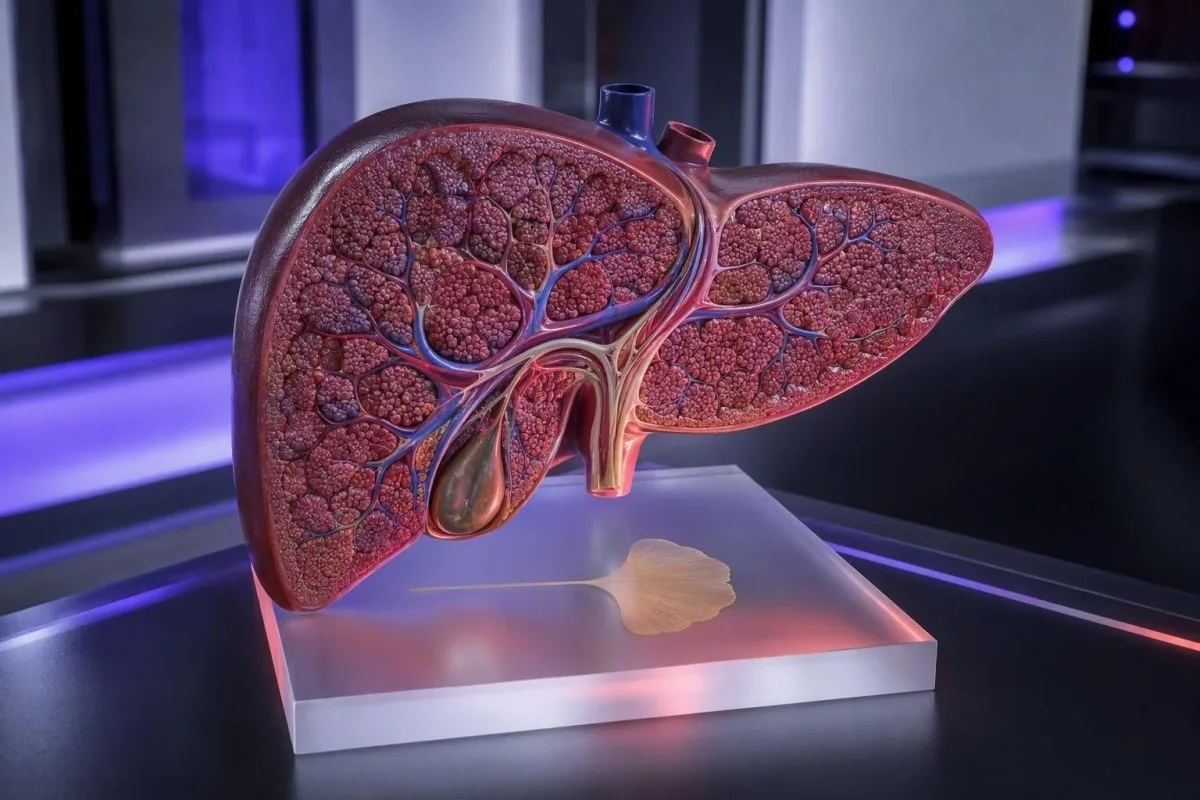
L'ALT es una enzima hepàtica comunament raportada, mas es un signe de stress celular puslèu qu'un diagnostic. Lo sens ven de sa talha, son esquèma, son cronometratge, e del rèste de vòstre panèl hepàtic.


- Sens de l'ALT: ALT significa alanina aminotransferasa, una enzima mesurada en UI/L que es concentrada dins las cellulas hepaticas.
- Reng tipic: De nombrós laboratòris per adults utiliszan una limita superiora d'ALT de 35 UI/L per las femnas e 45 UI/L per los òmes, quitament se la plaja del rapòrt es decisiva.
- Elevacion leugièra: Un ALT en dejós de 2 còps la limita superiora del laboratòri es comun e merita sovent una repetificacion planificada, pas de panica.
- lo patròn importa: Un ALT amb un AST, ALP, GGT, bilirubina o INR elevat significa quicòm de diferent qu'una elevacion isolada de l'ALT.
- Efèit de l’exercici: Un entrainament de fòrta resisténcia pòt aumentar l'ALT e l'AST pendent 7 jorns o mai, particularament quand la creatina cinasa es tanben nauta.
- Revisión de la medicacion: L'acetaminofèn, los estatinas, los antibacterians, los medicaments anticonvulsivants, los suplements e los produchs a basa de plantas pòdon afectar l'ALT.
- Símptomes urgents: La ictericia, la confusion, una dolor severa de la partida superiora drecha de l'abdomèn, vòmits repetits, o una urina fòrça escura necessitan una avaloracion clinica lo meteis jorn.
- Valors de tendéncia: Un ALT que baissa aprés la levada d'un factor desencadenant es de sòu mai rasonable qu'un resultat isolat a la limita.
Qu'es çò que l'ALT vòl dire sus un test sanguin
ALT significa alanina aminotransaminasa, una enzima que ajuda las cellulas a transferir de grops amino pendent lo metabolisme energetic. S'aquesta mesurada perqué l'ALT intra dins la circulacion quand las cellulas hepaticas son sota pression o feridas; provan pas, de per se, de damatges hepatics permanents.
L'ALT se tròba principalament a l'interior dels epatocits, las cellulas foncionalas del fetge, ben que de pichonas quantitats se tròben dins lo muscle esquelletic e d'autres teissuts. Un resultat aumentat significa que mai d'enzima es arribat a l'esplecha que previst; pòt pas identificar lo fetge gras, l'epatitis, los damatges medicamentoses, o l'exercici sens evidéncias acompanhadas.
Dins ma practica clinica, la primièra question la mai utila es pas “quant es nauta ?” mas “nauta en comparason amb qual basa e quins autres marcaires ?” Un ALT de 58 UI/L aprés un novèl programa de gimnàs es un problèma diferent d'un ALT de 58 UI/L amb bilirubina de 65 µmol/L e uèlhs jaunencs.
Kantesti es un Analizador de tèst de sang d'IA que legís ALT amb AST, PAL, GGT, bilirubina, albumina, comptatge de plaquetas, medicaments, e resultats precedents puslèu que de tractar un resultat marcat coma un diagnostic. Per una mapa mai larga de mesuras relacionadas, vesètz nòstra guia de biomarcadors.
Perqué lo nom ancian SGPT pòt aparéisser
De rapòrts anora noman l'ALT “serum glutamic-pyruvic transaminase” o SGPT. ALT e SGPT designan lo meteis tèst enzimatic, encara que los rapòrts de laboratòri modèrns utilizen de sòlament ALT.
Perqué los clinicians mesuran l'alanina aminotransferasa
Los clinicians prescrívon un tèst d'alanina aminotransaminasa per detectar lo stress hepatocellular, seguir de malautiás hepaticas conegudas, e verificar de damatges ligats als medicaments. L'ALT es sovent inclús dins un panel hepatic o un panel metabolic complet, quitament quand una persona a pas cap de simptòmas.
L'ALT es sovent verificat pendent las revisas de diabèti o de lipids perqué la malautiá estèatica del fetge associada a la disfuncion metabolica, que siá estada apelada "malautiá del fetge gras", pòt èsser silenciossa pendent d'annadas. La guida de 2023 de l'AASLD conselha d'evaluar las personas amb de factors de risc metabolic e d'elevacion de las enzimas hepaticas inexplicaas per la malautiá estèatica del fetge e lo risc de fibrosi (Rinella et al., 2023).
Un ALT normal exclutz pas una fibrosi significativa, e un ALT nauta mesura pas l'estadi de fibrosi. Ai vist de pacients amb un ALT de 24 UI/L e cicatrizacion significativa sus evaluacion especializada, particularament amb diabèti de tipe 2; los escorchs de fibrosi e l'imageria responsan a una autra question.
La susvelhança de l'ALT es tanben practica aprés un cambiament de medicament, mas deuriá èsser programada amb reflexion. Nòstra guida sul trabalh sanguin anual explica perqué la frequéncia dels tèstes deuriá seguir lo risc, los simptòmas, e lo tractament puslèu que la sola abituda.
Plajas normalas d'ALT e perqué los limits de laboratòri varian
Las gamas de referéncia de l'ALT adult corron de sòl de 7 a 35 UI/L per las femnas e de 10 a 45 UI/L per los òmes, mas las gamas varian segon l'ensag, la populacion, e lo laboratòri. Utilizatz totjorn la limita superiora marcada a costat de vòstre resultat puslèu qu'un limit superior d'internet.
La limita superiora es estatistica, de sòl derivat d'una populacion de referéncia, pas una garantia que tota valor en dejós siá representativa d'un fetge totalament san. De laboratòris europèus utilisan de limits superiors especifics als sès pròches de 25 UI/L per las femnas e 35 UI/L per los òmes, que pòdon identificar lo risc metabolic mai lèu mas tanben crear mai de marcaires de limita.
Una valor en dejós de doas còps la limita superiora de la normalitat es sovent apelada elevacion leugièra. Per un laboratòri amb una limita superiora de 40 UI/L, un ALT de 55 a 80 UI/L merita un contèxte e de sòl un plan de repeticion, alavetz qu'un ALT de 400 UI/L es 10 còps la limita superiora e cambia l'urgéncia.
Lo Dr. Thomas Klein conselha als pacients de gardar lo nom del laboratòri, las unitats, l'interval, la data de prelevament, la consomacion d'alcòl, e l'exercici de la setmana precedenta. Aquò fa que las diferéncias de resultats entre las visit son plan mai interpretalas.
Coma l'ALT e l'AST trabalhan ensems
L'ALT e l'AST devon èsser interpretats ensems perque l'ALT es relativament concentrat sus lo fetge mentre que l'AST es tanben abundant dins los muscles esquelètics e cardiacs. Un rapòrt AST sus ALT pòt suggerir de modèls, mas pòt pas diagnosticar solament una malautiá ligada a l'alcòl o una cirose.
Quand l'ALT depassa l'AST, los clinicians consideron sovent la steatosi metabolica, una epatitis virala, o d'efieits de medicaments, totun i a fòrça excepcions. Un rapòrt AST:ALT superior a 2 pòt aparéisser dins una lesion del fetge associada a l'alcòl, mas una fibrosi avançada, una lesion muscular, e lo temps aprés un insult agut pòdon tanben influenciar lo rapòrt.
Un corredor de maraton de 52 ans amb AST 89 UI/L, ALT 61 UI/L, e creatina quinasa 1.450 UI/L aprés una corsa a besonh d'una discussion diferenta d'un individú amb las mèsmas enzimas e una creatina quinasa 90 UI/L. La rason per la quala nos preocupam de l'AST mai una CK nauta es la liberacion muscular; l'ALT sol es mens especific del muscle mas pòt tanben aumentar.
Per la partida musculara d'aquesta distincion, legissètz nòstra explicacion dels simptòmas d'AST nauta. Se l'activitat fisica es un desencadenant plausibla, evitetz un entrenament particularament intens pendant 7 jorns abans la repetission levat se vòstre clinician indica autrament.
Perqué l'ALP, la GGT e la bilirubina cambian lo sens de l'ALT
L'ALT indica un tipe d'epatopatia, mentre que la fosfatasa alcalina, la GGT, e la bilirubina ajudan a identificar la colestasi o un flux biliar comprometut. L'ALT mai una ALP e GGT nautas devon provocar la consideracion d'una malautiá de las vias bilharas, d'efieits de medicaments, o d'una inflammaçon hepatica puslèu que de supausar un simple fetge gras.
Un clinician pòt calcular un rapòrt R: l'ALT dividit per sa limita superiora, puèi dividit per l'ALP dividit per sa limita superiora. Un rapòrt R de 5 o mai confirma una lesion epatocitara, 2 o mens confirma una lesion colestatica, e 2 a 5 suggèris un modèl mixte; aquò es un espleit de triatge, pas un diagnostic final.
La GGT es utila quand l'ALP es elevada perque l'aument de la GGT confirma una font epatobiliara, mentre que l'ALP pòt tanben aumentar a causa del torn de l'òs. Un aument isolat de l'ALP amb una GGT normal pòt doncas orientar cap a de questions sus los òsses e la vitamina D puslèu que cap a d'images del fetge.
Urina escura, escrèments clars, picason, febre, o ictericia amb bilirubina elevada son pas de simptòmas que se devon “espèrar lo pròche tèst annual”. Nòstre guia de patròn de colestasi explica las combinasons que devon èsser avaloradas rapidament.
Causas comunas d'ALT elevat
L'ALT elevada refleteja mai sovent una malautiá del fetge gras metabolic, una exposicion a l'alcòl, una epatitis virala, d'efieits de medicaments, o una aument temporària ligada a l'exercici. La probabilitat de cada causa varia segon lo pes corporal, lo glucòsa, los triglicerids, lo modèl d'alcòl, los viatges, los medicaments, e la talha de l'aument.
La malautiá del fetge gras metabolica es particularament probabla quand l'aumentacion de l'ALT acompanhada d'una preséncia centrala, de triglicerids superiors a 150 mg/dL, d'un HDL bas, d'una glicemia de jamèl elevada, o d'una diabèta de tipe 2. Poís tanben aparéisser a de personas amb de còrs mai pichons, particularament amb de grassa visceral, de genetica, d'apnèa del sòm, o de medicaments especifis.
Lo tèst d'epatitis virala depend de l'exposicion e del risc, pas de l'ALT solament. L'antigèn de superfícia de l'epatitis B e los anticòrs contra l'epatitis C amb un tèst d'ARN de confirmacion son de parts estandard d'una evaluacion focalizada quand l'istòria, la geografia, o lo tipe d'enzim o sostenon; nòstre guida sus l'epatitis C cobrís lo camin abitual.
Las causas mens comunas mas importantas inclúson l'emocromatòsi, l'epatitis autoimmune, la malautiá de Wilson en personas joves, la celiaquía, e la deficit en alfa-1 antitripsina. Lo Dr. Thomas Klein a vist lo damatge de pensar que tota ALT elevada es ligada a l'alcòl; un estudi estructurat es mai benign e mai precís.
Medicaments e suplements que pòdon aumentar l'ALT
Los medicaments e los suplements pòdon aumentar l'ALT per damatge dirècte del fetge, alteracion del flux biliar, efèits metabolics, o una coïncidéncia sens relacion. Ne's cal pas interrompre un medicament prescrit bruscament a causa d'un resultat; contactar lo prescritor que pòt evaluar lo benefici del medicament en relacion amb lo tipe e la tendéncia.
L'acetaminofèn, tanben apelat paracetamol, pòt provocar una marcada aumentacion de l'ALT en cas de sobredosi e de còps de cambiaments mens importants a una exposicion terapeutica nauta. Per la màger part dels adults, la maxima abituala es de 4.000 mg per jorn, mas los clinicians recomandan sovent un limit mai bas per las personas que bevòn alcòl regularament, qu'an una malautiá del fetge, que son mai vielhs, o que prenon de remèdis combinats contra lo refredat.
Las statinas pòdon provocar de pichonas aumentacions de l'ALT, mas los damatges seriós ligats a las statinas son rars; interrompre un medicament cardiovascular sens conselh pòt èsser mai riscat que l'indicacion de l'enzim. La guida de l'ACG recomanda de confirmar las analisas anomalias del fetge e de prene una istòria atenta de las prescripcions, de las vendudas sens prescription, e dels suplements abans d'un tèst extensiu (Kwo et al., 2017).
L'extracte de te verd, los produchs anabolics, la vitamina A a dòsi nauta, las polveras “detox” multi-ingredients, e los suplements de culturisme non regulats meritan de questions especificas que las etiquetas pòdon èsser incompleta. Revisatz nòstre guida practica de seguretat dels suplements abans d'apondre un novèl produch.
L'exercici fisic pòt-il aumentar temporariament l'ALT?
O, l'exercici fisic intens pòt temporàriament aumentar l'ALT, particularament aprèp un entraïnament de resisténcia inabitual, d'eveniments d'endurància, o de damatge muscular. L'AST e la creatina quinasa aumentan de sòvent mai marcadament, e las valors pòdon prene de 3 a 10 jorns per se regularizar segon l'intensitat de l'exercici e la massa musculara.
L'idèa falsa comuna es qu'una ALT elevada significa totjorn un damatge del fetge. En practica, una sesilha fisic intensa que compòrta de movements excentrics — movements lents de davalada — pòt perturbar las membranas muscularas pro per modificar l'AST, l'ALT, la LDH, e la CK sens un problèma intrinsec del fetge.
Per un recontrol net, demandi abitualament als pacients estables e en bona santat d'evitar l'entraïnament vigorós pendent 5 a 7 jorns, d'evitar l'alcòl pendent qualques jorns, de mantenir una idratacion normala, e d'utilizar lo meteis laboratòri se possible. Aquò es pas apropriat se i a de simptòmas de bandièra roja o una ALT de qualque còp al dessús del limit; aquelas situacions necessitan un conselh clinic prumier.
Kantesti es un Outil d’analisi de sang amb IA utilizat dins mai de 127+ païses que pòt comparar l'ALT, l'AST, la CK, e las presas de sang precedentas per indicar un patron compatible amb l'exercici sens lo declarar inofensiu. Los atlètas pòdon tanben consultar lo moment de los tèsts de sang per maratona.
Simptòmas que fan un resultat d'ALT mai urgent
La màger part de las augmentacions leugièras de l'ALT provòcan pas de simptòmas, mas la jaunissa, d'urina foscassima, de las escrètas claras, de dolors abdominalas severas, de la confusion, de la facièla aparicion de copits, o vòmits persistents requèron una evaluacion medicala prompta. Los simptòmas an de pes que pòdon indicar una gestion compremesa de la bilirubina, una obstrccion biliar, una epatitis aguda, o una reduccion de la foncion sintetica del fetge.
Cercatz un atendiment lo meteis jorn en cas d'uèlhs o de pèl jaunassa, de confusion, de sonoléncia novèla, de dolor que s'agravan rapidament jos las còstas drechas, o d'incapacitat de gardar los liquids. Aqueles simptòmas an mai de pes quand l'ALT es de mai de 5 còps lo limit superior, la bilirubina es elevada, o l'INR es prolungat.
LaPregnància muda lo limit de la preocupacion: de las pizuras als palmèls de las mans o soles dels pès, de desconfort dins la region superiora drecha de l'abdomèn, de mal de cap, de perturbacion visuala, o d'ipertension arteriala necessitan una evaluacion obstetrica urgenta quitament quand l'ALT es solament modestament elevada. Las condicions especificas a laPregnància necessitan un camín diferent de las analisas de rutina del fetge en consulta externa.
Los cambiaments de l'urina pòdon apondre d'indicis mas son pas diagnostics per eles meteisses. Nòstre article sus las causas d'urina escura ajuda a destriar la desidratacion e los medicaments dels senhals d'alarma ligats a la bilirubina.
Qu'arriba d'abituda après un resultat anormal d'ALT
Après un resultat anormau d'ALT, los clinicians confirman de costuma lo resultat, revèrlan las exposicions, e repetan o desvolopan lo panel en foncion de la magnitud de l'aumentacion e dels simptòmas. Un resultat leugier unic mena sovent a una repeticion en quauques setmanas a quauques mes, mentre qu'una augmentacion marcada o una icterícia justifia una evaluacion mai rapida.
Un premier examen razoable inclutz lo tipe de consomacion d'alcòl, la malautiá recenta, los cambiaments de pes corporal, los viatges, l'istorial familiar, los medicaments prescrits e de venda liura, los suplements, e l'exercici fisic pendent los 7 jorns precedents. Los tests de seguiment comun inclutz AST, ALP, GGT, bilirubina, albumina, formula sanguina completa, INR, depistatge de l'epatita, ferritina amb saturacion de la transferrina, e glicemia o HbA1c.
L'ecografia es sovent utila per l'esteatosi, los calculs bilhars, la dilatacion del conduct biliar, o un cambiament estructurau, mas ela estagià pas de faiçon fisabla la fibrosi precòça. FIB-4 utilisa l'edat, AST, ALT, e la taua de plaquetas per estimar lo risc de fibrosi; ven mens fisabla en dejós de 35 ans e s'utilizarà pas pendent una malautiá aguda.
Kantesti AI es un servici d’interpretacion de tests de l’IA qu'organiza aquestes marcators ligats e los resultats longituudinals per discutida amb un clinician. Nòstre explicador de panel hepatic mòstra çò que cada component de seguiment apòrta.
Perqué los trends d'ALT son mai utils qu'un sol chifre
Una tendéncia de l'ALT es sovent mai informativa qu'un resultat unic perque mòstra se lo senhau se resòl, es persistent, o s'accelerac. Un cambiament de 72 a 34 IU/L après 6 setmanas pòrta un messatge clinic diferent que 34 a 72 IU/L, quitament se los dos chifres pòdon èsser pròches d'un limit de laboratòri.
La variacion biologica, l'idratacion, la variacion de l'assaig, e lo moment pòdon desplaçar modestament l'ALT entre los prelevaments. Repetir dins lo meteis laboratòri, a un moment similar de la jornada, après una activitat e una exposicion a l'alcòl comparablas, redusís lo bruch e rend un cambiament real mai aisat d'identificar.
Una aumentacion persistenta pendent mai de 6 mes demanda una evaluacion mai deliberada, particularament amb lo diabèta, l'obesitat, l'istorial familiar de malautiá hepatica, un declin de plaquetas, o una bilirubina en aumentacion. A l'invers, una ALT leugièra establa dins un pacient avaluat a fons pòt èsser seguida puslèu que perseguida amb de tests amples e repetits.
Kantesti AI interprèta las tendéncias d'ALT amb l'AST acompanhant, la taua de plaquetas, la bilirubina, e los marcators metabolics puslèu que de tractar un desplaçament de 3 IU/L coma una progression de la malautiá. Veire nòstre guia de proves longitudinalas per los detalhs que valen la pena d'enregistrar après cada prelevament.
Misconcepcions sus l'ALT que pòdon menar a de decisions marridas
L'ALT es pas un “examen foncion epatica” en sens estricte perque mesura la sortida d'enzim, pas la capacitat del fetge de produrre l'albumina, los factors de coagulacion, o la bilha. L'albumina, l'INR, la bilirubina, la taua de plaquetas, los simptòmas, e l'imatjariá pòdon dir una istòria mai consequenta que l'ALT tota sola.
Una ALT normala permet pas d'ignorar una consomacion importanta d'alcòl, lo diabèta, o un istorial familiar fòrt de malautiá hepatica. De meteissa faiçon, una ALT elevada provarà pas que l'alcòl ne foguèt la causa; aquesta supposicion pòt damatjar la fisança e retardar lo diagnostic de condicions viralas, autoimmùnas, geneticas, o relacionada amb de medicaments.
“Los ”detoxes hepatics" son un autre trapa comun. Lo fetge s'ocupa ja del metabolisme e de la depuracion, mentre que lo jovençament agressiu, las èrbas non reguladas, e la pèrda de pes rapida pòdon de còps empèorar los simptòmas o los marcators de laboratòri; la pròva per de regims de detoxificacion comerciaus es francament febla.
Se la dieta es part de la discussion, focalizatz-vos sus un cambiament de pes sostenable, una proteina adequada, de fibra, e una reduccion dels aliments ultra-processats puslèu que de productes miracles. Nòstre guida alimentària per lo fetge basat sus las pròvas es un ponch de partença mai segur.
Interpretacion d'ALT en mainats, en pregnesa e a edat avançada
L'interpretacion de l'ALT a besonh d'un contèxte especific a l'edat en mainats, la prenessa, e los adults màgers perque los limits de referéncia e las causas probablas son diferentas. Los limits pediatrics d'ALT son sovent mai bas que las gamas de laboratòri per adults, e los simptòmas hepatics ligats a la prenessa demandan una evaluacion mai rapida menada per un especialista.
En mainats, la malautiá del fetge esteatotica ligada a l'obesitat es de mai en mai reconeguda, mas las malautiás viralas, los desòrdres musculars, la malautiá celiaca, e las condicions metabolicas ereditarias devon demorar dins lo diagnostec diferencial. Un clinician pediatric deu interpretar una aumentacion persistenta de l'ALT puslèu qu'aplicar la pensada de adult “dejut de 40 IU/L es acceptable”.
Durant la prenessa, l'ALT deu en generau demorar dins l'interval de referéncia de la prenessa non-pregnant; una augmentacion amb d'ipertension, de plaquetas bassas, de gratadissa, o de nausas demanda una evaluacion prompta per de desòrdres specifics de la prenessa. L'albumina cau sovent a causa de l'expansion del volum plasmatic, doncas l'albumina e l'ALT devon pas èsser interpretats amb la meteissa logica.
Dins los adults màgers, la polifarmacia e la fragilitat aumentan la valor d'una revision completa de las medecinas. Nòstre guida de laboratòri per los medicaments dels ancians presenta questions de portar a la cita.
Utilizacion segura de l'interpretacion per IA per los resultats d'ALT
L'IA pòt ajudar a organizar un resultat d'ALT, mès ne pòt pas vos examinar, verificar los simptòmas, ni remplaçar l'assessment medical per un tipe de fetge potentcialament seriós. L'usatge mès segur es la preparacion: identificar lo tipe, preservar lo rapòrt original, e portar questions focalizadas a un clinician qualificat.
A comptar del 5 de setembre de 2026, Kantesti es un plataforma d’interpretacion d’analisi de sang d’AI que revisa los rapòrts de laboratòri telecargats en aperaquí 60 secundas e plaça l'ALT dins lo contèxte de valors aparentats, d'istòria de tendéncia, e de medecinas rapòrtadas. Es dessenhat per melhorar la qualitat de las questions, non per emetre un diagnostic ni prescriure un tractament.
Per l'exactitud, verificatz que l'imatge del rapòrt siá legibla, que las unitats sián capturadas corrèctament, e qu'un resultat d'un an precedent siá pas mespresat per la valor d'uèi. L'apòrt clinic de Kantesti es modelat per la supervisiona de mètges; los lectors pòdon revisar nòstra normas de validacion medica e Conselh Consultatiu Medical en decidissent coma usar l'interpretacion assistida per IA.
Portatz tres causas a una revision: lo panel complet, una lista de totas las medecinas e suplementes amb las dosis, e una cronologia de l'alcòl, de las malautias, dels viatges, e de l'exercici intensiu. Aquela modèsta preparacion empacha sovent una alarma innecessària e empacha qu'un tipe significatiu siá mancat.
Una lista de verificacion practica abans vòstre pròche test d'ALT
Abans una retest d'ALT planificada, mantengatz vòstra rutina estèla e documentatz los factors que pòdon cambiar las enziimas. Evitez l'entrenament pesuc pendent 5 a 7 jorns, se es clinicament segur, evitez l'alcòl pendent qualques jorns, e ne cambiètz pas las medecinas prescriitas levat se lo prescripteur vos o ditz.
Enregistratz tot usatge d'acetaminofèn o paracetamòl, antibiòtics, nòus suplementes, recenta fièbra, gastroenteritis, vacunas, jejuni, e cambiament rapid de pes. Lo jejuni es pas generalament requerit per l'ALT sola, totun pòt èsser demandat se de glucòsa, triglicerids, o d'autres tests son mesurats a la meteissa visita.
Demandatz al clinician si la repeticion de l'ALT deuriá inclure AST, ALP, GGT, bilirubina, albumina, plaquetas, e CK. La responsa depend sovent del primièr tipe; un ALT isolat de 48 UI/L aprés un entrainament de pesas ne necessita pas lo meteis estudi qu'un ALT de 248 UI/L amb una bilirubina de 48 µmol/L.
Se avetz besonh d'ajuda per assemblar de questions de vòstre rapòrt, nòstra checklist de precisions del rapòrt AI es utila abans la visita. Per informacions organizacionals sus nòstre trabalh, vejatz A prepaus de Kantesti.
Questions frequentas
Que significa ALT en los resultats de laboratòri?
ALT significa alanina aminotransferasa, una enzima que se encuentra predominantemente en las células hepáticas y se mide en unidades internacionales por litro (IU/L). Muchos laboratorios utilizan límites superiores alrededor de 35 IU/L para mujeres adultas y 45 IU/L para hombres adultos, aunque el intervalo de referencia impreso en el informe individual es el comparador correcto. Un ALT elevado señala estrés o lesión celular, pero no puede identificar la causa por sí solo. AST, ALP, GGT, bilirrubina, medicamentos, alcohol, ejercicio y síntomas determinan el significado del resultado.
Es ALT 50 UI/L aut?
Un ALT de 50 UI/L es leugièrament elevat dins los laboratòris amb una limita superiora de 35 o 40 UI/L, mas es pròche de la normalitat dins unes laboratòris amb una limita superiora de 55 UI/L. Una valor pròche de 50 UI/L es generalament mens urgent quand la bilirubina, la FA, l'INR e los simptòmas son normals, tot ben que merita un contèxte e sovent una repeticion. Las rabalhas muscularas recentas, l'alcòl, l'esteatòsi metabolica, los medicaments e los suplements son d'explicacions comunas. Una elevacion persistenta al delà de 6 meses demanda una revision clinica estructurada.
L’exercici pòt elevar los nivèls d’ALT?
L'exercici intens pòt aumentar las ALT, las AST, las LDH e la creatina quinasa que lo muscle esquelietic libera d'enzims aprèp un esfòrç intens o nòu. L'aumentacion pòt persisir de 3 a 10 jorns, las AST e la creatina quinasa aumentant sovent mai que las ALT. Evitar una activitat particularament intensa de 5 a 7 jorns abans una repetida prevista pòt clarificar se l'exercici a contribuit. Una aumentacion marcada de las ALT, un icterícia, una dolor intensa o una urina escura exigisson totjorn un avís medical rapid puslèu que de pensar que l'exercici n'es responsable.
Qu'es çò que es mai important, ALT o AST?
Ni ALT ni AST es universalament mai importanta que l'un ni l'autre resultat per separat, que la parèira provesís mai d'informacion que cada resultat tot sol. ALT es mai focalizada sul fetge, mentretant que AST es tanben presenta dins lo muscle esquelètic e pòt aumentar considerablament aprèp un exercici o una lesion musculara. Un rapòrt AST-ALT superior a 2 pòt aparéisser amb una lesion hepatica associada a l'alcòl, mas es pas diagnostica e pòt tanben aparéisser amb de fibrosi avançada o una liberacion musculara. Los clinicians interpretan los dos valors amb GGT, ALP, bilirubina, creatina quinasa, le compte de plaquetas e l'istorial clinic.
Quand un resultat d'ALT elevat si deuriá considerar urgent?
Un resultat d'ALT elevat necessita una evaluacion urgenta qunad es mai de 5 còps la limita superiora del laboratòri, aumenta rapidament, o se presenta amb ictericia, confusion, dolor importanta de la region superiora drecha de l'abdomèn, vòmits persistents, aisida a formar eqimòsis, o urina fòrça escura. L'aument del bilirrubina, un INR prolongat, un nivèl bas de glucòsa, o una trombocitopenia pòdon aumentar la preocupacion perque pòdon indicar mai qu'una liberacion enzimatic isolada. Lo prurit liat a la gràvida, los mals de cap, los simptòmas visuals, o una tension arteriala nauta amb una aument d'ALT tanben necessitan una evaluacion obstetricala urgenta. Un resultat isolat e leugièr, en devés de 2 còps la limita superiora, es generalament evaluat mens urgentament mas ne devètz pas negligir.
La steatosi epatica pò causar una ALT elevada?
La malautiá del fetge gras associada a la disfuncion metabolica es una causa comuna d'una elevacion leugièra de l'ALT, especialament amb triglicerids superiors a 150 mg/dL, glicemia elevada, diabèta de tipe 2, un creissement ponderal central, o un bas Cholesteròl HDL. L'ALT pòt èsser normal malgrat la grasona del fetge o la fibrosi, doncas un resultat normal non exclutz pas una malautiá clinicament importanta. La guida 2023 de l'AASLD sosten l'evaluacion del risc de fibrosi chez las personas amb factors de risc metabolic e una elevacion inexplacada de las enzimas. La gestion durabla del pes, lo contròl de la diabèta, la reduccion de l'alcòl, e la susvelhança dirigida pel clinician son mai fondadas sus las pròvas que los produches de desintoxicacion.
Obtén uèi una analisi de sang amb IA
Joinhètz mai de 2 milions d’utilizaires al mond que confian en Kantesti per una analisi instantanèa e precisa dels analisis de laboratòri. Mandatz vòstres resultats analisi de sang e recebetz una interpretacion complèta de 15,000+ biomarcadors en segondas.
📚 Publicacions de recerca citadas
Klein, T., Mitchell, S., & Weber, H. (2026). Tip de sang B negatiu, guia d’analisi de sang LDH e de recompte de reticulocits. Kantesti IA Recèrca Medicala.
Klein, T., Mitchell, S., & Weber, H. (2026). Diarrèa après june, tacas negras dins las femèlas e guida GI 2026. Kantesti IA Recèrca Medicala.
📖 Referéncias mèdicas externes
⚕️ Avertiment medical
Aqueste article es solament per tòcas educatius e constituís pas de conselh medical. Consultatz totjorn un professional de la sant qualificat per las decisions de diagnostica e de tractament.
Senhals de confiança E-E-A-T
Experiéncia
Revisión clinica menada pel metge de las practicas d’interpretacion de las analisis.
Expertisa
Fòcus sus la medicina de laboratòri sus cossí los biomarcadors se comportan dins un contèxte clinic.
Autoritat
Escrich pel Dr. Thomas Klein amb revisión pel Dr. Sarah Mitchell e Prof. Dr. Hans Weber.
Fisança
Interpretacion basada sus d’evidéncias amb de camins de seguiment clars per reduzir l’alarmisme.