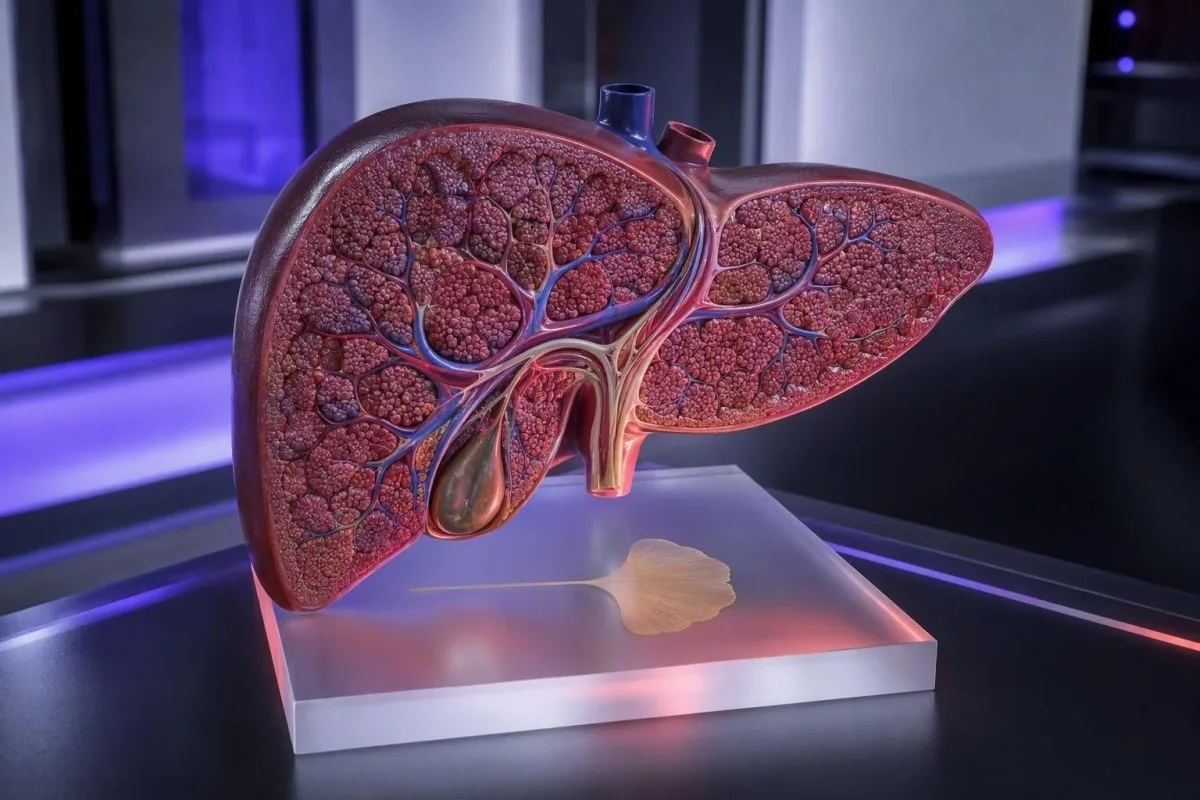
ALT is in algemien rapporteare leverensym, mar it is in sinjaal fan selstress ynstee fan in diagnoaze. De betsjutting komt fan syn grutte, patroan, timing en de rest fan jo leverpaniel.


- ALT betsjutting: ALT stiet foar alanine-aminotransferase, in enzym mjitten yn IU/L dat konsintrearre is yn leverzellen.
- Typysk berik: In protte laboratoariums foar folwoeksenen brûke in boppegrins fan ALT fan 35 IU/L foar froulju en 45 IU/L foar manlju, hoewol't it eigen berik fan it rapport beslissend is.
- Lichte ferheging: ALT ûnder 2 kear de laboratoariumboppegrins is gewoan en fertsjinnet faak in plande werhelling, gjin panik.
- patroan is wichtich: ALT mei hege AST, ALP, GGT, bilirubine, of INR betsjut wat oars as isolearre ALT-ferheging.
- Effekt fan oefening: Swiere krêfttraining kin ALT en AST foar 7 dagen of langer ferheegje, benammen as kreatinekinase ek heech is.
- Beoardieling fan medisinen: Acetaminophen, statins, antibiotika, anty-epileptyske medisinen, oanfollingen en krûdemiddels kinne ALT beynfloedzje.
- Dringende symptomen: Gielheid, betizing, slimme pine yn it rjochterboppeste diel fan 'e búk, weromkommend braken, of tige tsjustere urine fereaskje beoardieling troch in dokter op deselde dei.
- Trendwearde: In sakkende ALT nei it fuortsmiten fan in trigger is meastentiids mear geruststellend dan ien isolearre grinsresultaat.
Wat ALT betsjut op in bloedtest
ALT stiet foar alanine aminotransferase, in enzyme dat sellen helpt aminosgroepen oer te dragen by enerzjy metabolisme. It wurdt mjitten om't ALT yn 'e bloedsomrin komt as lever-sellen ûnder stress steane of skansearre binne; it bewiipt op himsels gjin permaninte leverskea.
ALT komt foaral foar binnen hepatocyten, de wurkjende sellen fan 'e lever, hoewol't lytse hoemannichten foarkomme yn skeletale spieren en oare weefsels. In ferhege resultaat betsjut dat der mear enzyme yn it stekproef kaam is as ferwachte; it kin gjin fetlever, hepatitis, medisynferwûning, of oefening identifisearje sûnder begeliedend bewiis.
Yn myn klinyske praktyk is de meast nuttige earste fraach net “hoe heech is it?” mar “heech yn ferliking mei hokker basale wearde en hokker oare markers?” In ALT fan 58 IU/L nei in nije gymroutine is in oar probleem as ALT 58 IU/L mei bilirubine 65 µmol/L en giele eagen.
Kantesti is in AI bloedtestanalysator dat ALT lêst neist AST, ALP, GGT, bilirubine, albumine, bloedplaatjestelling, medisinen, en eardere resultaten ynstee fan ien markearre wearde as in diagnoaze te behanneljen. Foar in bredere kaart fan relatearre mjittingen, sjoch ús biomarker-gids.
Wêrom de âldere namme SGPT ferskine kin
Guon rapporten neame ALT noch altyd “serum glutamic-pyruvic transaminase” of SGPT. ALT en SGPT ferwize nei deselde enzymtest, hoewol't moderne laboratoariumrapporten meastentiids ALT brûke.
Wêrom dokters alanine-aminotransferase mjitte
Klinisy bestelle in alanine-aminotransferase-test om hepatocellulêre stress te detektearjen, bekende leversykte te folgjen, en te kontrolearjen op medisyn-relatearre ferwûning. ALT wurdt faak opnommen yn in leverpanel of in wiidweidich metabolysk panel, sels as in persoan gjin symptomen hat.
ALT wurdt faak kontrolearre tidens diabetes- of lipidûndersiken, om't metabolysk disfunksje-assosjeare steatose lever sykte, earder fetlever sykte neamd, jierrenlang stil wêze kin. De AASLD-rjochtlinen fan 2023 advisearje it beoardieljen fan minsken mei metabolike risikofaktoaren en ûnferklearbere leverenzymferheging foar steatose lever sykte en fibrose risiko (Rinella et al., 2023).
In normale ALT slút signifikante fibrose net út, en in hege ALT mjit de fibrose-stadium net. Ik haw pasjinten sjoen mei ALT 24 IU/L en betsjuttend littekens op spesjalistyske beoardieling, benammen mei type 2 diabetes; fibrose-skoares en byldfoarming beantwurdzje in oare fraach.
ALT-monitoring is ek praktysk nei in medisynferoaring, mar it moat betochtsum pland wurde. Us gids foar jierlikse bloedôfnimmen leit út wêrom't de testfrekwinsje risiko, symptomen, en behanneling folgje moat ynstee fan allinich gewoante.
ALT normale beriken en wêrom laboratoariumgrinzen ferskille
Folwoeksen ALT-referinsje-rigen rinne meastentiids fan sawat 7 oant 35 IU/L foar froulju en 10 oant 45 IU/L foar manlju, mar rigen ferskille per assay, populaasje, en laboratoarium. Brûk altyd de boppegrins dy't neist jo eigen resultaat printe is ynstee fan in ynternet ôfsnijpunt.
De boppegrins is statistysk, meastentiids ôflaat fan in referinsjepopulaasje, net in garânsje dat elke wearde dêrûnder in folslein sûne lever wjerspegelet. Guon Europeeske laboratoaria brûke seks-spesifike boppegrinzen tichtby 25 IU/L foar froulju en 35 IU/L foar manlju, dy't metabolysk risiko earder identifisearje kinne, mar ek mear grinzen meitsje.
In wearde ûnder twa kear de boppegrins fan normaal wurdt faak mylde ferheging neamd. Foar in laboratoarium mei in boppegrins fan 40 IU/L, fertsjinnet ALT 55 oant 80 IU/L kontekst en meastentiids in werhelplan, wylst ALT 400 IU/L 10 kear de boppegrins is en de urgency feroaret.
Dr. Thomas Klein advisearret pasjinten om de namme fan it laboratoarium, ienheden, berik, tekenje datum, alkoholgebrûk, en oefening yn 'e foarôfgeande wike te bewarjen. Dit makket resultaatferskillen tusken besiken folle better te begripen.
Hoe ALT en ASTgearwurkje
ALT en AST moatte tegearre ynterpretearre wurde, om't ALT relatyf lever-rjochte is, wylst AST ek oerfloedich is yn skelet- en hertspieren. In AST- nei-ALT-ferhâlding kin patroanen suggerearje, mar it kin alkohol-relatearre sykte of cirrose net allinich diagnostisearje.
As ALT AST oertreft, beskôgje dokters faak metabolike steatosis, virale hepatitis, of medisinearringseffekten, hoewol't der genôch útsûnderings binne. In AST:ALT-ferhâlding boppe 2 kin foarkomme by alkohol-assosjearre leverskea, mar avansearre fibrose, spierskea, en timing nei in akute ynfloed kinne ek de ferhâlding feroarje.
In 52-jierrige maratonrinner mei AST 89 IU/L, ALT 61 IU/L, en kreatinekinase 1.450 IU/L nei in wedstriid hat in oare petear nedich as immen mei deselde enzymen en kreatinekinase 90 IU/L. De reden dat wy ús soargje oer AST plus hege CK is spierútgong; ALT allinnich is minder spierspesifyk, mar kin ek omheech gean.
Foar de spierside fan dit ûnderskied, lês ús útlis fan hege AST symptomen. As fysike aktiviteit in plausibele trigger is, foarkom ûngewoan swiere training 7 dagen foar de werhelling, útsein as jo dokter oars advisearret.
Wêrom ALP, GGT en bilirubine de betsjutting fan ALT feroarje
ALT jout in hepatosellulêr patroan oan, wylst alkaline phosphatase, GGT, en bilirubine helpe om cholestase of beheinde galstream te identifisearjen. ALT plus hege ALP en GGT moatte beskôging fan galwegsykte, medisinearringseffekten, of leverûntstekking stimulearje ynstee fan te fêst te stellen fan ienfâldige fette lever.
In dokter kin in R-ferhâlding berekkenje: ALT dield troch de boppegrins, dan dield troch ALP dield troch de boppegrins. In R-ferhâlding fan 5 of mear stipet hepatosellulêre blessuere, 2 of minder stipet cholestatyske blessuere, en 2 oant 5 suggerearret in mingd patroan; dit is in triearring-ark, gjin definitive diagnoaze.
GGT is nuttich as ALP ferhege is, om't GGT-ferheging in hepatobiliaire boarne stipet, wylst ALP ek omheech kin gean fan bondei. In isolearre ALP-ferheging mei normale GGT kin dêrom liede ta bonke- en fitaalmin D-fragen ynstee fan leverôfbylding.
Donkere urine, bleke stoelgong, jeuk, koarts, of gielheid mei ferhege bilirubine binne gjin “wachtsje op de folgjende jierlikse test” symptomen. Us cholestasis-patroangids leit út de kombinaasjes dy't prompt beoardiele wurde moatte.
Mienskiplike oarsaken fan ferhege ALT
Ferhege ALT wjerspegelet meastentiids metabolike steatyske leversykte, alkoholgebrûk, virale hepatitis, medisinearringseffekten, of in tydlike oefening-relatearre stiging. De wierskynlikheid fan elke oarsaak feroaret mei lichemsgewicht, glukoaze, triglycerides, alkoholpatroan, reizen, medisinen, en de grutte fan 'e stiging.
Metabolike steatyske leversykte is benammen wierskynlik as ALT-ferheging begeliedt sintrale gewichtswinst, triglycerides boppe 150 mg/dL, lege HDL-cholesterol, ferhege fêste glukoaze, of diabetes type 2. It kin foarkomme by minsken mei lytsere lichems ek, benammen mei fiscerale fet, genetika, sliepapnea, of bepaalde medisinen.
Firaal hepatitisûndersyk hinget ôf fan bleatstelling en risiko, net allinnich fan ALT. Hepatitis B-o surface antigen en hepatitis C-antistof mei befêstigjend RNA-ûndersyk binne standertûnderdielen fan in rjochte evaluaasje as de skiednis, geografy, of enzympatroan it stipet; ús hepatitis C-gids behannelet de gewoane wei.
Minder faak mar wichtige oarsaken binne hemachromatose, autoimmune hepatitis, sykte fan Wilson by jongerein, celiac sykte, en alfa-1-antitrypsin-tekoart. Dr. Thomas Klein hat it skea sjoen fan it oannimmen dat elke ferhege ALT alkohol-relatearre is; in strukturearre wurkûndersyk is aardiger en sekuerder.
Medisinen en oanfollingen dy't ALT kinne ferheegje
Medisinen en oanfollingen kinne ALT ferheegje troch direkte leverskea, feroare galstream, metabolike effekten, of in ûnrelatearre tafal. Stopje in foarskreaun medisyn net abrupt fanwegen ien resultaat; nim kontakt op mei de foarskriuwer dy't de medisynfoardiel ôfwage kin tsjin it patroan en de trend.
Acetaminophen, ek wol paracetamol neamd, kin markearre ALT-ferheging feroarsaakje by overdose en soms mildere feroarings by hege terapeutyske bleatstelling. Foar de measte folwoeksenen is de gewoane limyt 4.000 mg deis, mar in protte dokters riede in legere limyt oan foar minsken dy't regelmjittich alkohol drinke, leversykte hawwe, âlder binne, of kombinaasjekâldremiddels brûke.
Statins kinne lytse ALT-ferhegingen produsearje, mar slimme statine-relatearre leverskea is seldsum; it stopjen fan in kardiovaskulêr medisyn sûnder advys kin riskiger wêze dan de enzymflagge. De ACG-rjochtline riedt oan om abnormal leverchemie te befêstigjen en in soarchfâldige skiednis fan foarskreaune, frijferkeap, en oanfollingen te nimmen foardat in wiidweidich ûndersyk (Kwo et al., 2017).
Griene tee-ekstrakt, anabolike produkten, hege-dosis fitamine A, multi-yngrediënt “detox” poeders, en ûnregulearre bodybuildingsupplementen fertsjinje spesifike fragen, om't labels ûnfolslein kinne wêze. Besjoch ús praktyske oanfolling feiligensgids foardat jo in nij produkt tafoegje.
Kin oefening ALT tydlik ferheegje?
Ja, swiere oefening kin ALT tydlik ferheegje, benammen nei ûnbekende krêfttraining, duorjewedstridgen, of spierskea. AST en kreatine kinase stige meastentiids prominenter, en wearden kinne 3 oant 10 dagen duorje om te stabilisearjen, ôfhinklik fan de yntensiteit fan de oefening en de spier massa.
De mienskiplike misfetting is dat in ferhege ALT altyd betsjut dat de lever beskeadige is. Yn de praktyk kin in hurde sesje mei eksintrike lifting—stadige delgeande bewegings—spier membraanen genôch fersteure om AST, ALT, LDH, en CK te feroarjen sûnder in yntrinseke leveraandoening.
Foar in skjinne recheck freegje ik meastentiids stabyl, sûn pasjinten om krêftige training te foarkommen foar 5 oant 7 dagen, alkohol te foarkommen foar ferskate dagen, normale hydraasje te behâlden, en, as mooglik, itselde laboratoarium te brûken. Dit is net passend as der read-flagge symptomen binne of in ALT ferskate kearen boppe de limyt; dy situaasjes fereaskje earst medysk advys.
Kantesti is in AI-oandreaune ark foar analyse fan bloedtests brûkt yn mear as 127+ lannen dy't ALT, AST, CK, en eardere lûkings fergelykje kinne om in oefening-kompatibel patroan te flagjen sûnder it harmless te ferklearjen. Atleten kinne ek besjen maraton bloedtest timing.
Symptomen dy't in ALT-resultaat urginter meitsje
De measte mylde ALT-ferhegingen feroarsaakje gjin symptomen, mar gielsucht, heul donkere urine, bleke kruk, slimme búkpyn, betizing, maklike blauwe plakken, of oanhâldend braken fereaskje prompt medyske beoardieling. Symptomen binne wichtich, om't se kinne wize op belemme bilirubinebehanneling, galobstruksje, akute hepatitis, of fermindere lever syntetyske funksje.
Sykje seldei soarch foar giele eagen of hûd, betizing, nije slaperigheid, rap minder wurdende pine ûnder de rjochter ribben, of ûnfermogen om floeistoffen binnen te hâlden. Dizze symptomen hawwe mear gewicht as ALT boppe 5 kear de boppegrins is, bilirubine ferhege is, of INR ferlingd is.
Swangerskip feroaret de drompel foar soarch: jeuk fan palmen of soallen, pine rjochtsboppe yn 'e búk, hoofdpijn, sichtstoornis, of hege bloeddruk fereasket urgente ferloskundige beoardieling, sels as ALT mar matich ferhege is. Swangerskip-spesifike betingsten fereaskje in oare wei fan routine bûtenpaser leverûndersyk.
Urine feroarings kinne oanwizings tafoegje, mar binne net diagnostysk op harsels. Us artikel oer donkere urine oarsaken helpt om útdroeging en medisinen te ûnderskieden fan bilirubine-relatearre warskôgingsbuorden.
Wat bart der meastentiids nei in abnormal ALT-resultaat
Nei in abnormaal ALT-resultaat befêstigje dokters meastentiids it resultaat, besjogge bleatstellings, en werhelje of útwreidzje it paniel op basis fan de grutte fan 'e ferheging en symptomen. In inkelde mylde resultaat liedt faak ta in werhelling yn wiken oant in pear moannen, wylst markearre ferheging of gielsucht snellere beoardieling rjochtfeardiget.
In ferstannige earste beoardieling omfettet alkoholoade, resinte sykte, feroarings yn lichemsgewicht, reizen, famyljeanamnese, recept- en frijferkeap medisinen, oanfollingen, en oefening yn 'e foarige 7 dagen. Mienskiplike opfolgingtests omfetsje AST, ALP, GGT, bilirubine, albumine, folslein bloedtelling, INR, hepatitis screening, ferritine mei transferrine saturaasje, en glukoaze of HbA1c.
Echo is faak nuttich foar steatose, galstiennen, galkanaaldilataasje, of strukturele feroaring, mar it stadietet iere fibrose net betrouber. FIB-4 brûkt leeftiid, AST, ALT, en plaatjestelling om fibrosrisiko te skatten; it wurdt minder betrouber ûnder de 35 jier en moat net brûkt wurde by akute sykte.
Kantesti AI is in AI lab test-ynterpretaasjetsjinst dat organisearret dizze relatearre markers en longitudinale resultaten foar besprekking mei in klinikus. Us leverpaniel útlizzer lit sjen wat elk opfolgingûnderdiel bydraacht.
Wêrom ALT-trends nuttiger binne dan ien sifer
In ALT-trend is faak ynformatyver dan in inkelde resultaat, om't it sjen lit oft it sinjaal oplost, oanhâldend is, of fersnelt. In feroaring fan 72 nei 34 IU/L nei 6 wiken hat in oare klinyske berjocht as 34 nei 72 IU/L, ek al kinne beide nûmers ticht by in laboratoariumynstelling wêze.
Biologyske fariaasje, hydrataasje, assay-fariaasje, en timing kinne ALT beskieden ferpleatse tusken tekeningen. Werheljen by itselde laboratoarium, op in fergelykber tiidstip fan 'e dei, nei fergelykbere aktiviteit en alkohol-eksposysje, fermindert lûd en makket in echte feroaring makliker te identifisearjen.
Oanhâldende ferheging foar mear as 6 moannen fertsjinnet in mear doelgerjochte beoardieling, benammen by diabetes, obesitas, famyljeanamnese fan leversykte, plaatjesdelgong, of tanimmende bilirubine. Omgekeard kin in stabile milde ALT by in grûnich beoardiele pasjint wurde folge ynstee fan efterfolge mei werheljende brede tests.
Kantesti AI ynterpreteart ALT-trends mei de begeliedende AST, plaatjestelling, bilirubine, en metabolike markers ynstee fan in ferskowing fan 3 IU/L as sykteprogressje te behanneljen. Sjoch ús hantlieding foar longitudinale testen foar de details dy't it wurdich binne op te nimmen nei elke tekening.
ALT-misfettingen dy't kinne liede ta minne besluten
ALT is gjin “leverfunksjetest” yn de strikte sin, om't it enzymlek mjit, net it fermogen fan de lever om albumine, stollingsfaktoaren of gal te meitsjen. Albumine, INR, bilirubine, plaatjestelling, symptomen, en ôfbylding kinne in mear gefolch ferhaal fertelle dan ALT allinich.
Normale ALT jout gjin tastimming om swiere alkoholgebrûk, diabetes, of in sterke famyljeanamnese fan leversykte te negearjen. Lykwols, ferhege ALT bewiist net dat alkohol de oarsaak wie; dizze oanname kin fertrouwen skealje en de diagnoaze fan virale, autoimmune, genetyske, of medisyn-relatearre betingsten fertrage.
“Leverdetoxen” binne in oare mienskiplike fâle. De lever behannelet al metabolime en klaring, wylst agressive fêsten, ûnregulearre krûden, en rappe gewichtsverlies soms symptomen of laboratoariummarkers slimmer meitsje kinne; bewiis foar kommersjele detox-regimen is earlik swak.
As dieet diel útmakket fan de diskusje, fokus op duorsume gewichtsferoaring, adekwate proteïne, glêstried, en fermindere ultra-ferwurke iten ynstee fan wûnderprodukten. Us bewiisbasearre leveriten gids is in feiliger begjinpunt.
ALT-ynterpretaasje by bern, swangerskip en hegere leeftiid
ALT-ynterpretaasje fereasket leeftyd-spesifike kontekst by bern, swangerskip, en âldere folwoeksenen, om't referinsjelimiten en wierskynlike oarsaken ferskille. Pediatryske ALT-cutoffs binne faak leger dan folwoeksen laboratoariumrangers, en swangerskip-relatearre leversymptomen fereaskje fluggere spesjalist-led beoardieling.
By bern wurdt obesitas-relatearre steatotyske leversykte hieltyd mear erkend, mar virale sykten, spierstoornissen, celiac sykte, en erflike metabolike betingsten moatte yn de differinsjaal diagnoaze bliuwe. In pediatryske klinikus moat oanhâldende ALT-ferheging ynterpretearje ynstee fan folwoeksen “ûnder 40 IU/L is goed” tinken ta te passen.
By swierwêzen moat ALT generally binnen it net-swangere referinsje-interval bliuwe; in stiging mei hypertensie, lege plaaten, jeuk, of misselijkheid fereasket prompt beoardieling foar swangerskip-spesifike steurnissen. Albumine falt faak troch plasma-folum-ekspânsje, dus albumine en ALT moatte net mei deselde logika ynterpretearre wurde.
By âldere folwoeksenen fergruttet polypharmacy en fragiliteit de wearde fan in folsleine medisynbeoardieling. Us senior medisinen lab gids litfragen op dy't jo op de ôfspraak meinimme kinne.
Feilich gebrûk fan AI-ynterpretaasje foar ALT-resultaten
AI kin helpe om in ALT-resultaat te organisearjen, mar it kin jo net ûndersykje, symptomen ferifiearje, of medyske beoardieling ferfange foar in potinsjeel serieus leverpatroan. It feilichste gebrûk is tarieding: identifisearje it patroan, bewarje it orizjinele ferslach, en bring spesifike fragen nei in kwalifisearre klinikus.
Per 5 septimber 2026 is Kantesti in AI bloedtest-útslachplatfoarm dat yn sawat 60 sekonden opladen laboratoariumferslaggen beoardielet en ALT pleatst yn de kontekst fan besibbe wearden, trendhistoarje, en rapportearre medisinen. It is ûntwurpen om de kwaliteit fan fragen te ferbetterjen, net om in diagnoaze te stellen of behanneling foar te skriuwen.
Kontrolearje foar krektens dat it byld fan it ferslach lêsber is, de ienheden korrekt fongen binne, en in resultaat fan in foarich jier net betize wurdt mei de hjoeddeistige wearde. Kantesti syn klinyske oanpak wurdt foarme troch tafersjoch fan dokters; lêzers kinne ús medyske validaasjenormen en Medyske Advysried beoardielje by it besluten hoe't AI-stipe ynterpretaasje brûkt wurde moat.
Nim trije dingen mei nei in beoardieling: it folsleine paniel, in list fan alle medisinen en oanfollingen mei doses, en in tiidline fan alkoholgebrûk, sykte, reizen, en yntinse oefening. Dy beskieden tarieding foarkomt faak ûnnedige alarm en foarkomt dat in betsjuttingsfol patroan mist wurdt.
In praktyske checklist foar jo folgjende ALT-test
Foardat in plande ALT-retest, hâld jo routine stabyl en dokumintum faktoaren dy't enzymen kinne ferskowe. Foarkom swiere training foar 5 oant 7 dagen as klinysk feilich, foarkom alkohol foar ferskate dagen, en feroarje gjin foarskreaune medisinen, útsein as de foarskriuwer jo dat seit.
Registrearje alle gebrûk fan acetaminophen of paracetamol, antibiotika, nije oanfollingen, resinte koarts, gastro-enteritis, faksinasjes, fêstjen, en rappe gewichtsferoaring. Fêstjen is meastentiids net nedich foar allinnich ALT, hoewol't it frege wurde kin as glukoaze, triglyceriden, of oare tests wurde metten by deselde besite.
Freegje de klinikus oft in werhelle ALT ek AST, ALP, GGT, bilirubine, albumine, bloedplaatjes en CK omfetsje moat. It antwurd hinget faak ôf fan it earste patroan; in isolearre ALT fan 48 IU/L nei gewichtheffen hat net deselde útwurking nedich as ALT 248 IU/L mei bilirubine 48 µmol/L.
As jo help nedich hawwe by it gearstallen fan fragen út jo ferslach, is ús AI-rapport-akkuraasjekontrôleliste nuttich foar it besyk. Foar organisatoaryske ynformaasje oer ús wurk, sjoch Oer Kantesti.
Faak stelde fragen
Waar stiet ALT foar op labresultaten?
ALT stiet foar alanine aminotransferase, in enzyme dat foaral yn lever-sellen foarkomt en mjitten wurdt yn ynternasjonale ienheden per liter (IU/L). In protte laboratoaren brûke boppegrinzen fan om 35 IU/L foar folwoeksen froulju en 45 IU/L foar folwoeksen manlju, alhoewol't it referinsje-interval dat op it yndividuele ferslach stiet de juste ferliker is. In ferhege ALT jout selstress of blessuere oan, mar kin de oarsaak net sels bepale. AST, ALP, GGT, bilirubine, medisinen, alkohol, oefening en symptomen bepale wat it resultaat betsjut.
Is ALT 50 IU/L heech?
ALT fan 50 IU/L is licht ferhege yn laboratoaren mei in boppegrins fan 35 of 40 IU/L, mar it leit ticht by it normale yn guon laboratoaren mei in boppegrins fan 55 IU/L. In wearde om 50 IU/L hinne is meastal minder driuwend as de bilirubine, ALP, INR, en symptomen normaal binne, hoewol't it noch wol kontekst en faak in werhelling fertsjinnet. Resint gewichtheffen, alkohol, metabolike steatose, medisinen, en oanfollingen binne gewoane ferklearrings. Persistinte ferheging fan mear as 6 moannen fertsjinnet in strukturele klinyske resinsje.
Kin oefening ALT-wearden ferheegje?
Strenuous oefening kin ALT, AST, LDH en kreatinekinase ferheegje, om't skeletspieren enzymen frijkomme nei yntinse of ûnbekende ynspanning. De stiging kin 3 oant 10 dagen duorje, wêrby't AST en kreatinekinase faak mear tanimme as ALT. It foarkommen fan ûngewoan swiere aktiviteit 5 oant 7 dagen foar in plande werhelling kin dúdlik meitsje oft oefening bydroech. Dúdlike ALT-ferheging, gielsucht, slimme pine, of donkere urine freget noch altyd om prompt medysk advys ynstee fan oan te nimmen dat oefening ferantwurdlik is.
Wat is wichtiger, ALT of AST?
Wêze ALT noch AST universeel wichtiger, om't it pear mear ynformaasje jout as ien resultaat allinich. ALT is mear lever-rjochte, wylst AST ek oanwêzich is yn skeletale spieren en flink tanimme kin nei oefening of spierskea. In AST-ta-ALT-ferhâlding boppe 2 kin foarkomme by alkohol-assosjearre leverskea, mar it is net diagnostysk en kin ek ferskine by avansearre fibrose of spierûntslach. Klinisy ynterpretearje beide wearden mei GGT, ALP, bilirubine, kreatinekinase,plaatletelling, en de klinyske skiednis.
Wannear moat in hege ALT-resultaat as driuwend beskôge wurde?
In hege ALT-resultaat hat driuwende beoardieling nedich as it mear as 5 kear de boppegrins fan it laboratoarium is, rap omheech giet, of foarkomt mei geelsucht, betizing, slimme pine rjochtsboppe yn 't búk, oanhâldend braken, maklike blauwe plakken, of hiel donkere urine. Ferheging fan bilirubine, in ferlingde INR, lege glukoaze, of lege bloedplaatjes kinne de soarch ferheegje, om't se mear oanjaan kinne as allinnich mar enzym frijkommen. Swangerskip-relatearre jeuk, hoofdpijn, fisuele symptomen, of hege bloeddruk mei ALT-ferheging hawwe ek driuwende ferloskundige beoardieling nedich. In isolearre mylde resultaat ûnder 2 kear de boppegrins wurdt meastal minder driuwend beoardiele, mar moat net negearre wurde.
Kin fette lever hege ALT feroarsaakje?
Metabolysk disfunksje-assosjearre steatotic lever sykte is in mienskiplike oarsaak fan licht ferhege ALT, benammen mei trigliseriden boppe 150 mg/dL, ferhege glukoaze, type 2 diabetes, sintraal gewichtswinning, of lege HDL-cholesterol. ALT kin normaal wêze nettsjinsteande leverfet of fibrose, dus in normaal resultaat slút klinysk relevante sykte net út. De 2023 AASLD-rjochtlinen stypje fibrose-risiko-evaluaasje by minsken mei metabolike risikofaktoaren en ûnferklearbere enzymferheging. Duorsume gewichtsbeheare, diabeteskontrôle, alkoholreduksje, en troch de dokter rjochte tafersjoch binne mear bewiis-basearre dan detoxprodukten.
Krij hjoed noch AI-oandreaune bloedtest-analyse
Doch mei oan mear as 2 miljoen brûkers wrâldwiid dy’t Kantesti fertrouwe foar direkte, krekte analyse fan laboratoariumtests. Upload jo bloedtest resultaten en ûntfange wiidweidige ynterpretaasje fan 15,000+-biomarkers yn sekonden.
📚 Ferwiisde ûndersykspublikaasjes
Klein, T., Mitchell, S., & Weber, H. (2026). B Negative bloedtype, LDH-bloedtest en hantlieding foar retikulocyten-telling. Kantesti AI Medysk Undersyk.
Klein, T., Mitchell, S., & Weber, H. (2026). Diarree nei fêstjen, swarte stippen yn 'e kruk en GI-hantlieding 2026. Kantesti AI Medysk Undersyk.
📖 Eksterne medyske referinsjes
⚕️ Medyske disclaimer
Dit artikel is allinnich foar ûnderwiisdoelen en foarmet gjin medysk advys. Rieplachtsje altyd in kwalifisearre soarchferliener foar besluten oer diagnoaze en behanneling.
E-E-A-T fertrouwensignalen
Ûnderfining
Dokter-oandreaune klinyske resinsje fan lab-ynterpretaasje-wurkprosessen.
Ekspertize
Fokus fan laboratoariummedisyne op hoe’t biomarkers har gedrage yn in klinyske kontekst.
Autoriteit
Skreaun troch dr. Thomas Klein mei resinsje troch dr. Sarah Mitchell en prof. dr. Hans Weber.
Betrouberens
Bewiis-basearre ynterpretaasje mei dúdlike ferfolchpaadkes om alarm te ferminderjen.