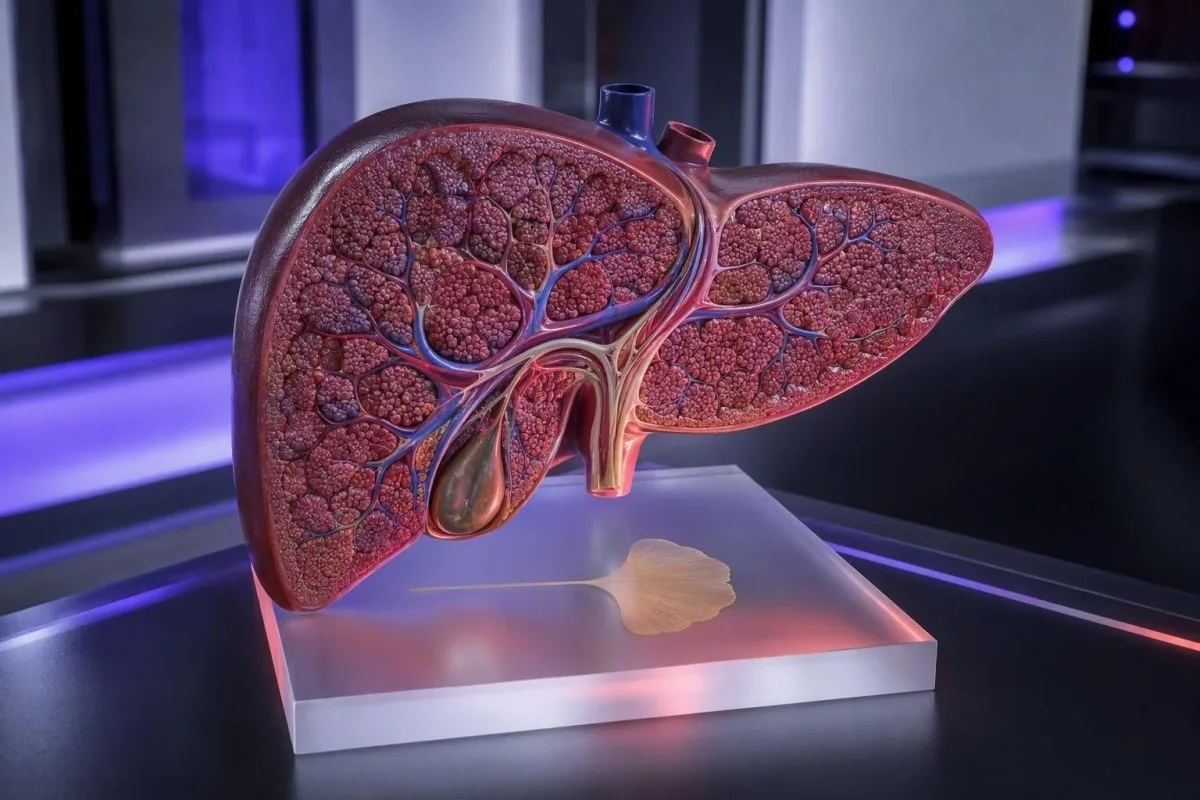
ALT-nin ümumi şəkildə bildirilən bir qaraciyər fermenti olmasına baxmayaraq, o diaqnozdan çox hüceyrə stressinin bir əlamətidir. Mənası onun ölçüsündən, naxışından, vaxtından və digər qaraciyər panelinizin nəticəsindən asılıdır.


- ALT mənası: ALT, qaraciyər hüceyrələrində cəmləşmiş, IU/L-də ölçülən bir ferment olan alanin aminotransferazasının qısaltmasıdır.
- Tipik diapazon: Bir çox böyüklər üçün laboratoriyalar qadınlar üçün 35 IU/L və kişilər üçün 45 IU/L-dən yuxarı həddən istifadə edir, baxmayaraq ki, hesabatın öz diapazonu həlledicidir.
- Yüngül yüksəlmə: Laboratoriyanın yuxarı həddindən 2 dəfədən aşağı ALT ümumidir və çox vaxt panika əvəzinə planlaşdırılmış təkrar müayinə tələb edir.
- Nümunə önəmlidir: Yüksək AST, ALP, GGT, bilirubin və ya INR ilə birlikdə ALT, təcrid olunmuş ALT yüksəlməsindən fərqli bir məna kəsb edir.
- Məşq effekti: Ağır müqavimət məşqləri 7 gün və ya daha uzun müddətə ALT və AST-ni, xüsusilə də kreatin kinazın da yüksək olduğu hallarda artıra bilər.
- Dərmanların nəzərdən keçirilməsi: Asetaminofen, statinlər, antibiotiklər, antikonvulsiv dərmanlar, əlavələr və bitki mənşəli məhsullar ALT-yə təsir edə bilər.
- Təcili simptomlar: Sarılıq, çaşqınlıq, sağ yuxarı qarın nahiyəsində şiddətli ağrı, təkrarlanan qusma və ya çox qaranlıq sidik eyni gündə kliniki qiymətləndirmə tələb edir.
- Trend göstəricisi: Tetikləyici səbəb aradan qaldırıldıqdan sonra düşən ALT, tək bir həddən kənar nəticədən daha çox əminlik verir.
Qan testində ALT nə deməkdir
ALT alanin aminotransferazın qısaltmasıdır, enerji metabolizmində amin qruplarının köçürülməsinə kömək edən bir fermentdir. ALT qaraciyər hüceyrələri stress və ya zədə gördükdə qana daxil olduğu üçün ölçülür; bu özlüyündə daimi qaraciyər zədələnməsini sübut etmir.
ALT əsasən qaraciyərin işləyən hüceyrələri olan hepatositlərin daxilində olur, baxmayaraq ki, skelet əzələlərində və digər toxumalarda kiçik miqdarda olur. Yüksək nəticə, gözlənəndən daha çox fermentin nümunəyə daxil olduğunu bildirir; əlavə dəlillər olmadan piylənmə, hepatit, dərman zədəsi və ya məşqi müəyyənləşdirə bilməz.
Mənim klinik təcrübəmdə ən faydalı ilk sual “nə qədər yüksəkdir?” deyil, “hansı bazal göstəriciyə və hansı digər markerlərə nisbətən yüksəkdir?” Yeni idman zalı rutini sonrası 58 IU/L ALT, öd qatılığı 65 µmol/L və sarı gözlərlə birlikdə ALT 58 IU/L-dən fərqli bir problemdir.
Kantesti bir AI qan testi analizatoru bu, bir bayraq qaldırılmış dəyəri diaqnoz kimi qəbul etmək əvəzinə ALT, AST, ALP, GGT, öd qatılığı, albümin, trombosit sayı, dərmanlar və əvvəlki nəticələrlə yanaşı oxuyur. Əlaqəli ölçmələrin daha geniş xəritəsi üçün bizim biomarker bələdçimiz.
Niyə köhnə SGPT adı görünə bilər
Bəzi hesabatlarda ALT hələ də “serum qlutamik-piruvik transaminaz” və ya SGPT. adlanır. ALT və SGPT eyni ferment testini ifadə edir, baxmayaraq ki, müasir laboratoriya hesabatlarında adətən ALT istifadə olunur.
Həkimlər niyə alanin aminotransferazanı ölçürlər
Klinisyenlər alanin aminotransferaz testi sifariş edirlər ki, hepatosellular stressi aşkar etsin, məlum qaraciyər xəstəliyini izləsin və dərmanla əlaqəli zədə olub olmadığını yoxlasın. ALT, bir şəxsdə heç bir əlamət olmasa belə, tez-tez qaraciyər paneli və ya hərtərəfli metabolik panelə daxil edilir.
ALT tez-tez diabet və ya lipid müayinələri zamanı yoxlanılır, çünki əvvəllər piylənmə xəstəliyi kimi tanınan metabolik disfunksiya ilə əlaqəli steatotik qaraciyər xəstəliyi illərlə sakit qala bilər. 2023 AASLD təlimatı, metabolik risk faktorları və açıqlanmayan qaraciyər-ferment yüksəlməsi olan insanları steatotik qaraciyər xəstəliyi və fibroz riski (Rinella və b., 2023) üçün qiymətləndirməyi məsləhət görür.
Normal ALT, əhəmiyyətli fibrozun xaric etmir və yüksək ALT, fibrozun mərhələsini ölçmür. Mən xüsusən 2-ci tip diabetli xəstələrdə ALT 24 IU/L və mütəxəssis qiymətləndirməsində əhəmiyyətli çapıq olan xəstələri görmüşəm; fibroz balı və görüntü müxtəlif suallara cavab verir.
Dərman dəyişikliyindən sonra ALT monitorinqi də praktikdir, lakin o, düşünülmüş şəkildə planlaşdırılmalıdır. illik qan işləri barədə məsləhətimiz test tezliyinin yalnız vərdişdən deyil, risk, əlamətlər və müalicəyə uyğun olmalı olduğunu izah edir.
ALT normal diapazonları və niyə laboratoriya hədləri dəyişir
Yetkinlərdə ALT referans diapazonları adətən qadınlar üçün təxminən 7 ilə 35 IU/L və kişilər üçün 10 ilə 45 IU/L arasında dəyişir, lakin diapazonlar analizə, əhaliyə və laborotoriyaya görə dəyişir. İnternet kəsimindən deyil, həmişə öz nəticənizin yanında yazılmış yuxarı həddən istifadə edin.
Yuxarı hədd statistikdir, adətən referans populyasiyasından əldə edilir, lakin onun altındakı hər bir dəyərin tamamilə sağlam qaraciyəri əks etdirdiyinin təminatı deyil. Bəzi Avropa laboratoriyaları qadınlar üçün 25 IU/L və kişilər üçün 35 IU/L yaxınlığında cinsə görə fərqlənən yuxarı hədlərdən istifadə edirlər ki, bu da metabolik riski daha erkən müəyyən edə bilər, lakin həm də daha çox həddən kənar bayraqlar yarada bilər.
Normal yuxarı həddin iki mislindən az olan dəyər tez-tez yüngül yüksəlmə adlanır. Yuxarı həddi 40 IU/L olan bir laboratoriya üçün, ALT 55-80 IU/L kontekst və adətən təkrarlama planı tələb edir, halbuki ALT 400 IU/L, yuxarı həddin 10 qatı deməkdir və təciliyyət dərəcəsini dəyişir.
Dr. Thomas Klein pasiyentlərə laboratoriyanın adını, vahidləri, diapazonu, qan götürülmə tarixini, spirt istehlakını və əvvəlki həftədə idman fəaliyyətini qeyd etməyi tövsiyə edir. Bu, nəticə fərqlərini səfərlər arasında daha yozulmağa imkan verir.
ALT və AST necə birlikdə işləyir
ALT və AST birlikdə yozulmalıdır, çünki ALT nisbətən qaraciyərə fokuslanıb, AST isə skelet və ürək əzələlərində də bol miqdarda olur. AST-nin ALT-ə nisbəti nümunələri göstərə bilər, lakin bu, tək başına spirtlə əlaqəli xəstəliyi və ya sirrozu diaqnoz etmir.
ALT AST-dən yüksək olduqda, həkimlər tez-tez metabolik steatoz, virus hepatiti və ya dərman təsirlərini nəzərdən keçirirlər, baxmayaraq ki, çox istisnalar var. AST:ALT nisbətinin 2-dən yuxarı olması spirtlə əlaqəli qaraciyər zədələnməsində baş verə bilər, lakin qabaqcıl fibroz, əzələ zədələnməsi və kəskin zədədən sonrakı vaxt da nisbəti dəyişə bilər.
AST 89 IU/L, ALT 61 IU/L və kreatin kinaz 1,450 IU/L olan 52 yaşlı marafon qaçışçısı yarışdan sonra eyni fermentlərə və 90 IU/L kreatin kinazı olan bir insandan fərqli bir söhbətə ehtiyac duyur. AST və yüksək CK-dan narahat olmamızın səbəbi əzələlərin zədələnməsidir; yalnız ALT əzələ üçün daha az spesifikdir, lakin yüksələ bilər.
Bu fərqin əzələ tərəfini anlamaq üçün izahatımızı oxuyun yüksək AST əlamətləri. İdman fəaliyyəti real səbəb ola bilərsə, həkiminiz başqa cür tövsiyə etmədiyi təqdirdə, təkrar müayinədən əvvəl 7 gün ərzində adi həddən artıq intensiv məşqlərdən çəkinin.
ALP, GGT və bilirubin niyə ALT-nin mənasını dəyişdirir
ALT hepatosellüler bir nümunəni göstərir, halbuki alkaşın fosfataza, GGT və bilirubin xolestazı və ya öd axınının pozulmasını müəyyənləşdirməyə kömək edir. ALT, yüksək ALP və GGT ilə birlikdə sadə piyli qaraciyər fərz etmək əvəzinə, öd yolları xəstəliyi, dərman təsirləri və ya qaraciyər iltihabının nəzərdən keçirilməsini tələb etməlidir.
Həkim R nisbətini hesablaya bilər: ALT-nin yuxarı həddinə bölünməsi, sonra ALP-nin yuxarı həddinə bölünməsi. 5 və ya daha çox R nisbəti hepatosellüler zədələnməni, 2 və ya daha az xolestatik zədələnməni dəstəkləyir və 2-dən 5-ə qədər qarışıq nümunəni göstərir; bu, son diaqnoz deyil, triyaj alətidir.
ALP yüksəldikdə GGT faydalıdır, çünki GGT-nin yüksəlməsi hepatobiliyar mənbəyi dəstəkləyir, halbuki ALP sümük dövriyyəsindən də yüksələ bilər. Buna görə də, normal GGT ilə təcrid olunmuş ALP yüksəlməsi, qaraciyər görüntüləməsinə deyil, sümük və D vitamini suallarına səbəb ola bilər.
Tünd sidik, solğun nəcis, qaşınma, hərarət və ya yüksəlmiş bilirubin ilə sarılıq “növbəti illik test üçün gözləyin” əlamətləri deyil. Bizim xolestaz nümunə bələdçimiz təcili qiymətləndirilməli olan kombinasiyaları izah edir.
Yüksəlmiş ALT-nin ümumi səbəbləri
Yüksəlmiş ALT ən çox metabolik steatotik qaraciyər xəstəliyi, spirtə məruz qalma, virus hepatiti, dərman təsirləri və ya müvəqqəti idmanla əlaqəli yüksəlməni əks etdirir. Hər bir səbəbin ehtimalı bədən çəkisi, qlükoza, trigliseridlər, spirt istehlakı nümunəsi, səyahət, dərmanlar və yüksəlmənin ölçüsü ilə dəyişir.
Metabolik steatoz qaraciyər xəstəliyi, xüsusilə ALT yüksəlməsi mərkəzi artıq çəki, 150 mq/dL-dən yuxarı trigliseridlər, aşağı HDL xolesterin, yüksəlmiş aclıq qlükoza və ya 2-ci tip diabet ilə müşayiət olunduqda baş verir. O, kiçik bədənli insanlarda da, xüsusilə visseral piylə, genetiklə, yuxu apnesi və ya bəzi dərmanlarla baş verə bilər.
Viral hepatit testi ALT-dən başqa, məruz qalma və riskdən asılıdır. Hepatit B səth antigeni və hepatit C antikoru, təsdiqləyici RPM testləri ilə birlikdə, tarix, coğrafiya və ya ferment naxşı dəstəkləyərsə, diqqətli qiymətləndirmənin standart hissələridir; bizim hepatit C bələdçimiz adi yolu əhatə edir.
Daha az yaygın, lakin vacib səbəblərə hemaxromatoz, autoimmün hepatit, gənclərdə Wilson xəstəliyi, çölyak xəstəliyi və alfa-1 antitripsin çatışmazlığı daxildir. Dr. Thomas Klein, hər bir yüksəlmiş ALT-nin alkoqolla əlaqəli olduğu ehtimalının zərərlərini görmüşdür; mütəşəkkil bir araşdırma daha nəzakətli və daha dəqiqdir.
ALT-ni artıra bilən dərmanlar və əlavələr
Dərmanlar və əlavələr, birbaşa qaraciyər zədələnməsi, dəyişmiş öd axını, metabolik təsirlər və ya əlaqəli olmayan təsadüf yolu ilə ALT-ni artıra bilər. Bir nəticəyə görə təyin olunmuş dərmanı birdən dayandırmayın; dərman faydasını naxış və trendə qarşı ölçə bilən həkimə müraciət edin.
Parasetamol, həmçinin parasetamol kimi tanınan, doza həddi aşıldıqda kəskin ALT yüksəlməsinə və bəzən yüksək terapevtik məruz qalma zamanı daha yüngül dəyişikliklərə səbəb ola bilər. Əksər böyüklər üçün adi maksimum gündə 4000 mq-dır, lakin bir çox həkimlər mütəmadi olaraq spirt içənlər, qaraciyər xəstəliyi olanlar, yaşlılar və ya birləşdirilmiş soyuq dərmanları istifadə edənlər üçün daha aşağı həddi tövsiyə edirlər.
Statinlər kiçik ALT artışlarına səbəb ola bilər, lakin ciddi statinlə əlaqəli qaraciyər zədələnməsi nadirdir; tövsiyə olmadan ürək-damar dərmanını dayandırmaq ferment nişanından daha riskli ola bilər. ACG təlimatı, hərtərəfli testdən əvvəl (Kwo et al., 2017) qeyri-adi qaraciyər kimyasının təsdiqlənməsini və diqqətli resept, reseptsiz və əlavə tarixini götürməyi tövsiyə edir.
Yaşıl çay ekstraktı, anabolik məhsullar, yüksək dozada A vitamini, çoxkomponentli “detoks” tozları və tənzimlənməmiş bədən qurma əlavələri etiketləri natamam ola biləcəyi üçün xüsusi suallara layiqdir. Yeni məhsul əlavə etməzdən əvvəl bizim praktik əlavə təhlükəsizlik bələdçimizə baxın.
Məşq müvəqqəti olaraq ALT-ni artıra bilərmi?
Bəli, gərgin məşq, xüsusilə tanış olmayan müqavimət məşqi, dözümlülük hadisələri və ya əzələ zədələnməsindən sonra müvəqqəti olaraq ALT-ni artıra bilər. AST və kreatin kinaz adətən daha çox yüksəlir və dəyərlər məşq intensivliyindən və əzələ kütləsindən asılı olaraq 3-10 gün ərzində sabitləşə bilər.
Ümumi səhv anlayış, yüksəlmiş ALT-nin həmişə qaraciyər zədələnməsi demək olmasıdır. Təcrübədə, eksantrik qaldırma - yavaş aşağı hərəkətləri ehtiva edən sərt seans, daxili qaraciyər pozğunluğu olmadan AST, ALT, LDH və CK-ni dəyişdirmək üçün kifayət qədər əzələ membranalrını pozula bilər.
Təmiz yenidən yoxlama üçün, adətən sabit, sağlam xəstələrdən 5-7 gün ərzində güclü məşqdən çəkinməyi, bir neçə gün ərzində spirt istifadəsini dayandırmağı, hidrasiyanı normal saxlamağı və mümkün olduqda eyni laboratoriyadan istifadə etməyi xahiş edirəm. Bu, qırmızı bayraq əlamətləri və ya diapazondan bir neçə dəfə yuxarı olan ALT halları üçün uyğun deyil; bu vəziyyətlər ilk növbədə tibbi məsləhət tələb edir.
Kantesti bir Süni intellektlə işləyən qan testi analizi aləti ALT, AST, CK və əvvəlki nümunələri müqayisə edərək təhlükəsiz elan etmədən məşqlə uyğun gələn bir naxışı qeyd etmək üçün 127+ ölkələrində istifadə olunur. İdmançılar həmçinin baxa bilər marafon qan testi vaxtı.
ALT nəticəsini daha təcili edən simptomlar
Əksər yüngül ALT yüksəlmələri simptomlara səbəb olmur, lakin sarılıq, çox tünd sidik, solğun nəcis, şiddətli qarın ağrısı, çaşqınlıq, asan qançır, və ya davamlı qusma təcili tibbi müayinə tələb edir. Simptomlar, pozulmuş bilirubin emalını, öd maneəsini, kəskin hepatiti və ya qaraciyərin sintez funksiyasının azalmasını göstərə biləcəyi üçün əhəmiyyətlidir.
Sarı gözlər və ya dəri, çaşqınlıq, yeni yuxululuq, sağ qabırğaların altında sürətlə pisləşən ağrı, və ya mayeləri qəbul edə bilməmək üçün həmin gün baxış keçirin. ALT yuxarı həddin 5 qatından yuxarı olduqda, bilirubin yüksəldikdə və ya INR uzandıqda bu simptomlar daha çox ağırlıq kəsb edir.
Hamiləlik narahatlıq həddini dəyişdirir: ovuc və ya daban qaşınması, sağ yuxarı qarın narahatlığı, baş ağrısı, görmə pozğunluğu və ya yüksək qan təzyiqi, hətta ALT yalnız mülayim yüksəldikdə belə, təcili mama-ginekologiya qiymətləndirməsi tələb edir. Hamiləliyə xas şərtlər adi ambulator qaraciyər testindən fərqli bir yol tələb edir.
Sidik dəyişiklikləri əlavə ipucları verə bilər, lakin özləri diaqnostik deyildir. Bizim tünd sidik səbəbləri haqqında məqaləmiz dehidrasiya və dərmanları bilirubinlə əlaqəli xəbərdarlıq əlamətlərindən ayırmağa kömək edir.
Qeyri-normal ALT nəticəsindən sonra adətən nə baş verir
ALT nəticəsi normadan kənar olduqda, həkimlər adətən nəticəni təsdiqləyir, məruz qalma səbəblərini nəzərdən keçirir və yüksəlmənin dərəcəsi və simptomlara əsasən testi təkrarlayır və ya genişləndirir. Tək bir yüngül nəticə tez-tez həftələr və ya bir neçə ay ərzində təkrarlanmağa səbəb olur, halbuki kəskin yüksəlmə və ya sarılıq daha sürətli qiymətləndirmə tələb edir.
Məqsədəuyğun ilk nəzərdən keçirməyə əvvəlki 7 gündə spirt istehlakı, son xəstəliklər, bədən çəkisindəki dəyişikliklər, səyahətlər, ailə tarixçəsi, reseptli və qeyri-reseptli dərmanlar, əlavələr və idman daxildir. Ümumi izləmə testlərinə AST, ALP, GGT, bilirubin, albumin, tam qan sayımı, INR, hepatit skrininqi, transferrin doyumu ilə ferritin və ya qlükoza və ya HbA1c daxildir.
USM adətən steatoz, öd kisəsi daşları, öd yollarının genişlənməsi və ya struktur dəyişiklikləri üçün faydalıdır, lakin o, erkən fibrozun mərhələlərini etibarlı şəkildə müəyyən etmir. FIB-4 fibroz riskini qiymətləndirmək üçün yaşı, AST, ALT və trombosit sayını istifadə edir; 35 yaşdan aşağı olduqda daha az etibarlı olur və kəskin xəstəlik zamanı istifadə olunmamalıdır.
Kantesti AI, AI laboratoriya testi şərh xidməti Bu əlaqəli markerləri və uzunmüddətli nəticələri həkimlə müzakirə üçün təşkil edir. Bizim qaraciyər panelinin izahı hər bir izləmə komponentinin nə qatqı təmin etdiyini göstərir.
Niyə ALT tendensiyaları bir nömrədən daha faydalıdır
ALT tendensiyası, tək bir nəticədən daha məlumatlıdır, çünki siqnalın yox olub-olmamasını, davam etməsini və ya sürətlənməsini göstərir. 6 həftədən sonra 72-dən 34 IU/L-ə qədər dəyişiklik, hər iki rəqəm laboratoriya kəsiminə yaxın ola bilsə də, 34-dən 72 IU/L-ə qədər dəyişiklikdən fərqli kliniki mesaj verir.
Bioloji dəyişkənlik, hidrasiya, müayinə dəyişkənliyi və vaxtlaşdırma, çəkilmələr arasında ALT-ni mülayim şəkildə dəyişdirə bilər. Eyni laboratoriyada, günün oxşar vaxtında, müqayisə olunan fəaliyyət və spirtə məruz qaldıqdan sonra təkrarlamaq səs-küyü azaldır və real dəyişikliyi müəyyənləşdirməyi asanlaşdırır.
6 aydan çox davam edən yüksəlmə daha qətiyyətli bir qiymətləndirməni tələb edir, xüsusən də şəkərli diabet, piylənmə, qaraciyər xəstəliyinin ailə tarixçəsi, trombositlərin azalması və ya bilirubinin artması hallarında. Əksinə, tamamilə qiymətləndirilmiş xəstədə sabit yüngül ALT, təkrarlanan geniş testlərlə müalicə olunmaq əvəzinə izlənilə bilər.
Kantesti AI, 3 IU/L dəyişikliyini xəstəlik irəliləməsi kimi qəbul etməkdənsə, müşayiət olunan AST, trombosit sayı, bilirubin və metabolik markerlərlə birlikdə ALT tendensiyalarını şərh edir. Hər bir nümunə çəkilməsindən sonra qeyd etməyə dəyər detallar üçün bizim uzununa test aparatı baxın.
Səhv qərarlara səbəb ola biləcək ALT ilə bağlı yanlış fikirlər
ALT “qaraciyər funksiya testləri” deyil, çünki o, fermentin sızmasını ölçür, qaraciyərin albumin, laxtalanma faktorları və ya öd istehsal etmə qabiliyyətini deyil. Albumin, INR, bilirubin, trombosit sayı, simptomlar və görüntü müayinəsi tək ALT-dən daha əhəmiyyətli bir hekayə söyləyə bilər.
Normal ALT, ağır spirt istehlakını, şəkərli diabeti və ya qaraciyər xəstəliyinin güclü ailə tarixini görməzdən gəlməyə icazə vermir. Eyni şəkildə, yüksəlmiş ALT spirtin səbəb olduğunu sübut etmir; bu fərziyyə, etimadı zədələyə və virus, otoimmün, genetik və ya dərmanla əlaqəli vəziyyətlərin diaqnozunu gecikdirə bilər.
“Qaraciyər detoksları” başqa bir ümumi tələdir. Qaraciyər onsuz da metabolizm və təmizləməni idarə edir, halbuki qəti pəhrizlər, nizamlanmamış otlar və sürətli kilo itkisi bəzən simptomları və ya laboratoriya markerlərini pisləşdirə bilər; kommersiya detoks rejimləri üçün sübutlar etibarlı şəkildə zəifdir.
Əgər pəhriz müzakirənin bir hissəsidirsə, möcüzəvi məhsullar əvəzinə davamlı çəki dəyişikliyi, kifayət qədər zülal, lif və ultra-işlənmiş qida azaldılmasına diqqət yetirin. Bizim sübuta əsaslanan qaraciyər qida bələdçisi daha etibarlı bir başlanğıc nöqtəsidir.
Uşaqlarda, hamiləlikdə və yaşlılarda ALT-nin təfsiri
ALT-nin şərhi uşaqlar, hamiləlik və yaşlılarda yaşa xas kontekst tələb edir, çünki istinad hədləri və ehtimal səbəblər fərqlidir. Uşaqların ALT kəsimləri adətən böyüklərin laboratoriya diapazonlarından aşağı olur və hamiləliklə əlaqəli qaraciyər simptomları daha sürətli mütəxəssis rəhbərliyində qiymətləndirmə tələb edir.
Uşaqlarda piylənmə ilə əlaqəli steatotik qaraciyər xəstəliyi getdikcə daha çox tanınır, lakin virus xəstəlikləri, əzələ pozğunluqları, çökəklik xəstəliyi və irsi metabolik vəziyyətlər diferensialda qalmalıdır. Uşaq həkimləri böyüklər üçün “40 IU/L-dən aşağı yaxşıdır” düşüncəsini tətbiq etməkdənsə, davamlı ALT yüksəlməsini şərh etməlidirlər.
Hamiləlik dövründə ALT ümumiyyətlə qeyri- hamilə istinad intervalı daxilində qalmalıdır; hipertoniya, aşağı trombositlər, qaşınma və ya ürəkbulanma ilə birlikdə yüksəlmə hamiləliyə xas pozğunluqlar üçün təcili qiymətləndirmə tələb edir. Albumin plazma həcminin genişlənməsi səbəbindən adətən düşür, buna görə albumin və ALT eyni məntiqlə şərh edilməməlidir.
Yaşlılarda polifarmasiya və zəiflik tam dərman icmalının dəyərini artırır. Bizim yaşlılar üçün dərman laboratoriya təlimatı təyinat üçün aparılacaq sualları təqdim edir.
ALT nəticələri üçün AI təfsirindən təhlükəsiz istifadə
Süni intellekt ALT nəticəsini təşkil etməyə kömək edə bilər, lakin o sizi müayinə edə, simptomları yoxlaya və ya potensial ciddi qaraciyər nümunəsi üçün tibbi qiymətləndirməni əvəz edə bilməz. Ən təhlükəsiz istifadə hazırlıqdır: nümunəni müəyyənləşdirin, orijinal hesabatı saxlayın və ixtisaslı həkimə yönəlmiş suallar aparın.
5 sentyabr 2026-cı il tarixinə Kantesti bir AI qan analizi nəticələrinin şərhi platforması dir ki, o, yüklənmiş laboratoriya hesabatlarını təxminən 60 saniyə ərzində nəzərdən keçirir və ALT-ni əlaqəli dəyərlər, trend tarixi və bildirilmiş dərmanlarla kontekstləşdirir. O, diaqnoz qoymaq və ya müalicə təyin etmək üçün deyil, sualların keyfiyyətini yaxşılaşdırmaq üçün nəzərdə tutulmuşdur.
Dəqiqlik üçün, hesabatın şəkilinin oxunaqlı, vahidlərin düzgün qeyd olunduğunu və əvvəlki ilin nəticəsinin bu günün dəyəri ilə səhv salınmadığını yoxlayın. Kantesti-nin klinik yanaşması həkim nəzarəti ilə formalaşır; oxucular bizim tibbi təsdiqləmə standartlarımıza baxın və Tibbi Məsləhət Şurası mizi AI-dəstəkli şərhlərdən necə istifadə edəcəyinizi qərarlaşdırarkən nəzərdən keçirə bilərlər.
Nəzərdən keçirməyə üç şey aparın: tam panel, bütün dərmanların və əlavələrin doza siyahısı, eləcə də spirtli içkilər, xəstəlik, səyahət və intensiv məşqlərin vaxt qrafiki. Bu sadə hazırlıq tez-tez lazımsız həyəcanın qarşısını alır və mühüm nümunənin qaçırılmasını əngəlləyir.
Növbəti ALT testinizdən əvvəl praktik yoxlama siyahısı
Planlaşdırılmış ALT təkrar testindən əvvəl, normal rejiminizə sadiq qalın və fermentləri dəyişdirə biləcək amilləri sənədləşdirin. Tibbi cəhətdən təhlükəsiz olduqda 5-7 gün ərzində ağır məşqlərdən çəkinin, bir neçə gün spirtli içkilərdən uzaq durun və reseptlə verilmiş dərmanları həkiminiz təyin etmədiyi halda dəyişməyin.
Asetaminofen və ya parasetamol istifadəsini, antibiotikləri, yeni əlavələri, son qızdırmanı, qastroenteriti, peyvəndləri, oruc tutmağı və sürətli çəki dəyişikliyini qeyd edin. ALT üçün adətən oruc tutmaq tələb olunmur, lakin qlükoza, trigliseridlər və ya digər testlər eyni ziyarətdə ölçülürsə istənə bilər.
Həkimdən təkrar ALT-nin AST, ALP, GGT, bilirubin, albumin, trombositlər və CK-ni əhatə etməli olub-olmadığını soruşun. Cavab tez-tez ilk nümunədən asılıdır; ağırlıq qaldırdıqdan sonra ALT-nin 48 IU/L olması bilirubin 48 µmol/L ilə birlikdə ALT 248 IU/L olması kimi bir işlənmə tələb etmir.
Hesabatınızdan suallar hazırlamaqda köməyə ehtiyacınız varsa, bizim AI hesabatının dəqiqlik yoxlama siyahısına baxın. ziyarətdən əvvəl faydalıdır. İşimiz haqqında təşkilati məlumat üçün baxın Kantesti haqqında.
Tez-tez verilən suallar
ALT laboratoriya nəticələrində nə deməkdir?
ALT "alanin aminotransferaza" deməkdir, bu əsasən qaraciyər hüceyrələrində tapılan və litrə görə beynəlxalq vahidlərlə (IU/L) ölçülən bir fermentdir. Bir çox laboratoriya, yetkin qadınlar üçün təxminən 35 IU/L və yetkin kişilər üçün 45 IU/L-dən yuxarı hədlərdən istifadə edir, baxmayaraq ki, fərdi hesabatda çap olunan istinad intervalı düzgün müqayisə edəndir. Yüksəlmiş ALT hüceyrə stressini və ya zədələnməsini göstərir, lakin səbəbini özü təyin edə bilmir. AST, ALP, GGT, bilirubin, dərmanlar, spirt, məşq və simptomlar nəticənin nə demək olduğunu müəyyən edir.
ALT 50 IU/L yüksəkdirmi?
50 IU/L olan ALT, yuxarı həddi 35 və ya 40 IU/L olan laboratoriyalarda yüngil dərəcədə yüksəkdir, lakin yuxarı həddi 55 IU/L olan bəzi laboratoriyalarda normala yaxındır. 50 IU/L ətrafında bir dəyər, bilirubin, ALP, INR və əlamətlər normal olduqda adətən daha az təcili olur, baxmayaraq ki, o, hələ də kontekstə və tez-tez təkrara layiqdir. Son kilo qaldırma, spirt, metabolik steatoz, dərmanlar və əlavələr ümumi səbəblərdir. 6 aydan çox davam edən yüksəlmə strukturlaşdırılmış klinik müayinə tələb edir.
Məşq ALT səviyyələrini yüksəldə bilərmi?
Gərgin məşq ALT, AST, LDH və kreatin kinazı yüksəldə bilər, çünki intensiv və ya tanımadığı səylərdən sonra skelet əzələsi fermentlər buraxır. Bu artım 3 ilə 10 gün arasında davam edə bilər, AST və kreatin kinazı isə tez-tez ALT-dən daha çox artır. Təkrarlanacaq müayinəyə 5-7 gün qalmış qeyri-adi dərəcədə gərgin fəaliyyətdən qaçmaq, məşqin buna səbəb olub olmadığını aydınlaşdırmaq üçün kömək edə bilər. ALT-nin kəskin yüksəlməsi, sarılıq, şiddətli ağrı və ya tünd sidik hələ də təcili tibbi yardım tələb edir, məşqi məsuliyyətli hesab etmək əvəzinə.
ALT yoxsa AST, hansı daha vacibdir?
Nə ALT, nə də AST vahid şəkildə daha vacib deyil, çünki bu cütlük hər bir nəticədən daha çox məlumat verir. ALT daha çox qaraciyərə fokuslanmışdır, AST isə sümük-əzələ toxumasında da mövcuddur və məşq və ya əzələ zədələnməsindən sonra əhəmiyyətli dərəcədə yüksələ bilər. ALT-yə nisbətdə AST-nin 2-dən yuxarı olması spirtlə əlaqəli qaraciyər zədələnməsində baş verə bilər, lakin bu diaqnostik deyil və qabaqcıl fibroz və ya əzələ zədələnməsi zamanı da görünə bilər. Klinisyenlər hər iki dəyəri GGT, ALP, bilirubin, kreatin kinaz, trombosit sayı və kliniki tarix ilə birlikdə şərh edirlər.
Yüksək ALT nəticəsi nə zaman təcili qəbul edilməlidir?
ALT nəticəsinin normal həddin yuxarı səviyyəsindən 5 dəfədən çox olması, sürətlə yüksəlməsi və ya sarılıq, çaşqınlıq, sağ qarın nahiyəsində şiddətli ağrı, davamlı qusma, asan köpəmə və ya çox tünd sidik ilə müşayiət olunması təcili qiymətləndirmə tələb edir. Bilirubin yüksəlməsi, uzanmış INR, aşağı qlükoza və ya aşağı trombositlər narahatlığı artıra bilər, çünki bunlar yalnız ferment sərbəst buraxılmasından daha çoxunu göstərə bilər. ALT-nin yüksəlməsi ilə müşayiət olunan hamiləliklə əlaqəli qaşınma, baş ağrısı, görmə simptomları və ya yüksək qan təzyiqi də təcili obstetrik qiymətləndirmə tələb edir. Normal həddin 2 dəfəsindən aşağı olan təcrid olunmuş yüngül nəticə adətən daha az təcili qiymətləndirilir, lakin nəzərə alınmamalıdır.
Piylənmə qaraciyər yüksək ALT-yə səbəb ola bilər?
Metabolik disfunksiya ilə əlaqəli steatotik qaraciyər xəstəliyi, xüsusilə trigliseridlər 150 mq/dl-dən yuxarı olduqda, qlükoza səviyyəsinin artması, tip 2 diabet, mərkəzi piylənmə və ya aşağı HDL xolesterin olduqda, ALT-nin yüngül dərəcədə yüksəlməsinin ümumi səbəbidir. Qaraciyərdə piylənməyə və ya fibrozaya baxmayaraq ALT normal ola bilər, buna görə də normal nəticə klinik cəhətdən əhəmiyyətli xəstəliyi istisna etmir. 2023 AASLD təlimatları metabolik risk faktorları və izah olunmamış ferment yüksəlməsi olan insanlarda fibroz riskinin qiymətləndirilməsini dəstəkləyir. Davamlı çəki idarə olunması, diabetin idarə olunması, alkoqolun azaldılması və klinisyenin rəhbərlik etdiyi monitorinq detoks məhsullarından daha çox sübuta əsaslanır.
Bu gün AI ilə gücləndirilmiş qan analizi nəticələrinin şərhini əldə edin
Ani və dəqiq laborator analiz şərhinə güvənən dünya üzrə 2 milyondan çox istifadəçiyə qoşulun. Qan analizinin nəticələrini yükləyin və bir neçə saniyəyə 15,000+ biomarkerlərinin hərtərəfli şərhini alın.
📚 İstinad edilən tədqiqat nəşrləri
Klein, T., Mitchell, S., & Weber, H. (2026). B mənfi qan qrupu, LDH qan testi və retikulosit sayımı bələdçisi. Kantesti AI Tibbi Tədqiqatlar.
Klein, T., Mitchell, S., & Weber, H. (2026). Orucdan Sonra İshal, Nəcisdə Qara Ləkələr və Mədə-bağırsaq Təlimatı 2026. Kantesti AI Tibbi Tədqiqatlar.
📖 Xarici Tibbi İstinadlar
⚕️ Tibbi Məsuliyyətdən İmtina
Bu məqalə yalnız təhsil məqsədlidir və tibbi məsləhət təşkil etmir. Diaqnoz və müalicə qərarları üçün həmişə ixtisaslı səhiyyə işçisi ilə məsləhətləşin.
E-E-A-T Etibar Siqnalları
Təcrübə
Həkim rəhbərliyi ilə laborator şərh iş axınlarının klinik icmalı.
Ekspertiza
Biomarkerlərin klinik kontekstdə necə davrandığına dair laboratoriya təbabəti diqqəti.
Səlahiyyətlilik
Dr. Thomas Klein tərəfindən yazılıb; Dr. Sarah Mitchell və Prof. Dr. Hans Weber tərəfindən nəzərdən keçirilib.
Etibarlılıq
Aydın izləmə yolları ilə həyəcanı azaltmağa yönəlmiş sübuta əsaslanan şərh.