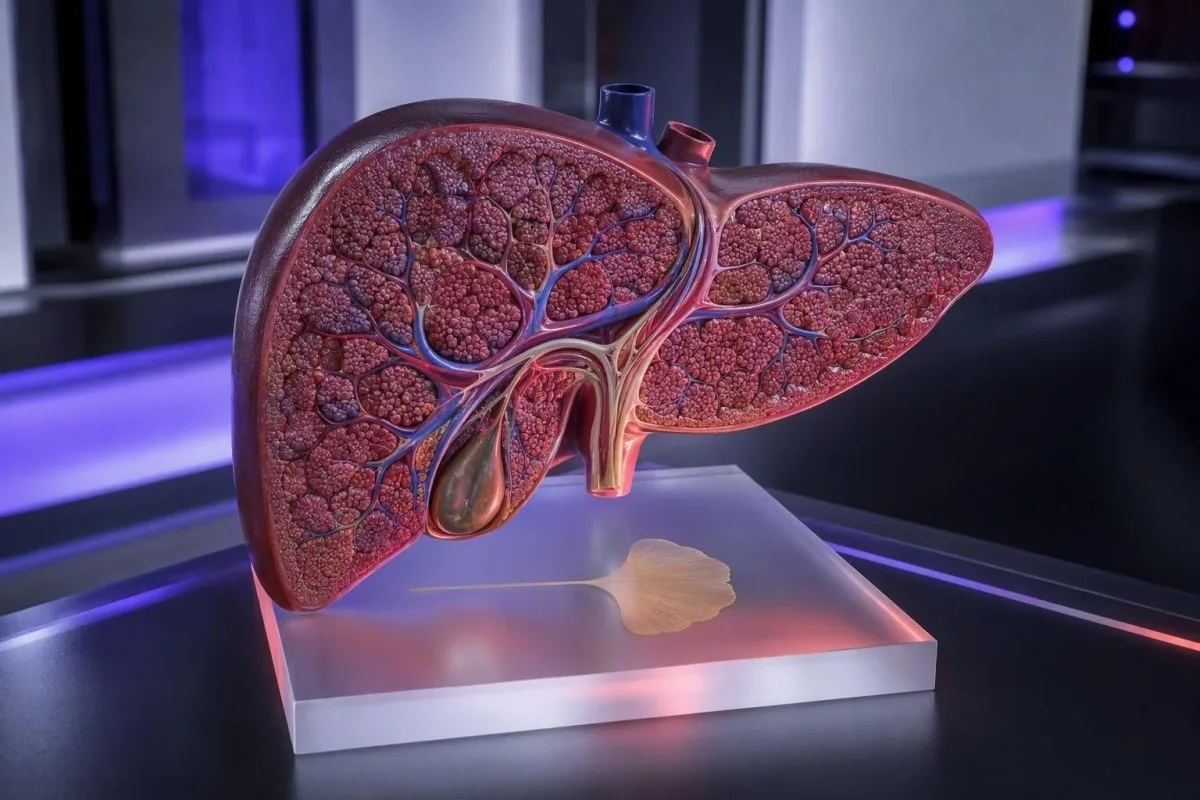
ALT هڪ عام طور تي ٻڌايو ويندڙ جگرزيم آهي، پر اها تشخيص بجاءِ سيل اسٽريس جو اشارو آهي. مطلب ان جي ماپ، نمونہ، وقت ۽ توهان جي ٻين جگر جي پينل مان نڪتل آهي.


- ALT جو مطلب: ALT جو مطلب آهي ايلينين امينو ٽرانس فيراز، هڪ انزائم جيڪو IU/L ۾ ماپيو ويندو آهي جيڪو جگر جي سيلن ۾ گهڻو هوندو آهي.
- عام حد: ڪيتريون ئي بالغن جون ليبارٽريون عورتن لاءِ 35 IU/L ۽ مردن لاءِ 45 IU/L جي ALT مٿئين حد استعمال ڪن ٿيون، جيتوڻيڪ رپورٽ جي پنهنجي حد مقرر ڪندڙ آهي.
- هلڪو وڌاءُ: ليبارٽري مٿئين حد کان 2 گنا هيٺ ALT عام آهي ۽ اڪثر ڪري خوف جي بجاءِ هڪ منصوبابندي وارو ٻيهر امتحان جي لائق آهي.
- نمونو اهميت رکي ٿو: اعلي AST، ALP، GGT، بليروبين، يا INR سان ALT، الڳ ALT جي بلند ٿيڻ کان مختلف شيءَ جو مطلب آهي.
- ورزش جو اثر: سخت مزاحمتي تربيت ALT ۽ AST کي 7 ڏينهن يا ان کان وڌيڪ وقت لاءِ وڌائي سگهي ٿي، خاص طور تي جڏهن creatine kinase پڻ بلند هجي.
- دوائن جو جائزو: Acetaminophen، statins، antibiotics، antiseizure drugs، supplements، ۽ herbal products ALT کي متاثر ڪري سگهن ٿا.
- هنگامي علامتون: جگر جي بيماري، ڪنفيوژن، مٿئين پيٽ جي ساڄي پاسي سخت درد، بار بار الٽي، يا تمام گهرو پيشاب کي ساڳئي ڏينهن جي ڪلينڪل تشخيص جي ضرورت آهي.
- رجحان جي قيمت: ٽرگر هٽائڻ کانپوءِ گهٽجڻ واري ALT جو نتيجو هڪ اڪيلو سرحد تي آيل نتيجي کان وڌيڪ اطمينان بخش هوندو آهي.
رت جي جانچ ۾ ALT جو مطلب ڇا آهي
ALT جو مطلب آهي ايلينائن امينو ٽرانسفراز, هڪ انزيم جيڪو سيلز کي توانائي ميٽابولزم دوران امينو گروپن جي منتقلي ۾ مدد ڪري ٿو. اهو ماپ ڪيو ويندو آهي ڇاڪاڻ ته جڏهن جگر جي سيلز کي دٻاءُ يا زخم پهچندو آهي ته ALT رت ۾ داخل ٿئي ٿو؛ اهو پاڻمرادو جگر کي مستقل نقصان جو ثبوت نه ڏيندو آهي.
ALT گهڻو ڪري هيپاٽوسائيٽس جي اندر ملي ٿو، جيڪي جگر جا ڪم ڪندڙ سيلز آهن، جيتوڻيڪ ٿوري مقدار ۾ هيٺيون عضلتون ۽ ٻين نسج ۾ پڻ ملي ٿي. وڌيڪ نتيجو جو مطلب آهي ته نموني ۾ اميد کان وڌيڪ انزيم پهتو آهي؛ اهو بغير ڪنهن اضافي ثبوت جي فيٽي ليور، هيپاٽائٽس، دوا جو نقصان، يا مشق جي سڃاڻپ نٿو ڪري سگهي.
منهنجي ڪلينڪل عمل ۾، سڀ کان وڌيڪ ڪارائتو پهريون سوال “اها ڪيتري بلند آهي؟” نه پر “ڪهڙي بنيادي قيمت ۽ ڪهڙن ٻين مارڪرن جي مقابلي ۾ بلند آهي؟” آهي. نئين جم روٽين کان پوءِ 58 IU/L جو ALT، بائليروبين 65 µmol/L ۽ پيلي اکين سان ALT 58 IU/L کان هڪ مختلف مسئلو آهي.
ڪينٽيسٽي هڪ آهي اي آءِ بلڊ ٽيسٽ اينالائيزر جيڪو AST، ALP، GGT، بائليروبين، البومين، پلاٽليٽ ڳڻپ، دوائون، ۽ اڳوڻي نتيجن سان گڏ ALT پڙهي ٿو، ان جي بدران هڪ ڦاسي ويل قدر کي تشخيص جي طور تي علاج ڪرڻ جي. لاڳاپيل ماپن جي وسيع نقشي لاءِ، اسان جو ڏسو بائومارڪر گائيڊ.
پراڻو نالو SGPT ڇو ظاهر ٿي سگهي ٿو
ڪجهه رپورٽون اڃا تائين ALT کي “سيرم گلوٽامڪ-پائرويوڪ ٽرانس امينيز” يا SGPT. سڏين ٿيون. ALT ۽ SGPT ساڳئي انزيم ٽيسٽ جي حوالي سان آهن، جيتوڻيڪ جديد ليبارٽري رپورٽنگ ۾ گهڻو ڪري ALT استعمال ٿيندو آهي.
ڪلينيشن ايلينين امينو ٽرانس فيراز ڇو ماپيندا آهن
ڊاڪٽر حڪم ڏين ٿا ايلينائن امينو ٽرانسفراز ٽيسٽ هيپاٽوسيلولر دٻاءُ ڳولڻ، جگر جي knownاتل بيماري جي نگراني ڪرڻ، ۽ دوا سان لاڳاپيل نقصان جي چڪاس ڪرڻ لاءِ. ALT اڪثر جگر جي پينل يا جامع ميٽابولڪ پينل ۾ شامل ڪيو ويندو آهي، جيتوڻيڪ جڏهن ڪنهن شخص ۾ ڪا علامت نه هجي.
ALT اڪثر ذیابيطس يا لپڊ ريويوز دوران چيڪ ڪيو ويندو آهي ڇاڪاڻ ته ميٽابولڪ ڊسفنگشن سان لاڳاپيل اسٽيٽوٽڪ جگر جي بيماري، جنهن کي اڳ ۾ فيٽي ليور جي بيماري سڏيو ويندو هو، سالن تائين خاموش رهي سگهي ٿي. 2023 AASLD هدايت نامي موجب ميٽابولڪ خطري جي عنصرن ۽ غير واضح جگر-انزيم جي وڌيڪ مقدار وارن ماڻهن کي اسٽيٽوٽڪ جگر جي بيماري ۽ فائبروسس جي خطري (Rinella et al., 2023) لاءِ جانچڻ جي صلاح ڏني وئي آهي.
هڪ عام ALT اهم فائبروسس کي رد نٿو ڪري، ۽ هڪ اعلي ALT فائبروسس جي مرحلي کي نه ماپي ٿو. مون اهڙا مريض ڏٺا آهن جن وٽ ALT 24 IU/L ۽ اسپيشلسٽ جي تشخيص تي نمايان داغ آهن، خاص طور تي ٽائپ 2 ذیابيطس سان؛ فائبروسس اسڪور ۽ اميجنگ هڪ مختلف سوال جو جواب ڏين ٿا.
دوائن ۾ تبديلي کانپوءِ ALT جي نگراني پڻ عملي آهي، پر ان کي سوچي سمجهي شيڊول ڪيو وڃي. اسان جي رهنمائي سالانه بلڊ ورڪ وضاحت ڪري ٿي ته ڇو ٽيسٽ جي فریکوئنسي کي رڳو عادت جي بدران خطري، علامتن ۽ علاج جي پيروي ڪرڻ گهرجي.
ALT نارمل رينجز ۽ جné ليبارٽري ڪٽ آفس ڇو مختلف آهن
بالغ ALT جي حوالي واري حدون عام طور تي عورتن لاءِ اٽڪل 7 کان 35 IU/L ۽ مردن لاءِ 10 کان 45 IU/L تائين هونديون آهن، پر حدون ايسي، آبادي ۽ ليبارٽري جي لحاظ کان مختلف هونديون آهن. هميشه پنهنجي نتيجي جي ڀرسان ڇپيل مٿئين حد کي استعمال ڪريو انٽرنيٽ جي ڪٽ آف جي بدران.
مٿئين حد شمارياتي آهي، عام طور تي هڪ ريفرنس آبادي مان نڪتل آهي، نه ڪو گارنٽي ته ان جي هيٺان هر قدر مڪمل طور تي صحتمند جگر جي عڪاسي ڪري ٿي. ڪجهه يورپي ليبارٽريون عورتن لاءِ 25 IU/L ۽ مردن لاءِ 35 IU/L جي ويجهو جنس-مخصوص مٿئين حدن استعمال ڪن ٿيون، جيڪي ميٽابولڪ خطري کي جلدي سڃاڻي سگهن ٿيون پر سرحد تي وڌيڪ جھنڊا پڻ ٺاهي سگهن ٿيون.
مٿئين حد کان ٻه ڀيرا گهٽ قدر کي اڪثر معمولي وڌتيل سمجهيو ويندو آهي. 40 IU/L جي مٿئين حد واري ليبارٽري لاءِ، ALT 55 کان 80 IU/L سياق ۽ عام طور تي ورجائڻ جي منصوبي جو مستحق آهي، جڏهن ته ALT 400 IU/L مٿئين حد کان 10 ڀيرا وڌيڪ آهي ۽ جلدي تبديل ڪري ٿو.
ڊاڪٽر ٿامس ڪ لين مريضن کي صلاح ڏئي ٿو ته ليبارٽري جو نالو، يونٽ، رينج، ڊرا جي تاريخ، شراب جو استعمال، ۽ گذريل هفتي جي ورزش کي محفوظ ڪن. اھو دورن جي وچ ۾ نتيجن جي فرق کي گهڻو وڌيڪ سمجهه ۾ اچڻ لائق بڻائي ٿو.
ALT ۽ AST گڏجي ڪيئن ڪم ڪن ٿا
ALT ۽ AST گڏجي تشريح ڪرڻ گهرجن ڇاڪاڻ ته ALT نسبتاً جگر تي مرڪوز آهي جڏهن ته AST پڻ کنڊر ۽ دل جي عضون ۾ موجود آهي. AST-to-ALT جو تناسب نمونن جو مشورو ڏئي سگهي ٿو، پر اهو اڪيلو شراب سان لاڳاپيل بيماري يا سرروسس جو تشخيص نٿو ڪري سگهي.
جڏهن ALT AST کان وڌي وڃي، ته ڪلينڪ عام طور تي ميٽابولڪ اسٽيٽوسس، وائرل هيپاٽائيٽس، يا دوائن جي اثرن تي غور ڪندا آهن، جيتوڻيڪ ڪيترائي استثنا آهن. 2 کان مٿي AST:ALT جو تناسب الڪوحل سان لاڳاپيل جگر جي نقصان ۾ ٿي سگهي ٿو، پر ترقي يافته فائبروسس، عضلات جي نقصان، ۽ تيز حملي کان پوءِ جو وقت پڻ تناسب کي تبديل ڪري سگهي ٿو.
89 IU/L AST، 61 IU/L ALT، ۽ 1,450 IU/L creatine kinase سان 52 سالن جي مارٿن رنر کي ريس کان پوءِ، ساڳئي انزائمز ۽ 90 IU/L creatine kinase سان گڏ ڪنهن ماڻهوءَ کان مختلف گفتگو جي ضرورت آهي. اسان AST پلس اعلي CK بابت ڇو پريشان آهيون اهو عضلاتي ڇڏڻ آهي؛ ALT اڪيلو گهٽ عضلاتي مخصوص آهي پر پڻ وڌي سگهي ٿو.
هن فرق جي عضلاتي پاسي لاءِ، اسان جي وضاحت پڙهو اعلي AST جون علامتون. جيڪڏهن جسماني سرگرمي هڪ ممڪن سبب آهي، ته 7 ڏينهن تائين غير معمولي طور تي سخت تربيت کان پاسو ڪريو جيستائين توهان جو ڊاڪٽر ٻي صورت ۾ مشورو ڏئي.
ALP، GGT ۽ بليروبين ALT جي معنيٰ کي ڇو تبديل ڪن ٿا
ALT جگر جي سيل جي نموني کي ظاهر ڪري ٿو، جڏهن ته الڪالائن فاسفيٽ، GGT، ۽ بليروبين رڪاوٽ يا بائل جي وهڪري ۾ خرابي جي سڃاڻپ ڪرڻ ۾ مدد ڪن ٿا. ALT پلس اعلي ALP ۽ GGT کي بائل-ڊڪٽ جي بيماري، دوائن جي اثرن، يا جگر جي سوزش تي غور ڪرڻ گهرجي نه ته سادي فائيٽي جگر جو اندازو لڳايو وڃي.
هڪ ڪلينڪ R تناسب جو حساب ڪري سگهي ٿو: ALT کي ان جي مٿين حد سان ورهايو، پوءِ ALP کي ان جي مٿين حد سان ورهايو. 5 يا ان کان وڌيڪ جو R تناسب جگر جي سيل جي نقصان جي حمايت ڪري ٿو، 2 يا ان کان گهٽ رڪاوٽ جي نقصان جي حمايت ڪري ٿو، ۽ 2 کان 5 هڪ مخلوط نموني جو مشورو ڏئي ٿو؛ اهو هڪ ٽرائيج اوزار آهي، حتمي تشخيص نه.
GGT مفيد آهي جڏهن ALP وڌايو وڃي ڇو ته GGT جو وڌاءُ جگر جي بائل جي رستي جو ذريعو هجڻ جي حمايت ڪري ٿو، جڏهن ته ALP پڻ هڏن جي تبديلي مان وڌي سگهي ٿو. تنهن ڪري، عام GGT سان اڪيلو ALP جو وڌاءُ جگر جي تصويرن جي بدران هڏن ۽ وٽامن ڊي جي سوالن ڏانهن وٺي سگهي ٿو.
اونداهي پيشاب، هلڪي پيشاب، خارش، بخار، يا وڌيل بليروبين سان پيليءَ جي علامتون “ايندڙ سال جي ٽيسٽ جو انتظار ڪريو” علامتون نه آهن. اسان جو cholestasis واري نموني جي گائيڊ انهن ميلاپن جي وضاحت ڪري ٿو جن کي جلدي تشخيص ڪيو وڃي.
بلند ALT جون عام سببن
وڌيل ALT اڪثر ڪري ميٽابولڪ اسٽيٽوٽڪ جگر جي بيماري، شراب جي نمائش، وائرل هيپاٽائيٽس، دوائن جي اثرن، يا ورزش سان لاڳاپيل عارضي اضافي کي ظاهر ڪري ٿو. هر سبب جو امڪان جسم جي وزن، گلوڪوز، ٽرائگليسرائڊس، شراب جي نموني، سفر، دوائن، ۽ اضافي جي ماپ سان تبديل ٿئي ٿو.
ميٽابولڪ اسٽيٽوٽڪ جگر جي بيماري خاص طور تي ممڪن آهي جڏهن ALT جي واڌ سان گڏ وچولي وزن جو وڌڻ، 150 mg/dL کان مٿي ٽرائگليسرائڊس، گهٽ HDL ڪوليسٽرول، وڌيل فاسٽنگ گلوڪوز، يا ٽائپ 2 ذیابيطس. اهو ننڍي جسم وارن ماڻهن ۾ پڻ ٿي سگهي ٿو، خاص طور تي وسرل چربی، جينياتي، ننڊ اپنيا، يا ڪجهه دوائن سان.
وائرس جي هيپاٽائٽس جو ٽيسٽ نمائش ۽ خطري تي منحصر آهي، نه رڳو ALT تي. هيپاٽائٽس بي سطح جو اينٽيجن ۽ هيپاٽائٽس سي اينٽي باڊي تصديقي RNA ٽيسٽ سان گڏ هڪ ڌيان واري تشخيص جو معياري حصو آهن جڏهن تاريخ، جغرافيائي، يا انزائم جو نمونو ان جي حمايت ڪري ٿو؛ اسان جي هيپاٽائٽس سي گائيڊ عام رستو بيان ڪري ٿي.
گهٽ عام پر اهم سببن ۾ هيموڪروميٽسس، آٽو imun هيپاٽائٽس، نوجوانن ۾ ولسن جي بيماري، سيلياڪ بيماري، ۽ الفا-1 اينٽي ٽرپسن جي کوٽ شامل آهن. ڊاڪٽر ٿامس ڪلين هر وڌيل ALT کي الڪوحل سان لاڳاپيل سمجهڻ جي نقصان کي ڏٺو آهي؛ هڪ منظم جاچ وڌيڪ ڪريم ۽ وڌيڪ صحيح آهي.
دوائون ۽ سپليمينٽس جيڪي ALT کي وڌائي سگهن ٿيون
دوائون ۽ سپليمينٽس سڌي جگر جي نقصان، بائل جي وهڪري ۾ تبديلي، ميٽابولڪ اثرات، يا غير لاڳاپيل اتفاق سان ALT کي وڌائي سگهن ٿا. هڪ نتيجي جي ڪري مقرر ڪيل دوا کي اوچتو بند نه ڪريو؛ مقرر ڪندڙ سان رابطو ڪريو جيڪو دوا جي فائدن جو مقابلو نموني ۽ رجحان سان ڪري سگهي.
Acetaminophen، جنهن کي paracetamol پڻ چيو ويندو آهي، اوور ڊوز ۾ نمايان ALT وڌائي سگهي ٿو ۽ ڪڏهن ڪڏهن اعليٰ تپيداري نمائش تي هلڪي تبديليون. گهڻن بالغن لاءِ، عام وڌ ۾ وڌ 4,000 mg روزانه آهي، پر ڪيترائي ڪلينڪ باقاعده شراب پيئندڙ، جگر جي بيماري ۾ مبتلا، وڏي عمر وارا، يا ٿڌ جي گڏيل علاج استعمال ڪندڙ ماڻهن لاءِ گهٽ حد جي سفارش ڪن ٿا.
Statins ALT ۾ ننڍيون واڌارو ڪري سگهن ٿا، پر سنگين statin-related جگر جي نقصان نادر آهي؛ صلاح کانسواءِ دل جي دوا بند ڪرڻ انزائم جي نشاني کان وڌيڪ خطرناڪ ٿي سگهي ٿو. ACG گائيڊ ان جي سفارش ڪري ٿي ته غير معمولي جگر جي ڪيمسٽري جي تصديق ڪئي وڃي ۽ وڌيڪ ٽيسٽ کان اڳ احتياط سان نسخو، اوور-دي-ڪائونٽر، ۽ سپليمينٽ جي تاريخ ورتي وڃي (Kwo et al., 2017).
سائو چانهه جو عرق، anabolic پراڊڪٽس، اعليٰ دوز وٽامن اي، گهڻن اجزاء واري “detox” پائوڊر، ۽ غير منظم باڊي بلڊنگ سپليمينٽس خاص سوالن جي لائق آهن ڇاڪاڻ ته ليبل اڻ پورا ٿي سگهن ٿا. اسان جو عملي سپليمينٽ حفاظت گائيڊ ڪنهن به نئين پراڊڪٽ ۾ شامل ڪرڻ کان اڳ.
ڇا ورزش عارضي طور ALT کي وڌائي سگهي ٿي؟
ها، سخت مشق عارضي طور تي ALT کي وڌائي سگھي ٿو، خاص طور تي اڻڄاتل مزاحمتي تربيت، برداشت واريون واقعا، يا عضلاتي زخم کان پوء. AST ۽ creatine kinase معمول کان وڌيڪ نمایاں طور تي وڌندا آهن، ۽ قدر مشق جي شدت ۽ عضلاتي ماس تي منحصر ڪري 3 کان 10 ڏينهن وٺي سگهن ٿا.
عام غلط فهمي اها آهي ته وڌيل ALT هميشه جگر جي نقصان جو مطلب آهي. عمل ۾، هڪ سخت سيشن جنهن ۾ eccentric لفٽنگ شامل آهي - سست گهٽتائي واريون حرڪتون - عضلاتي جھلي کي اٽڪل تبديل ڪري سگھي ٿو ته جيئن AST، ALT، LDH، ۽ CK کي جگر جي اصلي خرابي کان سواء تبديل ڪري سگهجي.
هڪ صاف ٻيهر چڪاس لاءِ، مان عام طور تي مستحڪم، صحتمند مريضن کي 5 کان 7 ڏينهن تائين زوردار تربيت کان پاسو ڪرڻ، ڪجهه ڏينهن لاءِ شراب کان پاسو ڪرڻ، عام هائيڊريشن رکڻ، ۽ ممڪن هجي ته ساڳيو ليبارٽري استعمال ڪرڻ لاءِ چوان ٿو. هي مناسب ناهي جيڪڏهن ريڊ-فليگ علامتون آهن يا ALT حد کان ڪيترائي ڀيرا مٿي آهي؛ انهن حالتن کي پهريان طبي مشوري جي ضرورت آهي.
ڪينٽيسٽي هڪ آهي AI-powered رت جي ٽيسٽ تجزيي جو اوزار 127+ ملڪن ۾ استعمال ٿيندڙ جيڪي ALT، AST، CK، ۽ اڳوڻي ڊراز جو مقابلو ڪري سگھن ٿا ته جيئن مشق-مطابق نموني کي نشاني لڳائي سگھجي ان کي بي ضرر قرار ڏيڻ کان سواء. رانديگر پڻ ڏسي سگھن ٿا میراتھن بلڊ ٽيسٽ ٽائمنگ.
اهي علامتون جيڪي ALT جي نتيجي کي وڌيڪ تڪڙو بڻائين ٿيون
گهڻو ڪري هلڪي ALT جي وڌت ۾ ڪا به علامت ناهي، پر یرقان، تمام گہرا پيشاب، هلڪي رنگ جو اسٽول، شديد پيٽ جو درد، مونجهارو، آساني سان زخمي ٿيڻ، يا مسلسل الٽي کي فوري طبي تشخيص جي ضرورت آهي. علامتون اهم آهن ڇاڪاڻ ته اهي بائليروبين جي خراب هٿن، بائل جي رڪاوٽ، تيز هيپاٽائٽس، يا جگر جي فنڪشن ۾ گهٽتائي جو اشارو ڏئي سگهن ٿيون.
پيلي اکين يا جلد، مونجهارو، نئين ننڊ، هيٺئين پسلين جي هيٺان درد جو تيز ٿيڻ، يا مائع پيئڻ جي ناڪامي لاءِ ساڳئي ڏينهن جي سنڀال جي طلب ڪريو. اهي علامتون وڌيڪ وزن کڻن ٿيون جڏهن ALT حد جي مٿئين حد کان 5 ڀيرا مٿي هجي، بائليروبين وڌيل هجي، يا INR ڊگهو هجي.
حمل پريشانين جي حد کي تبديل ڪري ٿو: کجي يا تلاءَ ۾ خارش، ساڄي پيٽ جي مٿئين حصي ۾ تڪليف، سر درد، بصري خلل، يا اعليٰ بلڊ پريشر کي فوري طبي تشخيص جي ضرورت آهي جيتوڻيڪ ALT صرف معمولي طور تي وڌيل هجي. حمل جي مخصوص حالتن کي معمول جي آئوٽ پيشنٽ جگر جي ٽيسٽ کان مختلف رستو گهرجي.
پيشاب جون تبديليون اشارا شامل ڪري سگهن ٿيون پر پاڻ ۾ تشخيصي ناهن. اسان جو مضمون گہرا پيشاب جا سبب dehydration ۽ دوائن کي بائليروبين-لاڳاپيل خبرداري جي نشانين کان ڌار ڪرڻ ۾ مدد ڪري ٿو.
غير معمولي ALT نتيجي کان پوءِ عام طور تي ڇا ٿيندو آهي
غير معمولي ALT جي نتيجي کان پوء، ڪلينڪ عام طور تي نتيجي جي تصديق ڪندا آهن، نمائش جو جائزو وٺندا آهن، ۽ وڌت جي سائيز ۽ علامات جي بنياد تي پينل کي ورجائيندا يا وڌائيندا. هڪ واحد هلڪو نتيجو اڪثر ڪجهه هفتن کان ڪجهه مهينن ۾ ورجائڻ جي ڪري ٿي، جڏهن ته نمايان وڌت يا یرقان تيز تشخيص جو مستحق آهي.
هڪ سمجھدار پهرين نظرثاني ۾ گذريل 7 ڏينهن دوران شراب جي نموني، تازي بيماري، جسم جي وزن ۾ تبديليون، سفر، خانداني تاريخ، مقرر ڪيل ۽ غير مقرر ڪيل دوائون، سپليمنٽس، ۽ ورزش شامل آهن. عام فالو اپ ٽيسٽن ۾ AST، ALP، GGT، بليروبين، البومين، مڪمل بلڊ ڪائونٽ، INR، هيپاٽيٽس اسڪريننگ، فيريٽين سان ٽرانسفيرين سانچر، ۽ گلوڪوز يا HbA1c شامل آهن.
الٽراساؤنڊ اڪثر ڪري اسٽيٽوسس، گال اسٽونز، بائل ڊڪٽ جي ڦهلجڻ، يا ڍانچي ۾ تبديليءَ لاءِ مفيد آهي، پر اهو ابتدائي فائبرروسس کي قابل اعتماد طريقي سان اسٽيج نٿو ڪري. FIB-4 فائبرروسس جي خطري جو اندازو لڳائڻ لاءِ عمر، AST، ALT، ۽ پليٽليٽ ڳڻپ استعمال ڪري ٿو؛ اهو 35 سالن کان گهٽ عمر ۾ گهٽ قابل اعتماد ٿي وڃي ٿو ۽ تيز بيماري دوران استعمال نه ڪيو وڃي.
Kantesti AI هڪ AI ليب ٽيسٽ جي تشريح واري سروس جيڪو انهن لاڳاپيل مارڪرز ۽ طولي نتيجن کي ڪلينڪل سان بحث ڪرڻ لاءِ منظم ڪري ٿو. اسان جو جگر جي پينل جي وضاحت ڪندڙ ڏيکاري ٿو ته هر فالو اپ جو حصو ڇا ڪم آڻي ٿو.
ALT رجحان صرف هڪ انگ کان وڌيڪ مفيد ڇو آهن
ALT رجحان اڪثر ڪري هڪ واحد نتيجي کان وڌيڪ معلوماتي هوندو آهي ڇاڪاڻ ته اهو ڏيکاري ٿو ته سگنل حل ٿي رهيو آهي، برقرار آهي، يا تيز ٿي رهيو آهي. 6 هفتن کان پوءِ 72 کان 34 IU/L تائين تبديلي 34 کان 72 IU/L جي ڀيٽ ۾ هڪ مختلف ڪلينڪل پيغام کڻندي آهي، جيتوڻيڪ اهي ٻئي انگ هڪ ليبارٽري ڪٽ آف جي ويجهو هجن.
حياتياتي تبديلي، هائيڊريشن، اسسيس ۾ تبديلي، ۽ وقت سازي ALT کي نڪرڻ جي وچ ۾ معتدل طور تي منتقل ڪري سگهي ٿي. ساڳئي ليبارٽري ۾، ڏينهن جي ساڳئي وقت تي، ساڳي سرگرمي ۽ شراب جي نمائش کان پوءِ ورجائڻ، شور کي گهٽائي ٿو ۽ حقيقي تبديلي کي سڃاڻڻ آسان بڻائي ٿو.
6 مهينن کان وڌيڪ مسلسل بلندي وڌيڪ سوچي سمجهي تشخيص جي مستحق آهي، خاص طور تي ذیابيطس، موٽاپي، جگر جي بيماري جي خانداني تاريخ، پليٽليٽس جي گهٽتائي، يا بليروبين جي وڌتيل سطح سان. ان جي برعڪس، هڪ مڪمل طور تي تشخيص ڪيل مريض ۾ هڪ مستحڪم معتدل ALT کي مسلسل وسيع ٽيسٽنگ سان ڀڄڻ بجاءِ نگراني ڪري سگهجي ٿو.
Kantesti AI ALT رجحانن کي لاڳاپيل AST، پليٽليٽ ڳڻپ، بليروبين، ۽ ميٽابولڪ مارڪرز سان گڏ سمجهي ٿو، بيماري جي واڌ جي طور تي 3 IU/L شفٽ کي علاج ڪرڻ جي بدران. اسان جو ڏسو طولي ٽيسٽنگ گائيڊ هر نڪرڻ کان پوءِ رڪارڊ ڪرڻ جي لائق تفصيلن لاءِ.
ALT غلط فهميون جيڪي خراب فيصلا ڪري سگهن ٿيون
ALT “جگر جي ڪم جاچ” ناهي سخت معنيٰ ۾ ڇاڪاڻ ته اهو انزائم جي رسي کي ماپي ٿو، نه جگر جي البومين، ڪلٽنگ فیکٹر، يا پگھل ٺاهڻ جي صلاحيت. البومين، INR، بليروبين، پليٽليٽ ڳڻپ، علامتون، ۽ تصويرنگ ALT کان سواءِ وڌيڪ اهم ڪهاڻي ٻڌائي سگهي ٿي.
عام ALT شراب جي گهڻي استعمال، ذیابيطس، يا جگر جي بيماري جي مضبوط خانداني تاريخ کي نظر انداز ڪرڻ جي اجازت نٿو ڏئي. اهڙي طرح، وڌيل ALT اهو ثابت نٿو ڪري ته شراب سبب هو؛ هي مفروضو اعتماد کي نقصان پهچائي سگهي ٿو ۽ وائرل، آٽو imun، جنيٽڪ، يا دوا سان لاڳاپيل حالتن جي تشخيص ۾ دير ڪري سگهي ٿو.
“جگر ڊيٽوڪس” ٻيون عام ڦاسيون آهن. جگر اڳي ئي ميٽابولزم ۽ ڪليئرنس کي سنڀاليندو آهي، جڏهن ته جارحاڻي روزو رکڻ، غير ضابطي واريون جڙيون، ۽ وزن ۾ تيز گهٽتائي ڪڏهن ڪڏهن علامتن يا ليبارٽري مارڪرز کي خراب ڪري سگهي ٿي؛ واپاري ڊيٽوڪس جي حڪمن لاءِ ثبوت ايمانداري سان خراب آهي.
جيڪڏهن غذا بحث جو حصو آهي، ته پائيدار وزن جي تبديلي، ڪافي پروٽين، فائبر، ۽ الٽرا پروسيس ٿيل کاڌي جي گھٽتائي تي ڌيان ڏيو، نه ته معجزاتي شين تي. اسان جو ثبوت تي ٻڌل جگر جي کاڌي جي رهنمائي هڪ محفوظ شروعاتي نقطو آهي.
ٻارن، حمل ۽ وڏي عمر ۾ ALT جي تشريح
ٻارن، حمل، ۽ وڏن بالغن ۾ ALT جي تشريح کي عمر جي لحاظ کان مخصوص حوالي جي ضرورت آهي ڇاڪاڻ ته حوالي جي حدون ۽ امڪاني سبب مختلف آهن. ٻارن جي ALT ڪٽ آف اڪثر بالغن جي ليبارٽري رينجز کان گهٽ هوندا آهن، ۽ حمل سان لاڳاپيل جگر جي علامتن کي تيز اسپيشلسٽ-ليڊ تشخيص جي ضرورت آهي.
ٻارن ۾، موٽاپي سان لاڳاپيل اسٽيٽوٽڪ جگر جي بيماري وڌيڪ سڃاتي پئي وڃي، پر وائرل بيماريون، عضلات جا خراب ٿيڻ، سيلڪ بيماري، ۽ موروثي ميٽابولڪ حالتون فرق ۾ رهڻ گهرجن. ٻارن جو ڪلينڪل ڊاڪٽر کي مسلسل ALT جي بلندي جو اندازو لڳائڻ گهرجي، نه ته بالغن جي “40 IU/L کان گهٽ ٺيڪ آهي” سوچ کي لاڳو ڪرڻ بجاءِ.
حمل دوران، ALT کي عام طور تي غير حامله حوالي جي فاصلي اندر رهڻ گهرجي؛ هائيپر ٽينشن، گهٽ پليٽليٽس، خارش، يا متلي سان گڏ هڪ اڀار حمل جي مخصوص خرابين لاء تڪڙي تشخيص جي ضرورت آهي. البومين عام طور تي پلاسما-حجم جي توسيع جي ڪري گهٽجي ٿو، تنهن ڪري البومين ۽ ALT کي ساڳئي منطق سان تشخيص نه ڪيو وڃي.
وڏن بالغن ۾، پوليفارماسيز ۽ فريلٽي مڪمل دوا جي نظرثاني جي قيمت وڌائي ٿي. اسان جو سينيئر دوا ليبارٽري گائيڊ اپائنٽمنٽ ۾ کڻي وڃڻ لاءِ سوالن جي خاکہ پيش ڪري ٿو.
ALT نتيجن لاءِ AI جي تشريح کي محفوظ طريقي سان استعمال ڪرڻ
AI ALT نتيجي کي منظم ڪرڻ ۾ مدد ڪري سگھي ٿو، پر اھو توھان جو معائنو نٿو ڪري سگھي، علامتن جي تصديق نٿو ڪري سگھي، يا جگر جي سنگين نموني جي طبي تشخيص جو متبادل نٿو ٿي سگھي. سڀ کان محفوظ استعمال تياري آھي: نمونو سڃاڻو، اصل رپورٽ محفوظ ڪريو، ۽ ھڪڙي قابليت واري ڪلينڪ ڏانھن توجھ ڏياريندڙ سوال کڻي اچو.
5 سيپٽمبر 2026 تائين، Kantesti آھي AI blood test interpretation پليٽ فارم جيڪو اپلوڊ ٿيل ليبارٽري رپورٽن جو اٽڪل 60 سيڪنڊن ۾ جائزو وٺي ٿو ۽ ALT کي لاڳاپيل قدرن، رجحان جي تاريخ، ۽ ٻڌايل دوائن جي حوالي سان رکي ٿو. اھو سوالن جي معيار کي بھتر بنائڻ لاءِ ٺاھيو ويو آھي، نه ته تشخيص ڪرڻ يا علاج مقرر ڪرڻ لاءِ.
درستگي لاءِ، چيڪ ڪريو ته رپورٽ تصوير پڙھي سگھجي ٿي، يونٽ صحيح طور تي پڪڙيا ويا آھن، ۽ گذريل سال جو نتيجو ا today's جي قدر سان غلط نٿو سمجھيو وڃي. Kantesti جو ڪلينڪل طريقو ڊاڪٽر جي نگراني سان ٺھيل آھي؛ پڙهندڙ اسان جي طبي تصديق جا معيار ۽ طبي صلاحڪار بورڊ جائزو وٺي سگھن ٿا جڏھن AI-سپورٽيڊ تشريح استعمال ڪرڻ جو فيصلو ڪيو وڃي.
جائزو وٺڻ لاءِ ٽي شيون کڻي اچو: مڪمل پينل، دوائن ۽ سپليمنٽس جي ھڪ لسٽ doses سان، ۽ الڪوھل، بيماري، سفر، ۽ شديد ورزش جو وقت. اھا معمولي تياري اڪثر غير ضروري خوف کان بچائي ٿي ۽ ھڪڙي اھم نموني کي غائب ٿيڻ کان بچائي ٿي.
توهان جي اڳئين ALT ٽيسٽ کان اڳ هڪ عملي چڪاس لسٽ
ALT جي ري ٽيسٽ کان اڳ، پنھنجي معمول کي مستحڪم رکو ۽ اھڙا عنصر دستاويز ڪريو جيڪي انزائم کي تبديل ڪري سگھن ٿا. ڪلينڪلي محفوظ ھجي ته 5 کان 7 ڏينھن تائين شديد تربيت کان پاسو ڪريو، ڪجھ ڏينھن لاءِ الڪوھل کان پاسو ڪريو، ۽ مقرر ڪيل دوائن کي تبديل نه ڪريو جيستائين ڊاڪٽر توھان کي نه چوي.
acetaminophen يا paracetamol جو ڪو به استعمال، اينٽي بايوٽڪ، نوان سپليمنٽس، تازو بخار، گيسٽروينٽرائٽس، ويڪسين، روزو، ۽ وزن ۾ تيز تبديليءَ کي رڪارڊ ڪريو. ALT اڪيلو لاء روزو عام طور تي ضروري ناهي، جيتوڻيڪ اھو گليڪوز، triglycerides، يا ٻين ٽيسٽن جي صورت ۾ گهربل ھجي جيڪڏھن ساڳئي دوري تي ماپي رھيو ھجي.
ڪلينڪ کان پڇو ته ڇا ريپيٽ ALT ۾ AST، ALP، GGT، بليروبين، البومين، پليٽليٽس، ۽ CK شامل ھجڻ گھرجي. جواب اڪثر پهرين نموني تي منحصر هوندو آهي؛ وزن کڻڻ کان پوءِ 48 IU/L جو الڳ ALT، 248 IU/L ALT سان گڏ 48 µmol/L بليروبين جي برابر ڪم جي ضرورت نه آهي.
جيڪڏھن توھان کي پنھنجي رپورٽ مان سوال گڏ ڪرڻ ۾ مدد گھرجي، اسان جو AI رپورٽ جي درستگيءَ جي چيڪ لسٽ دوري کان اڳ مفيد آھي. اسان جي ڪم بابت تنظيمي معلومات لاءِ، ڏسو ڪانٽيسٽي بابت.
وچان وچان سوال ڪرڻ
لیب رپورٽن ۾ ALT جو مطلب ڇا آهي؟
ALT جو مطلب آهي ايلينين امينو ٽرانسفيرس، هڪ انزائم جيڪو گهڻو ڪري جگر جي سيلن ۾ مليو آهي ۽ انٽرنيشنل يونٽ في ليٽر (IU/L) ۾ ماپيو ويندو آهي. ڪيترائي ليبارٽريون بالغن جي عورتن لاءِ 35 IU/L جي چوڌاري ۽ بالغن جي مردن لاءِ 45 IU/L جي چوڌاري مٿين حدون استعمال ڪن ٿا، جيتوڻيڪ انفرادي رپورٽ تي ڇپيل ريفرنس انٽروال صحيح ڪمپيٽر آهي. وڌايل ALT سيل جي دٻاء يا زخمي جو اشارو ڏئي ٿو پر پاڻ ان جو سبب نه ٿو سگهي. AST, ALP, GGT, بليروبين, دوائون, شراب, ورزش, ۽ علامتون طئي ڪن ٿيون ته نتيجو ڇا ٿو.
ALT 50 IU/L گهڻو آهي؟
50 IU/L جو ALT، 35 يا 40 IU/L جي مٿئين حد وارن ليبارٽرين ۾ معمولي کان ٿورو وڌل هوندو آهي، پر 55 IU/L جي مٿئين حد وارن ڪجهه ليبارٽرين ۾ اهو معمول جي ويجهو هوندو آهي. 50 IU/L جي چوڌاري هڪ قدر معمول کان گهٽ اهميت وارو هوندو آهي جڏهن بليروبين، ALP، INR، ۽ علامتون معمول تي هجن، جيتوڻيڪ ان کي اڃا به وضاحتي دائري ۽ گهڻو ڪري ورجائڻ جي ضرورت آهي. تازو وزن کڻڻ، الڪوحل، ميتيبولڪ اسٽيٽوسس، دوائون، ۽ سپليمنٽس عام وضاحتون آهن. 6 مهينن کان وڌيڪ مسلسل وڌيڪ رهڻ هڪ منظم ڪلينڪل جائزي جي لائق آهي.
ڇا ورزش ALT جي سطح وڌائي سگهي ٿي؟
سخت ورزش ALT، AST، LDH، ۽ creatine kinase وڌائي سگھي ٿو ڇاڪاڻ ته سخت يا اڻڄاتل ڪوشش کان پوءِ کوپري عضلتون انزايمز کي خارج ڪن ٿيون. واڌ 3 کان 10 ڏينهن تائين جاري رهي سگهي ٿي، جنهن ۾ AST ۽ creatine kinase اڪثر ALT کان وڌيڪ وڌندا آهن. منصوبابندي ٿيل ورجائي کان 5 کان 7 ڏينهن اڳ غير معمولي طور تي سخت سرگرمي کان پاسو ڪرڻ سان اهو واضح ٿي سگهي ٿو ته ورزش ڪا شراڪت ڪئي آهي. ALT ۾ نمايان واڌ، پيليو، سخت درد، يا ڪارا پيشاب اڃا به ورزش جي ذميواري مڃڻ بدران تڪڙي طبي مشوري جي ضرورت آهي.
ALT يا AST مان ڪهڙو اهم آهي؟
ALT يا AST ڪوبہ عالمگير طور تي وڌيڪ اهم ناهي ڇو ته اها جوڙي اڪيلو نتيجن مان وڌيڪ معلومات ڏئي ٿي. ALT وڌيڪ جگر تي ڌيان ڏئي ٿي، جڏهن ته AST پڻ اسڪيلٽل عضلات ۾ موجود آهي ۽ ورزش يا عضلاتي زخمن کان پوءِ به وڌي سگهي ٿي. AST-to-ALT جو تناسب 2 کان مٿي الڪوحل سان لاڳاپيل جگر جي زخم سان ٿي سگهي ٿو، پر اهو تشخيصي ناهي ۽ ترقي يافته فائبروسس يا عضلاتي رطوبت سان پڻ ظاهر ٿي سگهي ٿو. ڊاڪٽر GGT، ALP، بليروبين، creatine kinase، platelet count، ۽ ڪلينڪل تاريخ سان گڏ ٻنهي قدرن جي تشڪيل ڪن ٿا.
جڏهن ALT جو اعليٰ نتيجو جلدي علاج جي ضرورت کي ظاهر ڪري؟
جڏهن ALT جو نتيجو ليبل جي مٿئين حد کان 5 گُنا وڌيڪ هجي، تيزي سان وڌي رهيو هجي، يا پيليو، مونجهارو، مٿئين ساڄي پيٽ ۾ شديد درد، مسلسل الٽيون، آساني سان ڳاڙهاڻ، يا تمام گهاٽي پيشاب سان گڏ هجي ته ان کي فوري طور تي جانچڻ جي ضرورت آهي. بليروبين جو وڌڻ، INR جو وڌڻ، گهٽ گلوڪوز، يا گهٽ پليٽليٽس ڳڻتي وڌائي سگهن ٿا ڇاڪاڻ ته اهي صرف انزائمز جي نڪرڻ کان وڌيڪ اشارو ڪري سگهن ٿا. حمل سان لاڳاپيل خارش، سر درد، بصري علامتون، يا ALT جي وڌڻ سان گڏ اعلي بلڊ پريشر کي پڻ فوري طور تي عورتن جي مرض جي جانچ جي ضرورت آهي. مٿئين حد کان 2 گُنا هيٺ هڪ الڳ معمولي نتيجو عام طور تي گهٽ ايمرجنسي طور سمجهيو ويندو آهي پر ان کي نظر انداز نه ڪرڻ گهرجي.
ڇا فيٽي جگر ALT وڌائي سگھي ٿو؟
Metabolic dysfunction-associated steatotic liver disease (MASLD) مٺي جي بيماري سبب ALT ۾ ٿورو اضافو ٿيڻ جو عام سبب آھي، خاص طور تي جڏھن triglycerides 150 mg/dL کان وڌيڪ ھجن، گلوڪوز وڌيل ھجي، قسم 2 diabetes ھجي، سينٽرل وزن وڌيل ھجي، يا HDL cholesterol گھٽ ھجي. ALT جگر جي چرٻ يا fibrosis جي باوجود عام ٿي سگھي ٿو، تنھن ڪري عام نتيجو ڪلينڪل طور لاڳاپيل بيماري کي رد نٿو ڪري. 2023 AASLD ھدايت Metabolic risk factors ۽ اڻ explained enzyme elevation وارن ماڻھن ۾ fibrosis risk assessment جي حمايت ڪري ٿي. Sustainable weight management، diabetes control، alcohol reduction، ۽ clinician-directed monitoring detox products کان وڌيڪ evidence-based آھن.
اڄ ئي AI-طاقتور خون جي جاچ جو تجزيو حاصل ڪريو
دنيا ڀر ۾ 2 ملين کان وڌيڪ استعمال ڪندڙن ۾ شامل ٿيو جيڪي فوري ۽ درست ليب ٽيسٽ تجزيو لاءِ Kantesti تي ڀروسو ڪن ٿا. پنهنجا خون جي جاچ جا نتيجا اپلوڊ ڪريو ۽ سيڪنڊن ۾ 15,000+ بائيو مارڪرز جي جامع تشريح حاصل ڪريو.
📚 حوالا ڏنل تحقيقي اشاعتون
ڪلين، ٽي.، مچل، ايس.، ۽ ويبر، ايڇ. (2026). B منفي رت جو قسم، LDH بلڊ ٽيسٽ ۽ ريٽيڪولوسائيٽ ڳڻپ گائيڊ. Kantesti AI Medical Research.
ڪلين، ٽي.، مچل، ايس.، ۽ ويبر، ايڇ. (2026). روزي کان پوءِ دست، پاخاني ۾ ڪارا داغ ۽ GI گائيڊ 2026. Kantesti AI Medical Research.
📖 ٻاهرين طبي حوالا
⚕️ طبي دستبرداري
هي آرٽيڪل صرف تعليمي مقصدن لاءِ آهي ۽ طبي مشورو نٿو بڻجي. تشخيص ۽ علاج جي فيصلن لاءِ هميشه ڪنهن قابل صحت فراهم ڪندڙ سان صلاح ڪريو.
E-E-A-T اعتماد جا سگنل
تجربو
ڊاڪٽر جي نگرانيءَ هيٺ ليبارٽري نتيجن جي تشريح واري عمل جو جائزو.
ماهر
ليبارٽري دوائن جو ڌيان ان ڳالهه تي ته بايو مارڪرز ڪلينڪل حوالي سان ڪيئن رويو ڏيکارين ٿا.
اختيار
ڊاڪٽر ٿامس ڪلين لکيو، ۽ ڊاڪٽر ساره مچل ۽ پروف. ڊاڪٽر هانس ويبر طرفان جائزو ورتل.
اعتبار
ثبوتن تي ٻڌل تشريح، جنهن سان خبرداري گهٽائڻ لاءِ واضح پيرويءَ جا رستا موجود هجن.