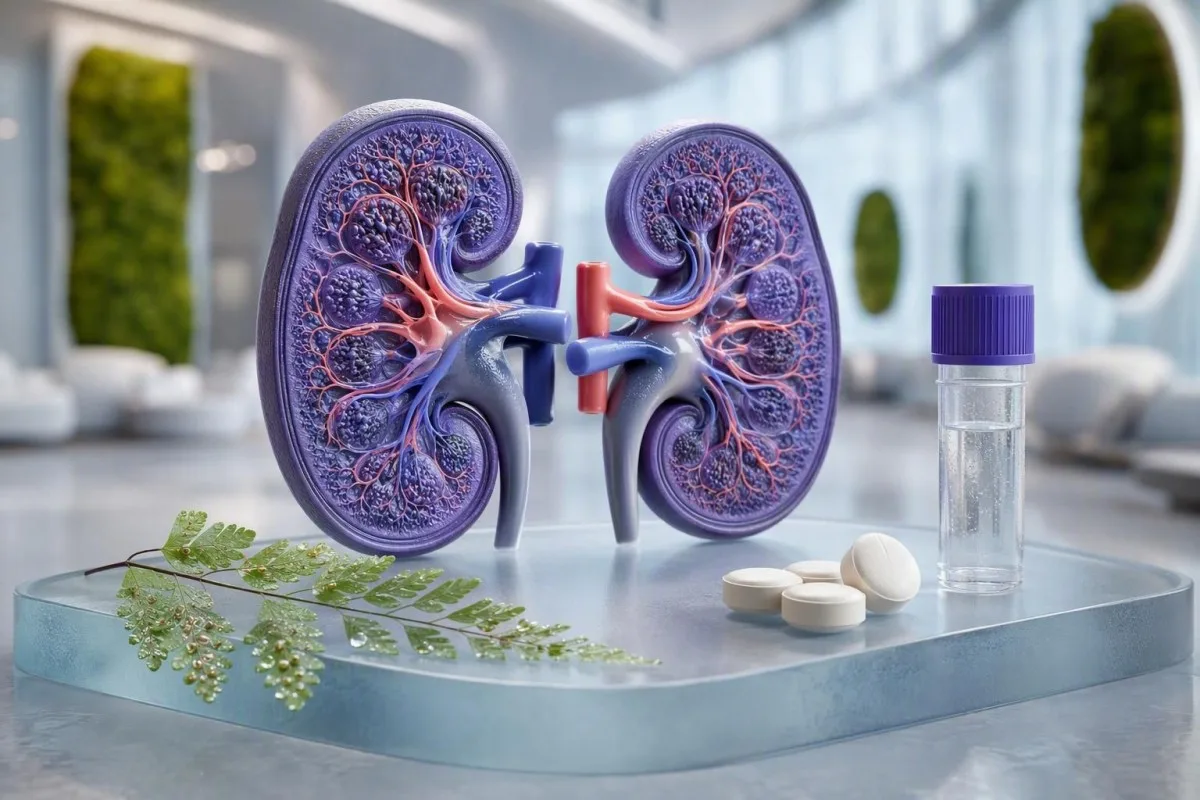
زندگيءَ جي پوئين مرحلن ۾ ڪيتريون ئي غير معمولي نتيجا بيماري جي بدران دوائن، پاڻي جي ضرورت، يا وقت سان لاڳاپيل هوندا آهن. اهم سوال اهو آهي ته ڇا اهو نمونو نسخن جي لسٽ سان ٺهڪي ٿو - ۽ ڇا اهو تبديل ٿي رهيو آهي.


- 5.5 mmol/L کان مٿي پوٽاشيم ACE inhibitor، ARB، spironolactone، يا trimethoprim وٺڻ دوران فوري طور تي ڊاڪٽر سان رابطو ڪرڻ ضروري آهي؛ ڪمزوري يا ڌڙڪن وڌڻ سان اها ضرورت وڌي ويندي آهي.
- Sodium 130 mmol/L کان گهٽ وڏن بالغن ۾، خاص ڪري thiazide diuretics، SSRIs، ۽ carbamazepine سان، ڪري پئجيڻ، پريشاني، ۽ دوري جو سبب بڻجي سگهي ٿو.
- eGFR ۾ 30% تائين گهٽتائي ACE inhibitor، ARB، يا SGLT2 inhibitor شروع ڪرڻ کان پوءِ متوقع hemodynamical اثر ٿي سگهي ٿو، پر وڏي يا مسلسل گهٽتائي جي نظرثاني جي ضرورت آهي.
- Vitamin B12 200 pg/mL (148 pmol/L) کان گهٽ عام طور تي metformin يا ڊگهي مدي واري proton-pump inhibitor جي استعمال سان ڳنڍيل آهي ۽ ان کي عام عمر جي واڌ جي طور تي نظرانداز نه ڪيو وڃي.
- ALT يا AST ليبارٽري جي مٿئين حد کان ٽي ڀيرا وڌيڪ نئين دوا کان پوءِ ساڳئي هفتي ۾ طبي تشخيص جي ضرورت آهي، خاص ڪري پيلي، اونداهي پيشاب، يا متلي سان.
- وارهارن و taking antibiotics، vitamin K جي گهٽتائي، دست، يا دوا جي نئين تعامل سبب وڌي سگهي ٿي. وارهارن و taking antibiotics، vitamin K جي گهٽتائي، دست، يا دوا جي نئين تعامل سبب وڌي سگهي ٿي.
- HbA1c ڪوڙو گهٽ نظر اچي سگهي ٿو تازي رت جي منتقلي، رت جي نقصان، يا هيموليسس کانپوءِ؛ گلوڪوز جي پڙهڻي ۽ فرڪٽوسامين ڪيترن ئي هفتن تائين وڌيڪ معلوماتي ٿي سگهي ٿي.
- دوا جي لسٽ، خوراک، شروعات جي تاريخ، ۽ آخري خوراک جو وقت اڪثر هڪ اڪيلو ريفرنس-رينج فليگ کان بهتر طور تي پراڻي رت جي امتحان جي وضاحت ڪري ٿو.
بيماري فرض ڪرڻ کان اڳ بزرگن جي خون جي جاچ جا نتيجا ڪيئن پڙهجي
پراڻي رت جي امتحان کي مڪمل دوا ۽ سپليمينٽ لسٽ جي ڀرسان پڙهڻ گهرجي، نه ته اڪيلو. دوز ۾ تبديلي کان 2 کان 12 هفتن اندر شروع ٿيندڙ نئين غيرمعمولي صورتحال اڪثر دوا سان لاڳاپيل هوندي آهي، پر ان کي به خودڪار اطمينان جي بدران هڪ ڪلينڪ جي تشريح جي ضرورت هوندي آهي.
سيپٽمبر 2، 2026 تائين، سڀ کان وڌيڪ ڪارائتو پهريون قدم هر پريسڪرپشن، اوور-دي-ڪائونٽر پراڊڪٽ، هربل علاج، ۽ دوز جي وقت کي لکڻ آهي. منهنجي ڪلينڪل ڪم ۾، غائب شيون اڪثر ڪري سپر مارڪيٽ مان خريد ڪيل آئبوپروفين، مگنيشيم ليڪسيٽو، يا پوٽاشيم سان گڏ لوڻ جو متبادل هونديون آهن - نه ته مقرر ڪيل اينٽي هائپر ٽينسيو.
ريفرنس انٽروال هڪ ليبارٽري جي مقابلي واري آبادي جو 95 سيڪڙو بيان ڪن ٿا؛ اهي ذاتي علاج جا مقصد نه آهن. 1.15 mg/dL جي ڪريٽينين قدر هڪ پراڻي بالغ لاءِ غير معمولي هجي ها ۽ ٻئي لاءِ پريشان ڪندڙ هجي ها جنهن جو مستحڪم قدر ڇهن مهينن اڳ 0.75 mg/dL هو؛ اسان جو رهنمائي بزرگن لاءِ رت جي جانچ وضاحت ڪري ٿو ته ڪمزوري ۽ گرڻ جي تشريح ڪيئن تبديل ڪن ٿا.
ڪينٽيسٽي هڪ آهي اي آءِ بلڊ ٽيسٽ اينالائيزر جيڪا دوا جي ڄاڻ رکندڙ نمونن ۽ اڳئين نتيجن سان رپورٽ ڪيل قدرن جي مقابلي ڪري ٿي، ان جي بدران ته هر ڳاڙهي پرچم کي تشخيص سمجهيو وڃي. ٿامس ڪلين، MD، سفارش ڪري ٿو ته اصل رپورٽ ۽ دوا جي باڪس کي ملاقات ۾ آندو وڃي؛ برانڊ جي متبادل ۽ گڏيل ٽيبلٽس حیرت انگیز طور تي آساني سان نظرانداز ڪري سگهجن ٿيون.
متوقع عمر وڌڻ واريون تبديليون بمقابله دوا جو اثر
صرف عمر بظاهر گردي جي فلٽريشن ۽ البومين جي پيداوار کي گهٽائي ٿي، پر اهو اليڪٽرولائيٽ، جگر جي انزائم، يا رت جي ڳڻپ ۾ اوچتو تبديلين جي وضاحت نٿو ڪري. دوا شروع ٿيڻ کان پوءِ تيزي سان منتقل ٿيندڙ نتيجو، جيستائين ٻي صورت ثابت نه ٿئي، ان کي ممڪن ضمني اثر سمجهيو وڃي.
اندازو ڪيل GFR وچين زندگيءَ کان پوءِ تقريبن 0.8 کان 1 mL/min/1.73 m² في سال گهٽجي ٿو، جيتوڻيڪ انفرادي فرق وسيع آهي. 60 کان هيٺ eGFR گهٽ ۾ گهٽ 3 مهينن تائين دائمي گردي جي بيماري کي صرف تڏهن بيان ڪري ٿو جڏهن تصديق ٿيل هجي يا گردي جي نقصان جي ٻئي مارڪر سان گڏ هجي؛ هڪ بنيادي رت جو امتحان بعد ۾ جي مقابلي کي تمام گهڻو محفوظ بڻائي ٿو.
100 fL کان مٿي نئون MCV وڏي عمر جي معمول جي خاصيت نه آهي. شراب، فولڪ ائسڊ جي کوٽ، وٽامن B12 جي کوٽ، هائپوٿائيرائڊيزم، جگر جي بيماري، هائيڊروڪسيريا، ميٿوٽريڪسٽ، ۽ ڪجهه ضد جراثيم عام وضاحتون آهن، جڏهن ته مستقل ميڪروسائٽسيس سان گهٽ هيموگلوبن کي صحيح رت جي فلم ۽ ڪلينڪل جائزي جي ضرورت آهي.
2023 آمريڪن جيريٽرڪس سوسائٽي بيئرز جي معيارن ۾ خاص طور تي ڪيترين ئي دوائن کي اجاگر ڪيو ويو آهي جيڪي بزرگن ۾ غير متناسب خطرات پيش ڪن ٿيون، جن ۾ ڊگھي مدي وارا پروٽون پمپ انھيبيٽرز ۽ گردي جي ڪم يا پوٽاشيم کي متاثر ڪندڙ ميلاپ شامل آهن (آمريڪن جيريٽرڪس سوسائٽي بيئرز جي معيارن جي تازه ڪاري ماهر پينل، 2023). عملي نقطو سادو آهي: عمر تعامل جي خلاف vulnerability وڌائي ٿي؛ اها ان تعامل کي بي ضرر نٿو بڻائي.
عام دوائن سان گڏ Creatinine ۽ eGFR تبديليون
NSAIDs، ACE inhibitors، ARBs، diuretics، trimethoprim، ۽ SGLT2 inhibitors اڳڪٿي جي قابل پر ڪلينڪل طور تي مختلف طريقن سان creatinine يا eGFR تبديل ڪري سگهن ٿا. بنيادي سطح کان 30 سيڪڙو کان وڌيڪ eGFR ۾ گهٽتائي، يا گهٽ پيشاب جي نڪرڻ، الٽي، يا سوڄ سان وڌندڙ creatinine، فوري جائزي جي ضرورت آهي.
ACE inhibitors ۽ ARBs گردي جي efferent arteriole کي آرام ڏين ٿا، تنهنڪري علاج شروع ٿيڻ کان پوءِ creatinine وڌي سگهي ٿو. KDIGO 2024 سفارش ڪري ٿو ته 30 سيڪڙو يا ان کان وڌيڪ جي تيز creatinine جي واڌ جي تحقيق ڪئي وڃي، خاص طور تي جڏهن dehydration، renal-artery disease، NSAID جي استعمال، يا وڌيڪ diuresis گڏجي موجود هجن (KDIGO، 2024).
ACE inhibitor يا ARB سان گڏ diuretic ۽ NSAID جو کلاسک اعليٰ خطري وارو مجموعو - جنهن کي 'ٽرپل ويمي' سڏيو ويندو آهي. 79 سالن جي عمر وارو ماڻهو جيڪو گوڏي جي درد کان پوءِ ramipril، furosemide، ۽ naproxen وٺي رهيو آهي، ان ۾ گهٽ پاڻي پيئڻ سبب ڪجهه ڏينهن ۾ eGFR ۾ اهم گهٽتائي ٿي سگهي ٿي؛ عارضي گهٽ eGFR ڊيهائيڊريشن کان پوءِ.
Kantesti AI رڳو creatinine جي بدران تبديلي جي طرف ۽ رفتار جي بنياد تي گردن جي نتيجن جي تشريح ڪري ٿو؛ 0.2 mg/dL جو اضافو 0.6 mg/dL جي بيس لائن تي 2.4 mg/dL جي ڀيٽ ۾ مختلف معنى رکي ٿو. اسان جي ڪلينڪل تصديق جو طريقو ٺهيل آهي انساني نگراني جي ضرورت وارن مجموعن کي ڳاٽل ڪرڻ لاءِ، نه ته مقرر ڪيل دوا بند ڪرڻ جو مشورو ڏيڻ لاءِ.
Sodium ۽ potassium جا نتيجا جيڪي دوائون تبديل ڪري سگهن ٿيون
Thiazide diuretics ۽ SSRIs عام طور تي سوڊيم گهٽ ڪن ٿا، جڏهن ته ACE inhibitors، ARBs، spironolactone، ۽ trimethoprim پوٽاشيم وڌائي سگهن ٿا. 125 mmol/L کان گهٽ سوڊيم يا 6.0 mmol/L يا ان کان وڌيڪ پوٽاشيم عام طور تي فوري طور تي ساڳئي ڏينهن جي تشخيص جي ضرورت آهي، جيتوڻيڪ علامتون نرم هجن.
Hyponatraemia خاص طور تي گم ٿيڻ آسان آهي ڇاڪاڻ ته وڏي عمر جا ماڻهو ٿڪاوٽ، غير مستحڪم، سست سوچ، يا واضح اڃ جي بدران ٿيڻ سان پيش ڪري سگهن ٿا. 130 mmol/L کان گهٽ سوڊيم جي ڳڻپ طبي طور تي اهم آهي؛ thiazides ان کي پهرين 2 هفتن ۾ شروع ڪري سگهن ٿا، جيتوڻيڪ اهو ڪجهه مهينن بعد انٽرڪرنٽ بيماري دوران پڻ ظاهر ٿي سگهي ٿو.
5.6 mmol/L جي پوٽاشيم کي نموني هيموليسس، گردن جي فعل، غذا، ۽ دوائن کي سمجهڻ کان پوءِ فوري طور تي ٻيهر چيڪ ڪيو وڃي. 6.0 mmol/L يا ان کان وڌيڪ پوٽاشيم دل جي ڪنڊڪشن کي متاثر ڪري سگهي ٿو، ۽ خطرو وڏو ٿئي ٿو جڏهن قدر تيزيءَ سان وڌي ٿو؛ اسان جي اليڪٽرولائٽ نتيجو گائيڊ وضاحت ڪري ٿو ته ECG ڪڏهن ايندڙ قدم جو حصو بڻجي ٿو.
Loop diuretics اڪثر ڪري پوٽاشيم ۽ ميگنيشيم گهٽ ڪن ٿا، جڏهن ته spironolactone پوٽاشيم کي برقرار رکڻ جو رجحان رکي ٿو. پوٽاشيم سپليمنٽس يا لوڻ جي متبادل سان پاڻ کي درست نه ڪريو: eGFR 35 mL/min/1.73 m² واري شخص ۾، اها نيڪ نيت واري قدم هڪ معمولي غيرمعمولي صورتحال کي ايمرجنسي ۾ تبديل ڪري سگهي ٿي.
Glucose، HbA1c، ۽ ذیابيطس جي دوا جي نگراني
انسولين ۽ سلفونيل يوريا خطرناڪ طور گهٽ گلوڪوز جو سبب بڻجي سگهن ٿا، جڏهن ته اسٽيرائڊس اڪثر 24 کان 48 ڪلاڪن اندر گلوڪوز وڌائين ٿا. HbA1c 6.5 سيڪڙو کان گهٽ هڪ ڪمزور پوڙهي ماڻهوءَ لاءِ پاڻمرادو گهربل ناهي جيڪڏهن اهو 70 mg/dL (3.9 mmol/L) کان گهٽ بار بار اچي.
70 mg/dL کان گهٽ رت جو گلوڪوز هائيپوگليسيميا آهي، پر دائمي هائپرگليسيميا جي عادي ماڻهوءَ ۾ علامتون وڌيڪ سطح تي شروع ٿي سگهن ٿيون. ڪن ڌوڻ، پسڻ، الائي ڳالهه سمجهه ۾ نه اچڻ، بصري تبديلي، يا انسولين يا گليڪلازيد کان پوءِ نئون ڪري پئجي وڃڻ، ايندڙ معمول جي سينئر رت جي جانچ جو انتظار ڪرڻ جي بجاءِ تڪڙو گلوڪوز چيڪ ڪرڻ ۽ ڊاڪٽر سان رابطو ڪرڻ جي ضرورت پوي ٿي.
صبح جو ورتل پرڊنيسون 20 mg اڪثر لنچ ۽ رات جي ماني کانپوءِ سڀ کان وڏو گلوڪوز وڌائي ٿو، جڏهن ته خالي پيٽ جو گلوڪوز اڃا به ظاهري طور تي قابل قبول رهي سگهي ٿو. HbA1c لڳ ڀڳ 8 کان 12 هفتا جي گلوڪوز جي عڪاسي ڪري ٿو پر ٽرانسفيوژن، وڏي رت وهڻ، هيموليسس، ايپروپوائٽين علاج، يا ترقي يافته گردي جي بيماري کان پوءِ گهٽ قابل اعتماد بڻجي وڃي ٿو؛ اسان جي وضاحت ڏسو جڏهن HbA1c غلط ٿي سگهي ٿو.
SGLT2 انھيبيٽرز مناسب مريضن ۾ ڊگهي مدي تائين گردي ۽ دل جي فائدن جي آڇ ڪرڻ دوران شروعاتي eGFR ۾ ننڍي گهٽتائي پيدا ڪري سگھن ٿا. A پوسٽ-SGLT2 eGFR تبديلي ان ڪري حجم جي حالت، بيمار هجڻ جي صورت ۾ ketones، ۽ گهٽتائي جي شدت سان تشريح ڪئي ويندي آهي - نه ته رد عملي طور تي بند ڪرڻ سان.
B12، folate، ۽ ڊگهي مدي وارين دوائن سبب Anemia جو خطرو
ميٽفارمين، پروٽون-پمپ انھيبيٽرز، H2 بلاڪرز، ميٿوٽريڪسٽ، ٽرائيمٿوپريم، ۽ ضد مرگي جون دوائون B12، فولٽ، ۽ رت جي سيلن جي انڊيس کي تبديل ڪري سگهن ٿيون. 200 pg/mL يا 148 pmol/L کان گهٽ B12 جي سطح جو جائزو وٺڻ گهرجي، خاص طور تي جڏهن پيرن ۾ بي حسي، ياداشت ۾ تبديلي، زبان ۾ سور، يا MCV 100 fL کان مٿي هجي.
ميٽفارمين سان لاڳاپيل B12 جي گھٽتائي وڌيڪ دوز ۽ ڊگھي عرصي سان وڌيڪ ممڪن آهي، خاص طور تي ڪيترن سالن تائين روزانو 1,500 mg کان مٿي. 200 ۽ 300 pg/mL جي وچ ۾ سيرم B12 هڪ نيم علائقي آهي؛ ميٿيل ملوونڪ ايسڊ ۽ هوموسيسٽين مدد ڪري سگھن ٿا، جيتوڻيڪ گردي جي خرابي ميٿيل ملوونڪ ايسڊ کي آزاد طور تي وڌائي سگهي ٿي.
ڊگهي مدي تائين ايسڊ سپريشن کاڌي سان ڳنڍيل B12 جي رطوبت کي گهٽائي سگهي ٿي، پر هر گهٽ-نارمل قدر جي انجيڪشن جي ضرورت ناهي. هڪ مختصر، عملي اڳيون قدم اهو آهي ته علامتون، مڪمل رت جي ڳڻپ، B12، فولٽ، ۽ ممڪن طور تي MMA چيڪ ڪجي علاج کان اڳ؛ اسان جي مضمون ۾ PPI دوائن جي نگراني وسيع نموني کي ڍڪي ٿو.
پوڙهن ۾ لوھ جي گھٽتائي کي صرف ايسڊ سپريشن جي ڪري نه سمجهيو وڃي. 30 ng/mL کان گهٽ فيراٽين اڪثر غير معمولي حالتن ۾ لوھ جي ذخيرن جي گھٽتائي کي مضبوطي سان سپورٽ ڪري ٿو، جڏهن ته نارمل فيراٽين سوزش جي دوران گھٽتائي کي لڪائي سگهي ٿو؛ استعمال ڪريو مڪمل iron studies guide صرف سيرم لوھ جي بدران.
Calcium، magnesium، ۽ هڏن جي علاج جي حفاظت جا ليبل
ڪلسيم سپليمينٽس، وٽامن ڊي، ٿيازائڊس، اينٽاسڊس، بيفوسفونٽس، ڊينوسوماب، ۽ پي پي آئي ڪلسيم، ميگنيشيم، يا فاسفٽ کي منتقل ڪري سگھن ٿا. 12.0 mg/dL (3.0 mmol/L) کان مٿي درست ٿيل ڪلسيم يا ڊينوسوماب کانپوءِ علامتي گهٽ ڪلسيم جي صورت ۾ تڪڙي ڊاڪٽر جي جائزي جي ضرورت آهي.
کیلشیم کي البومين سان گڏ پڙهڻ ضروري آهي ڇاڪاڻ ته گهٽ البومين سڄي کیلشیم کي گهٽائي ٿو، جنهن سان ضروري طور تي حياتياتي طور تي فعال آئنائيزڊ کیلشیم نه گهٽبو آهي. مستقل طور تي اعلي کیلشیم جو نتيجو ٻيهر ورجايو وڃي ۽ پاراٿائيرائڊ هارمون، گردي جي ڪم، ۽ کیلشیم ڪاربونيٽ چيوز، وٽامن ڊي، ۽ ٿيازائيڊ دوائن جي احتياط سان لسٽ سان گڏ ڪيو وڃي.
پروٽون پمپ انيبٽرز ڊگهي وقت تائين استعمال کان پوءِ مگنيشيم کي گهٽائي سگهن ٿا، ڪڏهن ڪڏهن 12 مهينن کان پوءِ. 1.2 mg/dL (0.5 mmol/L) کان گهٽ مگنيشيم، لرزش، درد، گهٽ پوٽاشيم، ۽ دل جي ڌڙڪن جي بي ترتيبي ۾ مدد ڪري سگهي ٿو؛ اسان جو جائزو دوا سان لاڳاپيل گهٽ مگنيشيم ان ميلاپ جي وضاحت ڪري ٿو جنهن تي ڊاڪٽر نظر رکن ٿا.
ڊينوسماب، خاص طور تي سنگين دائمي گردي جي بيماري ۾، ڪلينڪل طور تي لاڳاپيل هائپوڪلسيميا جو سبب بڻجي سگهي ٿو. وات جي چوڌاري ٽنگڻ، هٿن ۾ گهنج، مونجهارو، يا انجڻ کان پوءِ نئين عضون جي ڇڪ ٽڪ اها نشاني ناهي جنهن کي انٽرنيٽ جي دوز جي حساب سان سنڀاليو وڃي؛ فوري طور تي علاج ڪندڙ سروس سان رابطو ڪريو.
Liver enzymes، bilirubin، ۽ دوا جو اثر
اسٽيٽنز، اميوڊارون، اينٽي بايوٽيڪس، اينٽي فنگل، پيراسيٽامول اوور ڊوز، اينٽي ڪنولسينٽس، ۽ سپليمينٽس جگر جي ٽيسٽ کي وڌائي سگهن ٿا، پر نمونو هڪ انزائم کان وڌيڪ اهم آهي. ALT يا AST عام حد جي مٿئين ٽن ڀيرا کان وڌيڪ، يا ڪنهن به نئين پيٽ جي بيماري سان گڏ اونداهي پيشاب، فوري طور تي تشخيص جي ضرورت آهي.
عام حد جي ٻن ڀيرا کان گهٽ ALT جو اڪيلو هلڪو واڌ عام آهي ۽ اڪثر حل ٿي ويندو آهي، پر ان کي شراب جي استعمال، ٿلهي جگر جي خطري، وائرل نمائش، ورزش، ۽ دوا جي وقت سان ڀيٽيو وڃي. GGT حساس آهي پر غير مخصوص؛ بليروبين جي عام ٿيڻ سان وڌيل GGT انزائم جي شروعات کي ظاهر ڪري سگھي ٿو، جڏهن ته بليروبين جي وڌڻ سان تڪڙي تبديل ٿي ويندي آهي.
اسٽيٽن سان لاڳاپيل امينو ٽرانسفراز ۾ اضافو عام طور تي هلڪو ۽ عارضي هوندو آهي، ۽ حقيقي سنگين جگر جي زخم نادر هوندو آهي. 2018 AHA/ACC ڪوليسٽرول گائيڊ لائن هر ننڍي انزائم جي واڌ جي ڪري معمول جي بندش جي بدران ڪلينڪل فيصلي سان گڏ اسٽيٽن جي مسلسل استعمال جي حمايت ڪري ٿي (Grundy et al., 2019)؛ اسان جو حد-نزدڪ ALT گائيڊ هڪ معقول ٻيهر اسٽريٽيجي جي تفصيل ڏئي ٿو.
ڪينٽيسٽي هڪ آهي AI ليب ٽيسٽ جي تشريح واري سروس جيڪو ALT، ALP، GGT، بليروبين، ۽ البومين کي نموني جي طور تي پڙهي ٿو ۽ امڪاني دوا جي حصي کي رڪارڊ ڪري ٿو. ٿامس ڪلين، MD، اڃا تائين پيلي اکين، هلڪي رنگ جي اسٽول، مونجهارو، شديد پيٽ جو درد، يا اونداهي پيشاب جي فوري طور تي ان-پرسن جائزي جو مشورو ڏئي ٿو - هڪ AI وضاحت تيز جگر جي زخم کي خارج نٿي ڪري سگهي.
Warfarin، anticoagulants، ۽ رت جي ڳڻپ جي نگراني
وارفرين کي INR مانيٽرنگ جي ضرورت آهي ڇاڪاڻ ته اينٽي بايوٽيڪس، اينٽي فنگل، اميوڊارون، اسهال، ۽ وٽامن K جي گهٽتائي ان جي اثر کي وڌائي سگهن ٿا. 5.0 کان مٿي INR بغير وڏي رت وهڻ جي عام طور تي ساڳئي ڏينهن اينٽي ڪوگولنٽ صلاح جي ضرورت آهي، جڏهن ته ڪا به سنگين رت وهڻ يا سر جي زخم تڪڙي آهي.
INR جا هدف عام طور تي ايٽريل فبلشن ۽ ڪيترين ئي وينس ڪلٽ جي اشارن لاءِ 2.0 کان 3.0 تائين هوندا آهن، جيتوڻيڪ مشيني والو جا هدف مختلف هوندا آهن. هڪ مستحڪم وارفرين دوز مستحڪم INR جي ضمانت نٿو ڏئي: بيماري ۽ 7- ڏينهن جي اينٽي بايوٽيڪ واري پريزپشن ان کي خاص طور تي تبديل ڪري سگهي ٿي؛ ڏسو ڇو اينٽي بايوٽيڪس INR وڌائي سگهن ٿا.
سڌا اورل اينٽي ڪوگولنٽس جهڙوڪ ايپيڪسابين دوز جي مانيٽرنگ لاءِ INR استعمال نٿا ڪن، پر گردي جي ڪم، هيموگلوبن، پلاٽليٽس، ۽ دوا جي انٽرايڪشن اڃا به اهم آهن. تازي مستحڪم نتيجي مان 2 g/dL يا وڌيڪ جي هيموگلوبن ۾ گهٽتائي معمول جي انيميا جي طور تي ليبل ٿيڻ جي بدران رت وهڻ، هيموليسس، ڊليوشن، ۽ ٻين سببن جي ڳولا کي متحرڪ ڪرڻ گهرجي.
50 × 10⁹/L کان گهٽ پلاٽليٽس اينٽي ڪوگولنٽس استعمال ڪندڙ ماڻهن ۾ رت وهڻ جي خدشي کي مادي طور تي وڌائين ٿا، پر EDTA پلاٽليٽ ڪلمپنگ کان ڪوڙو گهٽ ڳڻپ ٿي سگهي ٿو. سٽريٽ ٽيوب ۾ ٻيهر يا فلم جو جائزو غير ضروري دوا جي تبديلي کي روڪي سگهي ٿو؛ اسان جو پلاٽليٽ ڪلمپنگ وضاحت ڪندڙ ليبارٽري لاجڪ ڏيکاري ٿو.
Statins، lipids، CK، ۽ عضلات جا درد
اسٽيٽنز LDL ڪوليسٽرول کي گهٽائين ٿا پر ڪڏهن ڪڏهن ALT يا creatine kinase (CK) کي وڌائي سگهن ٿا؛ نئين شديد عضلاتي درد، ڪمزوري، يا اونداهي پيشاب کي فوري طور تي تشخيص جي ضرورت آهي. ليبارٽري جي مٿئين حد کان 10 ڀيرا کان وڌيڪ CK، ڊسڪٽ ڊسڪ ڊسڪ ڊسڪ ڊسڪ ڊسڪ ڊسڪ ڊسڪ ڊسڪ ڊسڪ ڊسڪ ڊسڪ ڊسڪ ڊسڪ ڊسڪ ڊسڪ ڊسڪ ڊسڪ ڊسڪ ڊسڪ ڊسڪ ڊسڪ ڊسڪ ڊسڪ ڊسڪ ڊسڪ ڊسڪ ڊسڪ ڊسڪ ڊسڪ ڊسڪ ڊسڪ ڊسڪ ڊسڪ ڊسڪ ڊسڪ ڊسڪ ڊسڪ ڊسڪ ڊسڪ ڊسڪ ڊسڪ ڊسڪ ڊسڪ ڊسڪ ڊسڪ ڊسڪ ڊسڪ ڊسڪ ڊسڪ ڊسڪ ڊسڪ ڊسڪ ڊسڪ ڊسڪ ڊسڪ ڊسڪ ڊسڪ ڊسڪ ڊسڪ ڊسڪ ڊسڪ ڊسڪ ڊسڪ ڊسڪ ڊسڪ ڊسڪ ڊسڪ ڊسڪ ڊسڪ ڊسڪ ڊسڪ ڊسڪ ڊسڪ ڊسڪ ڊسڪ ڊسڪ ڊسڪ ڊسڪ ڊسڪ ڊسڪ ڊسڪ ڊسڪ ڊسڪ ڊسڪ ڊسڪ ڊسڪ ڊسڪ ڊسڪ ڊسڪ ڊسڪ ڊسڪ ڊسڪ ڊسڪ ڊسڪ ڊسڪ ڊسڪ ڊسڪ ڊسڪ ڊسڪ ڊسڪ ڊسڪ ڊسڪ ڊسڪ ڊسڪ ڊسڪ ڊسڪ ڊسڪ ڊسڪ ڊسڪ ڊسڪ ڊسڪ ڊسڪ ڊسڪ ڊسڪ ڊسڪ ڊسڪ ڊسڪ ڊسڪ ڊسڪ ڊسڪ ڊسڪ ڊسڪ ڊسڪ ڊسڪ ڊسڪ ڊسڪ ڊسڪ ڊسڪ ڊسڪ ڊسڪ ڊسڪ ڊسڪ ڊسڪ ڊسڪ ڊسڪ ڊسڪ ڊسڪ ڊسڪ ڊسڪ ڊسڪ ڊسڪ ڊسڪ ڊسڪ ڊسڪ ڊسڪ ڊسڪ ڊسڪ ڊسڪ ڊسڪ ڊسڪ ڊسڪ ڊسڪ ڊسڪ ڊسڪ ڊسڪ ڊسڪ ڊسڪ ڊسڪ ڊسڪ ڊسڪ ڊسڪ ڊسڪ ڊسڪ ڊسڪ ڊسڪ ڊسڪ ڊسڪ ڊسڪ ڊسڪ ڊسڪ ڊسڪ ڊسڪ ڊسڪ ڊسڪ ڊسڪ ڊسڪ ڊسڪ ڊسڪ ڊسڪ ڊسڪ ڊسڪ ڊسڪ ڊسڪ ڊسڪ ڊسڪ ڊسڪ ڊسڪ ڊسڪ ڊسڪ ڊسڪ ڊسڪ ڊسڪ ڊسڪ ڊسڪ ڊسڪ ڊسڪ ڊسڪ ڊسڪ ڊسڪ ڊسڪ ڊسڪ ڊسڪ ڊسڪ ڊسڪ ڊسڪ ڊسڪ ڊسڪ ڊسڪ ڊسڪ ڊسڪ ڊسڪ ڊسڪ ڊسڪ ڊسڪ ڊسڪ ڊسڪ ڊسڪ ڊسڪ ڊسڪ ڊسڪ ڊسڪ ڊسڪ ڊسڪ ڊسڪ ڊسڪ ڊسڪ ڊسڪ ڊسڪ ڊسڪ ڊسڪ ڊسڪ ڊسڪ ڊسڪ ڊسڪ ڊسڪ ڊسڪ ڊسڪ ڊسڪ ڊسڪ ڊسڪ ڊسڪ ڊسڪ ڊسڪ ڊسڪ ڊسڪ ڊسڪ ڊسڪ ڊسڪ ڊسڪ ڊسڪ ڊسڪ ڊسڪ ڊسڪ ڊسڪ ڊسڪ ڊسڪ ڊسڪ ڊسڪ ڊسڪ ڊسڪ ڊسڪ ڊسڪ ڊسڪ ڊسڪ ڊسڪ ڊسڪ ڊسڪ ڊسڪ ڊسڪ ڊسڪ ڊسڪ ڊسڪ ڊسڪ ڊسڪ ڊسڪ ڊسڪ ڊسڪ ڊسڪ ڊسڪ ڊسڪ ڊسڪ ڊسڪ ڊسڪ ڊسڪ ڊسڪ ڊسڪ ڊسڪ ڊسڪ ڊسڪ ڊسڪ ڊسڪ ڊسڪ ڊسڪ ڊسڪ ڊسڪ ڊسڪ ڊسڪ ڊسڪ ڊسڪ ڊسڪ ڊسڪ ڊسڪ ڊسڪ ڊسڪ ڊسڪ ڊسڪ ڊسڪ ڊسڪ ڊسڪ ڊسڪ ڊسڪ ڊسڪ ڊسڪ ڊسڪ ڊسڪ ڊسڪ ڊسڪ ڊسڪ ڊسڪ ڊسڪ ڊسڪ ڊسڪ ڊسڪ ڊسڪ ڊسڪ ڊسڪ ڊسڪ ڊسڪ ڊسڪ ڊسڪ ڊسڪ ڊسڪ ڊسڪ ڊسڪ ڊسڪ ڊسڪ ڊسڪ ڊسڪ ڊسڪ ڊسڪ ڊسڪ ڊسڪ ڊسڪ ڊسڪ ڊسڪ ڊسڪ ڊسڪ ڊسڪ ڊسڪ ڊسڪ ڊسڪ ڊسڪ ڊسڪ ڊسڪ ڊسڪ ڊسڪ ڊسڪ ڊسڪ ڊسڪ ڊسڪ ڊسڪ ڊسڪ ڊسڪ ڊسڪ ڊسڪ ڊسڪ ڊسڪ ڊسڪ ڊسڪ ڊسڪ ڊسڪ ڊسڪ ڊسڪ ڊسڪ ڊسڪ ڊسڪ ڊسڪ ڊسڪ ڊسڪ ڊسڪ ڊسڪ ڊسڪ ڊسڪ ڊسڪ ڊسڪ ڊسڪ ڊسڪ ڊسڪ ڊسڪ ڊسڪ ڊسڪ ڊسڪ ڊسڪ ڊسڪ ڊسڪ ڊسڪ ڊسڪ ڊسڪ ڊسڪ ڊسڪ ڊسڪ ڊسڪ ڊسڪ ڊسڪ ڊسڪ ڊسڪ ڊسڪ ڊسڪ ڊسڪ ڊسڪ ڊسڪ ڊسڪ ڊسڪ ڊسڪ ڊسڪ ڊسڪ ڊسڪ ڊسڪ ڊسڪ ڊسڪ ڊسڪ ڊسڪ ڊسڪ ڊسڪ ڊسڪ ڊسڪ ڊسڪ ڊسڪ ڊسڪ ڊسڪ ڊسڪ ڊسڪ ڊسڪ ڊسڪ ڊسڪ ڊسڪ ڊسڪ ڊسڪ ڊسڪ ڊسڪ ڊسڪ ڊسڪ ڊسڪ ڊسڪ ڊسڪ ڊسڪ ڊسڪ ڊسڪ ڊسڪ ڊسڪ ڊسڪ ڊسڪ ڊسڪ ڊسڪ ڊسڪ ڊسڪ ڊسڪ ڊسڪ ڊسڪ ڊسڪ ڊسڪ ڊسڪ ڊسڪ ڊسڪ ڊسڪ ڊسڪ ڊسڪ ڊسڪ ڊسڪ ڊسڪ ڊسڪ ڊسڪ ڊسڪ ڊسڪ ڊسڪ ڊسڪ ڊسڪ ڊسڪ ڊسڪ ڊسڪ ڊسڪ ڊسڪ ڊسڪ ڊسڪ ڊسڪ ڊسڪ ڊسڪ ڊسڪ ڊسڪ ڊسڪ ڊسڪ ڊسڪ ڊسڪ ڊسڪ ڊسڪ ڊسڪ ڊسڪ ڊسڪ ڊسڪ ڊسڪ ڊسڪ ڊسڪ ڊسڪ ڊسڪ ڊسڪ ڊسڪ ڊسڪ ڊسڪ ڊسڪ ڊسڪ ڊسڪ ڊسڪ ڊسڪ ڊسڪ ڊسڪ ڊسڪ ڊسڪ ڊسڪ ڊسڪ ڊسڪ ڊسڪ ڊسڪ ڊسڪ ڊسڪ ڊسڪ ڊسڪ ڊسڪ ڊسڪ ڊسڪ ڊسڪ ڊسڪ ڊسڪ ڊسڪ ڊسڪ ڊسڪ ڊسڪ ڊسڪ ڊسڪ ڊسڪ ڊسڪ ڊسڪ ڊسڪ ڊسڪ ڊسڪ ڊسڪ ڊسڪ ڊسڪ ڊسڪ ڊسڪ ڊسڪ ڊسڪ ڊسڪ ڊسڪ ڊسڪ ڊسڪ ڊسڪ ڊسڪ ڊسڪ ڊسڪ ڊسڪ ڊسڪ ڊسڪ ڊسڪ ڊسڪ ڊسڪ ڊسڪ ڊسڪ ڊسڪ ڊسڪ ڊسڪ ڊسڪ ڊسڪ ڊسڪ ڊسڪ ڊسڪ ڊسڪ ڊسڪ ڊسڪ ڊسڪ ڊسڪ ڊسڪ ڊسڪ ڊسڪ ڊسڪ ڊسڪ ڊسڪ ڊسڪ ڊسڪ ڊسڪ ڊسڪ ڊسڪ ڊسڪ ڊسڪ ڊسڪ ڊسڪ ڊسڪ ڊسڪ ڊسڪ ڊسڪ ڊسڪ ڊسڪ ڊسڪ ڊسڪ ڊسڪ ڊسڪ ڊسڪ ڊسڪ ڊسڪ ڊسڪ ڊسڪ ڊسڪ ڊسڪ ڊسڪ ڊسڪ ڊسڪ ڊسڪ ڊسڪ ڊسڪ ڊسڪ ڊسڪ ڊسڪ ڊسڪ ڊسڪ ڊسڪ ڊسڪ ڊسڪ ڊسڪ ڊسڪ ڊسڪ ڊسڪ ڊسڪ ڊسڪ ڊسڪ ڊسڪ ڊسڪ ڊسڪ ڊسڪ ڊسڪ ڊسڪ ڊسڪ ڊسڪ ڊسڪ ڊسڪ ڊسڪ ڊسڪ ڊسڪ ڊسڪ ڊسڪ ڊسڪ ڊسڪ ڊسڪ ڊسڪ ڊسڪ ڊسڪ ڊسڪ ڊسڪ ڊسڪ ڊسڪ ڊسڪ ڊسڪ ڊسڪ ڊسڪ ڊسڪ ڊسڪ ڊسڪ ڊسڪ ڊسڪ ڊسڪ ڊسڪ ڊسڪ ڊسڪ ڊسڪ ڊسڪ ڊسڪ ڊسڪ ڊسڪ ڊسڪ ڊسڪ ڊسڪ ڊسڪ ڊسڪ ڊسڪ ڊسڪ ڊسڪ ڊسڪ ڊسڪ ڊسڪ ڊسڪ ڊسڪ ڊسڪ ڊسڪ ڊسڪ ڊسڪ ڊسڪ ڊسڪ ڊسڪ ڊسڪ ڊسڪ ڊسڪ ڊسڪ ڊسڪ ڊسڪ ڊسڪ ڊسڪ ڊسڪ ڊسڪ ڊسڪ ڊسڪ ڊسڪ ڊسڪ ڊسڪ ڊسڪ ڊسڪ ڊسڪ ڊسڪ ڊسڪ ڊسڪ ڊسڪ ڊسڪ ڊسڪ ڊسڪ ڊسڪ ڊسڪ ڊسڪ ڊسڪ ڊسڪ ڊسڪ ڊسڪ ڊسڪ ڊسڪ ڊسڪ ڊسڪ ڊسڪ ڊسڪ ڊسڪ ڊسڪ ڊسڪ ڊسڪ ڊسڪ ڊسڪ ڊسڪ ڊسڪ ڊسڪ ڊسڪ ڊسڪ ڊسڪ ڊسڪ ڊسڪ ڊسڪ ڊسڪ ڊسڪ ڊسڪ ڊسڪ ڊسڪ ڊسڪ ڊسڪ ڊسڪ ڊسڪ ڊسڪ ڊسڪ ڊسڪ ڊسڪ ڊسڪ ڊسڪ ڊسڪ ڊسڪ ڊسڪ ڊسڪ ڊسڪ ڊسڪ ڊسڪ ڊسڪ ڊسڪ ڊسڪ ڊسڪ ڊسڪ ڊسڪ ڊسڪ ڊسڪ ڊسڪ ڊسڪ ڊسڪ ڊسڪ ڊسڪ ڊسڪ ڊسڪ ڊسڪ ڊسڪ ڊسڪ ڊسڪ ڊسڪ ڊسڪ ڊسڪ ڊسڪ ڊسڪ ڊسڪ ڊسڪ ڊسڪ ڊسڪ ڊسڪ ڊسڪ ڊسڪ ڊسڪ ڊسڪ ڊسڪ ڊسڪ ڊسڪ ڊسڪ ڊسڪ ڊسڪ ڊسڪ ڊسڪ ڊسڪ ڊسڪ ڊسڪ ڊسڪ ڊسڪ ڊسڪ ڊسڪ ڊسڪ ڊسڪ ڊسڪ ڊسڪ ڊسڪ ڊسڪ ڊسڪ ڊسڪ ڊسڪ ڊسڪ ڊسڪ ڊسڪ ڊسڪ ڊسڪ ڊسڪ ڊسڪ ڊسڪ ڊسڪ ڊسڪ ڊسڪ ڊسڪ ڊسڪ ڊسڪ ڊسڪ ڊسڪ ڊسڪ ڊسڪ ڊسڪ ڊسڪ ڊسڪ ڊسڪ ڊسڪ ڊسڪ ڊسڪ ڊسڪ ڊسڪ ڊسڪ ڊسڪ ڊسڪ ڊسڪ ڊسڪ ڊسڪ ڊسڪ ڊسڪ ڊسڪ ڊسڪ ڊسڪ ڊسڪ ڊسڪ ڊسڪ ڊسڪ ڊسڪ ڊسڪ ڊسڪ ڊسڪ ڊسڪ ڊسڪ ڊسڪ ڊسڪ ڊسڪ ڊسڪ ڊسڪ ڊسڪ ڊسڪ ڊسڪ ڊسڪ ڊسڪ ڊسڪ ڊسڪ ڊسڪ ڊسڪ ڊسڪ ڊسڪ ڊسڪ ڊسڪ ڊسڪ ڊسڪ ڊسڪ ڊسڪ ڊسڪ ڊسڪ ڊسڪ ڊسڪ ڊسڪ ڊسڪ ڊسڪ ڊسڪ ڊسڪ ڊسڪ ڊسڪ ڊسڪ ڊسڪ ڊسڪ ڊسڪ ڊسڪ ڊسڪ ڊسڪ ڊسڪ ڊسڪ ڊسڪ ڊسڪ ڊسڪ ڊسڪ ڊسڪ ڊسڪ ڊسڪ ڊسڪ ڊسڪ ڊسڪ ڊسڪ ڊسڪ ڊسڪ ڊسڪ ڊسڪ ڊسڪ ڊسڪ ڊسڪ ڊسڪ ڊسڪ ڊسڪ ڊسڪ ڊسڪ ڊسڪ ڊسڪ ڊسڪ ڊسڪ ڊسڪ ڊسڪ ڊسڪ ڊسڪ ڊسڪ ڊسڪ ڊسڪ ڊسڪ ڊسڪ ڊسڪ ڊسڪ ڊسڪ ڊسڪ ڊسڪ ڊسڪ ڊسڪ ڊسڪ ڊسڪ ڊسڪ ڊسڪ ڊسڪ ڊسڪ ڊسڪ ڊسڪ ڊسڪ ڊسڪ ڊسڪ ڊسڪ ڊسڪ ڊسڪ ڊسڪ ڊسڪ ڊسڪ ڊسڪ ڊسڪ ڊسڪ ڊسڪ ڊسڪ ڊسڪ ڊسڪ ڊسڪ ڊسڪ ڊسڪ ڊسڪ ڊسڪ ڊسڪ ڊسڪ ڊسڪ ڊسڪ ڊسڪ ڊسڪ ڊسڪ ڊسڪ ڊسڪ ڊسڪ ڊسڪ ڊسڪ ڊسڪ ڊسڪ ڊسڪ ڊسڪ ڊسڪ ڊسڪ ڊسڪ ڊسڪ ڊسڪ ڊسڪ ڊسڪ ڊسڪ ڊسڪ ڊسڪ ڊسڪ ڊسڪ ڊسڪ ڊسڪ ڊسڪ ڊسڪ ڊسڪ ڊسڪ ڊسڪ ڊسڪ ڊسڪ ڊسڪ ڊسڪ ڊسڪ ڊسڪ ڊسڪ ڊسڪ ڊسڪ ڊسڪ ڊسڪ ڊسڪ ڊسڪ ڊسڪ ڊسڪ ڊسڪ ڊسڪ ڊسڪ ڊسڪ ڊسڪ ڊسڪ ڊسڪ ڊسڪ ڊسڪ ڊسڪ ڊسڪ ڊسڪ ڊسڪ ڊسڪ ڊسڪ ڊسڪ ڊسڪ ڊسڪ ڊسڪ ڊسڪ ڊسڪ ڊسڪ ڊسڪ ڊسڪ ڊسڪ ڊسڪ ڊسڪ ڊسڪ ڊسڪ ڊسڪ ڊسڪ ڊسڪ ڊسڪ ڊسڪ ڊسڪ ڊسڪ ڊسڪ ڊسڪ ڊسڪ ڊسڪ ڊسڪ ڊسڪ ڊسڪ ڊسڪ ڊسڪ ڊسڪ ڊسڪ ڊسڪ ڊسڪ ڊسڪ ڊسڪ ڊسڪ ڊسڪ ڊسڪ ڊسڪ ڊسڪ ڊسڪ ڊسڪ ڊسڪ ڊسڪ ڊسڪ ڊسڪ ڊسڪ ڊسڪ ڊسڪ ڊسڪ ڊسڪ ڊسڪ ڊسڪ ڊسڪ ڊسڪ ڊسڪ ڊسڪ ڊسڪ ڊسڪ ڊسڪ ڊسڪ ڊسڪ ڊسڪ ڊسڪ ڊسڪ ڊسڪ ڊسڪ ڊسڪ ڊسڪ ڊسڪ ڊسڪ ڊسڪ ڊسڪ ڊسڪ ڊسڪ ڊسڪ ڊسڪ ڊسڪ ڊسڪ ڊسڪ ڊسڪ ڊسڪ ڊسڪ ڊسڪ ڊسڪ ڊسڪ ڊسڪ ڊسڪ ڊسڪ ڊسڪ ڊسڪ ڊسڪ ڊسڪ ڊسڪ ڊسڪ ڊسڪ ڊسڪ ڊسڪ ڊسڪ ڊسڪ ڊسڪ ڊسڪ ڊسڪ ڊسڪ ڊسڪ ڊسڪ ڊسڪ ڊسڪ ڊسڪ ڊسڪ ڊسڪ ڊسڪ ڊسڪ ڊسڪ ڊسڪ ڊسڪ ڊسڪ ڊسڪ ڊسڪ ڊسڪ ڊسڪ ڊسڪ ڊسڪ ڊسڪ ڊسڪ ڊسڪ ڊسڪ ڊسڪ ڊسڪ ڊسڪ ڊسڪ ڊسڪ ڊسڪ ڊسڪ ڊسڪ ڊسڪ ڊسڪ ڊسڪ ڊسڪ ڊسڪ ڊسڪ ڊسڪ ڊسڪ ڊسڪ ڊسڪ ڊسڪ ڊسڪ ڊسڪ ڊسڪ ڊسڪ ڊسڪ ڊسڪ ڊسڪ ڊسڪ ڊسڪ ڊسڪ ڊسڪ ڊسڪ ڊسڪ ڊسڪ ڊسڪ ڊسڪ ڊسڪ ڊسڪ ڊسڪ ڊسڪ ڊسڪ ڊسڪ ڊسڪ ڊسڪ ڊسڪ ڊسڪ ڊسڪ ڊسڪ ڊسڪ ڊسڪ ڊسڪ ڊسڪ ڊسڪ ڊسڪ ڊسڪ ڊسڪ ڊسڪ ڊسڪ ڊسڪ ڊسڪ ڊسڪ ڊسڪ ڊسڪ ڊسڪ ڊسڪ ڊسڪ ڊسڪ ڊسڪ ڊسڪ ڊسڪ ڊسڪ ڊسڪ ڊسڪ ڊسڪ ڊسڪ ڊسڪ ڊسڪ ڊسڪ ڊسڪ ڊسڪ ڊسڪ ڊسڪ ڊسڪ ڊسڪ ڊسڪ ڊسڪ ڊسڪ ڊسڪ ڊسڪ ڊسڪ ڊسڪ ڊسڪ ڊسڪ ڊسڪ ڊسڪ ڊسڪ ڊسڪ ڊسڪ ڊسڪ ڊسڪ ڊسڪ ڊسڪ ڊسڪ ڊسڪ ڊسڪ ڊسڪ ڊسڪ ڊسڪ ڊسڪ ڊسڪ ڊسڪ ڊسڪ ڊسڪ ڊسڪ ڊسڪ ڊسڪ ڊسڪ ڊسڪ ڊسڪ ڊسڪ ڊسڪ ڊسڪ ڊسڪ ڊسڪ ڊسڪ ڊسڪ ڊسڪ ڊسڪ ڊسڪ ڊسڪ ڊسڪ ڊسڪ ڊسڪ ڊسڪ ڊسڪ ڊسڪ ڊسڪ ڊسڪ ڊسڪ ڊسڪ ڊسڪ ڊسڪ ڊسڪ ڊسڪ ڊسڪ ڊسڪ ڊسڪ ڊسڪ ڊسڪ ڊسڪ ڊسڪ ڊسڪ ڊسڪ ڊسڪ ڊسڪ ڊسڪ ڊسڪ ڊسڪ ڊسڪ ڊسڪ ڊسڪ ڊسڪ ڊسڪ ڊسڪ ڊسڪ ڊسڪ ڊسڪ ڊسڪ ڊسڪ ڊسڪ ڊسڪ ڊسڪ ڊسڪ ڊسڪ ڊسڪ ڊسڪ ڊسڪ ڊسڪ ڊسڪ ڊسڪ ڊسڪ ڊسڪ ڊسڪ ڊسڪ ڊسڪ ڊسڪ ڊسڪ ڊسڪ ڊسڪ ڊسڪ ڊسڪ ڊسڪ ڊسڪ ڊسڪ ڊسڪ ڊسڪ ڊسڪ ڊسڪ ڊسڪ ڊسڪ ڊسڪ ڊسڪ ڊسڪ ڊسڪ ڊسڪ ڊسڪ ڊسڪ ڊسڪ ڊسڪ ڊسڪ ڊسڪ ڊسڪ ڊسڪ ڊسڪ ڊسڪ ڊسڪ ڊسڪ ڊسڪ ڊسڪ ڊسڪ ڊسڪ ڊسڪ ڊسڪ ڊسڪ ڊسڪ ڊسڪ ڊسڪ ڊسڪ ڊسڪ ڊسڪ ڊسڪ ڊسڪ ڊسڪ ڊسڪ ڊسڪ ڊسڪ ڊسڪ ڊسڪ ڊسڪ ڊسڪ ڊسڪ ڊسڪ ڊسڪ ڊسڪ ڊسڪ ڊسڪ ڊسڪ ڊسڪ ڊسڪ ڊسڪ ڊسڪ ڊسڪ ڊسڪ ڊسڪ ڊسڪ ڊسڪ ڊسڪ ڊسڪ ڊسڪ ڊسڪ ڊسڪ ڊسڪ ڊسڪ ڊسڪ ڊسڪ ڊسڪ ڊسڪ ڊسڪ ڊسڪ ڊسڪ ڊسڪ ڊسڪ ڊسڪ ڊسڪ ڊسڪ ڊسڪ ڊسڪ ڊسڪ ڊسڪ ڊسڪ ڊسڪ ڊسڪ ڊسڪ ڊسڪ ڊسڪ ڊسڪ ڊسڪ ڊسڪ ڊسڪ ڊسڪ ڊسڪ ڊسڪ ڊسڪ ڊسڪ ڊسڪ ڊسڪ ڊسڪ ڊسڪ ڊسڪ ڊسڪ ڊسڪ ڊسڪ ڊسڪ ڊسڪ ڊسڪ ڊسڪ ڊسڪ ڊسڪ ڊسڪ ڊسڪ ڊسڪ ڊسڪ ڊسڪ ڊسڪ ڊسڪ ڊسڪ ڊسڪ ڊسڪ ڊسڪ ڊسڪ ڊسڪ ڊسڪ ڊسڪ ڊسڪ ڊسڪ ڊسڪ ڊسڪ ڊسڪ ڊسڪ ڊسڪ ڊسڪ ڊسڪ ڊسڪ ڊسڪ ڊسڪ ڊسڪ ڊسڪ ڊسڪ ڊسڪ ڊسڪ ڊسڪ ڊسڪ ڊسڪ ڊسڪ ڊسڪ ڊسڪ ڊسڪ ڊسڪ ڊسڪ ڊسڪ ڊسڪ ڊسڪ ڊسڪ ڊسڪ ڊسڪ ڊسڪ ڊسڪ ڊسڪ ڊسڪ ڊسڪ ڊسڪ ڊسڪ ڊسڪ ڊسڪ ڊسڪ ڊسڪ ڊسڪ ڊسڪ ڊسڪ ڊسڪ ڊسڪ ڊسڪ ڊسڪ ڊسڪ ڊسڪ ڊسڪ ڊسڪ ڊسڪ ڊسڪ ڊسڪ ڊسڪ ڊسڪ ڊسڪ ڊسڪ ڊسڪ ڊسڪ ڊسڪ ڊسڪ ڊسڪ ڊسڪ ڊسڪ ڊسڪ ڊسڪ ڊسڪ ڊسڪ ڊسڪ ڊسڪ ڊسڪ ڊسڪ ڊسڪ ڊسڪ ڊسڪ ڊسڪ ڊسڪ ڊسڪ ڊسڪ ڊسڪ ڊسڪ ڊسڪ ڊسڪ ڊسڪ ڊسڪ ڊسڪ ڊسڪ ڊسڪ ڊسڪ ڊسڪ ڊسڪ ڊسڪ ڊسڪ ڊسڪ ڊسڪ ڊسڪ ڊسڪ ڊسڪ ڊسڪ ڊسڪ ڊسڪ ڊسڪ ڊسڪ ڊسڪ ڊسڪ ڊسڪ ڊسڪ ڊسڪ ڊسڪ ڊسڪ ڊسڪ ڊسڪ ڊسڪ ڊسڪ ڊسڪ ڊسڪ ڊسڪ ڊسڪ ڊسڪ ڊسڪ ڊسڪ ڊسڪ ڊسڪ ڊسڪ ڊسڪ ڊسڪ ڊسڪ ڊسڪ ڊسڪ ڊسڪ ڊسڪ ڊسڪ ڊسڪ ڊسڪ ڊسڪ ڊسڪ ڊسڪ ڊسڪ ڊسڪ ڊسڪ ڊسڪ ڊسڪ ڊسڪ ڊسڪ ڊسڪ ڊسڪ ڊسڪ ڊسڪ ڊسڪ ڊسڪ ڊسڪ ڊسڪ ڊسڪ ڊسڪ ڊسڪ ڊسڪ ڊسڪ ڊسڪ ڊسڪ ڊسڪ ڊسڪ ڊسڪ ڊسڪ ڊسڪ ڊسڪ ڊسڪ ڊسڪ ڊسڪ ڊسڪ ڊسڪ ڊسڪ ڊسڪ ڊسڪ ڊسڪ ڊسڪ ڊسڪ ڊسڪ ڊسڪ ڊسڪ ڊسڪ ڊسڪ ڊسڪ ڊسڪ ڊسڪ ڊسڪ ڊسڪ ڊسڪ ڊسڪ ڊسڪ ڊسڪ ڊسڪ ڊسڪ ڊسڪ ڊسڪ ڊسڪ ڊسڪ ڊسڪ ڊسڪ ڊسڪ ڊسڪ ڊسڪ ڊسڪ ڊسڪ ڊسڪ ڊسڪ ڊسڪ ڊسڪ ڊسڪ ڊسڪ ڊسڪ ڊسڪ ڊسڪ ڊسڪ ڊسڪ ڊسڪ ڊسڪ ڊسڪ ڊسڪ ڊسڪ ڊسڪ ڊسڪ ڊسڪ ڊسڪ ڊسڪ ڊسڪ ڊسڪ ڊسڪ ڊسڪ ڊسڪ ڊسڪ ڊسڪ ڊسڪ ڊسڪ ڊسڪ ڊسڪ ڊسڪ ڊسڪ ڊسڪ ڊسڪ ڊسڪ ڊسڪ ڊسڪ ڊسڪ ڊسڪ ڊسڪ ڊسڪ ڊسڪ ڊسڪ ڊسڪ ڊسڪ ڊسڪ ڊسڪ ڊسڪ ڊسڪ ڊسڪ ڊسڪ ڊسڪ ڊسڪ ڊسڪ ڊسڪ ڊسڪ ڊسڪ ڊسڪ ڊسڪ ڊسڪ ڊسڪ ڊسڪ ڊسڪ ڊسڪ ڊسڪ ڊسڪ ڊسڪ ڊسڪ ڊسڪ ڊسڪ ڊسڪ ڊسڪ ڊسڪ ڊسڪ ڊسڪ ڊسڪ ڊسڪ ڊسڪ ڊسڪ ڊسڪ ڊسڪ ڊسڪ ڊسڪ ڊسڪ ڊسڪ ڊسڪ ڊسڪ ڊسڪ ڊسڪ ڊسڪ ڊسڪ ڊسڪ ڊسڪ ڊسڪ ڊسڪ ڊسڪ ڊسڪ ڊسڪ ڊسڪ ڊسڪ ڊسڪ ڊسڪ ڊسڪ ڊسڪ ڊسڪ ڊسڪ ڊسڪ ڊسڪ ڊسڪ ڊسڪ ڊسڪ ڊسڪ ڊسڪ ڊسڪ ڊسڪ ڊسڪ ڊسڪ ڊسڪ ڊسڪ ڊسڪ ڊسڪ ڊسڪ ڊسڪ ڊسڪ ڊسڪ ڊسڪ ڊسڪ ڊسڪ ڊسڪ ڊسڪ ڊسڪ ڊسڪ ڊسڪ ڊسڪ ڊسڪ ڊسڪ ڊسڪ ڊسڪ ڊسڪ ڊسڪ ڊسڪ ڊسڪ ڊسڪ ڊسڪ ڊسڪ ڊسڪ ڊسڪ ڊسڪ ڊسڪ ڊسڪ ڊسڪ ڊسڪ ڊسڪ ڊسڪ ڊسڪ ڊسڪ ڊسڪ ڊسڪ ڊسڪ ڊسڪ ڊسڪ ڊسڪ ڊسڪ ڊسڪ ڊسڪ ڊسڪ ڊسڪ ڊسڪ ڊسڪ ڊسڪ ڊسڪ ڊسڪ ڊسڪ ڊسڪ ڊسڪ ڊسڪ ڊسڪ ڊسڪ ڊسڪ ڊسڪ ڊسڪ ڊسڪ ڊسڪ ڊسڪ ڊسڪ ڊسڪ ڊسڪ ڊسڪ ڊسڪ ڊسڪ ڊسڪ ڊسڪ ڊسڪ ڊسڪ ڊسڪ ڊسڪ ڊسڪ ڊسڪ ڊسڪ ڊسڪ ڊسڪ ڊسڪ ڊسڪ ڊسڪ ڊسڪ ڊسڪ ڊسڪ ڊسڪ ڊسڪ ڊسڪ ڊسڪ ڊسڪ ڊسڪ ڊسڪ ڊسڪ ڊسڪ ڊسڪ ڊسڪ ڊسڪ ڊسڪ ڊسڪ ڊسڪ ڊسڪ ڊسڪ ڊسڪ ڊسڪ ڊسڪ ڊسڪ ڊسڪ ڊسڪ ڊسڪ ڊسڪ ڊسڪ ڊسڪ ڊسڪ ڊسڪ ڊسڪ ڊسڪ ڊسڪ ڊسڪ ڊسڪ ڊسڪ ڊسڪ ڊسڪ ڊسڪ ڊسڪ ڊسڪ ڊسڪ ڊسڪ ڊسڪ ڊسڪ ڊسڪ ڊسڪ ڊسڪ ڊسڪ ڊسڪ ڊسڪ ڊسڪ ڊسڪ ڊسڪ ڊسڪ ڊسڪ ڊسڪ ڊسڪ ڊسڪ ڊسڪ ڊسڪ ڊسڪ ڊسڪ ڊسڪ ڊسڪ ڊسڪ ڊسڪ ڊسڪ ڊسڪ ڊسڪ ڊسڪ ڊسڪ ڊسڪ ڊسڪ ڊسڪ ڊسڪ ڊسڪ ڊسڪ ڊسڪ ڊسڪ ڊسڪ ڊسڪ ڊسڪ ڊسڪ ڊسڪ ڊسڪ ڊسڪ ڊسڪ ڊسڪ ڊسڪ ڊسڪ ڊسڪ ڊسڪ ڊسڪ ڊسڪ ڊسڪ ڊسڪ ڊسڪ ڊسڪ ڊسڪ ڊسڪ ڊسڪ ڊسڪ ڊسڪ ڊسڪ ڊسڪ ڊسڪ ڊسڪ ڊسڪ ڊسڪ ڊسڪ ڊسڪ ڊسڪ ڊسڪ ڊسڪ ڊسڪ ڊسڪ ڊسڪ ڊسڪ ڊسڪ ڊسڪ ڊسڪ ڊسڪ ڊسڪ ڊسڪ ڊسڪ ڊسڪ ڊسڪ ڊسڪ ڊسڪ ڊسڪ ڊسڪ ڊسڪ ڊسڪ ڊسڪ ڊسڪ ڊسڪ ڊسڪ ڊسڪ ڊسڪ ڊسڪ ڊسڪ ڊسڪ ڊسڪ ڊسڪ ڊسڪ ڊسڪ ڊسڪ ڊسڪ ڊسڪ ڊسڪ ڊسڪ ڊسڪ ڊسڪ ڊسڪ ڊسڪ ڊسڪ ڊسڪ ڊسڪ ڊسڪ ڊسڪ ڊسڪ ڊسڪ ڊسڪ ڊسڪ ڊسڪ ڊسڪ ڊسڪ ڊسڪ ڊسڪ ڊسڪ ڊسڪ ڊسڪ ڊسڪ ڊسڪ ڊسڪ ڊسڪ ڊسڪ ڊسڪ ڊسڪ ڊسڪ ڊسڪ ڊسڪ ڊسڪ ڊسڪ ڊسڪ ڊسڪ ڊسڪ ڊسڪ ڊسڪ ڊسڪ ڊسڪ ڊسڪ ڊسڪ ڊسڪ ڊسڪ ڊسڪ ڊسڪ ڊسڪ ڊسڪ ڊسڪ ڊسڪ ڊسڪ ڊسڪ ڊسڪ ڊسڪ ڊسڪ ڊسڪ ڊسڪ ڊسڪ ڊسڪ ڊسڪ ڊسڪ ڊسڪ ڊسڪ ڊسڪ ڊسڪ ڊسڪ ڊسڪ ڊسڪ ڊسڪ ڊسڪ ڊسڪ ڊسڪ ڊسڪ ڊسڪ ڊسڪ ڊسڪ ڊسڪ ڊسڪ ڊسڪ ڊسڪ ڊسڪ ڊسڪ ڊسڪ ڊسڪ ڊسڪ ڊسڪ ڊسڪ ڊسڪ ڊسڪ ڊسڪ ڊسڪ ڊسڪ ڊسڪ ڊسڪ ڊسڪ ڊسڪ ڊسڪ ڊسڪ ڊسڪ ڊسڪ ڊسڪ ڊسڪ ڊسڪ ڊسڪ ڊسڪ ڊسڪ ڊسڪ ڊسڪ ڊسڪ ڊسڪ ڊسڪ ڊسڪ ڊسڪ ڊسڪ ڊسڪ ڊسڪ ڊسڪ ڊسڪ ڊسڪ ڊسڪ ڊسڪ ڊسڪ ڊسڪ ڊسڪ ڊسڪ ڊسڪ ڊسڪ ڊسڪ ڊسڪ ڊسڪ ڊسڪ ڊسڪ ڊسڪ ڊسڪ ڊسڪ ڊسڪ ڊسڪ ڊسڪ ڊسڪ ڊسڪ ڊسڪ ڊسڪ ڊسڪ ڊسڪ ڊسڪ ڊسڪ ڊسڪ ڊسڪ ڊسڪ ڊسڪ ڊسڪ ڊسڪ ڊسڪ ڊسڪ ڊسڪ ڊسڪ ڊسڪ ڊسڪ ڊسڪ ڊسڪ ڊسڪ ڊسڪ ڊسڪ ڊسڪ ڊسڪ ڊسڪ ڊسڪ ڊسڪ ڊسڪ ڊسڪ ڊسڪ ڊسڪ ڊسڪ ڊسڪ ڊسڪ ڊسڪ ڊسڪ ڊسڪ ڊسڪ ڊسڪ ڊسڪ ڊسڪ ڊسڪ ڊسڪ ڊسڪ ڊسڪ ڊسڪ ڊسڪ ڊسڪ ڊسڪ ڊسڪ ڊسڪ ڊسڪ ڊسڪ ڊسڪ ڊسڪ ڊسڪ ڊسڪ ڊسڪ ڊسڪ ڊسڪ ڊسڪ ڊسڪ ڊسڪ ڊسڪ ڊسڪ ڊسڪ ڊسڪ ڊسڪ ڊسڪ ڊسڪ ڊسڪ ڊسڪ ڊسڪ ڊسڪ ڊسڪ ڊسڪ ڊسڪ ڊسڪ ڊسڪ ڊسڪ ڊسڪ ڊسڪ ڊسڪ ڊسڪ ڊسڪ ڊسڪ ڊسڪ ڊسڪ ڊسڪ ڊسڪ ڊسڪ ڊسڪ ڊسڪ ڊسڪ ڊسڪ ڊسڪ ڊسڪ ڊسڪ ڊسڪ ڊسڪ ڊسڪ ڊسڪ ڊسڪ ڊسڪ ڊسڪ ڊسڪ ڊسڪ ڊسڪ ڊسڪ ڊسڪ ڊسڪ ڊسڪ ڊسڪ ڊسڪ ڊسڪ ڊسڪ ڊسڪ ڊسڪ ڊسڪ ڊسڪ ڊسڪ ڊسڪ ڊسڪ ڊسڪ ڊسڪ ڊسڪ ڊسڪ ڊسڪ ڊسڪ ڊسڪ ڊسڪ ڊسڪ ڊسڪ ڊسڪ ڊسڪ ڊسڪ ڊسڪ ڊسڪ ڊسڪ ڊسڪ ڊسڪ ڊسڪ ڊسڪ ڊسڪ ڊسڪ ڊسڪ ڊسڪ ڊسڪ ڊسڪ ڊسڪ ڊسڪ ڊسڪ ڊسڪ ڊسڪ ڊسڪ ڊسڪ ڊسڪ ڊسڪ ڊسڪ ڊسڪ ڊسڪ ڊسڪ ڊسڪ ڊسڪ ڊسڪ ڊسڪ ڊسڪ ڊسڪ ڊسڪ ڊسڪ ڊسڪ ڊسڪ ڊسڪ ڊسڪ ڊسڪ ڊسڪ ڊسڪ ڊسڪ ڊسڪ ڊسڪ ڊسڪ ڊسڪ ڊسڪ ڊسڪ ڊسڪ ڊسڪ ڊسڪ ڊسڪ ڊسڪ ڊسڪ ڊسڪ ڊسڪ ڊسڪ ڊسڪ ڊسڪ ڊسڪ ڊسڪ ڊسڪ ڊسڪ ڊسڪ ڊسڪ ڊسڪ ڊسڪ ڊسڪ ڊسڪ ڊسڪ ڊسڪ ڊسڪ ڊسڪ ڊسڪ ڊسڪ ڊسڪ ڊسڪ ڊسڪ ڊسڪ ڊسڪ ڊسڪ ڊسڪ ڊسڪ ڊسڪ ڊسڪ ڊسڪ ڊسڪ ڊسڪ ڊسڪ ڊسڪ ڊسڪ ڊسڪ ڊسڪ ڊسڪ ڊسڪ ڊسڪ ڊسڪ ڊسڪ ڊسڪ ڊسڪ ڊسڪ ڊسڪ ڊسڪ ڊسڪ ڊسڪ ڊسڪ ڊسڪ ڊسڪ ڊسڪ ڊسڪ ڊسڪ ڊسڪ ڊسڪ ڊسڪ ڊسڪ ڊسڪ ڊسڪ ڊسڪ ڊسڪ ڊسڪ ڊسڪ ڊسڪ ڊسڪ ڊسڪ ڊسڪ ڊسڪ ڊسڪ ڊسڪ ڊسڪ ڊسڪ ڊسڪ ڊسڪ ڊسڪ ڊسڪ ڊسڪ ڊسڪ ڊسڪ ڊسڪ ڊسڪ ڊسڪ ڊسڪ ڊسڪ ڊسڪ ڊسڪ ڊسڪ ڊسڪ ڊسڪ ڊسڪ ڊسڪ ڊسڪ ڊسڪ ڊسڪ ڊسڪ ڊسڪ ڊسڪ ڊسڪ ڊسڪ ڊسڪ ڊسڪ ڊسڪ ڊسڪ ڊسڪ ڊسڪ ڊسڪ ڊسڪ ڊسڪ ڊسڪ ڊسڪ ڊسڪ ڊسڪ ڊسڪ ڊسڪ ڊسڪ ڊسڪ ڊسڪ ڊسڪ ڊسڪ ڊسڪ ڊسڪ ڊسڪ ڊسڪ ڊسڪ ڊسڪ ڊسڪ ڊسڪ ڊسڪ ڊسڪ ڊسڪ ڊسڪ ڊسڪ ڊسڪ ڊسڪ ڊسڪ ڊسڪ ڊسڪ ڊسڪ ڊسڪ ڊسڪ ڊسڪ ڊسڪ ڊسڪ ڊسڪ ڊسڪ ڊسڪ ڊسڪ ڊسڪ ڊسڪ ڊسڪ ڊسڪ ڊسڪ ڊسڪ ڊسڪ ڊسڪ ڊسڪ ڊسڪ ڊسڪ ڊسڪ ڊسڪ ڊسڪ ڊسڪ ڊسڪ ڊسڪ ڊسڪ ڊسڪ ڊسڪ ڊسڪ ڊسڪ ڊسڪ ڊسڪ ڊسڪ ڊسڪ ڊسڪ ڊسڪ ڊسڪ ڊسڪ ڊسڪ ڊسڪ ڊسڪ ڊسڪ ڊسڪ ڊسڪ ڊسڪ ڊسڪ ڊسڪ ڊسڪ ڊسڪ ڊسڪ ڊسڪ ڊسڪ ڊسڪ ڊسڪ ڊسڪ ڊسڪ ڊسڪ ڊسڪ ڊسڪ ڊسڪ ڊسڪ ڊسڪ ڊسڪ ڊسڪ ڊسڪ ڊسڪ ڊسڪ ڊسڪ ڊسڪ ڊسڪ ڊسڪ ڊسڪ ڊسڪ ڊسڪ ڊسڪ ڊسڪ ڊسڪ ڊسڪ ڊسڪ ڊسڪ ڊسڪ ڊسڪ ڊسڪ ڊسڪ ڊسڪ ڊسڪ ڊسڪ ڊسڪ ڊسڪ ڊسڪ ڊسڪ ڊسڪ ڊسڪ ڊسڪ ڊسڪ ڊسڪ ڊسڪ ڊسڪ ڊسڪ ڊسڪ ڊسڪ ڊسڪ ڊسڪ ڊسڪ ڊسڪ ڊسڪ ڊسڪ ڊسڪ ڊسڪ ڊسڪ ڊسڪ ڊسڪ ڊسڪ ڊسڪ ڊسڪ ڊسڪ ڊسڪ ڊسڪ ڊسڪ ڊسڪ ڊسڪ ڊسڪ ڊسڪ ڊسڪ ڊسڪ ڊسڪ ڊسڪ ڊسڪ ڊسڪ ڊسڪ ڊسڪ ڊسڪ ڊسڪ ڊسڪ ڊسڪ ڊسڪ ڊسڪ ڊسڪ ڊسڪ ڊسڪ ڊسڪ ڊسڪ ڊسڪ ڊسڪ ڊسڪ ڊسڪ ڊسڪ ڊسڪ ڊسڪ ڊسڪ ڊسڪ ڊسڪ ڊسڪ ڊسڪ ڊسڪ ڊسڪ ڊسڪ ڊسڪ ڊسڪ ڊسڪ ڊسڪ ڊسڪ ڊسڪ ڊسڪ ڊسڪ ڊسڪ ڊسڪ ڊسڪ ڊسڪ ڊسڪ ڊسڪ ڊسڪ ڊسڪ ڊسڪ ڊسڪ ڊسڪ ڊسڪ ڊسڪ ڊسڪ ڊسڪ ڊسڪ ڊسڪ ڊسڪ ڊسڪ ڊسڪ ڊسڪ ڊسڪ ڊسڪ ڊسڪ ڊسڪ ڊسڪ ڊسڪ ڊسڪ ڊسڪ ڊسڪ ڊسڪ ڊسڪ ڊسڪ ڊسڪ ڊسڪ ڊسڪ ڊسڪ ڊسڪ ڊسڪ ڊسڪ ڊسڪ ڊسڪ ڊسڪ ڊسڪ ڊسڪ ڊسڪ ڊسڪ ڊسڪ ڊسڪ ڊسڪ ڊسڪ ڊسڪ ڊسڪ ڊسڪ ڊسڪ ڊسڪ ڊسڪ ڊسڪ ڊسڪ ڊسڪ ڊسڪ ڊسڪ ڊسڪ ڊسڪ ڊسڪ ڊسڪ ڊسڪ ڊسڪ ڊسڪ ڊسڪ ڊسڪ ڊسڪ ڊسڪ ڊسڪ ڊسڪ ڊسڪ ڊسڪ ڊسڪ ڊسڪ ڊسڪ ڊسڪ ڊسڪ ڊسڪ ڊسڪ ڊسڪ ڊسڪ ڊسڪ ڊسڪ ڊسڪ ڊسڪ ڊسڪ ڊسڪ ڊسڪ ڊسڪ ڊسڪ ڊسڪ ڊسڪ ڊسڪ ڊسڪ ڊسڪ ڊسڪ ڊسڪ ڊسڪ ڊسڪ ڊسڪ ڊسڪ ڊسڪ ڊسڪ ڊسڪ ڊسڪ ڊسڪ ڊسڪ ڊسڪ ڊسڪ ڊسڪ ڊسڪ ڊسڪ ڊسڪ ڊسڪ ڊسڪ ڊسڪ ڊسڪ ڊسڪ ڊسڪ ڊسڪ ڊسڪ ڊسڪ ڊسڪ ڊسڪ ڊسڪ ڊسڪ ڊسڪ ڊسڪ ڊسڪ ڊسڪ ڊسڪ ڊسڪ ڊسڪ ڊسڪ ڊسڪ ڊسڪ ڊسڪ ڊسڪ ڊسڪ ڊسڪ ڊسڪ ڊسڪ ڊسڪ ڊسڪ ڊسڪ ڊسڪ ڊسڪ ڊسڪ ڊسڪ ڊسڪ ڊسڪ ڊسڪ ڊسڪ ڊسڪ ڊسڪ ڊسڪ ڊسڪ ڊسڪ ڊسڪ ڊسڪ ڊسڪ ڊسڪ ڊسڪ ڊسڪ ڊسڪ ڊسڪ ڊسڪ ڊسڪ ڊسڪ ڊسڪ ڊسڪ ڊسڪ ڊسڪ ڊسڪ ڊسڪ ڊسڪ ڊسڪ ڊسڪ ڊسڪ ڊسڪ ڊسڪ ڊسڪ ڊسڪ ڊسڪ ڊسڪ ڊسڪ ڊسڪ ڊسڪ ڊسڪ ڊسڪ ڊسڪ ڊسڪ ڊسڪ ڊسڪ ڊسڪ ڊسڪ ڊسڪ ڊسڪ ڊسڪ ڊسڪ ڊسڪ ڊسڪ ڊسڪ ڊسڪ ڊسڪ ڊسڪ ڊسڪ ڊسڪ ڊسڪ ڊسڪ ڊسڪ ڊسڪ ڊسڪ ڊسڪ ڊسڪ ڊسڪ ڊسڪ ڊسڪ ڊسڪ ڊسڪ ڊسڪ ڊسڪ ڊسڪ ڊسڪ ڊسڪ ڊسڪ ڊسڪ ڊسڪ ڊسڪ ڊسڪ ڊسڪ ڊسڪ ڊسڪ ڊسڪ ڊسڪ ڊسڪ ڊسڪ ڊسڪ ڊسڪ ڊسڪ ڊسڪ ڊسڪ ڊسڪ ڊسڪ ڊسڪ ڊسڪ ڊسڪ ڊسڪ ڊسڪ ڊسڪ ڊسڪ ڊسڪ ڊسڪ ڊسڪ ڊسڪ ڊسڪ ڊسڪ ڊسڪ ڊسڪ ڊسڪ ڊسڪ ڊسڪ ڊسڪ ڊسڪ ڊسڪ ڊسڪ ڊسڪ ڊسڪ ڊسڪ ڊسڪ ڊسڪ ڊسڪ ڊسڪ ڊسڪ ڊسڪ ڊسڪ ڊسڪ ڊسڪ ڊسڪ ڊسڪ ڊسڪ ڊسڪ ڊسڪ ڊسڪ ڊسڪ ڊسڪ ڊسڪ ڊسڪ ڊسڪ ڊسڪ ڊسڪ ڊسڪ ڊسڪ ڊسڪ ڊسڪ ڊسڪ ڊسڪ ڊسڪ ڊسڪ ڊسڪ ڊسڪ ڊسڪ ڊسڪ ڊسڪ ڊسڪ ڊسڪ ڊسڪ ڊسڪ ڊسڪ ڊسڪ ڊسڪ ڊسڪ ڊسڪ ڊسڪ ڊسڪ ڊسڪ ڊسڪ ڊسڪ ڊسڪ ڊسڪ ڊسڪ ڊسڪ ڊسڪ ڊسڪ ڊسڪ ڊسڪ ڊسڪ ڊسڪ ڊسڪ ڊسڪ ڊسڪ ڊسڪ ڊسڪ ڊسڪ ڊسڪ ڊسڪ ڊسڪ ڊسڪ ڊسڪ ڊسڪ ڊسڪ ڊسڪ ڊسڪ ڊسڪ ڊسڪ ڊسڪ ڊسڪ ڊسڪ ڊسڪ ڊسڪ ڊسڪ ڊسڪ ڊسڪ ڊسڪ ڊسڪ ڊسڪ ڊسڪ ڊسڪ ڊسڪ ڊسڪ ڊسڪ ڊسڪ ڊسڪ ڊسڪ ڊسڪ ڊسڪ ڊسڪ ڊسڪ ڊسڪ ڊسڪ ڊسڪ ڊسڪ ڊسڪ ڊسڪ ڊسڪ ڊسڪ ڊسڪ ڊسڪ ڊسڪ ڊسڪ ڊسڪ ڊسڪ ڊسڪ ڊسڪ ڊسڪ ڊسڪ ڊسڪ ڊسڪ ڊسڪ ڊسڪ ڊسڪ ڊسڪ ڊسڪ ڊسڪ ڊسڪ ڊسڪ ڊسڪ ڊسڪ ڊسڪ ڊسڪ ڊسڪ ڊسڪ ڊسڪ ڊسڪ ڊسڪ ڊسڪ ڊسڪ ڊسڪ ڊسڪ ڊسڪ ڊسڪ ڊسڪ ڊسڪ ڊسڪ ڊسڪ ڊسڪ ڊسڪ ڊسڪ ڊسڪ ڊسڪ ڊسڪ ڊسڪ ڊسڪ ڊسڪ ڊسڪ ڊسڪ ڊسڪ ڊسڪ ڊسڪ ڊسڪ ڊسڪ ڊسڪ ڊسڪ ڊسڪ ڊسڪ ڊسڪ ڊسڪ ڊسڪ ڊسڪ ڊسڪ ڊسڪ ڊسڪ ڊسڪ ڊسڪ ڊسڪ ڊسڪ ڊسڪ ڊسڪ ڊسڪ ڊسڪ ڊسڪ ڊسڪ ڊسڪ ڊسڪ ڊسڪ ڊسڪ ڊسڪ ڊسڪ ڊسڪ ڊسڪ ڊسڪ ڊسڪ ڊسڪ ڊسڪ ڊسڪ ڊسڪ ڊسڪ ڊسڪ ڊسڪ ڊسڪ ڊسڪ ڊسڪ ڊسڪ ڊسڪ ڊسڪ ڊسڪ ڊسڪ ڊسڪ ڊسڪ ڊسڪ ڊسڪ ڊسڪ ڊسڪ ڊسڪ ڊسڪ ڊسڪ ڊسڪ ڊسڪ ڊسڪ ڊسڪ ڊسڪ ڊسڪ ڊسڪ ڊسڪ ڊسڪ ڊسڪ ڊسڪ ڊسڪ ڊسڪ ڊسڪ ڊسڪ ڊسڪ ڊسڪ ڊسڪ ڊسڪ ڊسڪ ڊسڪ ڊسڪ ڊسڪ ڊسڪ ڊسڪ ڊسڪ ڊسڪ ڊسڪ ڊسڪ ڊسڪ ڊسڪ ڊسڪ ڊسڪ ڊسڪ ڊسڪ ڊسڪ ڊسڪ ڊسڪ ڊسڪ ڊسڪ ڊسڪ ڊسڪ ڊسڪ ڊسڪ ڊسڪ ڊسڪ ڊسڪ ڊسڪ ڊسڪ ڊسڪ ڊسڪ ڊسڪ ڊسڪ ڊسڪ ڊسڪ ڊسڪ ڊسڪ ڊسڪ ڊسڪ ڊسڪ ڊسڪ ڊسڪ ڊسڪ ڊسڪ ڊسڪ ڊسڪ ڊسڪ ڊسڪ ڊسڪ ڊسڪ ڊسڪ ڊسڪ ڊسڪ ڊسڪ ڊسڪ ڊسڪ ڊسڪ ڊسڪ ڊسڪ ڊسڪ ڊسڪ ڊسڪ ڊسڪ ڊسڪ ڊسڪ ڊسڪ ڊسڪ ڊسڪ ڊسڪ ڊسڪ ڊسڪ ڊسڪ ڊسڪ ڊسڪ ڊسڪ ڊسڪ ڊسڪ ڊسڪ ڊسڪ ڊسڪ ڊسڪ ڊسڪ ڊسڪ ڊسڪ ڊسڪ ڊسڪ ڊسڪ ڊسڪ ڊسڪ ڊسڪ ڊسڪ ڊسڪ ڊسڪ ڊسڪ ڊسڪ ڊسڪ ڊسڪ ڊسڪ ڊسڪ ڊسڪ ڊسڪ ڊسڪ ڊسڪ ڊسڪ ڊسڪ ڊسڪ ڊسڪ ڊسڪ ڊسڪ ڊسڪ ڊسڪ ڊسڪ ڊسڪ ڊسڪ ڊسڪ ڊسڪ ڊسڪ ڊسڪ ڊسڪ ڊسڪ ڊسڪ ڊسڪ ڊسڪ ڊسڪ ڊسڪ ڊسڪ ڊسڪ ڊسڪ ڊسڪ ڊسڪ ڊسڪ ڊسڪ ڊسڪ ڊسڪ ڊسڪ ڊسڪ ڊسڪ ڊسڪ ڊسڪ ڊسڪ ڊسڪ ڊسڪ ڊسڪ ڊسڪ ڊسڪ ڊسڪ ڊسڪ ڊسڪ ڊسڪ ڊسڪ ڊسڪ ڊسڪ ڊسڪ ڊسڪ ڊسڪ ڊسڪ ڊسڪ ڊسڪ ڊسڪ ڊسڪ ڊسڪ ڊسڪ ڊسڪ ڊسڪ ڊسڪ ڊسڪ ڊسڪ ڊسڪ ڊسڪ ڊسڪ ڊسڪ ڊسڪ ڊسڪ ڊسڪ ڊسڪ ڊسڪ ڊسڪ ڊسڪ ڊسڪ ڊسڪ ڊسڪ ڊسڪ ڊسڪ ڊسڪ ڊسڪ ڊسڪ ڊسڪ ڊسڪ ڊسڪ ڊسڪ ڊسڪ ڊسڪ ڊسڪ ڊسڪ ڊسڪ ڊسڪ ڊسڪ ڊسڪ ڊسڪ ڊسڪ ڊسڪ ڊسڪ ڊسڪ ڊسڪ ڊسڪ ڊسڪ ڊسڪ ڊسڪ ڊسڪ ڊسڪ ڊسڪ ڊسڪ ڊسڪ ڊسڪ ڊسڪ ڊسڪ ڊسڪ ڊسڪ ڊسڪ ڊسڪ ڊسڪ ڊسڪ ڊسڪ ڊسڪ ڊسڪ ڊسڪ ڊسڪ ڊسڪ ڊسڪ ڊسڪ ڊسڪ ڊسڪ ڊسڪ ڊسڪ ڊسڪ ڊسڪ ڊسڪ ڊسڪ ڊسڪ ڊسڪ ڊسڪ ڊسڪ ڊسڪ ڊسڪ ڊسڪ ڊسڪ ڊسڪ ڊسڪ ڊسڪ ڊسڪ ڊسڪ ڊسڪ ڊسڪ ڊسڪ ڊسڪ ڊسڪ ڊسڪ ڊسڪ ڊسڪ ڊسڪ ڊسڪ ڊسڪ ڊسڪ ڊسڪ ڊسڪ ڊسڪ ڊسڪ ڊسڪ ڊسڪ ڊسڪ ڊسڪ ڊسڪ ڊسڪ ڊسڪ ڊسڪ ڊسڪ ڊسڪ ڊسڪ ڊسڪ ڊسڪ ڊسڪ ڊسڪ ڊسڪ ڊسڪ ڊسڪ ڊسڪ ڊسڪ ڊسڪ ڊسڪ ڊسڪ ڊسڪ ڊسڪ ڊسڪ ڊسڪ ڊسڪ ڊسڪ ڊسڪ ڊسڪ ڊسڪ ڊسڪ ڊسڪ ڊسڪ ڊسڪ ڊسڪ ڊسڪ ڊسڪ ڊسڪ ڊسڪ ڊسڪ ڊسڪ ڊسڪ ڊسڪ ڊسڪ ڊسڪ ڊسڪ ڊسڪ ڊسڪ ڊسڪ ڊسڪ ڊسڪ ڊسڪ ڊسڪ ڊسڪ ڊسڪ ڊسڪ ڊسڪ ڊسڪ ڊسڪ ڊسڪ ڊسڪ ڊسڪ ڊسڪ ڊسڪ ڊسڪ ڊسڪ ڊسڪ ڊسڪ ڊسڪ ڊسڪ ڊسڪ ڊسڪ ڊسڪ ڊسڪ ڊسڪ ڊسڪ ڊسڪ ڊسڪ ڊسڪ ڊسڪ ڊسڪ ڊسڪ ڊسڪ ڊسڪ ڊسڪ ڊسڪ ڊسڪ ڊسڪ ڊسڪ ڊسڪ ڊسڪ ڊسڪ ڊسڪ ڊسڪ ڊسڪ ڊسڪ ڊسڪ ڊسڪ ڊسڪ ڊسڪ ڊسڪ ڊسڪ ڊسڪ ڊسڪ ڊسڪ ڊسڪ ڊسڪ ڊسڪ ڊسڪ ڊسڪ ڊسڪ ڊسڪ ڊسڪ ڊسڪ ڊسڪ ڊسڪ ڊسڪ ڊسڪ ڊسڪ ڊسڪ ڊسڪ ڊسڪ ڊسڪ ڊسڪ ڊ.
LDL گهٽائڻ عام طور تي علاج جو ارادو اثر آهي، نه ته ليبارٽري جو مسئلو. 2018 AHA/ACC گائيڊلينس 75 سالن کان مٿي بالغن کي هڪ گروپ طور سڃاڻي ٿي جتي اسٽيٽن جاري رکڻ يا شروع ڪرڻ کي ڪارڊيوواسڪولر خطري، ڪم، ترجيحات، رابطي، ۽ متوقع فائدن جي بنياد تي انفرادي طور تي طئي ڪيو وڃي (Grundy et al., 2019).
هڪ عام CK اسٽيٽن سان لاڳاپيل عضون جي علامات کي رد نٿو ڪري، ۽ وڌيل CK سخت سرگرمي، گرڻ، انجیکشن، يا هائيپوٿائرايڊزم کانپوءِ ٿي سگهي ٿي. 1,000 IU/L کان مٿي CK اڪثر حالتن ۾ تڪڙي طبي جائزي جي لائق آهي، خاص طور تي گهٽ پيشاب جي خارج ٿيڻ يا ڳاڙهي پيشاب سان؛ اسان جو اعلي CK وارننگ گائيڊ عملي طور تي ڳاڙها جھنڊا (red flags) ڏئي ٿو.
صرف ان ڪري اسٽيٽن بند نه ڪريو جو ڪل ڪوليسٽرول هاڻي گهٽ لڳي ٿو. اھم سوال اھو آھي ته ڇا LDL، ApoB، triglycerides، جگر جا ٽيسٽ، علامتون، ۽ مقابلي جا خطرا موجوده دوز جي حمايت ڪن ٿا؛ خاموش LDL خطري تي اسان جي اعلي LDL جو جائزو.
Thyroid tests جڏهن levothyroxine يا biotin شامل هجي
Levothyroxine جي دوز ۾ تبديليون عام طور تي TSH سان 6 کان 8 هفتا پوءِ، ڪجهه ڏينهن پوءِ نه، جو جائزو ورتو وڃي. Biotin سپليمنٽس ڪجهه immunoassay ۾ غلط طور تي TSH گهٽائي سگھن ٿا ۽ غلط طور تي مفت T4 وڌائي سگھن ٿا، جنهن سان هائپرٿائرايڊزم جهڙي گمراهه ڪندڙ تصوير ٺهي ٿي.
پرائمري هائپوٿائرايڊزم لاءِ، TSH عام طور تي مکيه دوز-نگراني ٽيسٽ آهي، جيتوڻيڪ پراڻن بالغن ۾ هدفن کي انفرادي طور تي طئي ڪيو وڃي ڇاڪاڻ ته اوور ٽريٽمينٽ ايٽريل فبليشن ۽ هڏن جي نقصان جي خطري کي وڌائي ٿي. Levothyroxine تي 0.1 mIU/L کان گهٽ دٻايل TSH پريسڪرائبر جي جائزي جي لائق آهي، خاص طور تي جيڪڏهن palpitations، tremor، وزن گهٽڻ، يا گرڻ جون علامتون هجن.
Levothyroxine کي غير تسلسل سان، ڪلسيم يا لوھ سان، يا نموني کان ٿورو اڳ کائڻ interpretive عمل کي پيچيده ڪري سگھي ٿو. ڪلسيم ڪاربونيٽ ۽ فريوس سلفيٽ کي عام طور تي Levothyroxine کان گهٽ ۾ گهٽ 4 ڪلاڪن تائين الڳ ڪيو وڃي؛ ليوٿائيروڪسين برانڊ مٽائڻ, ، 6 کان 8 هفتا پوءِ TSH ري چيڪ ڪرڻ منطقي آهي.
5 کان 10 mg روزانه جي Biotin جي دوز، جيڪا وارن ۽ ناخن لاءِ مارڪيٽ ڪئي وڃي ٿي، غذا جي intake کان تمام گهڻي آهي ۽ حساس assays ۾ مداخلت ڪري سگھي ٿي. ليبارٽري يا پريسڪرائبر کان پڇو ته ڇا 48 کان 72 ڪلاڪن تائين بائيوٽن کي روڪڻ ٻيهر ٽيسٽ ڪرڻ کان اڳ مناسب آهي؛ ڪڏهن به ٿائيرائڊ دوا کي خاص مشوري کان سواءِ نه روڪيو.
CBC ۽ جگر جي نگراني immunosuppressive دوائن لاءِ
Methotrexate، azathioprine، sulfasalazine، biologics، ۽ ڪجهه anticonvulsants کي باقاعده CBC، جگر، ۽ گردي جي نگراني جي ضرورت آهي ڇاڪاڻ ته اهي علامات ظاهر ٿيڻ کان اڳ بون ميرو کي دٻائي سگهن ٿا يا عضون تي اثر انداز ڪري سگهن ٿا. 1.0 × 10⁹/L کان گهٽ مطلق نيوٽروفيل ڳڻپ يا 100 × 10⁹/L کان گهٽ پليٽليٽس کي بروقت پريسڪرائبر سان رابطي جي ضرورت آهي.
مطلق نيوٽروفيل ڳڻپ، نه ته صرف سيڪڙو، انفيڪشن جو خطرو طئي ڪري ٿو. 1.5 × 10⁹/L کان گهٽ ANC neutropenia آهي، ۽ 0.5 × 10⁹/L کان گهٽ وڌيڪ خطرو آهي؛ 38.0°C يا ان کان وڌيڪ بخار سخت neutropenia سان گڏ ساڳئي ڏينهن جي ايمرجنسي آهي.
Methotrexate جي زهريت گردي جي گهٽتائي، دوز جي غلطين، trimethoprim، dehydration، ۽ گهٽ فوليوٽ سان وڌيڪ امڪاني ٿي ويندي آهي. وات جا ڦٽ، رت جي خراب ٿيڻ، نئين سانس جي تڪليف، يا دستن سان گڏ گهٽجڻ واري سفيد خلين يا پليٽليٽس کي دوا جي حفاظت جي سگنل طور علاج ڪيو وڃي، نه ته صرف بنيادي حالت جي flare جي طور تي.
ڪينٽيسٽي هڪ آهي AI-powered رت جي ٽيسٽ تجزيي جو اوزار جيڪي CBC، transaminase، eGFR، ۽ اڳوڻين قدرن کي هڪ دوائن جي نگراني واري وقت جي ليڪ تي رکي سگھن ٿا. ان جي تشريح حمايت ڪري ٿي - پر خاص ٽيم جي پروٽوڪول جي جاءِ نٿي وٺي سگهي؛ اسان جو طبي صلاحڪار بورڊ انهن حفاظتي اصولن جي ڪلينيڪل نگراني فراهم ڪري ٿو.
بزرگن جي خون جي جاچ جا نتيجا جن کي فوري نظرثاني ڪرڻ گهرجي
ڪجهه نتيجن کي قدر ۽ علامتن جي بنياد تي عمل جي ضرورت آهي، نه ته ليبارٽري پرچم “اعلي” يا “گهٽ” چوي ٿو يا نه.” 6.0 mmol/L يا ان کان وڌيڪ پوٽاشيم، 125 mmol/L کان گهٽ سوڊيم، 54 mg/dL کان گهٽ گلوڪوز، ۽ تيزيءَ سان گهٽجڻ واري هيموگلوبن کي تڪڙي تشخيص جي ضرورت آهي.
سينه ۾ درد، بي هوشي، نئين هڪ طرفي ڪمزوري، سانس جي سخت تڪليف، seizures، ڪارا اسٽول، رت جي الٽي، مونجهارو، يا سخت dehydration لاءِ ايمرجنسي مدد طلب ڪريو - رپورٽ تي صحيح انگ جي پرواهه ناهي. اڪيلو ليبارٽري نتيجو علامن کي محفوظ طور تي ٽرائيج نٿو ڪري سگهي، پر اهو پريشاني جي حد وڌائي سگھي ٿو.
پوٽاشيم جو نمونو هيموليسس يا مشڪل گڏ ڪرڻ جي ڪري ڪوڙو اعليٰ ٿي سگهي ٿو، اڃا تائين اهو ڪڏهن به نه فرض ڪيو وڃي جڏهن نتيجو 6.0 mmol/L يا ان کان وڌيڪ هجي. عام ردعمل هڪ تڪڙي ريپيٽ نموني ۽ ECG آهي، خاص طور تي گردي جي بيماري يا پوٽاشيم-ريٽيننگ دوائن وارن ماڻهن ۾؛ اسان جي گائيڊ ڏانهن ڏسو ٿورو وڌيل پوٽاشيم.
8 g/dL کان گهٽ هيموگلوبن اڪثر ڪري پراڻن بالغن ۾ ڪلينيڪل طور اهم هوندو آهي، پر صحيح رد عمل بنيادي، علامتون، دل جي بيماري، ۽ گهٽتائي جي شرح تي منحصر هوندو آهي. اسپتال مان ڊسچارج کانپوءِ گهٽتائي سيال، رت جي نقصان، بحالي، يا بون ميرو جي دٻاءَ کي ظاهر ڪري سگهي ٿي؛ هڪ تي رد عمل ڪرڻ بجاءِ دورن جو مقابلو ڪرڻ وڌيڪ مفيد آهي. میٽابولڪ پينل جو نتيجو.
دوا جي نگراني جي فالو اپ لاءِ ڪيئن تيار ڪجي
هڪ سٺي فالو اپ منصوبي ۾ ٻڌايو ويو آهي ته ڪهڙو نتيجو ورجايو ويندو، اهو ڪڏهن ورجايو ويندو، ۽ ڪهڙيون علامتون انتظار کي اوور رائيڊ ڪن ٿيون. ڪيترين ئي مستحڪم دوا جي تبديلين لاءِ، 1 کان 2 هفتن ۾ بار بار پينل مناسب آهي؛ گردي، پوٽاشيم، ۽ سوڊيم ۾ تبديليون جلد جاچ جي ضرورت پئجي سگھي ٿي.
نموني جي تاريخ ۽ وقت، روزي جي حيثيت، تازي بيماري، هائيڊريشن، مشق، شراب، سپليمنٽس، ۽ آخري دوز جو وقت رڪارڊ ڪريو. هي ننڍڙو ڊائري حقيقي نتيجي جي تبديلي کي معمولي تبديلي کان ڌار ڪرڻ ۾ مدد ڪري ٿو؛ اسان جو ليب ٽرينڊ تجزياتي گائيڊ وضاحت ڪري ٿو ته ٻه قدر اڪثر هڪ کان وڌيڪ مفيد ڇو هوندا آهن.
اينٽي ڪوگولنٽس، اسٽيرائڊز، زلزلي جي دوائن، انسولين، ٿائيرائڊ هارمون، يا بلڊ پريشر جي دوائن کي رڳو هڪ رپورٽ جي بنياد تي بند نه ڪريو جيستائين ڪو ايمرجنسي ڪلينشين توهان کي ائين ڪرڻ لاءِ نه چوي. اوچتو بند ٿيڻ ليب جي خرابي کان وڌيڪ خطرناڪ ٿي سگهي ٿو، ۽ هڪ مقرر ڪندڙ ان جي بدران دوز کي ترتيب ڏئي سگهي ٿو، انٽرايڪشن کي هٽائي سگهي ٿو، يا ٻيهر ڊرا جو بندوبست ڪري سگهي ٿو.
Kantesti AI صارفین کو دوروں کے دوران ادویات کی نگرانی کرنے والی لیبز کو منظم کرنے میں مدد کرتا ہے، بشمول اپلوڈ شدہ PDF رپورٹس اور تصاویر، لیکن علاج کرنے والا معالج تشخیص اور علاج کا فیصلہ کرتا ہے۔ ہماری طریقے ذریعہ کی جانچ اور غیر یقینی صورتحال کو کیسے سنبھالتے ہیں اس کی وضاحت کے لیے، دیکھیں AI ٽيڪنالاجي گائيڊ.
پراڻن بالغن جي ليبارٽري نتيجن ۾ تبديلي اچڻ کان پوءِ پڇڻ لاءِ پنج سوال
پراڻي بالغن جي ليب جي نتيجن ۾ تبديلي کانپوءِ سڀ کان سٺا سوال مخصوص آهن: ڇا تبديل ٿيو، ڪهڙي دوا ان جي وضاحت ڪري سگهي ٿي، ڇا ورجايو وڃي، ۽ ڪهڙين علامتن کي عمل جي ضرورت آهي؟ اڳوڻي قدر ۽ متوقع وقت جي ڪورس لاءِ پڇڻ اڪثر ڪري هڪ پريشان ڪندڙ پرچم کي هڪ واضح منصوبي ۾ تبديل ڪري ٿو.
پڇو: “ڇا هي منهنجي بيس لائن کان هڪ حقيقي تبديلي آهي، يا متوقع تبديلي جي اندر؟” ڪريٽينين، هيموگلوبن، ۽ سوڊيم لاءِ، تبديلي جي شرح هڪ ريفرنس جي حد پار ڪرڻ کان وڌيڪ اهم ٿي سگهي ٿي؛ هڪ گڏوگڏ ليب مقابلي trajectory کي ڏسڻ لائق بڻائي سگهي ٿو.
پڇو: “ڇا ڪا به ريپريڪشن، سپليمينٽ، کاڌي جو پيداوار، يا تازي بيماري ڪنهن به طرح حصو وٺي رهي آهي؟” هڪ مفيد دوا جو جائزو اکين جا ڦڙا، ٽاپيڪل دوائون، هربل پروڊڪٽس، ۽ جيئن گهربل درد ريلور شامل آهن ڇاڪاڻ ته اهي اڪثر اليڪٽرانڪ دوا جي لسٽن مان غائب هوندا آهن.
آخرڪار پڇو: “ڪهڙي انگ يا علامت جو مطلب آهي ته مون کي اڄ فون ڪرڻ گهرجي؟” Kantesti، پرائيويسي-آگاهه ليبارٽري جي تعبير تي ڌيان ڏيڻ واري تنظيم، صارفين کي الڳ ٿيل انگن جي بدران مڪمل رپورٽ شيئر ڪرڻ جي حوصلا افزائي ڪري ٿي؛ اسان جي ڪلينڪل ٽيم بابت ڄاڻو ۽ اسان جي About Us صفحي تي آهي.. گهڻا مريض ڳوليندا آهن ته لکيل ورجائيندڙ تاريخ ۽ ريڊ-فليگ لسٽ غافل نقصان ۽ غير ضروري خوف گھٽائي ٿي.
وچان وچان سوال ڪرڻ
بزرگ عمر وارن ماڻهن کي ڪهڙا رت جا ٽيسٽ ڪرائڻ گهرجن جڏهن هو ڪيترائي دوا وٺي رهيا هجن؟
وڏي ڄمار وارن ماڻهن کي جيڪي ڪيترائي دوا وٺن ٿا، انهن کي عام طور تي مڪمل بلڊ ڪائونٽ، ڪريٽينين سان eGFR، سوڊيم، پوٽاشيم، جگر جي چڪاس، گلوڪوز يا HbA1c، ۽ مخصوص غذائي جزن جي چڪاس جهڙوڪ B12 يا مگنيشيم جي ضرورت هوندي آهي. صحيح پينل دوا تي منحصر آهي: ACE inhibitors ۽ diuretics کي اڪثر ڪري گردن جي ڪم ۽ پوٽاشيم جي نگراني جي ضرورت هوندي آهي، جڏهن ته ميٽفارمين B12 جي جاچ جو جواز پيش ڪري سگهي ٿي. 130 mmol/L کان گهٽ سوڊيم يا 5.5 mmol/L کان وڌيڪ پوٽاشيم وقت سر ڊاڪٽر سان رابطو ڪرڻ جو سبب بڻجڻ گهرجي. تجويز ڪندڙ کي وقفو مقرر ڪرڻ گهرجي، ڇاڪاڻ ته نئين دوز کي 1 کان 2 هفتا اندر جانچ جي ضرورت پئجي سگهي ٿي جڏهن ته مستحڪم ڊگهي مدي واري ڊگري جي ضرورت نه هجي.
ڇا دوا پراڻن ماڻهن ۾ سوڊيم جي گهٽتائي جو سبب بڻجي سگهي ٿي؟
ها. ٿائياسائيڊ ڊائريوٽيڪس، SSRIs، ڪاربامازپائن، ڊيسپريسن، ۽ ڪجهه اينٽي سائيڪوٽڪس بزرگن ۾ لو سوڊيم جو سبب بڻجي سگهن ٿا يا ان کي وڌيڪ خراب ڪري سگهن ٿا. 135 mmol/L کان گهٽ سوڊيم هائيپونٽريميا آهي، ۽ 130 mmol/L کان گهٽ ليول ڪريل، الجھن، متلي، ۽ غير مستحڪم ٿيڻ ۾ مدد ڪري سگهن ٿيون. 125 mmol/L کان گهٽ سوڊيم کي فوري طبي تشخيص جي ضرورت آهي، خاص طور تي جڏهن نيورولوجيڪل علامتون موجود هجن. بزرگن کي ڪنهن به ڪلينڪل صلاح کان سواءِ لوڻ نه وڌائڻ گهرجي يا مقرر ڪيل دوا نه بند ڪرڻ گهرجي ڇو ته سبب ۽ محفوظ درستگي جي شرح اهم آهن.
ACE inhibitor شروع ڪرڻ کان پوءِ creatinine ۾ ڪيترو اضافو قابل قبول آهي؟
ACE inhibitor يا ARB شروع ڪرڻ يا وڌائڻ کان پوءِ 30% کان گهٽ eGFR جي گهٽتائي جي ڪري پيشاب جي ڪريٽينائن ۾ اضافو ٿي سگهي ٿو ڇاڪاڻ ته اهي دوائون گردي جي فلٽر ۾ دٻاءَ کي تبديل ڪن ٿيون. KDIGO 2024 سفارش ڪري ٿو ته 30% يا ان کان وڌيڪ پيشاب جي ڪريٽينائن جي واڌ جي جاچ ڪئي وڃي، خاص طور تي جڏهن dehydration، NSAID جو استعمال، renal-artery disease، يا اعلي diuretic dose ممڪن هجن. نتيجو عام طور تي دوا جي تبديلي کان 1 کان 2 هفتن اندر علاج کان اڳ جي بنيادي سطح سان مقابلو ڪيو وڃي. پيشاب جي گهٽتائي، سوڄ، چڪر اچڻ، الٽي، يا اعلي پوٽاشيم جائزو کي وڌيڪ ضروري بڻائي ٿو.
ڇا اسٽيٽنز وڏي عمر وارن ماڻهن ۾ جگر جي اينزائمز کي وڌائين ٿا؟
اسٽيٽنز سبب ALT يا AST ۾ معمولي واڌارو ٿي سگهي ٿو، پر دوا سان لاڳاپيل جگر کي سخت نقصان اڻلڀ آهي. ALT يا AST جي قيمتون ليبارٽري جي مٿئين حد کان ٽي ڀيرا وڌيڪ، خاص ڪري جگر جي پيلي، پيشاب جي گہرے رنگ، شديد الٽي، يا بليروبين ۾ اضافي سان، جلدي ڪلينڪل تشخيص جي ضرورت آهي. انزائم ۾ ننڍو اڪيلو اضافو خودڪار طور تي اهو نٿو سمجهيو وڃي ته اسٽيٽن کي بند ڪيو وڃي، ڇاڪاڻ ته ٿلهي جگر، شراب، وائرل بيماري، ورزش، ۽ ٻيون دوائون پڻ ان ۾ حصو وٺي سگهن ٿيون. جگر جي نتيجن کي علامتن، بليروبين، ALP، GGT، ۽ علاج جي فائدن سان گڏ سمجهڻ گهرجي.
ڇا مٽفورمين رت جي جانچ ۾ وٽامن بي 12 جي گهٽتائي جو سبب بڻجي سگهي ٿو؟
ميٽ فارمين، خاص طور تي ڊگهي عرصي تائين استعمال ۽ 1,500 mg کان وڌيڪ روزاني دوز سان، وٽامن B12 جي جذب کي گهٽائي سگهي ٿو. 200 pg/mL کان گهٽ B12 ليول، جيڪا 148 pmol/L جي برابر آهي، گهڻن ليبارٽرين ۾ گهٽتائي جي حمايت ڪري ٿي؛ 200 کان 300 pg/mL تائين جي قيمتن کي ميٿيل مالونڪ ايسڊ يا ٻين ڪلينڪل تشخيص جي ضرورت پئجي سگهي ٿي. ٽنگلنگ، توازن ۾ خرابي، ذهني علامتون، زبان جي سور، انيميا، يا MCV 100 fL کان مٿي هجڻ سان فالو اپ وڌيڪ ضروري بڻجي ويندو آهي. ميٽ فارمين کي ڇڏي ڏيڻ کان سواءِ علاج اڪثر ڪري گهٽتائي کي درست ڪري سگهي ٿو، پر منصوبي کي ڊاڪٽر جي طرفان تيار ڪيو وڃي.
جيئن ئي پراڻن ماڻهن کي غير معمولي رت جي جانچ جا نتيجا ظاهر ٿين، انھن کي فوري طور تي طبيب سان صلاح ڪرڻ گھرجي.
بزرگن کي پوٽاشيم 6.0 mmol/L يا ان کان مٿي، سوڊيم 125 mmol/L کان گهٽ، گلوڪوز 54 mg/dL يا 3.0 mmol/L کان گهٽ، جلدي گهٽجندڙ هيموگلوبن، يا سخت علامتن سان گڏ ڪنهن به نتيجي لاءِ فوري مدد وٺڻ گهرجي. هنگامي علامتن ۾ سينه جو درد، بي هوشي، شديد ساهه کائڻ، دورا، مونجهارو، ڪاريون پاخانيون، رت جي الٽي، يا پيشاب جي پيداوار ۾ خاص گهٽتائي شامل آهن. نموني جي غلطي جي ڪري نتيجي جي تصديق ڪرڻ جي ڪڏهن ڪڏهن ضرورت پئجي سگهي ٿي، پر جڏهن قيمت اهم هجي يا علامتون موجود هجن ته فوري جائزي ۾ دير نه ٿيڻ گهرجي. ليبارٽري، نسخو ڏيڻ واري ڪلينڪ، فوري سار سنڀال جي خدمت، يا هنگامي کاتي محفوظ ترين فوري رستو بابت صلاح ڏئي سگهن ٿا.
اڄ ئي AI-طاقتور خون جي جاچ جو تجزيو حاصل ڪريو
دنيا ڀر ۾ 2 ملين کان وڌيڪ استعمال ڪندڙن ۾ شامل ٿيو جيڪي فوري ۽ درست ليب ٽيسٽ تجزيو لاءِ Kantesti تي ڀروسو ڪن ٿا. پنهنجا خون جي جاچ جا نتيجا اپلوڊ ڪريو ۽ سيڪنڊن ۾ 15,000+ بائيو مارڪرز جي جامع تشريح حاصل ڪريو.
📚 حوالا ڏنل تحقيقي اشاعتون
ڪلين، ٽي.، مچل، ايس.، ۽ ويبر، ايڇ. (2026). عورتن جي صحت جي رهنمائي: بيضوي ٿيڻ، مينوپاز ۽ هارمونل علامتون. Kantesti AI Medical Research.
ڪلين، ٽي.، مچل، ايس.، ۽ ويبر، ايڇ. (2026). هينتا وائرس جي شروعاتي ٽرائيج لاءِ گھڻ لساني AI مدد سان ڪلينيڪل فيصلي جي مدد: 50,000 رت جي جانچن جي رپورٽن تي ڊزائن، انجنيئرنگ جي تصديق، ۽ حقيقي دنيا ۾ تنصيب. Kantesti AI Medical Research.
📖 ٻاهرين طبي حوالا
⚕️ طبي دستبرداري
هي آرٽيڪل صرف تعليمي مقصدن لاءِ آهي ۽ طبي مشورو نٿو بڻجي. تشخيص ۽ علاج جي فيصلن لاءِ هميشه ڪنهن قابل صحت فراهم ڪندڙ سان صلاح ڪريو.
E-E-A-T اعتماد جا سگنل
تجربو
ڊاڪٽر جي نگرانيءَ هيٺ ليبارٽري نتيجن جي تشريح واري عمل جو جائزو.
ماهر
ليبارٽري دوائن جو ڌيان ان ڳالهه تي ته بايو مارڪرز ڪلينڪل حوالي سان ڪيئن رويو ڏيکارين ٿا.
اختيار
ڊاڪٽر ٿامس ڪلين لکيو، ۽ ڊاڪٽر ساره مچل ۽ پروف. ڊاڪٽر هانس ويبر طرفان جائزو ورتل.
اعتبار
ثبوتن تي ٻڌل تشريح، جنهن سان خبرداري گهٽائڻ لاءِ واضح پيرويءَ جا رستا موجود هجن.