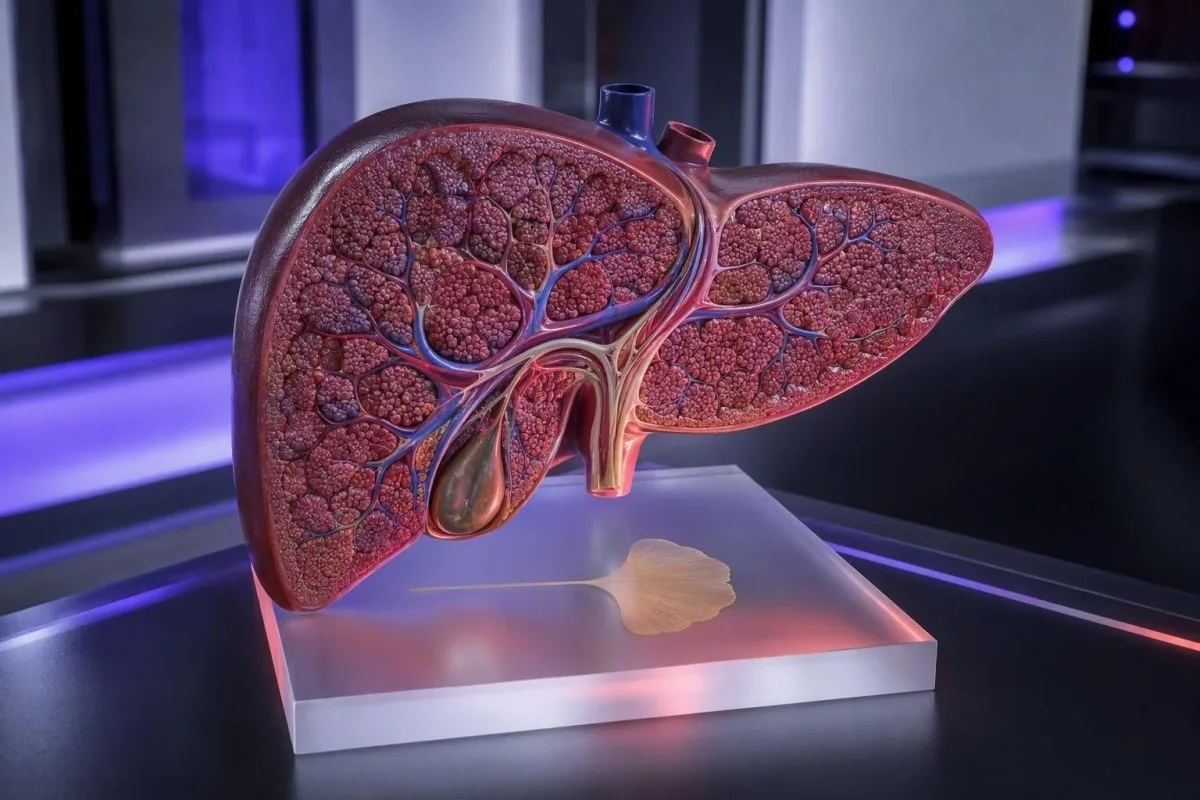
ALT-ն լյարդի հաճախ զեկուցվող ֆերմենտ է, սակայն այն ախտորոշումից ավելի շուտ բջջային սթրեսի ազդանշան է։ Դրա նշանակությունը կախված է դրա չափից, ձևից, ժամկետից և ձեր լյարդի այլ պարամետրերից։.


- ALT-ի նշանակությունը: ALT-ն նշանակում է ալանին ամինոտրանսֆերազ, ֆերմենտ, որը չափվում է IU/L-ով և կենտրոնացած է լյարդի բջիջներում։.
- Տիպիկ միջակայք: Շատ մեծահասկաների լաբորատորիաներ օգտագործում են ALT-ի վերին սահմանը 35 IU/L կանանց համար և 45 IU/L տղամարդկանց համար, թեև զեկույցի սեփական միջակայքը որոշիչ է։.
- Թեթև բարձրացում: Լաբորատորիայի վերին սահմանից 2 անգամ ցածր ALT-ն տարածված է և հաճախ արժանի է պլանավորված կրկնություն, ոչ թե խուճապ։.
- Կարևոր է օրինաչափությունը: ALT-ն բարձր AST-ի, ALP-ի, GGT-ի, բիլիռուբինի կամ INR-ի հետ ունի տարբեր նշանակություն, քան մեկուսացված ALT-ի բարձրացումը։.
- Ֆիզիկական վարժությունների ազդեցություն: Ծանր դիմադրողական մարզումները կարող են բարձրացնել ALT-ն և AST-ն 7 օր կամ ավելի, հատկապես, երբ կրեատին կինազը նույնպես բարձր է։.
- Դեղերի վերանայում: Ացետամինոֆենը, ստատինները, հակաբիոտիկները, հակաէպիլեպտիկ դեղերը, հավելումները և բուսական արտադրանքները կարող են ազդել ALT-ի վրա։.
- Արտակարգ ախտանիշներ: Դեղնախտը, շփոթությունը, որովայնի վերին աջ հատվածի ուժեղ ցավը, կրկնվող փսխումը կամ շատ մուգ մեզը պահանջում են նույն օրվա կլինիկական գնահատում։.
- «Տ్రెյնդային արժեք»: ALT-ի անկումը, երբ դադարեցվում է դրդապատճառը, սովորաբար ավելի հուսադրող է, քան մեկ անջատված սահմանային արդյունքը։.
Ի՞նչ է նշանակում ALT արյան թեստում
ALT-ն ունի «ալանինամինոտրանսֆերազա» (alanine aminotransferase) անվանումը, որը ֆերմենտ է, օգնում է բջիջներին փոխանակել ամինո խմբերը էներգիայի փոխանակության ընթացքում։ Այն չափվում է, քանի որ ALT-ն մտնում է շրջանառության մեջ, երբ լյարդի բջիջները սթրեսի կամ վնասվածքի են ենթարկվում; այն ինքնին չի ապացուցում լյարդի մշտական վնաս։.
ALT-ն հիմնականում գտնվում է հեպատոցիտների՝ լյարդի աշխատող բջիջների ներսում, թեև փոքր քանակությամբ առկա է նաև կմախքային մկաններում և այլ հյուսվածքներում։ Բարձր արդյունքը նշանակում է, որ ֆերմենտի ավելի մեծ քանակություն է հասել նմուշին, քան սպասվում էր; այն չի կարող հայտնաբերել ճարպային լյարդ, հեպատիտ, դեղորայքային վնաս կամ ֆիզիկական ծանրաբեռնվածություն առանց ուղեկցող ապացույցների։.
Իմ կլինիկական պրակտիկայում ամենաօգտակար առաջին հարցը “որքան բարձր է այն” չէ, այլ “ինչ բազային մակարդակի և որ այլ մարկերների համեմատությամբ է բարձր”: ALT-ի 58 ՄՄ/լ արժեքը նոր մարզասրահային ռեժիմից հետո տարբեր խնդիր է, քան ALT 58 ՄՄ/լ՝ 65 µmol/L բիլիռուբինով և դեղին աչքերով։.
Կանտեստին մի է AI արյան անալիզատոր որն ընթերցում է ALT-ն AST, ALP, GGT, բիլիռուբին, ալբումին, թրոմբոցիտների քանակ, դեղորայքներ և նախորդ արդյունքների հետ մեկտեղ, այլ ոչ թե մեկ առանձնացված արժեքը դիտարկելով որպես ախտորոշում։ Կապակցված չափումների ավելի լայն քարտեզի համար տես մեր բիոմարկերների ուղեցույցում.
Ինչու կարող է հայտնվել SGPT հին անվանումը
Որոշ զեկույցներում ALT-ն դեռևս կոչվում է “սերում գլուտամիկ-պիրուվիկ տրանսամինազա” կամ SGPT. : ALT-ն և SGPT-ն վերաբերում են նույն ֆերմենտի թեստին, թեև ժամանակակից լաբորատորային հաշվետվություններում սովորաբար օգտագործվում է ALT։.
Ինչու՞ են կլինիցիստները չափում ալանին ամինոտրանսֆերազը
Կլինիցիստները նշանակում են ալանինամինոտրանսֆերազի թեստ հեպատոցելյուլյար սթրեսը հայտնաբերելու, լյարդի հայտնի հիվանդությունը մոնիտորինգի ենթարկելու և դեղորայքային վնասը ստուգելու համար։ ALT-ն հաճախ ներառվում է լյարդի պանելի կամ համապարփակ մետաբոլիկ պանելի մեջ, նույնիսկ երբ մարդը սիմպտոմներ չունի։.
ALT-ն հաճախ ստուգվում է դիաբետի կամ լիպիդային հետազոտությունների ժամանակ, քանի որ նյութափոխանակության խանգարումներով պայմանավորված ստեատոտիկ լյարդային հիվանդությունը, որը նախկինում կոչվում էր ճարպային լյարդային հիվանդություն, կարող է անախտանիշ լինել տարիներ շարունակ։ 2023 թվականի AASLD ուղեցույցը խորհուրդ է տալիս գնահատել նյութափոխանակության ռիսկի գործոններ ունեցող մարդկանց և չբացատրված լյարդային ֆերմենտների բարձրացումը ստեատոտիկ լյարդային հիվանդության և ֆիբրոզի ռիսկի համար (Rinella et al., 2023)։.
Նորմալ ALT-ն չի բացառում զգալի ֆիբրոզը, իսկ բարձր ALT-ն չի չափում ֆիբրոզի փուլը։ Ես տեսել եմ հիվանդներ ALT 24 ՄՄ/լ և զգալի սպիացումով մասնագիտական գնահատման ժամանակ, հատկապես 2-րդ տիպի դիաբետով; ֆիբրոզի միավորները և պատկերումը պատասխանում են տարբեր հարցի։.
ALT-ի մոնիտորինգը նաև գործնական է դեղորայքի փոփոխությունից հետո, բայց այն պետք է պլանավորվի խելամտորեն։ Մեր ուղեցույցը տարեկան արյան ստուգումների բացատրում է, թե ինչու փորձարկման հաճախականությունը պետք է հետևի ռիսկին, ախտանիշներին և բուժմանը, այլ ոչ թե միայն սովորույթին։.
ALT-ի նորմալ միջակայքերը և ինչու են լաբորատոր սահմանները տարբերվում
Տղամարդկանց մոտ ALT-ի հղման միջակայքը սովորաբար տատանվում է մոտ 7-35 ՄՄ/լ կանանց համար և 10-45 ՄՄ/լ տղամարդկանց համար, բայց միջակայքերը տարբերվում են՝ կախված վերլուծությունից, պոպուլյացիայից և լաբորատորիայից։ Միշտ օգտագործեք ձեր սեփական արդյունքի կողքին տպված վերին սահմանը, այլ ոչ թե ինտերնետի սահմանափակումը։.
Վերին սահմանը վիճակագրական է, սովորաբար ստացված հղման պոպուլյացիայից, ոչ թե երաշխիք, որ դրանից ցածր յուրաքանչյուր արժեքը արտացոլում է ամբողջովին առողջ լյարդ։ Որոշ եվրոպական լաբորատորիաներ օգտագործում են սեռով պայմանավորված վերին սահմաններ, որոնք մոտ են 25 ՄՄ/լ կանանց համար և 35 ՄՄ/լ տղամարդկանց համար, ինչը կարող է ավելի վաղ հայտնաբերել նյութափոխանակության ռիսկը, բայց նաև ստեղծել ավելի շատ սահմանային դրդապատճառներ։.
Վերին սահմանից երկու անգամ ցածր արժեքը հաճախ անվանում են մեղմ բարձրացում։ 40 ՄՄ/լ վերին սահման ունեցող լաբորատորիայի համար ALT 55-ից 80 ՄՄ/լ-ն արժանի է համատեքստի և սովորաբար կրկնակի պլանի, մինչդեռ ALT 400 ՄՄ/լ-ն 10 անգամ գերազանցում է վերին սահմանը և փոխում է հրատապությունը։.
Բժիշկ Թոմաս Քլայնը խորհուրդ է տալիս հիվանդներին պահպանել լաբորատորիայի անվանումը, միավորները, միջակայքը, արյան նմուշառման ամսաթիվը, ալկոհոլի օգտագործումը և նախորդ շաբաթվա ֆիզիկական ակտիվությունը։ Սա թույլ է տալիս արդյունքների տարբերությունները այցելությունների միջև շատ ավելի հեշտ մեկնաբանել։.
Ինչպես են ALT-ն և AST-ն միասին աշխատում
ALT-ը և AST-ն պետք է մեկնաբանվեն միասին, քանի որ ALT-ն հիմնականում կենտրոնացած է լյարդի վրա, մինչդեռ AST-ն նույնպես առատ է կմախքային և սրտային մկաններում։ AST-ից ALT հարաբերակցությունը կարող է ենթադրել որոշակի պատկերներ, բայց այն ինքնուրույն չի կարող ախտորոշել ալկոհոլի հետ կապված հիվանդությունը կամ ցիռոզը։.
Երբ ALT-ն գերազանցում է AST-ն, կլինիցիստները հաճախ դիտարկում են նյութափոխանակության ստեատոզը, վիրուսային հեպատիտը կամ դեղորայքային ազդեցությունները, թեև կան բազմաթիվ բացառություններ։ ALT-ից AST հարաբերակցությունը, որը 2-ից բարձր է, կարող է հանդիպել ալկոհոլի հետ կապված լյարդի վնասվածքի դեպքում, բայց առաջադեմ ֆիբրոզը, մկանային վնասվածքը և սուր վնասից հետո ժամանակը նույնպես կարող են փոխել հարաբերակցությունը։.
52-ամյա մարաթոնավազորդ AST 89 ՄՄ/լ, ALT 61 ՄՄ/լ և կրեատին կինազ 1450 ՄՄ/լ մարզական մրցույթից հետո, պետք է տարբեր զրույց ունենա, քան այն մարդը, ով ունի նույն ֆերմենտները և կրեատին կինազ 90 ՄՄ/լ։ Մեր մտահոգությունը AST-ի և բարձր CK-ի վերաբերյալ պայմանավորված է մկանների արտազատմամբ. միայն ALT-ը ավելի քիչ մկանային-սպեցիֆիկ է, բայց կարող է նույնպես բարձրանալ։.
Այս տարբերության մկանային կողմը պարզելու համար կարդացեք մեր բացատրությունը բարձր AST ախտանշանների մասին. ։ Եթե ֆիզիկական ակտիվությունը հնարավոր պատճառ է, խուսափեք անսովոր ինտենսիվ մարզումներից 7 օր առաջ կրկնությունը, եթե ձեր կլինիցիստը այլ խորհուրդ չի տալիս։.
Ինչու են ALP-ն, GGT-ն և բիլիռուբինը փոխում ALT-ի նշանակությունը
ALT-ն ցույց է տալիս հեպատոցելյուլյար պատկեր, մինչդեռ ալկալային ֆոսֆատազը, GGT-ն և բիլիռուբինը օգնում են բացահայտել խոլեստազը կամ լեղու հոսքի խանգարումը։ ALT-ն, գումարած բարձր ALP և GGT, պետք է հանգեցնի լեղուղիների հիվանդության, դեղորայքային ազդեցությունների կամ լյարդի բորբոքման դիտարկման, այլ ոչ թե պարզ ճարպային լյարդի ենթադրության։.
Կլինիցիստը կարող է հաշվարկել R հարաբերակցություն՝ ALT-ն բաժանած դրա վերին սահմանի, այնուհետև բաժանած ALP-ն դրա վերին սահմանի վրա։ R հարաբերակցությունը 5 կամ ավելի բարձր աջակցում է հեպատոցելյուլյար վնասվածքին, 2 կամ ցածր աջակցում է խոլեստատիկ վնասվածքին, իսկ 2-ից 5-ը ենթադրում է խառը պատկեր. սա տրիաժ գործիք է, ոչ թե վերջնական ախտորոշում։.
GGT-ն օգտակար է, երբ ALP-ն բարձրացած է, քանի որ GGT-ի բարձրացումը աջակցում է հեպատոբիլիար աղբյուրին, մինչդեռ ALP-ն կարող է նաև բարձրանալ ոսկրային փոփոխությունից։ Հետևաբար, ALP-ի մեկուսացված բարձրացումը նորմալ GGT-ի դեպքում կարող է հանգեցնել ոսկրերի և վիտամին D-ի հարցերի, այլ ոչ թե լյարդի պատկերման։.
Մուգ մեզ, բաց կղանք, քոր, տենդ կամ դեղնախտ՝ բարձրացած բիլիռուբինով, “սպասել հաջորդ տարեկան թեստին” ախտանշաններ չեն։ Մեր խոլեստազի օրինաչափության ուղեցույցը բացատրում է այն համադրությունները, որոնք պետք է անհապաղ գնահատվեն։.
Բարձրացած ALT-ի ընդհանուր պատճառները
Բարձրացած ALT-ն առավել հաճախ արտացոլում է նյութափոխանակային ճարպային լյարդային հիվանդությունը, ալկոհոլի ազդեցությունը, վիրուսային հեպատիտը, դեղորայքային ազդեցությունները կամ ֆիզիկական ակտիվությունից առաջացած ժամանակավոր բարձրացումը։ Յուրաքանչյուր պատճառի հավանականությունը փոխվում է մարմնի քաշի, գլյուկոզի, տրիգլիցերիդների, ալկոհոլի օգտագործման պատկերի, ճանապարհորդությունների, դեղամիջոցների և բարձրացման չափի հետ։.
Նյութափոխանակային ճարպային լյարդային հիվանդությունը հատկապես հավանական է, երբ ALT-ի բարձրացումը ուղեկցվում է կենտրոնական քաշի ավելացմամբ, տրիգլիցերիդներով, որոնք ավելի բարձր են, քան 150 մգ/դլ, ցածր HDL խոլեստերինով, բարձրացած պասիվ գլյուկոզայով կամ 2-րդ տիպի դիաբետով։ Այն կարող է առաջանալ նաև փոքր մարմին ունեցող մարդկանց մոտ, հատկապես՝ ներքին ճարպի, գենետիկայի, քնի ապնոեի կամ որոշ դեղամիջոցների առկայության դեպքում։.
Վիրուսային հեպատիտի թեստավորումը կախված է ազդեցությունից և ռիսկից, ոչ միայն ALT-ից։ B հեպատիտի մակերեսային հակածինը և C հեպատիտի հակամարմինը՝ հաստատող ՌՆԹ թեստավորմամբ, կենտրոնացված գնահատման ստանդարտ մասերն են, երբ պատմությունը, աշխարհագրությունը կամ ֆերմենտային պատկերը դա հիմնավորում են; մեր C հեպատիտի ուղեցույցը ընդգրկում է սովորական ուղին։.
Ավելի քիչ տարածված, սակայն կարևոր պատճառներից են հեմոքրոմատոզը, աուտոիմունային հեպատիտը, երիտասարդների մոտ Վիլսոնի հիվանդությունը, ցելիակի հիվանդությունը և ալֆա-1 հակաձգվածության դեֆիցիտը։ Դոկտոր Թոմաս Քլայնը տեսել է այն վնասը, որը կարող է պատճառել այն ենթադրությունը, որ ցանկացած բարձրացած ALT կապված է ալկոհոլի հետ. կառուցվածային հետազոտությունը ավելի մեղմ և ճշգրիտ է։.
Դեղորայք և հավելումներ, որոնք կարող են բարձրացնել ALT-ն
Դեղորայքները և հավելումները կարող են բարձրացնել ALT-ն լյարդի ուղղակի վնասվածքի, լեղու հոսքի փոփոխության, նյութափոխանակության էֆեկտների կամ ոչ կապակցված համընկնման միջոցով։ Մի դադարեցրեք նշանակված դեղորայքը հանկարծակի միայն մեկ արդյունքի պատճառով; կապվեք նշանակող բժշկի հետ, ով կարող է կշռադատել դեղի օգուտը՝ ֆերմենտի պատկերի և միտումի նկատմամբ։.
Ացետամինոֆենը, որը նաև կոչվում է պարացետամոլ, կարող է առաջացնել ALT-ի նշանակալի բարձրացում գերդոզավորման դեպքում, իսկ երբեմն ավելի մեղմ փոփոխություններ բարձր թերապևտիկ ազդեցության դեպքում։ Մեծահասակների մեծ մասի համար սովորական առավելագույնը օրական 4000 մգ է, սակայն շատ բժիշկներ խորհուրդ են տալիս ավելի ցածր սահման ալկոհոլը կանոնավոր օգտագործողների, լյարդի հիվանդություն ունեցողների, ավելի տարեցների կամ համակցված մրսածության միջոցներ օգտագործողների համար։.
Ստատինները կարող են առաջացնել ALT-ի փոքր բարձրացում, սակայն ստատինների հետ կապված լյարդի լուրջ վնասվածքը հազվադեպ է; սրտանոթային դեղորայքը դադարեցնելը առանց խորհրդատվության կարող է ավելի ռիսկային լինել, քան ֆերմենտի ազդանշանը։ ACG-ի ուղեցույցը խորհուրդ է տալիս հաստատել լյարդի ոչ նորմալ քիմիական ցուցանիշները և մանրամասն պատմություն վերցնել դեղատոմսով, առանց դեղատոմսի և հավելումների վերաբերյալ՝ նախքան ընդարձակ հետազոտությունները (Kwo et al., 2017)։.
Կանաչ թեյի էքստրակտը, մարզիկների համար նախատեսված արտադրանքները, վիտամին A-ի բարձր չափաբաժինները, բազմաբաղադրիչ “դետոքս” փոշիները և չվերահսկվող մարմնակազմող հավելումները արժանի են հատուկ հարցումների, քանի որ պիտակները կարող են ոչ ամբողջական լինել։ Վերանայեք մեր գործնական հավելումների անվտանգության ուղեցույցը նախքան նոր արտադրանք ավելացնելը։.
Արդյո՞ք մարզումները կարող են ժամանակավորապես բարձրացնել ALT-ն
Այո, ուժեղ ֆիզիկական վարժությունները կարող են ժամանակավորապես բարձրացնել ALT-ն, հատկապես անծանոթ դիմադրողական մարզումներից, դիմացկունության միջոցառումներից կամ մկանների վնասվածքից հետո։ AST-ն և կրեատին կինազը սովորաբար ավելի նկատելի են բարձրանում, և արժեքները կարող են տևել 3-ից 10 օր՝ հանգստանալու համար՝ կախված վարժությունների ինտենսիվությունից և մկանային զանգվածից։.
Հաճախ տարածված սխալ պատկերացումն այն է, որ բարձրացած ALT-ն միշտ նշանակում է լյարդի վնաս։ Փաստորեն, ծանր մարզումը, որը ներառում է էքսցենտրիկ բարձրացումը՝ դանդաղ իջեցման շարժումները, կարող է այնքանով խախտել մկանային թաղանթները, որ փոխի AST, ALT, LDH և CK-ն՝ առանց լյարդի ներքին խանգարման։.
Մաքուր վերստուգման համար ես սովորաբար խնդրում եմ կայուն, լավ ինքնազգացողություն ունեցող հիվանդներին խուսափել ուժեղ մարզումներից 5-7 օր, խուսափել ալկոհոլից մի քանի օր, պահպանել նորմալ հիդրատացիան և հնարավորության դեպքում օգտագործել նույն լաբորատորիան։ Սա հարմար չէ, եթե կան վտանգավոր ախտանիշներ կամ ALT-ն մի քանի անգամ ավելի բարձր է, քան սահմանայինը; այդ իրավիճակները նախ պահանջում են կլինիկական խորհրդատվություն։.
Կանտեստին մի է AI-ով աշխատող արյան թեստի վերլուծության գործիք օգտագործվում է 127+ երկրներում, որոնք կարող են համեմատել ALT, AST, CK և նախկին արդյունքները՝ մարզիկին բնորոշ պատկերը նշելու համար՝ չհայտարարելով այն անվնաս։ Մարզիկները կարող են նաև վերանայել մարաթոնի արյան թեստի ժամկետները.
Ախտանիշները, որոնք ALT-ի արդյունքն ավելի հրատապ են դարձնում
ALT-ի շատ մեղմ բարձրացումները չեն առաջացնում ախտանիշներ, սակայն դեղնախտը, շատ մուգ մեզի, բաց գույնի կղանքը, ուժեղ որովայնի ցավը, շփոթվածությունը, հեշտ արյունահոսությունը կամ երկարատև փսխումը պահանջում են անհապաղ բժշկական գնահատում։ Ախտանիշներն ունեն նշանակություն, քանի որ դրանք կարող են վկայել բիլիռուբինի մշակման խանգարման, լեղու խցանման, սուր հեպատիտի կամ լյարդի սինթետիկ ֆունկցիայի նվազման մասին։.
Դիմեք նույն օրվա խնամքի՝ աչքերի կամ մաշկի դեղնախտի, շփոթվածության, նոր քնկոտության, աջ կողմի կողոսկրների տակ արագ վատթարացող ցավի կամ հեղուկներ չպահելու դեպքում։ Այս ախտանիշներն ավելի մեծ նշանակություն ունեն, երբ ALT-ն ավելի քան 5 անգամ բարձր է վերին սահմանից, բիլիռուբինը բարձրացած է, կամ INR-ը երկարացած է։.
Հղիությունը փոխում է մտահոգության շեմը. ափերի կամ ոտնաթաթերի քորը, աջ վերին որովայնի անհարմարավետությունը, գլխացավը, տեսողական խանգարումները կամ բարձր արյան ճնշումը պահանջում են շտապ մանկաբարձական գնահատում, նույնիսկ երբ ALT-ն միայն չափավոր բարձրացած է։ Հղիությանը բնորոշ վիճակները պահանջում են ավելի շատ ուղի, քան սովորական ամբուլատոր լյարդի հետազոտությունը։.
Մեզի փոփոխությունները կարող են ավելացնել մանրամասները, բայց ինքնին ախտորոշիչ չեն։ Մեր հոդվածը մուգ մեզի պատճառների մասին օգնում է տարբերակել ջրազրկումը և դեղորայքները բիլիռուբինի հետ կապված նախազգուշացնող նշաններից։.
Ինչ է սովորաբար լինում ALT-ի ոչ նորմալ արդյունքից հետո
Աննորմալ ALT արդյունքից հետո բժիշկները սովորաբար հաստատում են արդյունքը, վերանայում են ազդեցությունները և կրկնում կամ ընդլայնում են վահանակը՝ կախված բարձրացման չափից և ախտանիշներից։ Միայն մեկ մեղմ արդյունքը հաճախ հանգեցնում է կրկնության՝ շաբաթների կամ մի քանի ամիսների ընթացքում, մինչդեռ նշանակալի բարձրացումը կամ դեղնախտը պահանջում է ավելի արագ գնահատում։.
Խելամիտ առաջին վերանայումը ներառում է ալկոհոլի օգտագործման եղանակը, վերջին հիվանդությունները, մարմնի քաշի փոփոխությունները, ճանապարհորդությունները, ընտանեկան պատմությունը, դեղատոմսով և առանց դեղատոմսի դեղերը, հավելումները և վարժությունները նախորդ 7 օրվա ընթացքում։ Հետագա ընդհանուր թեստերը ներառում են AST, ALP, GGT, բիլիռուբին, ալբումին, արյան ամբողջական պատկեր, INR, հեպատիտի սկրինինգ, ֆերրիտին տրանսֆերրինի հագեցվածությամբ և գլյուկոզա կամ HbA1c։.
Ուլտրաձայնը հաճախ օգտակար է ստեատոզի, լեղաքարերի, լեղուղիների լայնացման կամ կառուցվածքային փոփոխությունների համար, սակայն այն հուսալիորեն չի գնահատում վաղ ֆիբրոզի աստիճանը։ FIB-4-ն օգտագործում է տարիքը, AST, ALT-ը և թրոմբոցիտների քանակը ֆիբրոզի ռիսկը գնահատելու համար; այն պակաս հուսալի է դառնում 35 տարեկանից ցածր, և չպետք է օգտագործվի սուր հիվանդության ժամանակ։.
Kantesti AI-ն այն ԱԻ լաբորատոր թեստի մեկնաբանման ծառայությունում որը կազմակերպում է այս կապակցված մարկերները և երկայնական արդյունքները կլինիցիարի հետ քննարկման համար։ Մեր լյարդի պանելի բացատրությունը ցույց է տալիս, թե ինչ ներդրում ունի յուրաքանչյուր հետևողական բաղադրիչ։.
Ինչու են ALT-ի միտումները ավելի օգտակար, քան մեկ թիվ
ALT-ի միտումը հաճախ ավելի տեղեկատվական է, քան մեկ արդյունքը, քանի որ այն ցույց է տալիս, թե արդյոք ազդանշանը լուծվում է, պահպանվում է, թե արագանում է։ 6 շաբաթ անց 72-ից 34 IU/L փոփոխությունը կրում է տարբեր կլինիկական ուղերձ, քան 34-ից 72 IU/L, թեև երկու թվերը կարող են լինել լաբորատոր սահմանագծի մոտ։.
Կենսաբանական փոփոխականությունը, հիդրատացիան, անալիզի փոփոխականությունը և ժամկետները կարող են չնչին չափով տեղափոխել ALT-ը նմուշների միջև։ Նույն լաբորատորիայում, օրվա նմանատիպ ժամին, համեմատելի ակտիվության և ալկոհոլի ազդեցությունից հետո կրկնելը նվազեցնում է աղմուկը և հեշտացնում իրական փոփոխության հայտնաբերումը։.
Ավելի քան 6 ամիս պահպանվող բարձրացումը արժանի է ավելի դիտավորյալ գնահատման, հատկապես դիաբետի, ճարպակալման, լյարդի հիվանդության ընտանեկան պատմության, թրոմբոցիտների նվազման կամ բիլիռուբինի բարձրացման դեպքում։ Ընդհակառակը, մանրակրկիտ գնահատված հիվանդի մոտ կայուն մեղմ ALT-ը կարող է մոնիտորինգի ենթարկվել, այլ ոչ թե հետապնդվել կրկնվող լայն թեստավորումով։.
Kantesti AI-ն մեկնաբանում է ALT-ի միտումները՝ ուղեկցող AST-ի, թրոմբոցիտների քանակի, բիլիռուբինի և մետաբոլիկ մարկերների հետ, այլ ոչ թե 3 IU/L փոփոխությունը դիտարկելով որպես հիվանդության առաջընթաց։ Տես մեր երկայնական թեստավորման ուղեցույցը մանրամասների համար, որոնք արժե գրանցել յուրաքանչյուր նմուշից հետո։.
ALT-ի մասին սխալ պատկերացումները, որոնք կարող են հանգեցնել սխալ որոշումների
ALT-ը խիստ իմաստով “լյարդի ֆունկցիայի թեստ” չէ, քանի որ այն չափում է ֆերմենտի արտահոսքը, այլ ոչ թե լյարդի ալբումին, մակարդման գործոններ կամ լեղի արտադրելու ունակությունը։ Ալբումինը, INR-ը, բիլիռուբինը, թրոմբոցիտների քանակը, ախտանշանները և պատկերավորումը կարող են ավելի էական պատմություն պատմել, քան միայն ALT-ը։.
Նորմալ ALT-ը թույլտվություն չի տալիս անտեսել ծանր ալկոհոլի օգտագործումը, դիաբետը կամ լյարդի հիվանդության ուժեղ ընտանեկան պատմությունը։ Նմանապես, բարձրացած ALT-ը չի ապացուցում, որ ալկոհոլը պատճառն էր; այս ենթադրությունը կարող է վնասել վստահությունը և ուշացնել վիրուսային, աուտոիմուն, գենետիկ կամ դեղորայքային պայմանների ախտորոշումը։.
“Լյարդի դետոքսիկացիան” ևս մեկ տարածված թակարդ է։ Լյարդն արդեն կատարում է նյութափոխանակություն և մաքրում, մինչդեռ ագրեսիվ гладовка, չկարգավորվող խոտաբույսերը և քաշի արագ կորուստը երբեմն կարող են վատթարացնել ախտանշանները կամ լաբորատոր մարկերները; առևտրային դետոքս ռեժիմների ապացույցները անկեղծորեն թույլ են։.
Եթե սննդակարգը քննարկման մաս է կազմում, կենտրոնացեք կայուն քաշի փոփոխության, բավարար սպիտակուցի, մանրաթելի և ultra-processed սննդի կրճատման վրա, այլ ոչ թե հրաշք արտադրանքների։ Մեր ապացույցների վրա հիմնված լյարդի սննդային ուղեցույցը ավելի անվտանգ մեկնարկային կետ է։.
ALT-ի մեկնաբանությունը երեխաների, հղիության և ծերության ժամանակ
ALT-ի մեկնաբանությունը երեխաների, հղիության և տարեցների մոտ պահանջում է տարիքային կոնտեքստ, քանի որ վերաբերական սահմանները և հավանական պատճառները տարբերվում են։ Մանկական ALT-ի սահմանային արժեքները հաճախ ցածր են, քան մեծահասակների լաբորատոր տիրույթները, իսկ հղիության հետ կապված լյարդի ախտանշանները պահանջում են ավելի արագ մասնագետի կողմից գնահատում։.
Երեխաների մոտ ճարպակալման հետ կապված լյարդի հիվանդությունը ճարպային հեպատոզով ավելի ու ավելի է ճանաչվում, սակայն վիրուսային հիվանդությունները, մկանային խանգարումները, ցելիակիայի հիվանդությունը և ժառանգական նյութափոխանակության խանգարումները պետք է մնան տարբերակիչ ախտորոշման մեջ։ Մանկական կլինիցիստը պետք է մեկնաբանի պահպանվող ALT-ի բարձրացումը, այլ ոչ թե կիրառի մեծահասակների “40 IU/L-ից ցածրը նորմալ է” մտածողությունը։.
Հղիության ընթացքում ALT-ը, ընդհանուր առմամբ, պետք է մնա ոչ հղի վերաբերական տիրույթում; բարձր ճնշման, ցածր թրոմբոցիտների, քորի կամ սրտխառնոցի հետ բարձրացումը պահանջում է շտապ գնահատում հղիության հետ կապված խանգարումների համար։ Ալբումինը հաճախ ընկնում է պլազմայի ծավալի ընդլայնման պատճառով, ուստի ալբումինը և ALT-ը չպետք է մեկնաբանվեն նույն տրամաբանությամբ։.
Տարեցների մոտ պոլիֆարմացիան և խրոնիկական հիվանդությունները մեծացնում են դեղերի ամբողջական վերանայման արժեքը։ Մեր տարեցների դեղորայքային լաբորատոր ուղեցույցը ներկայացնում է հարցեր, որոնք պետք է ուղղել նշանակման ժամանակ։.
AI մեկնաբանության անվտանգ օգտագործումը ALT-ի արդյունքների համար
Արհեստական բանականությունը կարող է օգնել կազմակերպել ALT արդյունքը, սակայն այն չի կարող ձեզ զննել, ստուգել ախտանշանները կամ փոխարինել բժշկական գնահատումը լյարդի պոտենցիալ լուրջ պատկերի համար։ Ամենաանվտանգ օգտագործումը նախապատրաստությունն է. բացահայտել պատկերը, պահպանել բնօրինակ զեկույցը և կենտրոնացված հարցեր ուղղել որակավորված բժշկի։.
Որպես սեպտեմբերի 5, 2026 թվականի դրությամբ, Kantesti-ն է AI արյան անալիզի մեկնաբանություն հարթակ որը վերլուծում է վերբեռնված լաբորատոր զեկույցները մոտ 60 վայրկյանում և ALT-ն դնում է հարակից արժեքների, միտումների պատմության և զեկուցված դեղերի համատեքստում։ Այն նախատեսված է հարցերի որակը բարելավելու համար, ոչ թե ախտորոշում կամ բուժում նշանակելու։.
Ճշգրտության համար ստուգեք, որ զեկույցի պատկերը ընթեռնելի է, միավորները ճիշտ են գրանցված, և նախորդ տարվա արդյունքը չի շփոթվում այսօրվա արժեքի հետ։ Kantesti-ի կլինիկական մոտեցումը ձևավորվում է բժշկի հսկողությամբ; ընթերցողները կարող են վերանայել մեր բժշկական վավերացման չափանիշները և Բժշկական խորհրդատվական խորհուրդ որոշելիս, թե ինչպես օգտագործել AI-ի աջակցությամբ մեկնաբանությունը։.
Վերանայմանը վերցրեք երեք բան. ամբողջական վահանակը, յուրաքանչյուր դեղի և հավելումի ցուցակը՝ չափաբաժիններով, և ալկոհոլի, հիվանդության, ճանապարհորդության և ինտենսիվ մարզումների ժամանակացույց։ Այս համեստ նախապատրաստությունը հաճախ կանխում է անհարկի մտահոգությունը և կանխում է կարևոր պատկերի բացթողումը։.
Պրակտիկ ստուգաթերթ ձեր հաջորդ ALT թեստից առաջ
Մինչ ALT-ի նախատեսված վերստուգումը, պահպանեք ձեր սովորական ռեժիմը և փաստագրեք գործոնները, որոնք կարող են փոխել ֆերմենտները։ Խուսափեք ինտենսիվ մարզումներից 5-7 օրվա ընթացքում, երբ դա կլինիկորեն անվտանգ է, մի քանի օր խուսափեք ալկոհոլից, և մի փոխեք նշանակված դեղերը, եթե բժիշկը չասի ձեզ։.
Արձանագրեք ացետամինոֆենի կամ պարացետամոլի, հակաբիոտիկների, նոր հավելումների, վերջին տենդի, գաստրոէնտերիտի, պատվաստումների, պահքի և քաշի արագ փոփոխության օգտագործումը։ ALT-ի համար սովորաբար պահք չի պահանջվում, թեև այն կարող է պահանջվել, եթե նույն այցի ժամանակ չափվում են գլյուկոզա, տրիգլիցերիդներ կամ այլ թեստեր։.
Բժշկից հարցրեք, արդյոք կրկնակի ALT-ն պետք է ներառի AST, ALP, GGT, բիլիռուբին, ալբումին, թրոմբոցիտներ և CK: Պատասխանը հաճախ կախված է առաջին պատկերից; մարզումից հետո 48 IU/L մեկուսացված ALT-ն չի պահանջում նույն հետազոտությունը, ինչ 248 IU/L ALT-ն 48 µmol/L բիլիռուբինով։.
Եթե ձեզ օգնություն է անհրաժեշտ ձեր զեկույցից հարցեր կազմելու համար, մեր AI հաշվետվության ճշգրտության ստուգաթերթիկը օգտակար է այցից առաջ։ Մեր աշխատանքի կազմակերպչական տեղեկատվության համար տես Կանտեստիի մասին.
Հաճախակի տրվող հարցեր
Լաբորատոր արդյունքներում ALT-ն, ինչ է նշանակում?
ALT-ն ալանինամինոտրանսֆերազի հապճեպությունն է, ֆերմենտ, որը հիմնականում հայտնաբերվում է լյարդի բջիջներում և չափվում միջազգային միավորներով մեկ լիտրի համար (ՈՄ/լ): Շատ լաբորատորիաներ օգտագործում են վերին սահմաններ մոտ 35 ՈՄ/լ՝ մեծահասակ կանանց և 45 ՈՄ/լ՝ մեծահասակ տղամարդկանց համար, չնայած անհատական հաշվետվության վրա տպված հղման միջակայքը ճիշտ համեմատական է: AST-ի բարձրացումը ազդանշում է բջիջների սթրեսի կամ վնասվածքի մասին, սակայն ինքնուրույն չի կարող որոշել պատճառը: ALT, AST, ALP, GGT, բիլիռուբին, դեղորայք, ալկոհոլ, ֆիզիկական ծանրաբեռնվածություն և ախտանիշները որոշում են, թե ինչ է նշանակում արդյունքը:.
ALT-ն 50 ԵՄ/լ բարձր է։
50 IU/L ALT-ն էլաբորատորիաներում, որոնց վերին սահմանը 35 կամ 40 IU/L է, մեղմ բարձրացած է, սակայն մոտ է նորմային որոշ էլաբորատորիաներում, որոնց վերին սահմանը 55 IU/L է։ 50 IU/L-ի շուրջ արժեքը սովորաբար ավելի քիչ էական է, երբ բիլիռուբինը, ALP-ն, INR-ը և ախտանշանները նորմալ են, թեև այն դեռ արժանի է համատեքստի և հաճախ կրկնության։ Վերջին ծանր մարզումները, ալկոհոլը, մետաբոլիկ ստեատոզը, դեղամիջոցները և հավելումները ընդհանուր բացատրություններ են։ 6 ամսից ավելի շարունակվող բարձրացումը պահանջում է կառուցված կլինիկական վերանայում։.
Կարո՞ղ է ֆիզիկական վարժանքը բարձրացնել ALT-ի մակարդակները։
Ծանր ֆիզիկական ծանրաբեռնվածությունը կարող է բարձրացնել ALT, AST, LDH և կրեատին կինազի մակարդակը, քանի որ կմախքային մկանները ֆերմենտներ են արտազատում ինտենսիվ կամ անսովոր ծանրաբեռնվածությունից հետո։ Այս բարձրացումը կարող է տևել 3-10 օր, ընդ որում AST-ի և կրեատին կինազի մակարդակը հաճախ ավելի շատ է բարձրանում, քան ALT-ի մակարդակը։ Պլանավորված կրկնական հետազոտությունից 5-7 օր առաջ անսովոր ծանր ֆիզիկական ակտիվությունից խուսափելը կարող է պարզել, թե արդյոք մարզանքն է նպաստել դրան։ ALT-ի զգալի բարձրացումը, դեղնախտը, ուժեղ ցավը կամ մուգ միզը դեռ պետք է հրատապ բժշկական խորհրդատվության առիթ հանդիսանան, այլ ոչ թե ենթադրել, որ մարզանքն է պատճառը։.
Ո՞րն է ավելի կարևոր, ALT-ն, թե՞ AST-ն։
Ոչ ALT-ը, ոչ էլ AST-ն ունիվերսալ ավելի կարևոր չէ, քանի որ զույգը ավելի շատ տեղեկություն է տալիս, քան մեկ արդյունքը միայնակ։ ALT-ն ավելի շատ կենտրոնացած է լյարդի վրա, մինչդեռ AST-ն առկա է նաև կմախքային մկաններում և կարող է զգալիորեն բարձրանալ վարժությունից կամ մկանային վնասվածքից հետո։ AST-ի և ALT-ի հարաբերակցությունը 2-ից ավելի կարող է դիտվել ալկոհոլի հետ կապված լյարդի վնասվածքի դեպքում, սակայն այն ախտորոշիչ չէ և կարող է հայտնվել նաև առաջադեմ ֆիբրոզի կամ մկանային վնասվածքի դեպքում։ Կլինիցիստները երկու արժեքները մեկնաբանում են GGT-ի, ALP-ի, բիլիռուբինի, կրեատին կինազի, թիթեղիկների քանակի և կլինիկական պատմության հետ մեկտեղ։.
Ե՞րբ պետք է բարձր ALT-ի արդյունքը համարվի անհետաձգելի:
ALT-ի բարձր արդյունքը պահանջում է անհապաղ գնահատում, երբ այն գերազանցում է լաբորատոր վերին սահմանը 5 անգամ, արագ բարձրանում է կամ ուղեկցվում է դեղնախտով, շփոթվածությամբ, աջ վերին որովայնի ուժեղ ցավով, մշտական փսխումով, հեշտ արյունահոսությամբ կամ շատ մուգ մեզով։ Բիլիռուբինի բարձրացումը, երկարացած INR-ը, ցածր գլյուկոզը կամ ցածր թրոմբոցիտները կարող են մեծացնել մտահոգությունը, քանի որ դրանք կարող են ցույց տալ ավելին, քան միայնակ ֆերմենտի արտազատումը։ Հղիության հետ կապված քորը, գլխացավը, տեսողական ախտանիշները կամ բարձր արյան ճնշումը ALT-ի բարձրացման հետ նույնպես պահանջում են անհապաղ մանկաբարձական գնահատում։ Միայնակ մեղմ արդյունքը, որը 2 անգամ ցածր է վերին սահմանից, սովորաբար գնահատվում է ավելի քիչ անհապաղ, բայց չպետք է անտեսվի։.
ճարպային լյարդը կարո՞ղ է բարձր ALT պատճառել
Մետաբոլիկ դիսֆունկցիայի հետ կապված լյարդի ճարպային հիվանդությունը ALT-ի մեղմ բարձրացման հաճախակի պատճառ է, հատկապես տրիգլիցերիդների 150 մգ/դլ-ից բարձր, բարձրացած գլյուկոզայի, 2-րդ տիպի դիաբետի, կենտրոնական գիրանալու կամ ցածր HDL խոլեստերինի առկայության դեպքում։ ALT-ն կարող է լինել նորմալ՝ չնայած լյարդի ճարպակալմանը կամ ֆիբրոզին, ուստի նորմալ արդյունքը չի բացառում կլինիկականորեն արդիական հիվանդությունը։ 2023 թվականի AASLD-ի ուղեցույցը աջակցում է ֆիբրոզի ռիսկի գնահատմանը մետաբոլիկ ռիսկի գործոններ ունեցող անձանց մոտ և անբացատրելի ֆերմենտների բարձրացման դեպքում։ Կայուն քաշի կառավարումը, դիաբետի վերահսկումը, ալկոհոլի նվազեցումը և բժշկի կողմից ուղղորդվող մոնիտորինգը ավելի շատ ապացուցված են, քան դետոքսիկացիոն միջոցները։.
Ստացեք AI-ով աշխատող արյան անալիզի վերլուծություն այսօր
Միացեք ավելի քան 2 միլիոն օգտատերերի ամբողջ աշխարհում, ովքեր վստահում են Kantesti-ին՝ լաբորատոր թեստերի ակնթարթային, ճշգրիտ վերլուծության համար։ Վերբեռնեք ձեր արյան անալիզի արդյունքները և ստացեք 15,000+ բիոմարկերների համապարփակ մեկնաբանություն վայրկյանների ընթացքում։.
📚 Հղված հետազոտական հրապարակումներ
Klein, T., Mitchell, S., & Weber, H. (2026). B բացասական արյան խումբ, LDH արյան անալիզ և ռետիկուլոցիտների քանակի ուղեցույց.։ Kantesti AI Medical Research.
Klein, T., Mitchell, S., & Weber, H. (2026). Փորլուծություն ծոմապահությունից հետո, սև կետեր կղանքի մեջ և ստամոքս-աղիքային համակարգի ուղեցույց 2026.։ Kantesti AI Medical Research.
📖 Արտաքին բժշկական հղումներ
⚕️ Բժշկական հրաժարում
Այս հոդվածը միայն կրթական նպատակների համար է և չի հանդիսանում բժշկական խորհրդատվություն։ Ախտորոշման և բուժման որոշումների համար միշտ խորհրդակցեք որակավորված բուժաշխատողի հետ։.
E-E-A-T վստահության ազդանշաններ
Փորձառություն
Բժշկի կողմից ղեկավարվող կլինիկական վերանայում՝ լաբորատոր մեկնաբանության աշխատանքային հոսքերի համար։.
Մասնագիտություն
Լաբորատոր բժշկության կենտրոնացում՝ այն բանի վրա, թե ինչպես են բիոմարկերները դրսևորվում կլինիկական համատեքստում։.
Հեղինակություն
Գրված է դոկտոր Թոմաս Քլայնի կողմից՝ դոկտոր Սառա Միթչելի և պրոֆեսոր դոկտոր Հանս Վեբերի կողմից վերանայմամբ։.
Հուսալիություն
Ապացույցների վրա հիմնված մեկնաբանություն՝ հստակ հետագա քայլերի ուղիներով՝ ահազանգերը նվազեցնելու համար։.