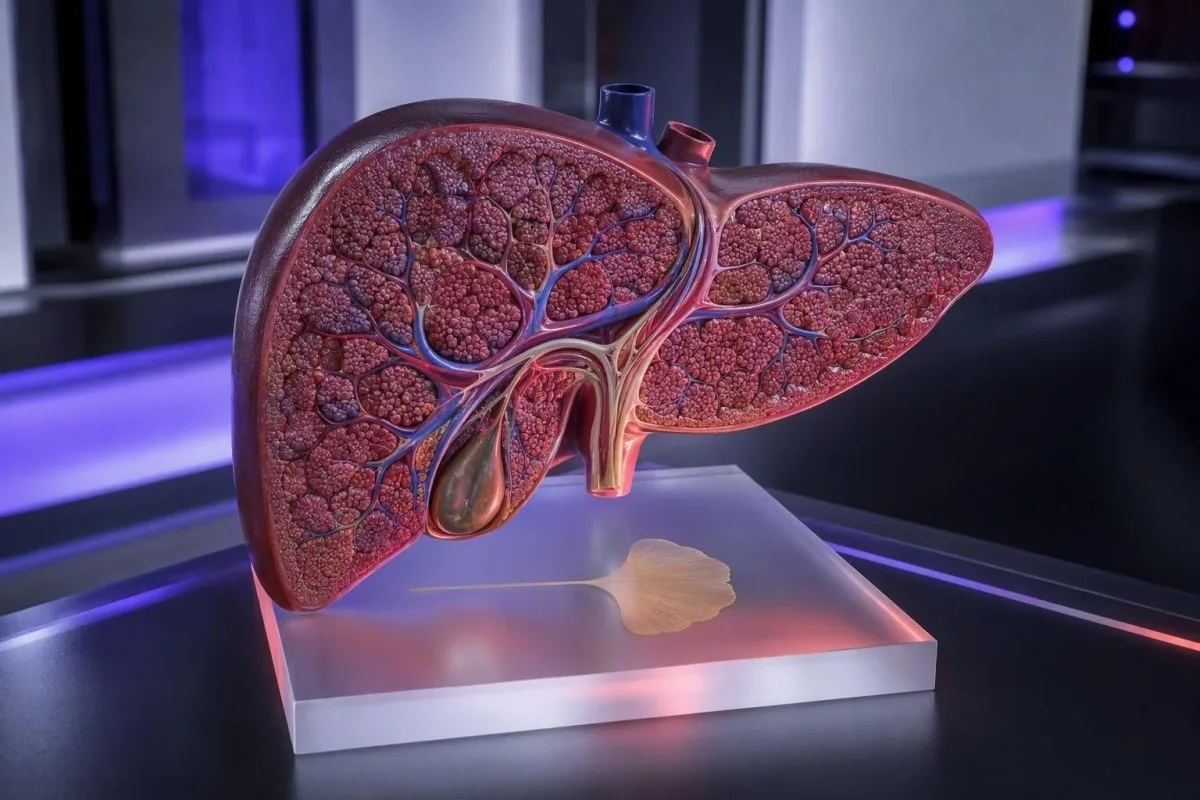
ALT is a commonly reported liver enzyme, but it is a signal of cell stress rather than a diagnosis. The meaning comes from its size, pattern, timing, and the rest of your liver panel.


- ALT meaning: ALT stands for alanine aminotransferase, an enzyme measured in IU/L that is concentrated in liver cells.
- معمول حد: Many adult laboratories use an ALT upper limit of 35 IU/L for women and 45 IU/L for men, although the report's own range is decisive.
- لږه لوړوالی: ALT below 2 times the laboratory upper limit is common and often merits a planned repeat, not panic.
- بڼه/الګو مهمه ده: ALT with high AST, ALP, GGT, bilirubin, or INR means something different than isolated ALT elevation.
- د تمرین اغېز: Heavy resistance training can increase ALT and AST for 7 days or longer, particularly when creatine kinase is also high.
- د درملو بیاکتنه: Acetaminophen, statins, antibiotics, antiseizure drugs, supplements, and herbal products can affect ALT.
- بیړني نښې: Jaundice, confusion, severe right-upper abdominal pain, repeated vomiting, or very dark urine need same-day clinical assessment.
- Trend value: A falling ALT after removing a trigger is usually more reassuring than one isolated borderline result.
What ALT means on a blood test
ALT stands for alanine aminotransferase, an enzyme that helps cells transfer amino groups during energy metabolism. It is measured because ALT enters the circulation when liver cells are stressed or injured; it does not, by itself, prove permanent liver damage.
ALT is found mainly inside hepatocytes, the working cells of the liver, although small amounts occur in skeletal muscle and other tissues. A raised result means more enzyme reached the sample than expected; it cannot identify fatty liver, hepatitis, medication injury, or exercise without accompanying evidence.
In my clinical practice, the most useful first question is not “how high is it?” but “high compared with what baseline and what other markers?” An ALT of 58 IU/L after a new gym routine is a different problem from ALT 58 IU/L with bilirubin 65 µmol/L and yellow eyes.
کانټیسټي یو دی د AI د وینې معاینې شنونکی that reads ALT alongside AST, ALP, GGT, bilirubin, albumin, platelet count, medicines, and prior results rather than treating one flagged value as a diagnosis. For a broader map of related measurements, see our د بایومارکر لارښود.
Why the older name SGPT may appear
Some reports still call ALT “serum glutamic-pyruvic transaminase” or SGPT. ALT and SGPT refer to the same enzyme test, although modern laboratory reporting usually uses ALT.
Why clinicians measure alanine aminotransferase
Clinicians order an alanine aminotransferase test to detect hepatocellular stress, monitor known liver disease, and check for medication-related injury. ALT is often included in a liver panel or comprehensive metabolic panel, even when a person has no symptoms.
ALT is commonly checked during diabetes or lipid reviews because metabolic dysfunction-associated steatotic liver disease, previously called fatty liver disease, can be silent for years. The 2023 AASLD guidance advises assessing people with metabolic risk factors and unexplained liver-enzyme elevation for steatotic liver disease and fibrosis risk (Rinella et al., 2023).
A normal ALT does not exclude significant fibrosis, and a high ALT does not measure fibrosis stage. I have seen patients with ALT 24 IU/L and meaningful scarring on specialist assessment, particularly with type 2 diabetes; fibrosis scores and imaging answer a different question.
ALT monitoring is also practical after a medication change, but it should be scheduled thoughtfully. Our guide to annual blood work explains why testing frequency should follow risk, symptoms, and treatment rather than habit alone.
ALT normal ranges and why lab cutoffs vary
Adult ALT reference ranges commonly run from about 7 to 35 IU/L for women and 10 to 45 IU/L for men, but ranges vary by assay, population, and laboratory. Always use the upper limit printed beside your own result rather than an internet cutoff.
The upper limit is statistical, usually derived from a reference population, not a guarantee that every value below it reflects an entirely healthy liver. Some European laboratories use sex-specific upper limits near 25 IU/L for women and 35 IU/L for men, which can identify metabolic risk earlier but also create more borderline flags.
A value under twice the upper limit of normal is often called mild elevation. For a laboratory with an upper limit of 40 IU/L, ALT 55 to 80 IU/L deserves context and usually a repeat plan, whereas ALT 400 IU/L is 10 times the upper limit and changes the urgency.
Dr. Thomas Klein advises patients to save the laboratory name, units, range, draw date, alcohol intake, and exercise in the preceding week. This makes result differences between visits far more interpretable.
How ALT and AST work together
ALT and AST should be interpreted together because ALT is relatively liver-focused while AST is also abundant in skeletal and cardiac muscle. An AST-to-ALT ratio can suggest patterns, but it cannot diagnose alcohol-related disease or cirrhosis alone.
When ALT exceeds AST, clinicians often consider metabolic steatosis, viral hepatitis, or medication effects, though there are plenty of exceptions. An AST:ALT ratio above 2 can occur in alcohol-associated liver injury, but advanced fibrosis, muscle injury, and timing after an acute insult can also shift the ratio.
A 52-year-old marathon runner with AST 89 IU/L, ALT 61 IU/L, and creatine kinase 1,450 IU/L after a race needs a different conversation from someone with the same enzymes and creatine kinase 90 IU/L. The reason we worry about AST plus high CK is muscle release; ALT alone is less muscle-specific but can rise too.
For the muscle side of this distinction, read our explanation of high AST symptoms. If physical activity is a plausible trigger, avoid unusually strenuous training for 7 days before the repeat unless your clinician advises otherwise.
Why ALP, GGT and bilirubin change ALT meaning
ALT indicates a hepatocellular pattern, whereas alkaline phosphatase, GGT, and bilirubin help identify cholestasis or impaired bile flow. ALT plus high ALP and GGT should prompt consideration of bile-duct disease, medication effects, or hepatic inflammation rather than assuming simple fatty liver.
A clinician may calculate an R ratio: ALT divided by its upper limit, then divided by ALP divided by its upper limit. An R ratio of 5 or greater supports hepatocellular injury, 2 or less supports cholestatic injury, and 2 to 5 suggests a mixed pattern; this is a triage tool, not a final diagnosis.
GGT is useful when ALP is elevated because GGT elevation supports a hepatobiliary source, while ALP can also rise from bone turnover. An isolated ALP rise with normal GGT can therefore lead toward bone and vitamin D questions rather than liver imaging.
Dark urine, pale stools, itch, fever, or jaundice with elevated bilirubin are not “wait for the next annual test” symptoms. Our د کولیسټاسس (cholestasis) بڼې لارښود explains the combinations that should be assessed promptly.
Common causes of elevated ALT
Elevated ALT most often reflects metabolic steatotic liver disease, alcohol exposure, viral hepatitis, medication effects, or a temporary exercise-related rise. The probability of each cause changes with body weight, glucose, triglycerides, alcohol pattern, travel, medicines, and the size of the elevation.
Metabolic steatotic liver disease is especially likely when ALT elevation accompanies central weight gain, triglycerides above 150 mg/dL, low HDL cholesterol, raised fasting glucose, or type 2 diabetes. It can occur in people with smaller bodies too, particularly with visceral fat, genetics, sleep apnea, or certain medicines.
Viral hepatitis testing depends on exposure and risk, not ALT alone. Hepatitis B surface antigen and hepatitis C antibody with confirmatory RNA testing are standard parts of a focused evaluation when the history, geography, or enzyme pattern supports it; our hepatitis C guide covers the usual pathway.
Less common but important causes include hemochromatosis, autoimmune hepatitis, Wilson disease in younger people, celiac disease, and alpha-1 antitrypsin deficiency. Dr. Thomas Klein has seen the harm of assuming every elevated ALT is alcohol-related; a structured work-up is kinder and more accurate.
Medicines and supplements that can raise ALT
Medicines and supplements can raise ALT through direct liver injury, altered bile flow, metabolic effects, or an unrelated coincidence. Do not stop a prescribed medicine abruptly because of one result; contact the prescriber who can weigh the drug benefit against the pattern and trend.
Acetaminophen, also called paracetamol, can cause marked ALT elevation in overdose and sometimes milder changes at high therapeutic exposure. For most adults, the usual maximum is 4,000 mg daily, but many clinicians recommend a lower ceiling for people who drink alcohol regularly, have liver disease, are older, or use combination cold remedies.
Statins can produce small ALT increases, yet serious statin-related liver injury is rare; stopping a cardiovascular medicine without advice can be riskier than the enzyme flag. The ACG guideline recommends confirming abnormal liver chemistries and taking a careful prescription, over-the-counter, and supplement history before extensive testing (Kwo et al., 2017).
Green tea extract, anabolic products, high-dose vitamin A, multi-ingredient “detox” powders, and unregulated bodybuilding supplements deserve specific questions because labels can be incomplete. Review our practical supplement safety guide before adding a new product.
Can exercise temporarily increase ALT?
Yes, strenuous exercise can temporarily increase ALT, particularly after unfamiliar resistance training, endurance events, or muscle injury. AST and creatine kinase usually rise more prominently, and values may take 3 to 10 days to settle depending on exercise intensity and muscle mass.
The common misconception is that a raised ALT always means liver damage. In practice, a hard session involving eccentric lifting—slow lowering movements—can disrupt muscle membranes enough to alter AST, ALT, LDH, and CK without an intrinsic liver disorder.
For a clean recheck, I usually ask stable, well patients to avoid vigorous training for 5 to 7 days, avoid alcohol for several days, keep hydration normal, and use the same laboratory when possible. This is not appropriate if there are red-flag symptoms or an ALT several times above range; those situations need clinical advice first.
کانټیسټي یو دی د AI پر بنسټ د وینې ازموینې تحلیل وسیله used across 127+ countries that can compare ALT, AST, CK, and prior draws to flag an exercise-compatible pattern without declaring it harmless. Athletes can also review marathon blood test timing.
Symptoms that make an ALT result more urgent
Most mild ALT elevations cause no symptoms, but jaundice, very dark urine, pale stool, severe abdominal pain, confusion, easy bruising, or persistent vomiting require prompt medical assessment. Symptoms matter because they can indicate impaired bilirubin handling, bile obstruction, acute hepatitis, or reduced liver synthetic function.
Seek same-day care for yellow eyes or skin, confusion, new sleepiness, rapidly worsening pain under the right ribs, or inability to keep fluids down. These symptoms carry more weight when ALT is above 5 times the upper limit, bilirubin is elevated, or INR is prolonged.
Pregnancy changes the threshold for concern: itching of palms or soles, right-upper abdominal discomfort, headache, visual disturbance, or high blood pressure needs urgent obstetric assessment even when ALT is only modestly elevated. Pregnancy-specific conditions require a different pathway from routine outpatient liver testing.
Urine changes can add clues but are not diagnostic by themselves. Our article on dark urine causes helps distinguish dehydration and medicines from bilirubin-related warning signs.
What usually happens after an abnormal ALT result
After an abnormal ALT result, clinicians usually confirm the result, review exposures, and repeat or expand the panel based on the elevation size and symptoms. A single mild result often leads to a repeat in weeks to a few months, while marked elevation or jaundice warrants faster assessment.
A sensible first review includes alcohol pattern, recent illness, body weight changes, travel, family history, prescription and non-prescription drugs, supplements, and exercise during the prior 7 days. Common follow-up tests include AST, ALP, GGT, bilirubin, albumin, full blood count, INR, hepatitis screening, ferritin with transferrin saturation, and glucose or HbA1c.
Ultrasound is often useful for steatosis, gallstones, bile-duct dilation, or structural change, but it does not reliably stage early fibrosis. FIB-4 uses age, AST, ALT, and platelet count to estimate fibrosis risk; it becomes less reliable below age 35 and should not be used during acute illness.
Kantesti AI یو د AI لاب ټېسټ د تفسیر خدمت that organizes these related markers and longitudinal results for discussion with a clinician. Our liver panel explainer shows what each follow-up component contributes.
Why ALT trends are more useful than one number
An ALT trend is often more informative than a single result because it shows whether the signal is resolving, persistent, or accelerating. A change from 72 to 34 IU/L after 6 weeks carries a different clinical message than 34 to 72 IU/L, even though both numbers may be near a laboratory cutoff.
Biological variation, hydration, assay variation, and timing can move ALT modestly between draws. Repeating at the same laboratory, at a similar time of day, after comparable activity and alcohol exposure, reduces noise and makes a real change easier to identify.
Persistent elevation for more than 6 months merits a more deliberate assessment, particularly with diabetes, obesity, family history of liver disease, platelet decline, or rising bilirubin. Conversely, a stable mild ALT in a thoroughly assessed patient may be monitored rather than chased with repeated broad testing.
Kantesti AI interprets ALT trends with the accompanying AST, platelet count, bilirubin, and metabolic markers rather than treating a 3 IU/L shift as disease progression. See our اوږدمهاله ازموینې لارښود (longitudinal testing guide) وګورئ for the details worth recording after each draw.
ALT misconceptions that can lead to poor decisions
ALT is not a “liver function test” in the strict sense because it measures enzyme leakage, not the liver's ability to make albumin, clotting factors, or bile. Albumin, INR, bilirubin, platelet count, symptoms, and imaging may tell a more consequential story than ALT alone.
Normal ALT does not give permission to ignore heavy alcohol intake, diabetes, or a strong family history of liver disease. Likewise, elevated ALT does not prove that alcohol was the cause; this assumption can damage trust and delay diagnosis of viral, autoimmune, genetic, or medication-related conditions.
“Liver detoxes” are another common trap. The liver already handles metabolism and clearance, while aggressive fasting, unregulated herbs, and rapid weight loss can sometimes worsen symptoms or laboratory markers; evidence for commercial detox regimens is honestly poor.
If diet is part of the discussion, focus on sustainable weight change, adequate protein, fiber, and reduced ultra-processed food rather than miracle products. Our evidence-based liver food guide is a safer starting point.
ALT interpretation in children, pregnancy and older age
ALT interpretation needs age-specific context in children, pregnancy, and older adults because reference limits and likely causes differ. Pediatric ALT cutoffs are often lower than adult laboratory ranges, and pregnancy-related liver symptoms require faster specialist-led assessment.
In children, obesity-related steatotic liver disease is increasingly recognized, but viral illnesses, muscle disorders, celiac disease, and inherited metabolic conditions must remain in the differential. A pediatric clinician should interpret persistent ALT elevation rather than applying adult “under 40 IU/L is fine” thinking.
During pregnancy, ALT should generally remain within the non-pregnant reference interval; a rise with hypertension, low platelets, itching, or nausea needs prompt assessment for pregnancy-specific disorders. Albumin commonly falls due to plasma-volume expansion, so albumin and ALT should not be interpreted with the same logic.
In older adults, polypharmacy and frailty increase the value of a full medicine review. Our senior medication lab guide outlines questions to bring to the appointment.
Using AI interpretation safely for ALT results
AI can help organize an ALT result, but it cannot examine you, verify symptoms, or replace medical assessment for a potentially serious liver pattern. The safest use is preparation: identify the pattern, preserve the original report, and bring focused questions to a qualified clinician.
As of September 5, 2026, Kantesti is an AI د وینې ازموینې تشریح پلیټفارم that reviews uploaded laboratory reports in about 60 seconds and places ALT in the context of related values, trend history, and reported medications. It is designed to improve the quality of questions, not to issue a diagnosis or prescribe treatment.
For accuracy, check that the report image is readable, the units are captured correctly, and a result from a prior year is not mistaken for today's value. Kantesti's clinical approach is shaped by physician oversight; readers can review our د طبي تایید معیارونه او د طبي مشورتي بورډ when deciding how to use AI-supported interpretation.
Bring three things to a review: the full panel, a list of every medicine and supplement with doses, and a timeline of alcohol, illness, travel, and intense exercise. That modest preparation often prevents unnecessary alarm and prevents a meaningful pattern from being missed.
A practical checklist before your next ALT test
Before a planned ALT retest, keep your routine steady and document factors that can shift enzymes. Avoid heavy training for 5 to 7 days where clinically safe, avoid alcohol for several days, and do not change prescribed medicines unless the prescriber tells you to.
Record any acetaminophen or paracetamol use, antibiotics, new supplements, recent fever, gastroenteritis, vaccines, fasting, and rapid weight change. Fasting is not usually required for ALT alone, though it may be requested if glucose, triglycerides, or other tests are being measured at the same visit.
Ask the clinician whether repeat ALT should include AST, ALP, GGT, bilirubin, albumin, platelets, and CK. The answer often depends on the first pattern; an isolated ALT of 48 IU/L after weightlifting does not need the same work-up as ALT 248 IU/L with bilirubin 48 µmol/L.
If you need help assembling questions from your report, our د AI راپور دقت چکلېسټ (accuracy checklist) is useful before the visit. For organizational information about our work, see د کانټیسټي په اړه.
پوښتل شوې پوښتنې
په لابراتواري پایلو کې ALT څه ته وایي؟
ALT د الانین امینوترانسفراز (alanine aminotransferase) لنډیز دی، یو انزایم چې په لومړي سر کې په ځیګر حجرو کې موندل کیږي او د نړیوال واحدونو په لیتر (IU/L) کې اندازه کیږي. ډیری لابراتوارونه د لویان ښځو لپاره شاوخوا 35 IU/L او د لویان نارینه وو لپاره 45 IU/L لوړې محدودې کاروي، که څه هم په انفرادي راپور کې چاپ شوی حواله وقفه سم پرتله کوونکی دی. لوړ ALT د حجرو فشار یا زیان نښه کوي مګر په خپله یې لامل نشي پیژندلی. AST، ALP، GGT، بلیروبین، درمل، الکول، تمرین او علایم ټاکي چې پایله څه معنی لري.
آیا ALT 50 IU/L لوړه ده؟
د ALT کچه 50 IU/L په لابراتوارونو کې د 35 یا 40 IU/L پورتنۍ حد سره لږ لوړه ده، مګر په ځینو لابراتوارونو کې د 55 IU/L پورتنۍ حد سره عادي ته نږدې ده. شاوخوا 50 IU/L ارزښت معمولا لږ عاجل وي کله چې بلیروبین، ALP، INR، او علایم عادي وي، که څه هم دا لاهم د شرایطو او ډیری وخت تکرار مستحق دی. وروستۍ درانه تمرینونه، الکول، میټابولیک سټیټوسس، درمل، او ضمیمې عام توضیحات دي. له 6 میاشتو څخه زیات دوامداره لوړوالی د منظم کلینیکي بیاکتنې مستحق دی.
ایا تمرین کولی شي د ALT کچې لوړې کړي؟
په سختو تمرینونو کې ALT، AST، LDH، او creatine kinase لوړ کیدی شي ځکه چې سکلیټي عضلات د شدید یا ناپیژندل شوي فشار وروسته انزایمونه خوشې کوي. دا لوړوالی د 3 څخه تر 10 ورځو پورې دوام کولی شي، په داسې حال کې چې AST او creatine kinase اکثرا د ALT څخه ډیریږي. د پلان شوي تکرار څخه 5 څخه تر 7 ورځې مخکې د غیر معمولي سخت فعالیت څخه مخنیوی کولی شي دا روښانه کړي چې ایا تمرین یې اغیزمن کړی. د ALT پام وړ لوړوالی، ژیړ، شدید درد، یا تیاره پیشاب لاهم د دې فرض کولو پرځای چې تمرین یې مسؤل دی، سمدستي طبي مشورې ته اړتیا لري.
کوم یو ډیر مهم دی، ALT یا AST؟
نه ALT او نه AST په عمومي توګه مهم دي ځکه چې دا جوړه د هرې پایلې په پرتله ډیر معلومات چمتو کوي. ALT په جگر باندې ډیر تمرکز لري، پداسې حال کې چې AST په سکلیټي عضلاتو کې هم شتون لري او د تمرین یا د عضلاتو له صدمې وروسته په پام وړ زیاتوالی موندلی شي. د AST-to-ALT نسبت له 2 څخه لوړ کیدی شي د الکول سره تړلي جگر ته د زیان سره، مګر دا تشخیصي ندی او د پرمختللي فایبروسس یا د عضلاتو د خلاصون سره هم ښکاره کیدی شي. کلینیکران دواړه ارزښتونه د GGT، ALP، بلیروبین، کریټین کیناز، پلیټلیټ شمیر، او کلینیکي تاریخ سره تشریح کوي.
د لوړ ALT پایله کله باید عاجله ګڼل شي؟
کله چې د ALT لوړېدل له پنځه چنده زیات وي، په چټکۍ سره لوړ شي، یا د ژیړتیا، ګډوډۍ، د معدې په پورتنۍ ښي خوا کې شدید درد، دوامداره کانګو، اسانه زخم، یا ډیر تور پیشاب سره یوځای شي، سمدستي ارزونې ته اړتیا لري. د بلیروبین لوړیدل، اوږدمهاله INR، ټیټ ګلوکوز، یا ټیټ پلیټلیټونه اندیښنه زیاتوي ځکه چې دوی ممکن د انزایم د خوشې کیدو له جلا کیدو څخه ډیر څه په ګوته کړي. د امیندوارۍ پورې اړوند خارش، سر درد، د لید نښې، یا د ALT لوړیدو سره لوړ فشار هم سمدستي د نسایی معاینې ته اړتیا لري. د پورتنۍ حد څخه کم له دوه چنده ټیټه جلا او لږ لوړه پایله معمولا په لږه بیړه ارزول کیږي مګر باید له پامه ونه غورځول شي.
Can fatty liver cause high ALT?
Metabolic dysfunction-associated steatotic liver disease is a common cause of mildly elevated ALT, especially with triglycerides above 150 mg/dL, raised glucose, type 2 diabetes, central weight gain, or low HDL cholesterol. ALT can be normal despite liver fat or fibrosis, so a normal result does not rule out clinically relevant disease. The 2023 AASLD guidance supports fibrosis risk assessment in people with metabolic risk factors and unexplained enzyme elevation. Sustainable weight management, diabetes control, alcohol reduction, and clinician-directed monitoring are more evidence-based than detox products.
همدا نن د AI په مرسته د وینې ازموینې تحلیل ترلاسه کړئ
له 2M+ څخه زیات کاروونکي په ټوله نړۍ کې زموږ په Kantesti باور لري چې د لابراتوار ازموینو تحلیل په فوري او دقیق ډول کوي. خپل د وینې ازموینې پایلې اپلوډ کړئ او په ثانیو کې د 15,000+ بایومارکرونو بشپړه تشریح ترلاسه کړئ.
📚 د څېړنې خپرونې چې حواله شوې دي
Klein, T., Mitchell, S., & Weber, H. (2026). د وینې ډول B منفي، د LDH د وینې ازموینې او د Reticulocyte شمېرنې لارښود. Kantesti د AI طبي څېړنه.
Klein, T., Mitchell, S., & Weber, H. (2026). د روژې وروسته اسهال، په غایطه موادو کې تور داغونه او د معدې ناروغي لارښود ۲۰۲۶. Kantesti د AI طبي څېړنه.
📖 بهرني طبي مراجع
Kwo PY et al. (2017). ACG کلینیکي لارښود: د غیرنورمال جګر کیمیاوي ازموینو ارزونه. د امریکایي ګیسټروانټرولوژي ژورنال.
رینلا ME او نور. (2023). د AASLD عملي لارښود د غیر الکولي غوړ جګر ناروغۍ (nonalcoholic fatty liver disease) کلینیکي ارزونې او مدیریت په اړه. Hepatology.
د ځیګر د مطالعې لپاره اروپایي ټولنه (2019). د EASL کلینیکي عملي لارښوونې: د درملو له امله د ځیګر زیان. د هیپاتولوژي ژورنال.
⚕️ طبي ردونه
دا مقاله یوازې د زده کړې لپاره ده او طبي مشوره نه جوړوي. د تشخیص او درملنې د پرېکړو لپاره تل د وړ روغتیايي خدمت وړاندې کوونکي سره سلا وکړئ.
د E-E-A-T باور نښې
تجربه
د ډاکټر تر مشرۍ لاندې کلینیکي بیاکتنه د لابراتواري تفسیر د کاري بهیرونو لپاره.
تخصص
د لابراتواري طب تمرکز پر دې چې بایومارکرونه په کلینیکي شرایطو کې څنګه چلند کوي.
واک ورکول
د ډاکټر توماس کلاین له خوا لیکل شوی، د ډاکټر سارا میچل او پروف. ډاکټر هانس ویبر له خوا بیاکتنه.
اعتبار
د شواهدو پر بنسټ تفسیر د روښانه تعقیبي لارو چارو سره، تر څو اندیښنه کمه شي.