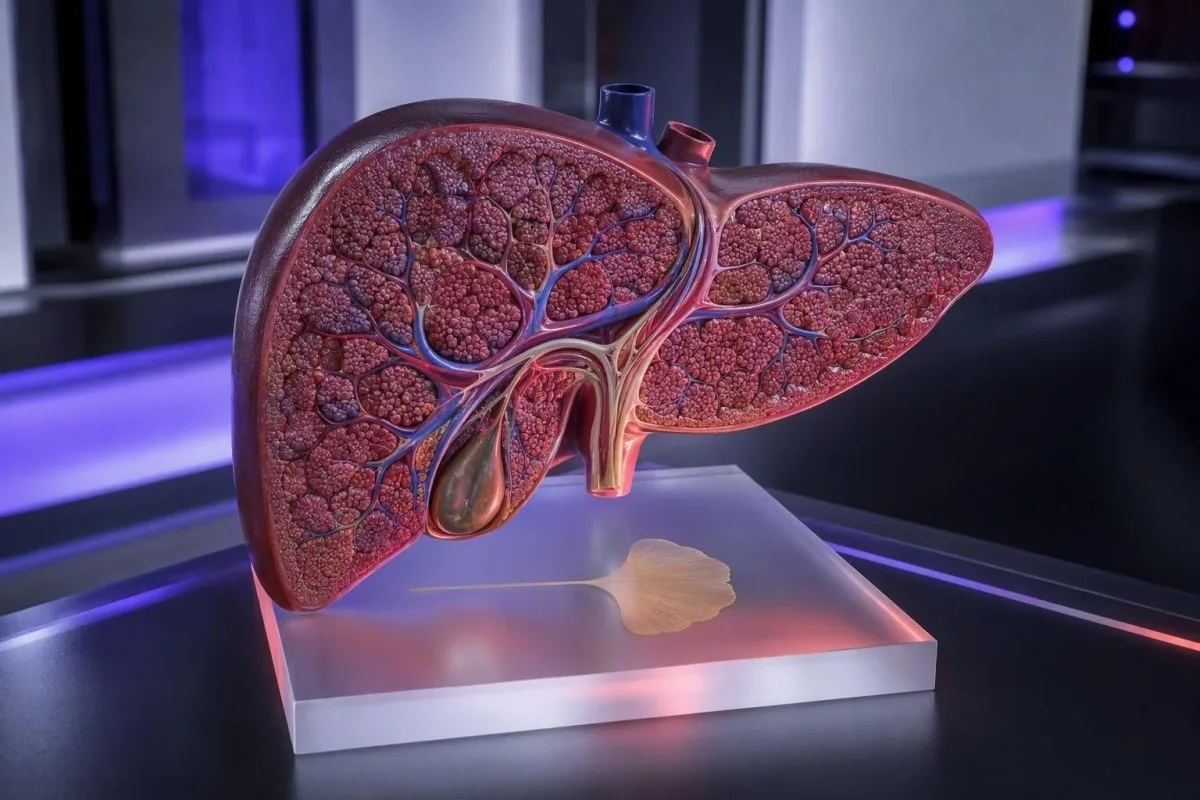
ALT je često prijavljivani jetreni enzim, ali je signal ćelijskog stresa, a ne dijagnoza. Njegovo značenje proizilazi iz veličine, obrasca, vremena i ostatka vašeg jetrenog panela.


- Značenje ALT-a: ALT je skraćenica za alanin aminotransferazu, enzim koji se meri u IU/L i koncentrisan je u ćelijama jetre.
- Типичан опсег: Mnoge odrasle laboratorije koriste gornju granicu ALT-a od 35 IU/L za žene i 45 IU/L za muškarce, iako je opseg samog izveštaja odlučujući.
- Блага елевација: ALT ispod 2 puta gornje laboratorijske granice je čest i često zaslužuje planirano ponavljanje, a ne paniku.
- образац је важан: ALT sa visokim AST, ALP, GGT, bilirubinom ili INR znači nešto drugačije od izolovane elevacije ALT-a.
- Ефекат вежбања: Intenzivni trening sa opterećenjem može povećati ALT i AST na 7 dana ili duže, posebno kada je kreatin kinaza takođe visoka.
- Преглед терапије: Acetaminofen, statini, antibiotici, lekovi protiv napada, suplementi i biljni proizvodi mogu uticati na ALT.
- Хитни симптоми: Žutica, konfuzija, jak bol u gornjem desnom delu abdomena, ponavljano povraćanje ili veoma taman urin zahtevaju kliničku procenu istog dana.
- Trend value: Pad ALT-a nakon uklanjanja okidača obično je više obećavajući nego jedan izolovani granični rezultat.
Šta ALT znači na testu krvi
ALT je skraćenica za alanin aminotransferazu, enzim koji pomaže ćelijama da prenesu amino grupe tokom metabolizma energije. Meri se jer ALT ulazi u cirkulaciju kada su ćelije jetre pod stresom ili povređene; sam po sebi ne dokazuje trajno oštećenje jetre.
ALT se uglavnom nalazi unutar hepatocita, radnih ćelija jetre, iako se male količine nalaze u skeletnim mišićima i drugim tkivima. Povišen rezultat znači da je više enzima stiglo do uzorka nego što se očekivalo; ne može identifikovati masnu jetru, hepatitis, povredu lekovima ili vežbanje bez pratećih dokaza.
U mojoj kliničkoj praksi, najkorisnije prvo pitanje nije “koliko je visok?”, već “visok u poređenju sa kojom osnovnom linijom i kojim drugim markerima?”. ALT od 58 IU/L nakon nove rutine u teretani je drugačiji problem od ALT 58 IU/L sa bilirubinom 65 µmol/L i žutim očima.
Кантести је АИ анализатор крви koji čita ALT zajedno sa AST, ALP, GGT, bilirubinom, albuminom, brojem trombocita, lekovima i prethodnim rezultatima, umesto da jedan istaknuti rezultat tretira kao dijagnozu. Za širu mapu srodnih merenja, pogledajte naš biomarker guide.
Zašto se stari naziv SGPT može pojaviti
Neki izveštaji i dalje nazivaju ALT “serum glutamic-pyruvic transaminase” ili SGPT. ALT i SGPT se odnose na isti test enzima, iako moderno laboratorijsko izveštavanje obično koristi ALT.
Zašto kliničari mere alanin aminotransferazu
Kliničari naručuju test alanin aminotransferaze za otkrivanje stresa hepatocita, praćenje poznatih bolesti jetre i proveru povreda povezanih sa lekovima. ALT je često uključen u panel jetre ili sveobuhvatni metabolički panel, čak i kada osoba nema simptome.
ALT se često proverava tokom pregleda dijabetesa ili lipida jer metabolički poremećaj povezana steatotična bolest jetre, ranije poznata kao bolest masne jetre, može biti tiha godinama. Smernice AASLD iz 2023. savetuju procenu osoba sa metaboličkim faktorima rizika i neobjašnjivim povišenjem jetrenih enzima na steatotičnu bolest jetre i rizik od fibroze (Rinella et al., 2023).
Normalan ALT ne isključuje značajnu fibrozu, a visok ALT ne meri stadijum fibroze. Video sam pacijente sa ALT 24 IU/L i značajnim ožiljcima na specijalističkoj proceni, posebno sa dijabetesom tipa 2; rezultati fibroze i snimanje odgovaraju na drugačije pitanje.
Praćenje ALT-a je takođe praktično nakon promene leka, ali ga treba planirati promišljeno. Naš vodič za godišnje analize krvi objašnjava zašto učestalost testiranja treba da prati rizik, simptome i lečenje, a ne samo naviku.
Normalni opsezi ALT-a i zašto se laboratorijske granične vrednosti razlikuju
Referentni opsezi ALT-a za odrasle obično se kreću od oko 7 do 35 IU/L za žene i 10 do 45 IU/L za muškarce, ali opsezi variraju u zavisnosti od analize, populacije i laboratorije. Uvek koristite gornju granicu odštampanu pored sopstvenog rezultata, a ne internetski presek.
Gornja granica je statistička, obično izvedena iz referentne populacije, a ne garancija da svaki vrednost ispod nje odražava potpuno zdravu jetru. Neke evropske laboratorije koriste polno-specifične gornje granice blizu 25 IU/L za žene i 35 IU/L za muškarce, što može ranije identifikovati metabolički rizik, ali takođe stvara više graničnih zastavica.
Vrednost ispod dvostruko veće gornje granice normale često se naziva blagim povišenjem. Za laboratoriju sa gornjom granicom od 40 IU/L, ALT od 55 do 80 IU/L zaslužuje kontekst i obično plan ponovnog testiranja, dok je ALT od 400 IU/L 10 puta veći od gornje granice i menja hitnost.
Dr. Tomas Klajn savetuje pacijente da sačuvaju ime laboratorije, jedinice, opseg, datum vađenja krvi, unos alkohola i vežbanje u prethodnoj nedelji. Ovo čini razlike u rezultatima između poseta mnogo interpretativnijim.
Kako ALT i AST rade zajedno
ALT i AST treba tumačiti zajedno jer je ALT relativno fokusiran na jetru, dok je AST takođe obilno prisutan u skeletnim i srčanim mišićima. AST-ALT odnos može sugerisati obrasce, ali sam po sebi ne može dijagnostikovati bolest povezanou sa alkoholom ili cirozu.
Kada ALT premaši AST, kliničari često razmatraju metaboličku steatozu, virusni hepatitis ili efekte lekova, iako postoji mnogo izuzetaka. AST:ALT odnos iznad 2 može se javiti kod povrede jetre povezane sa alkoholom, ali napredna fibroza, povreda mišića i tajming nakon akutnog oštećenja takođe mogu pomeriti odnos.
52-godišnji maratonac sa AST 89 IU/L, ALT 61 IU/L i kreatin kinazom 1.450 IU/L nakon trke zahteva drugačiji razgovor od nekoga sa istim enzimima i kreatin kinazom 90 IU/L. Razlog zašto brinemo o AST-u plus visokom CK je oslobađanje mišića; ALT sam po sebi nije toliko specifičan za mišiće, ali može i porasti.
Za mišićnu stranu ovog razlikovanja, pročitajte naše objašnjenje simptoma visokog AST-a. Ako je fizička aktivnost verovatan okidač, izbegavajte neuobičajeno naporne treninge 7 dana pre ponovnog testiranja osim ako vaš lekar ne savetuje drugačije.
Zašto ALP, GGT i bilirubin menjaju značenje ALT-a
ALT ukazuje na hepatocelularni obrazac, dok alkalna fosfataza, GGT i bilirubin pomažu u identifikaciji holestaze ili oštećenog protoka žuči. ALT plus visoki ALP i GGT bi trebalo da podstaknu razmatranje bolesti žučnih kanala, efekata lekova ili zapaljenja jetre, umesto da se pretpostavlja jednostavno masno oboljenje jetre.
Kliničar može izračunati R odnos: ALT podeljen sa njegovom gornjom granicom, zatim podeljen sa ALP podeljenim sa njegovom gornjom granicom. R odnos od 5 ili veći podržava hepatocelularno oštećenje, 2 ili manje podržava holestatsko oštećenje, a 2 do 5 sugeriše mešoviti obrazac; ovo je alat za trijažu, a ne konačna dijagnoza.
GGT je koristan kada je ALP povišen jer povišenje GGT-a podržava hepatobilijarni izvor, dok ALP takođe može porasti od metabolizma kostiju. Izolovano povećanje ALP-a uz normalan GGT stoga može dovesti do pitanja o kostima i vitaminu D, umesto do snimanja jetre.
Tamni urin, svetla stolica, svrab, groznica ili žutica sa povišenim bilirubinom nisu simptomi “sačekajte sledeći godišnji test”. Naš vodič za obrazac holestaze objašnjava kombinacije koje treba hitno proceniti.
Uobičajeni uzroci povišenog ALT-a
Povišen ALT najčešće odražava metaboličko oboljenje jetre uzrokovano masnoćom, izloženost alkoholu, virusni hepatitis, efekte lekova ili privremeno povećanje povezano sa vežbanjem. Verovatnoća svakog uzroka menja se sa telesnom težinom, glukozom, trigliceridima, obrascem unosa alkohola, putovanjima, lekovima i veličinom povećanja.
Метаболичка стеатотична болест јетре је посебно вероватна када повишење АЛТ-а прати централно гојење, триглицериди изнад 150 mg/dL, низак ХДЛ холестерол, повишен ниво глукозе наташте или дијабетес типа 2. Може се јавити и код људи мање телесне грађе, посебно са висцералном масноћом, генетиком, апнејом у сну или одређеним лековима.
Тестирање на вирусни хепатитис зависи од изложености и ризика, а не само од АЛТ-а. Хепатит Б површински антиген и хепатит Ц антитело са потврдним тестирањем РНК су стандардни део усмерене процене када историја, географија или ензимски образац то подржавају; наш водич за хепатит Ц покрива уобичајен пут.
Мање уобичајени, али важни узроци укључују хемохроматозу, аутоимуни хепатитис, Вилсонову болест код млађих особа, целијакију и недостатак алфа-1 антитрипсина. Др. Томас Клајн је видео штету од претпоставке да је сваки повишен АЛТ повезан са алкохолом; структурирана обрада је љубазнија и тачнија.
Lijekovi i suplementi koji mogu povisiti ALT
Лекови и суплементи могу повећати АЛТ директним оштећењем јетре, измењеним протоком жучи, метаболичким ефектима или неповрзаном случајношћу. Немојте нагло прекидати прописани лек због једног резултата; контактирајте прописивача који може да процени корист од лека у односу на образац и тренд.
Ацетаминофен, такође назван парацетамол, може изазвати значајно повишење АЛТ-а у случају предозирања, а понекад и блаже промене при високој терапијској изложености. За већину одраслих, уобичајени максимум је 4.000 mg дневно, али многи клиничари препоручују нижу границу за људе који редовно конзумирају алкохол, имају болест јетре, старије су особе или користе комбинације лекова за прехладу.
Статини могу произвести мала повећања АЛТ-а, међутим, озбиљно оштећење јетре повезано са статинима је ретко; прекидање кардиоваскуларног лека без савета може бити ризичније од ензимског обележја. Смернице ACG препоручују потврђивање абнормалних хемијских анализа јетре и узимање пажљиве историје рецепата, лекова који се издају без рецепта и суплемената пре опсежног тестирања (Kwo et al., 2017).
Екстракт зеленог чаја, анаболички производи, витамин А у високим дозама, прашкови за “детоксикацију” са више састојака и нерегулисани суплементи за бодибилдинг заслужују посебна питања јер етикете могу бити непотпуне. Прегледајте наш практични водич за безбедност суплемената пре додавања новог производа.
Može li vežbanje privremeno povećati ALT?
Да, интензивно вежбање може привремено повећати АЛТ, посебно након неуобичајеног тренинга са оптерећењем, издржљивости или повреде мишића. АСТ и креатин киназа обично више порасту, а вредности могу потрајати 3 до 10 дана да се нормализују у зависности од интензитета вежбања и мишићне масе.
Уобичајена заблуда је да повишен АЛТ увек значи оштећење јетре. У пракси, тешка сесија која укључује ексцентрично дизање – спори покрети спуштања – може довољно пореметити мишићне мембране да промене АСТ, АЛТ, ЛДХ и ЦК без интринзичног поремећаја јетре.
За чисто поновно тестирање, обично тражим од стабилних, добростојећих пацијената да избегавају интензиван тренинг 5 до 7 дана, избегавају алкохол неколико дана, одржавају нормалну хидратацију и користе исту лабораторију када је могуће. Ово није прикладно ако постоје симптоми упозорења или ако је АЛТ неколико пута изнад референтне вредности; те ситуације прво захтевају клинички савет.
Кантести је Алат за анализу крвних тестова уз помоћ AI коришћени у 127+ земљама који могу да упореде АЛТ, АСТ, ЦК и претходне узорке како би означили образац који је компатибилан са вежбањем, а да га не прогласе безопасним. Спортисти такође могу прегледати време тестирања крви код маратонаца.
Simptomi koji čine ALT rezultat hitnijim
Већина благих повишења АЛТ-а не изазива симптоме, али жутица, веома тамна урина, бледа столица, јаки бол у стомаку, конфузија, лако настајање модрица или упорно повраћање захтевају хитну медицинску процену. Симптоми су важни јер могу указивати на оштећено обрађивање билирубина, опструкцију жучи, акутни хепатитис или смањену синтетичку функцију јетре.
Потражите негу истог дана ако имате жуте очи или кожу, конфузију, нову поспаност, брзо погоршање бола испод десних ребара или немогућност задржавања течности. Ови симптоми носе већу тежину када је АЛТ изнад 5 пута већи од горње границе, билирубин је повишен или је INR продужен.
Трудноћа мења праг за бригу: свраб дланова или табана, бол у горњем десном делу стомака, главобоља, поремећај вида или висок крвни притисак захтевају хитну акушерску процену чак и када је АЛТ само умерено повишен. Стања специфична за трудноћу захтевају другачији пут од рутинског тестирања јетре у амбуланти.
Промене у урину могу додати додатне информације, али саме по себи нису дијагностичке. Наш чланак о узроцима тамног урина помаже у разликовању дехидрације и лекова од знакова упозорења повезаних са билирубином.
Šta se obično dešava nakon abnormalnog ALT rezultata
Након абнормалног резултата АЛТ-а, клиничари обично потврђују резултат, прегледају изложености и понављају или проширују панел на основу величине повишења и симптома. Један благи резултат често доводи до понављања за неколико недеља до неколико месеци, док значајно повишење или жутица захтевају бржу процену.
Разуман први преглед укључује узорак алкохола, недавне болести, промене телесне тежине, путовања, породичну историју, рецепте и лекове без рецепта, суплементе и вежбање током претходних 7 дана. Уобичајени пратећи тестови укључују АСТ, АЛП, ГГТ, билирубин, албумин, комплетну крвну слику, INR, скрининг хепатитиса, феритин са засићењем трансферина и глукозу или HbA1c.
Ултразвук је често користан за стеатозу, камење у жучи, дилатацију жучних канала или структурне промене, али не процењује поуздано рану фиброзу. ФИБ-4 користи старост, АСТ, АЛТ и број тромбоцита за процену ризика од фиброзе; постаје мање поуздан испод 35 година и не би требало да се користи током акутних болести.
Kantesti AI je услузи за тумачење лабораторијских тестова заснованој на AI-у који организује ове повезане маркере и лонгитудиналне резултате за дискусију са лекаром. Наш објашњење панела за јетру показује шта свака пратећа компонента доприноси.
Zašto su ALT trendovi korisniji od jednog broja
АЛТ тренд је често информативнији од једног резултата јер показује да ли се сигнал решава, упоран је или убрзава. Промена са 72 на 34 ИУ/Л након 6 недеља носи другачију клиничку поруку од 34 на 72 ИУ/Л, чак и ако оба броја могу бити близу лабораторијског граничника.
Биолошка варијација, хидратација, варијација теста и време могу умерено померати АЛТ између узорака. Понављање у истој лабораторији, у слично доба дана, након упоредиве активности и изложености алкохолу, смањује шум и олакшава идентификацију стварне промене.
Упорно повишење дуже од 6 месеци заслужује промишљенију процену, посебно код дијабетеса, гојазности, породичне историје болести јетре, пада броја тромбоцита или пораста билирубина. Напротив, стабилан благи АЛТ код темељно процењеног пацијента може се пратити уместо да се јури понављаним опсежним тестирањем.
Kantesti АИ тумачи АЛТ трендове са пратећим АСТ, бројем тромбоцита, билирубином и метаболичким маркерима, уместо да промену од 3 ИУ/Л третира као прогресију болести. Погледајте наш водич за лонгитудинално тестирање за детаље вредне записивања након сваког узорка.
Zablude o ALT-u koje mogu dovesti do loših odluka
АЛТ није “тестови функције јетре” у строгом смислу јер мери цурење ензима, а не способност јетре да производи албумин, факторе коагулације или жуч. Албумин, INR, билирубин, број тромбоцита, симптоми и снимање могу испричати значајнију причу него сам АЛТ.
Нормалан АЛТ не даје дозволу да се игнорише тежак унос алкохола, дијабетес или јака породична историја болести јетре. Исто тако, повишен АЛТ не доказује да је алкохол био узрок; ова претпоставка може нарушити поверење и одложити дијагнозу вирусних, аутоимуних, генетских или стања повезаних са лековима.
“Детоксикација јетре” су још једна уобичајена замка. Јетра већ обавља метаболизам и клиренс, док агресивно гладовање, нерегулисано биље и брз губитак тежине понекад могу погоршати симптоме или лабораторијске маркере; докази за комерцијалне режиме детоксикације су искрено слаби.
Ако је исхрана део дискусије, фокусирајте се на одрживу промену тежине, адекватан протеин, влакна и смањену ултра-процесуирану храну, а не на чудотворне производе. Наш водич за исхрану јетре заснован на доказима је сигурнија полазна тачка.
Tumačenje ALT-a kod dece, trudnica i starijih osoba
Тумачење АЛТ-а захтева контекст специфичан за узраст код деце, трудноће и старијих особа јер се референтни лимити и вероватни узроци разликују. Педијатријски АЛТ граничници су често нижи од одраслих лабораторијских опсега, а симптоми јетре повезани са трудноћом захтевају бржу процену под вођством специјалисте.
Код деце, болест стеатотичне јетре повезана са гојазношћу се све више препознаје, али вирусне болести, поремећаји мишића, целијакија и наследна метаболичка стања морају остати у диференцијалној дијагнози. Педијатријски лекар треба да тумачи упорно повишење АЛТ-а уместо да примењује размишљање одраслих “испод 40 ИУ/Л је у реду”.
Током трудноће, АЛТ би генерално требало да остане унутар референтног интервала за труднице; пораст са хипертензијом, ниским тромбоцитима, сврабом или мучнином захтева хитну процену специфичних поремећаја трудноће. Албумин често опада због повећања запремине плазме, тако да се албумин и АЛТ не смеју тумачити истом логиком.
Код старијих особа, полипрагмазија и крхкост повећавају вредност потпуног прегледа лекова. Наш водич за лабораторијске тестове за старије особе izlaže pitanja koja treba postaviti na sastanku.
Bezbedno korišćenje AI tumačenja za ALT rezultate
AI može pomoći u organizaciji ALT rezultata, ali ne može vas pregledati, potvrditi simptome, niti zameniti medicinsku procenu potencijalno ozbiljnog obrasca jetre. Najbezbednija upotreba je priprema: identifikujte obrazac, sačuvajte originalni izveštaj i postavite fokusirana pitanja kvalifikovanom kliničaru.
Od 5. septembra 2026., Kantesti je AI платформа за тумачење крвне слике koji pregleda učitane laboratorijske izveštaje za oko 60 sekundi i stavlja ALT u kontekst povezanih vrednosti, istorije trendova i prijavljenih lekova. Dizajniran je da poboljša kvalitet pitanja, a ne da postavlja dijagnozu ili propisuje terapiju.
Radi tačnosti, proverite da li je slika izveštaja čitljiva, da li su jedinice ispravno zabeležene i da se rezultat iz prethodne godine ne pogrešno smatra današnjom vrednošću. Klinički pristup Kantesti-a oblikovan je lekarskim nadzorom; čitaoci mogu pregledati naš стандарди медицинске валидације и Медицински саветодавни одбор prilikom odlučivanja kako koristiti interpretaciju podržanu veštačkom inteligencijom.
Ponesite tri stvari na pregled: kompletan panel, spisak svakog leka i suplementa sa dozama, i vremensku liniju konzumacije alkohola, bolesti, putovanja i intenzivnog vežbanja. Ta skromna priprema često sprečava nepotrebnu uzbunu i sprečava da se propusti značajan obrazac.
Praktična kontrolna lista pre vašeg sledećeg ALT testa
Pre planiranog ALT ponovnog testiranja, održavajte svoju rutinu stabilnom i dokumentujte faktore koji mogu pomeriti enzime. Izbegavajte naporan trening 5 do 7 dana gde je klinički bezbedno, izbegavajte alkohol nekoliko dana i nemojte menjati propisane lekove osim ako vam lekar ne kaže drugačije.
Zabeležite upotrebu acetaminofena ili paracetamola, antibiotika, novih suplemenata, nedavne groznice, gastroenteritisa, vakcina, posta i brzog gubitka težine. Post obično nije potreban samo za ALT, mada se može zatražiti ako se glukoza, trigliceridi ili drugi testovi mere tokom iste posete.
Pitajte kliničara da li ponovni ALT treba da uključi AST, ALP, GGT, bilirubin, albumin, trombocite i CK. Odgovor često zavisi od prvog obrasca; izolovani ALT od 48 IU/L nakon dizanja tegova ne zahteva isti postupak kao ALT 248 IU/L sa bilirubinom 48 µmol/L.
Ako vam je potrebna pomoć pri sastavljanju pitanja iz vašeg izveštaja, naš kontrolni spisak tačnosti AI izveštaja je koristan pre posete. Za organizacione informacije o našem radu, pogledajte О Кантестију.
Често постављана питања
Šta znači ALT u laboratorijskim nalazima?
ALT označava alanin aminotransferazu, enzim koji se pretežno nalazi u ćelijama jetre i meri se u internacionalnim jedinicama po litru (IU/L). Mnoge laboratorije koriste gornje granice oko 35 IU/L za odrasle žene i 45 IU/L za odrasle muškarce, mada je referentni interval odštampan na pojedinačnom izveštaju ispravan poređenjem. Povišeni ALT signalizira stres ili povredu ćelija, ali sam po sebi ne može utvrditi uzrok. AST, ALP, GGT, bilirubin, lekovi, alkohol, vežbanje i simptomi određuju šta rezultat znači.
Da li je ALT 50 IU/L visoko?
ALT od 50 IU/L je blago povišen u laboratorijama sa gornjom granicom od 35 ili 40 IU/L, ali je blizu normalne vrednosti u nekim laboratorijama sa gornjom granicom od 55 IU/L. Vrednost oko 50 IU/L je obično manje hitna kada su bilirubin, ALP, INR i simptomi normalni, iako i dalje zaslužuje kontekst i često ponovno testiranje. Nedavna vežba sa tegovima, alkohol, metabolička steatoza, lekovi i suplementi su česti razlozi. Trajno povišenje duže od 6 meseci zahteva strukturirani klinički pregled.
Да ли вежбање може да подигне нивое ALT?
Intenzivno vežbanje može povisiti vrednosti ALT, AST, LDH i kreatin kinaze jer skeletni mišići oslobađaju enzime nakon intenzivnog ili neobičnog napora. Povišene vrednosti mogu potrajati od 3 do 10 dana, pri čemu se AST i kreatin kinaza često povećavaju više od ALT. Izbegavanje neuobičajeno napornih aktivnosti 5 do 7 dana pre planiranog ponavljanja može razjasniti da li je vežbanje doprinelo tome. Izraženo povišenje ALT, žutica, jak bol ili tamni urin i dalje zahtevaju hitan medicinski savet, umesto da se pretpostavlja da je vežbanje odgovorno.
Шта је важније, АЛТ или АСТ?
Nijedan od enzima ALT ni AST nije univerzalno važniji jer kombinacija pruža više informacija nego svaki rezultat pojedinačno. ALT je više fokusiran na jetru, dok je AST takođe prisutan u skeletnim mišićima i može značajno porasti nakon vežbanja ili povrede mišića. AST-ALT odnos iznad 2 može se javiti kod povrede jetre povezane sa alkoholom, ali nije dijagnostički i takođe se može pojaviti kod uznapredovale fibroze ili oslobađanja iz mišića. Kliničari tumače obe vrednosti zajedno sa GGT, ALP, bilirubinom, kreatin kinazom, brojem trombocita i kliničkom istorijom.
Kada povišen nivo ALT-a treba tretirati kao hitan slučaj?
Povišen nalaz ALT-a zahteva hitnu procenu kada je veći od 5 puta iznad gornje laboratorijske granice, naglo raste, ili se javlja uz žuticu, konfuziju, jak bol u desnom gornjem kvadrantu abdomena, uporno povraćanje, lako nastajanje modrica ili veoma tamnu mokraću. Povišen bilirubin, produženi INR, nizak nivo glukoze ili nizak broj trombocita mogu povećati zabrinutost jer mogu ukazivati na više od izolovanog oslobađanja enzima. Svrab povezan sa trudnoćom, glavobolja, vidni simptomi ili visok krvni pritisak uz povišen ALT takođe zahtevaju hitnu akušersku procenu. Izolovana blaga vrednost ispod 2 puta iznad gornje granice se obično procenjuje manje hitno, ali se ne sme zanemariti.
Može li masna jetra uzrokovati povišeni ALT?
Метаболичко дисфункционална стеатотична болест јетре је чест узрок благо повишеног ALT, посебно уз триглицериде изнад 150 mg/dL, повишен глукозу, тип 2 дијабетес, централно повећање телесне тежине или низак HDL холестерол. ALT може бити нормалан упркос масноћи или фибрози јетре, тако да нормалан резултат не искључује клинички релевантну болест. Водич AASLD из 2023. подржава процену ризика од фиброзе код особа са метаболичким факторима ризика и необјашњеним повишењем ензима. Одрживо управљање тежином, контрола дијабетеса, смањење алкохола и праћење под стручним надзором су више засновани на доказима него детокс производи.
Укључите AI анализу крвне слике данас
Придружите се више од 2 милиона корисника широм света који верују Kantesti-у за тренутну и прецизну анализу лабораторијских тестова. Отпремите своје резултате крвне слике и добијте свеобухватно тумачење 15,000+ биомаркера за неколико секунди.
📚 Референциране научне публикације
Klajn, T., Mičel, S., i Veber, H. (2026). Врста крви Б негативна, водич за LDH тест крви и број ретикулоцита. Kantesti AI Medical Research.
Klajn, T., Mičel, S., i Veber, H. (2026). Дијареја након поста, црне мрље у столици и гастроинтестинални тракт: водич за 2026. годину. Kantesti AI Medical Research.
📖 Спољне медицинске референце
⚕️ Медицинска одрицање одговорности
Овај чланак је само у образовне сврхе и не представља медицински савет. За одлуке о дијагнози и лечењу увек се консултујте са квалификованим здравственим радником.
Е-Е-А-Т сигнали поверења
Искуство
Клиничка ревизија процеса тумачења лабораторијских налаза коју води лекар.
Експертиза
Фокус на лабораторијску медицину: како се биомаркери понашају у клиничком контексту.
Ауторитативност
Написао др Томас Клајн, уз рецензију др Саре Мичел и проф. др Ханса Вебера.
Поузданост
Тумачење засновано на доказима, са јасним путевима праћења како би се смањила узнемиреност.