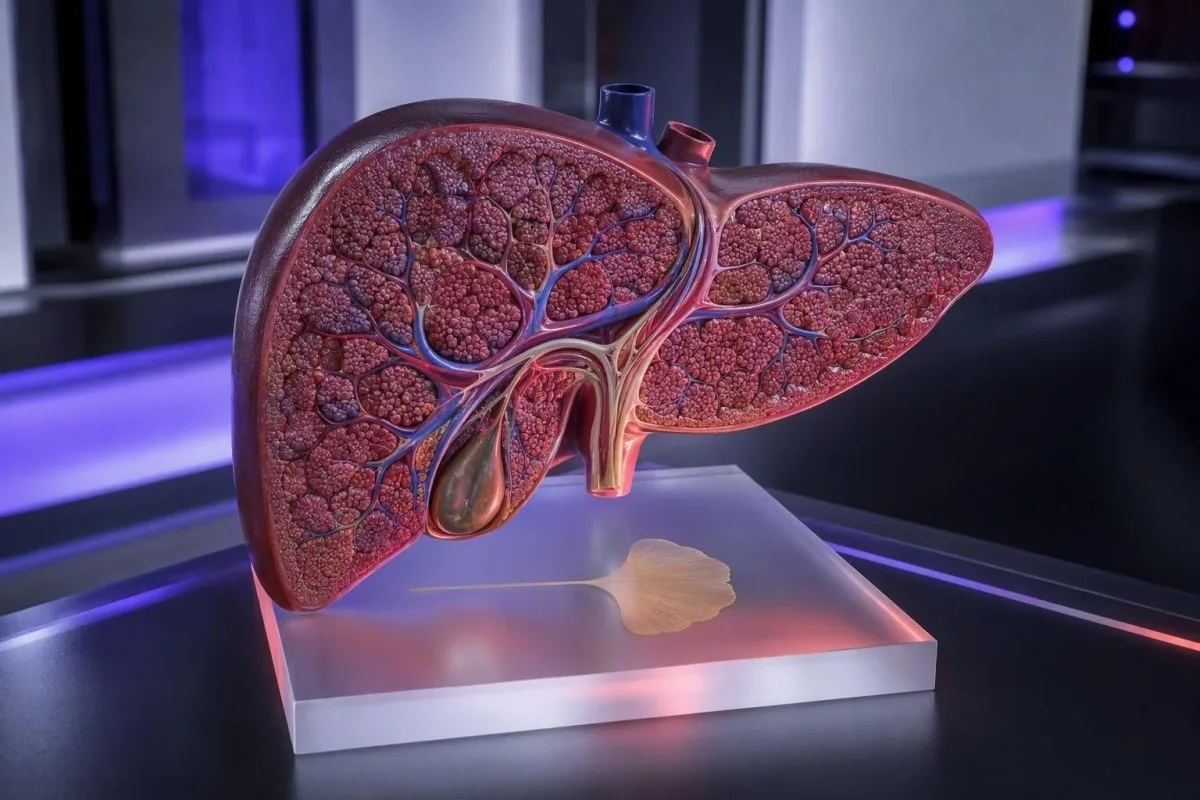
ALT 是一种常用的肝酶报告,但它更像是细胞应激的信号,而不是诊断。其意义取决于其大小、模式、时间以及您的其他肝脏检查结果。.

本指南在以下人员的领导下撰写: 托马斯·克莱因医学博士 与……合作 Kantesti AI 医疗顾问委员会, 其中包括 Hans Weber 教授博士的贡献以及 Sarah Mitchell 医学博士、哲学博士的医学审查。.
托马斯·克莱因,医学博士
Kantesti AI首席医疗官
Thomas Klein 博士是经董事会认证的临床血液科医师兼内科医师,拥有超过 15 年的实验室医学与 AI 辅助临床分析经验。作为 Kantesti AI 的首席医疗官,他负责对专有神经网络的医疗准确性进行临床监督。Klein 博士已发表关于生物标志物解读与实验室诊断的研究。.
Sarah Mitchell,医学博士,哲学博士
首席医学顾问 - 临床病理学和内科
Sarah Mitchell博士是获得董事会认证的临床病理科医生,拥有超过18年的实验室医学与诊断分析经验。她在临床化学方面拥有专业认证,并在临床实践中就生物标志物面板与实验室分析发表了大量研究成果。.
汉斯·韦伯教授,博士
实验室医学与临床生物化学教授
Hans Weber教授博士在临床生物化学、实验室医学和生物标志物研究方面拥有30年以上的专业经验。曾任德国临床化学学会主席,他专注于诊断面板分析、生物标志物标准化以及AI辅助的实验室医学。.
- ALT 意义: ALT 是丙氨酸氨基转移酶的缩写,一种以 IU/L 为单位测量的酶,主要集中在肝细胞中。.
- 典型范围: 许多成人实验室使用女性 ALT 上限为 35 IU/L,男性为 45 IU/L,但报告自身的范围具有决定性。.
- 轻度升高: ALT 低于实验室上限的 2 倍很常见,通常需要计划复查,而不是恐慌。.
- 需要关注模式: ALT 伴随 AST、ALP、GGT、胆红素或 INR 升高,其意义不同于单独的 ALT 升高。.
- 运动影响: 大重量阻力训练会使 ALT 和 AST 升高 7 天或更长时间,特别是肌酸激酶也高时。.
- 用药回顾: 乙酰氨基酚、他汀类药物、抗生素、抗癫痫药物、补充剂和草药产品可能会影响 ALT。.
- 伴随ALP升高的紧急症状包括: 黄疸、意识模糊、右上腹剧痛、反复呕吐或尿色非常深,需要当天进行临床评估。.
- 趋势值:去除触发因素后ALT下降通常比单一的临界值结果更令人放心。.
ALT 在血液检查中的意义
ALT 代表丙氨酸氨基转移酶, ,这是一种在能量代谢中帮助细胞转移氨基的酶。检测它是由于当肝细胞受到压力或损伤时,ALT会进入血液循环;它本身并不能证明肝脏有永久性损伤。.
ALT主要存在于肝细胞(肝脏的活性细胞)内,尽管少量也存在于骨骼肌和其他组织中。结果升高意味着样本中酶的含量高于预期;在没有伴随证据的情况下,它无法确定脂肪肝、肝炎、药物损伤或运动。.
在我的临床实践中,最有用的第一个问题不是“有多高?”,而是“与哪个基线和其他标记物相比有多高?”。新健身计划后的ALT为58 IU/L与胆红素为65 µmol/L和眼睛发黄的ALT 58 IU/L是不同的问题。.
Kantesti 是一个 人工智能血液检测分析仪 读取ALT以及AST、ALP、GGT、胆红素、白蛋白、血小板计数、药物和既往结果,而不是将单个异常值视为诊断。有关相关测量的更广泛图表,请参阅我们的 生物标志物指南.
为什么可能会出现旧名称SGPT
某些报告仍将ALT称为“谷氨酸丙酮酸转氨酶”或 SGPT. 。ALT和SGPT指的是同一种酶检测,尽管现代实验室报告通常使用ALT。.
临床医生为何测量丙氨酸氨基转移酶
临床医生会进行 丙氨酸氨基转移酶检测 以检测肝细胞应激,监测已知的肝脏疾病,并筛查药物相关损伤。即使某人没有症状,ALT也经常包含在肝功能检查或综合代谢检查中。.
ALT通常在糖尿病或血脂检查期间进行,因为代谢功能障碍相关性脂肪性肝病(以前称为脂肪肝病)可能在多年内无症状。2023年AASLD指南建议对具有代谢风险因素和不明原因的肝酶升高的个体进行评估,以确定脂肪性肝病和纤维化风险(Rinella等,2023)。.
正常的ALT不能排除显著的纤维化,而升高的ALT也不能衡量纤维化分期。我曾见过ALT为24 IU/L且经专科评估有明显疤痕的患者,特别是患有2型糖尿病的患者;纤维化评分和影像学检查回答的是不同的问题。.
药物改变后也可以对ALT进行监测,但应有计划地安排。我们的 年度血液检查 指南解释了为什么检测频率应遵循风险、症状和治疗,而不是仅仅遵循习惯。.
ALT 正常范围及其变化原因
成人ALT参考范围通常为女性约7至35 IU/L,男性约10至45 IU/L,但范围因检测方法、人群和实验室而异。务必使用您自己结果旁边的上限值,而不是互联网上的截止值。.
上限是统计学的,通常源自参考人群,而不是保证低于它的每个值都反映了一个完全健康的肝脏。一些欧洲实验室使用特定性别的上限值,女性接近25 IU/L,男性接近35 IU/L,这可以更早地识别代谢风险,但也会产生更多的临界值标记。.
低于正常上限两倍以下的值通常称为轻度升高。对于上限为40 IU/L的实验室,ALT 55至80 IU/L需要结合具体情况考虑,并且通常需要重复检查计划,而ALT 400 IU/L是上限的10倍,这会改变紧急程度。.
Dr. Thomas Klein advises patients to save the laboratory name, units, range, draw date, alcohol intake, and exercise in the preceding week. This makes result differences between visits far more interpretable.
ALT 和 AST 如何协同作用
ALT and AST should be interpreted together because ALT is relatively liver-focused while AST is also abundant in skeletal and cardiac muscle. An AST-to-ALT ratio can suggest patterns, but it cannot diagnose alcohol-related disease or cirrhosis alone.
When ALT exceeds AST, clinicians often consider metabolic steatosis, viral hepatitis, or medication effects, though there are plenty of exceptions. An AST:ALT ratio above 2 can occur in alcohol-associated liver injury, but advanced fibrosis, muscle injury, and timing after an acute insult can also shift the ratio.
A 52-year-old marathon runner with AST 89 IU/L, ALT 61 IU/L, and creatine kinase 1,450 IU/L after a race needs a different conversation from someone with the same enzymes and creatine kinase 90 IU/L. The reason we worry about AST plus high CK is muscle release; ALT alone is less muscle-specific but can rise too.
For the muscle side of this distinction, read our explanation of high AST symptoms. If physical activity is a plausible trigger, avoid unusually strenuous training for 7 days before the repeat unless your clinician advises otherwise.
ALP、GGT 和胆红素如何改变 ALT 的意义
ALT indicates a hepatocellular pattern, whereas alkaline phosphatase, GGT, and bilirubin help identify cholestasis or impaired bile flow. ALT plus high ALP and GGT should prompt consideration of bile-duct disease, medication effects, or hepatic inflammation rather than assuming simple fatty liver.
A clinician may calculate an R ratio: ALT divided by its upper limit, then divided by ALP divided by its upper limit. An R ratio of 5 or greater supports hepatocellular injury, 2 or less supports cholestatic injury, and 2 to 5 suggests a mixed pattern; this is a triage tool, not a final diagnosis.
GGT is useful when ALP is elevated because GGT elevation supports a hepatobiliary source, while ALP can also rise from bone turnover. An isolated ALP rise with normal GGT can therefore lead toward bone and vitamin D questions rather than liver imaging.
Dark urine, pale stools, itch, fever, or jaundice with elevated bilirubin are not “wait for the next annual test” symptoms. Our 胆汁淤积模式指南 explains the combinations that should be assessed promptly.
ALT 升高的常见原因
Elevated ALT most often reflects metabolic steatotic liver disease, alcohol exposure, viral hepatitis, medication effects, or a temporary exercise-related rise. The probability of each cause changes with body weight, glucose, triglycerides, alcohol pattern, travel, medicines, and the size of the elevation.
Metabolic steatotic liver disease is especially likely when ALT elevation accompanies central weight gain, triglycerides above 150 mg/dL, low HDL cholesterol, raised fasting glucose, or type 2 diabetes. It can occur in people with smaller bodies too, particularly with visceral fat, genetics, sleep apnea, or certain medicines.
Viral hepatitis testing depends on exposure and risk, not ALT alone. Hepatitis B surface antigen and hepatitis C antibody with confirmatory RNA testing are standard parts of a focused evaluation when the history, geography, or enzyme pattern supports it; our hepatitis C guide covers the usual pathway.
Less common but important causes include hemochromatosis, autoimmune hepatitis, Wilson disease in younger people, celiac disease, and alpha-1 antitrypsin deficiency. Dr. Thomas Klein has seen the harm of assuming every elevated ALT is alcohol-related; a structured work-up is kinder and more accurate.
可能导致 ALT 升高的药物和补充剂
Medicines and supplements can raise ALT through direct liver injury, altered bile flow, metabolic effects, or an unrelated coincidence. Do not stop a prescribed medicine abruptly because of one result; contact the prescriber who can weigh the drug benefit against the pattern and trend.
Acetaminophen, also called paracetamol, can cause marked ALT elevation in overdose and sometimes milder changes at high therapeutic exposure. For most adults, the usual maximum is 4,000 mg daily, but many clinicians recommend a lower ceiling for people who drink alcohol regularly, have liver disease, are older, or use combination cold remedies.
Statins can produce small ALT increases, yet serious statin-related liver injury is rare; stopping a cardiovascular medicine without advice can be riskier than the enzyme flag. The ACG guideline recommends confirming abnormal liver chemistries and taking a careful prescription, over-the-counter, and supplement history before extensive testing (Kwo et al., 2017).
Green tea extract, anabolic products, high-dose vitamin A, multi-ingredient “detox” powders, and unregulated bodybuilding supplements deserve specific questions because labels can be incomplete. Review our practical supplement safety guide before adding a new product.
运动会暂时升高 ALT 吗?
Yes, strenuous exercise can temporarily increase ALT, particularly after unfamiliar resistance training, endurance events, or muscle injury. AST and creatine kinase usually rise more prominently, and values may take 3 to 10 days to settle depending on exercise intensity and muscle mass.
The common misconception is that a raised ALT always means liver damage. In practice, a hard session involving eccentric lifting—slow lowering movements—can disrupt muscle membranes enough to alter AST, ALT, LDH, and CK without an intrinsic liver disorder.
For a clean recheck, I usually ask stable, well patients to avoid vigorous training for 5 to 7 days, avoid alcohol for several days, keep hydration normal, and use the same laboratory when possible. This is not appropriate if there are red-flag symptoms or an ALT several times above range; those situations need clinical advice first.
Kantesti 是一个 基于 AI 的血液检测分析工具 used across 127+ countries that can compare ALT, AST, CK, and prior draws to flag an exercise-compatible pattern without declaring it harmless. Athletes can also review marathon blood test timing.
使 ALT 结果更显紧迫的症状
Most mild ALT elevations cause no symptoms, but jaundice, very dark urine, pale stool, severe abdominal pain, confusion, easy bruising, or persistent vomiting require prompt medical assessment. Symptoms matter because they can indicate impaired bilirubin handling, bile obstruction, acute hepatitis, or reduced liver synthetic function.
Seek same-day care for yellow eyes or skin, confusion, new sleepiness, rapidly worsening pain under the right ribs, or inability to keep fluids down. These symptoms carry more weight when ALT is above 5 times the upper limit, bilirubin is elevated, or INR is prolonged.
Pregnancy changes the threshold for concern: itching of palms or soles, right-upper abdominal discomfort, headache, visual disturbance, or high blood pressure needs urgent obstetric assessment even when ALT is only modestly elevated. Pregnancy-specific conditions require a different pathway from routine outpatient liver testing.
Urine changes can add clues but are not diagnostic by themselves. Our article on dark urine causes helps distinguish dehydration and medicines from bilirubin-related warning signs.
异常 ALT 结果后通常会发生什么
After an abnormal ALT result, clinicians usually confirm the result, review exposures, and repeat or expand the panel based on the elevation size and symptoms. A single mild result often leads to a repeat in weeks to a few months, while marked elevation or jaundice warrants faster assessment.
A sensible first review includes alcohol pattern, recent illness, body weight changes, travel, family history, prescription and non-prescription drugs, supplements, and exercise during the prior 7 days. Common follow-up tests include AST, ALP, GGT, bilirubin, albumin, full blood count, INR, hepatitis screening, ferritin with transferrin saturation, and glucose or HbA1c.
Ultrasound is often useful for steatosis, gallstones, bile-duct dilation, or structural change, but it does not reliably stage early fibrosis. FIB-4 uses age, AST, ALT, and platelet count to estimate fibrosis risk; it becomes less reliable below age 35 and should not be used during acute illness.
Kantesti AI 是一种 AI 实验室检测解读服务 that organizes these related markers and longitudinal results for discussion with a clinician. Our liver panel explainer shows what each follow-up component contributes.
ALT 趋势为何比单个数字更有用
An ALT trend is often more informative than a single result because it shows whether the signal is resolving, persistent, or accelerating. A change from 72 to 34 IU/L after 6 weeks carries a different clinical message than 34 to 72 IU/L, even though both numbers may be near a laboratory cutoff.
Biological variation, hydration, assay variation, and timing can move ALT modestly between draws. Repeating at the same laboratory, at a similar time of day, after comparable activity and alcohol exposure, reduces noise and makes a real change easier to identify.
Persistent elevation for more than 6 months merits a more deliberate assessment, particularly with diabetes, obesity, family history of liver disease, platelet decline, or rising bilirubin. Conversely, a stable mild ALT in a thoroughly assessed patient may be monitored rather than chased with repeated broad testing.
Kantesti AI interprets ALT trends with the accompanying AST, platelet count, bilirubin, and metabolic markers rather than treating a 3 IU/L shift as disease progression. See our 纵向检测指南 for the details worth recording after each draw.
可能导致错误决策的 ALT 误解
ALT is not a “liver function test” in the strict sense because it measures enzyme leakage, not the liver's ability to make albumin, clotting factors, or bile. Albumin, INR, bilirubin, platelet count, symptoms, and imaging may tell a more consequential story than ALT alone.
Normal ALT does not give permission to ignore heavy alcohol intake, diabetes, or a strong family history of liver disease. Likewise, elevated ALT does not prove that alcohol was the cause; this assumption can damage trust and delay diagnosis of viral, autoimmune, genetic, or medication-related conditions.
“Liver detoxes” are another common trap. The liver already handles metabolism and clearance, while aggressive fasting, unregulated herbs, and rapid weight loss can sometimes worsen symptoms or laboratory markers; evidence for commercial detox regimens is honestly poor.
If diet is part of the discussion, focus on sustainable weight change, adequate protein, fiber, and reduced ultra-processed food rather than miracle products. Our evidence-based 肝脏饮食指南 is a safer starting point.
妊娠期、儿童期和老年人的 ALT 解读
ALT interpretation needs age-specific context in children, pregnancy, and older adults because reference limits and likely causes differ. Pediatric ALT cutoffs are often lower than adult laboratory ranges, and pregnancy-related liver symptoms require faster specialist-led assessment.
In children, obesity-related steatotic liver disease is increasingly recognized, but viral illnesses, muscle disorders, celiac disease, and inherited metabolic conditions must remain in the differential. A pediatric clinician should interpret persistent ALT elevation rather than applying adult “under 40 IU/L is fine” thinking.
During pregnancy, ALT should generally remain within the non-pregnant reference interval; a rise with hypertension, low platelets, itching, or nausea needs prompt assessment for pregnancy-specific disorders. Albumin commonly falls due to plasma-volume expansion, so albumin and ALT should not be interpreted with the same logic.
In older adults, polypharmacy and frailty increase the value of a full medicine review. Our senior medication lab guide outlines questions to bring to the appointment.
安全地使用 AI 解读 ALT 结果
AI can help organize an ALT result, but it cannot examine you, verify symptoms, or replace medical assessment for a potentially serious liver pattern. The safest use is preparation: identify the pattern, preserve the original report, and bring focused questions to a qualified clinician.
As of September 5, 2026, Kantesti is an AI 血液检查解读平台 that reviews uploaded laboratory reports in about 60 seconds and places ALT in the context of related values, trend history, and reported medications. It is designed to improve the quality of questions, not to issue a diagnosis or prescribe treatment.
For accuracy, check that the report image is readable, the units are captured correctly, and a result from a prior year is not mistaken for today's value. Kantesti's clinical approach is shaped by physician oversight; readers can review our 医学验证标准 和 医疗顾问委员会 when deciding how to use AI-supported interpretation.
Bring three things to a review: the full panel, a list of every medicine and supplement with doses, and a timeline of alcohol, illness, travel, and intense exercise. That modest preparation often prevents unnecessary alarm and prevents a meaningful pattern from being missed.
下次 ALT 检查前的实用清单
Before a planned ALT retest, keep your routine steady and document factors that can shift enzymes. Avoid heavy training for 5 to 7 days where clinically safe, avoid alcohol for several days, and do not change prescribed medicines unless the prescriber tells you to.
Record any acetaminophen or paracetamol use, antibiotics, new supplements, recent fever, gastroenteritis, vaccines, fasting, and rapid weight change. Fasting is not usually required for ALT alone, though it may be requested if glucose, triglycerides, or other tests are being measured at the same visit.
Ask the clinician whether repeat ALT should include AST, ALP, GGT, bilirubin, albumin, platelets, and CK. The answer often depends on the first pattern; an isolated ALT of 48 IU/L after weightlifting does not need the same work-up as ALT 248 IU/L with bilirubin 48 µmol/L.
If you need help assembling questions from your report, our AI 报告准确性核对清单 is useful before the visit. For organizational information about our work, see 关于坎泰斯蒂.
常见问题
ALT 在化验结果中代表什么?
ALT (丙氨酸氨基转移酶) 是一种主要存在于肝细胞中的酶,以国际单位/升 (IU/L) 为单位进行测量。许多实验室使用的上限约为成年女性 35 IU/L,成年男性 45 IU/L,但个体报告上打印的参考区间才是正确的参照标准。ALT 升高表明细胞受到压力或损伤,但本身无法确定原因。AST、ALP、GGT、胆红素、药物、酒精、运动和症状决定了结果的意义。.
ALT 50 IU/L 偏高吗?
ALT 50 IU/L 在上限为 35 或 40 IU/L 的实验室中属于轻度升高,但在上限为 55 IU/L 的一些实验室中接近正常。当胆红素、ALP、INR 和症状正常时,50 IU/L 左右的值通常不太紧急,但仍需结合具体情况并经常复查。近期举重、饮酒、代谢性脂肪变性、药物和补充剂是常见原因。持续升高超过 6 个月需要进行系统性临床评估。.
运动会提高ALT水平吗?
剧烈运动会升高 ALT、AST、LDH 和肌酸激酶,因为骨骼肌在剧烈或不熟悉的劳损后会释放酶。升高可能持续 3 至 10 天,其中 AST 和肌酸激酶的升高幅度通常大于 ALT。在计划重复检查前 5 至 7 天避免异常剧烈的活动,可以弄清楚运动是否是导致升高的原因。如果 ALT 显著升高、出现黄疸、剧烈疼痛或尿色深,仍需立即就医,而不是假定是运动造成的。.
哪个更重要,ALT 还是 AST?
ALT 和 AST 并非有一个是普遍更重要的,因为两者结合比单独的任何一个结果都能提供更多信息。ALT 更侧重于肝脏,而 AST 也存在于骨骼肌中,在运动或肌肉损伤后可能会显著升高。AST 与 ALT 的比率高于 2 可能发生在酒精相关的肝损伤中,但这并非诊断性的,也可能出现在晚期纤维化或肌肉释放的情况下。临床医生会结合 GGT、ALP、胆红素、肌酸激酶、血小板计数以及临床病史来解读这两个值。.
何时应将ALT结果升高视为紧急情况?
ALT升高值超过实验室上限的5倍、快速升高或伴有黄疸、意识模糊、右上腹剧痛、持续呕吐、容易瘀伤或尿液颜色非常深时,需要紧急评估。胆红素升高、INR延长、血糖低或血小板计数低会增加担忧,因为它们可能表明存在孤立性酶释放以外的问题。妊娠相关瘙痒、头痛、视力症状或高血压伴ALT升高也需要紧急产科评估。孤立的轻度结果,低于上限的2倍,通常评估不那么紧急,但也不应被忽视。.
脂肪肝会导致ALT升高吗?
代谢功能障碍相关性脂肪性肝病是 ALT 轻度升高的常见原因,尤其是在甘油三酯高于 150 mg/dL、血糖升高、2 型糖尿病、中心性肥胖或 HDL 胆固醇偏低的情况下。尽管存在肝脏脂肪或纤维化,ALT 也可能正常,因此正常结果并不能排除临床相关性疾病。2023 年 AASLD 指南支持对具有代谢风险因素和不明原因酶升高的人群进行纤维化风险评估。可持续的体重管理、糖尿病控制、减少饮酒和临床医生指导的监测比排毒产品有更多的循证依据。.
立即获取AI驱动的血液检测分析
加入全球超过2,000,000名用户,他们信任Kantesti进行即时、准确的检验分析。上传你的血液检查结果,并在几秒内获得对15,000+生物标志物的全面解读。.
📚 参考研究论文
Klein, T., Mitchell, S., & Weber, H. (2026). B 型阴性血型、LDH 血液检查与网织红细胞计数指南. Kantesti AI医学研究。.
Klein, T., Mitchell, S., & Weber, H. (2026). 空腹腹泻、大便带黑点及胃肠道指南 2026. Kantesti AI医学研究。.
📖 外部医学参考资料
📖 继续阅读
从 坎特什蒂 医疗团队探索更多经过专家审核的医学指南:

镰状细胞性贫血:筛查、症状和紧急体征
血液学实验室解读 2026 年更新 患者友好型 镰状细胞贫血不是一个测试、一个症状或一个水平…….
阅读文章 →
肝硬化症状:早期体征和血液检查线索
肝脏健康实验室解读 2026 年更新 患者友好型:早期肝硬化通常不会引起明显疼痛:疲劳、睡眠改变、瘀伤…….
阅读文章 →
钙卫蛋白与乳铁蛋白:选择粪便检测
肠道健康实验室解读 2026 更新 患者友好型 这两项检查均可检测嗜中性粒细胞驱动的肠道炎症,但通常钙卫蛋白...
阅读文章 →
阳性FIT检测:紧迫性、结肠镜检查和后续步骤
肠道筛查实验室解读 2026 年更新 患者友好版 粪便免疫化学试验 (FIT) 结果呈阳性意味着在您的...
阅读文章 →
泡沫尿的原因:何时需要检测持续的泡沫
肾脏健康实验室解读 2026 年更新 患者友好版 禁食后尿流中出现一些气泡通常是物理现象…….
阅读文章 →
跑步者血尿:运动后出现粉红色尿液的原因解释
运动医学 2026 年尿液分析更新 患者友好指南 长跑后出现粉红色或茶色尿液样本通常是...
阅读文章 →发现我们所有的健康指南以及 基于AI的血液检查分析工具 在 kantesti.net
⚕️ 医疗免责声明
本文仅用于教育目的,不构成医疗建议。诊断和治疗决策请始终咨询合格的医疗专业人员。.
E-E-A-T信任信号
经验
由医生主导的临床审阅:实验室解读工作流程。.
专业知识
实验室医学重点:生物标志物在临床情境中的表现。.
权威
由 Thomas Klein 博士撰写,并由 Sarah Mitchell 博士与 Hans Weber 教授审阅。.
可信度
基于循证的解读,并提供清晰的后续路径以减少警报。.